Africa’s AI Awakening: A Continent Forges its Own Tech Destiny
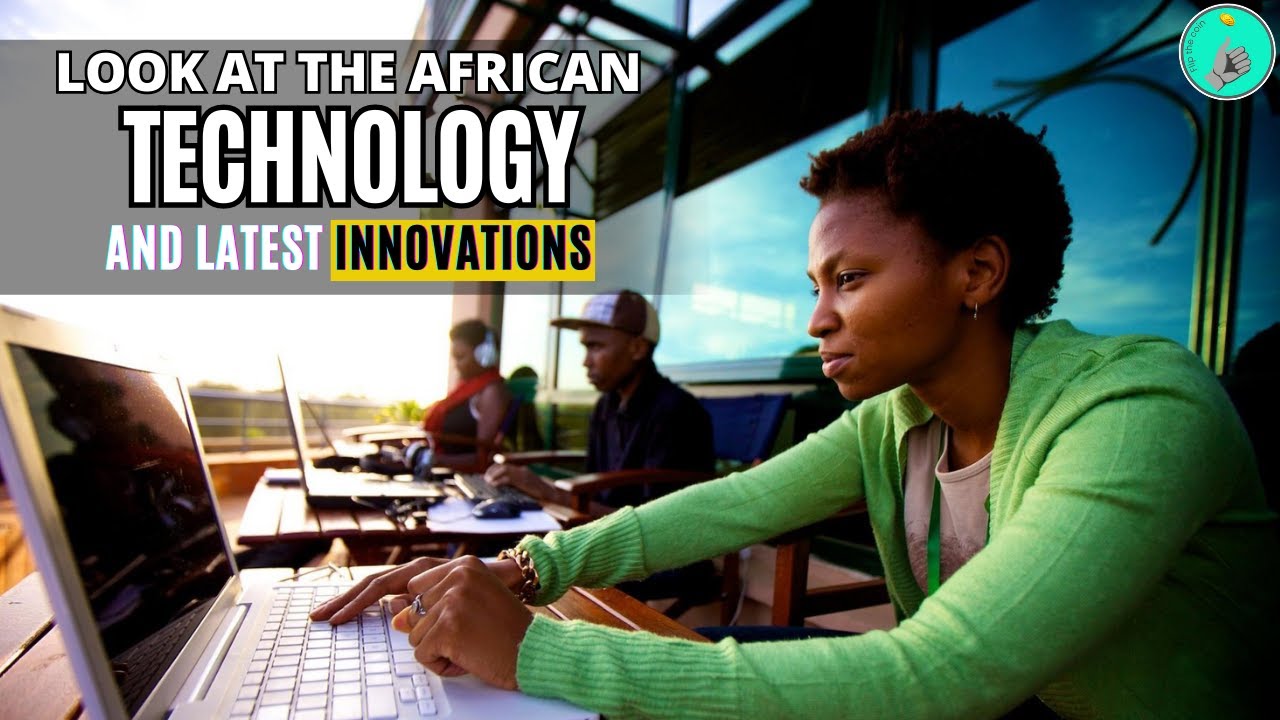
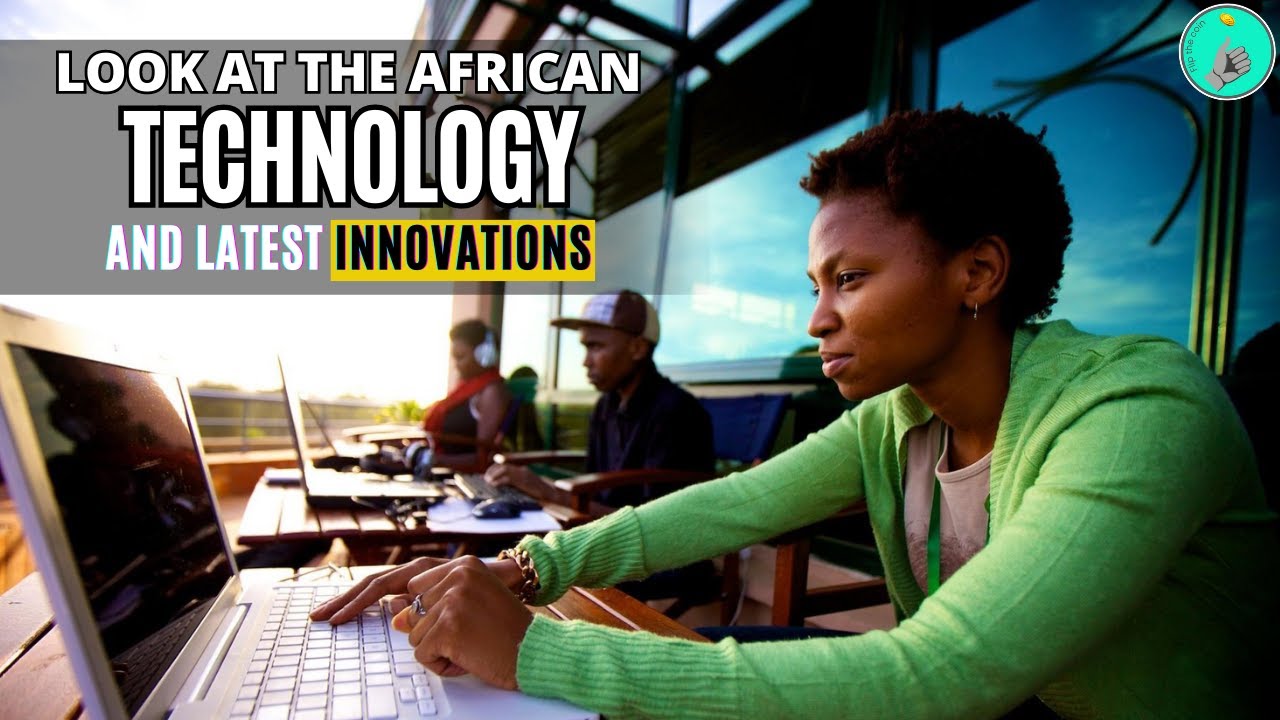
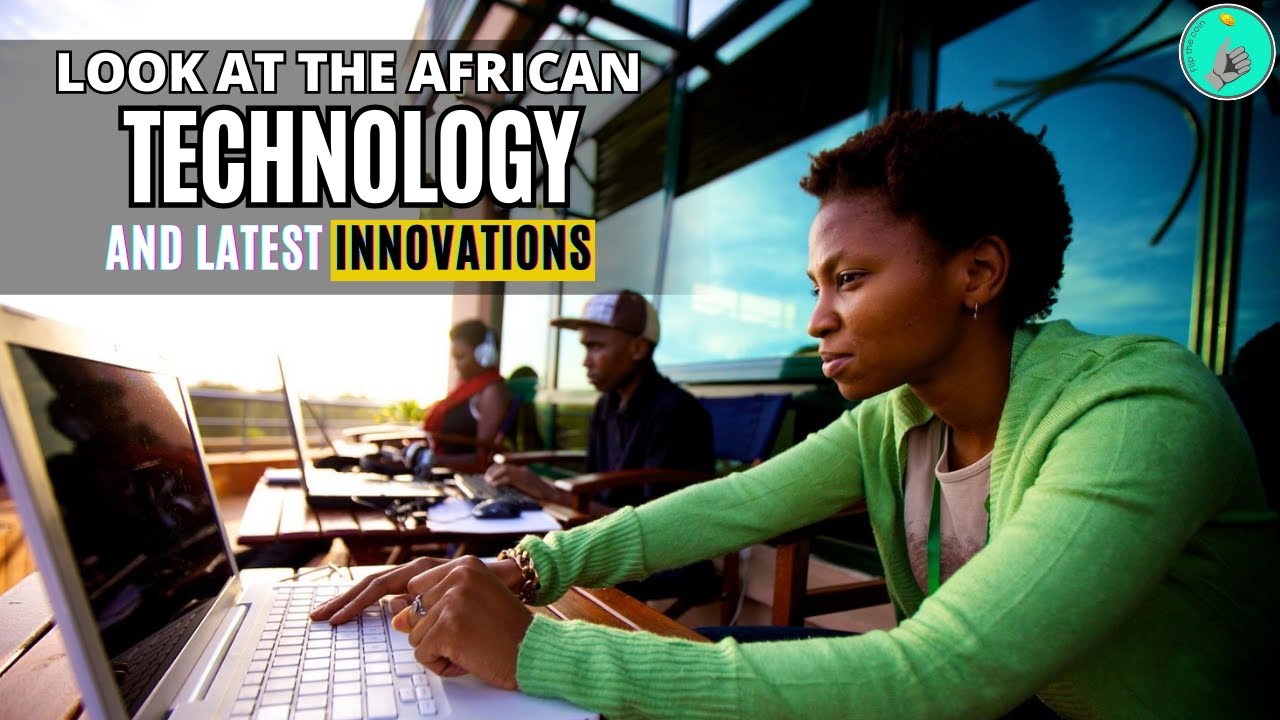
In 2025, Africa isn’t just watching the digital revolution unfold, it’s actively leading it. Across the continent, a vibrant surge of artificial intelligence and digital innovation is reshaping industries, fostering independence, and challenging global perceptions. We’re seeing a future full of promise, yet it isn’t without its complexities. From pioneering inventions that are changing healthcare and energy, to strategic partnerships making AI more accessible, Africa is proving itself a major player on the global technology stage. But as nations push the boundaries of AI and digital trade, they’re also navigating critical challenges around representation, regulatory compliance, and essential infrastructure, factors that will undeniably shape the course of their tech transformation. You see, this isn’t merely about adopting technology, it’s about creating homegrown solutions for global challenges. For instance, self-taught Kenyan innovators have developed mind-controlled prosthetics from recycled e-waste, opening doors to affordable medical tech. Meanwhile, South African scientists are nearing a potential cure for HIV, a breakthrough that could rewrite global health narratives. Researchers in Congo have found ways to generate electricity from plants, smartly blending sustainability with energy needs, and Zimbabwe’s engineers are building self-powering vehicles, reflecting an ambition to leapfrog into green mobility. These aren’t isolated incidents, they’re part of a broader African tech renaissance, demonstrating that groundbreaking discoveries can pulse from anywhere, not just traditional Western tech hubs.
Complementing this wave of innovation are significant efforts to democratize AI access for millions across Africa’s rapidly digitizing economies. Think about the new partnership between global AI firm Gemini and Cassava Technologies, aiming to provide data-free access to powerful AI tools. Why does this matter? Because access to AI, often hampered by high data costs and connectivity gaps, is vital. It fuels education, sparks creativity, and ignites entrepreneurial growth. Opening these technological floodgates ensures that Africa’s digital natives, renowned for their originality and rich cultural storytelling, can fully engage with and shape the digital future. Alongside innovation and accessibility, there’s a growing understanding that technology compliance and adoption are crucial for enhancing Africa’s trade and financial sectors. Experts at the recent Afro-Exim Bank Compliance Forum in Kigali highlighted how African banking systems could boost productivity and competitiveness by embracing AI and upgrading their compliance measures. We know Africa has a knack for swiftly adopting mobile technologies, with services like M-PESA famously revolutionizing transactions. Still, experts stress that overcoming any hesitation towards technological change remains pivotal. Integrating AI fully into trade infrastructure could elevate Africa’s financial institutions, bringing them on par with their European counterparts and unlocking new avenues for growth and regional integration. As CNBC Africa reported, this move is critical for the continent’s economic advancement.
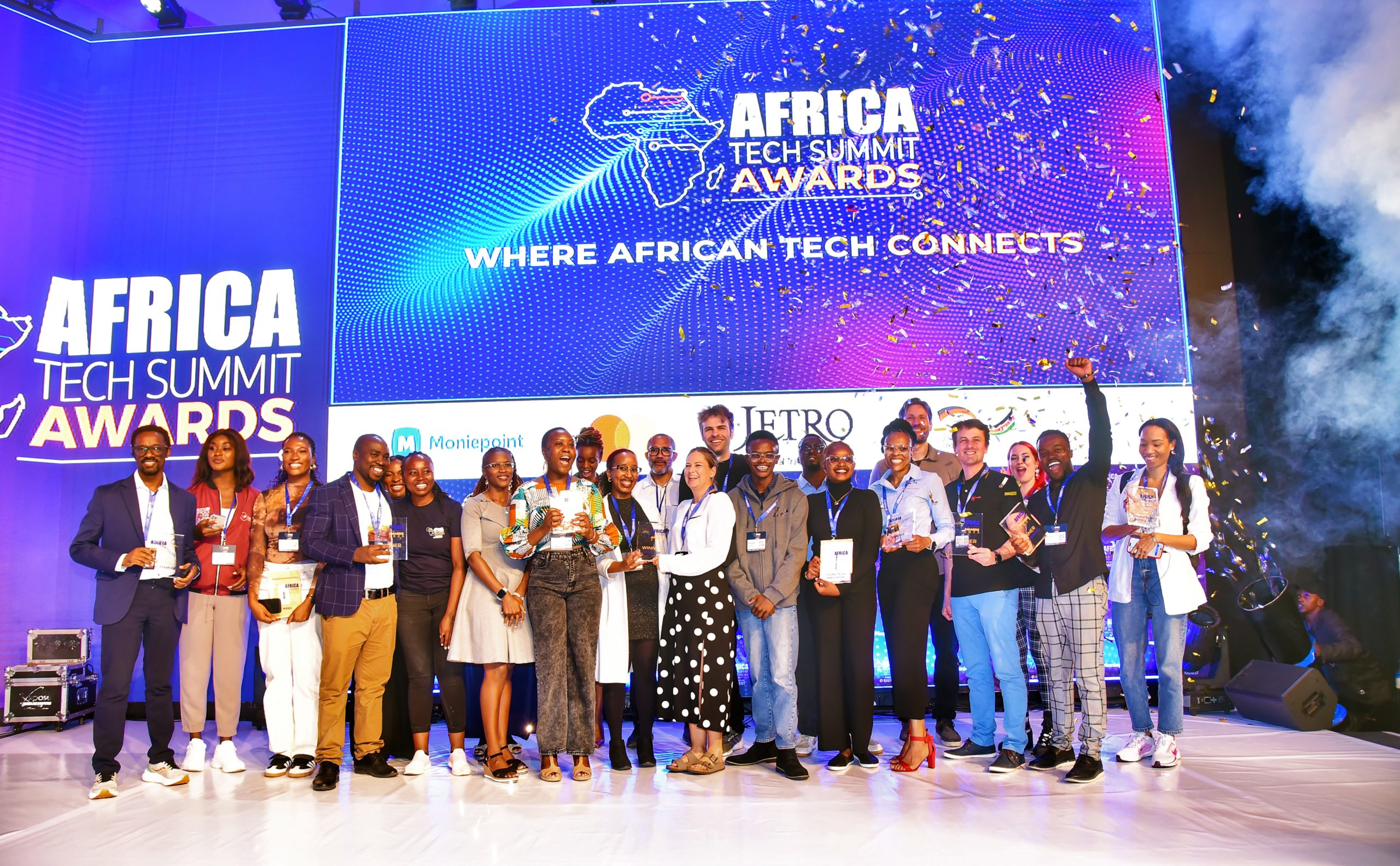
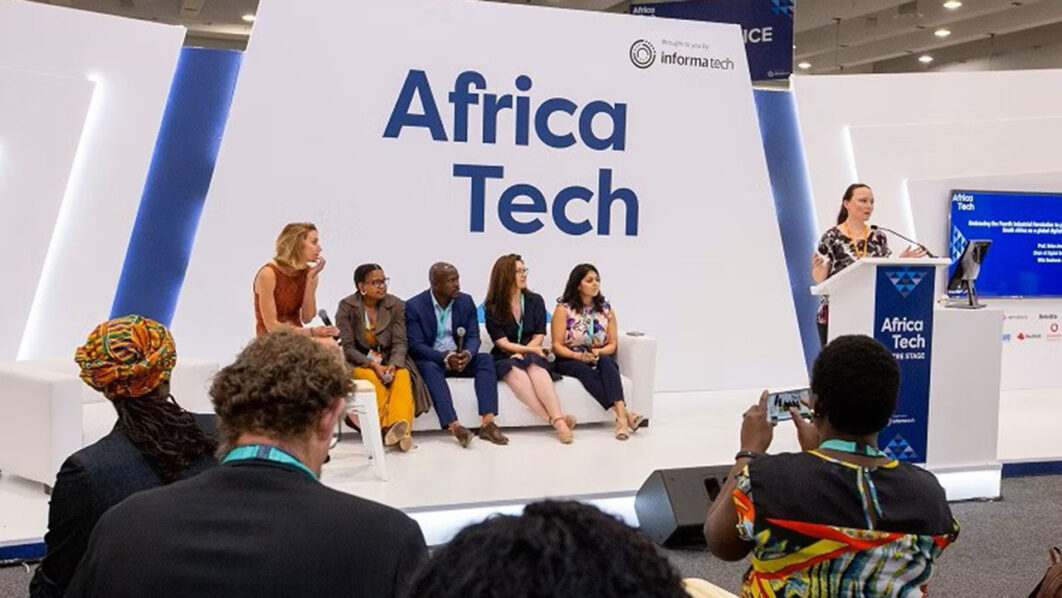
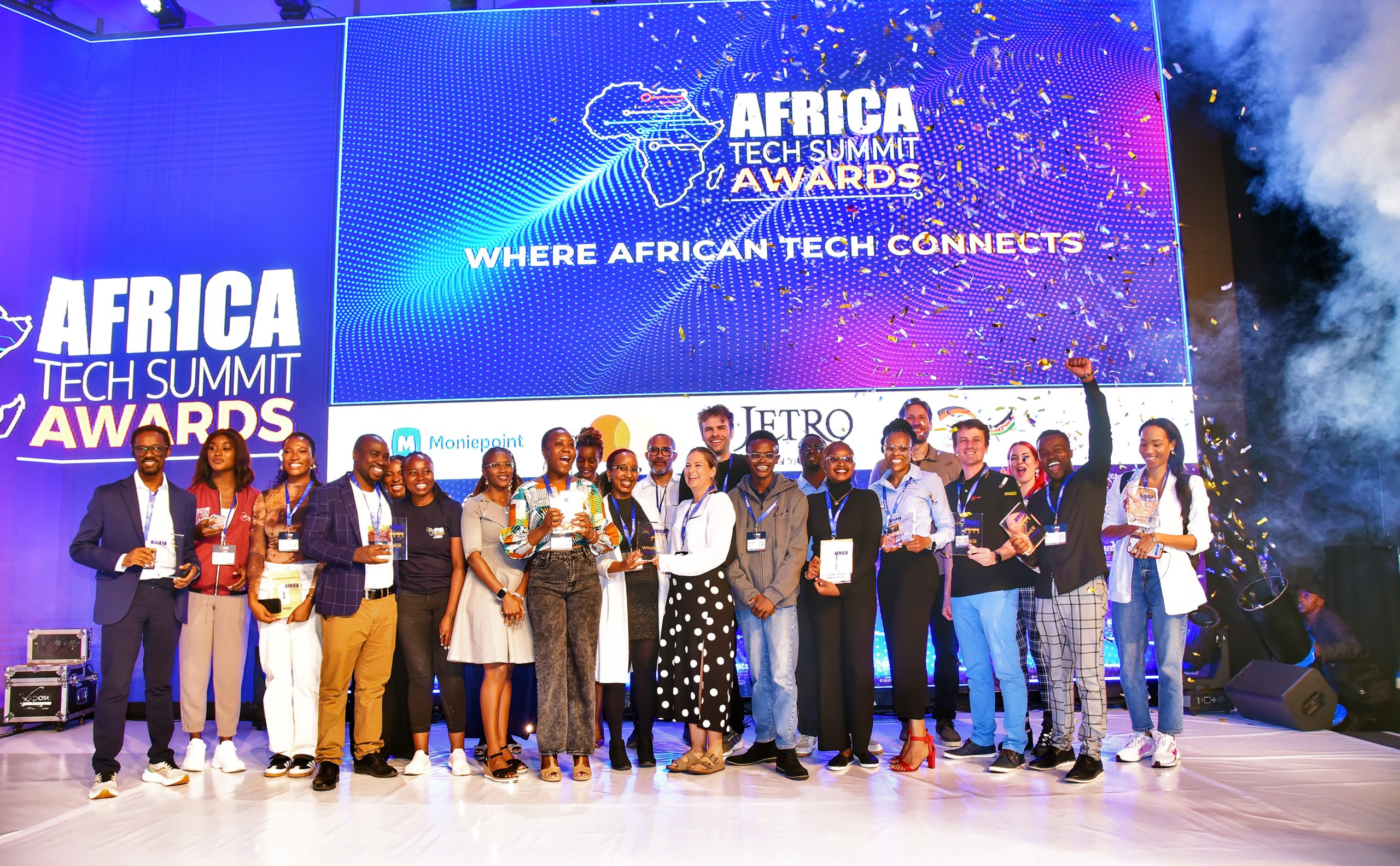
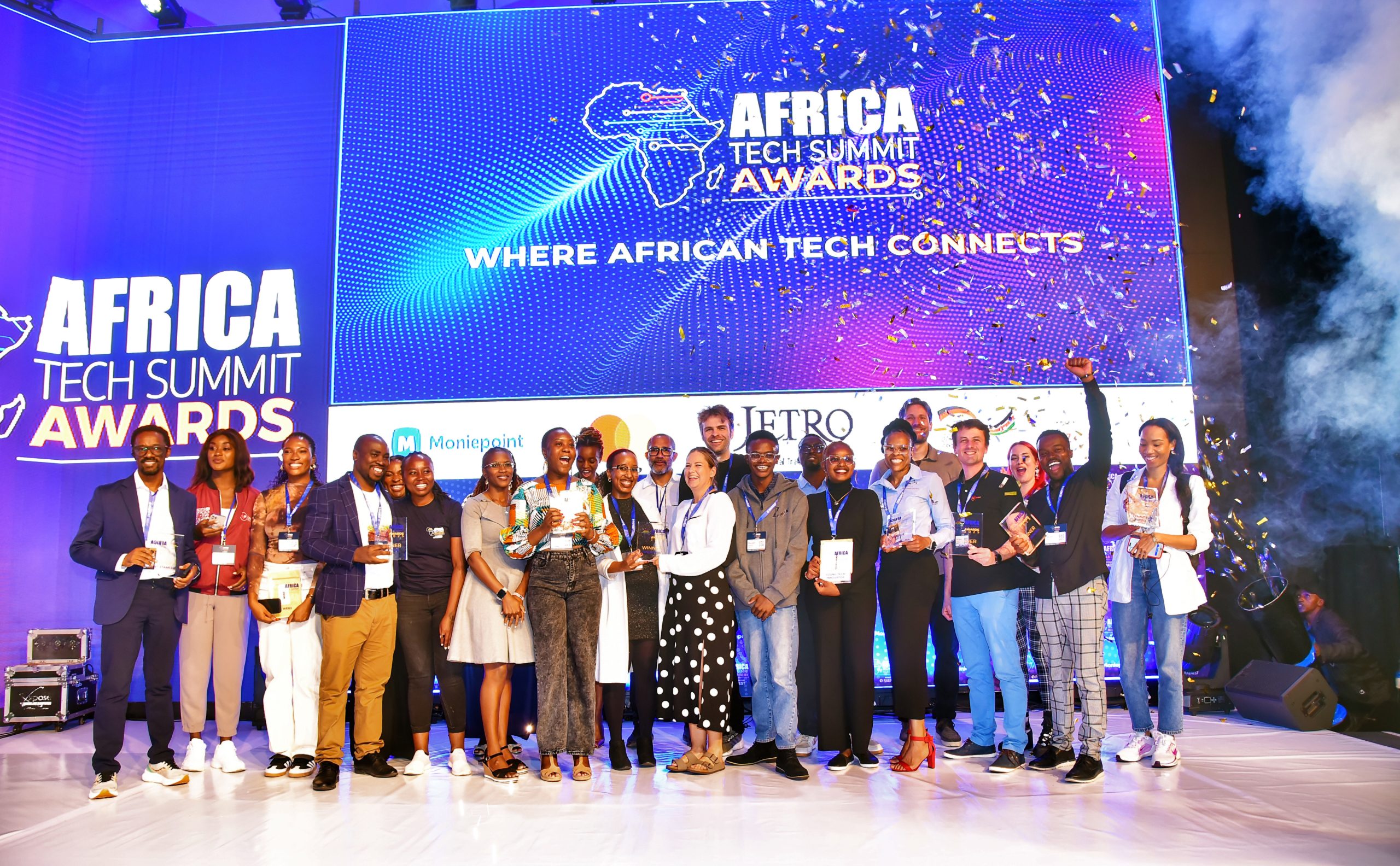
Despite these incredible strides, Africa’s AI revolution reveals a crucial blind spot: representation and inclusivity within its tech workforce. UNESCO data shows that women make up only about 30 percent of Africa’s tech professionals, with even fewer in specialized fields like data science and AI engineering. This gender gap risks embedding existing biases into AI systems and stifling the diverse perspectives needed to build truly equitable and relevant technologies. To unlock AI’s full transformative potential, Africa’s tech ecosystem must intentionally foster representation that mirrors the continent’s vast demographic and cultural richness, as TechCabal pointed out. Looking ahead, landmark digital summits, like the collaborative effort by Smart Africa and Guinea focusing on AI innovation, signal a continent embracing coordination to amplify its impact. These forums cultivate essential dialogue among governments, technologists, and investors, setting the stage for policies and partnerships that can sustain momentum and address lingering challenges. They also underscore Africa’s increasing confidence in telling its own technology story, transforming from digital novices into global innovators. Indeed, in 2025, Africa isn’t just consuming technology, it’s actively creating and curating robust AI ecosystems. The continent’s ingenuity in tackling health, energy, and mobility challenges, bolstered by strategic collaborations such as the one enabling Gemini to reach millions across Africa and a youthful digital population, heralds a new era of possibility. Yet, this promise comes with a clear mandate: address representation gaps and upgrade compliance standards. How Africa balances this openness to innovation with inclusivity and strong governance will ultimately determine if it leads a truly transformative, equitable AI revolution that benefits all its people and influences the global stage. The world is watching with keen anticipation as this digital dawn continues to rise, offering lessons in resilience, creativity, and envisioning technology as a force for holistic progress. Africa’s AI awakening is well underway, poised to reshape narratives and futures in profound, lasting ways.