President Tinubu Prioritizes Peace and Security in Plateau and Kwara States
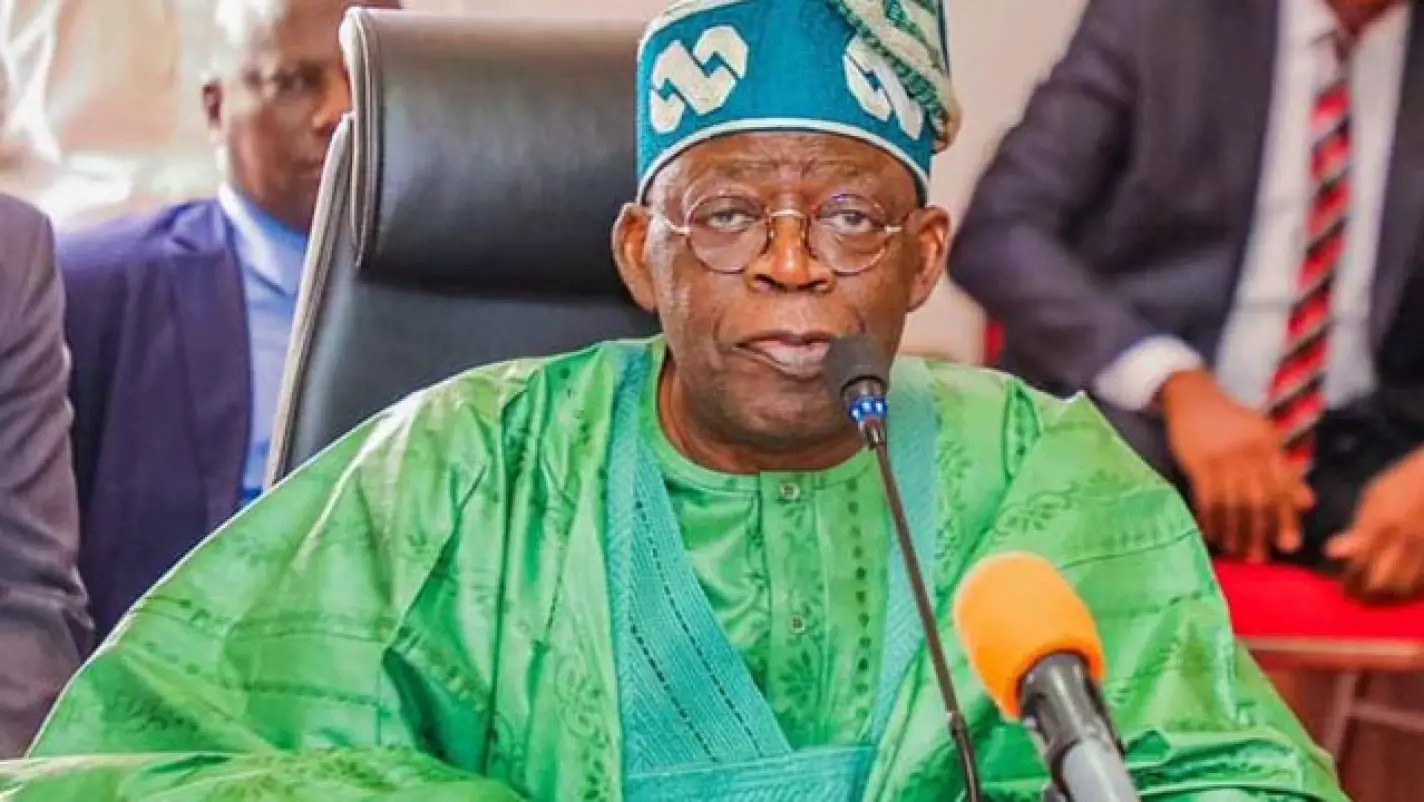
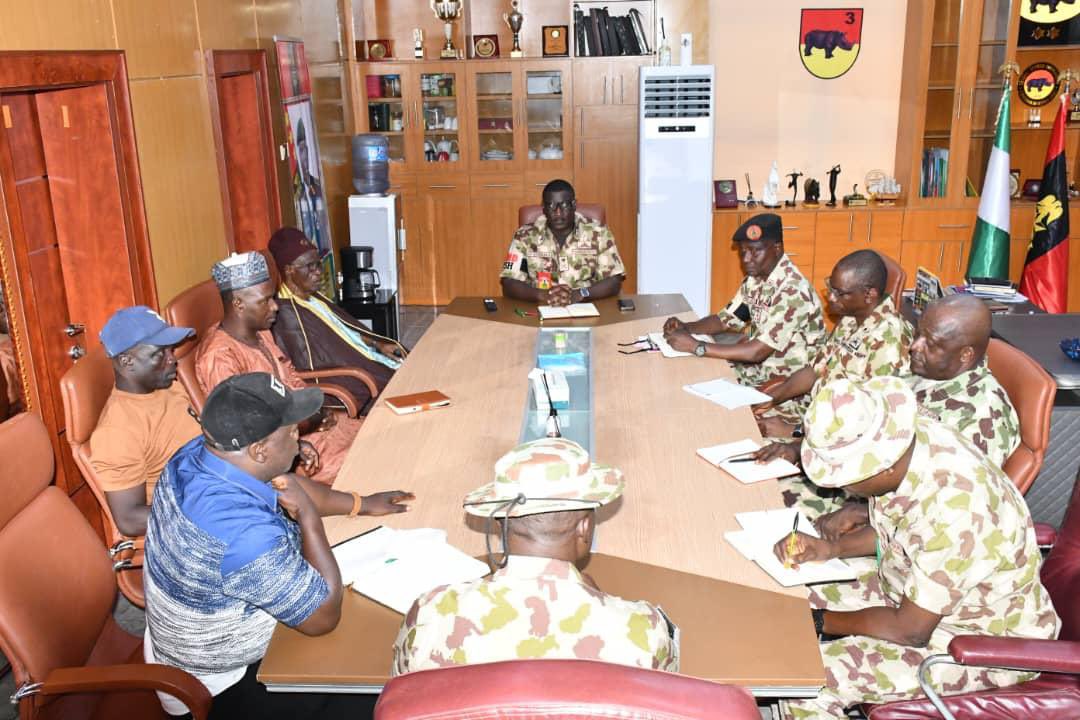
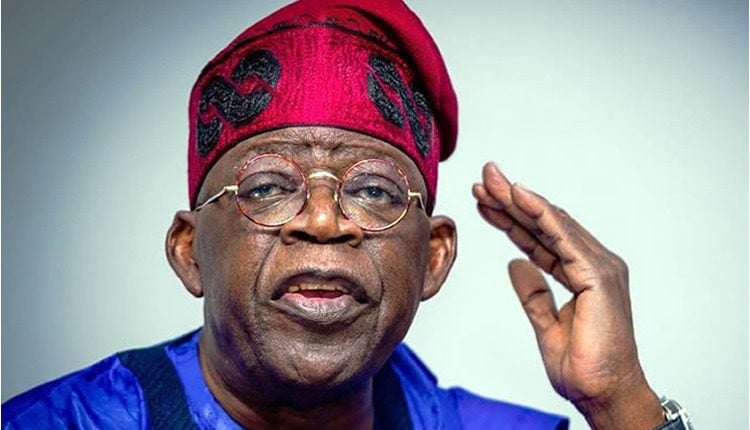
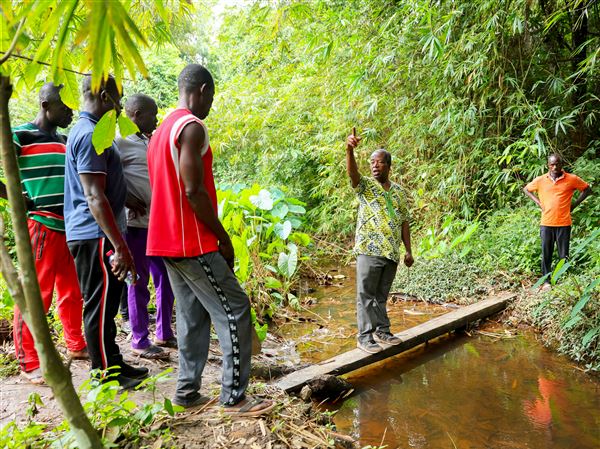
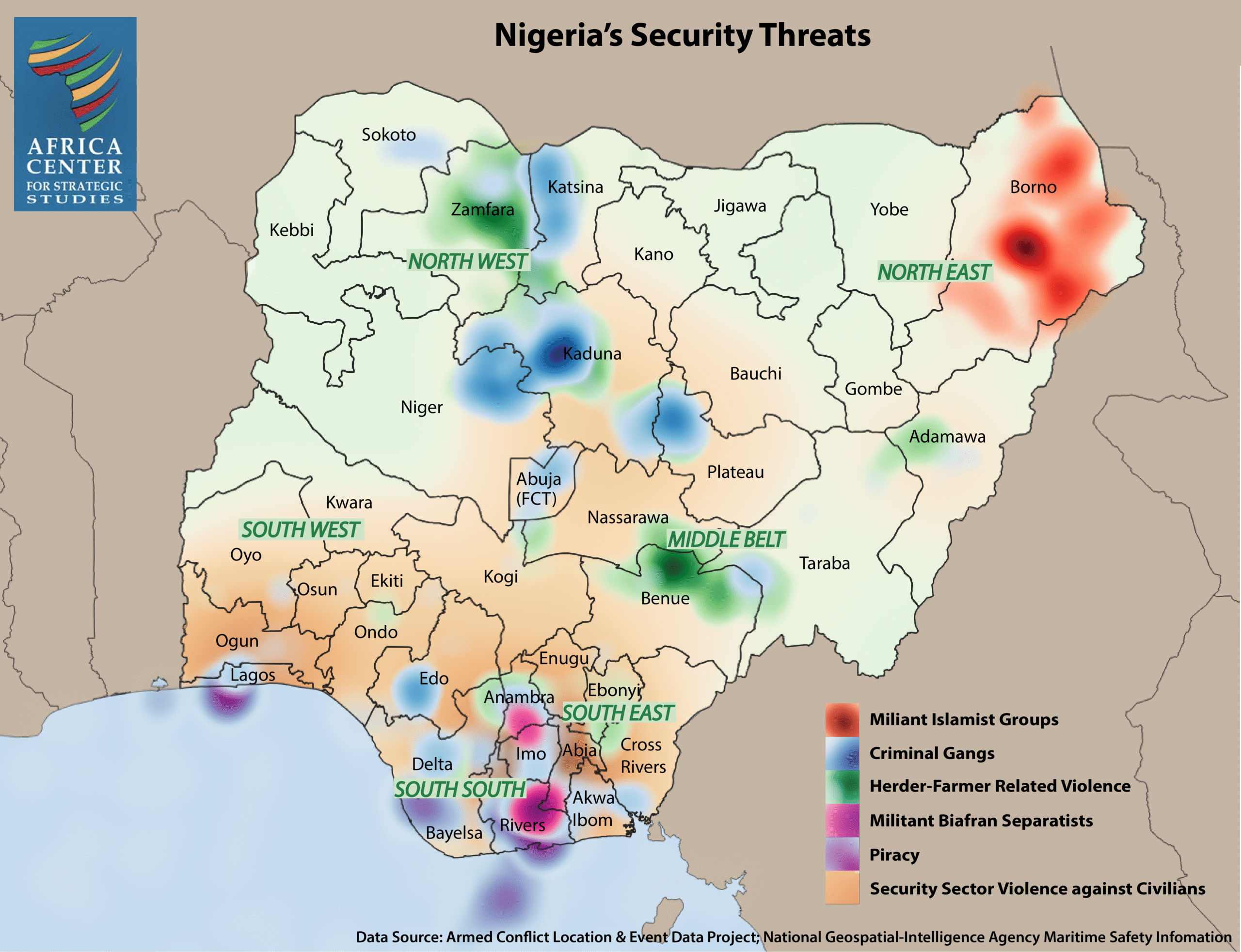
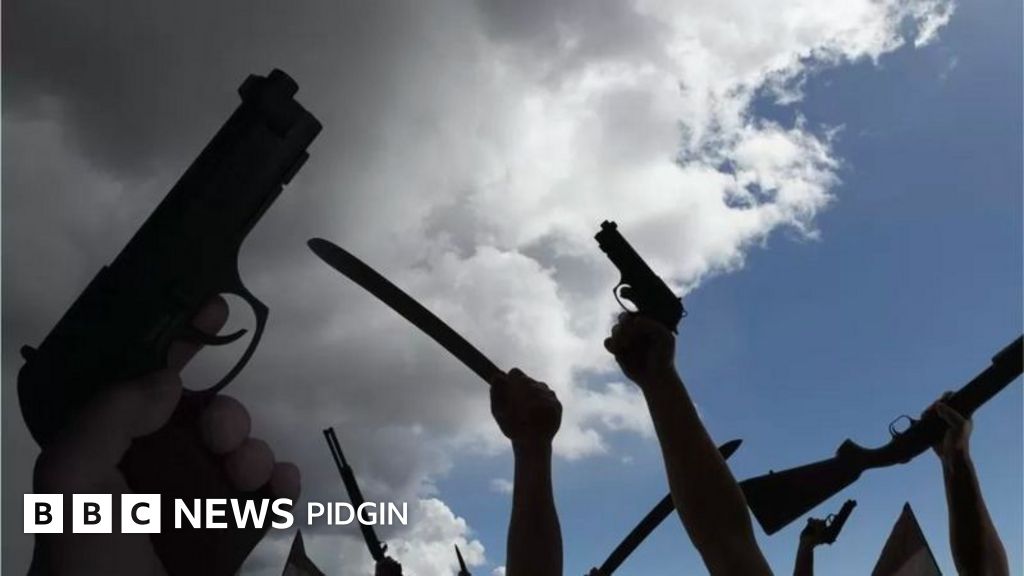
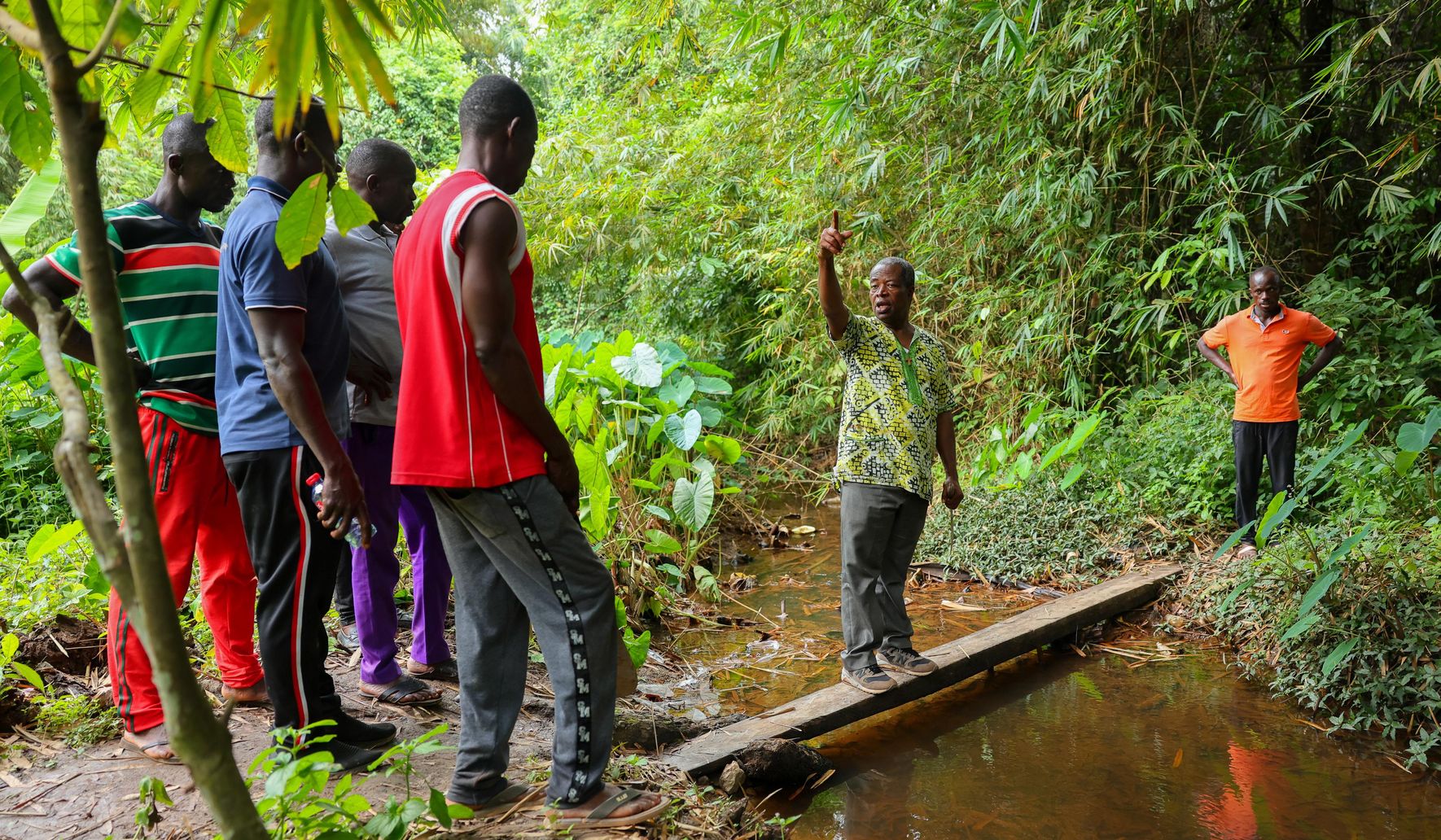
Nigeria’s battle against escalating insecurity is heating up, with President Bola Tinubu’s government making stability in Plateau State a core national security priority. Simultaneously, authorities are grappling with violent crime spreading across Kwara State. This isn’t just about localized incidents; it’s a clear indication that the federal administration is determined to confront armed violence directly, foster harmony between communities, and ensure the safety of Nigerians in areas that are increasingly vulnerable. Why does this matter to you, the reader? Because insecurity touches every aspect of life, from commerce to daily peace of mind. Senate President Godswill Akpabio recently affirmed President Tinubu’s resolve, speaking at a major political rally in Jos, Plateau State. He told thousands of All Progressives Congress (APC) supporters that ending years of bloodshed and displacement in Plateau is central to the government’s overall security strategy. “The Plateau deserves peace,” Akpabio stressed, adding that “President Tinubu’s determination to end the killings is unwavering.” This rally also saw influential opposition figures defect to the APC, strengthening the party’s position ahead of the 2027 general elections. The National Chairman, Professor Nentawe Yilwatda, declared APC the only viable political choice in Plateau, promising to consolidate this newfound dominance. Parallel to these political moves, President Tinubu has deployed Dr. Abiodun Essiet, a special envoy and senior special assistant on community engagement, to Plateau. Dr. Essiet’s mission? To nurture peace-building and facilitate crucial intercommunal discussions among the region’s often-divided ethnic and religious groups. He’s been engaging with Christian clerics, Fulani Miyetti Allah leaders, youth representatives, and traditional rulers from all 17 local government areas, culminating in a town hall meeting in Jos focused on establishing sustainable community-based peace committees. These grassroots efforts are already bearing fruit, as evidenced by a recent resolution to a land dispute in Jos South between a local farmer and herdsmen. Following a compensation agreement brokered by community leaders, the neighbors committed to fostering peace, underscoring the practical benefits of such inclusive dialogue, an essential part of the federal government’s peace agenda in North-central Nigeria. This concerted effort by the Tinubu administration in Plateau State aims to establish lasting stability, a blueprint they hope to replicate.
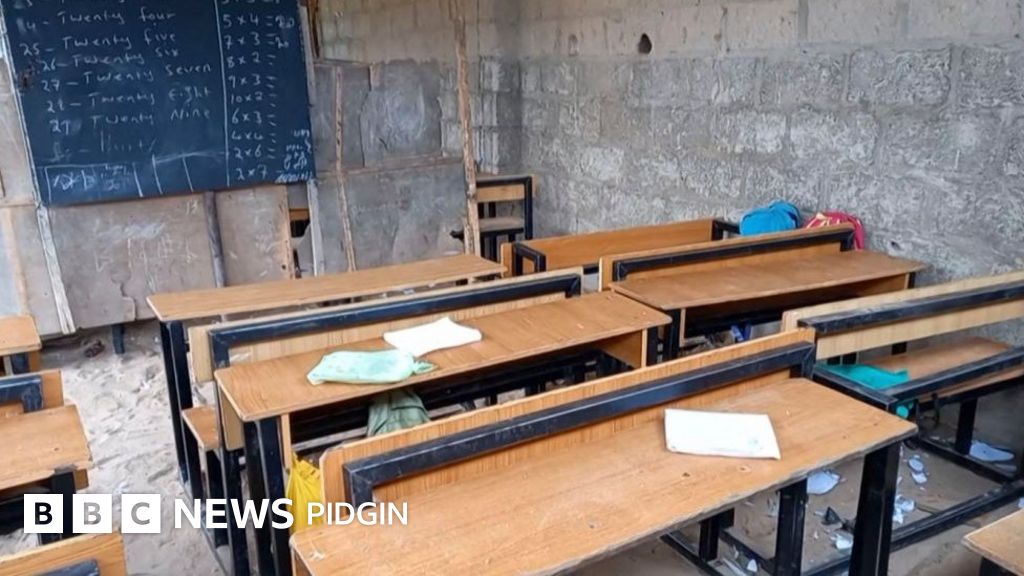
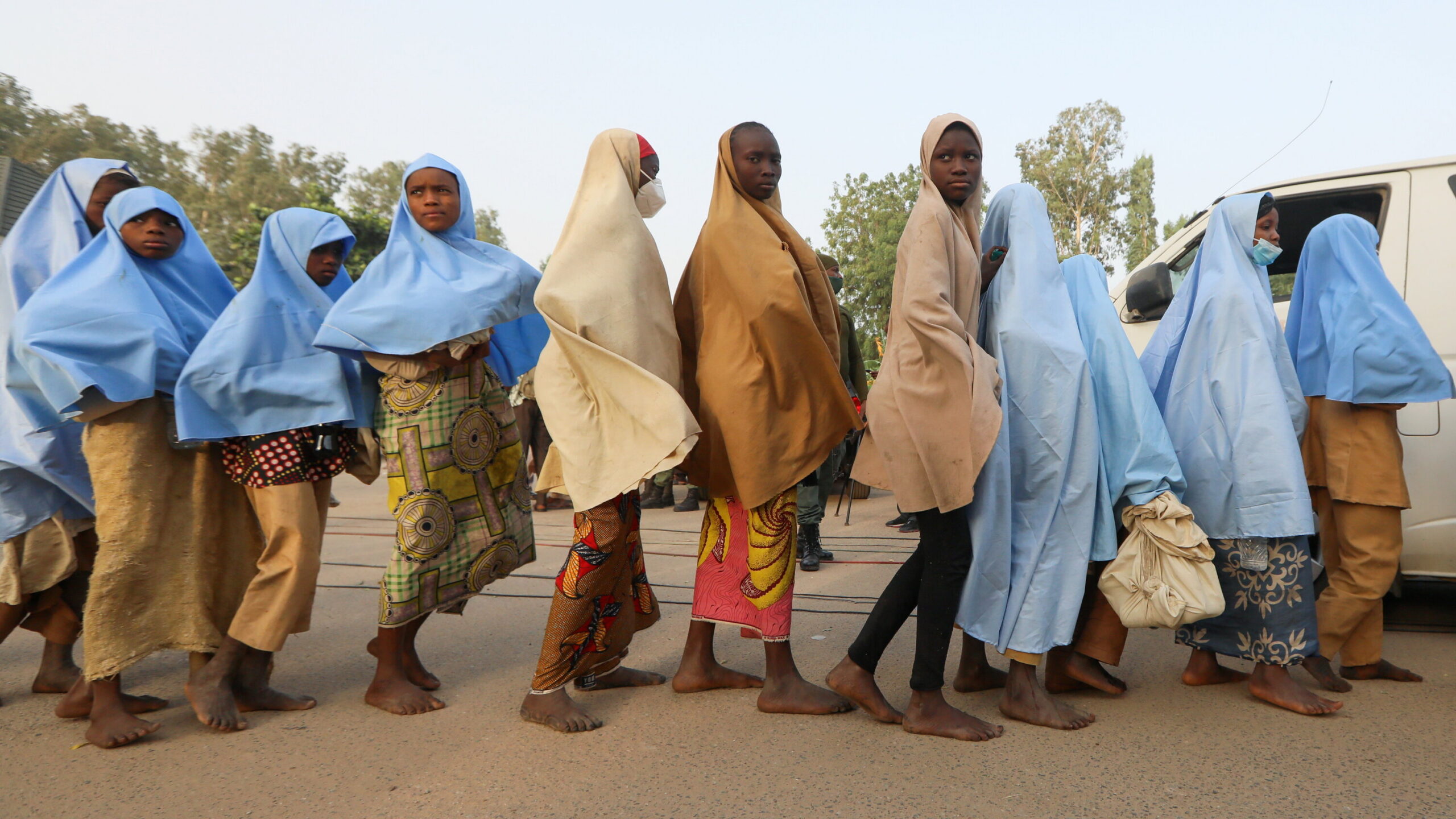
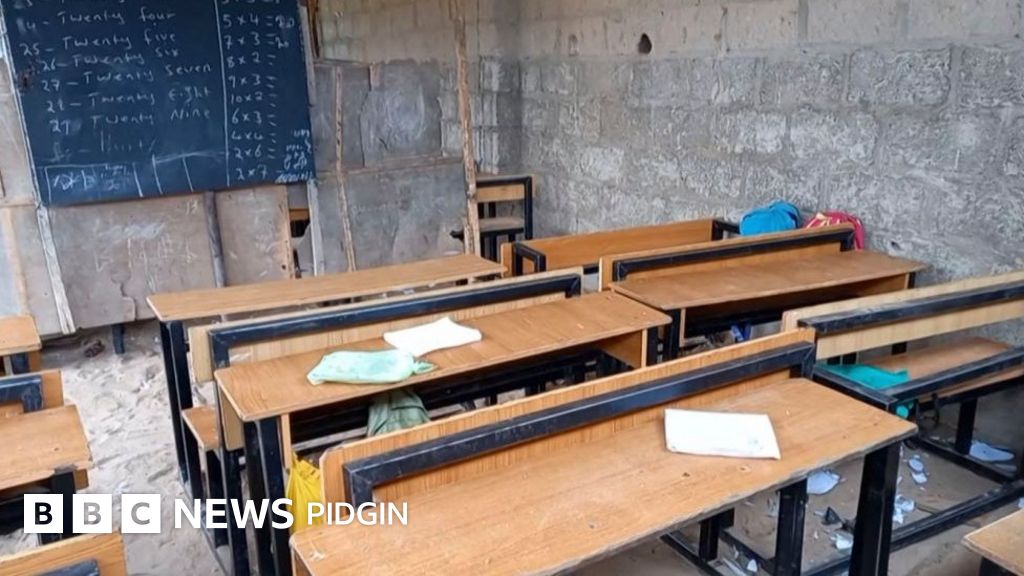
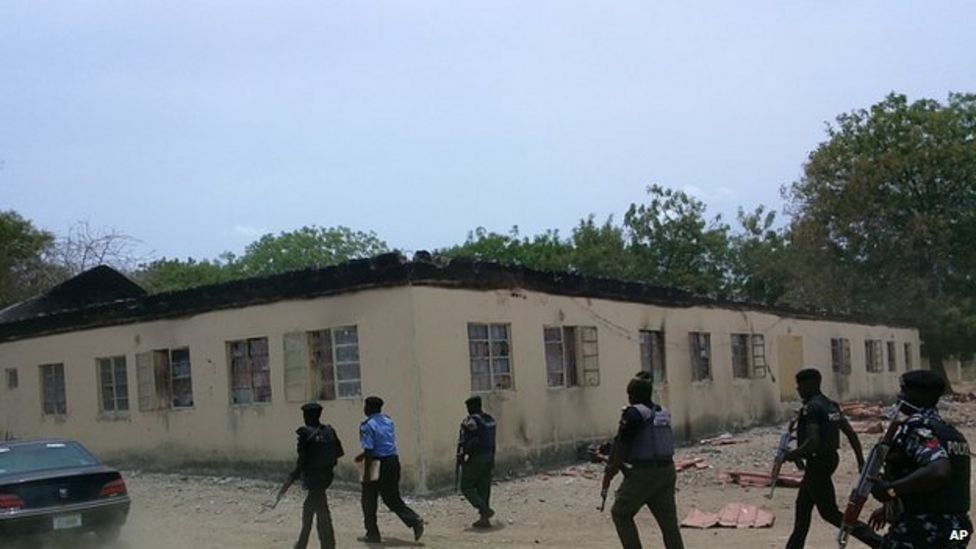
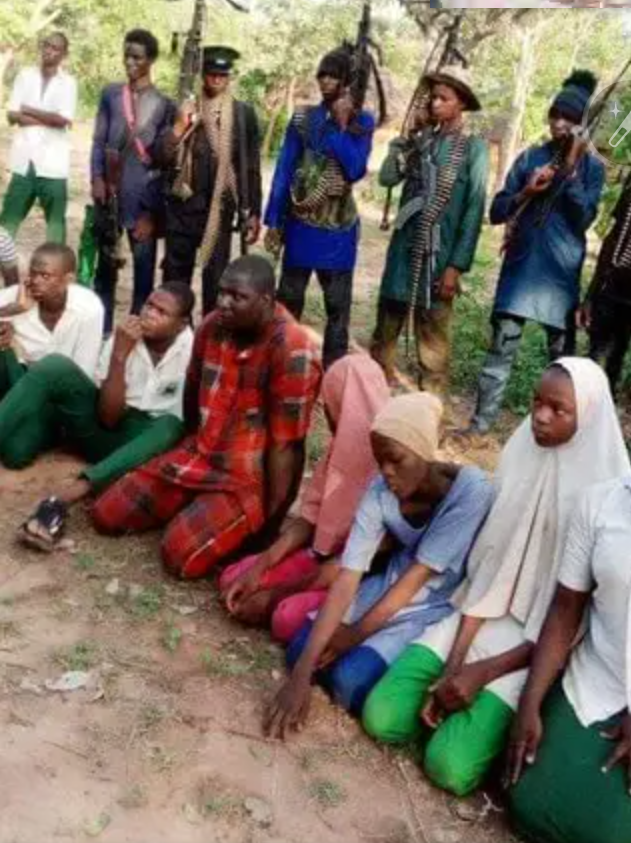
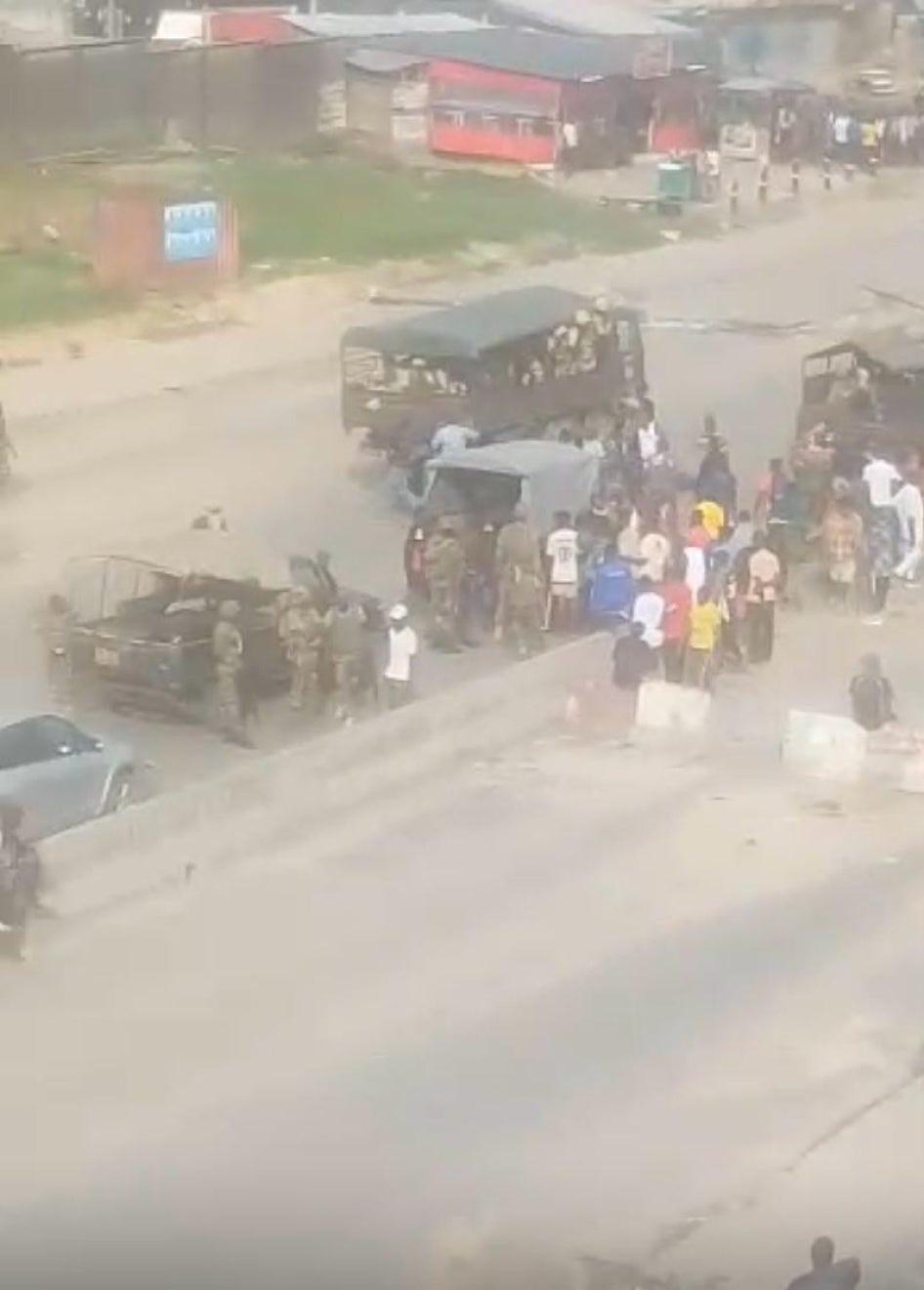
While Plateau remains a significant focus, Kwara State is wrestling with its own surge in insecurity, highlighting Nigeria’s broader security challenges. Recently, terrorists abducted Oba Bayagan, a traditional ruler in the Ifelodun Local Government Area, plunging residents into deeper fear. This wasn’t an isolated incident, Kwara’s Ekiti axis has seen multiple violent abductions, with armed groups kidnapping worshippers from a church service in Eruku and snatching women and youths from nearby communities. This escalating pattern of violence isn’t just frightening, it’s actively eroding the very fabric of rural life, making the task of protecting vulnerable populations even harder for security agencies. It demonstrates the critical need for comprehensive and robust security measures. Nigeria’s security crisis, particularly the relentless violence and abductions across various regions, is a complex challenge that demands innovative solutions and sustained effort. The Department of State Services (DSS), for its part, has intensified operations against arms traffickers and terror suspects within Plateau and its environs. This led to the recent arrest of Musa Abubakar, accused of manufacturing and supplying high-caliber weapons and explosives to groups responsible for regional violence. His capture followed the earlier re-apprehension of Abdulazeez Obadaki, a notorious figure linked to horrific attacks on religious centers. These intelligence-led operations are vital, disrupting the supply networks that fuel armed violence and offering a glimmer of hope for communities living in fear.
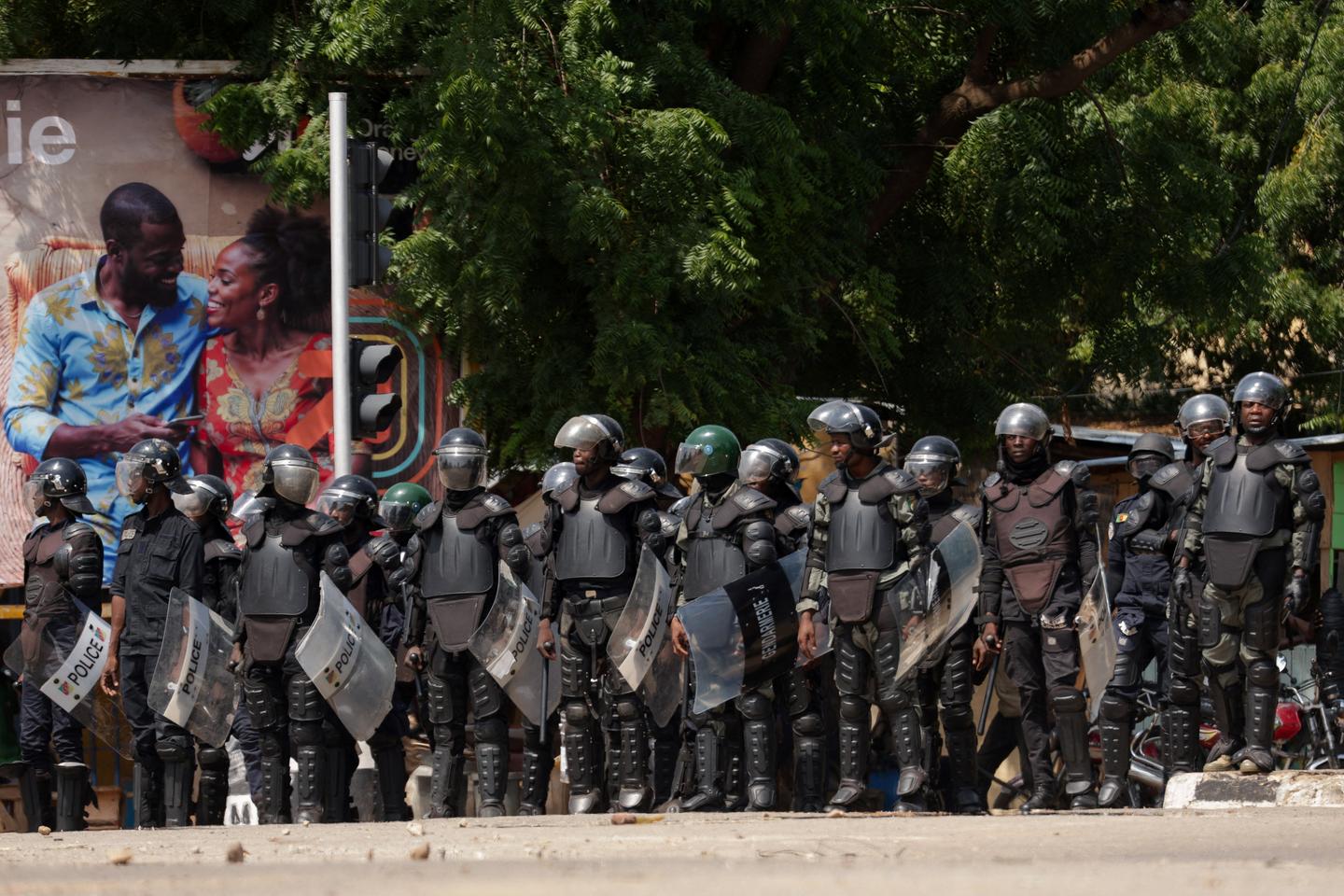
This nationwide wave of abductions and attacks underscores the urgency for the federal administration to expand the peace and security tools currently being applied in Plateau to other affected states. It’s about creating a coordinated, multi-level response that weaves together political engagement, community dialogue, and assertive security action. President Tinubu’s dual strategy involves solidifying the APC’s political base alongside dedicated peace-building initiatives and robust security interventions by agencies like the DSS. This approach aims to lay a foundation for long-term stability, yet Nigeria’s deeply entrenched challenges certainly require sustained commitment and innovative strategies that engage communities at every level. Looking ahead, achieving lasting peace in Plateau and reining in the surge of violence in Kwara and other states won’t be easy. It depends heavily on the government’s ability to maintain inclusive dialogues, empower local peace committees, and enhance intelligence-driven law enforcement. Amplifying collaboration among federal and state authorities, traditional and religious leaders, and civil society groups will be paramount. Isn’t it clear that collective will is our strongest weapon against these cycles of violence? As the 2027 general elections draw nearer, the stakes for peace and security couldn’t be higher. Nigeria’s government appears resolute in its ambition to deliver on promises of safety and unity, but the road ahead is undoubtedly fraught with challenges. It demands vigilance, resilience, and a collective commitment to building a nation where every citizen can truly live free from fear. Strengthening security cooperation across West Africa, especially with nations facing similar threats, could further bolster these efforts.
Sources:
- Akpabio: Tinubu Has Made Plateau Peace A Core National Security Priority, Arise News, 17 November 2025.
- BREAKING: Kwara Under Siege As Terrorists Abduct Traditional Ruler In Ifelodun Council Area, SaharaReporters, 29 November 2025.