Nigeria’s Security Crossroads: Tinubu’s Peace Quest in Plateau Amid Rising Violence and Kidnappings
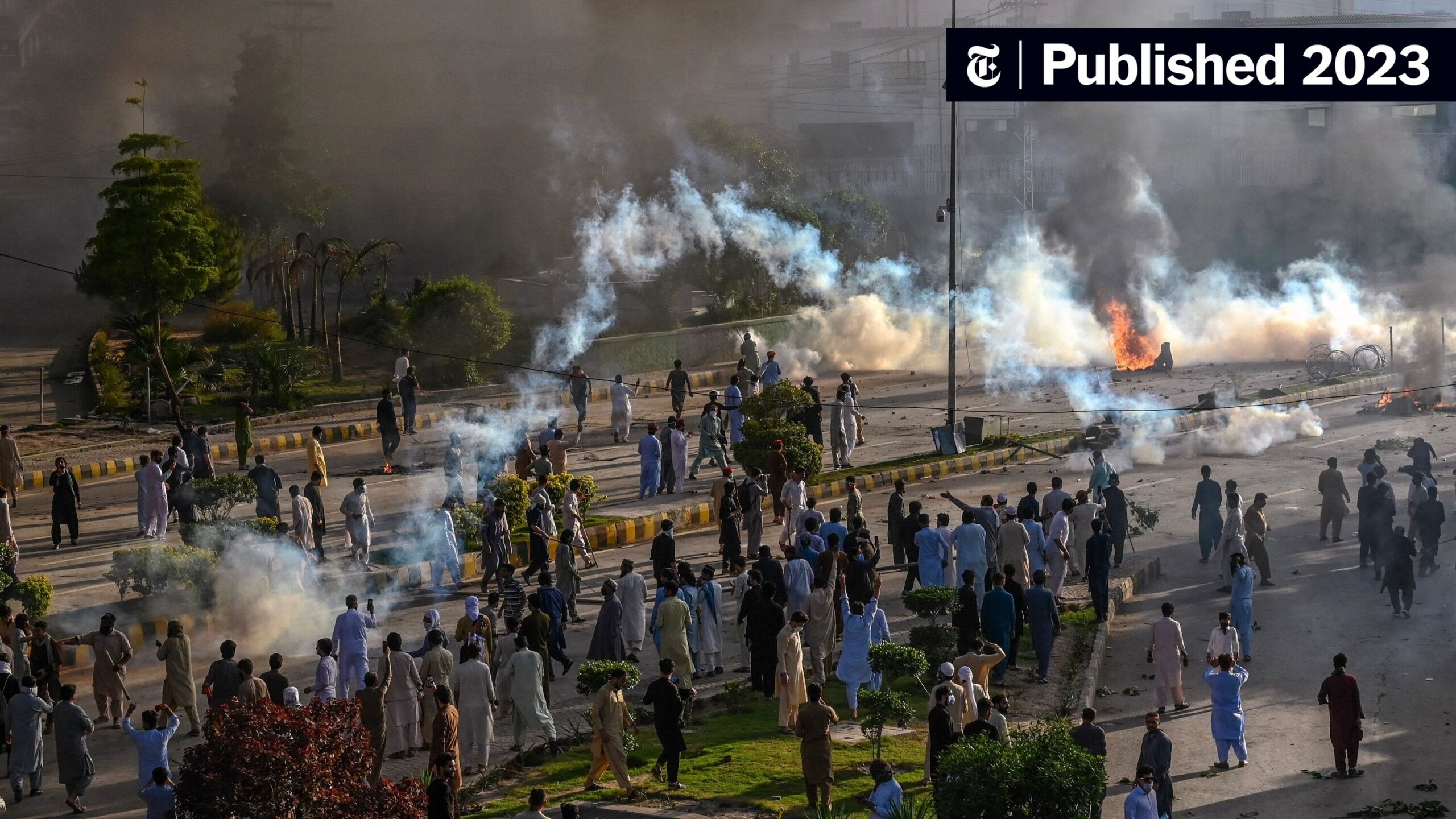
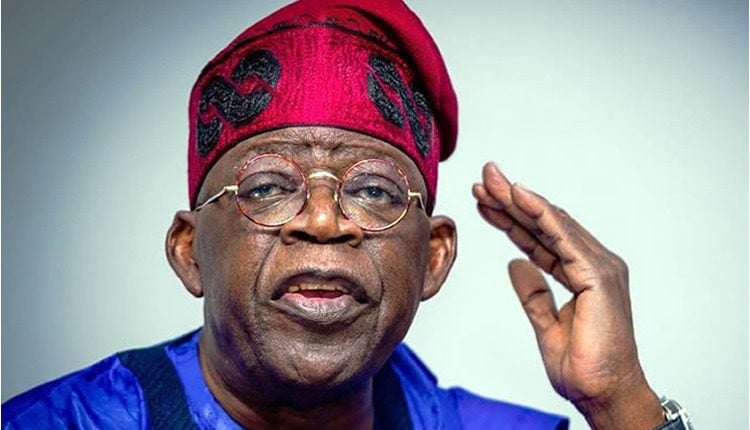
Nigeria stands at a critical juncture in its national security battle. President Bola Tinubu’s administration is stepping up efforts to bring peace to volatile regions, all while dealing with escalating violence and high-profile kidnappings. Plateau State, a region scarred by years of sectarian bloodshed, is now a central focus of the national security strategy for lasting peace. Tragically, the country also mourns the recent death of an abducted Anglican priest in Kaduna State, a stark reminder of the persistent security challenges facing various parts of Nigeria. This complex situation demands a multifaceted approach, blending political will with grassroots initiatives and rigorous enforcement to safeguard lives and foster stability.
Resolute Leadership Targets Plateau State Violence and Sparks Grassroots Peace Initiatives
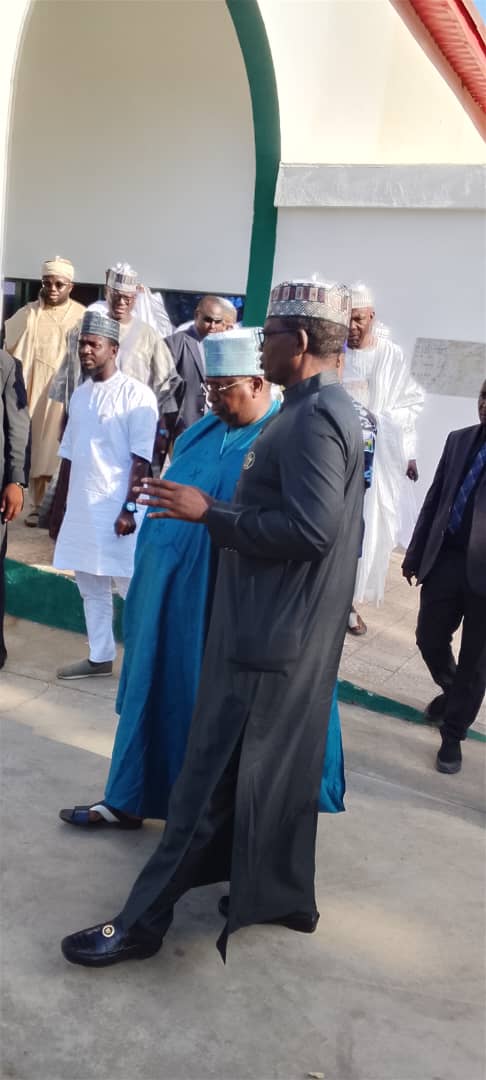
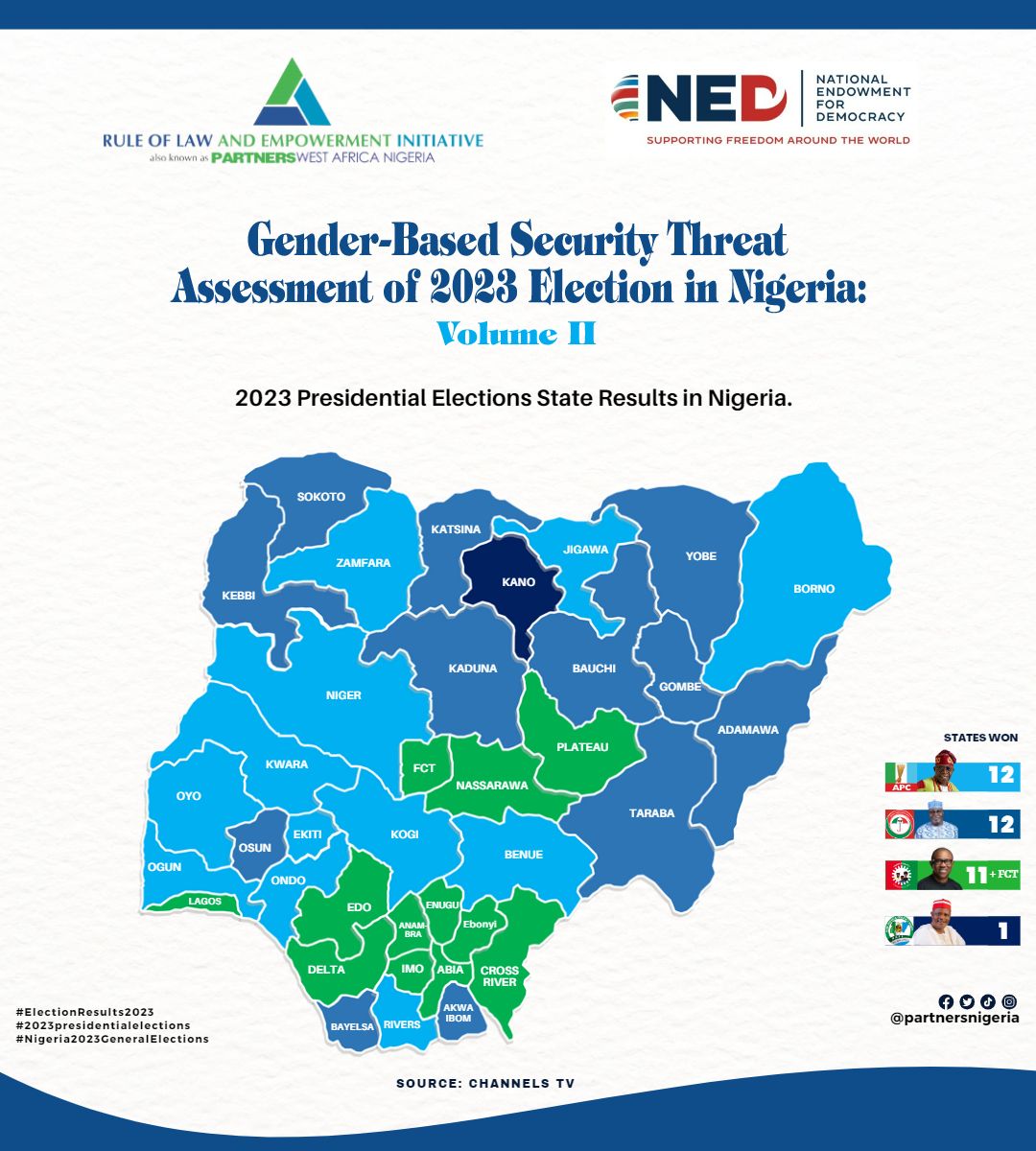
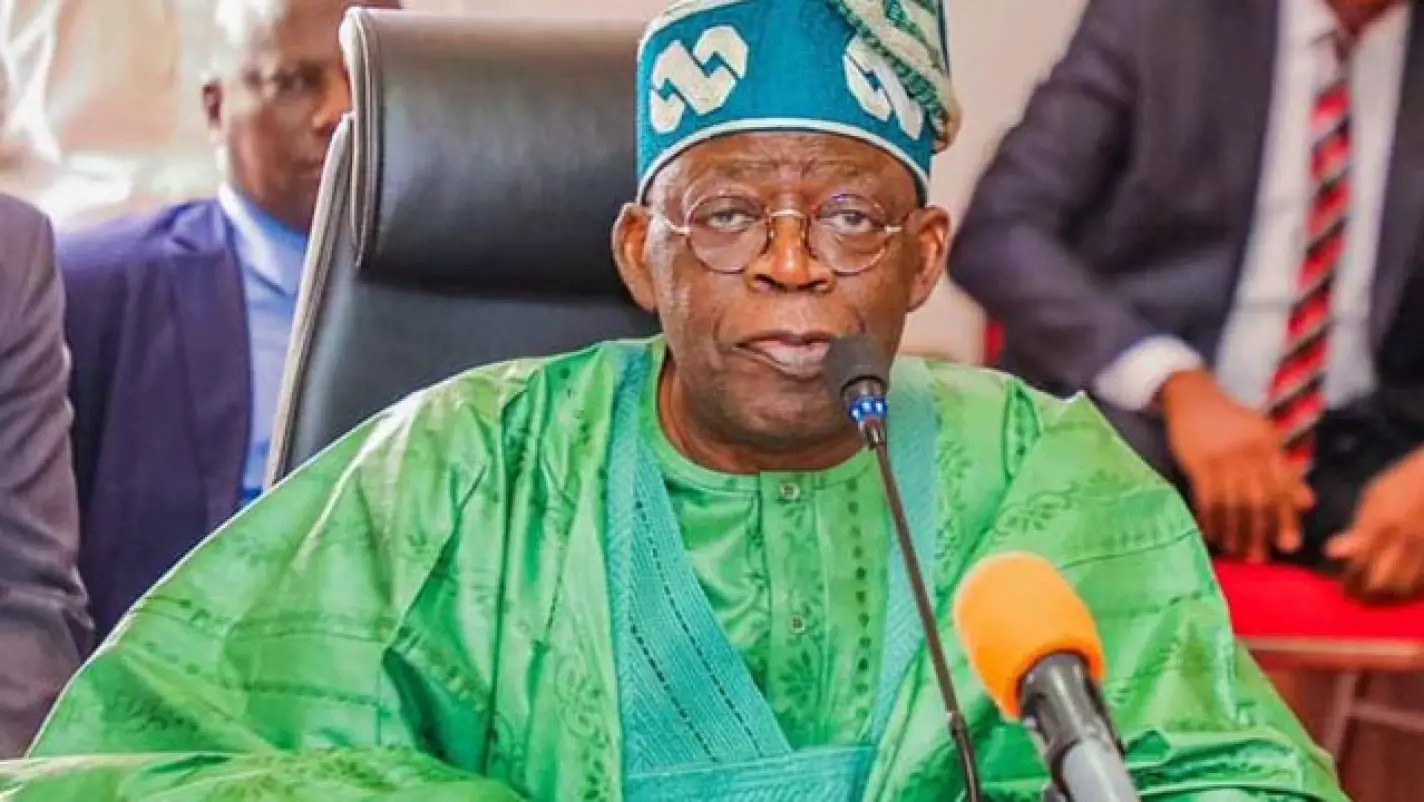
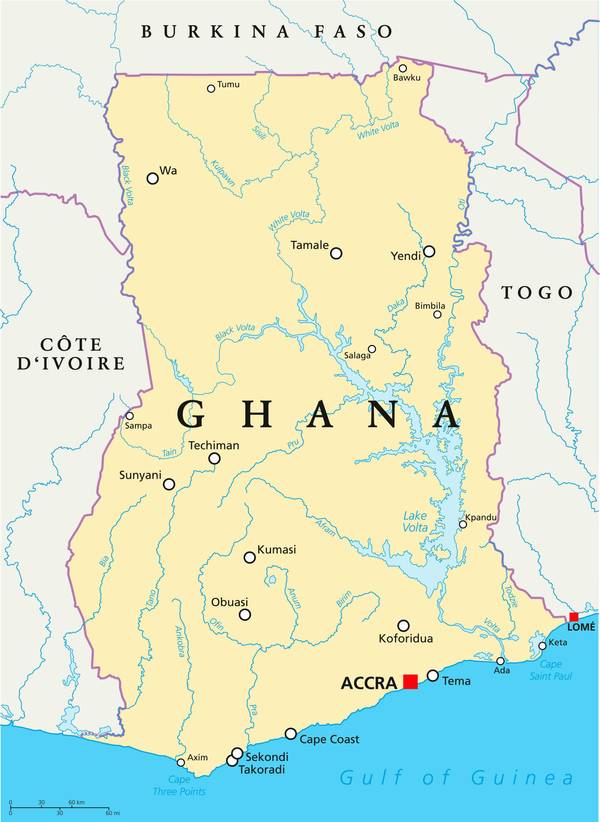
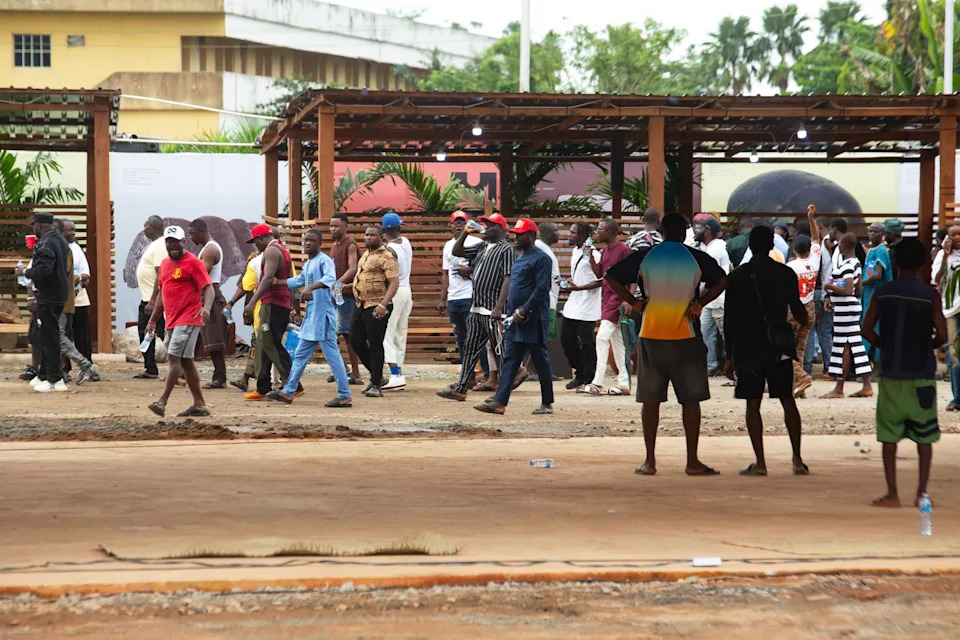
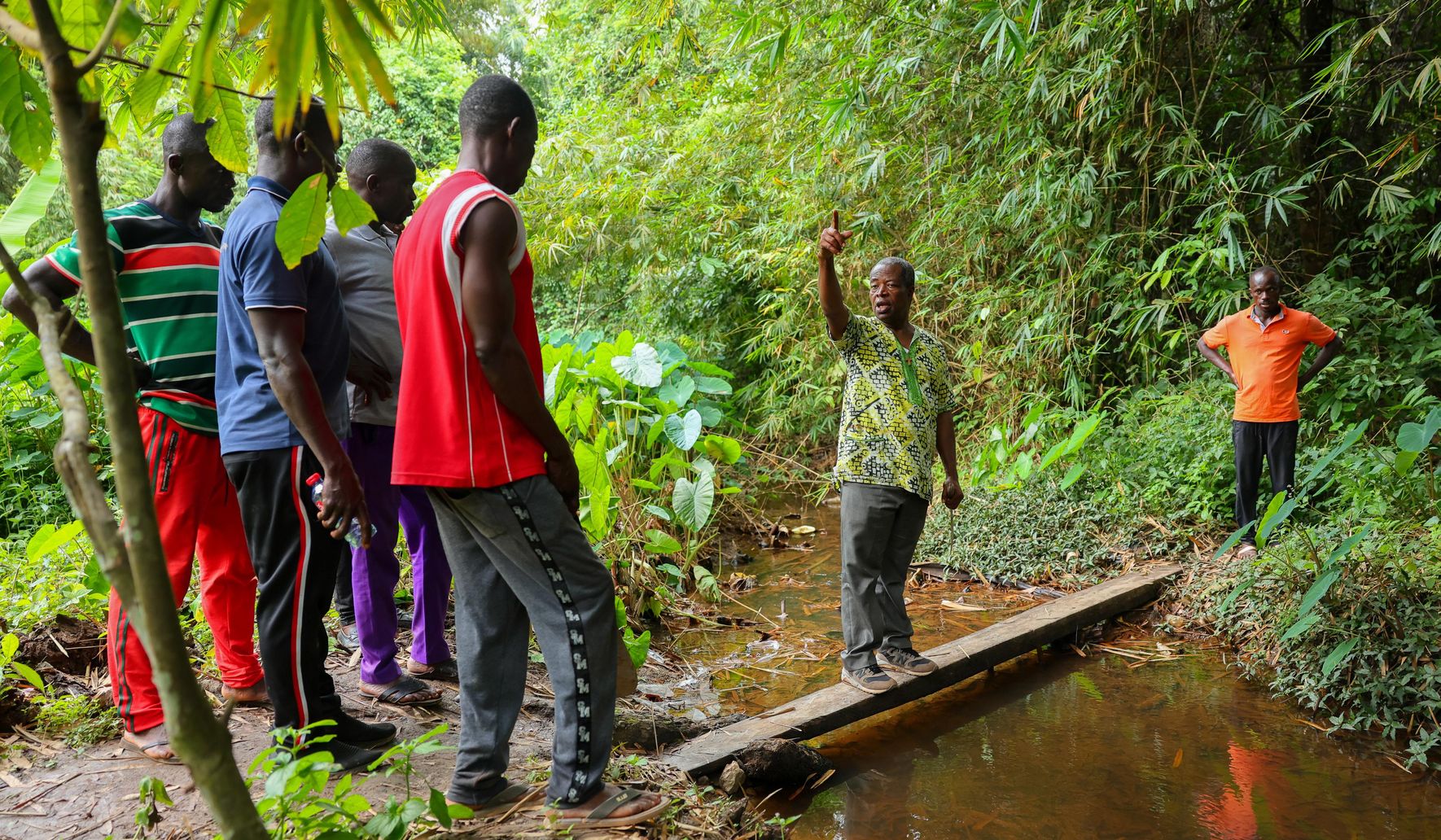
President Tinubu’s government isn’t just talking about peace in Plateau; it’s making it a core national security priority. Senate President Godswill Akpabio recently echoed Tinubu’s firm resolve at a large rally in Jos, the state capital, acknowledging the devastating toll of violence: thousands of lives lost and deep-seated fear paralyzing communities. “Too many lives have been lost. Too many homes destroyed. The Plateau deserves peace, and anyone who wants to govern this state must be committed to peace,” Akpabio declared, his anguish clear as he admitted, “I cry whenever anybody is killed on the Plateau.” This rally also saw significant political shifts ahead of the 2027 general elections, with key opposition figures joining the All Progressives Congress (APC), strengthening the ruling party’s hold and its vision for a peaceful Plateau. In a complementary move, the President dispatched Dr. Abiodun Essiet, a senior special assistant for community engagement, to foster harmony between Christian communities and Fulani pastoralists. Within days, Dr. Essiet facilitated crucial dialogues with diverse leaders, including clergy and Miyetti Allah representatives, emphasizing grassroots reconciliation. A standout success involved resolving a farmer-herdsmen conflict in Gyel district, Jos South, through compensation and mutual commitment to peace. This approach, focusing on dialogue over force, aims not just to mediate current tensions, but to build a foundation for long-term coexistence across the North-central region. Tinubu’s commitment to peace in Plateau could very well set a precedent for other restive regions of the country.
Heightened Security Operations Amid Tragic Abductions Highlight Ongoing Security Gaps
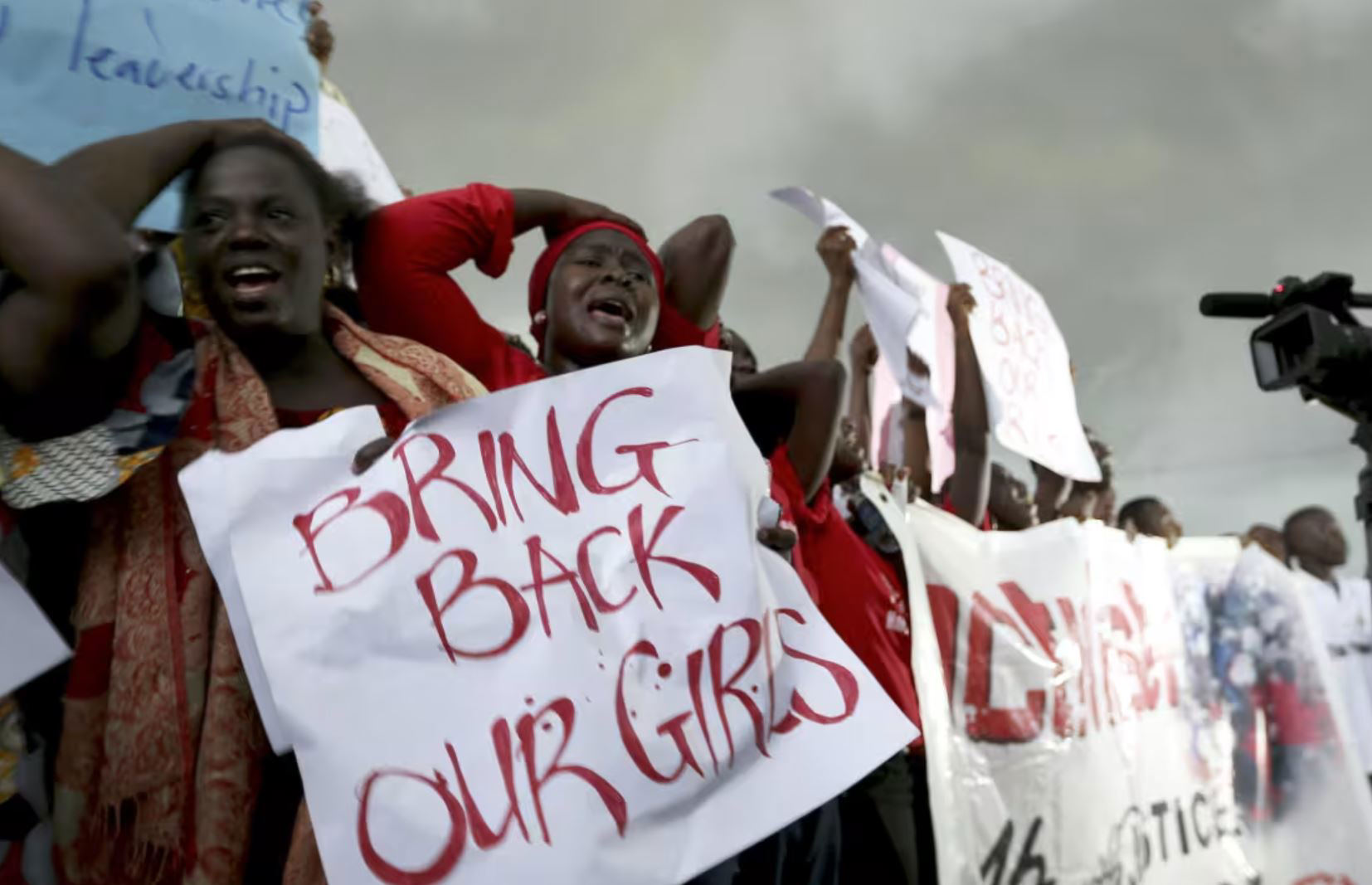
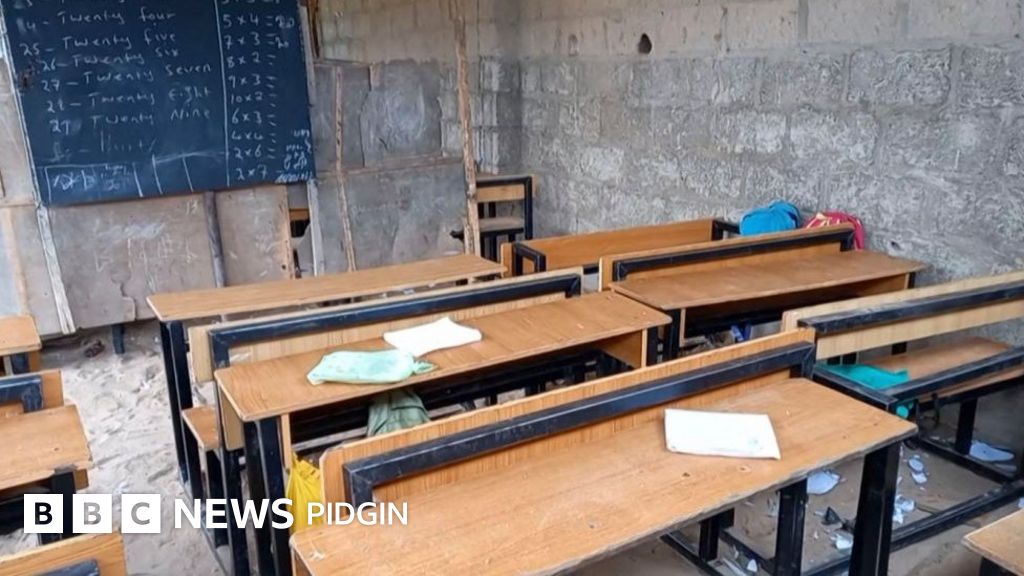
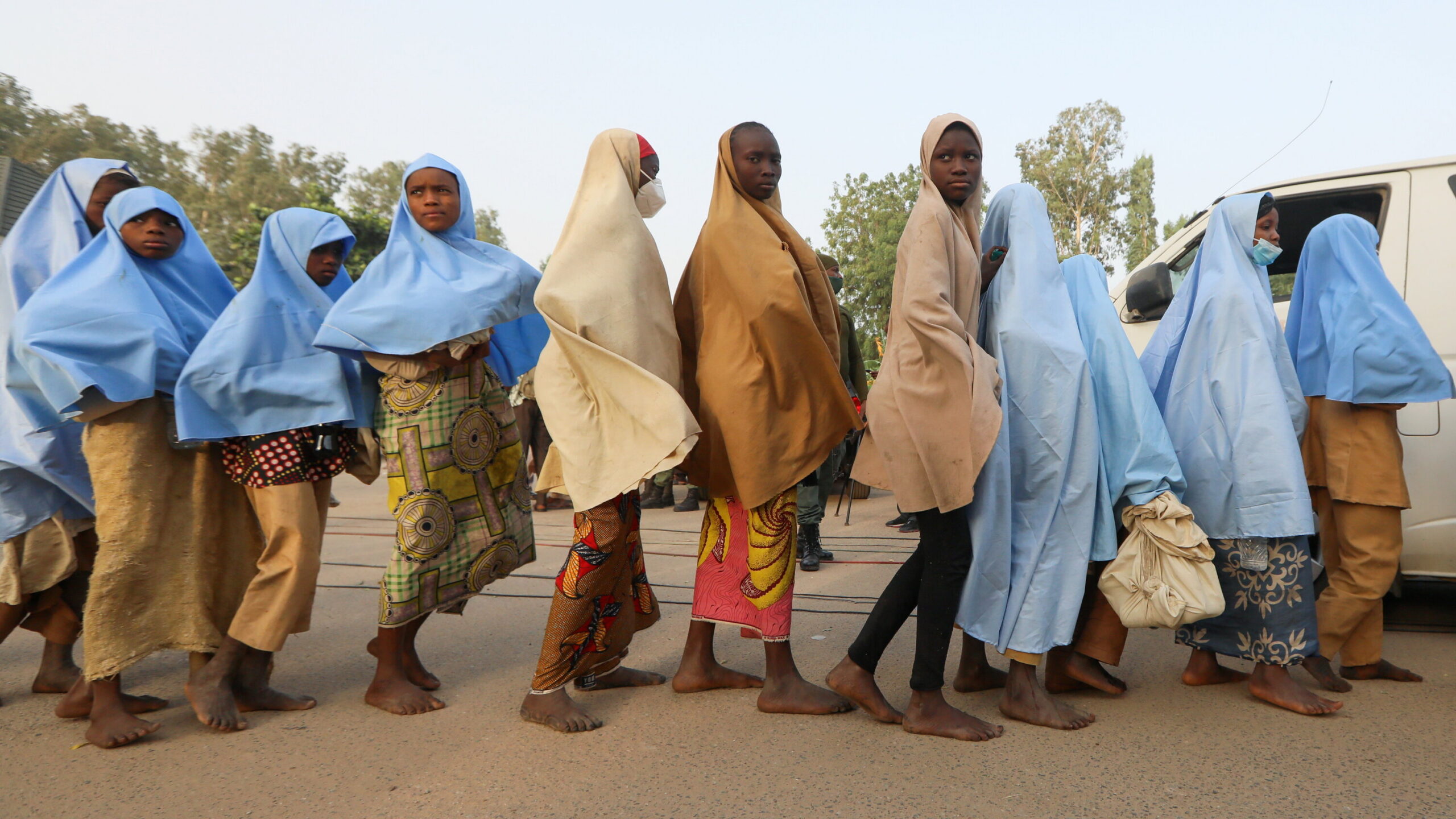
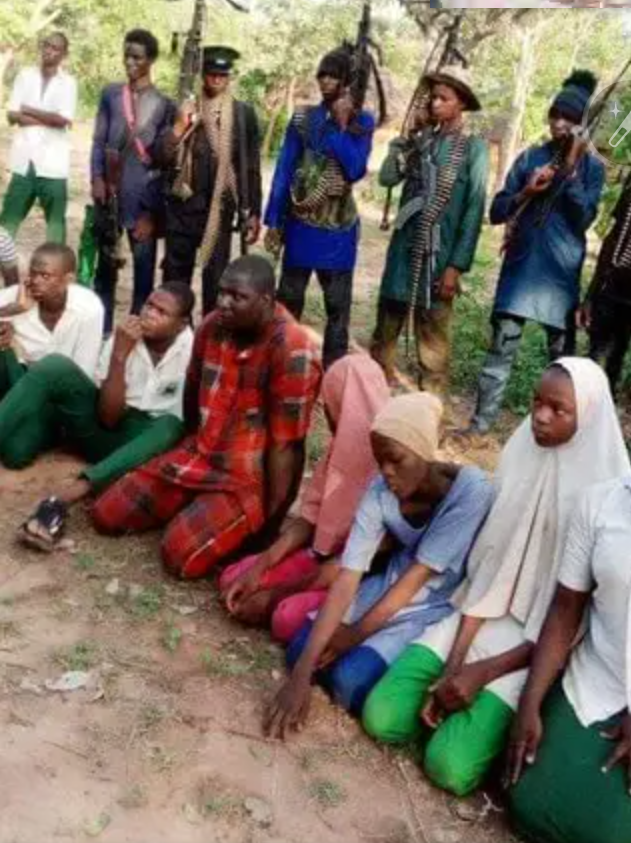
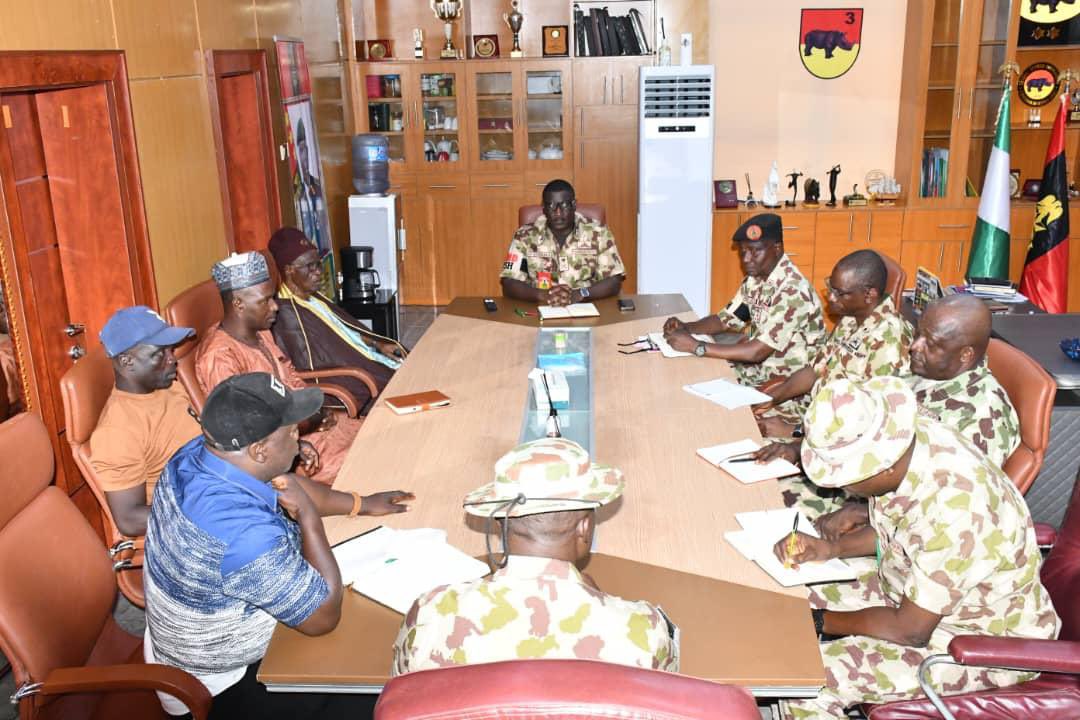
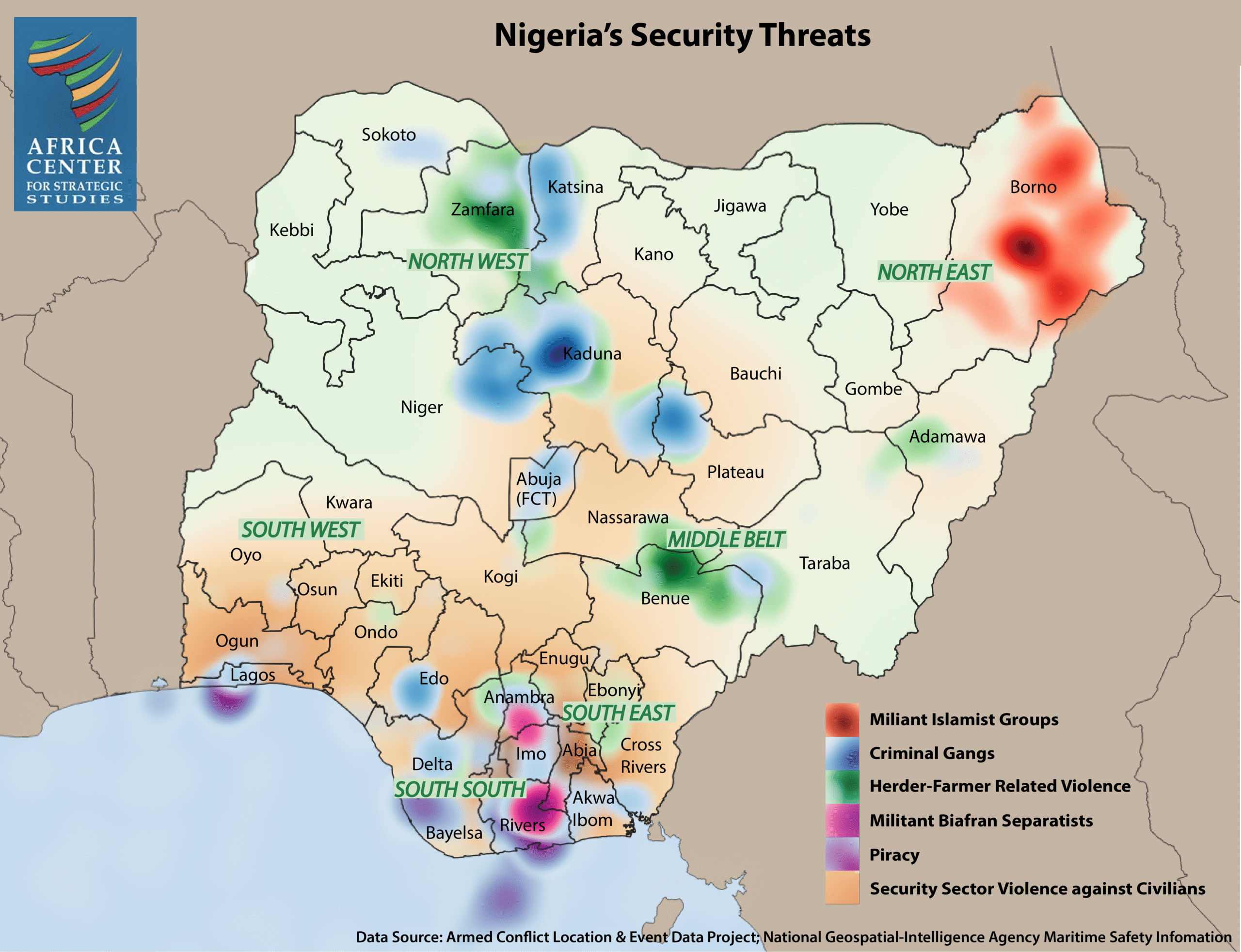
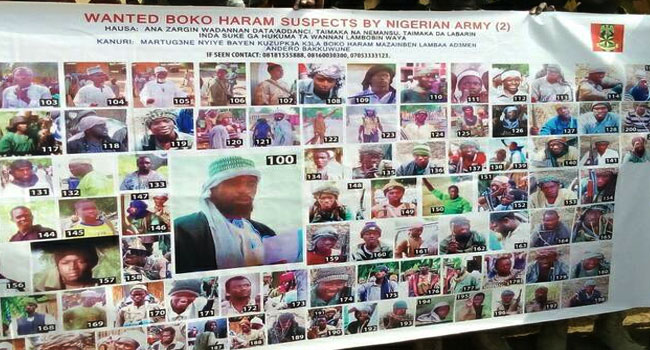
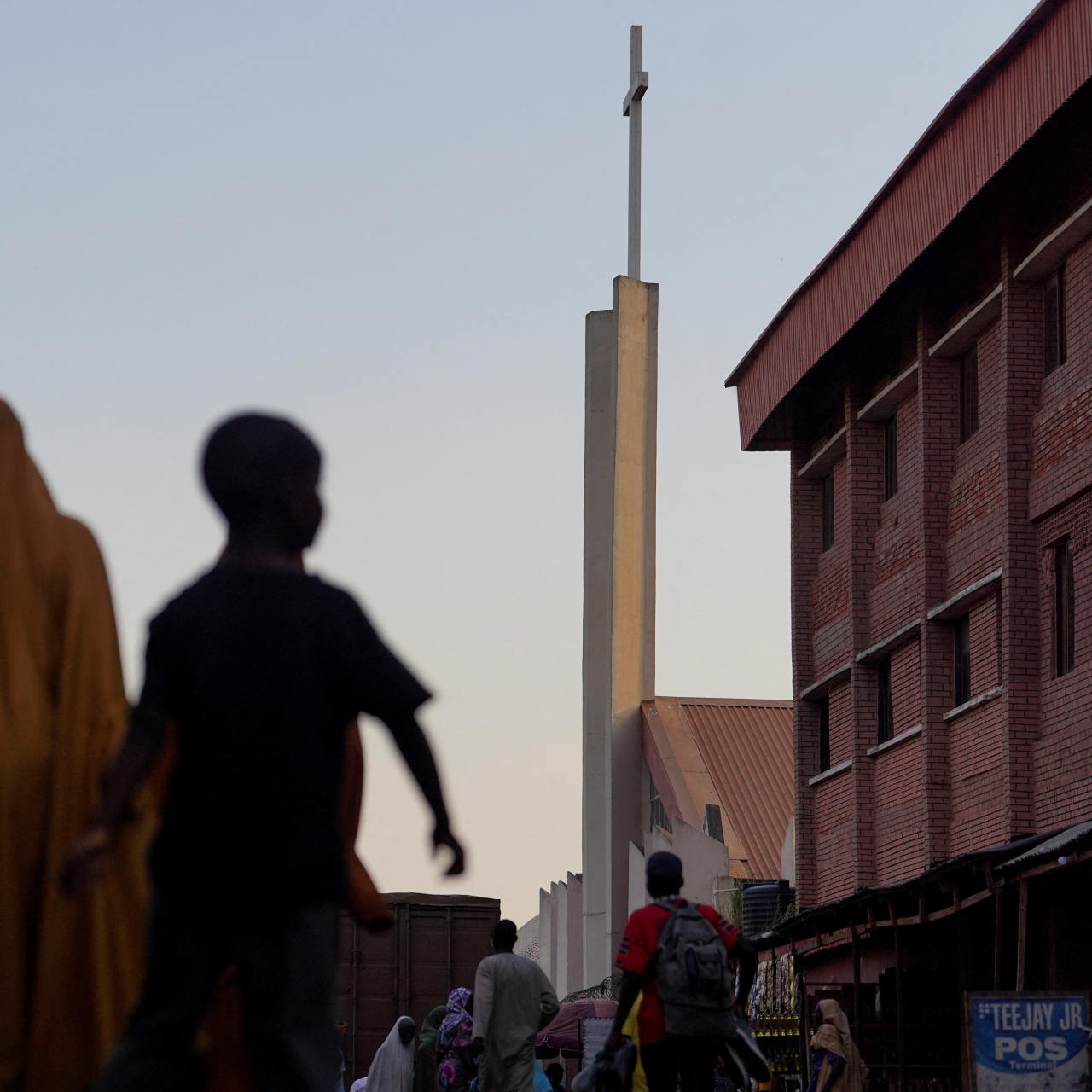
While peace-building efforts are underway, security forces are intensifying operations to dismantle networks fueling escalating violence. The Department of State Services (DSS) recently apprehended Musa Abubakar, an arms dealer linked to terror groups. This follows the recapture of Abdulazeez Obadaki, known as Bomboy, a Kuje Prison escapee responsible for deadly attacks on religious institutions. The disruption of Abubakar’s workshop, uncovered through meticulous intelligence, crippled a vital supply chain for explosives and ammunition. These successes, part of broader efforts to dismantle terrorist cells, show the government’s blended strategy of enforcement and community engagement, recognizing that security isn’t solely a military endeavor. However, the nation continues to face brutal realities. Kaduna State recently experienced a devastating blow when Venerable Edwin Achi, an Anglican priest, reportedly died in captivity after being kidnapped with his wife. Despite ransom efforts, his death underscores the brutal nature of banditry-fueled abductions. This tragedy, along with the killings of two police officers in Southern Kaduna, highlights the persistent security gaps and the urgent need for comprehensive responses across Nigeria’s Middle Belt, where vulnerable civilians and law enforcement remain targets.
Balancing Acts and Future Prospects for National Stability
President Tinubu’s multifaceted approach, which combines political consolidation in volatile areas like Plateau with targeted security operations and community reconciliation, reflects a nuanced understanding of Nigeria’s complex challenges. The influx of political figures into the APC aims to unify governance efforts, while local peace initiatives seek to mend social divides that often ignite violence. However, continuing kidnappings and attacks serve as grim reminders that the path ahead is fraught with peril. Tackling the root causes, like arms proliferation, ethnic tensions, poverty, and systemic governance failures, will demand sustained commitment beyond election cycles. We can hope that the success of these peace initiatives in Plateau will offer a blueprint for other troubled regions. As Nigeria moves towards the 2027 general elections, ensuring that all its citizens feel safe and represented remains paramount for national stability and progress. The nation watches closely as political actors, security operatives, and communities navigate this pivotal period, hoping their combined efforts will usher in a more peaceful and secure Nigeria.
Sources
- Akpabio: Tinubu Has Made Plateau Peace A Core National Security Priority, Arise News, November 17, 2025.
- BREAKING: Kaduna Priest, Venerable Achi, Kidnapped With Wife, Dies In Captivity, SaharaReporters via Arise News, November 26, 2025.
- DSS Nabs Another Suspected Arms Supplier in North-central Region, Arise News, November 2025.
- Tinubu Sends Emissary to Restore Peace in Plateau, Arise News, November 2025.
- One Dead, Policeman Injured As Unknown Gunmen Attack Ex-Anambra Governor Ngige’s Convoy, Arise News, November 2025.