Nigeria’s Path: Navigating Security, Boosting Economy, and Leading Diplomacy
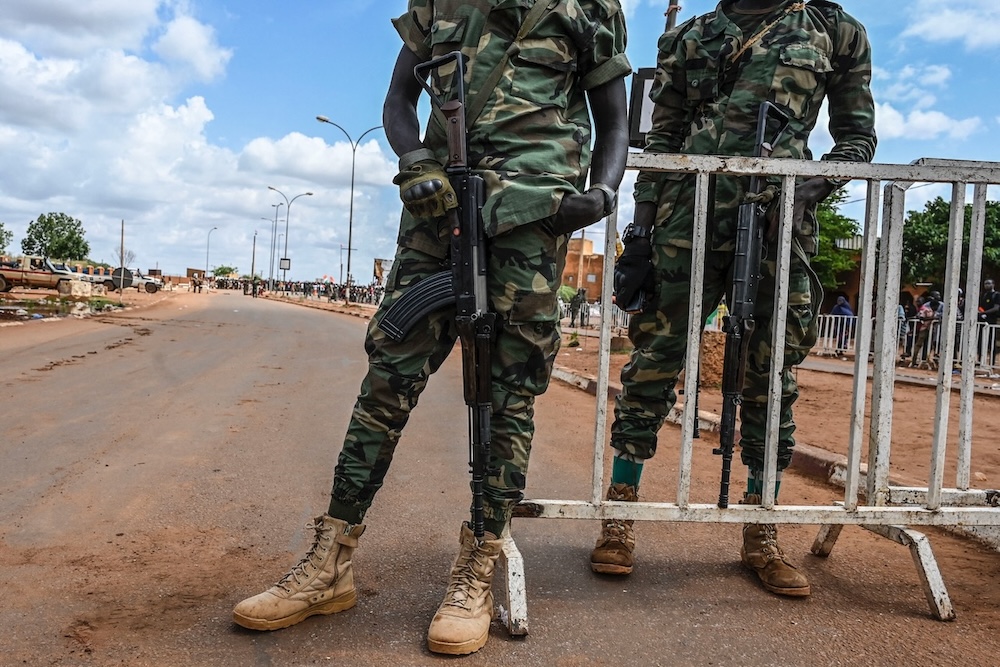
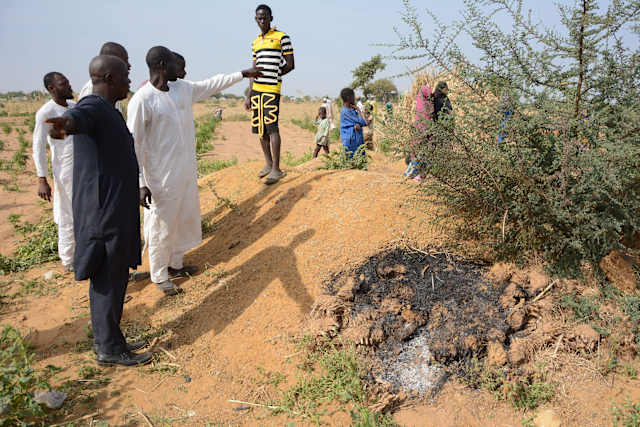
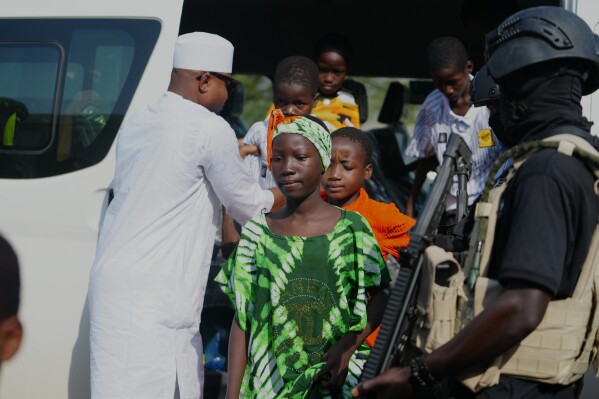
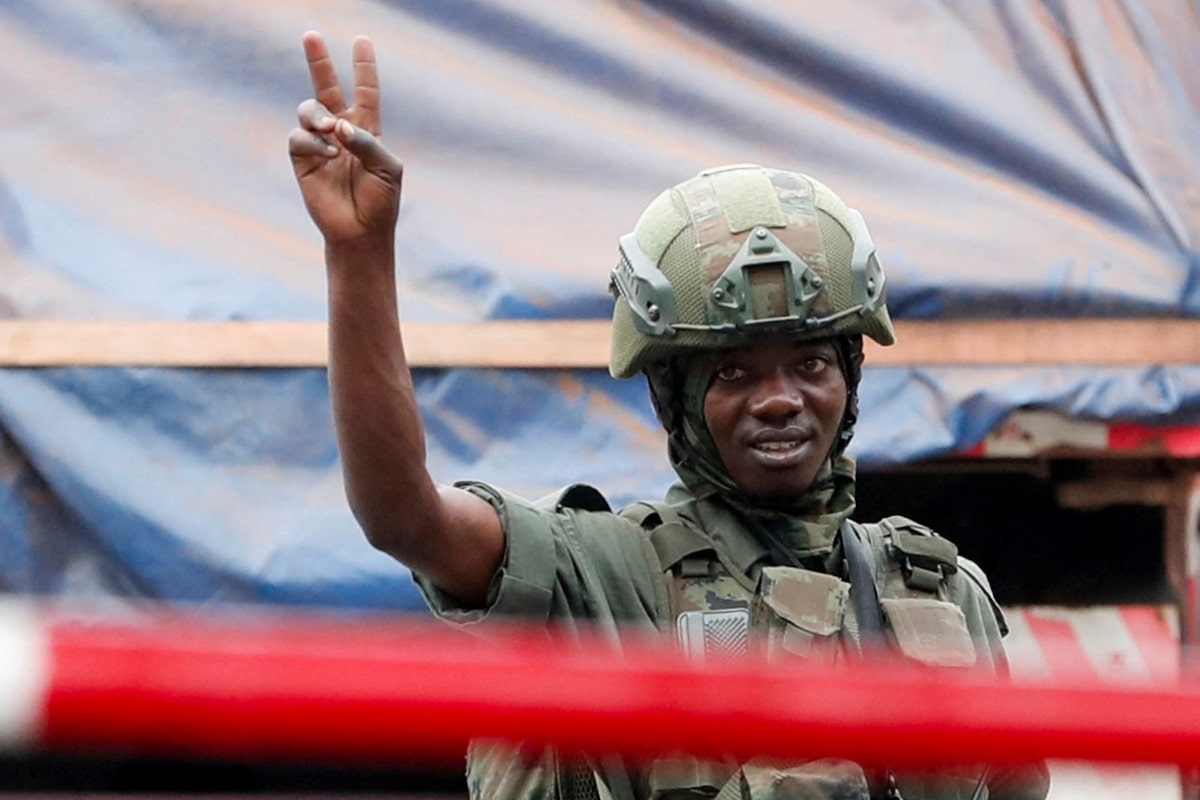
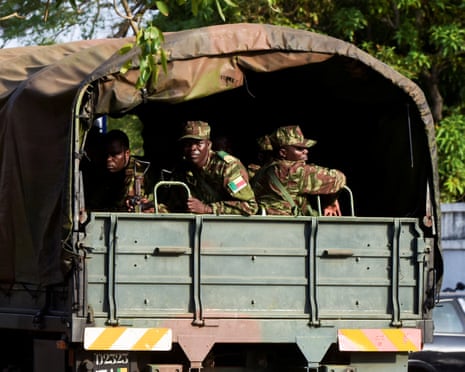
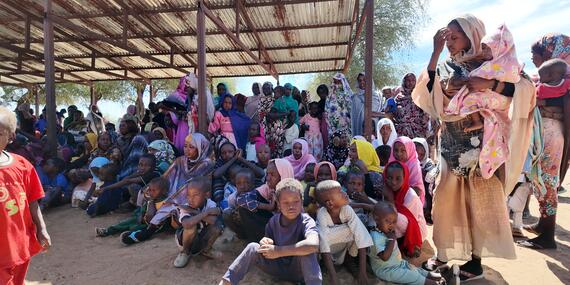
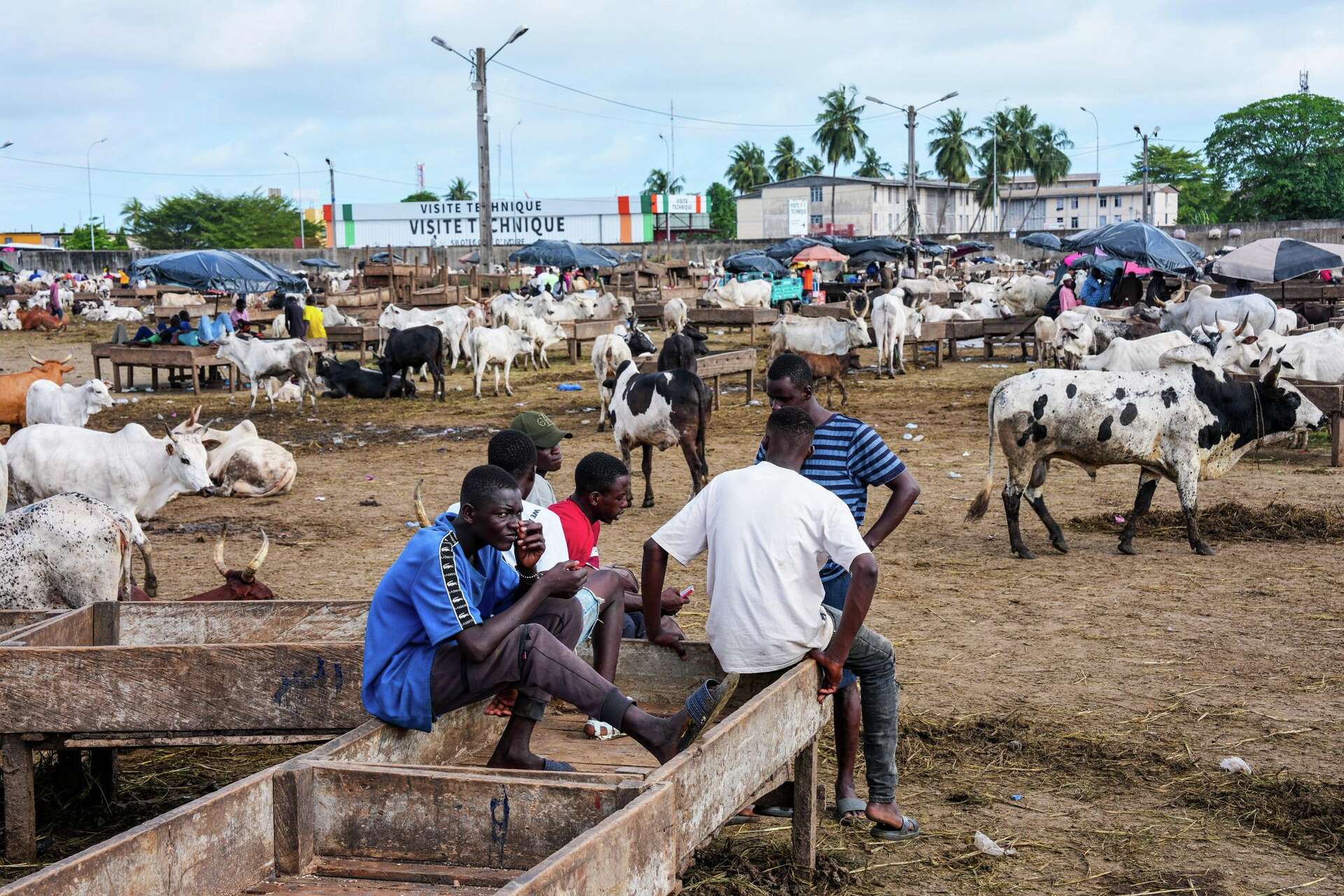
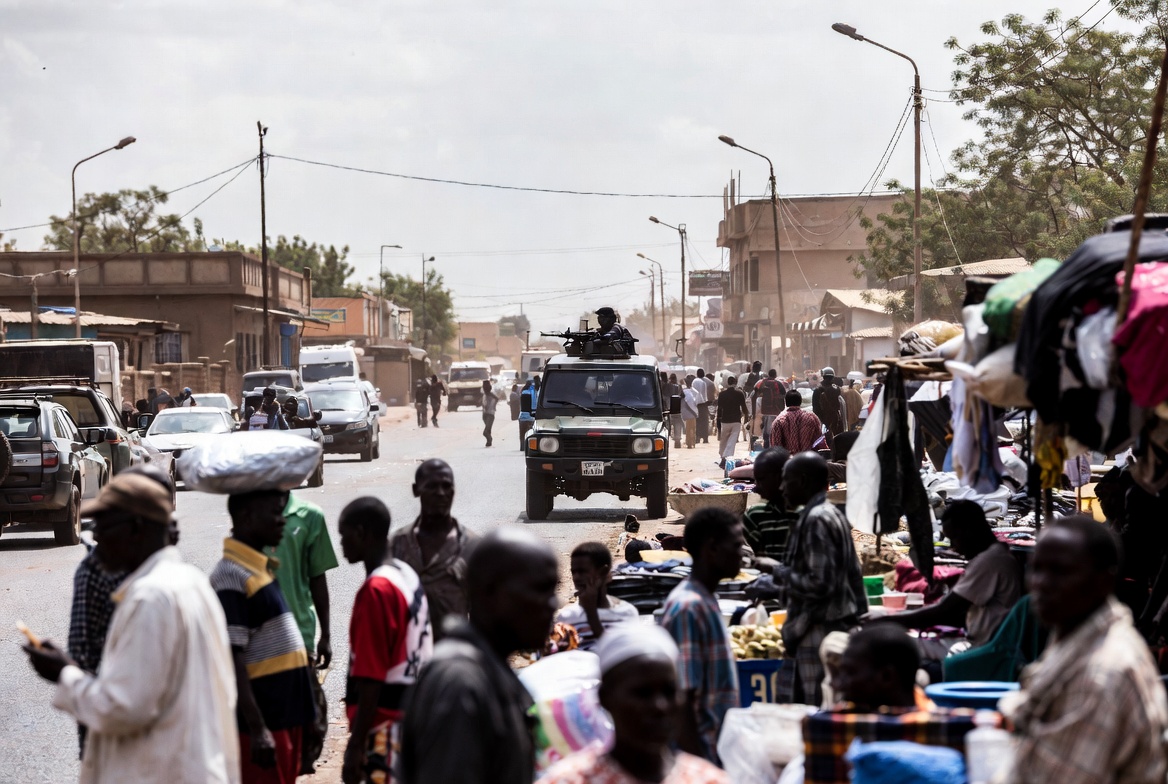
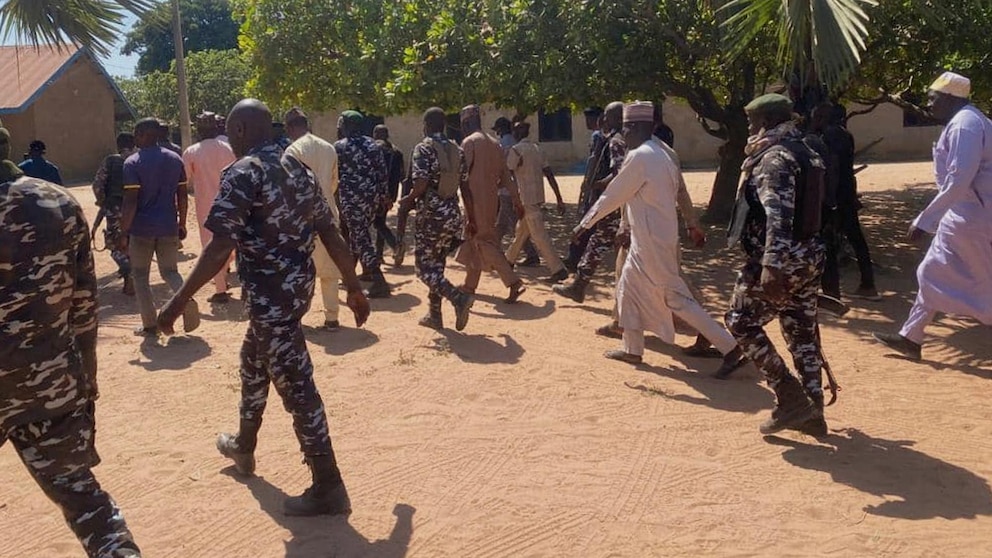
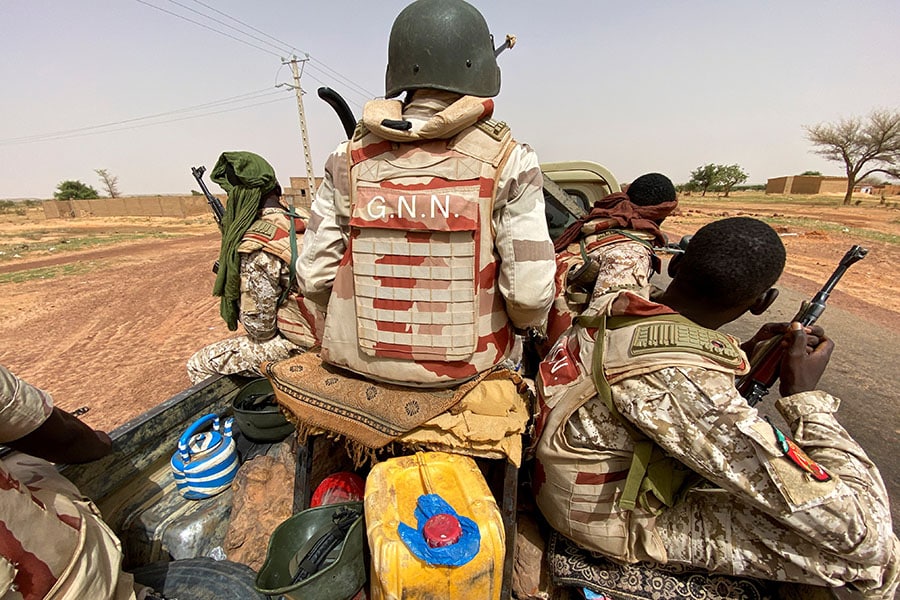
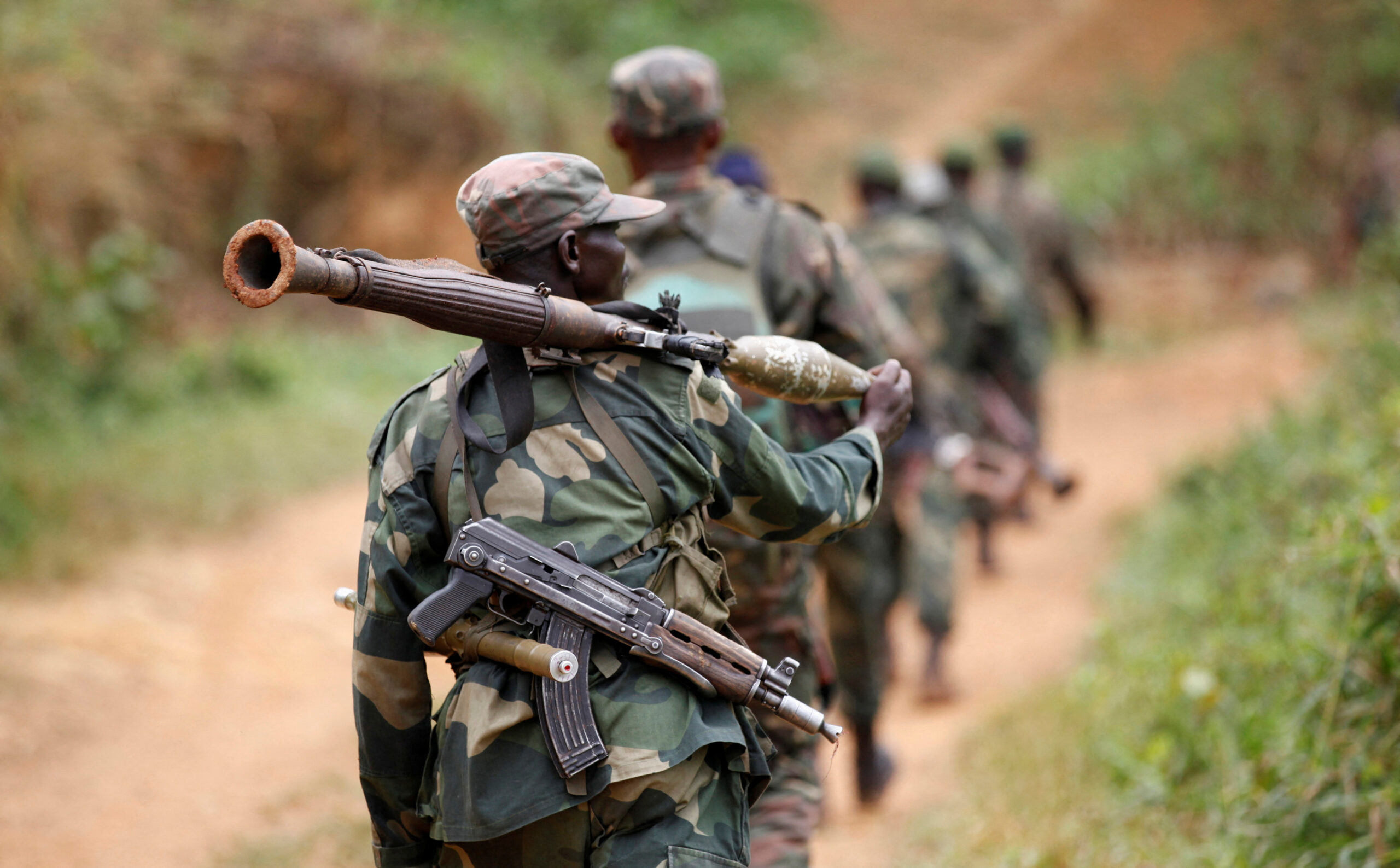
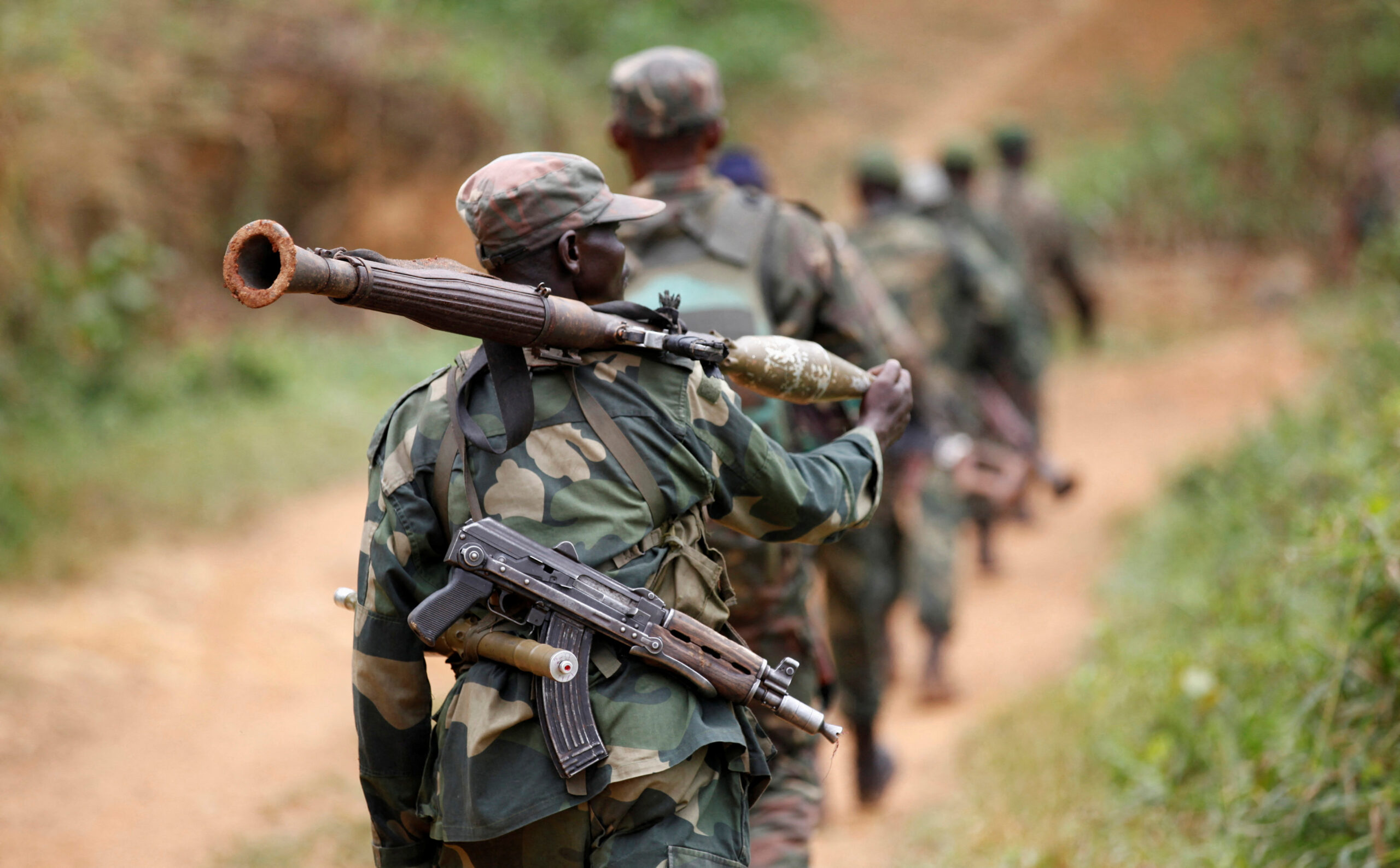
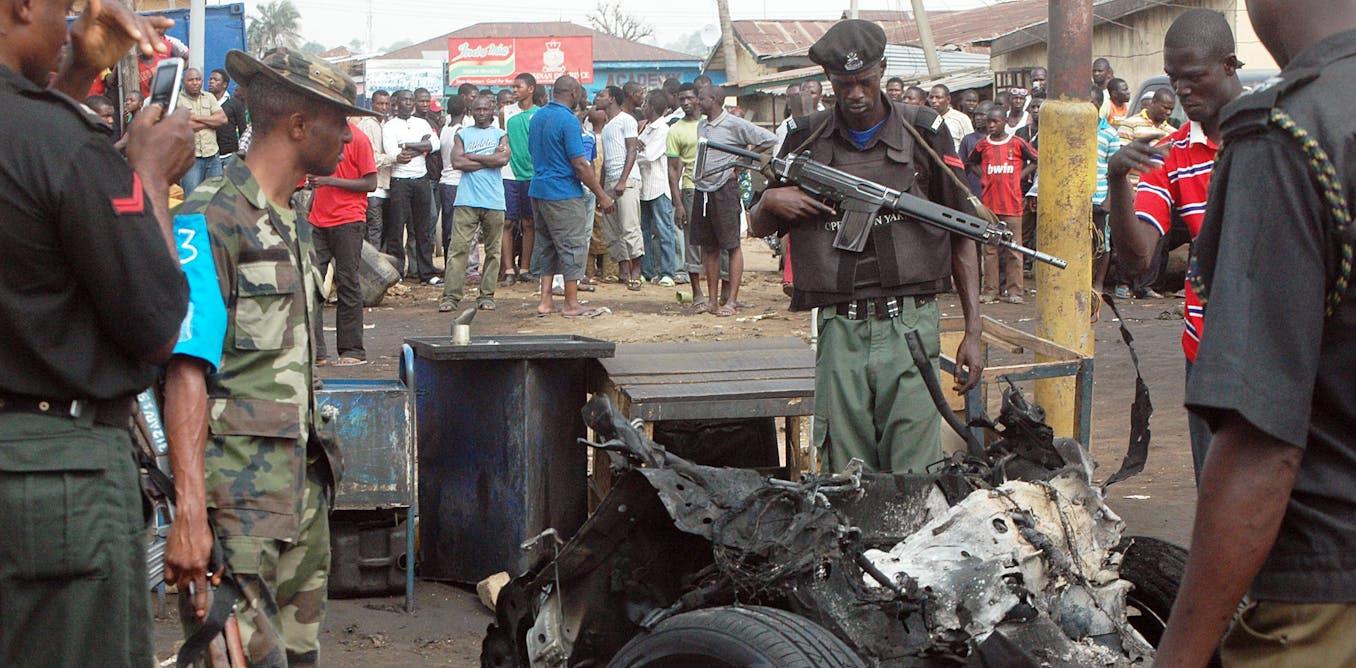
Nigeria, a vibrant nation at the heart of African affairs, is currently navigating a complex period marked by both significant challenges and promising growth. On the security front, we’re seeing an astonishing development: approximately 50,000 volunteer vigilantes stepping up to protect rural communities, often where official security forces can’t or don’t reach. This grassroots effort truly highlights the widening security gaps, especially in remote areas. These volunteers are risking their lives daily to keep their communities safe, a brave, desperate move by citizens risking everything. It underscores an urgent need for the government to bolster its security strategies to tackle Nigeria’s ongoing security challenges. Yet, amidst these concerns, Nigeria’s economy showing encouraging signs, painting a picture of cautious optimism. Its gross domestic product (GDP) climbed to 3.98 percent in the third quarter of 2025, largely thanks to strong performances in agriculture, information and communication technology (ICT), and the financial sector. The ICT sector, in particular, saw a robust real growth of 5.78 percent, pushing its contribution to GDP to 9.10 percent. While its overall share currently remains modest at 3.44 percent, this impressive growth rate clearly signals Nigeria’s proactive push toward technological advancement and digital innovation in Africa, critical for sustainable economic transformation.
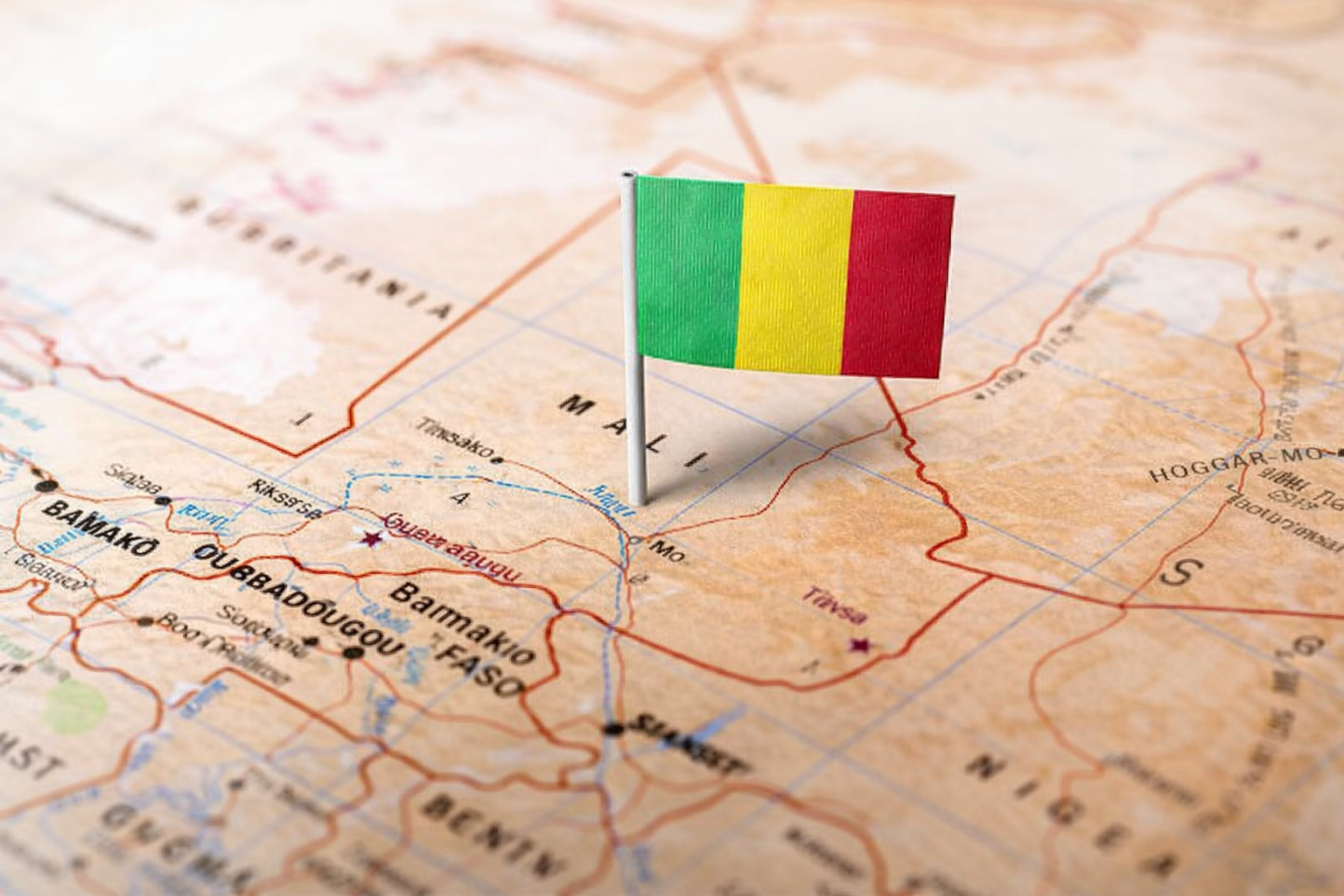
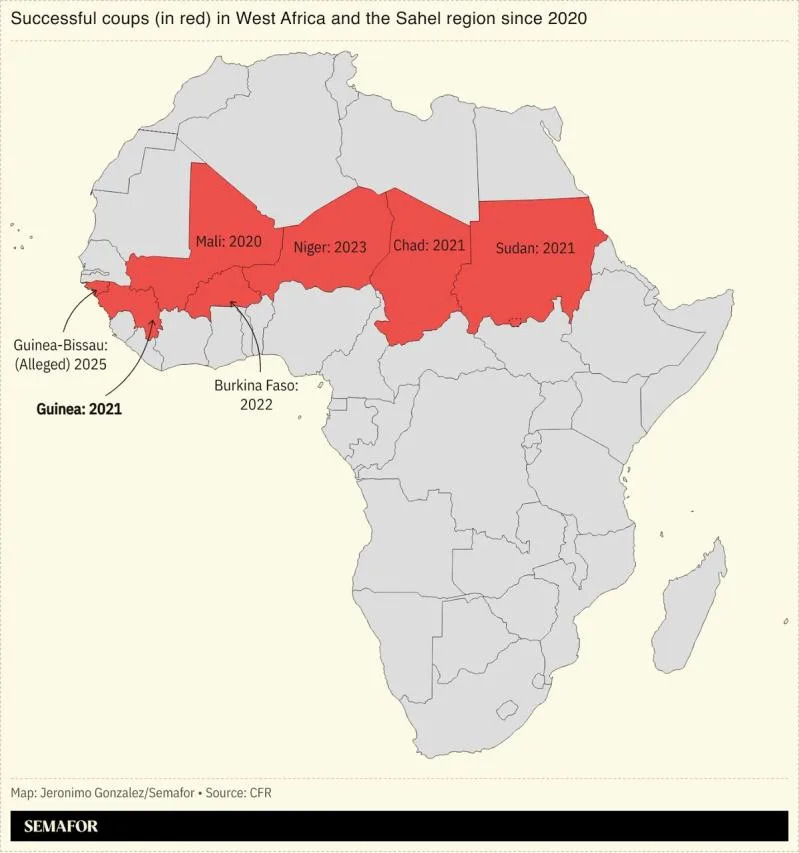
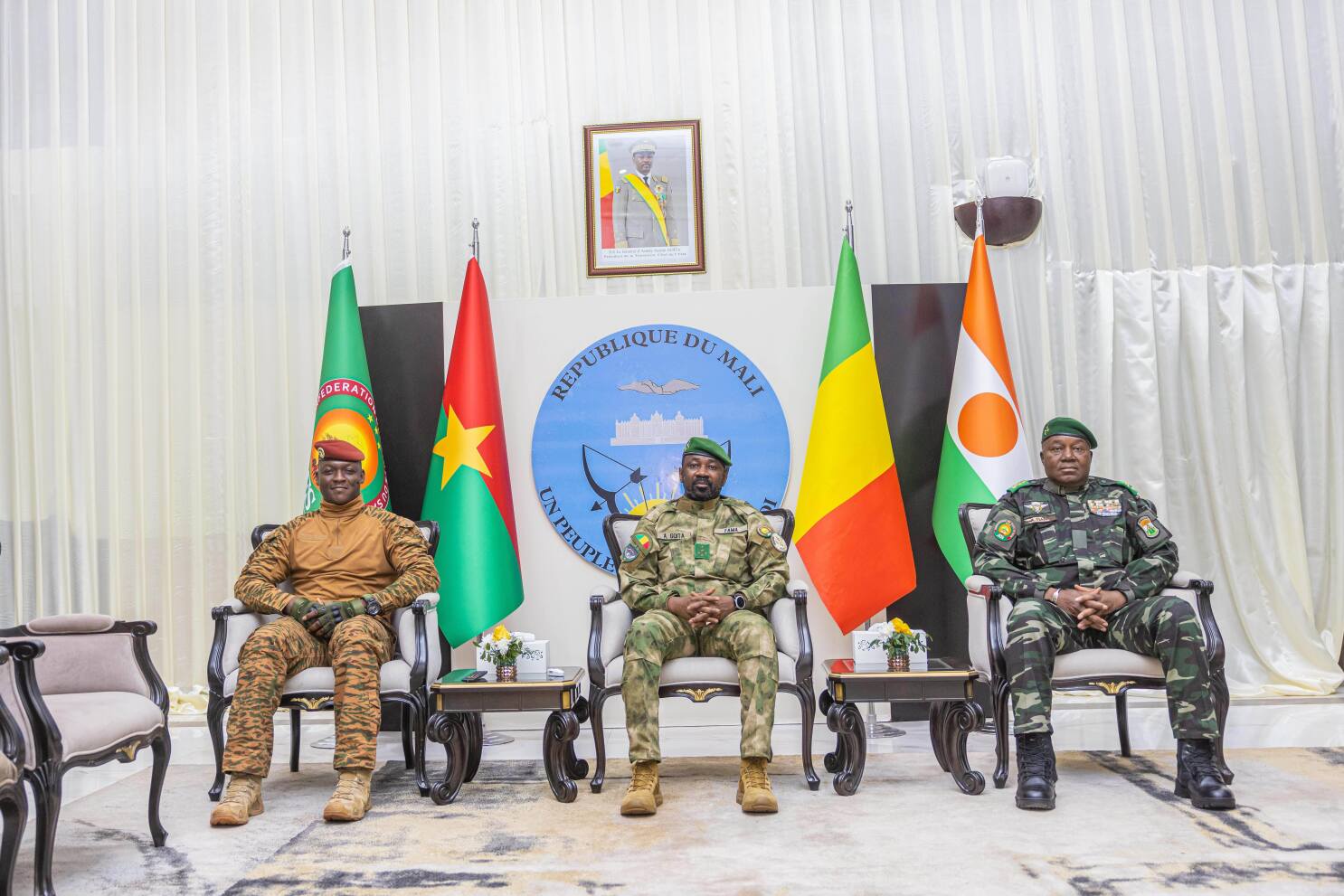
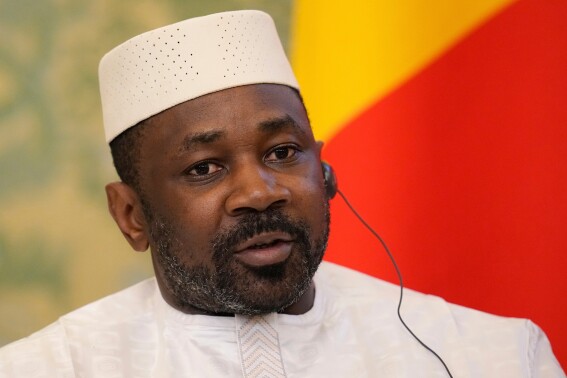
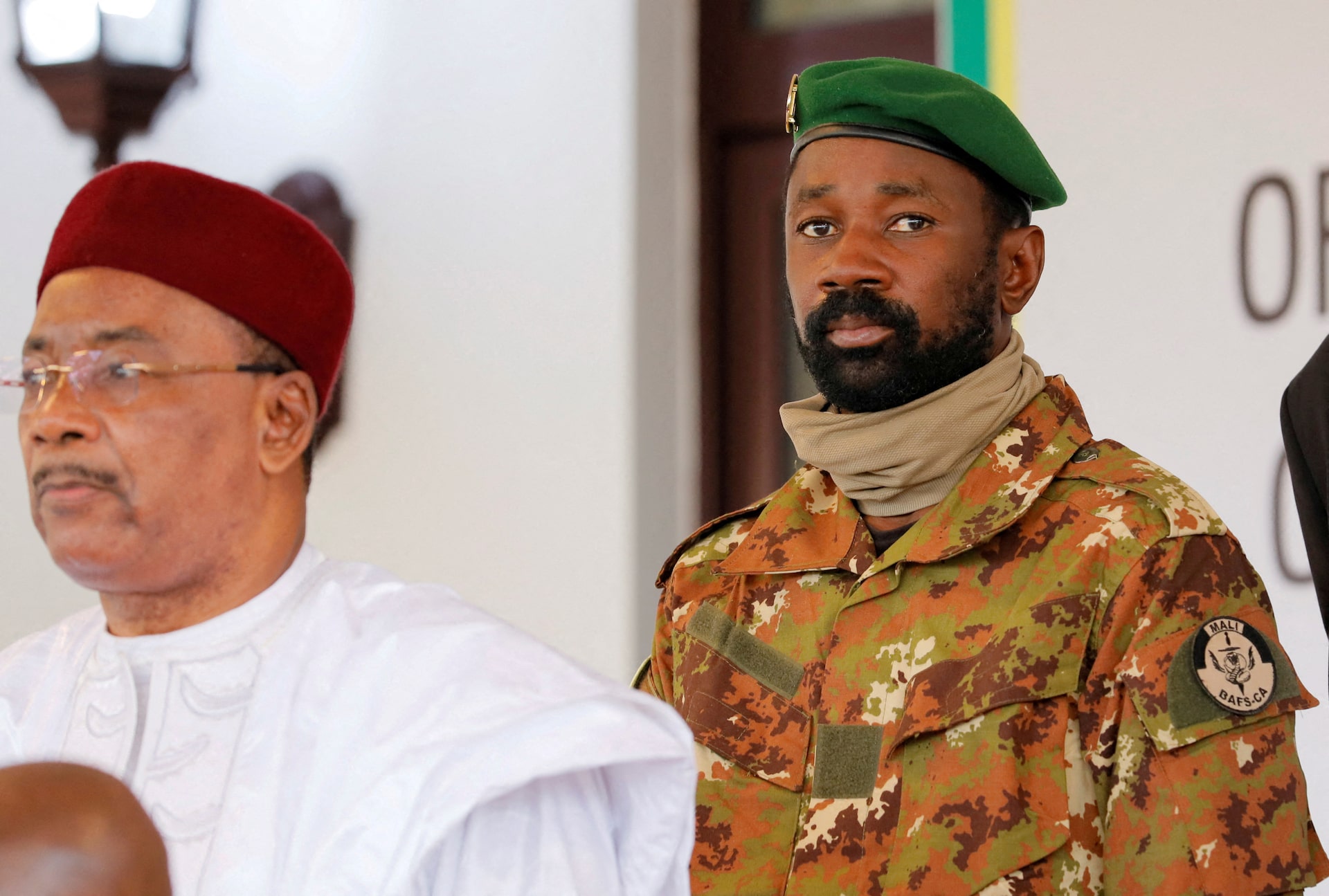
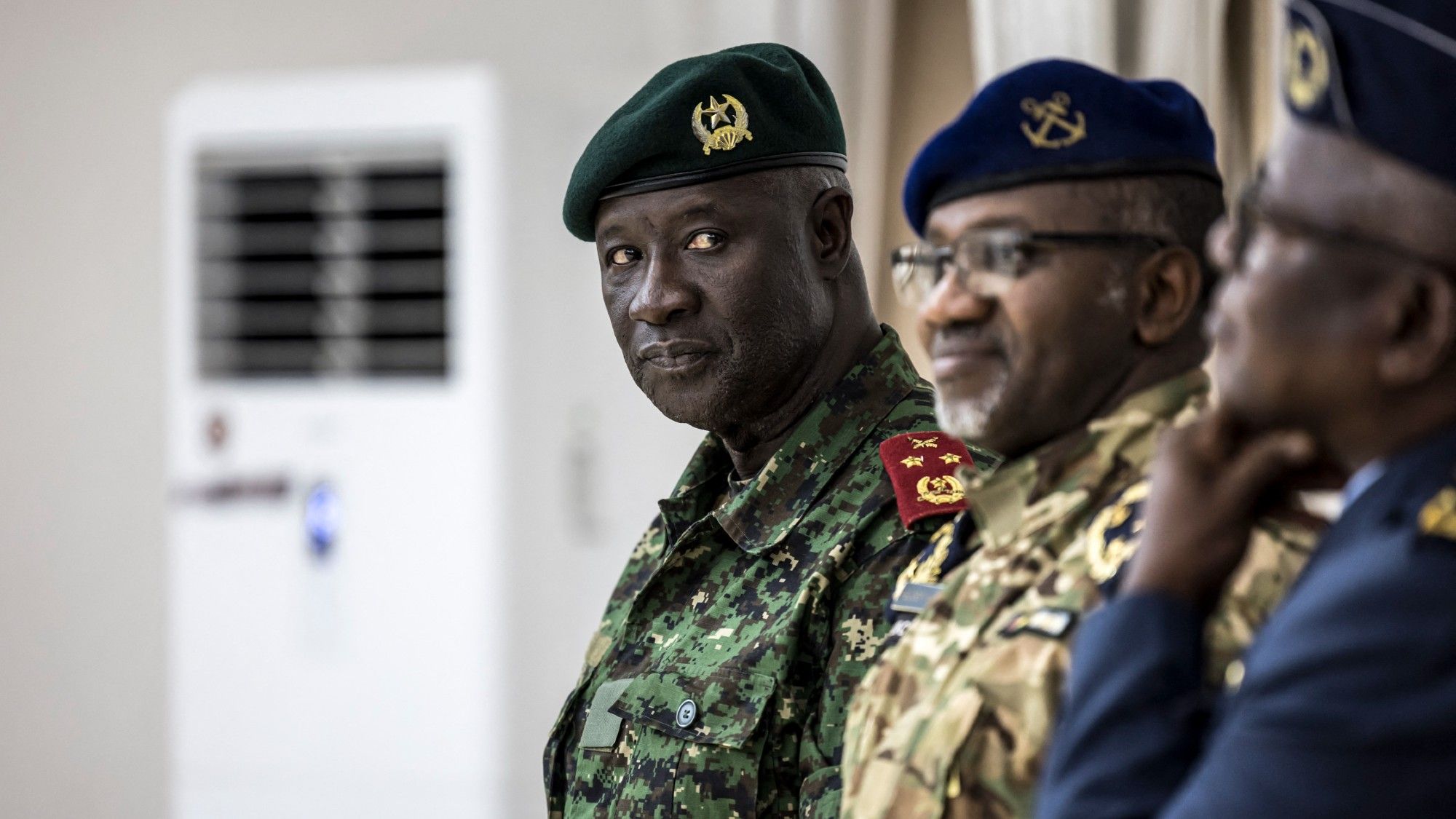
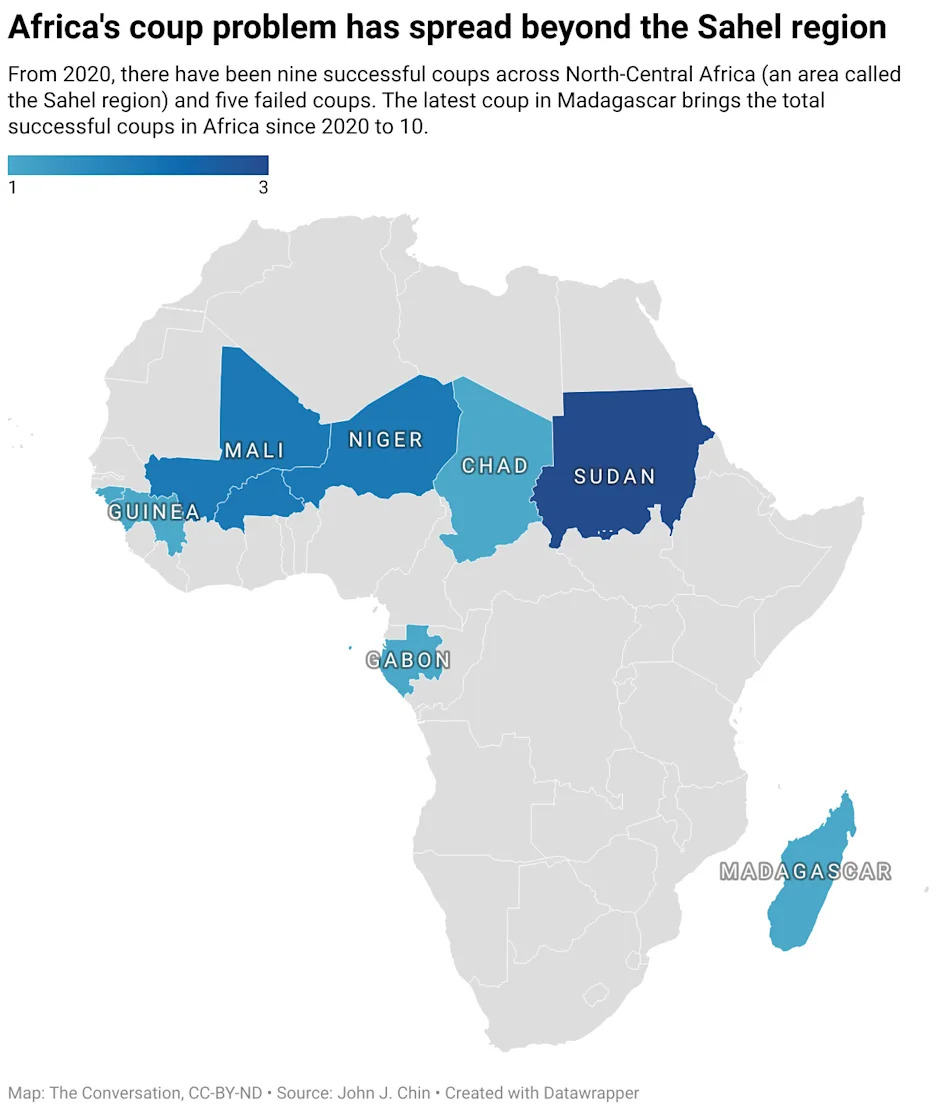
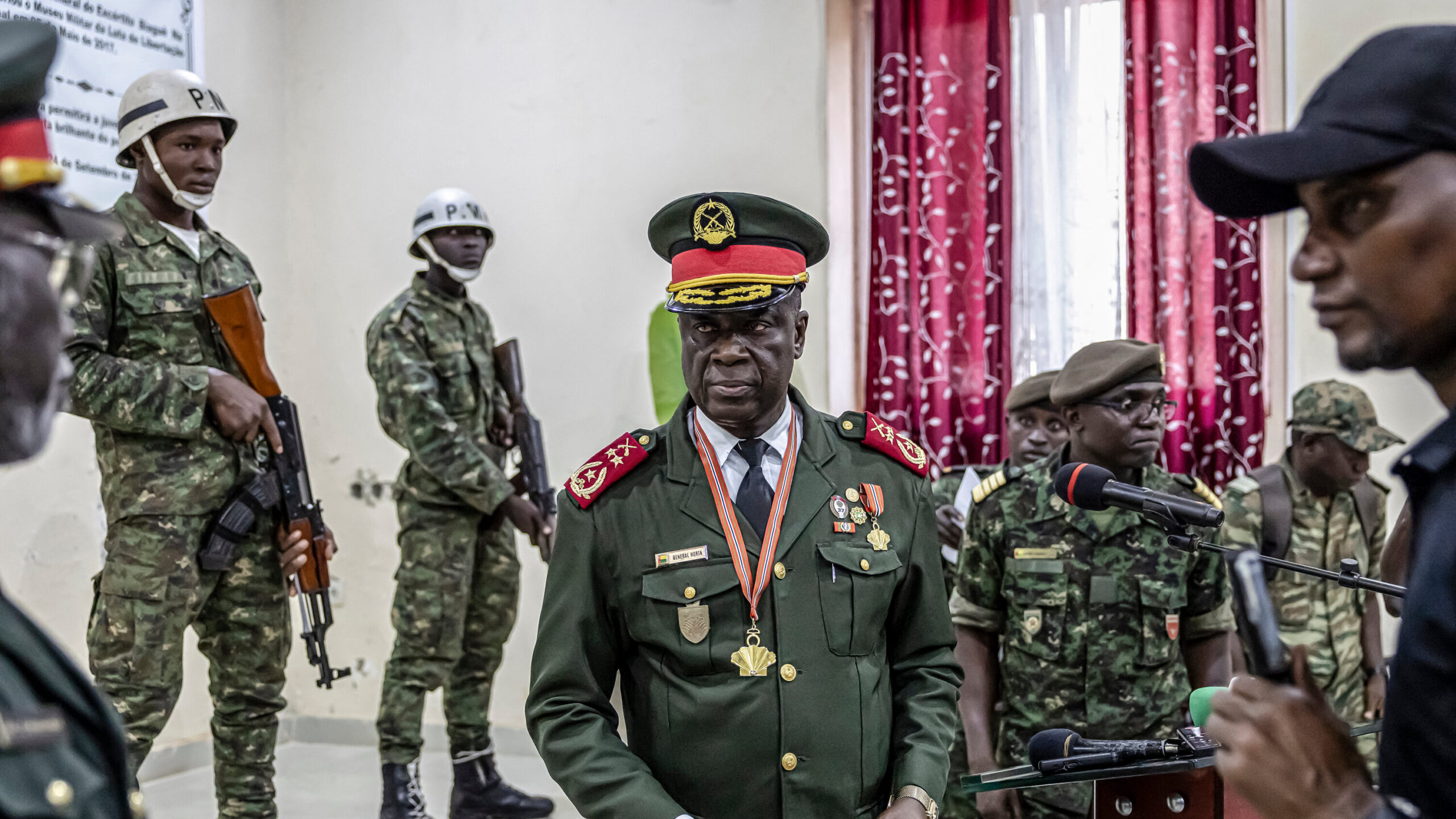
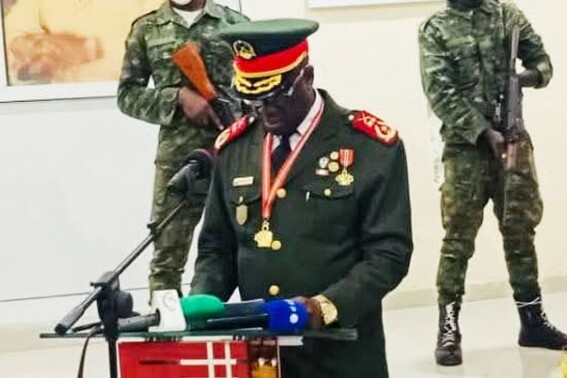
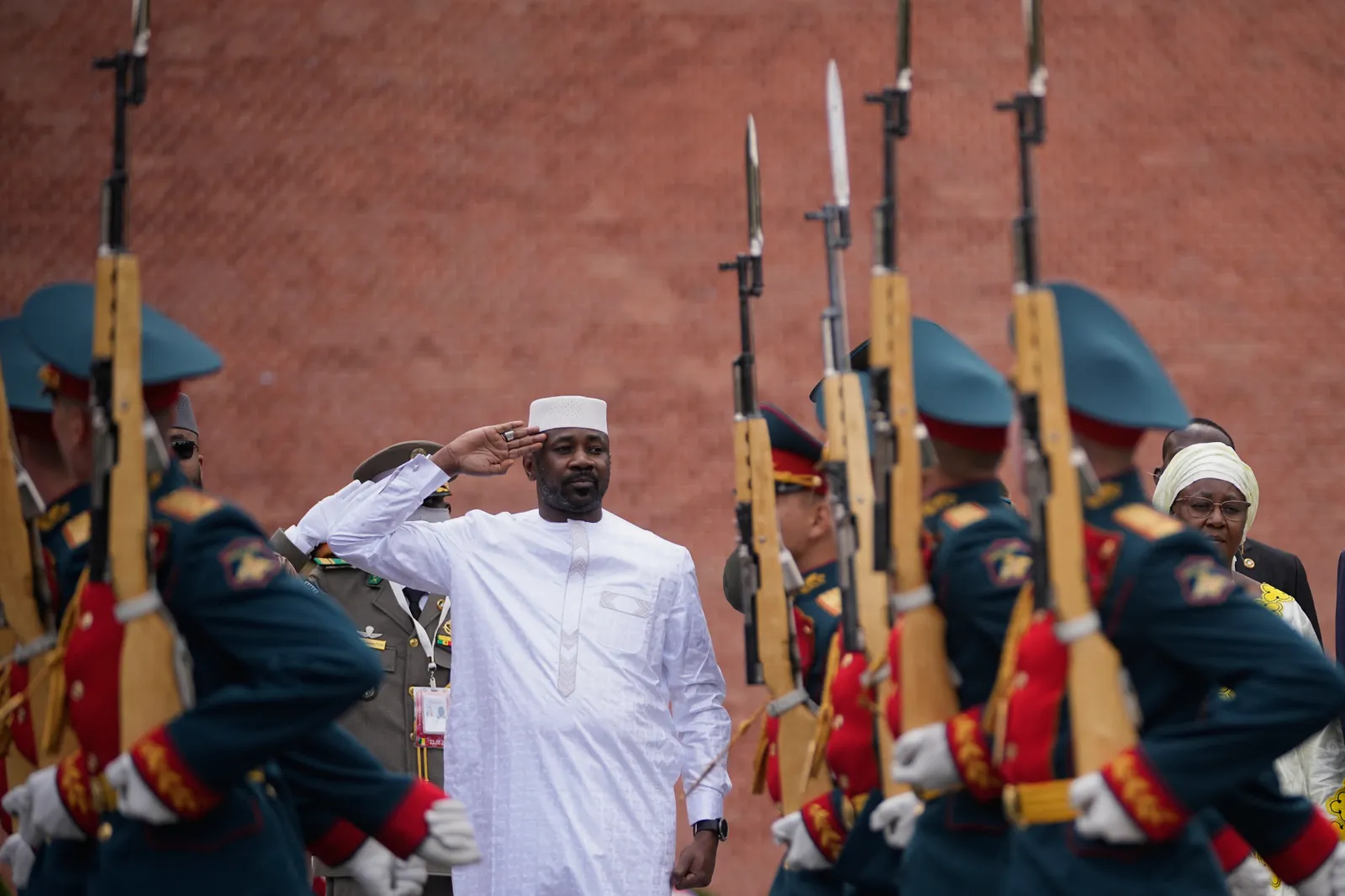
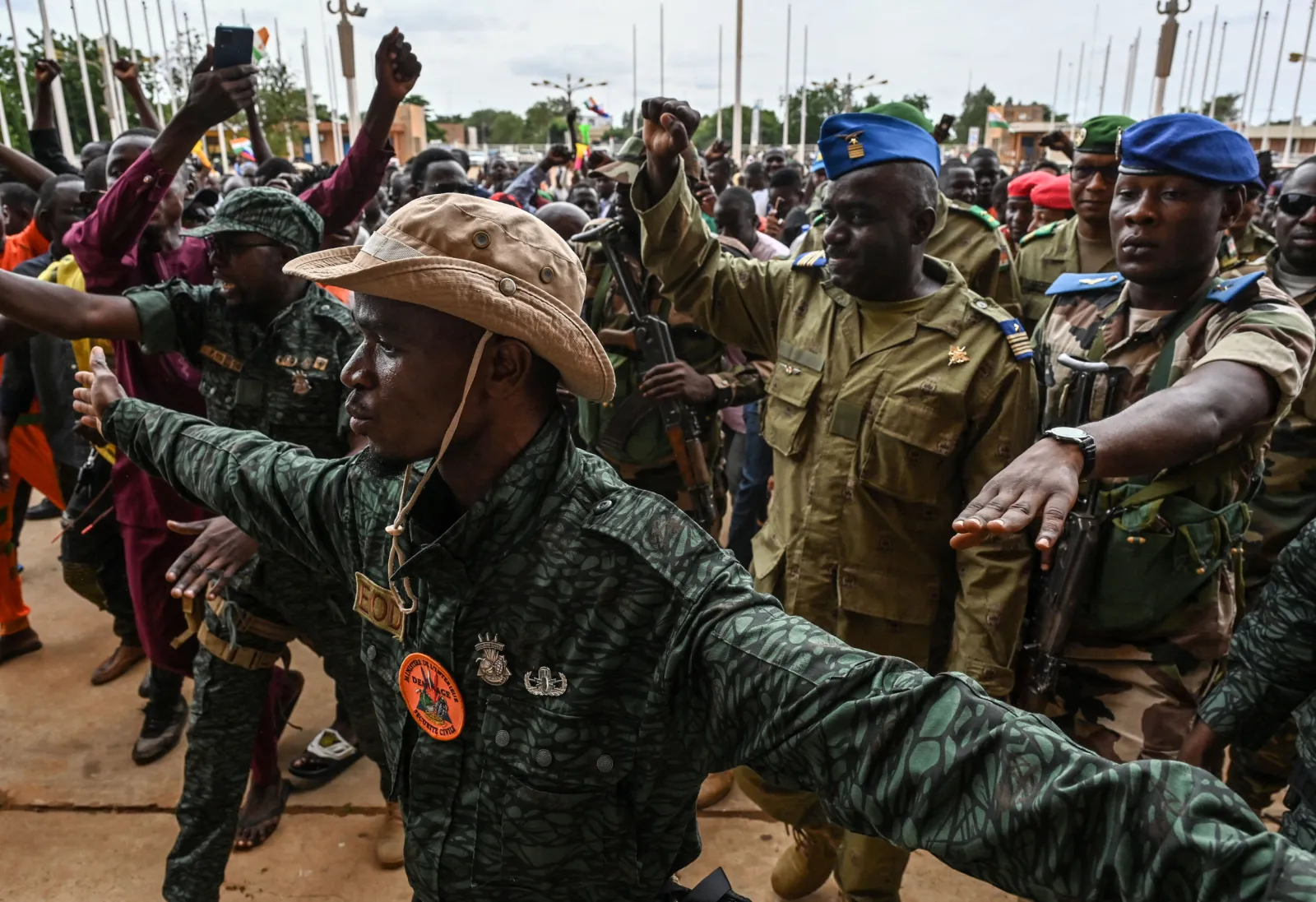
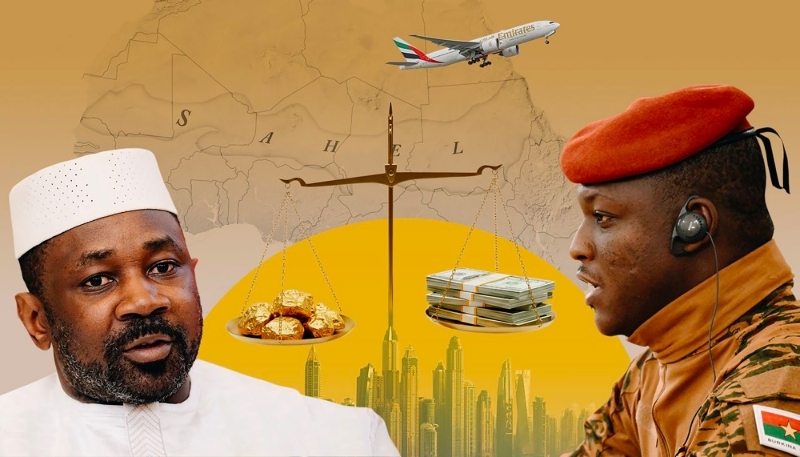
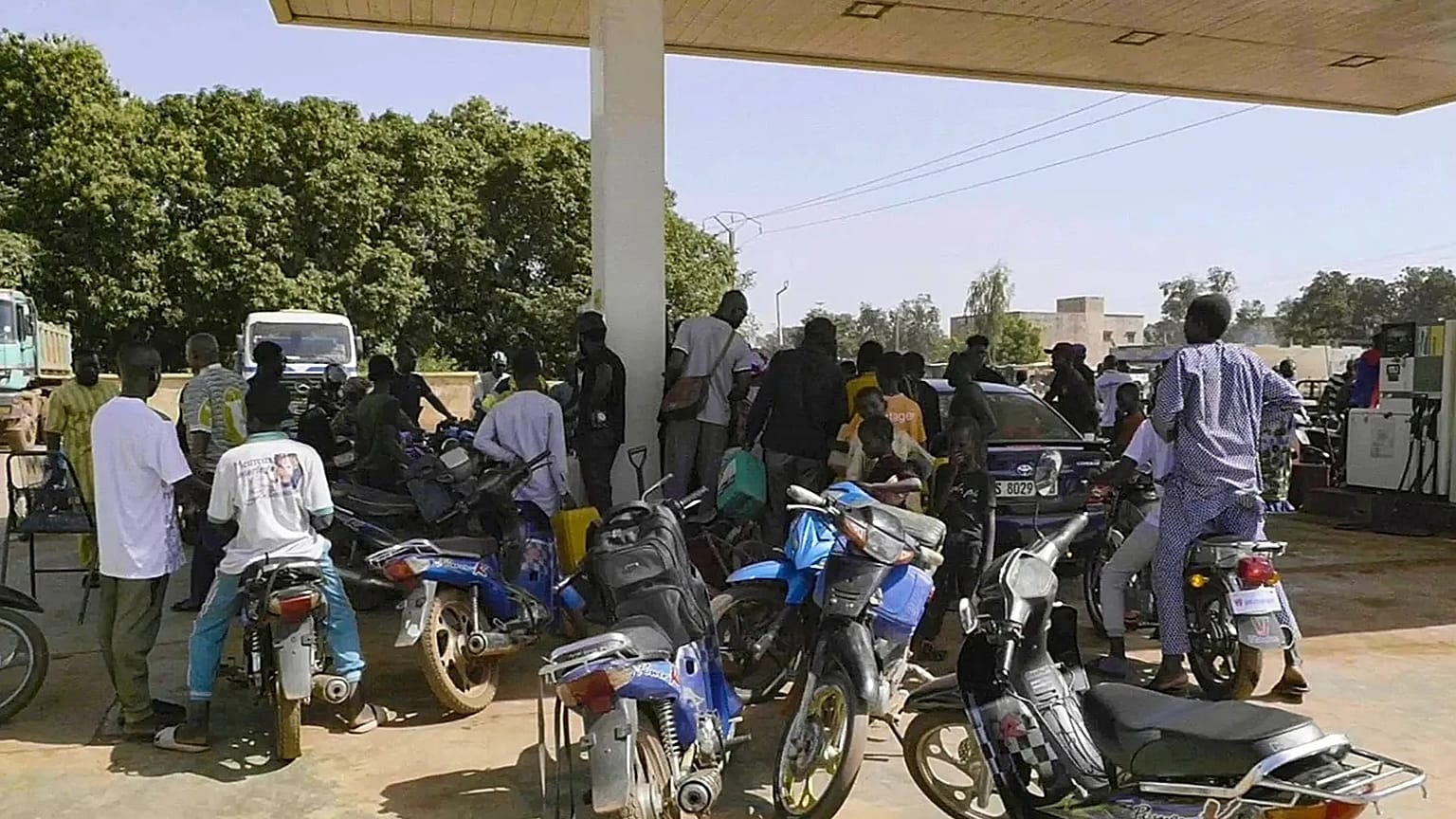
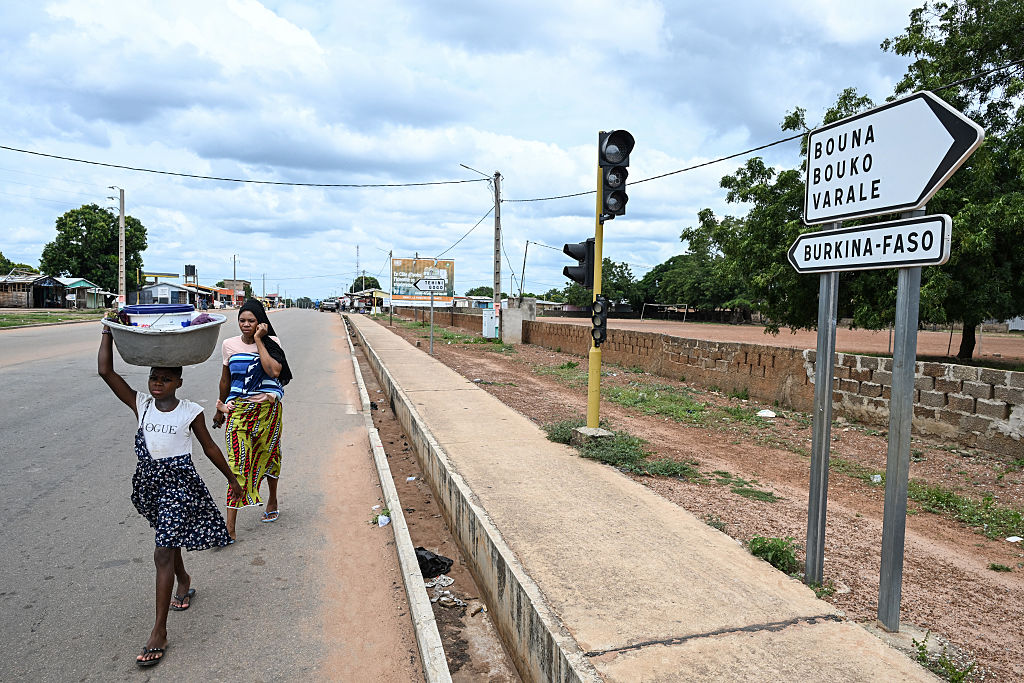
But the economic story doesn’t end there, does it? Further boosting this positive economic trajectory, the upstream oil licensing round launched by Nigeria’s regulator in 2025 is a game-changer. It’s opened up 50 blocks for bidding, clearly signaling the country’s ambition to not just maintain, but significantly increase its crude oil output. That’s a crucial move considering Nigeria remains Africa’s largest crude oil producer and the global oil market’s been pretty volatile lately, what with international conflicts, like Ukrainian drone strikes on Russian energy facilities and escalating tensions between the United States and Venezuela, impacting prices. This proactive stance aims to attract much-needed investment and ramp up production at a time when oil’s still a cornerstone of the national economy, contributing significantly to economic growth across various sectors. Shifting to diplomacy, Nigeria’s influence in the broader West African region is certainly active. Following a coup in Guinea-Bissau that derailed election results, Nigeria granted asylum to presidential candidate Fernando Dias da Costa. This decision clearly reflects Nigeria’s commitment to democratic principles and regional stability. Foreign Minister Yusuf Tuggar made it clear President Bola Tinubu’s move was all about safeguarding both the democratic aspirations and the sovereign will of Guinea-Bissau’s people, a vital intervention. Meanwhile, a neighbor, Mali, is showing its own brand of economic assertiveness. After a comprehensive 2023 audit exposed significant unpaid taxes and royalties in its mining sector, Mali successfully recovered a cool $1.2 billion. They’ve since enacted a new mining code, upping royalties, increasing state ownership, and closing loopholes that had previously allowed for revenue leakage. Isn’t that a strong message for resource-rich African nations striving to better harness their natural wealth for national development?
So, as Nigeria grapples with internal security issues, it’s simultaneously pushing for economic growth and asserting robust regional leadership. The rise of vigilante groups tells us a lot about the ground realities, demanding urgent policy attention, but the strengthening of key economic sectors like ICT and agriculture lays a solid foundation for future resilience. The oil licensing round? It’s a smart, strategic response to global market shifts, making sure Nigeria stays a vital energy supplier. And on the diplomatic front, offering asylum to Guinea-Bissau’s political leader powerfully underscores its active role in championing democracy amid regional political turbulence. Looking ahead, Nigeria’s path clearly involves a delicate balancing act: reinforcing security while nurturing its vast economic potential and asserting crucial diplomatic influence. How it manages this balance won’t just shape its own destiny, but also the stability and prosperity of the broader West African region. Everyone, from keen observers to critical stakeholders, will be watching closely to see how government policies evolve to effectively support frontline security efforts, truly capitalize on technological and energy assets, and maintain a steady, guiding hand in regional affairs.