Burkina Faso’s Bold New Chapter: Water Innovation, Urban Renewal, and Legal Overhaul Under Traoré’s Leadership
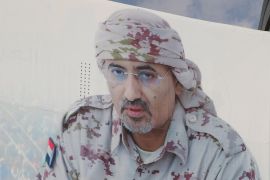
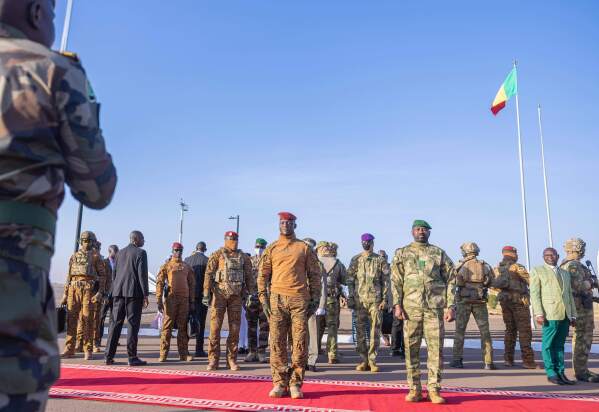
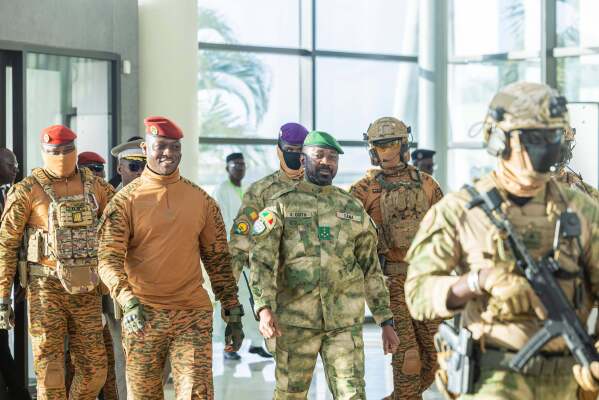
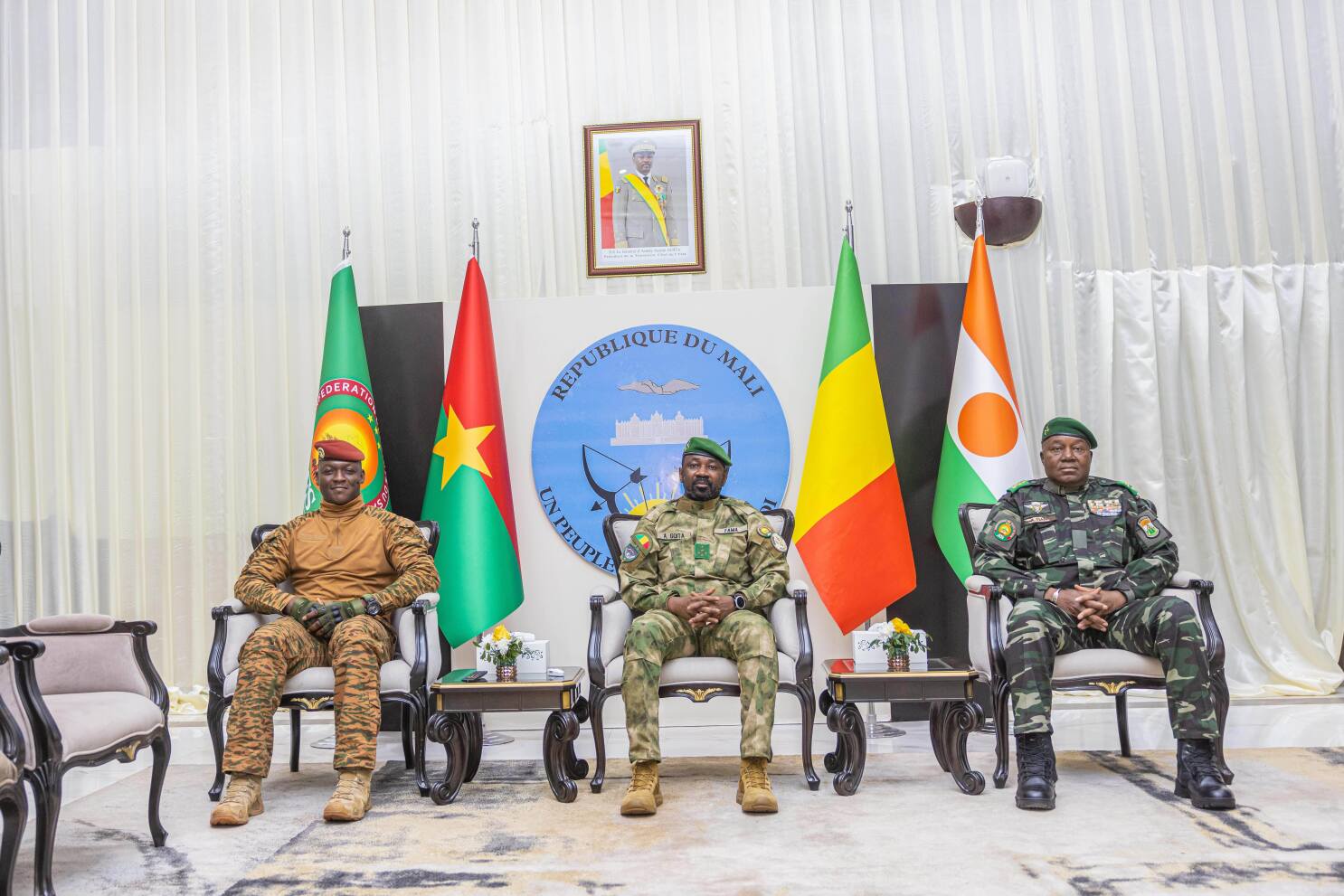
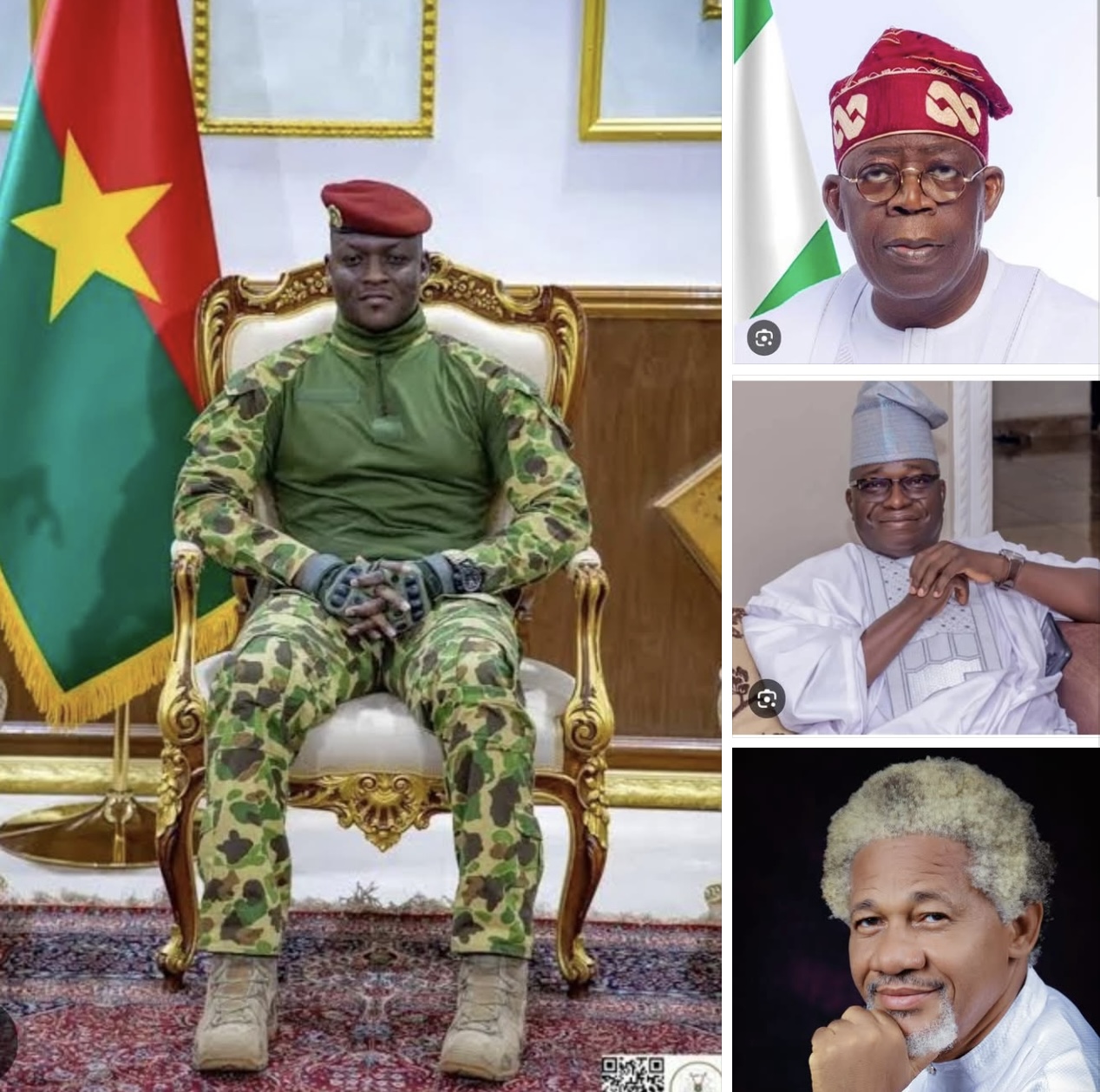
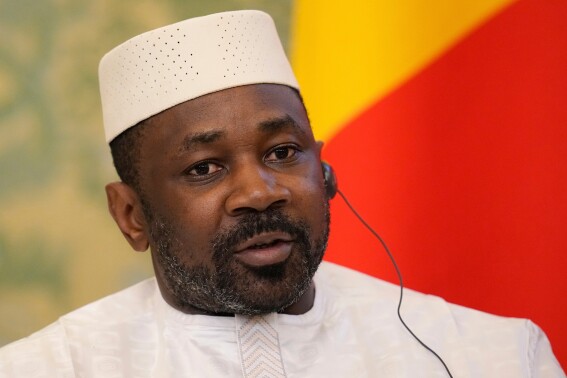
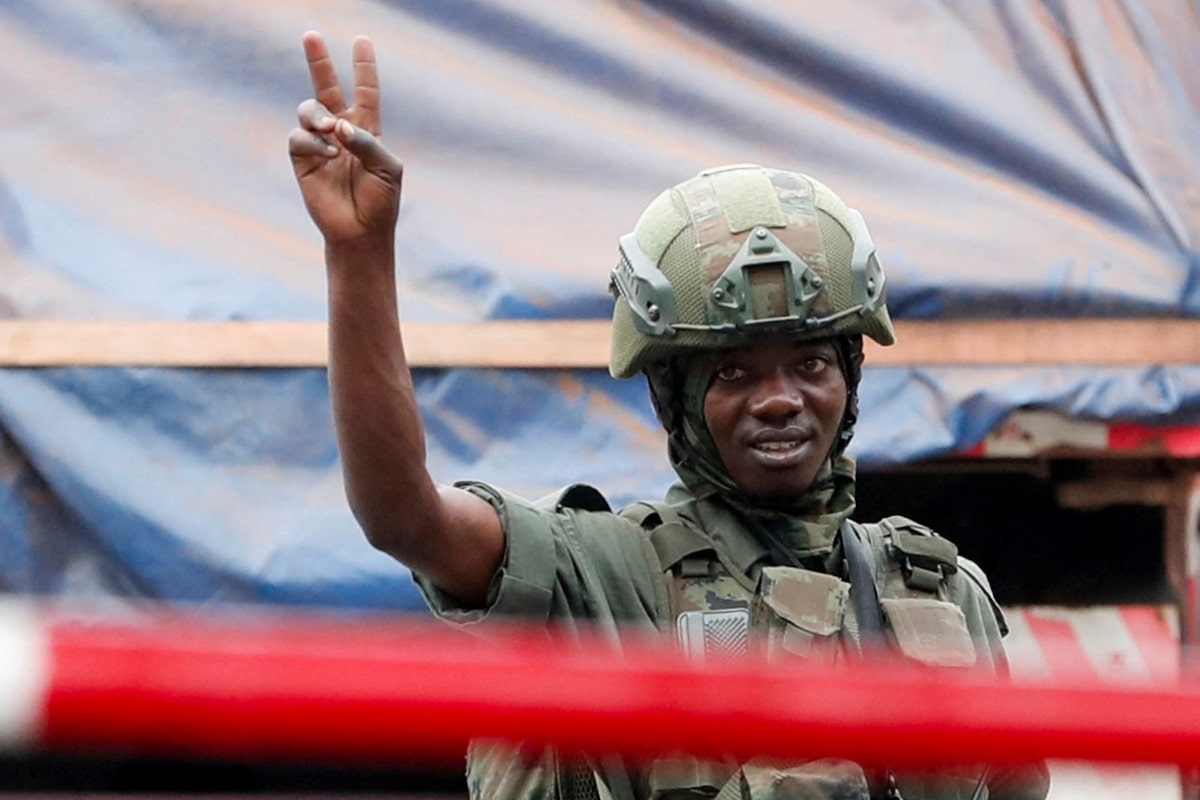
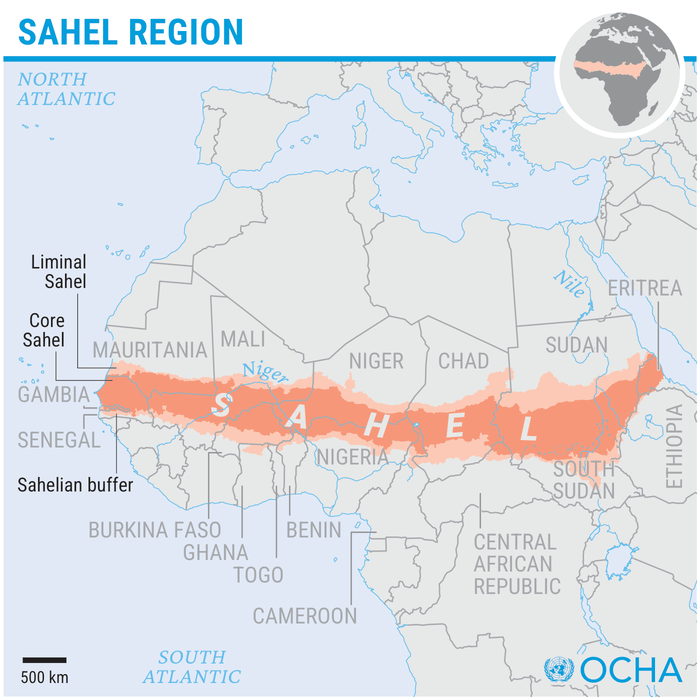
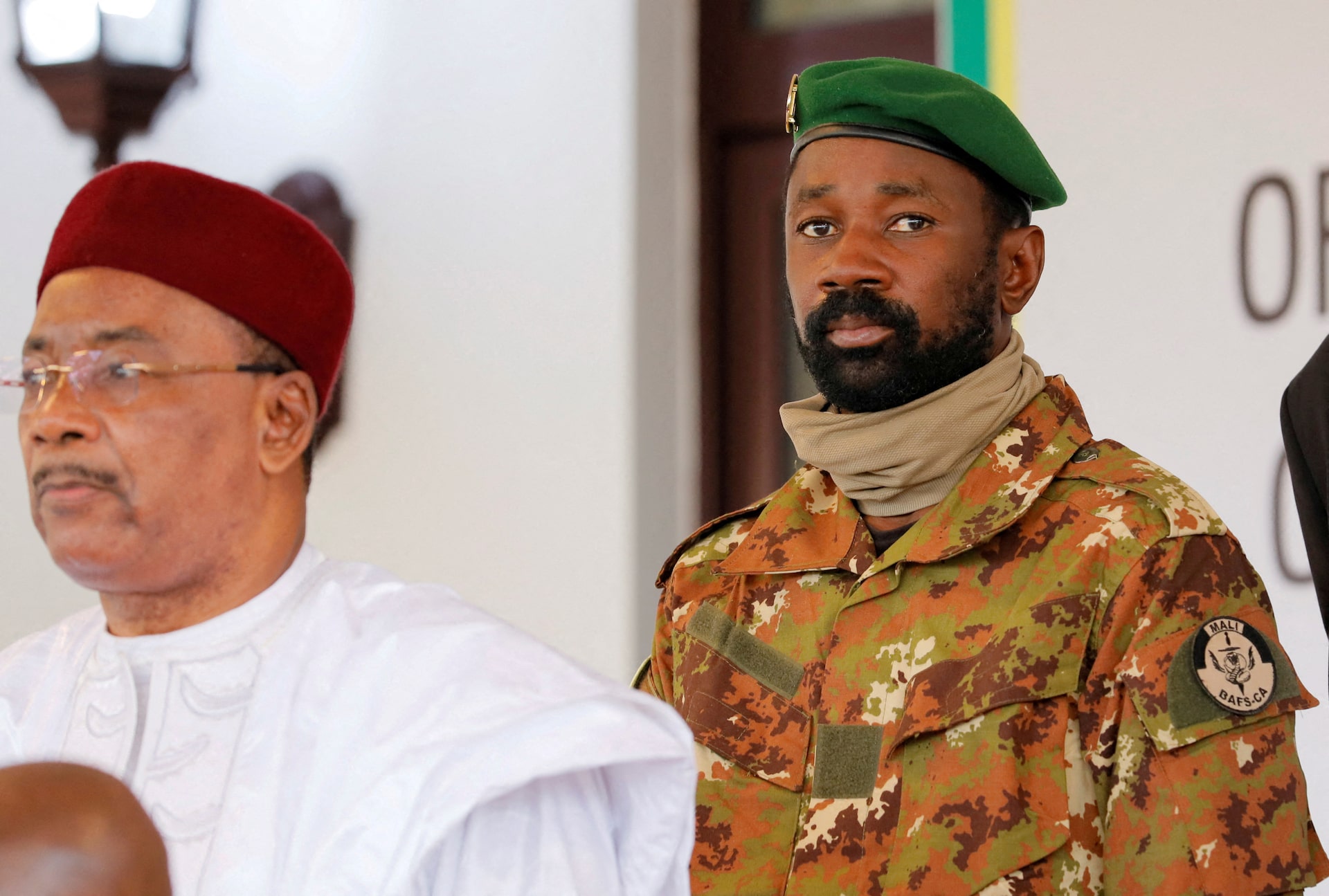
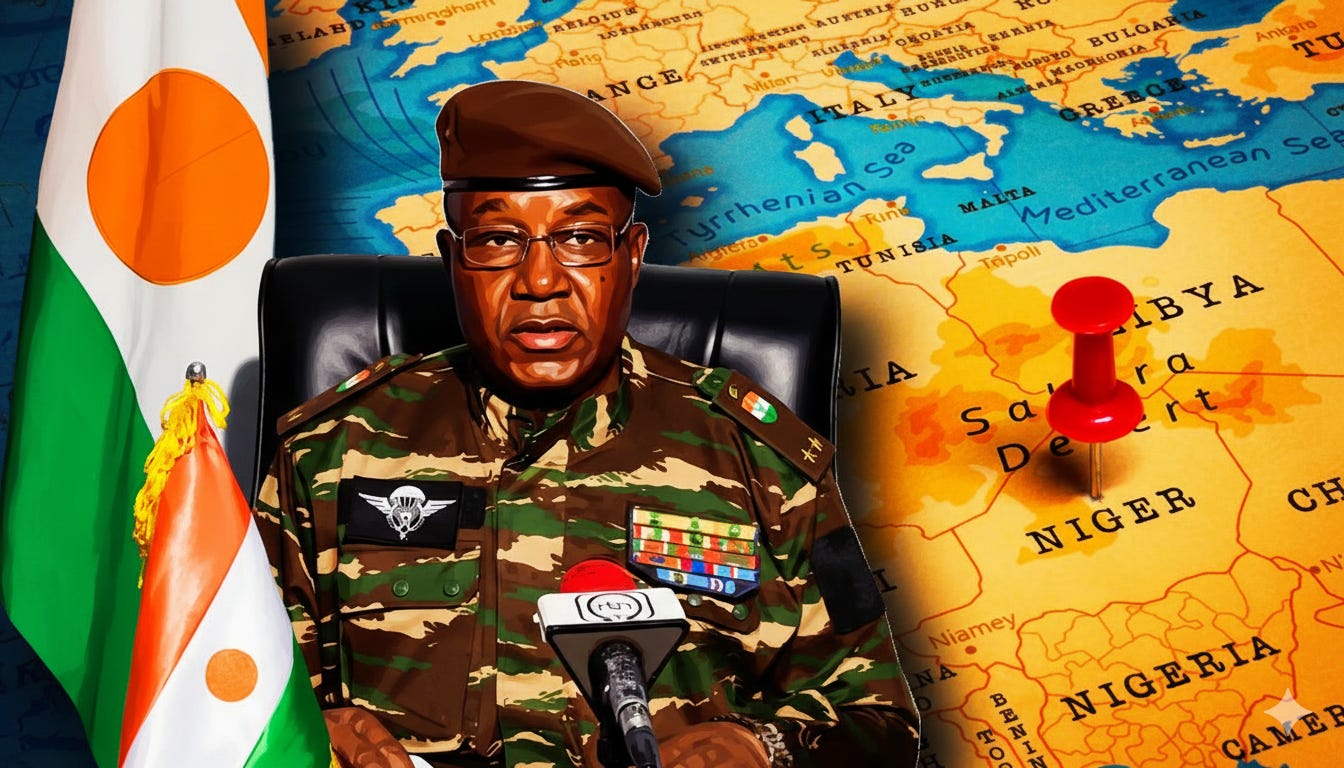
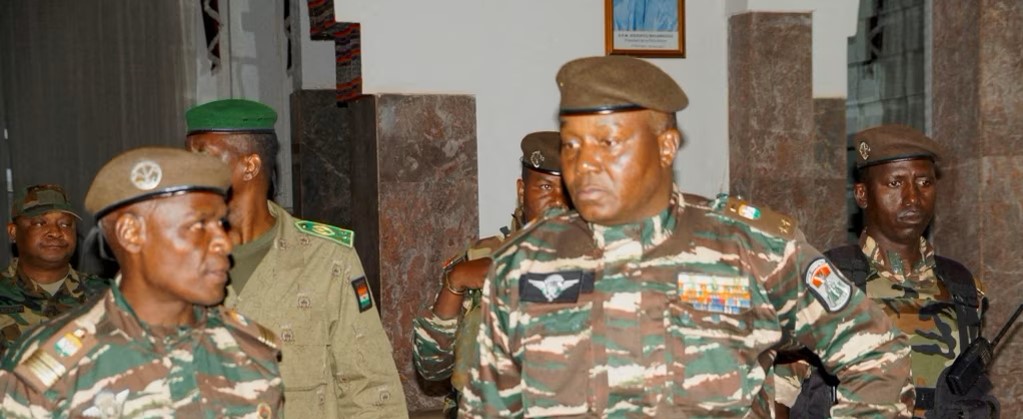
Burkina Faso is writing a new story. Under Captain Ibrahim Traoré, this West African nation, no stranger to hardship and change, is pushing through big reforms. His administration’s tackling everything: water management, urban security, and even the justice system. These moves show a clear drive to stabilize and modernize the country, directly addressing the urgent needs of its people. We’re talking about a nation trying to reshape its future, one step at a time. It’s a bold chapter, but what will it mean for ordinary Burkinabè?
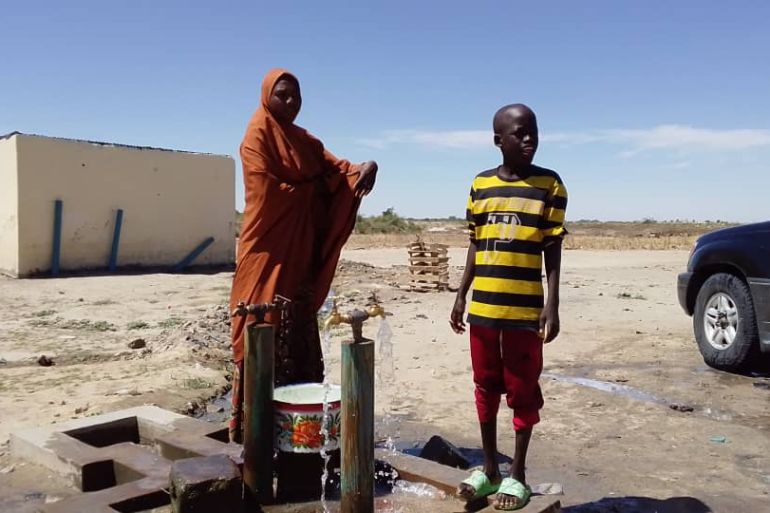
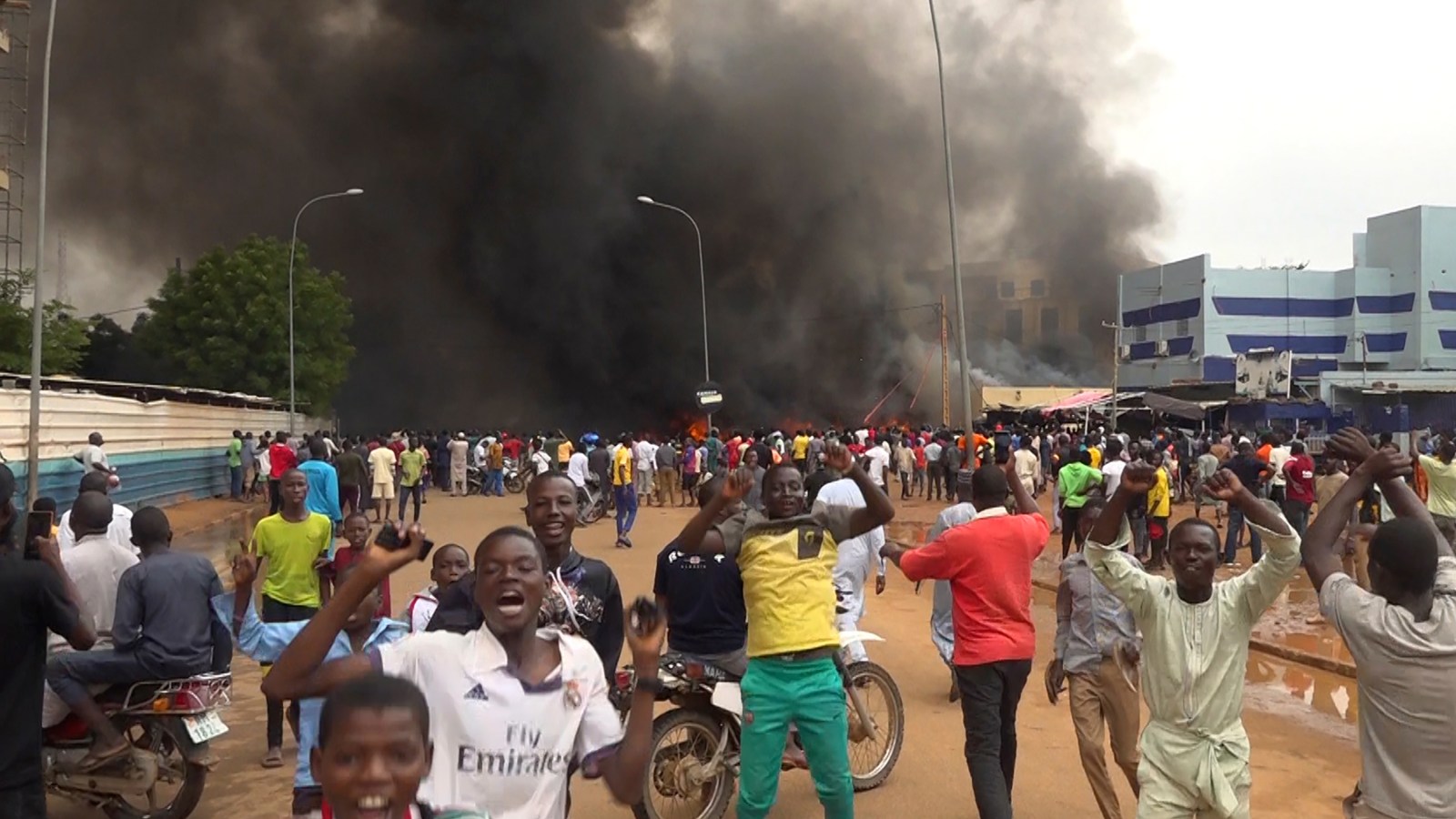
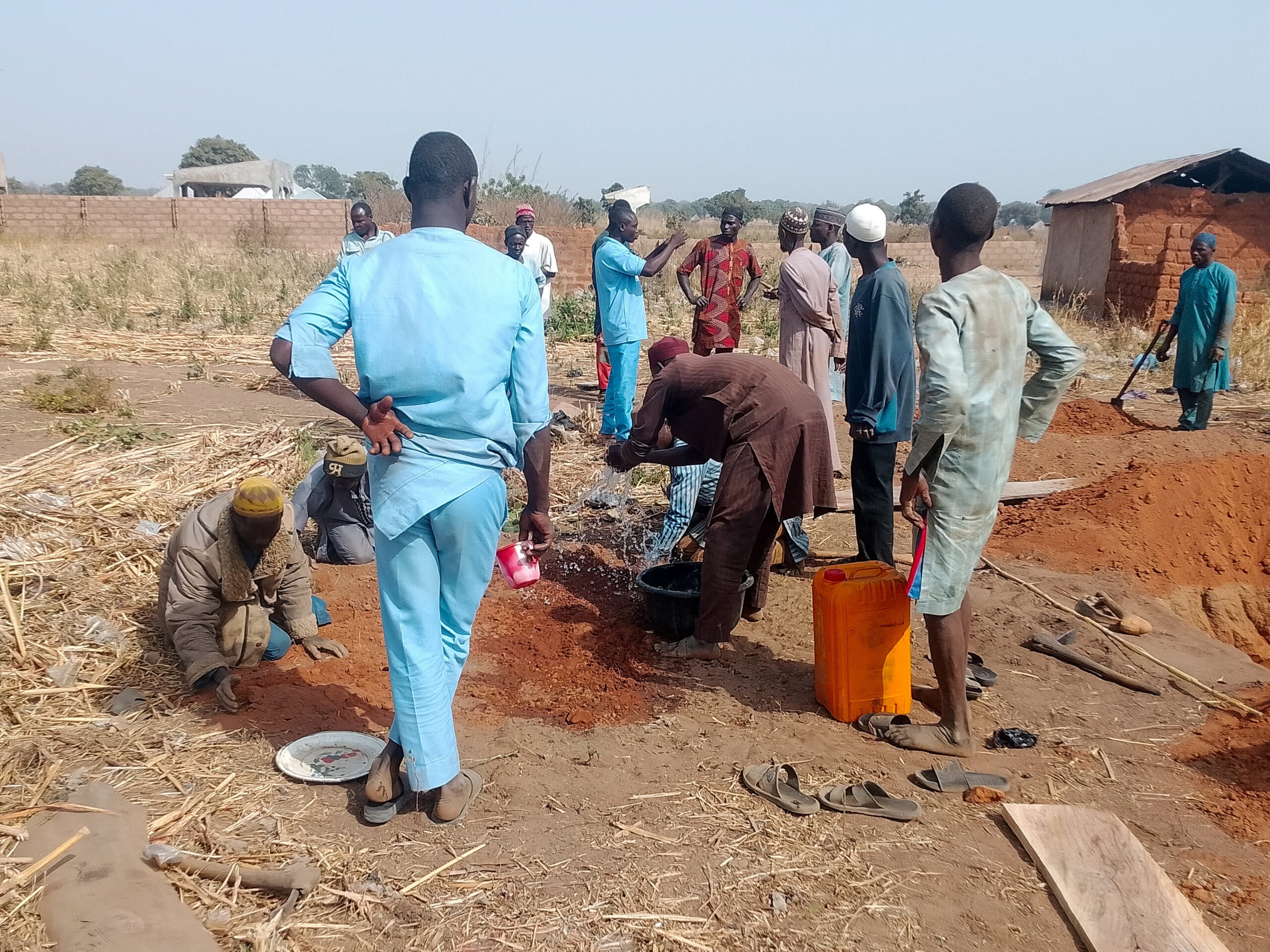
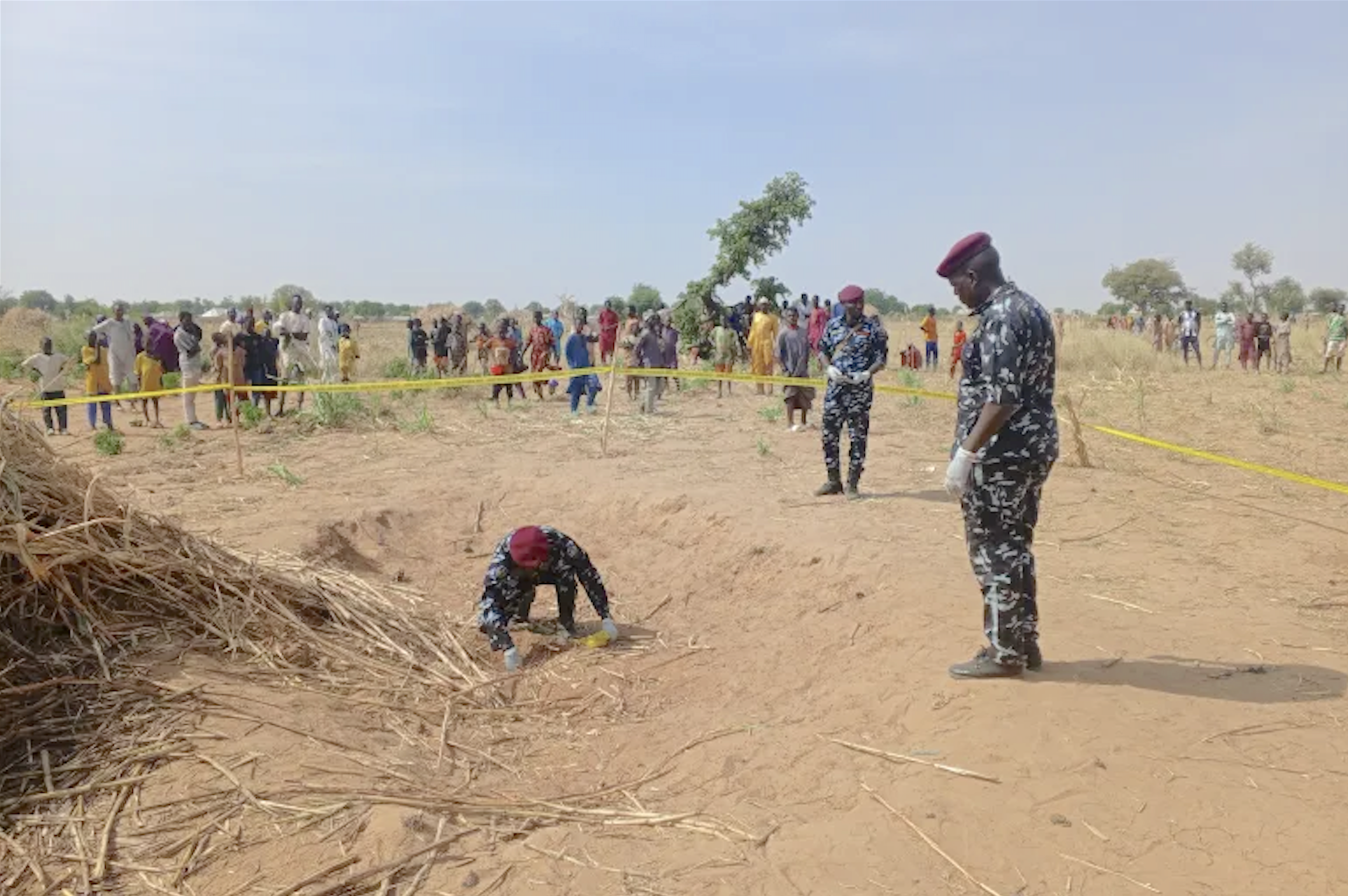
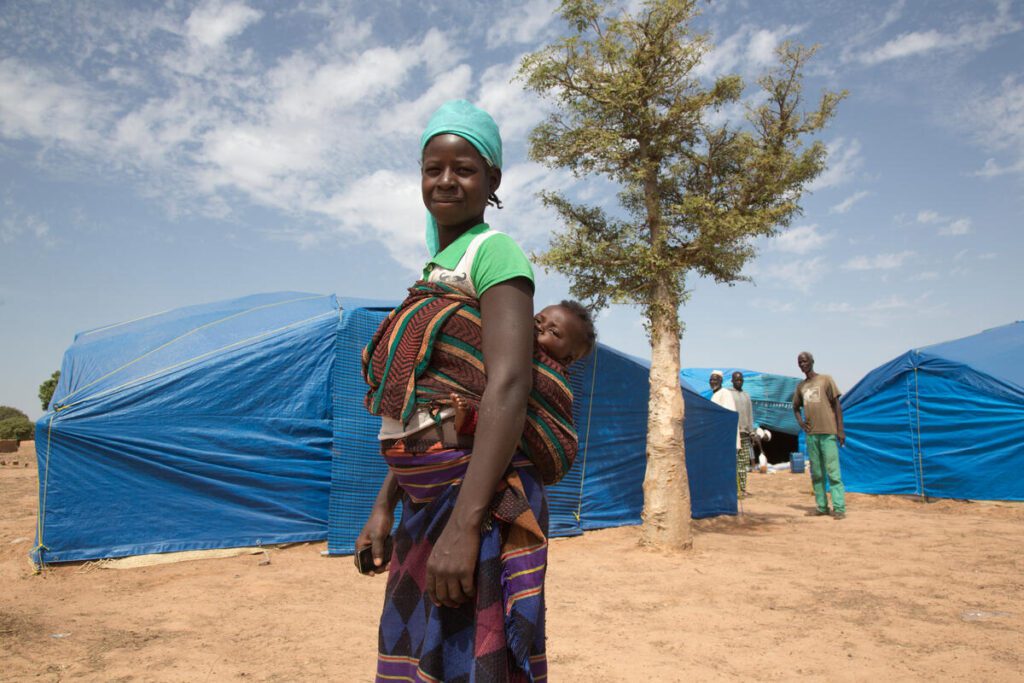
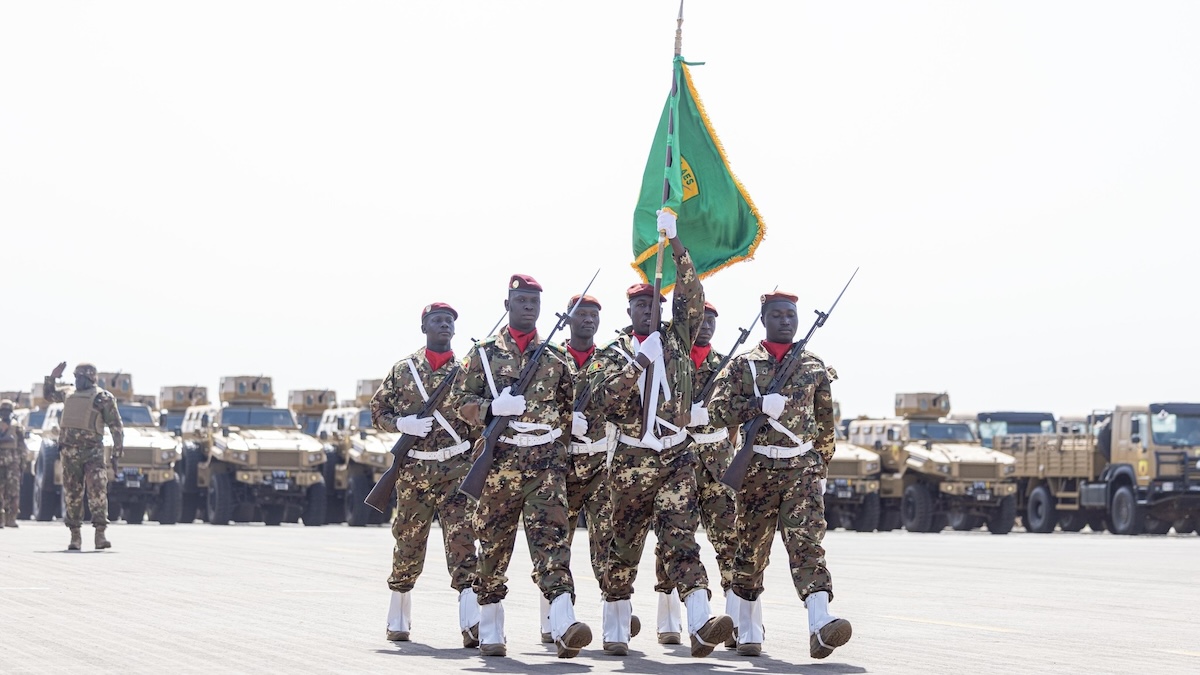
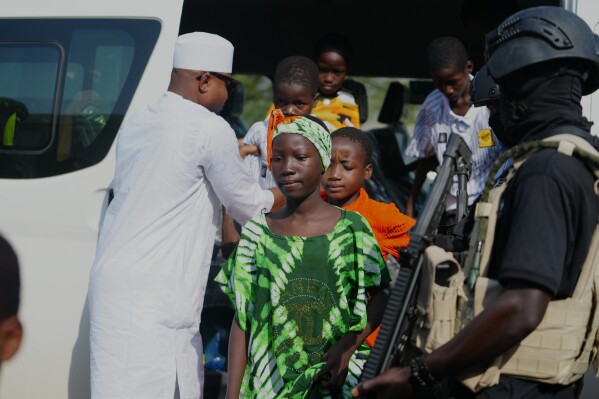
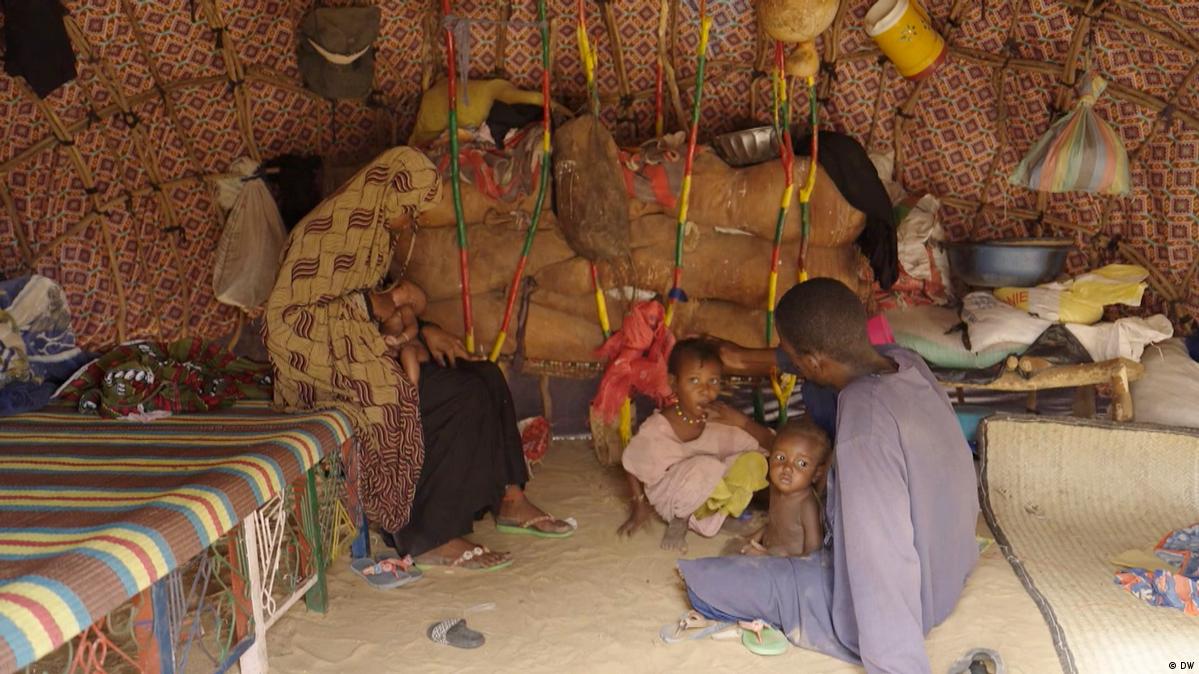
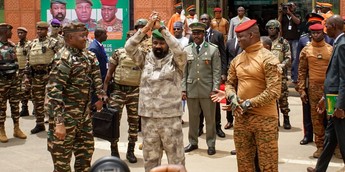
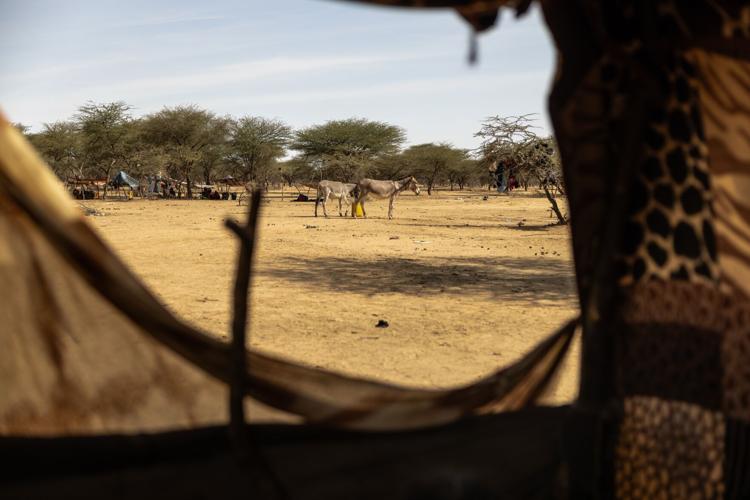
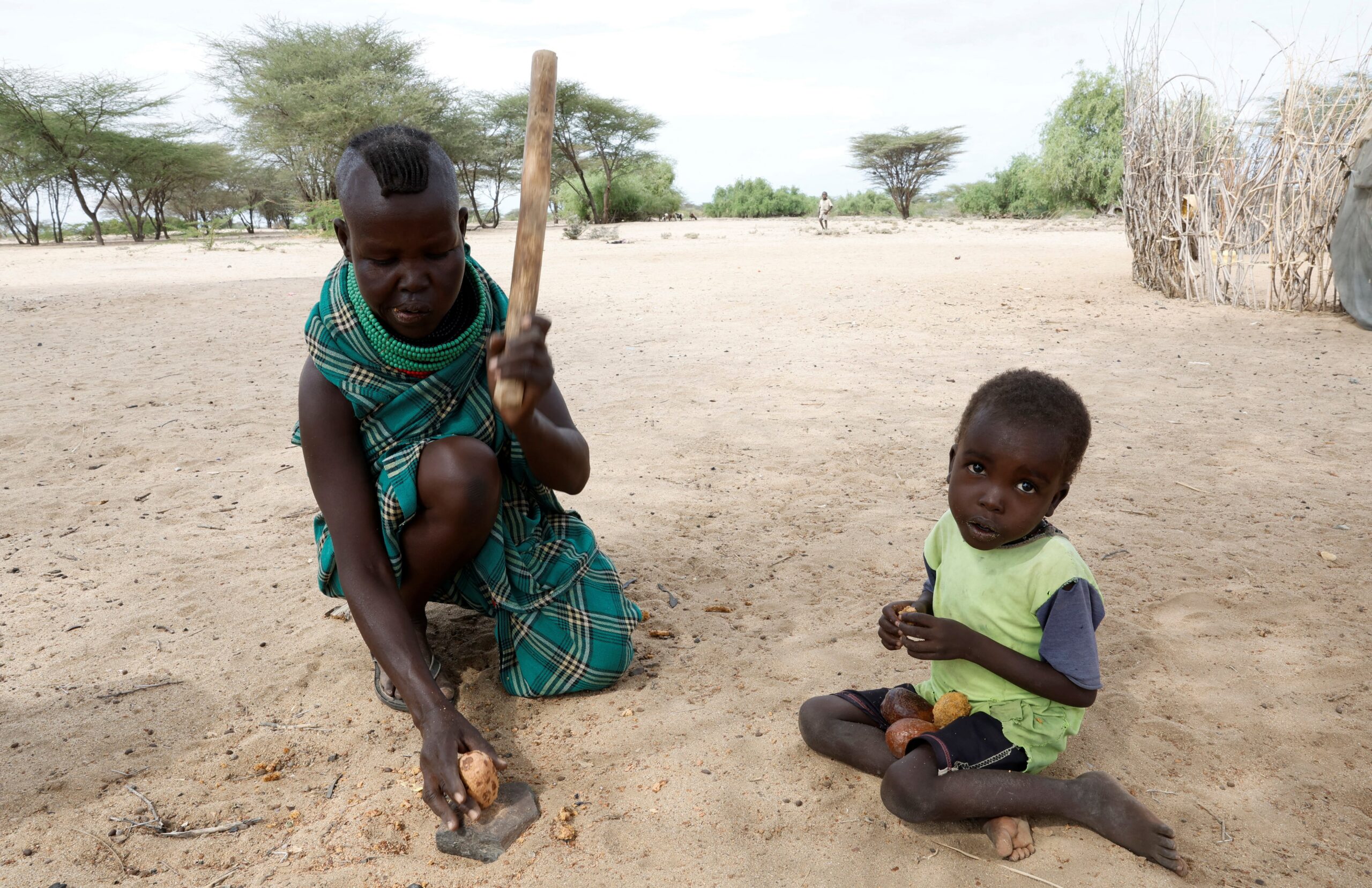
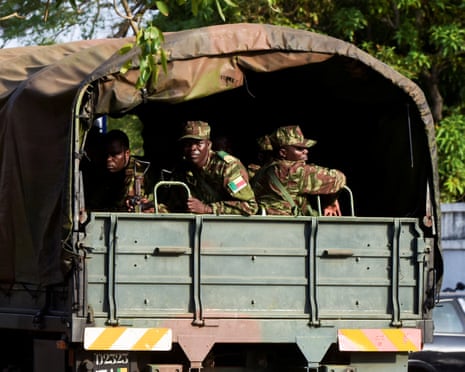
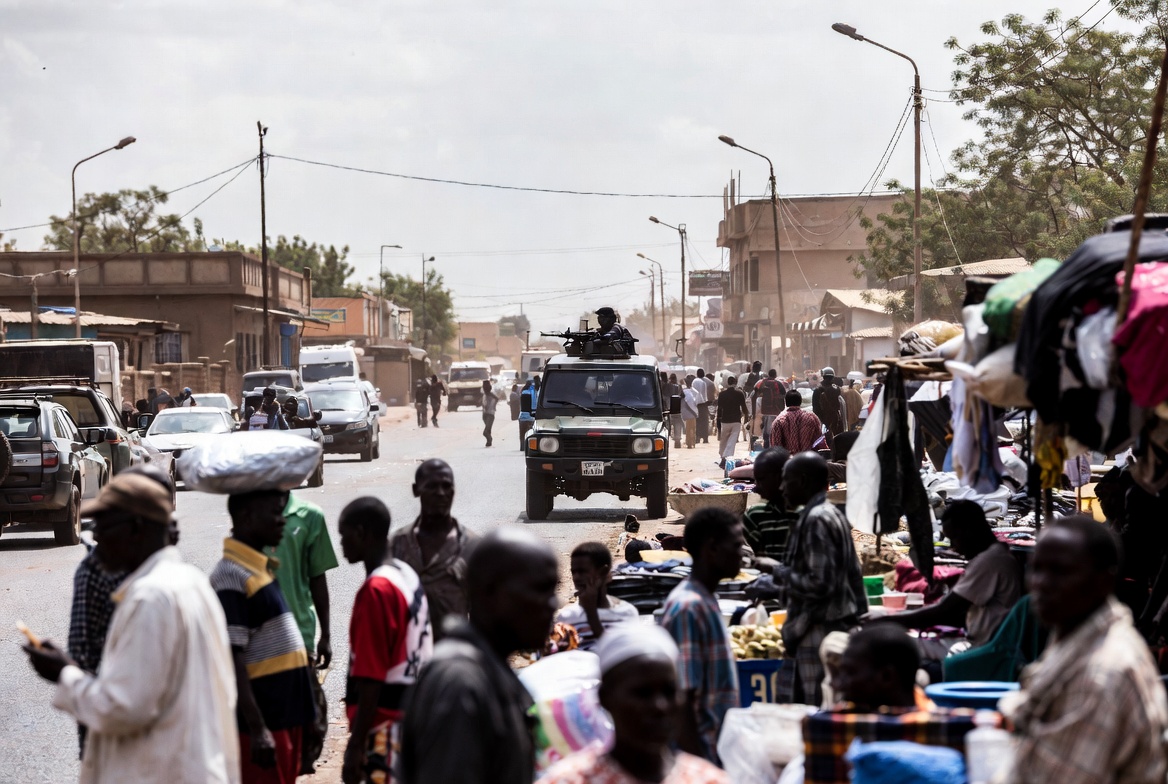
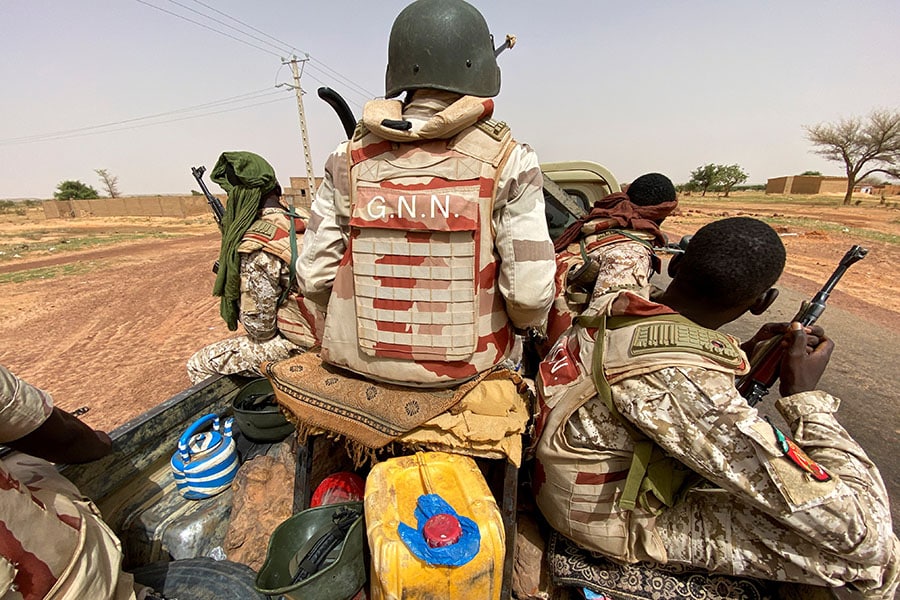
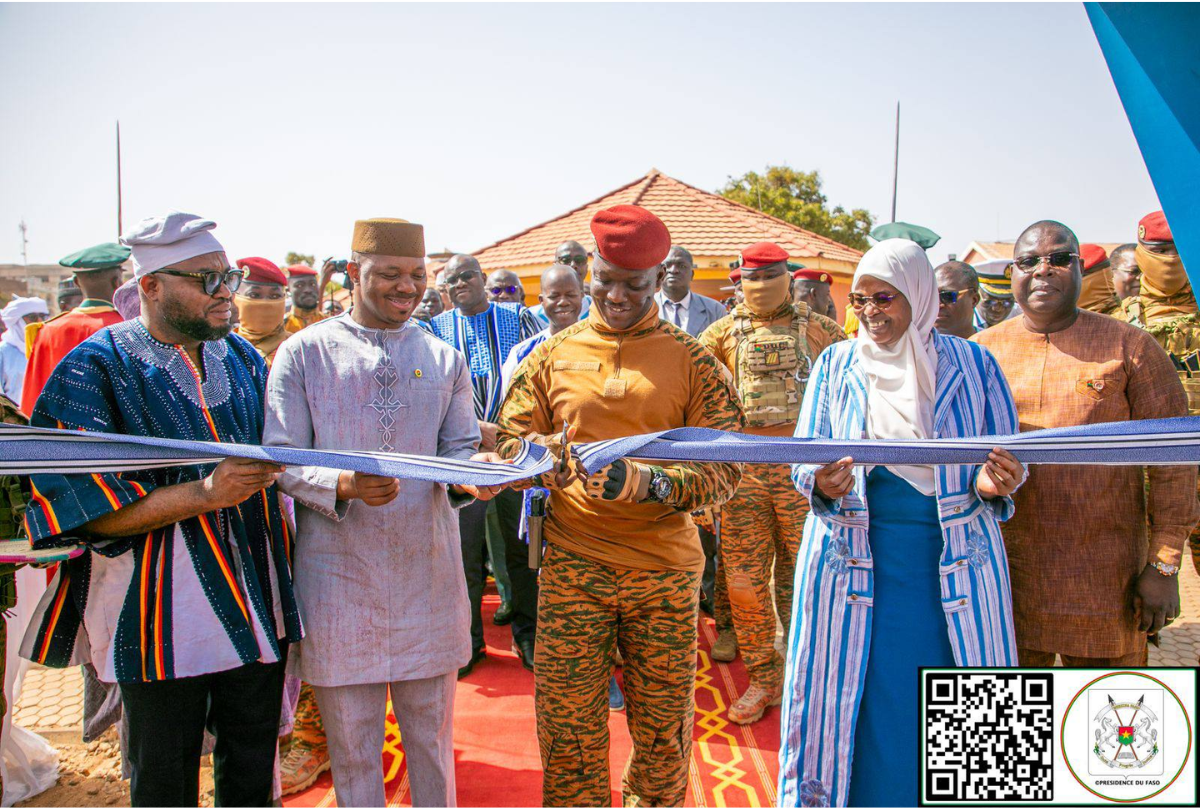
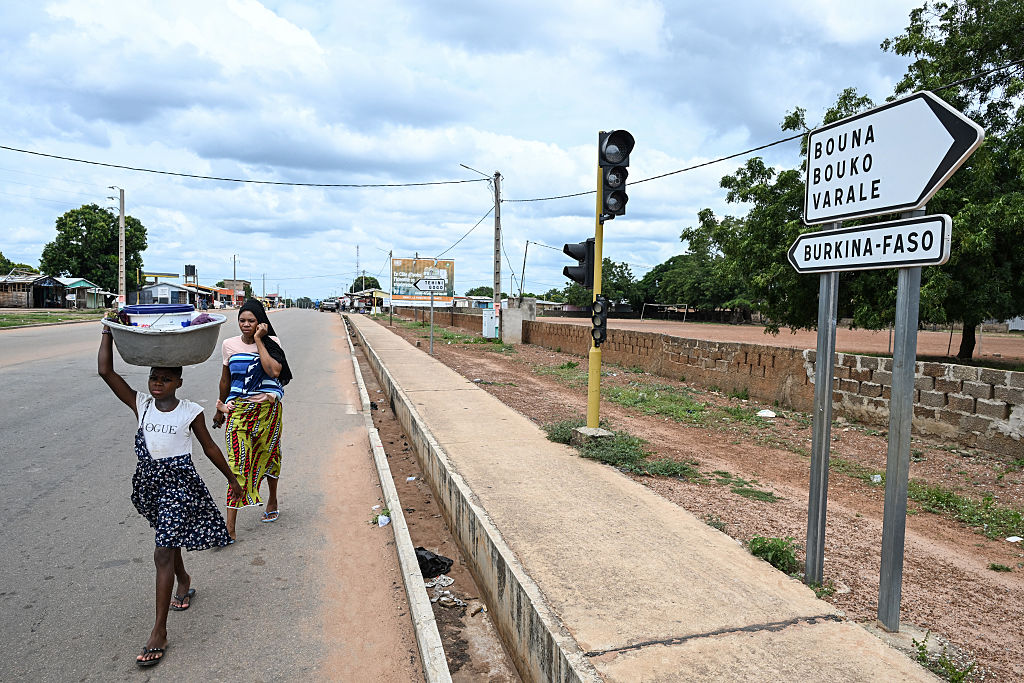
One of the most impressive efforts has to be Traoré’s ambitious water revolution. Water scarcity here has long crippled farming, uprooted families, and just made daily life incredibly tough. So, the government’s drilling 20,000 solar-powered boreholes across the country. These aren’t just any boreholes, they’re sustainable, tapping into underground aquifers with minimal environmental fuss. By using solar energy, the pumps work all year, giving folks consistent access to clean water. That’s vital not only for drinking, but also for crops and livestock, directly fighting years of water insecurity that displaced thousands and fueled rural poverty. What’s more, this project helps communities settle into new, safer homes, part of broader infrastructure upgrades quietly changing both city and rural landscapes. New dams are also securing water year-round. This investment signals a forward-thinking vision, promoting food security and improving life quality for families who’ve seen their share of struggles. Alongside these advancements, urban areas are seeing a major security boost. A new urban force has citizens feeling both impressed and hopeful. Big operations by this force have created a wave of optimism about safety and order in Burkina Faso’s cities. These enhanced measures aim to support stability, encourage economic growth, and reassure communities hit by decades of insecurity. They really align with the government’s plan to revitalize urban centers, making them more livable and secure for everyone.
But it’s not all straightforward. Burkina Faso’s administration has also made a controversial judicial move: bringing back the death penalty, which the nation abolished in 2018. The Council of Ministers made it official, pointing to a tougher stance on crime and justice. While some people, and even officials, see this as necessary for deterrence and maintaining order, it certainly raises questions about human rights and that delicate balance between security and justice. This shift really highlights the complex path Burkina Faso navigates as it tries to govern through tough security and social landscapes. Overall, these developments show a dynamic, complex time in Burkina Faso’s history. Traoré’s leadership isn’t just about immediate security, it’s also heavily invested in long-term national renewal through sustainable infrastructure and urban reforms. The water revolution, for instance, shows an innovative, environmentally aware way to fix one of the country’s biggest issues. And the beefed-up urban security forces? They’re a practical response to ongoing law and order problems. What’s next for this nation? Burkina Faso seems set on building a resilient, hopeful future. These bold steps, sometimes debated, reflect a government determined to tackle its many challenges head-on. Both observers and citizens will be watching to see how these initiatives come together, shaping the country’s stability, development, and its spot in the wider African renaissance. This period of change asks us for a nuanced view of progress: progress measured by clean water from solar pumps, safer cities, and a justice system wrestling with hard questions. As Burkina Faso writes its next chapter, it’s a story of resilience, hope, and that tricky balance between innovation and tradition.