Twenty-Four Abducted Schoolgirls Rescued in Kebbi Amid Nigeria’s Security Challenges and Calls for Justice
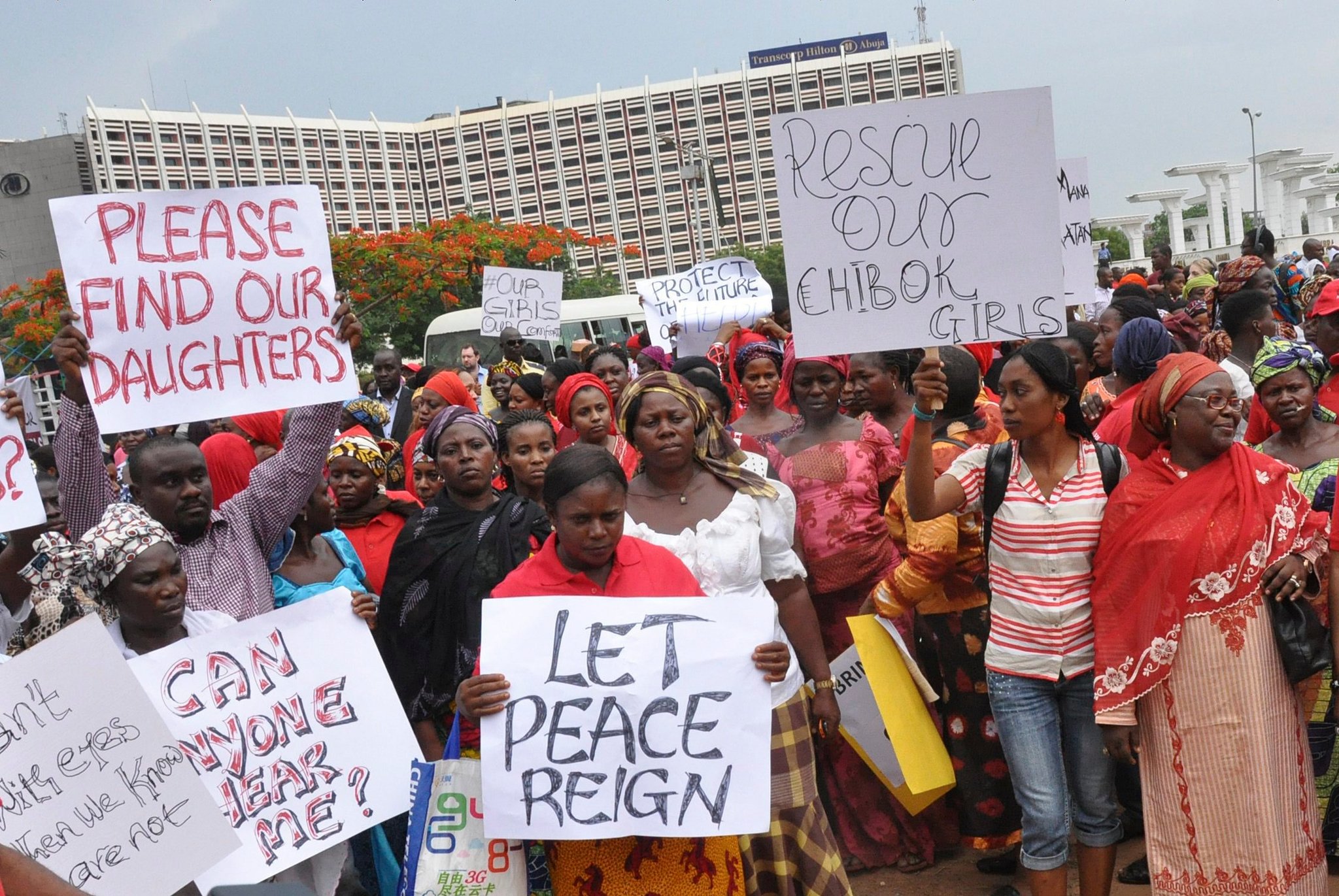
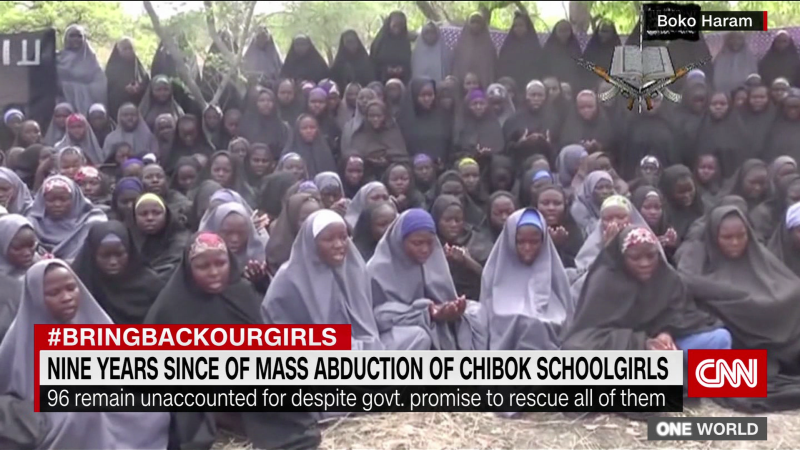
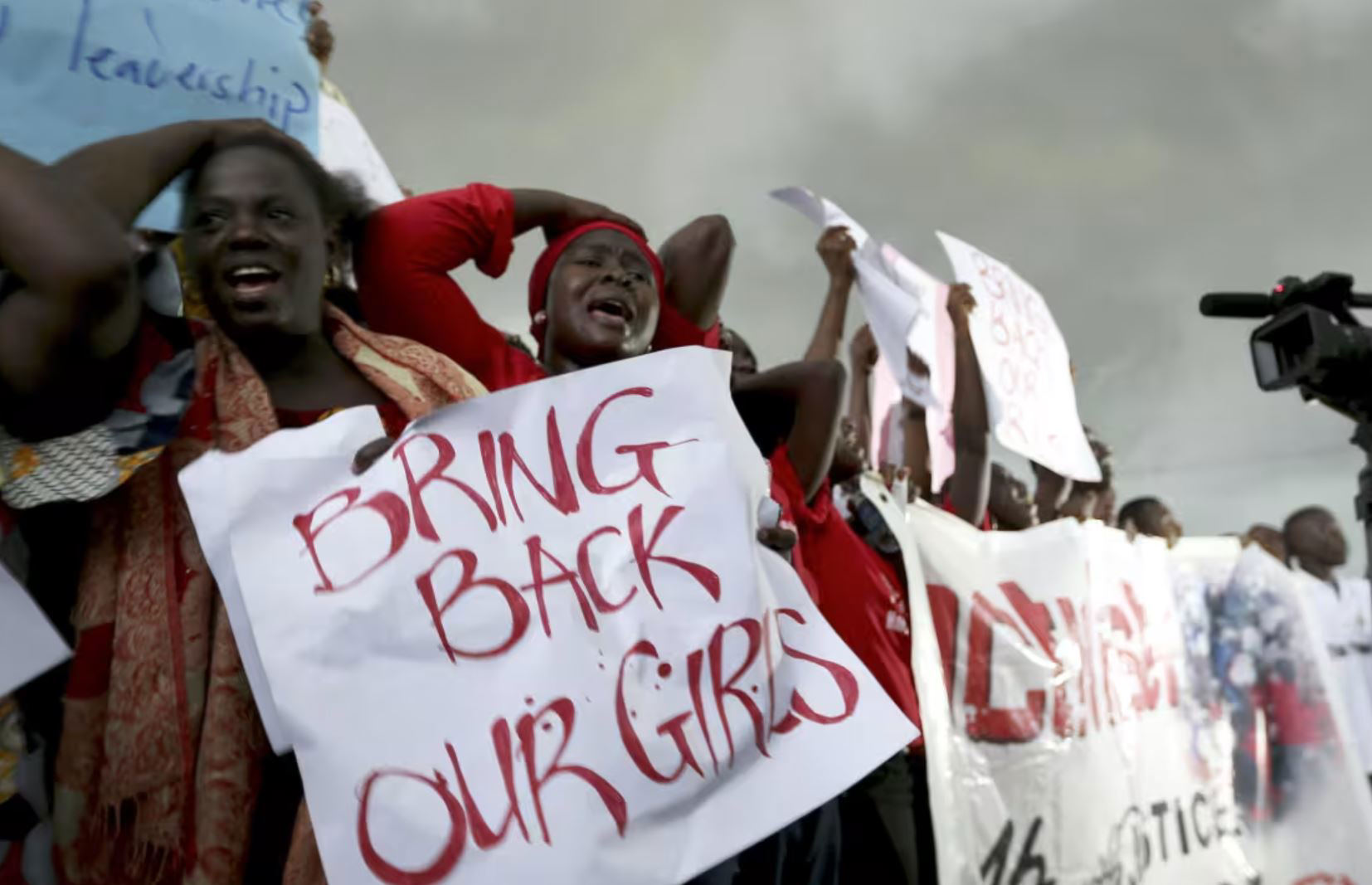
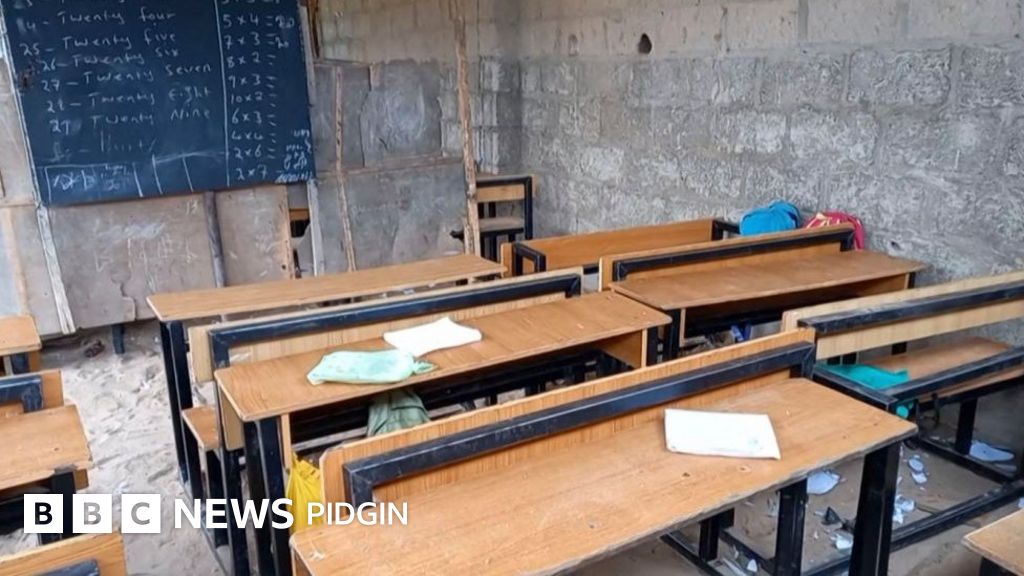
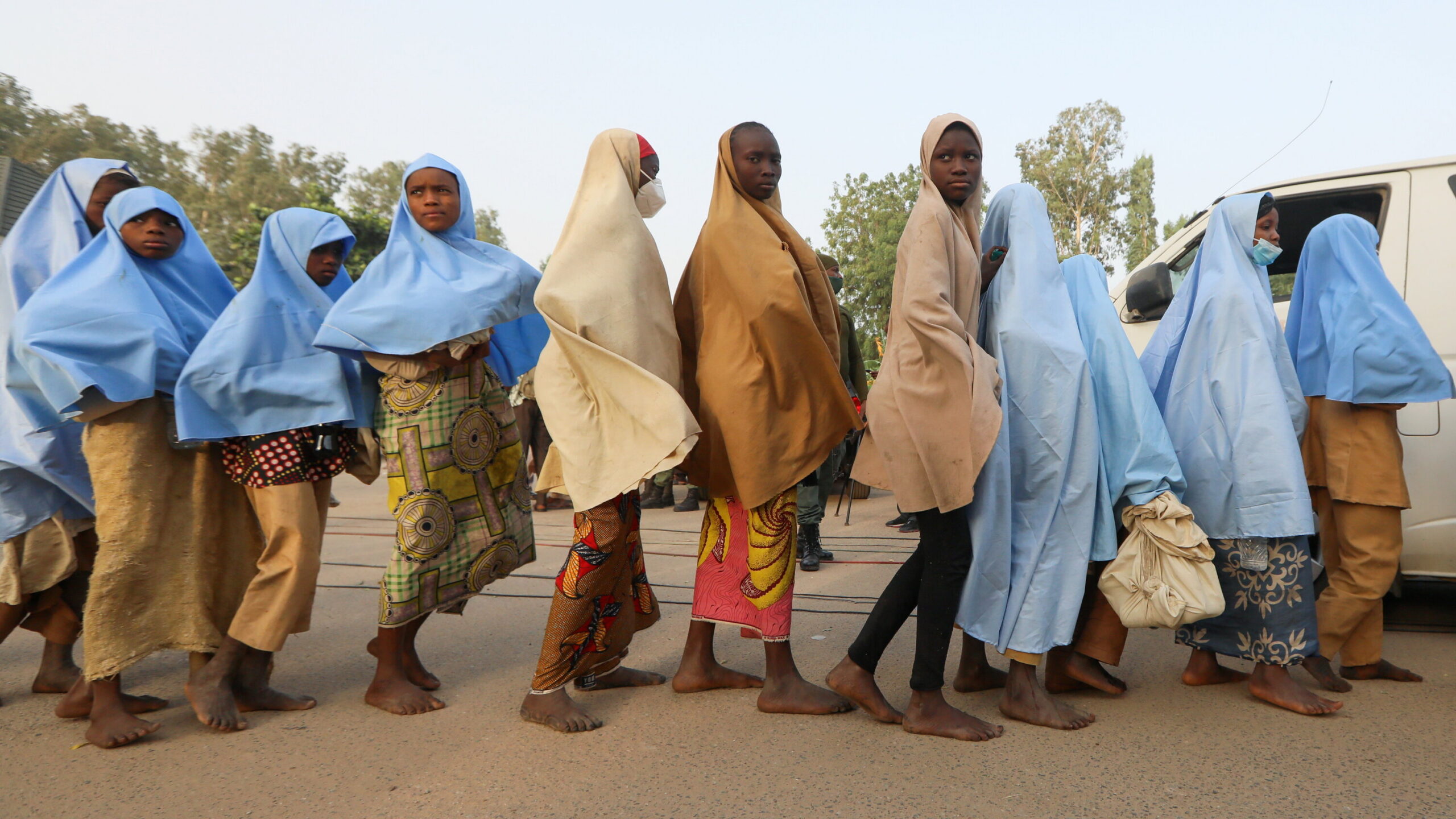
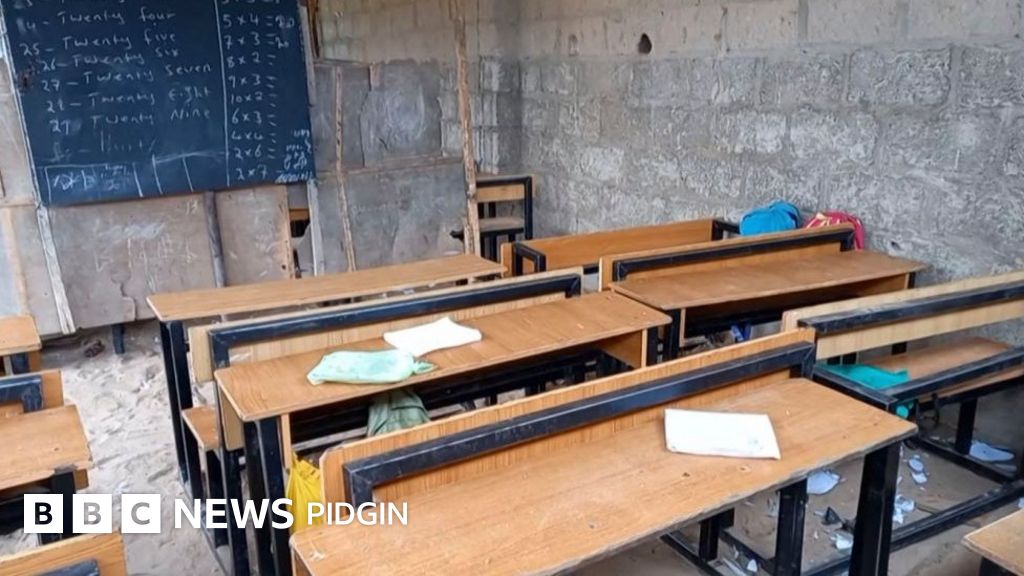
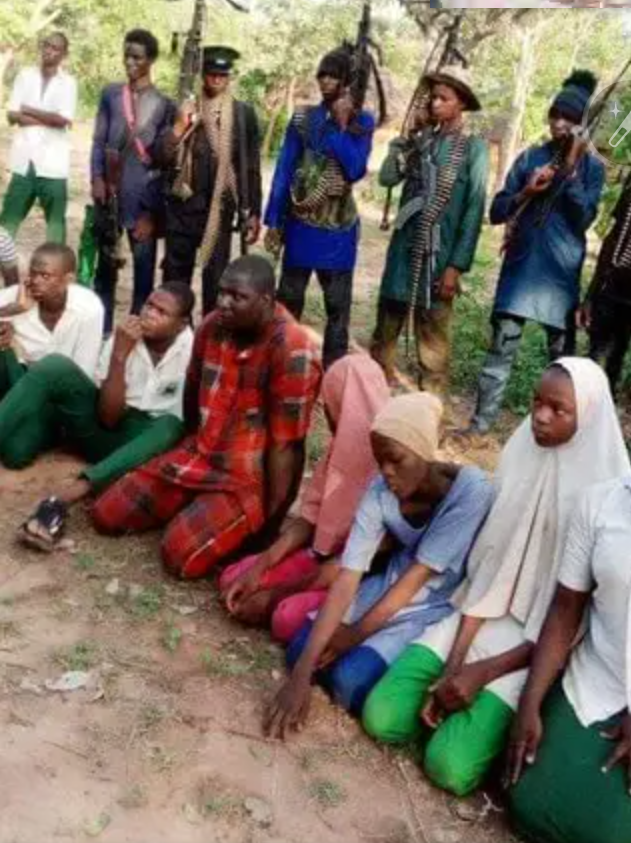
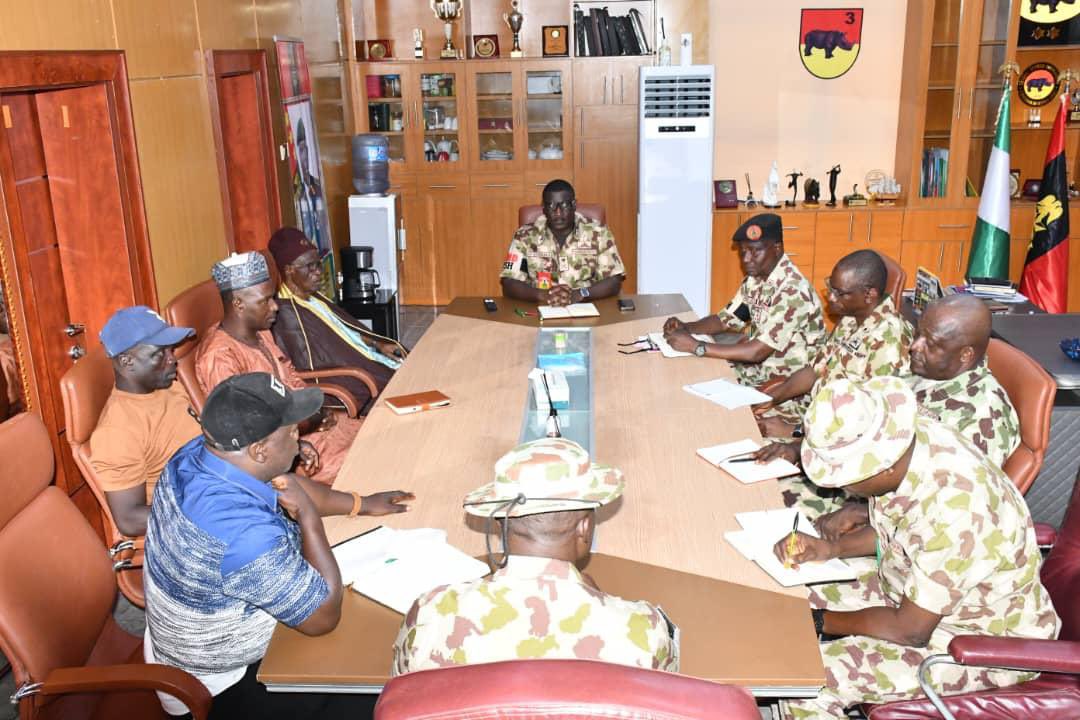
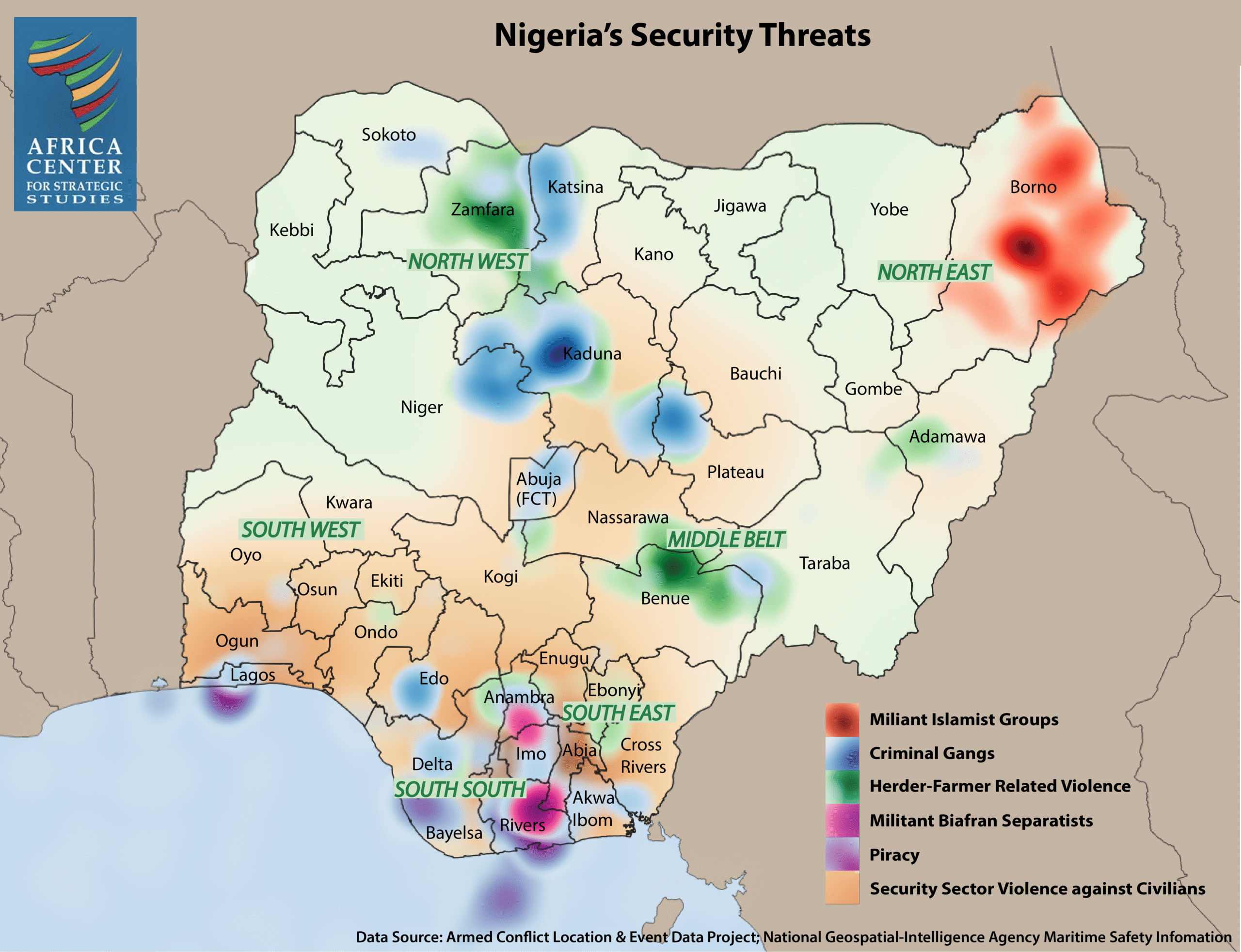
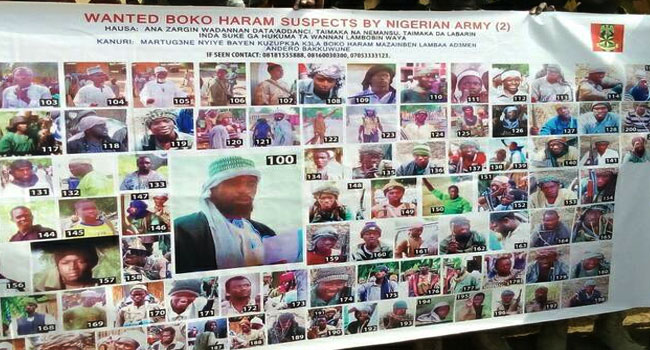
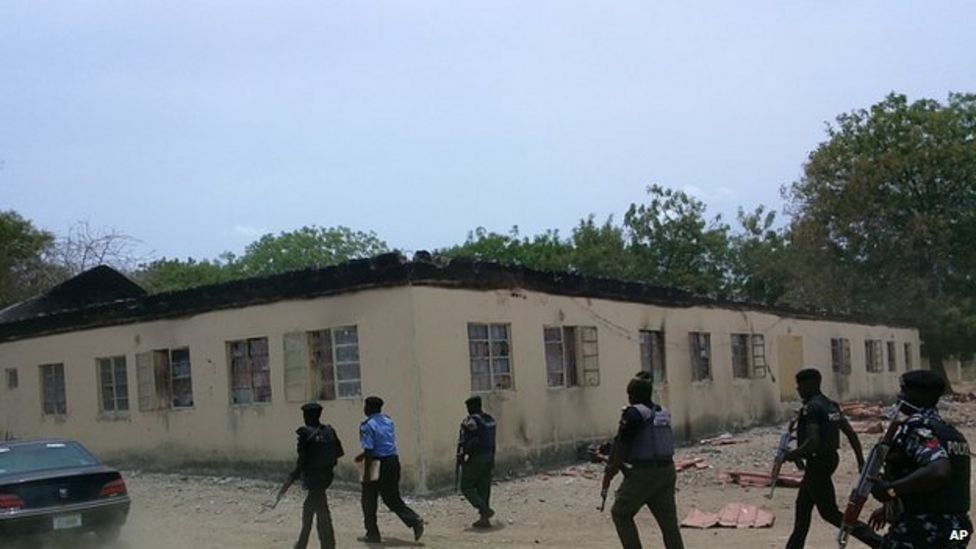
In a rare and much-needed win against Nigeria’s relentless fight with insurgency and insecurity, twenty-four schoolgirls, snatched from a boarding school in Kebbi State, are finally safe. This sigh of relief comes after a coordinated rescue effort by Nigerian security agencies and local volunteers, a bright spot amidst the complex security challenges that continuously grip the nation. The girls were abducted on November 17, 2025, from Government Girls’ Day Secondary School in Maga, a town resting along the Sokoto-Kebbi border in the Sakaba Local Government Area. Armed gunmen stormed the school, adding another violent chapter to a disturbing pattern of attacks on farming and educational communities across northern Nigeria. Official sources confirmed the early morning rescue, a joint military and community triumph. While the details of the operation remain closely guarded for understandable security reasons, the rescued students are now receiving medical care, eagerly awaiting reunification with their families. This operation doesn’t just bring comfort to these families, but also offers a welcome respite to a state constantly battling insecurity. Kebbi’s harrowing experience isn’t isolated, it echoes a broader national tragedy that has drawn international condemnation and strong calls for accountability. Amnesty International recently revealed over 10,000 civilians have died in military custody since the Boko Haram insurgency began in Nigeria’s northeastern region. Their report casts a harsh light on the conduct of Nigerian security forces, detailing alleged war crimes, including deliberate attacks on civilians, extrajudicial killings, torture, and sexual violence. Malam Isa Sunusi, Amnesty International’s Country Director in Nigeria, didn’t mince words, emphasizing the critical need to hold the government accountable for these abuses. He confirmed that Amnesty has even taken cases concerning alleged crimes against humanity in the northeast to the International Court of Justice in The Hague. These abuses reportedly involve a systemic pattern of violations by military personnel, alongside the atrocities committed by Boko Haram insurgents, who’ve terrorized communities through mass killings, kidnappings, and deliberate targeting of education. Don’t forget, Boko Haram’s very name, roughly meaning “Western education is forbidden,” encapsulates their brutal ideology, leading to repeated school raids and the horrific use of children as soldiers and sex slaves. Many survivors carry long-term physical, psychological, and social scars, often facing stigmatization upon their return.
The Broader Insecurity: Beyond Kebbi
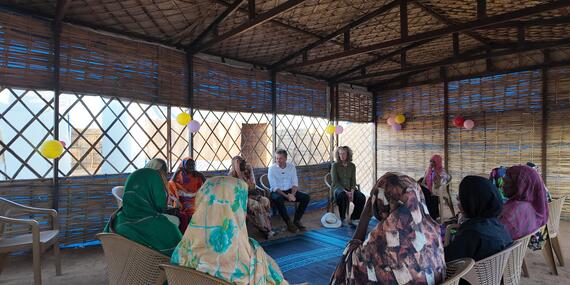
The girls and young women who escape Boko Haram aren’t necessarily free from hardship. Amnesty International’s research found that many survivors, instead of receiving vital support, faced arbitrary detention and neglect from Nigerian authorities. This neglect seriously hinders their recovery and reintegration. It’s reported that many freed girls also bear the painful burden of forced marriages with insurgents, sexual violence, forced pregnancies, and children from their captors. Sunusi rightly criticized the Nigerian government’s rehabilitation efforts as inadequate, often excluding women survivors. He stressed the urgent need for inclusive, trauma-informed programs that truly address the unique experiences of female survivors. This crisis in the northeast, as devastating as it is, exists alongside broader security challenges in other parts of the country, including Kebbi. The recent rescue offers a glimmer of hope, proving that progress is possible. President Bola Ahmed Tinubu’s administration faces the pressing task of improving national security capabilities and ensuring these successful operations become more frequent. The Kebbi schoolgirls’ rescue highlights how joint community and security agency cooperation can really make a difference. It underscores the importance of swift, robust responses to attacks on vulnerable populations, especially schoolchildren. But this progress must be part of a wider policy framework that genuinely prioritizes justice, accountability, and comprehensive care for survivors. Beyond the immediate security operations, the Nigerian government is under increasing pressure to confront systemic abuses by its own forces, provide justice for victims, and restore public confidence. Amnesty International’s recent revelations drive home the point that addressing military personnel abuses is crucial to breaking cycles of violence and impunity. International human rights frameworks, like the Convention on the Rights of the Child and the African Charter on the Rights and Welfare of the Child, both of which Nigeria is a signatory to, demand that survivors receive protection, healthcare, education, and social integration support.
A Path Forward: Justice, Accountability, and Hope
Nigeria truly stands at a crossroads. The nation must navigate the twin imperatives of combating insurgency and fiercely safeguarding its citizens’ human rights. The success in Kebbi should ignite renewed energy in governmental and civil society partnerships to protect schools and communities, strengthen law enforcement accountability, and invest in robust, survivor-focused rehabilitation programs. Imagine a future where comprehensive efforts mean fewer abductions and a significant reduction in the tragic human cost of insurgency and security force excesses. The global community continues to watch closely, encouraging Nigeria to champion justice, protect its people, and guarantee every child’s right to education. We must ensure future generations grow up in a nation truly free from terror and neglect, don’t you think?