Africa’s Startup Reset: From Fast Money to Hard Questions, 2025 Rewrites the Playbook
The Investor Shift: Not Less Money, Just Smarter Money
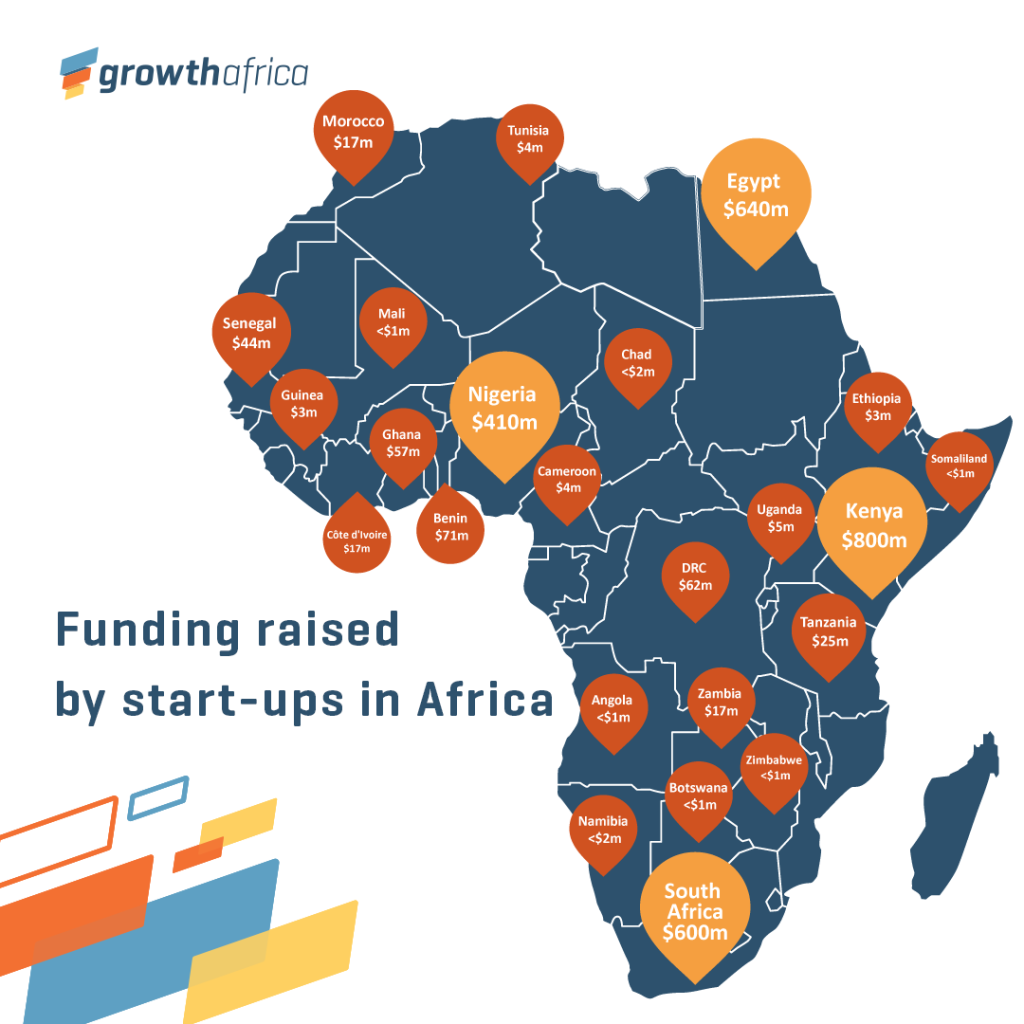
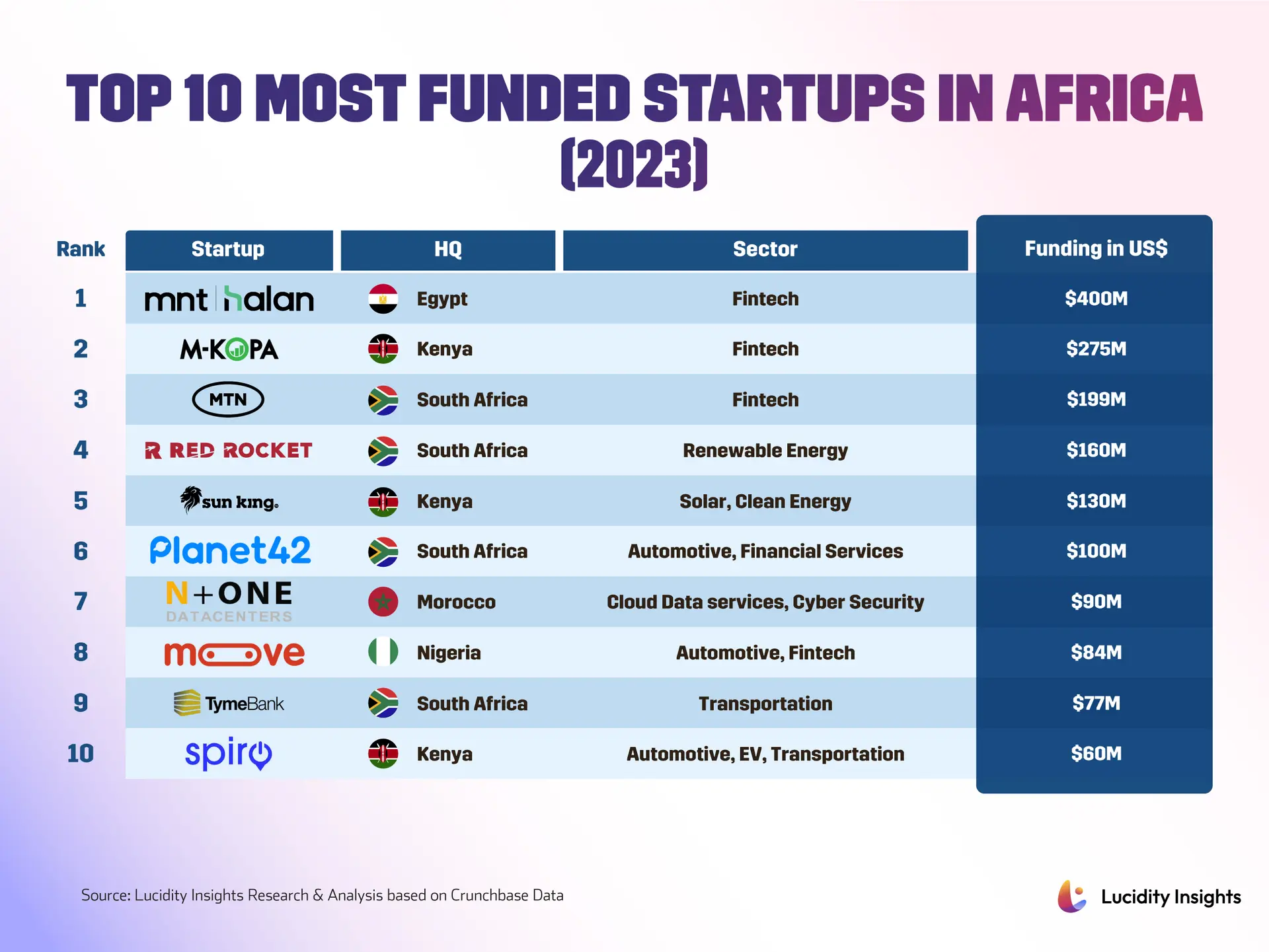
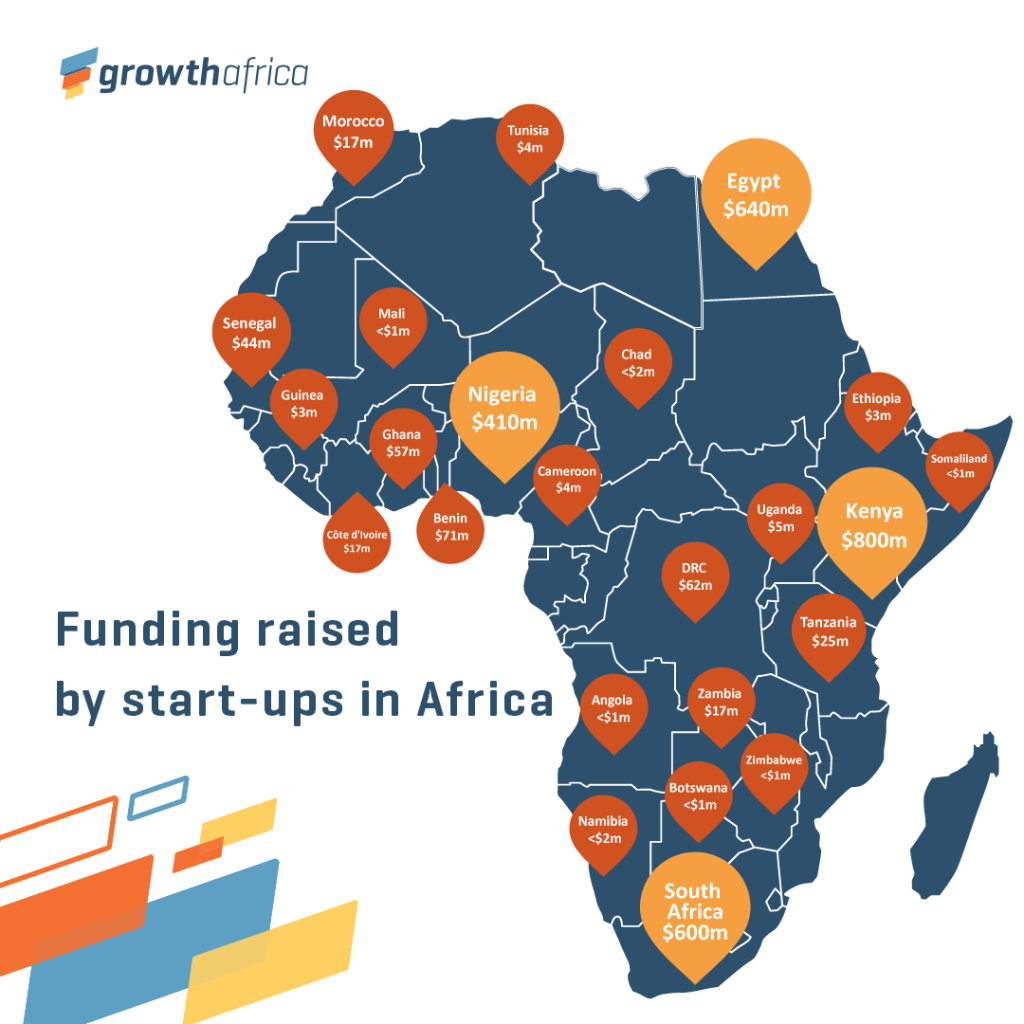
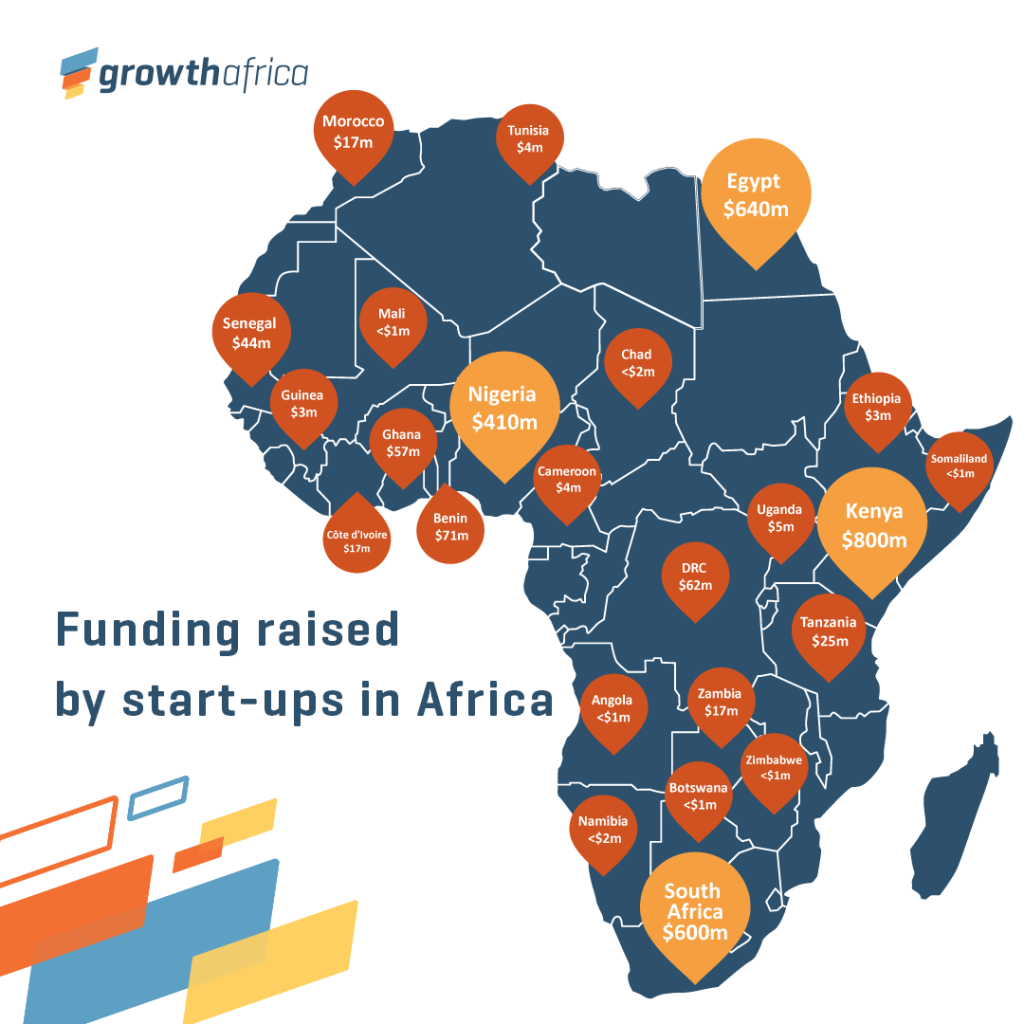
Remember when African startups seemed to grab headlines every week with massive funding rounds? Well, 2025 changed that conversation completely. It wasn’t that the money dried up, but investors started asking tougher questions. They wanted to see real paths to profitability, not just growth for growth’s sake. Venture capital still flowed into healthtech, fintech, and renewable energy projects across the continent, with daily trackers showing billions moving through the ecosystem. But the tone shifted dramatically. Institutional investors pushed founders harder on unit economics and cash flow timelines. You could see it in the market adjustments, with some companies that expanded too aggressively now forced to retrench. High profile layoffs and operational pivots became common stories, reminding everyone that raising capital doesn’t guarantee a sustainable business model. At the same time, seed and early stage investors doubled down on niche, revenue focused plays. Fund managers increased their due diligence, prioritizing repeatable revenue and defensible margins over vanity metrics. It’s a maturation story, really. The continent’s startup ecosystem is growing up, and 2025 was the year it had to prove it could stand on its own two feet. As African Business reported, startups faced tougher scrutiny as investors sought real returns, not just potential.
When Growth Meets Reality: Policy Changes and Sector Shifts
The year brought some hard lessons about what happens when ambitious growth collides with economic reality. Consumer credit models, especially Buy Now Pay Later services that scaled quickly on thin margins, came under serious strain. One East African BNPL provider entered administration after rapid expansion failed to translate into sustainable returns. That episode highlighted how customer acquisition costs, default risks, and regulatory complexity can overwhelm even the most promising fintech without disciplined underwriting. E commerce platforms and marketplaces faced similar recalibrations, with many reducing headcount and refocusing on core profitable verticals. But here’s where it gets interesting, policy changes started redrawing the opportunity map. Europe’s carbon border tax, designed to charge importers for the carbon intensity of goods, is set to reshape export strategies and supply chains across Africa. For exporters, this raises compliance costs but also creates openings for low carbon producers and startups that help measure, reduce, or offset emissions. Suddenly, carbon aware agriculture, renewables, and green logistics startups find themselves with clearer paths to both funding and export markets. Regional integration efforts showed another promising channel, with trade fairs reporting tens of billions in deals and massive attendance. For investors, infrastructure and trade finance are becoming increasingly important companions to pure play software bets. Not all sectors struggled equally though. Healthtech companies using AI to extend diagnostic services drew fresh capital as healthcare systems embraced remote care. E mobility and renewable energy projects attracted large strategic investments, reflecting both market demand and multilateral involvement. The continent’s tech renaissance continued, just with more focus on sustainability and real world impact. According to WeeTracker’s comprehensive review, 2025 was a year of unpacking key trends and events that reshaped the landscape.
Looking Ahead: What Comes After the Reckoning
So where does Africa’s startup ecosystem go from here? If 2025 was the reckoning, 2026 offers genuine opportunity for those who adapt. The market will likely consolidate, valuations will align more closely with fundamentals, and capital will flow faster to businesses that can marry growth with discipline. Founders should expect the fundraising bar to be demonstrably higher next year. They’ll need to show unit economics, customer lifetime value calculations, and clear milestones to profitability. For export oriented ventures, carbon intensity data and compliance plans will become standard parts of the pitch deck. For consumer facing businesses, robust credit risk frameworks and diversified revenue streams will be non negotiable. The recalibration has already prompted more M&A activity and exits, as strategic acquirers scoop up technology or customer bases that fit longer term corporate strategies. Large telecom and financial groups are making moves to consolidate positions in key markets, while regional funds close sizeable new vehicles aimed at small and medium enterprise growth. These transactions offer liquidity to some founders and validate the thesis that scale plus operational discipline can still produce solid returns for investors. Looking forward, startups that adapt, prove sustainable unit economics, and help exporters meet new green standards will attract both strategic and public capital. Investors who can combine patient capital with operational support will benefit as the ecosystem matures into a more resilient phase. Africa’s innovation story isn’t over, far from it. It’s entering a new chapter where the winners will be those who build durable businesses serving both local markets and the demands of a global, carbon conscious economy. The continent’s record funding achievements in 2025 show the underlying strength, even amid the reset. As TechCrunch’s Africa coverage continues to highlight, founders and funders who internalize these lessons will define the continent’s next wave of scale ups. The playbook has been rewritten, and now it’s time to play a smarter, more sustainable game.