Russia’s Africa Corps in Mali Accused of Abuses Amid Rising Regional Tensions and New Military Developments
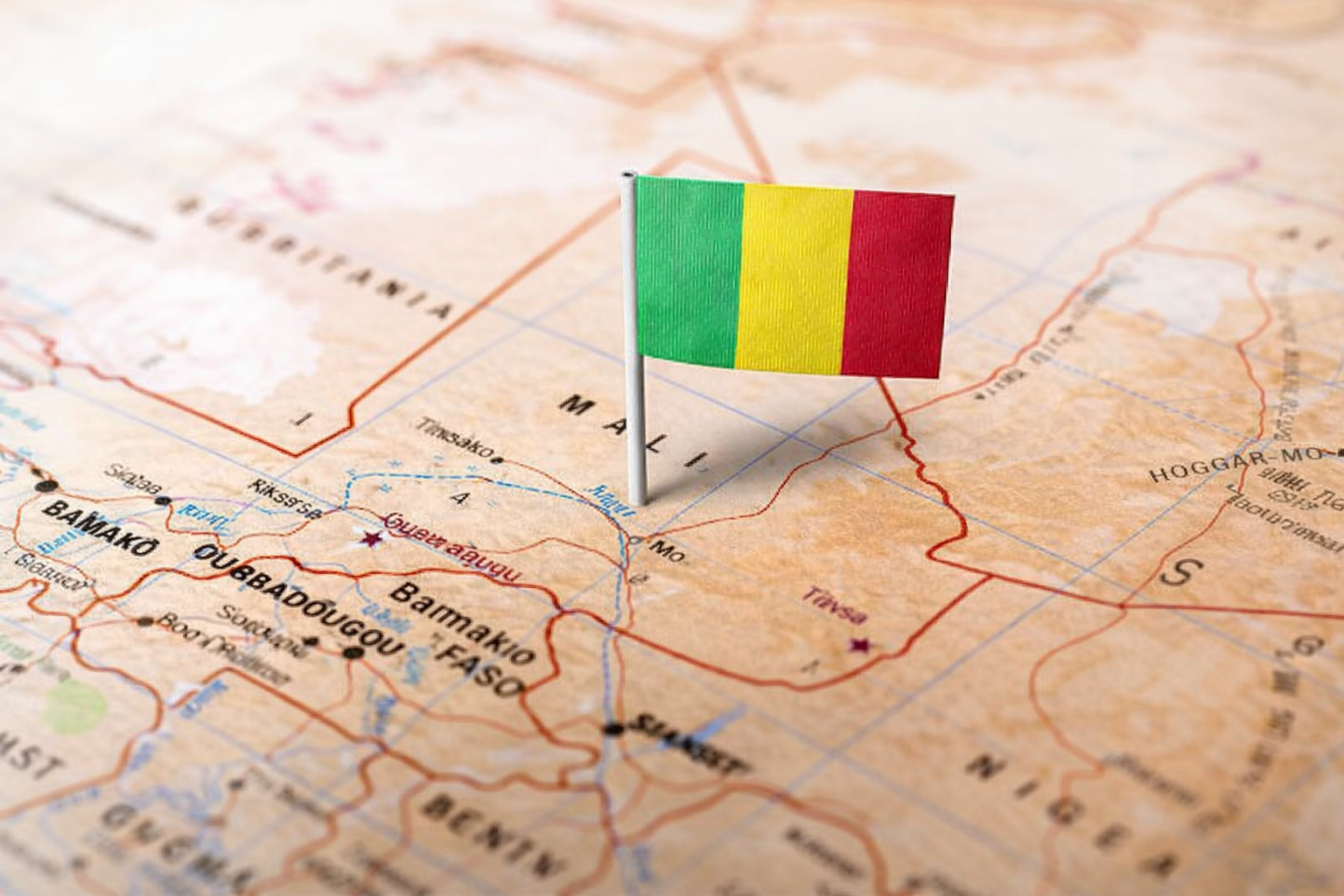
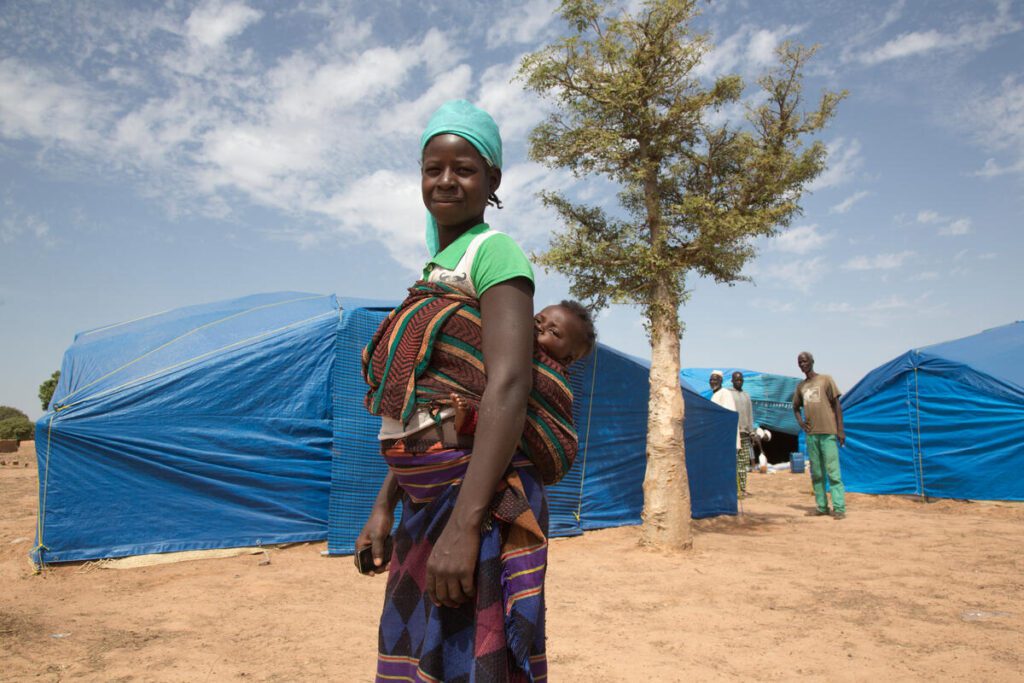
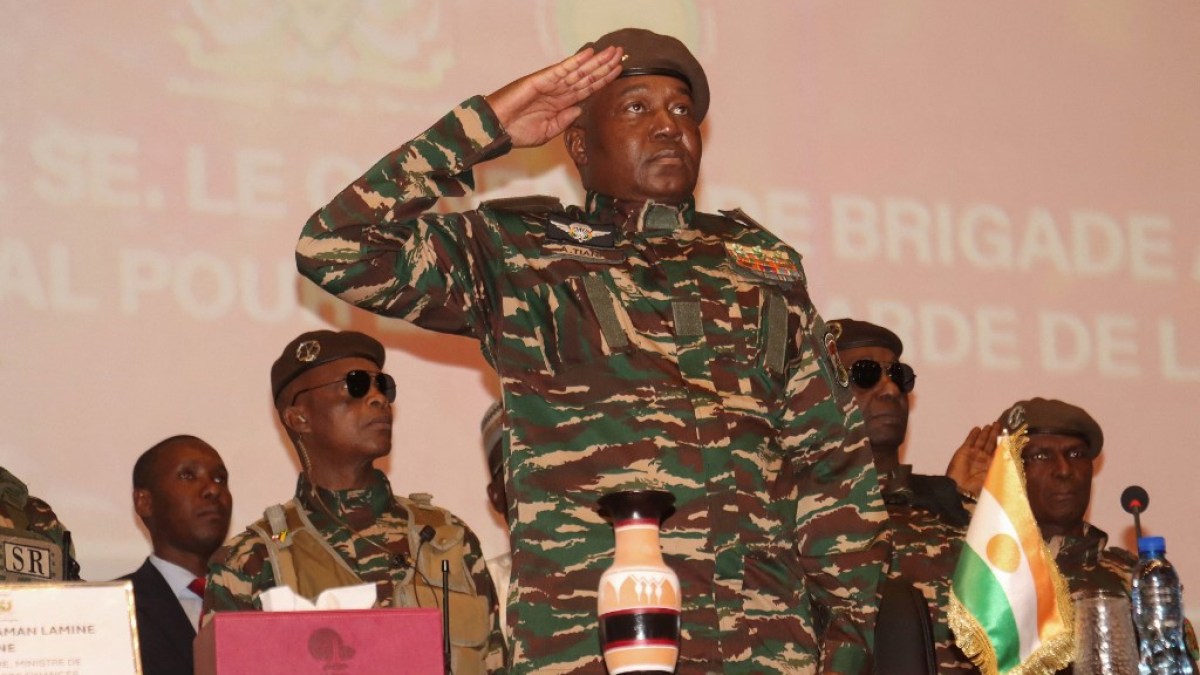
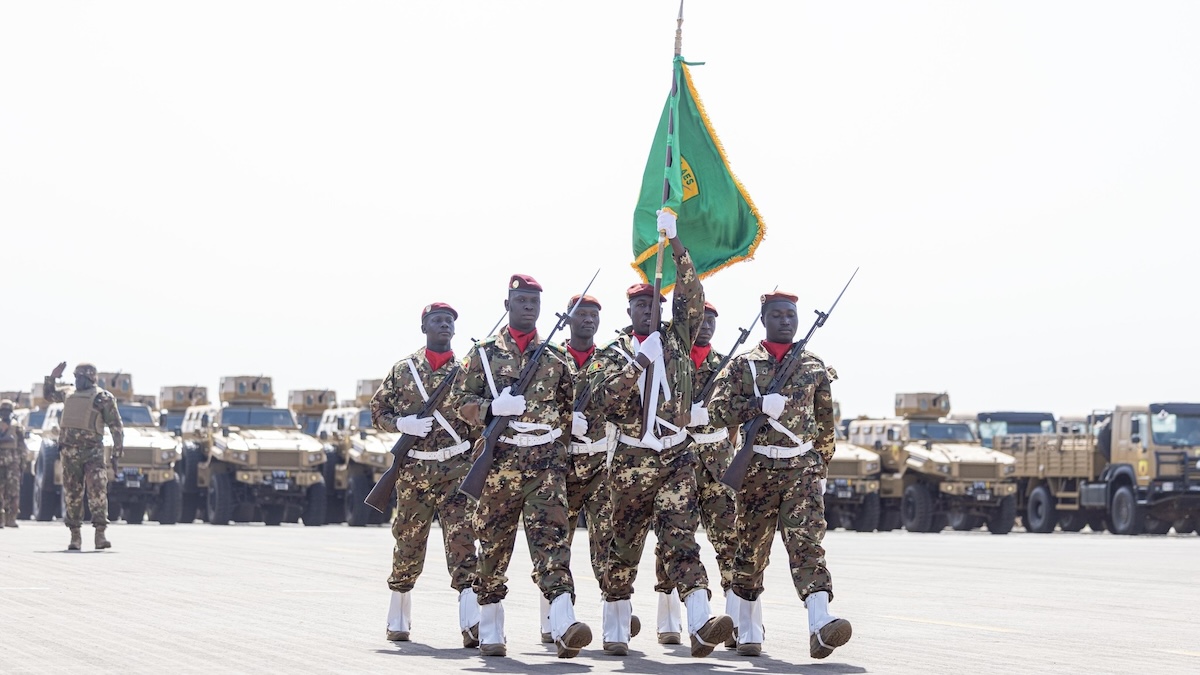
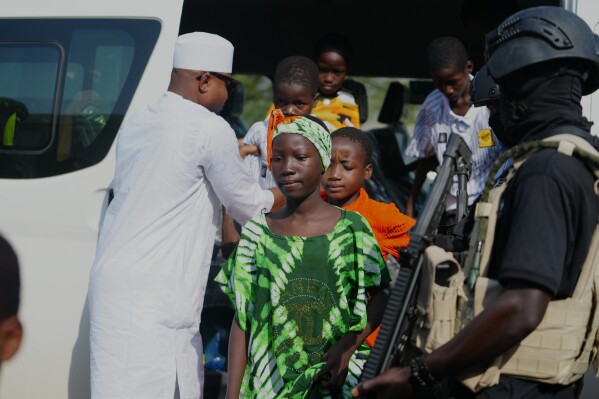
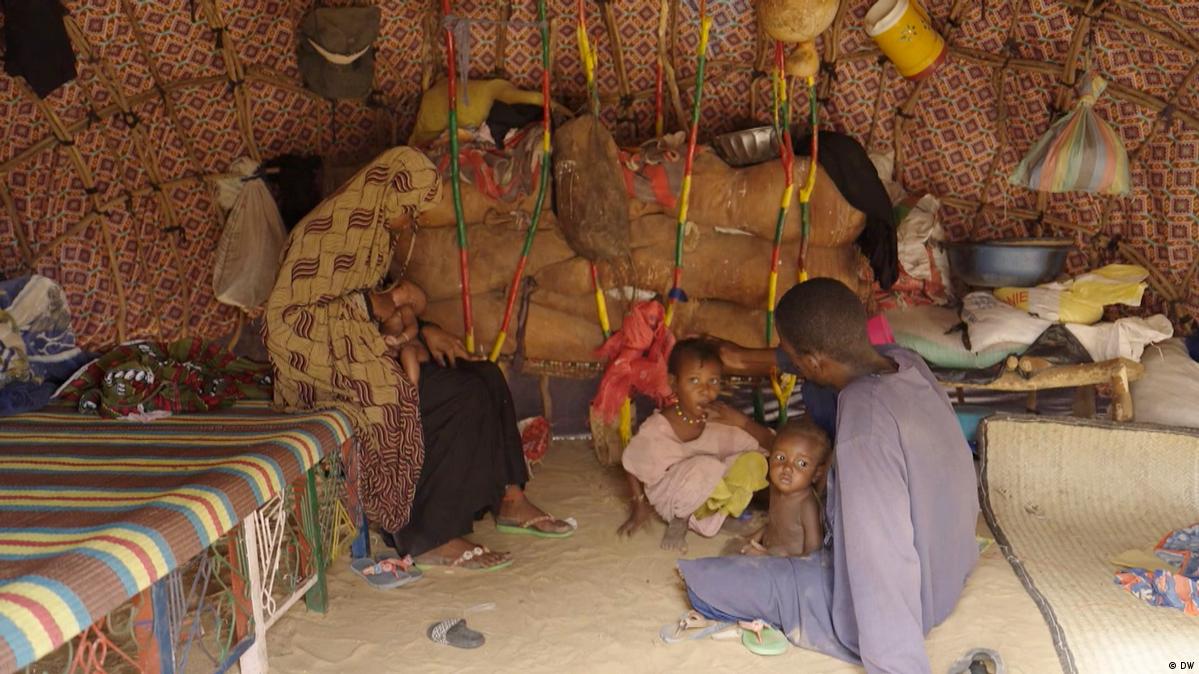
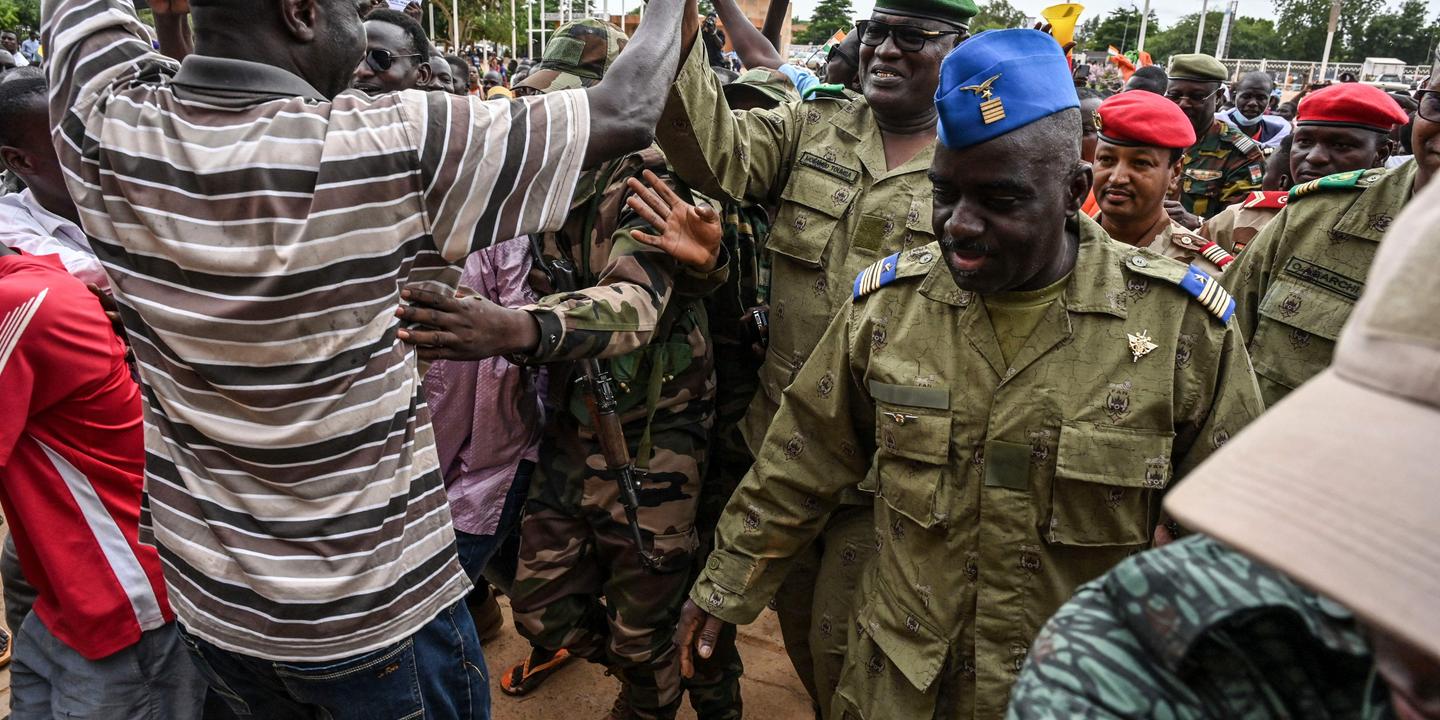
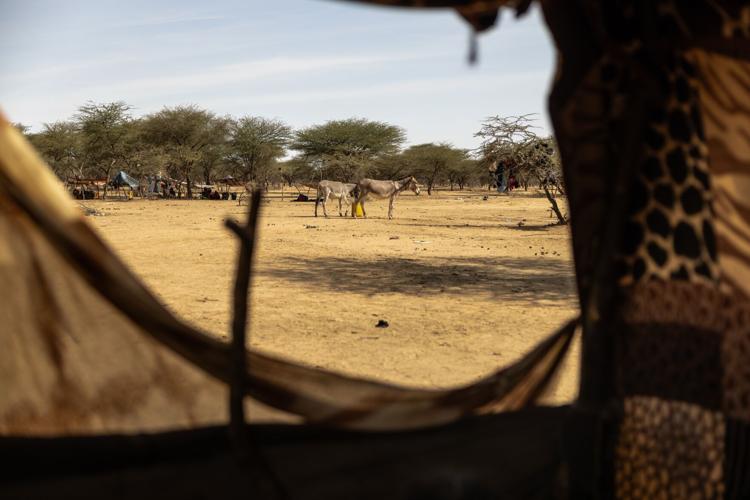
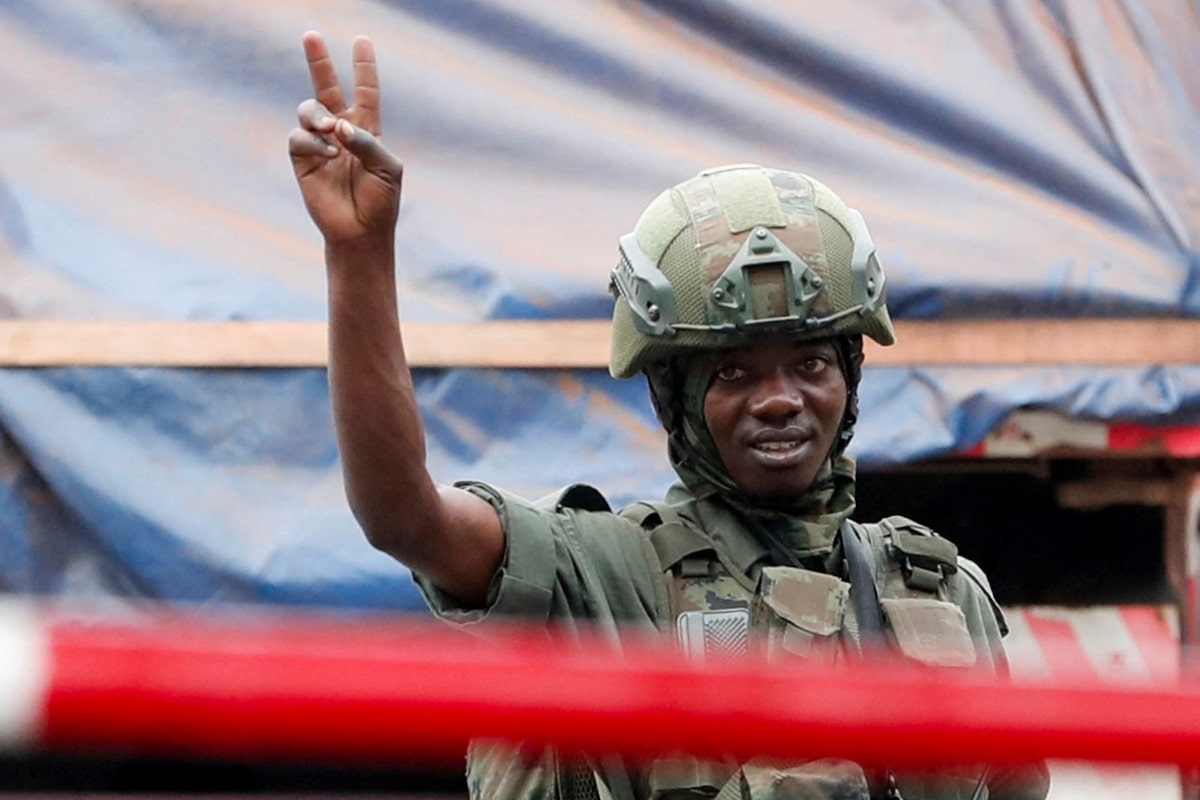
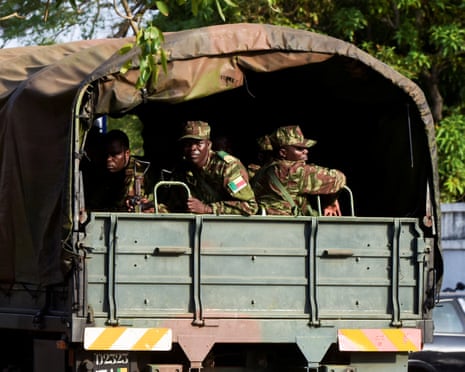
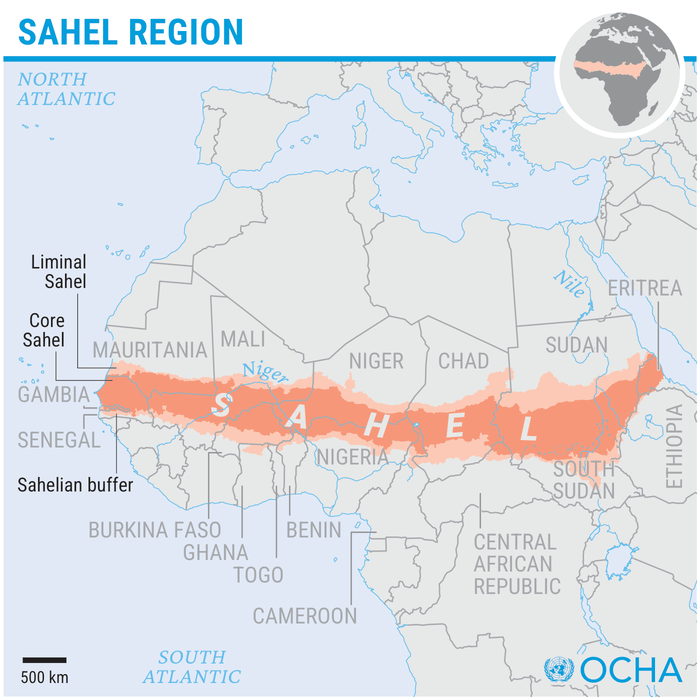
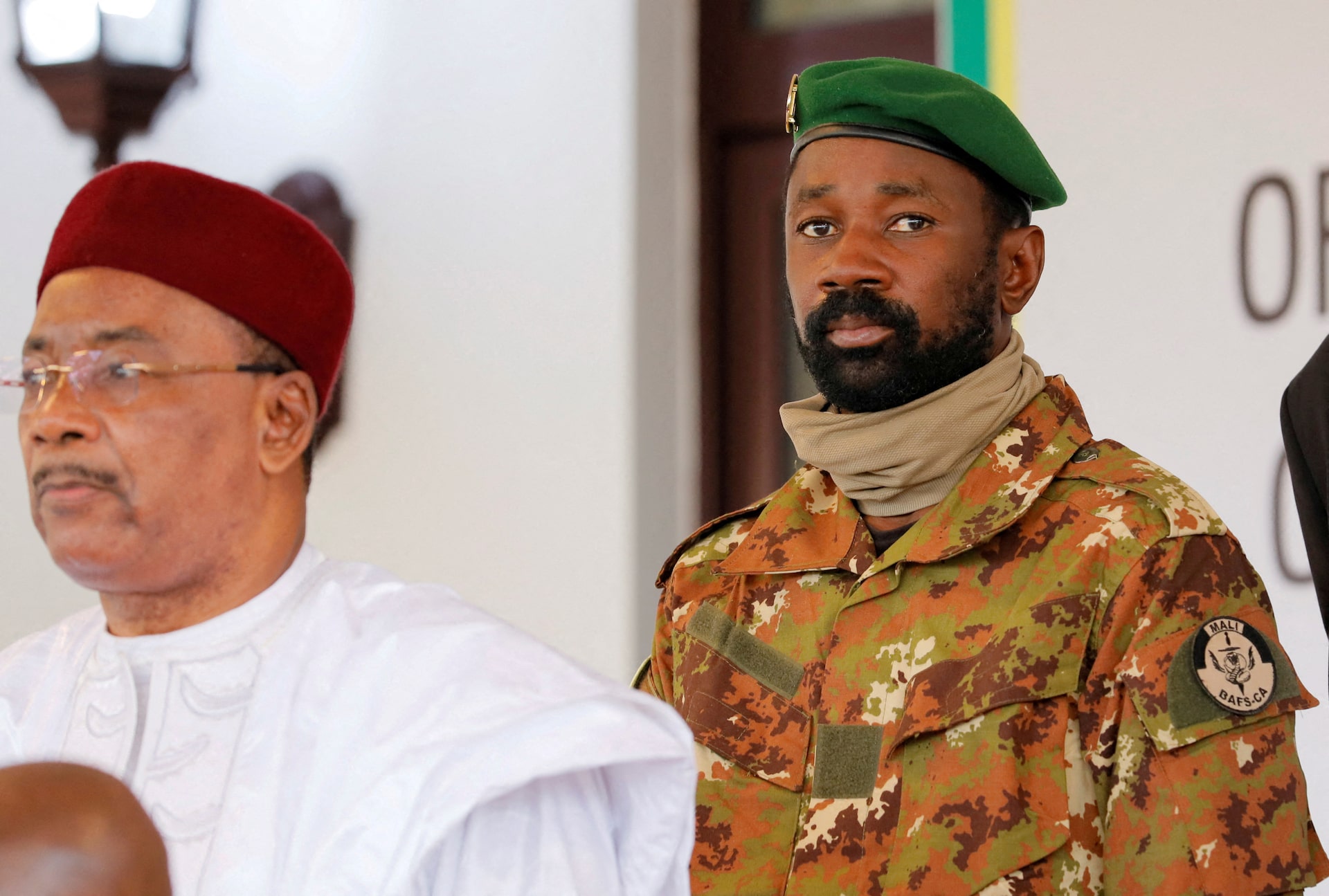
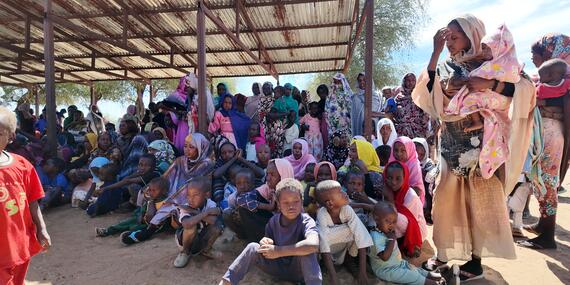
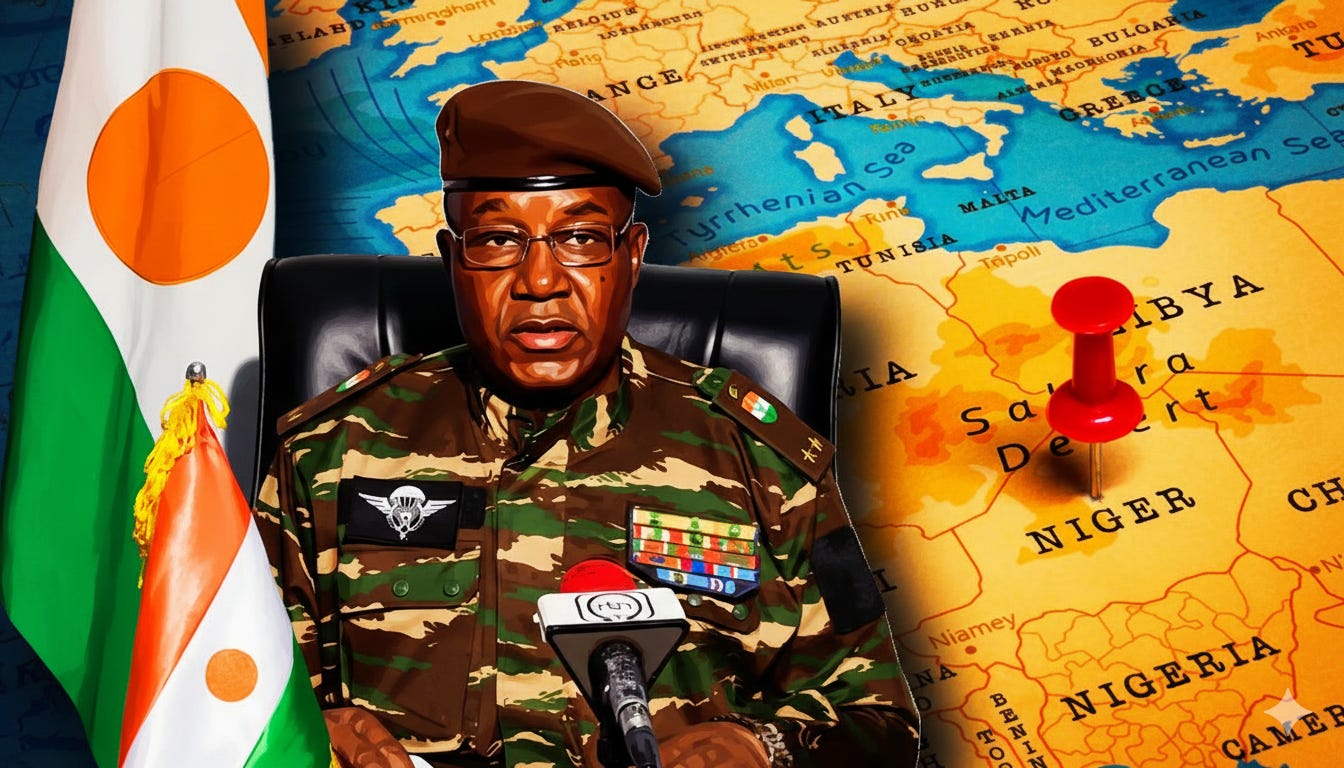
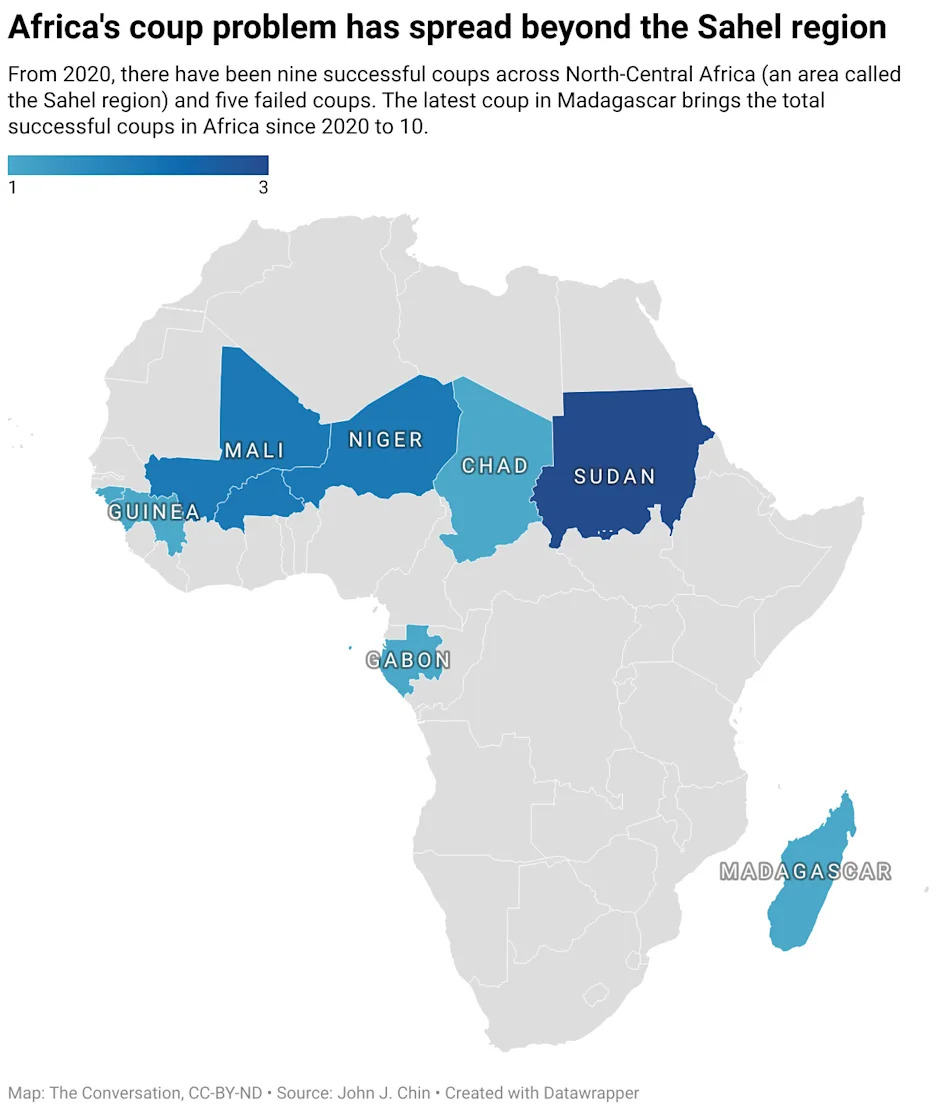
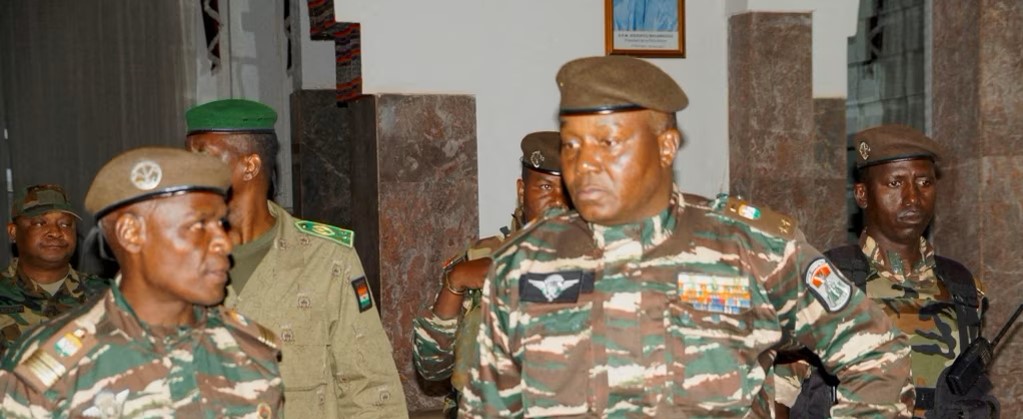
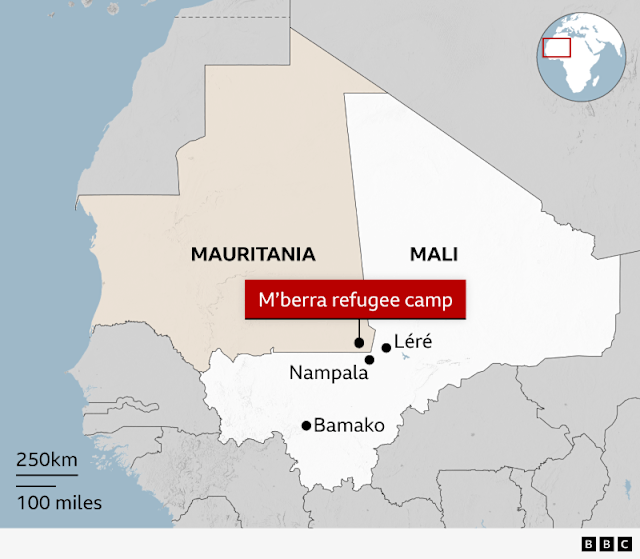
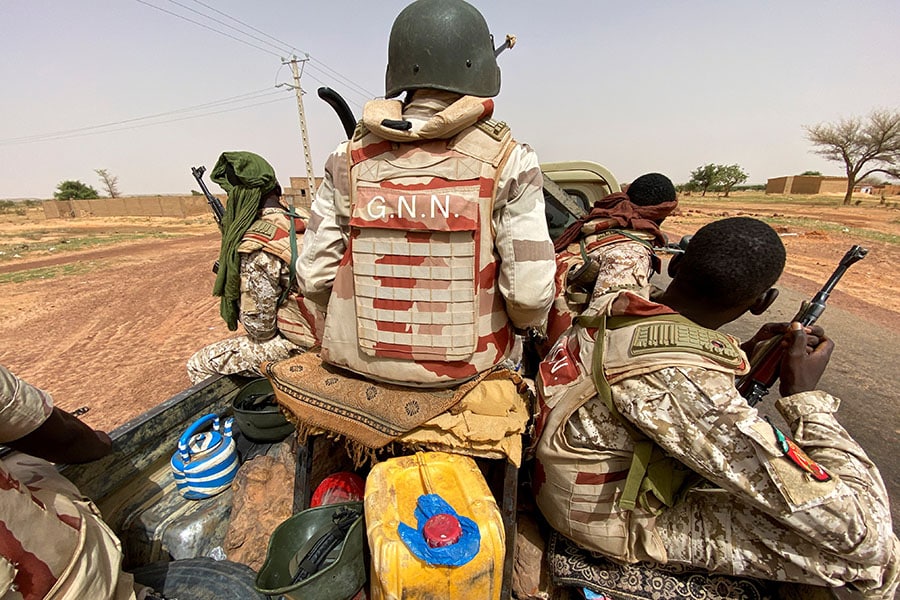
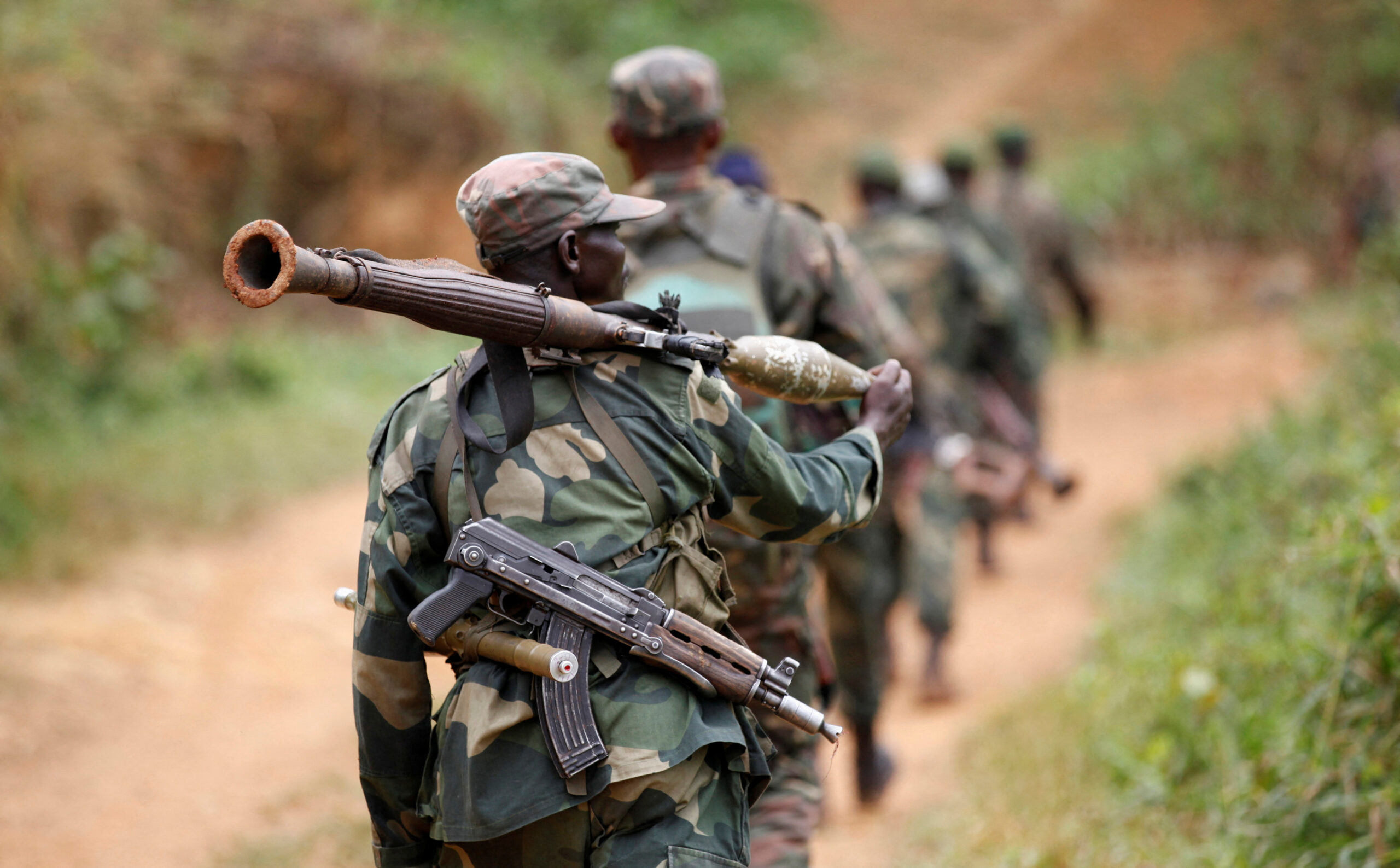
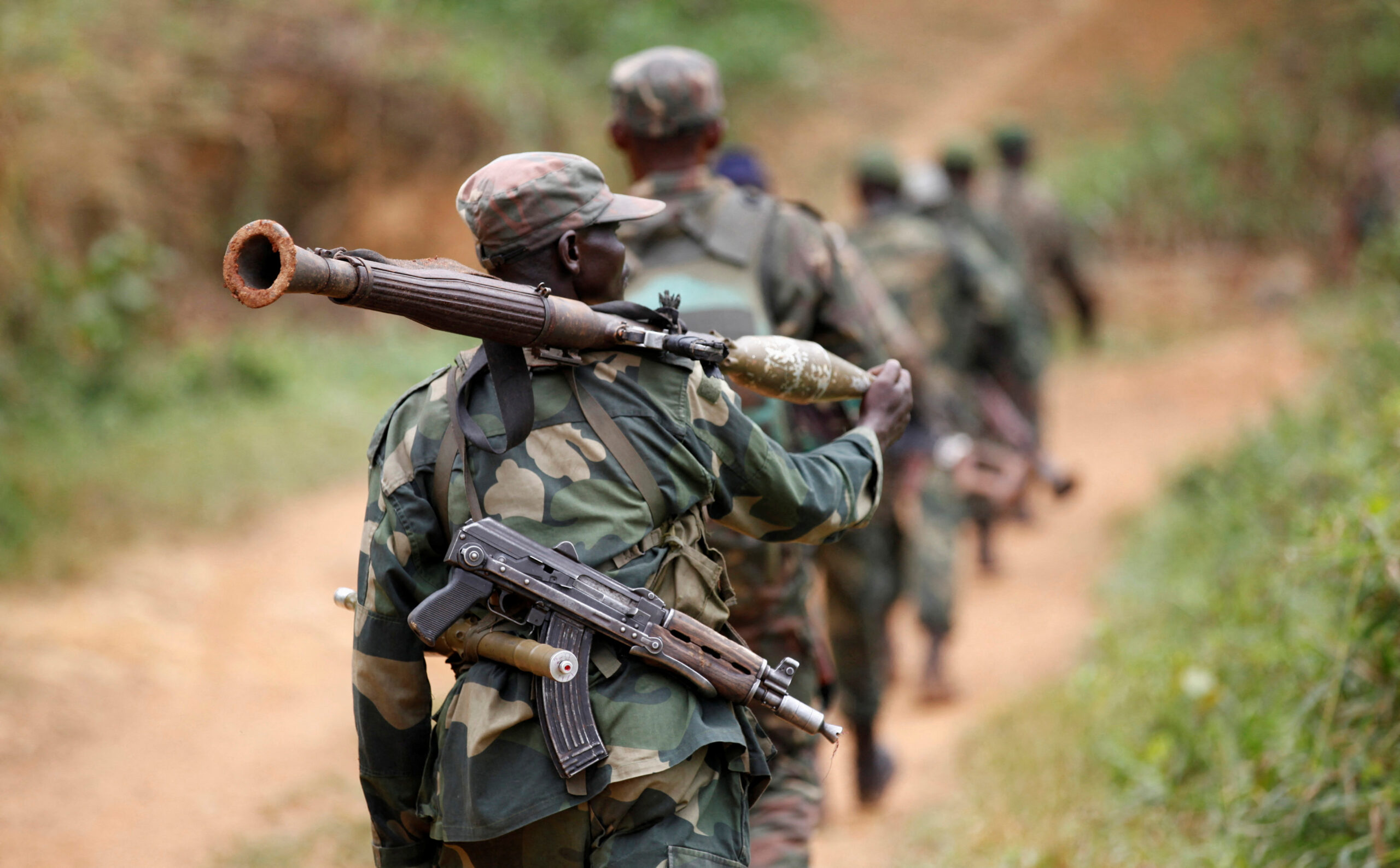
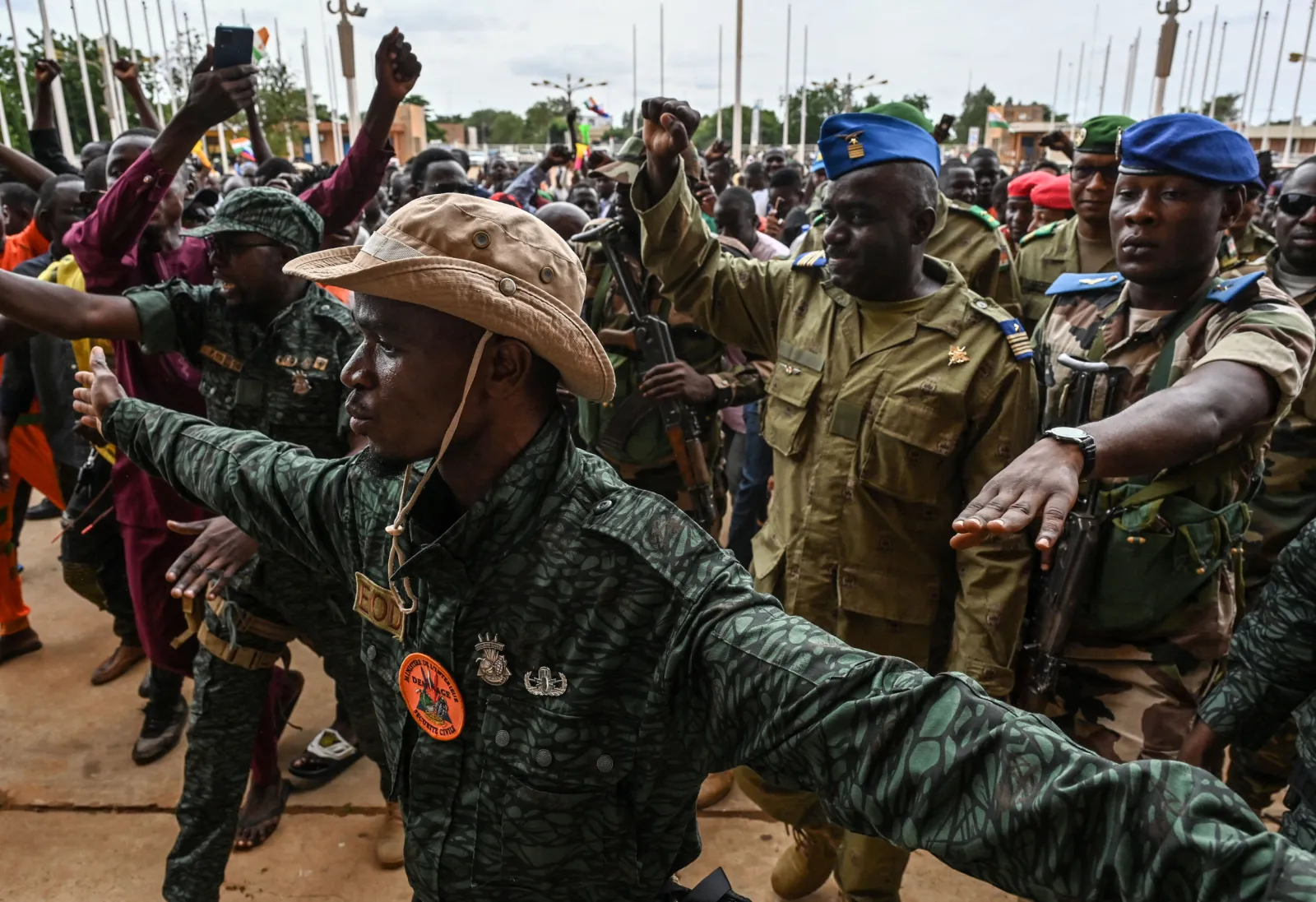
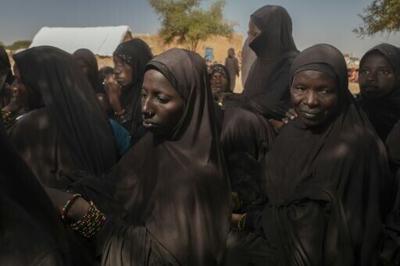
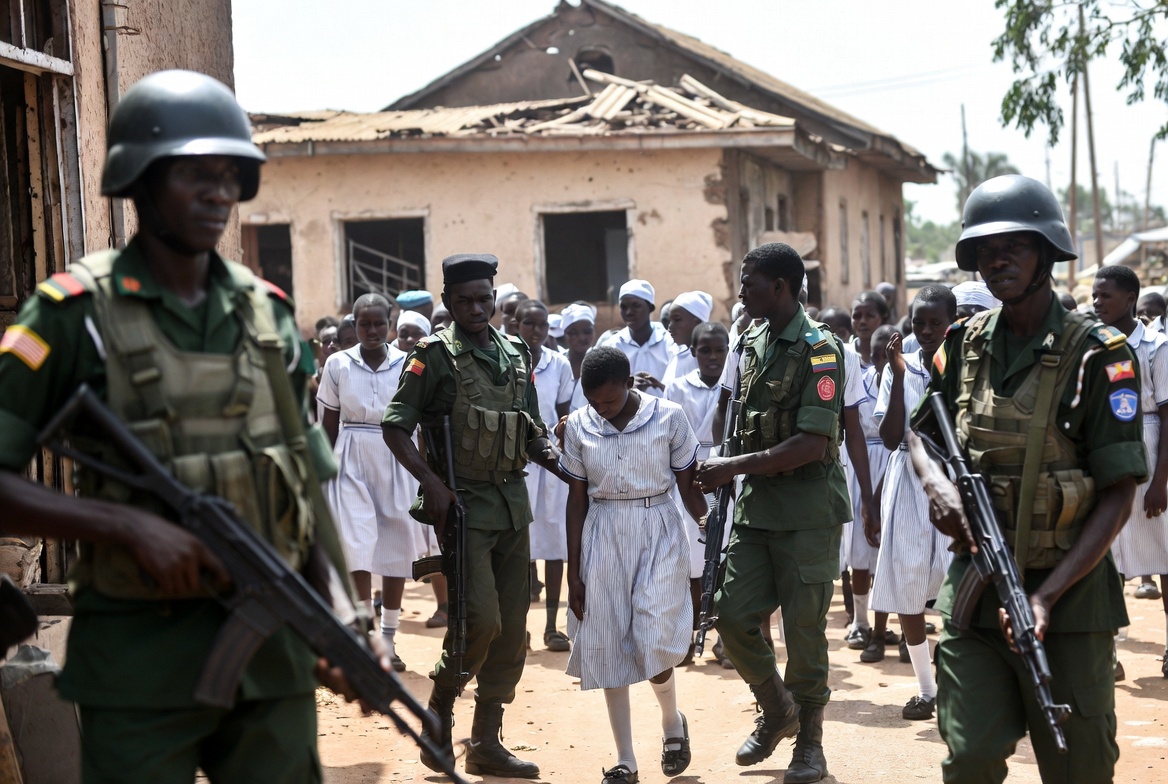
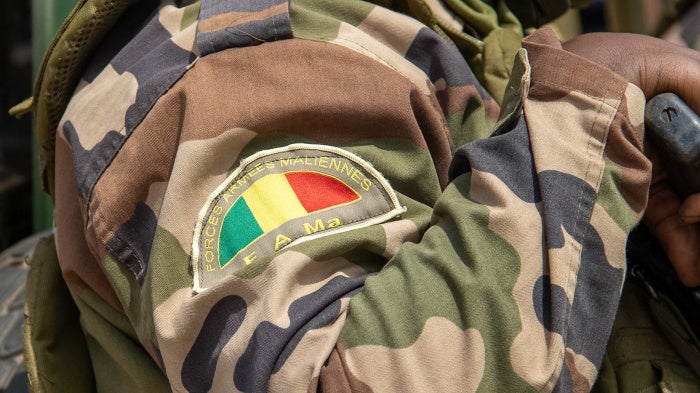
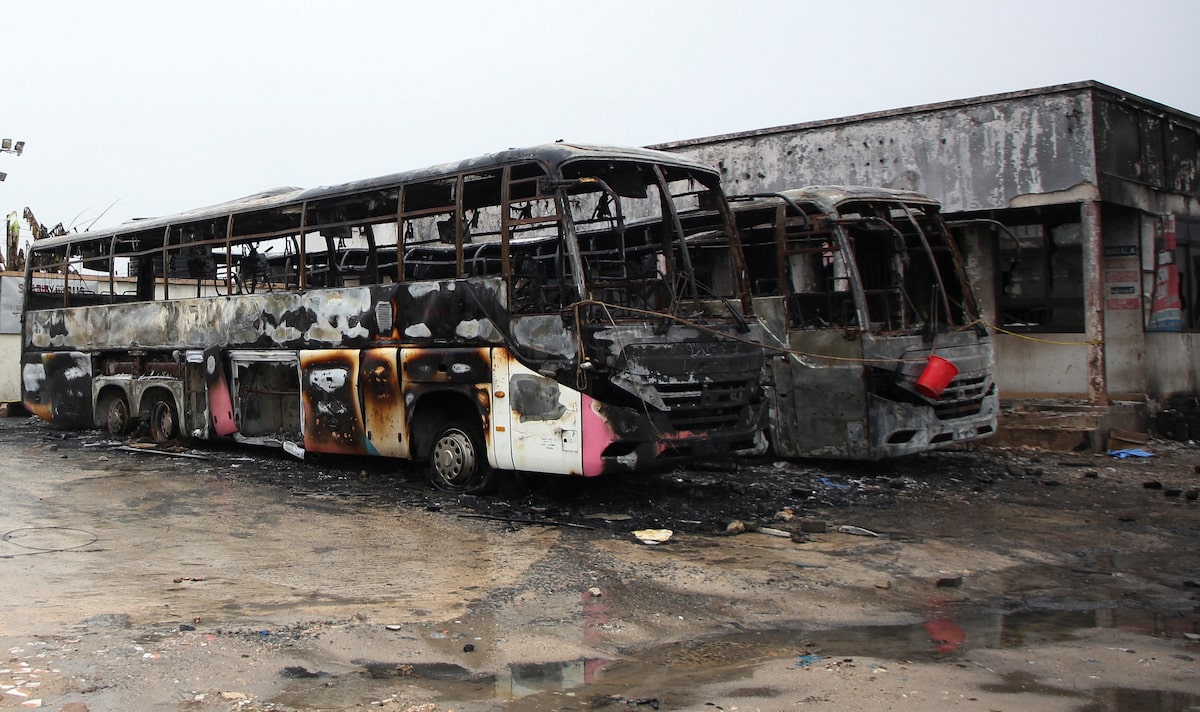
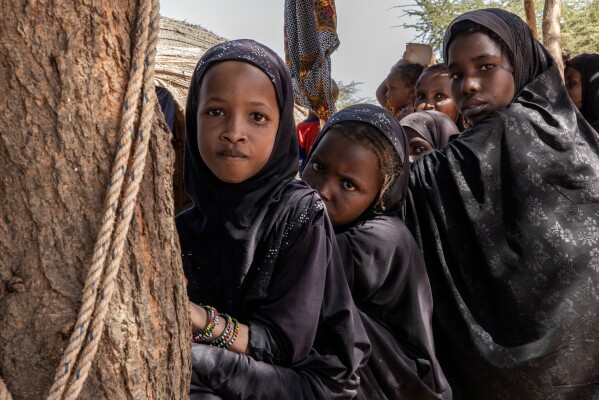
The Sahel region, a notoriously complex and often violent landscape, is currently reeling from truly disturbing reports. Russia’s newly deployed Africa Corps in Mali stands accused of brutal human rights abuses, including horrific acts like beheadings and rapes. Witnesses and refugees, fleeing the conflict, have come forward with harrowing testimonies, painting a grim picture of foreign military involvement in Africa’s volatile conflict zones. These aren’t just isolated incidents, they’re raising serious questions about the profound consequences of external forces on the broader geopolitical dynamics here. In fact, reports from the Associated Press, compiled from interviews with over 30 Malian refugees, detail a consistent and alarming pattern of grave atrocities. It seems this unit, reportedly trained and dispatched by Russia to aid government efforts against armed insurgents, might actually be deepening Mali’s already severe security and humanitarian crisis. Frankly, AP’s extensive investigation really emphasizes how foreign military contractors or units can, in some cases, exacerbate local conflicts rather than resolve them. Ostensibly there to bolster Mali’s fight against militant jihadist groups, the Africa Corps now faces accusations of perpetuating violence that terrorizes civilians. This situation directly complicates Mali’s struggle with jihadist threats and its efforts to achieve regional stability.
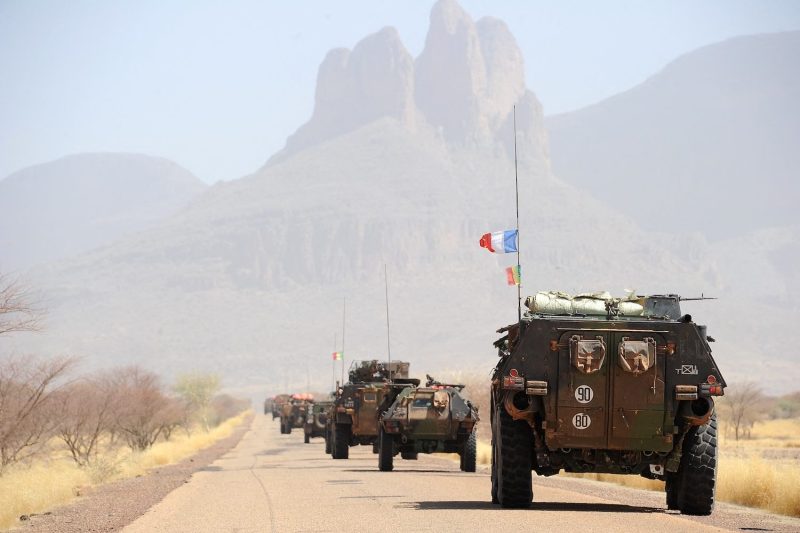
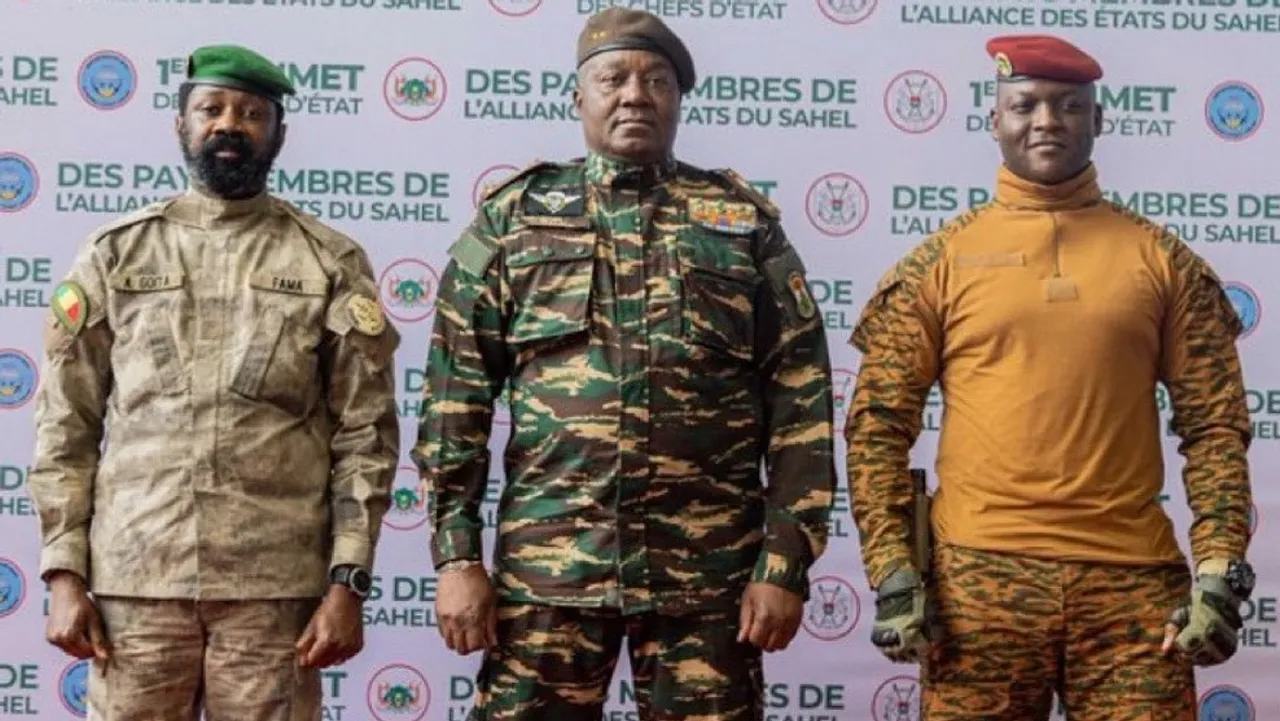
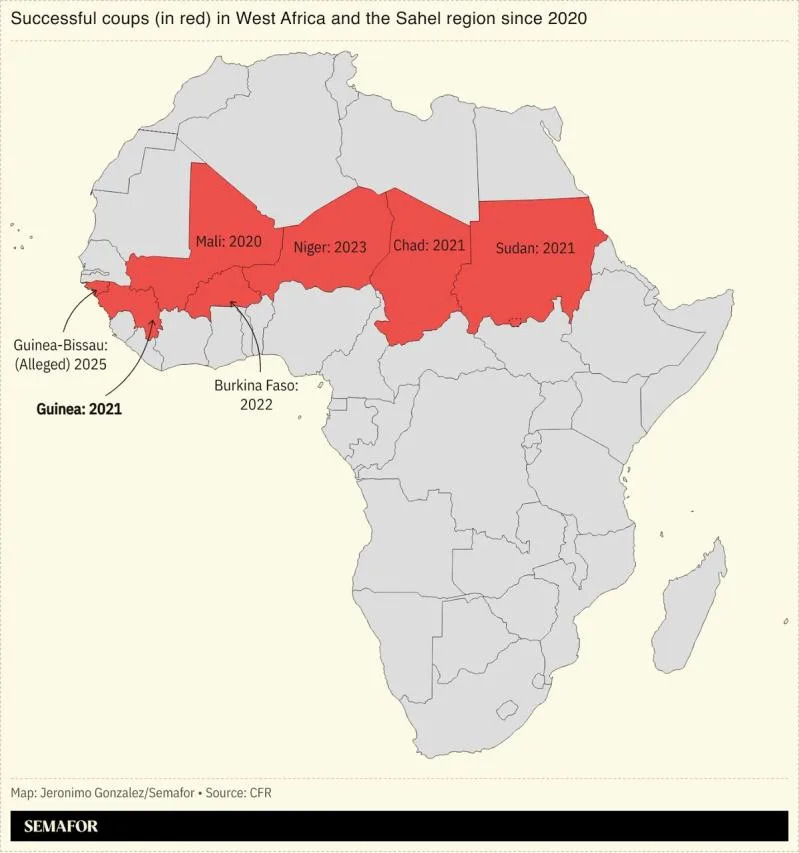
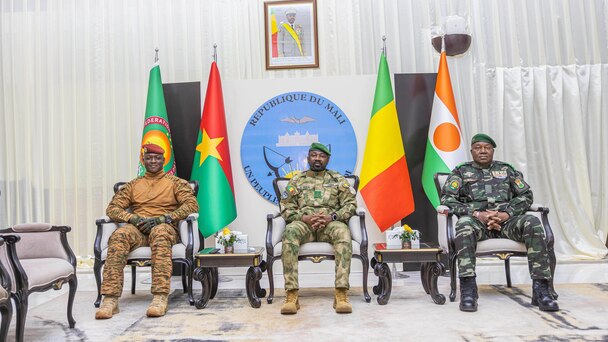
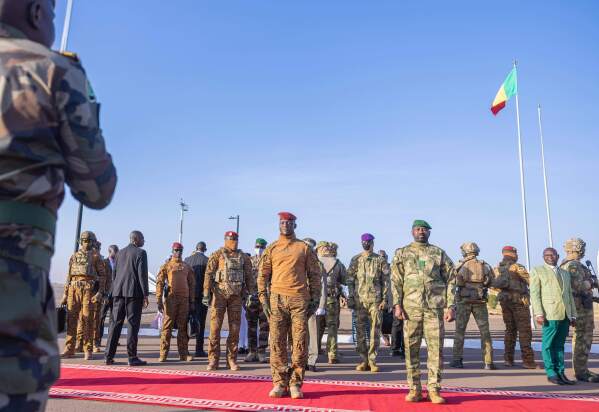
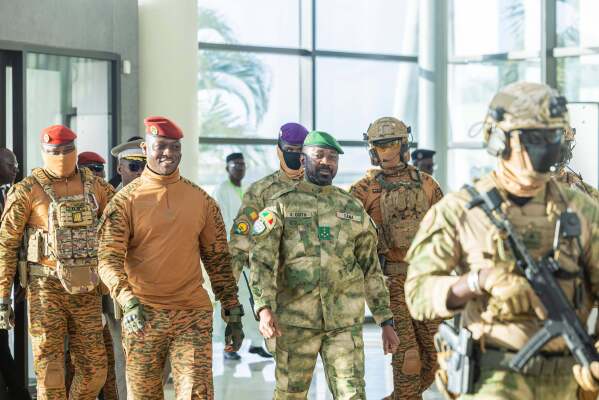
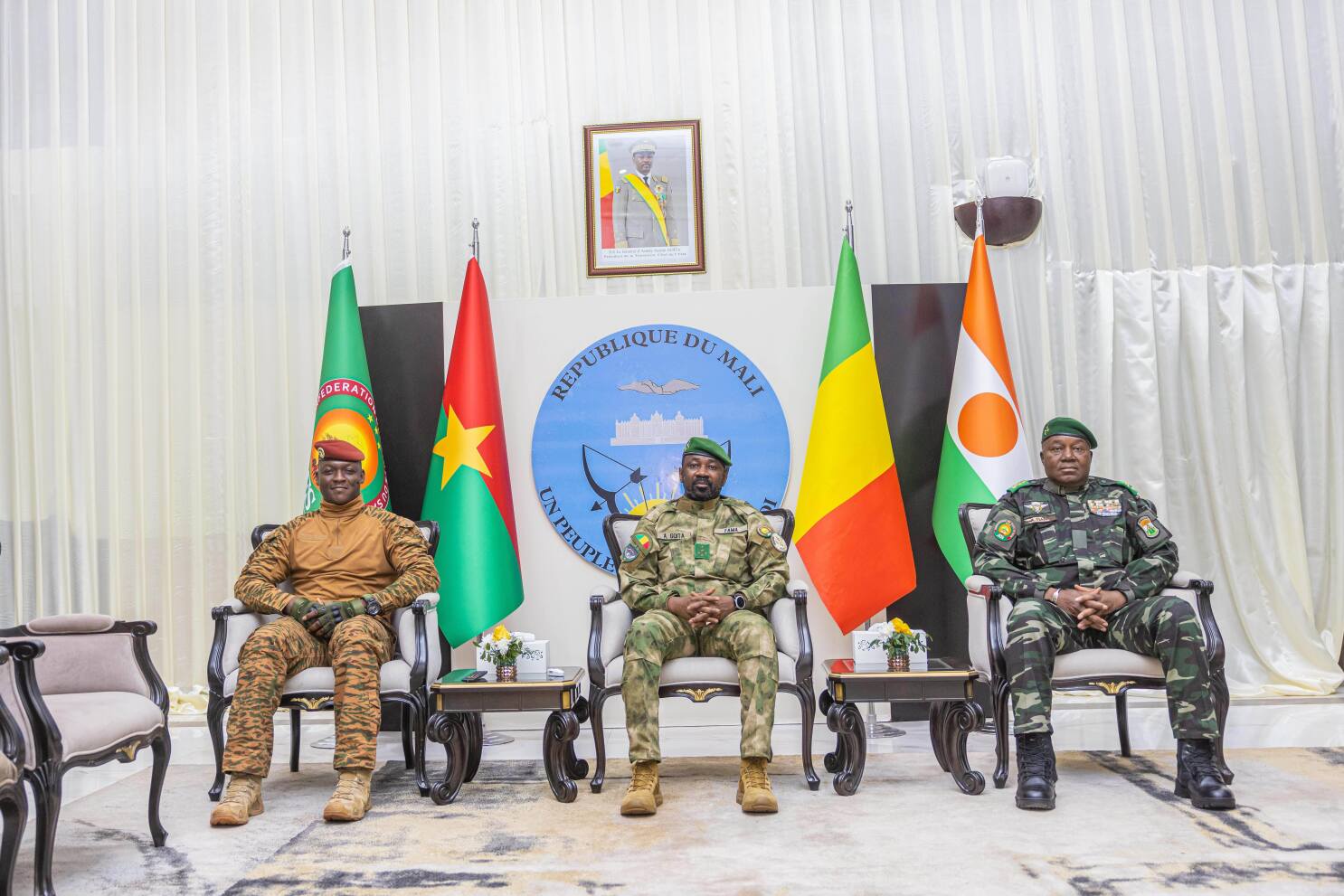
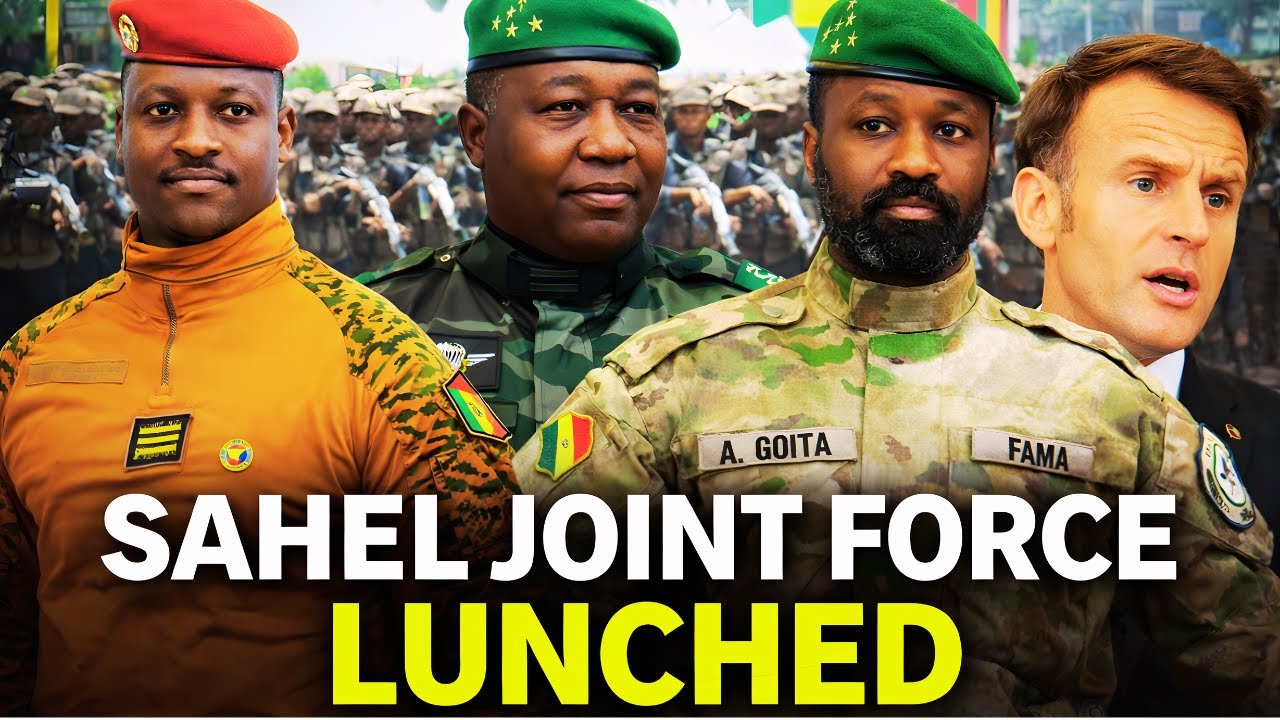
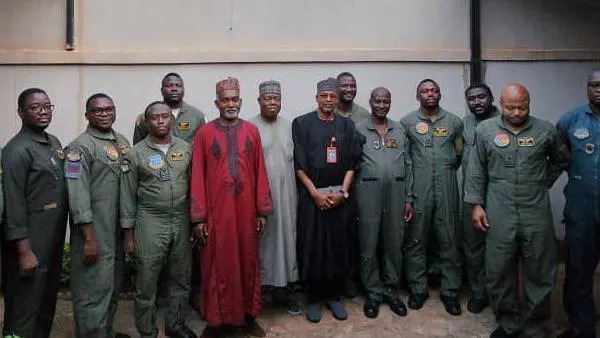
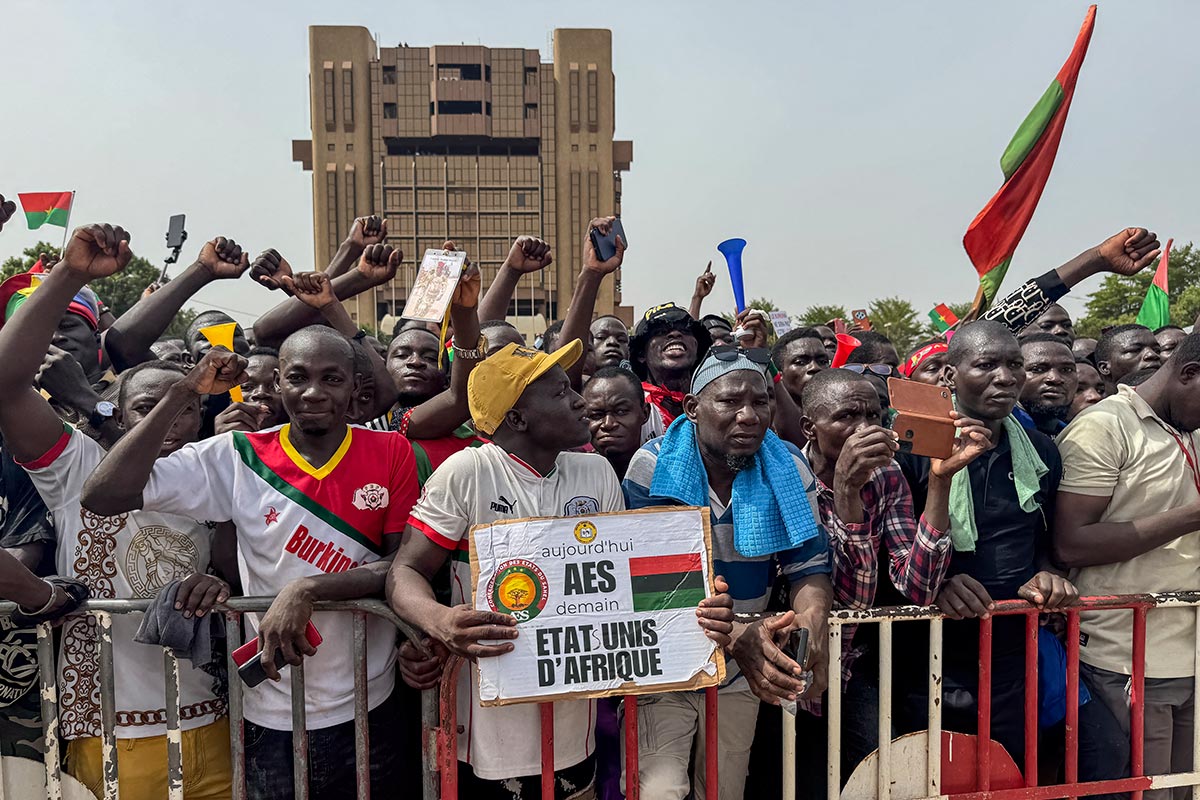
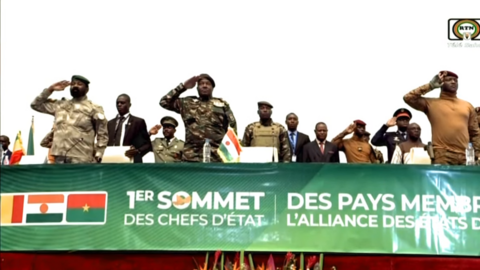
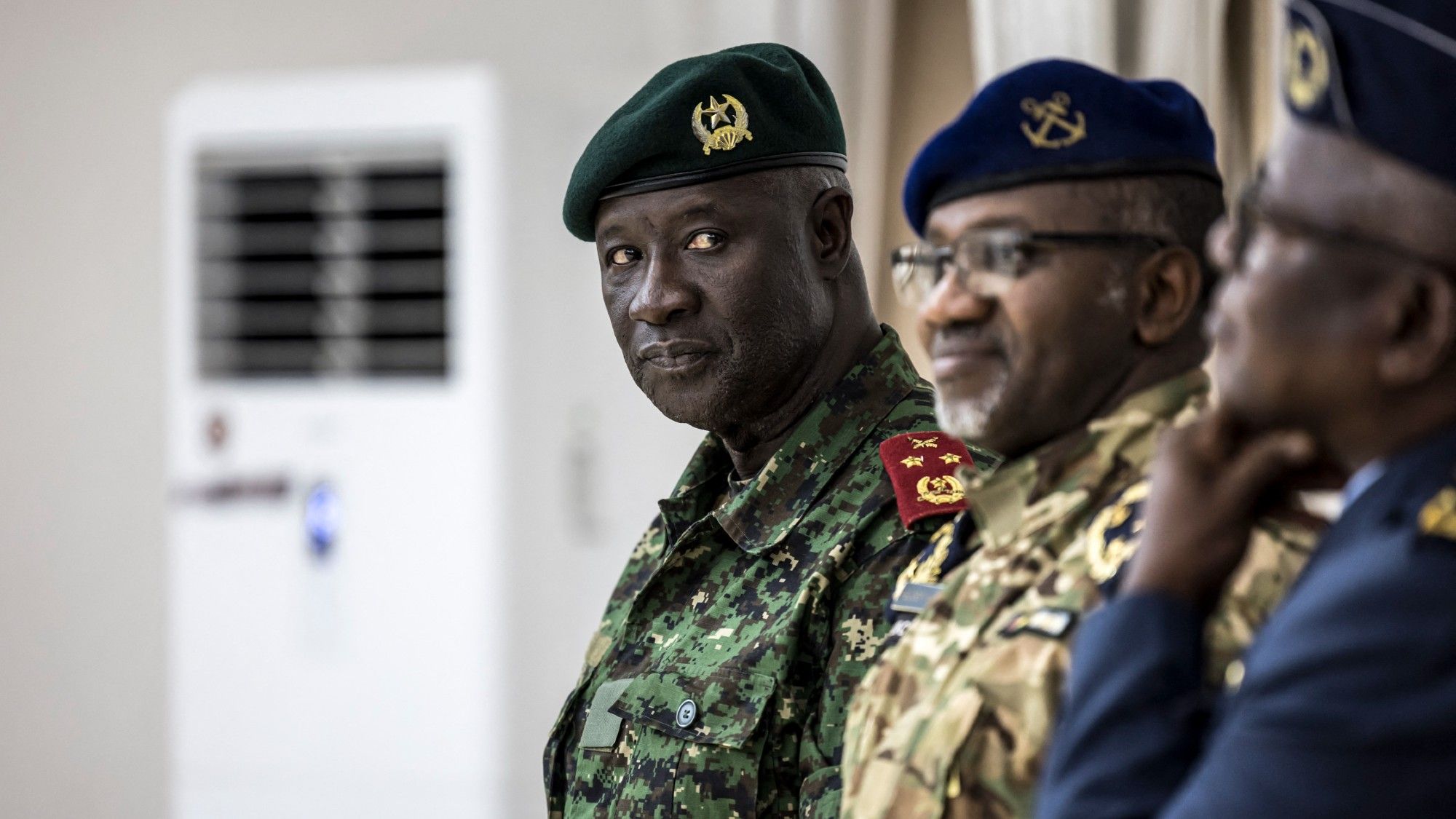
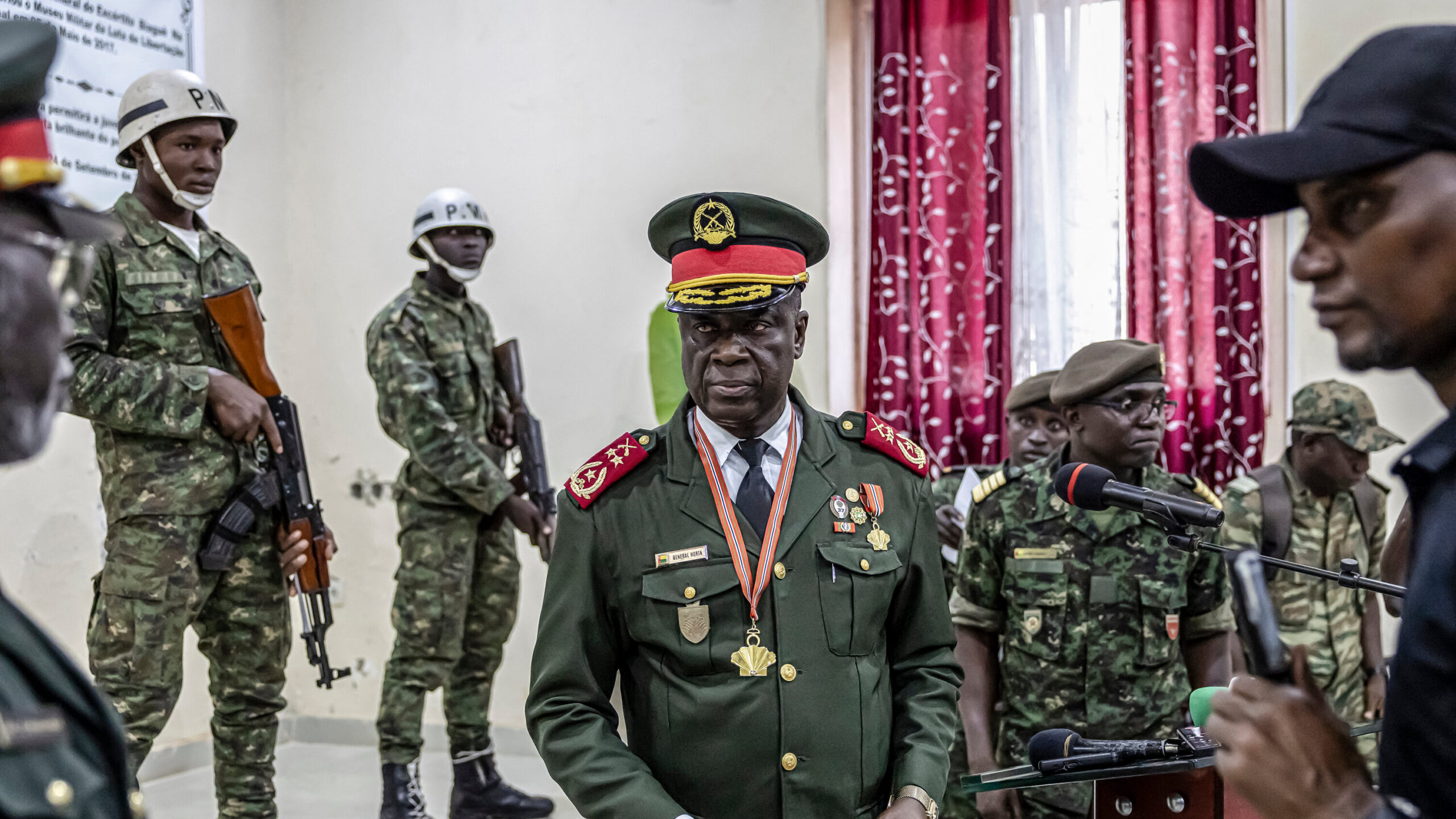
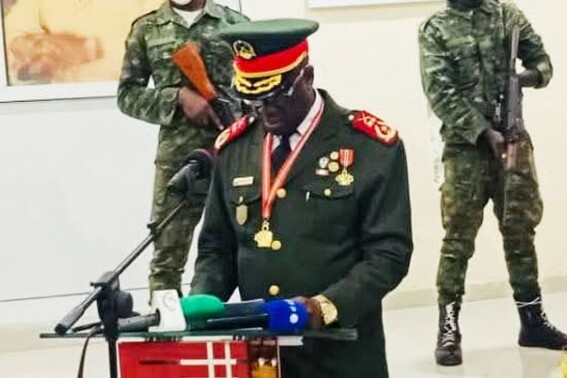
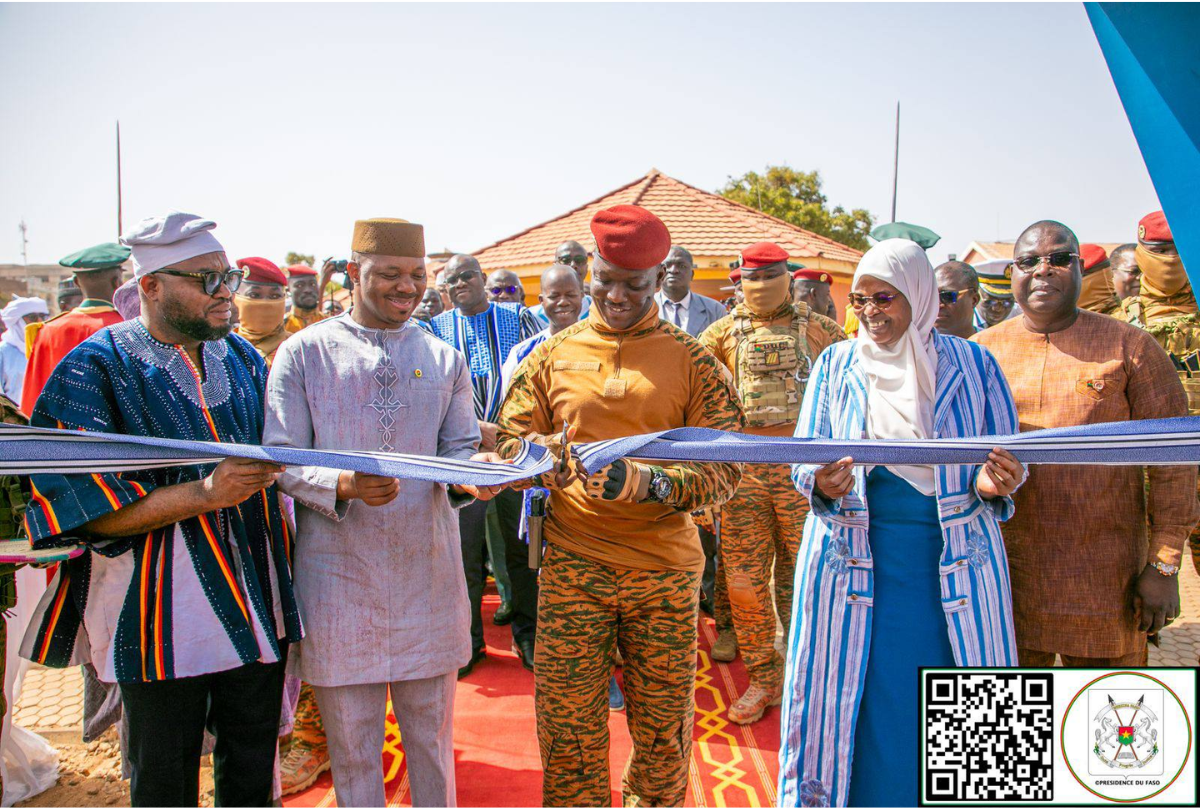
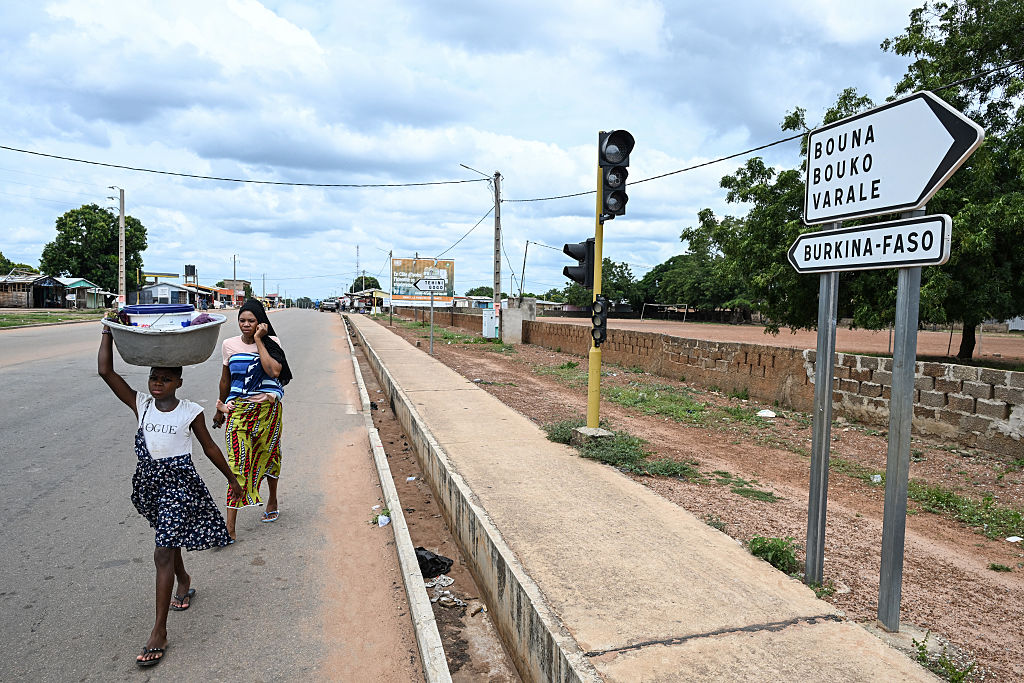
This distressing situation unfolds against a backdrop of intensifying regional tensions, where several key international actors are vying for influence. France, a historical military presence in the region through operations like Barkhane, appears to be gearing up for a more assertive comeback. Analysts are now suggesting that by 2025, France might be eyeing more aggressive strategies not only in Mali but also across the wider Sahel confederation. This potential shift reflects Paris’s clear acknowledgement that its security influence has significantly weakened, a result of recent political upheavals and growing anti-French sentiment, further compounded by the introduction of new foreign forces like Russia’s. Concurrently, Burkina Faso is determined to strengthen its own security capabilities, announcing the formation of a new 2,400-member elite military unit. Intriguingly named after Azrael, known as the “Angel of Death,” this choice of moniker sends a powerful symbolic and psychological message of lethal determination. This unit, reportedly trained in Mali and Niger, countries also deeply embroiled in efforts to neutralize jihadist threats and stabilize their borders, clearly demonstrates Burkina Faso’s resolve to intensify its defense amid persistent insurgencies that have devastated much of the country. It also subtly suggests a possible alignment or at least coordination with neighboring states grappling with similar severe challenges, including Burkina Faso’s own security challenges.
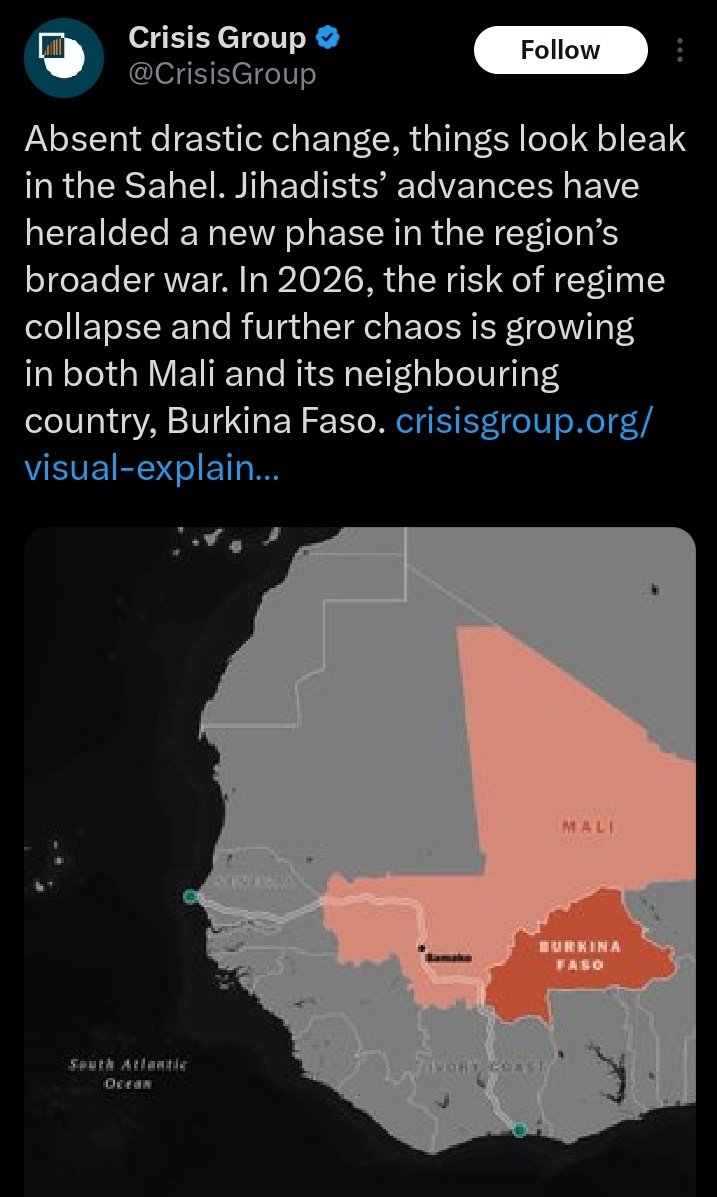
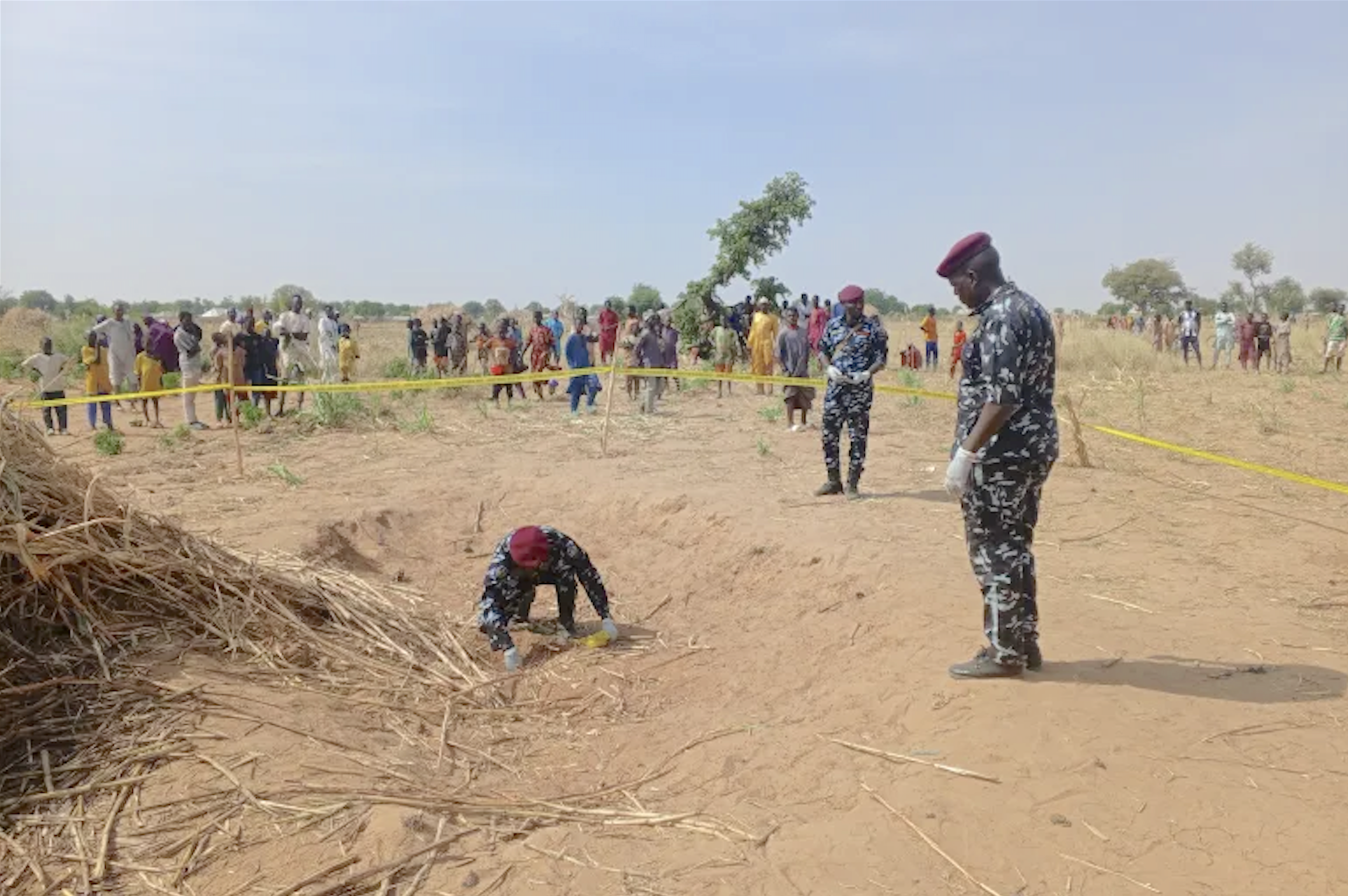
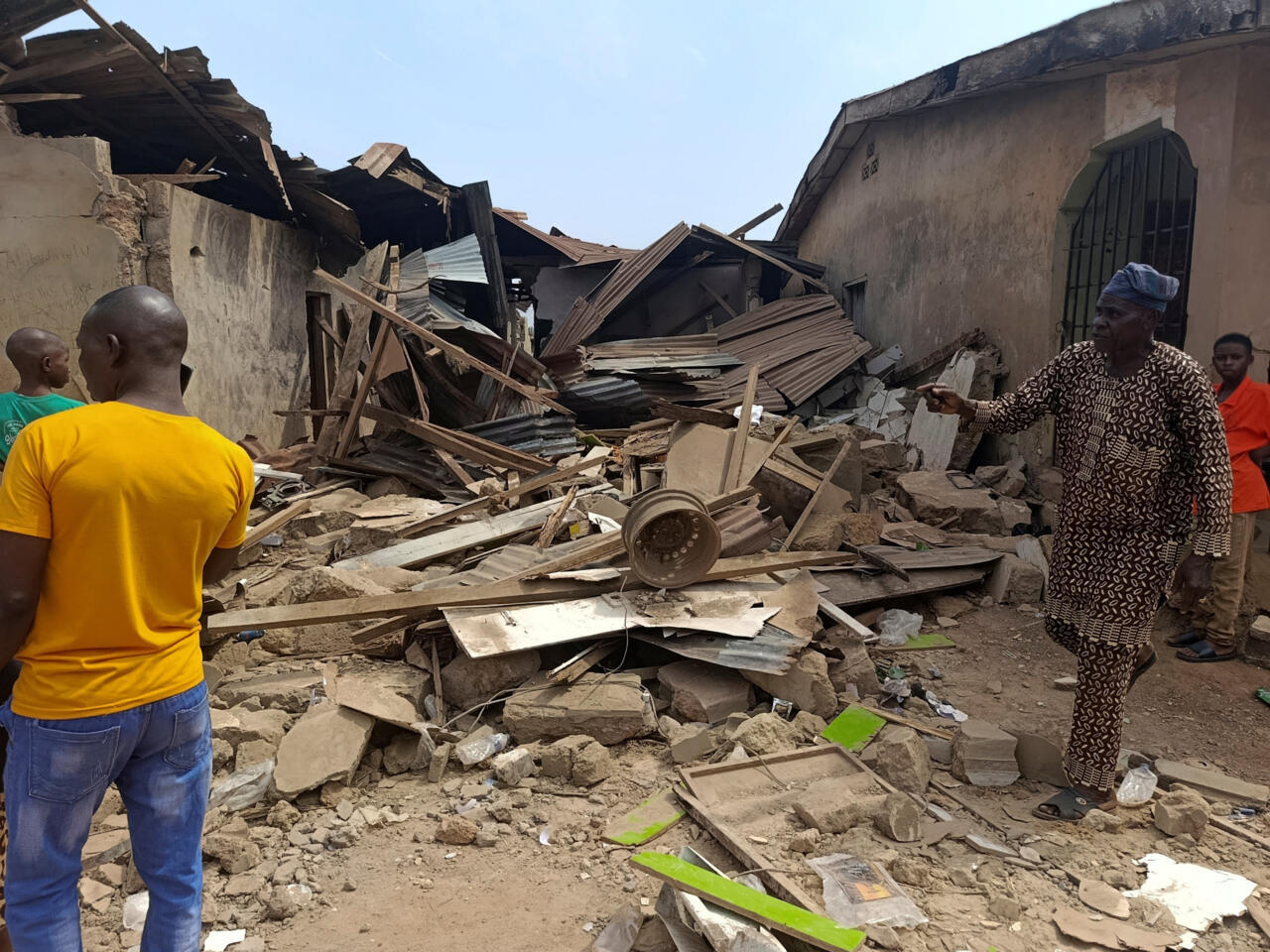
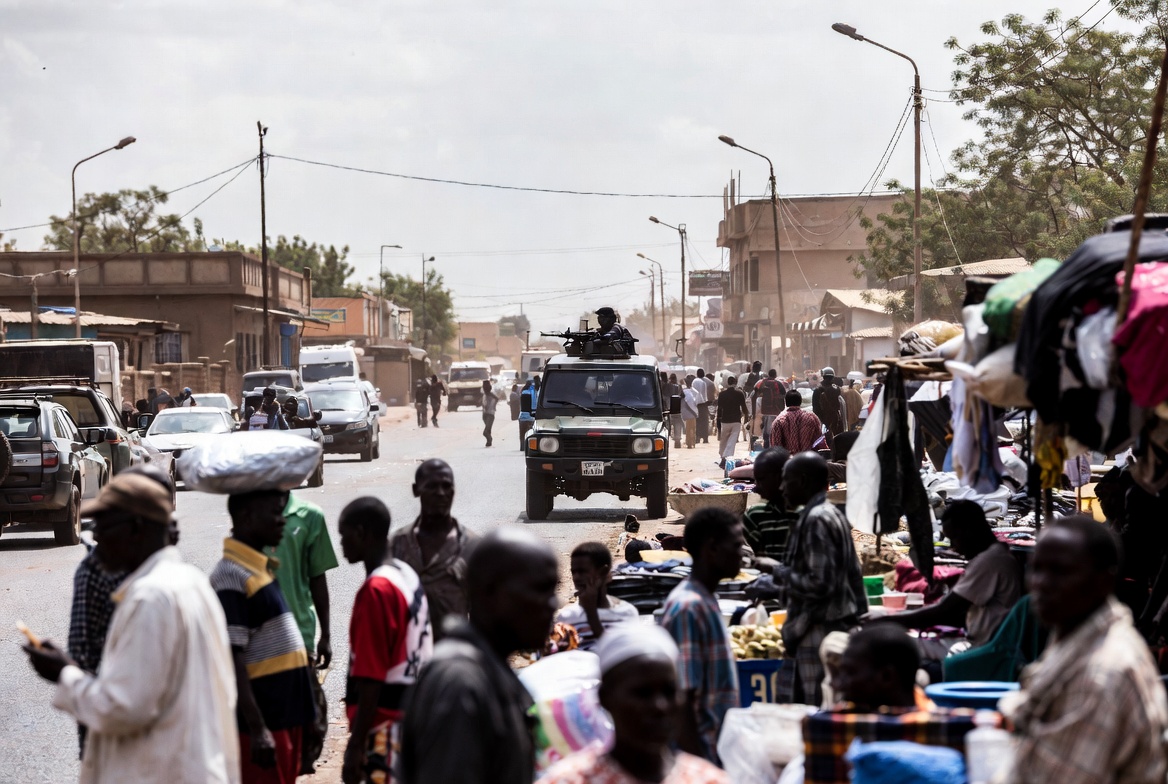
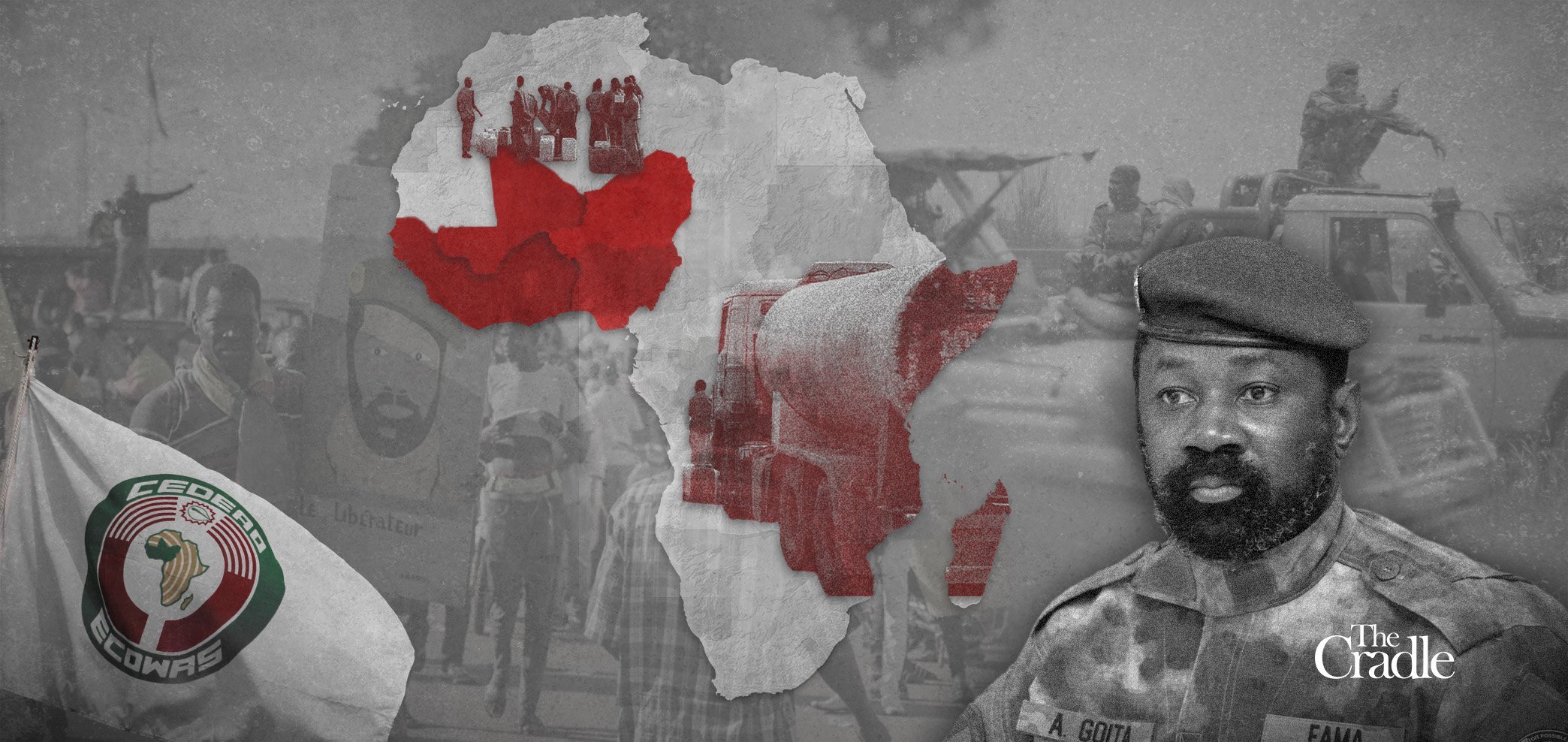
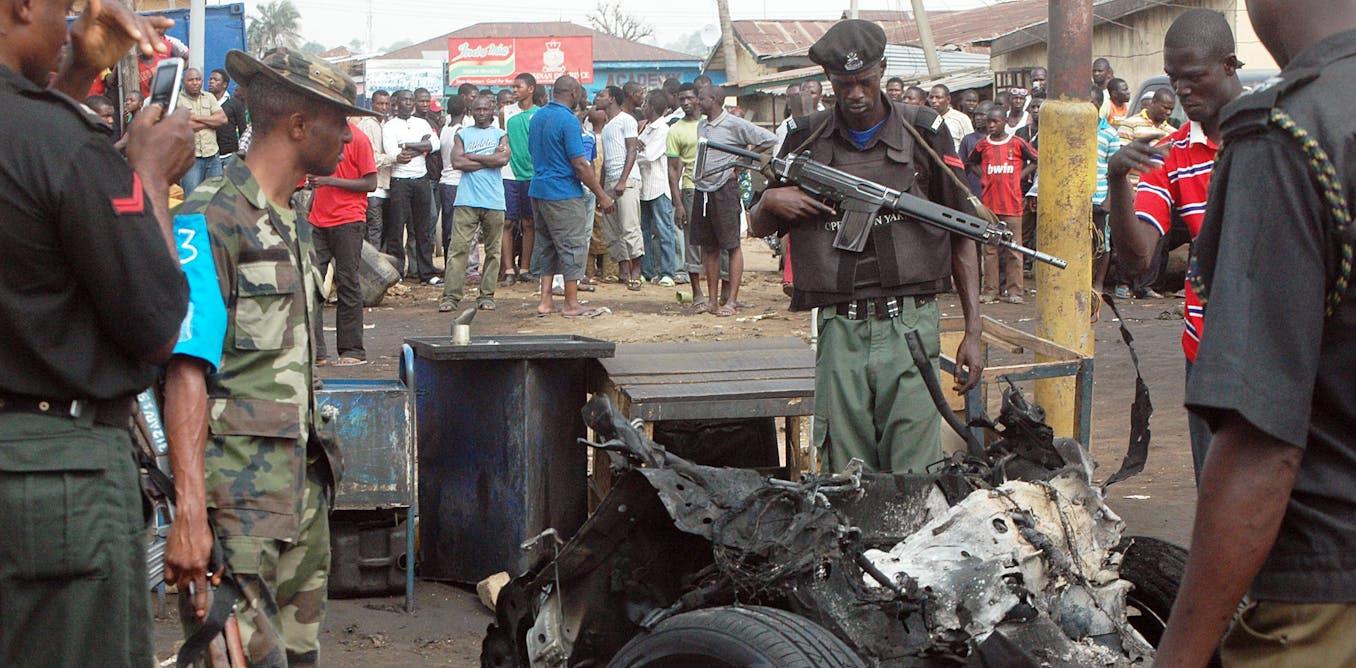
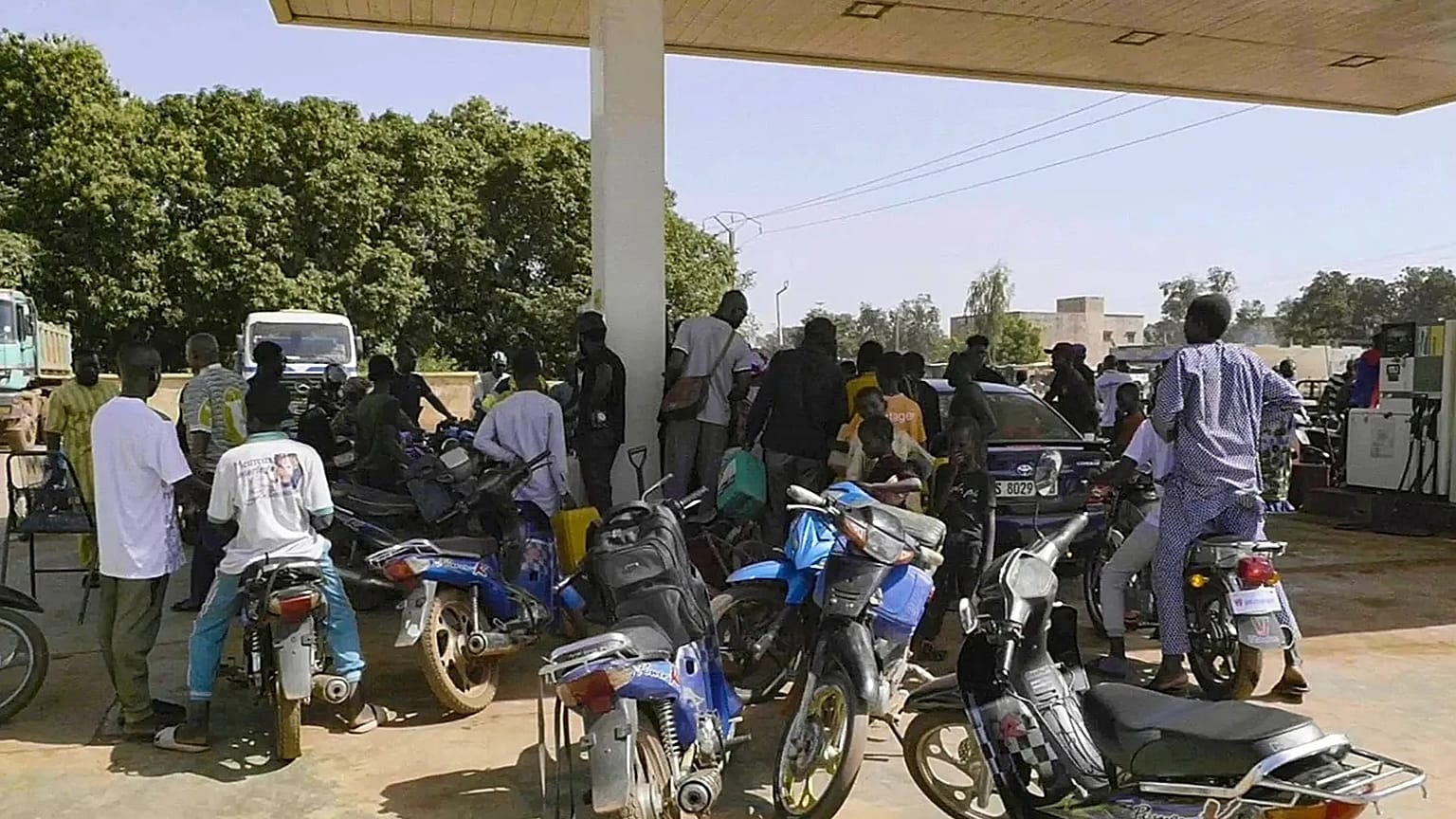
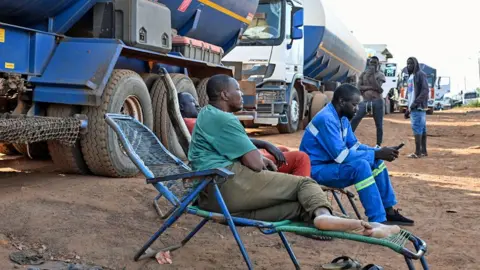
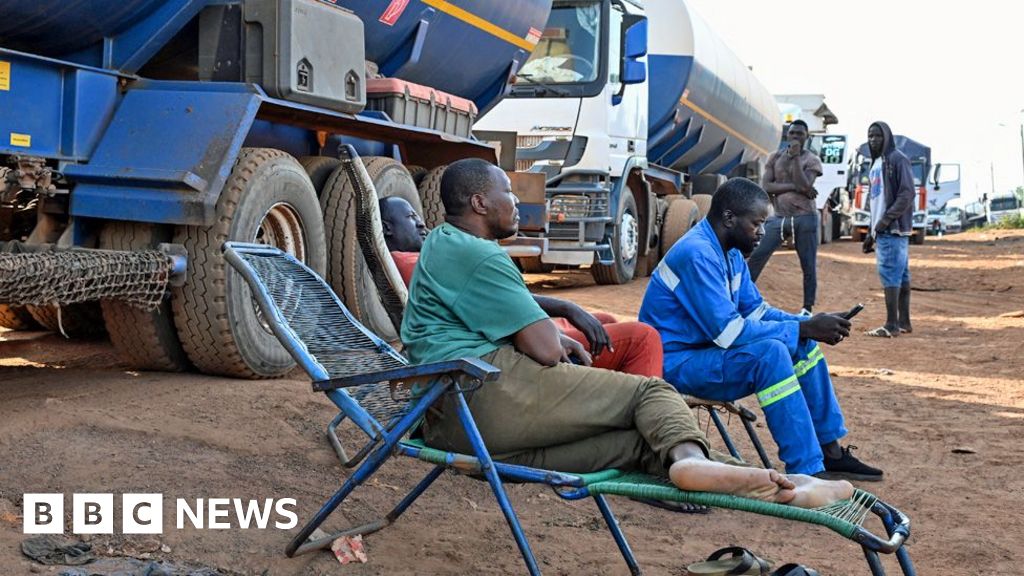
However, let’s be realistic, the security environment throughout the Sahel remains incredibly treacherous and unpredictable. Recent developments painfully confirm this: an unofficial month-long truce in southern Mali shattered when Al-Qaeda-linked gunmen brazenly attacked a fuel tanker convoy. This incident starkly highlights how fragile peace efforts truly are and the constant, grave danger posed by well-organized jihadist networks operating fluidly across porous borders. Attacks like these don’t just undermine economic activity, they directly threaten civilian safety in hard-hit areas, illustrating exactly how militant groups exploit instability and competing foreign interventions. Taken together, these events reveal that the Sahel region teeters on the brink. The alleged abuses by Russia’s Africa Corps aren’t just isolated events, they’re part of a broader, complicated tapestry of conflict involving local forces, international powers, and relentless militant groups. France’s anticipated strategic recalibration, Burkina Faso’s military upgrades, and the persistent menace from jihadist factions create a truly volatile and dangerous mix. For the millions of civilians caught in the crossfire, the promise of security remains frustratingly elusive, while intense geopolitical competition risks prolonging conflict and hardship indefinitely. There’s an urgent, pressing need for transparent investigations and accountability regarding accusations against foreign troops. Regional governments and international partners simply must collaborate more effectively to devise integrated security solutions that genuinely respect human rights and address the underlying root causes of this systemic violence. The Sahel’s long-term stability hinges not just on military might, but critically, on fostering robust governance, equitable economic opportunity, and meaningful reconciliation.