Africa’s Crossroads: Innovation Blooms in Nigeria, Ghana Cultivates Future Amid Sudan’s Dire Conflict
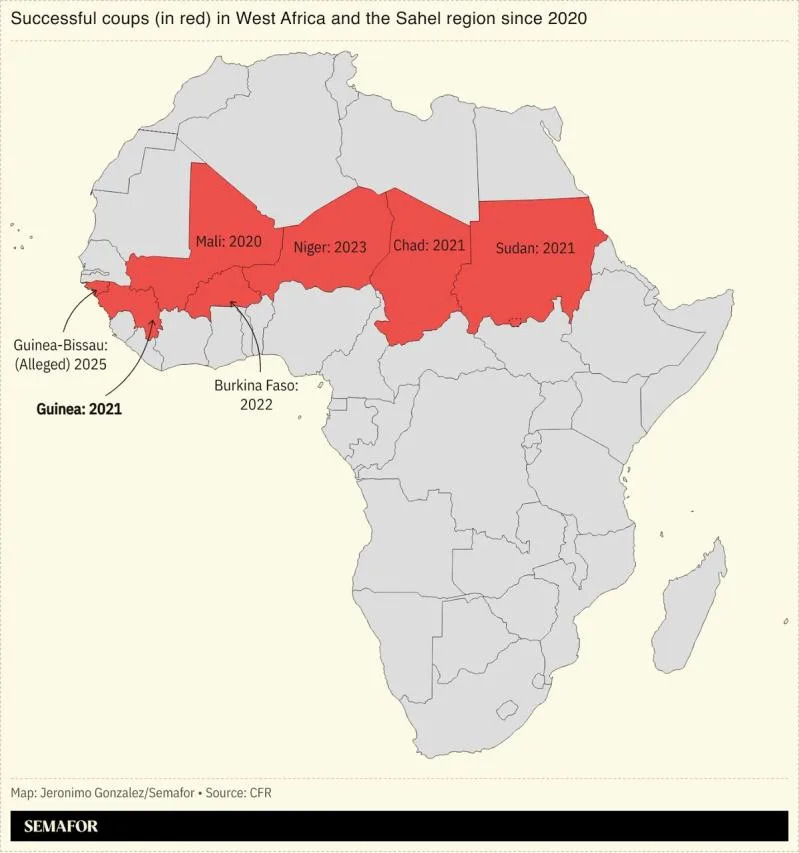
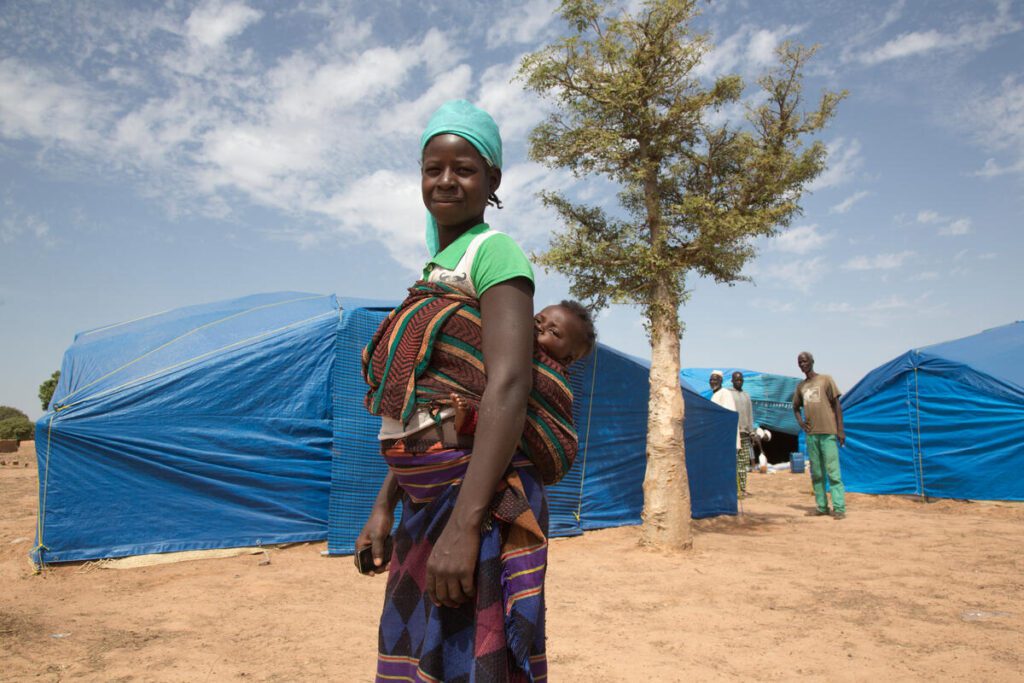
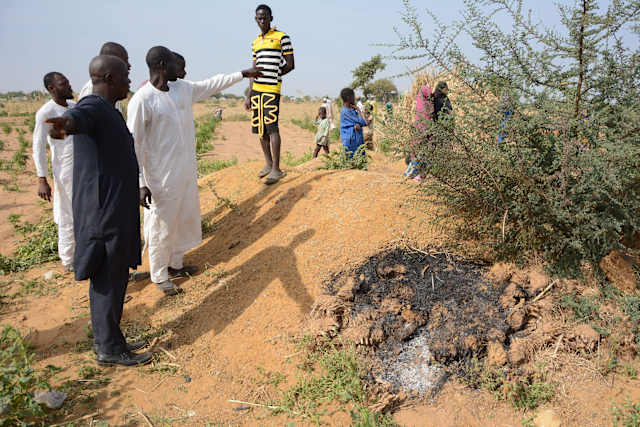
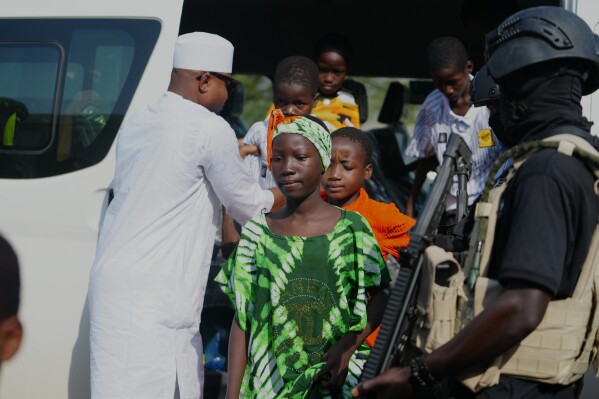
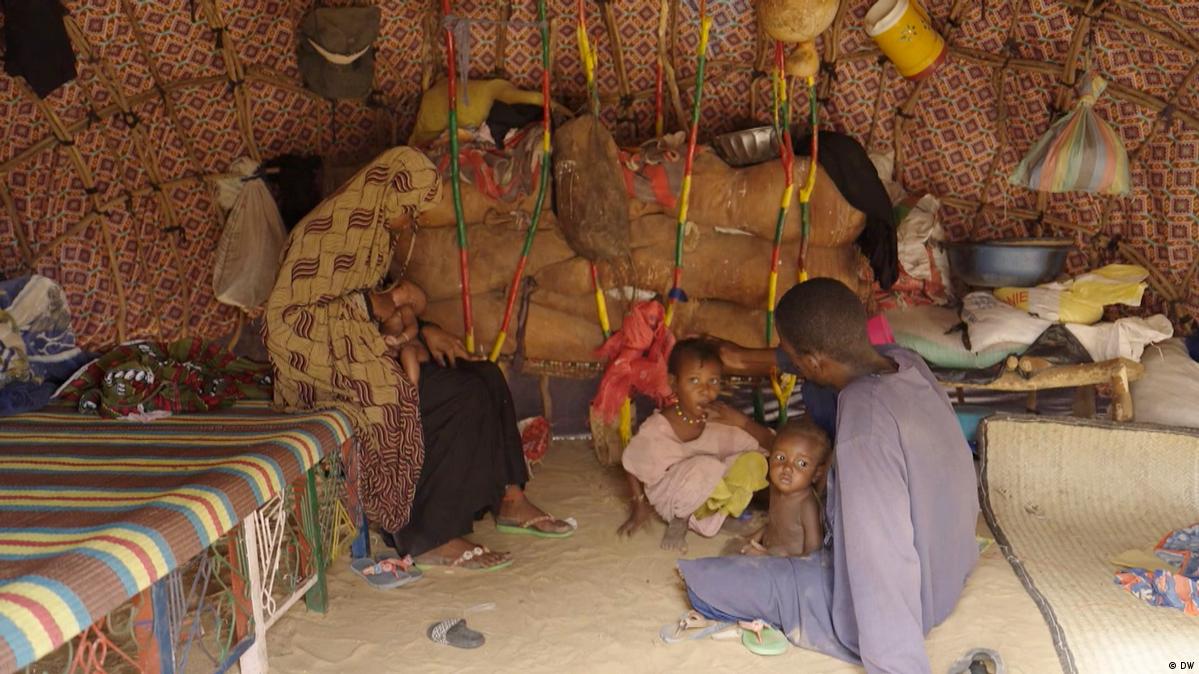
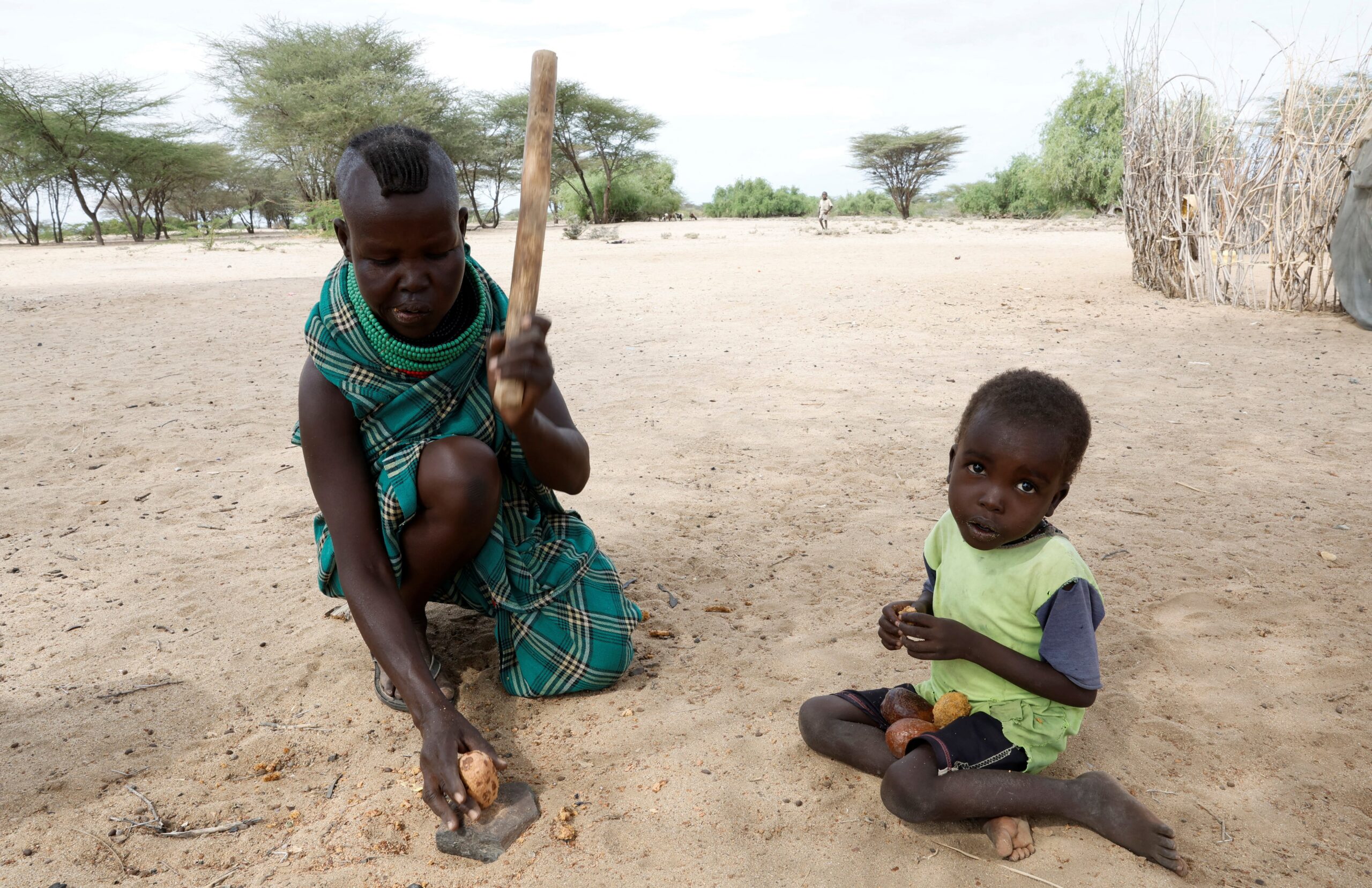
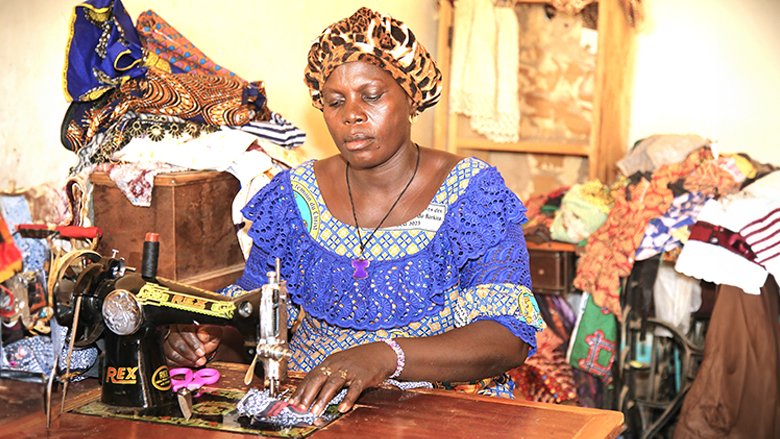
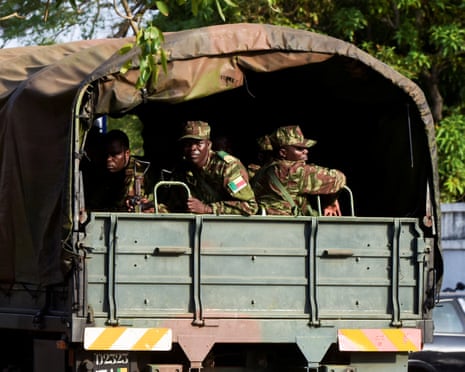
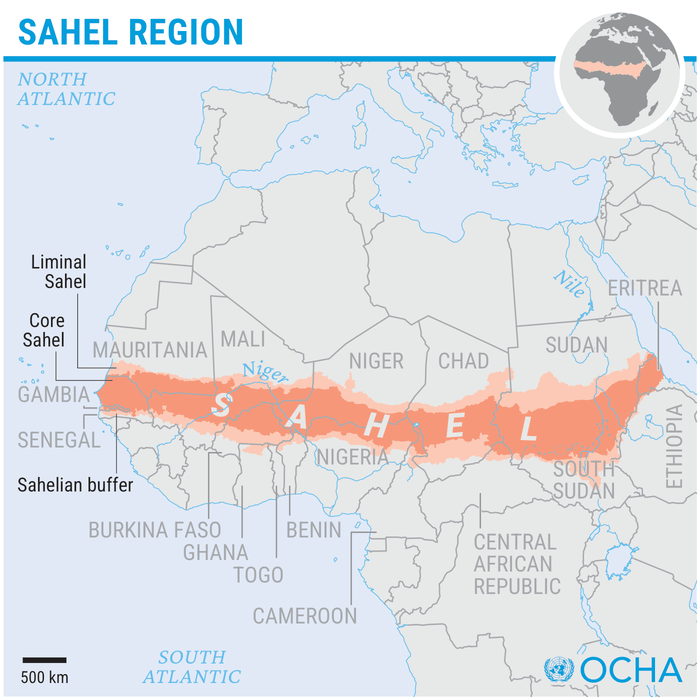
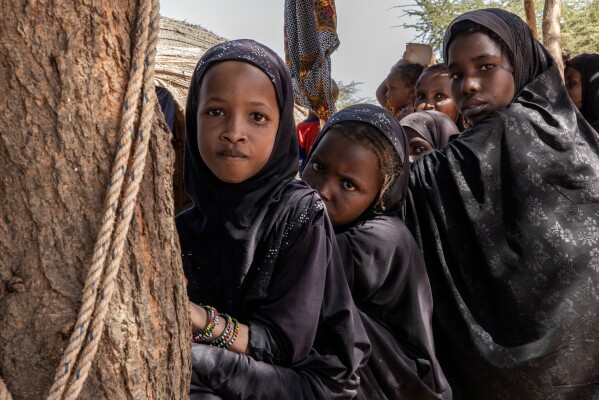
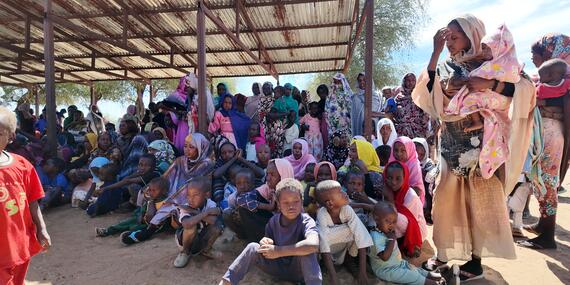
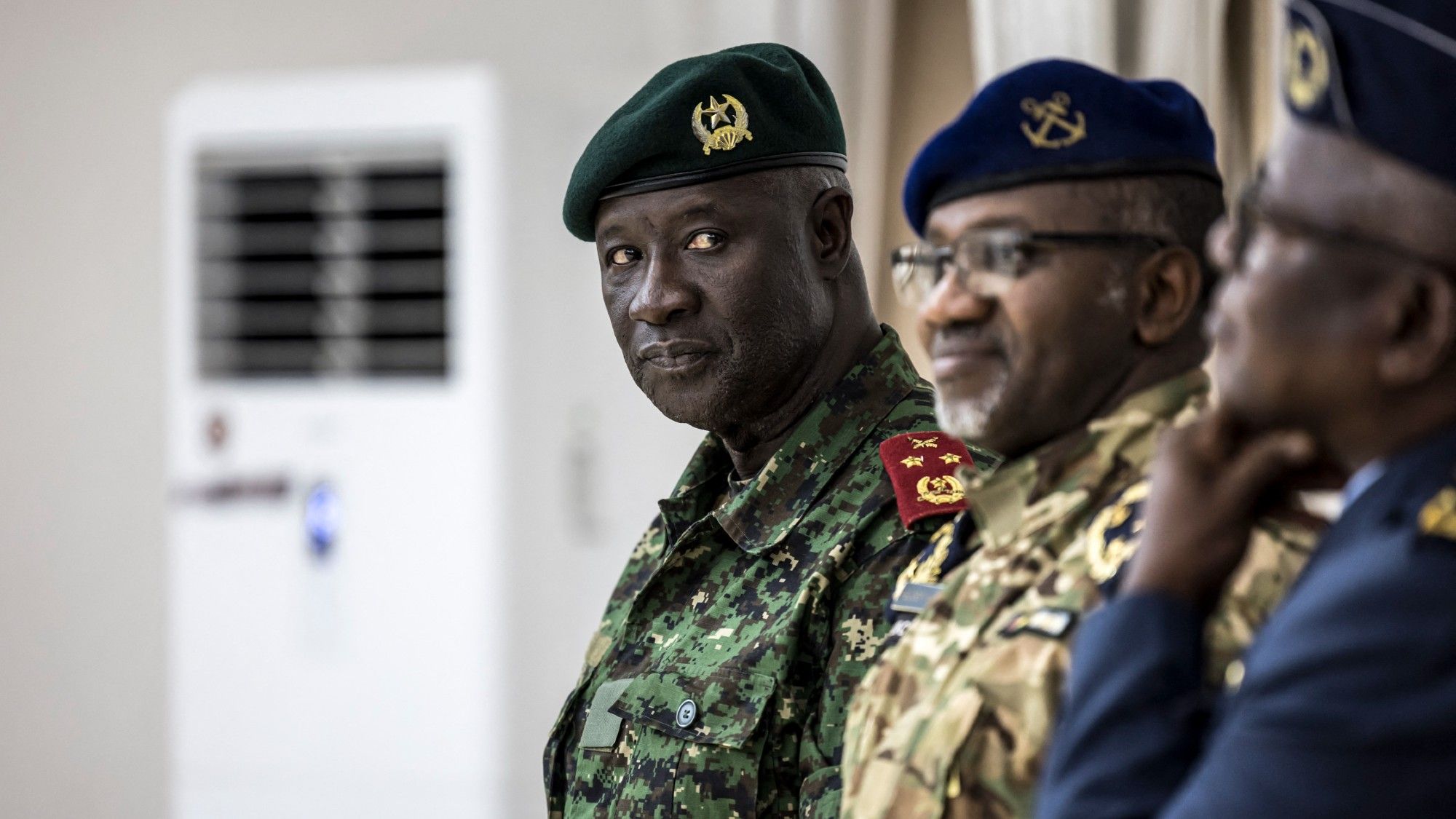
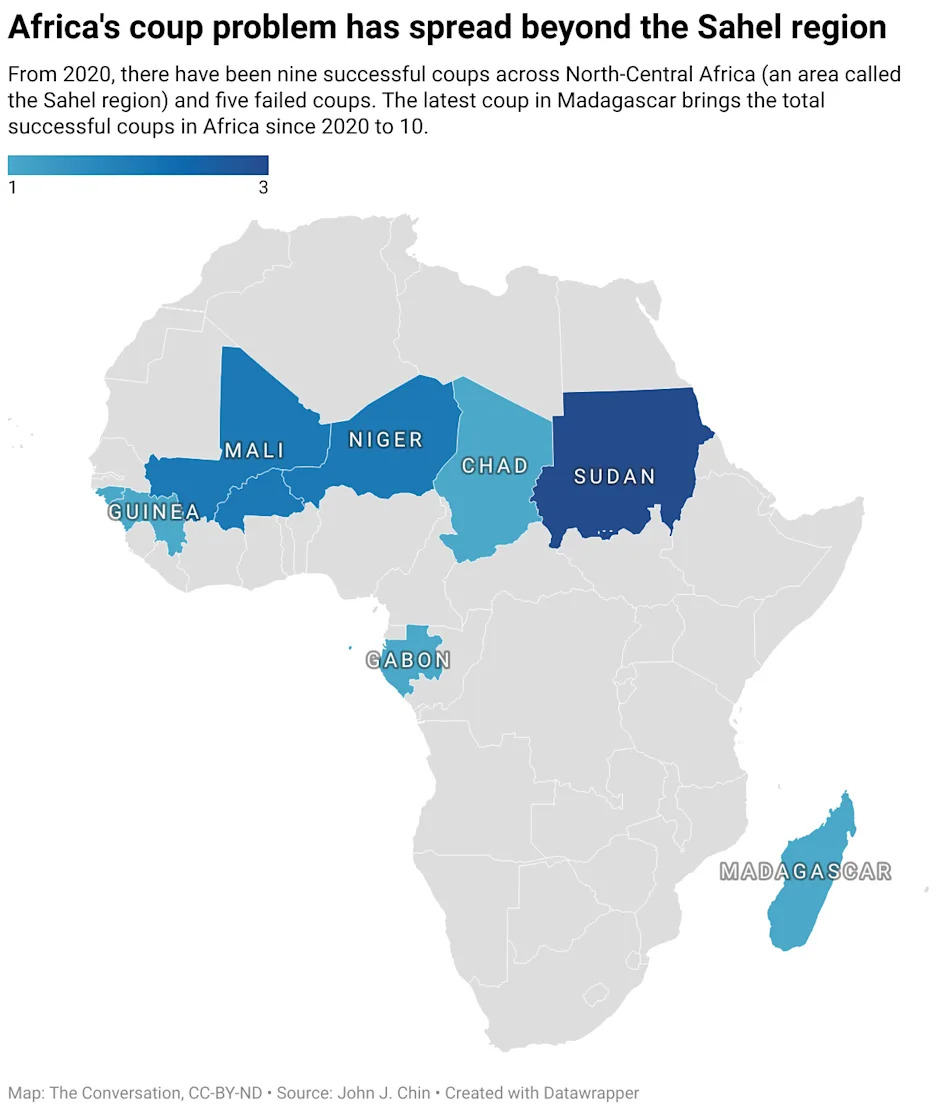
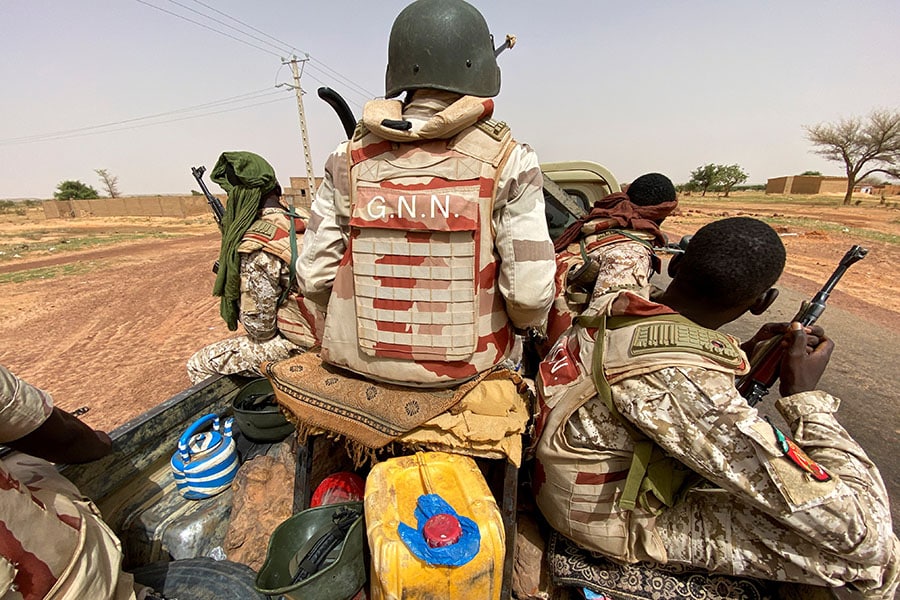
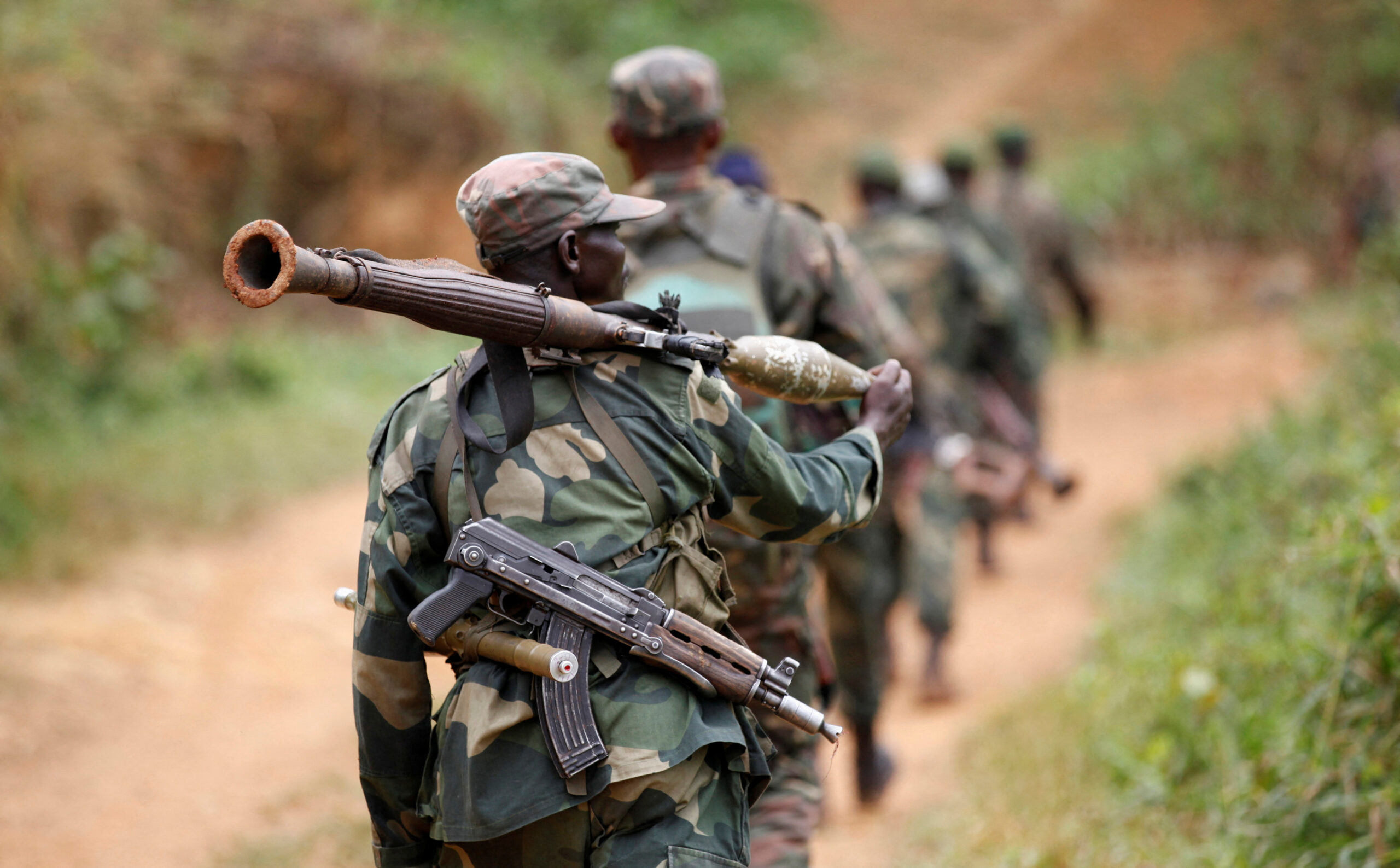
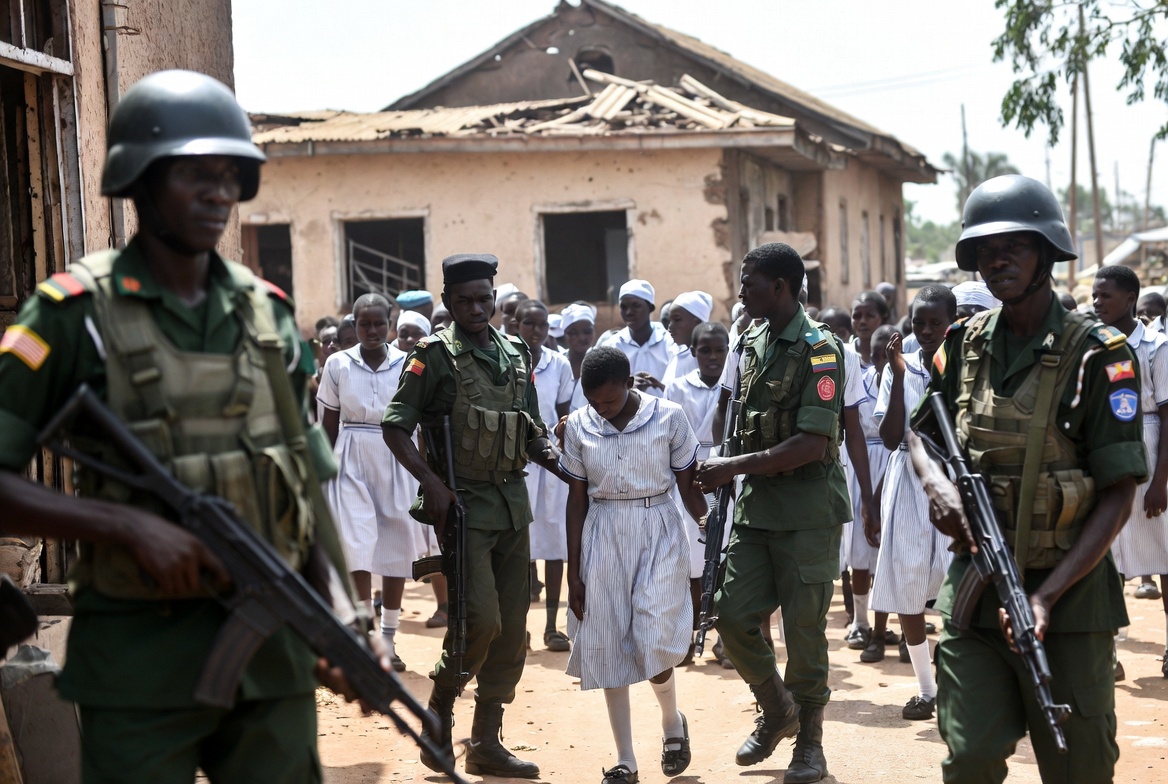
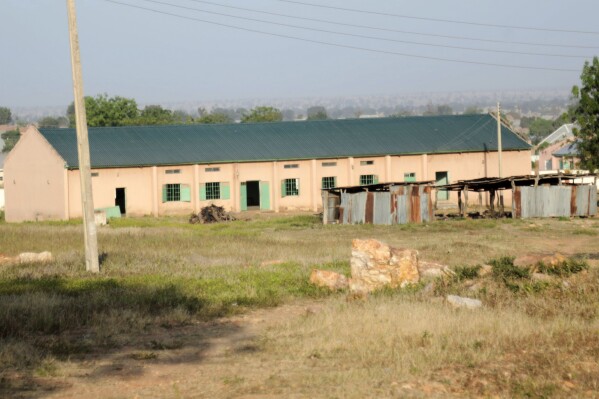
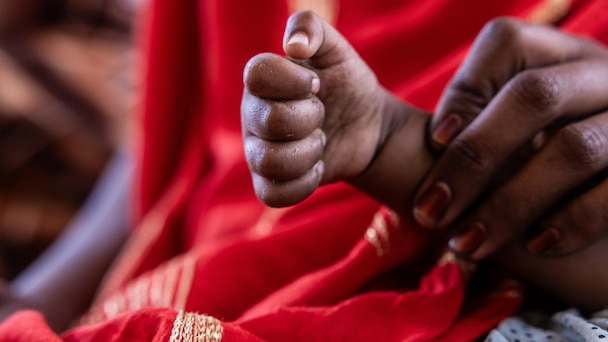
Africa truly stands at a pivotal moment, doesn’t it? On one hand, you’ve got nations like Nigeria igniting innovation, pushing boundaries in technology and entrepreneurship. On the other, countries like Sudan face heartbreaking humanitarian crises that demand urgent global attention. It’s a striking contrast, showing a continent that’s simultaneously grappling with immense challenges and forging ahead with incredible resilience and growth. Just look at Nigeria, where the National Board for Technology Incubation (NBTI) recently kicked off its NextGen Innovation Challenge 2026. This isn’t just another tech competition, it’s a nationwide movement, spearheaded by Dr. Kazeem Kolawole Raji and UK-based consultancy UKALD. They’re calling on bright minds to develop game-changing solutions, especially in green and renewable energy, climate resilience (think flood detection systems), and gender-inclusive tech that empowers Women in Tech. This initiative perfectly aligns with Nigeria’s national goals and the UN Sustainable Development Goals, setting a clear path for technological advancement. Participants won’t just get a pat on the back, they’ll receive mentorship, business development support, branding opportunities, and crucial access to investors, all designed to fast-track their innovations from concept to commercial success. But as Nigeria buzzes with this forward-looking energy, a stark and painful reality unfolds in Sudan. The violence continues to rip through regions like Darfur and South Kordofan, creating what the UN describes as the epicenter of human suffering. Decades of conflict have left millions displaced and in desperate need of aid. We recently heard the devastating news of a Sudanese paramilitary drone attack on a kindergarten in Kalogi, South Kordofan, killing 50 people, including 33 children, according to the Sudan Doctors’ Network. It’s a brutal reminder of the flagrant violations of international humanitarian law there, where innocent civilians, especially children, remain terribly vulnerable. How can we stand by?
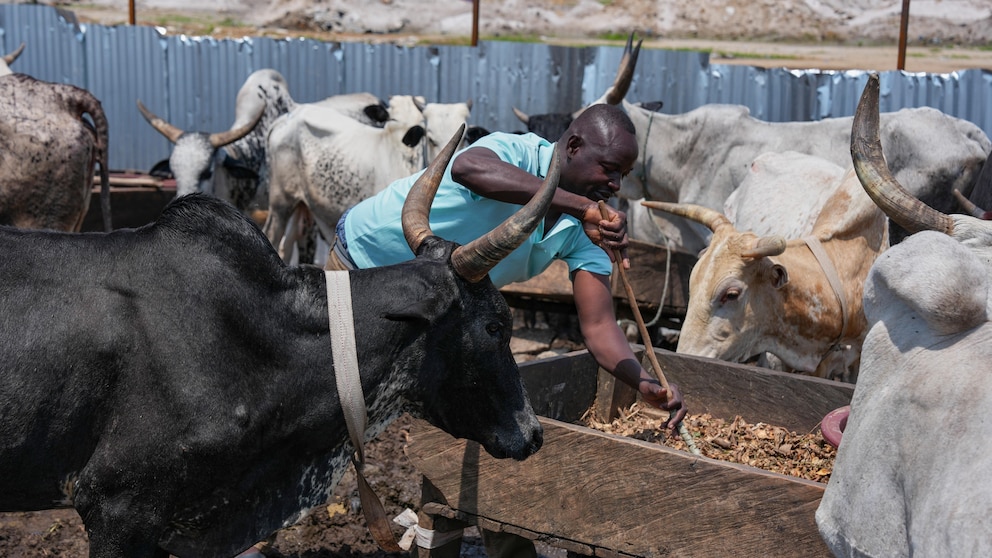
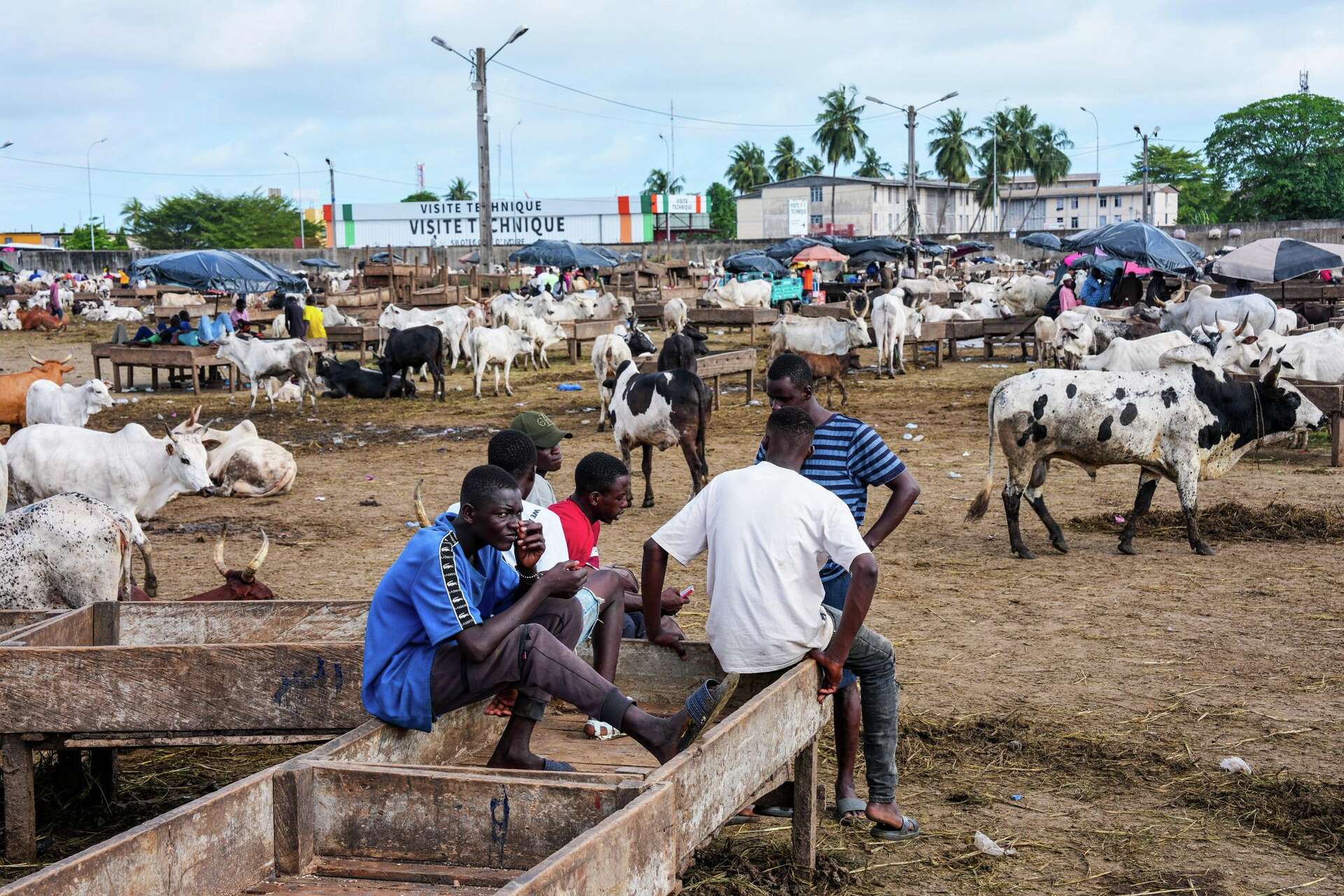
The juxtaposed realities on the continent couldn’t be more evident, couldn’t they? Nigeria’s vibrant focus on innovation offers a beacon of hope. It shows us how African nations can channel resources into sustainable development, even when conflicts persist in other corners of the continent. But that’s not the whole story. Elsewhere, Ghana is diligently carving its own path to progress, heavily investing in agricultural modernization and ensuring its food security. During the recent 41st National Farmers’ Day celebration in Ho, Ghana’s Minister of Food and Agriculture, Eric Opoku, really drove home the point: we’ve got to bridge the gap between agricultural research and what farmers actually do on the ground. He rightly identified this disconnect as a major hurdle holding back Ghana’s rich agricultural potential. By championing innovation, promoting research-driven farming practices, and fostering closer ties with the private sector, Ghana aims to leverage its abundant resources to become a leading food producer in Africa. The minister’s call for renewed national commitment underscores a shared belief among African leaders: sustainable development hinges on practical, local solutions. These parallel stories, one of technological leaps in Nigeria and another of agricultural revival in Ghana, paint a picture of a continent deeply committed to human and economic development, even as it navigates profound challenges like the ongoing humanitarian crisis in Sudan.
This dynamic interplay of innovation, urgent humanitarian needs, and agricultural ambition truly defines Africa’s current journey. Nigeria’s NextGen Innovation Challenge, for instance, perfectly illustrates how nurturing technology and entrepreneurship can inspire a new generation to tackle pressing global issues like climate change and gender inequality head-on. Similarly, Ghana’s dedicated efforts to revitalize agriculture through integrating research provide a compelling blueprint for achieving food security and economic sustainability across the continent. Yet, we can’t forget the enduring tragedy in Sudan. It serves as a stark, sobering reminder of the absolute critical need for peace, stability, and sustained humanitarian support to protect Africa’s most vulnerable populations. Looking ahead, these interconnected developments suggest a truly dynamic future for Africa. Harnessing innovation and research, while simultaneously addressing entrenched conflicts and humanitarian demands, will undoubtedly require coordinated strategies and robust international partnerships. Imagine if Nigeria’s platform for innovators could extend beyond its borders, supporting tech-driven solutions for challenges faced across all of Africa, including crisis resilience and vital food production. And if Ghana’s agricultural reforms prove successful, couldn’t they inspire neighboring countries to enthusiastically embrace science-based farming? Throughout all of this, the global community simply must keep its focus on peace-building and delivering crucial humanitarian aid in crisis zones like Sudan, ensuring human dignity and regional stability. This moment in Africa’s history is a complex mix of urgency and opportunity, of tragedy and profound hope. Its rising innovators, committed policymakers, and remarkably resilient communities are actively forging pathways toward a more sustainable and prosperous future. By marrying technology with compassionate humanitarian care and steadfast agricultural progress, Africa is powerfully demonstrating its capacity to lead in solving the 21st century’s most complex challenges, from right within its own borders.