Burkina Faso Navigates a High-Stakes Balancing Act: Fiscal Strength Meets Escalating Security Threats
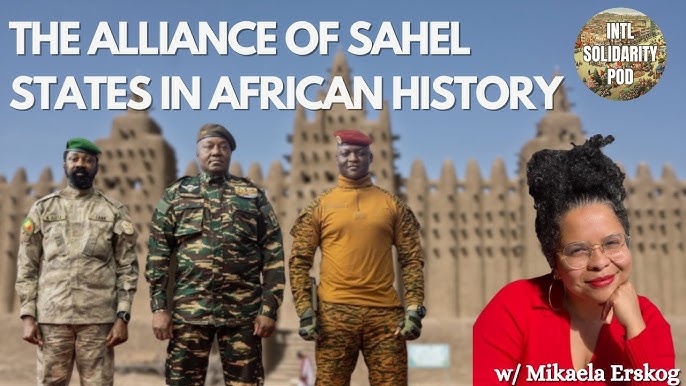
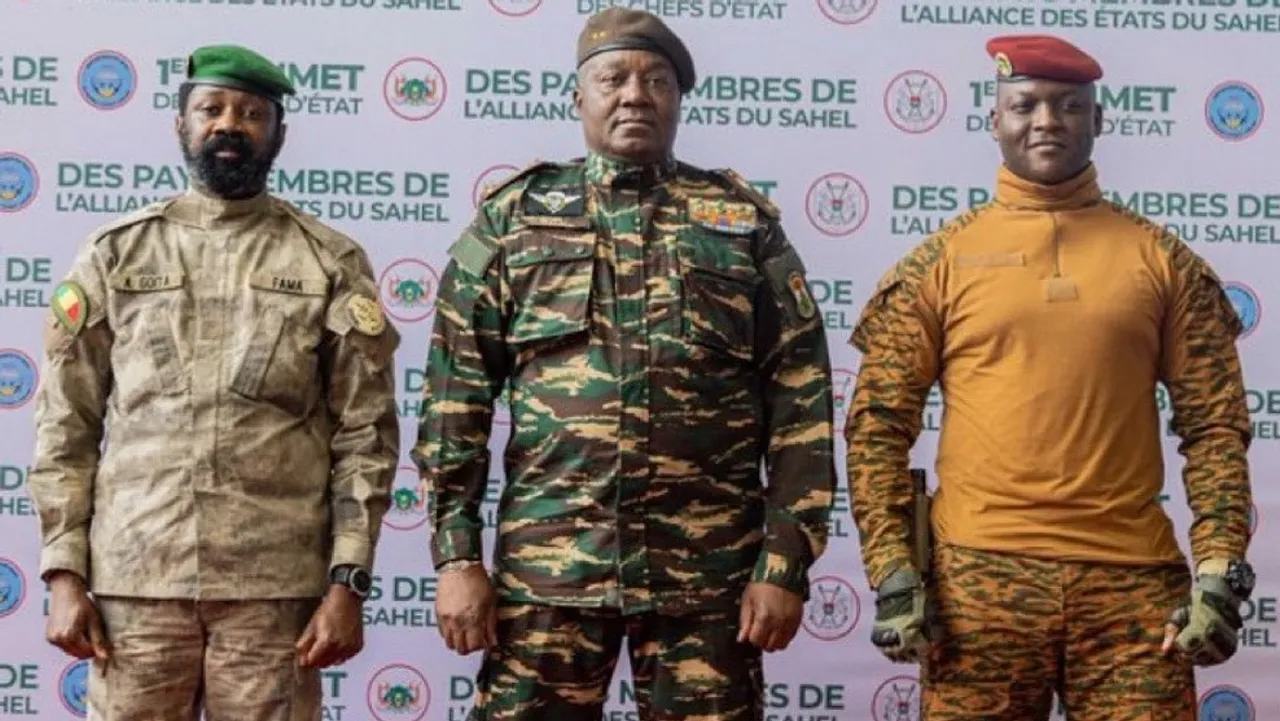
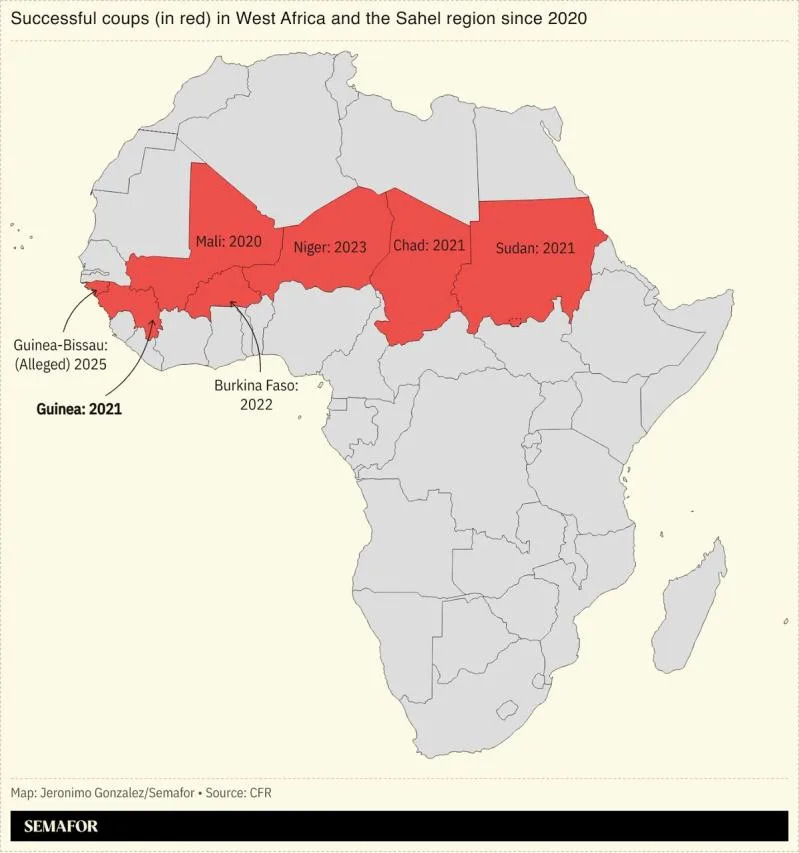
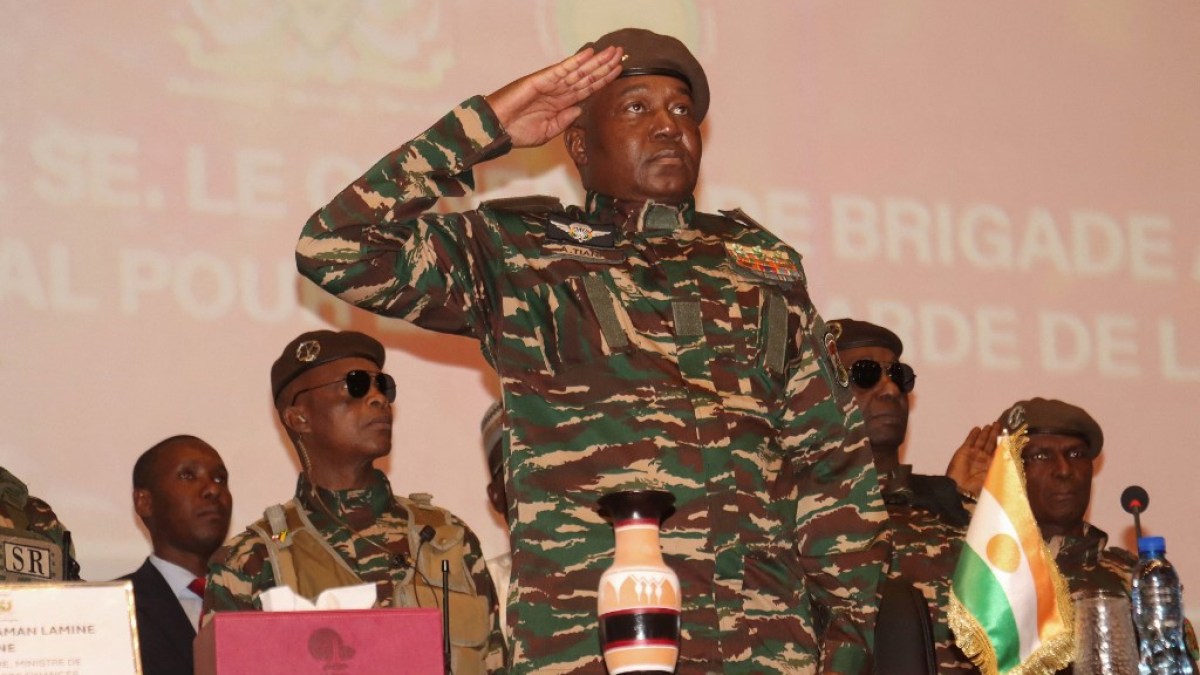
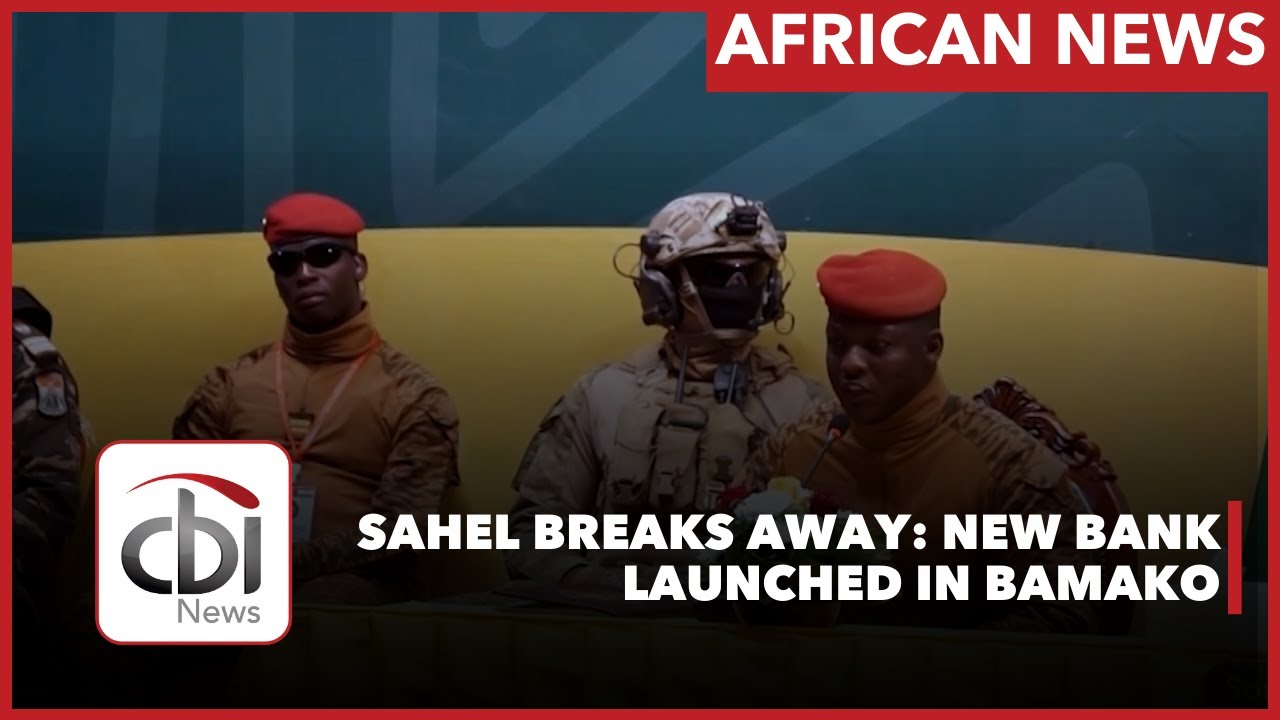
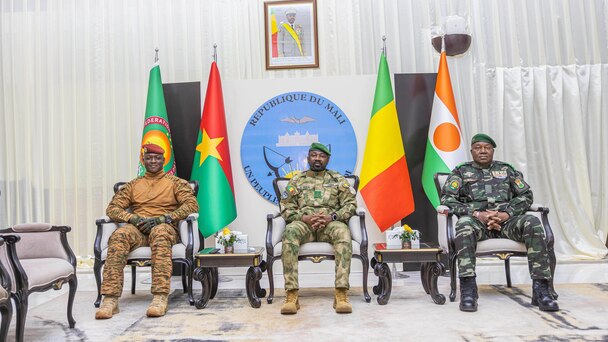
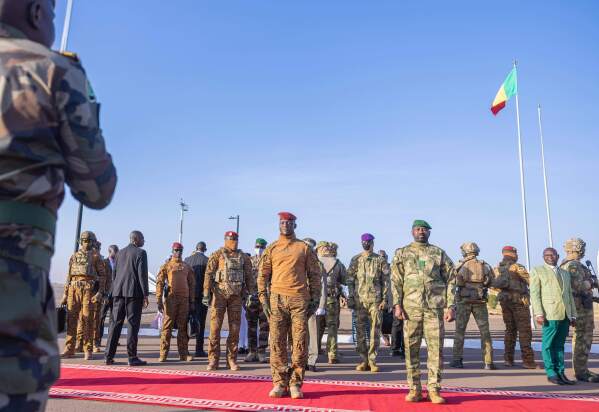
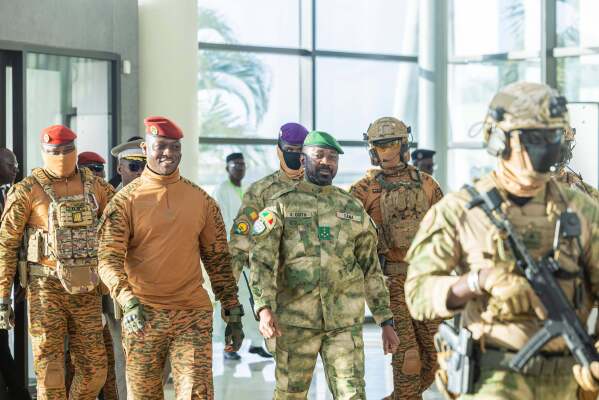
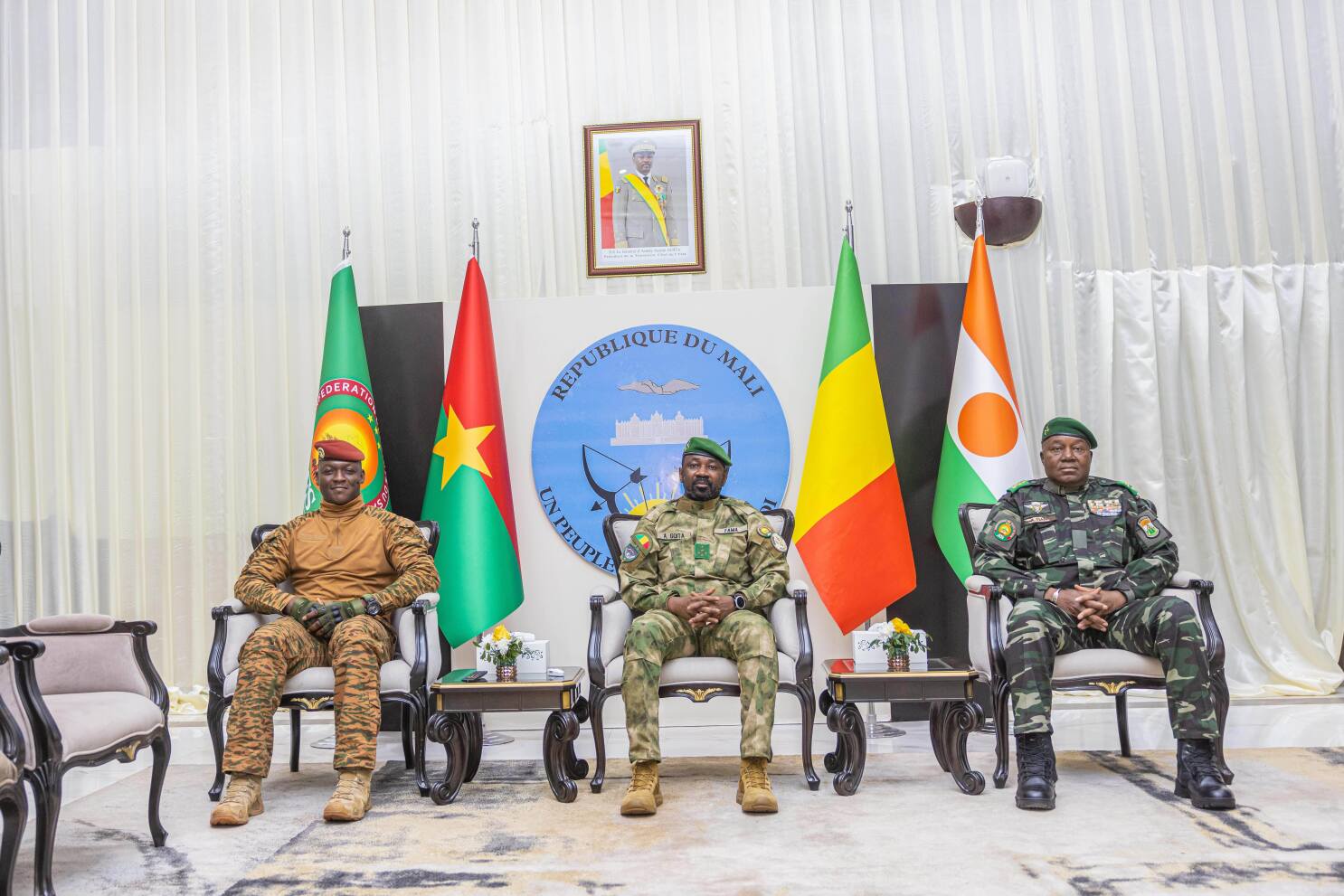
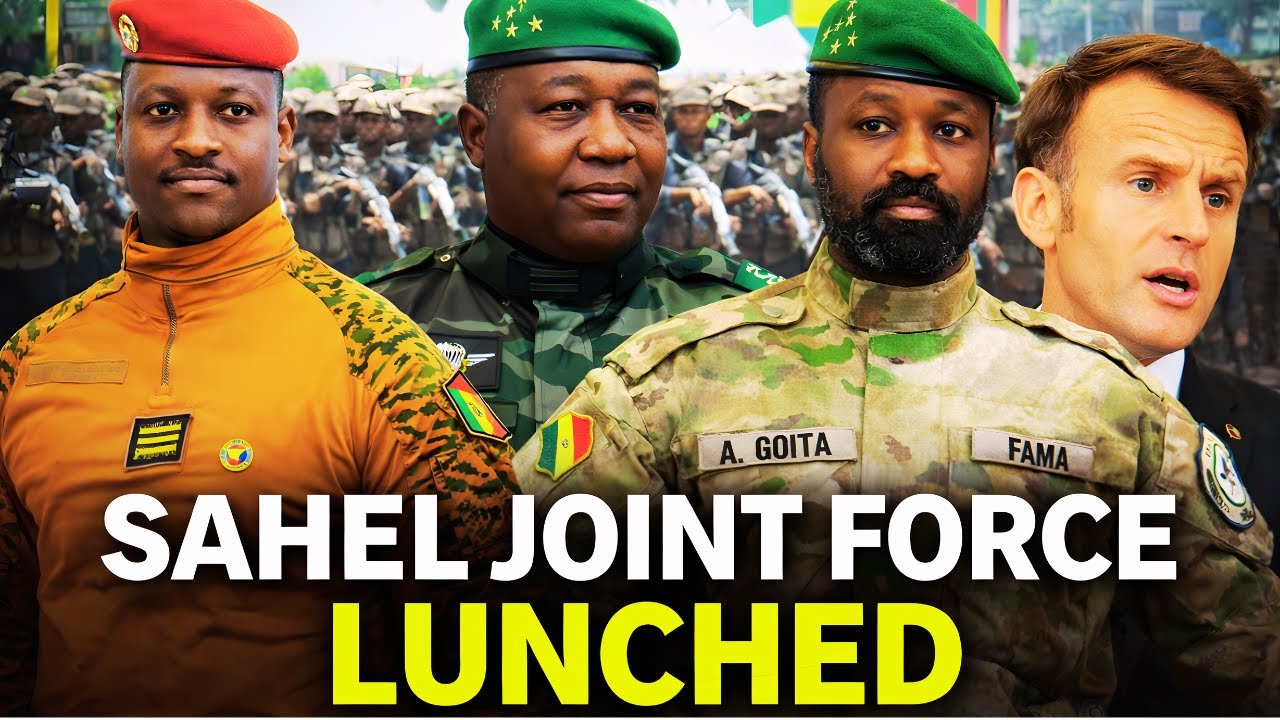
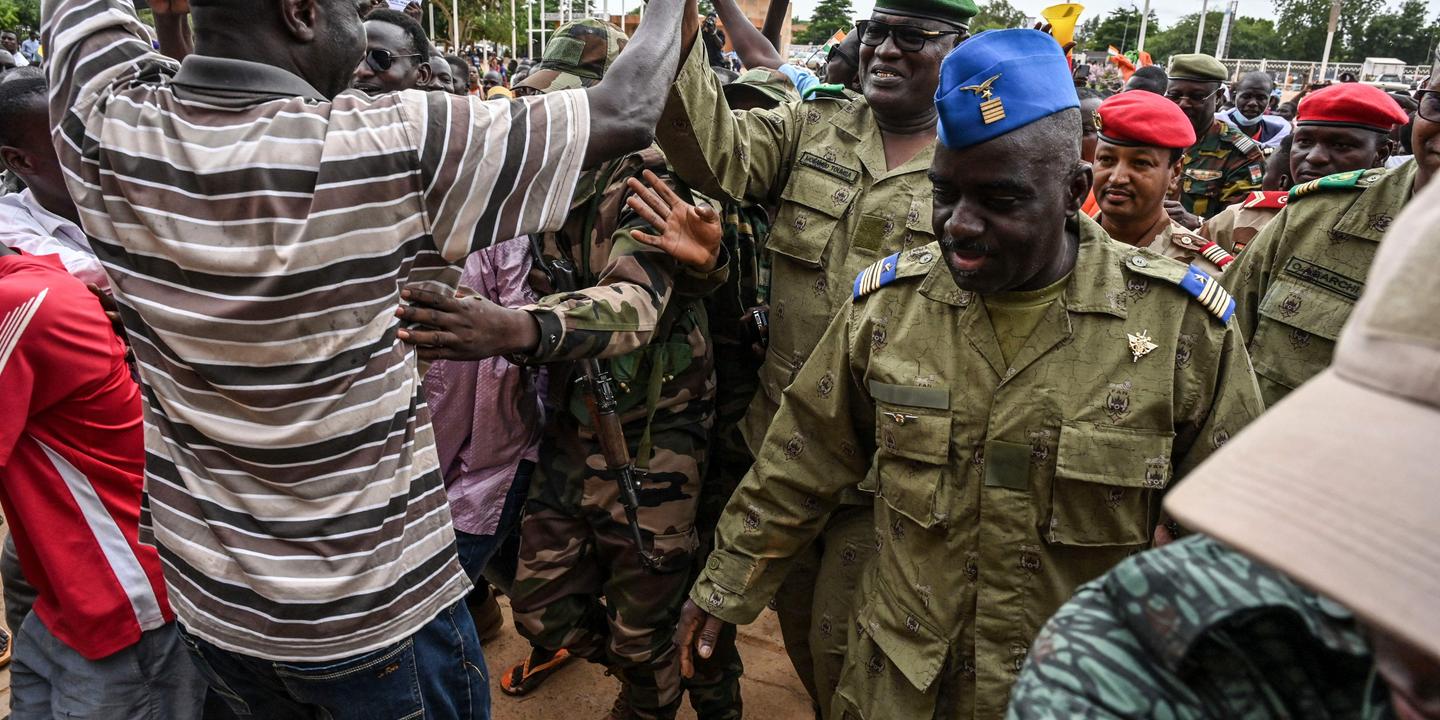
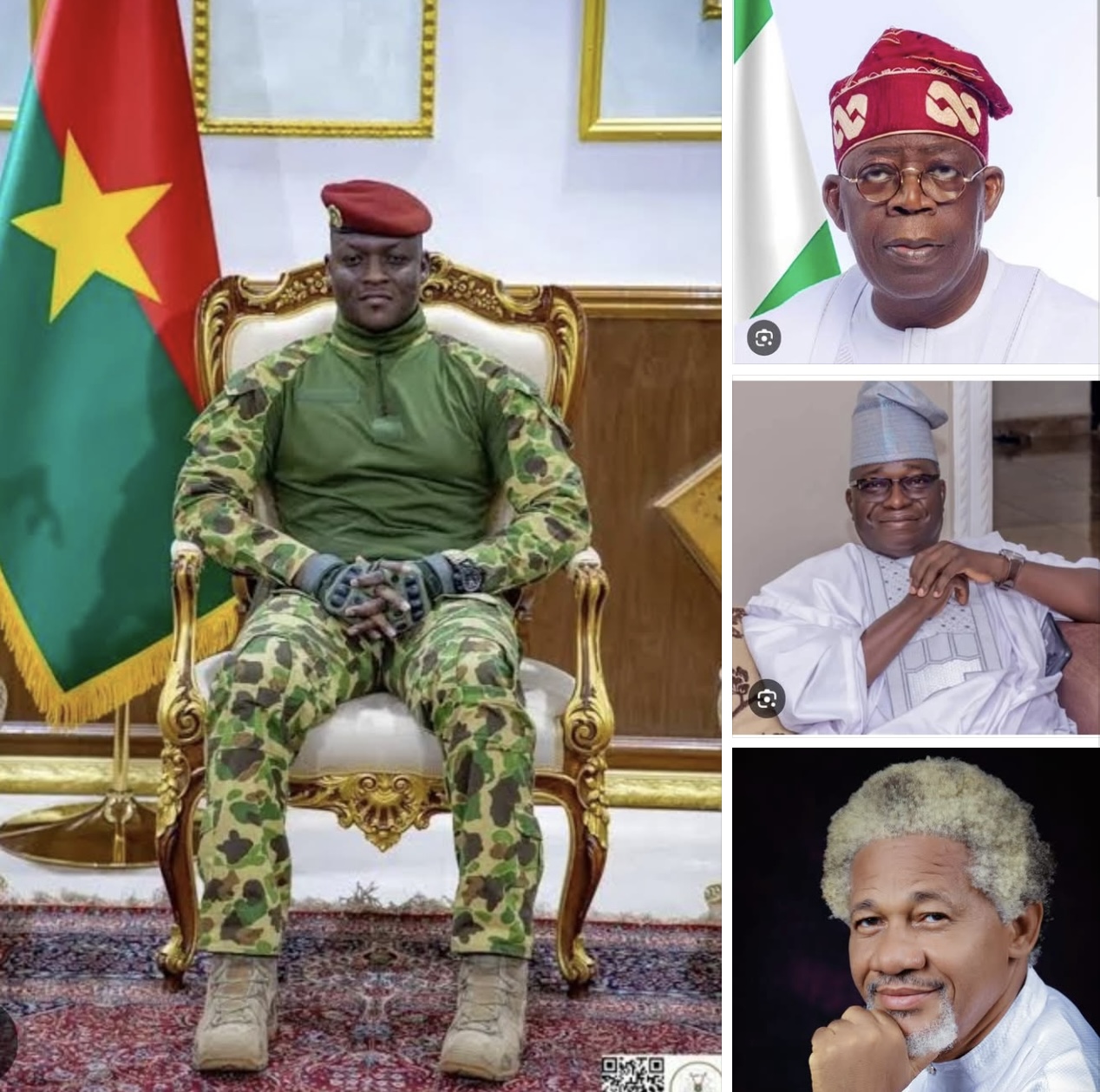
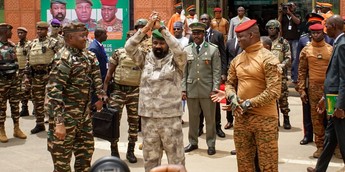
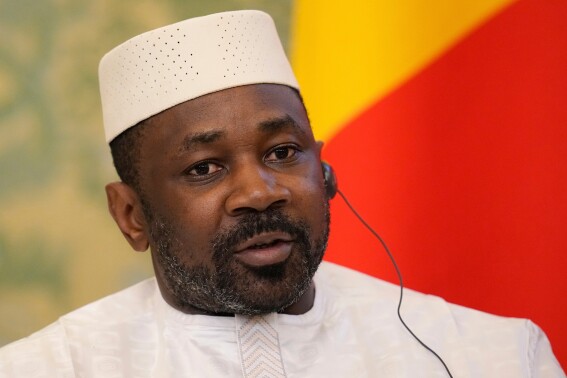
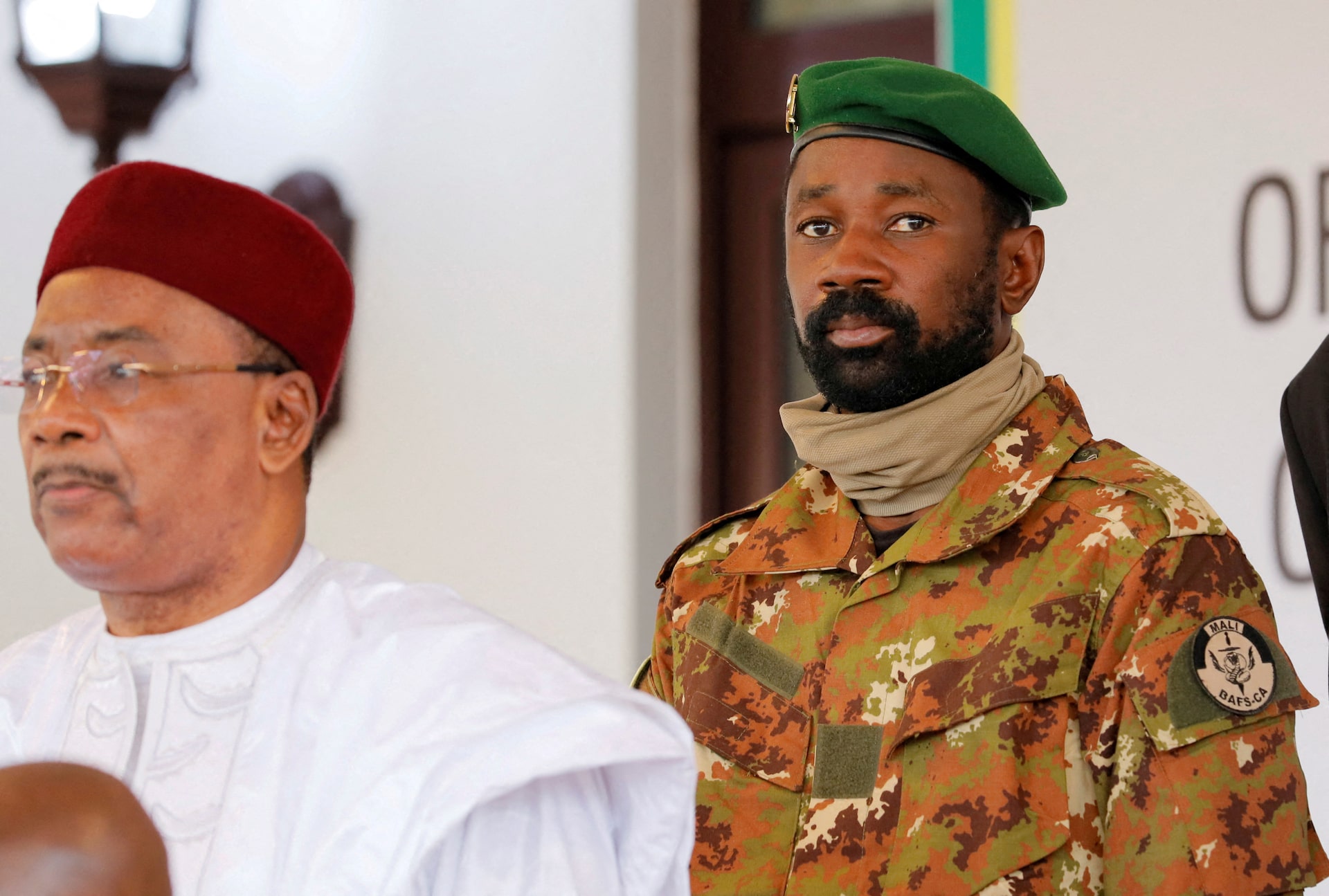
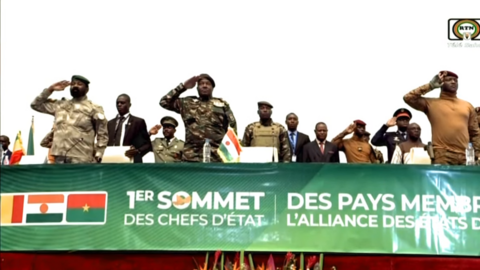
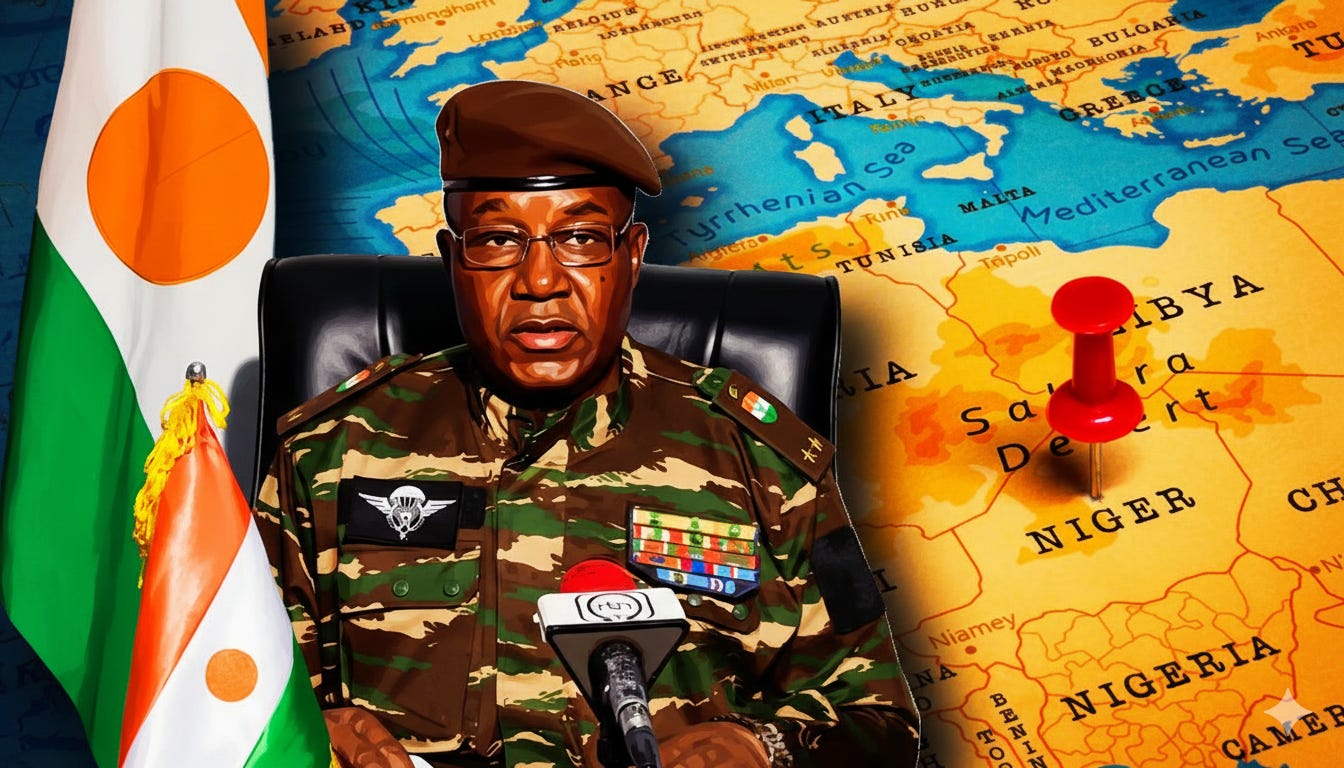
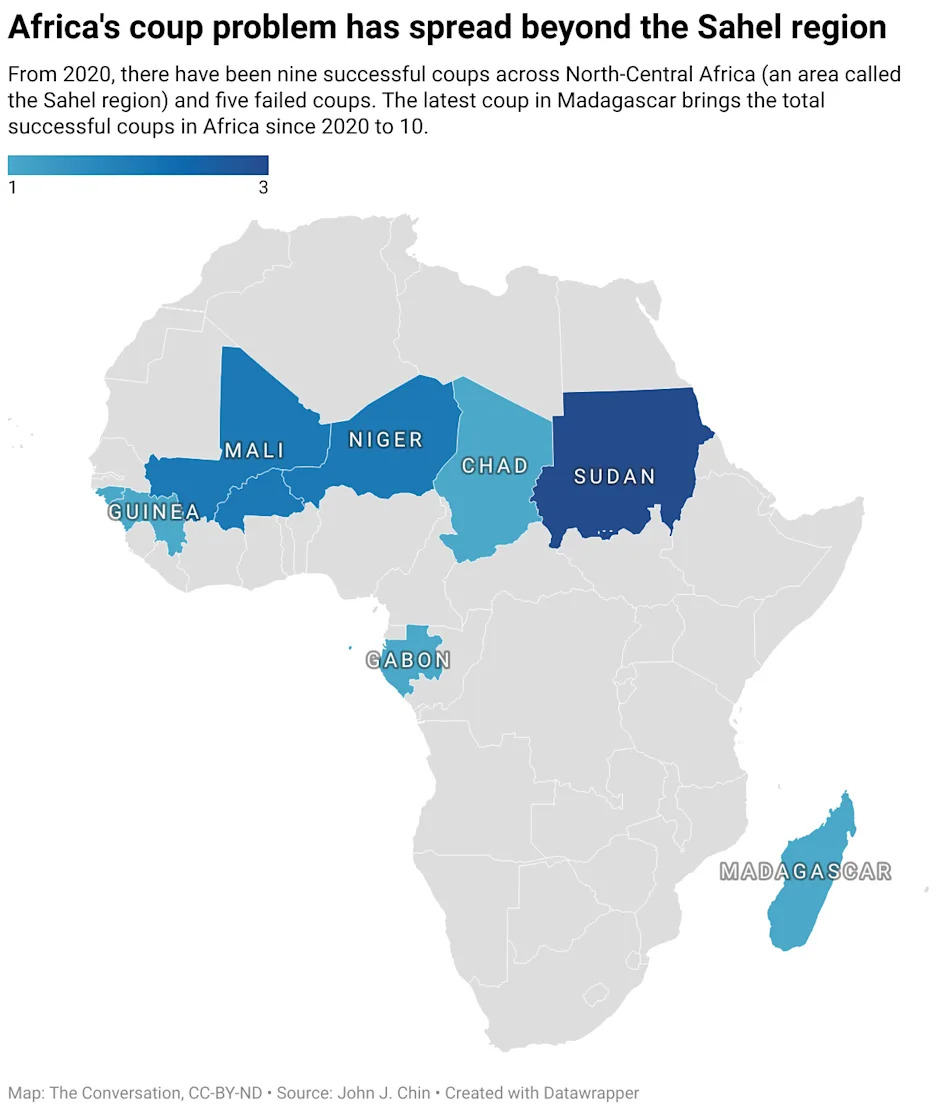
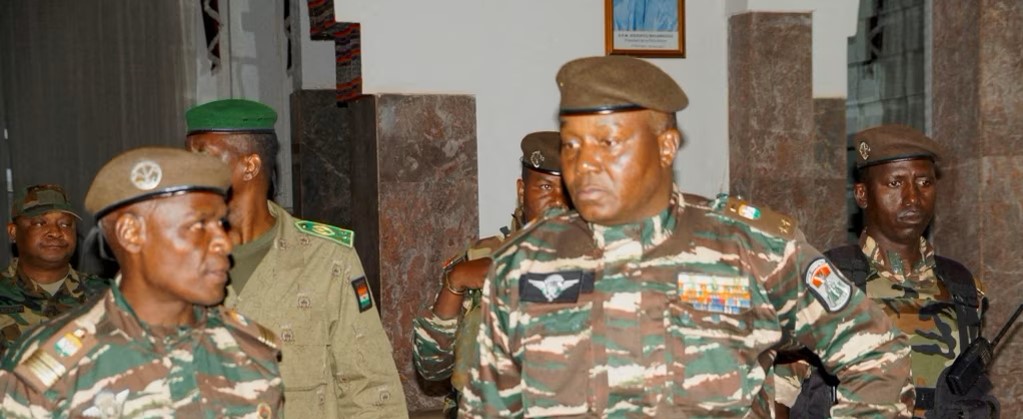
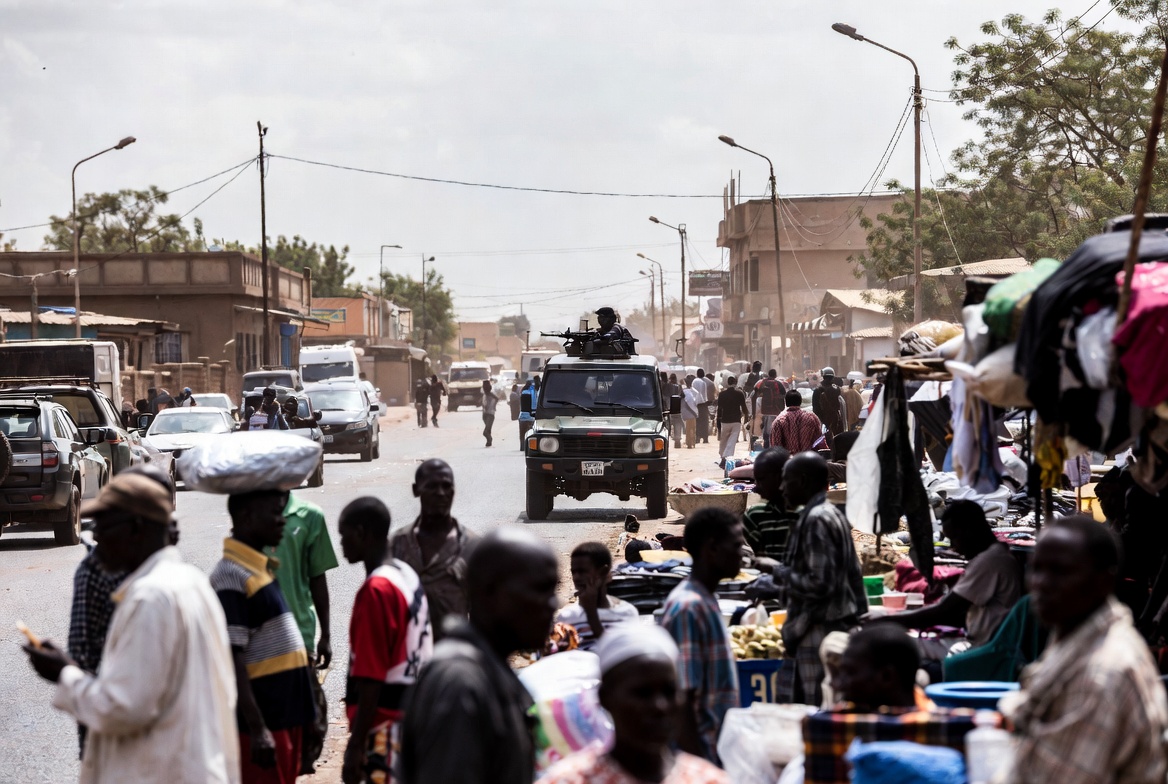
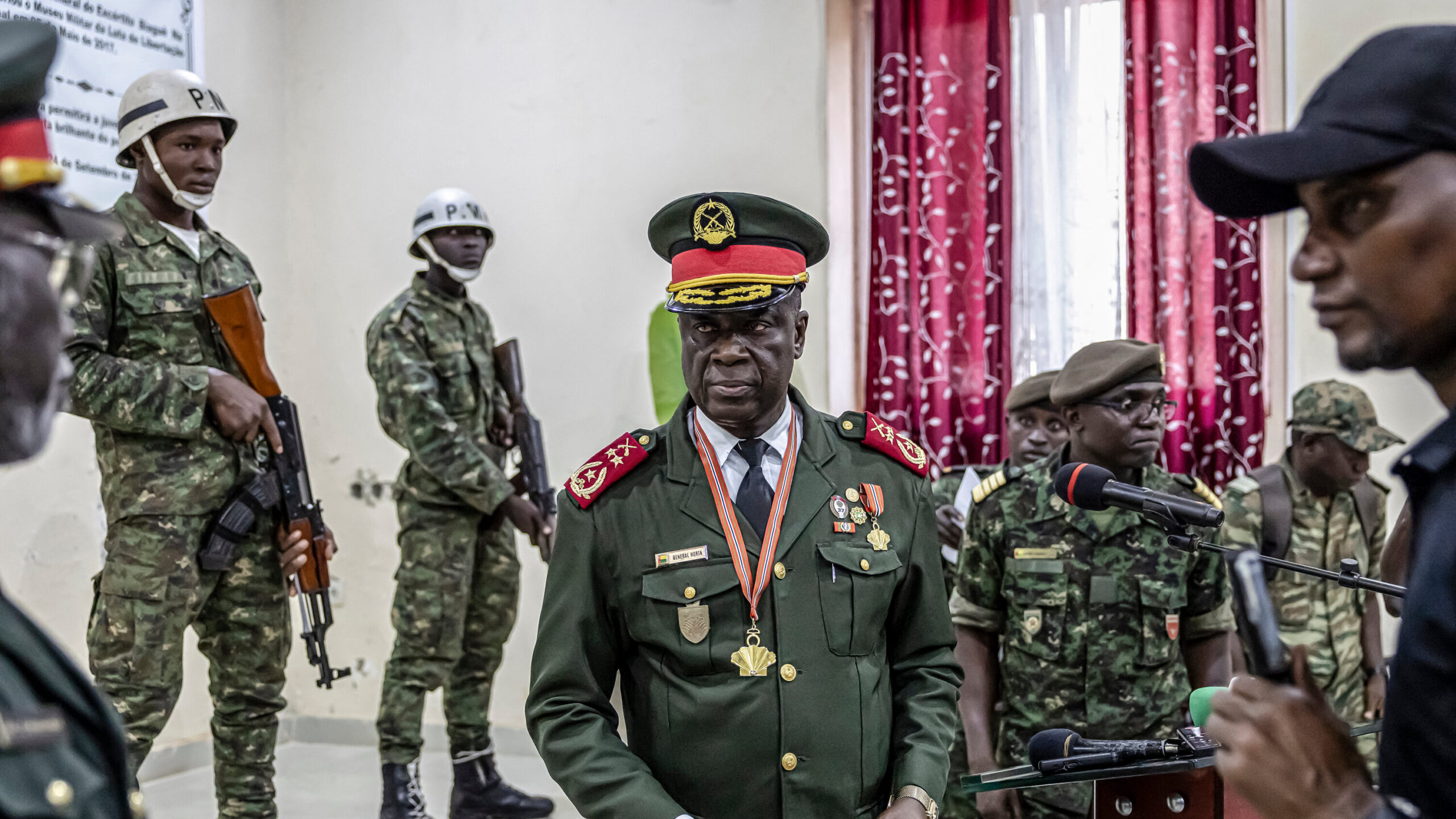
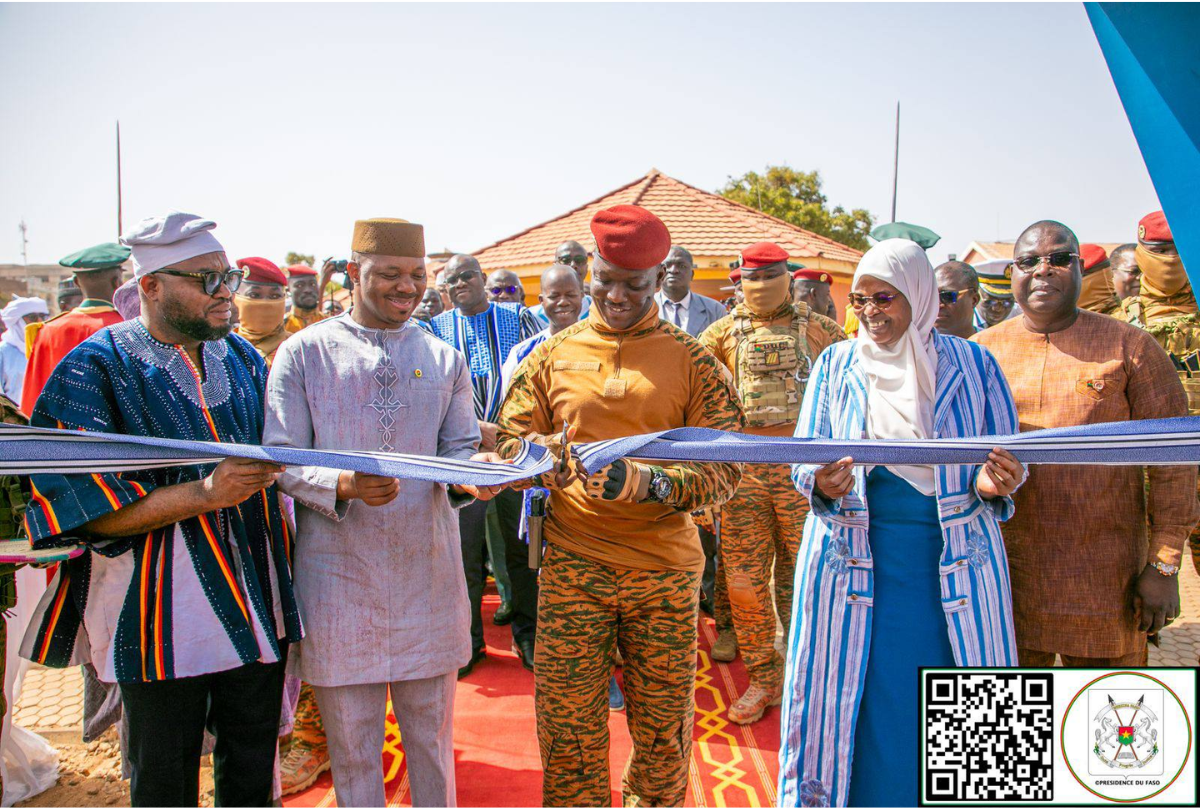
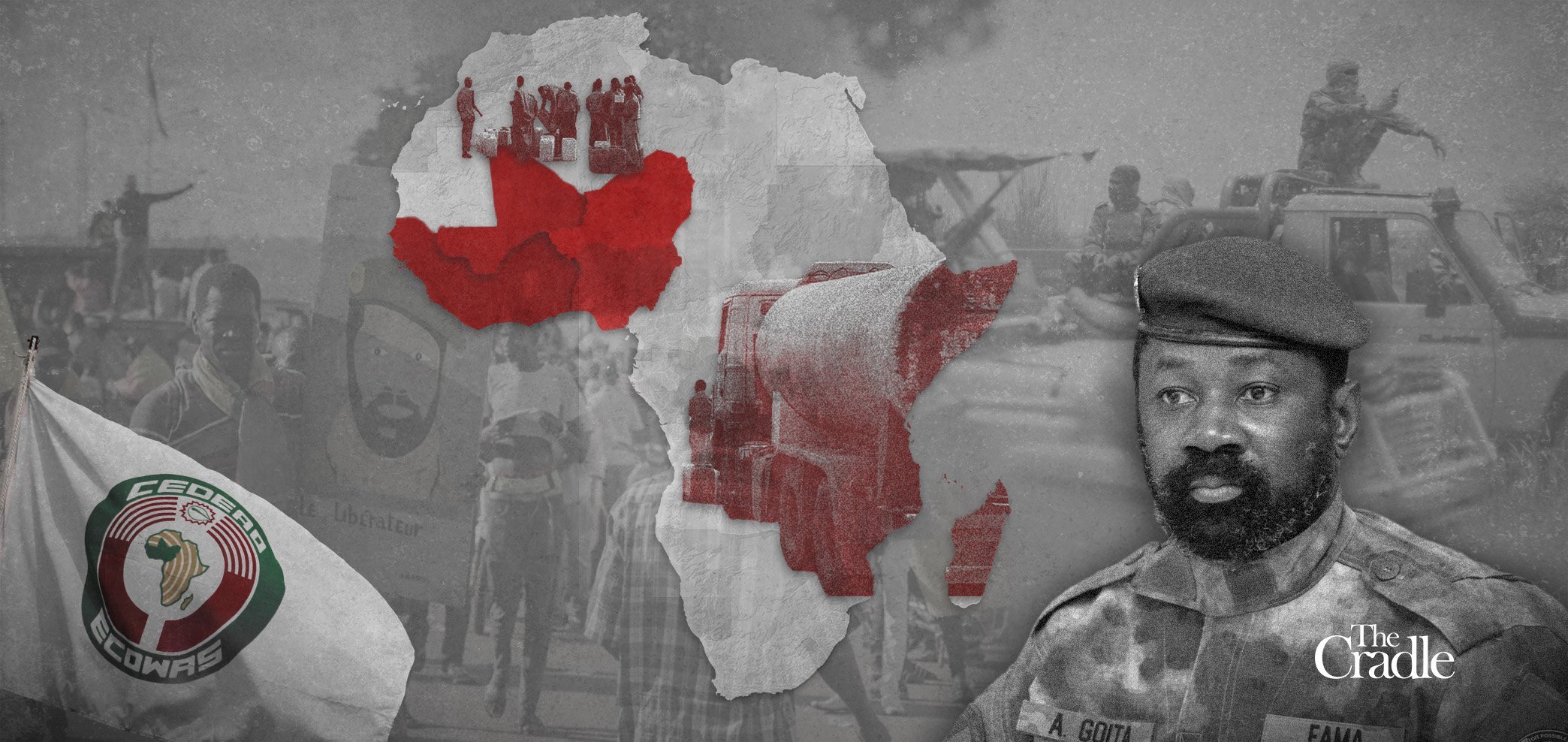
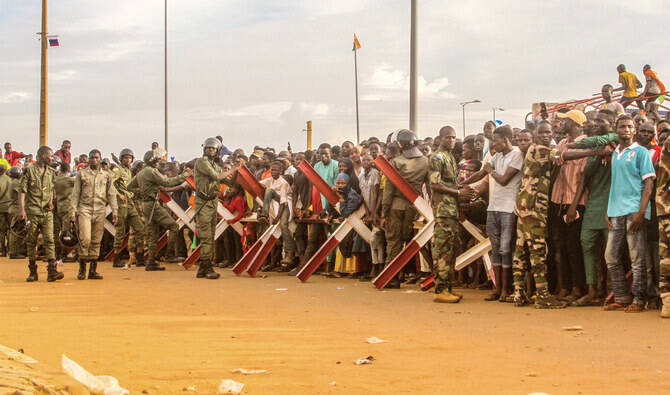
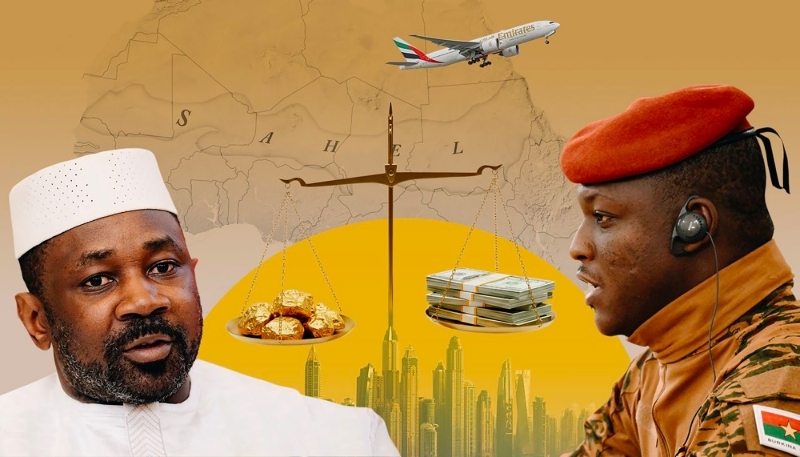
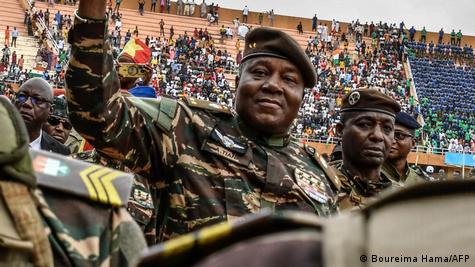
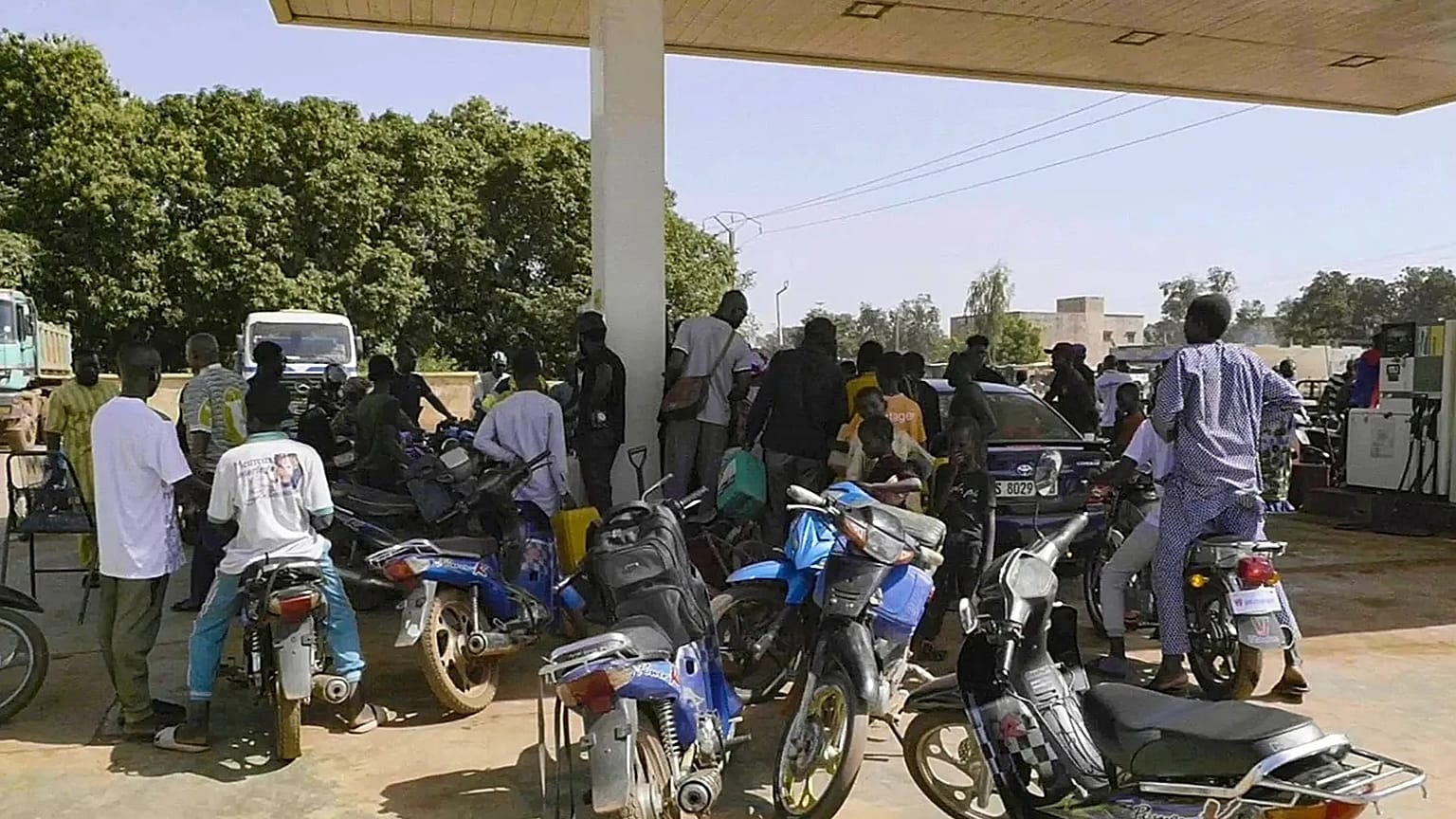
In a year of sharp contrasts, Burkina Faso has found itself firmly in the spotlight, demonstrating remarkable economic resilience while simultaneously grappling with an intensifying array of security challenges. The West African nation made a significant financial stride, repaying over $2.1 billion of its domestic debt, equivalent to roughly CFA1.2 trillion, between January and late November 2025. This isn’t just a number, it’s a clear signal of the government’s commitment to financial stability and honoring its obligations, a crucial move to build public trust and lure future investments in a tough regional economy. Yet, this fiscal success unfolds against a backdrop of deep concern. The military junta, led by Captain Ibrahim Traoré, recently reinstated the death penalty, nearly a decade after its abolition. This dramatic reversal came after an attempted coup against Traoré, who himself seized power in 2022. The new law isn’t shy about its targets, aiming at coup plotters and their collaborators, both within the country and those with foreign ties. Authorities have since arrested twenty-two individuals suspected of involvement, alongside eight foreign operatives reportedly linked to destabilizing plots. It’s a tough stance, no doubt, meant to deter future conspiracies and solidify the junta’s fragile hold on power.
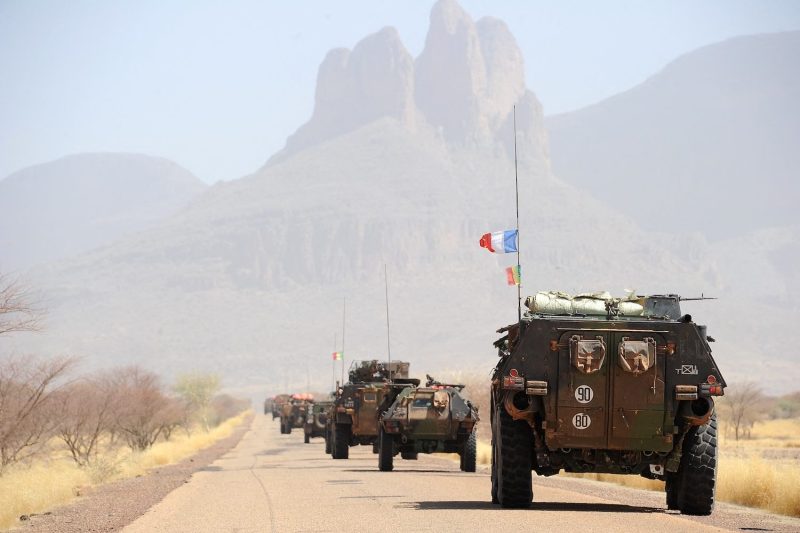
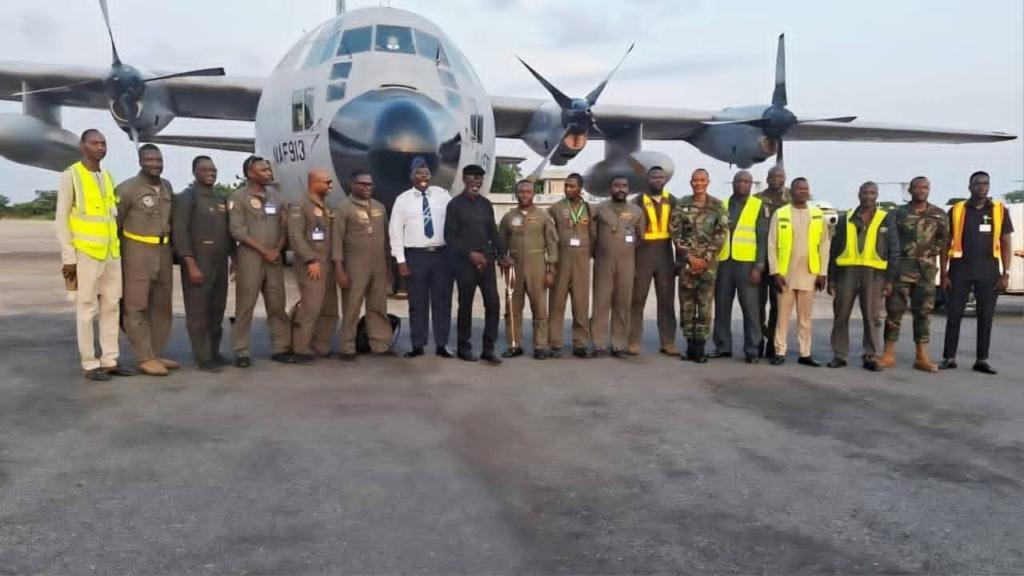
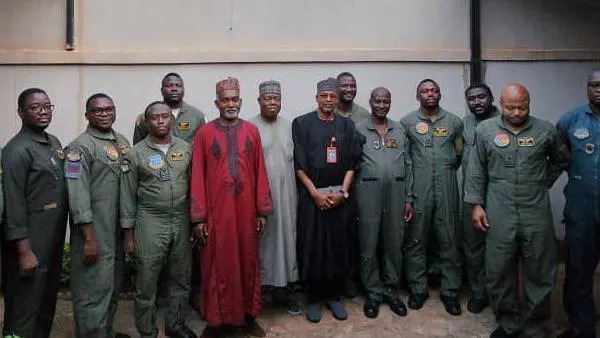
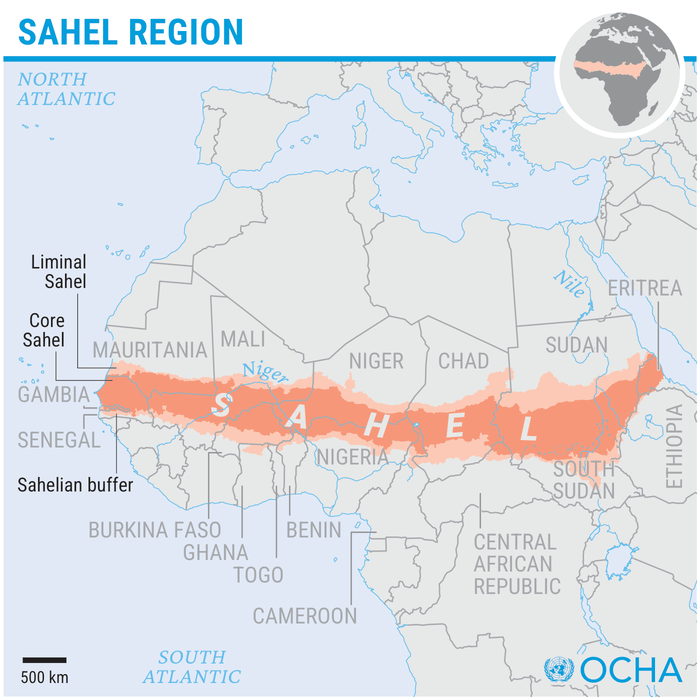
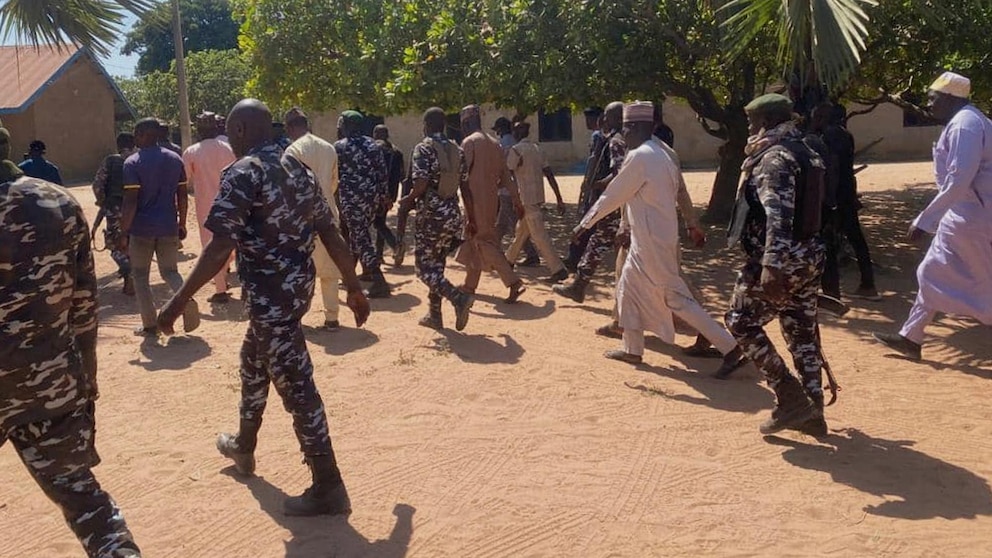
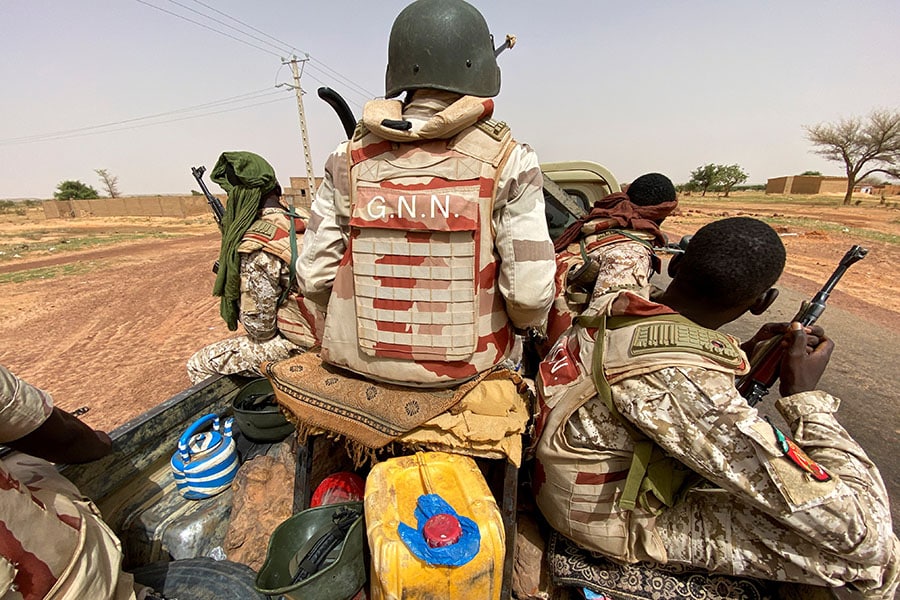
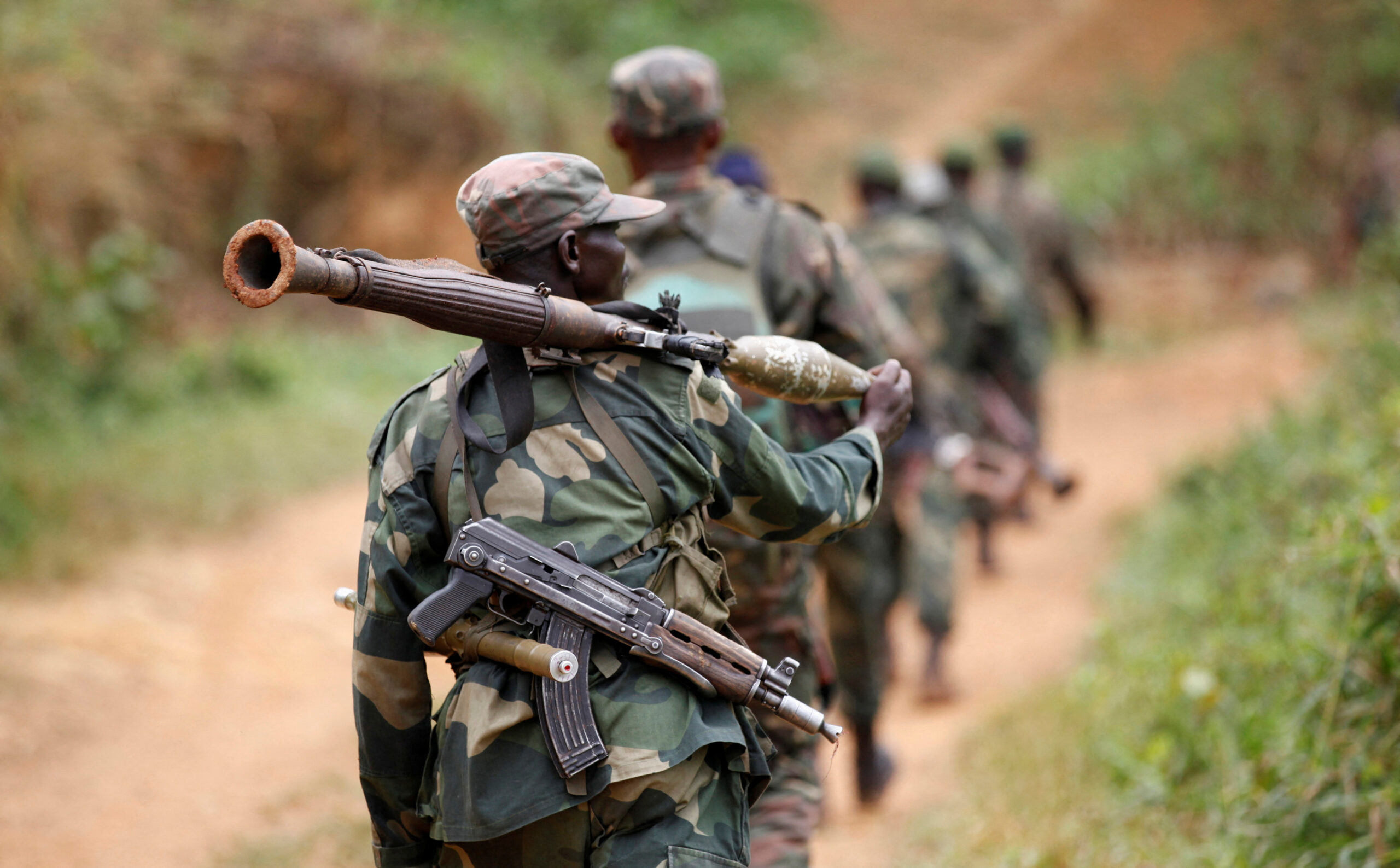
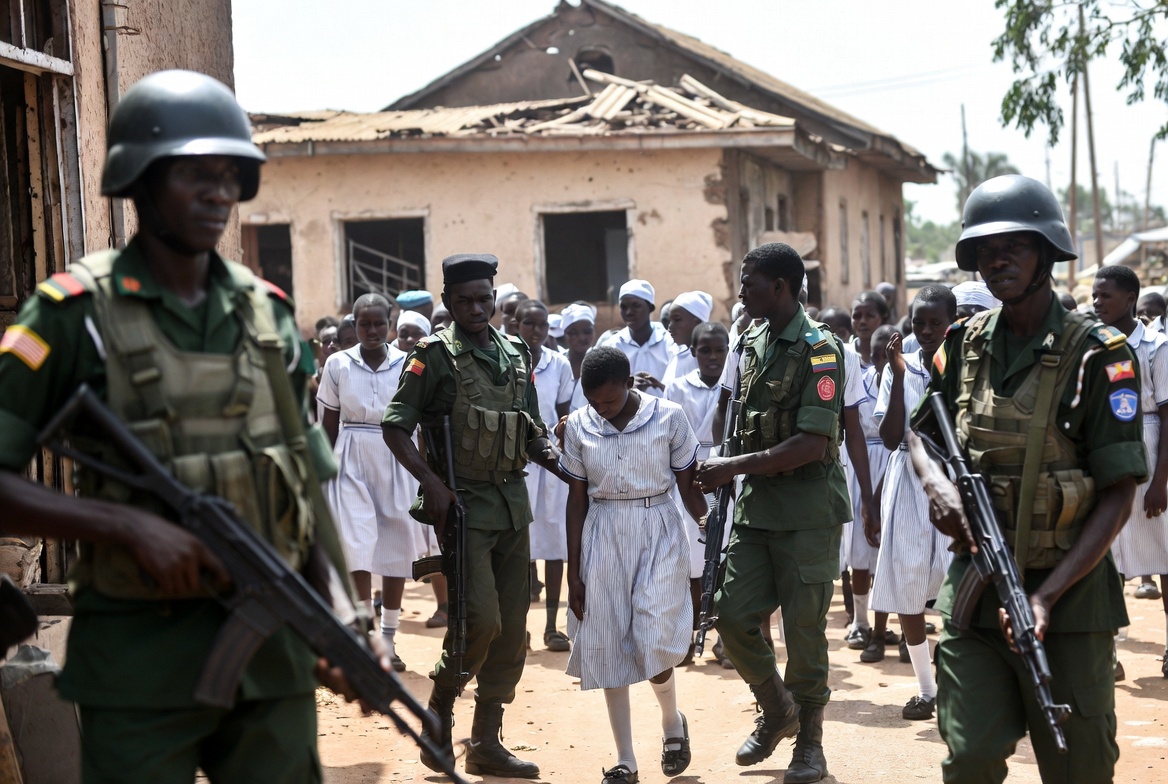
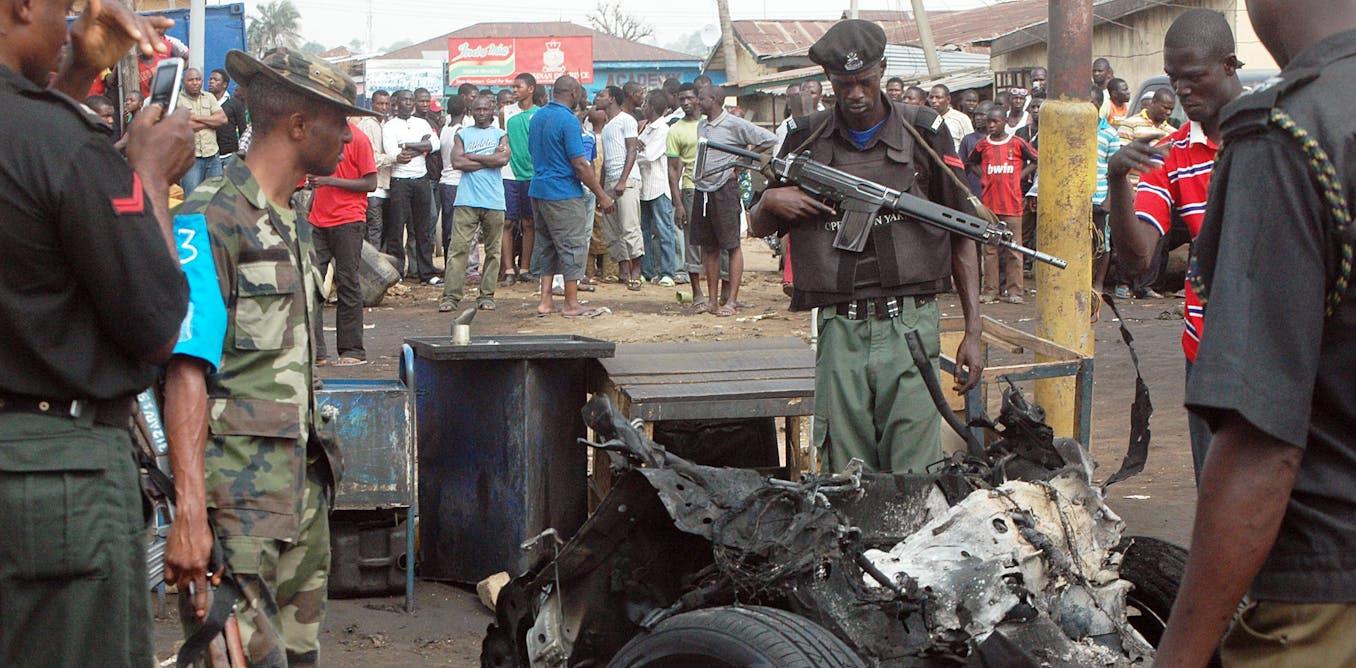
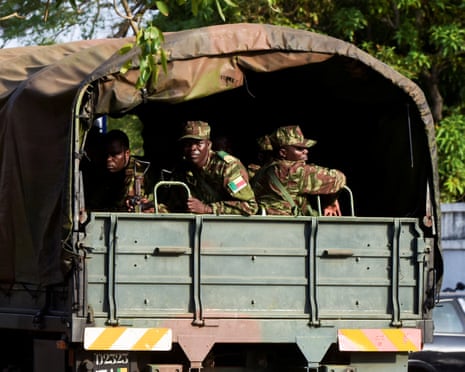
The security picture doesn’t get any simpler. Burkina Faso’s leadership publicly alleged the presence of foreign-backed terrorists operating within its borders. They even went as far as to reveal names supposedly tied to these terror networks, claiming external support. Was this an attempt to rally nationalistic sentiment? Possibly, and it certainly aimed to justify stricter counterterrorism measures. However, this disclosure also prompted questions about the wider regional influence of outside forces and how strong Burkina Faso’s sovereignty really is. Adding another layer of tension, we’re seeing escalating airspace disputes with neighboring Nigeria. In a particularly sensitive incident, the Burkinabe junta detained eleven Nigerian military officers and seized one of their cargo planes after an emergency landing. The accusation? Violating Burkinabe airspace. Neither side has fully clarified the situation, leaving many to wonder what this means for cross-border relations in the volatile Sahel region, where security cooperation often struggles under political complexities and mutual suspicion.
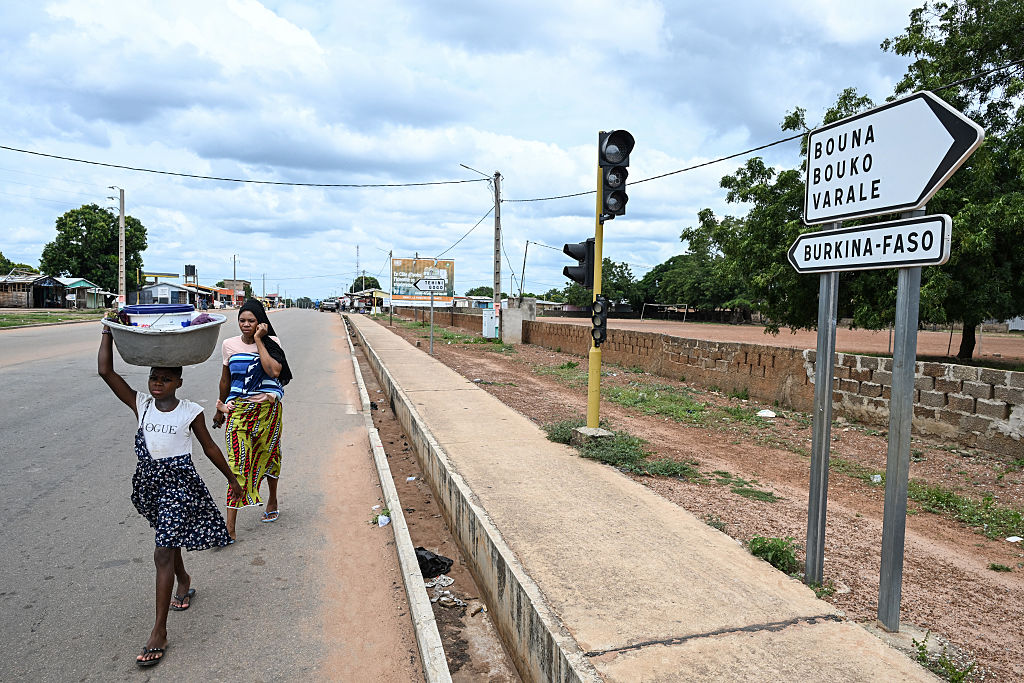
So, where does this leave Burkina Faso? It’s standing at a critical crossroads. The government’s ability to pay down significant domestic debt highlights fiscal responsibility and creates a pathway for economic recovery. But we can’t ignore the simultaneous return of capital punishment, the harsh suppression of coup attempts, the public accusations of foreign terrorists, and the diplomatic spats with Nigeria. These events paint a clear picture of a nation navigating a delicate and dangerous path. Moving forward, Burkina Faso’s leaders face the immense challenge of balancing sound economic management with the urgent demands of national security and political stability. They’ll need to walk a fine line, ensuring they don’t further alienate their own people or key regional partners, all while tackling persistent threats from both inside and outside the country. The coming months will truly test the nation’s resilience, political maturity, and its capacity to emerge stronger from this period of intense upheaval.