Sahel Alliance Strengthens Cooperation Amid Rising Security Challenges and Regional Instability
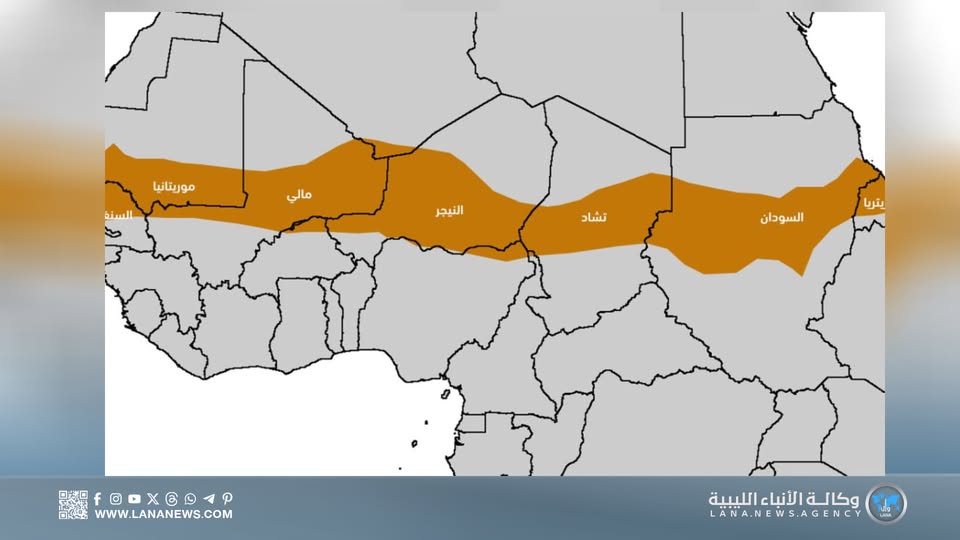
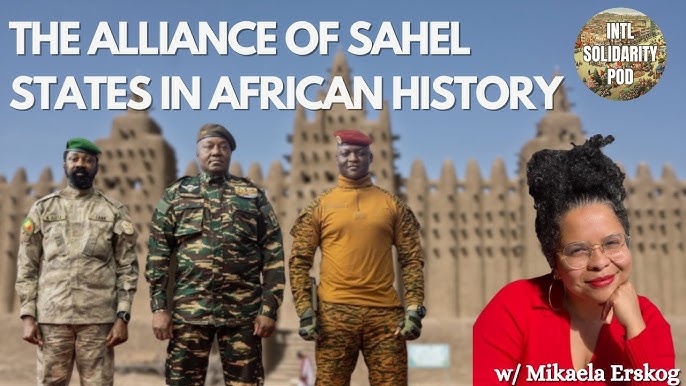
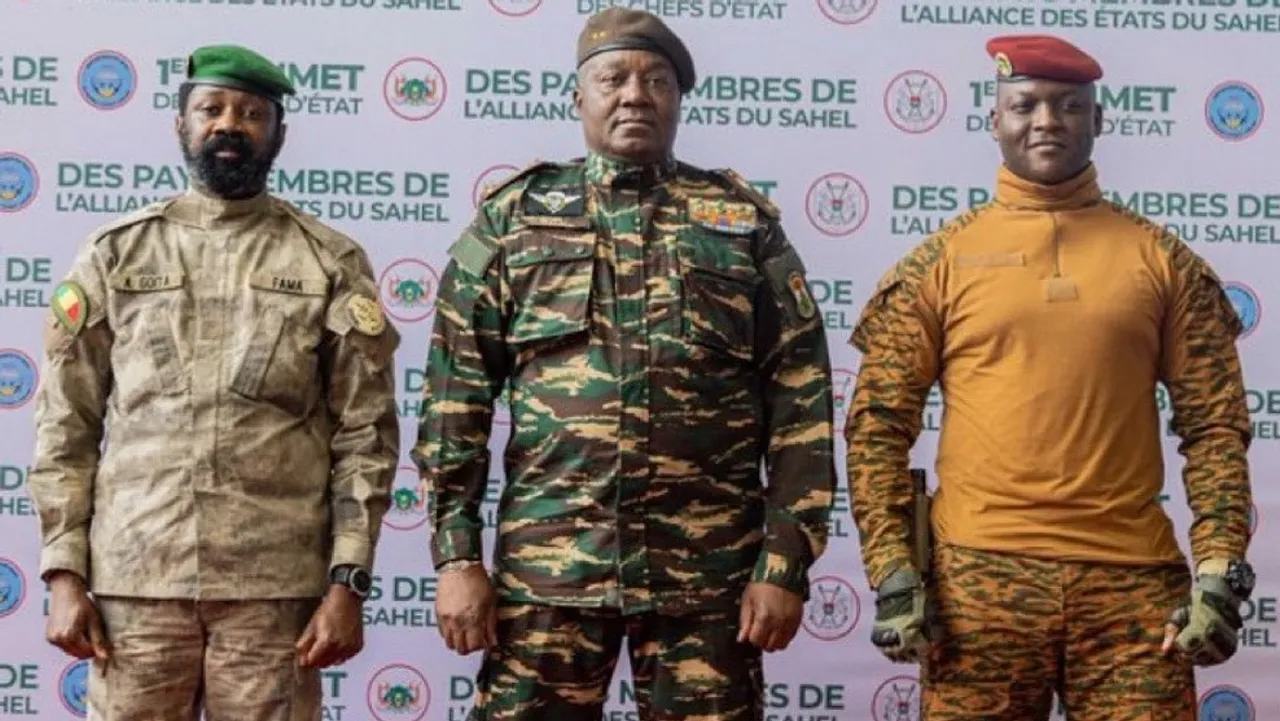
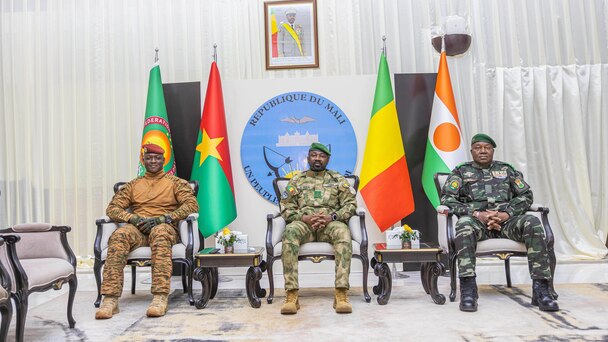
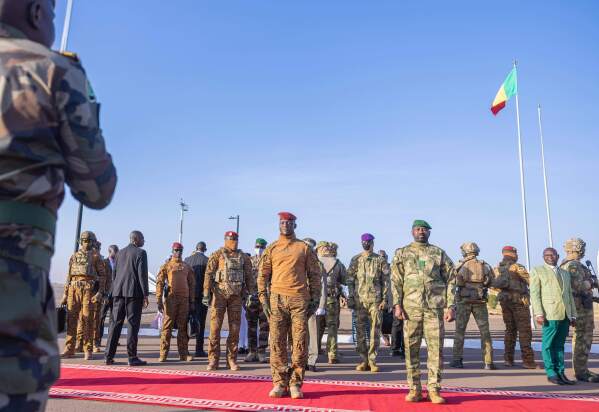
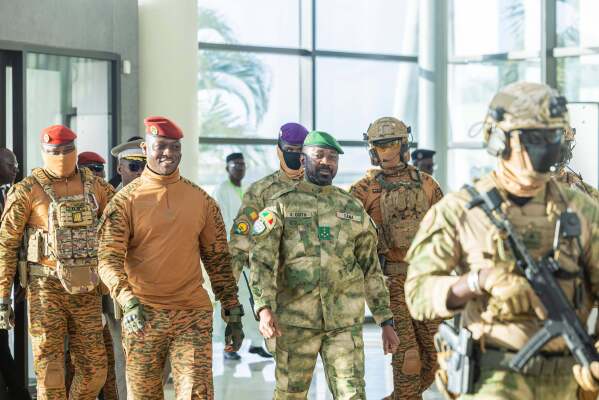
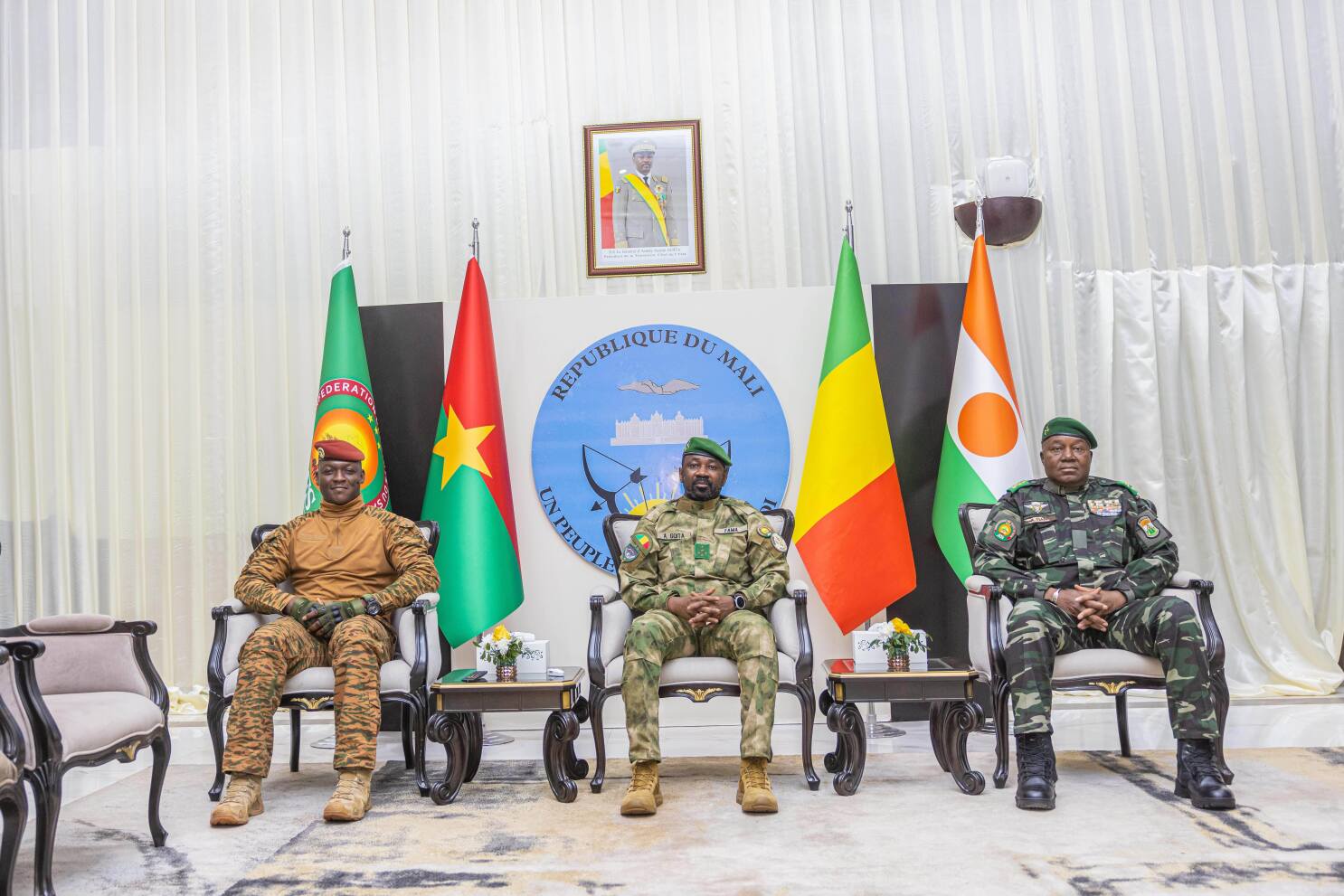
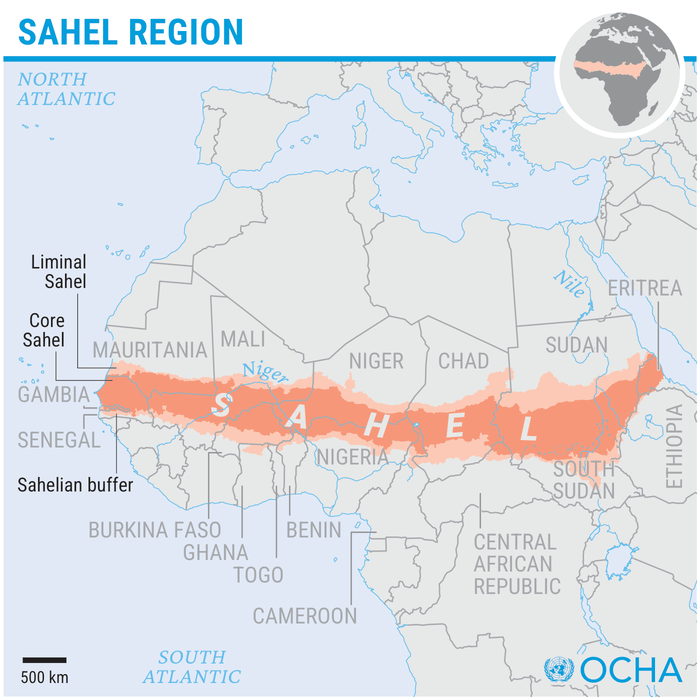
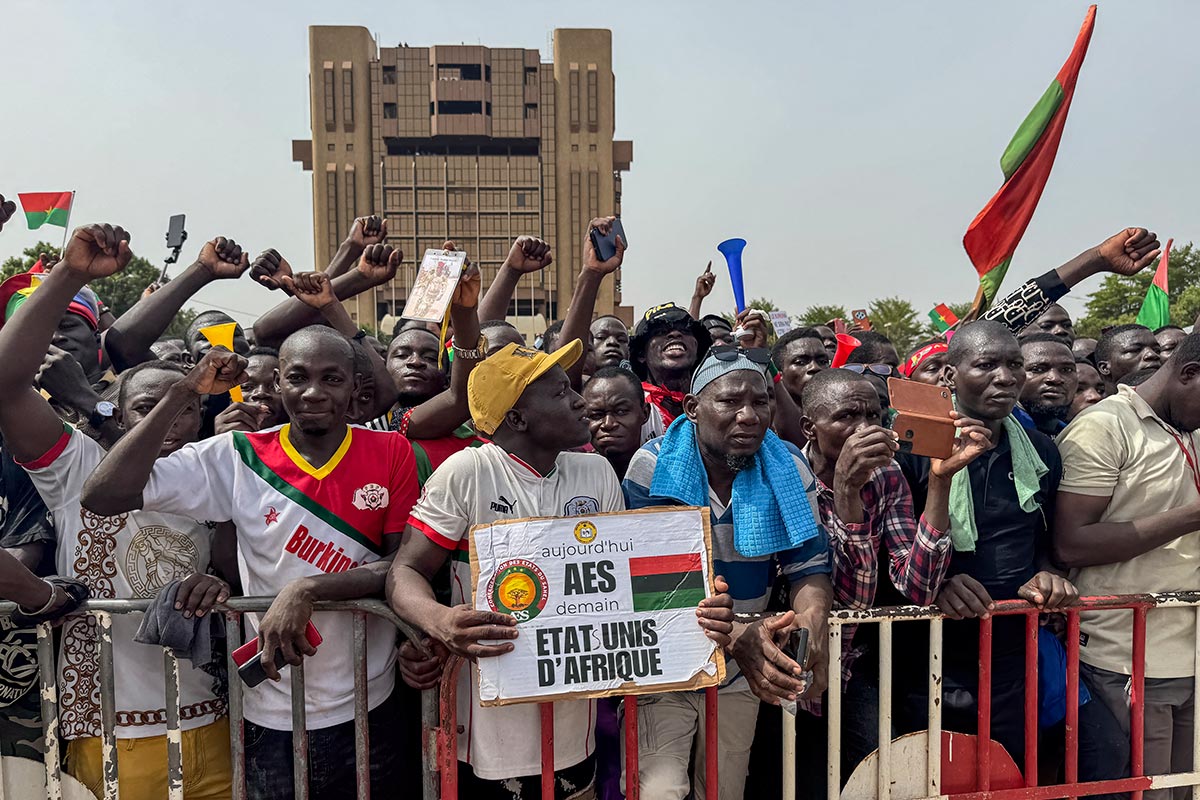
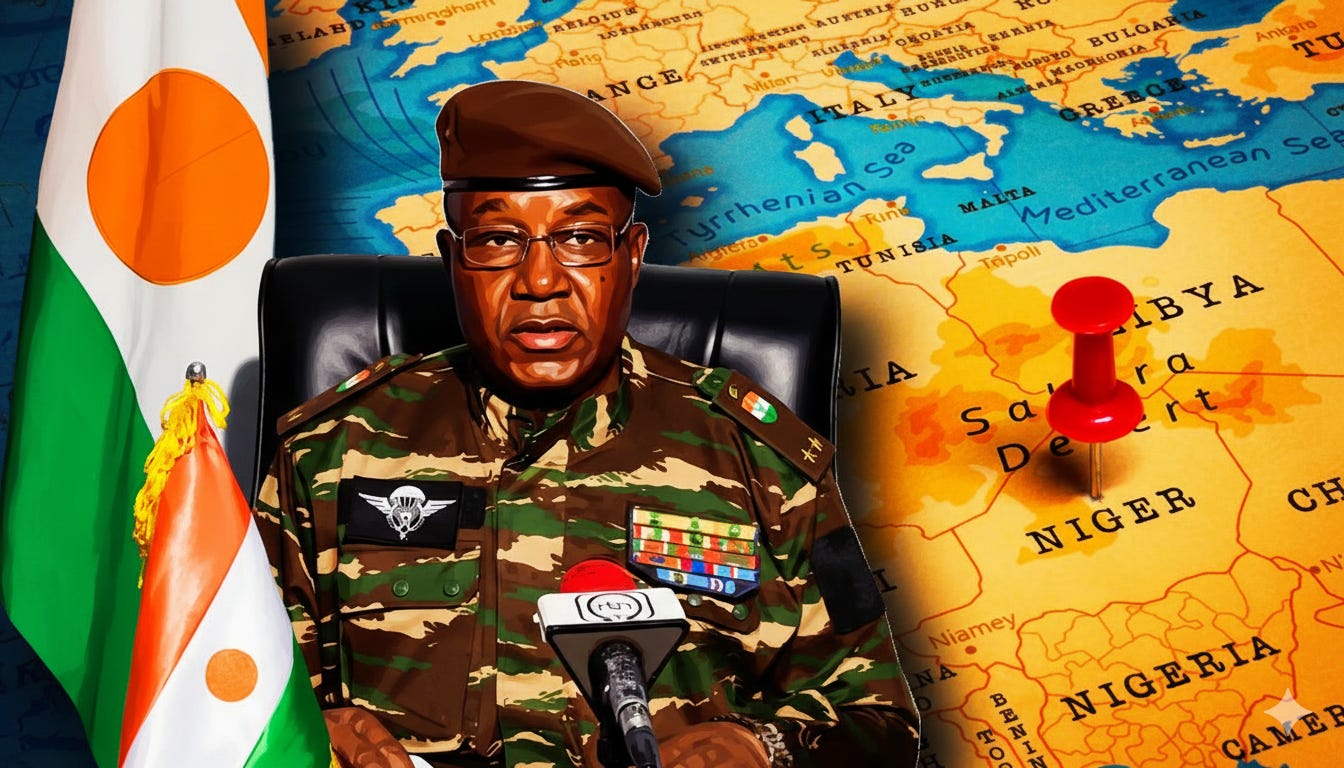
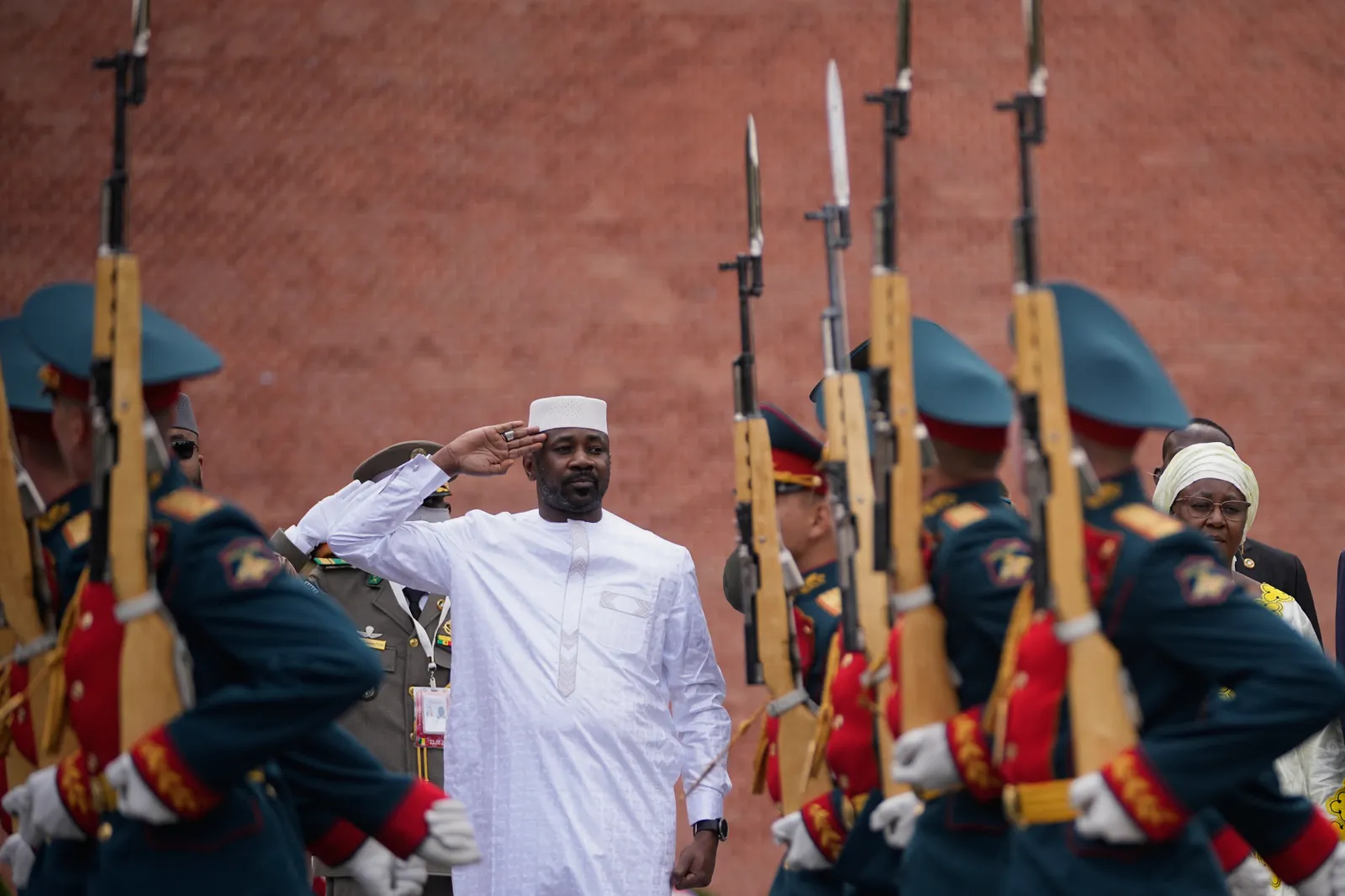
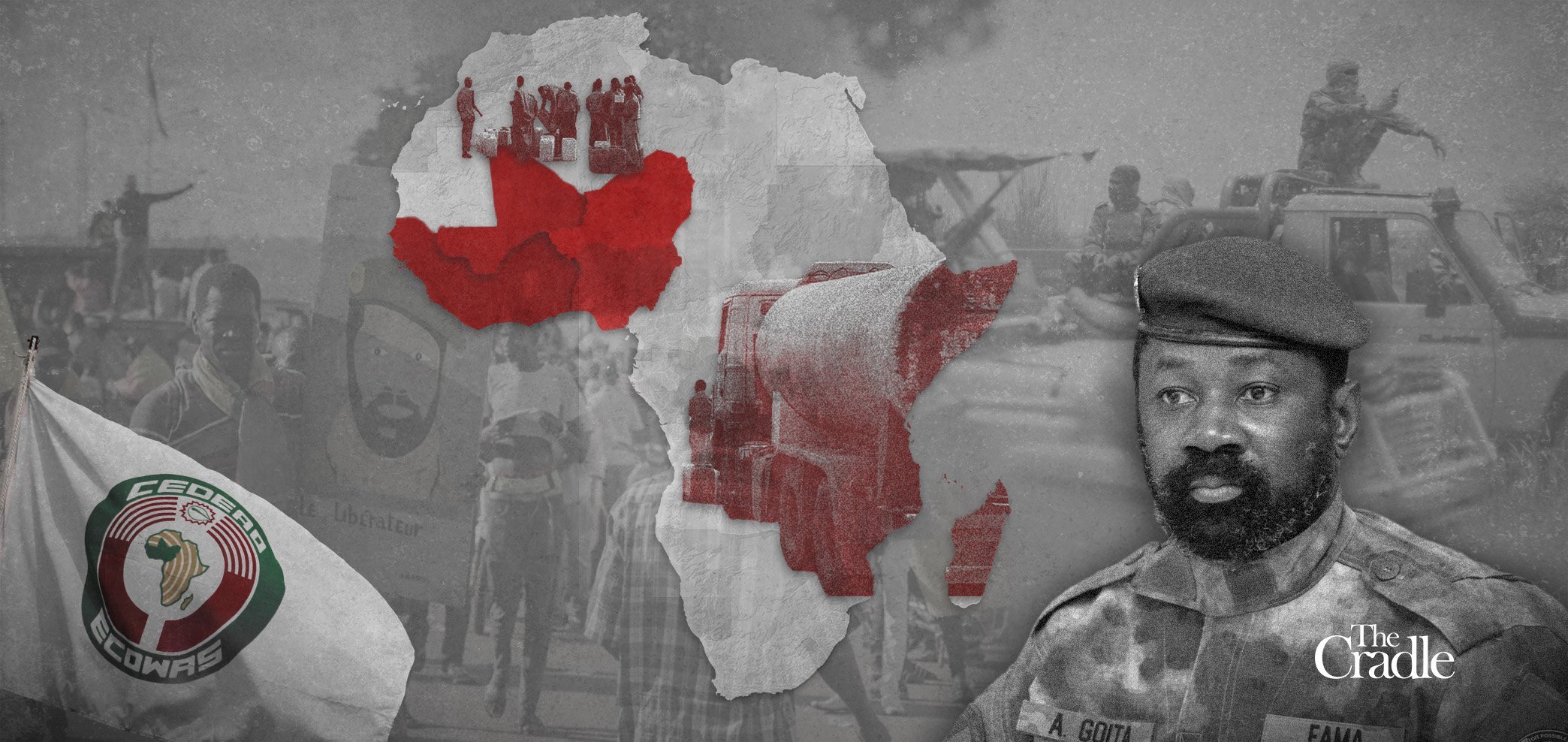
The Sahel region, a vast expanse grappling with escalating violent extremism and political upheaval, just witnessed a crucial step toward enhanced security. Niger, Mali, and Burkina Faso, key members of the Alliance of Sahel States (AES), officially sealed a significant radio frequency coordination agreement on November 21. Why does this matter for the millions living there? It’s far more than just technical frequencies; it’s about dramatically improving cross-border communication, which is a vital lifeline for effectively managing the region’s incredibly complex security situations. This landmark pact comes at a time when these nations are confronting unprecedented threats, underscoring the urgent need for a cohesive and united front.
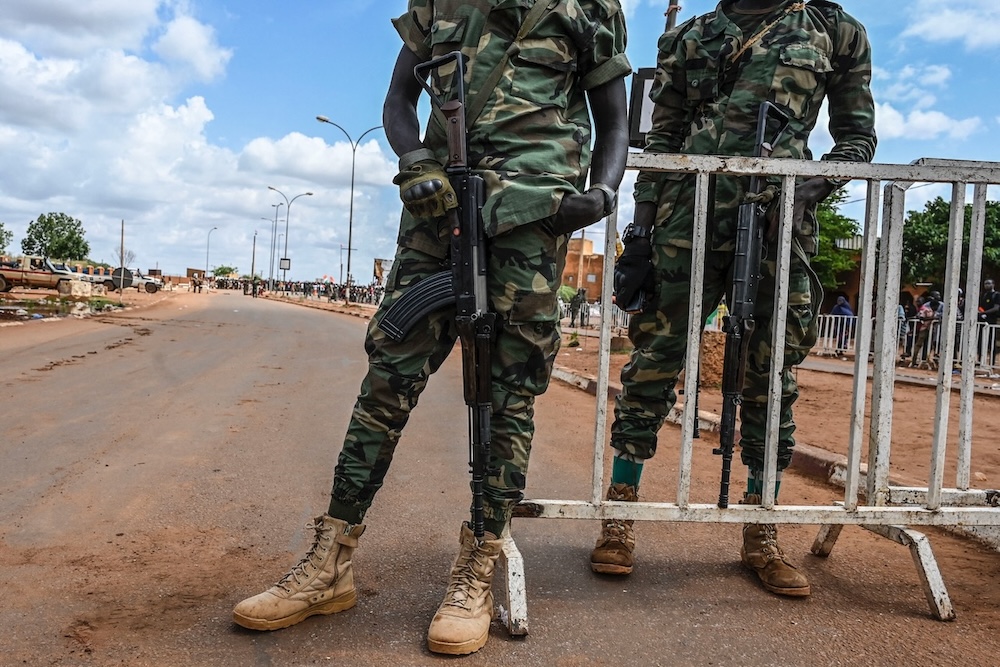
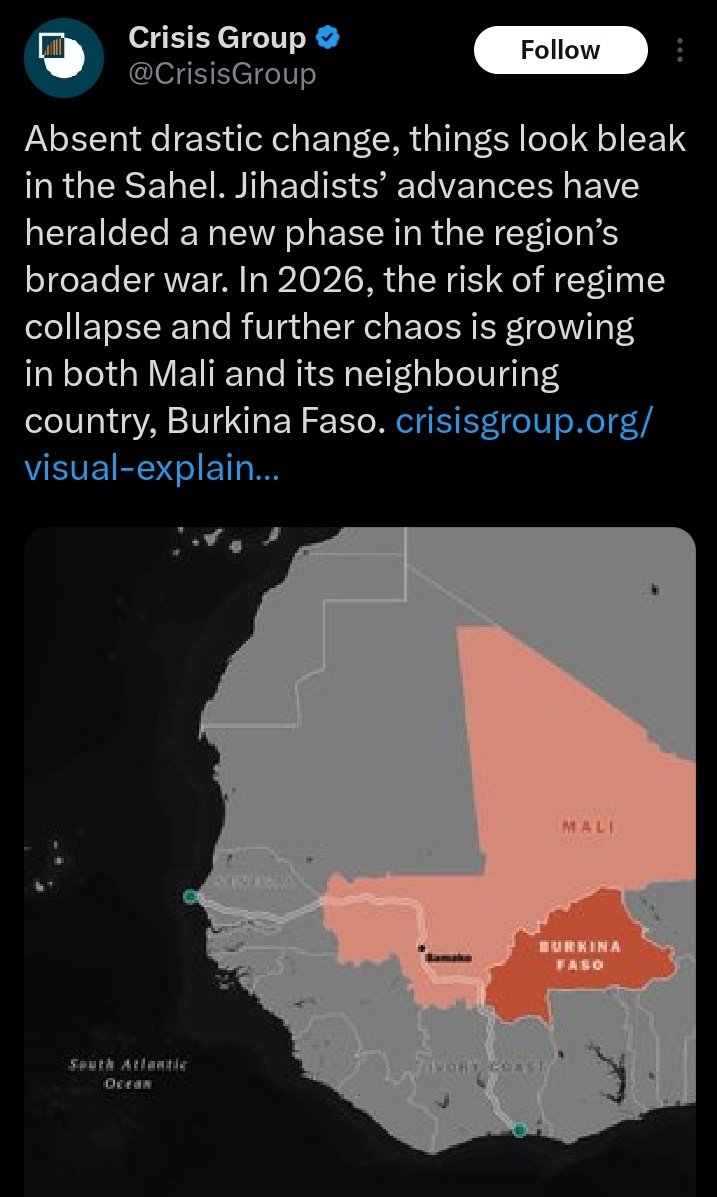
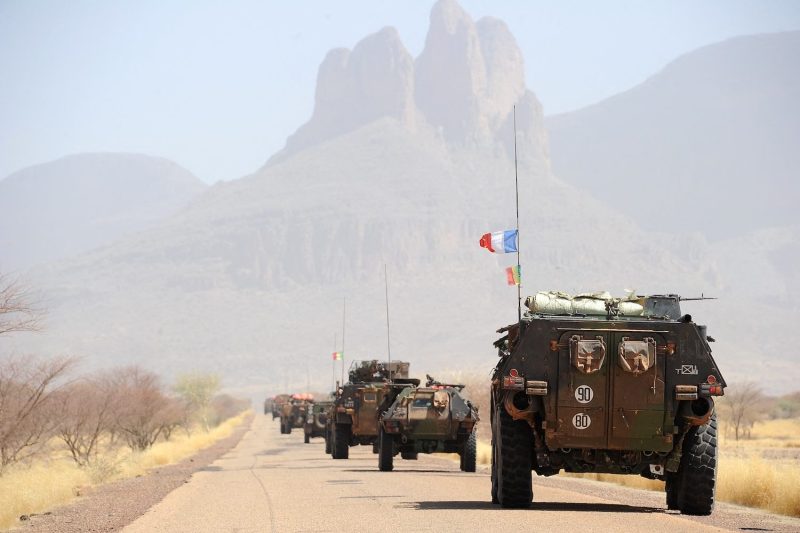
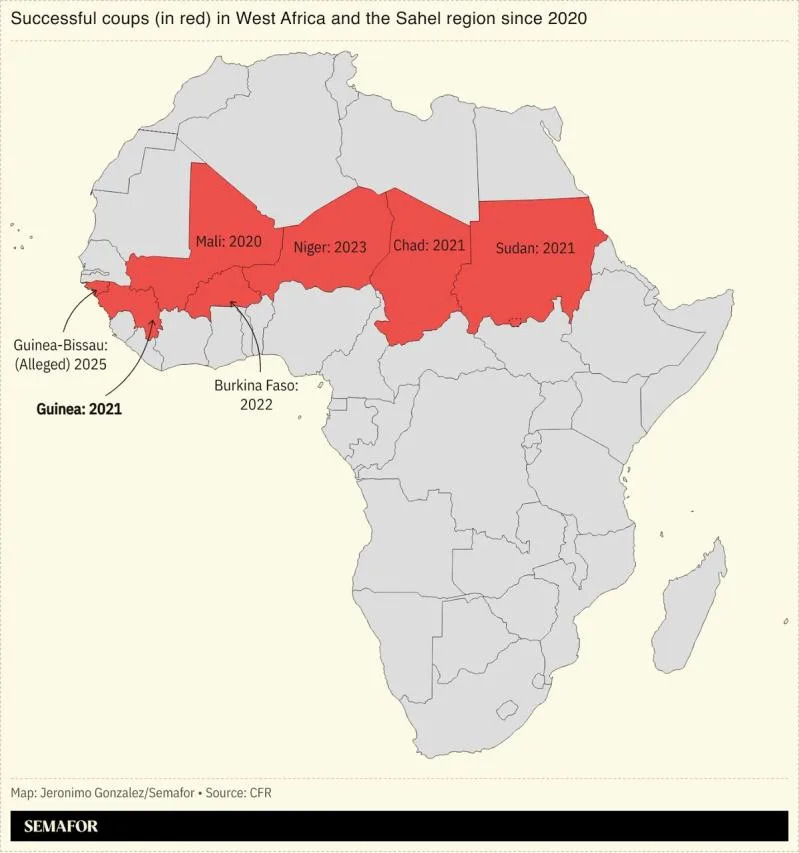
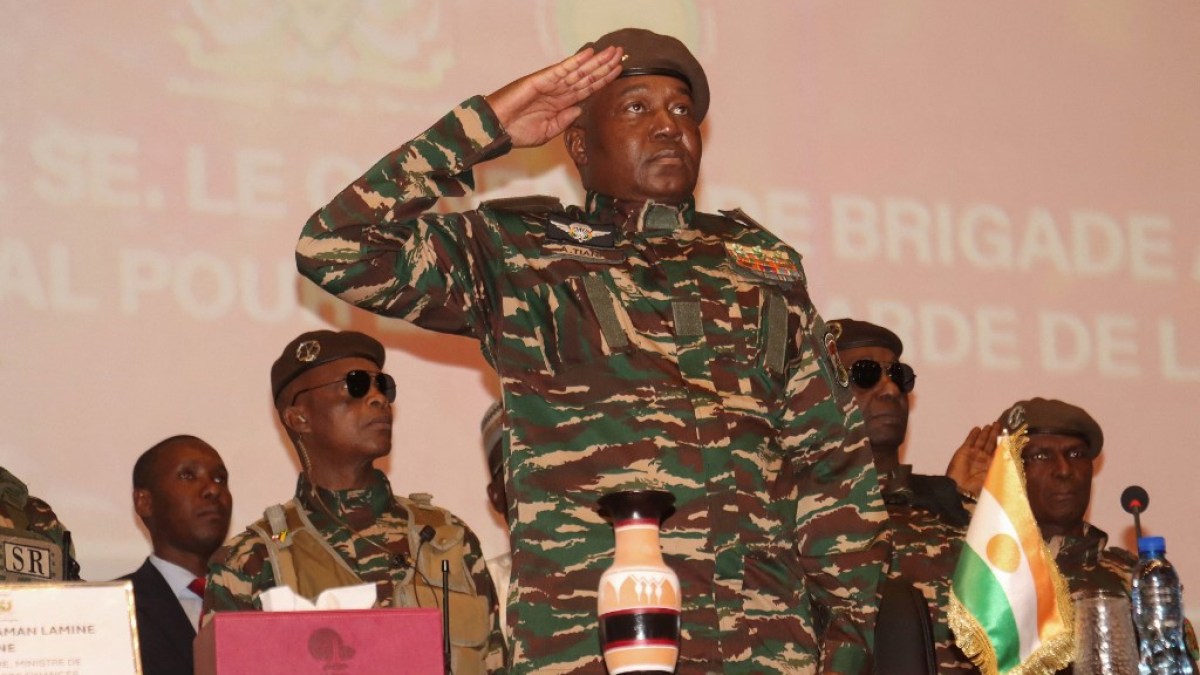
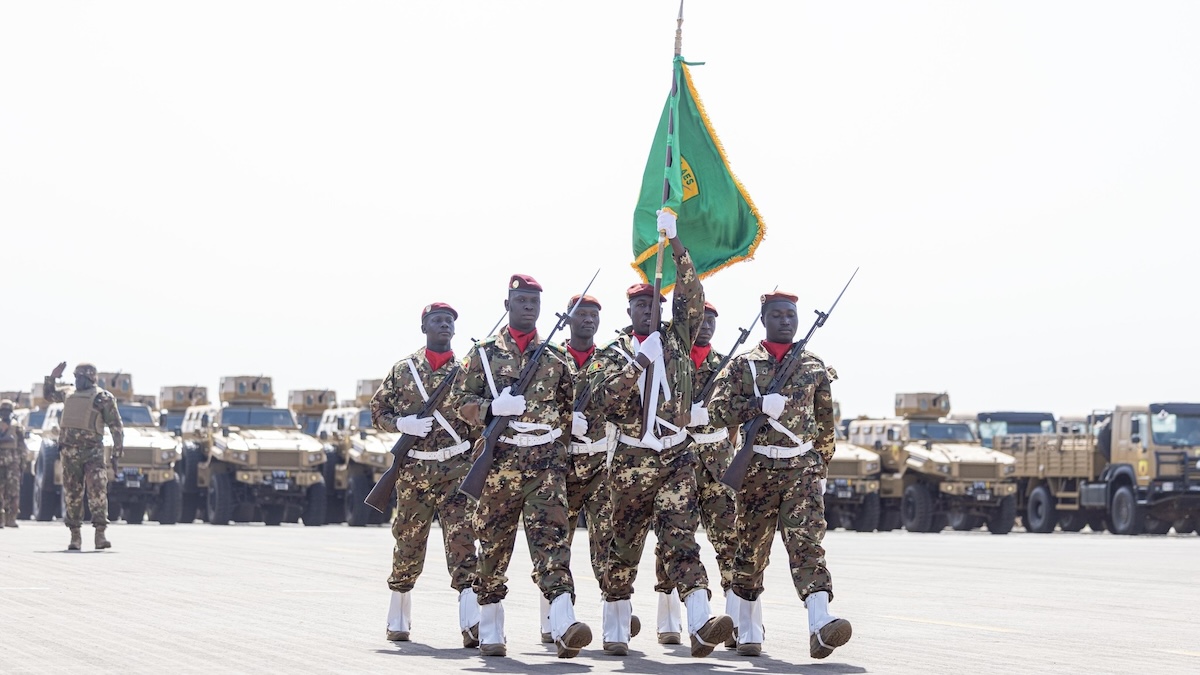
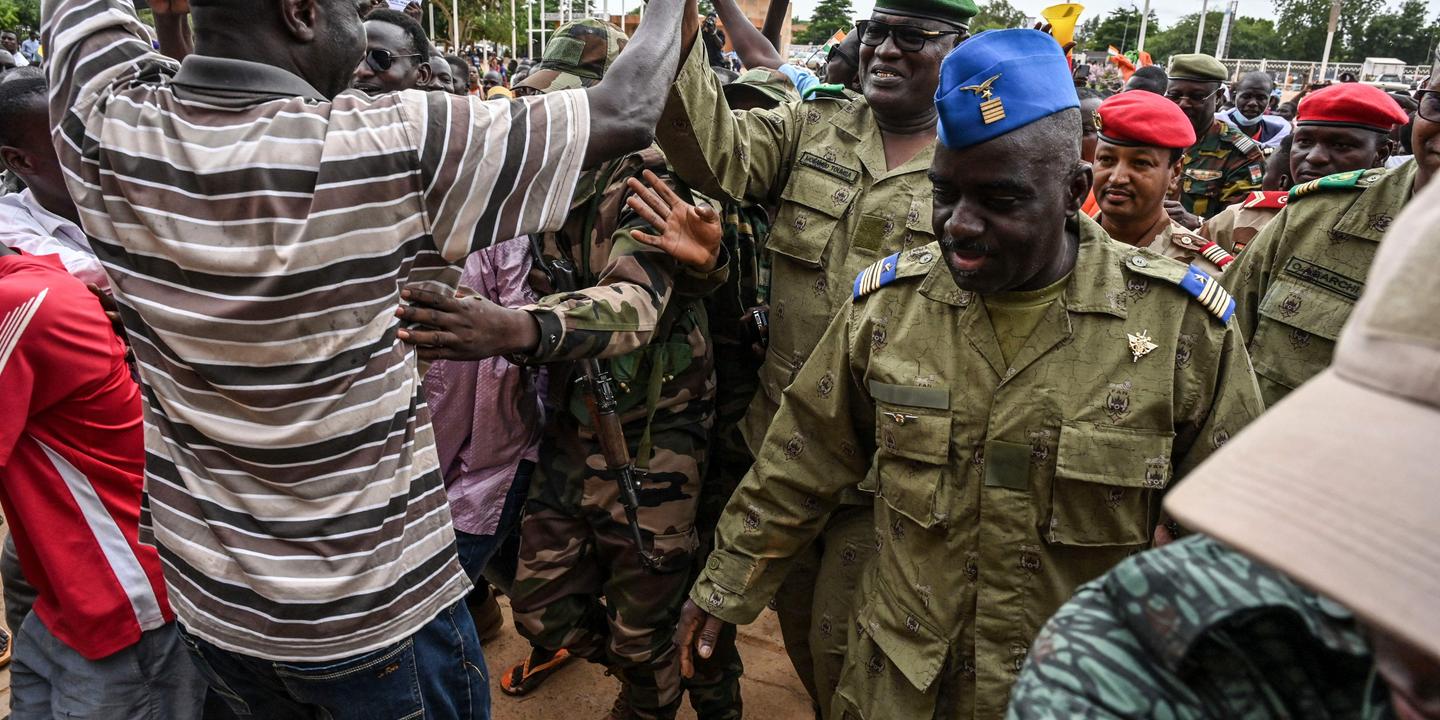
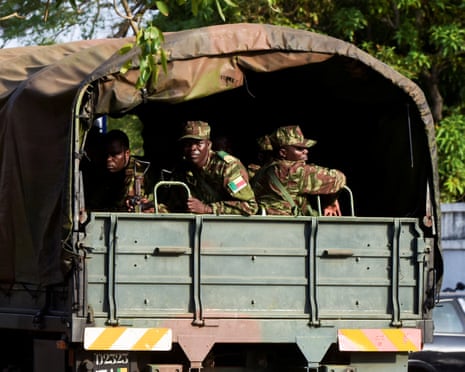
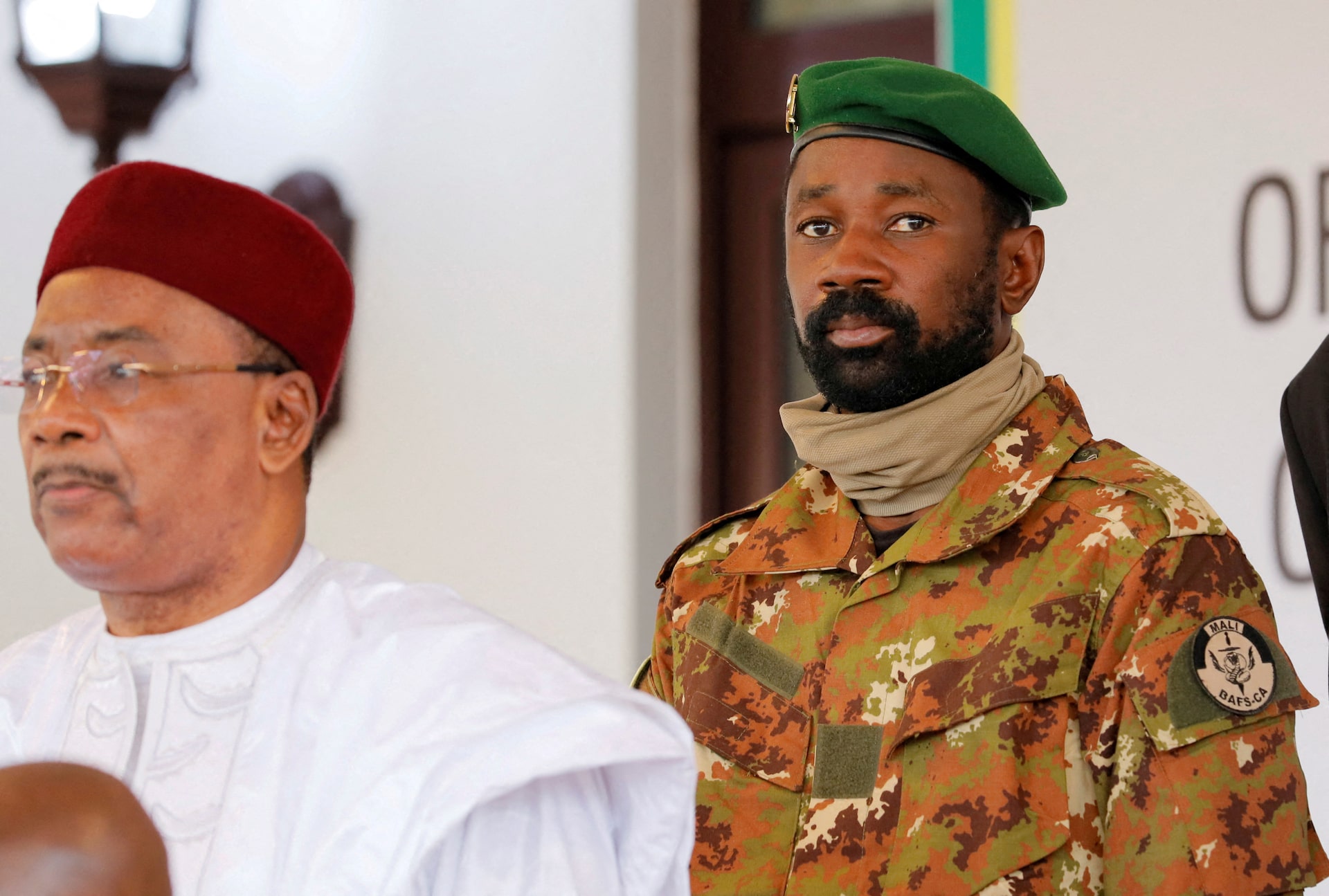
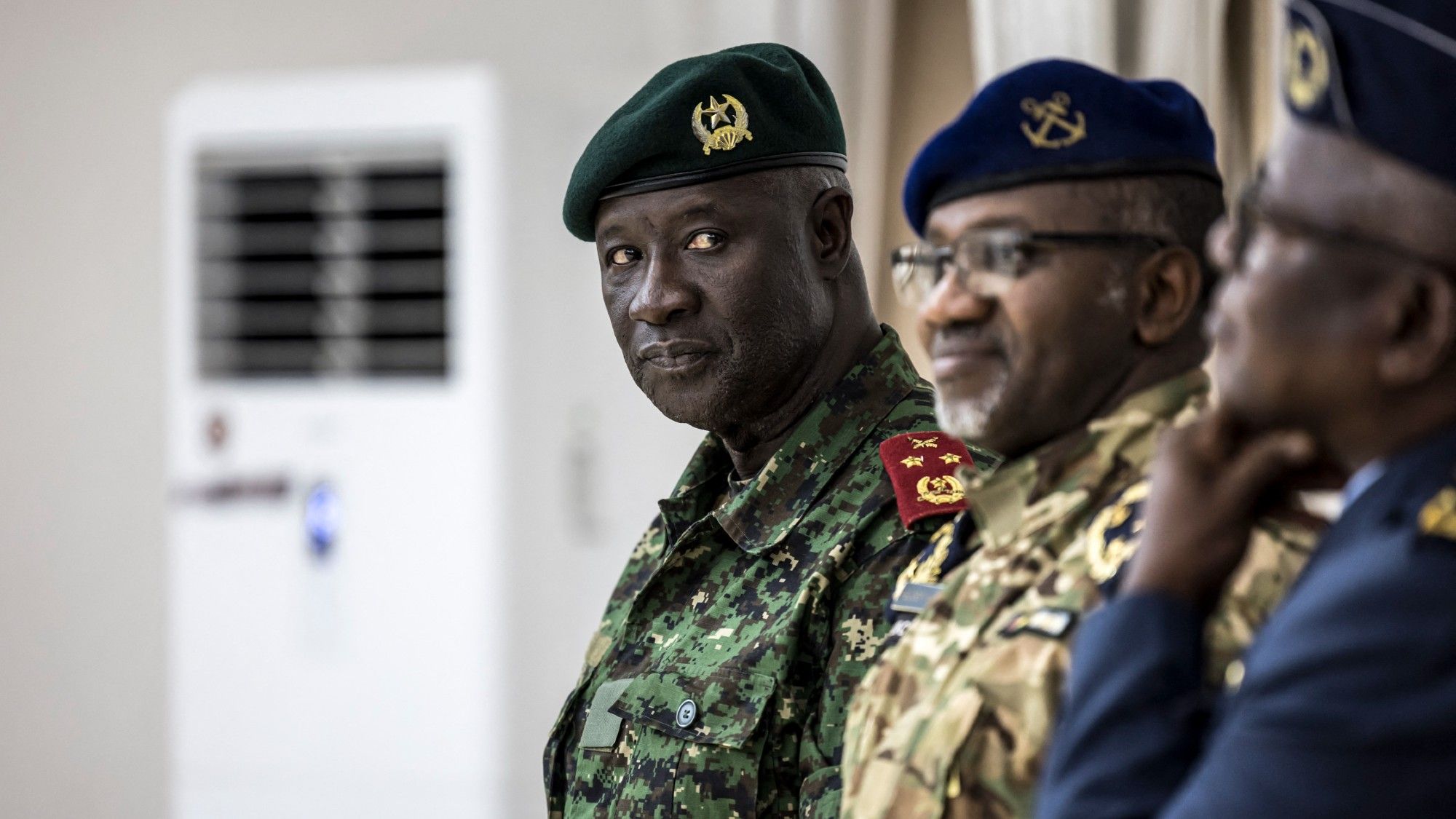
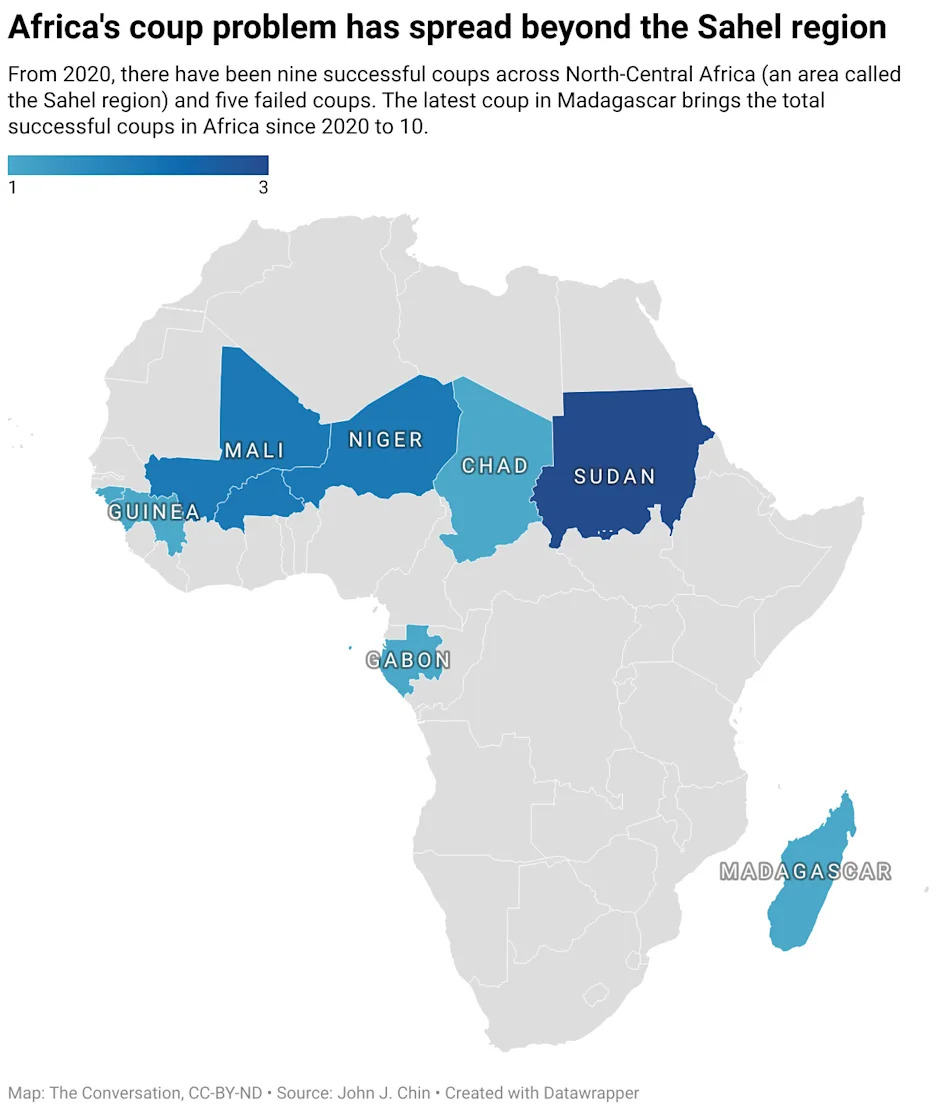
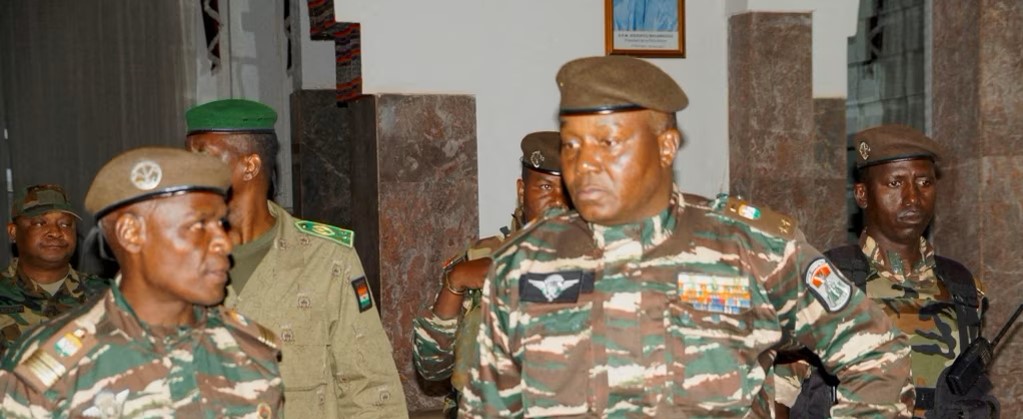
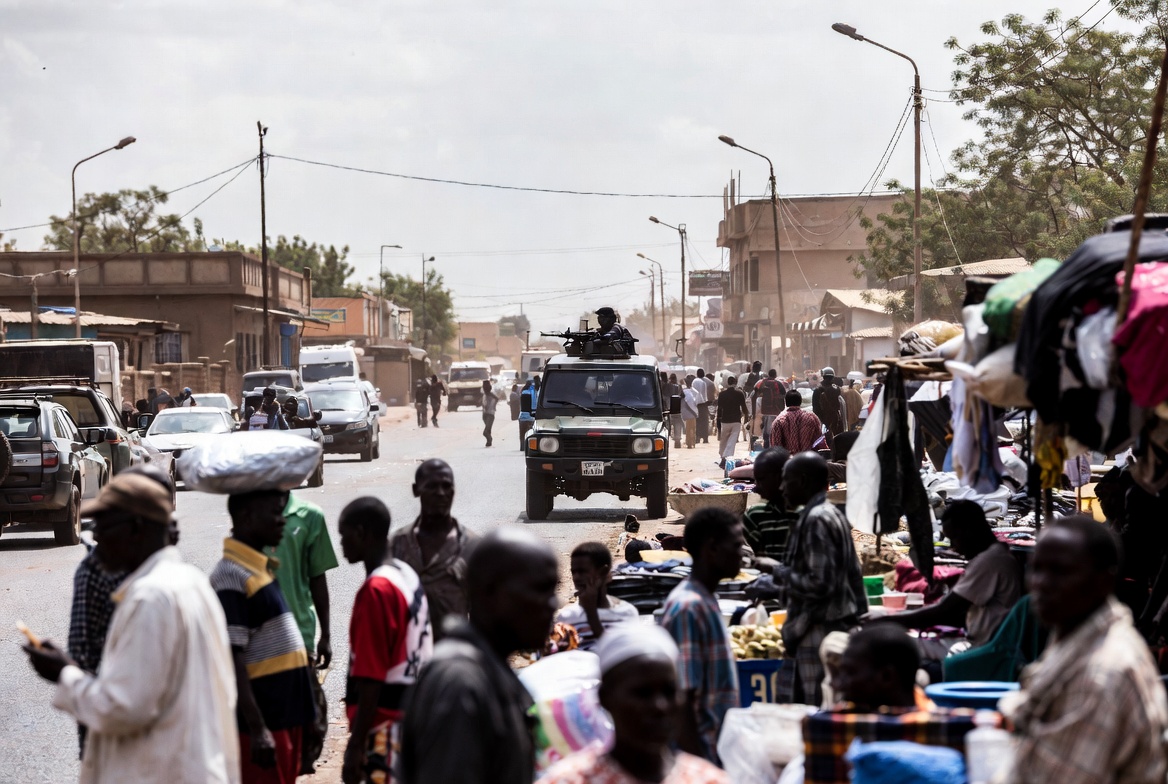
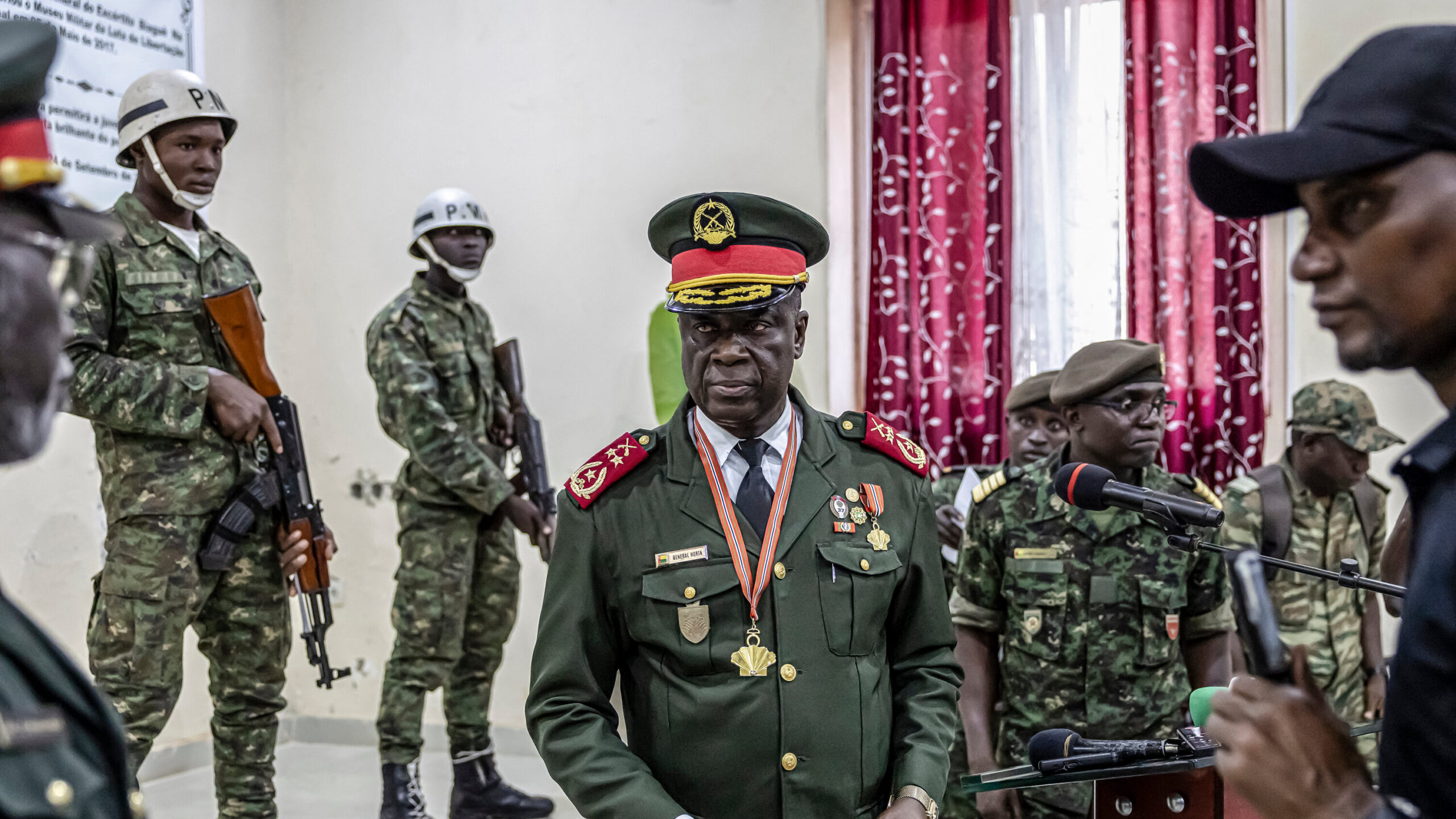
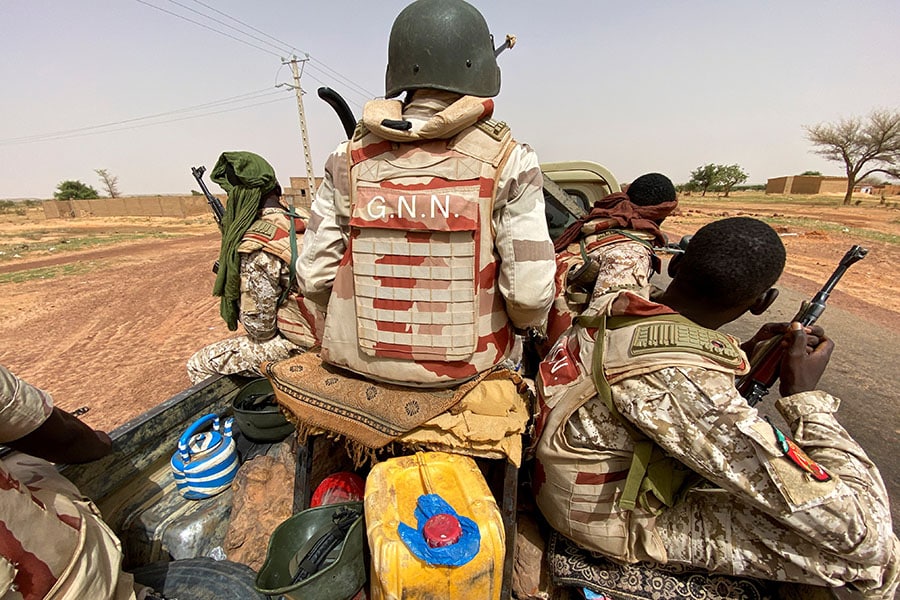
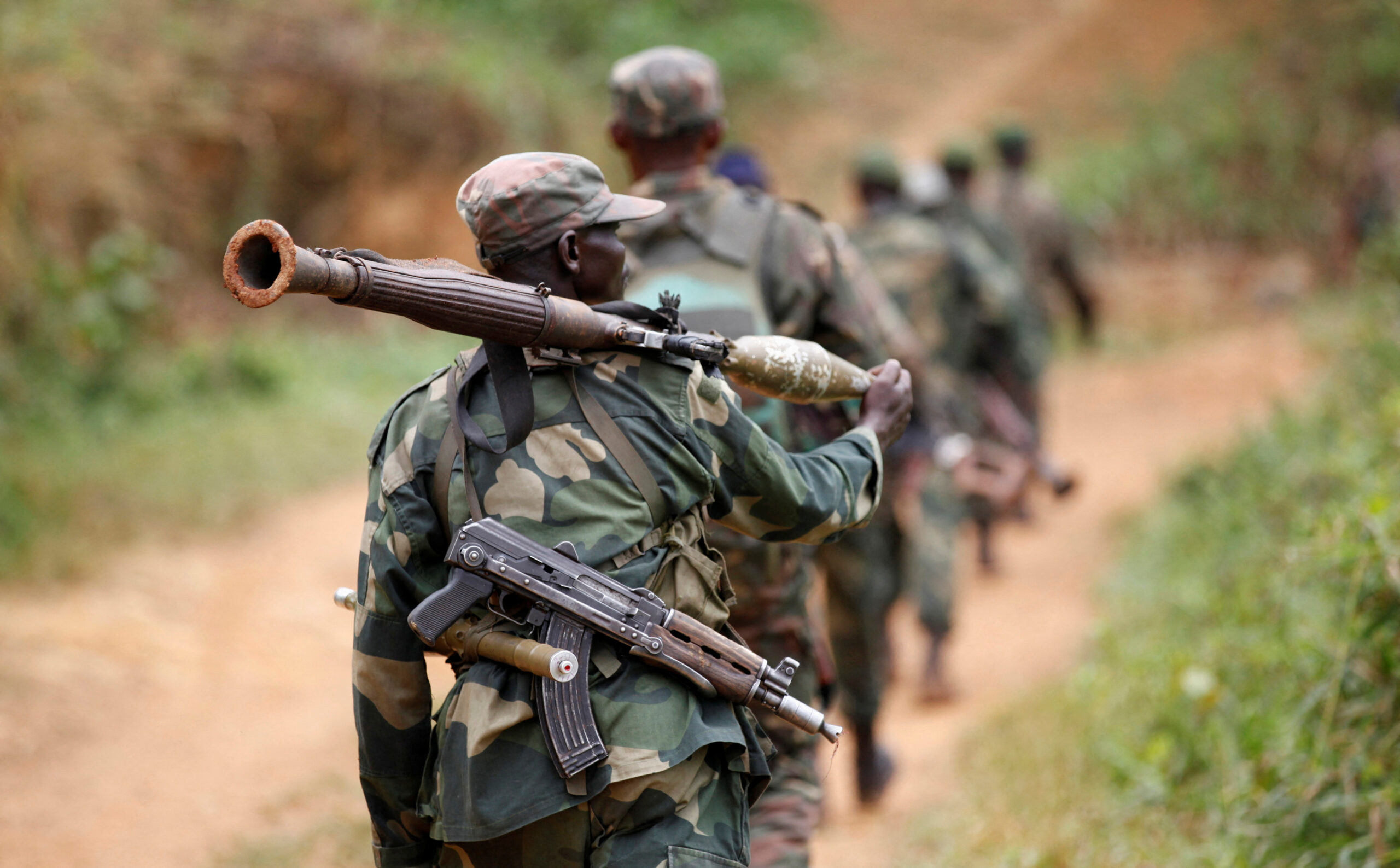
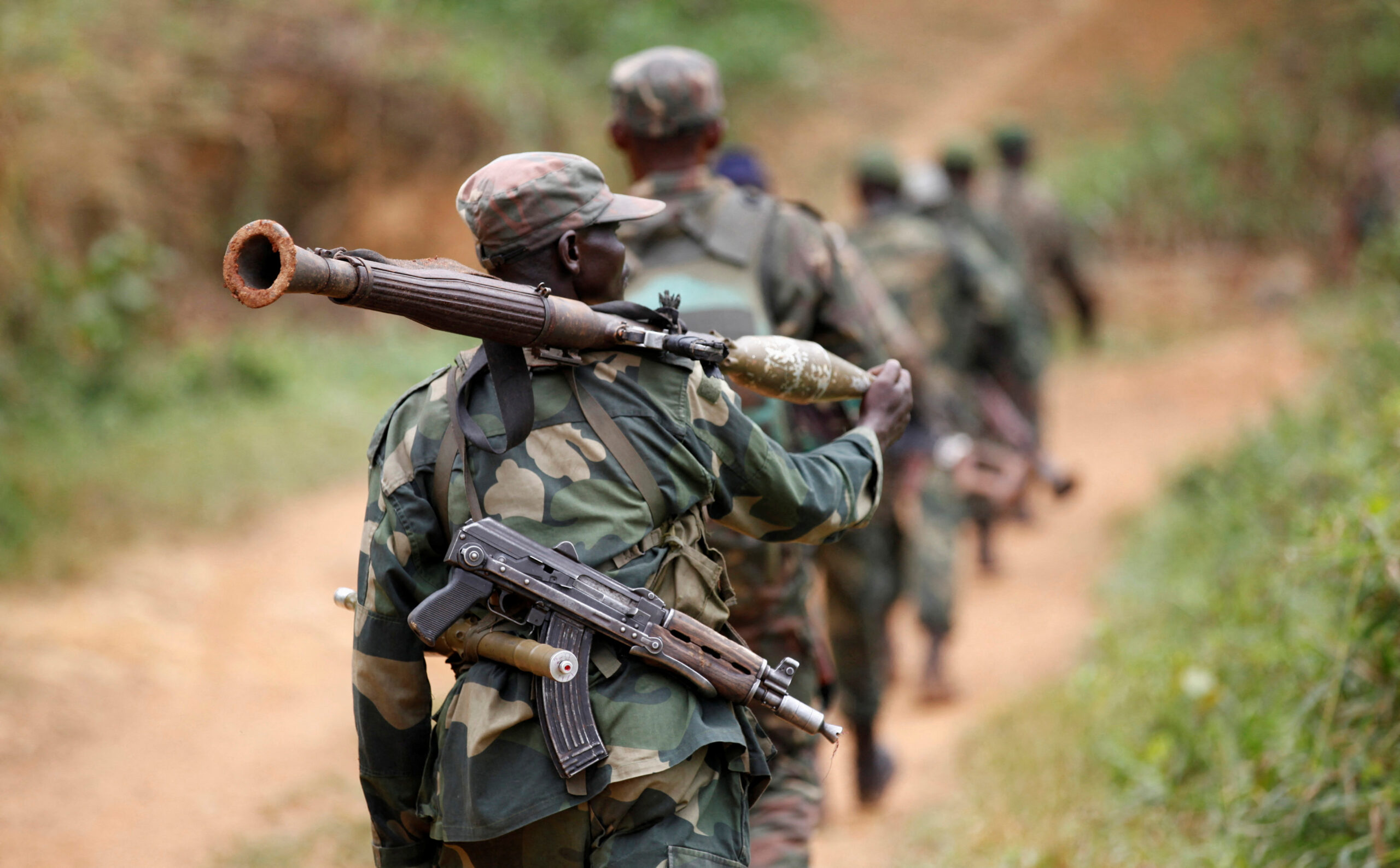
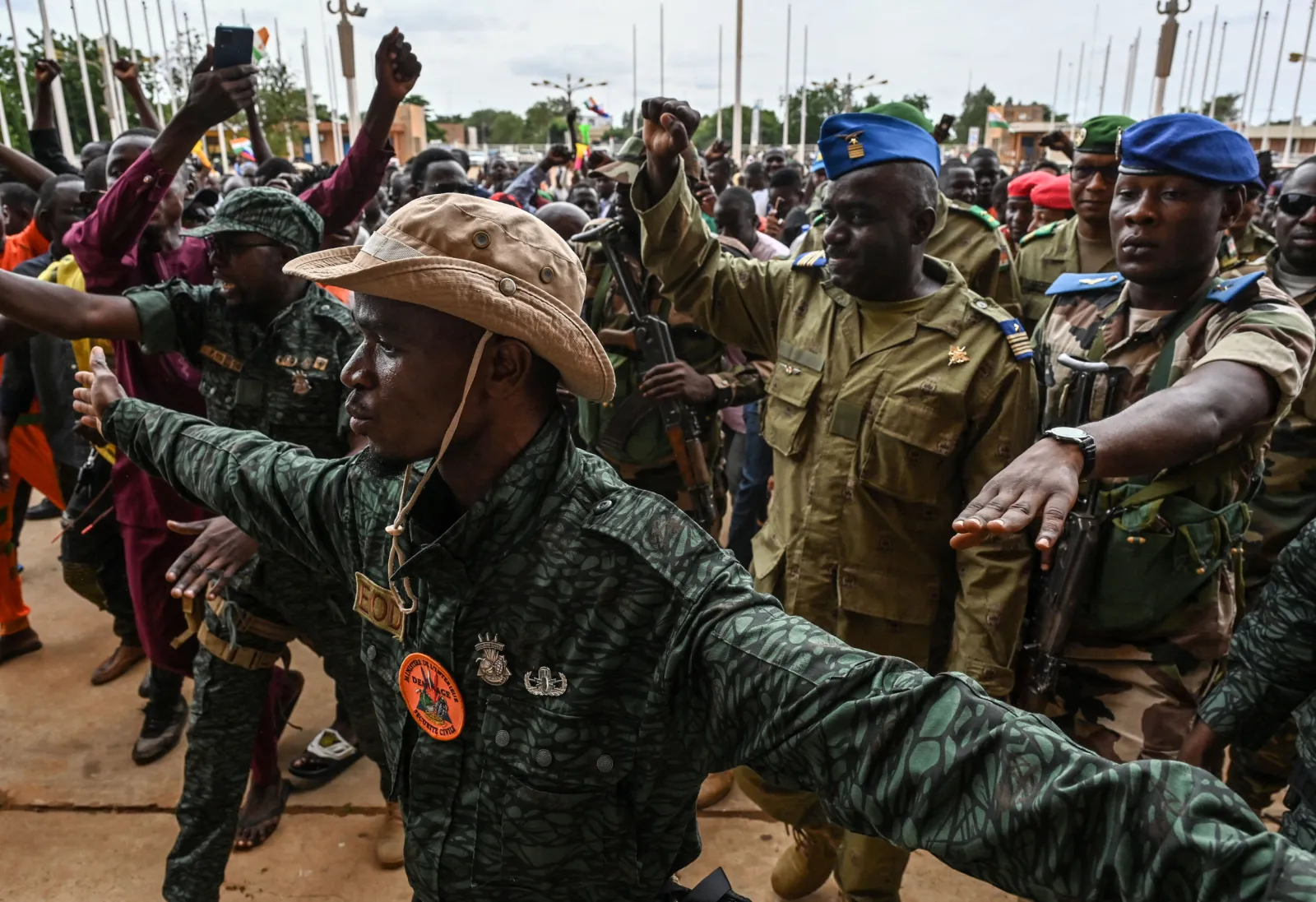
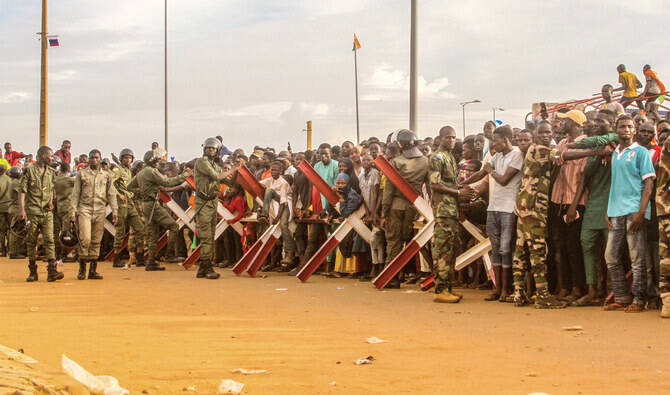
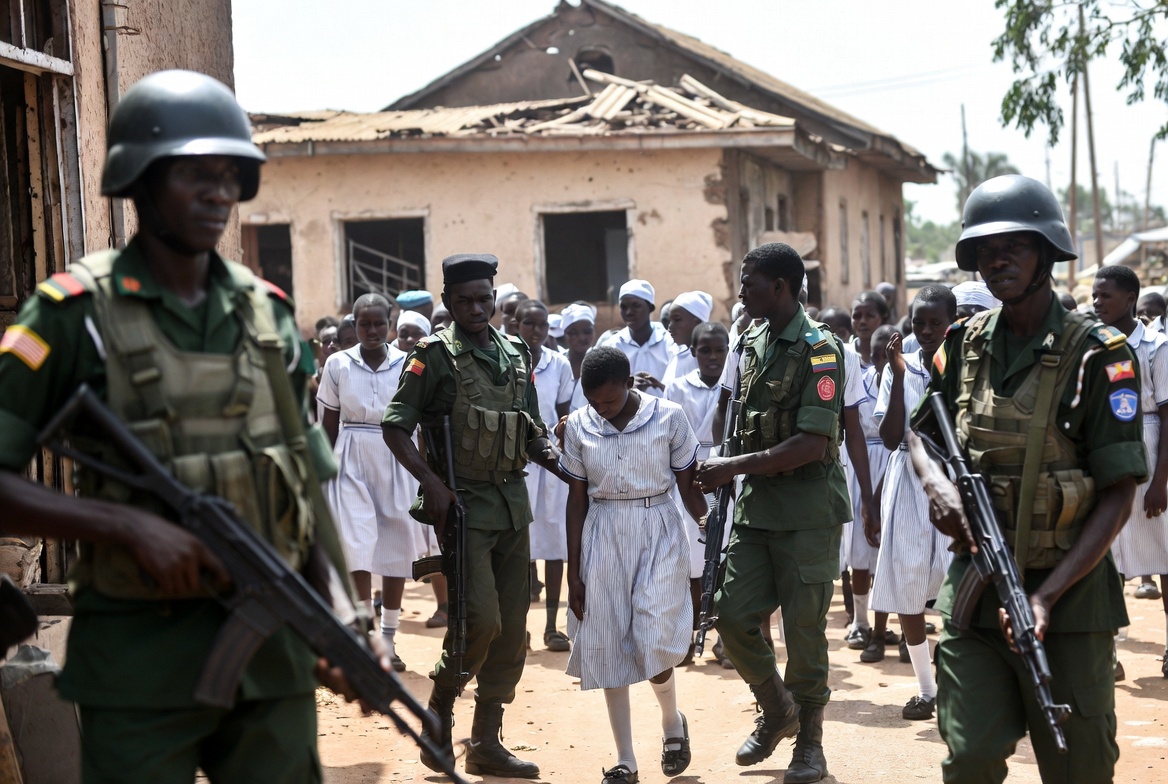
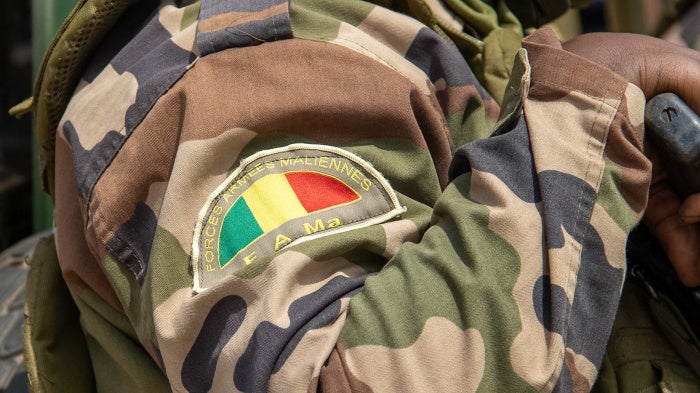
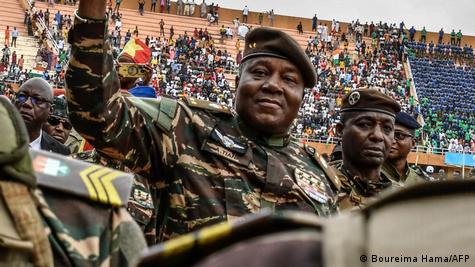
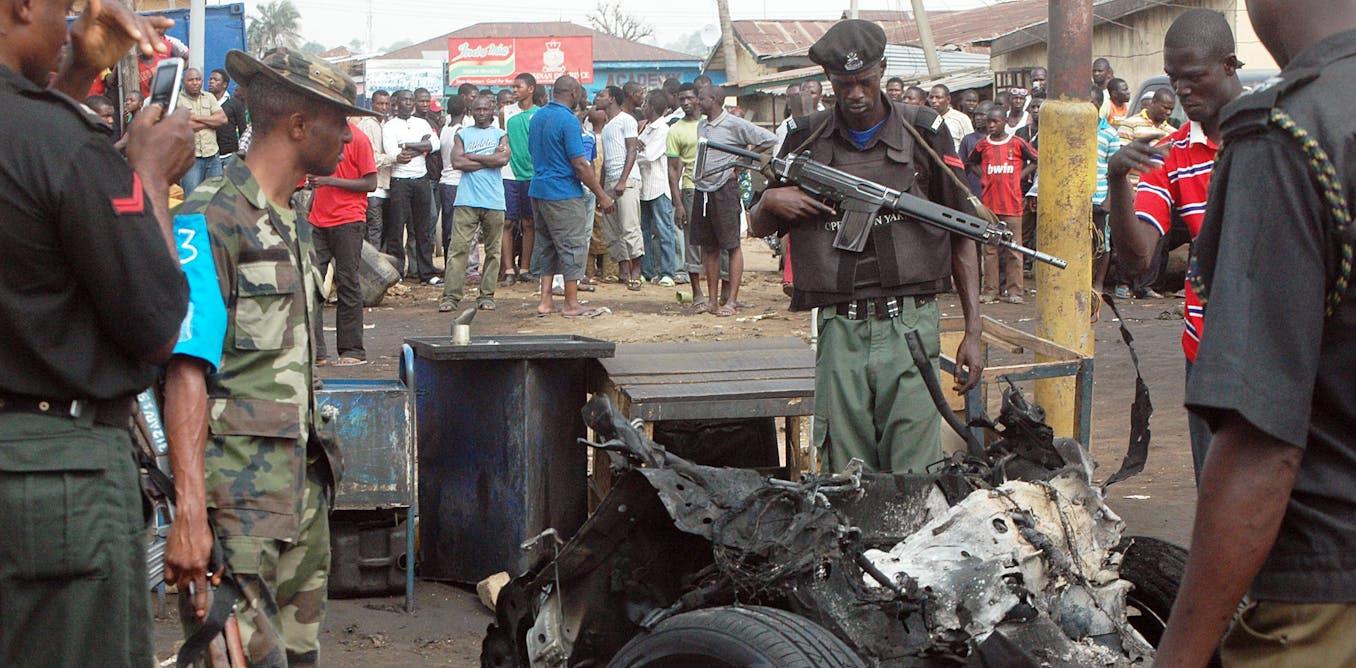
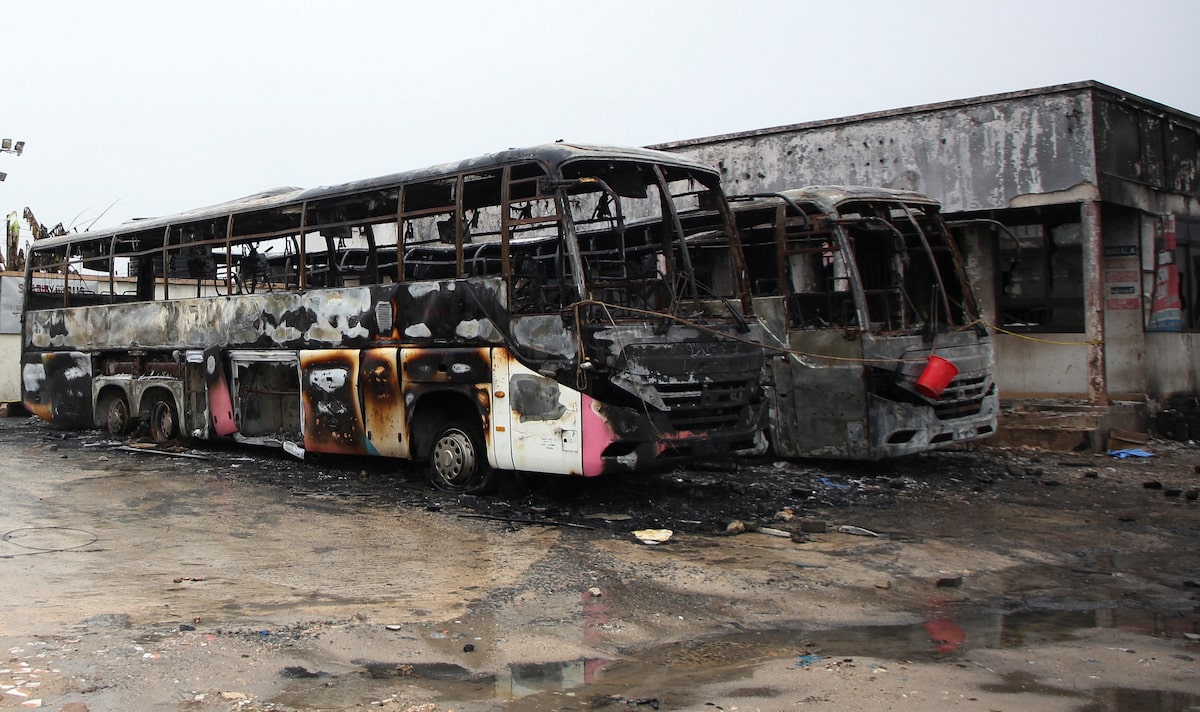
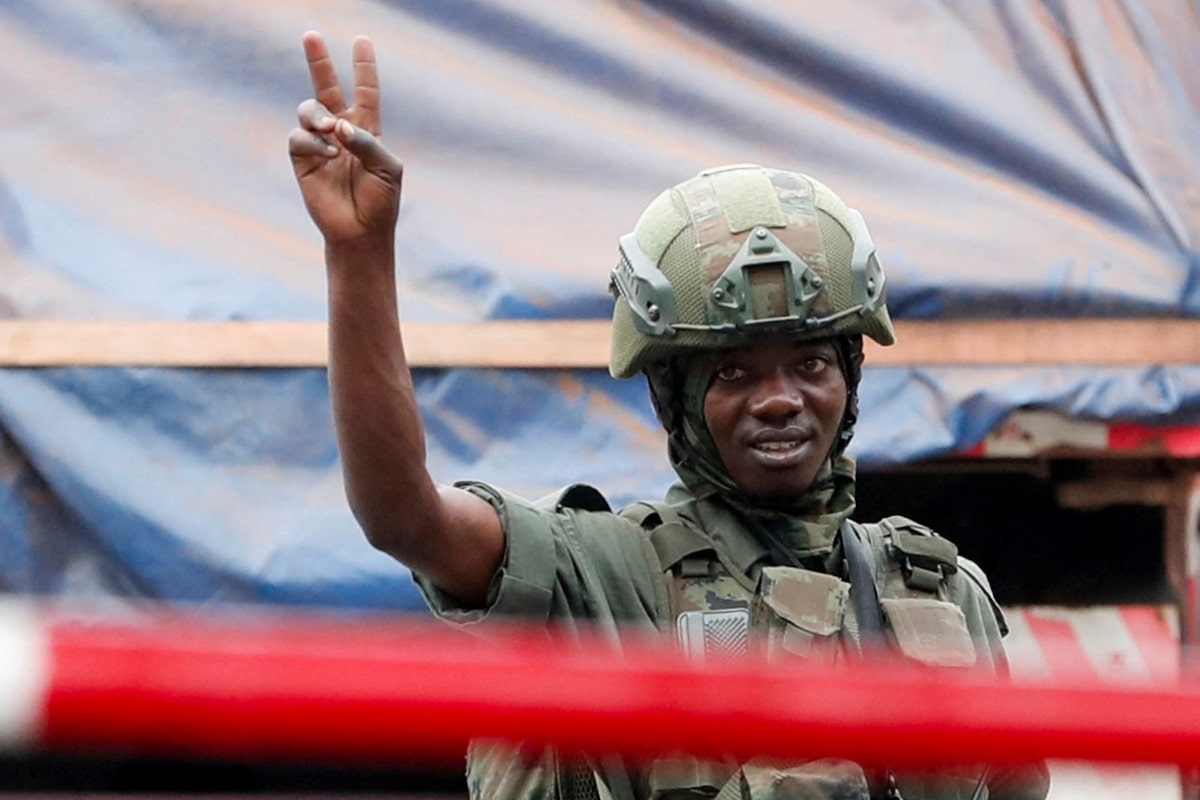
Why such pressing urgency? The Sahel has unfortunately wrestled with persistent insecurity for years. We’ve seen repeated military takeovers become a pattern: Mali experienced them in 2020 and 2021, Burkina Faso in 2022, and Niger in 2023. These aren’t isolated incidents, they’re symptoms of deep-seated issues like ineffective governance, ongoing ethnic conflicts, and the inability of civilian administrations to effectively control violent insurgencies often linked to extremist groups operating across the region. It’s a truly precarious situation, with the western Sahel now widely considered one of the world’s most dangerous regions for violent extremism. This grim reality is vividly highlighted by reports detailing atrocities, including those involving Russia-affiliated paramilitary groups active in Mali. Mali’s increasing international isolation only compounds the turmoil, making efforts for peace and the restoration of state authority an even steeper uphill battle. Recognizing this dire situation, the AES leaders have decisively moved to boost their defense and security forces to maximum alert levels. This step aims to significantly enhance vigilance and rapid response capabilities, signaling a much deeper push for sustained regional military cooperation. Burkina Faso, Mali, and Niger are taking their armies to maximum alert, clearly showing their recognition of the heightened threats.
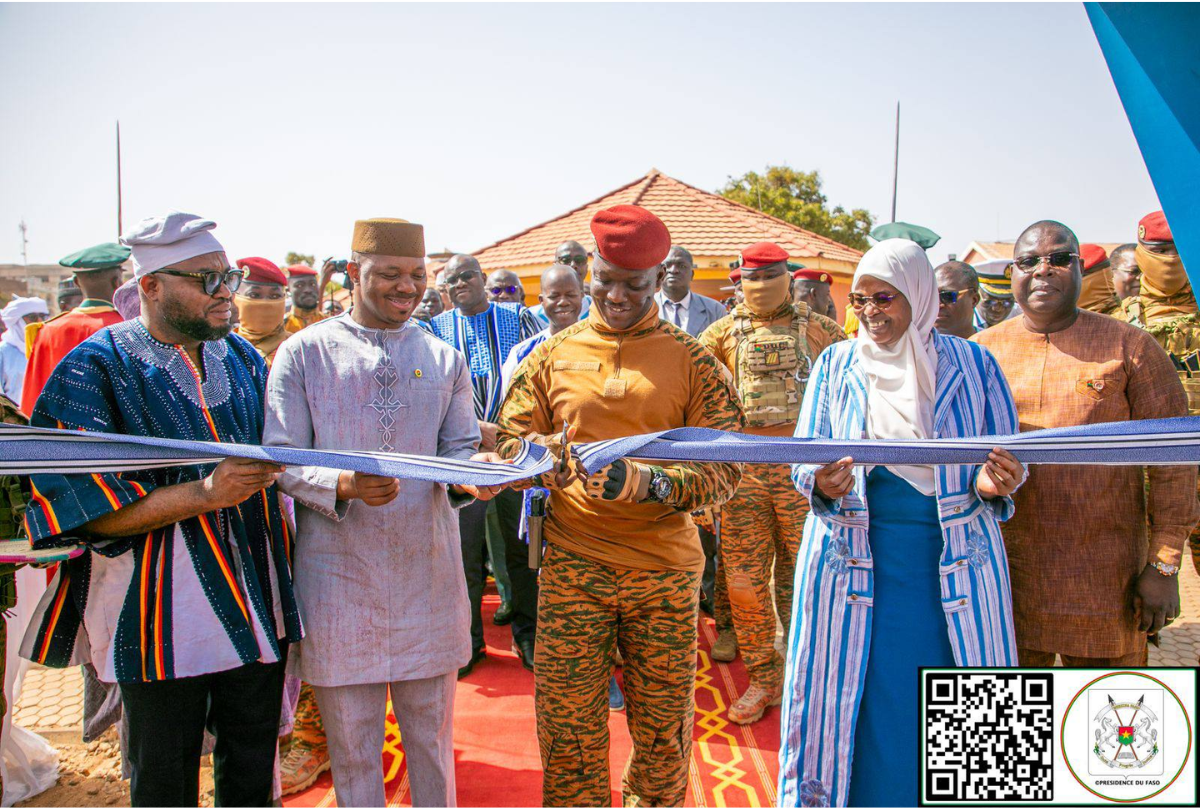
This radio frequency coordination deal is a critical piece of that broader security puzzle. By harmonizing communication channels used by security and defense forces across national borders, these three countries aim to drastically improve real-time communication and coordination during joint security operations and crises. It directly addresses a major operational barrier that has often hampered effective joint responses to insurgent movements, which frequently exploit the region’s porous borders. Yet, the path forward isn’t easy or straightforward. The intricate nexus of political instability, violent extremism, and humanitarian crises demands sustained commitment from all AES members, along with vital support from the international community. We can’t just rely on communication technologies; coordination must also extend to robust intelligence sharing, joint military training, and comprehensive strategies that address underlying governance deficits and the socio-economic conditions fostering unrest. While these recent steps offer a valuable foundation, ultimate success hinges on translating these agreements and alerts into tangible security improvements that genuinely protect civilians and restore confidence in state institutions. How will the Sahel Alliance adapt and deepen its cooperation in these turbulent times? Their collective ability to do so may well determine the region’s trajectory toward either lasting stability or further disorder. Burkina Faso, for its part, is also making strides in boosting industry and energy as it tackles these monumental challenges. This unified approach is undoubtedly key to West Africa’s broader resilience against regional turmoil and external pressures.