Africa’s Startup Renaissance: How 2025’s Funding Surge and Infrastructure Focus Are Reshaping the Continent’s Tech Future
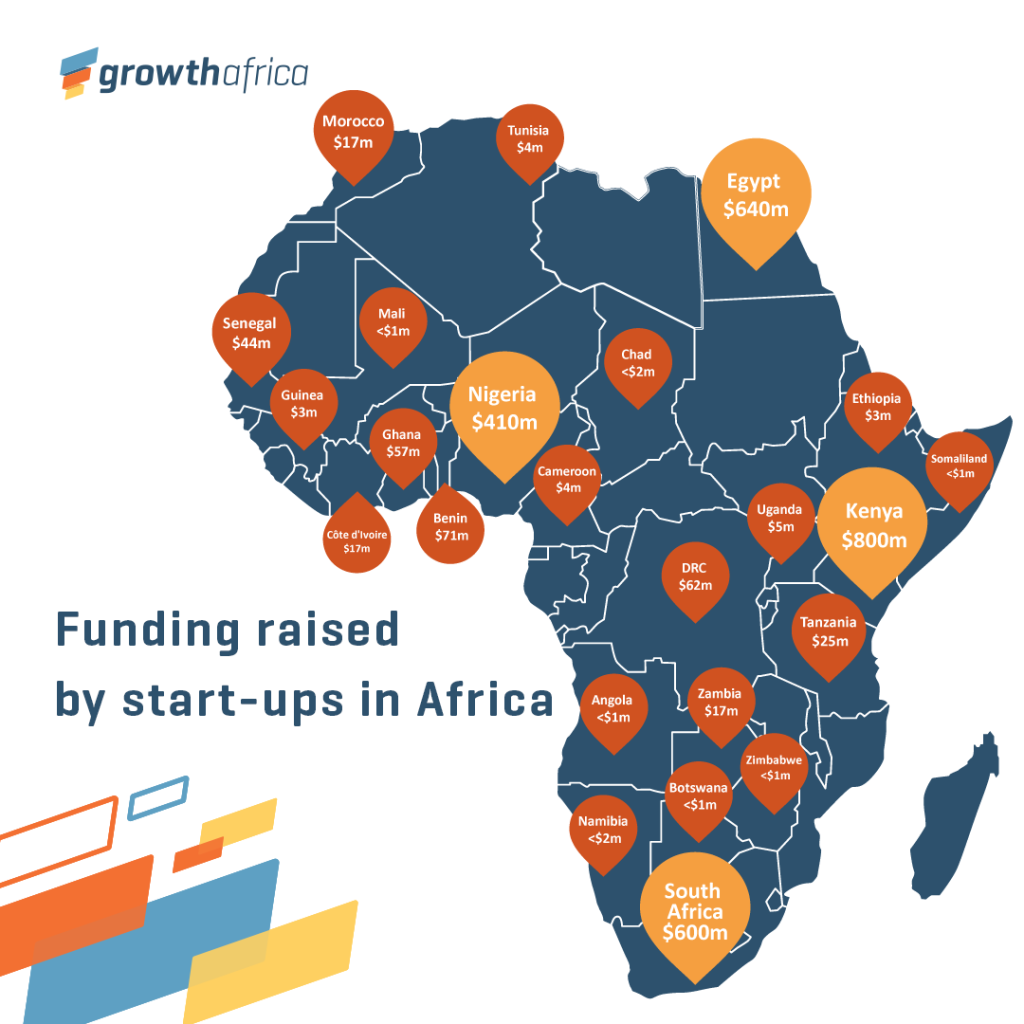
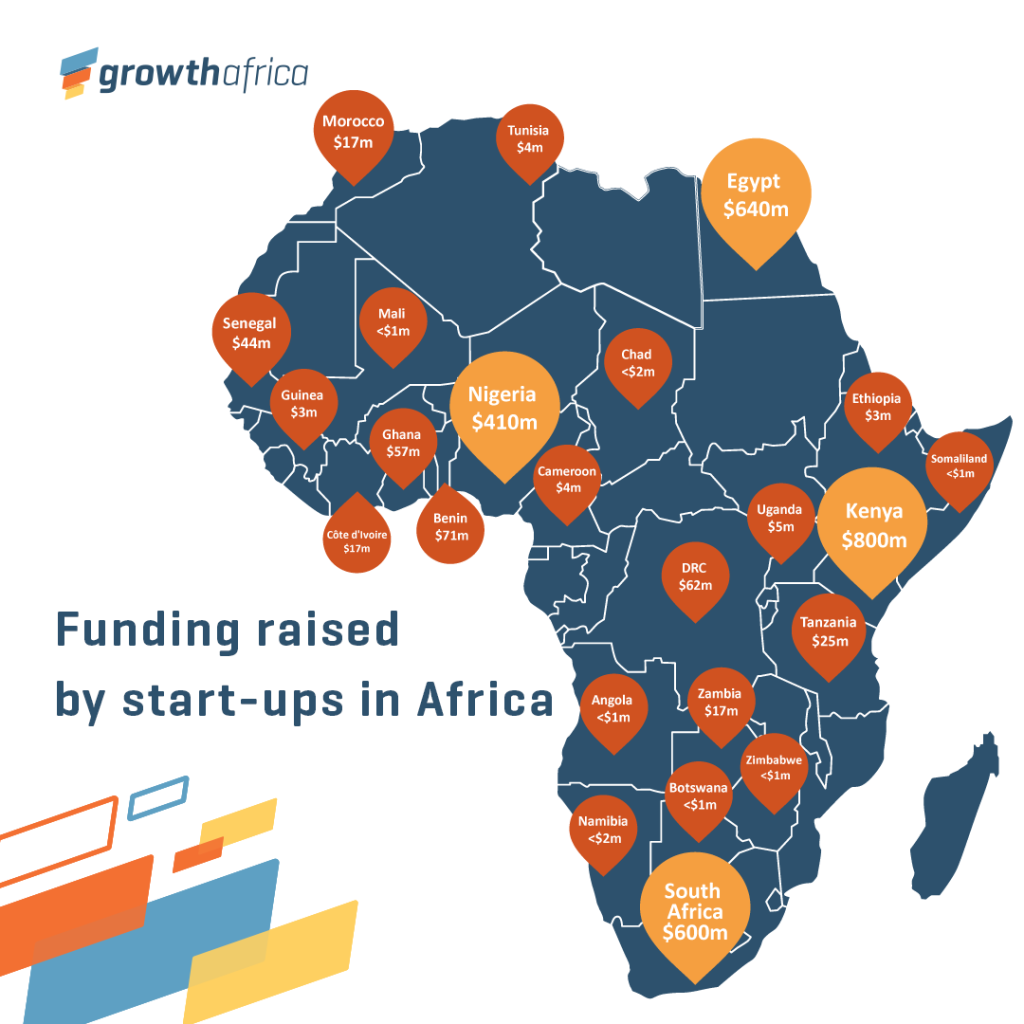
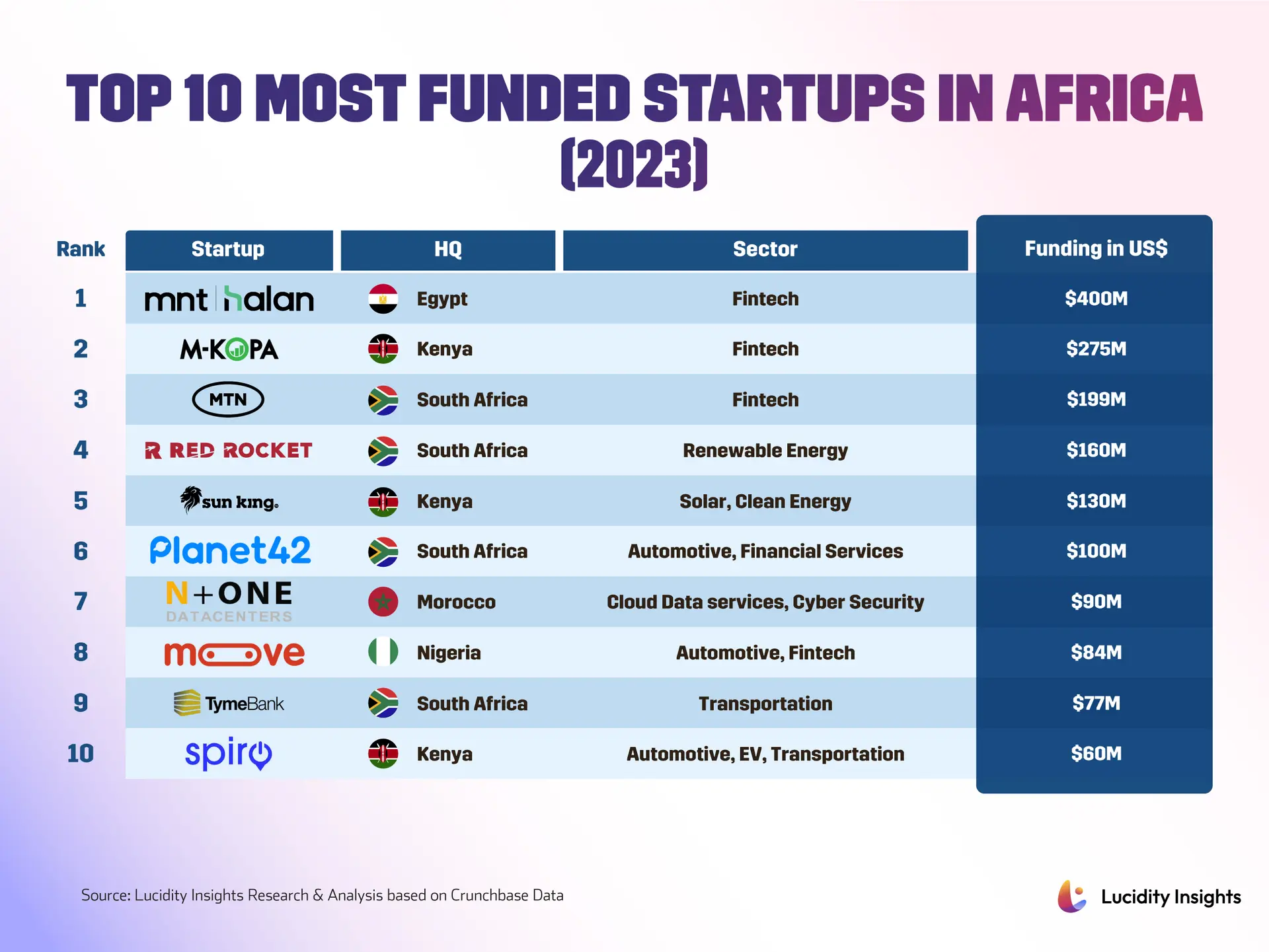
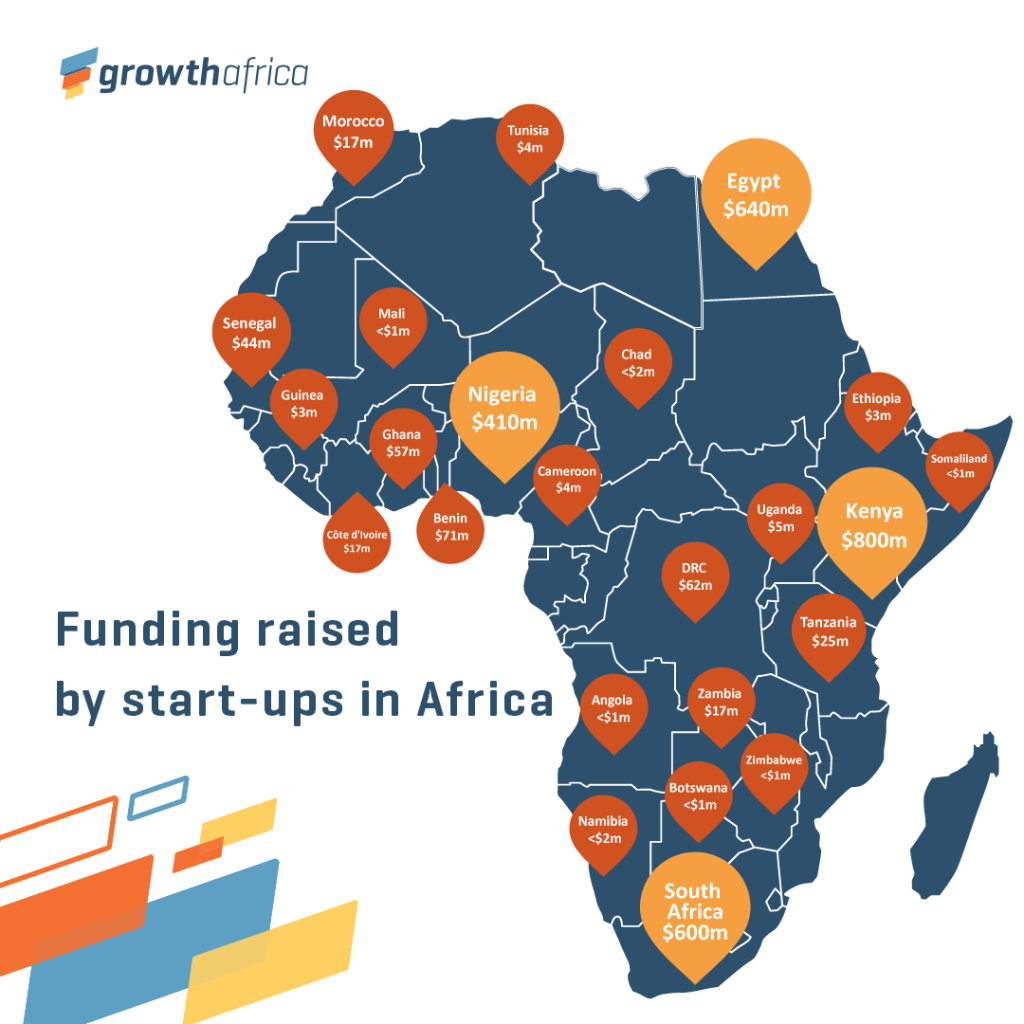
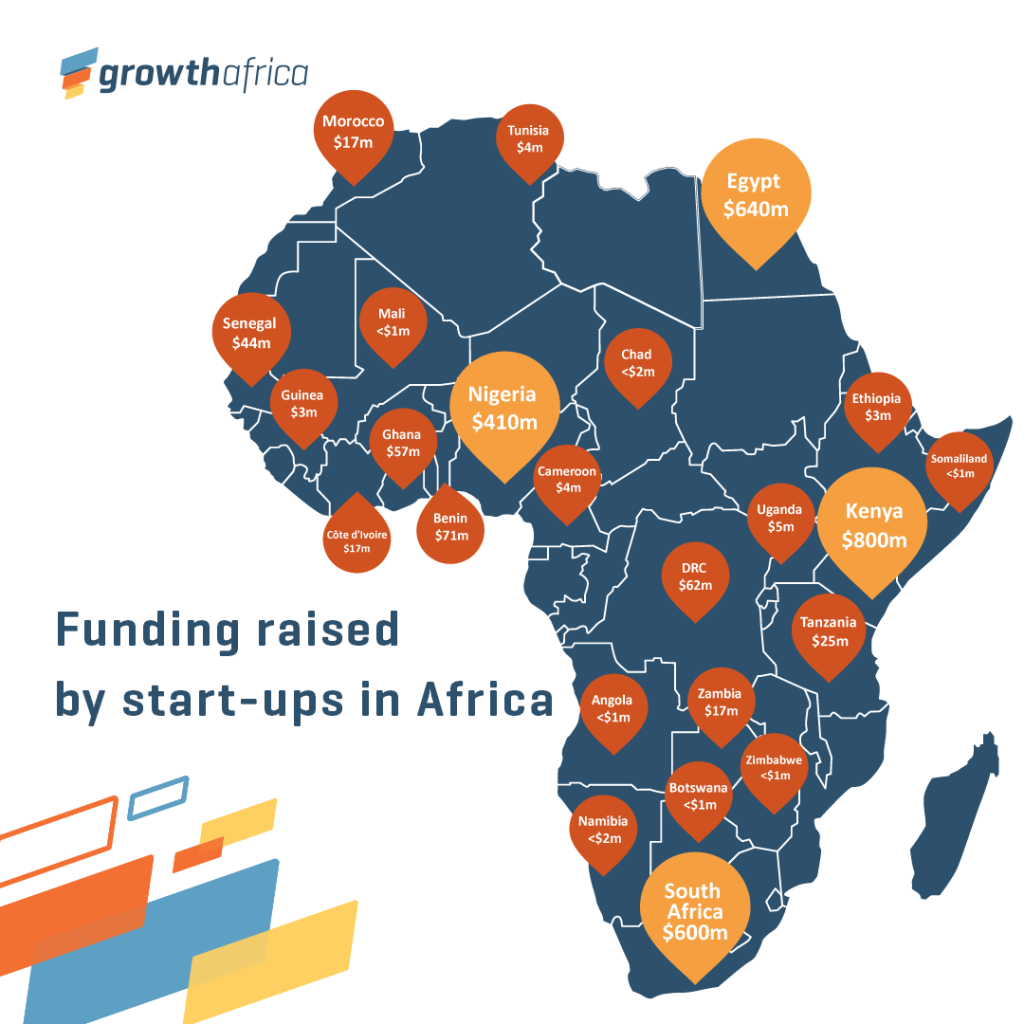
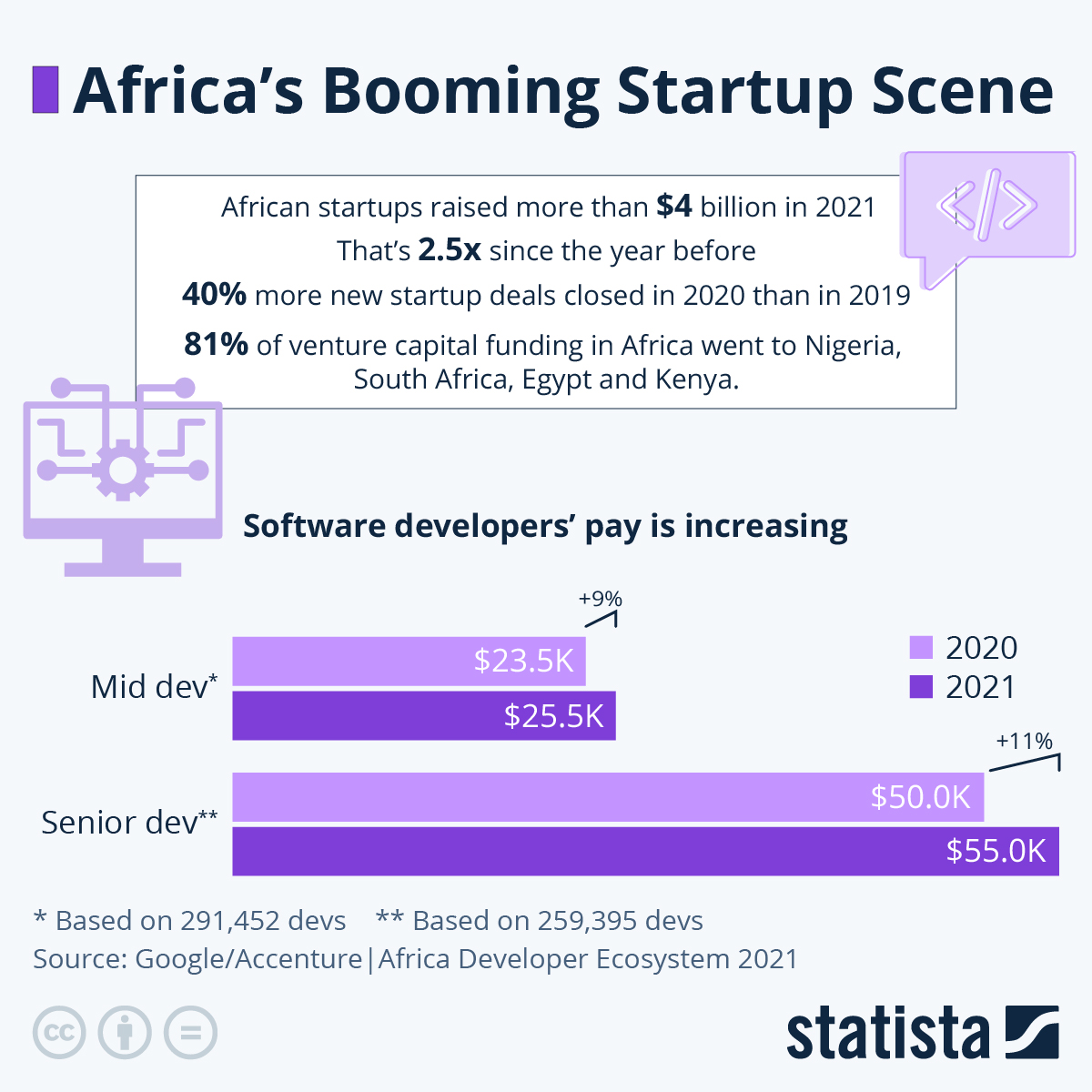
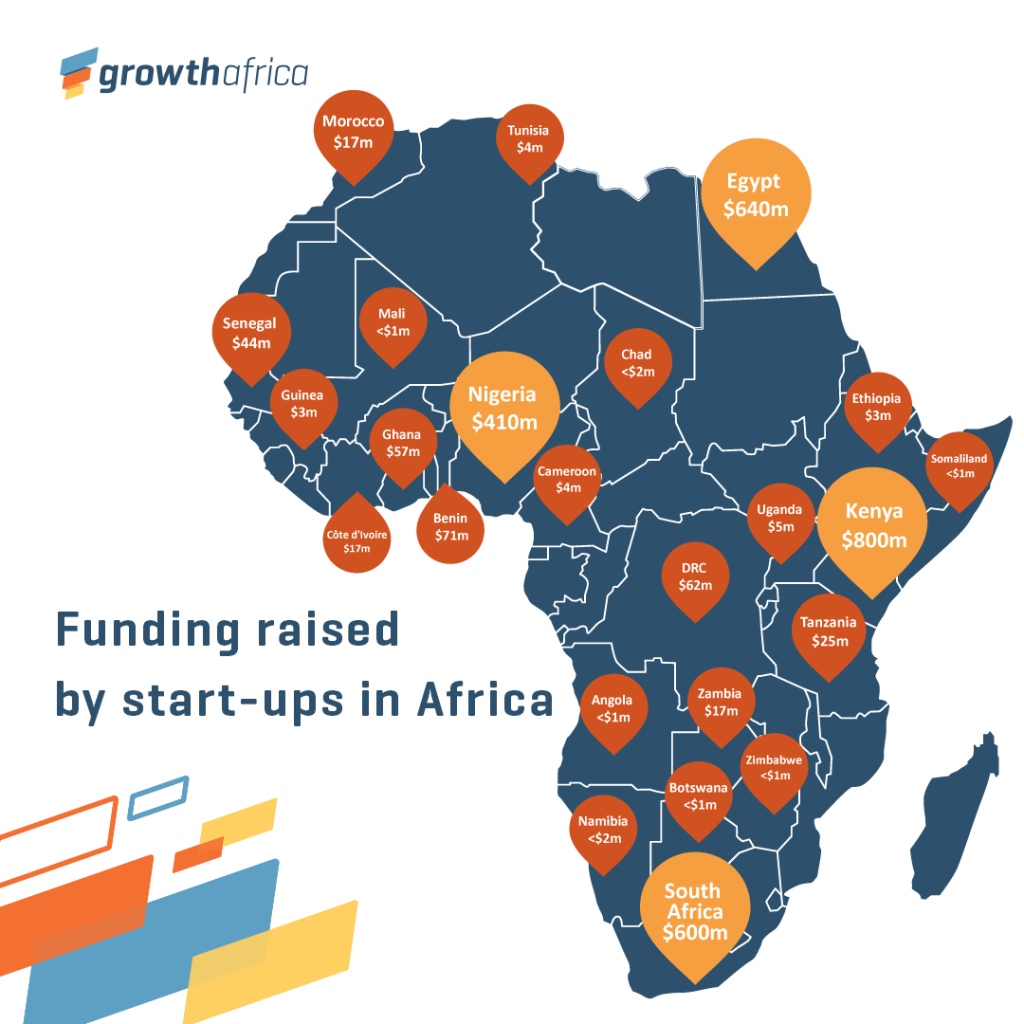
As 2025 draws to a close, Africa’s technology scene isn’t just bouncing back from previous anxieties, it’s maturing into something more durable and strategic. Venture capital has returned with conviction this year, with startups across finance, health, logistics, and energy attracting serious attention and capital. According to Business Insider Africa, African startups raised roughly three billion dollars in 2025, marking a solid 33 percent rise from 2024 and finally surpassing 2023 levels. That recovery wasn’t evenly distributed, but the headline number sends a clear message, investors are back, and they’re bringing discipline with them. The real story, however, isn’t just about bigger checks. It’s about a fundamental shift toward building the foundational infrastructure that makes everything else possible. A feature in African Business highlighted 20 startups shaping the year, with a clear focus on companies constructing payment and credit rails, cold chain logistics, renewable energy distribution, and clinical systems for health providers. This infrastructure-first logic is brutally practical. By tackling gaps in the continent’s physical and financial plumbing first, these startups create the conditions for countless other services to scale faster and cheaper. You can see this trend playing out across major funding rounds covered by outlets like TechCrunch, where Egyptian proptech Nawy, group savings platform MoneyFellows, and B2B ecommerce player OmniRetail all secured significant capital to expand. Fintechs like Moniepoint and Djamo drew investment to broaden payments and neobanking, while logistics firms Leta and Gozem attracted backers aiming to streamline delivery across cities and borders. This strategic pivot toward building rails, not just the apps that run on them, signals a more mature phase for Africa’s booming startup ecosystem.
Yet, behind these encouraging headlines lies a persistent and massive structural challenge. Small and medium enterprises still form the overwhelming backbone of Africa’s economy, accounting for more than 90 percent of businesses and contributing over 60 percent of jobs and GDP. Despite their critical role, they face a financing shortfall estimated at a staggering three hundred billion dollars annually. This isn’t just a funding gap, it’s a growth chasm that holds back broad-based economic development across the continent. The year 2025 wasn’t solely a story of triumph, it was also one of hard choices and high-profile pivots. Startup closures and retrenchments featured prominently in ecosystem reviews, a stark reminder that access to capital is necessary but far from sufficient. Running a business in African markets often demands longer time horizons, tighter unit economics, and the flexibility to switch strategies when products don’t gain immediate traction. The founders who navigated 2025 successfully tended to be those with clear pathways to profitability or those building indispensable infrastructure that other businesses simply have to buy into. To address the SME financing crisis, institutions like Afreximbank and analysts point to scaling innovative solutions like factoring and supply chain finance. Factoring allows a company to sell its unpaid invoices to a financier at a discount, turning future receivables into immediate working capital. Supply chain finance leverages the credibility of large buyers to unlock credit for their smaller suppliers. Afreximbank has called for factoring volumes to reach about two hundred and forty billion euros, roughly ten percent of Africa’s GDP, to start closing this gap and build more resilient value chains. The brief also highlighted a glaring gender disparity, noting women entrepreneurs face a nearly fifty billion dollar financing gap despite typically having lower default rates than the market average. Expanding these forms of trade and invoice finance could unlock crucial capital for growth-minded SMEs from Ouagadougou to Abidjan, fueling the next wave of the continent’s tech renaissance.
So what does this all mean for the road ahead? The combination of renewed but selective funding, a strategic shift toward foundational products, and that persistent SME financing gap points to several clear priorities. For startups, the mandate is to continue building repeatable revenue models and to focus on products that make businesses more efficient or unlock trapped working capital. For investors, the lesson from 2025 is to prize solid unit economics and realistic pathways to profitability over growth-for-growth’s-sake narratives. For policymakers and multilateral institutions, the opportunity to accelerate impact is significant. Modernizing legal frameworks for receivables financing, encouraging the development of comprehensive credit registries, and supporting pilot programs that demonstrate supply-chain finance at scale could make a tangible difference. Looking forward, the next chapter will test whether 2025 represents a one-year bounce or a durable turning point. If this capital growth is matched by smarter deployment into the rails that power trade and services, African ecosystems can support more resilient startups and finally unlock a wave of SME-led growth. For countries where small businesses form the backbone of local economies, expanding access to invoice finance and digital payments could mean the difference between informal stagnation and formal, scalable expansion. The success of the startups building those rails, and the financiers willing to underwrite the transactions that move goods and wages across borders, will ultimately determine whether Africa’s 2025 rebound blossoms into a genuine decade-long transformation. The continent’s record startup funding is a promising start, but the real work of building an inclusive and sustainable digital economy is just beginning.