Regional Tensions Flare as Sahel Alliance Responds Forcefully to Nigerian Military Aircraft Landing
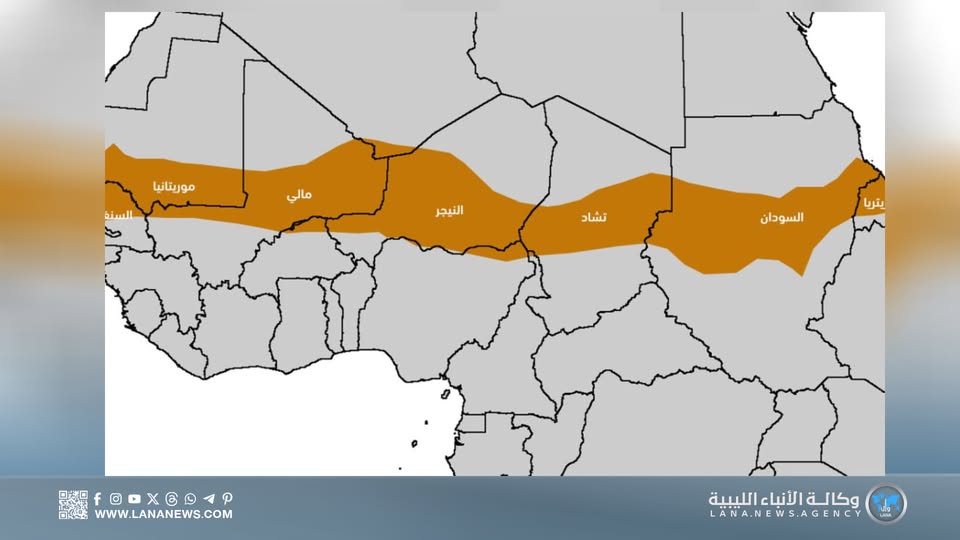
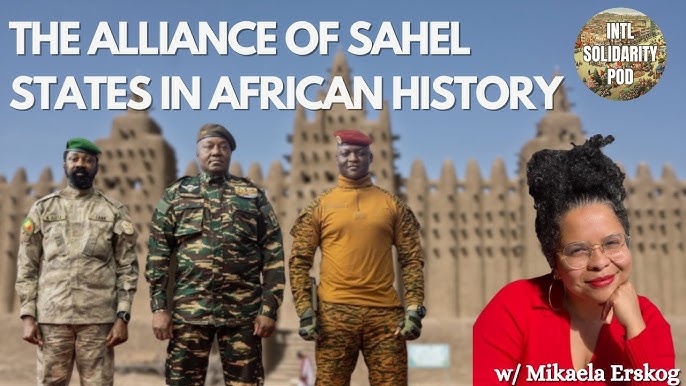
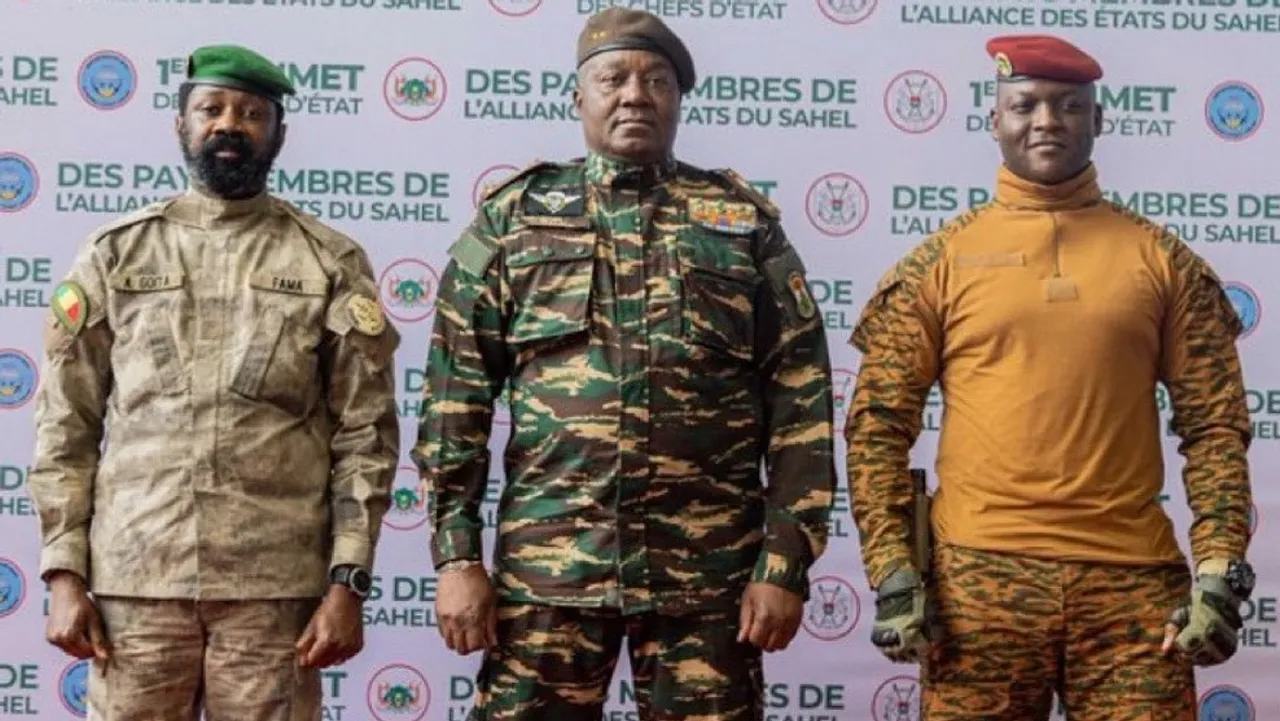
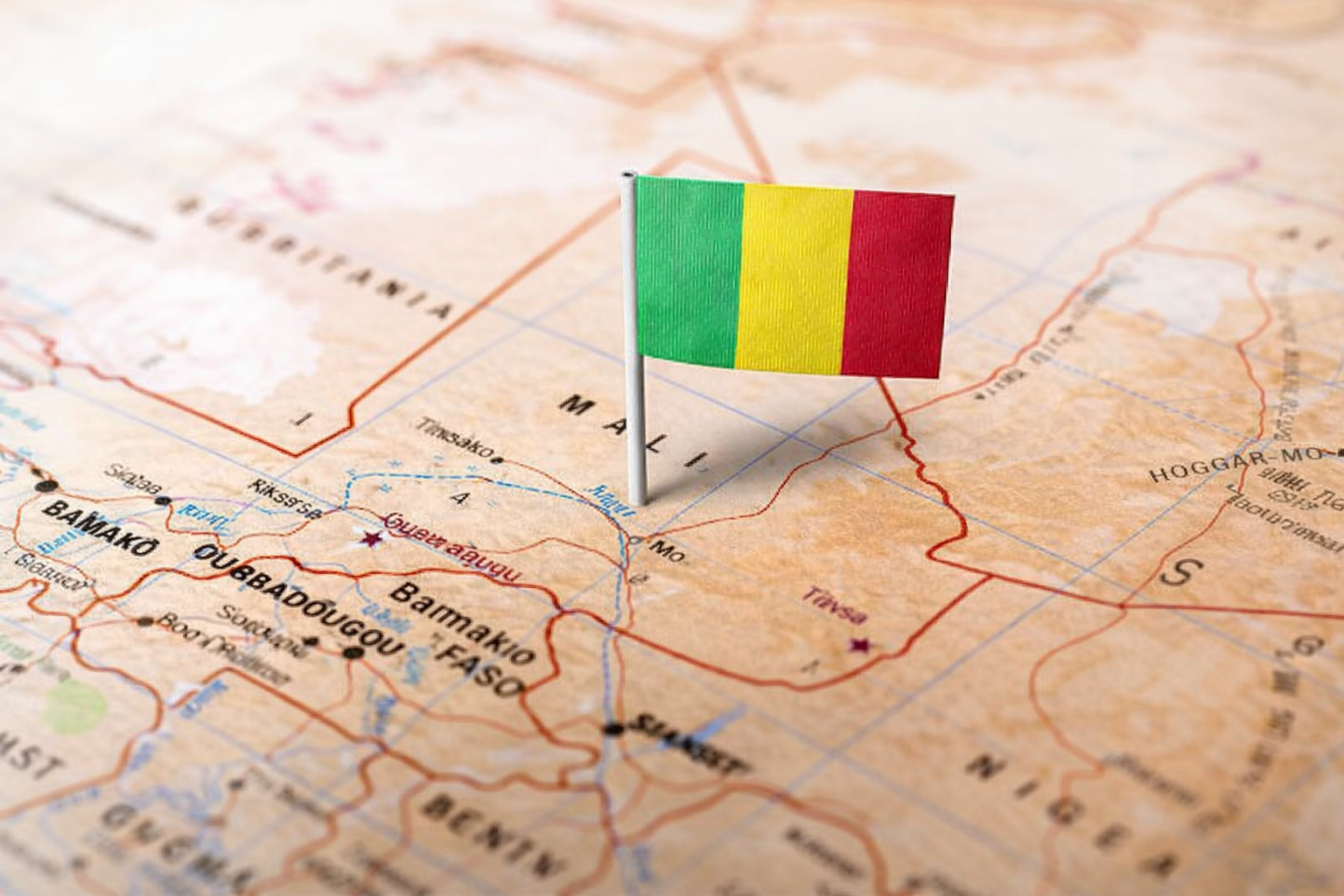
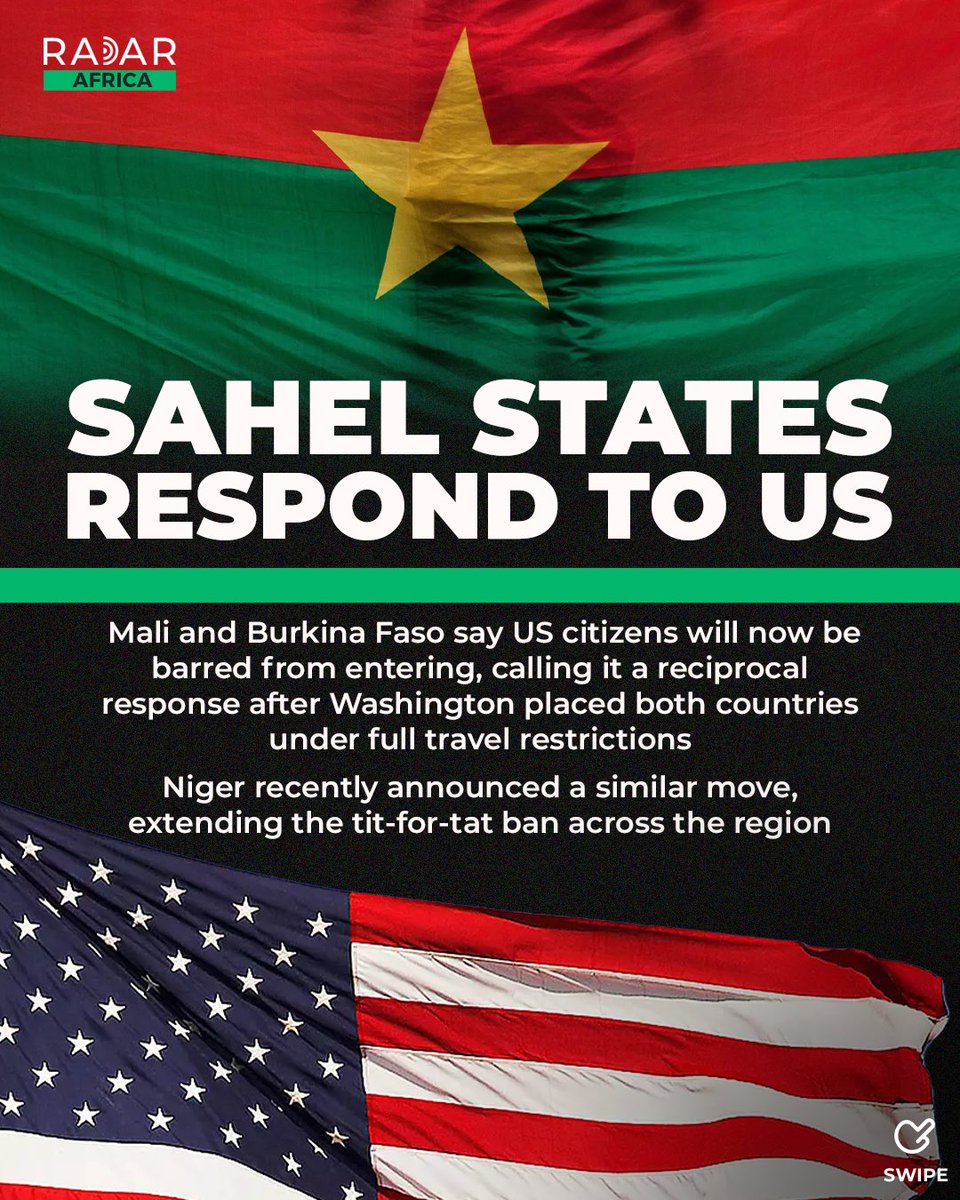
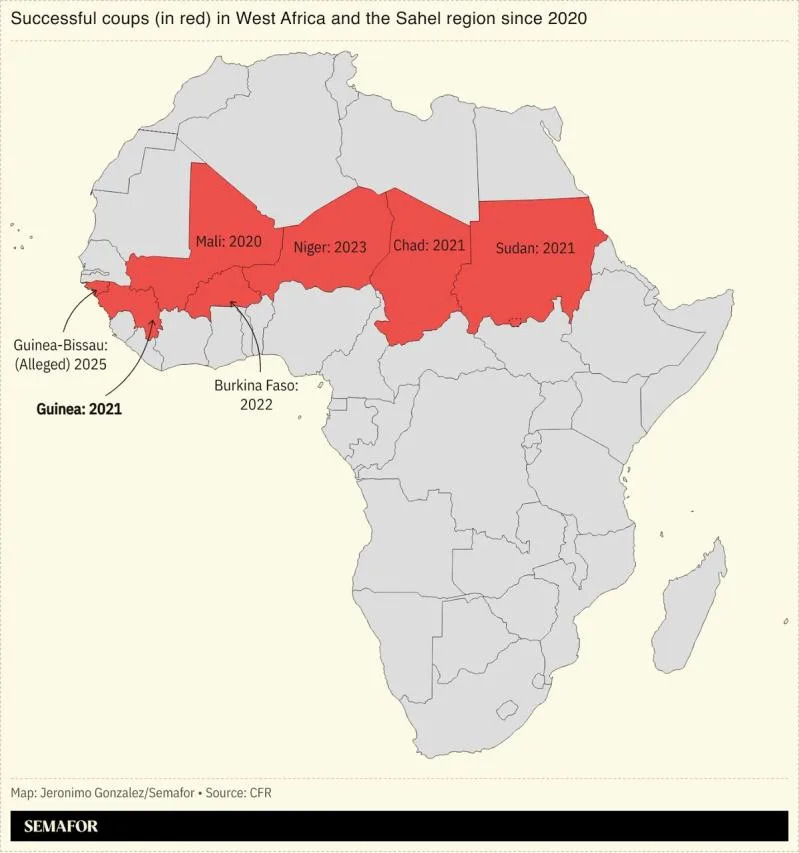
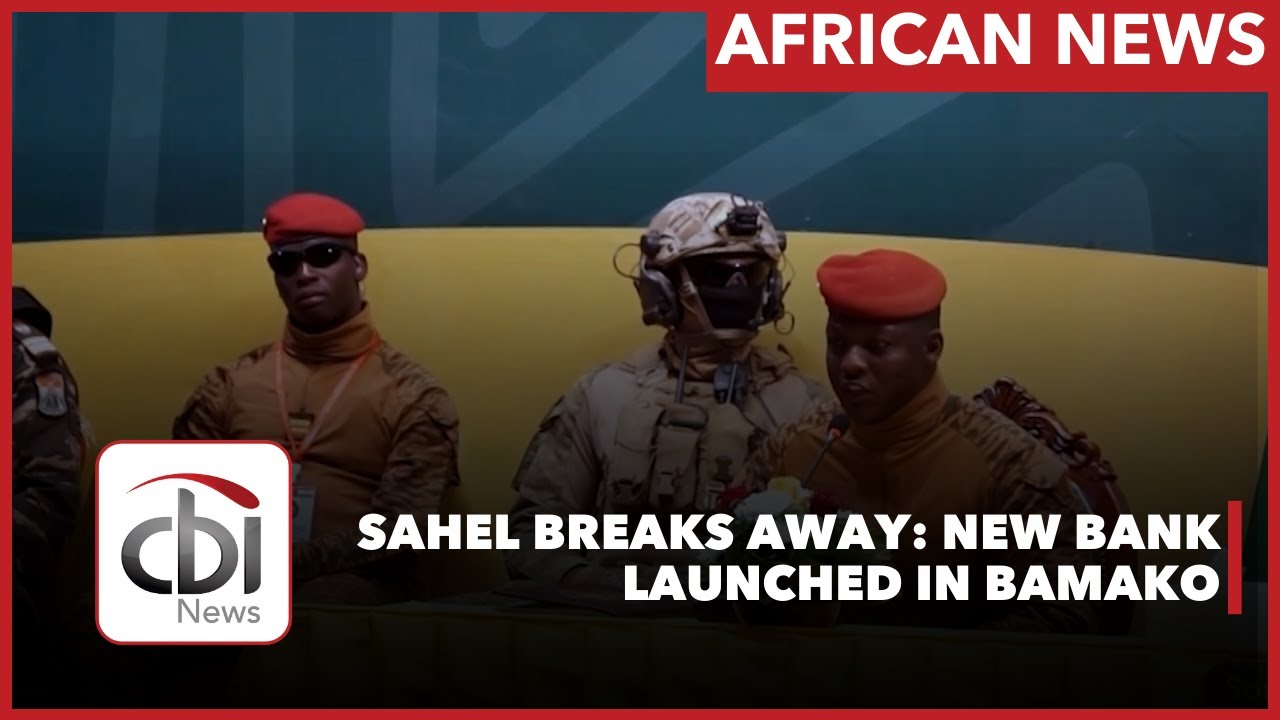
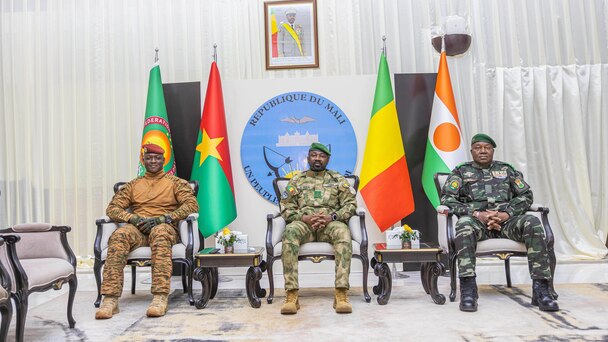
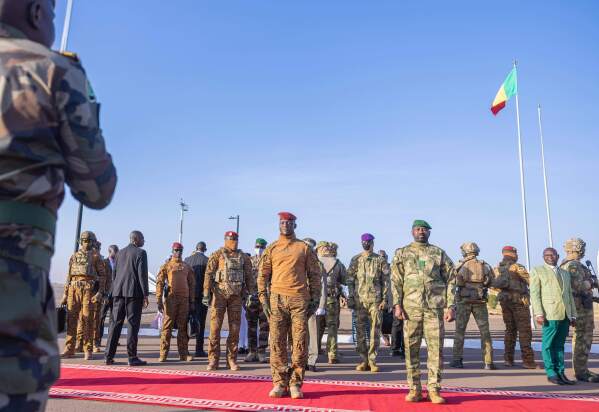
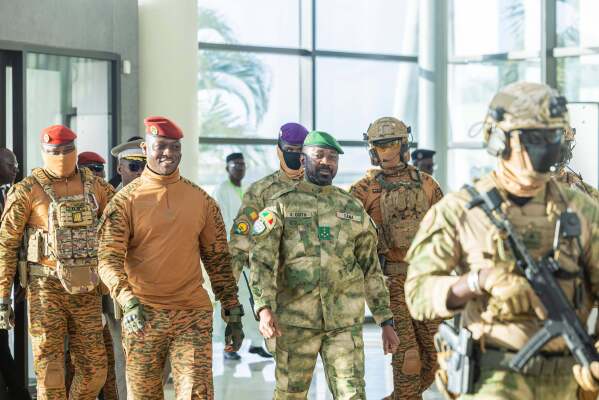
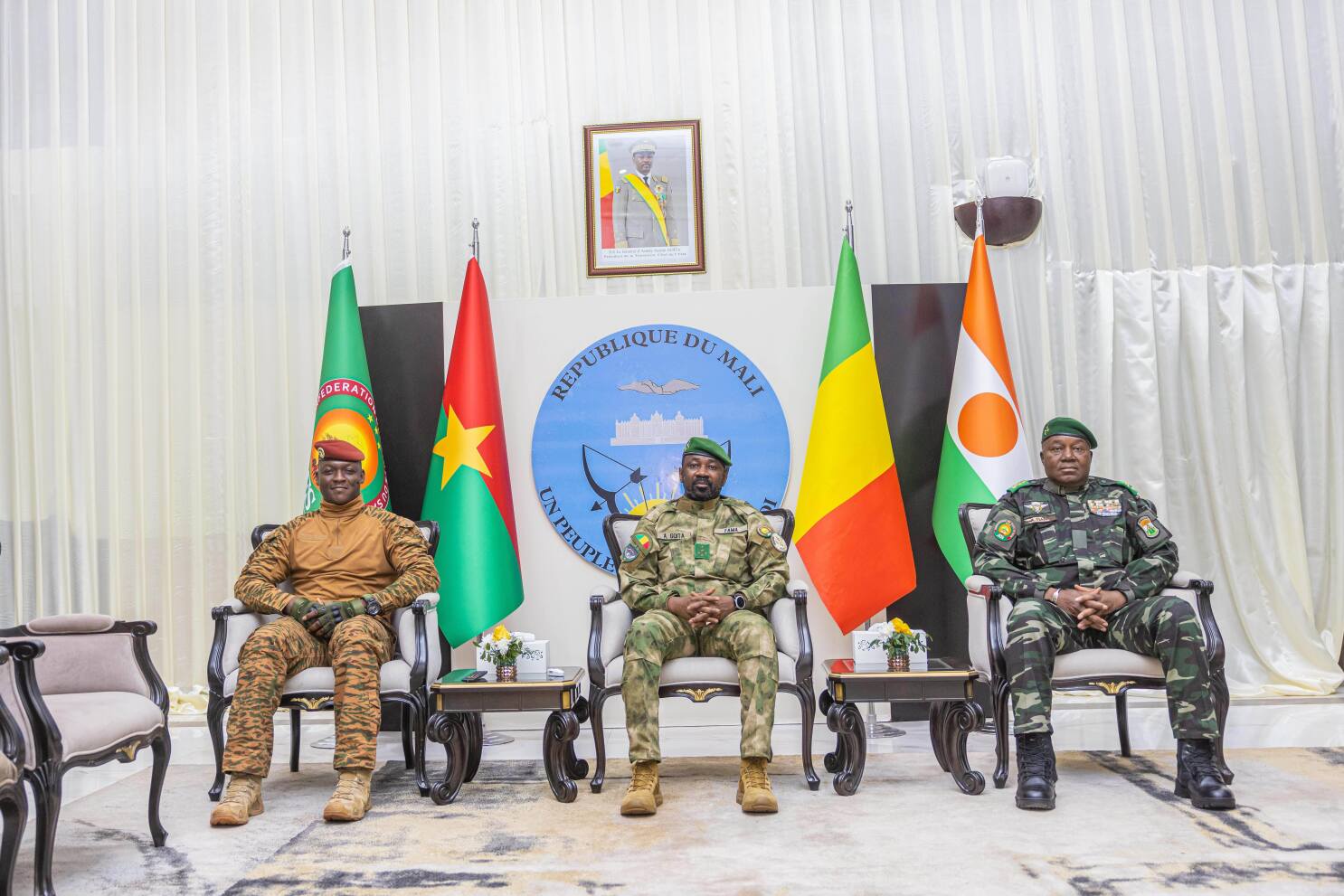
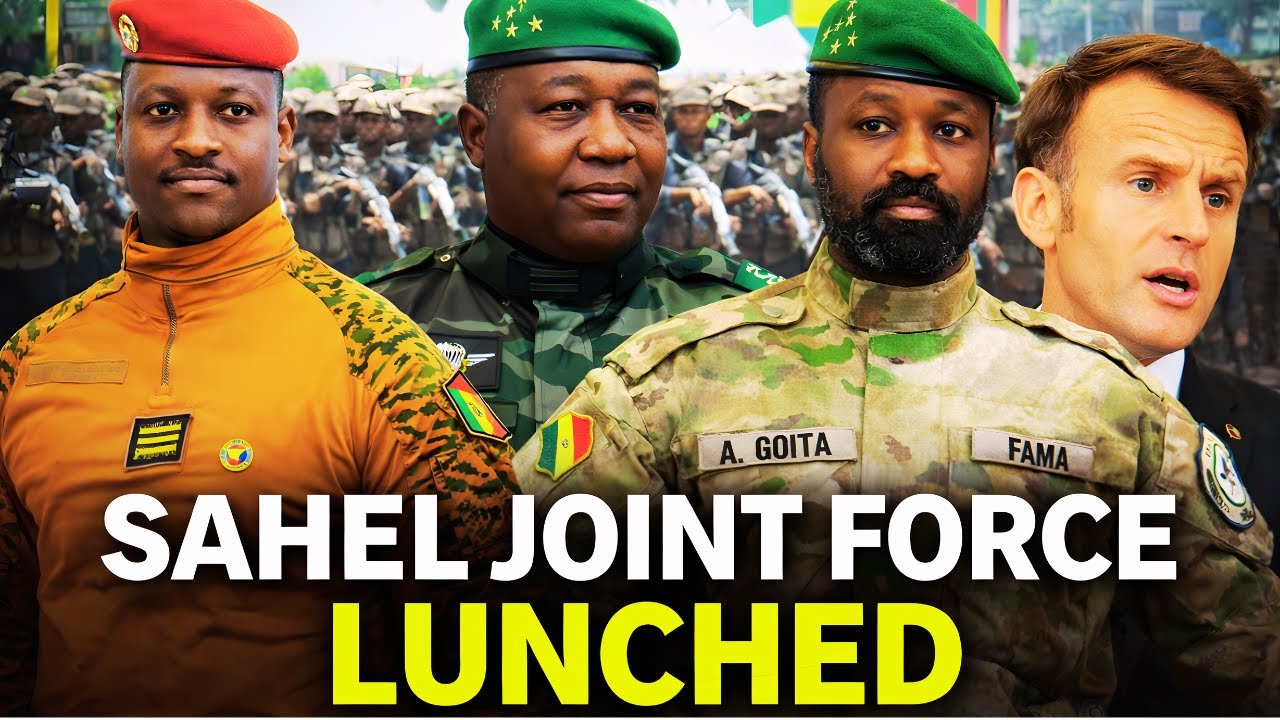
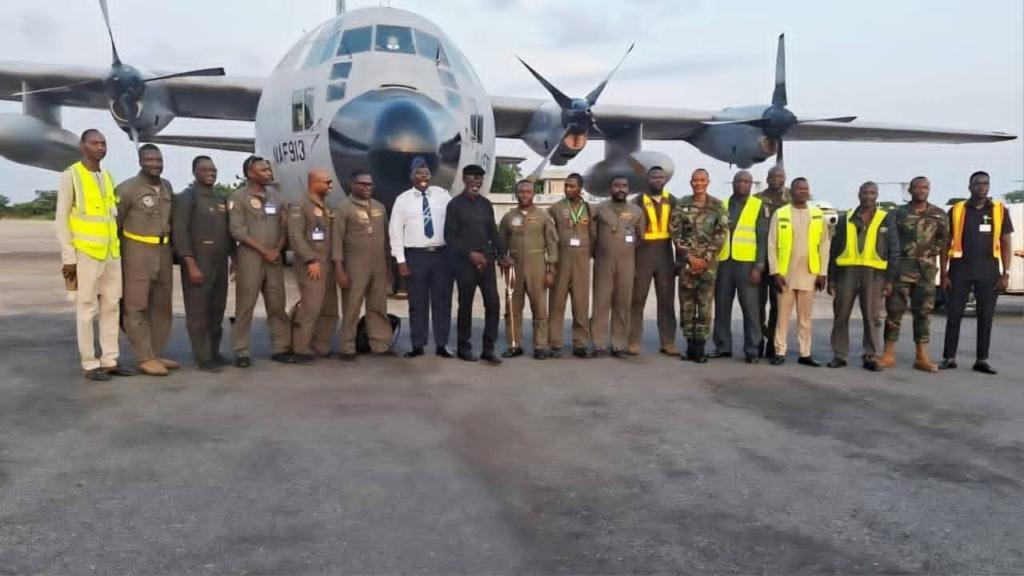
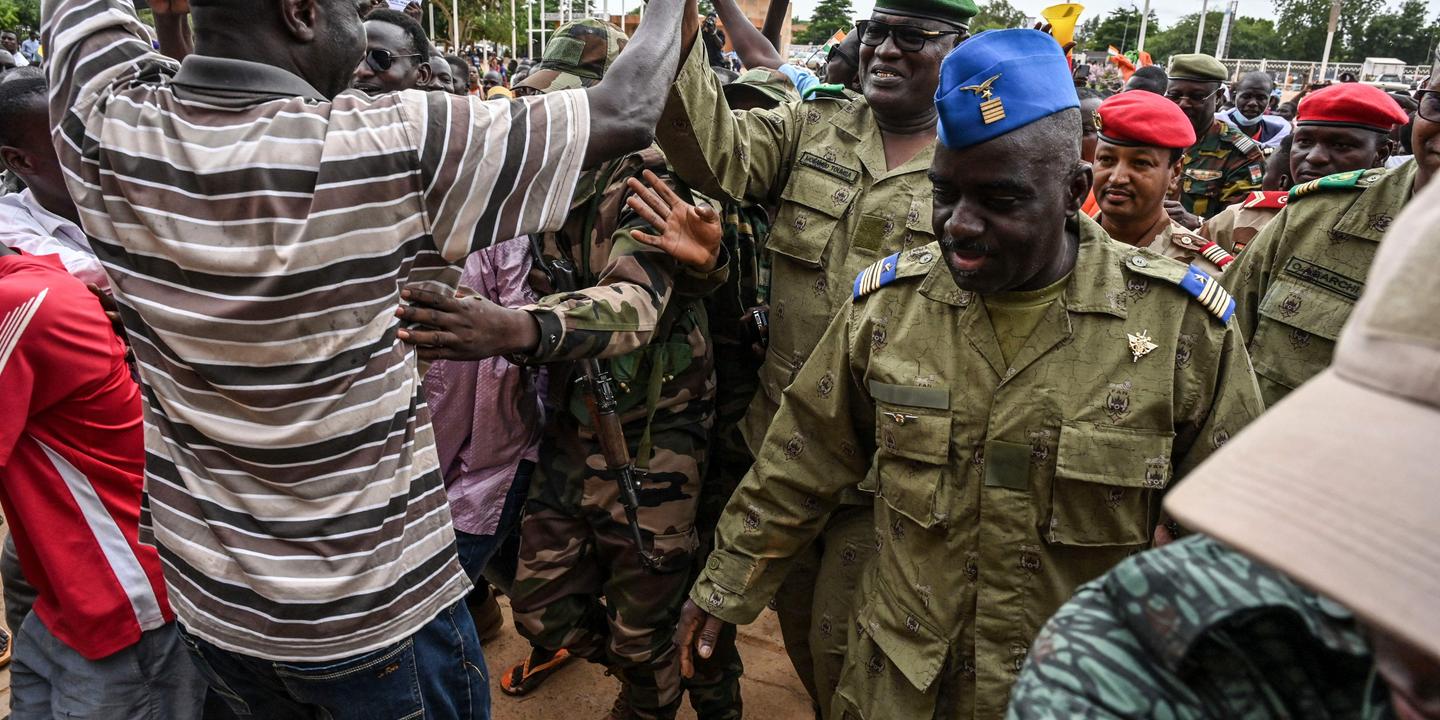
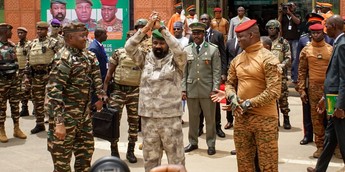
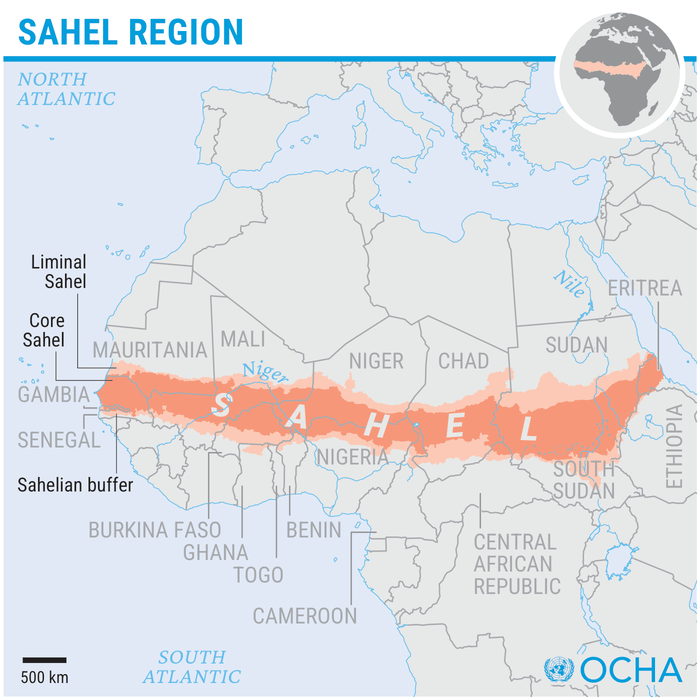
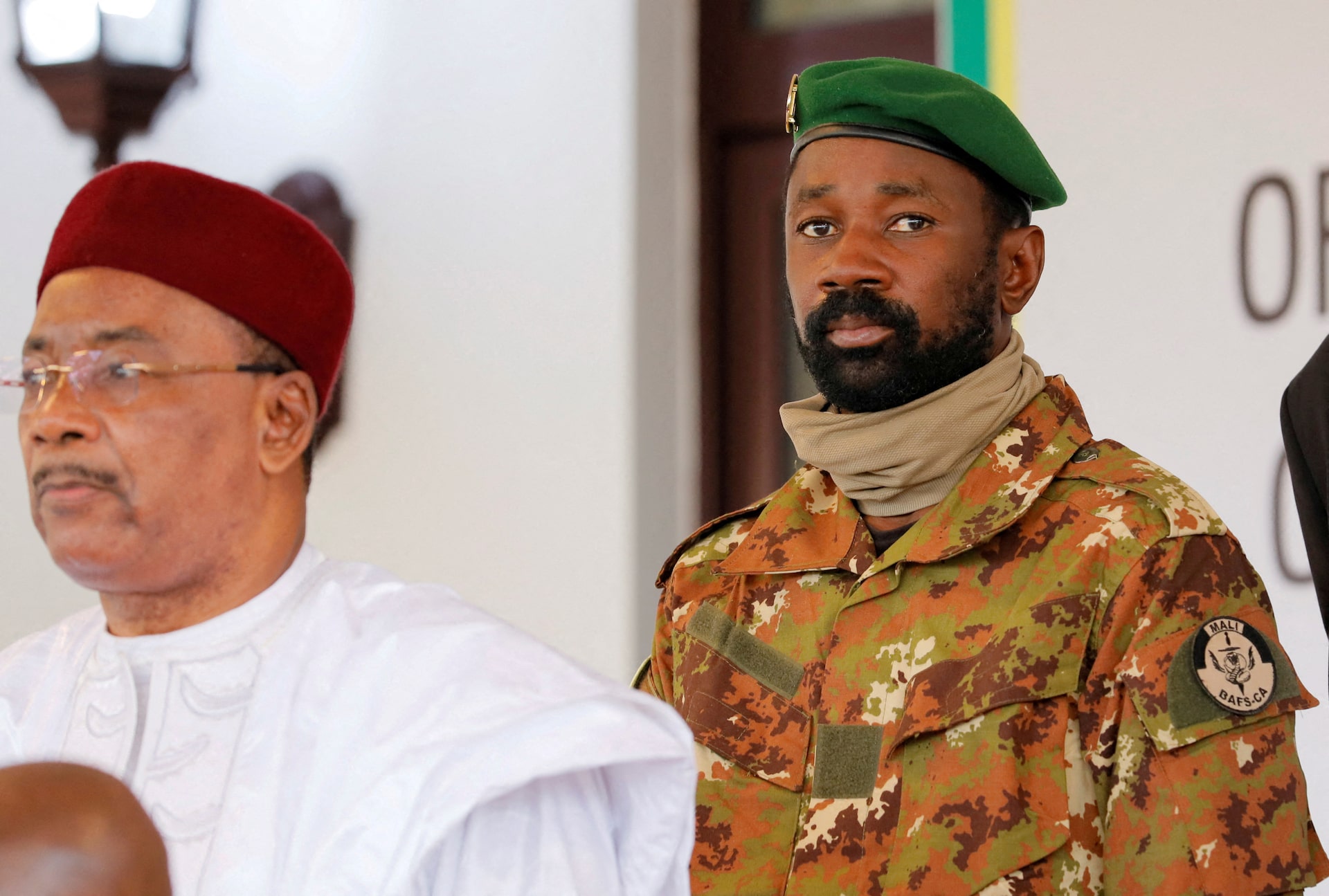
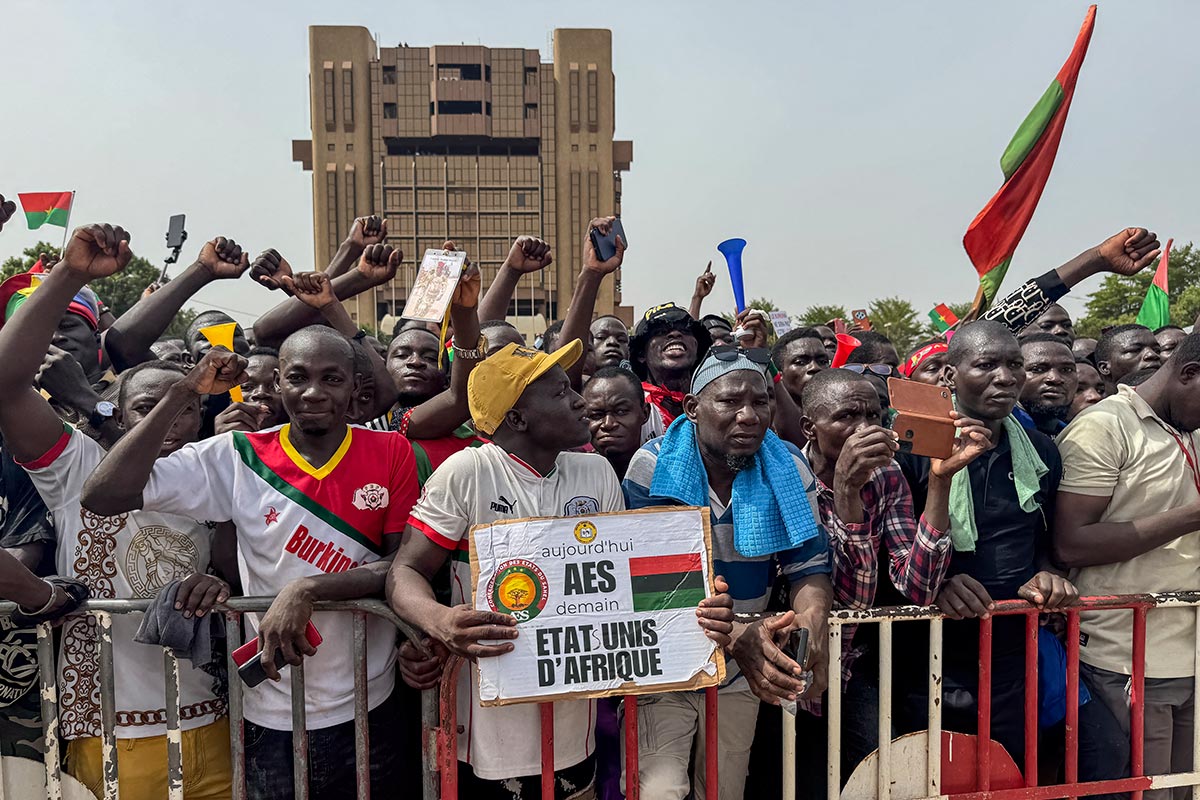
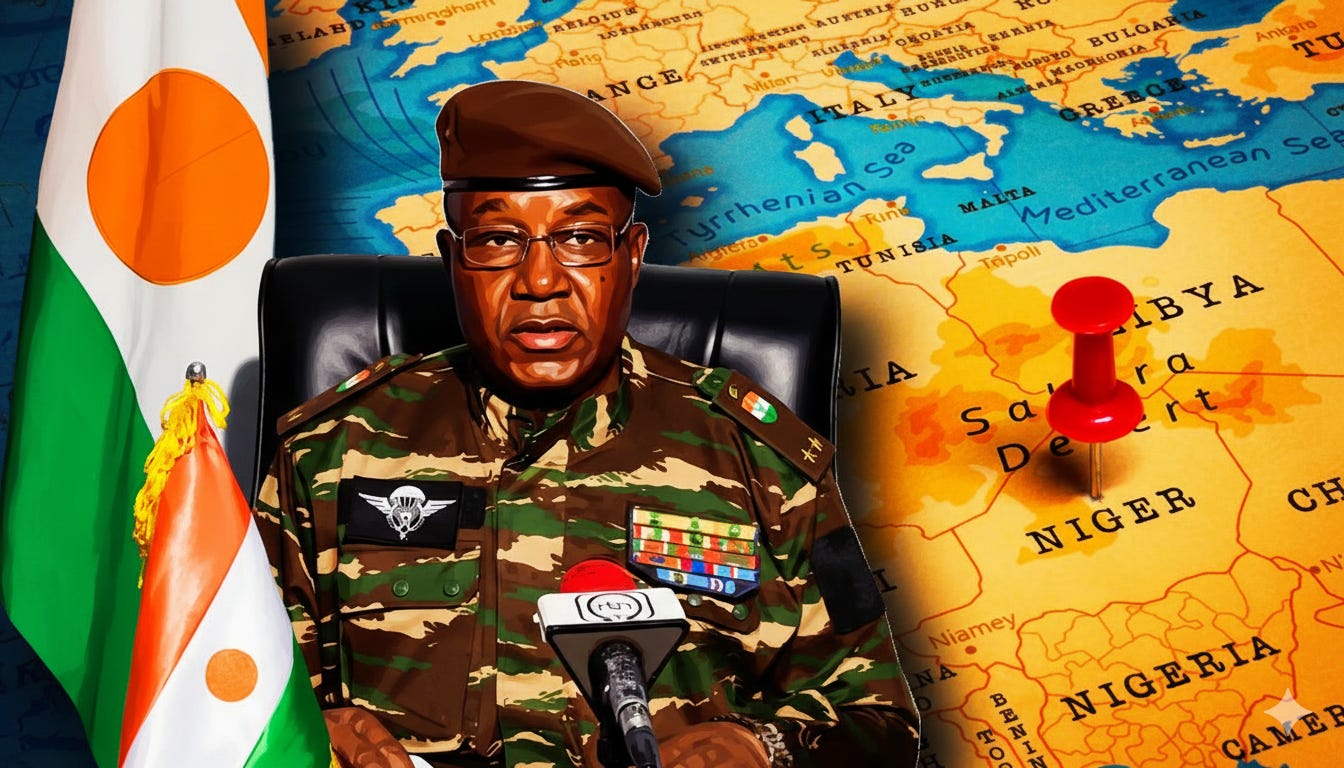
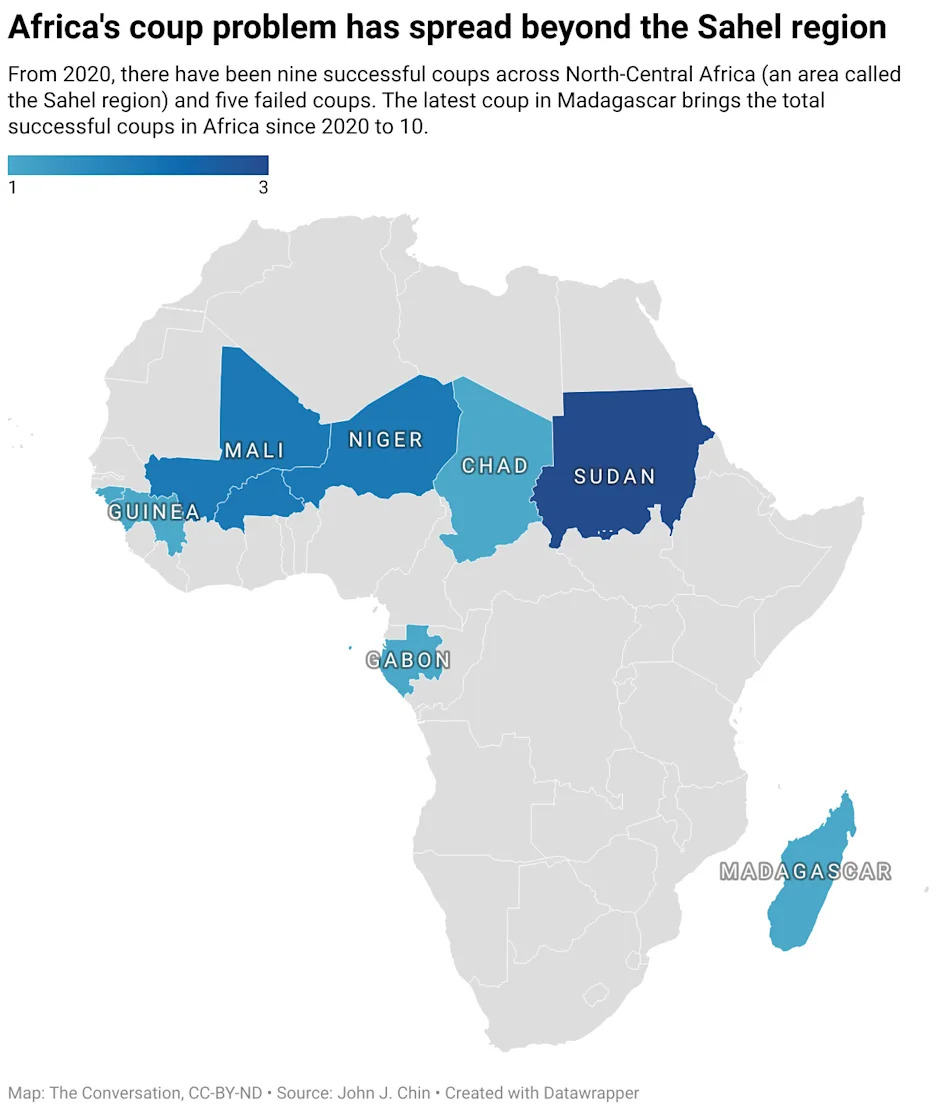
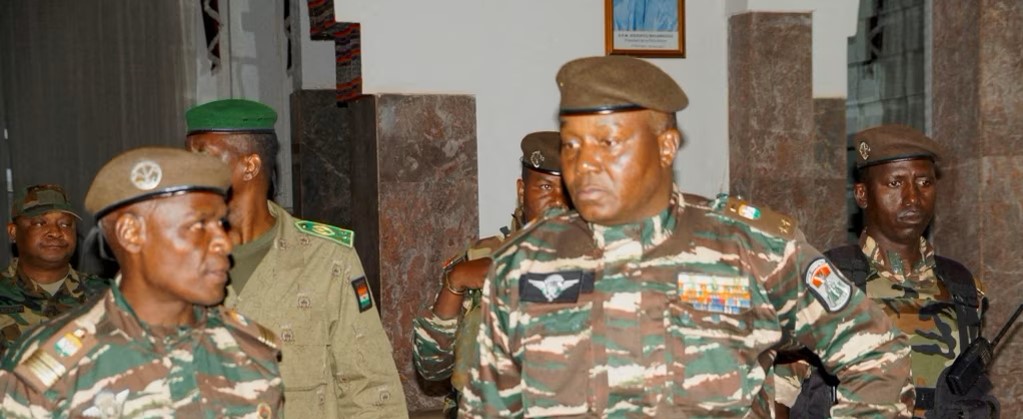
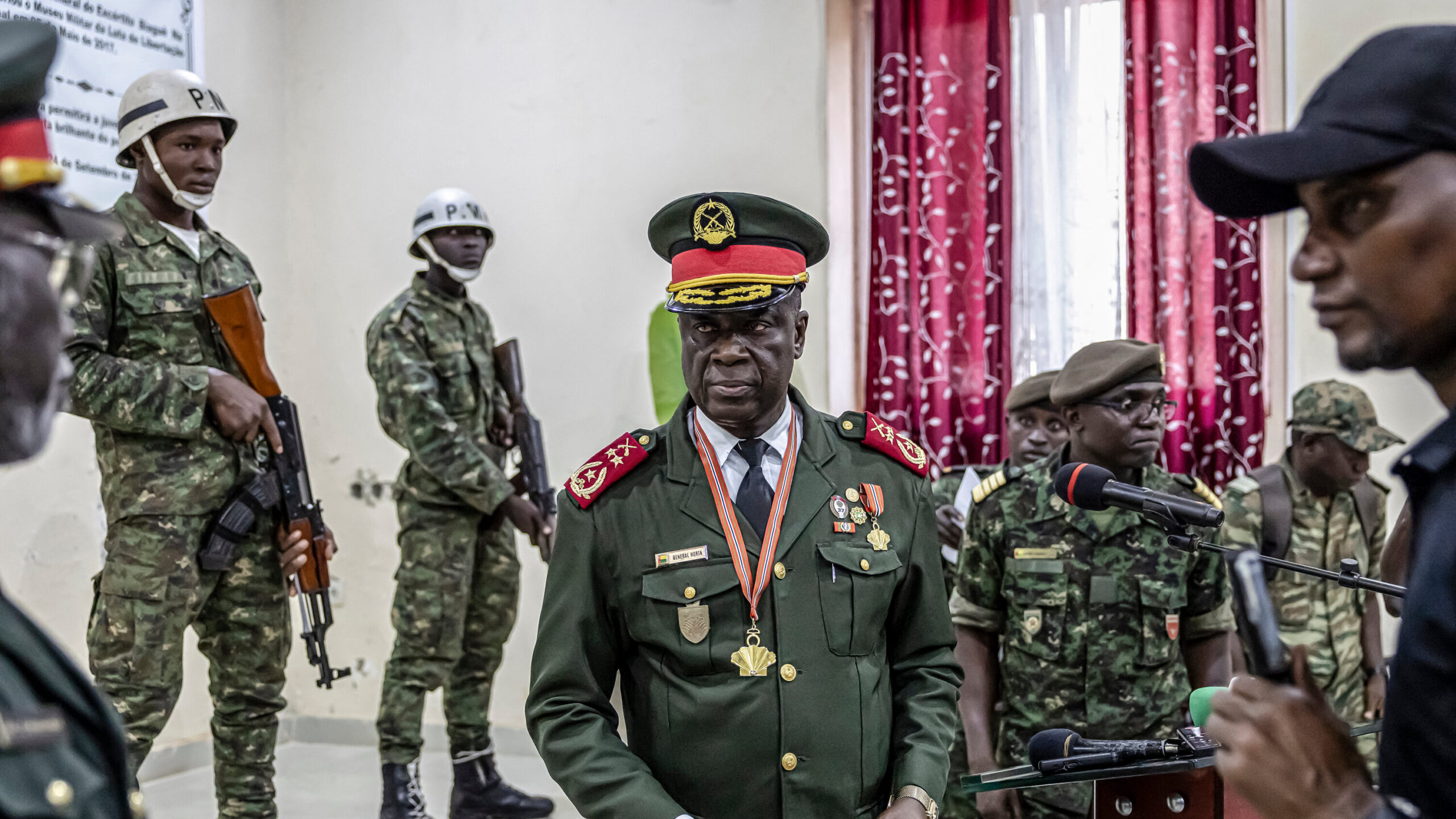
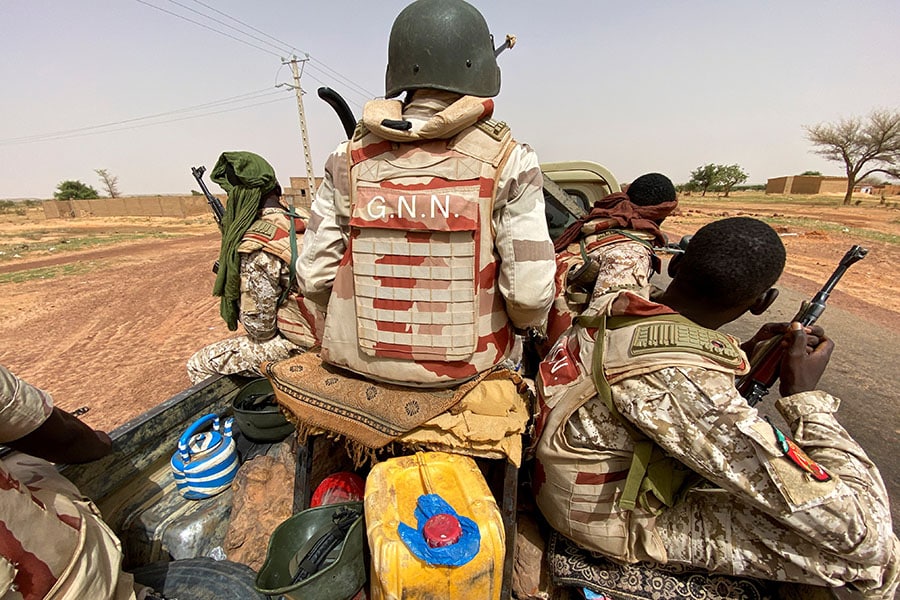
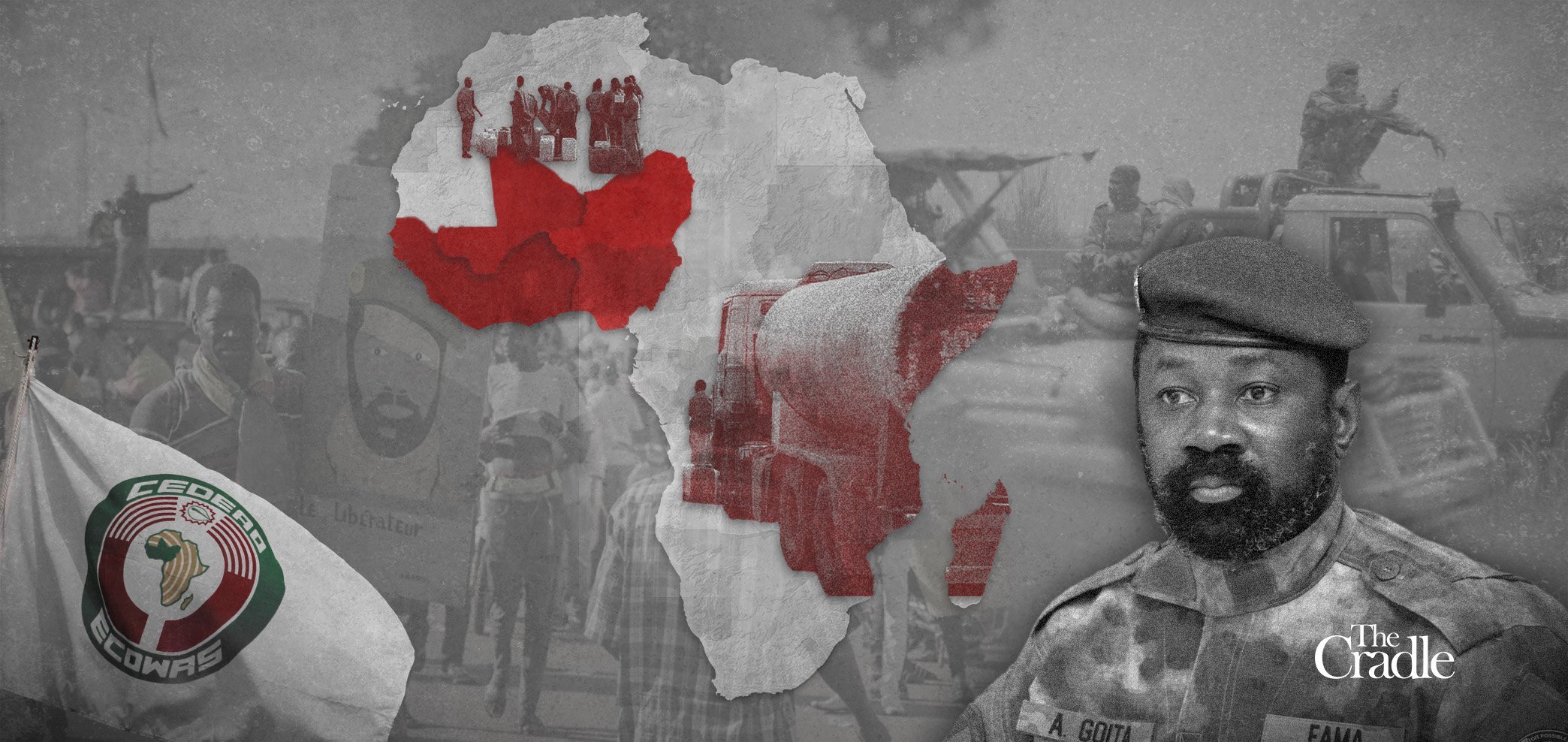
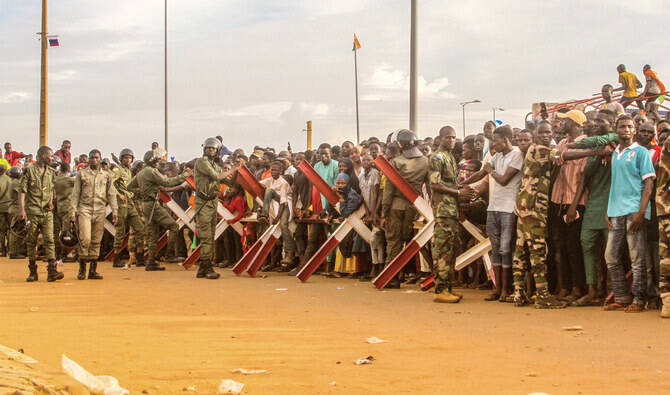
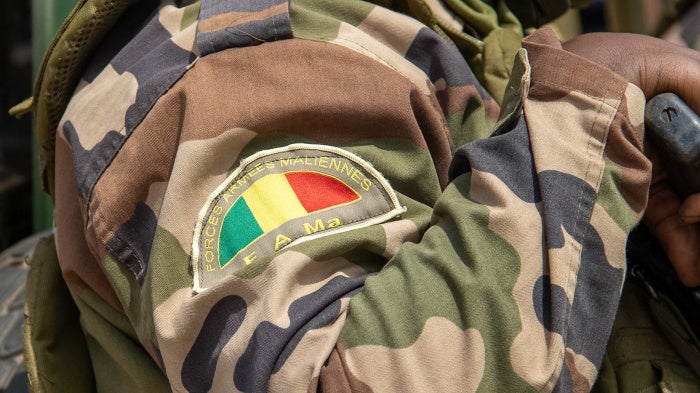
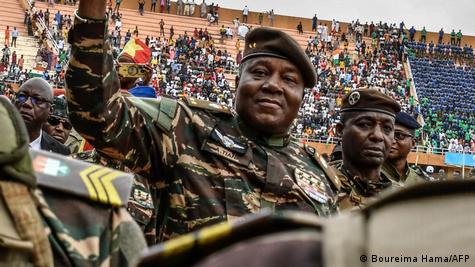
West Africa’s volatile security landscape just got a dramatic jolt. The Alliance of Sahel States, a newly formed military bloc comprising Mali, Niger, and Burkina Faso, didn’t mince words when sharply criticizing the emergency landing of a Nigerian military aircraft on Burkinabe soil. This isn’t just a simple incident, it’s a development that has unmistakably heightened regional tensions and revealed some deep fractures within the broader Sahel security environment. Let’s remember, this Alliance of Sahel States is a fairly new initiative, established on September 17, 2023. These three nations, all led by military governments after recent political upheavals, decided to come together. Why? To enhance security cooperation and forge a collective defense against the persistent threats from extremist and terrorist groups that have long plagued their borders. This joint creation was meant to signify a united approach to tackle the region’s instability. But has this unexpected arrival from a powerful neighbor already tested that fragile unity? It certainly seems so, as the unscheduled landing by the Nigerian Air Force triggered an immediate and forceful response, suggesting a deep-seated apprehension that runs through the region right now.
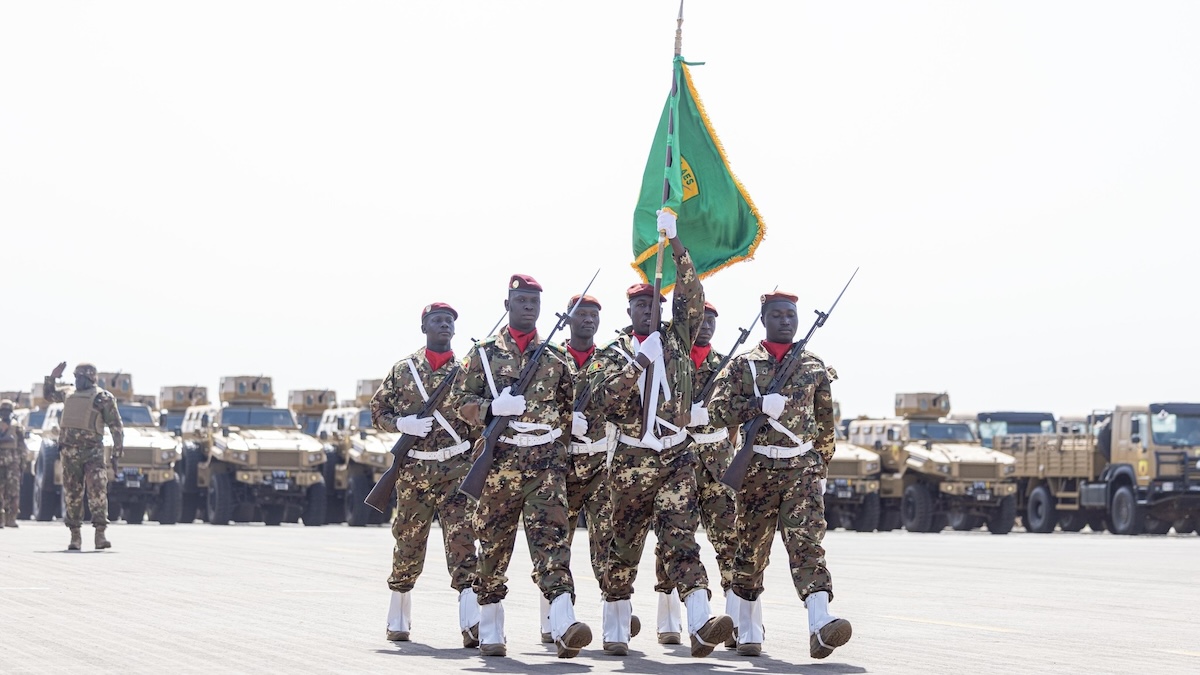
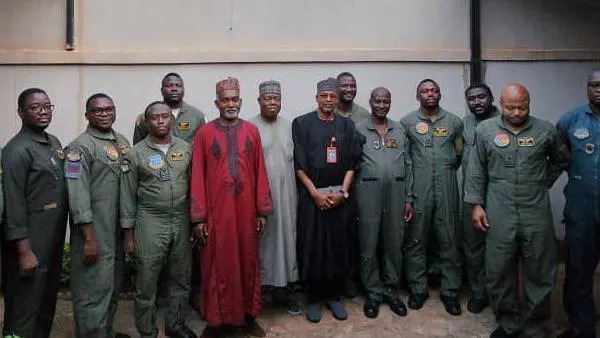
Indeed, it did. The Nigerian Air Force plane’s emergency landing prompted swift condemnation from the Alliance officials. They were clear, labeling Nigeria’s action as unauthorized and a blatant breach of regional sovereignty. This wasn’t merely rhetorical; the alliance activated its air and anti-air defense systems to maximum alert, sending a potent signal of heightened military vigilance against any perceived incursions. This wasn’t a casual reaction, was it? The Sahel Alliance then went further, issuing a clear and stern warning to Nigeria and other external actors: any unauthorized aircraft daring to enter their airspace without prior clearance would be considered hostile and, without hesitation, neutralized. This escalation speaks volumes about the deep-seated anxieties within the alliance, particularly regarding outside interference. It shows a growing, perhaps even fierce, resolve to robustly defend their borders. What’s more, this whole incident has unfortunately shed light on the fragile state of Nigeria-Burkina Faso relations. Historically, they’ve seen periods of cooperation, but new strains are definitely emerging under these shifting geopolitical dynamics. Nigeria’s military, which often battles its own counter-insurgency wars against groups like Boko Haram, might have indeed been looking for a tactical emergency landing due to operational necessities. Yet, the Sahel bloc’s intensely firm reaction underscores a prevailing mistrust and suspicion that seems to permeate regional security discussions at this critical juncture.
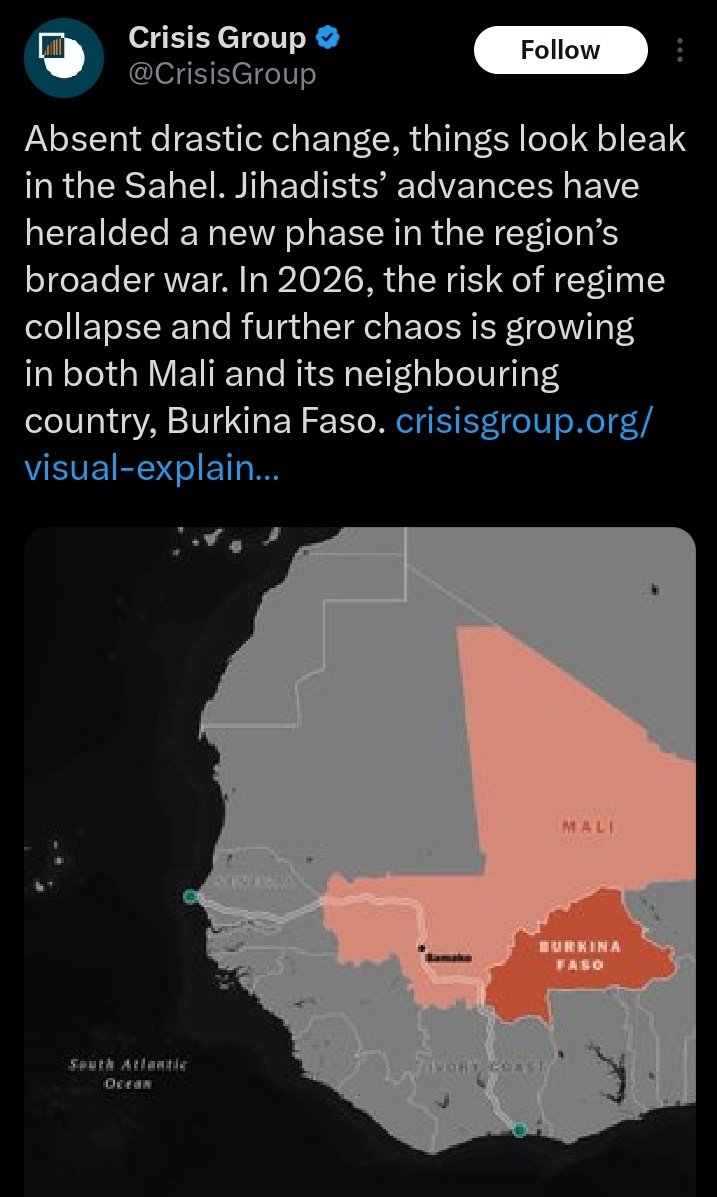
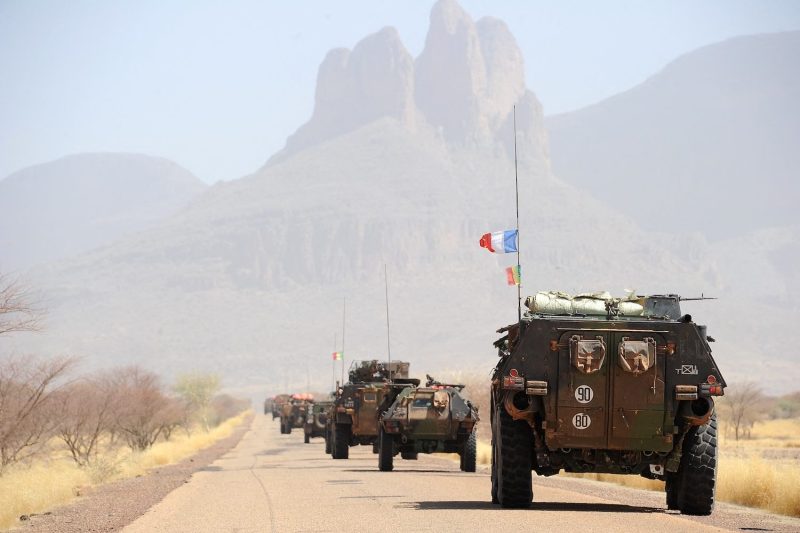
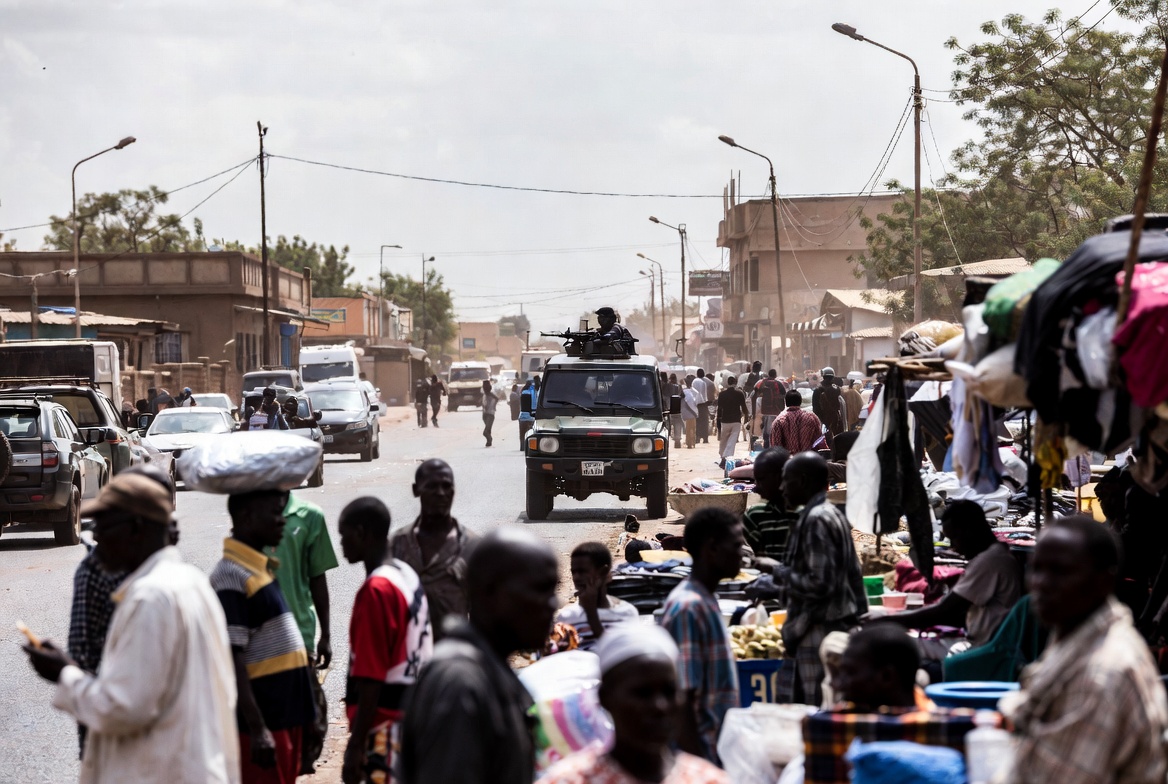
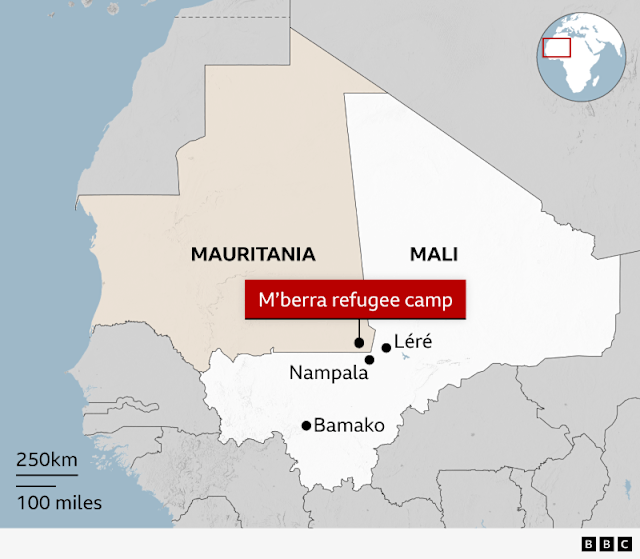
Beyond the immediate bilateral concerns, this episode really encapsulates the broader, formidable challenges facing the Sahel. Consider Mali, one of the alliance members. It’s grappling with an alarmingly expanding security threat from al Qaeda affiliates. Their influence is steadily growing despite various international efforts, including the contentious involvement from reported Russian mercenaries who are supposedly there to help counter jihadist forces. The United States has even recently issued stark warnings, urging Americans to depart Mali amid fears of a complete takeover by extremist groups. This intensifying threat significantly complicates the alliance’s already difficult security calculus and might partly explain the extreme defensiveness shown after the Nigerian plane incident. And then there’s Burkina Faso, strategically located but also caught between these overlapping conflicts and its neighbors’ political upheavals. It’s a critical player, yet a vulnerable target. The alliance’s collective, strong response to the emergency landing emphasizes its determination to assert sovereignty and control over its airspace amidst spiraling instability. Looking ahead, the Sahel Alliance isn’t just facing a few problems; it confronts a complex matrix of internal instability, porous borders, and foreign military involvement, all compounded by that ever-growing jihadist threat. These realities demand coordinated, pragmatic responses that skillfully balance robust defense with crucial diplomatic engagement. The recent emergency landing episode serves as a powerful, cautionary tale about the consequences of missteps in this fraught environment. Can the alliance harness its collective will effectively? If so, it might just forge a stronger frontline against the pervasive insecurity that has long plagued these Sahelian nations. Ultimately, the region’s future security hinges on the alliance’s ability to manage its internal cohesion, deter unauthorized foreign military actions, and confront extremism, all while maintaining constructive relationships with vital neighbors like Nigeria. Observers across the globe will certainly be watching closely as these complex dynamics evolve, hoping the region can find a much-needed equilibrium between sovereignty and essential cross-border collaboration.