Burkina Faso Navigates Escalating Humanitarian Crisis, Press Clampdown, and Diplomatic Standoff
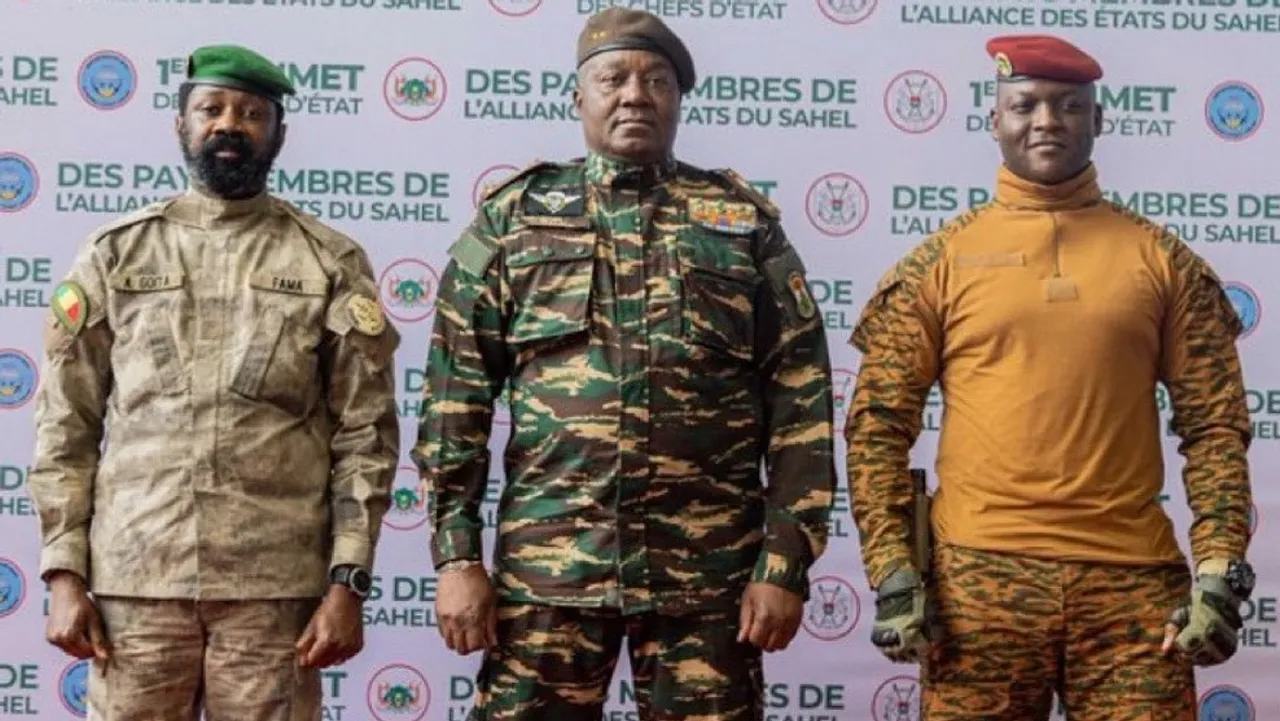
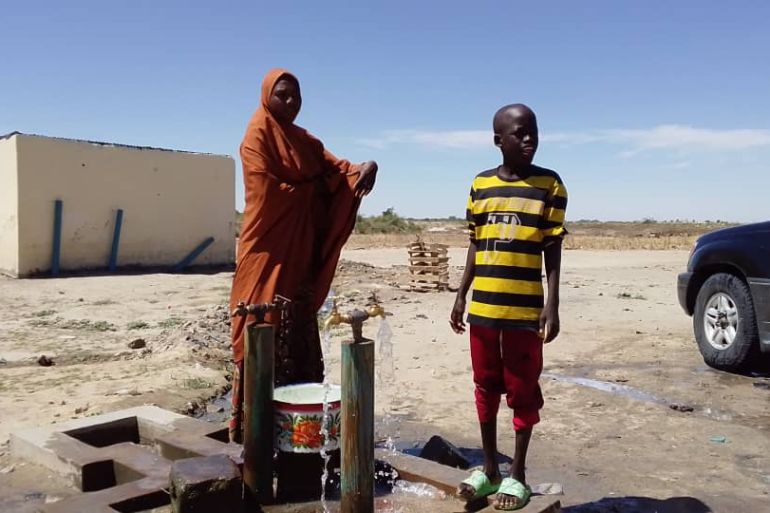
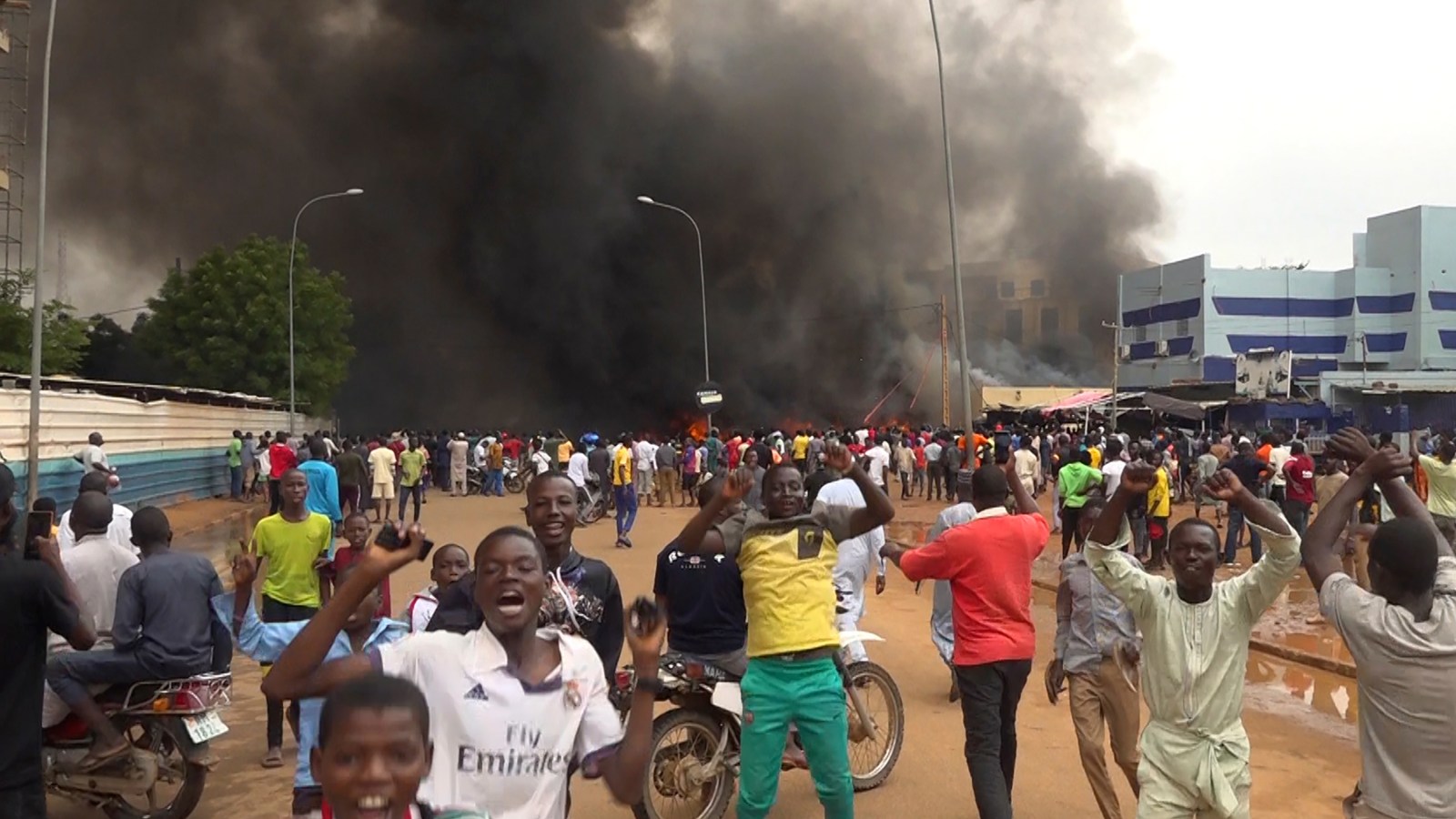
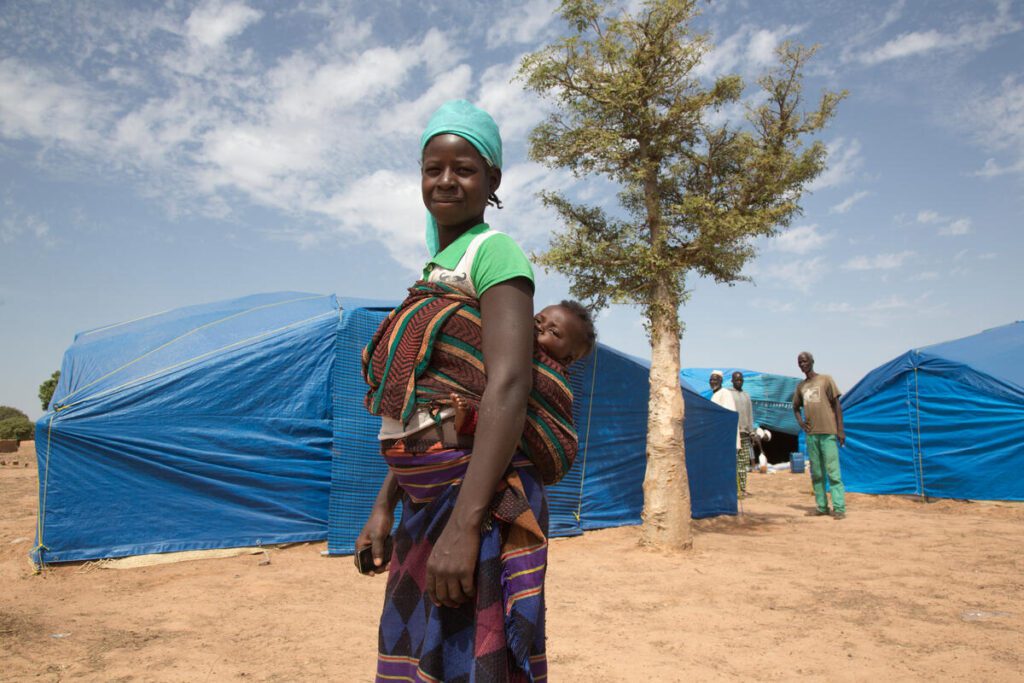
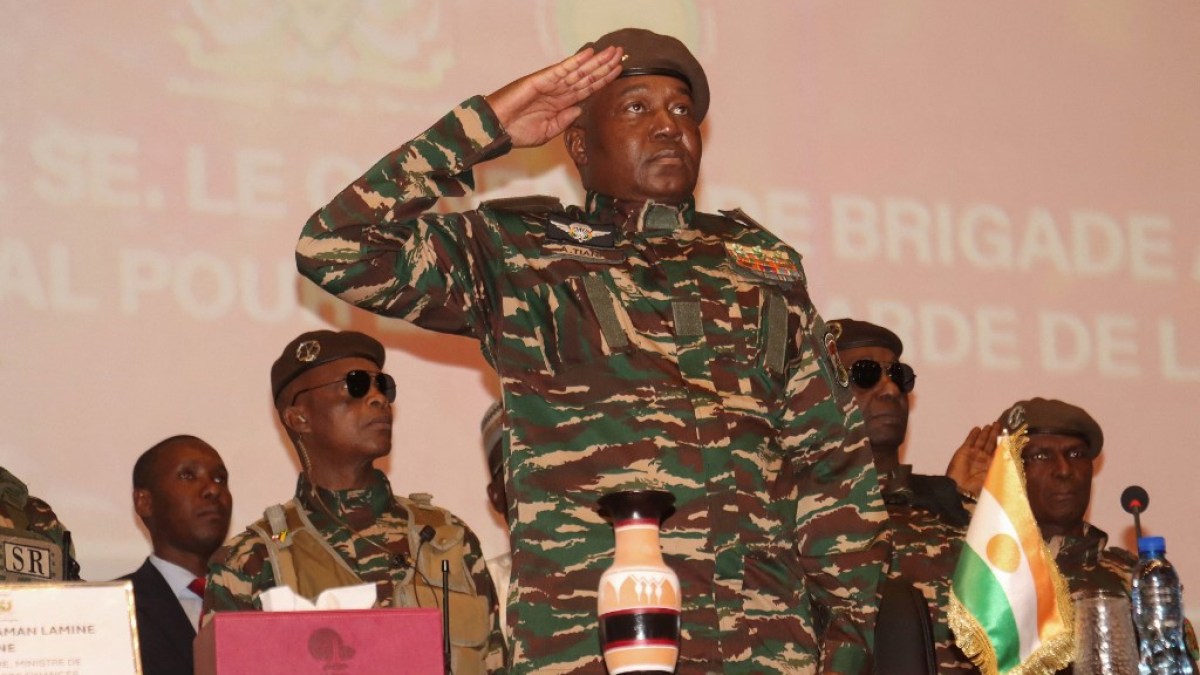
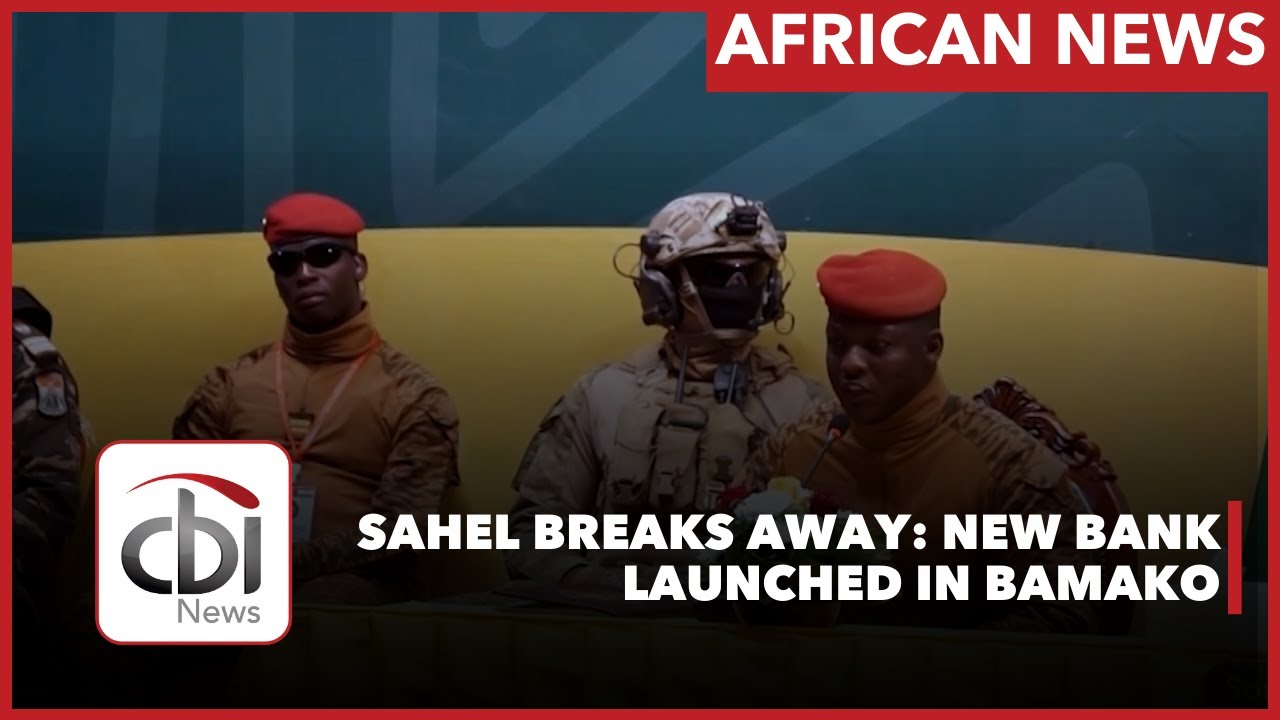
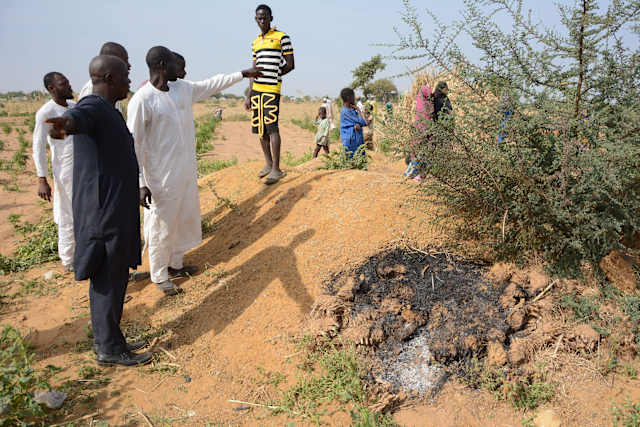
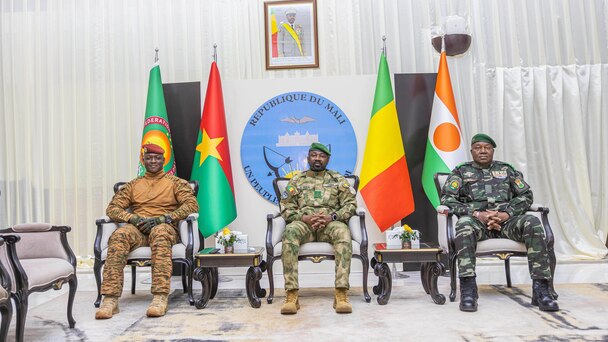
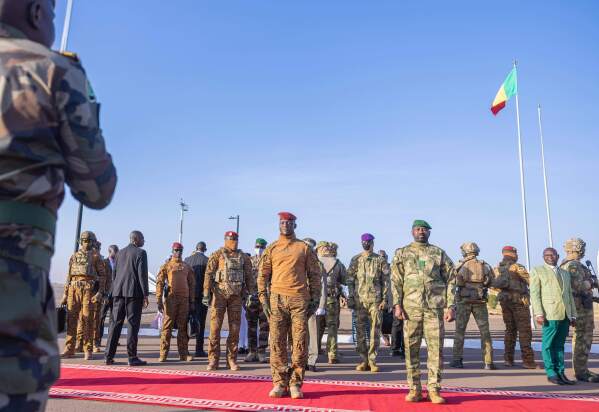
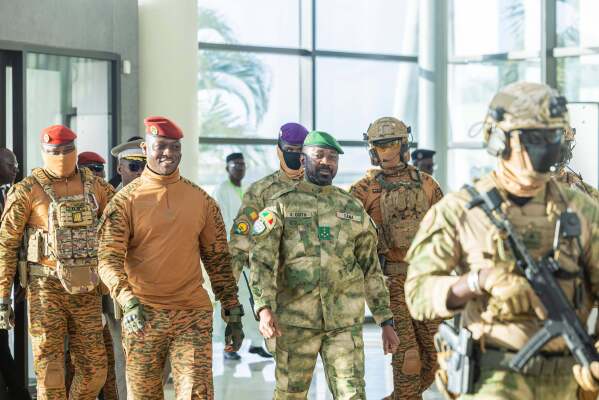
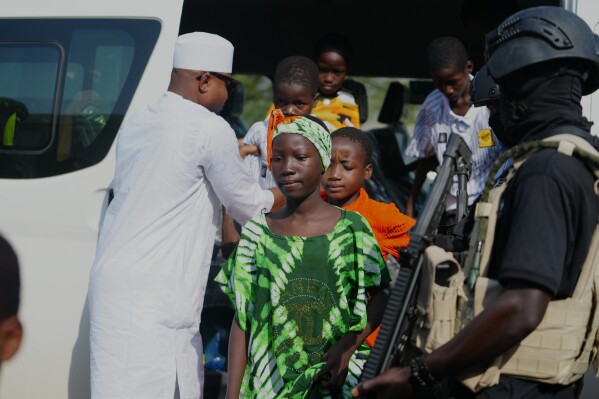
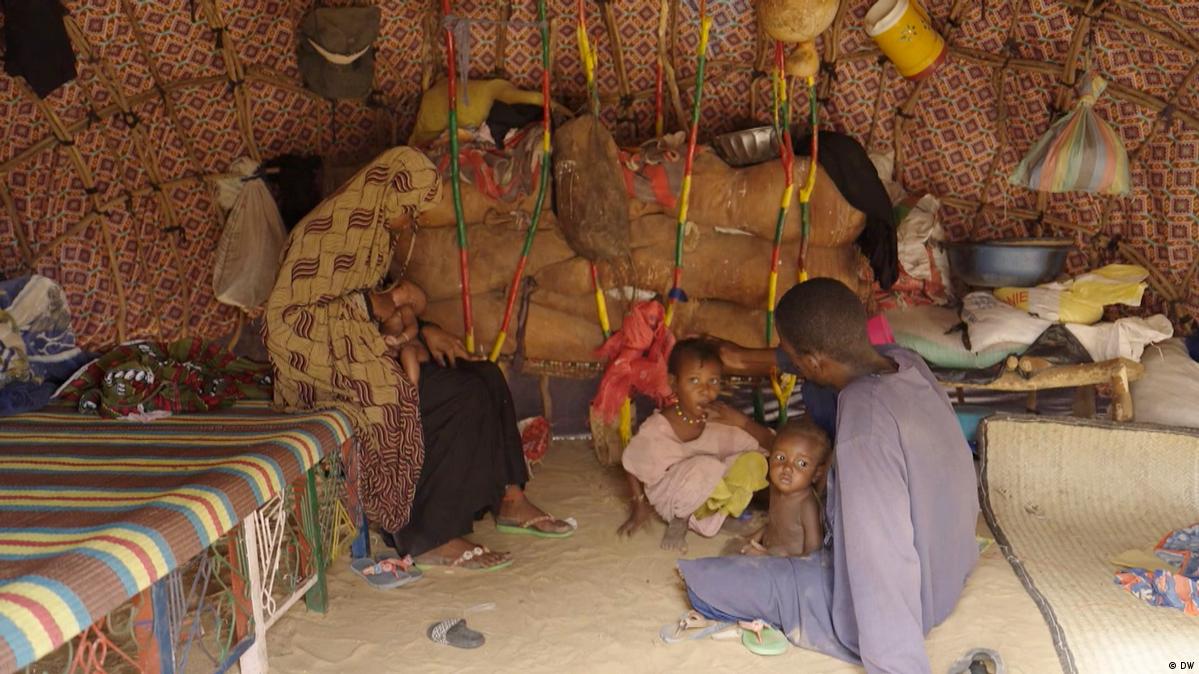
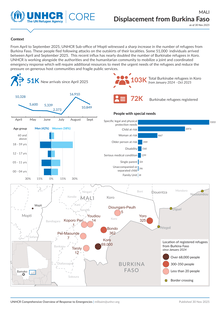
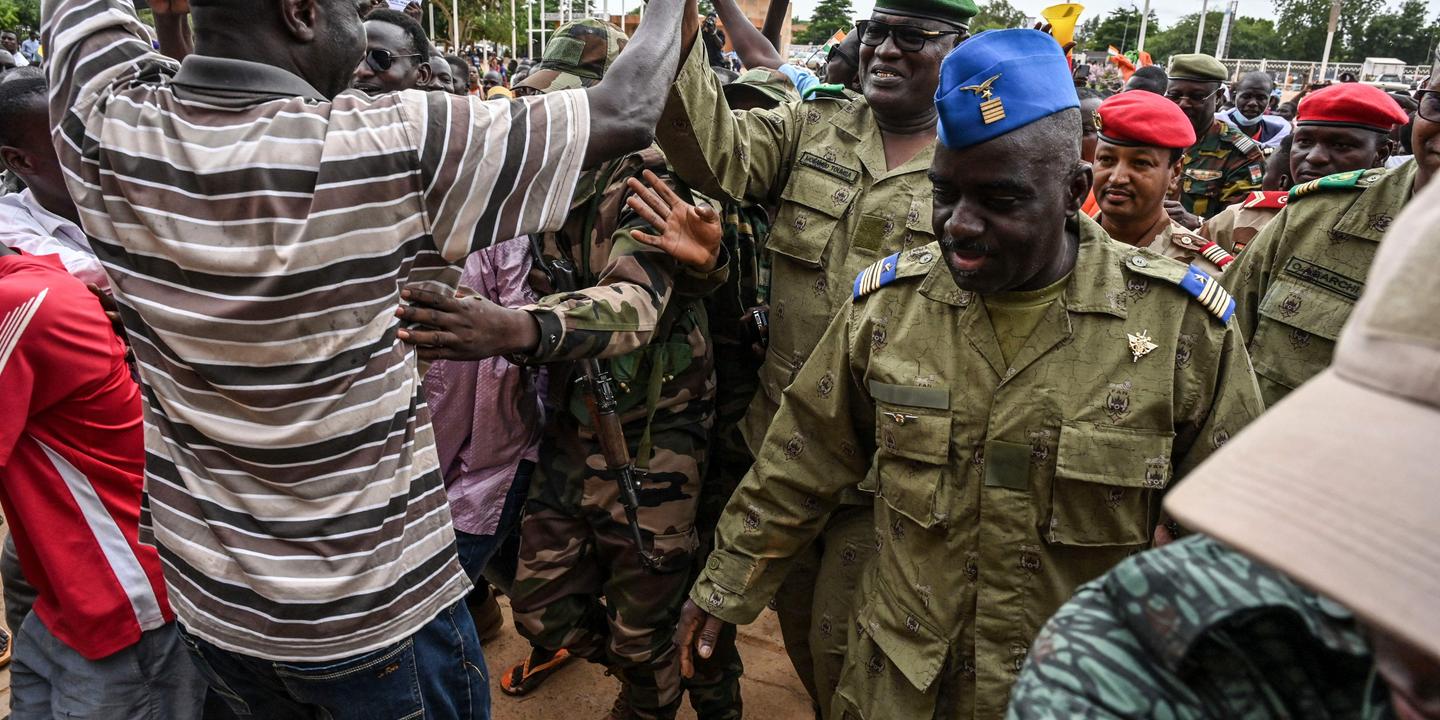
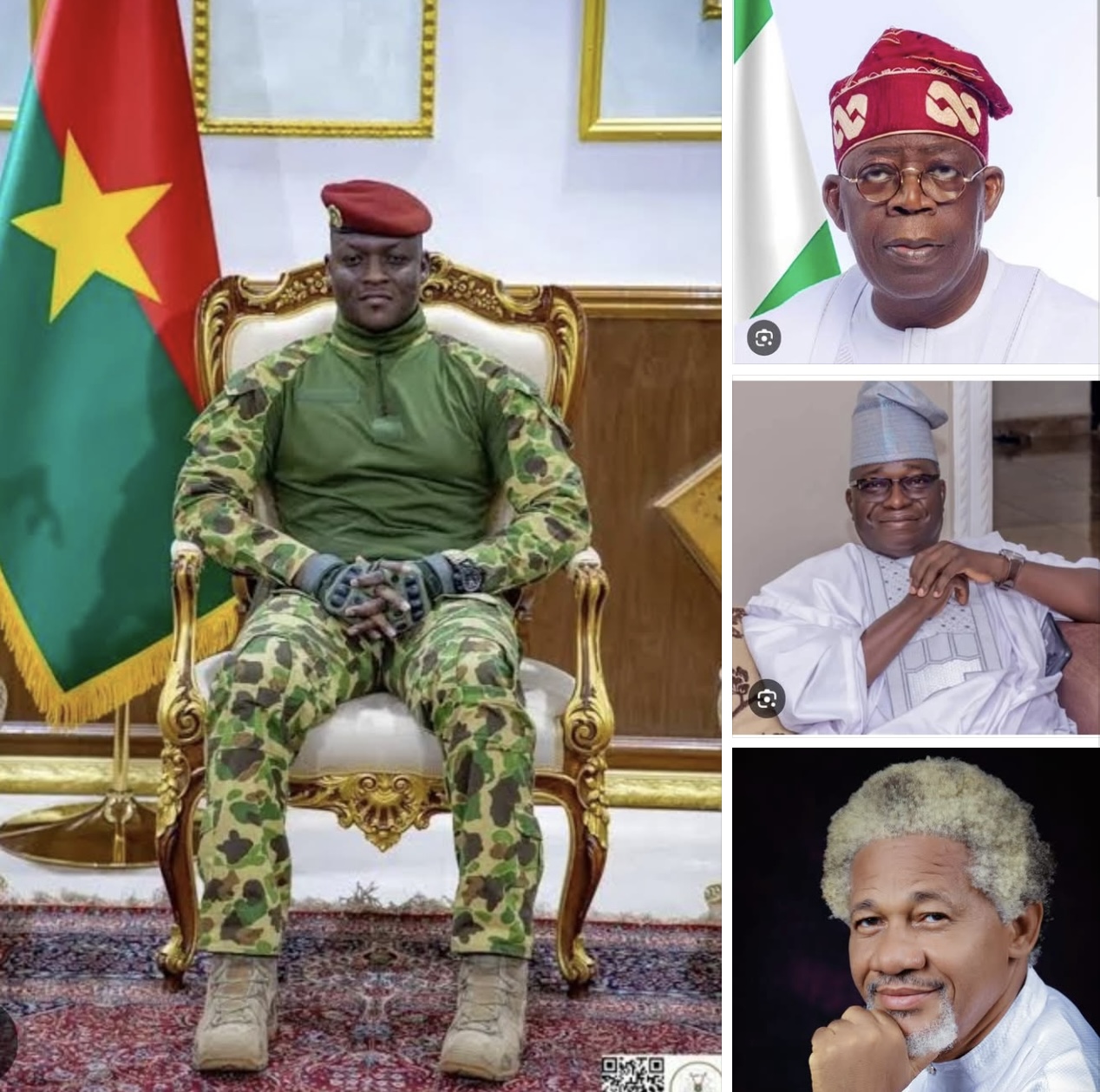
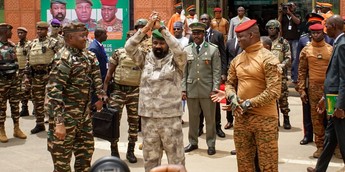
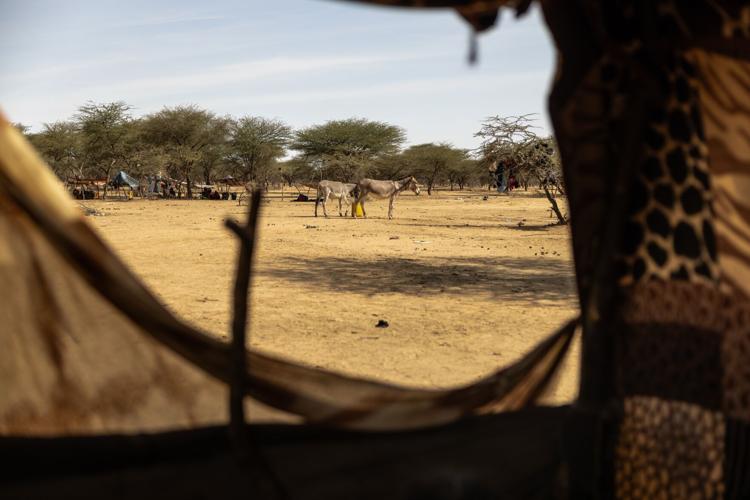
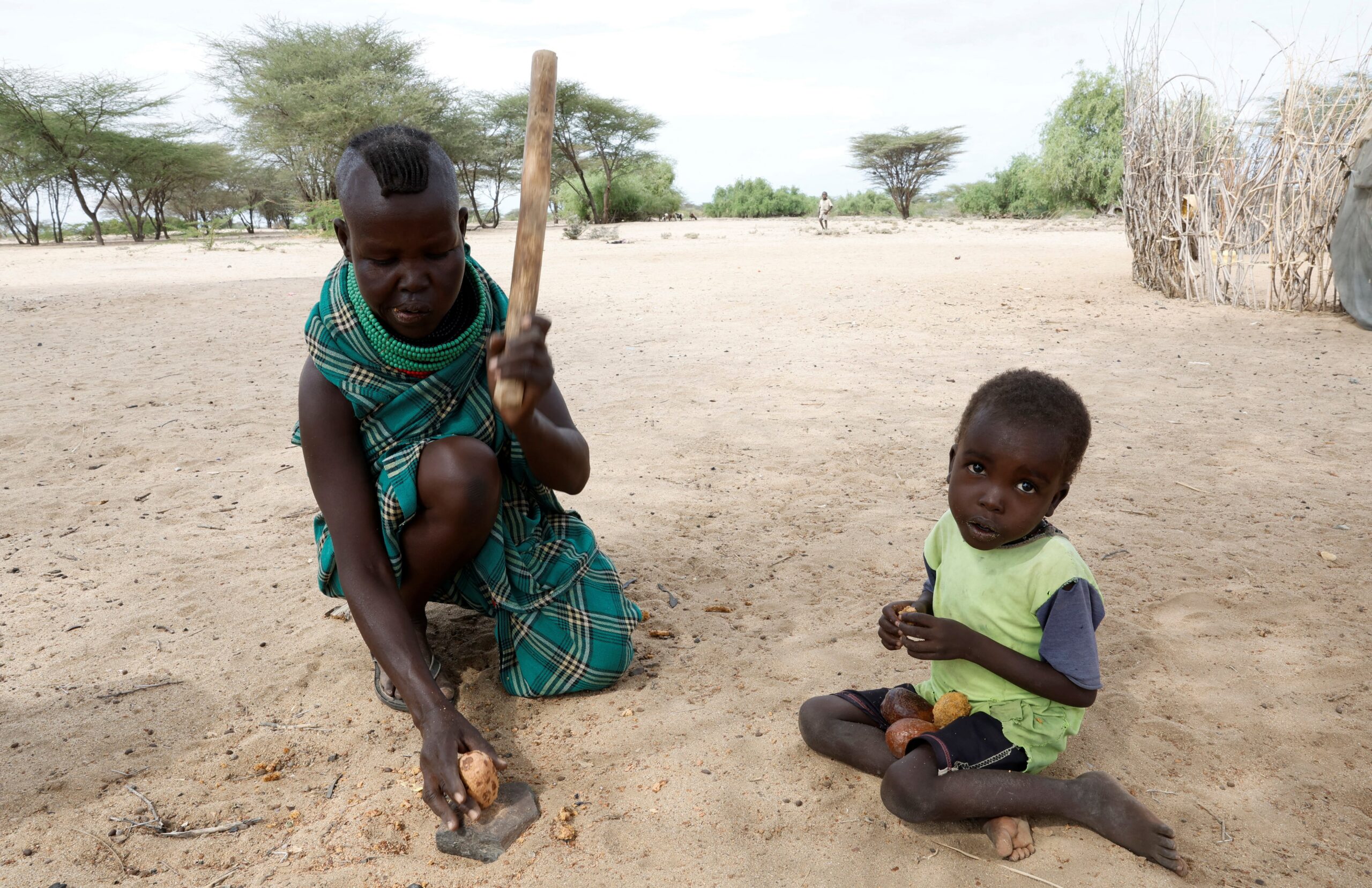
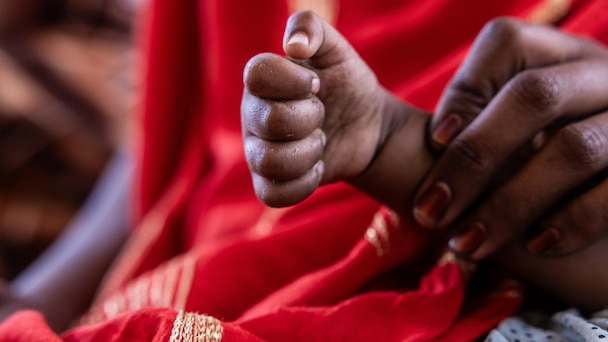
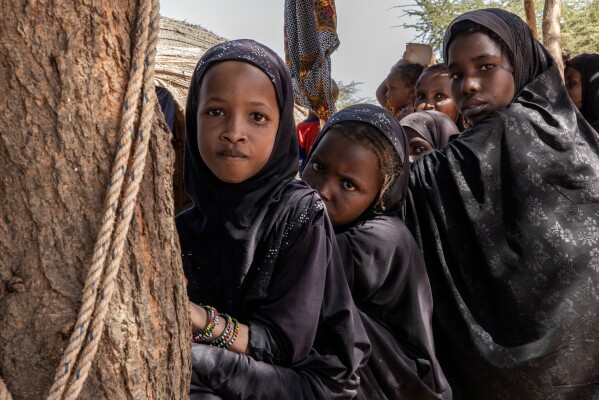
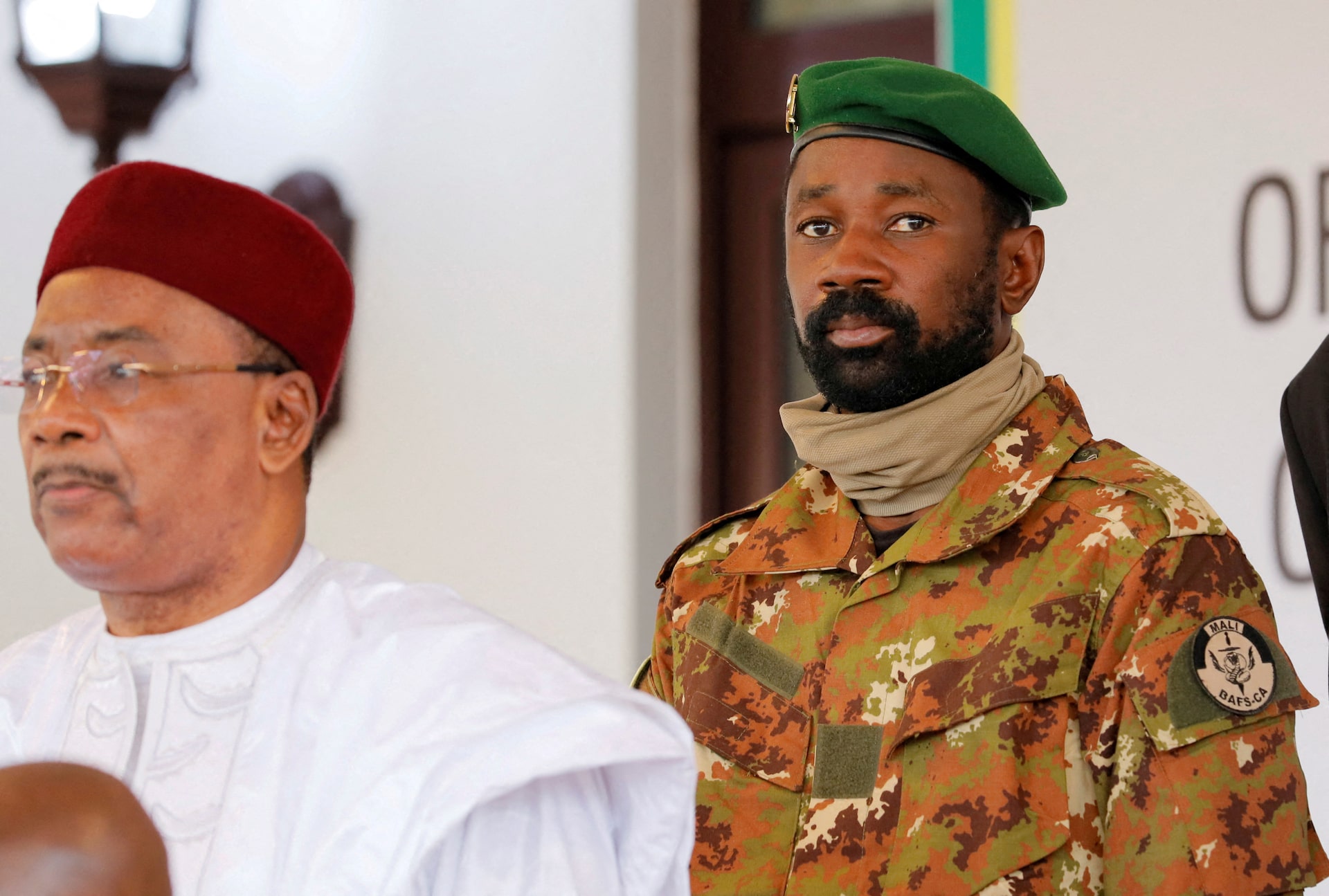
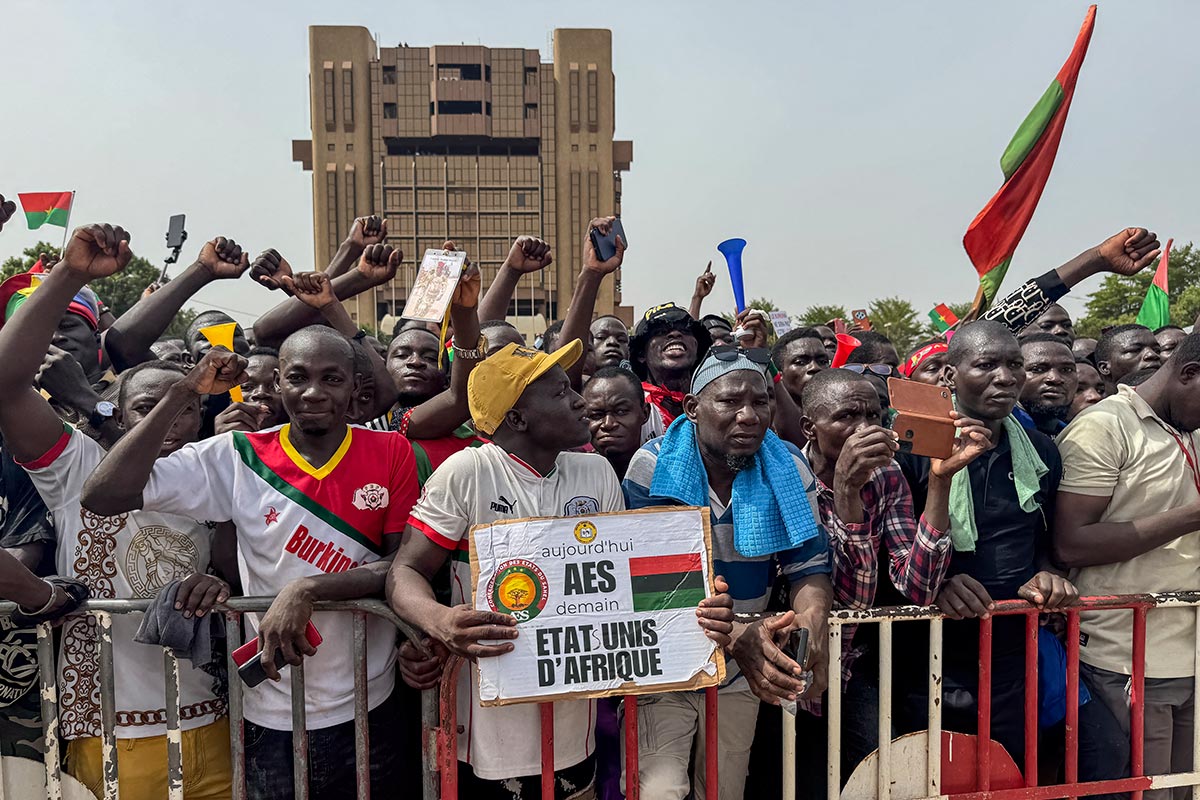
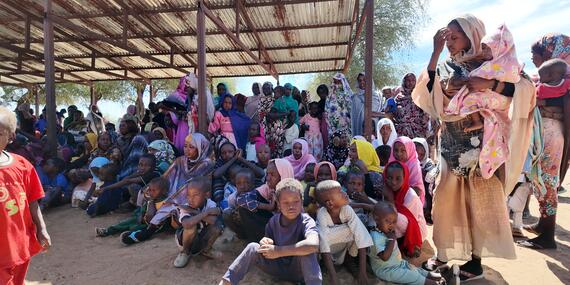
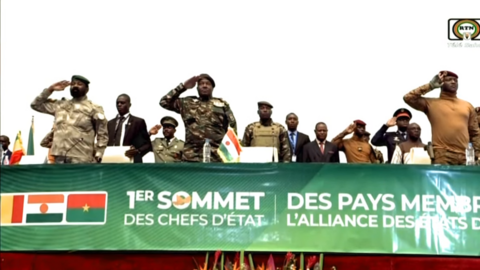
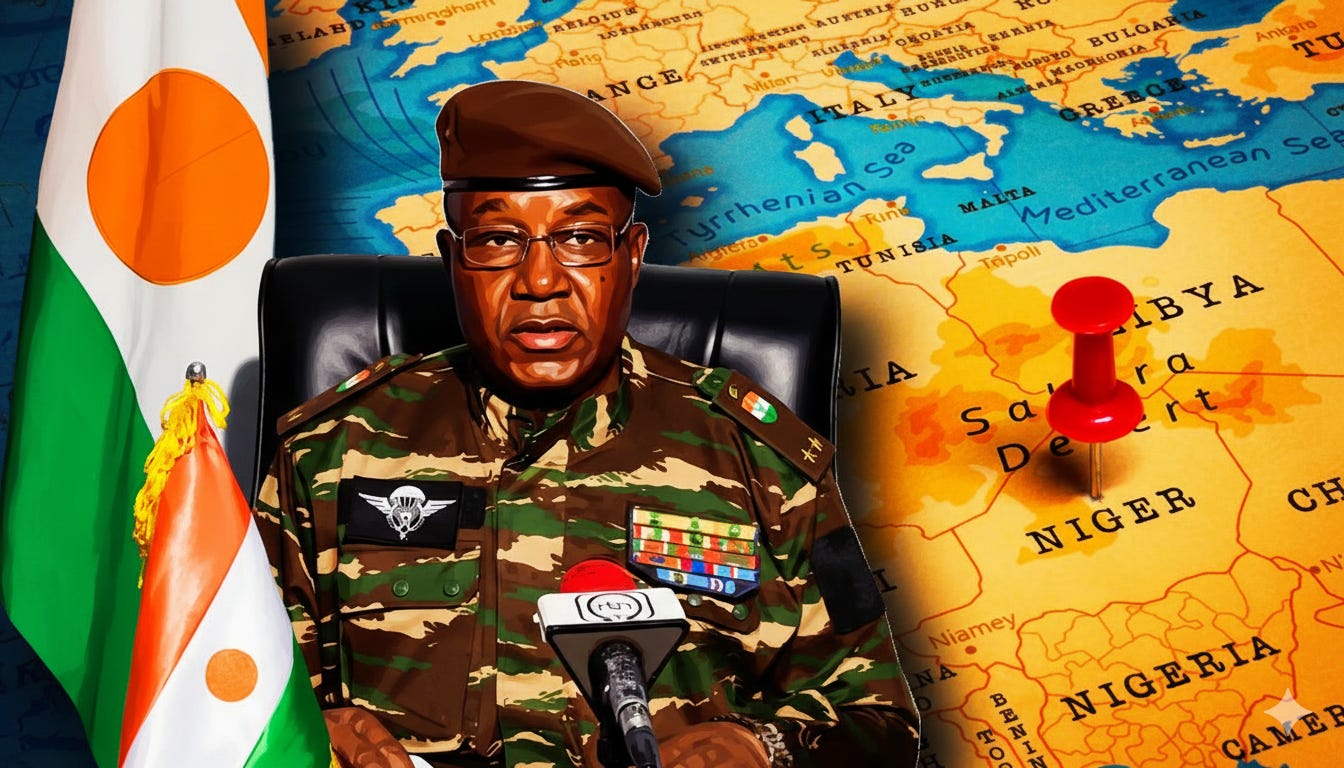
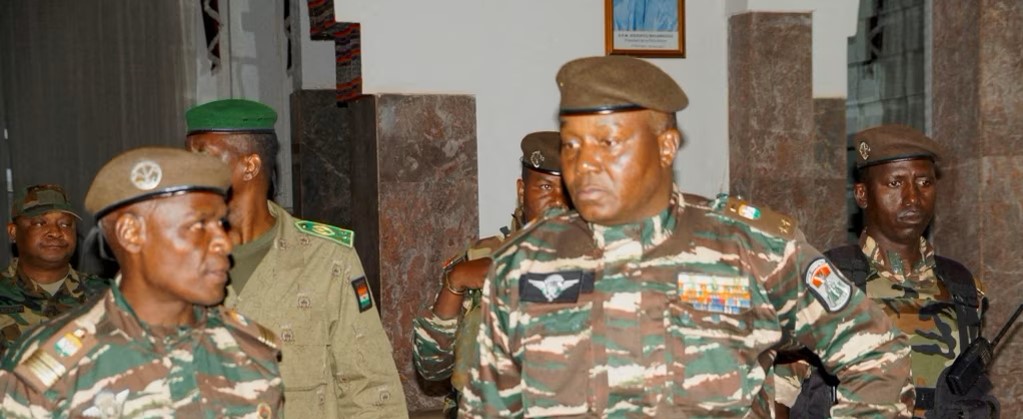
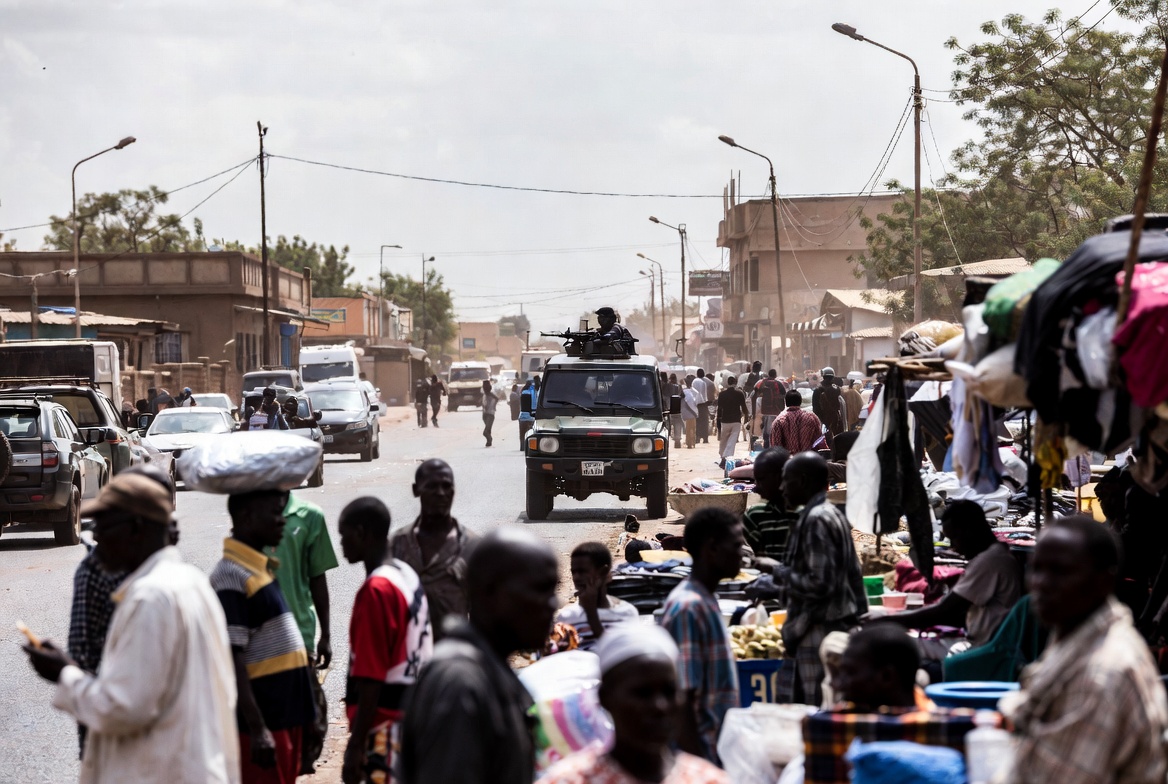
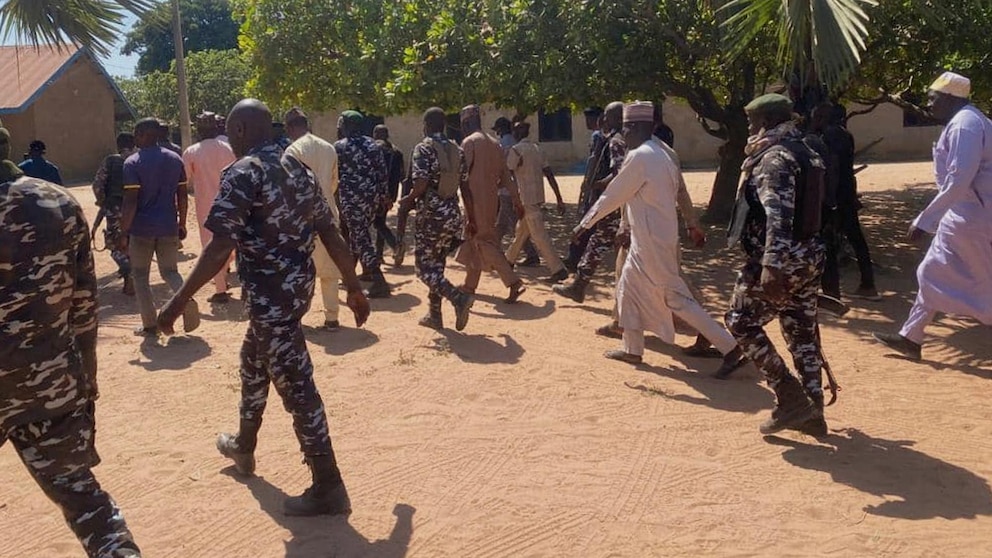
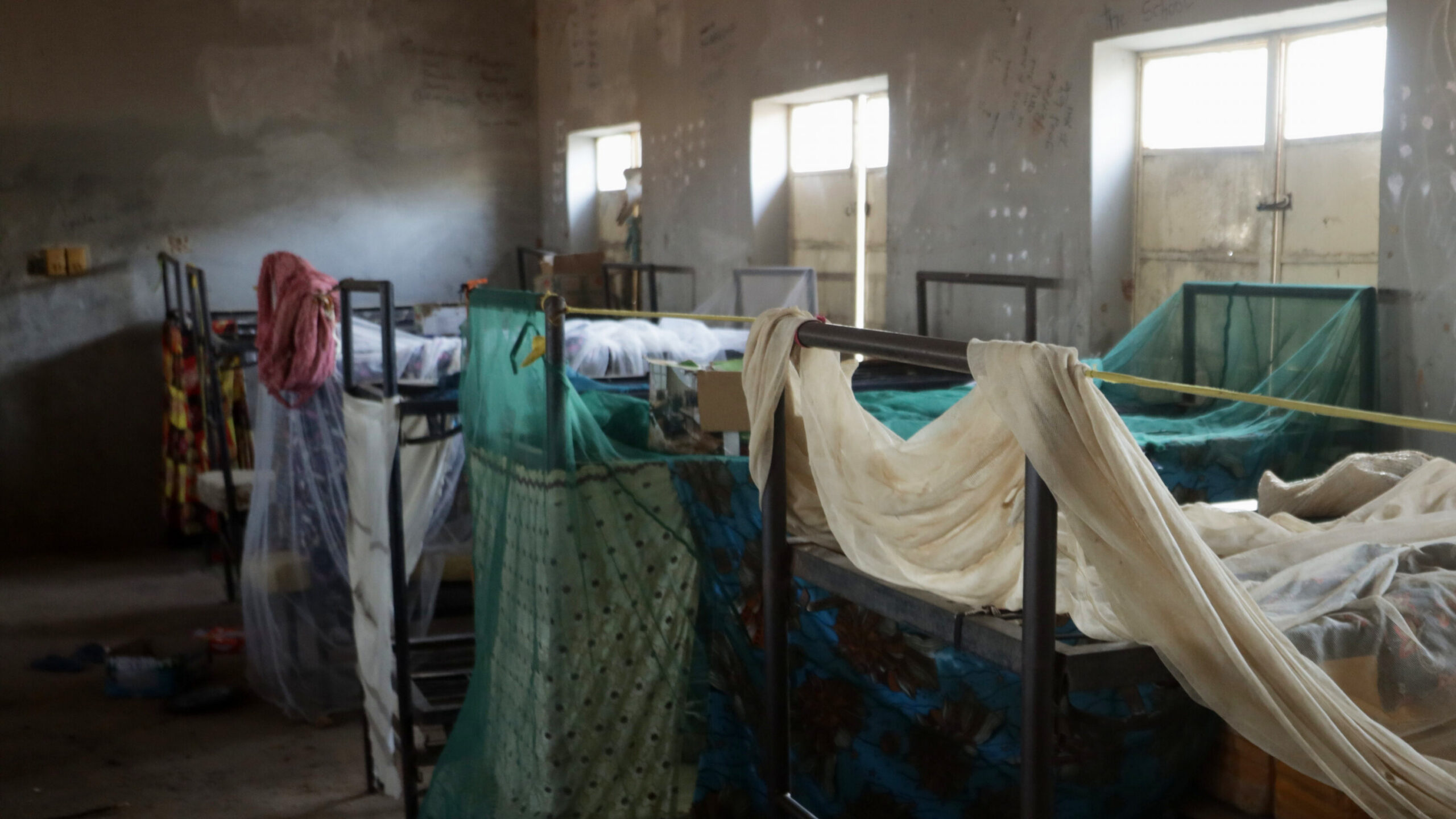
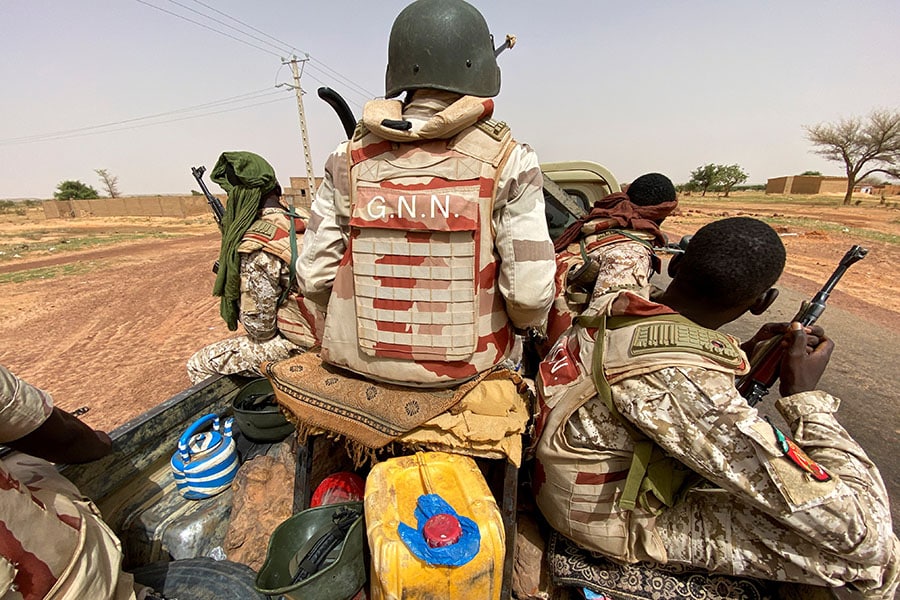
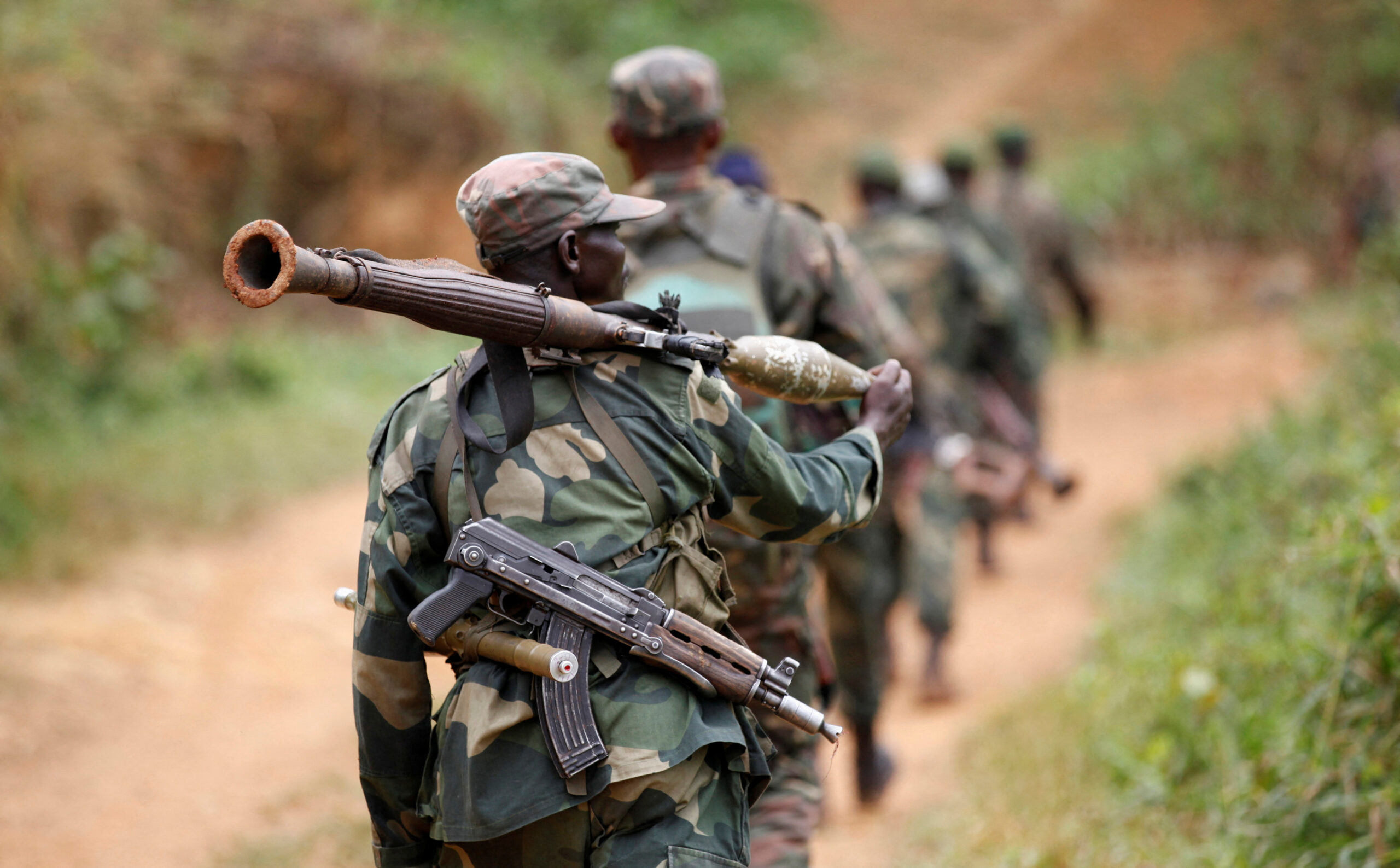
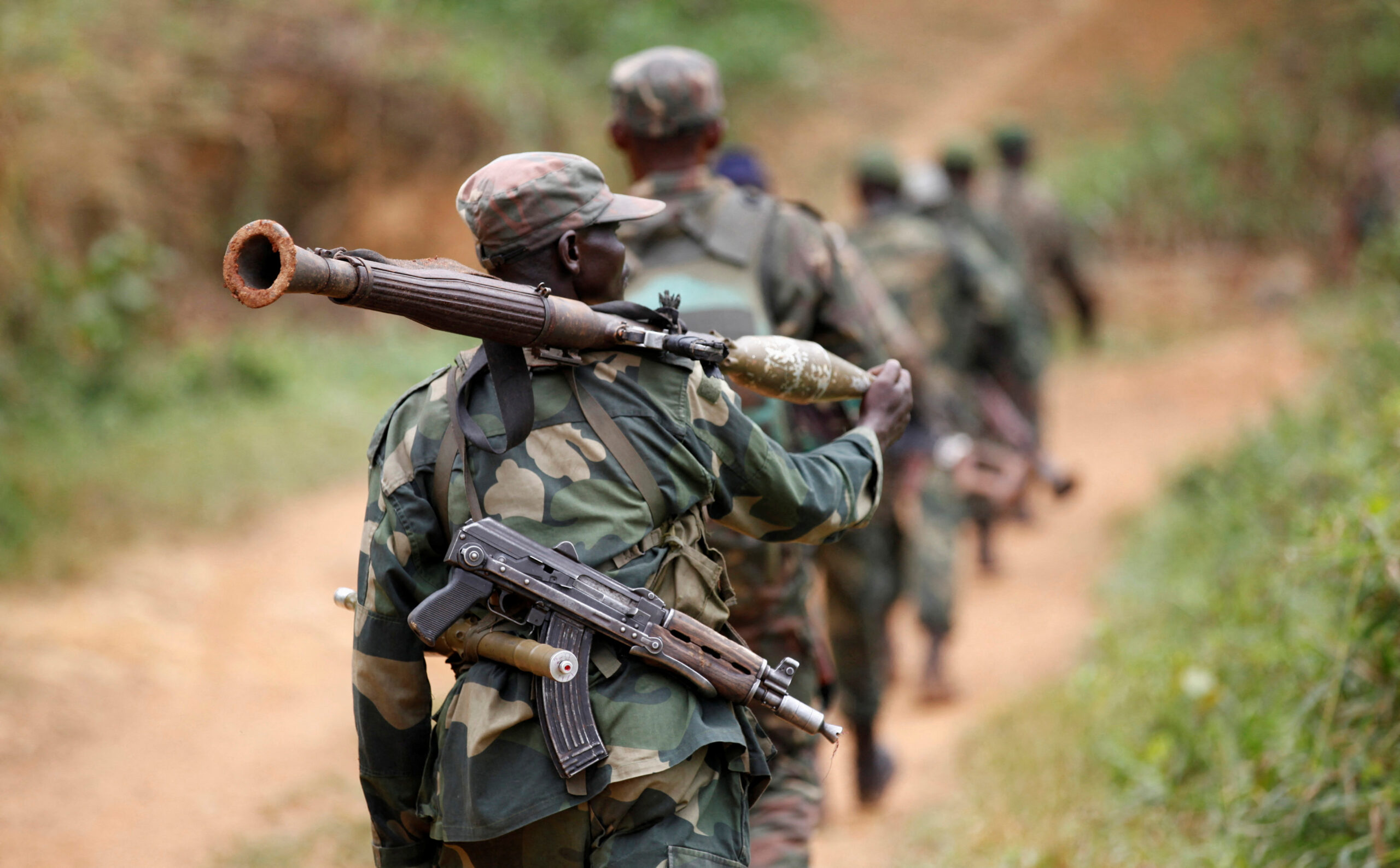
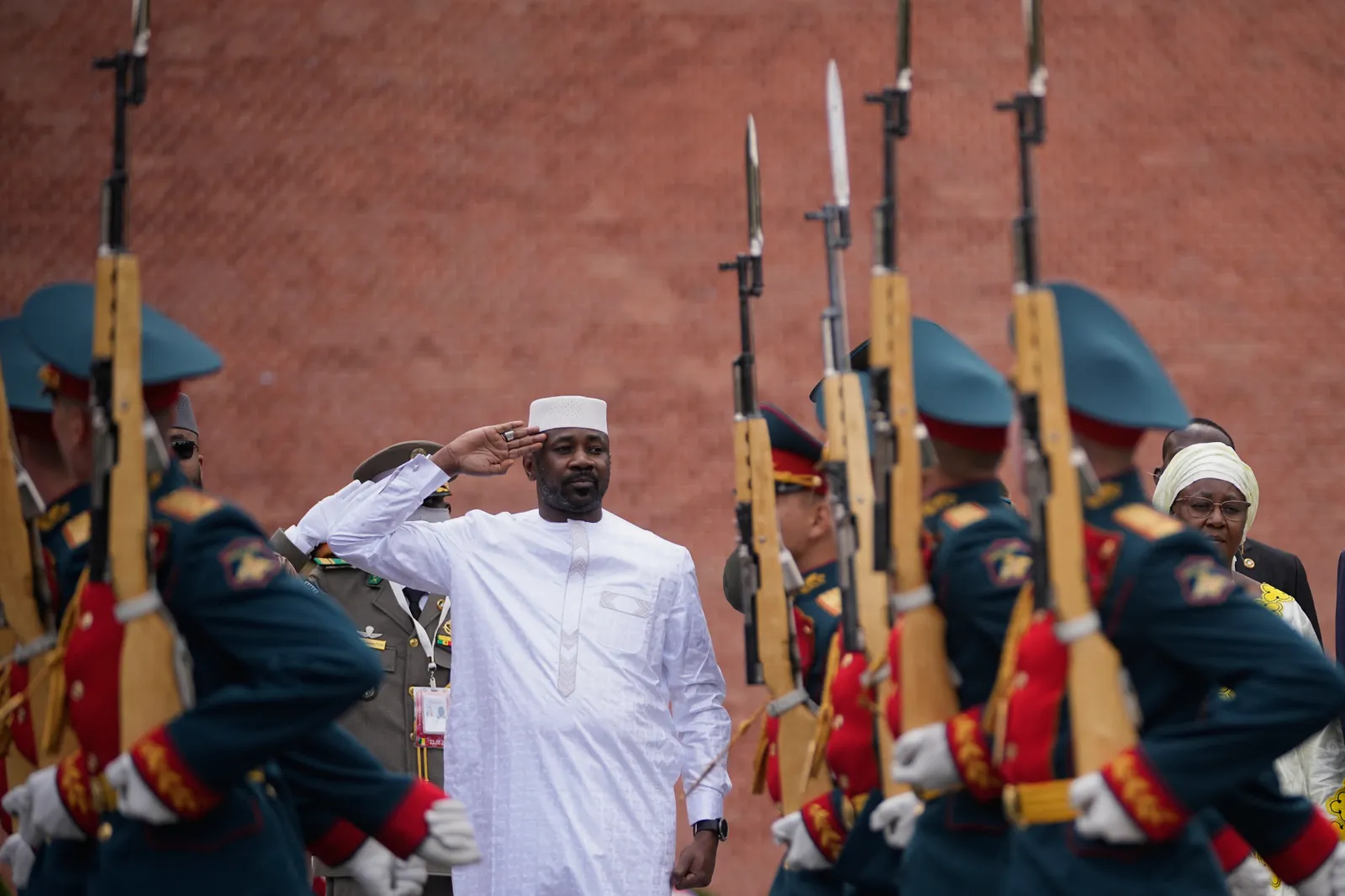
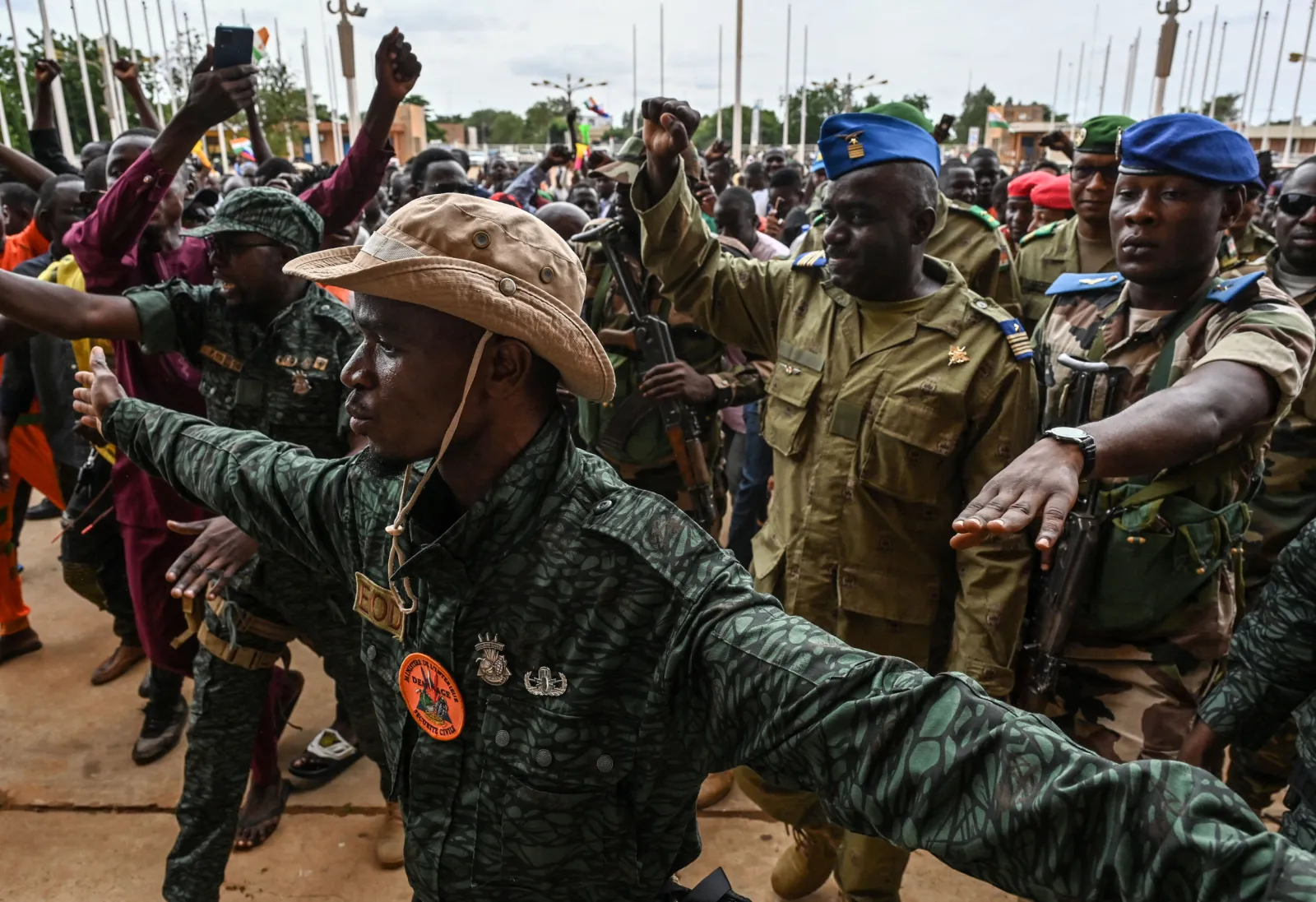
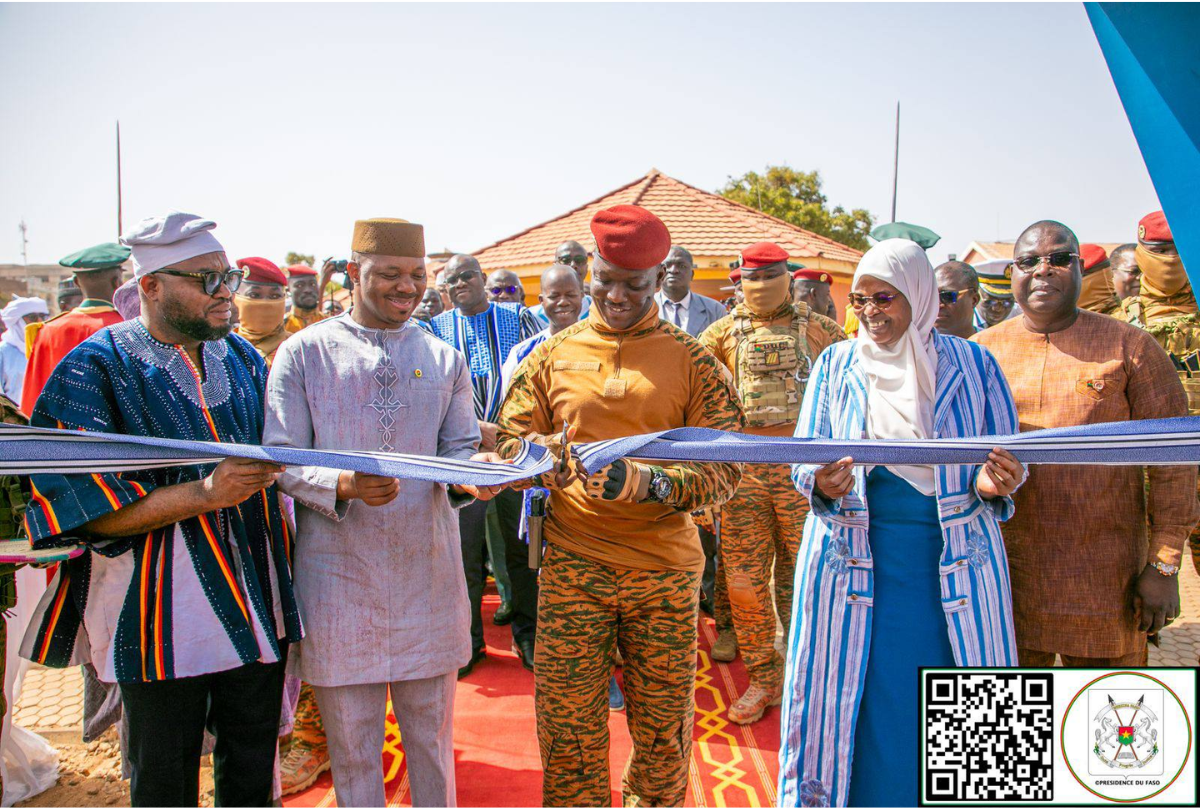
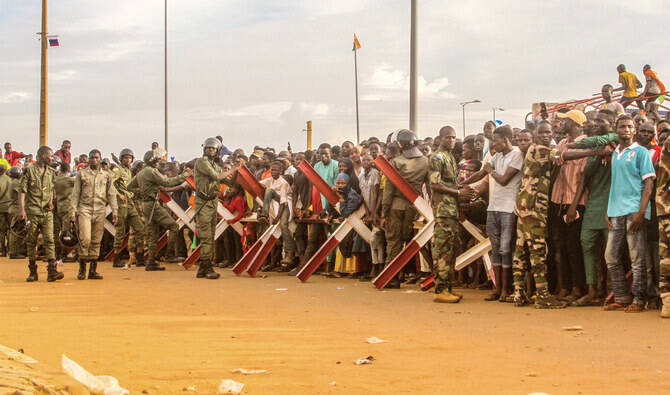
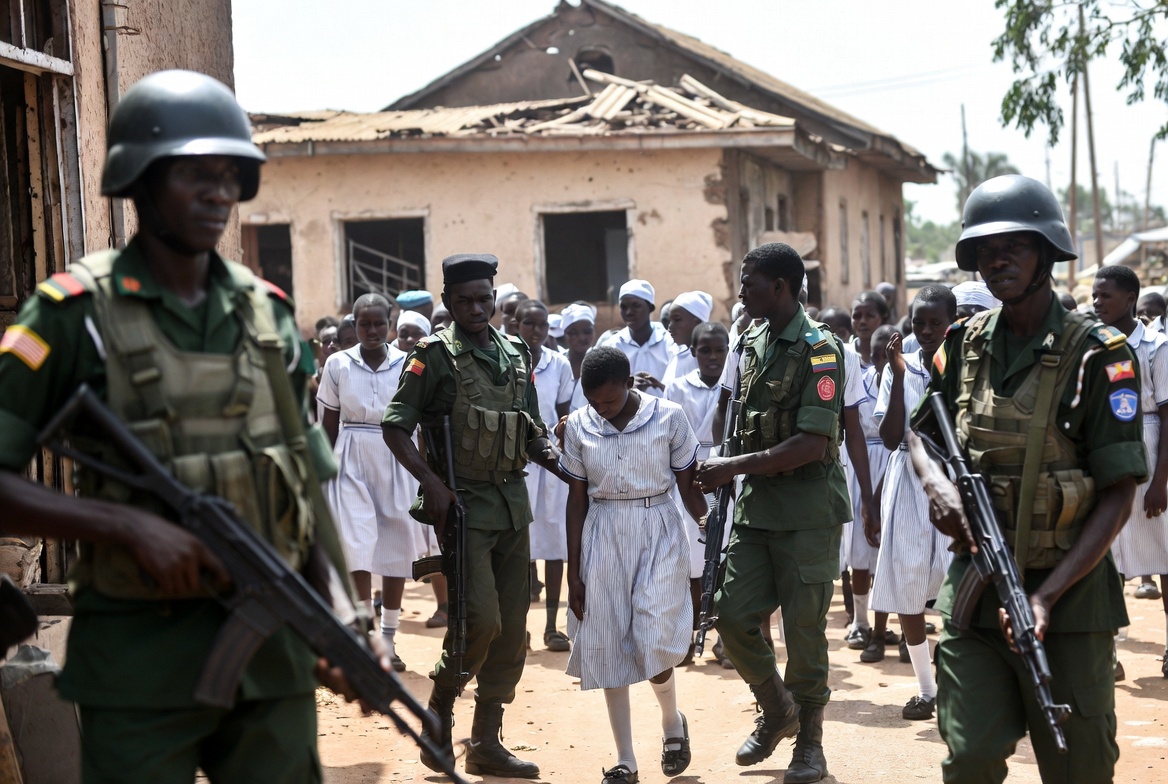
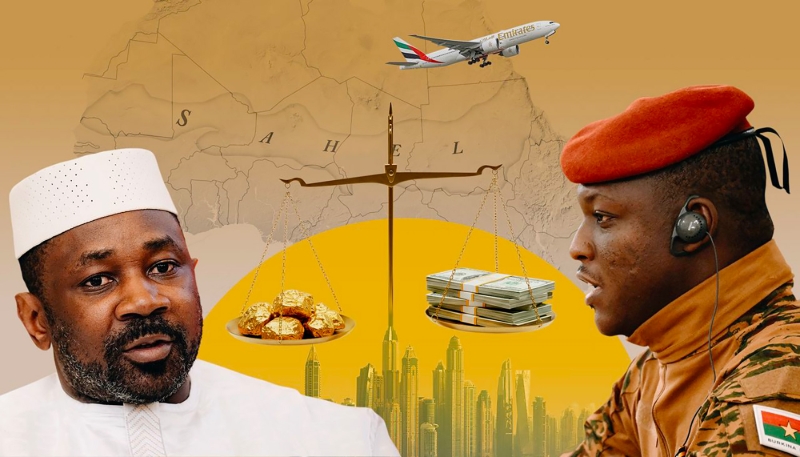
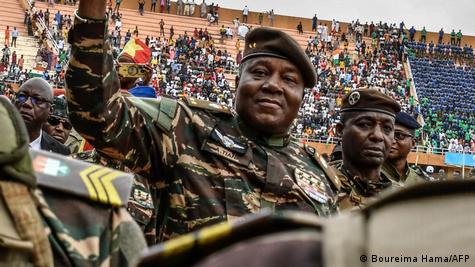
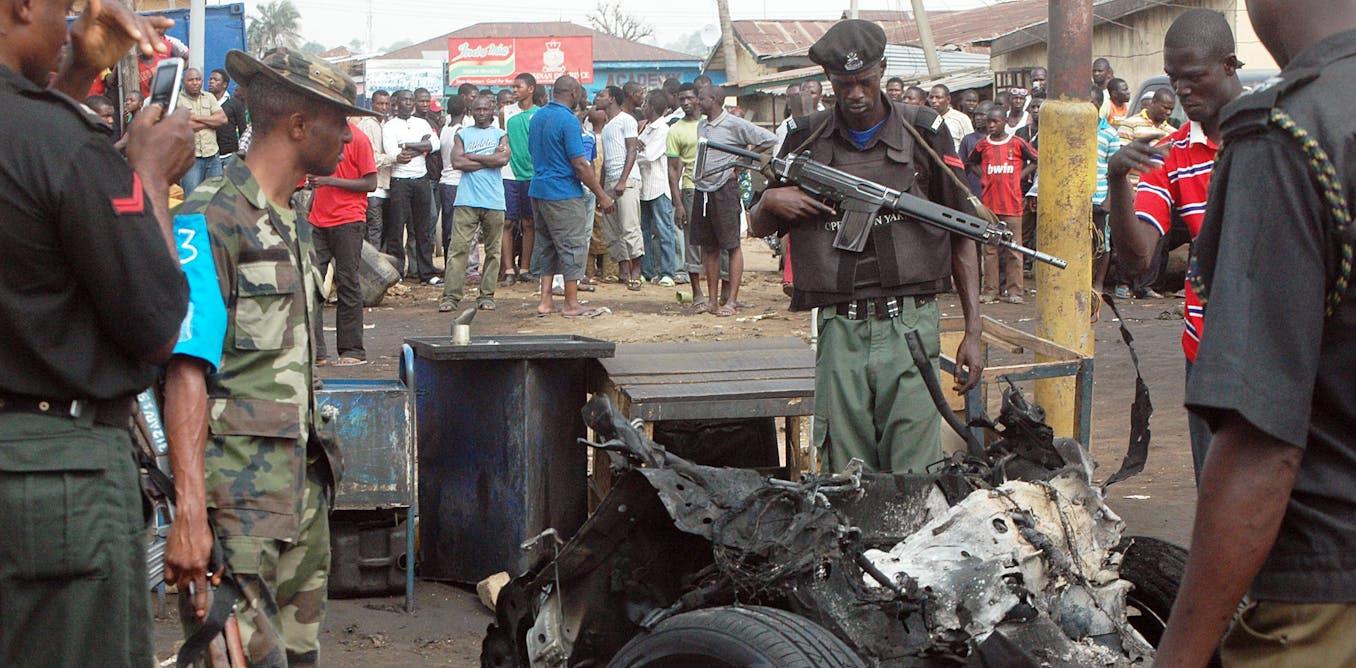
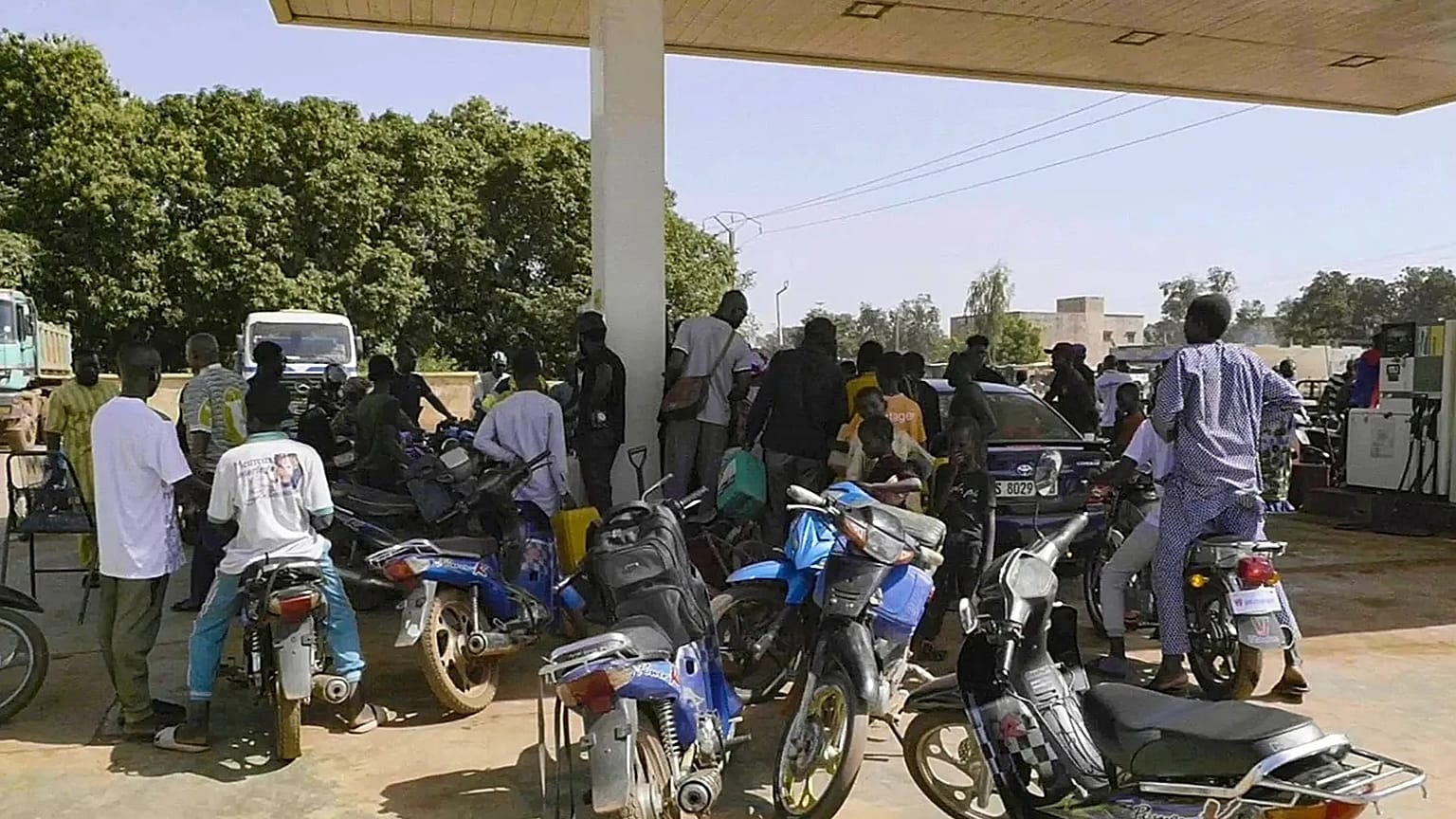
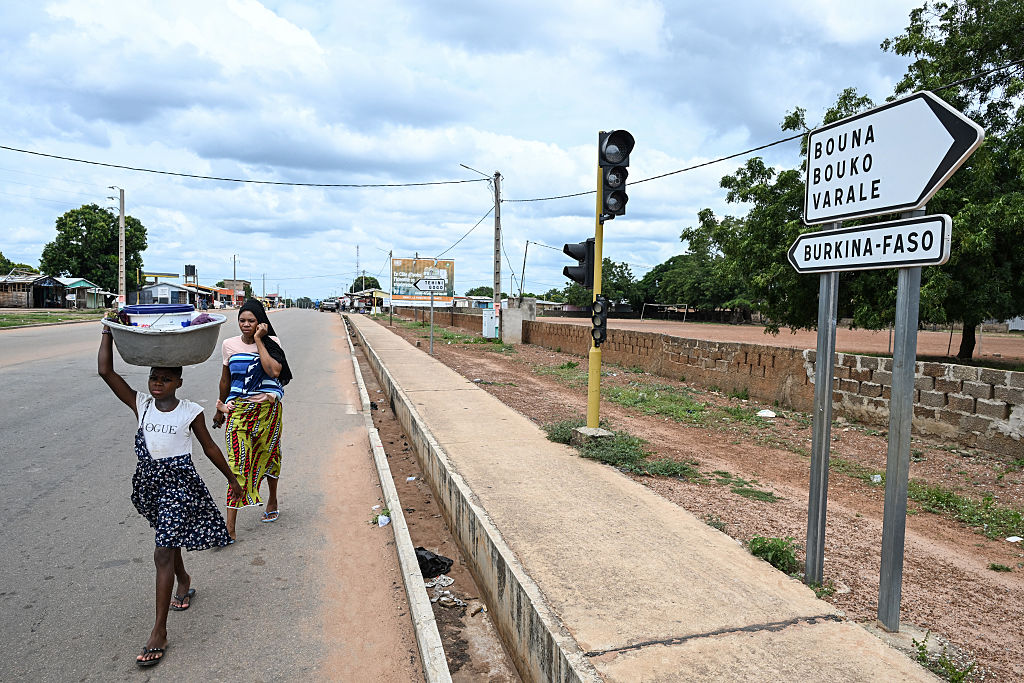
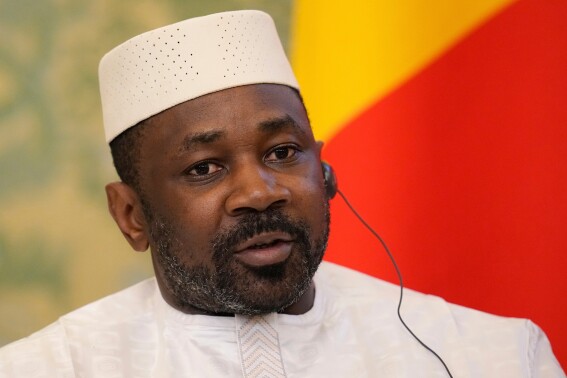
Ouagadougou, Burkina Faso. This West African nation is battling a whirlwind of instability, grappling with a deepening humanitarian emergency and severe press restrictions. Across various regions, resources are dwindling and violence escalates, creating immense suffering. Disturbingly, the government has detained aid workers, a move that’s certainly raised international eyebrows, further complicating critical relief efforts for displaced and vulnerable populations. Add to that a climate of fear for journalists: since military leader Ibrahim Traoré seized power in September 2022, arrests, detentions without charge, and forced conscriptions have become alarmingly common. This effectively silences dissenting voices, making it tough for reporters to operate freely. The unexplained disappearance of journalist Moussa Sareba remains a chilling symbol of these risks, drawing condemnation from organizations like Reporters Without Borders. It makes you wonder, how can a nation effectively address its complex crises when the eyes and ears of the world are being shut out? This isn’t just an internal issue; it impacts regional stability.
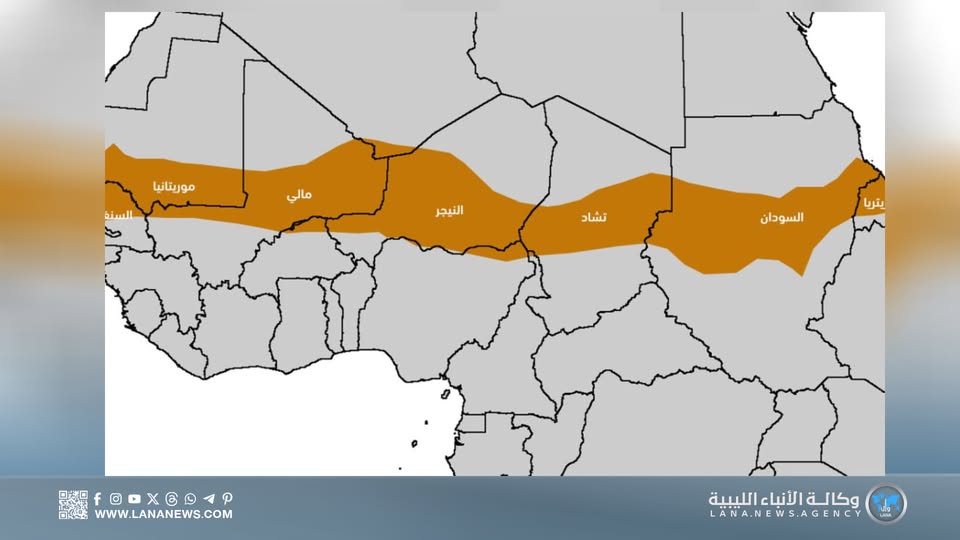
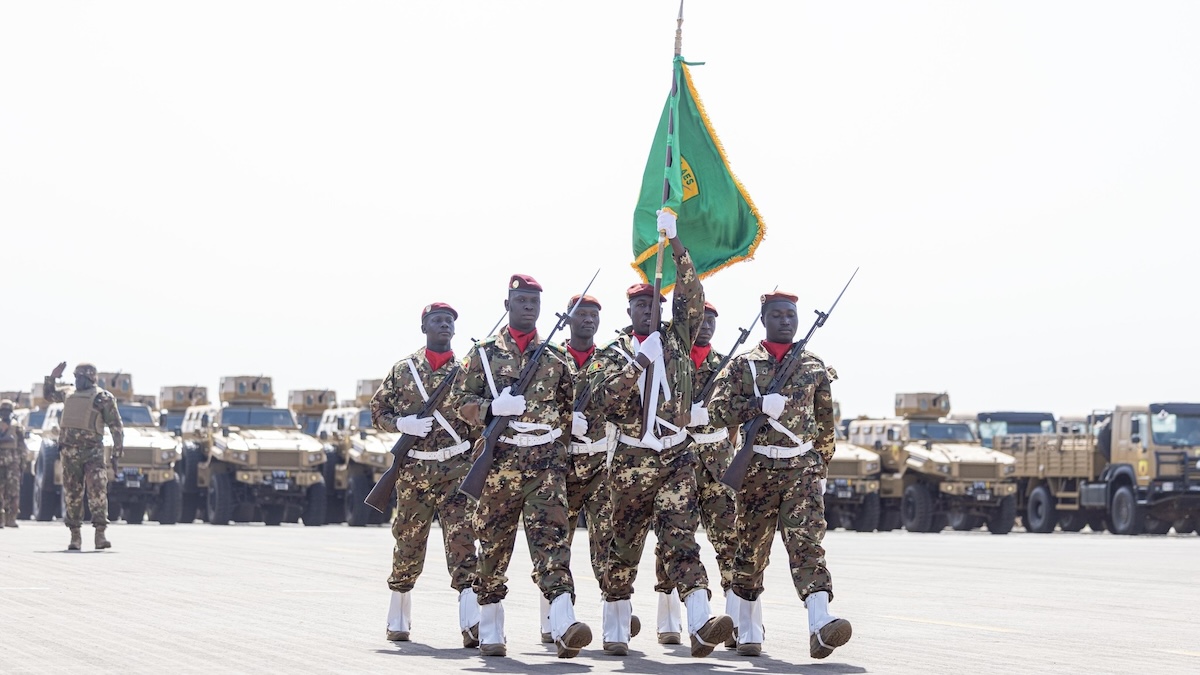
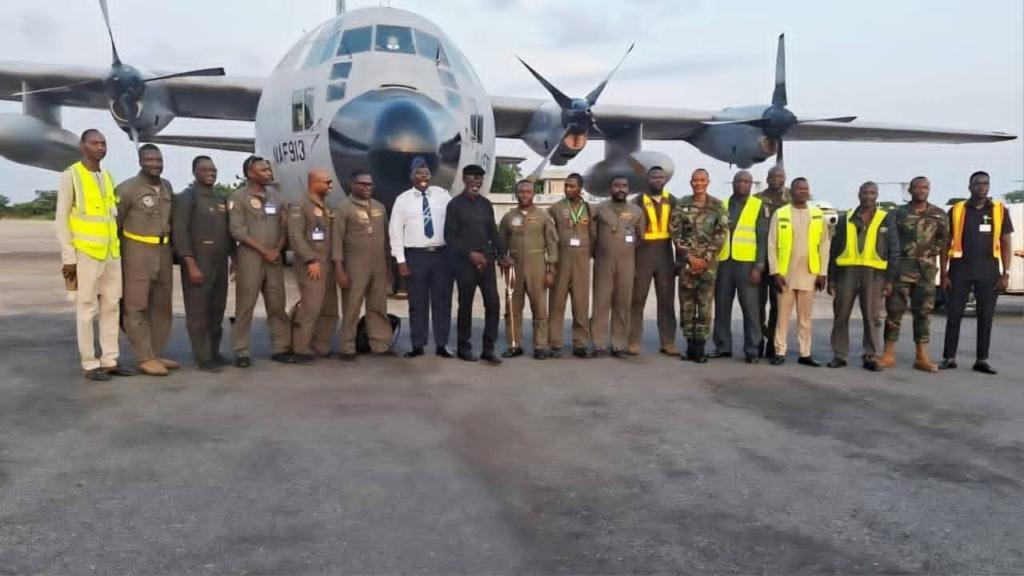
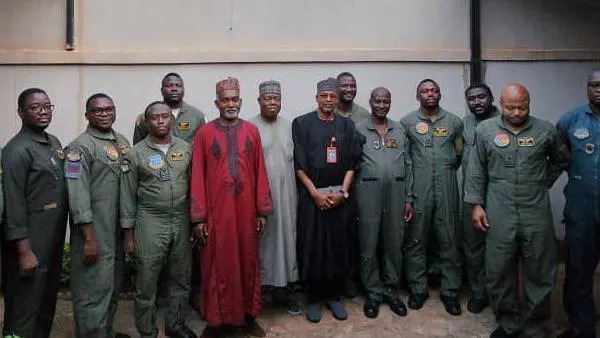
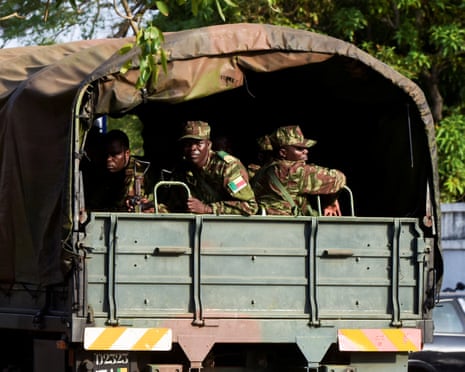
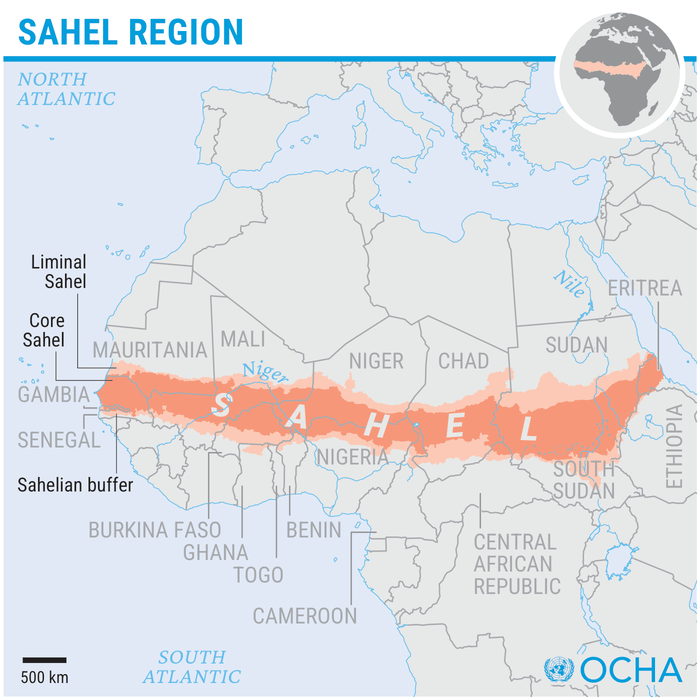
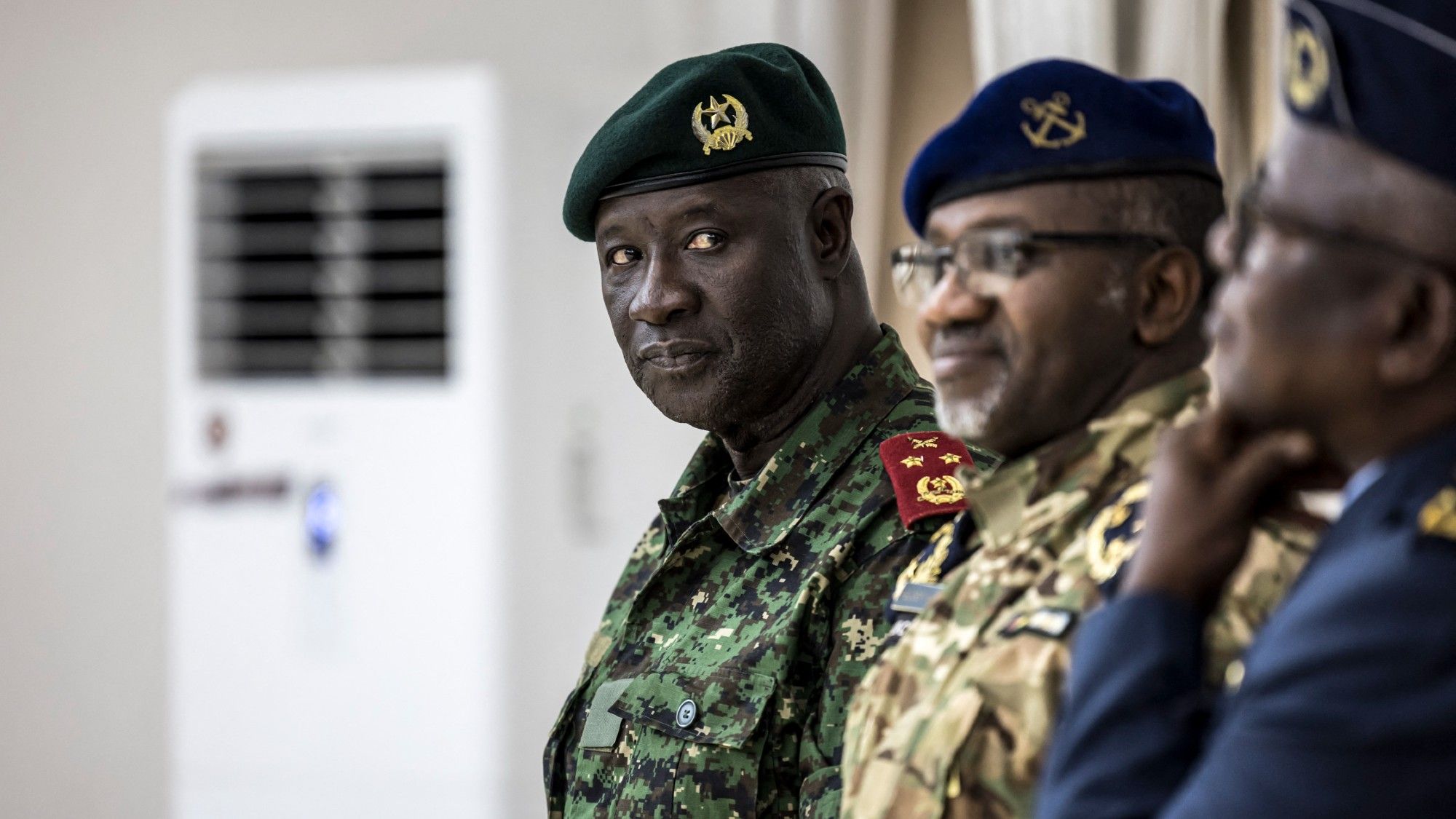
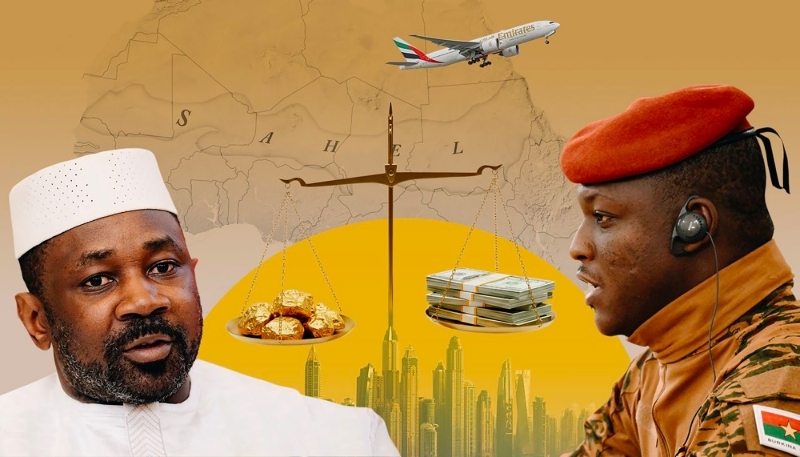
As if these internal challenges weren’t enough, Burkina Faso now finds itself entangled in a tense diplomatic standoff with neighboring Nigeria. The friction erupted in December 2025 when a Nigerian cargo plane, carrying military troops, made an emergency landing in Burkinabe territory without authorization. Burkinabe authorities acted swiftly, detaining eleven Nigerian soldiers and seizing their Air Force C-130 transport aircraft, citing clear violations of its airspace and security protocols. While The Guardian reported on the eventual release of the troops, the broader diplomatic impasse over the aircraft persists. Nigeria’s Ministry of Foreign Affairs is actively working through diplomatic channels to secure its return, showcasing Nigeria’s diplomatic efforts. This incident highlights just how delicate regional cooperation is within the Sahel, a zone where shared security threats like terrorism and cross-border insurgencies demand unified military and political responses. What does this mean for future efforts to combat these threats when communication breaks down between allies? This is a critical question for the broader Sahel region.
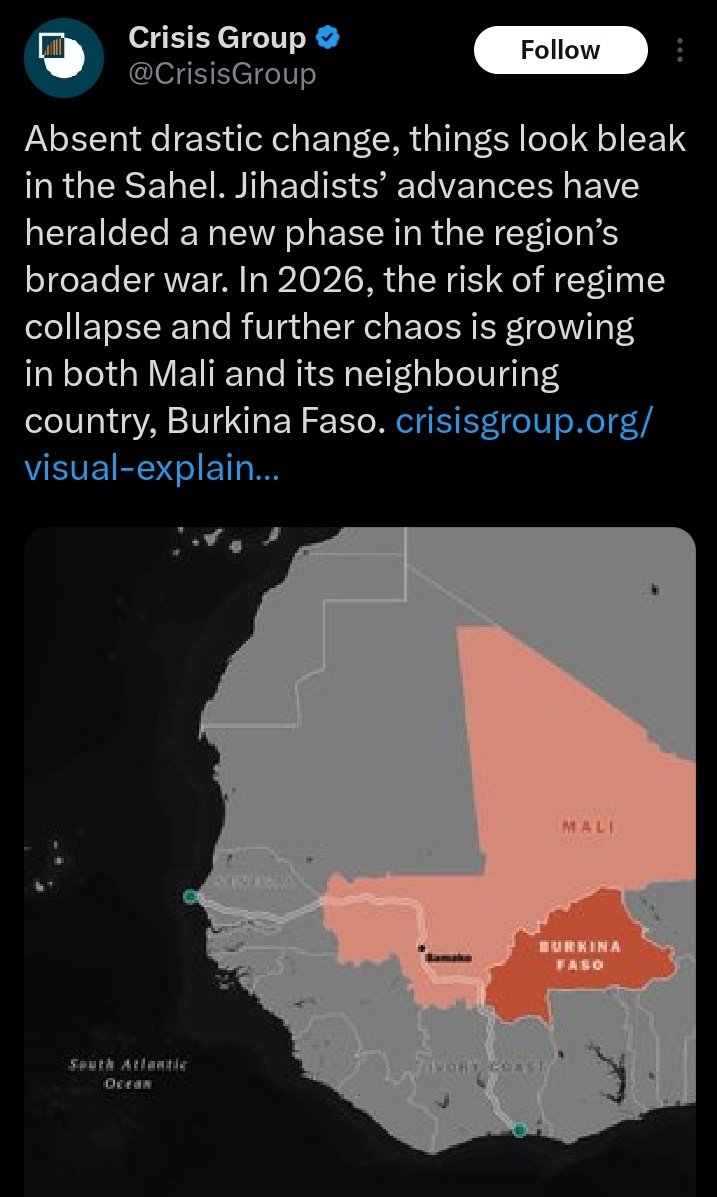
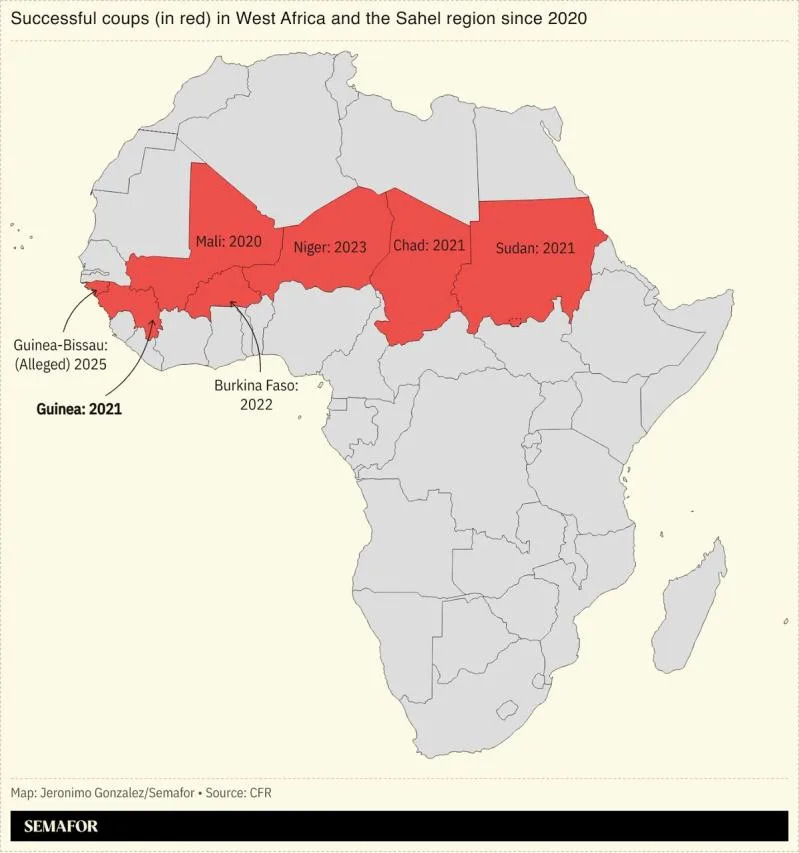
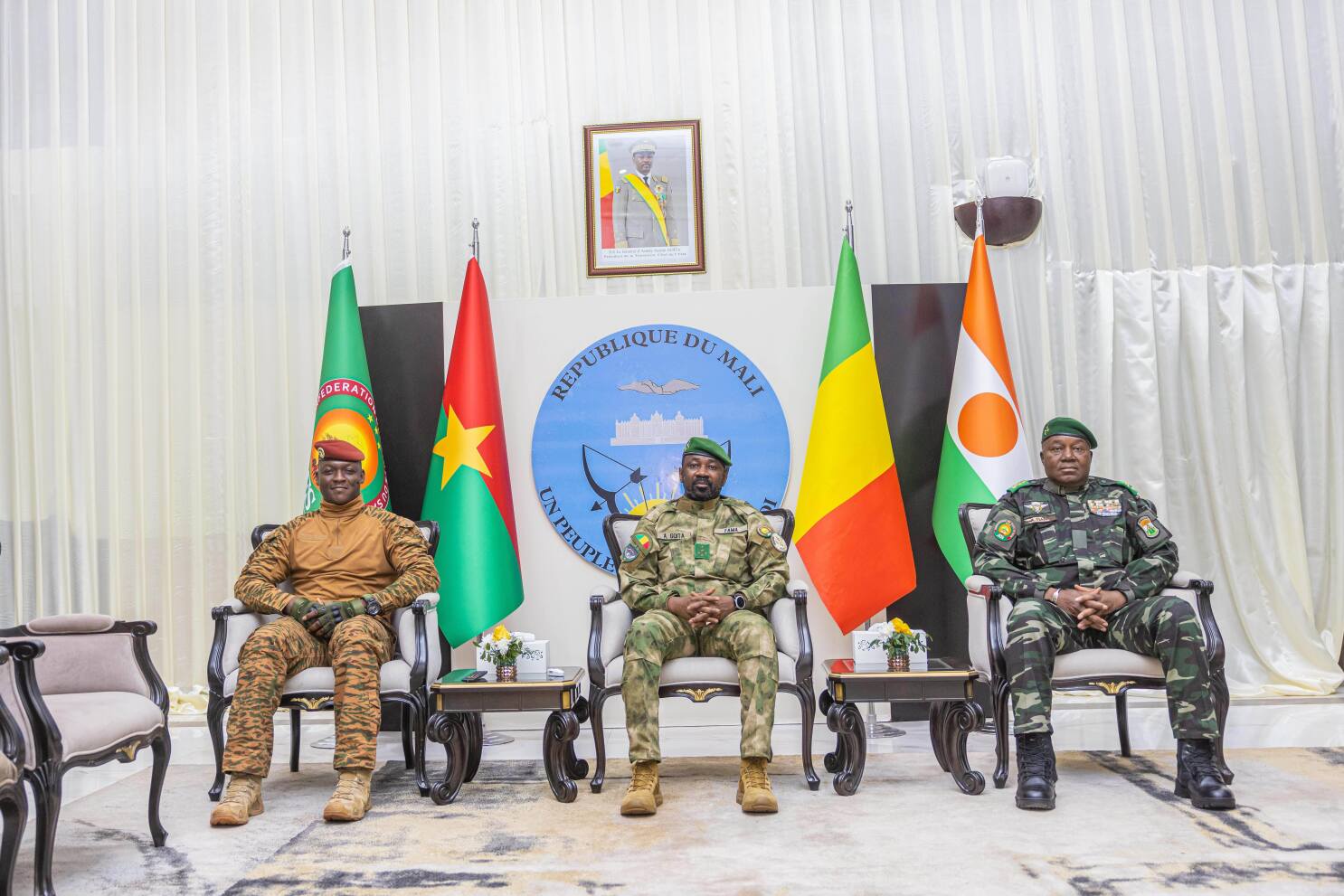
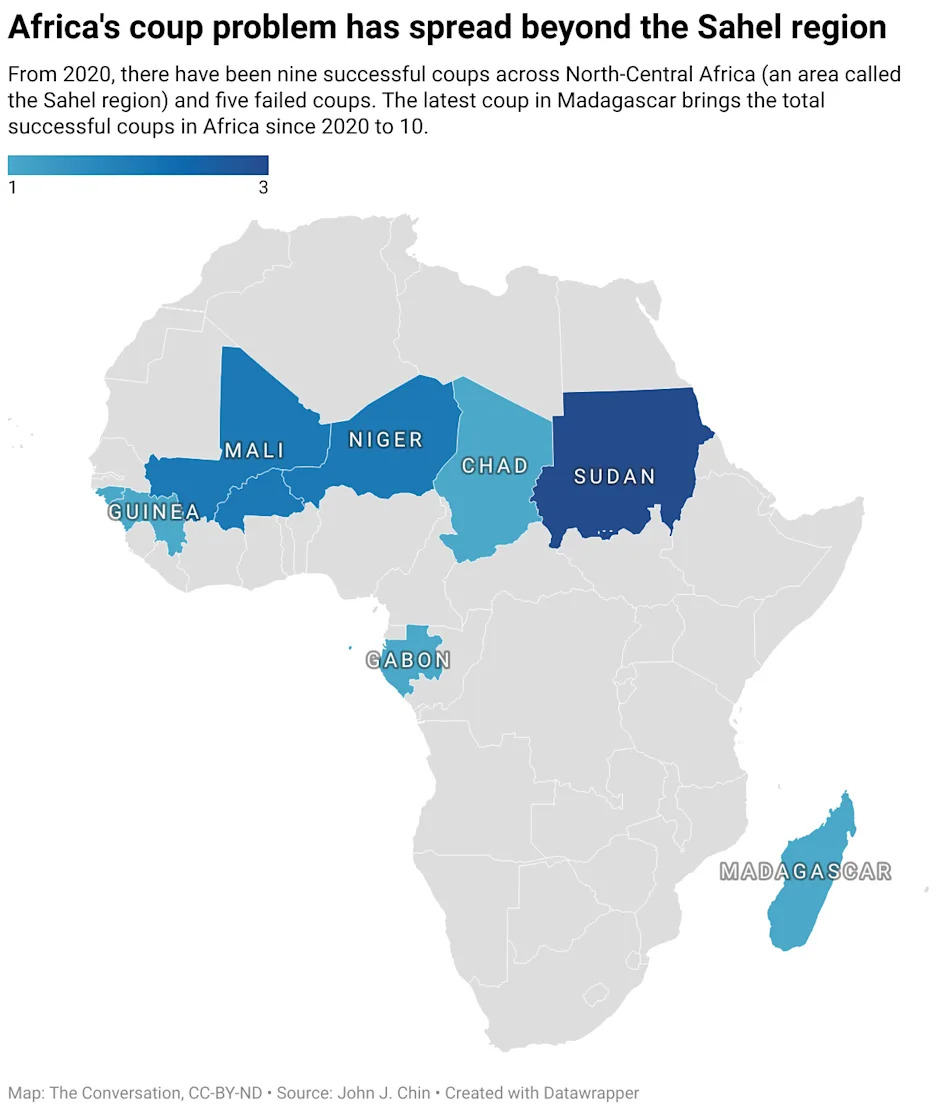
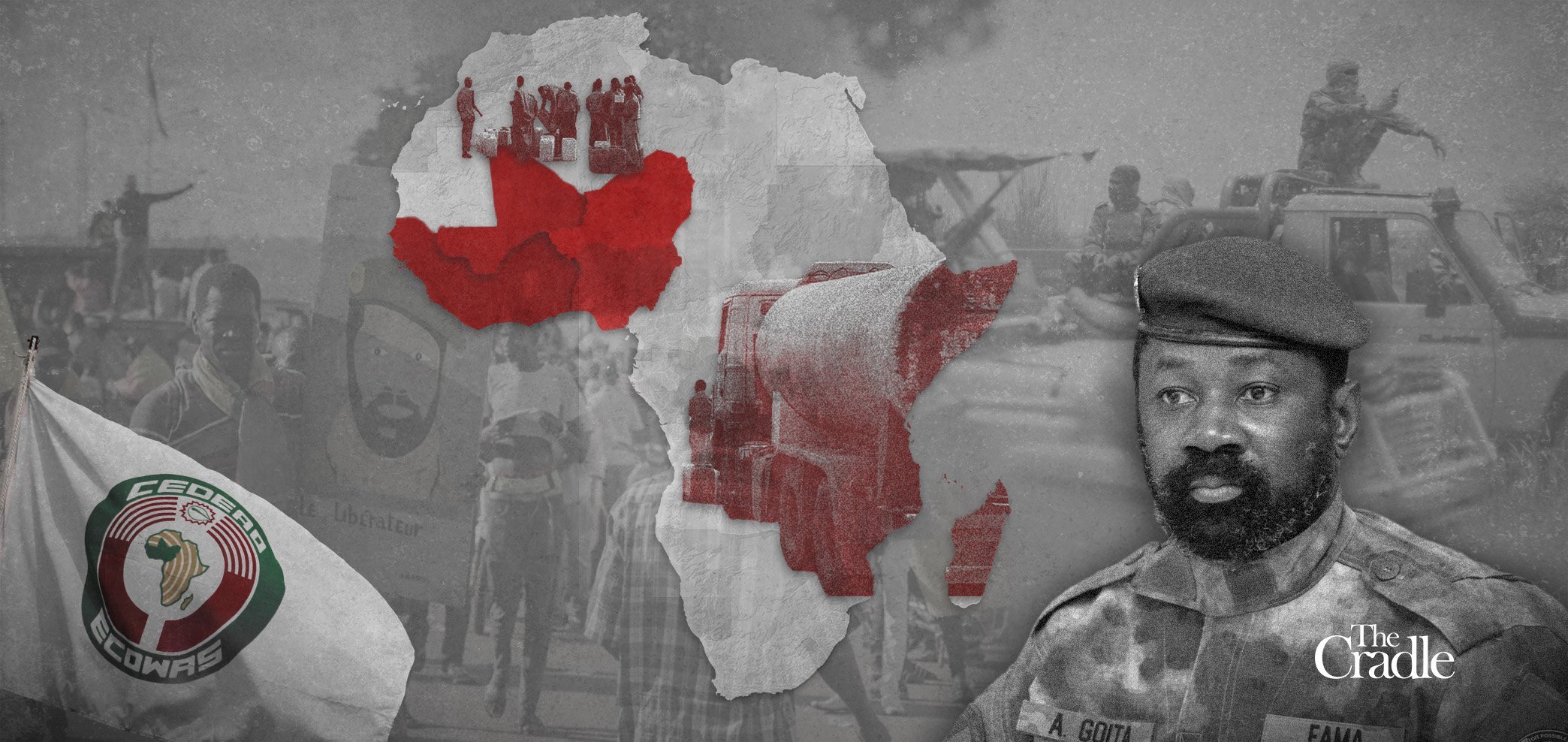
Burkina Faso’s current predicament, involving both internal governance issues and external diplomatic relations, doesn’t exist in a vacuum. It reflects Burkina Faso’s own struggles within wider regional trends of political volatility and security crises. The detention of aid workers and the suppression of journalists point to a government under immense pressure, visibly struggling to manage both internal dissent and the operational complexities of governance. Simultaneously, the diplomatic friction with Nigeria underscores a crucial need for robust mechanisms to manage cross-border security concerns without escalating into broader conflict. Moving forward, restoring humanitarian access and protecting aid workers must be urgent priorities to alleviate human suffering. Likewise, strengthening respect for press freedom is essential to foster the transparency and accountability foundational for sustained peace and development. Both Burkina Faso and Nigeria must seek cordial resolutions to avoid undermining regional stability, which is absolutely crucial for combating security threats that know no borders. The coming months will tell us a lot about this nation’s prospects for stability and recovery in a truly challenging landscape.