Sahel Alliance Rises: A Bold Bid for Autonomy and Stability
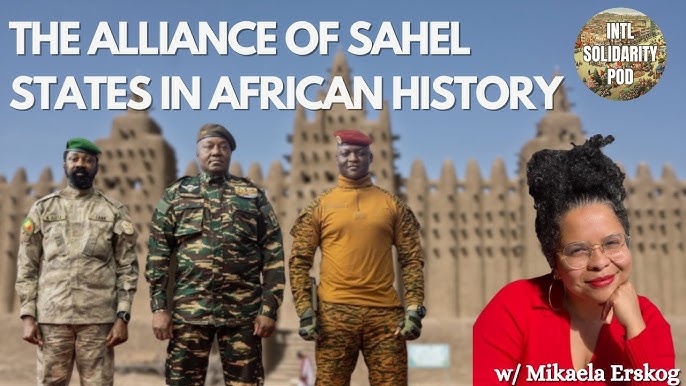
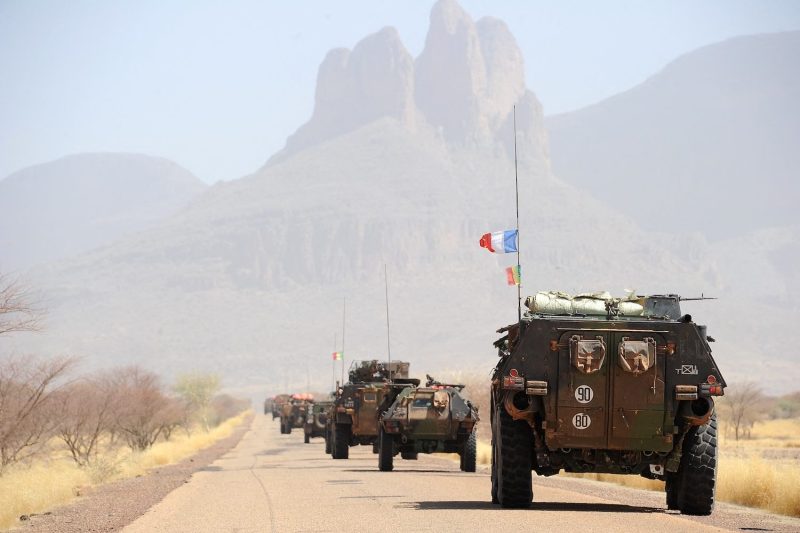
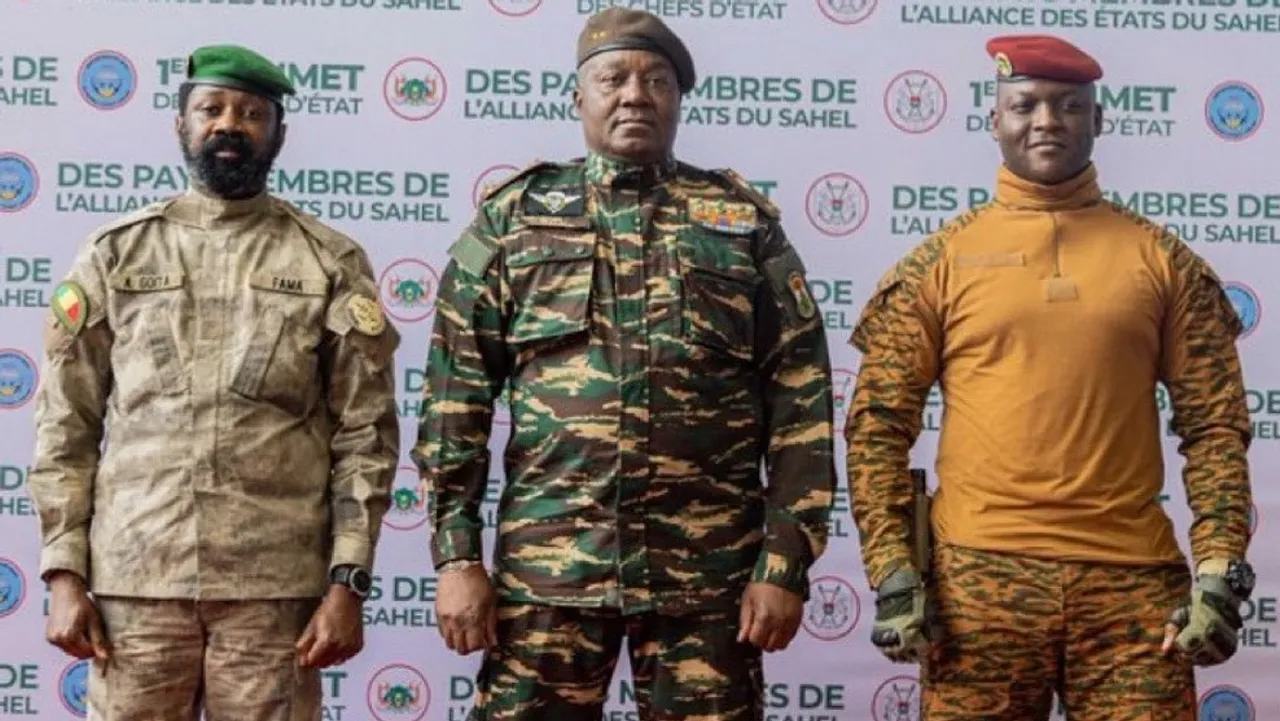
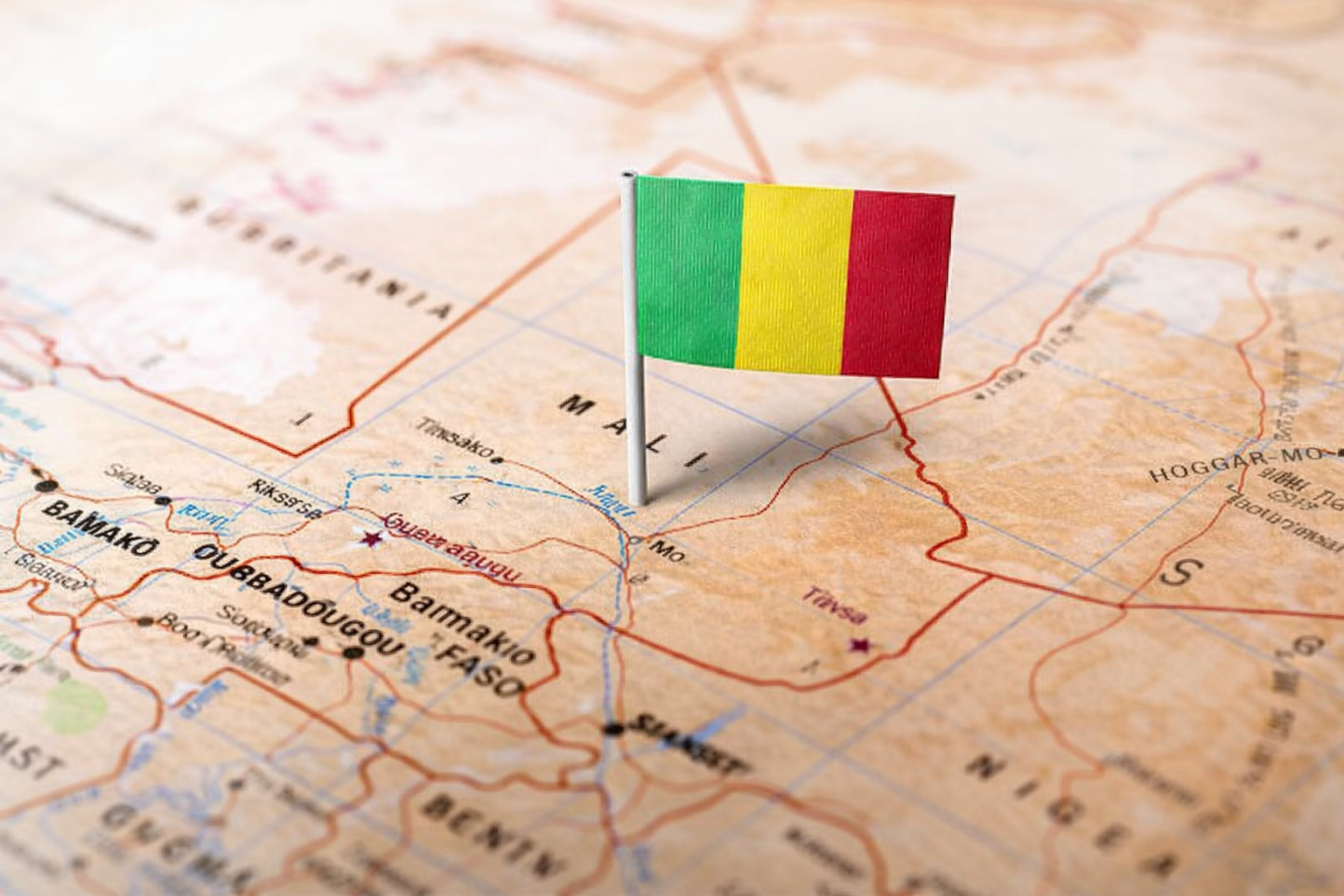
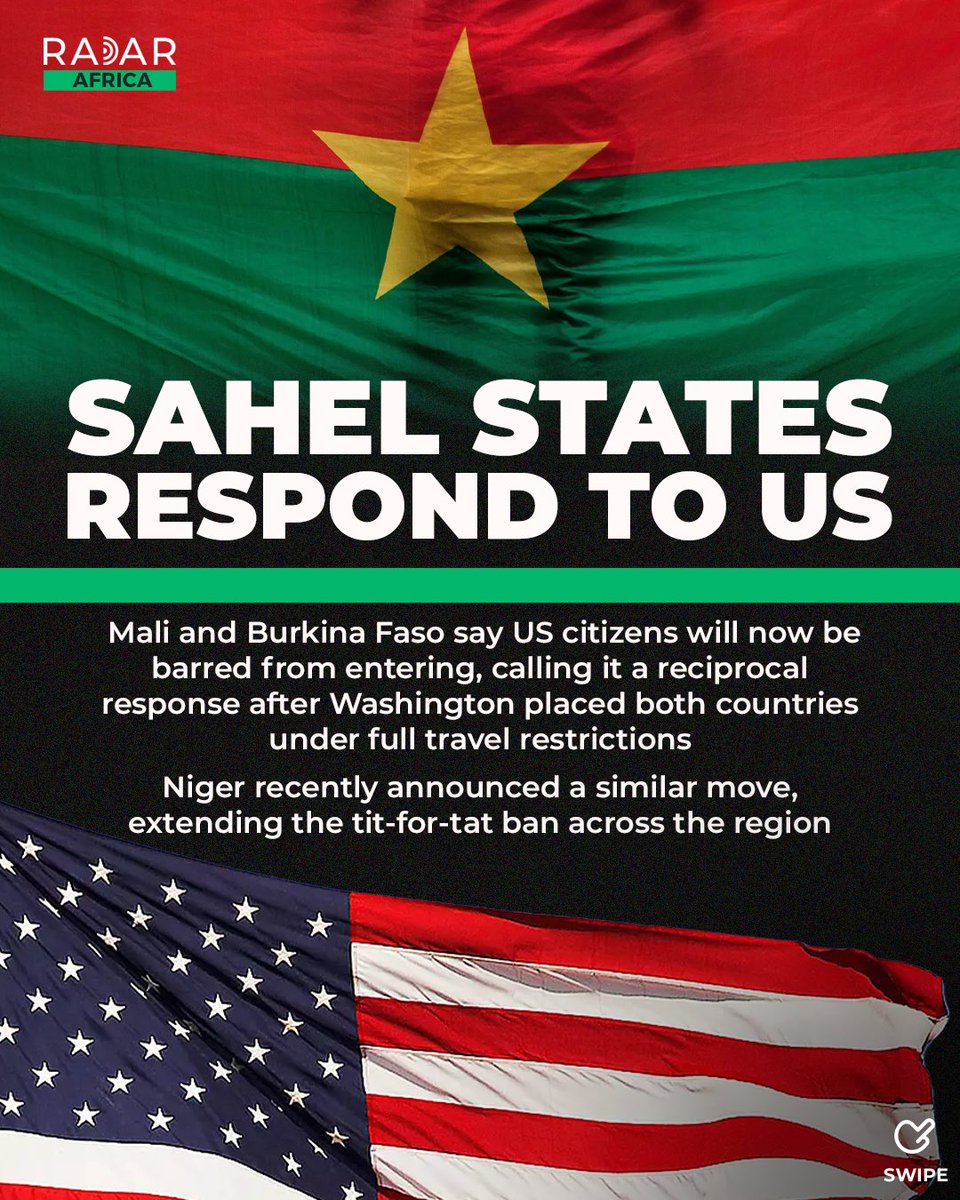
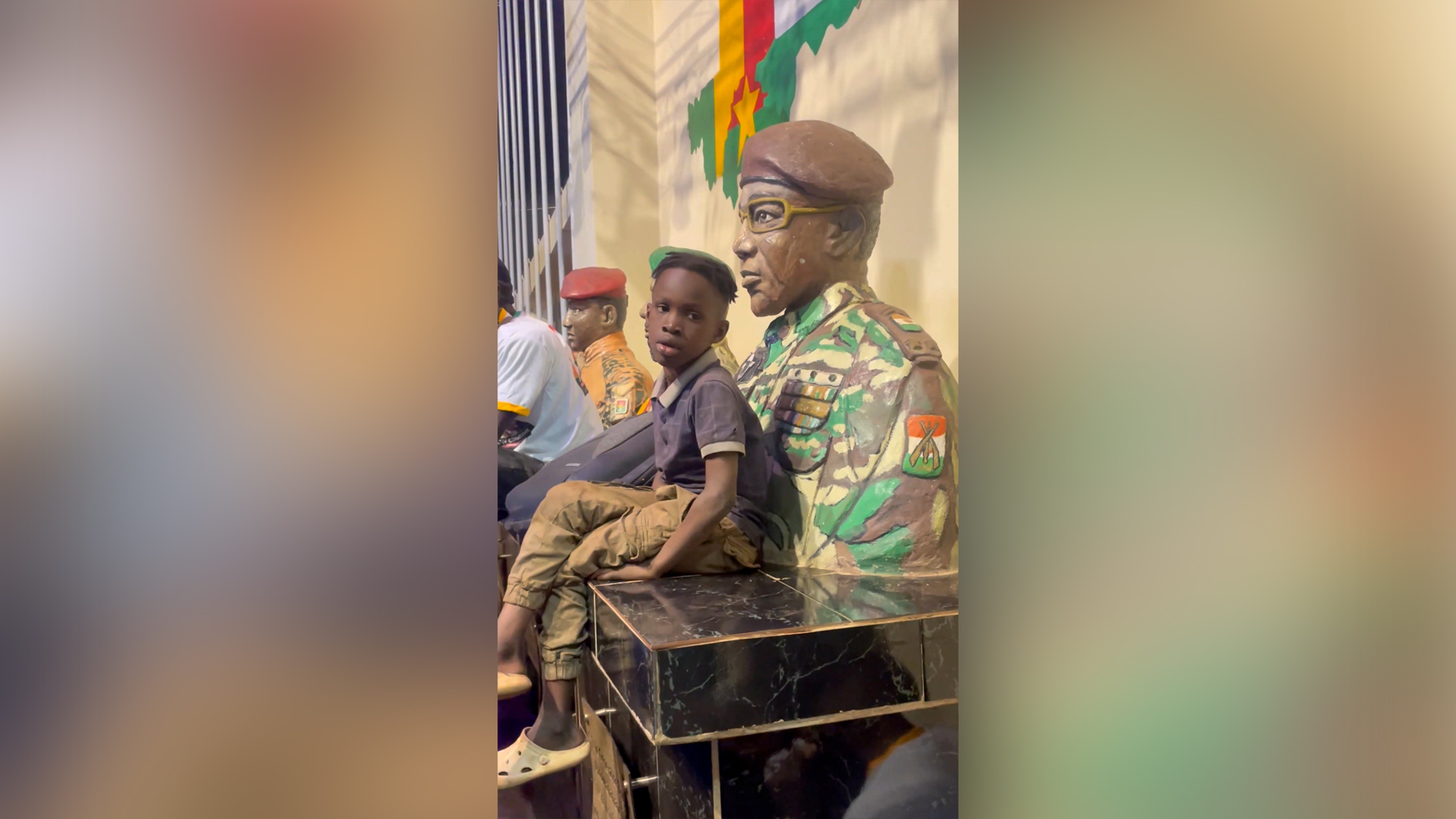
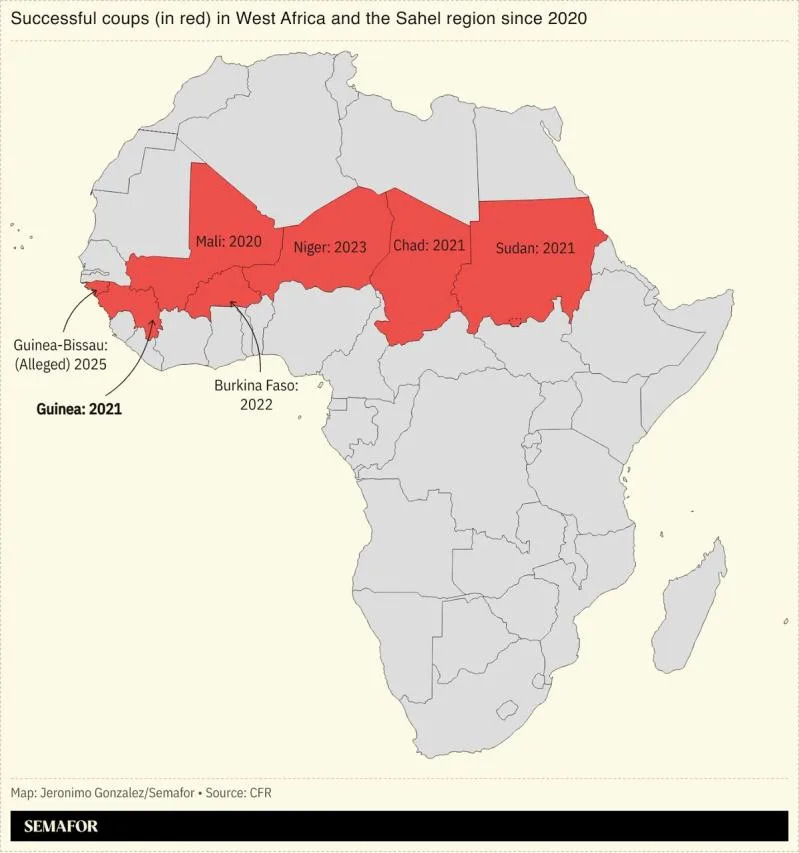
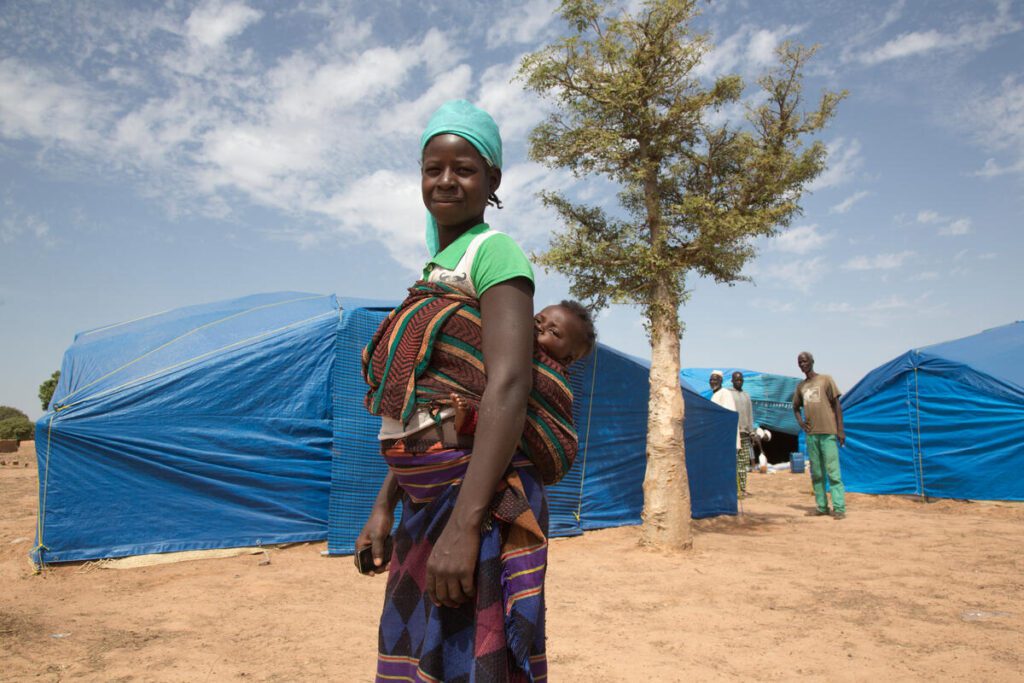
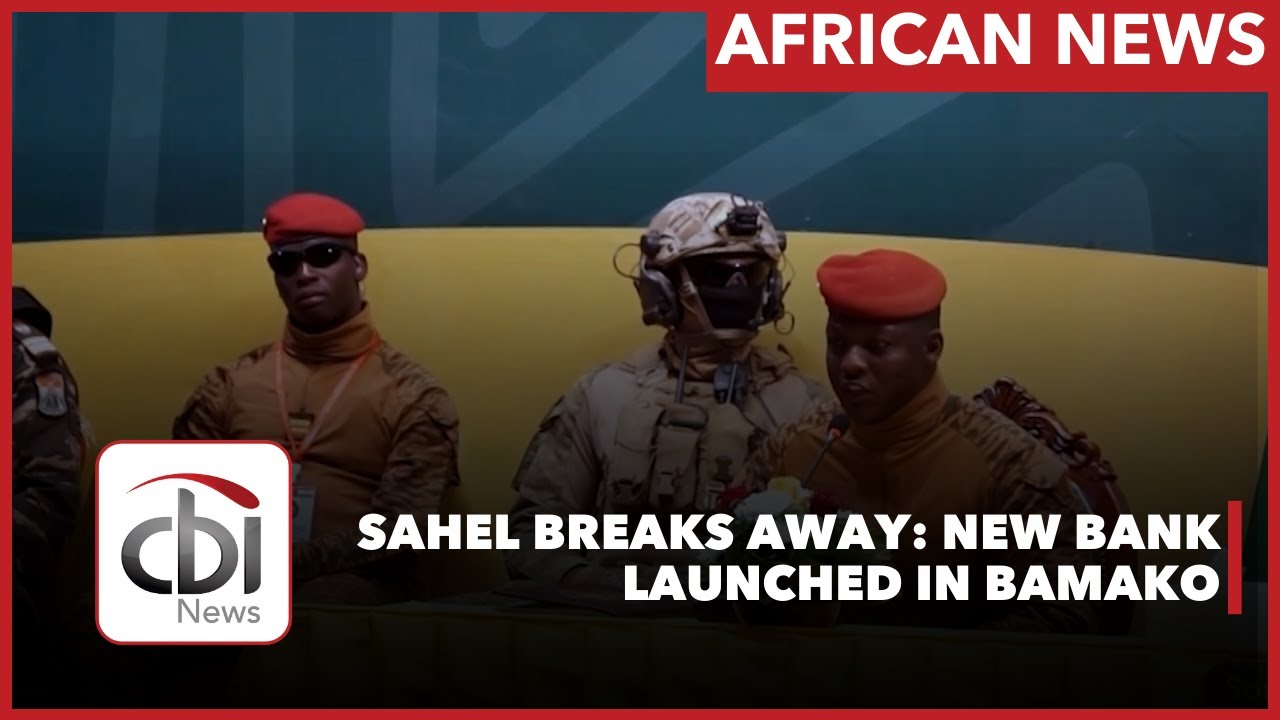
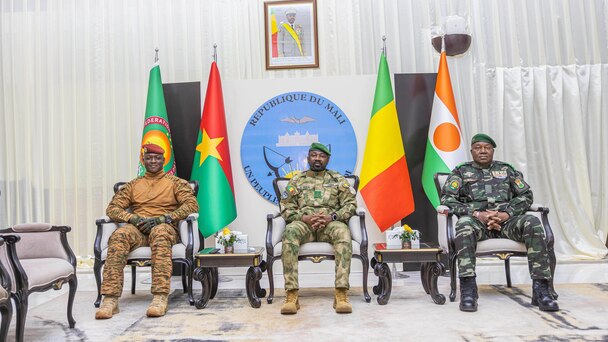
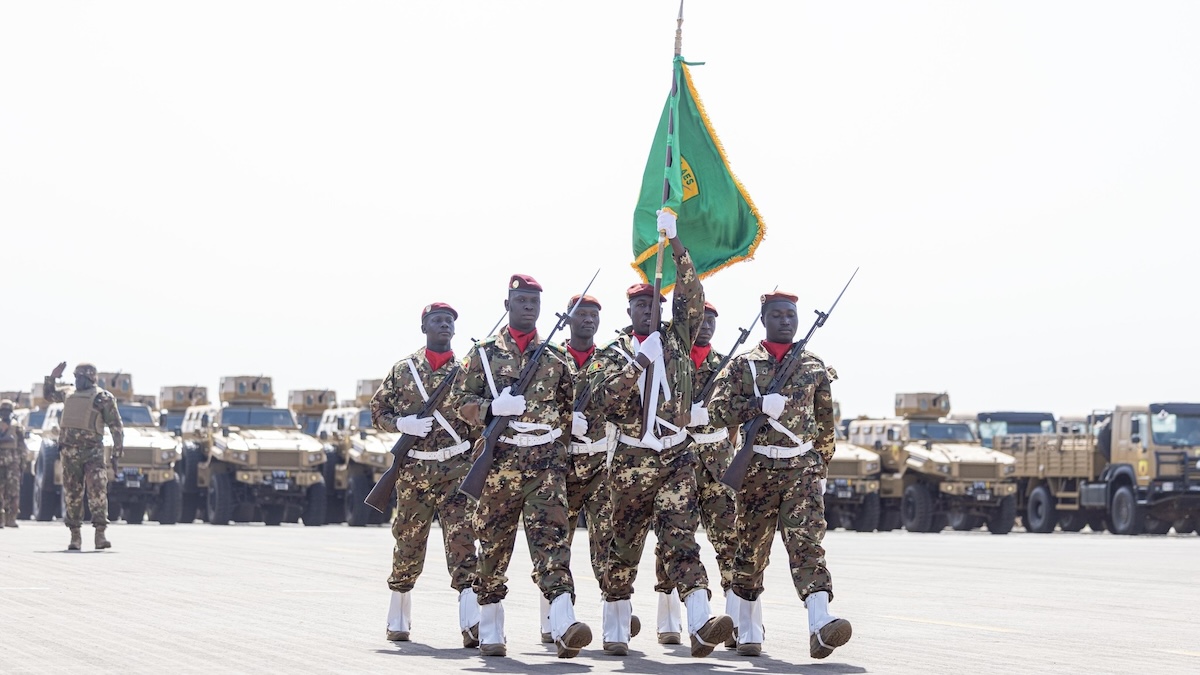
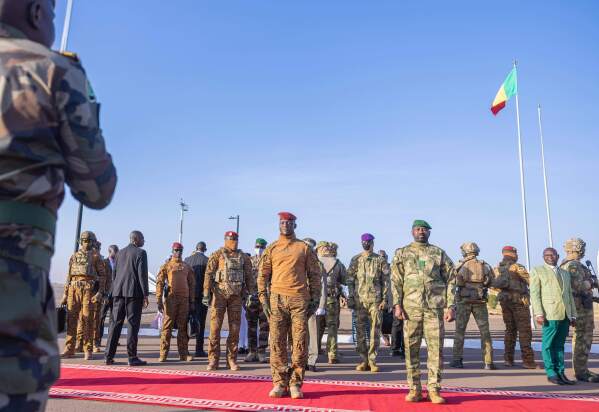
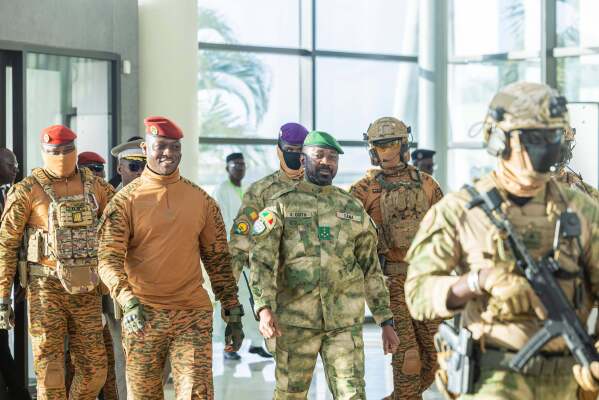
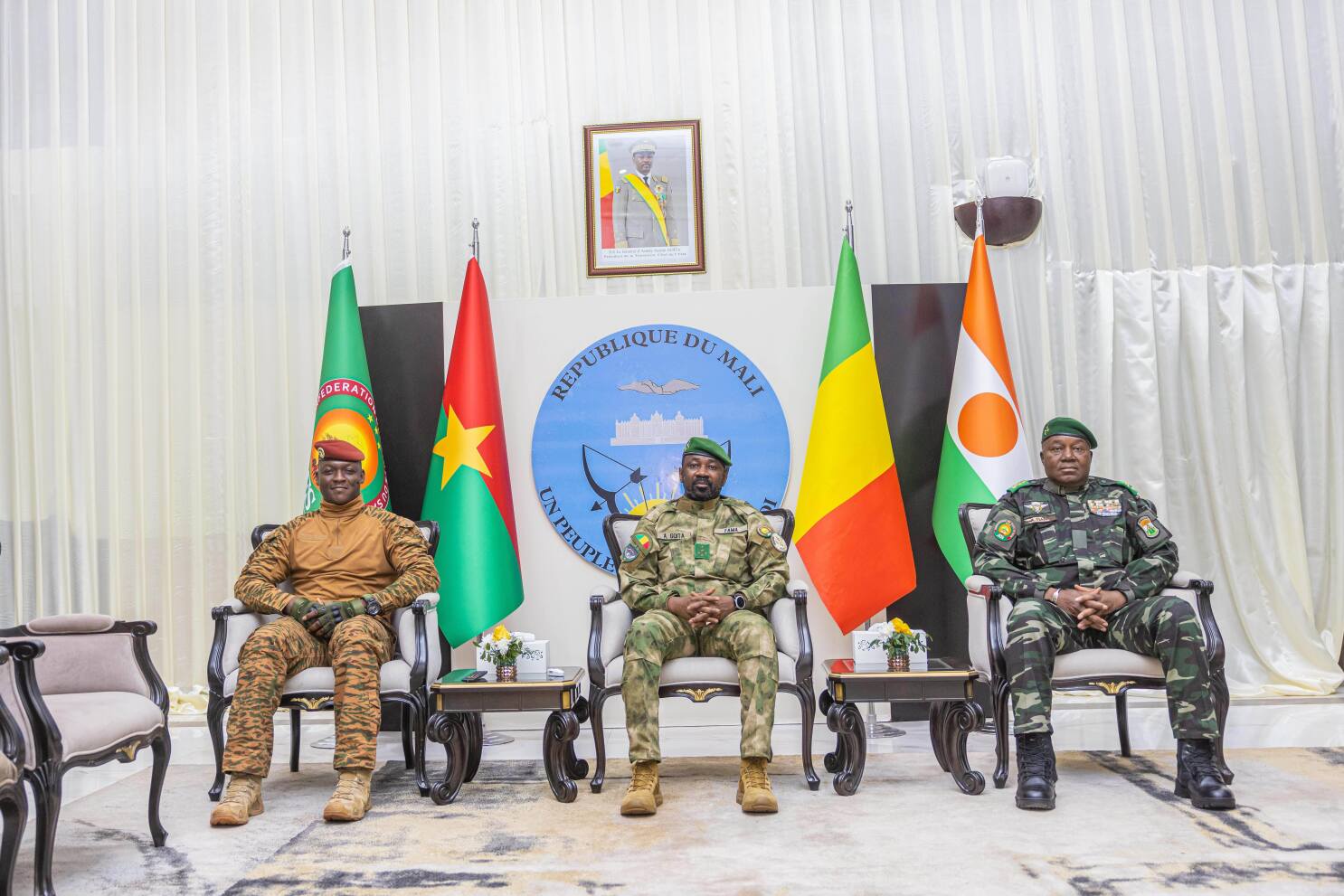
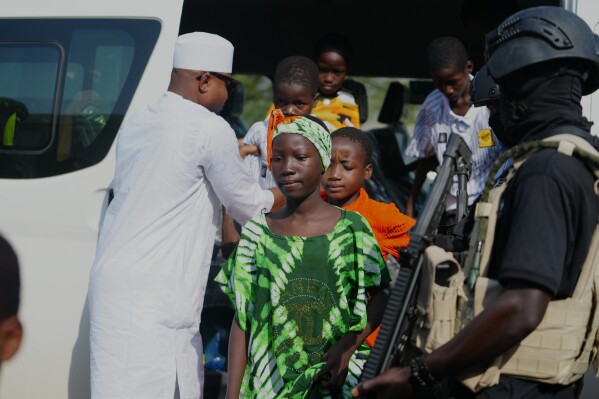
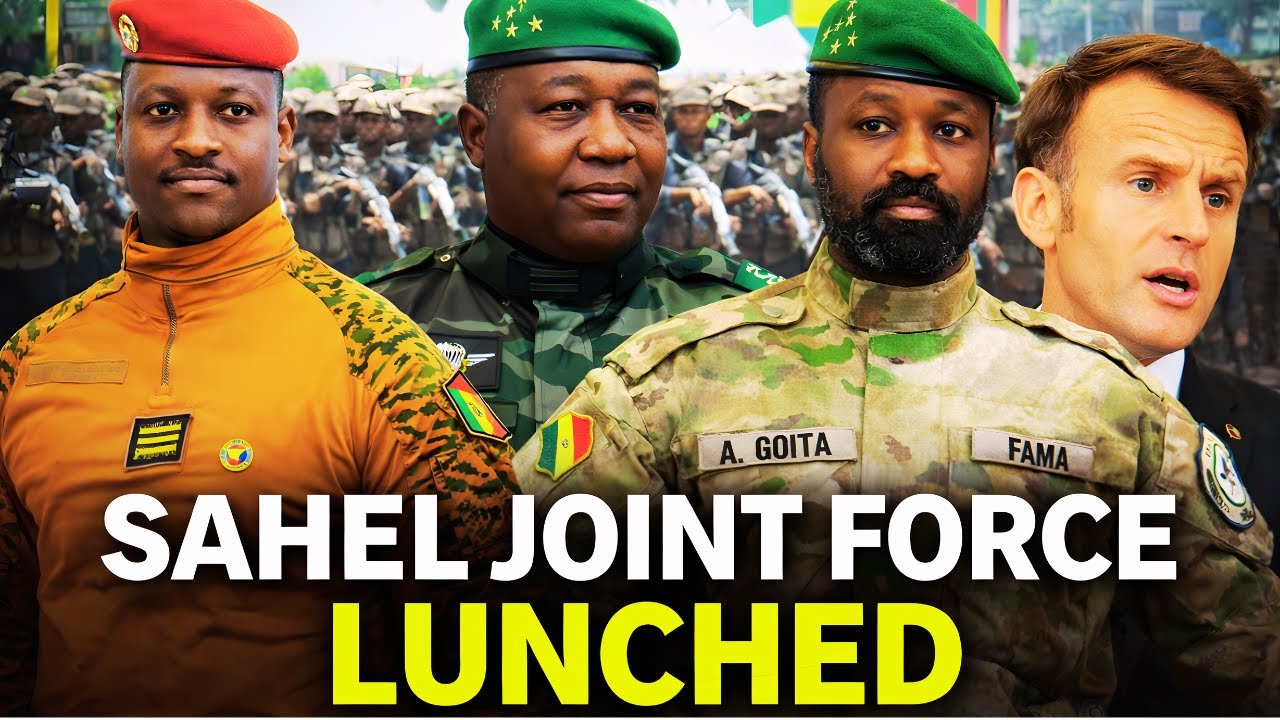
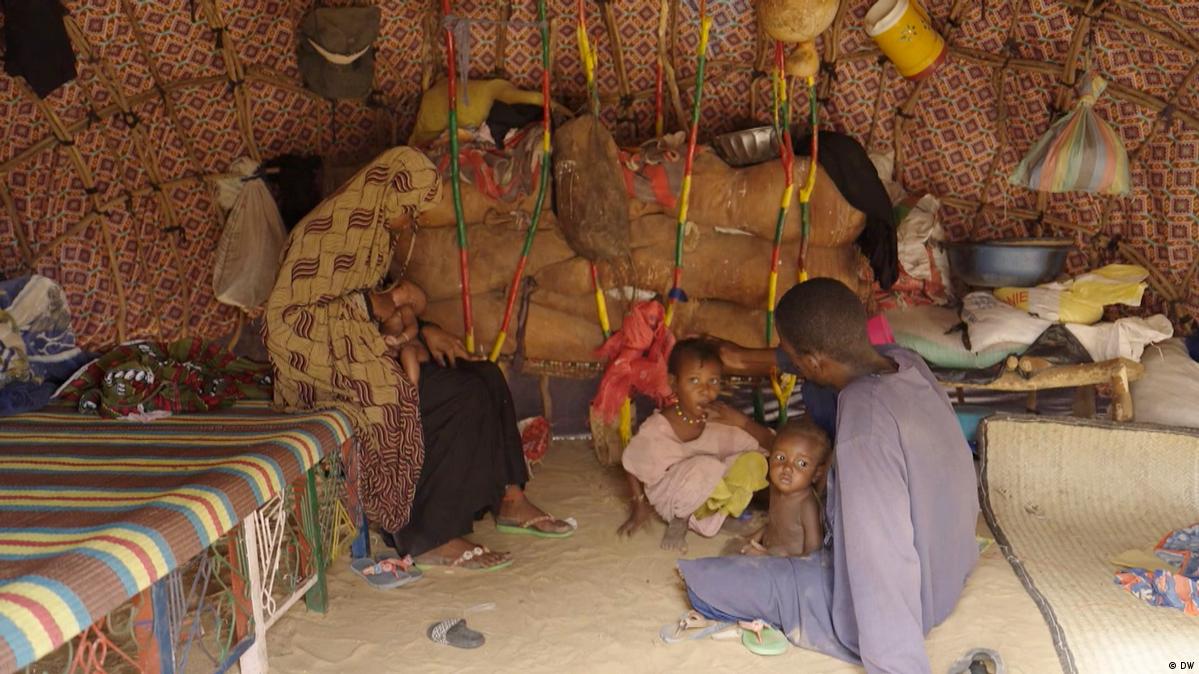
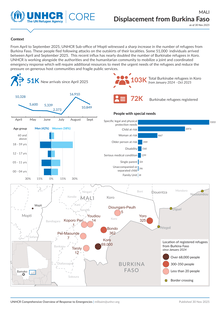
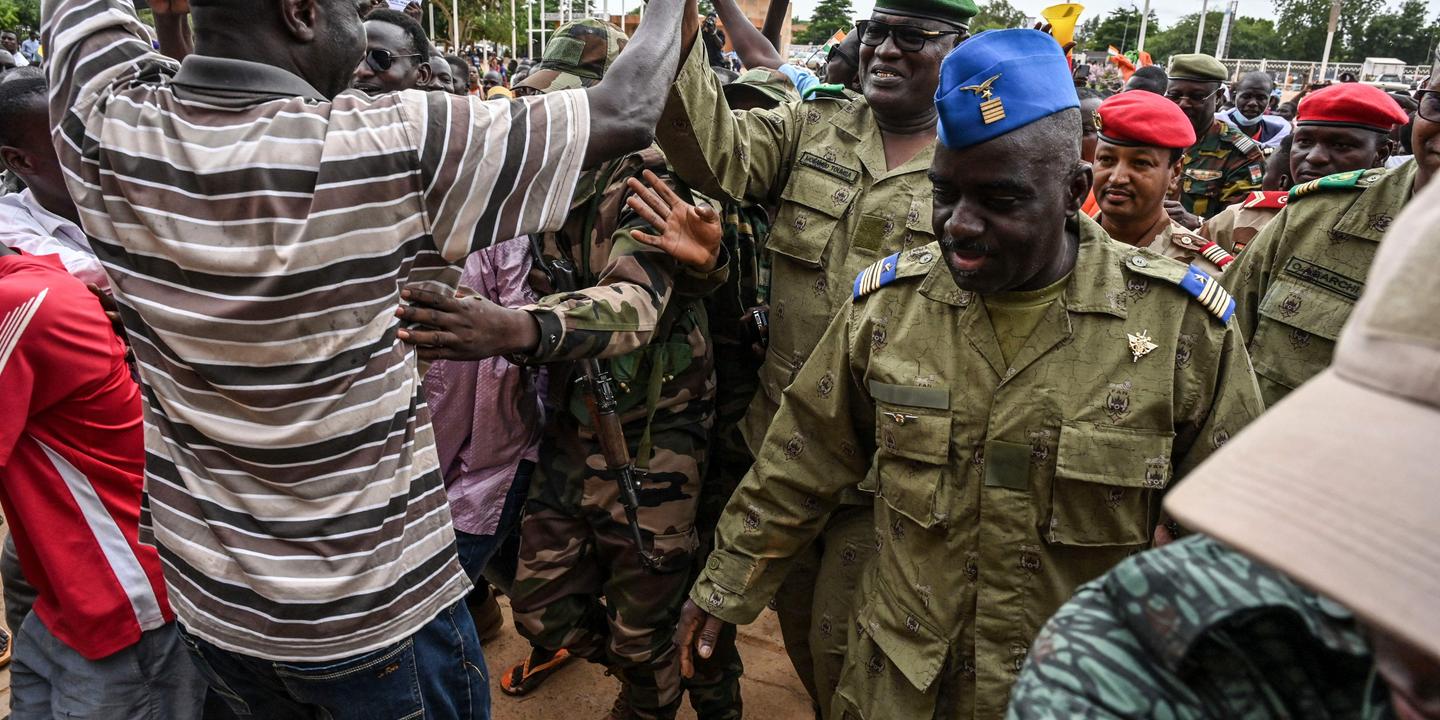
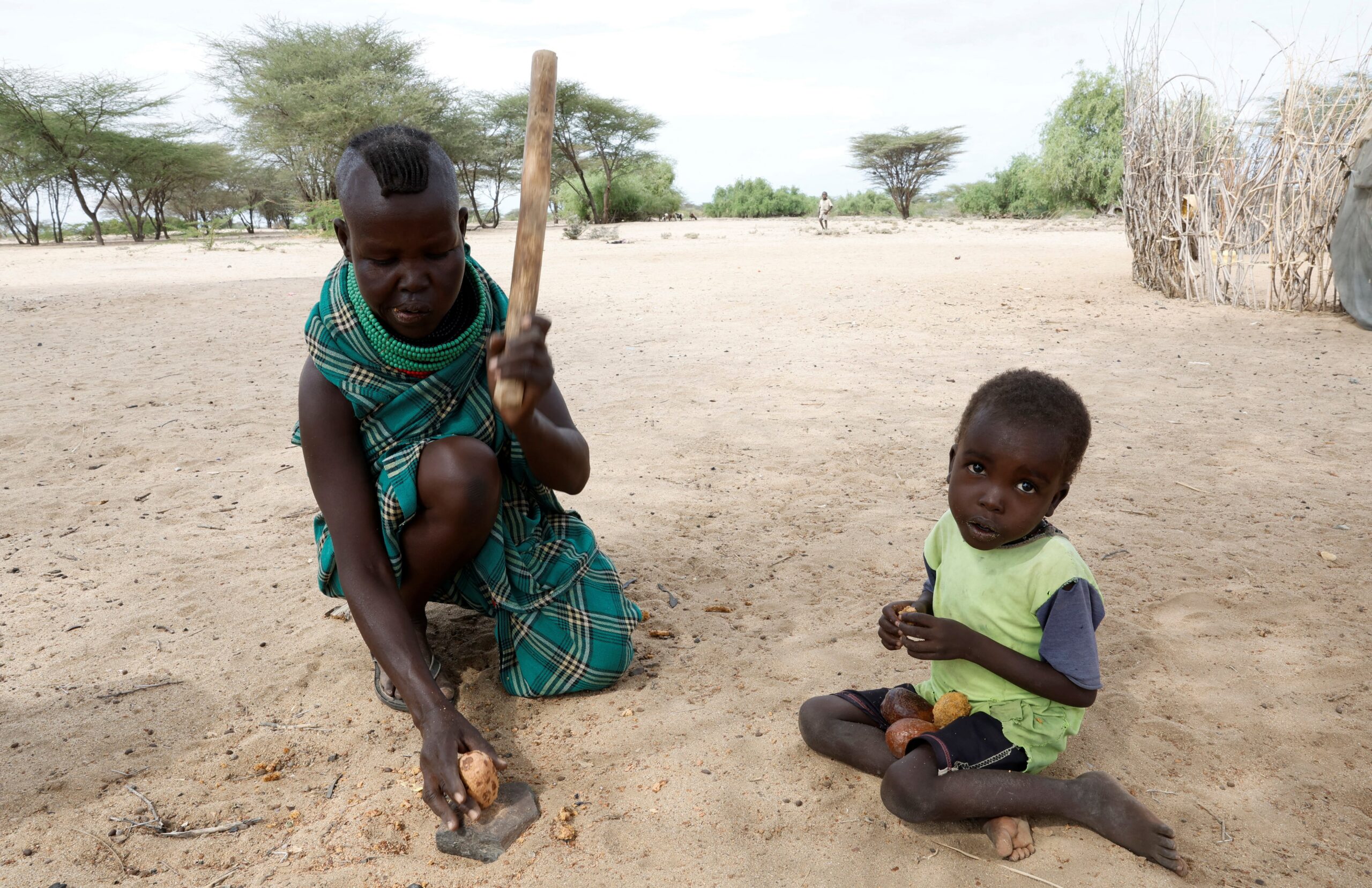
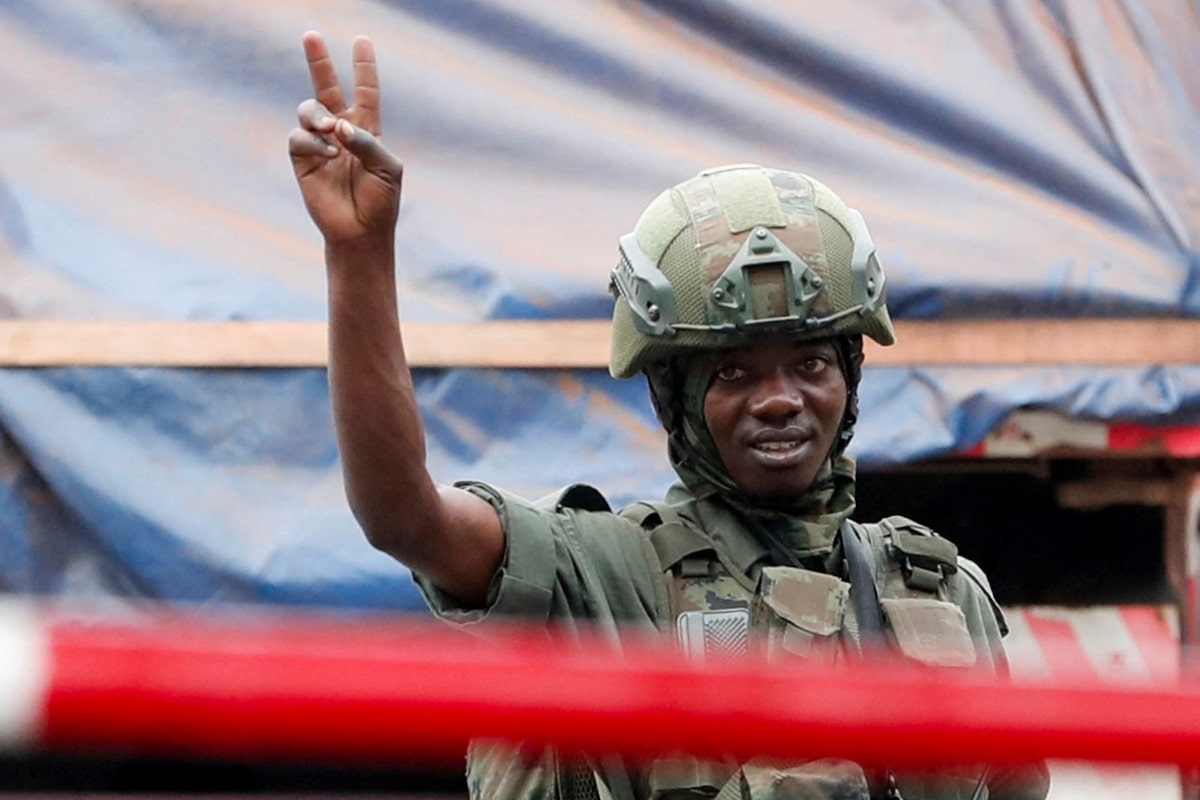
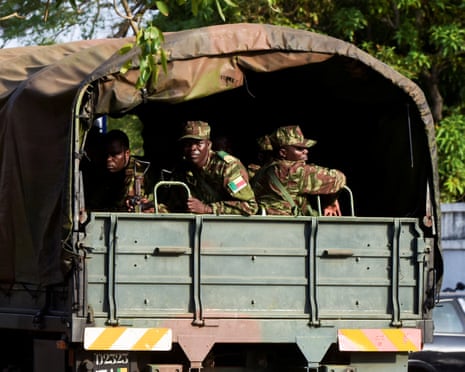
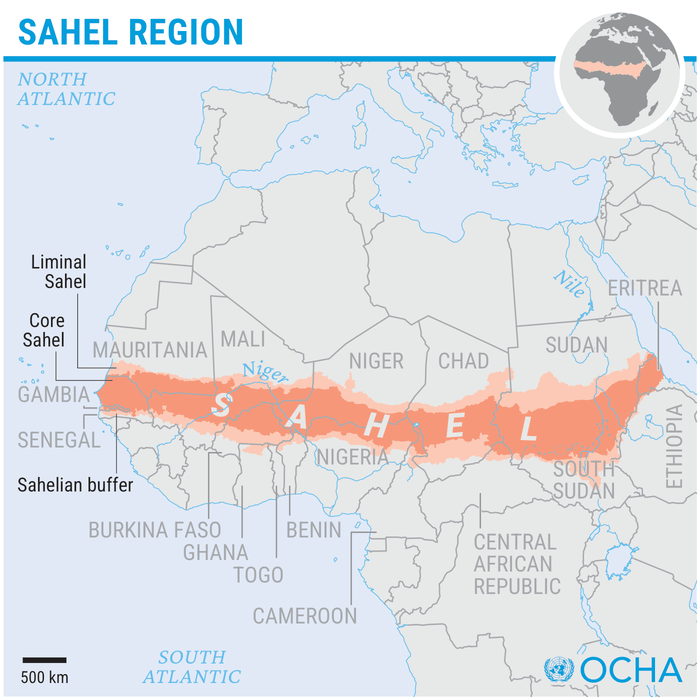
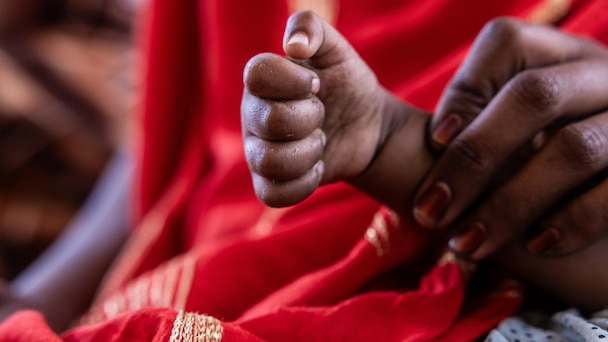
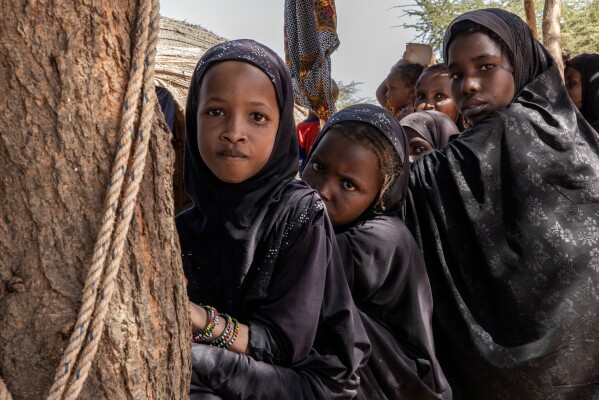
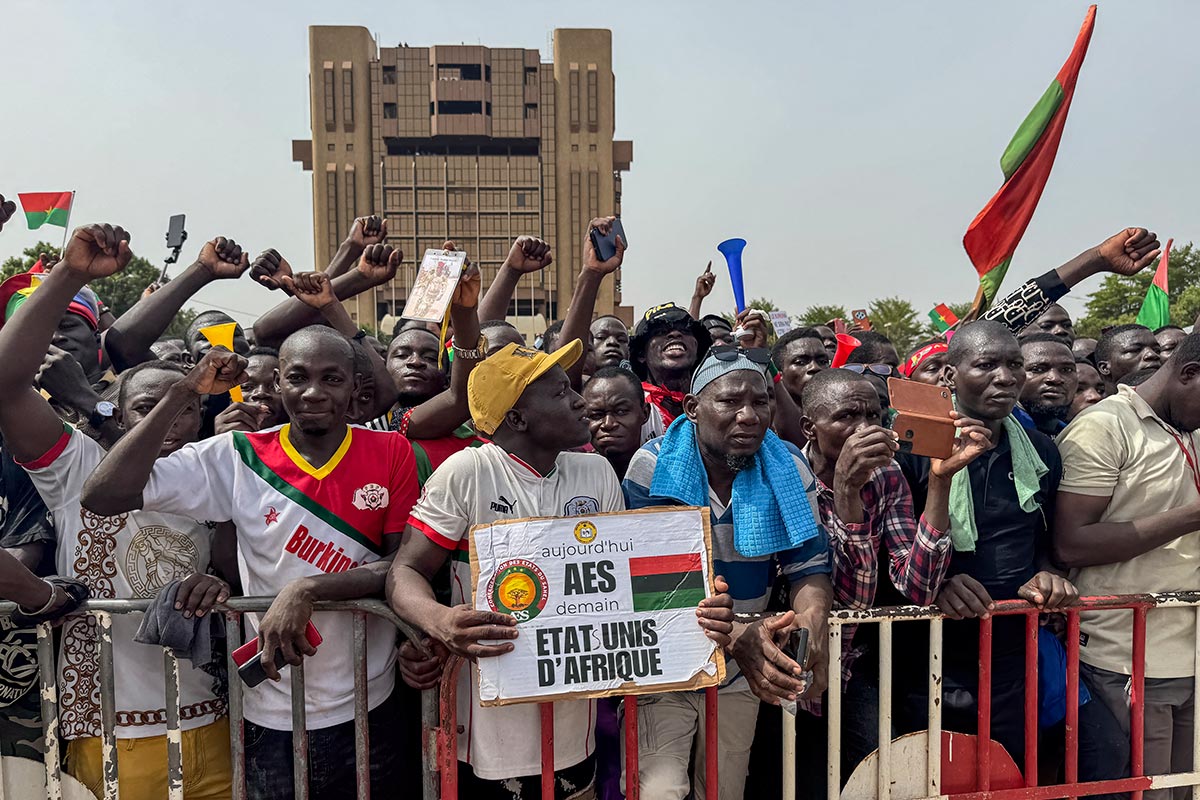
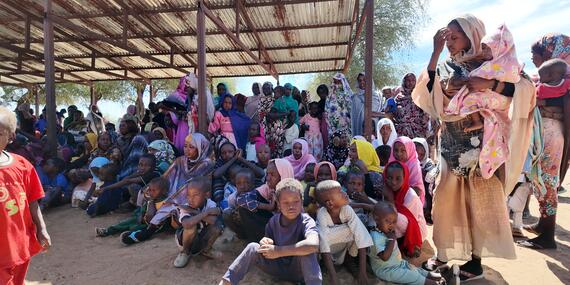
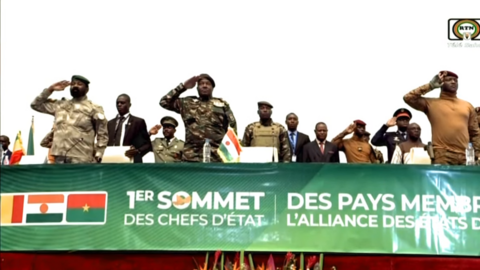
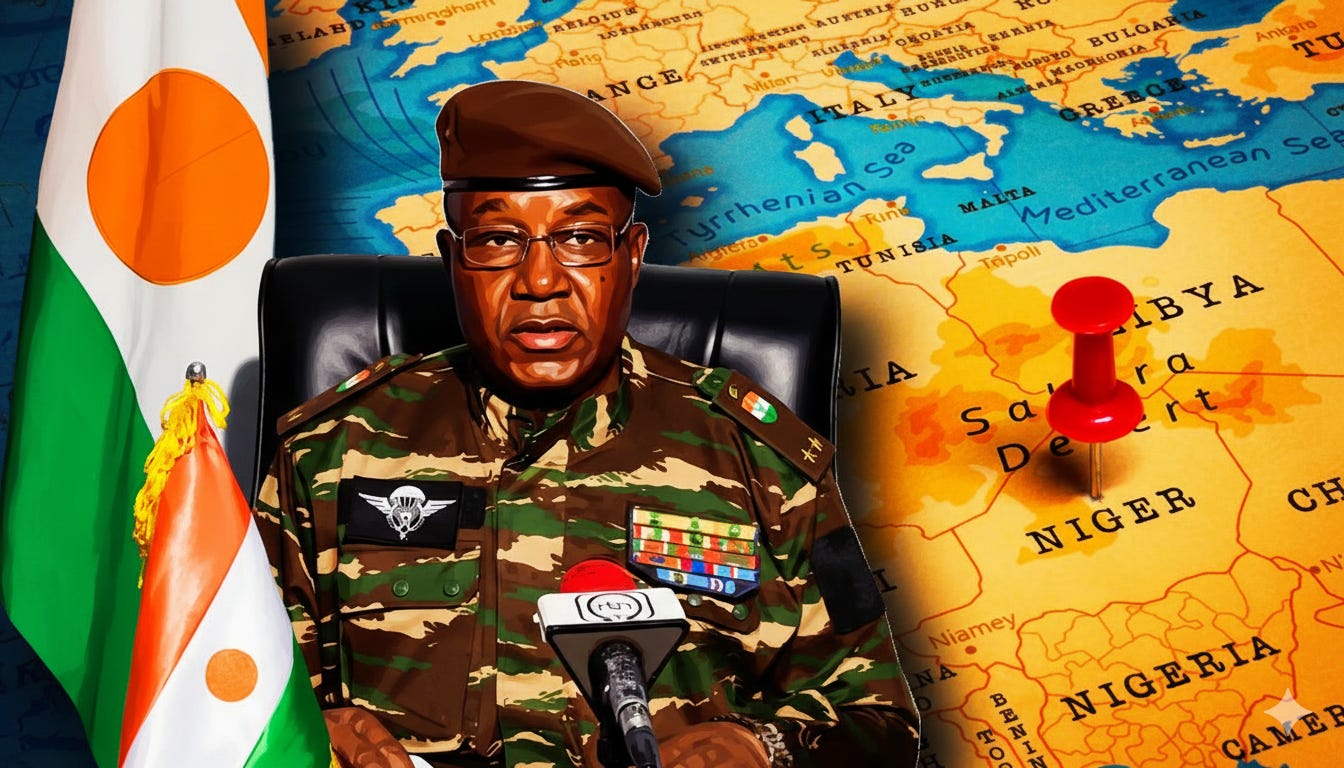
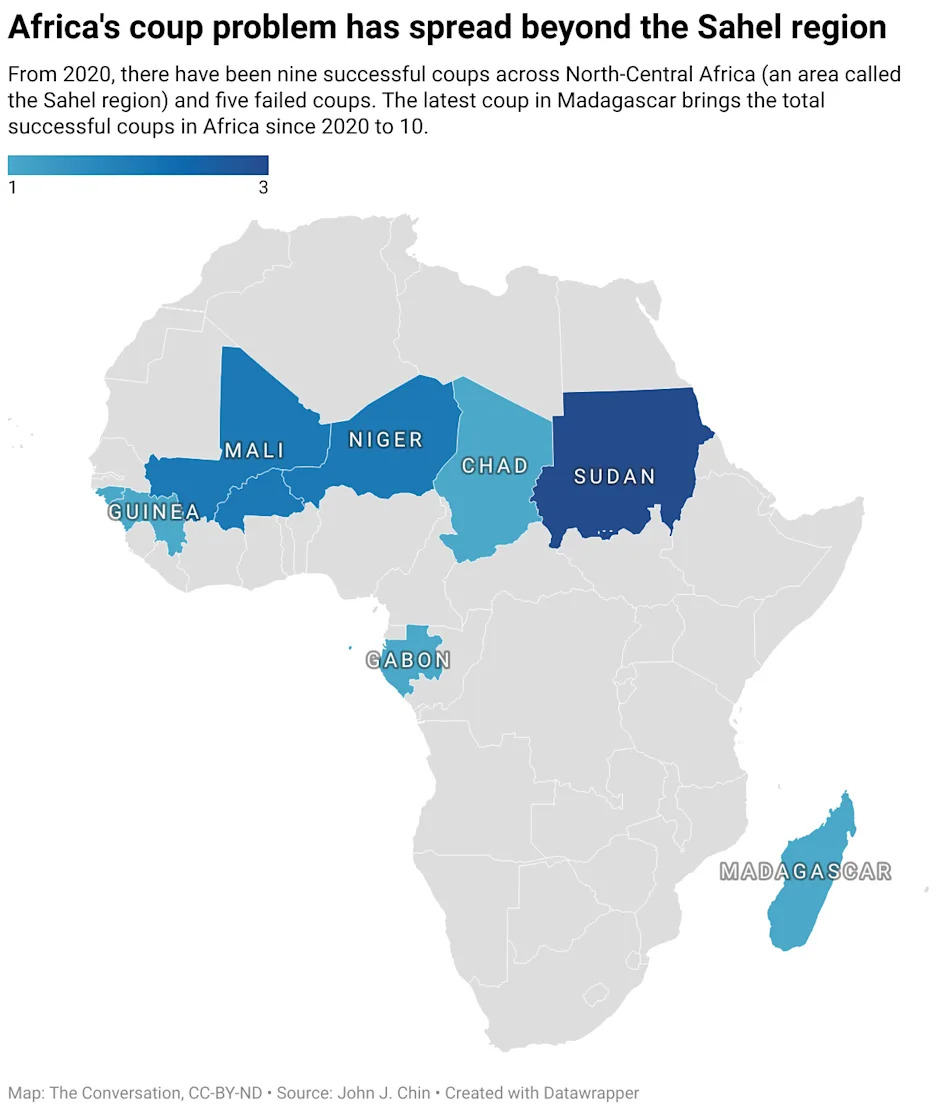
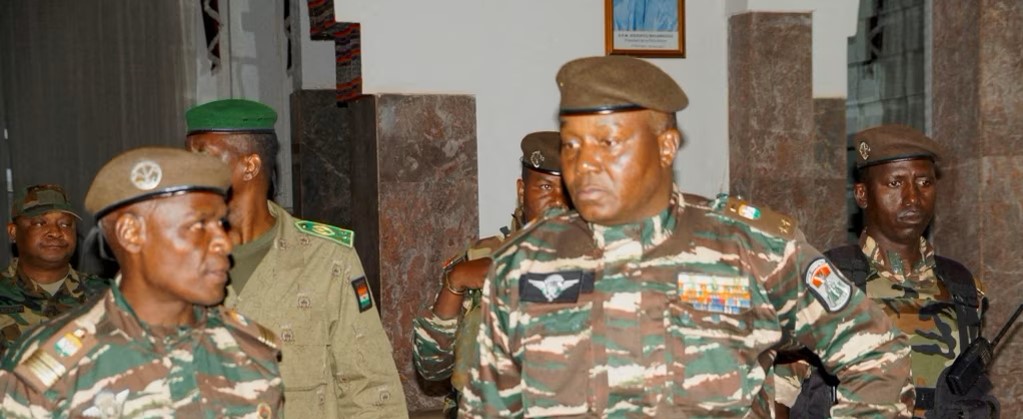
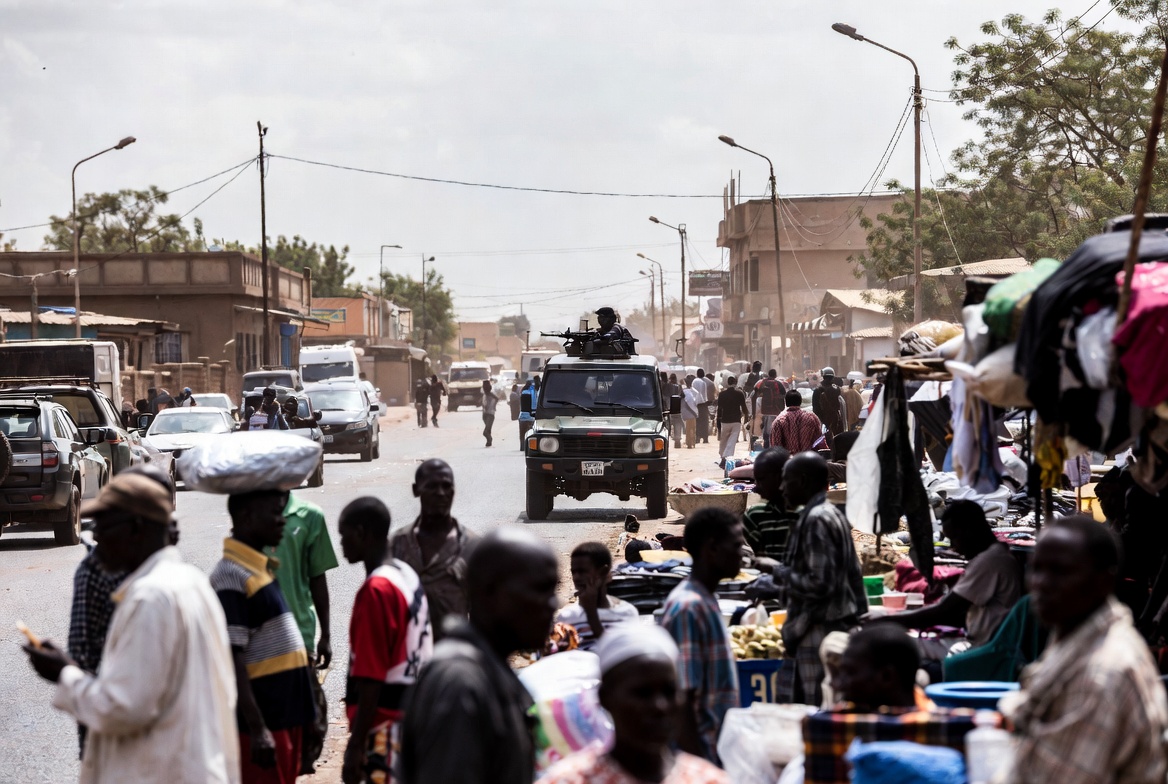
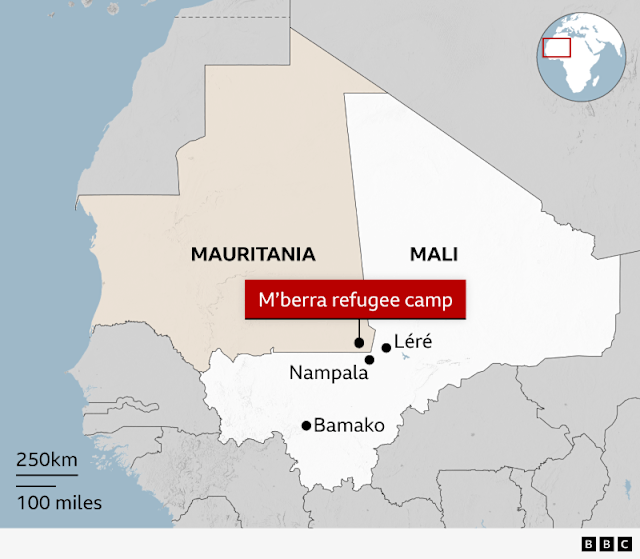
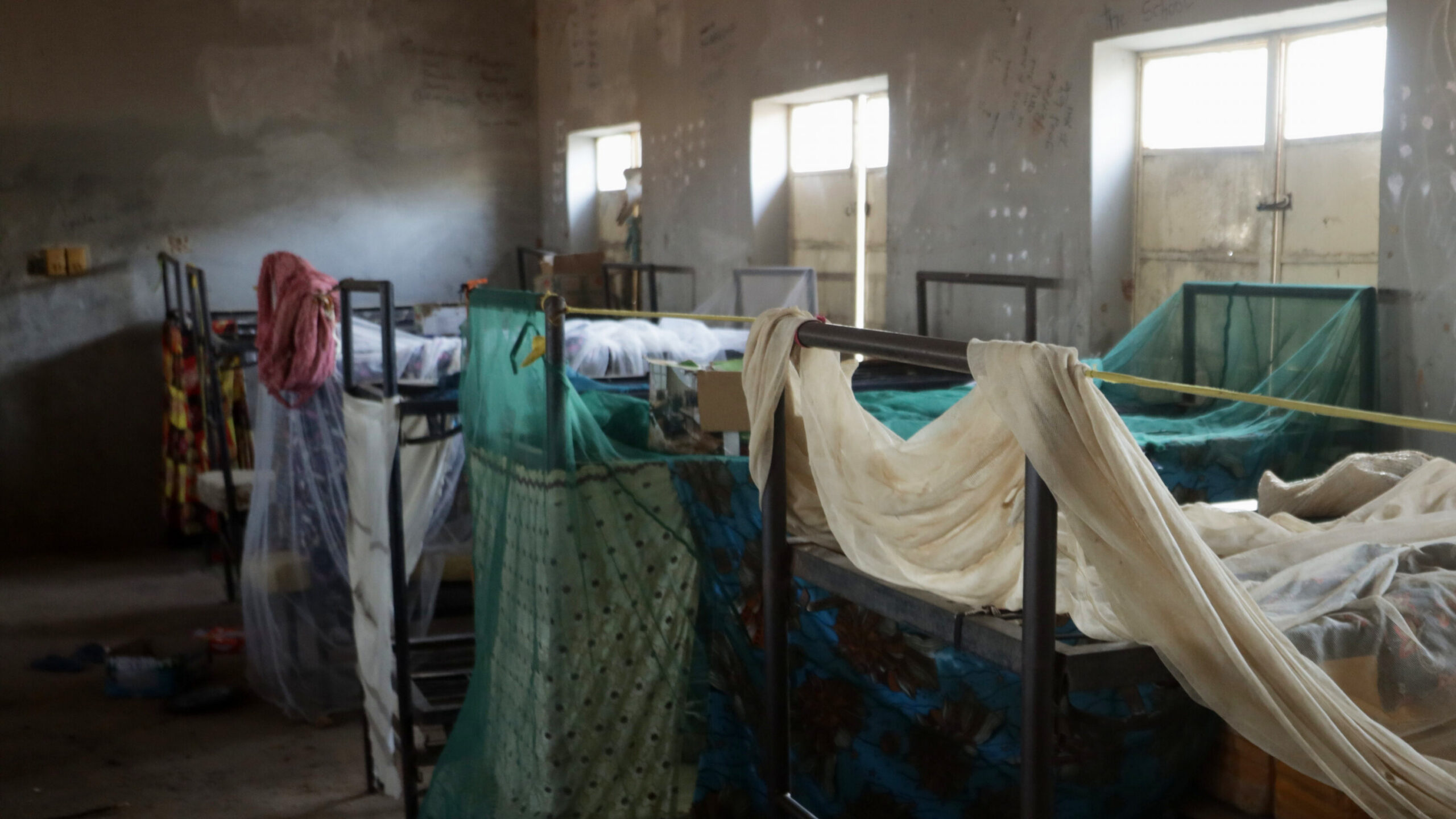
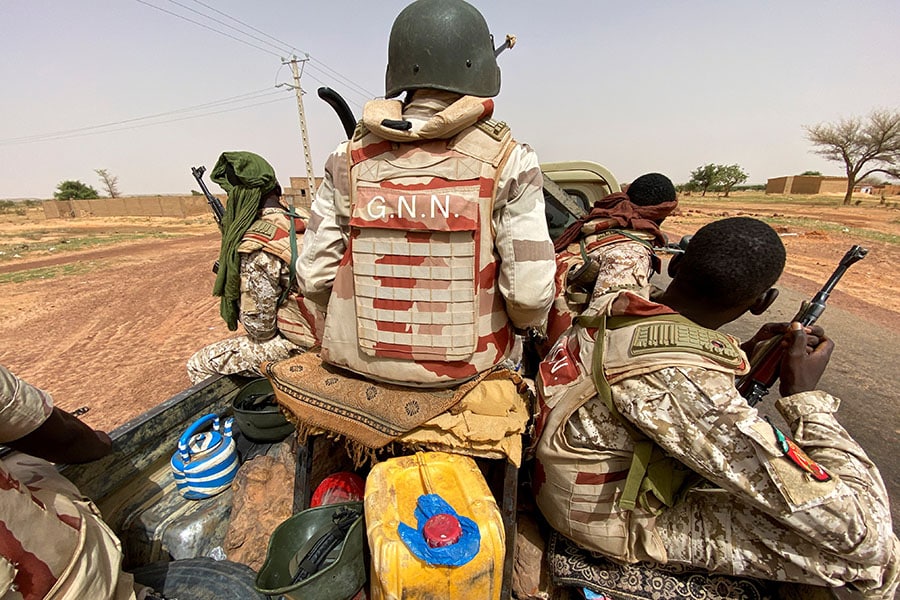
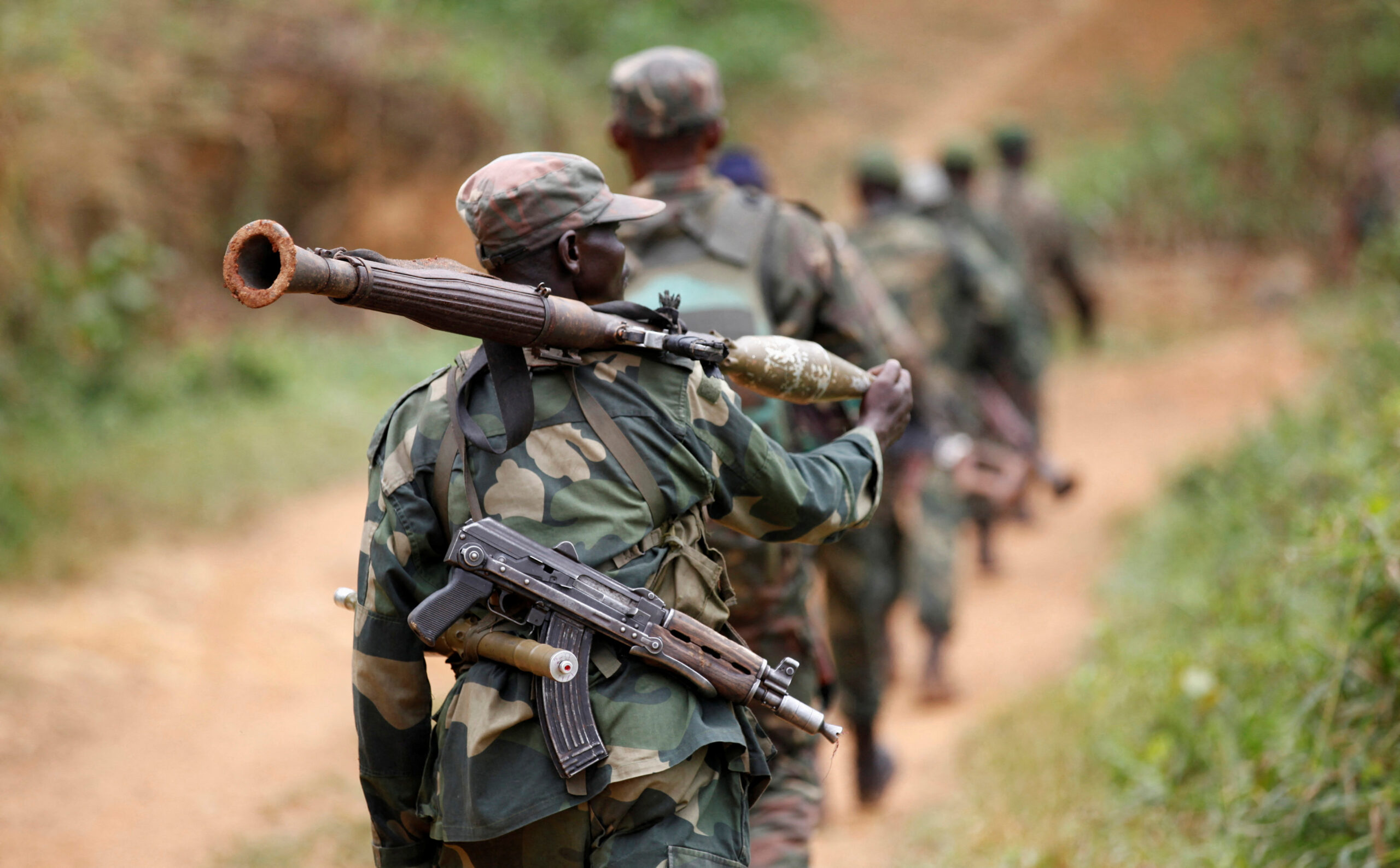
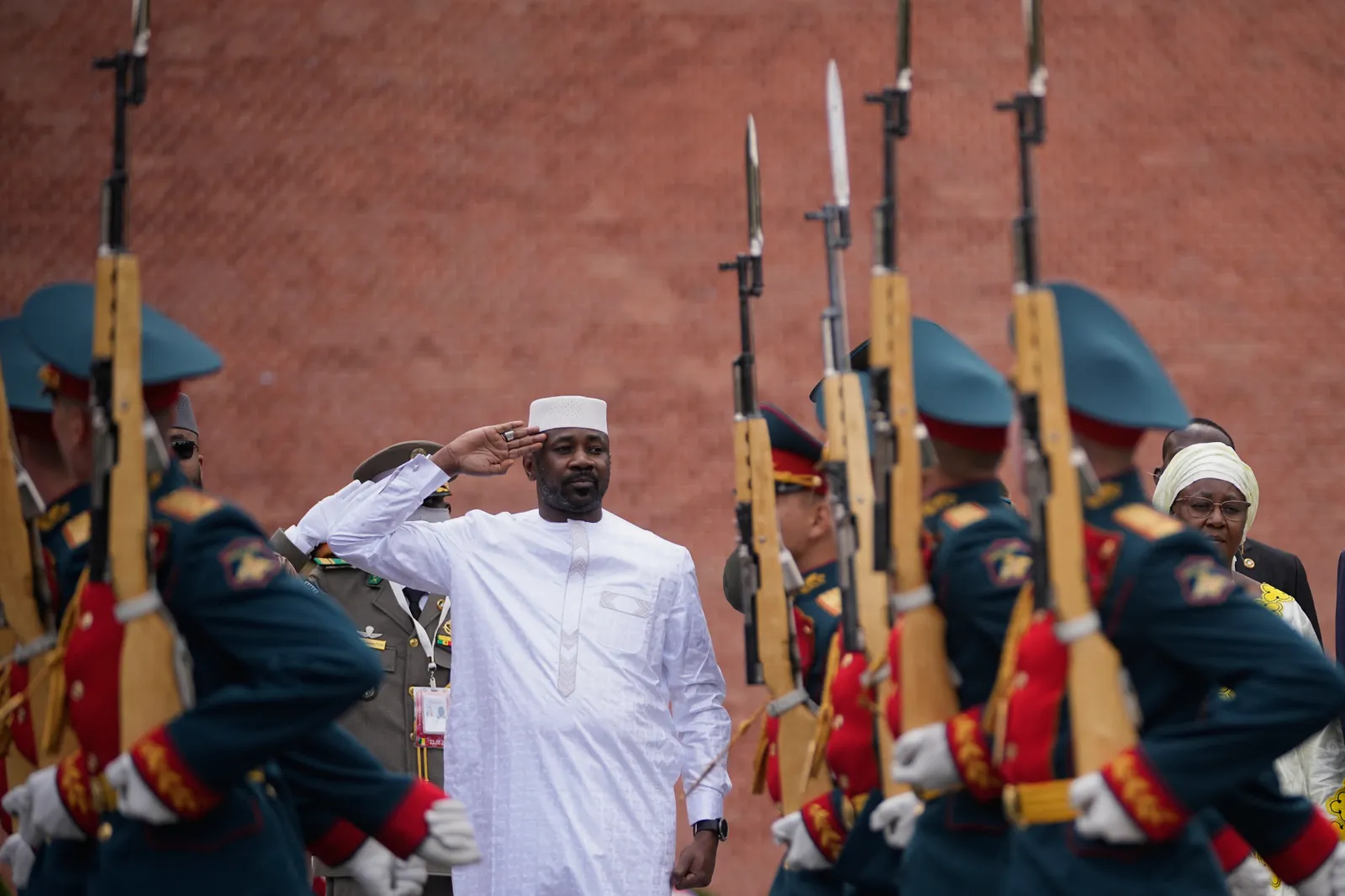
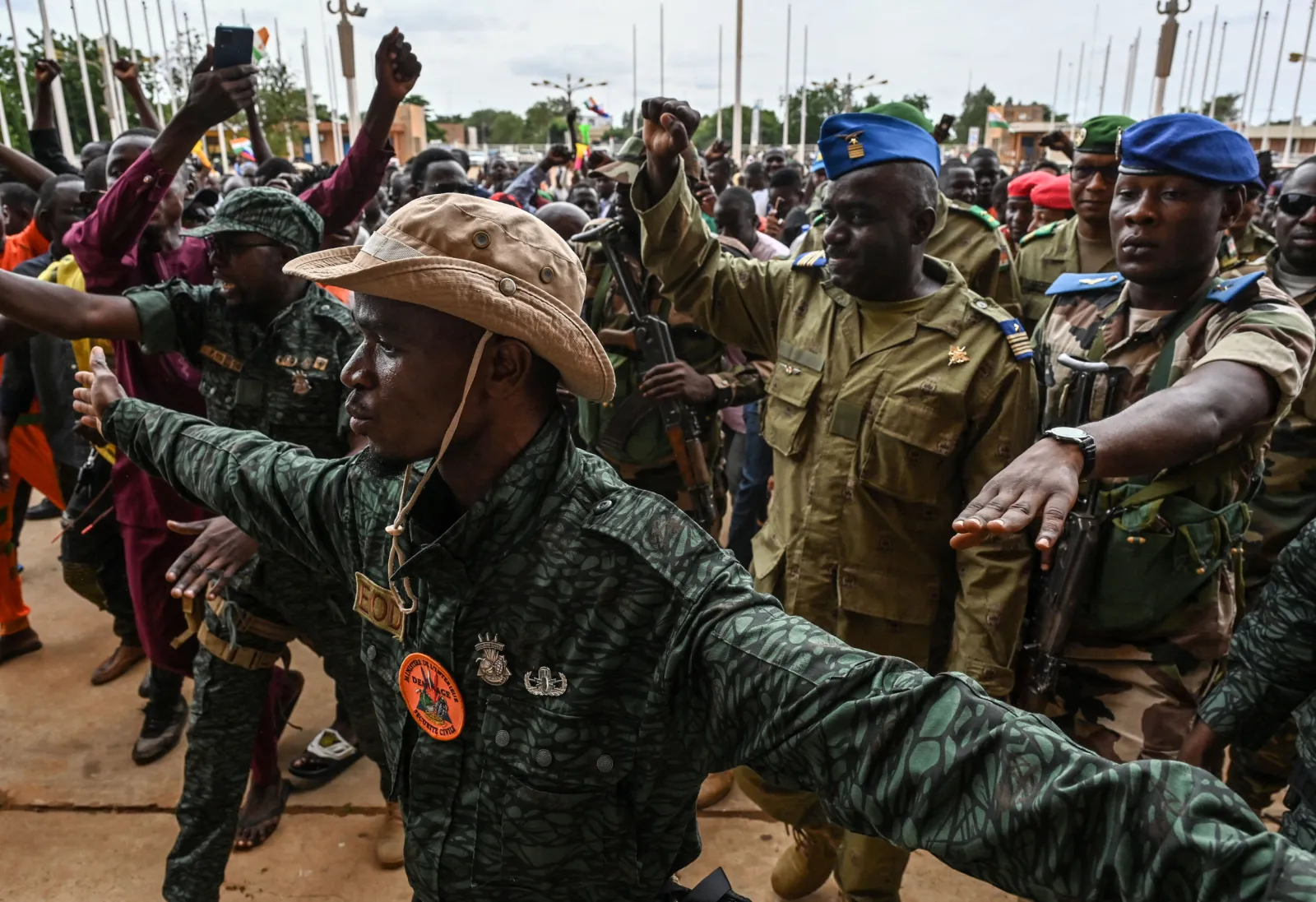
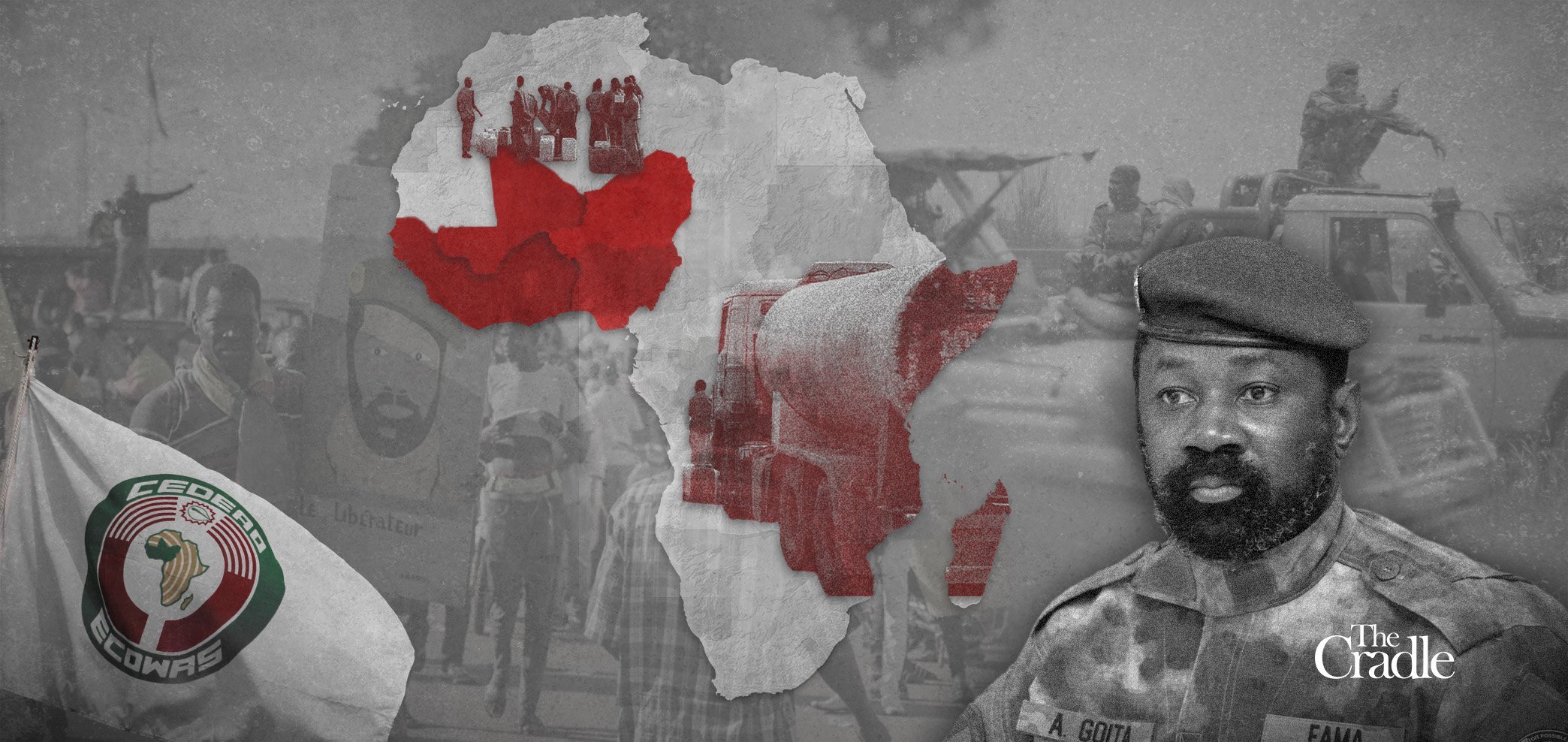
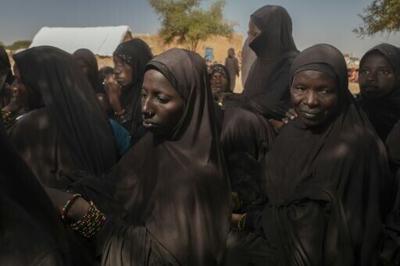
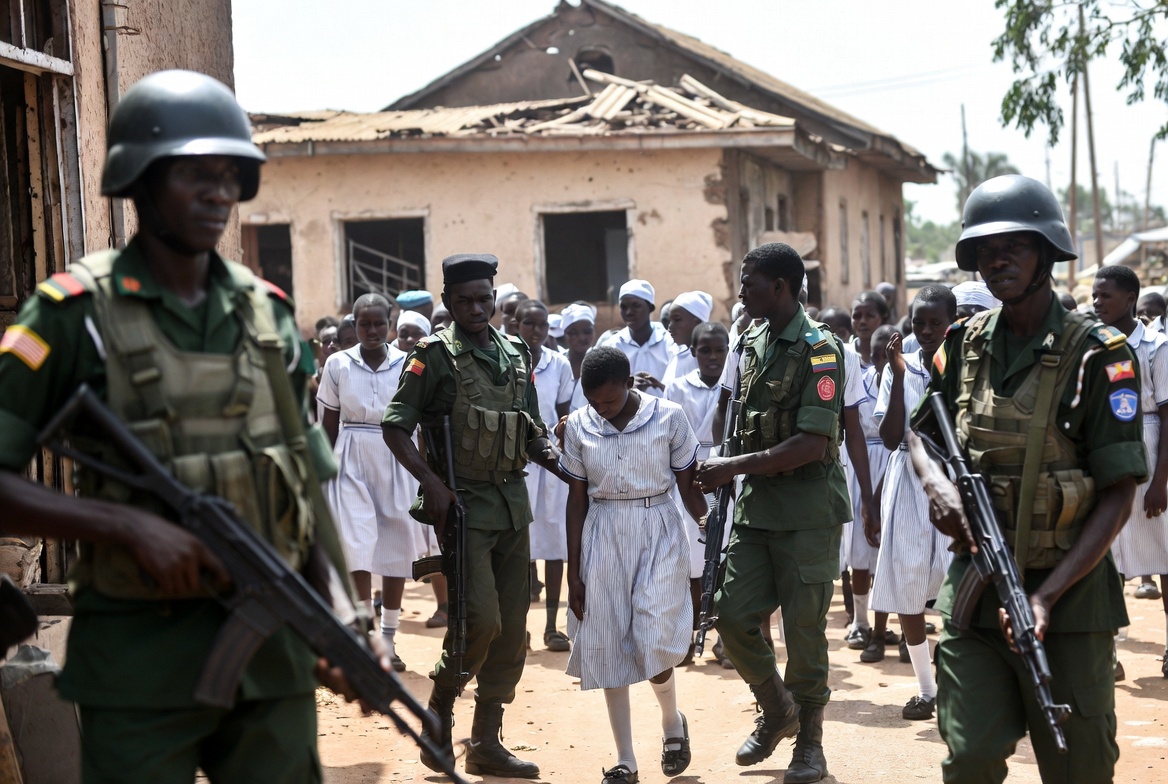
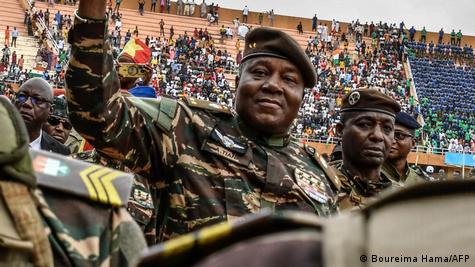
The Sahel region, a corner of West Africa long grappling with insurgency and political unrest, is seeing a significant shift. Burkina Faso, Mali, and Niger have forged the Alliance of Sahel States (AES), a powerful new coalition aimed at asserting regional control and pushing back against foreign influence. Launched in late 2025, this alliance marks a pivotal moment, doesn’t it? It signals a collective intent to reclaim security and foster stability, free from the external interference many locals feel has been ineffective or even detrimental for decades. This isn’t just a military pact, though; the AES, whose constitutional roots trace back to a July 7, 2024, treaty, also wants to stitch hope and independence back into communities ravaged by conflict, recognizing vulnerabilities suffered by those displaced by violence, especially women. They’re really trying to tackle both the root causes and the consequences of instability here.
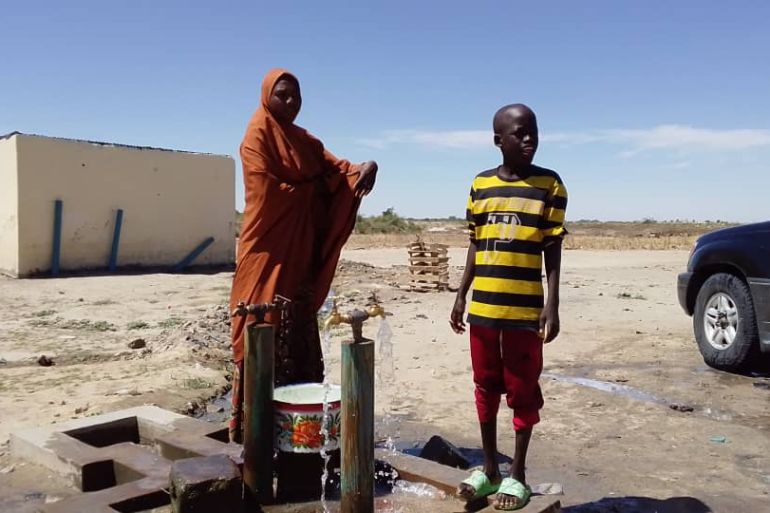
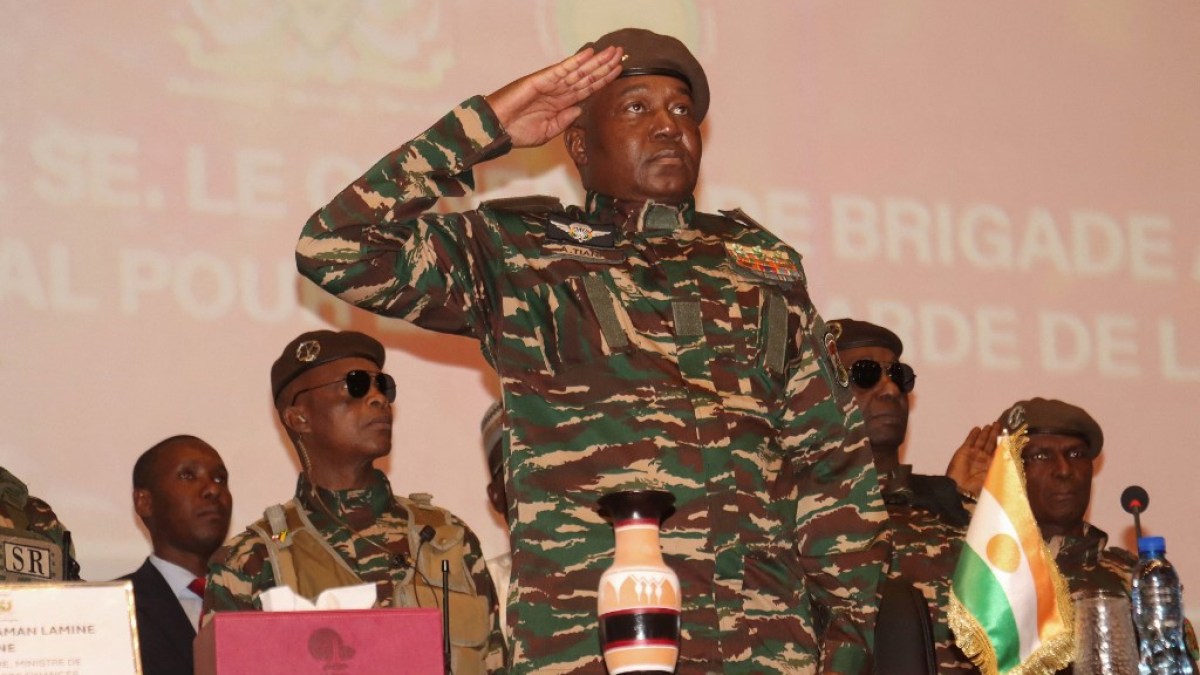
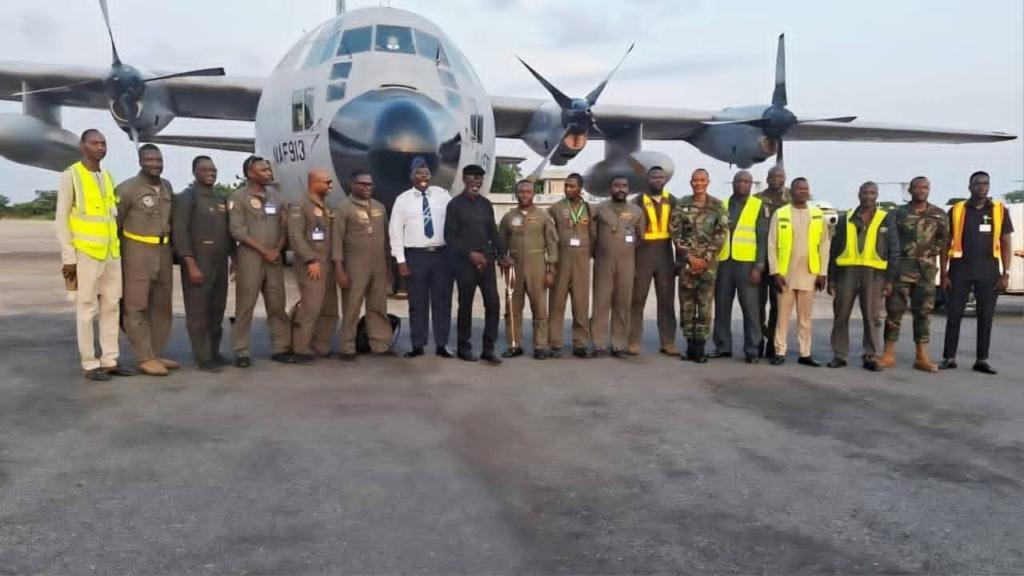
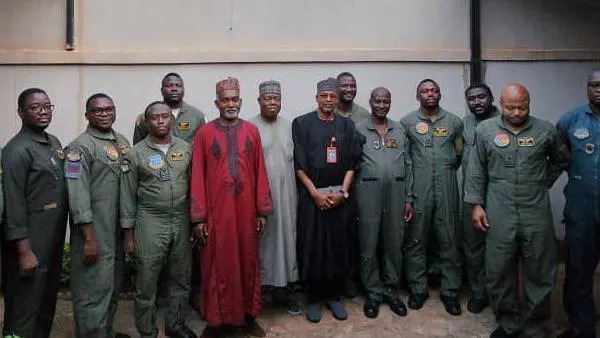
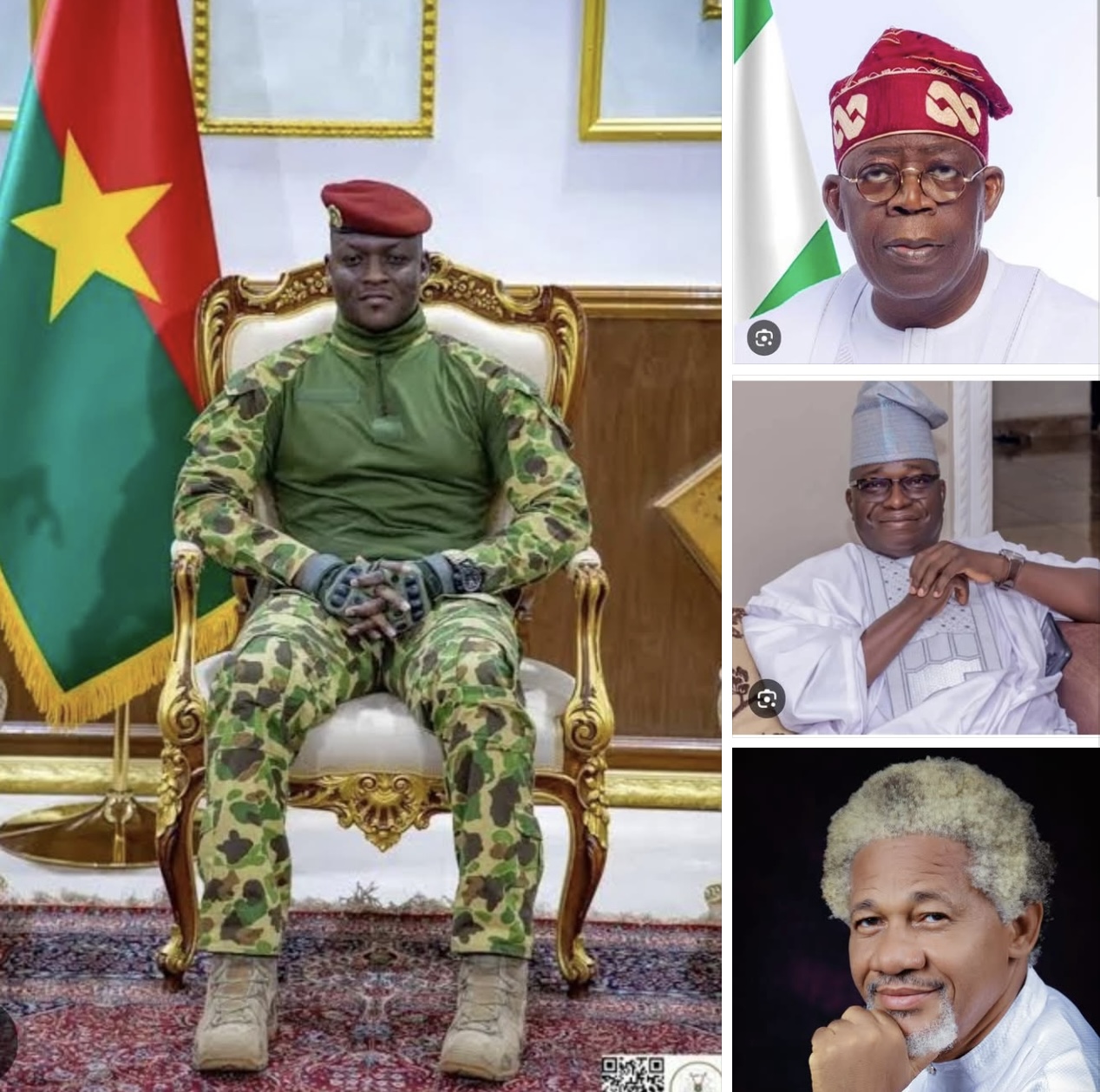
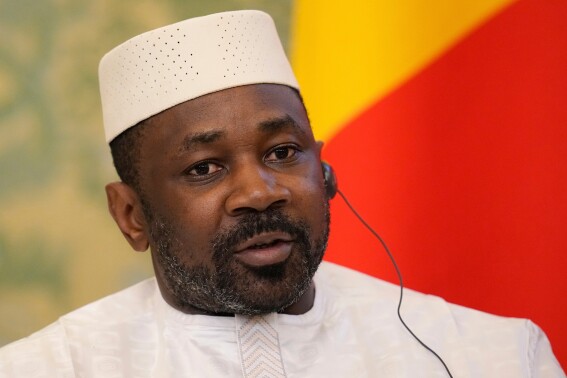
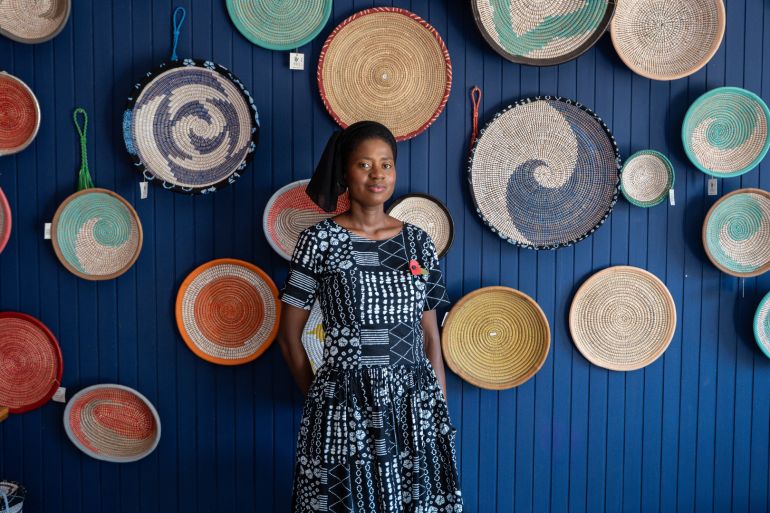
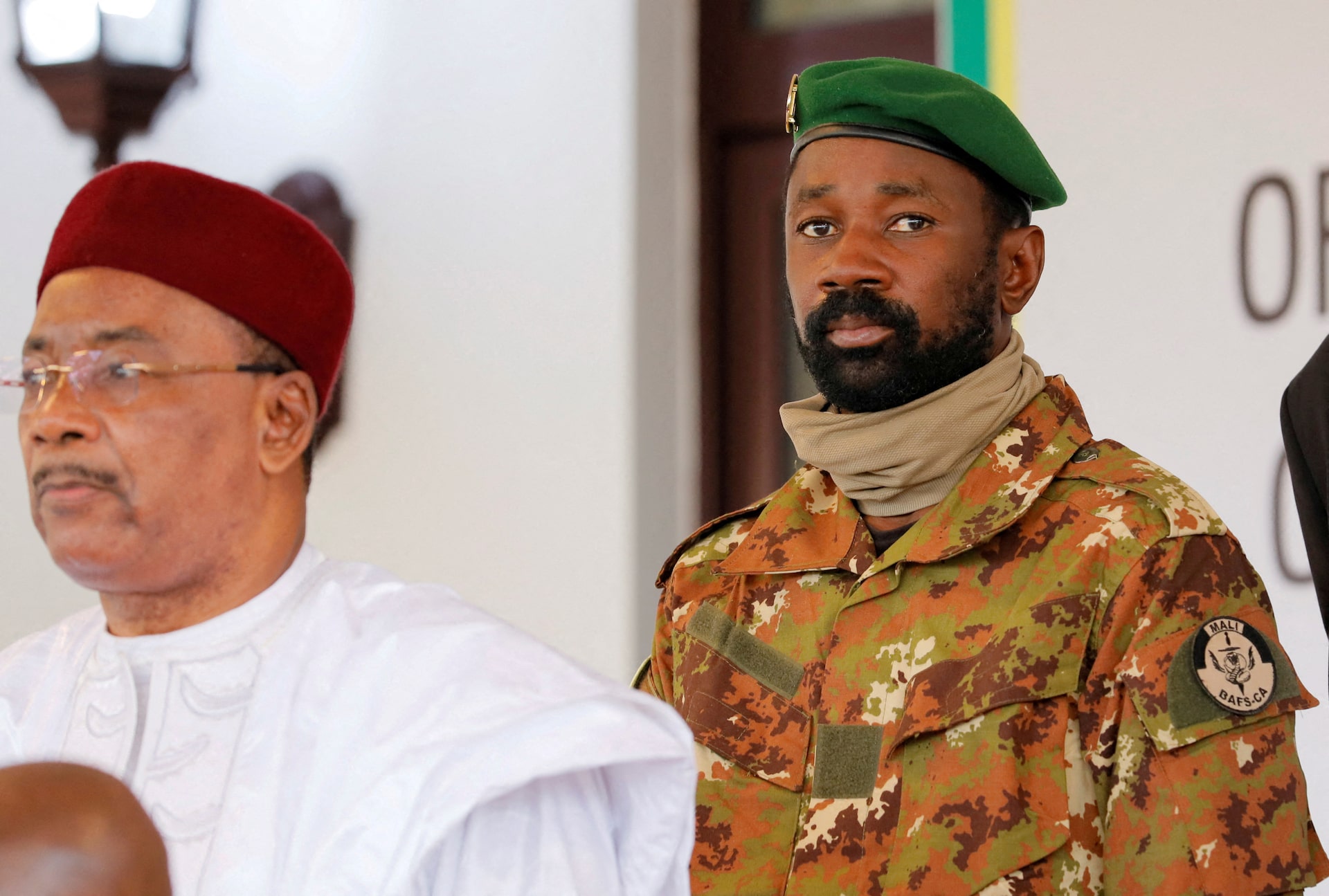
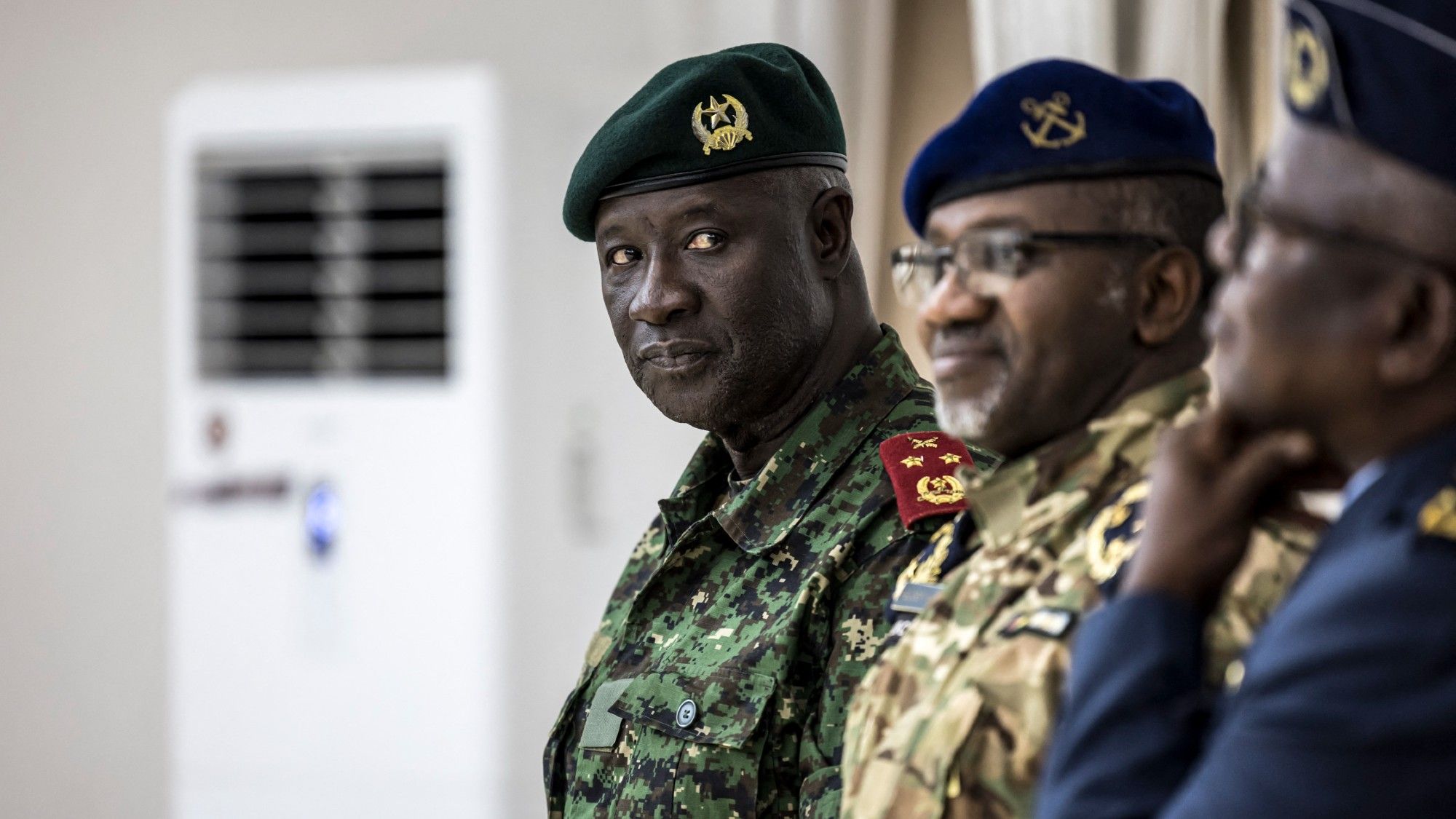
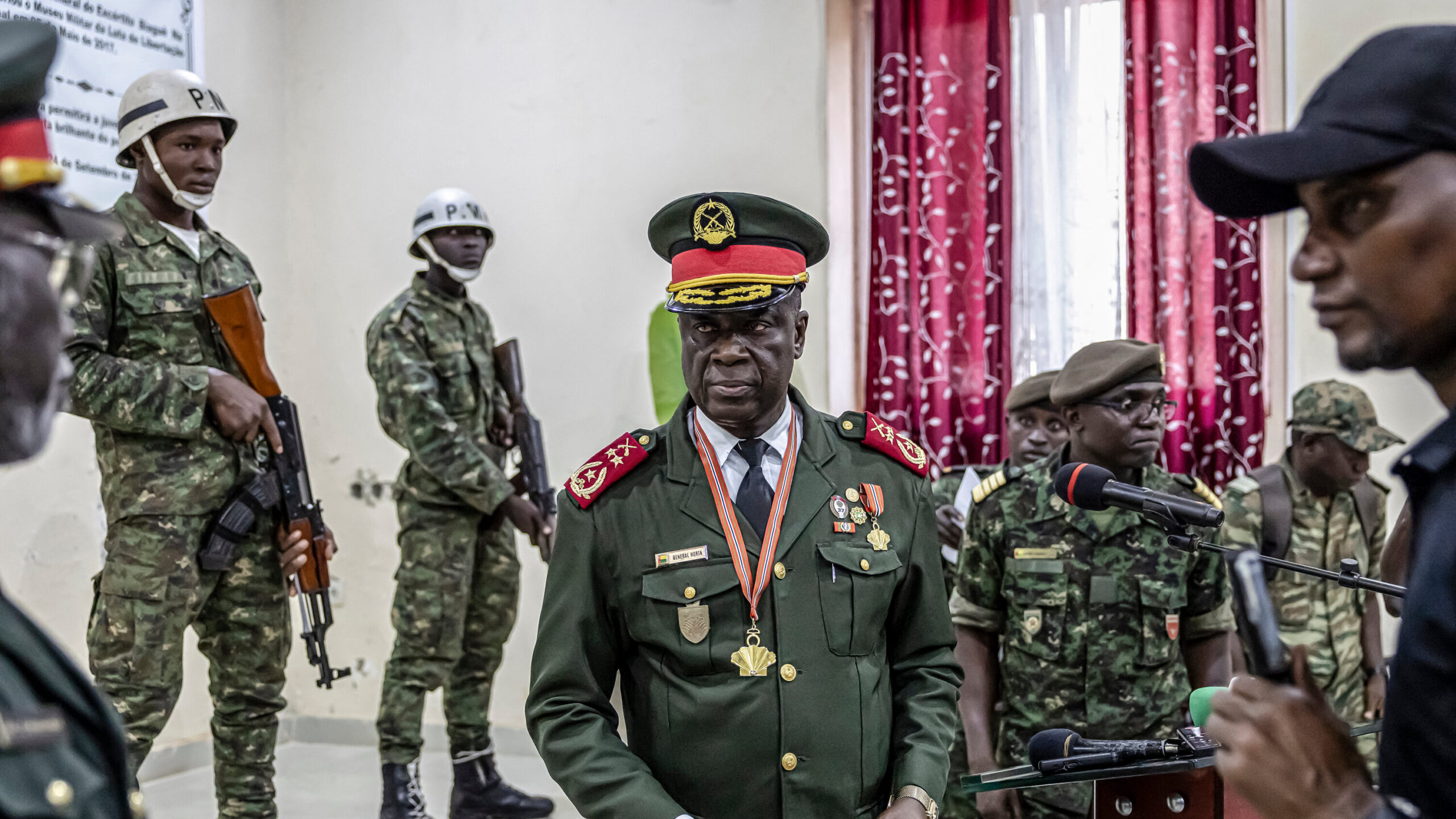
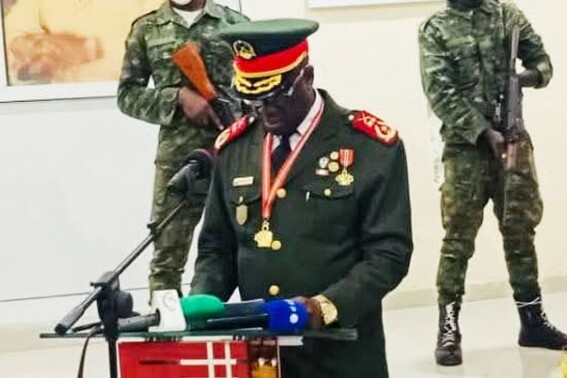
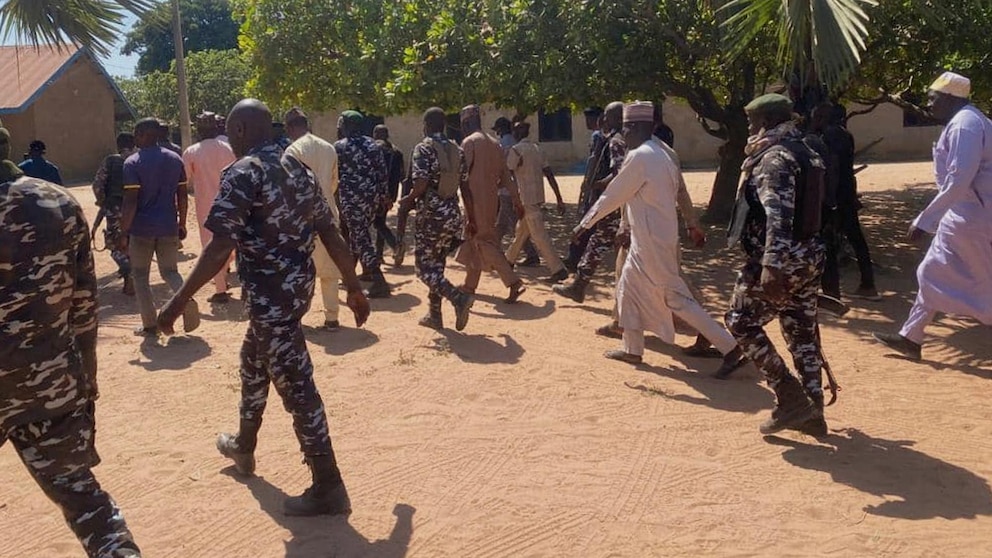
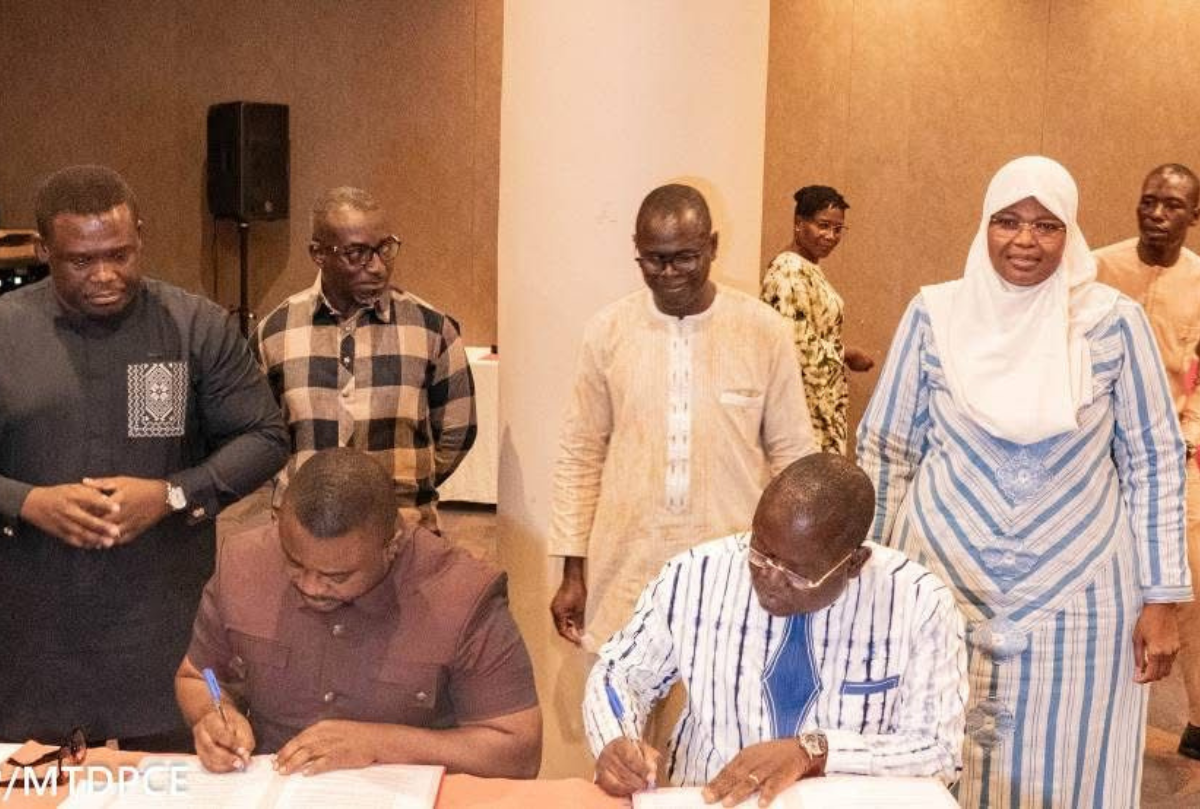
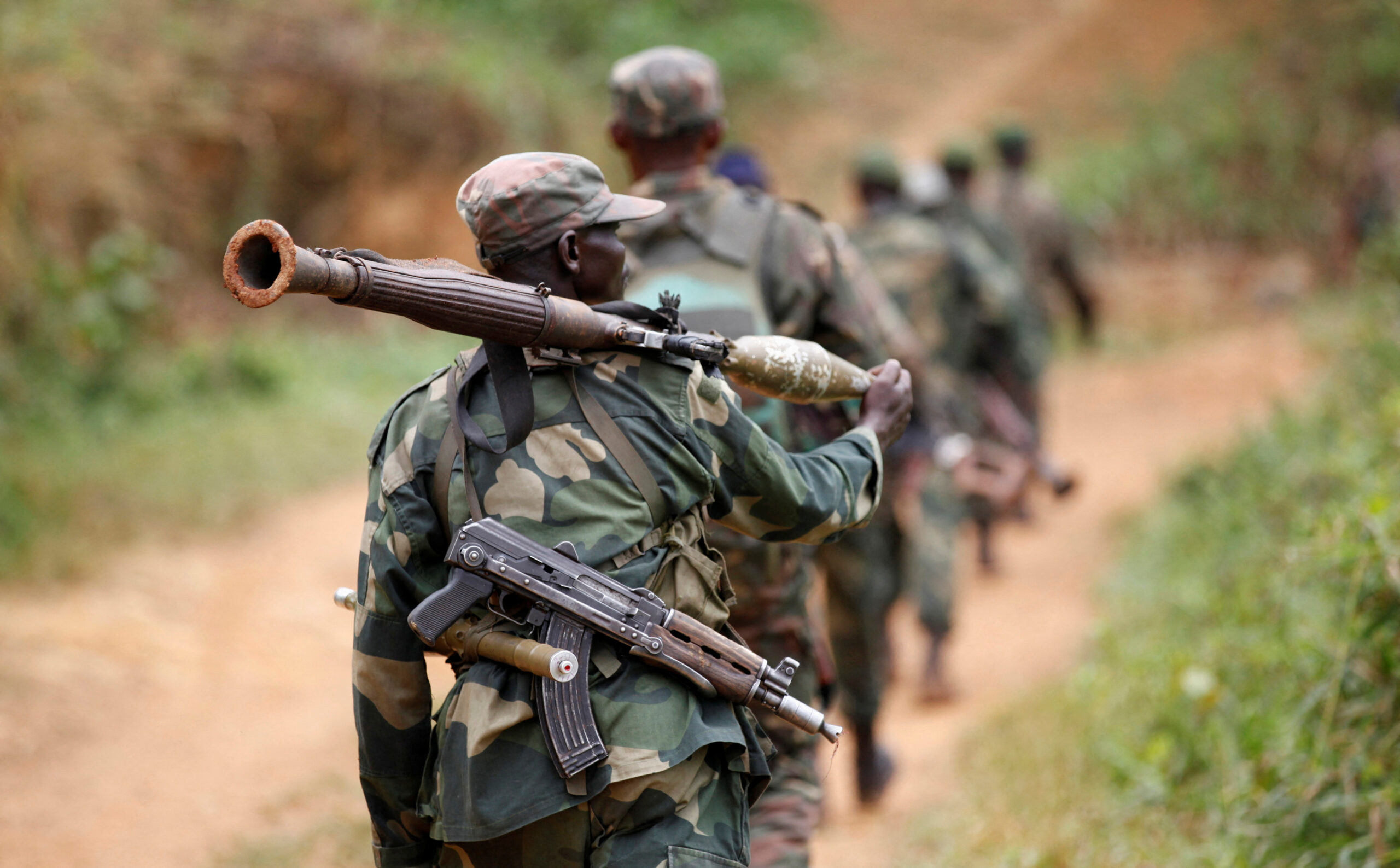
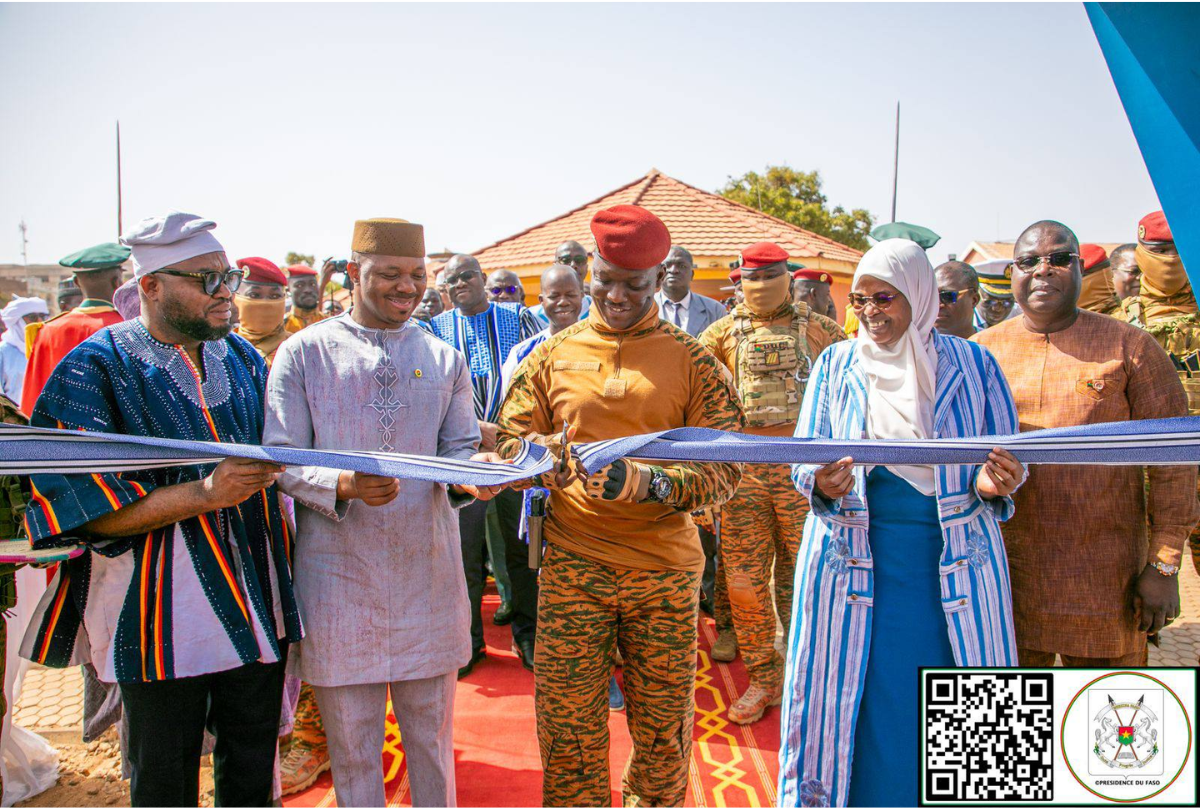
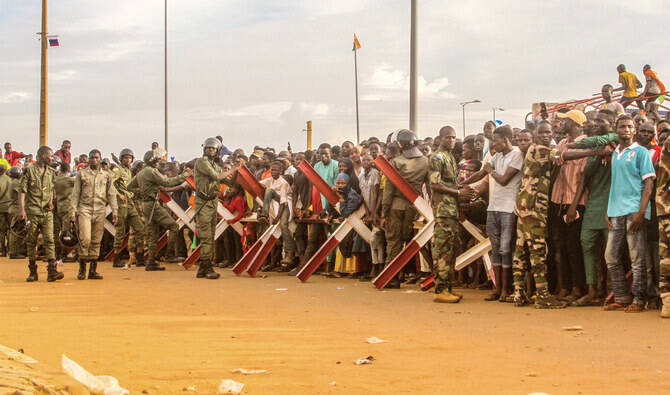
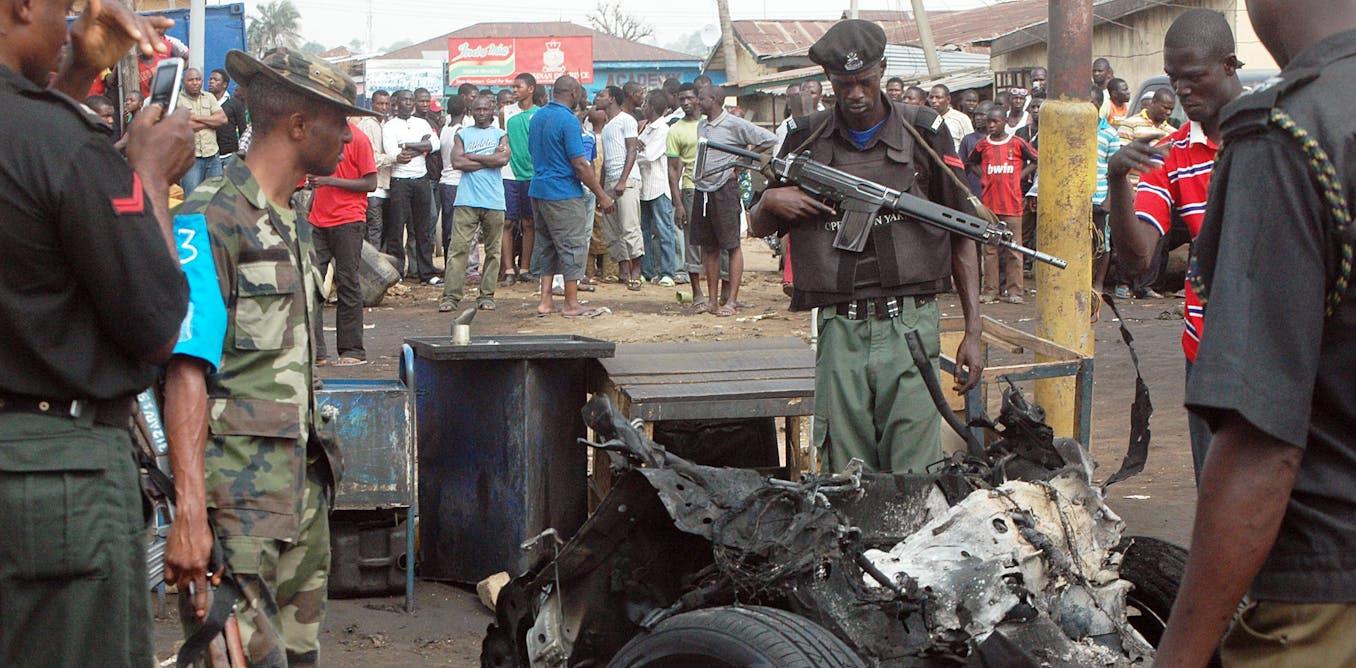
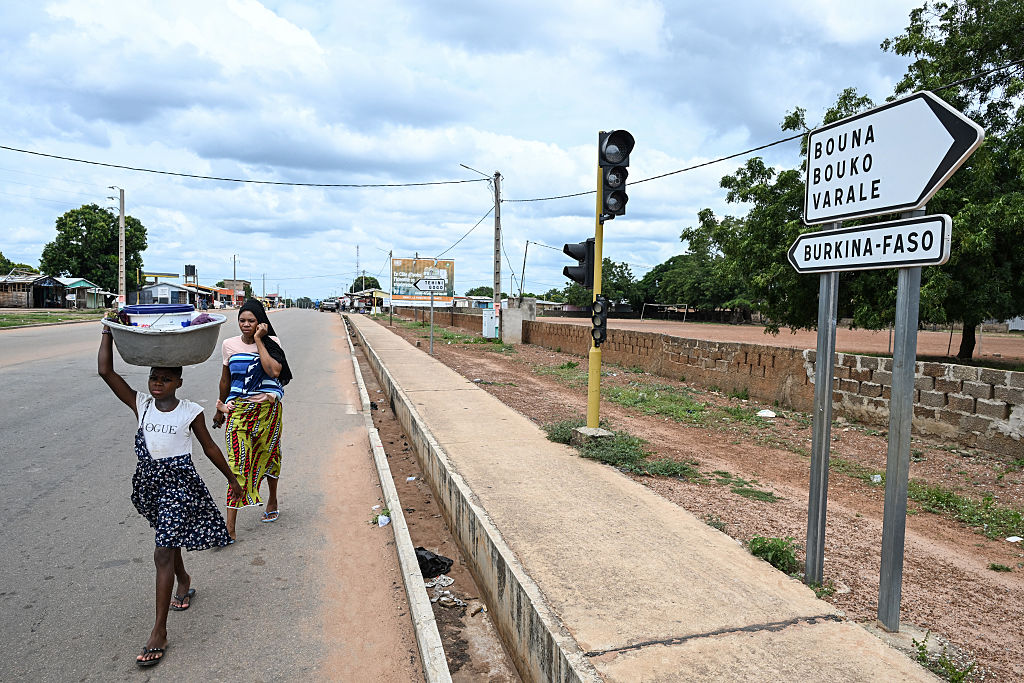
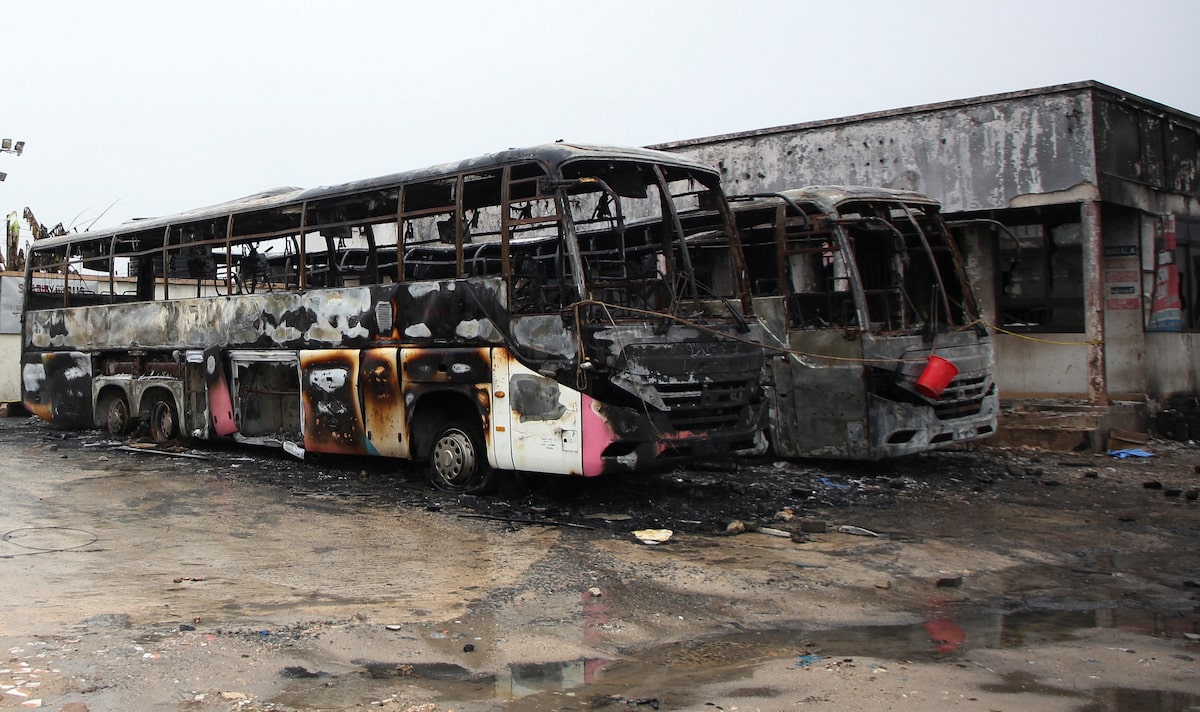
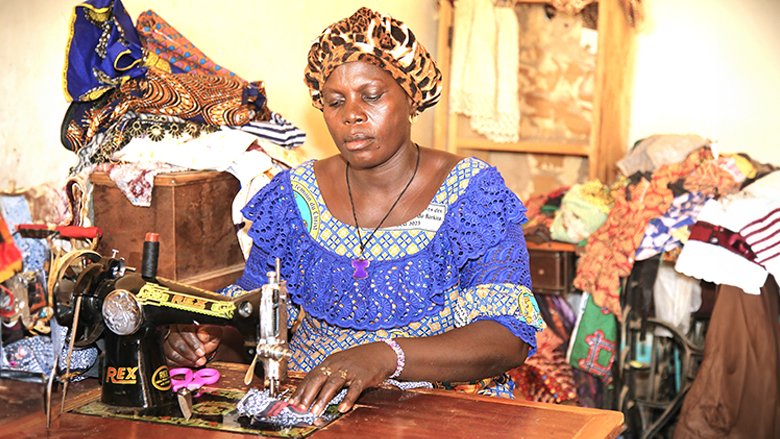
Of course, forging such an alliance isn’t without its challenges. Tensions flared in December 2025 when the AES accused a Nigerian plane of violating Burkina Faso’s airspace, a stark reminder of the delicate sovereignty issues at play. This kind of incident underscores the vigilance required as they balance regional diplomacy with firm assertiveness. Beyond security, the alliance is working hard on socio-economic fronts. They’ve partnered with international actors, like the World Bank, to launch empowerment programs. For instance, an initiative focusing on economic inclusion provides skill development and income-generating opportunities for displaced women, training them in crafts like sewing. Meanwhile, individual member states are seeing positive developments, too. Mali recently witnessed fighters in the Kidal region laying down arms, a truly hopeful sign for peacebuilding. New political appointments, such as Musa’s designation as Mali’s Defence Minister, are part of a broader effort to professionalize and strengthen security institutions, which is absolutely critical for the alliance’s success. You can learn more about how experts weigh in on this appointment.
The establishment of the AES isn’t just about immediate military concerns. It’s fundamentally redefining regional identity and power dynamics in a part of Africa long influenced by outside powers. While their move is a bid for a more autonomous future, its leaders insist it’s not isolationist. Instead, they’re aiming for a balance, working with global partners while firmly insisting on African leadership for their destiny. The world is watching closely as the Sahel, often seen as a region of fragile states, attempts to rewrite its narrative through this bold endeavor. Sustaining internal cohesion among member states, effectively managing external relations, and delivering tangible improvements in citizens’ quality of life will be key to their success. What do you think, could this integrated vision serve as a blueprint for other regions facing similar dilemmas? This approach to Sahel security and political dynamics is a rare convergence of security and development priorities, charting a new course for hope and progress. For additional insights into Burkina Faso’s challenges or the ongoing jihadist threat in Mali, Africaratel has more reporting. The Alliance of Sahel States really is stitching together more than just a defense pact; it’s building a framework for a more stable and prosperous future.