Nigeria’s Swift Action in Benin Thwarts Coup Amidst West Africa’s Growing Security Challenges
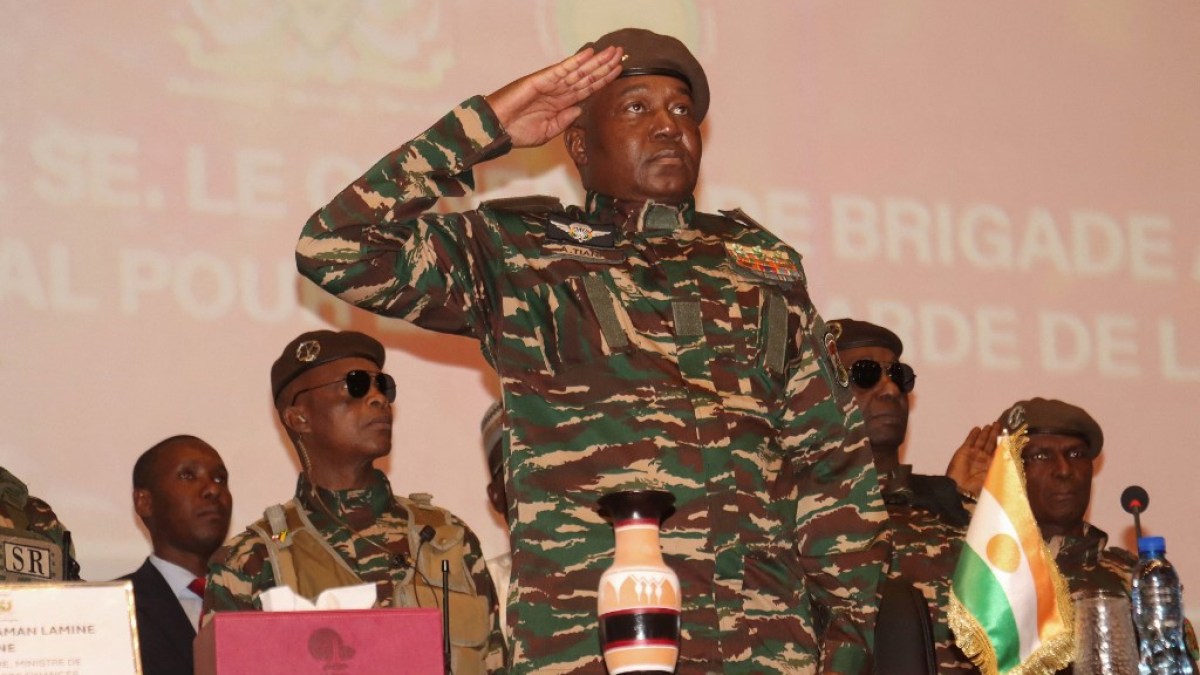
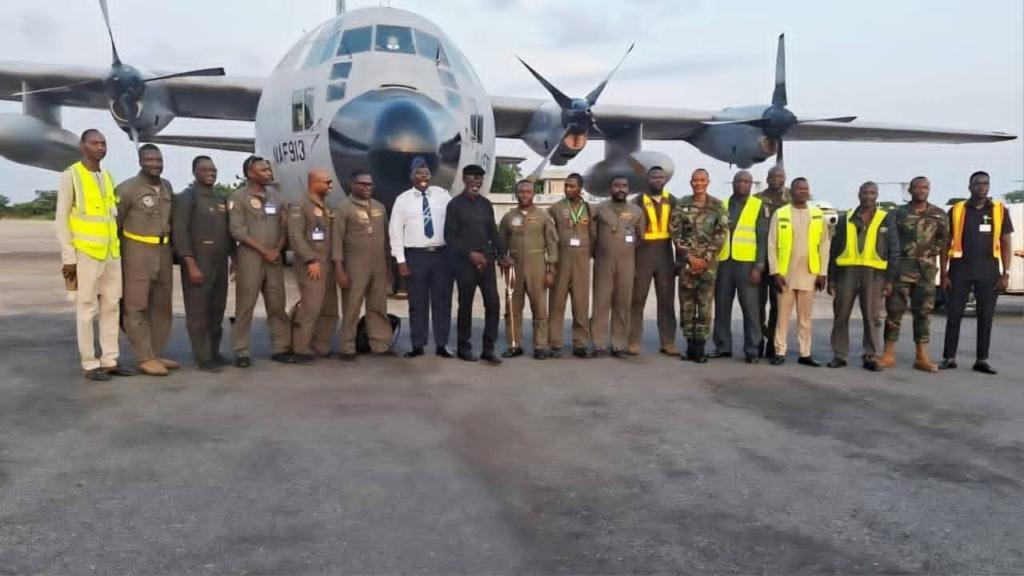
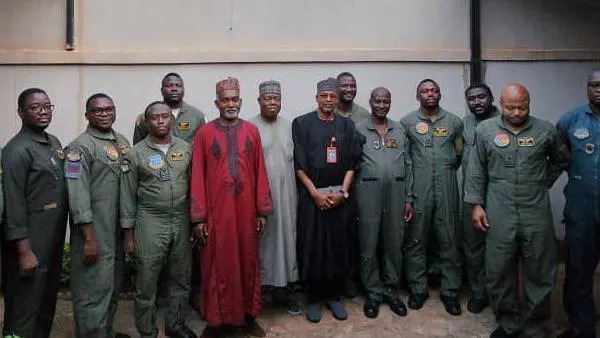
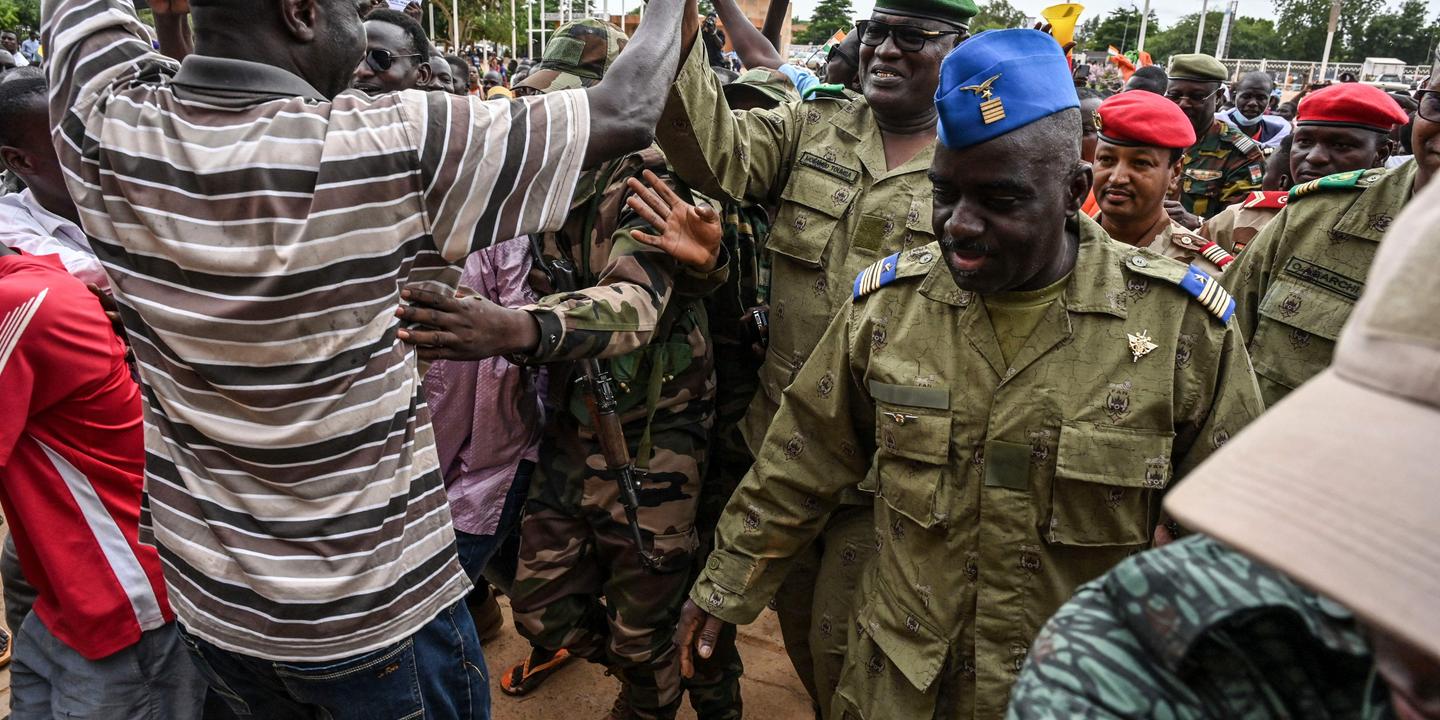
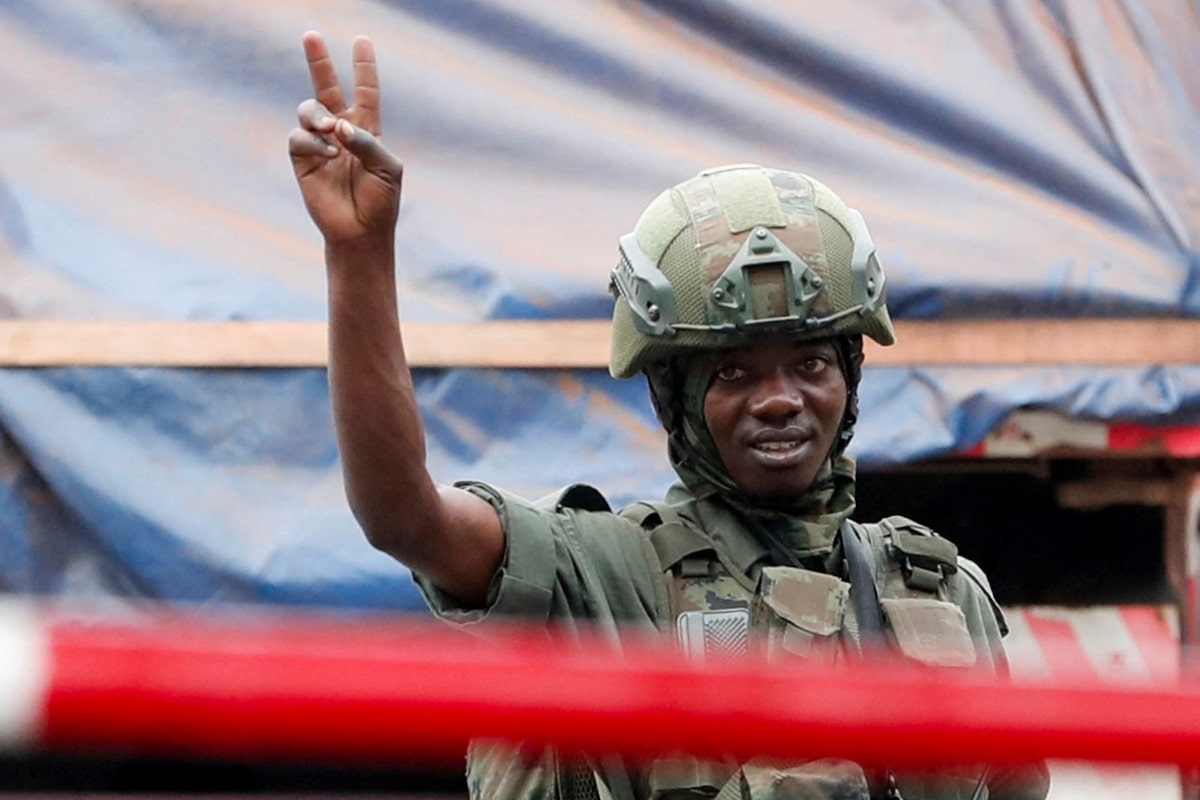
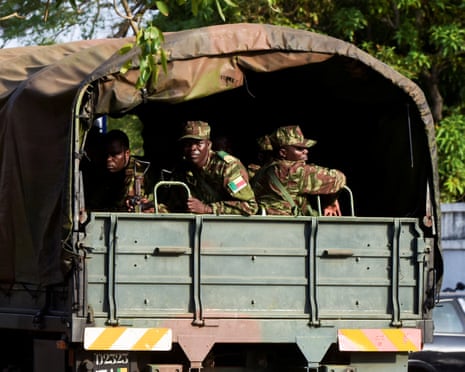
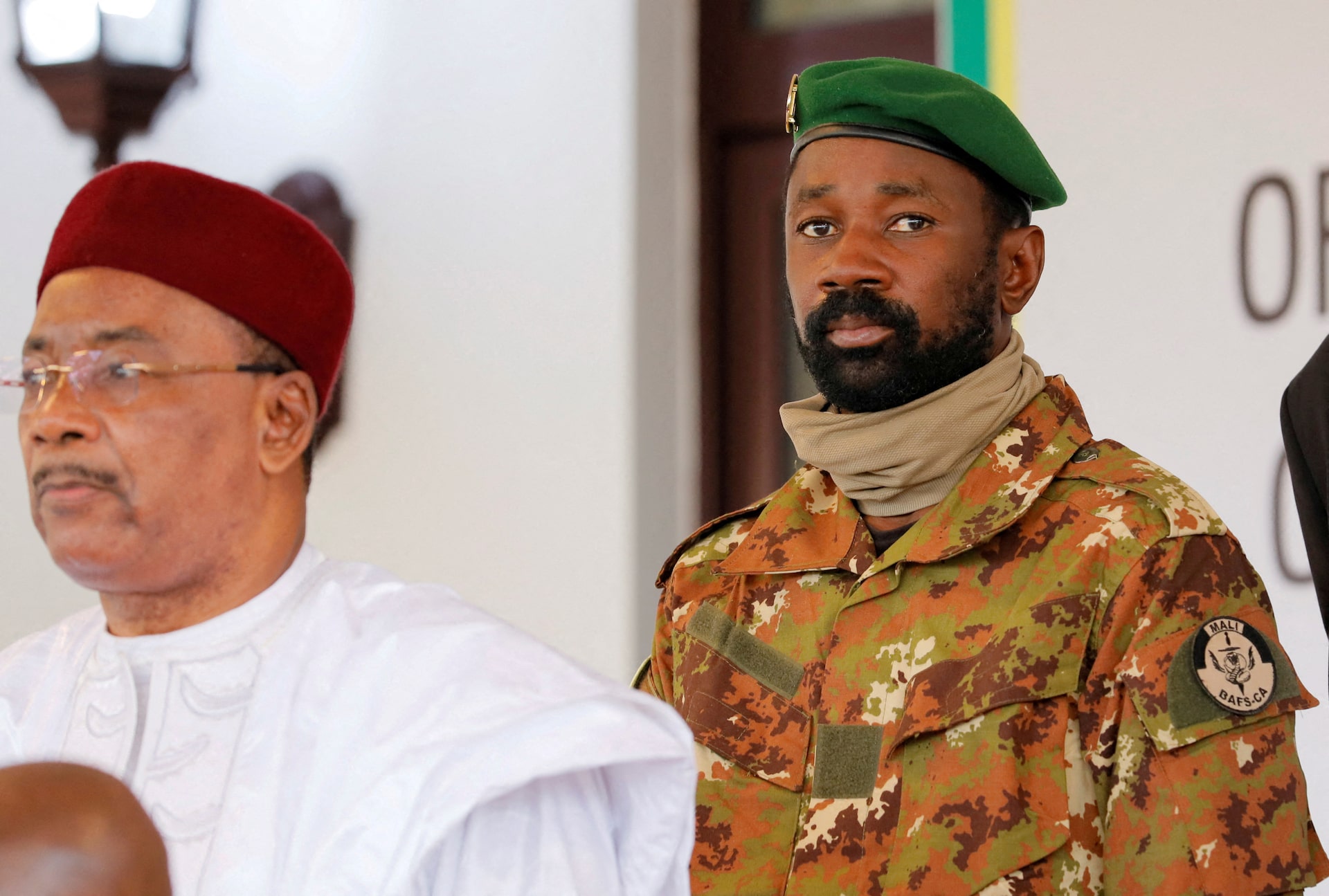
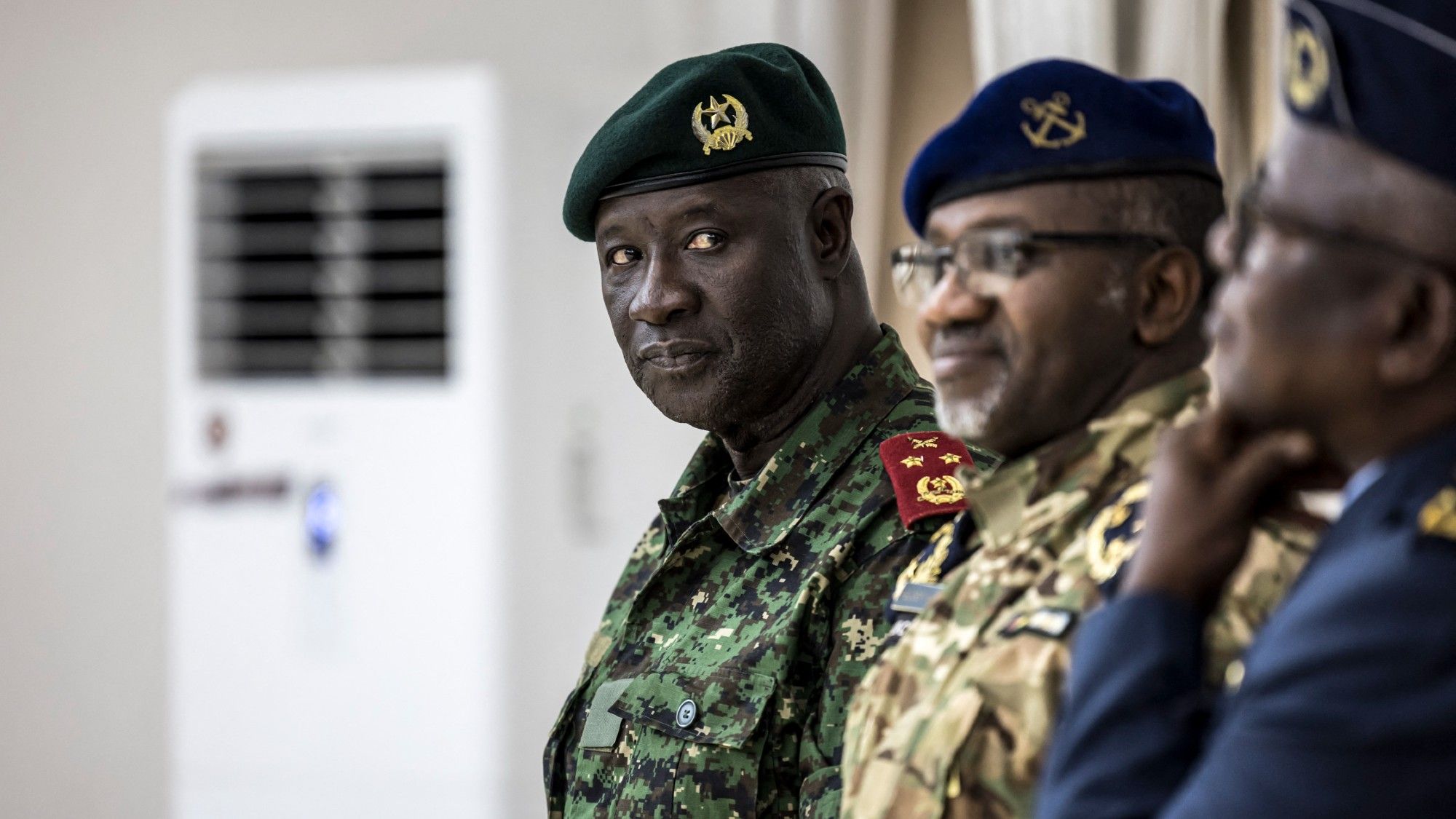
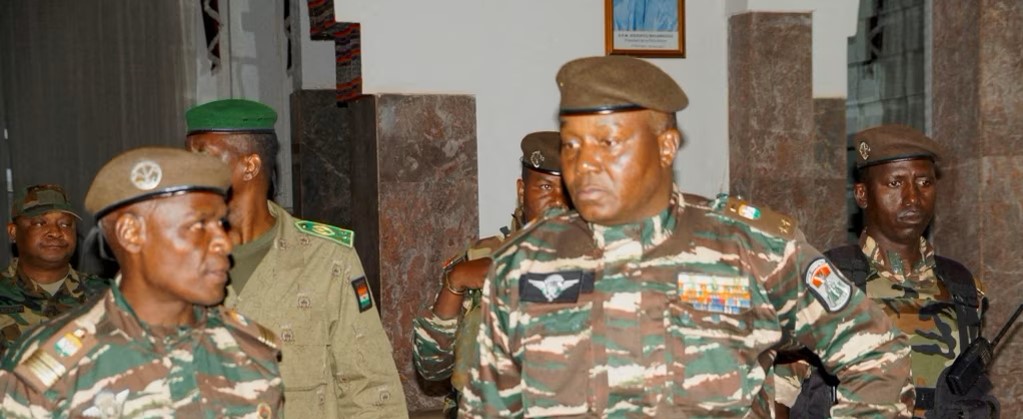
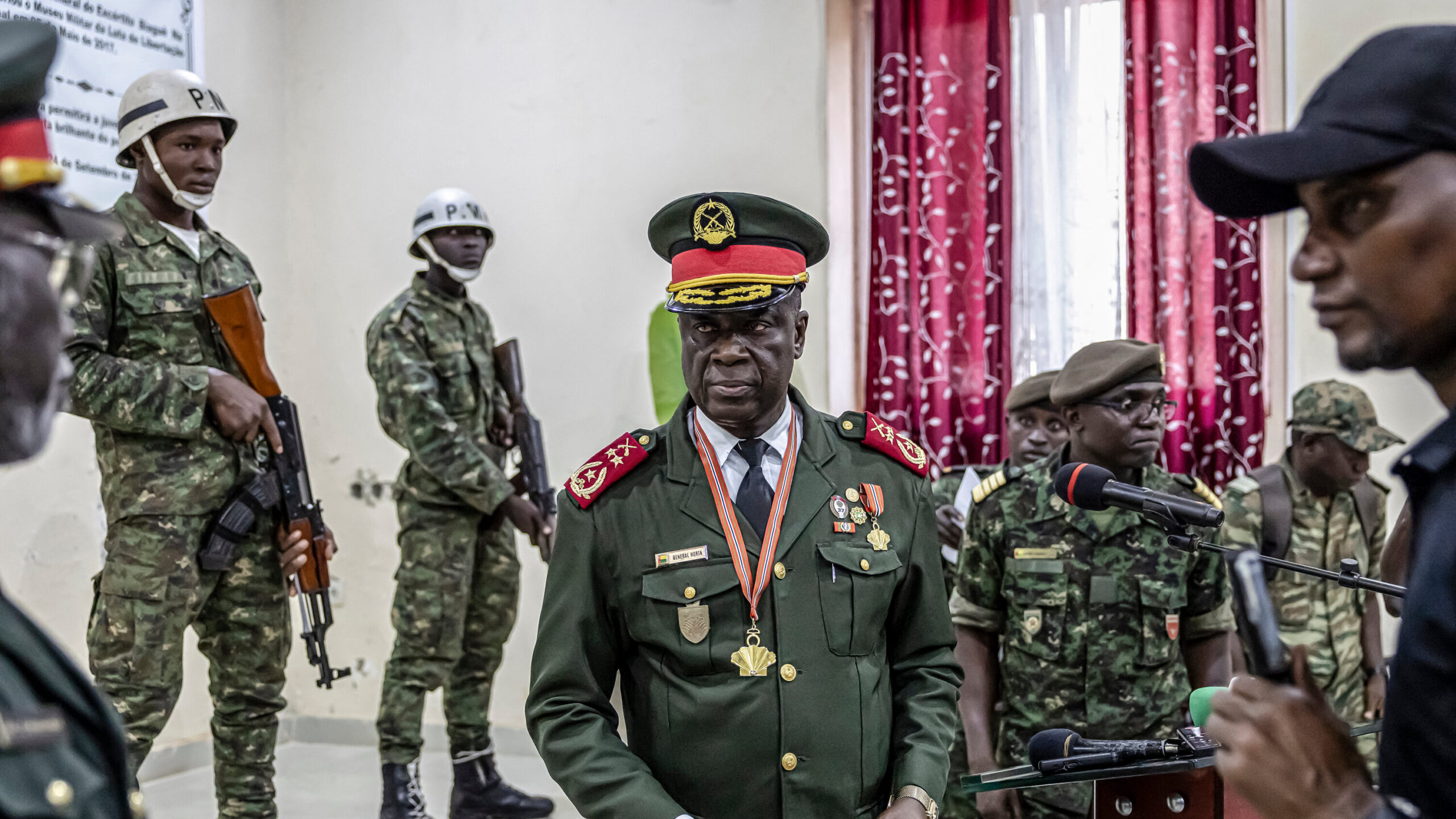
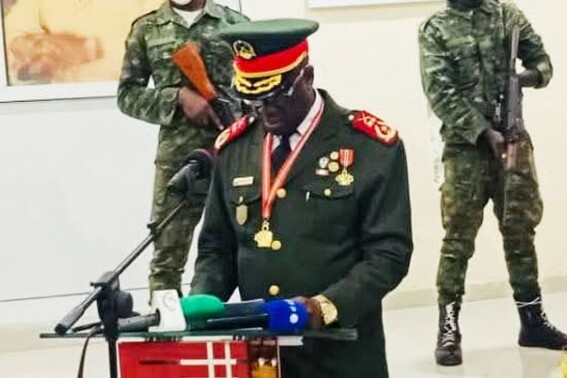
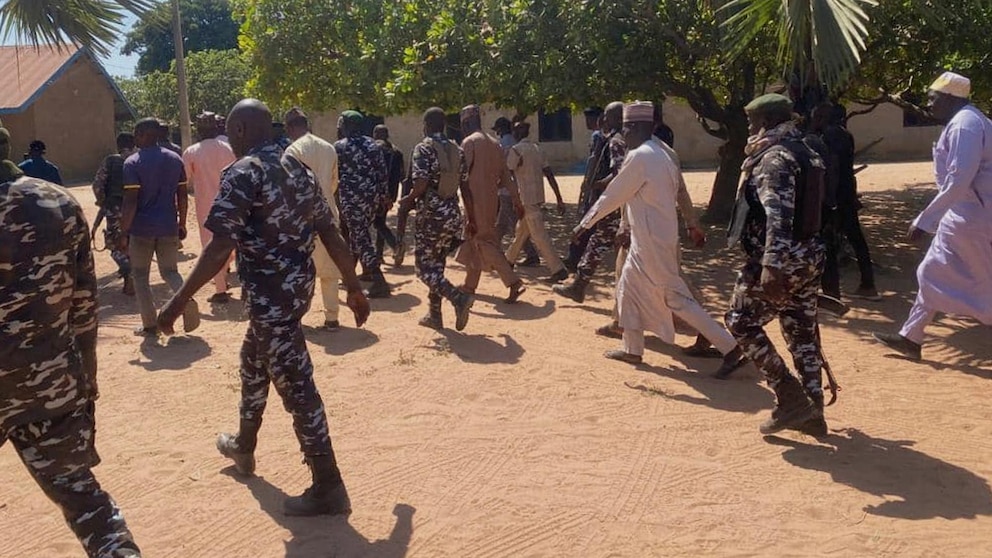
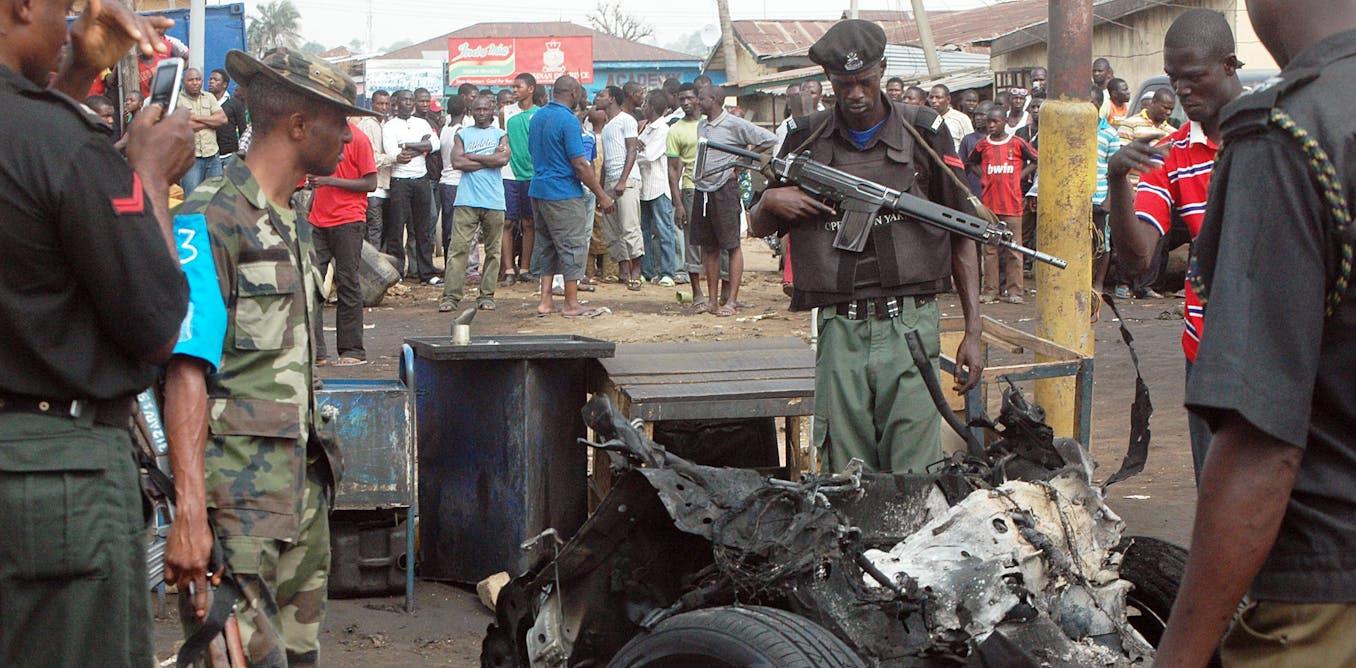
Nigeria’s military didn’t waste a moment last weekend, stepping in decisively to stop a coup attempt against Benin’s President Patrice Talon. Nigerian fighter jets quickly moved to push back mutineers from a key military base and state television offices, marking a big moment not just for Benin, but for the entire, often volatile, West African region. This rapid response is a clear win for Nigerian President Bola Tinubu, showing his country’s commitment to regional stability even as military takeovers seem to pop up everywhere. While Nigeria couldn’t stop recent power grabs in Niger and other neighbors, this successful operation in Benin certainly sends a strong message to anyone thinking about undermining democratic rule. It shows that when it comes to defending democracy, some lines won’t be crossed.
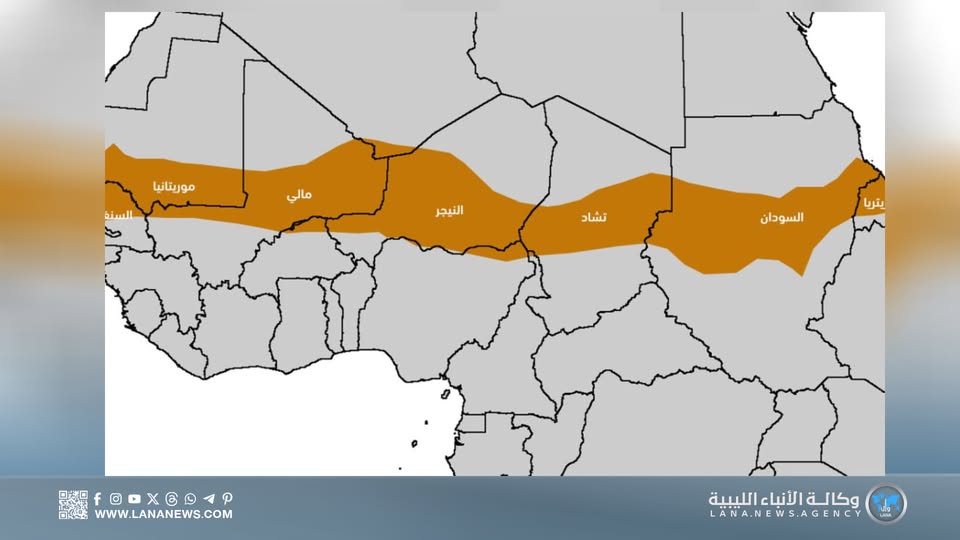
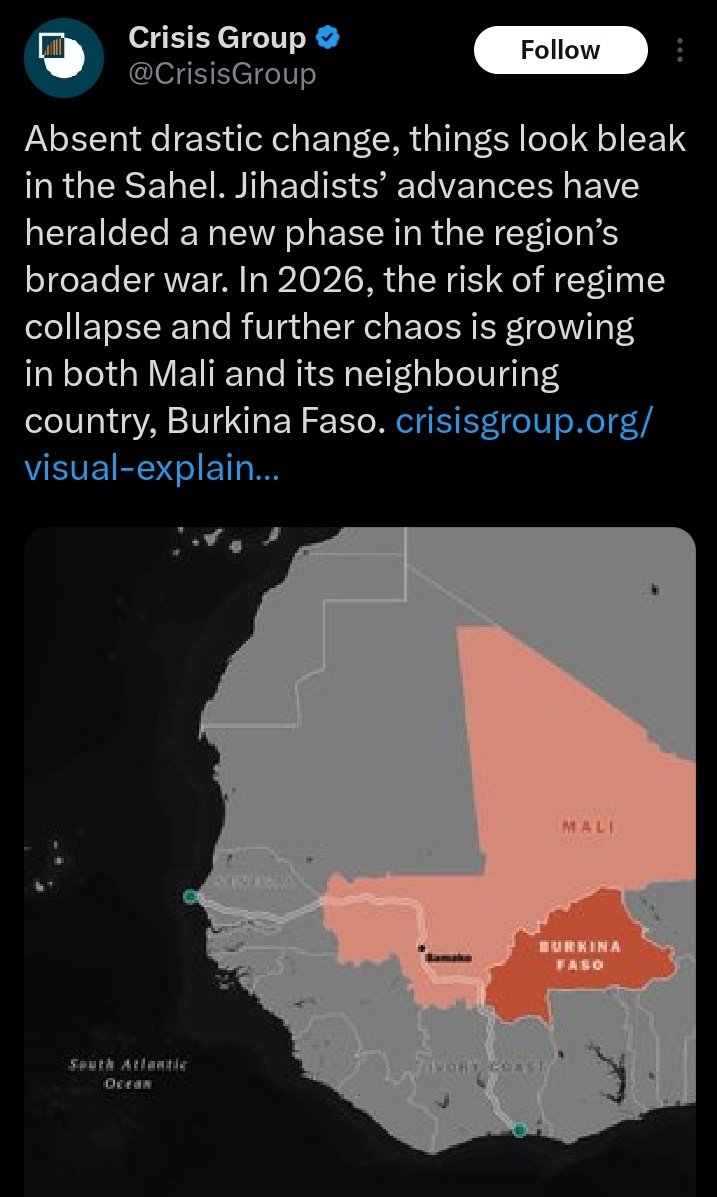
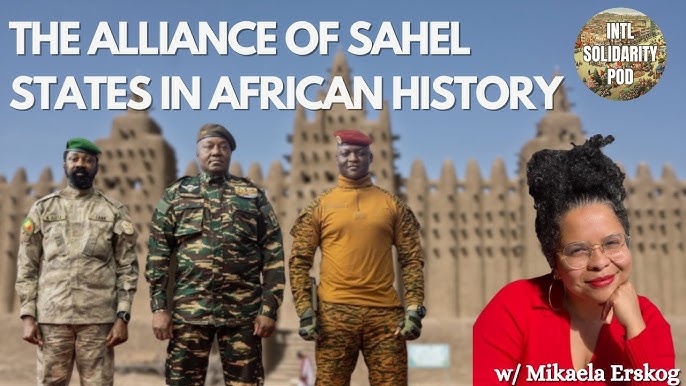
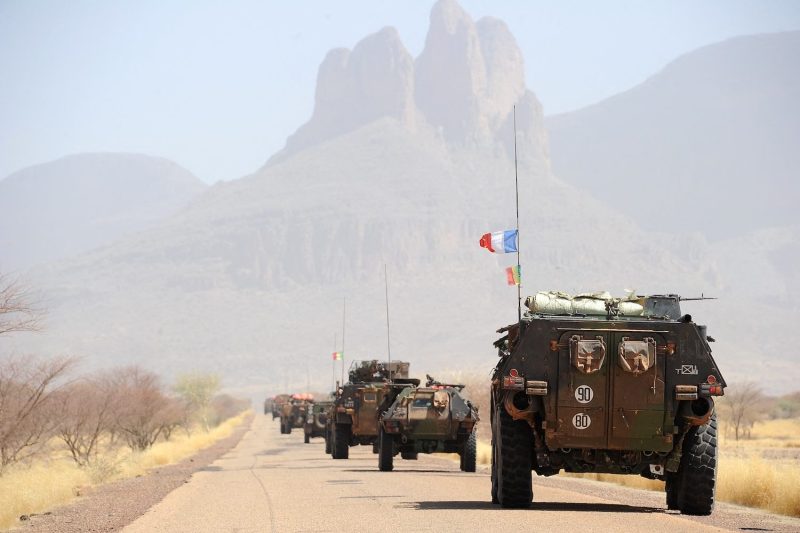
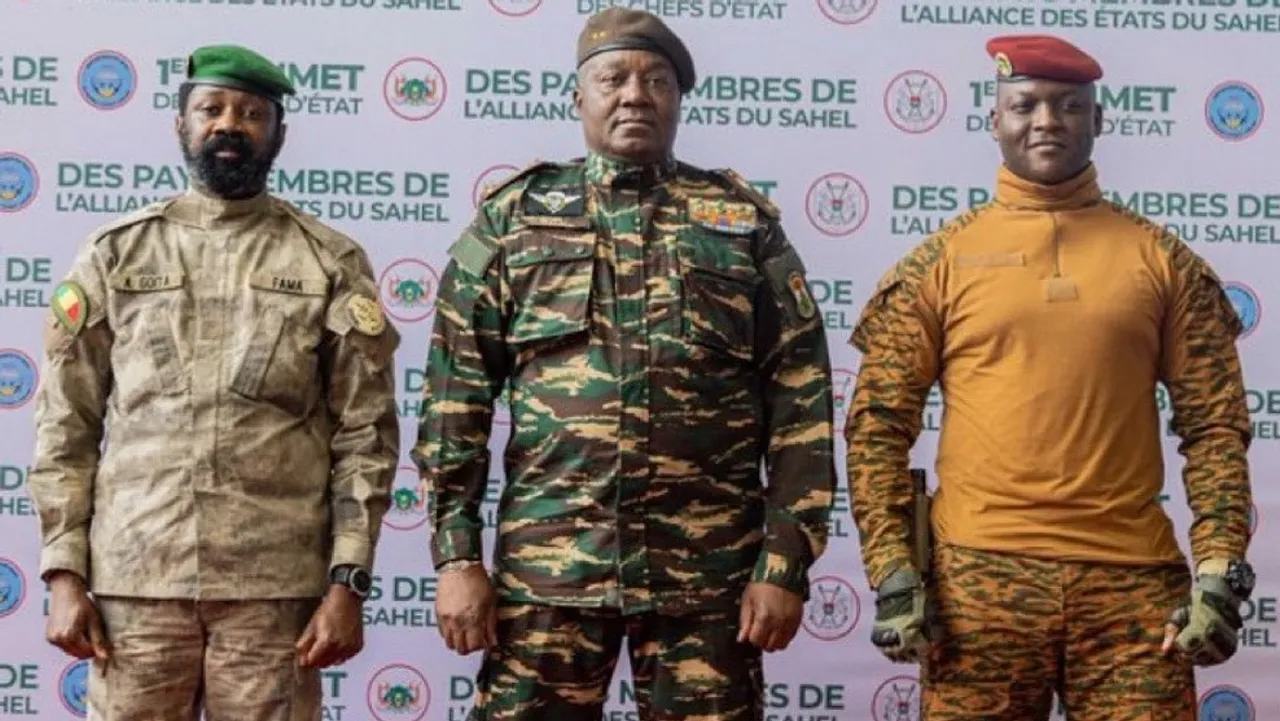
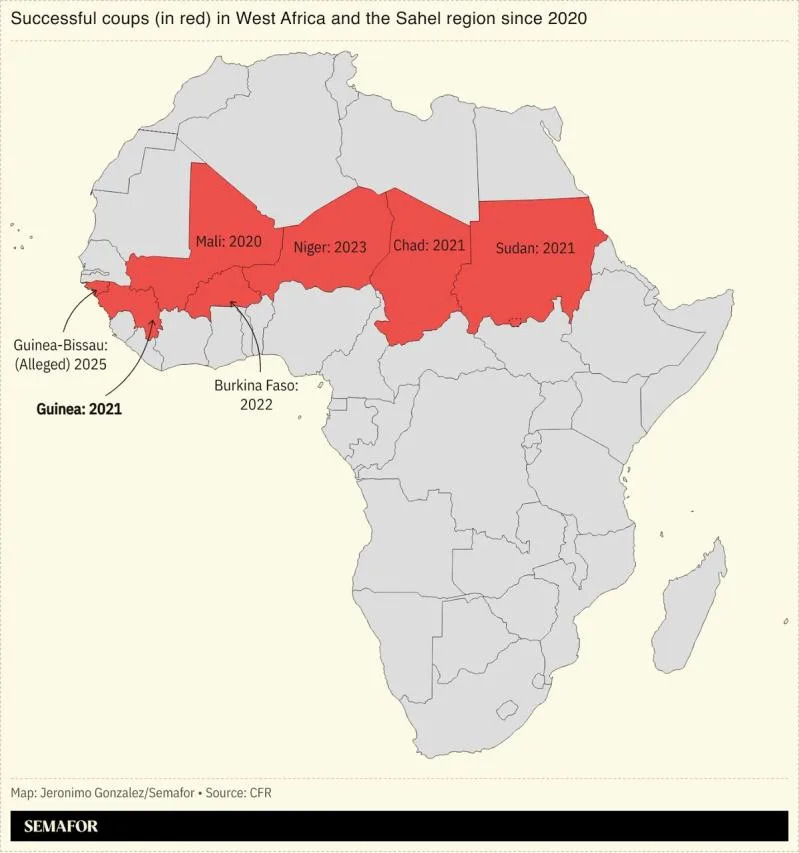
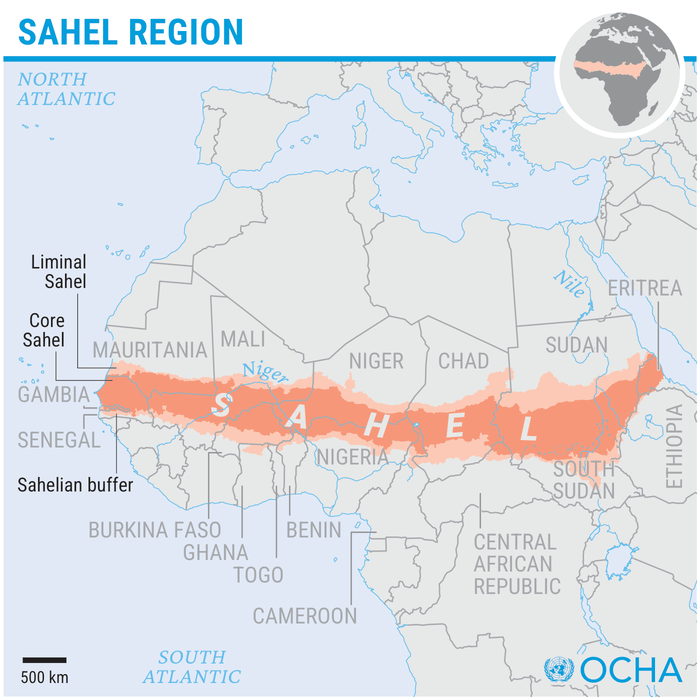
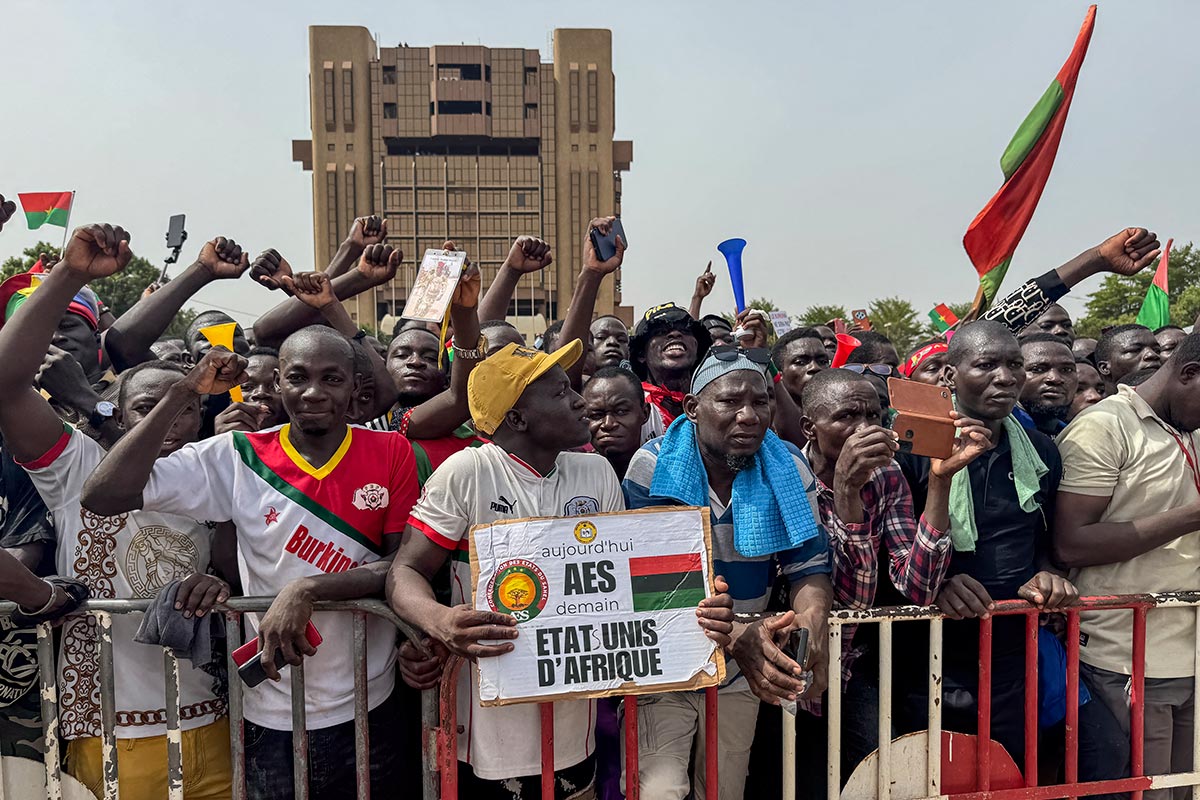
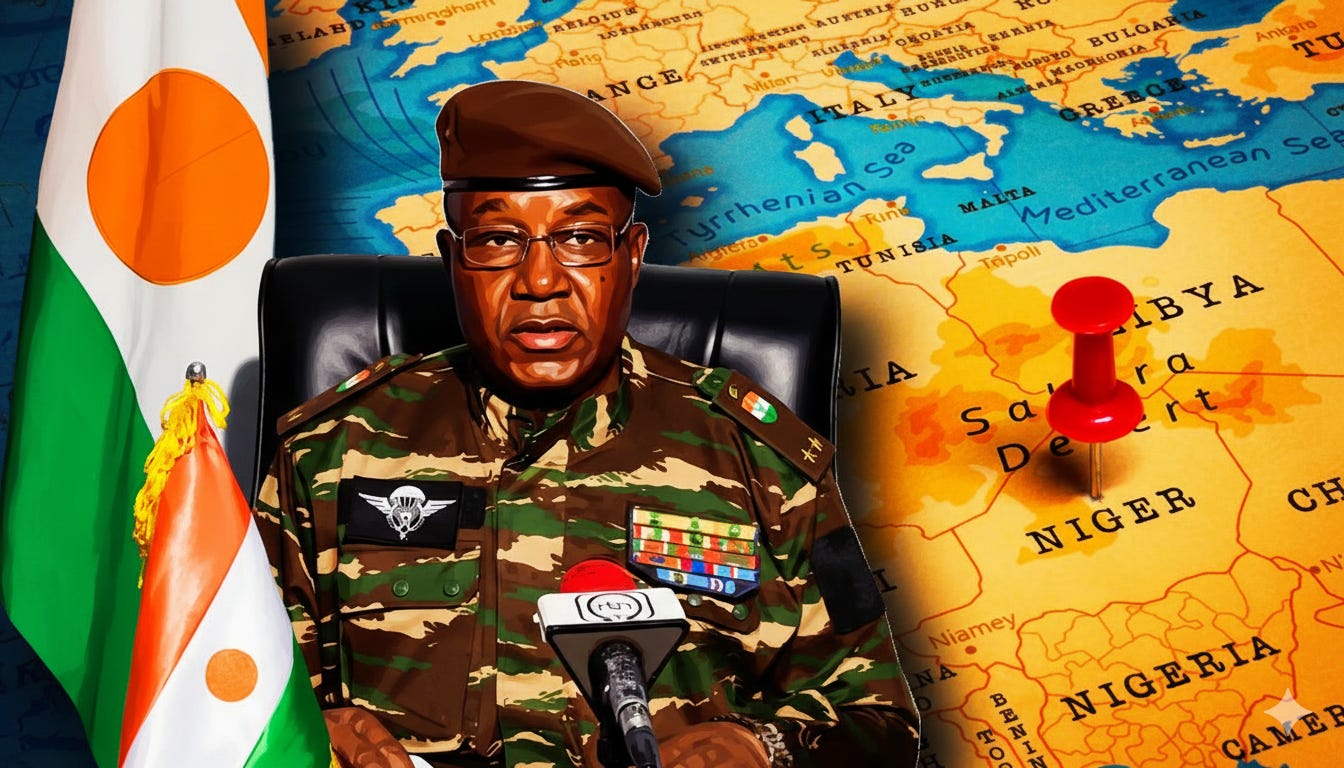
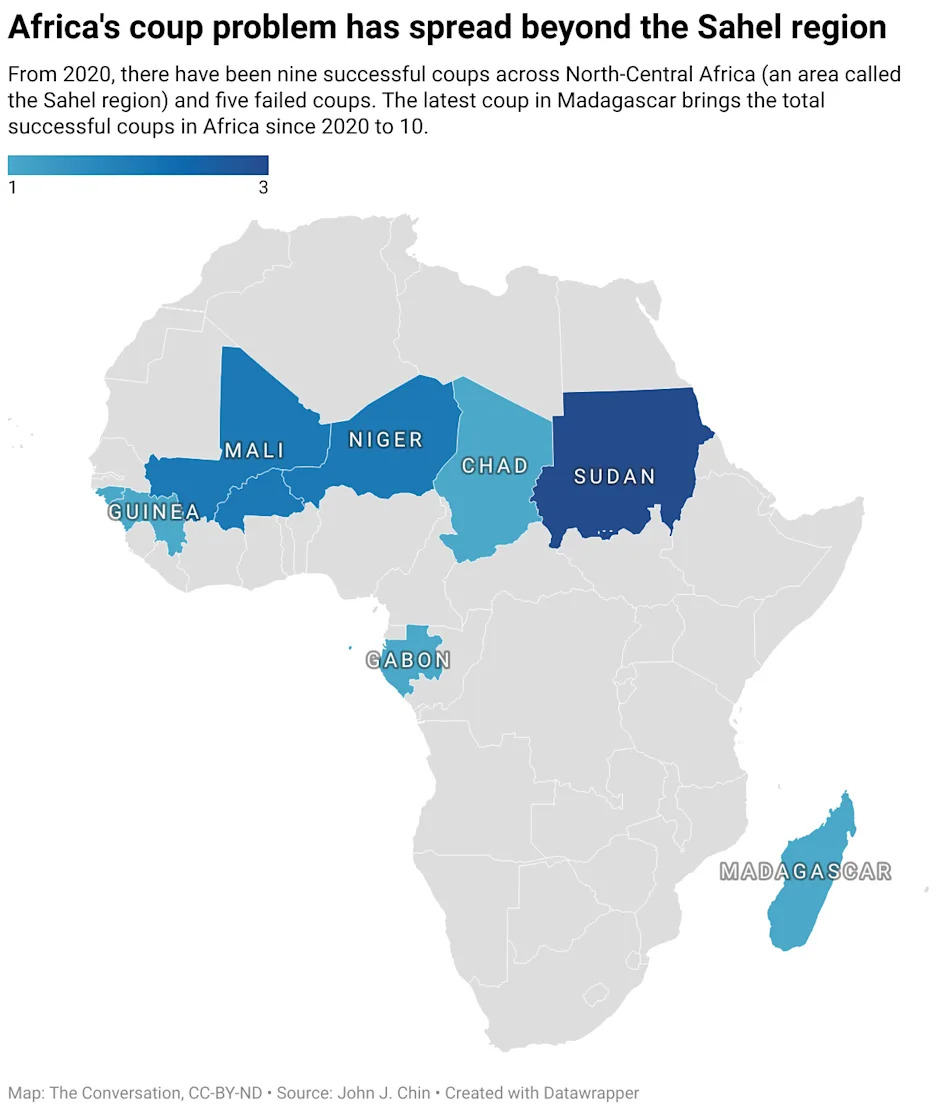
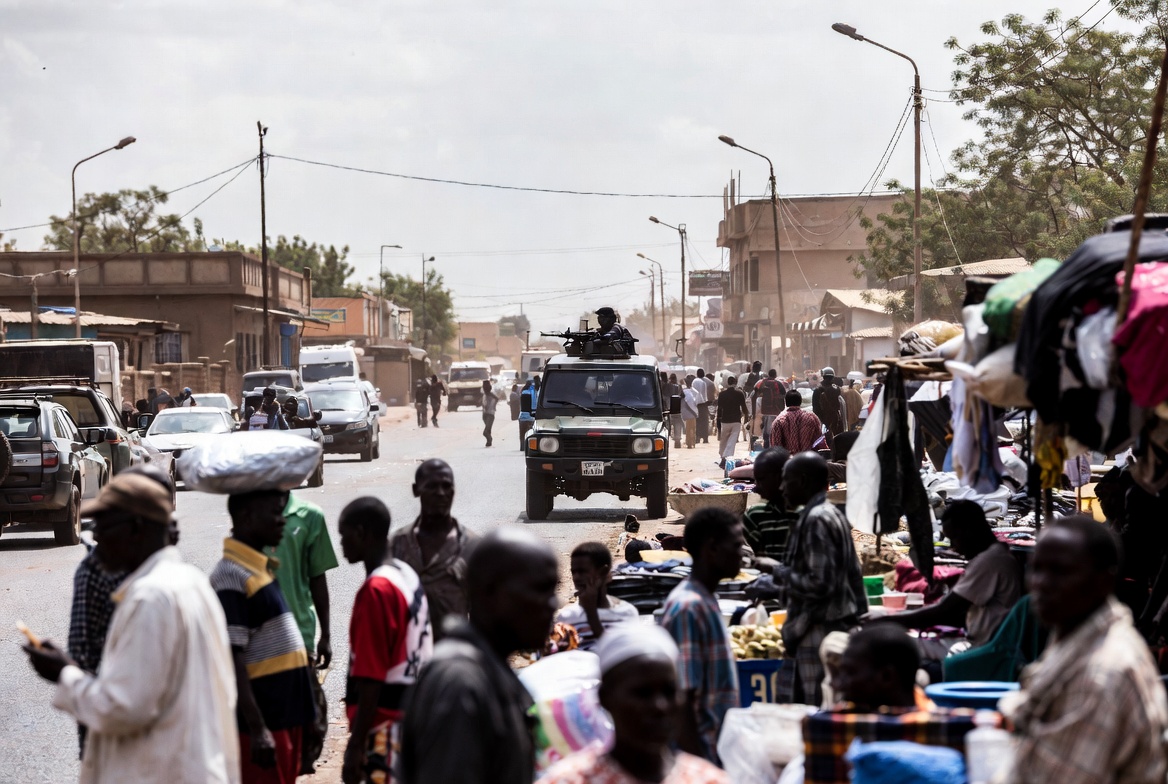
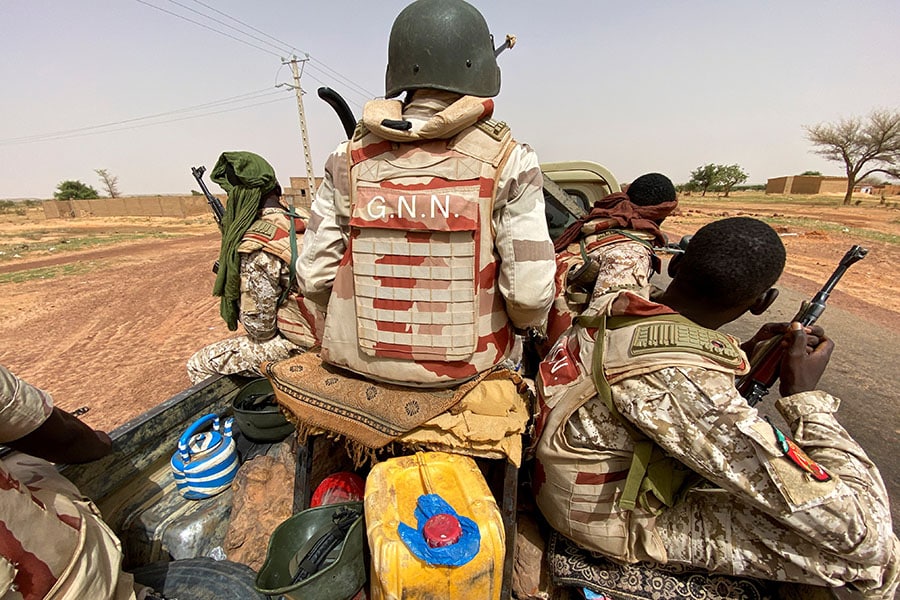
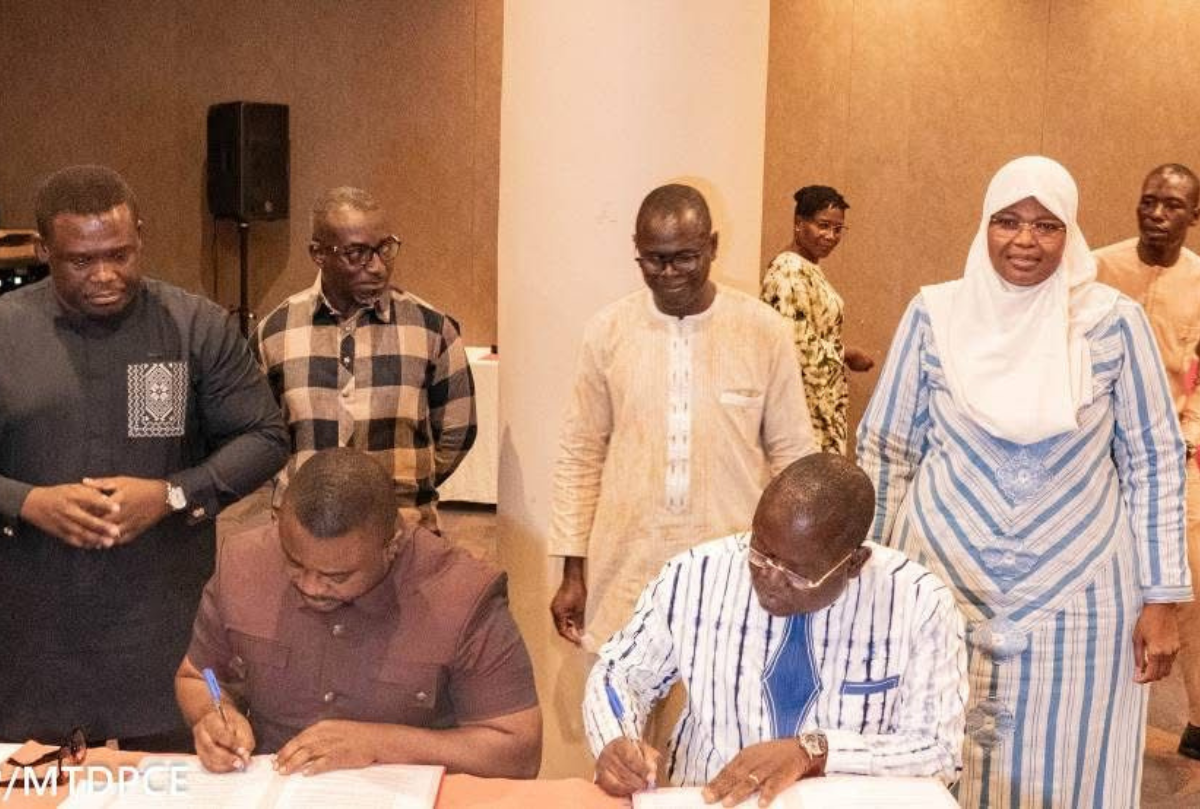
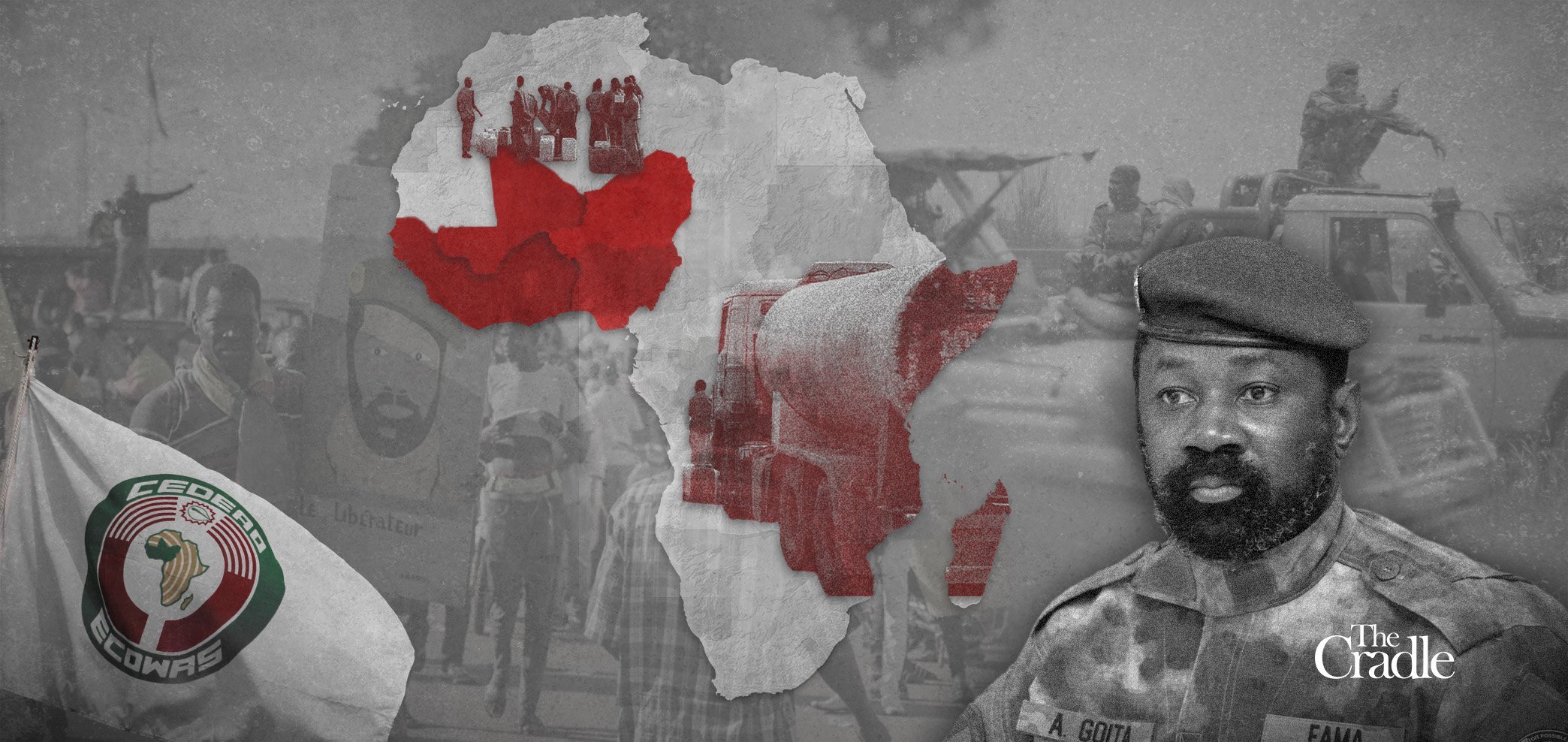
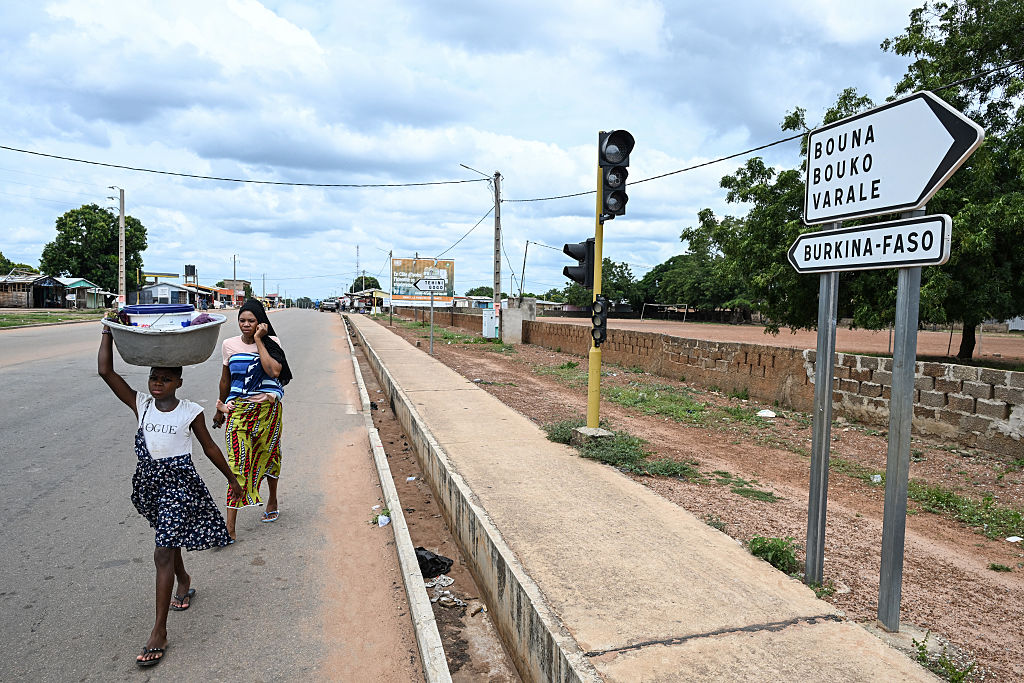
However, Benin’s troubles aren’t confined to its borders, not by a long shot. The country’s northern areas are facing an increasingly tough security situation, made worse by militant groups who are really spreading their influence. Those vulnerable border regions, the ones Benin shares with Burkina Faso, Niger, and Nigeria, have seen more and more attacks from jihadist factions like al Qaeda’s Group for the Support of Islam and Muslims, or JNIM, and the Islamic State’s Sahel Province, ISSP. These groups are taking advantage of weak state presence and porous frontiers to really dig in, threatening the already fragile peace across West Africa’s Sahel belt. Seidik Abba, director of the Paris-based Centre for Reflections and Studies on the Sahel, explained that Nigeria’s choice to intervene in Benin was a smart one. An operation in Niger would have been much harder logistically, given that country’s huge size, and would’ve carried more political risk for Nigeria domestically. By focusing on this smaller, yet crucial, flashpoint, Nigeria was able to project strong regional leadership without overstretching its military. The coup attempt itself got even more complicated thanks to cross-border political dynamics. Reports suggest the alleged coup leader, Lieutenant Colonel Pascal Tigri, ran off to neighboring Togo after the mutiny failed, as a BBC report confirmed. Togo’s membership in the Economic Community of West African States (ECOWAS) added another layer of complexity. The regional bloc didn’t waste time condemning the plot, a stance that really highlights how worried West African governments are about the recent surge of military takeovers in Burkina Faso, Guinea, Mali, Niger, and now Benin. Aren’t these developments just feeding fears that democratic institutions are under systematic attack in a region so vital to Africa’s broader security? ECOWAS, which has been a driving force for diplomacy and economics here, is searching for ways to knit West Africa closer together, going beyond just political frameworks. In a significant economic step amid these security headaches, Africa’s richest man, Aliko Dangote, was recently named the first chairman of the new ECOWAS Business Council, a move detailed by Business Insider Africa. This council aims to connect governments, businesses, and ECOWAS institutions to boost intra-regional trade and raise money for development projects. One promising initiative seeks to cut air travel costs by getting rid of air ticket taxes, making it easier for people and businesses to connect. Strengthening economic ties is seen as absolutely critical for building resilience against the social and political instability that coups make so much worse.
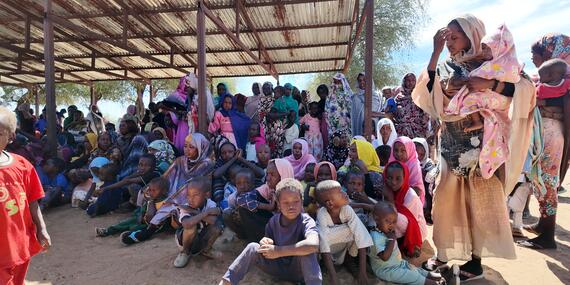
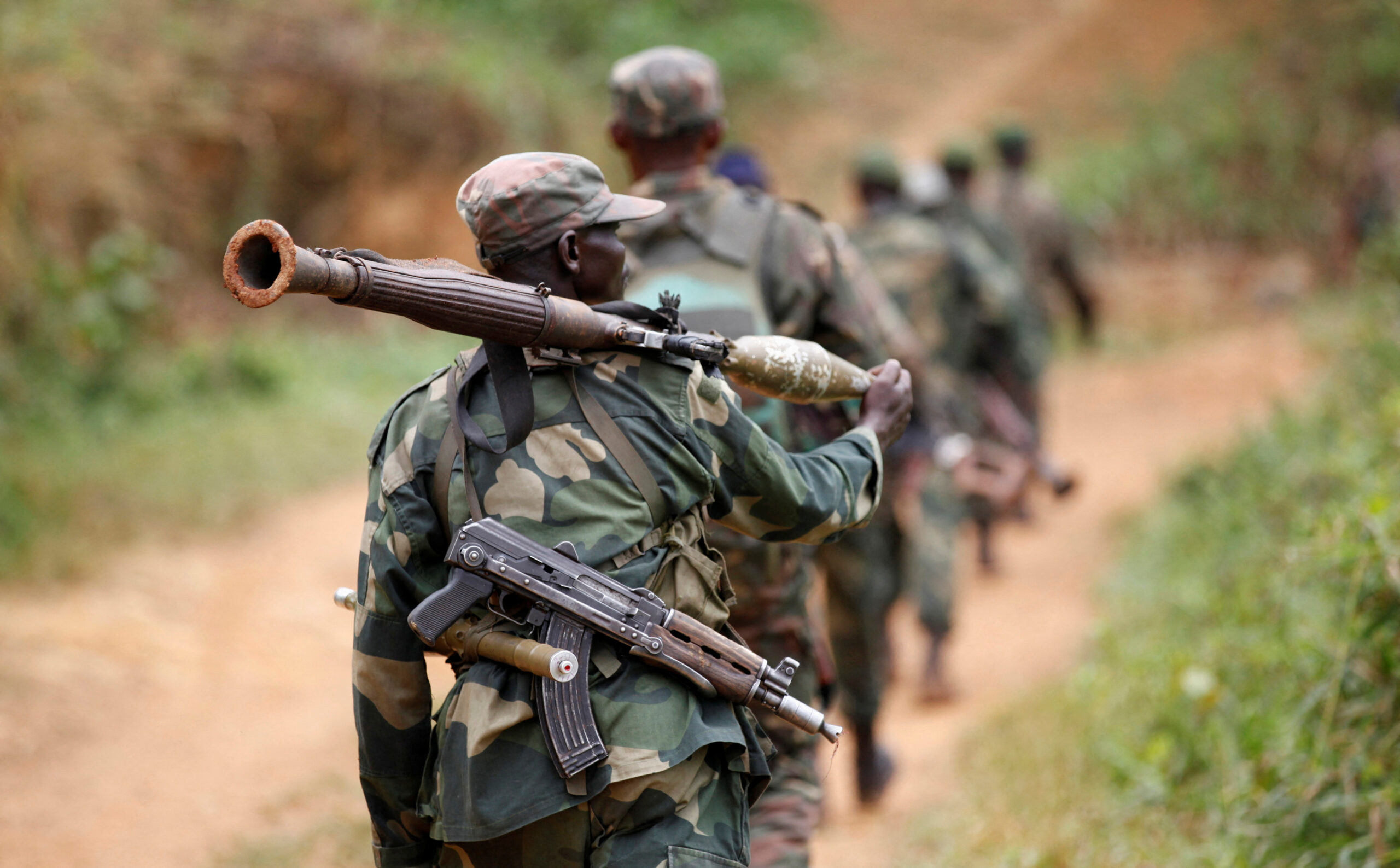
As West Africa grapples with these political and economic obstacles, other parts of the continent are facing equally serious crises. Over in Sudan, ongoing conflict has tragically cost many lives. A military drone strike on December 9 hit the Heglig oil field, Sudan’s largest oil processing hub near the South Sudan border, killing dozens. This strike, attributed to Sudan’s Armed Forces against the paramilitary Rapid Support Forces, happened just a day after the RSF took control of the oil-rich area. Given South Sudan’s reliance on oil revenues from this pipeline and the government’s promises of neutrality, this attack carries serious implications for both regional economic stability and humanitarian conditions. Meanwhile, in the Democratic Republic of Congo, escalating violence in the east has forced about 200,000 people from their homes as Rwanda-backed rebels push toward strategic towns. These ongoing conflicts, alongside West Africa’s complex political upheavals, really paint a sober picture for Africa’s overall peace prospects. What does the future hold? The next few months are going to be crucial for West Africa and indeed the entire continent. Nigeria’s swift intervention in Benin has certainly set a powerful precedent for regional powers to act decisively against unconstitutional changes in government, a point emphasized in a France 24 report. But achieving lasting stability will take more than just military action; it demands we strengthen democratic institutions, address the underlying socio-economic issues, and fight militant extremism with comprehensive strategies. The efforts by ECOWAS to deepen economic integration and engage the private sector, symbolized by Dangote’s new role, offer a hopeful counter-balance. Perhaps economic empowerment combined with sharp political oversight can slowly rebuild faith in democratic governance and turn the tide against coups. Yet, the persistent shadow of conflict and instability in neighboring countries serves as a powerful reminder of how fragile peace truly is. Collaboration among African states, backed by international partnerships, will be vital in navigating these turbulent times. The unfolding story across West Africa is one of enduring resilience, smart strategic moves, and a relentless quest for durable security and prosperity. Benin’s thwarted coup is a testament to this delicate balance.