Africa’s Startup Rebound in 2025: From Rails-Building Founders to Milestone IPOs
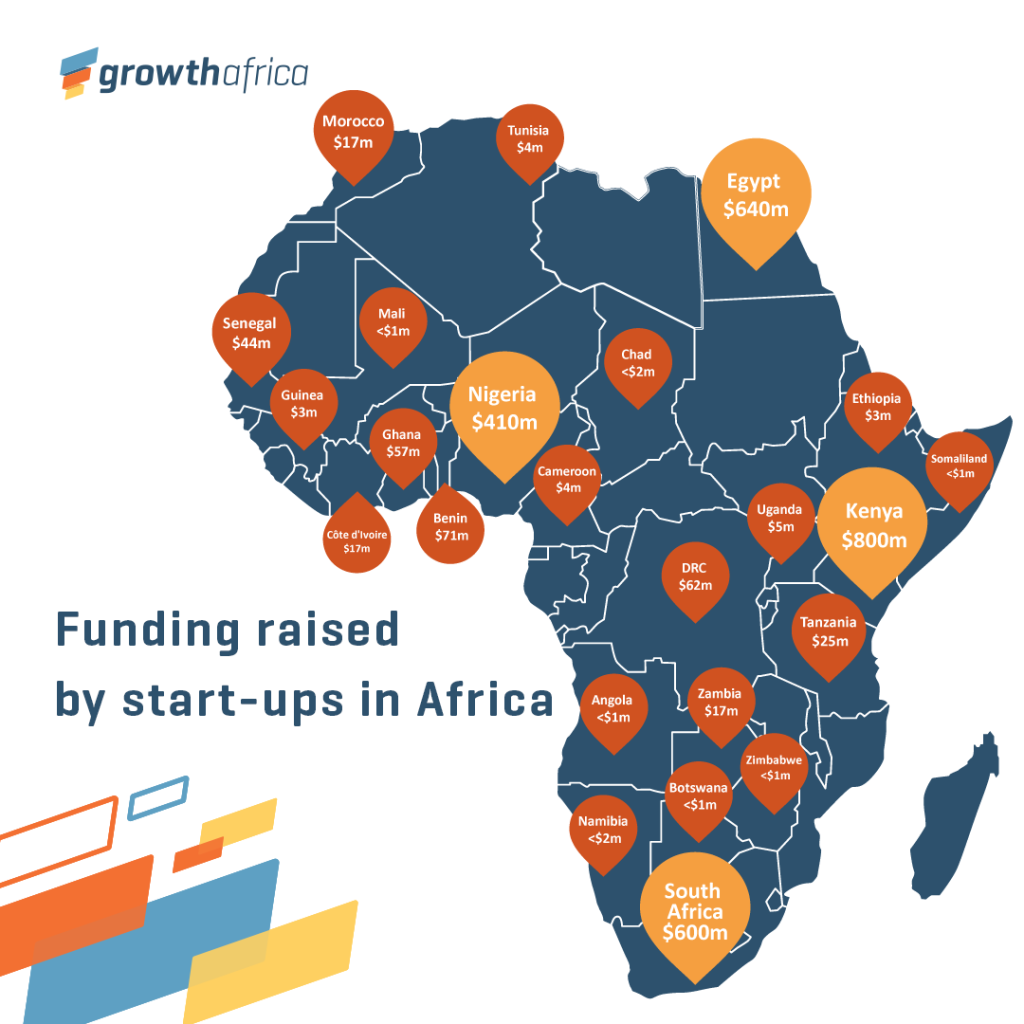
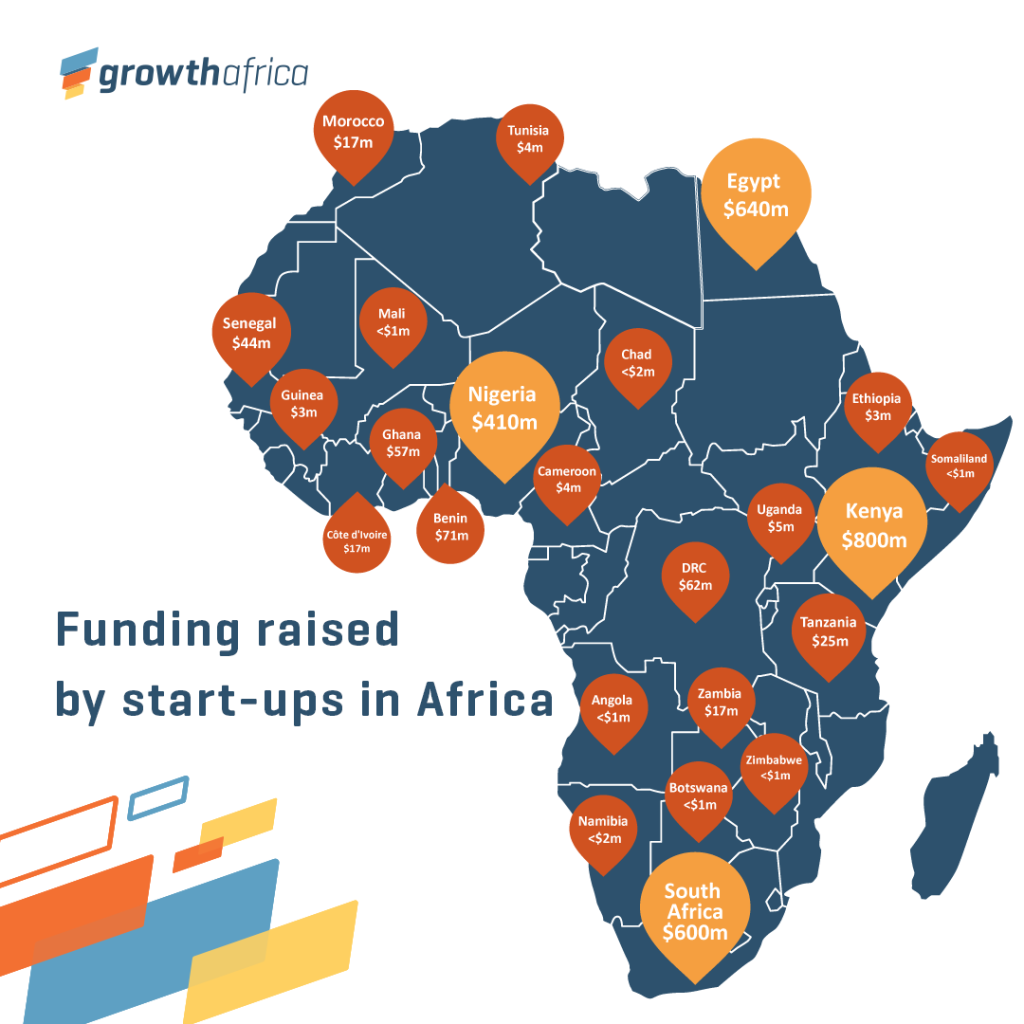
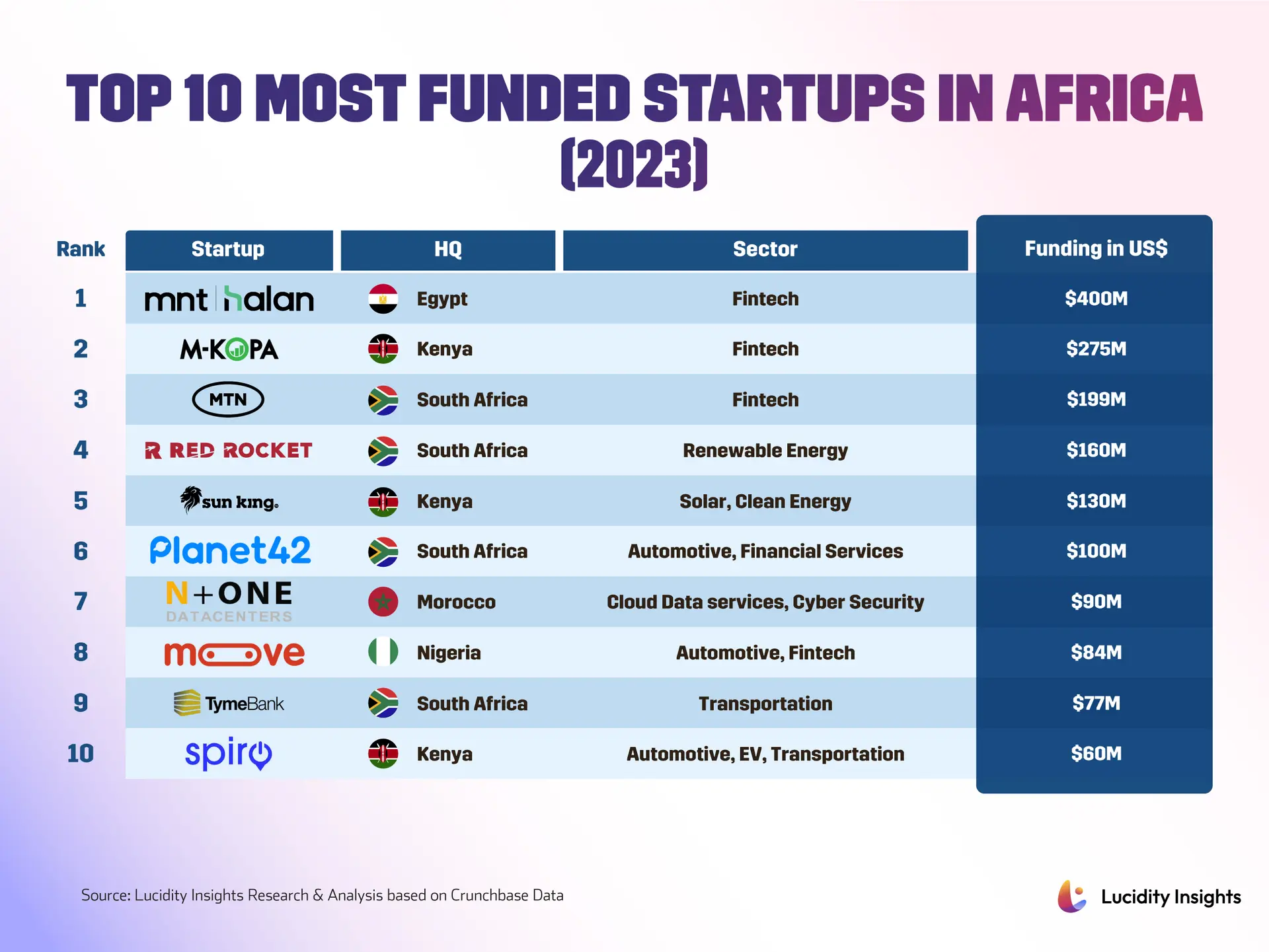
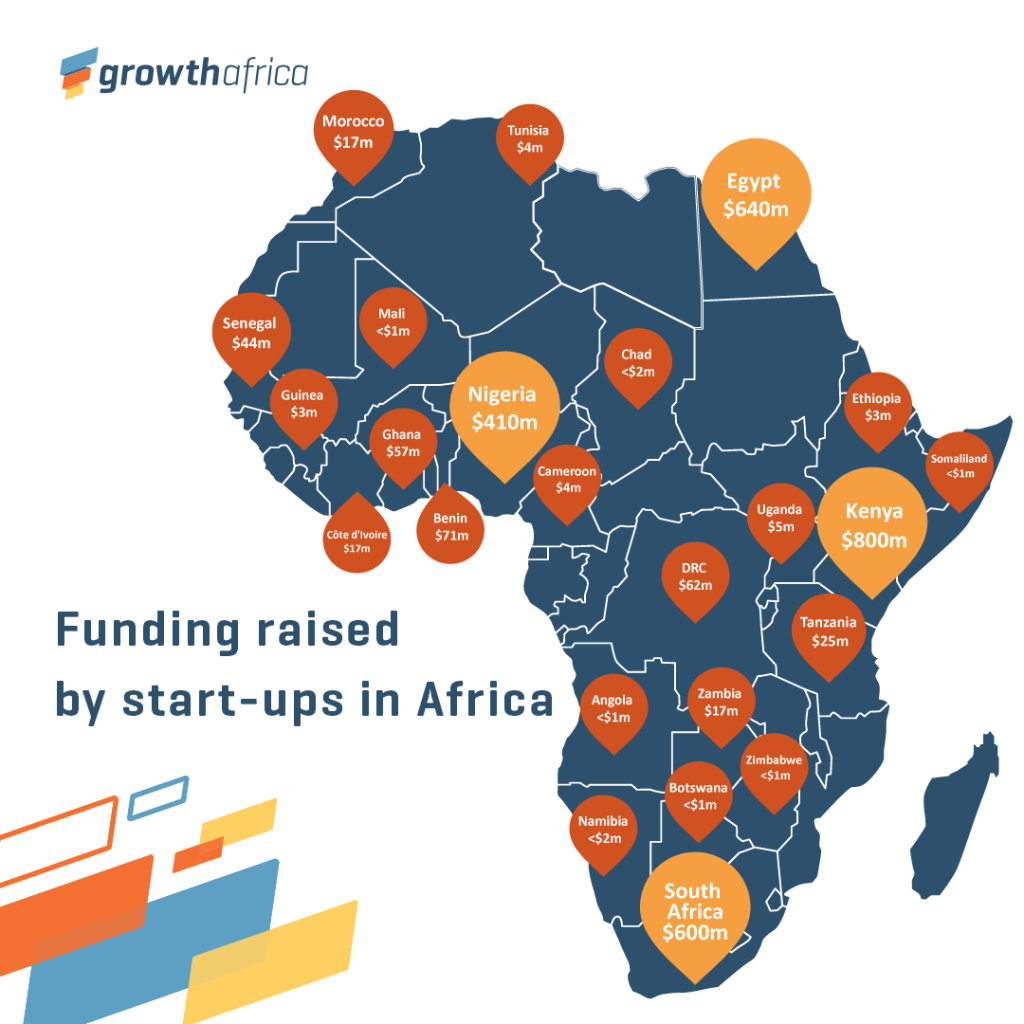
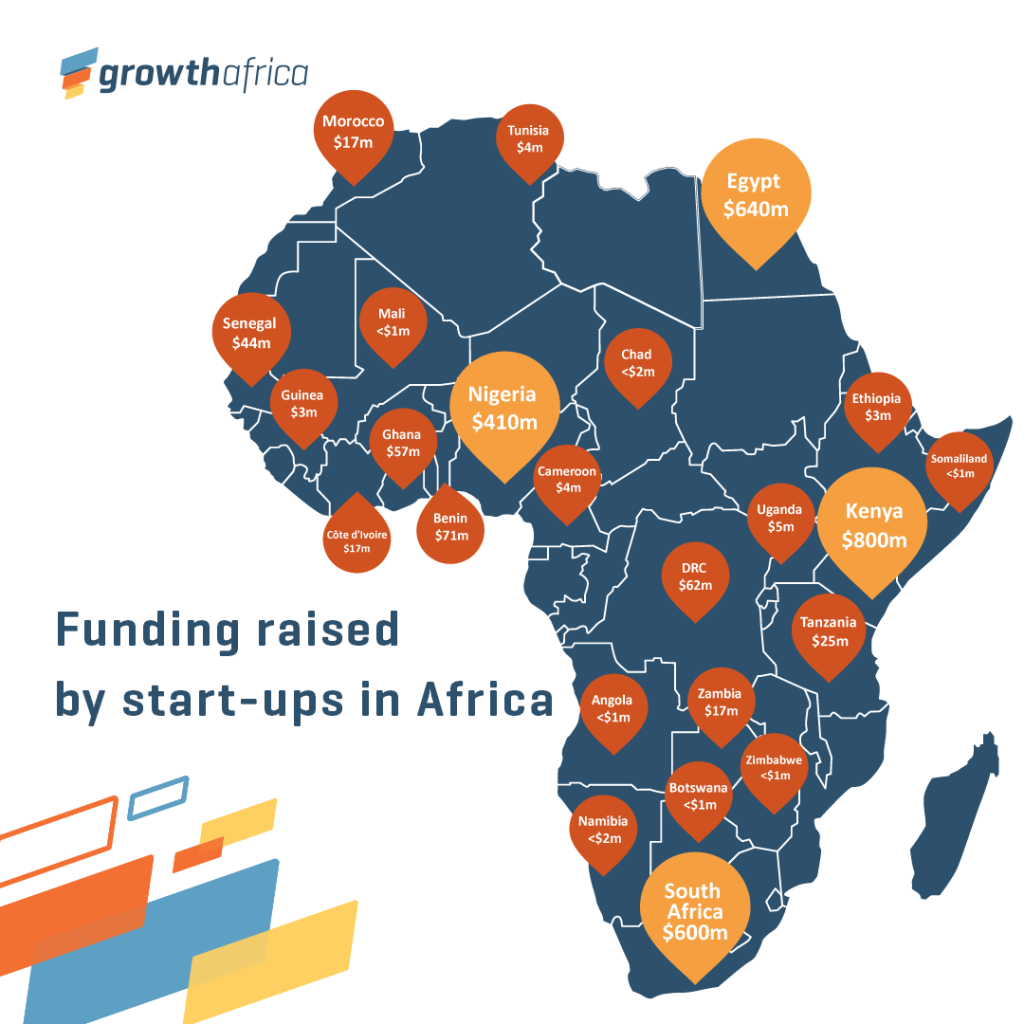
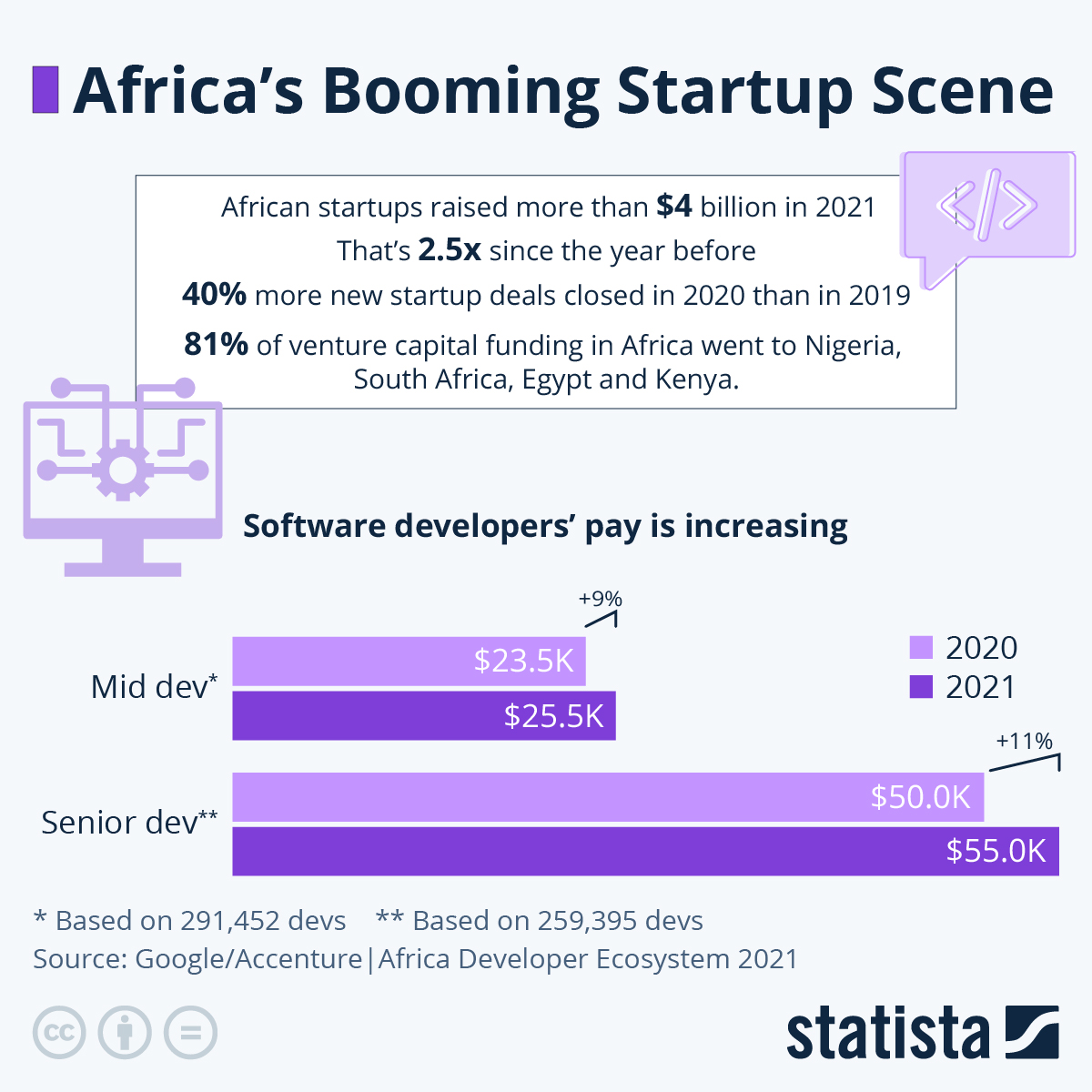
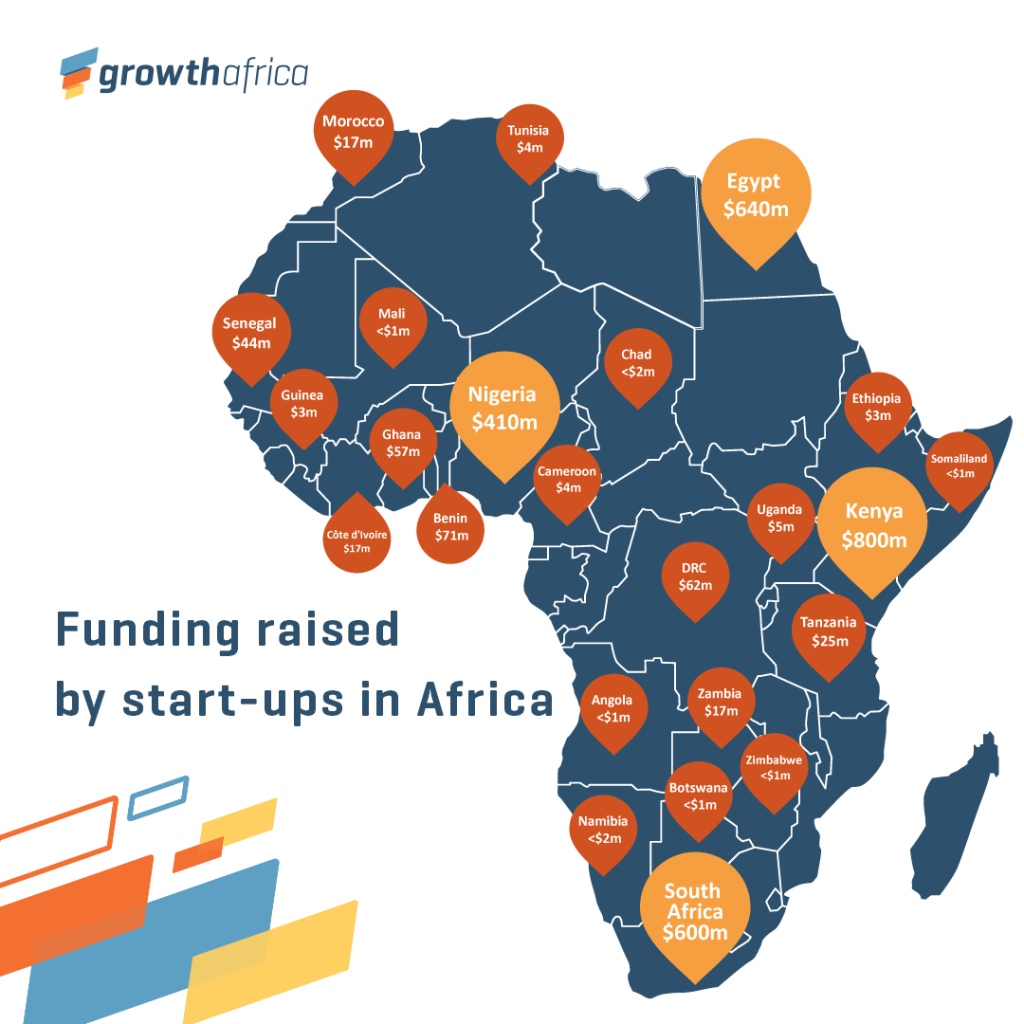
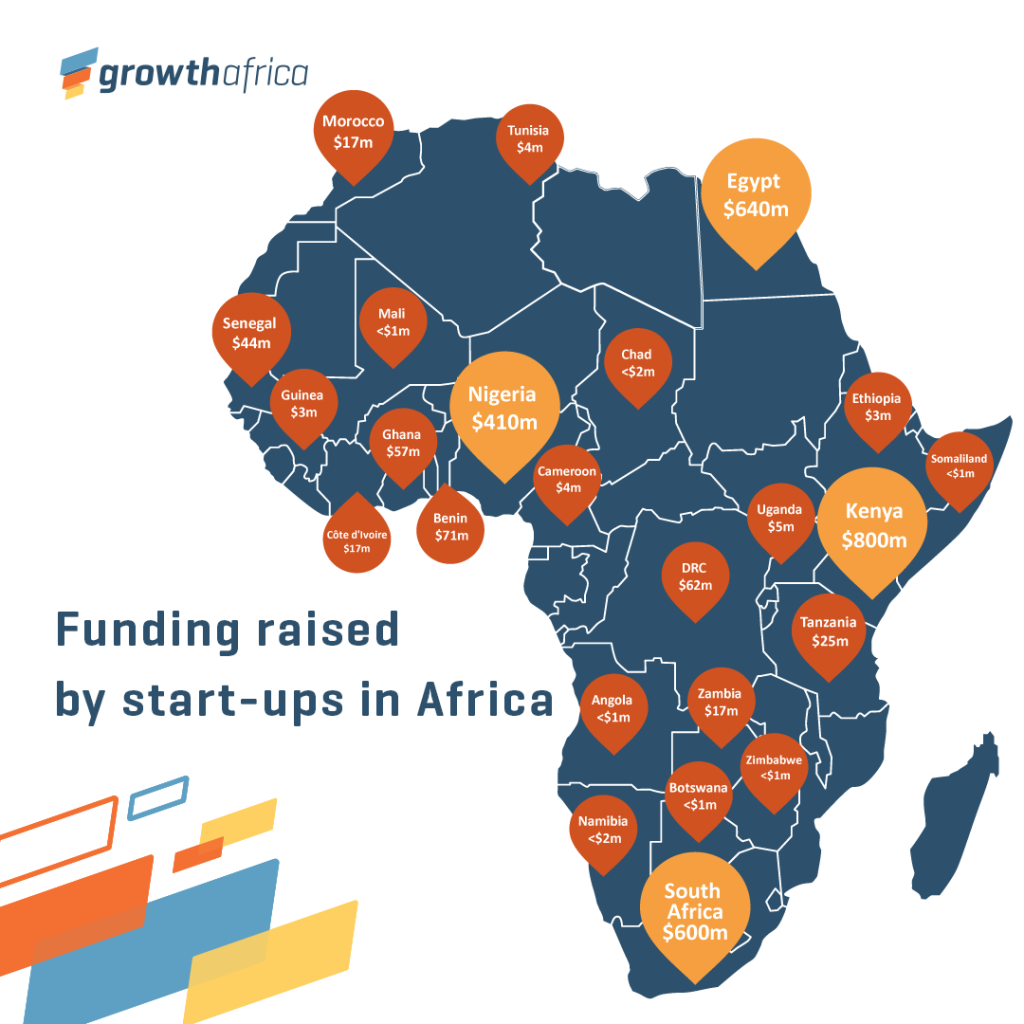
Africa’s tech scene is bouncing back with real momentum in 2025, and the numbers tell a compelling story. After a couple of tough years where funding dropped by 35 percent in 2023 and another 25 percent in 2024, investors are finally returning to the table. According to Business Insider Africa, startups across the continent raised about three billion dollars this year, marking a solid 33 percent increase from 2024. That’s not just a recovery, it’s a signal that backers are once again willing to bet on scaled ideas and founders who can show clear paths to profitability. The public markets delivered another jolt too, with two fintech companies completing landmark IPOs in November. South Africa’s Optasia listed on the Johannesburg Stock Exchange, raising $345 million at a $1.4 billion valuation, while Morocco’s Cash Plus raised $82.5 million on the Casablanca Stock Exchange. These deals matter because they create exit routes for early investors and prove that local capital markets can monetize serious growth, a crucial step for Africa’s startup ecosystem.
Look beyond the headline totals, though, and you’ll see the real shift in what’s getting funded. It’s not just consumer apps anymore. Reporters and analysts from African Business note that the companies drawing the most attention are those tackling fundamental infrastructure gaps. These founders are building the rails, the essential platforms and services that others will use to move goods, money, healthcare, and power. Think about Egypt’s proptech firm Nawy raising $52 million to expand across MENA, or OmniRetail closing a $20 million Series A to scale wholesale supply chains. YC-backed neobank Djamo attracted $17 million while serving a million users across Francophone Africa, and logistics-focused Leta secured backing from Google to use AI for lowering delivery costs. Even healthcare and energy startups are stepping into infrastructure roles, combining hardware, software, and financing to reach clinics and communities that previously lacked reliable services. This focus on building foundational systems, rather than just flashy apps, suggests a more mature and ambitious phase for Africa’s tech renaissance.
The renewed capital flow has made investors more discerning, and that’s probably a good thing. Founders now face increased scrutiny, with backers laser-focused on unit economics, customer retention, and sustainable cash runways. This discipline is partly responsible for the cautious optimism spreading across the continent. Technology, especially artificial intelligence, is reframing the conversation in two ways. As highlighted in Bloomberg’s outreach for standout startups, there’s a strong belief that AI can help leapfrog traditional constraints in sectors like agriculture, logistics, and finance. At the same time, it raises legitimate questions about skills and job displacement for Africa’s young workforce. Smart founders are positioning AI as an efficiency tool that extends human capabilities rather than replacing them wholesale. So what does this mean for the broader francophone and anglophone regions? The shift toward infrastructure means greater opportunities for local entrepreneurs to plug into continent-wide platforms, whether by offering last-mile logistics, localized healthcare services, or payment rails that work across currencies. Looking ahead to 2026, the test will be whether this momentum holds. Will funding keep rising? Will more companies list locally? The answers depend on execution, regulatory environments, and whether local capital markets can scale to support homegrown winners. For now, the scene is energetic and pragmatic, with founders building the plumbing of the economy and investors returning with measured confidence, signaling a new era of record funding and sustainable growth.