Africa’s Startup Rebound, Stricter Investors, and the New Test of Scale
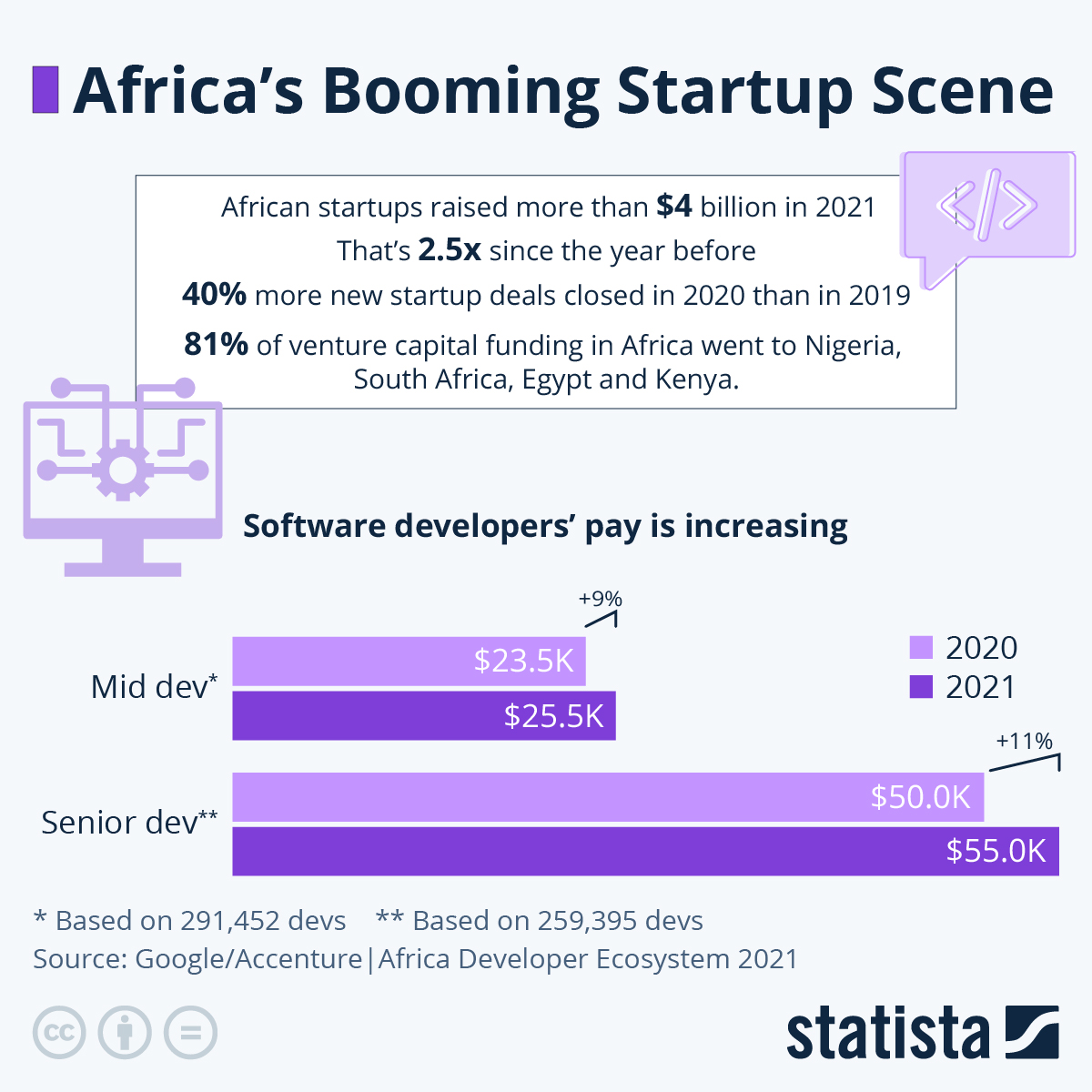
Africa’s tech scene just closed 2025 with a welcome jolt of optimism, but founders aren’t popping champagne just yet. According to Business Insider Africa, funding climbed back to roughly $3 billion this year. That’s a solid 33 percent jump from 2024 and enough to surpass levels we last saw in 2023. The rebound has definitely lit up boardrooms from Lagos to Nairobi, but it’s also sharpened expectations. Investors who toughed out the market corrections of recent years aren’t just writing checks anymore. They’re pushing for clearer paths to profit and demanding more discipline from the companies they back. As African Business reported, backers are applying tougher scrutiny as they seek returns, pressing startups for realistic forecasts, tighter cost control, and evidence of sustainable customer acquisition. It’s a fundamental shift that’s reshaping strategy across the continent.
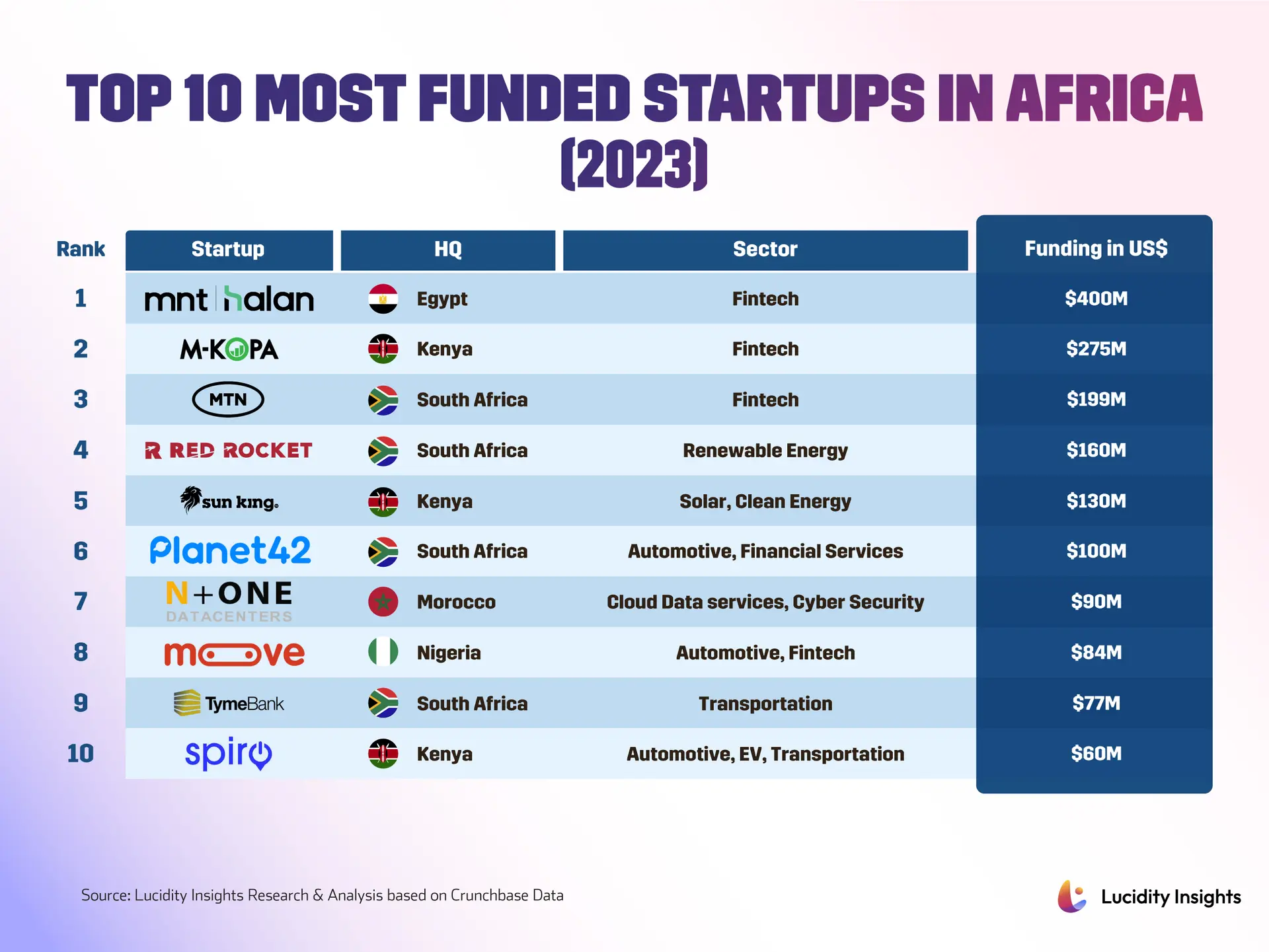
So where’s the money actually going? Venture capital remains heavily concentrated in sectors with clear revenue models. Think fintech, mobility, health tech, agritech, and renewable energy. High profile rounds keep the deal flow moving, and investors are still willing to back scale, but only if the unit economics actually add up. We’re seeing this play out in practical examples. In mobility, Spiro’s large raise shows global appetite for decarbonizing transport. Meanwhile, policy shifts are adding new layers of complexity. The European Union’s carbon border adjustment mechanism, which African Business warned could have big implications for exporters, introduces fresh cost and compliance requirements. Startups tied to commodity and manufacturing supply chains now face pressure to adopt greener practices or partner with certified suppliers. This new reality is part of a broader tech renaissance that’s transforming how African companies operate.
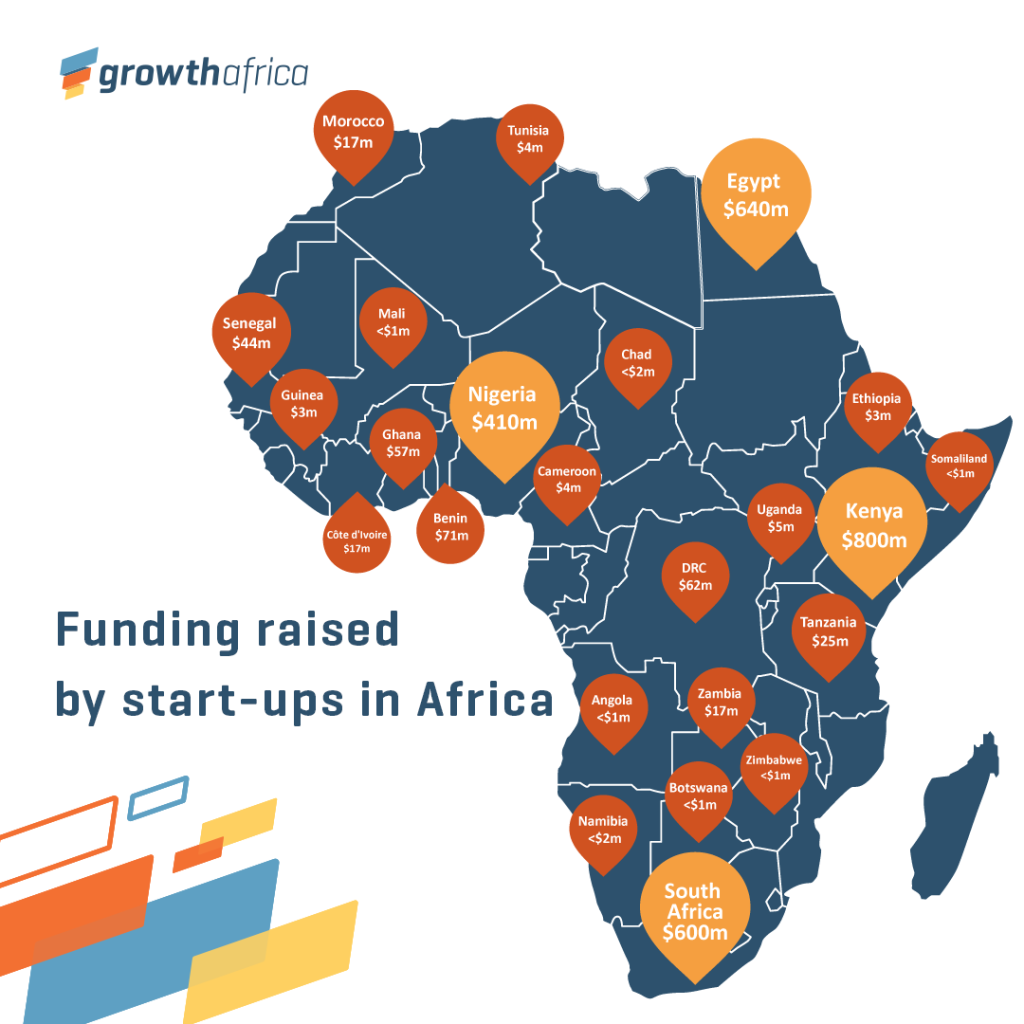
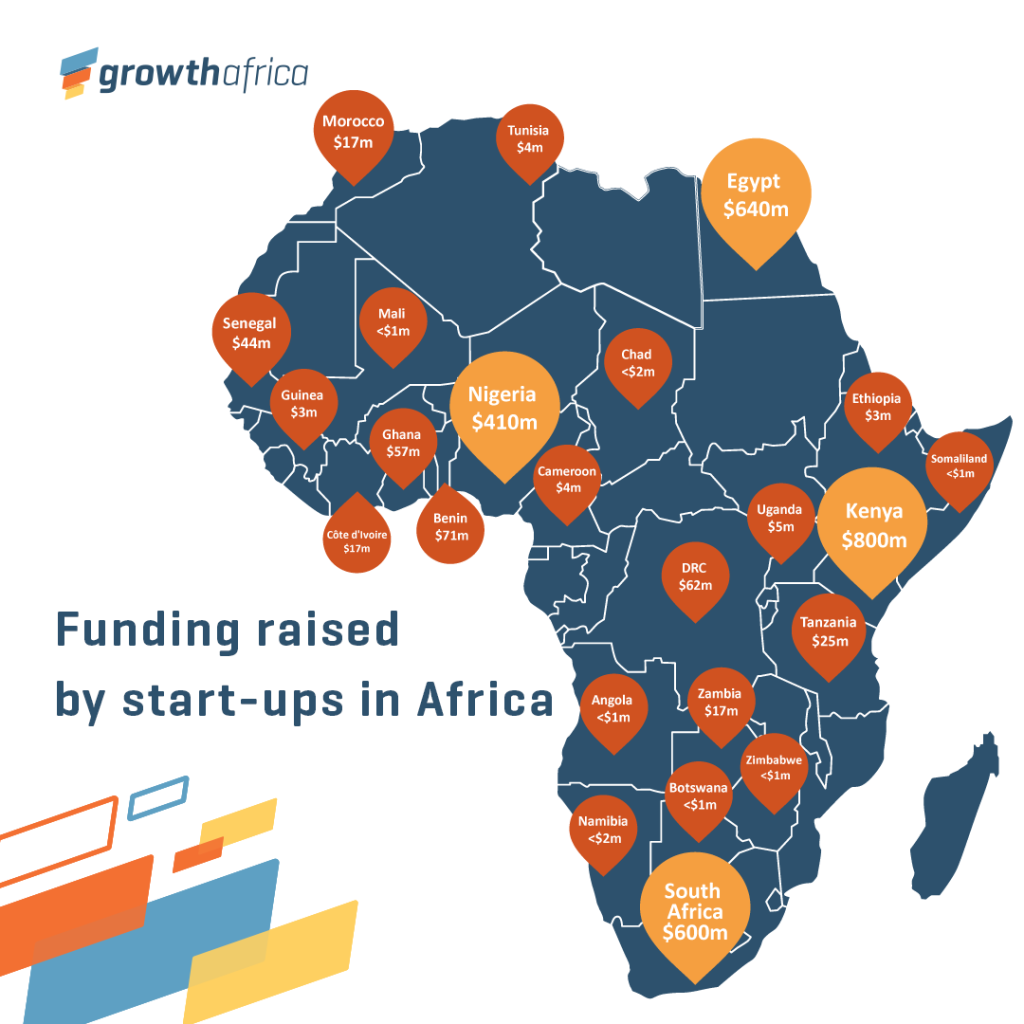
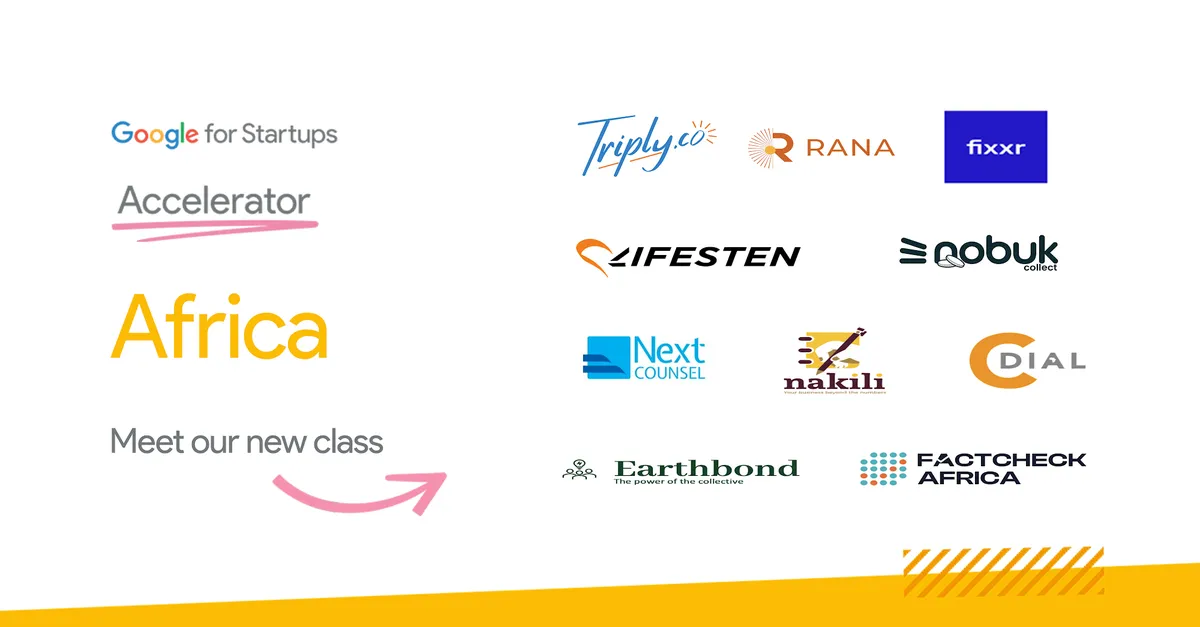
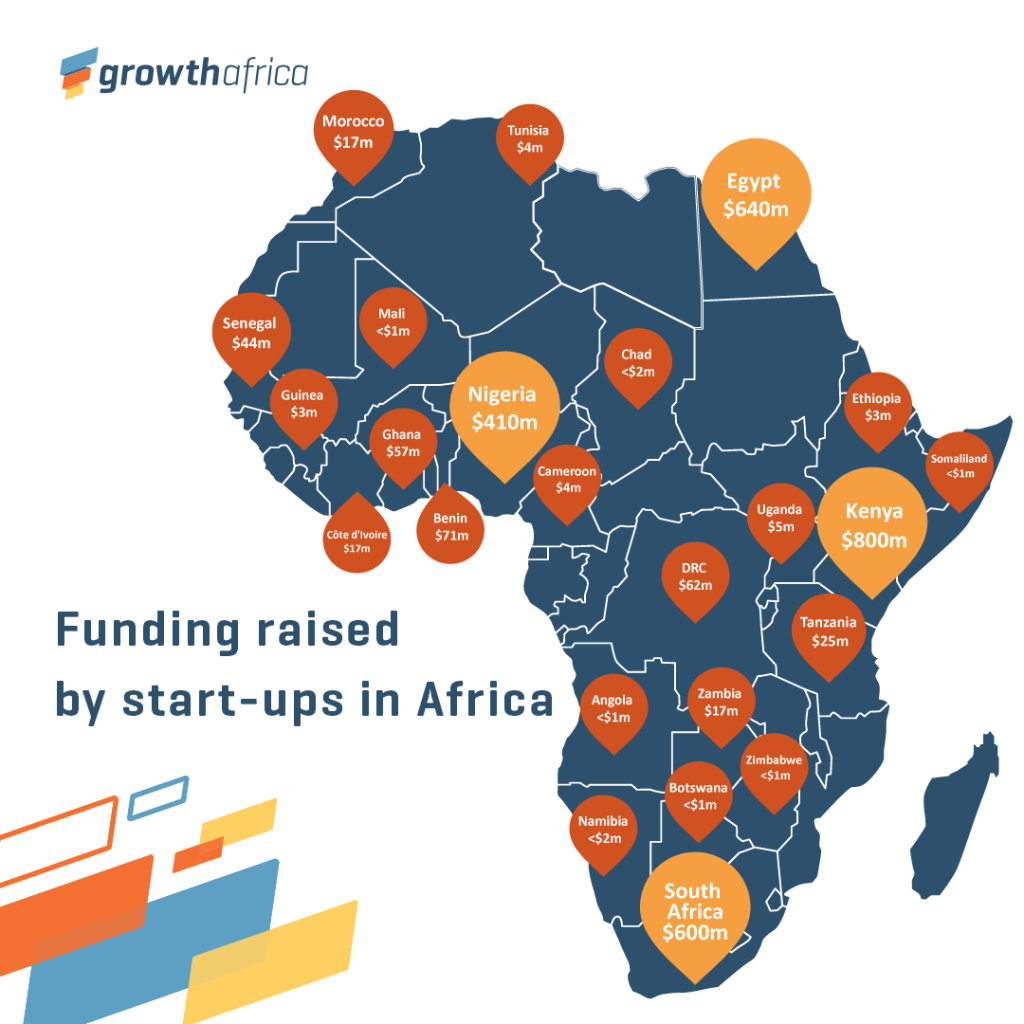
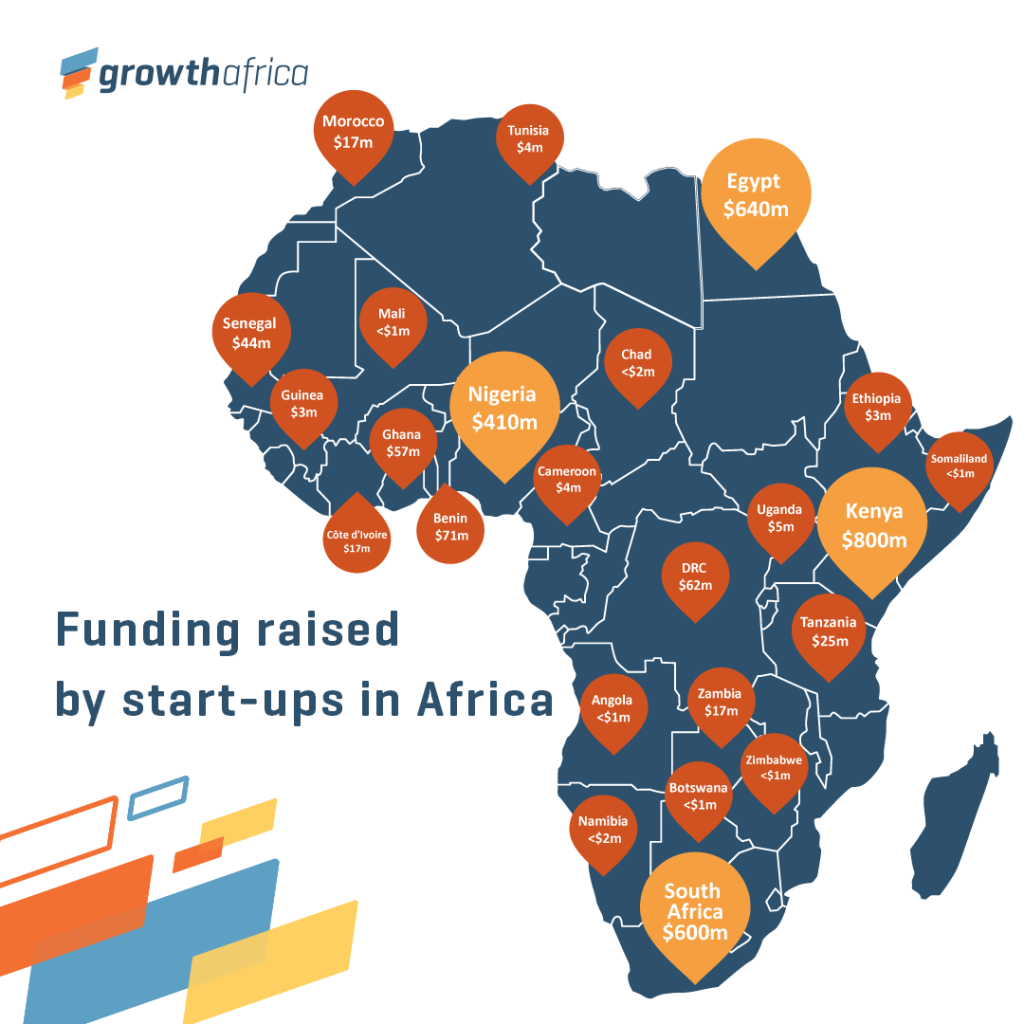
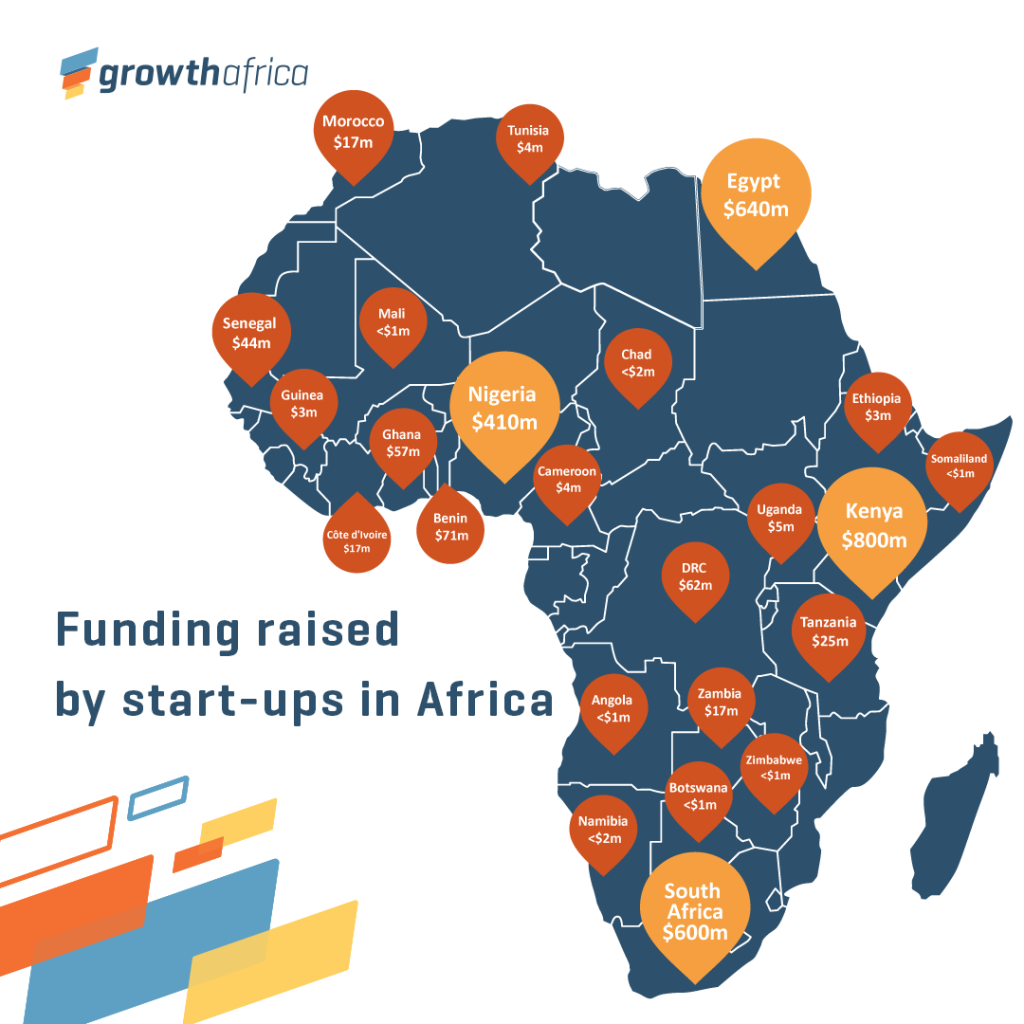
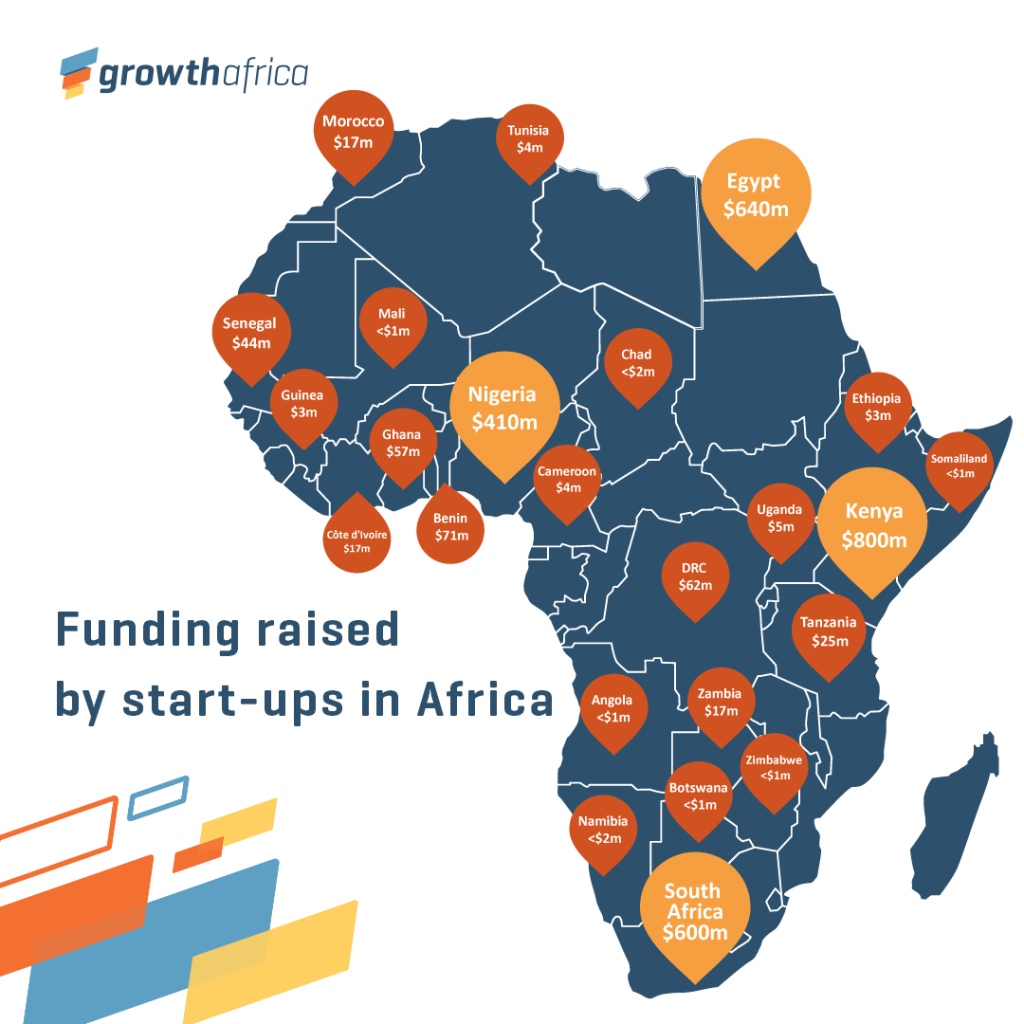
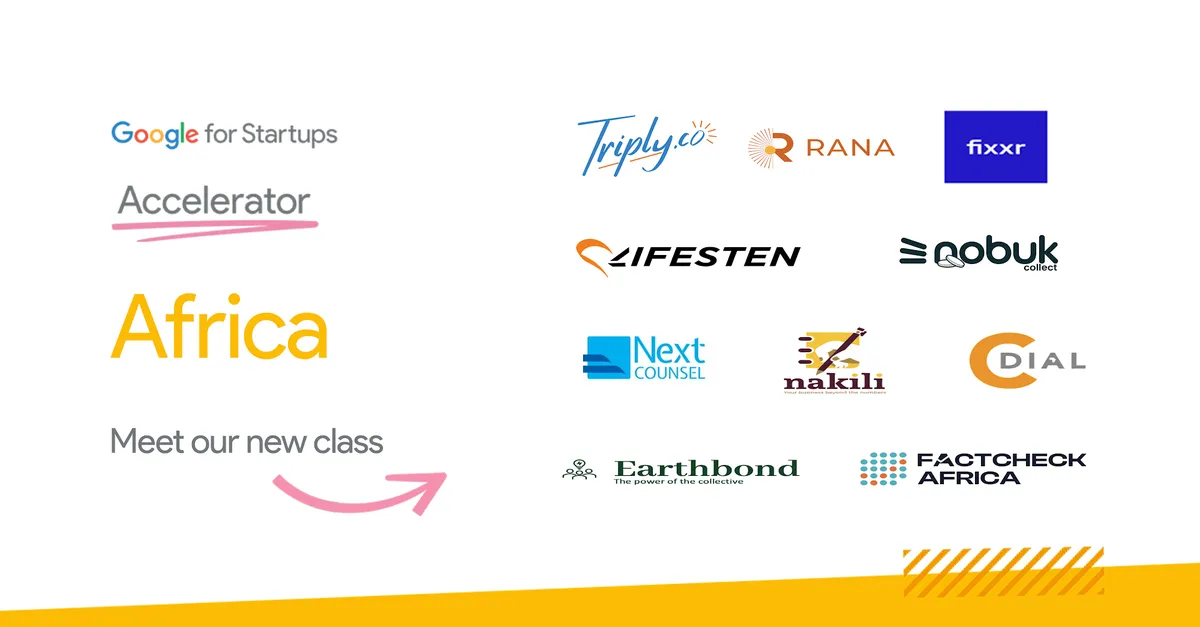
The rebound is broad, but let’s be honest, it’s uneven. Major hubs like Lagos, Nairobi, Cape Town, and Cairo continue to dominate deal flow. Francophone and smaller markets are gradually catching up, thanks to targeted funds, incubators, and initiatives channeling diaspora capital. Accelerators keep feeding the pipeline with fresh founder talent. Yet exits and public markets remain limited, so returns often come through acquisitions rather than IPOs. That reality fuels investor focus on scalability and M&A readiness. Looking ahead, 2026 will be a genuine stress test for the continent’s renewed momentum. Can startups convert fundraising into profitable growth? Will investors accept longer timelines in exchange for deeper market penetration? The conversation captured by Africanews’ Moonshot 2025 discussions suggests ambition is sky high. Local startups believe they can outpace global giants by moving faster on region specific problems. But the contest won’t be won on product alone. Access to capital, talent retention, regulatory clarity, and cross border scale remain major hurdles. The answers to these questions will determine whether 2025 is remembered simply as a rebound, or as the start of sustained, tech led transformation across Africa, building on the record growth we’ve already witnessed and the funding surge that made it possible.