Africa’s Startup Spring: $3 Billion, Harder Questions and a New Generation Ready to Scale
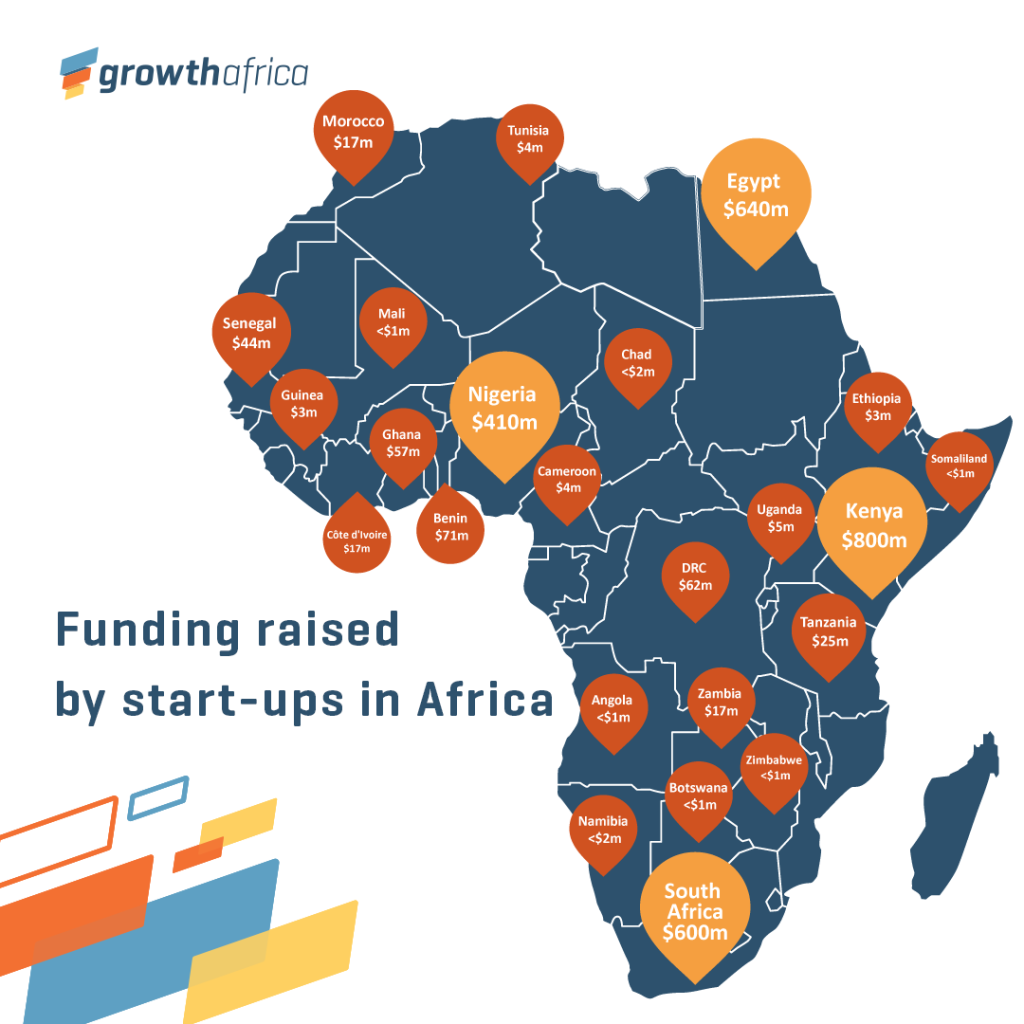
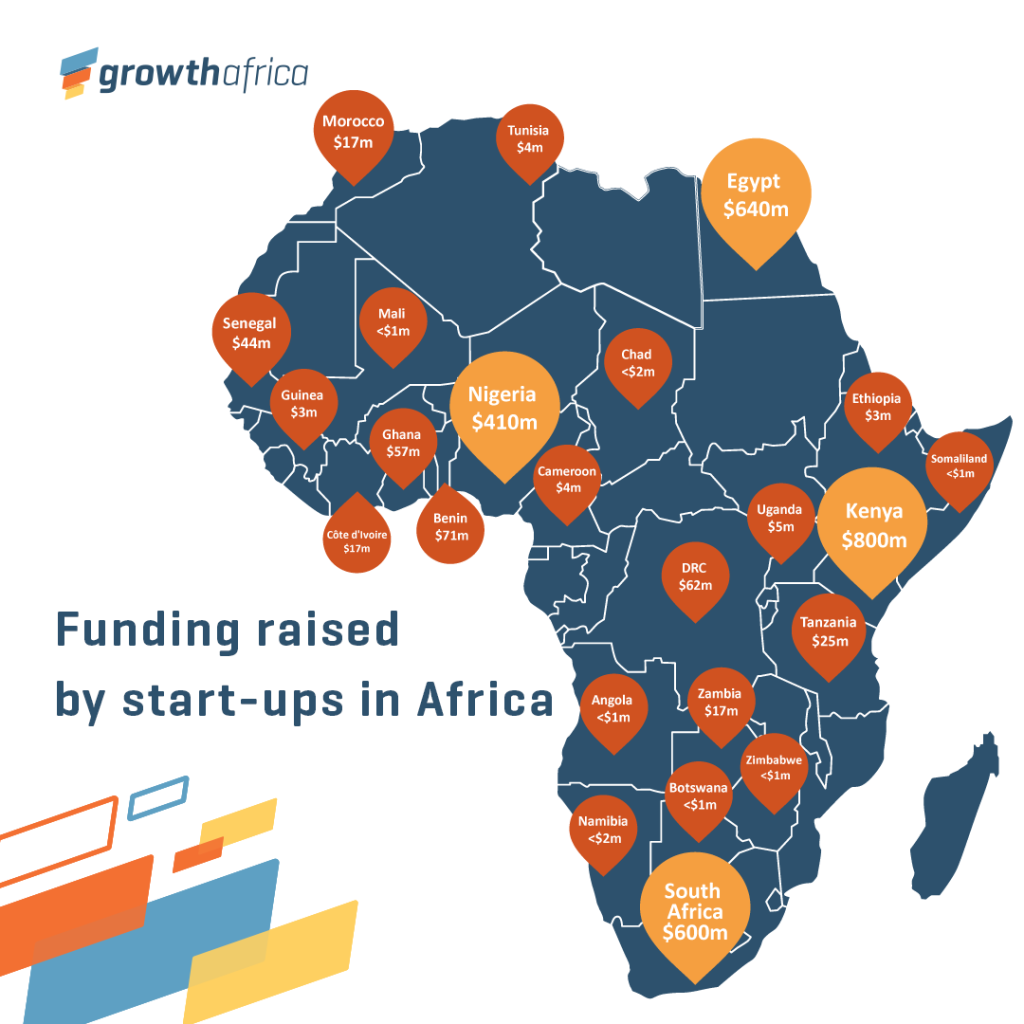
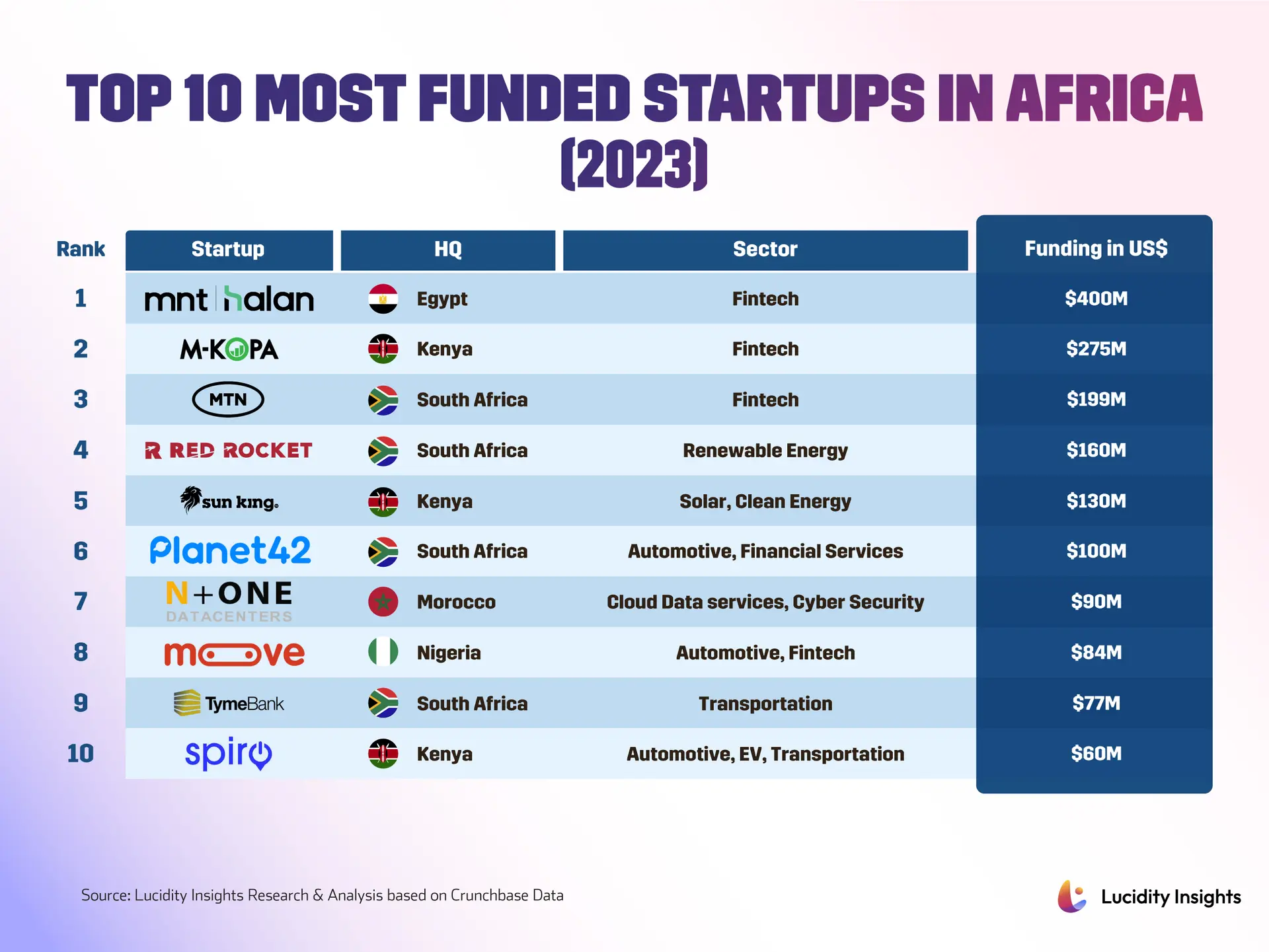
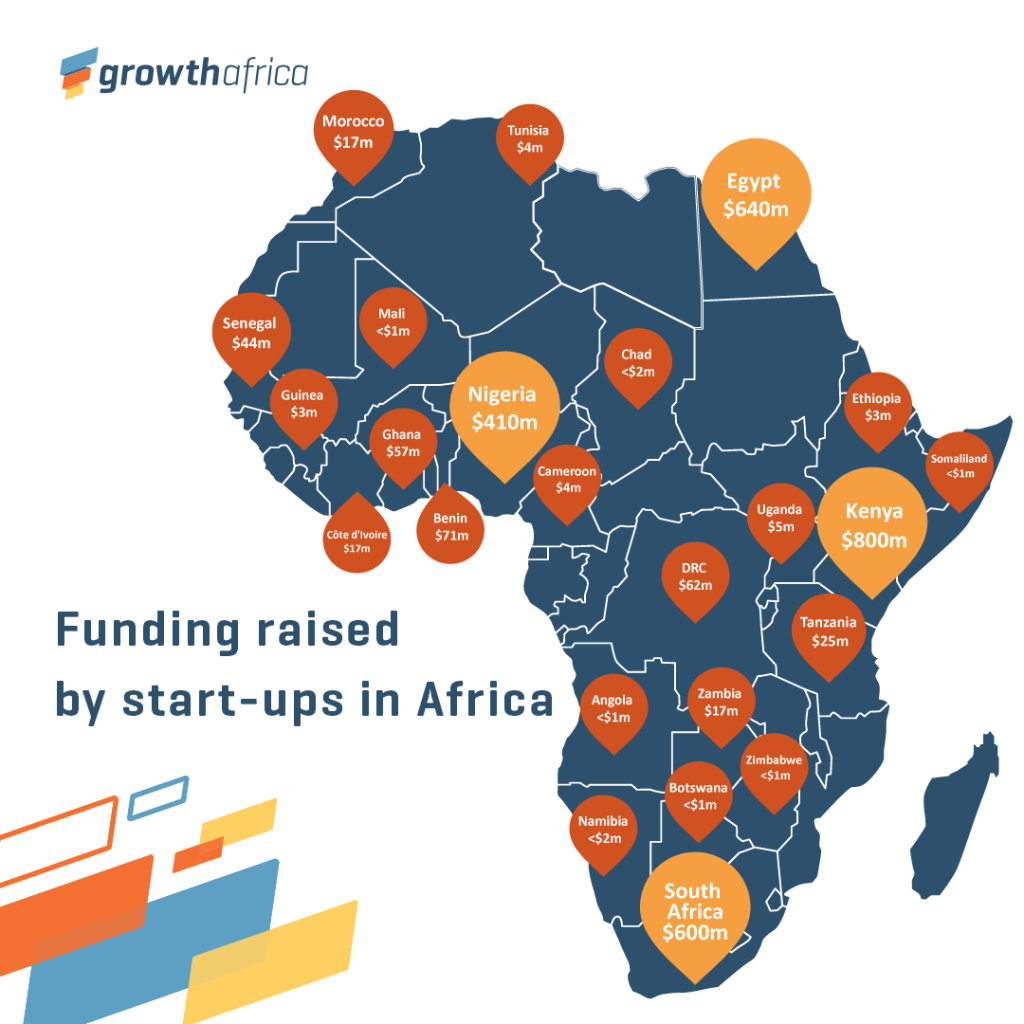
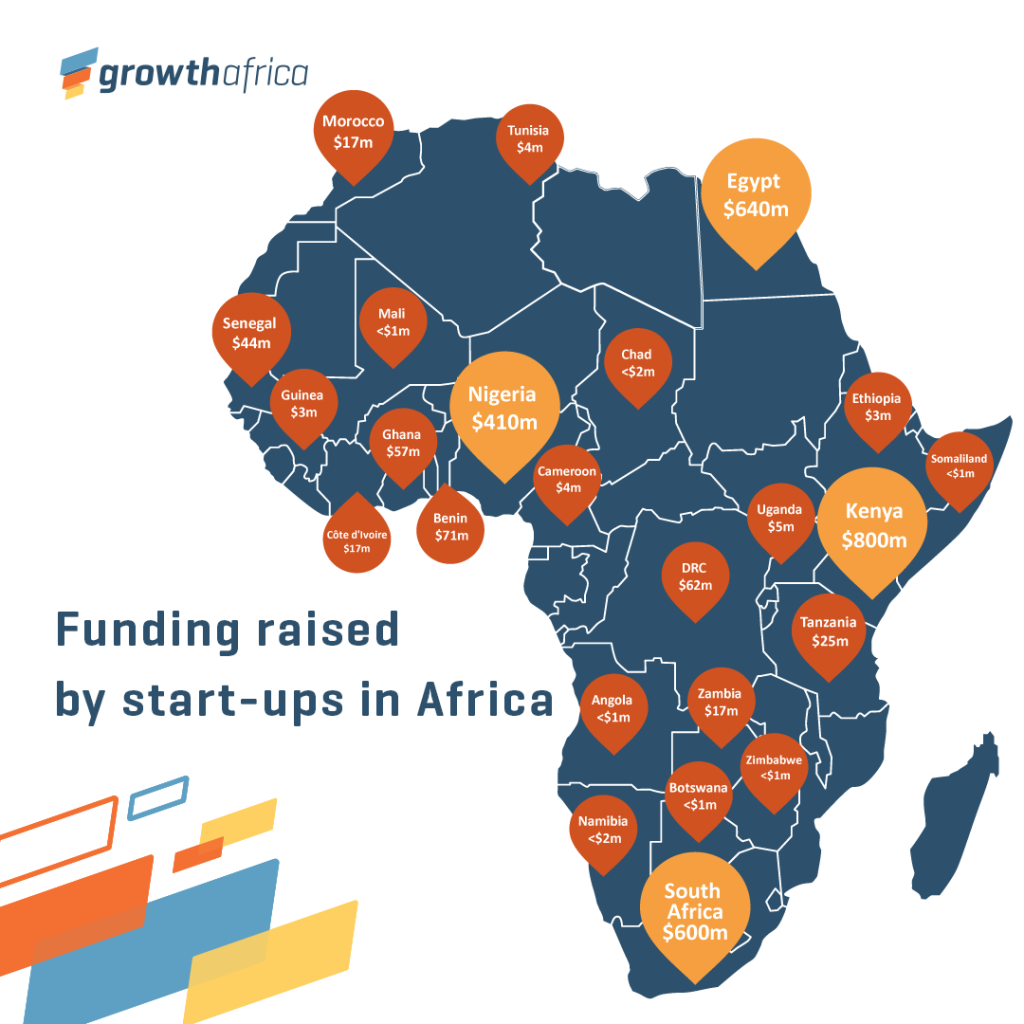
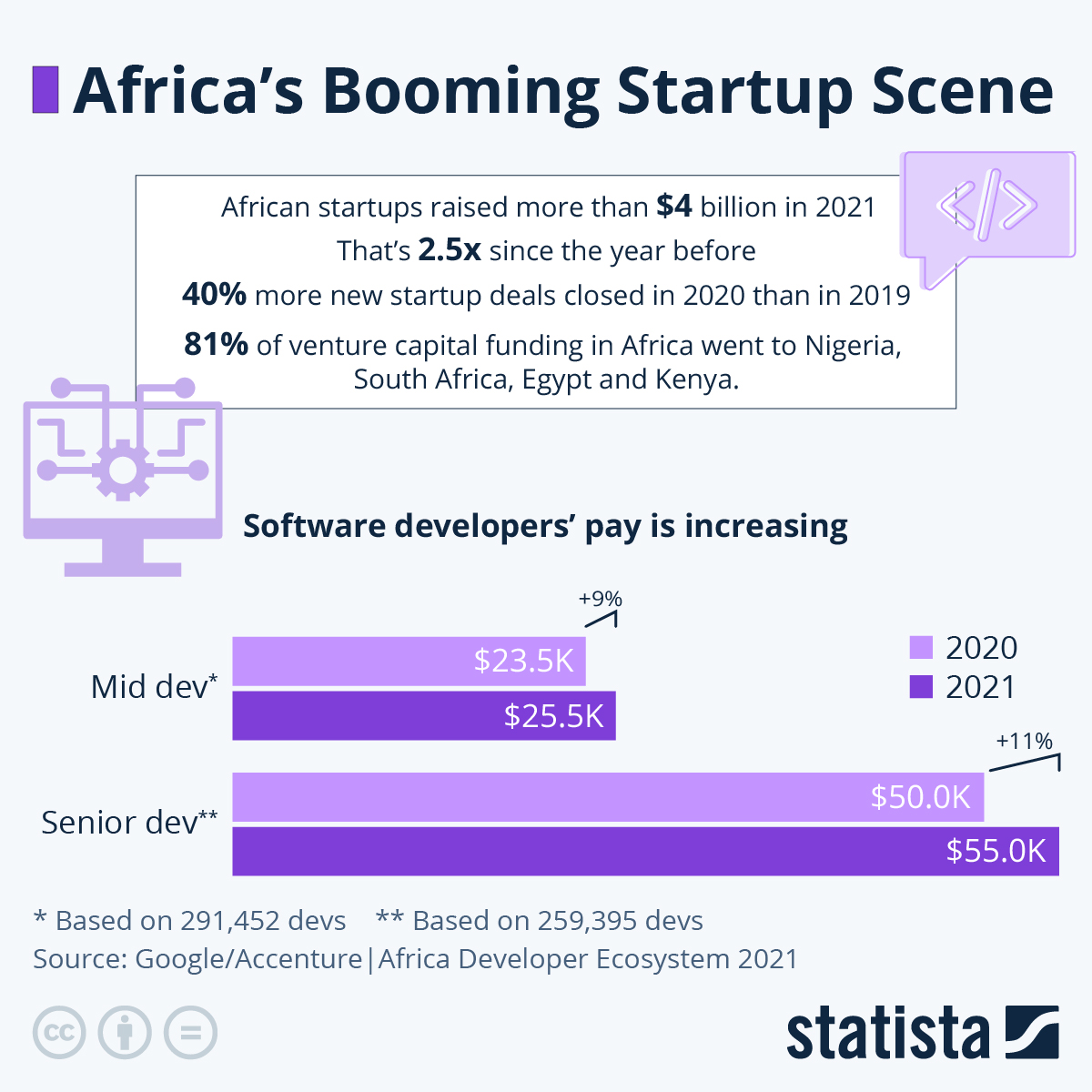
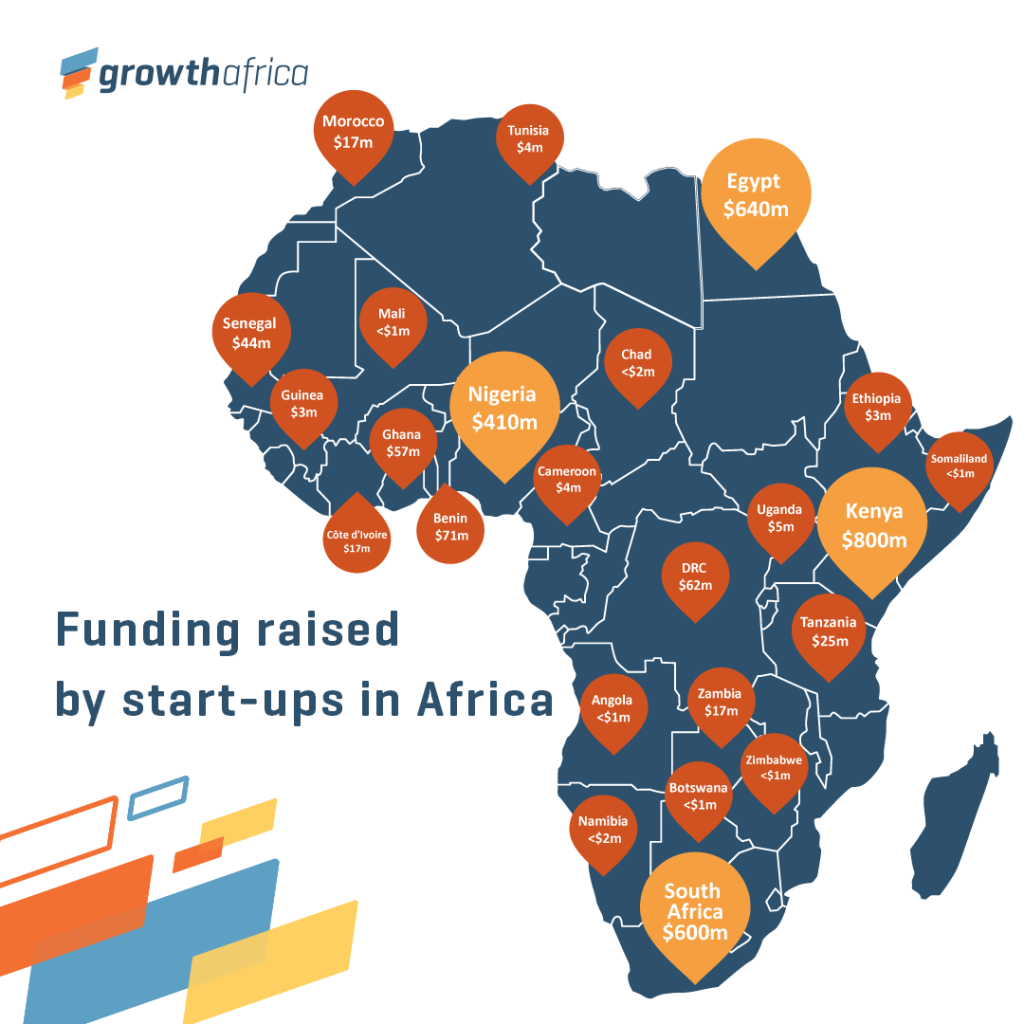
African tech startups closed out 2025 with a momentum that few observers saw coming just a couple years back. They hit roughly $3 billion in funding, which marks a real return to growth after those deep troughs in 2023 and 2024. Business Insider Africa reported a 33 percent year on year rise, bringing the continent back past 2023 levels. The numbers tell part of the story, sure, but there’s a more revealing picture emerging in boardrooms and at conferences. Founders, investors, and even ministers are now debating what the next phase of scaling should actually look like. This rebound has a different feel to it. It’s less about the exuberant chase for market share at any cost and more about clear business models, solid unit economics, and actual paths to profitability. Investors have tightened their criteria, and that shift is visible across the industry.
A new wave of builders, focused on infrastructure
The companies leading this 2025 comeback aren’t just flashy consumer apps. They’re tackling the fundamental plumbing of development. Think fintech platforms building payment rails, health tech firms integrating with clinics, logistics companies solving last-mile headaches, and renewable energy providers deploying distributed grids. African Business curated a Top 20 list of the continent’s most promising startups, and the common thread is building physical and digital rails first, then layering software and finance on top. This approach makes businesses stickier for customers, but it also requires more upfront capital and patience. That explains why investor scrutiny has risen in parallel. The ecosystem’s renewed confidence isn’t just talk, either. Major gatherings are converting interest into real deals. The International Trade and Finance Fair, IATF2025, reportedly locked in $48.3 billion in commitments and drew over 112,000 attendees. That scale points to growing institutional appetite for African projects across trade, infrastructure, and finance, not just venture capital. For a deeper look at this evolving landscape, our analysis of the continent’s startup ecosystem boom provides additional context.
Can African startups challenge global giants?
Amid the renewed funding and greater discipline, a central question persists. Can African startups become genuine global challengers, or will they remain regionally dominant but globally niche? Business Africa’s Moonshot 2025 framing captures the debate perfectly. On one hand, the continent’s startups are building differentiated solutions tailored to local constraints, which can be a powerful source of competitive advantage. On the other hand, they must contend with the sheer scale, capital, and distribution power of global tech giants. Success will likely hinge on selective global plays, smart partnerships, and the ability to export not only software but operational knowhow. External policy shifts complicate the picture too. The European Union’s incoming carbon border adjustment mechanism, essentially a tax on the carbon content of imports, is expected to affect African exporters. For startups building clean energy solutions, this tax presents both a challenge and an opportunity. It raises the bar for carbon accountability, creating fresh demand for low emission producers and for technologies that measure and certify cleaner supply chains. The combination of larger institutional deals, tougher investor scrutiny, and shifting policy incentives is forcing a maturation across the entire ecosystem. If you’re interested in the broader technological transformation, explore our coverage of Africa’s tech renaissance and the record investment flowing into startups. The 2025 inflection should be read as a spring rather than a boom. The era of easy capital has ended, replaced by a more disciplined market that rewards measurable results. That discipline could well produce a smaller number of larger, more sustainable companies able to compete not just regionally, but on the global stage.