Nigeria’s Shifting Sands: Kebbi Girls Rescued as Nation Grapples with Rising Violence and Military Strain
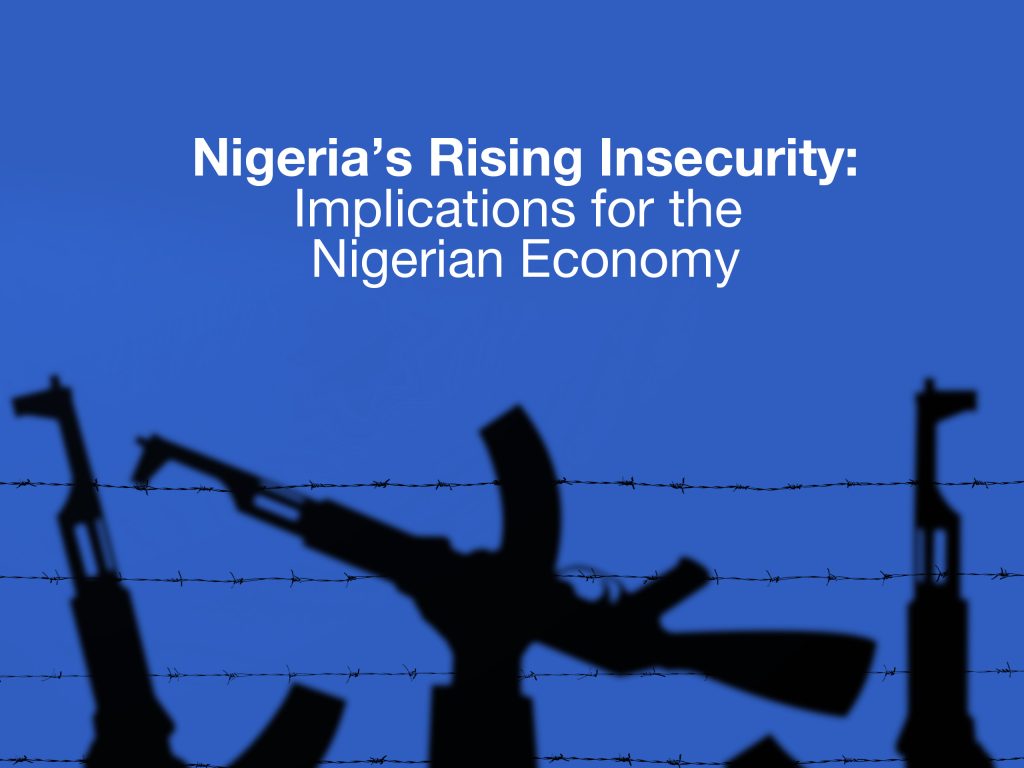
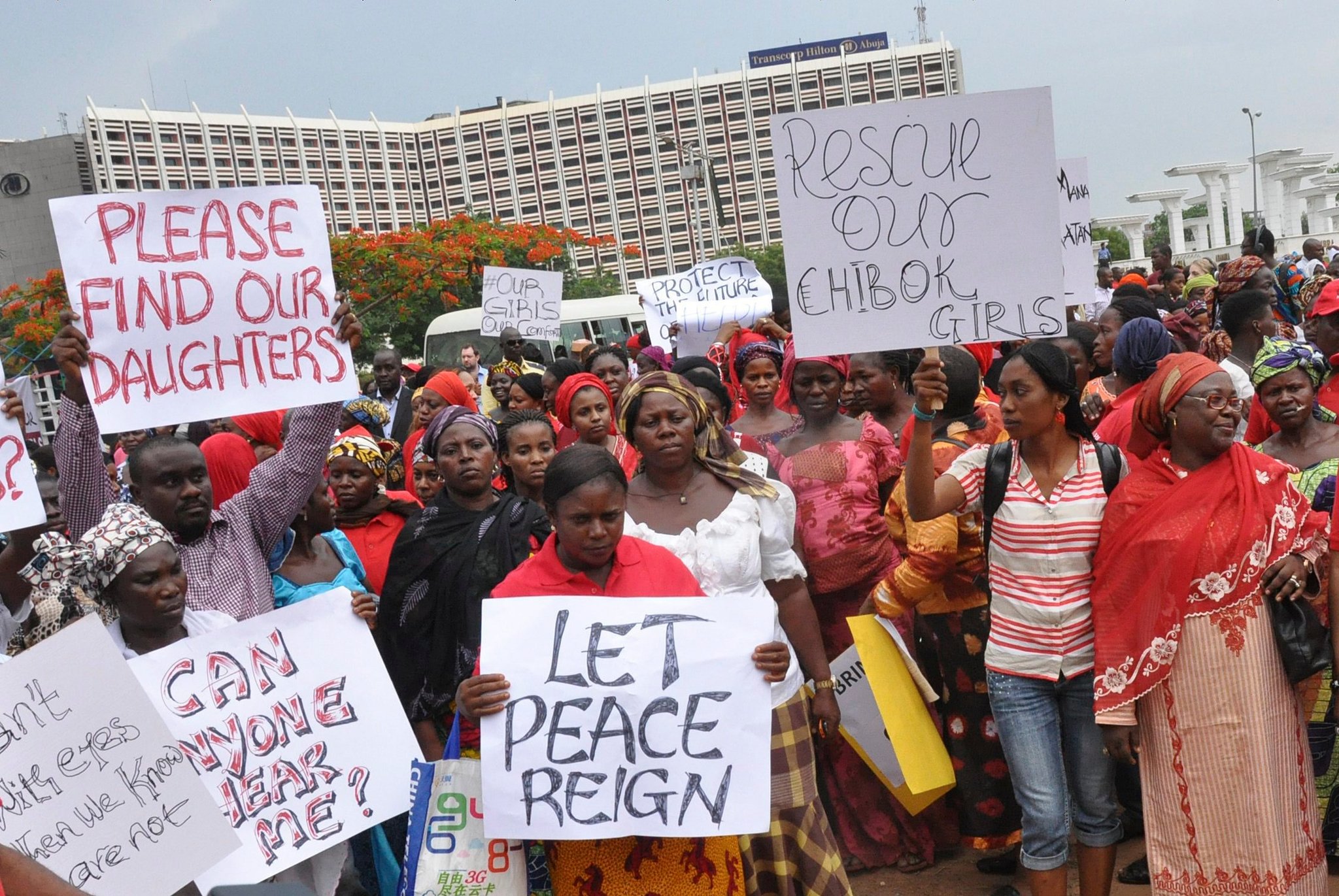
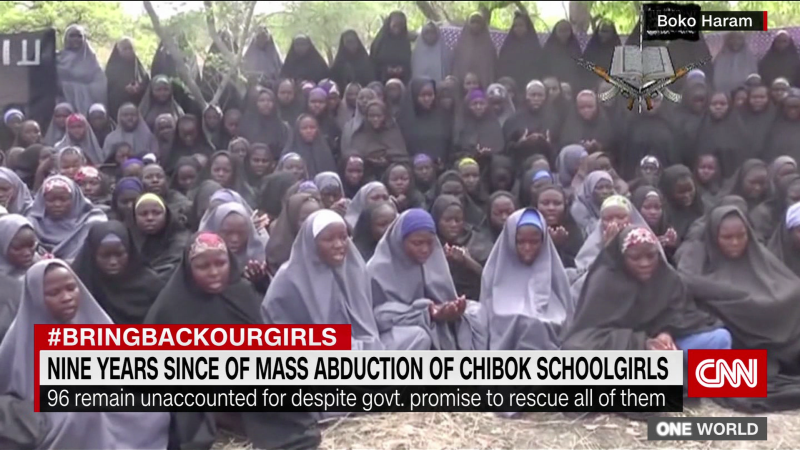
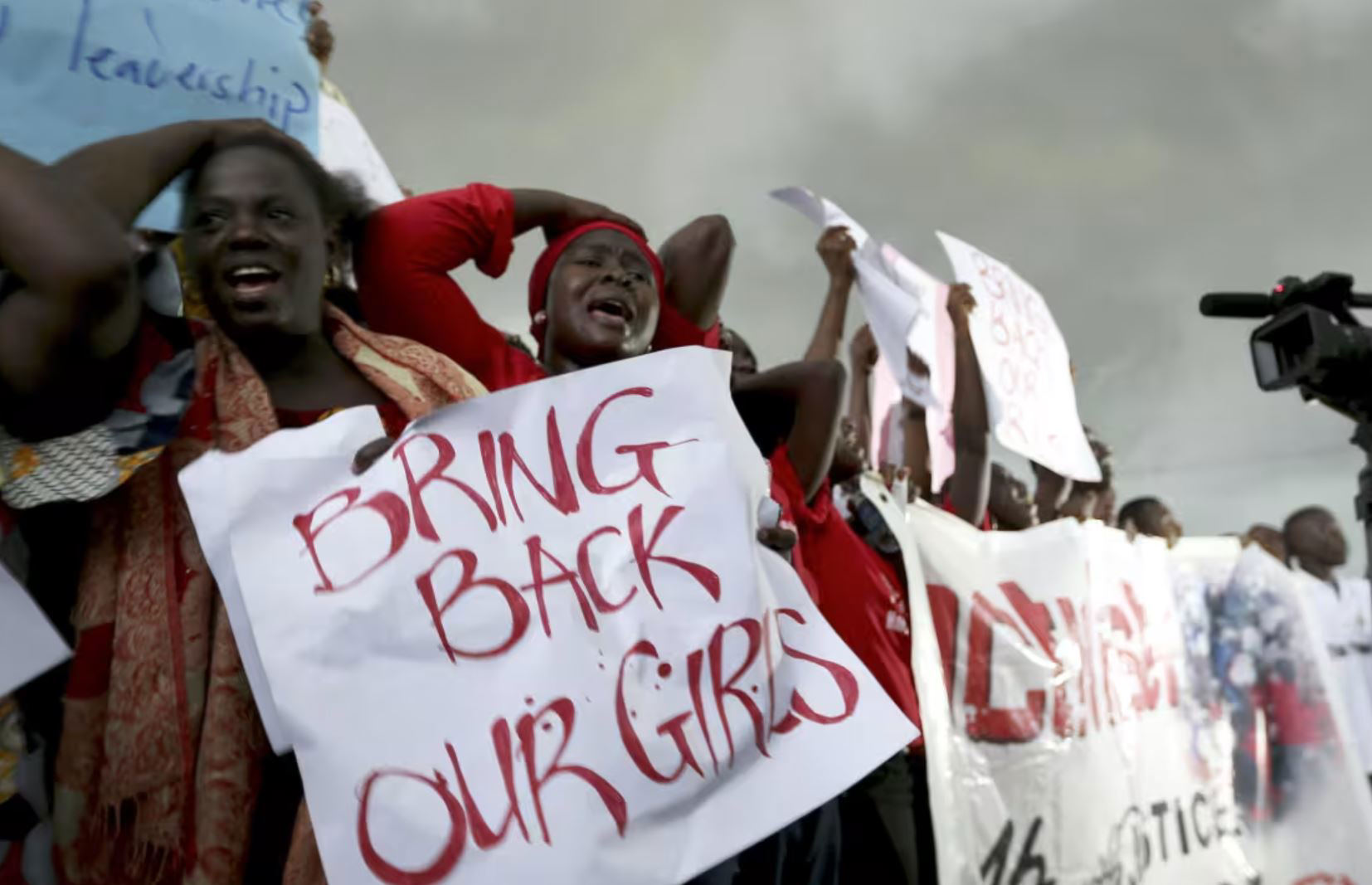
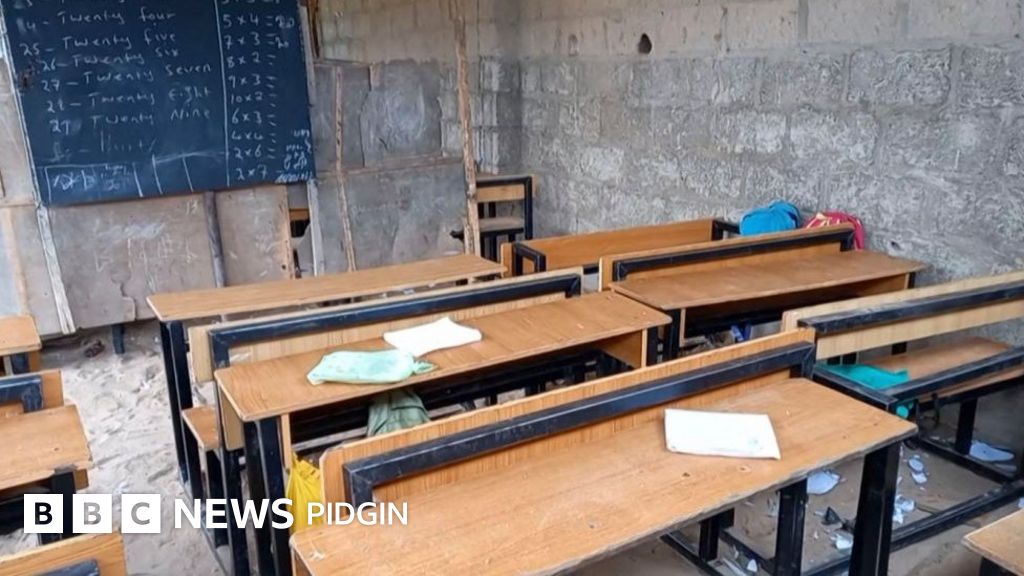
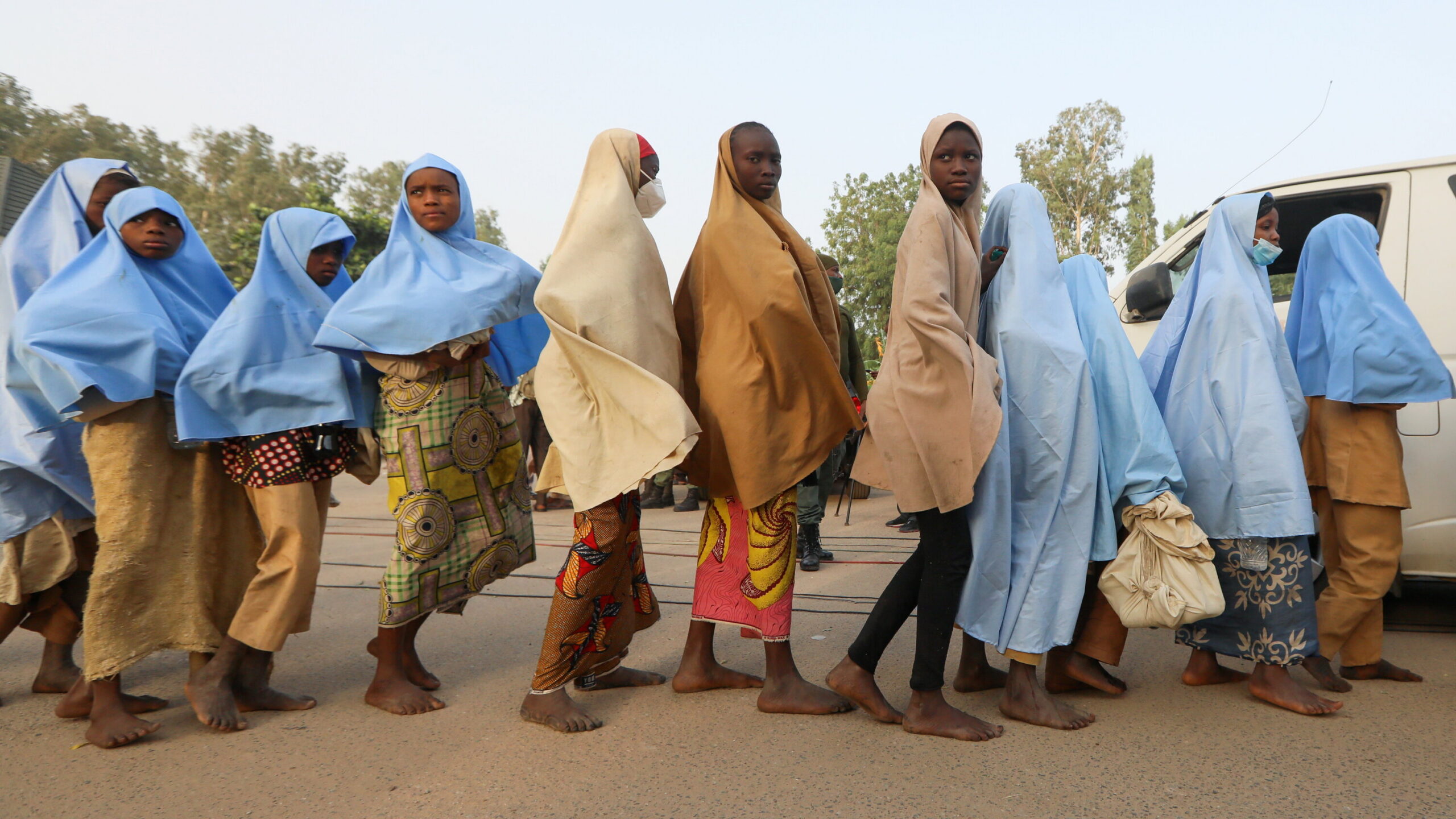
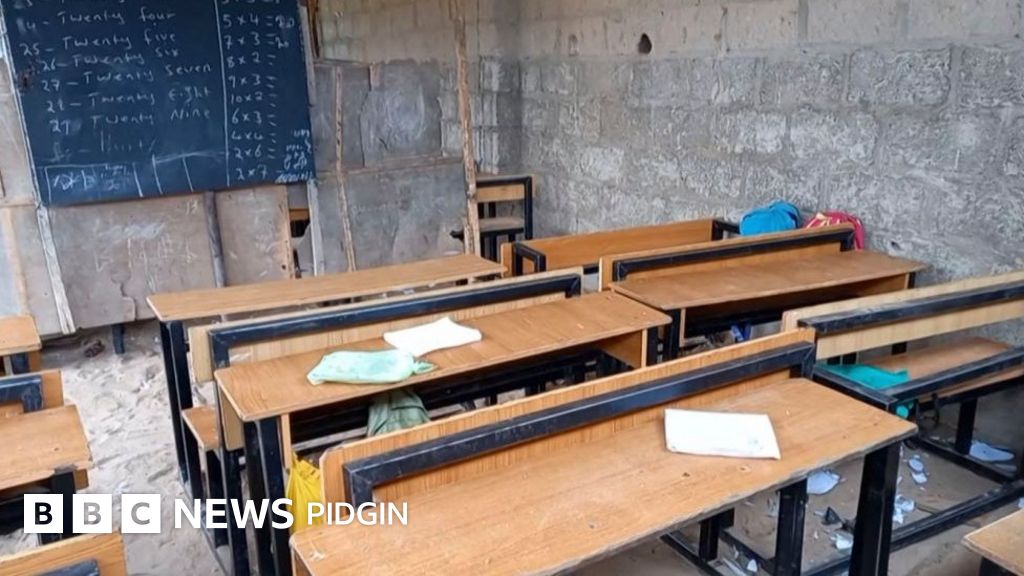
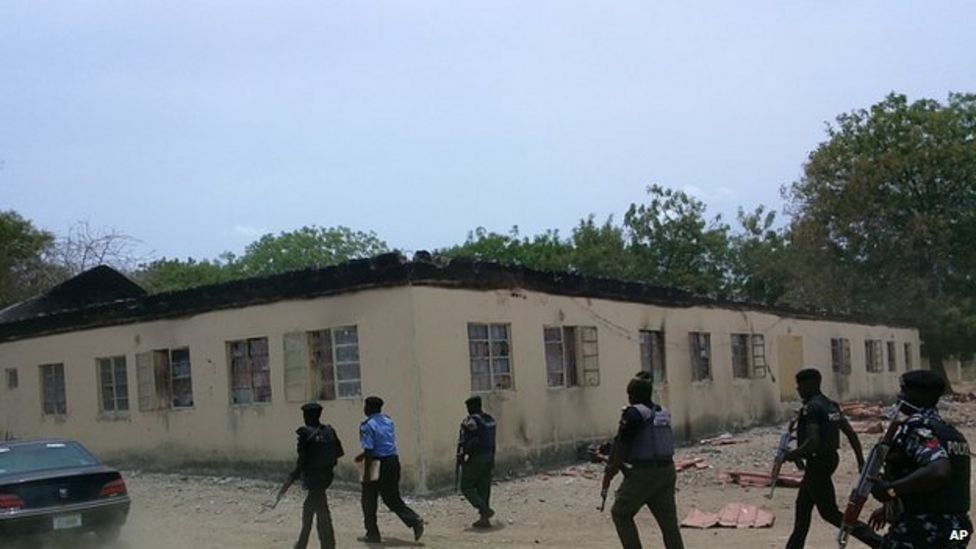
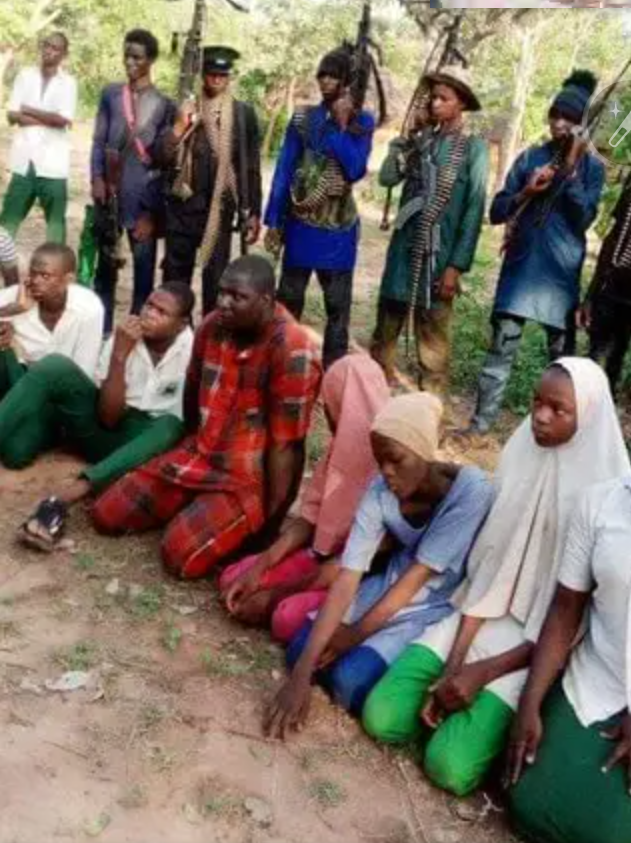
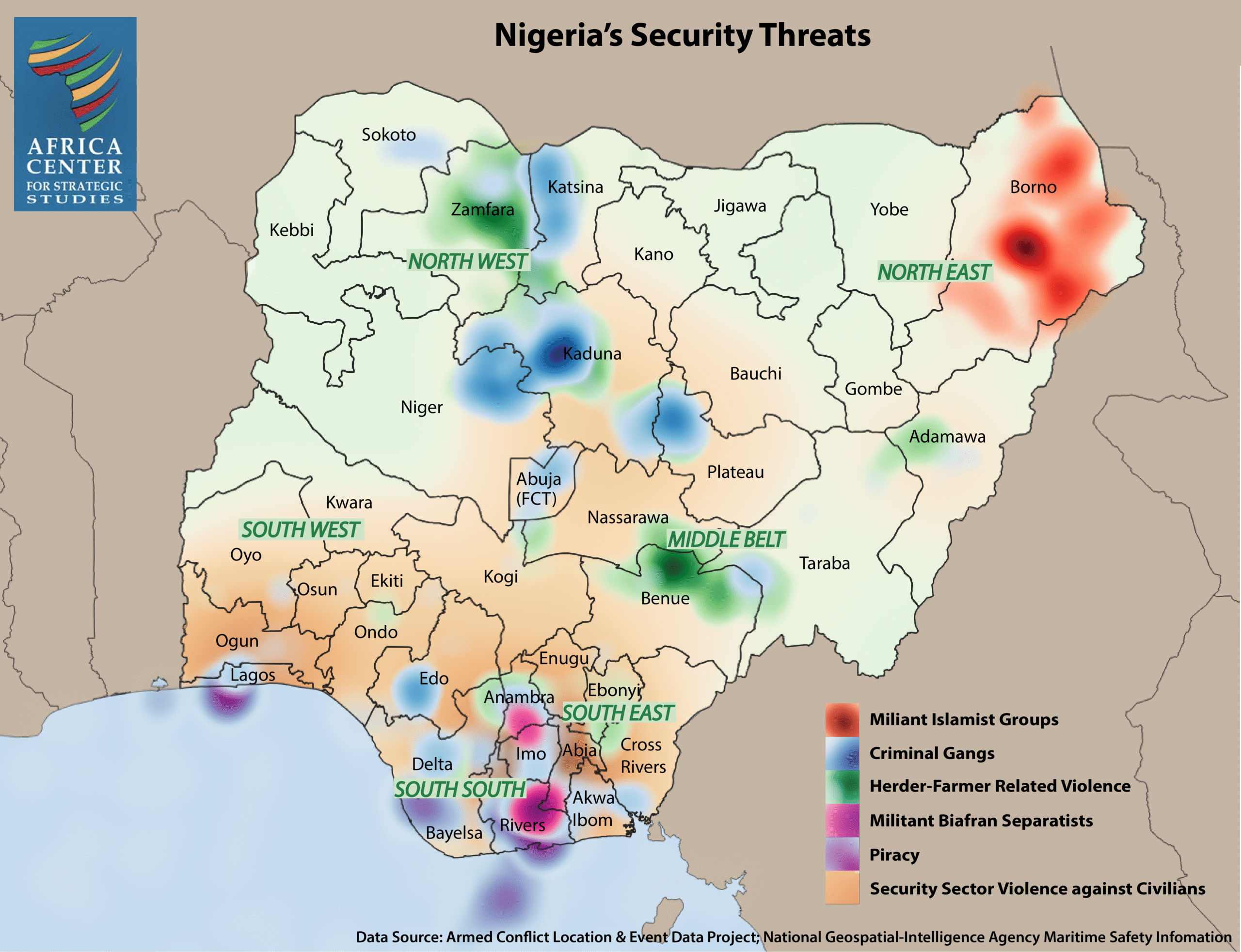
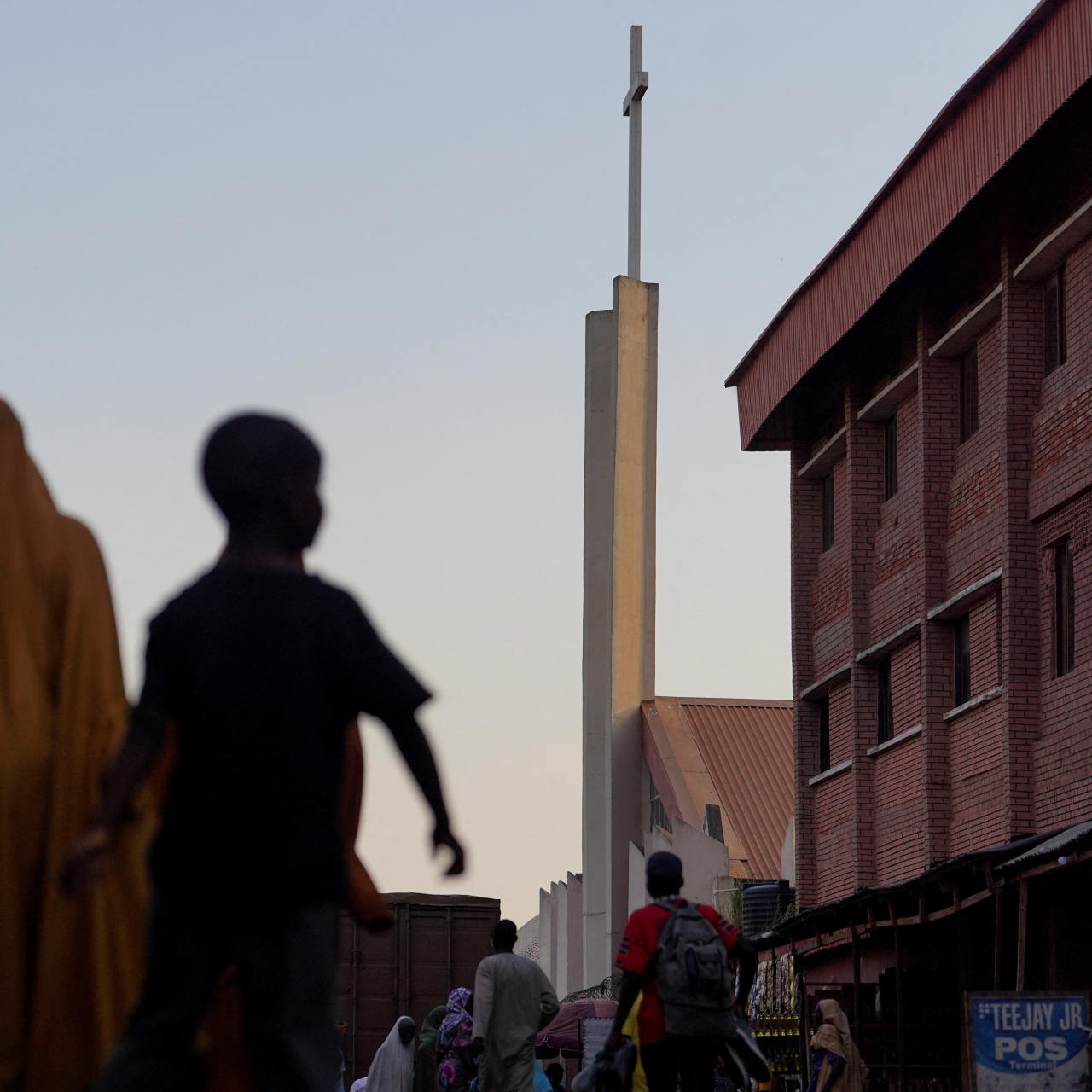
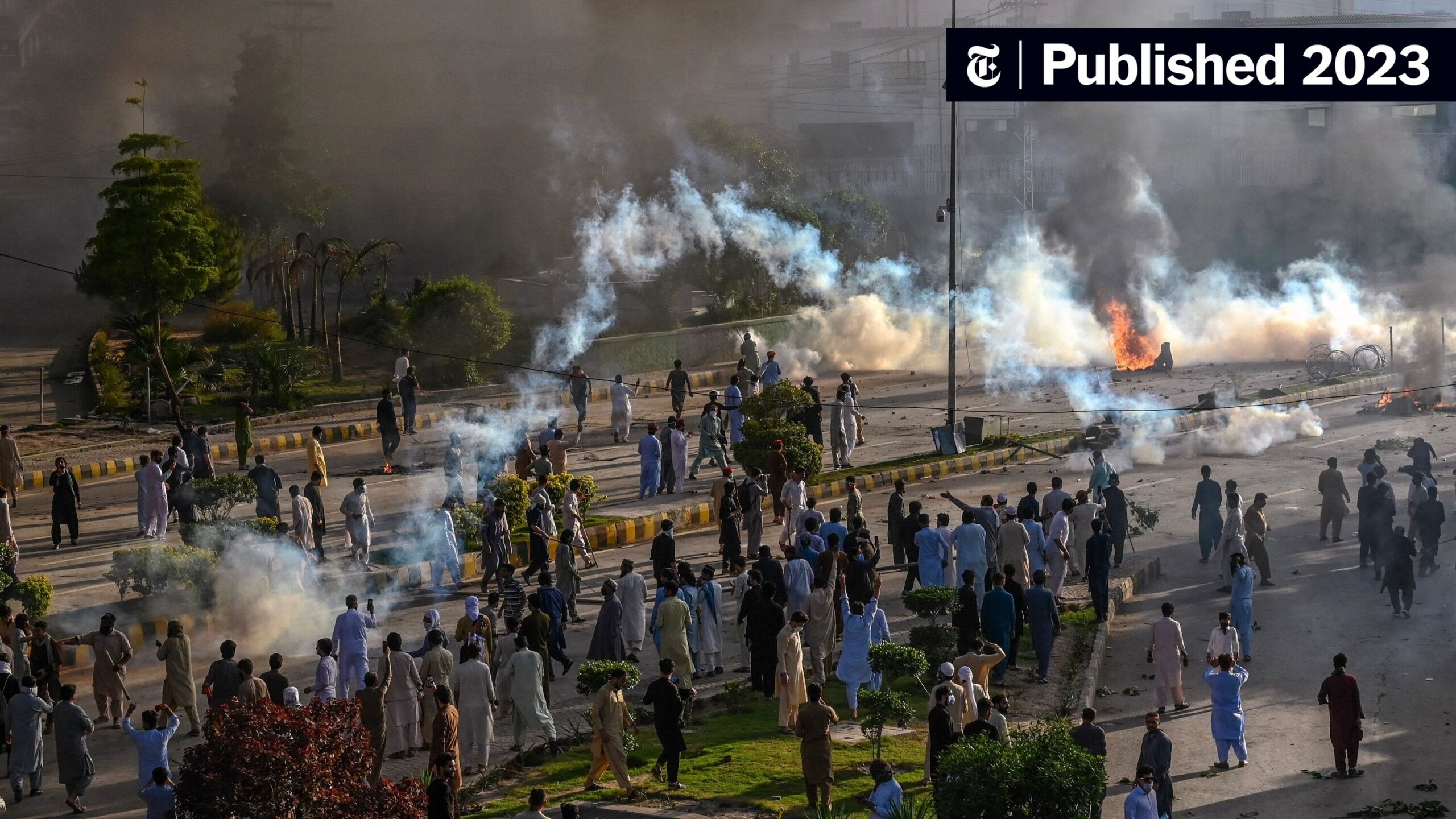
The recent rescue of twenty-four schoolgirls abducted from a Kebbi State boarding school on November 17 offers a welcome ray of hope amidst Nigeria’s persistent security challenges. Coordinated security forces successfully brought the girls home on November 25, an operation reported by Arise News, highlighting the potential for effective responses against terrorism and criminal incursions plaguing the north. But this positive news comes against a backdrop of intensifying troubles. Just weeks later, over twenty worshippers were kidnapped during an attack on an ECWA church in Kogi State on December 14, stoking fears of escalating terror activities targeting innocent civilians. How can communities feel safe when even places of worship aren’t secure? This renewed wave of violence certainly underscores the dangers ordinary Nigerians face daily, even in areas that might seem protected.
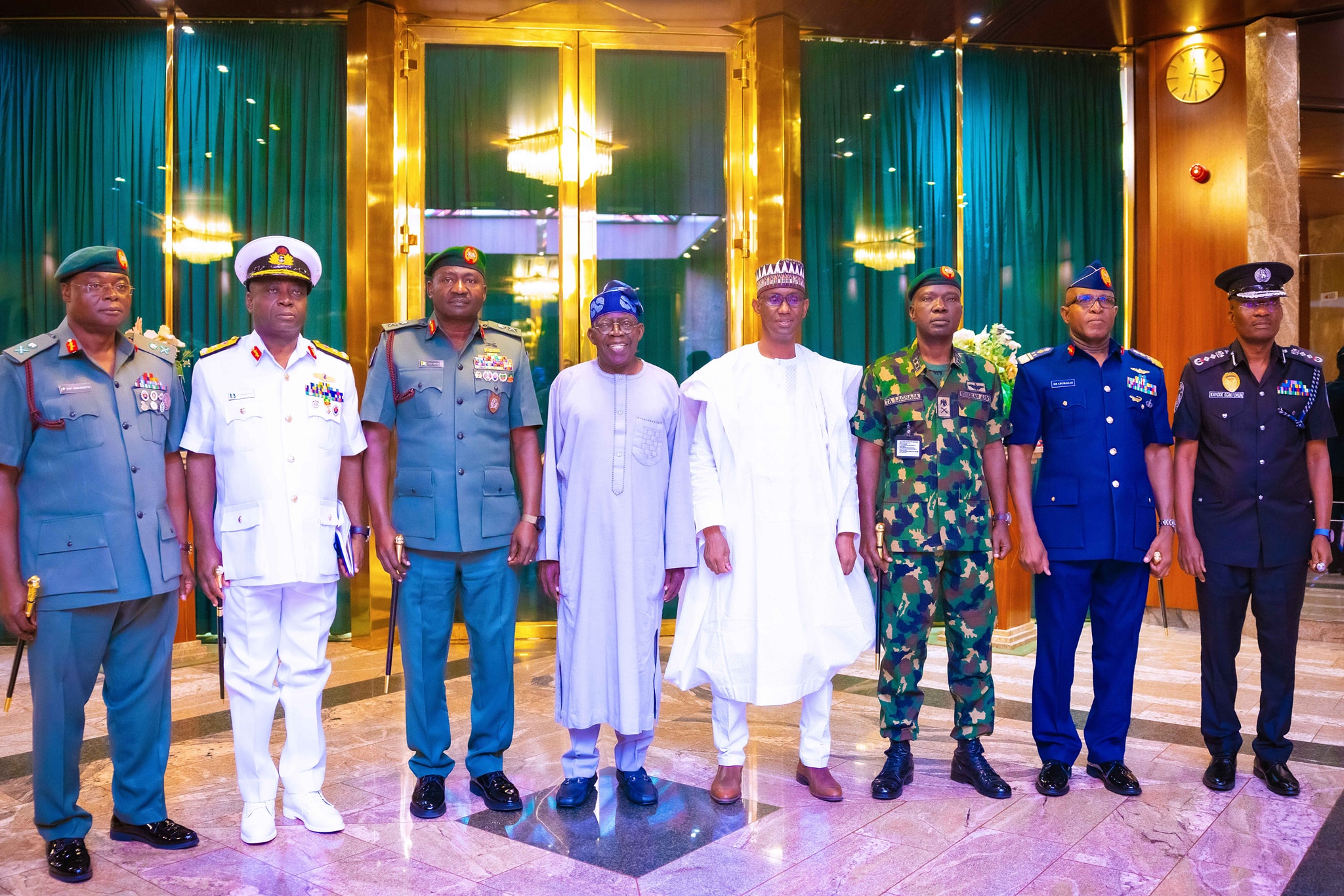
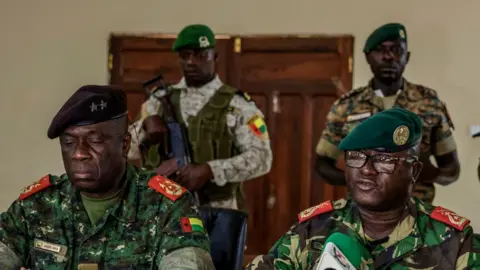
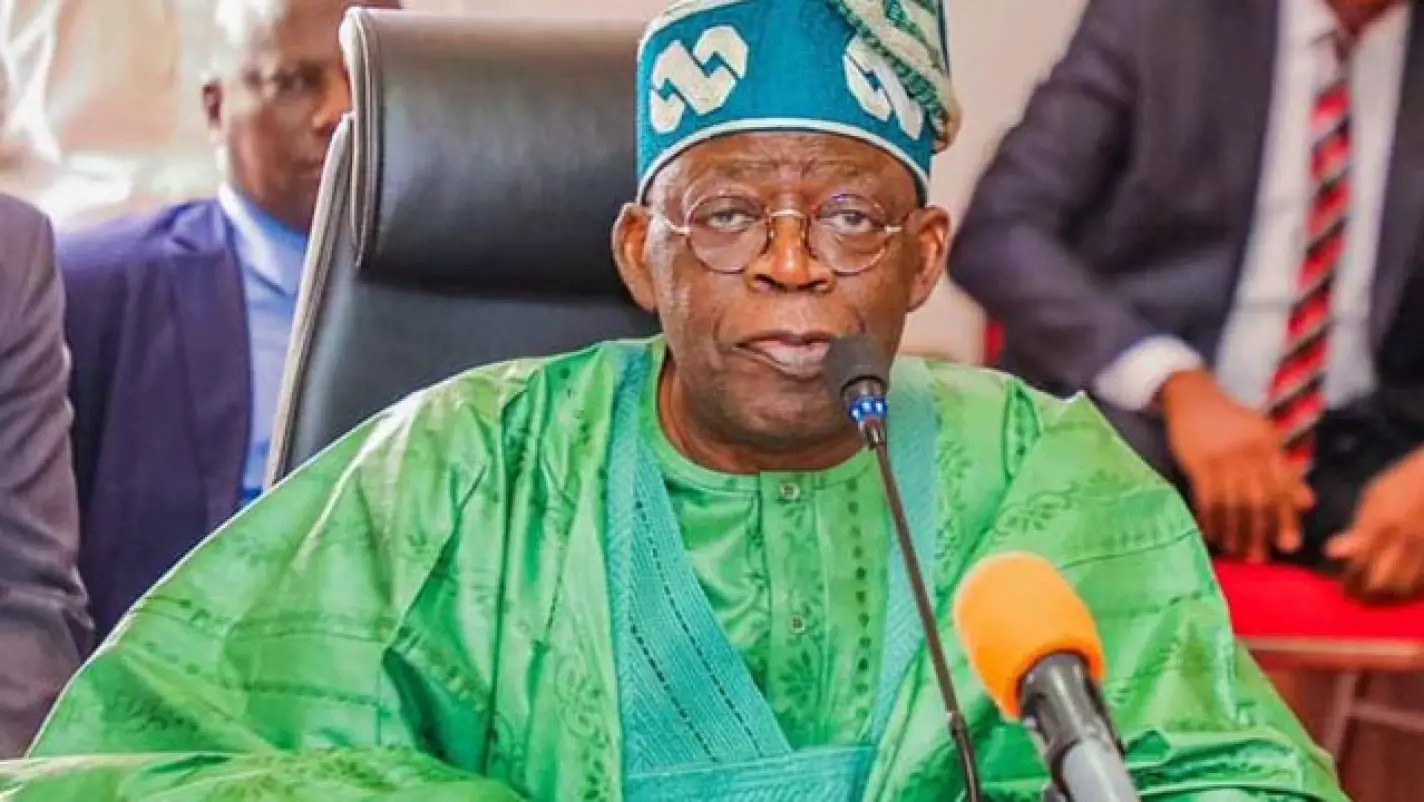
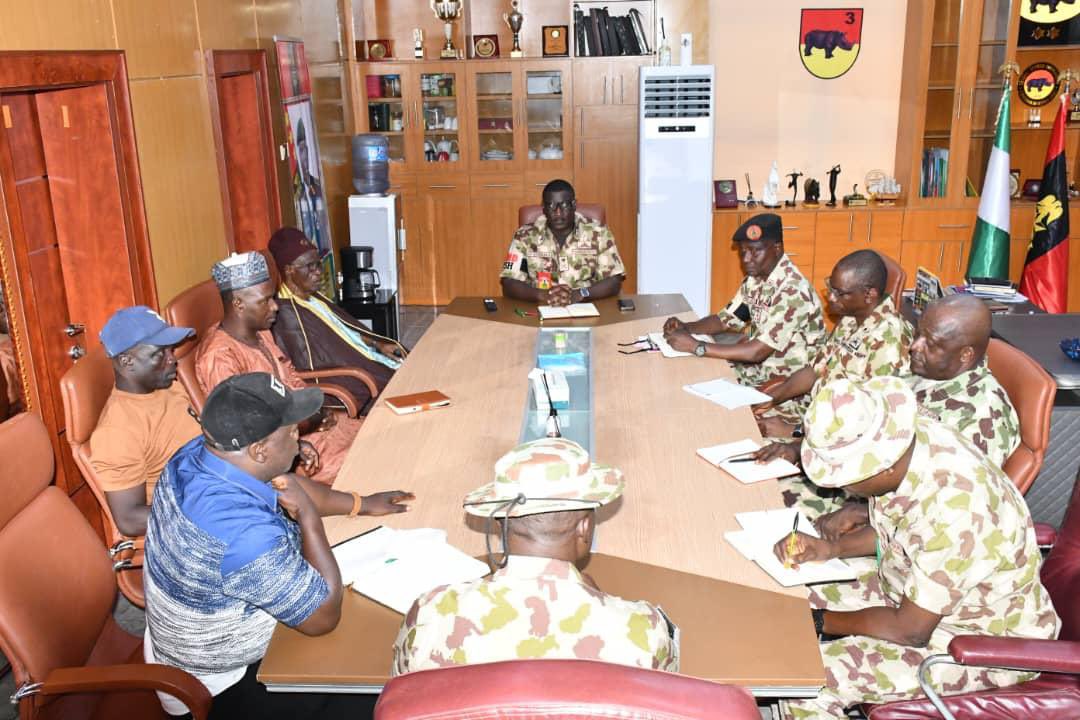
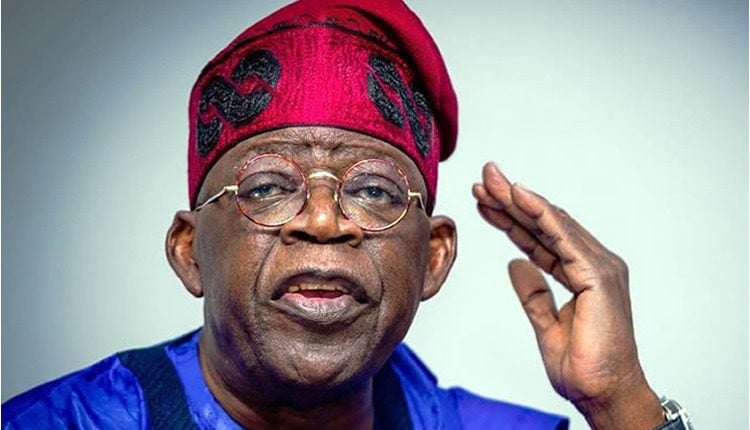
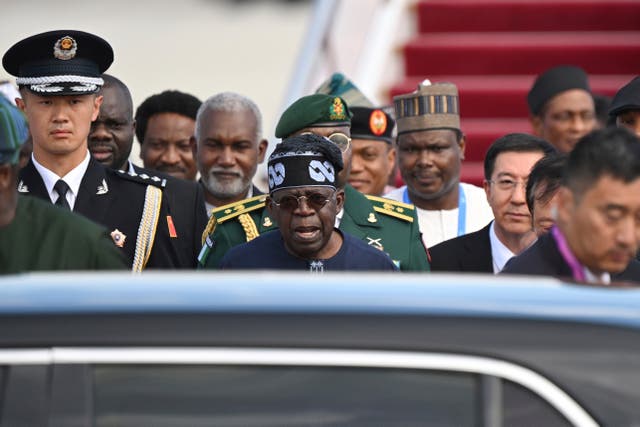
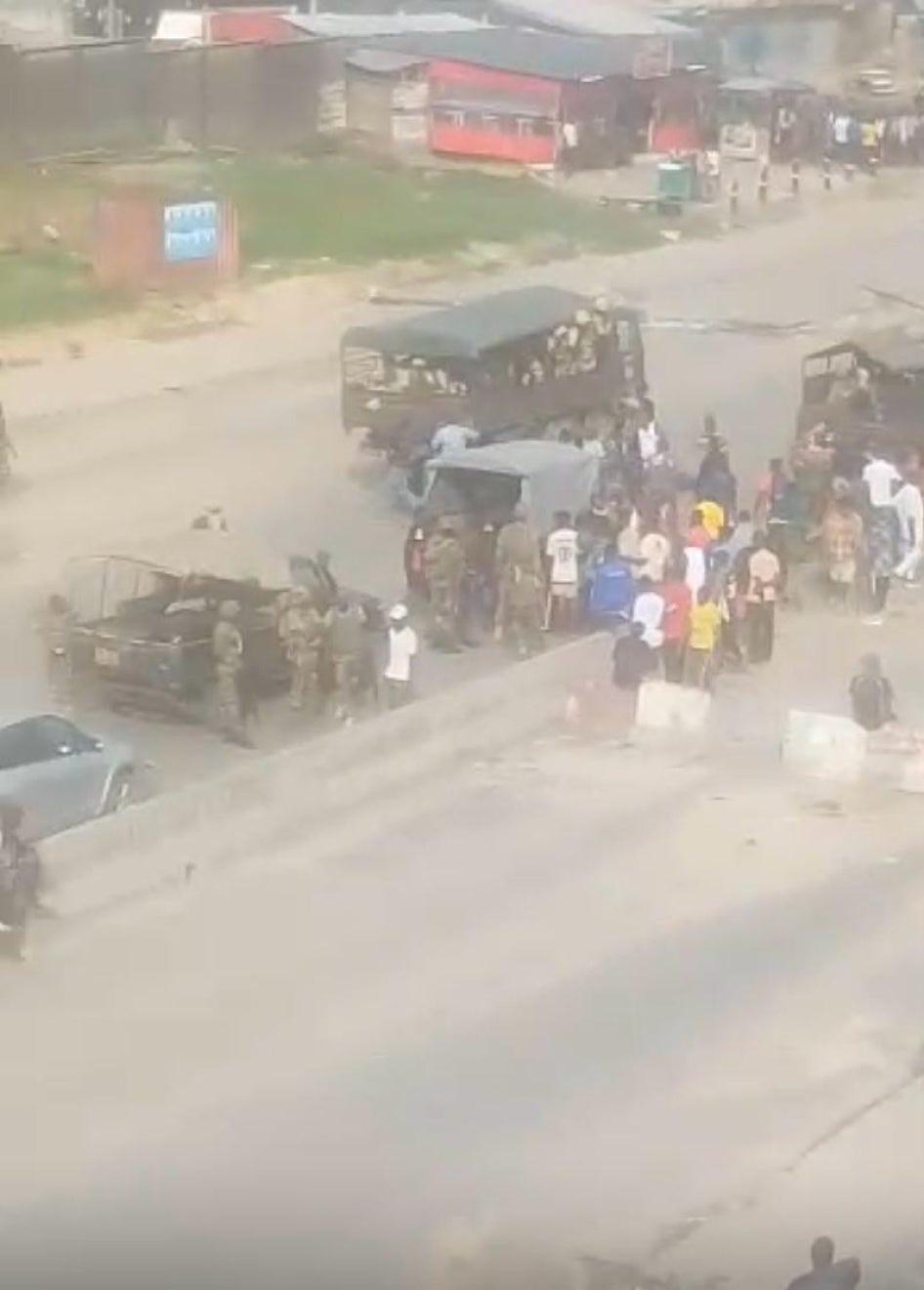
Beyond the brutal acts of terror, internal fissures are showing within Nigeria’s institutions. Reports on December 14 revealed growing dissatisfaction among the military ranks concerning a special promotion granted to President Tinubu’s aide-de-camp, elevated to brigadier general. Could this friction within the military establishment impact morale and vital cohesion needed to combat insurgents and criminal groups effectively? Simultaneously, human rights issues continue to draw international scrutiny, as seen in the shocking case of a Nigerian man wrongfully detained in Qatar for six weeks over a mannequin mistaken for drugs. Lawyers are demanding redress, shining a light on the broader justice challenges Nigerians face both at home and abroad. Closer to home, incidents of excessive force by soldiers remain a grave concern. A disturbing report from December 8 detailed Nigerian soldiers in Yola opening fire on protesting women, killing seven. The victims received a mass burial on December 10, fueling urgent national debates on army conduct and civilian protection. The situation further tenses with revelations of an alleged assassination plot against whistleblower Nnamdi Emeh in Anambra Prison, prompting international rights groups to demand his immediate release and raising questions about efforts to silence accountability advocates. And in Adamawa State, tribal militias have launched attacks, with fears of dozens dead, adding another layer to the widespread insecurity.
Responding to these multifaceted crises, Nigerian police leadership has called for nationwide security enhancements. On December 9, the Police Inspector General directed commands to bolster protections around courts and judges, a crucial step to safeguard the justice system. To strengthen law enforcement capabilities, the force also began recruiting retired officers as ad-hoc trainers for new recruits, aiming to improve preparedness against Nigeria’s complex security threats. Even within civil sectors, public accountability isn’t spared; the arrest of newly elected Actors Guild of Nigeria president Abubakar Yakubu on December 10, following a fatal crash in Lagos, adds to the narrative of legal scrutiny across the country. Nigeria is navigating a tricky path, facing a confluence of security, military, political, and human rights challenges. While the Kebbi rescue reminds us of what effective security can achieve, ongoing violence and institutional pressures underscore the urgent need for comprehensive reforms and unwavering vigilance. Moving forward, Nigeria’s capacity to unify its security forces, uphold the rule of law, and protect its citizens will be paramount, requiring coordinated efforts from all stakeholders to transition from fragility to lasting resilience and peace.
Sources:
- 24 Schoolgirls Abducted In Kebbi Rescued By Security Forces, Arise News, November 25, 2025
- BREAKING: Over 20 Worshippers Kidnapped In Kogi ECWA Church Attack, Arise News, December 14, 2025
- Dissatisfaction Grows In Nigerian Army Over Special Promotion Of Tinubu’s ADC To Brigadier General, Arise News, December 14, 2025
- EXCLUSIVE: Nigerian Man Detained For Six Weeks, Humiliated In Qatar Over Mannequin Mistaken For Drugs, Lawyers Demand Redress, Arise News, December 14, 2025
- BREAKING: Shock As Nigerian Soldiers Escorting Brigade Commander In Yola Shoot Dead Seven Protesting Women, Others Injured, Arise News, December 8, 2025
- Fresh Plot To Assassinate Whistleblower Nnamdi Emeh In Anambra Prison Exposed As International Right Groups Demand Immediate Release, Arise News, December 8, 2025
- BREAKING: Dozens Feared Dead As Tribal Militia Launch Attacks On Adamawa Communities, Arise News, December 8, 2025
- BREAKING: Adamawa Women Shot Dead By Nigerian Soldiers Given Mass Burial, Identities Released, Arise News, December 10, 2025
- BREAKING: Nigerian Police IG Orders Commands To Strengthen Security For Courts, Judges Nationwide, Arise News, December 9, 2025
- BREAKING: Nigeria Police Begin Recruitment Of Retired Officers As Ad-Hoc Trainers For New Recruits, Arise News, December 9, 2025
- BREAKING: Newly Elected Actors Guild Of Nigeria President Abubakar Yakubu Arrested After Fatal Crash In Lagos, Arise News, December 10, 2025