
Africa’s Startup Moment Faces Reality Check as Investors Demand Profits and Climate Rules Bite
The Investor Shift: From Hype to Hard Numbers
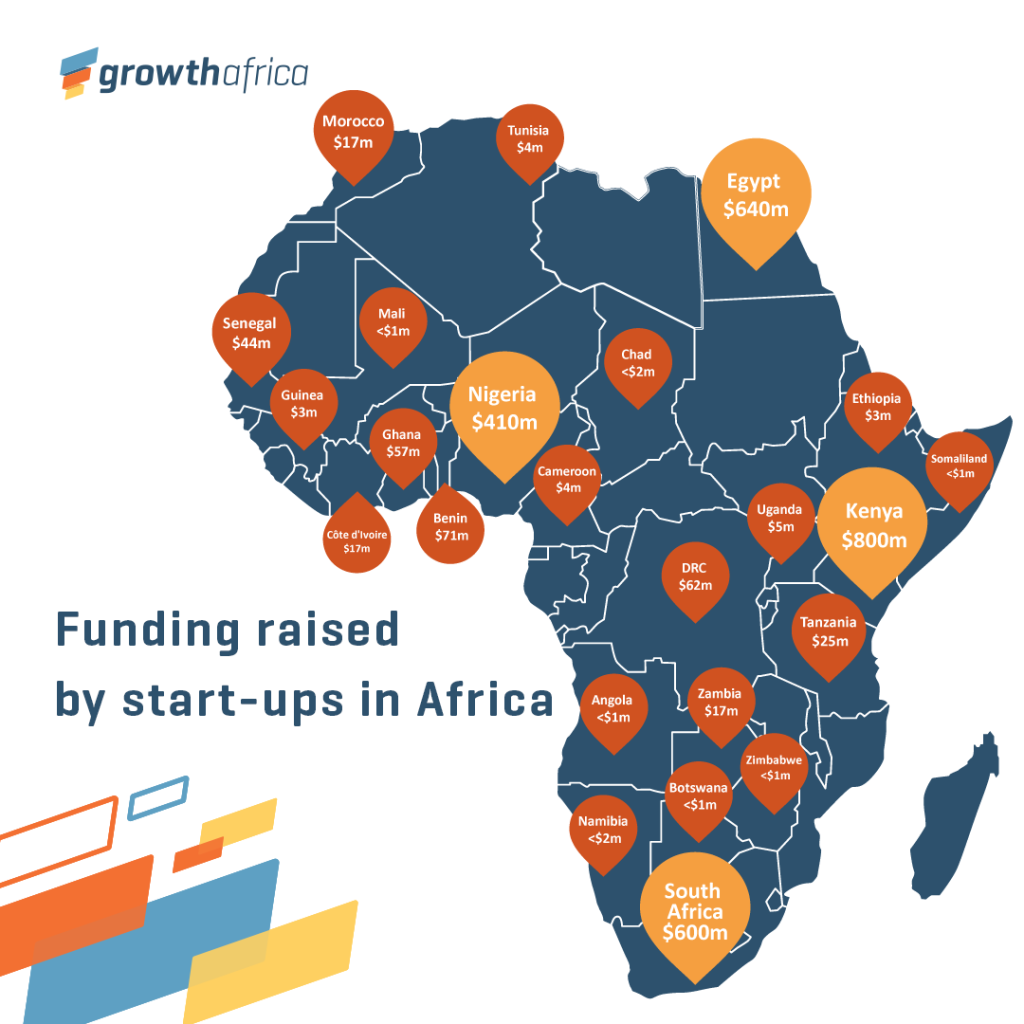
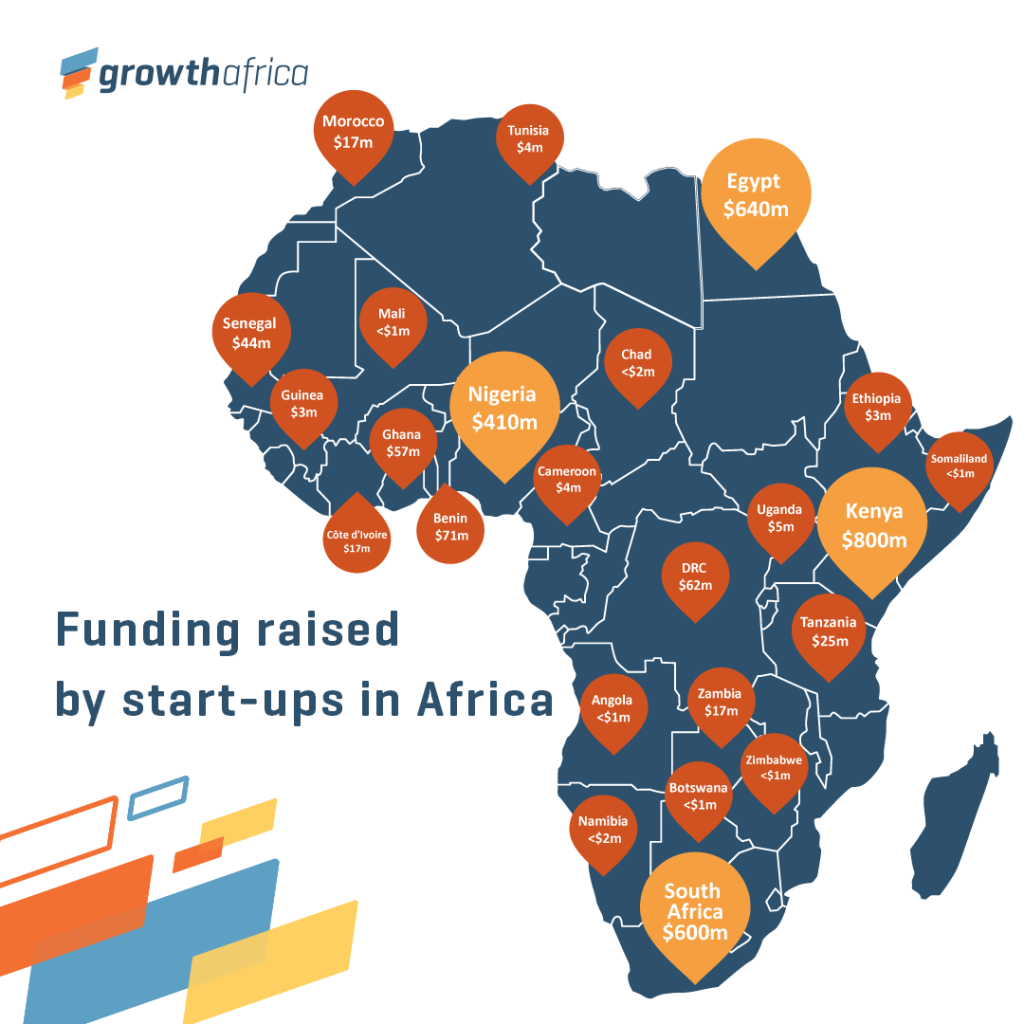
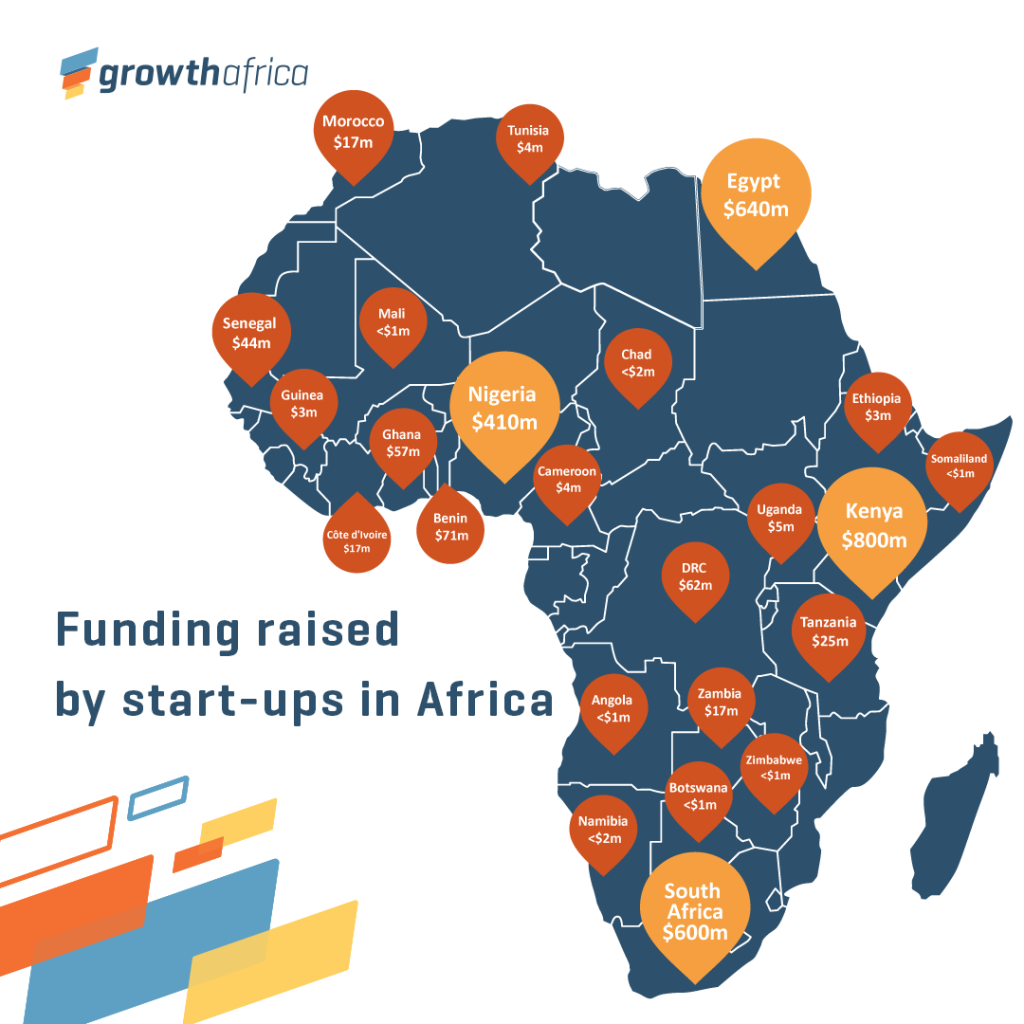
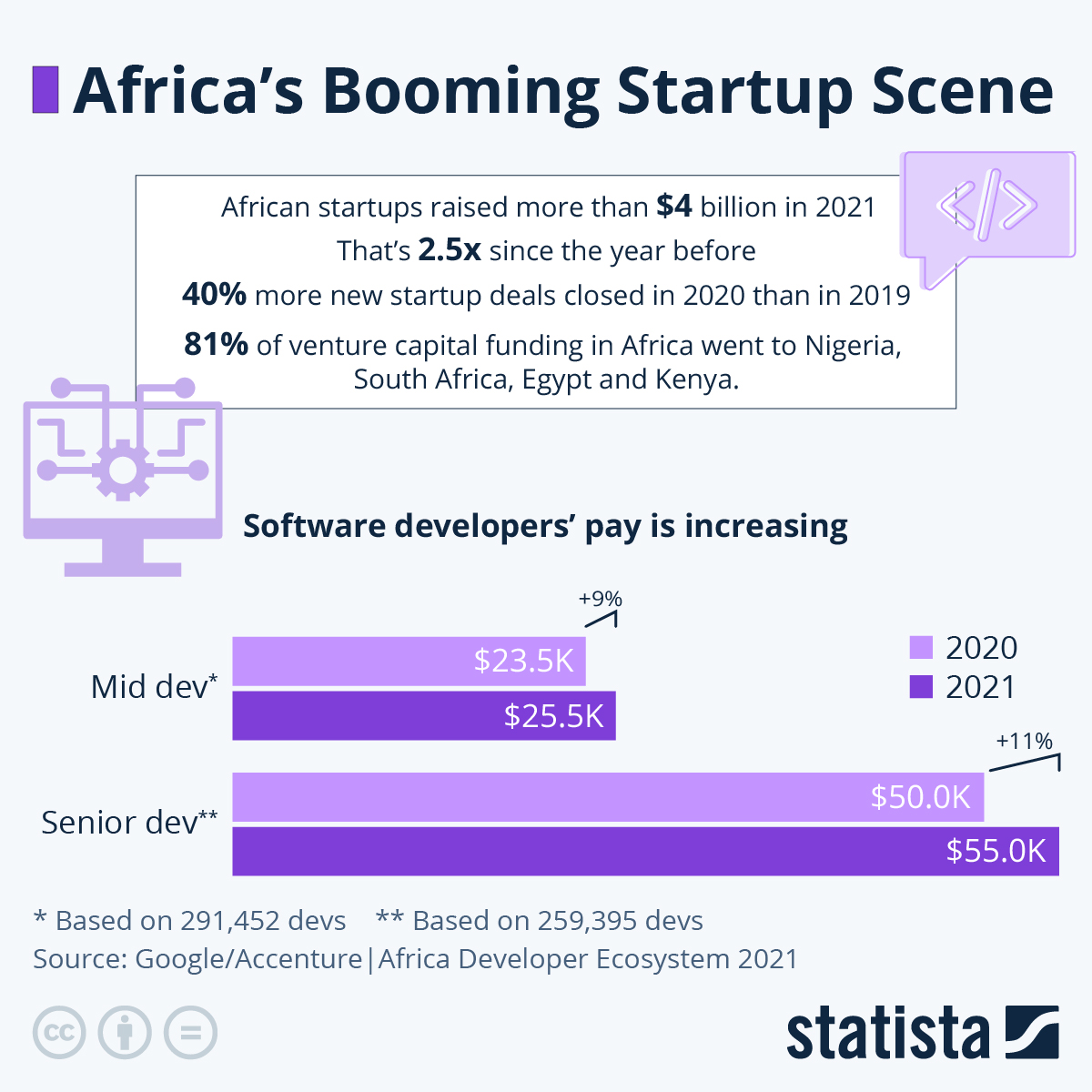
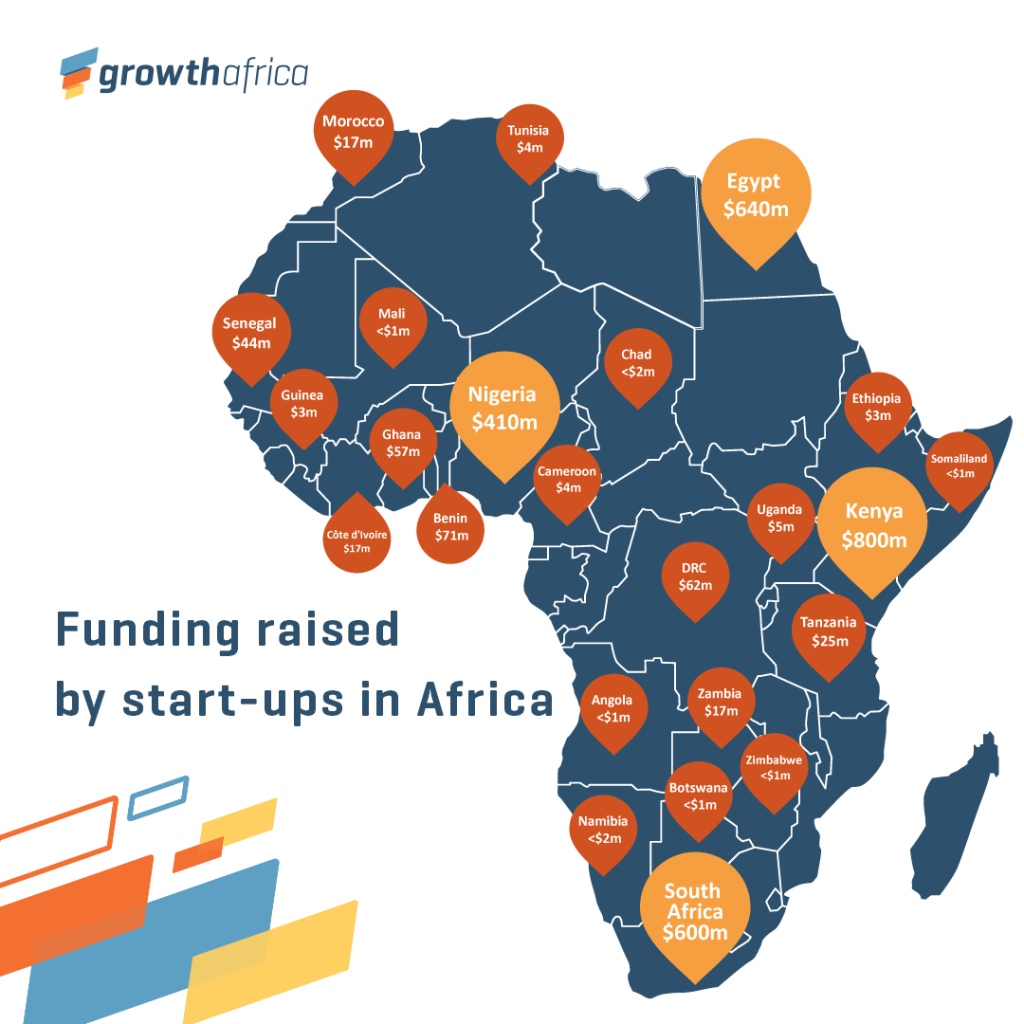
Remember when African startups could raise millions with just a big idea? Those days are fading fast. Across tech hubs from Lagos to Nairobi, 2025 is shaping up as a make-or-break year where founders must prove they can actually make money. Investors who once chased disruption are now tightening their purse strings, demanding clear paths to profitability instead of just growth stories. According to African Business, venture capital firms are scrutinizing unit economics, customer retention, and capital efficiency like never before. This isn’t just about trimming fat, it’s about building sustainable businesses that can weather economic storms. Companies that scored big funding rounds in recent years are now reworking strategies, cutting costs, or facing painful layoffs. But here’s the thing, this pruning might actually strengthen the ecosystem in the long run. It’s forcing better governance, clearer metrics, and the kind of discipline that separates flash-in-the-pan ventures from lasting enterprises. The continent’s startup ecosystem is maturing, and sometimes growing pains are exactly what’s needed.
External Pressures Create New Rules of the Game
Just as startups get their financial houses in order, the ground keeps shifting beneath them. Take the European Union’s carbon border adjustment mechanism, which places a price on imported goods based on their carbon footprint. For African exporters, from cement producers to agricultural companies, this introduces fresh costs and uncertainties. But where there’s challenge, there’s also opportunity. Startups in energy, logistics, and climate tech see both threat and potential in these new rules. Companies that can lower emissions across supply chains won’t just avoid penalties, they might capture entirely new markets. Meanwhile, those tied to carbon-intensive processes need to adapt quickly or risk getting left behind. This isn’t happening in a vacuum either. Geopolitical interest in Africa’s critical minerals and natural resources adds another layer of complexity. Reports of countries pushing back against outside pressure on mineral deals show how international politics now directly intersects with startup ambitions, especially for clean energy ventures and hardware-focused companies. The tech renaissance across the continent means navigating these external pressures while still innovating locally, as covered in recent TechCrunch analysis.
Building Africa’s Digital Future from the Ground Up
So can African startups truly compete with global tech giants? That’s the central question posed in a recent Moonshot 2025 analysis, and the answer depends on several factors. First, the continent’s talent and product markets favor local winners who understand complex regulatory environments, informal economies, and infrastructure gaps that outsiders often miss. Second, many successful ventures aren’t pure software plays, they combine physical assets with digital layers, building the payment networks, last-mile logistics, and distributed energy systems that other innovators need to scale. This infrastructure-first approach reduces customer friction and increases the likelihood of long-term revenue. Events like Africa Tech Festival turn these abstract dynamics into practical conversations, bringing together CEOs, regulators, and investors to hash out real solutions. The momentum has attracted a diverse set of backers too, from diaspora investors to international funds experimenting with new ways to channel capital into African startups. Looking ahead, the ecosystem probably won’t revert to the frothy excitement of earlier cycles. Instead, it’s evolving toward a model where capital is smarter, founders are more disciplined, and policy shifts become part of strategic planning from day one. If the continent’s newest companies can navigate investor expectations, comply with emerging climate rules, and leverage geopolitical interest in ways that support local value capture, they’ll do more than just survive, they’ll reshape industries and generate the kind of durable growth that benefits everyone. This digital transformation represents both risk and possibility, where careful execution could turn promising startups into regional champions.