
Rescue in Kebbi Signals New Era in Nigeria Security Strategy
A Turning Point in National Security
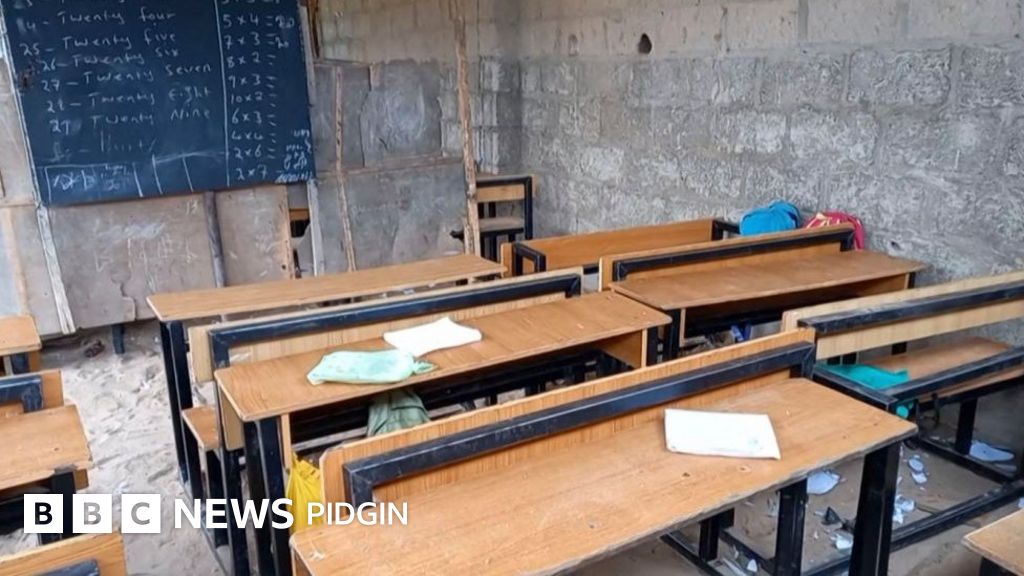
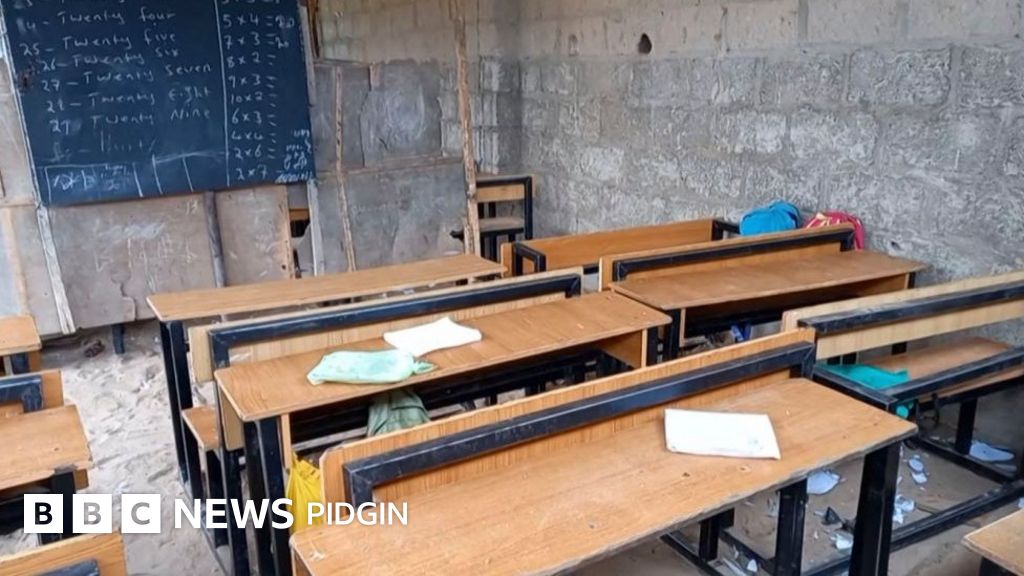
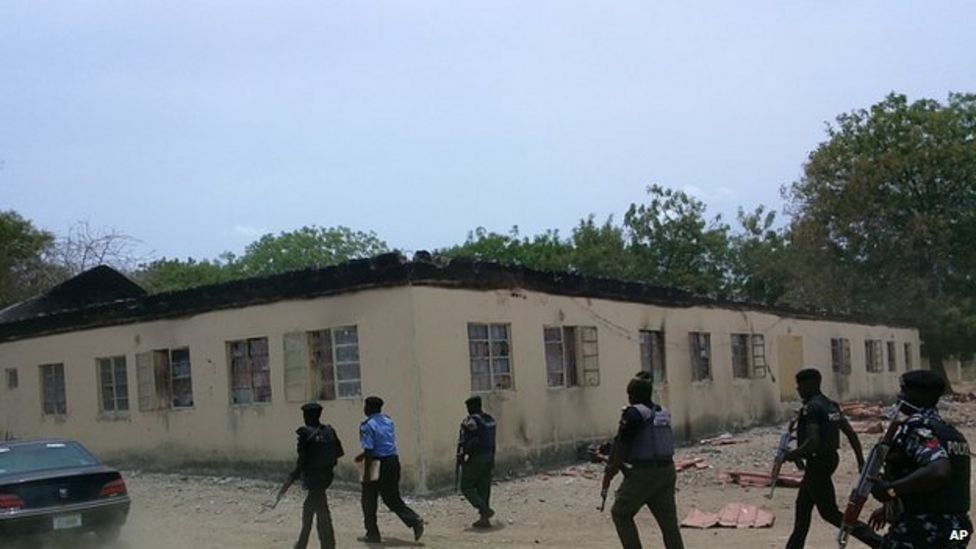
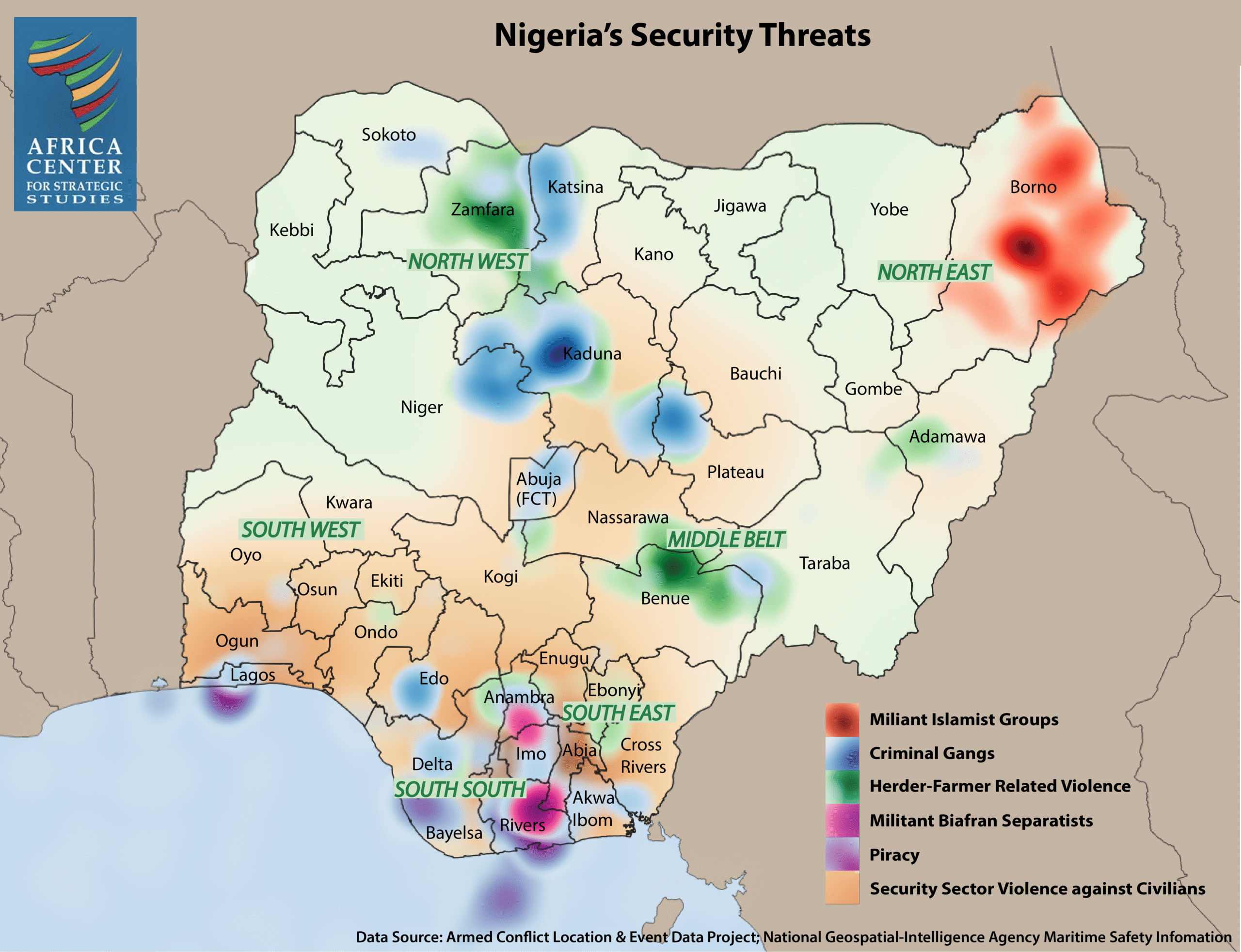
Nigeria’s persistent struggle with insecurity just saw a significant breakthrough. On November 17, after weeks of apprehension, 24 schoolgirls, who’d been abducted from a boarding school in Kebbi State, were successfully brought home safe. This heartwarming news comes courtesy of a swift, coordinated effort by various Nigerian security forces. It’s more than just a rescue; it’s a powerful indication that Nigeria’s policing strategy is undergoing a serious transformation, reflecting an intensified government focus on tackling internal security threats more effectively. The girls’ kidnapping, which occurred in mid-November, understandably sent shockwaves across the nation and even garnered international attention, drawing grim comparisons to previous school abductions that have plagued parts of Nigeria. This time, however, the rapid and concerted response by security agencies didn’t just ensure their safe return; it signaled a crucial turning point in how Nigeria plans to fight these violent crimes. We’re finally seeing tangible improvements in intelligence sharing and rapid response capabilities in action. This successful operation unfolds as President Bola Tinubu champions major reforms within the Nigeria Police Force. A directive from the Inspector General of Police on December 18 mandated the quiet demobilization of the presidential escort unit, those officers previously tasked with guarding the President and other VIPs. Their new assignments? Back to their original state commands, including critical regions such as Kebbi, Adamawa, and Kaduna. It’s a clear, decisive message: enhancing frontline policing is now the top priority.
Strategic Redeployment for Ground-Up Policing
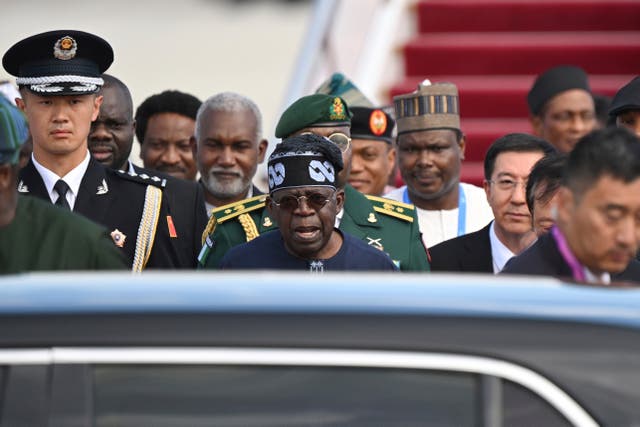
This isn’t merely a logistical reallocation of personnel; it represents a deliberate and strategic pivot. President Tinubu’s firm insistence on withdrawing police officers from VIP escort and guard duties, a stance he publicly underscored in November, truly catalyzed this significant shift. His fundamental reasoning was clear: to massively bolster police presence on the ground, directly confronting the escalating wave of violent crimes and kidnappings that have been ravaging various states. These redeployed officers aren’t just moving; they’re expected to fill vital gaps in state-level policing, thereby strengthening community safety and responsiveness where it’s most urgently needed. Abuja’s force headquarters has already issued explicit instructions for the immediate movement and posting of all affected personnel. Furthermore, special teams have been deployed to actively monitor adherence to this new, crucial policy. And to address any concerns, civil defense officers have stepped in to provide security for VIPs, ensuring key figures remain safe without compromising essential policing functions in our most vulnerable communities. This measured, thoughtful transition really reflects a concerted effort to strike a balance. Don’t you think it’s high time we shifted our focus from simply reacting to attacks to proactively preventing them?
Sustaining the Momentum for a Safer Tomorrow
Many analysts are suggesting that this powerful dual approach – the emphatic rescue of the Kebbi schoolgirls and the nationwide redeployment of police personnel – could indeed mark a profound new chapter in Nigeria’s security landscape. For far too long, our country has battled widespread insecurity fueled by armed banditry, kidnappings for ransom, and persistent insurgencies. These concerted efforts to reassign security resources more effectively signal a strategic recalibration, specifically designed to prevent attacks before they even occur, rather than primarily reacting after the fact. The successful rescue operation in Kebbi isn’t just a cause for national celebration; it’s a tangible, real-world example of the benefits this new policing focus brings. It vividly highlights how returning officers to their home states, where local knowledge and community connections are naturally stronger, can dramatically improve intelligence gathering and operational readiness. This localized presence is absolutely crucial for thwarting the criminal networks that have cleverly exploited previous lapses in security coverage. Looking ahead, the Nigerian government faces the considerable challenge of sustaining this positive momentum. Continued investment in training, equipment, and inter-agency cooperation will be absolutely essential to consolidate the gains made from these recent reforms. Moreover, maintaining public trust through clear, transparent communication will be a key factor in encouraging communities to actively collaborate with security forces. This enhanced policing on the ground, combined with these strategic adjustments to VIP security, may very well form the robust backbone of Nigeria’s evolving strategy to restore peace and stability. As our nation adjusts to these sweeping changes, the eyes of many will remain watchful for further successes in countering kidnappings and other forms of violence. The harmonious rescue effort in Kebbi, coupled with the nationwide redeployment of police officers, truly offers a promising forecast for improving safety across Nigeria’s diverse and populous regions.
Sources
“24 Schoolgirls Abducted In Kebbi Rescued By Security Forces,” Arise News, November 25, 2025
“BREAKING: IGP Orders Quiet Demobilisation Of Tinubu’s Presidential Escort Unit, Redeploys Officers To State Commands,” Arise News, December 18, 2025