Burkina Faso: A Nation’s Dual Path to Security and Economic Revival
A Crossroads of Challenges and Determination
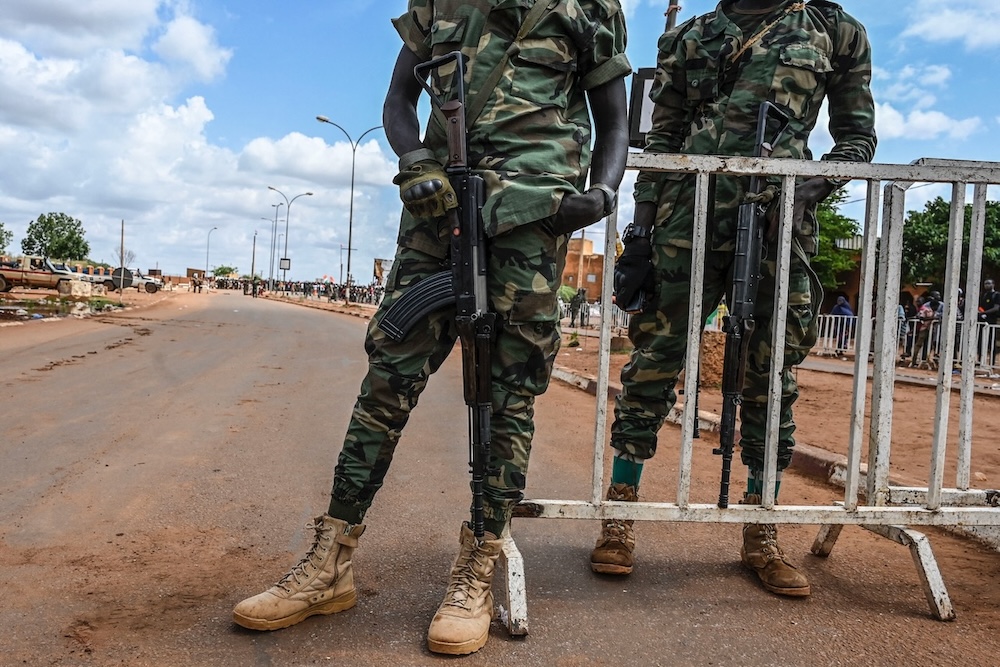
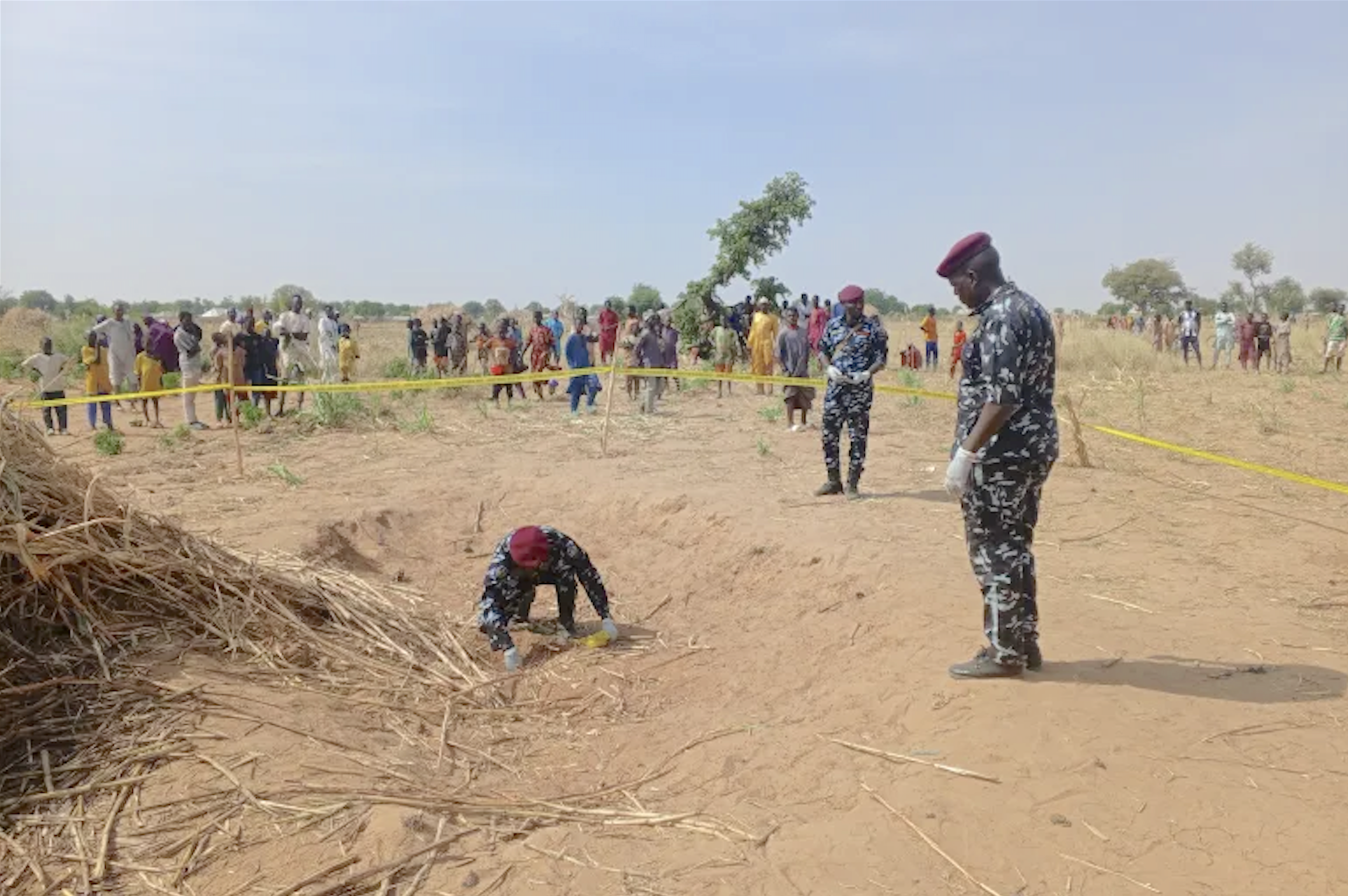
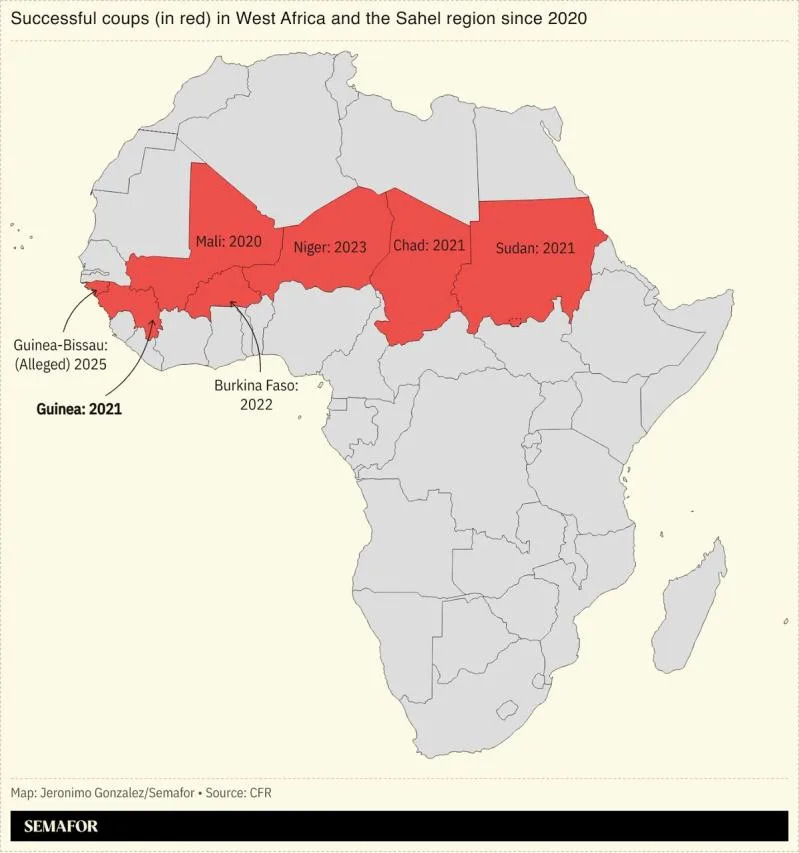
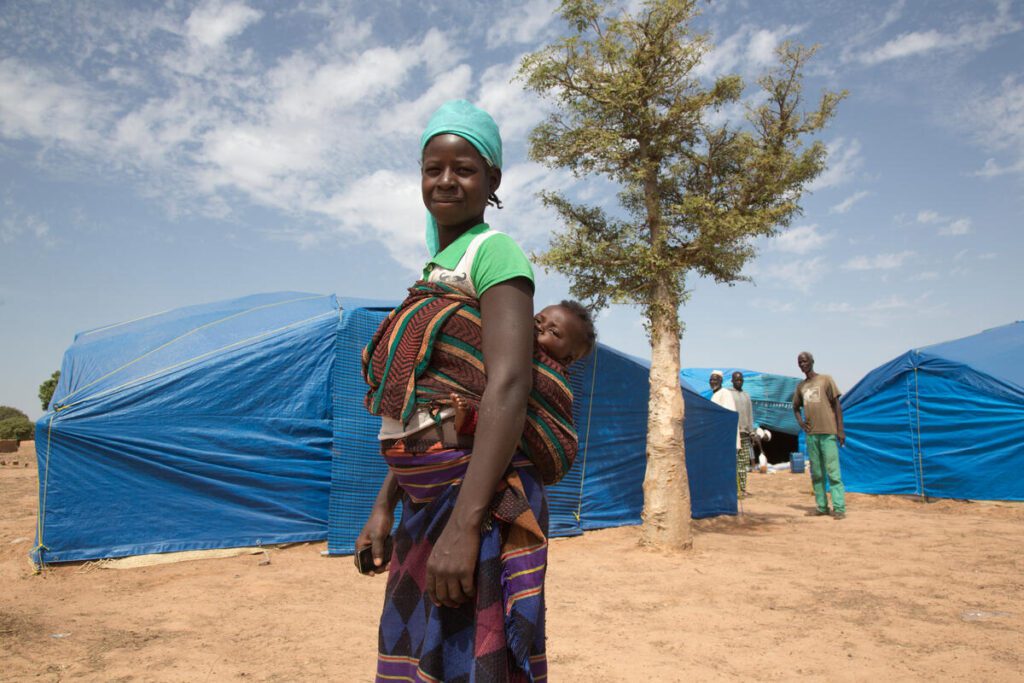
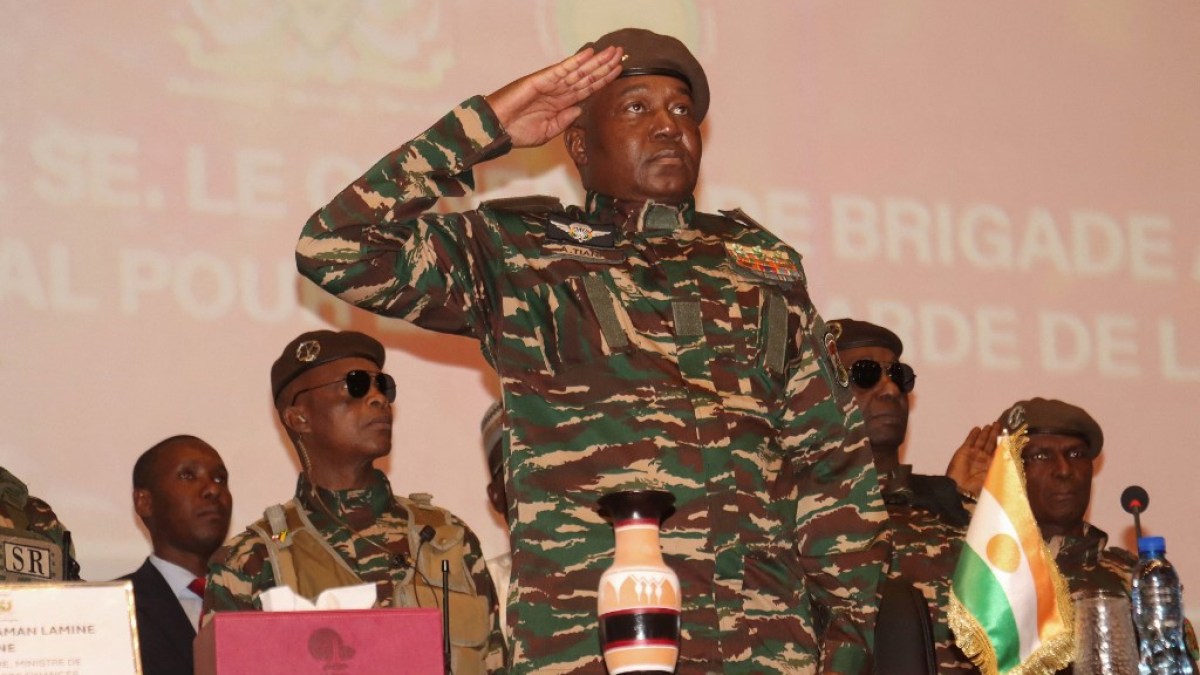
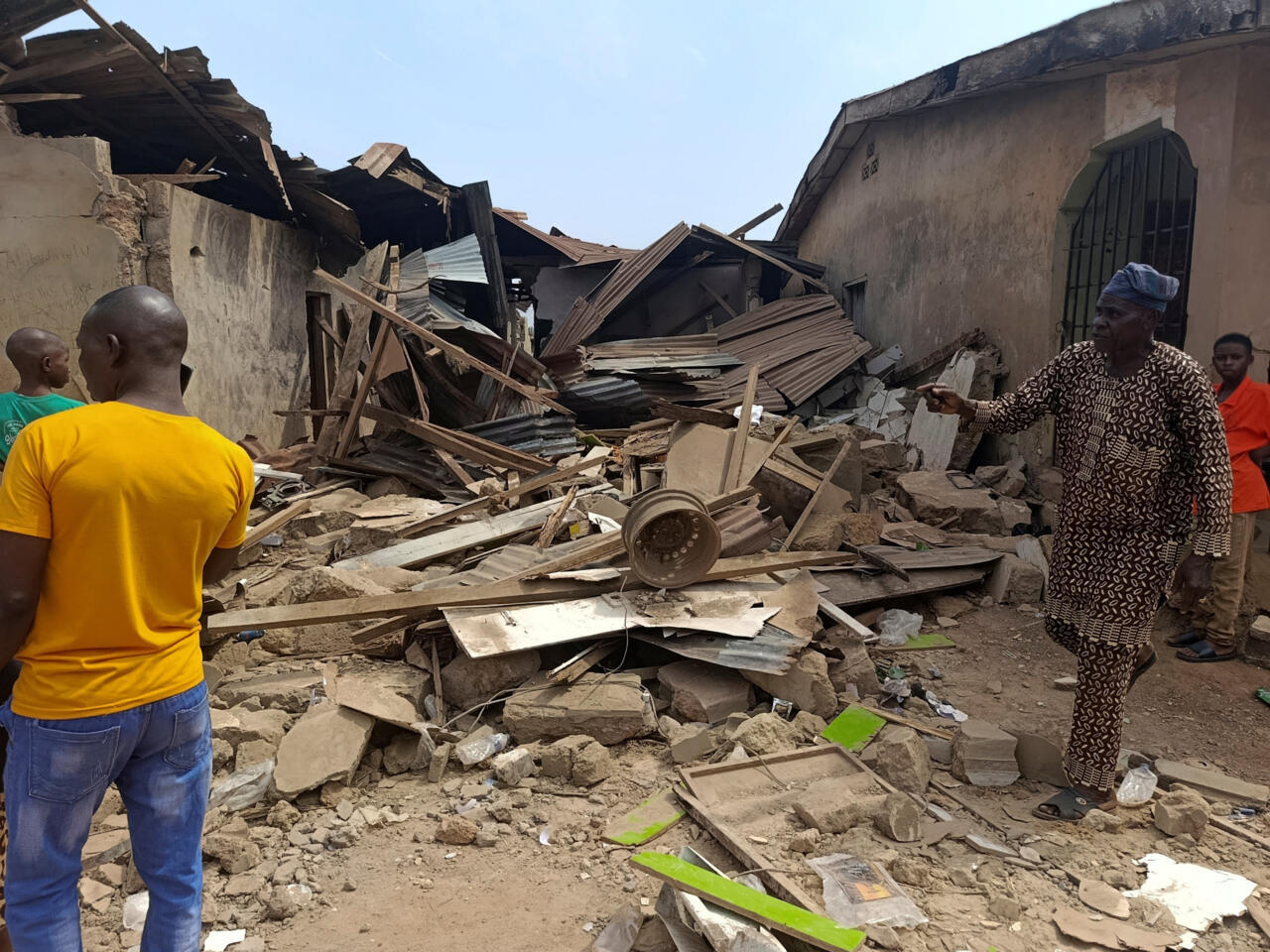
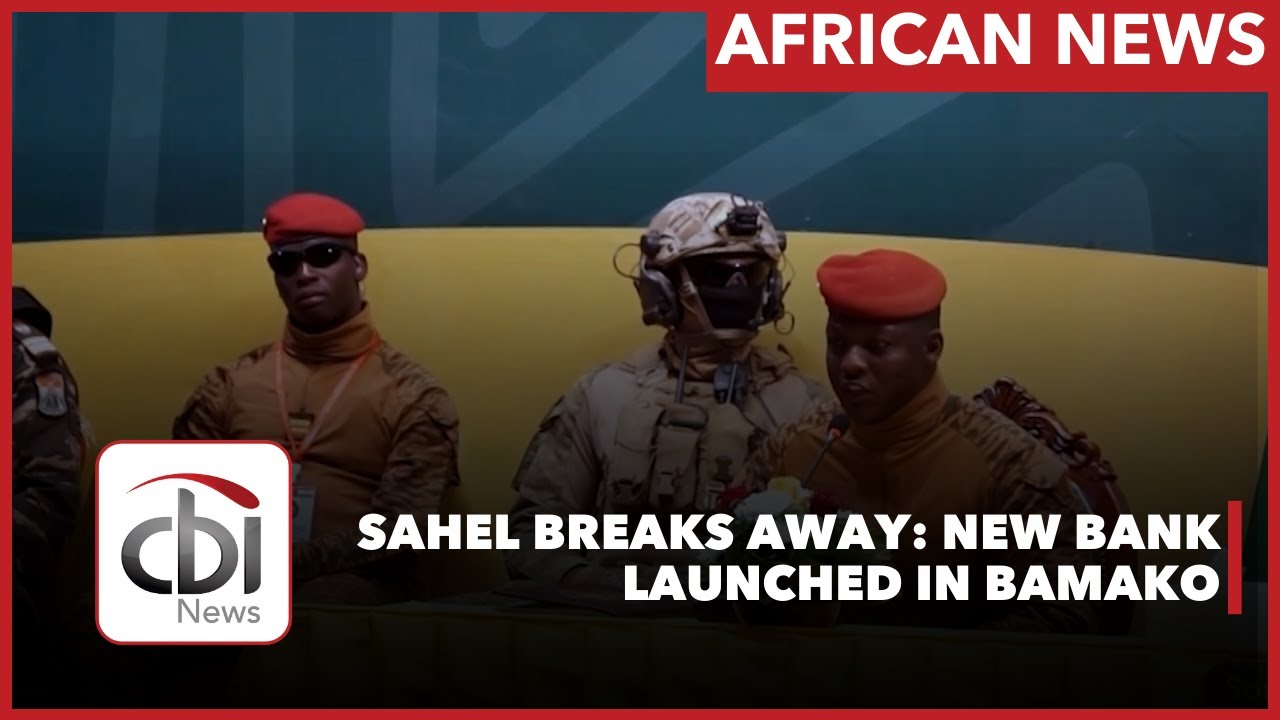
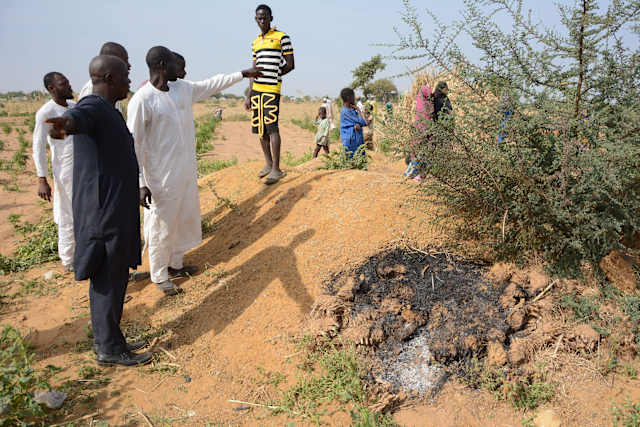
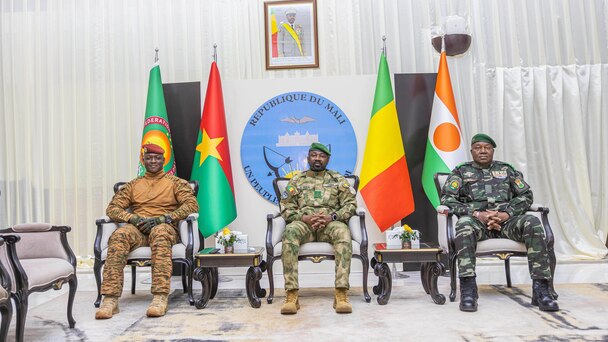
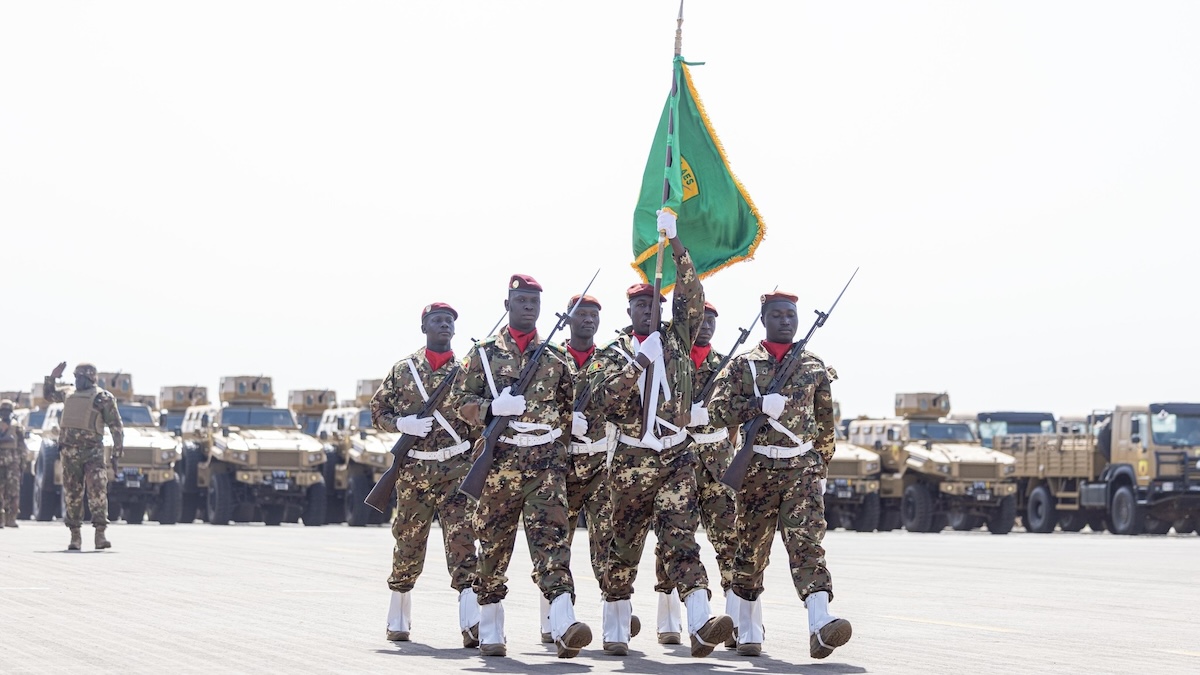
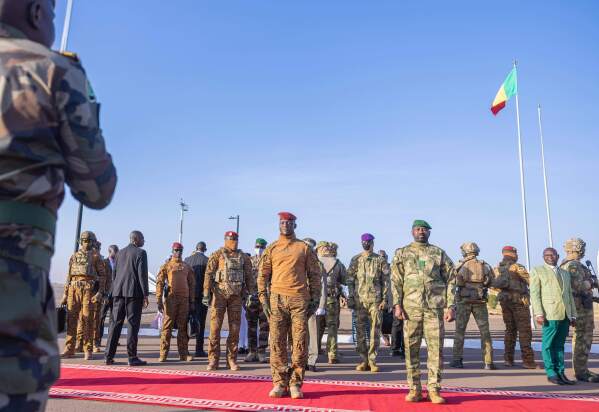
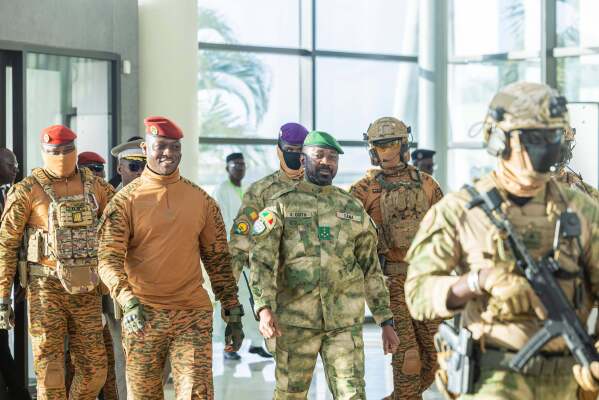
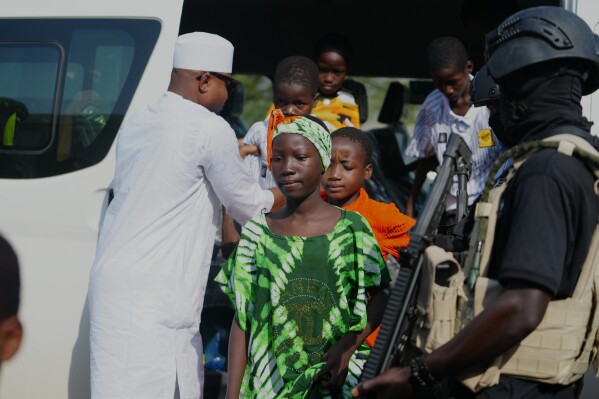
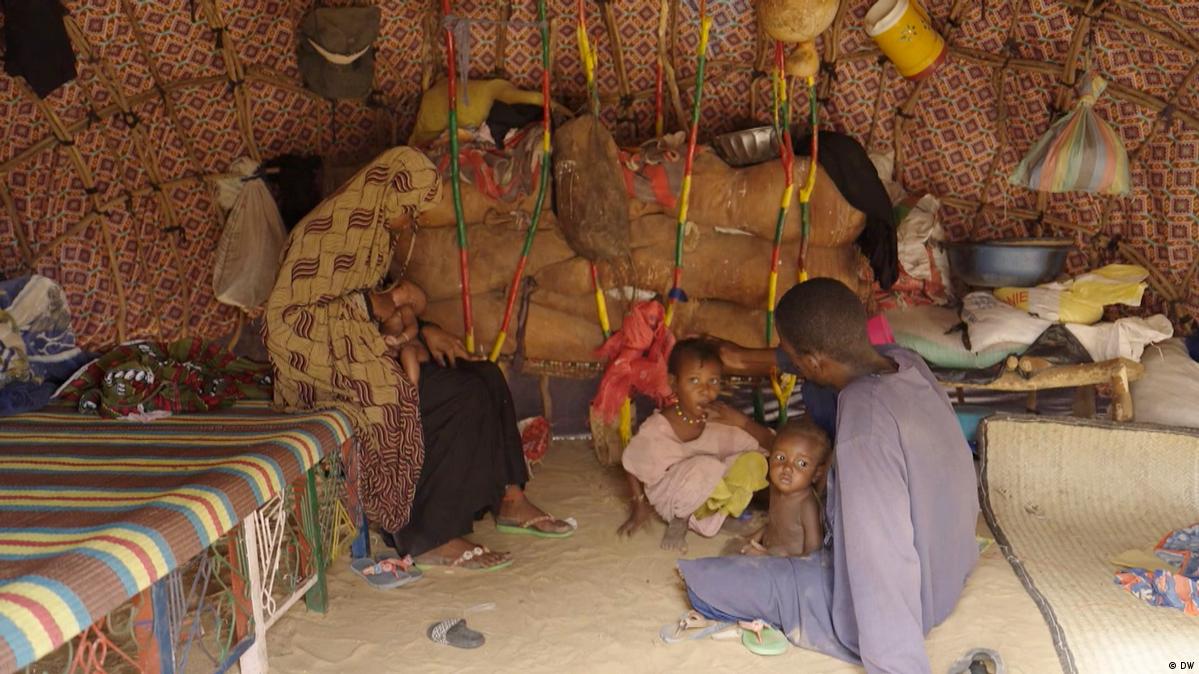
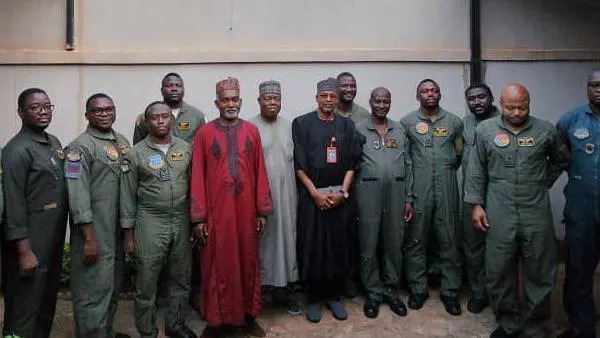
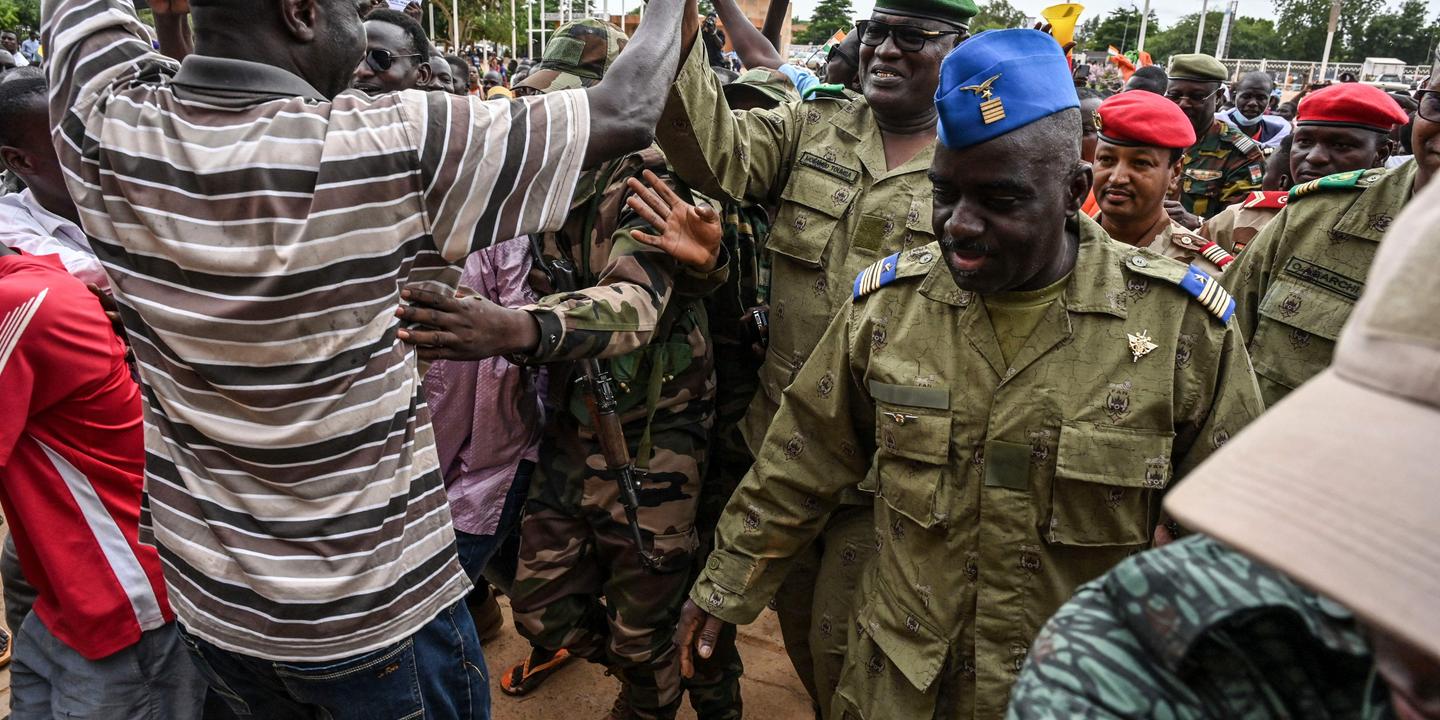
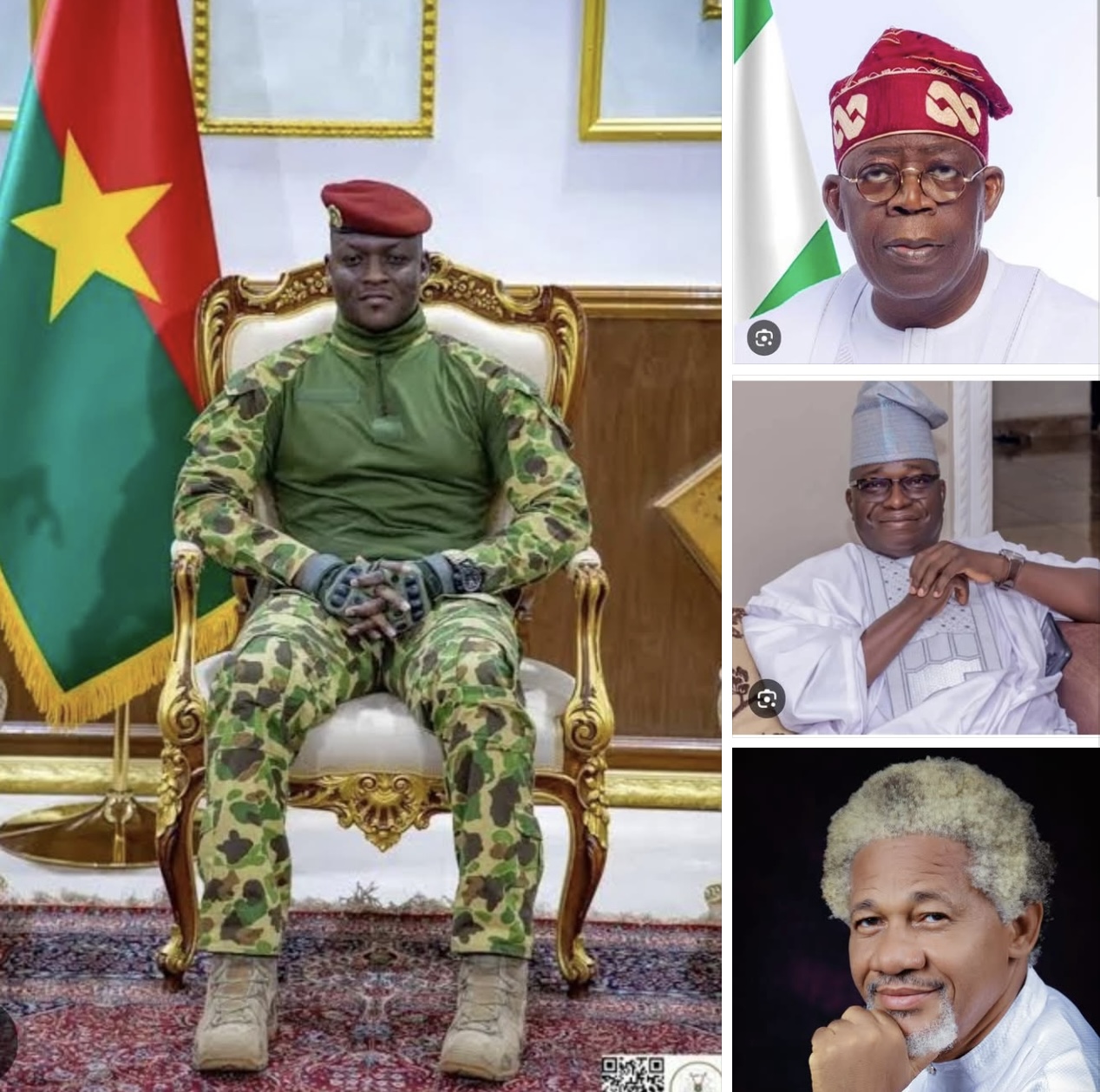
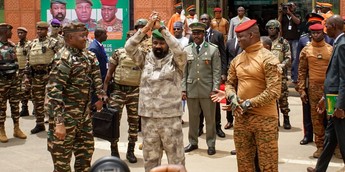
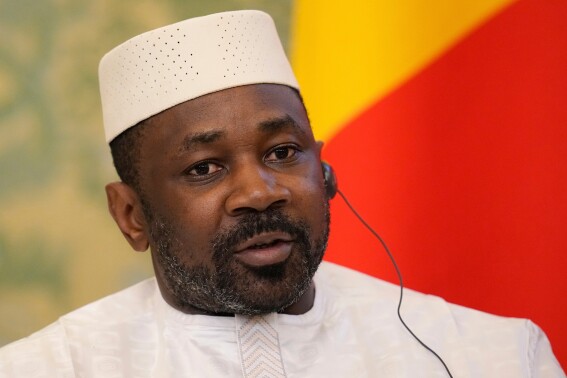
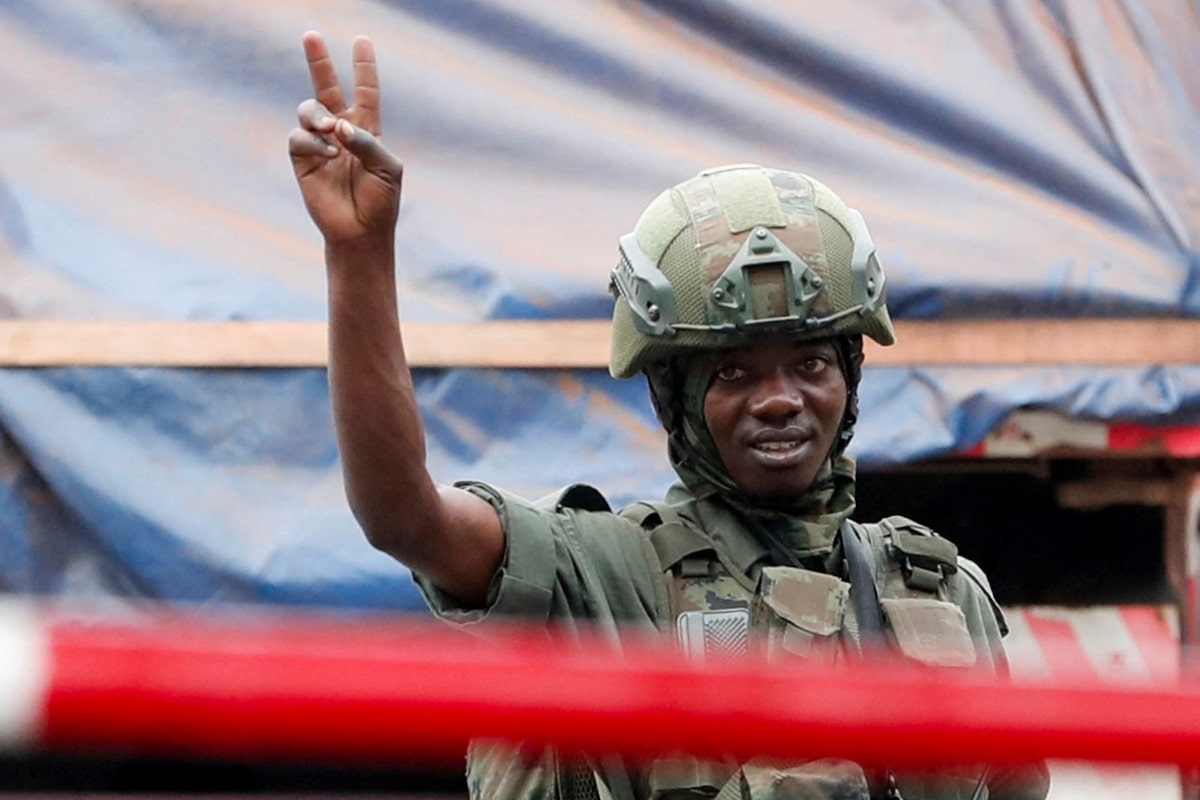
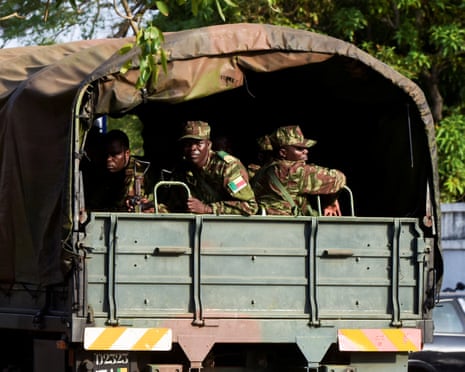
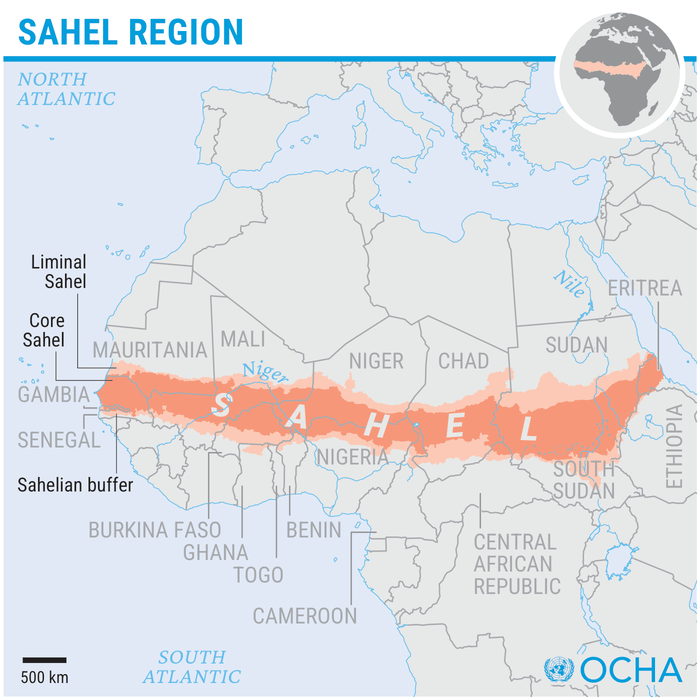
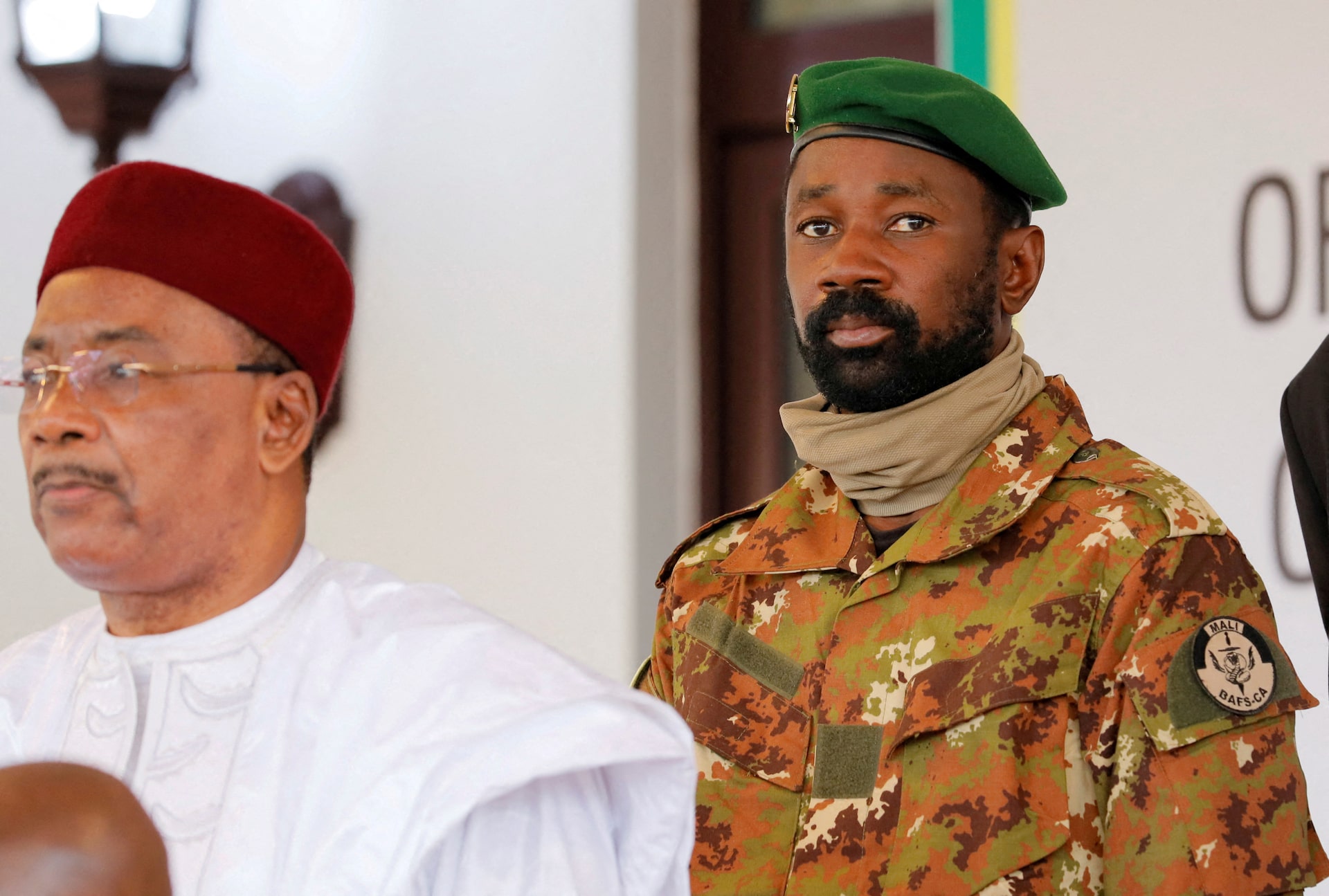
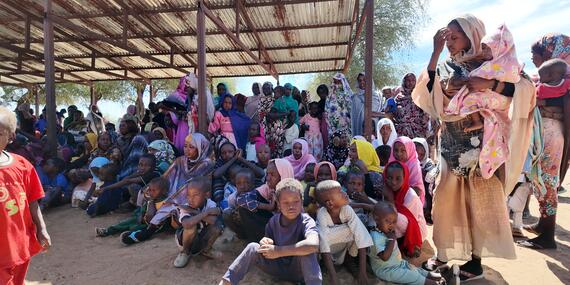
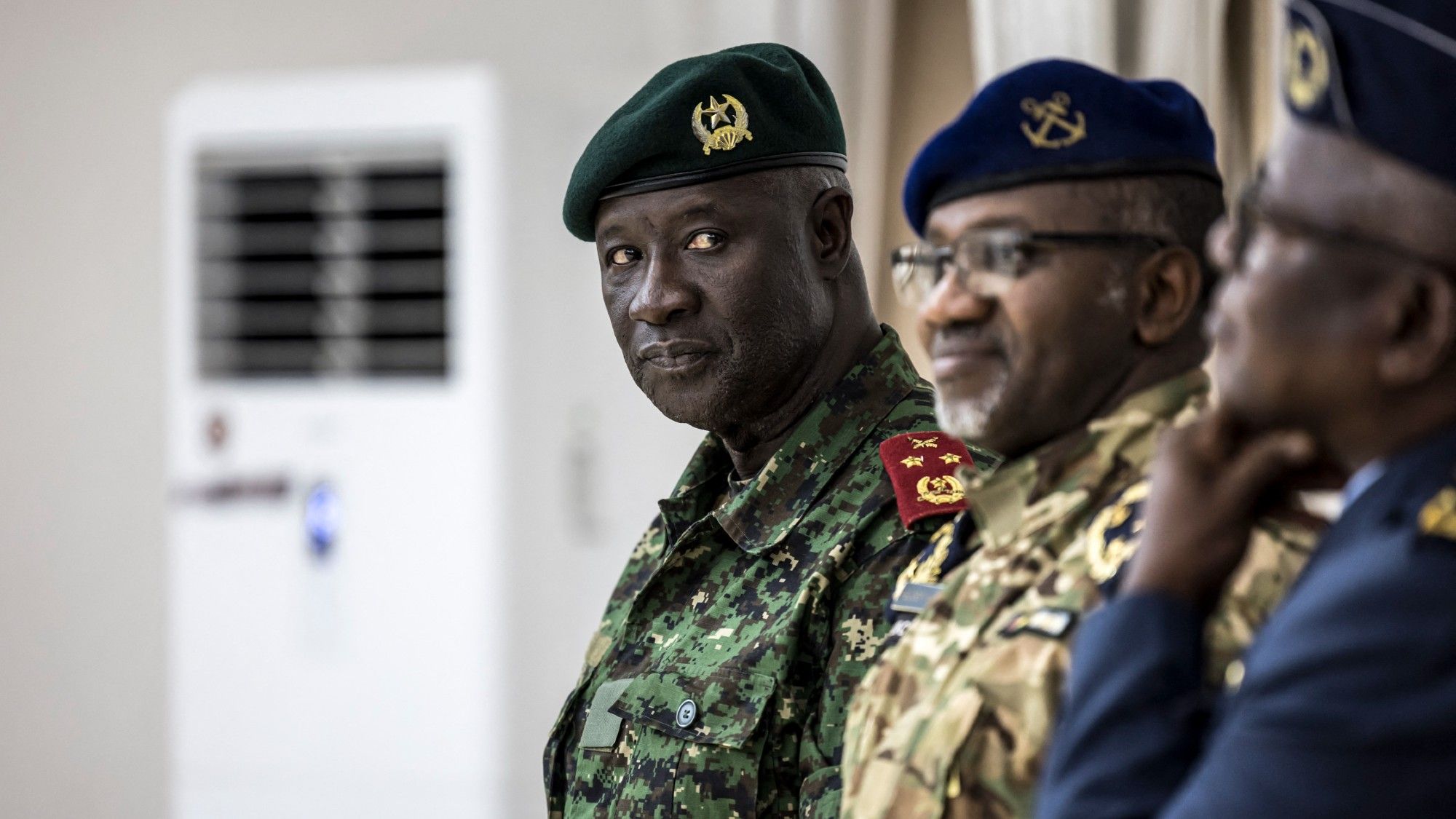
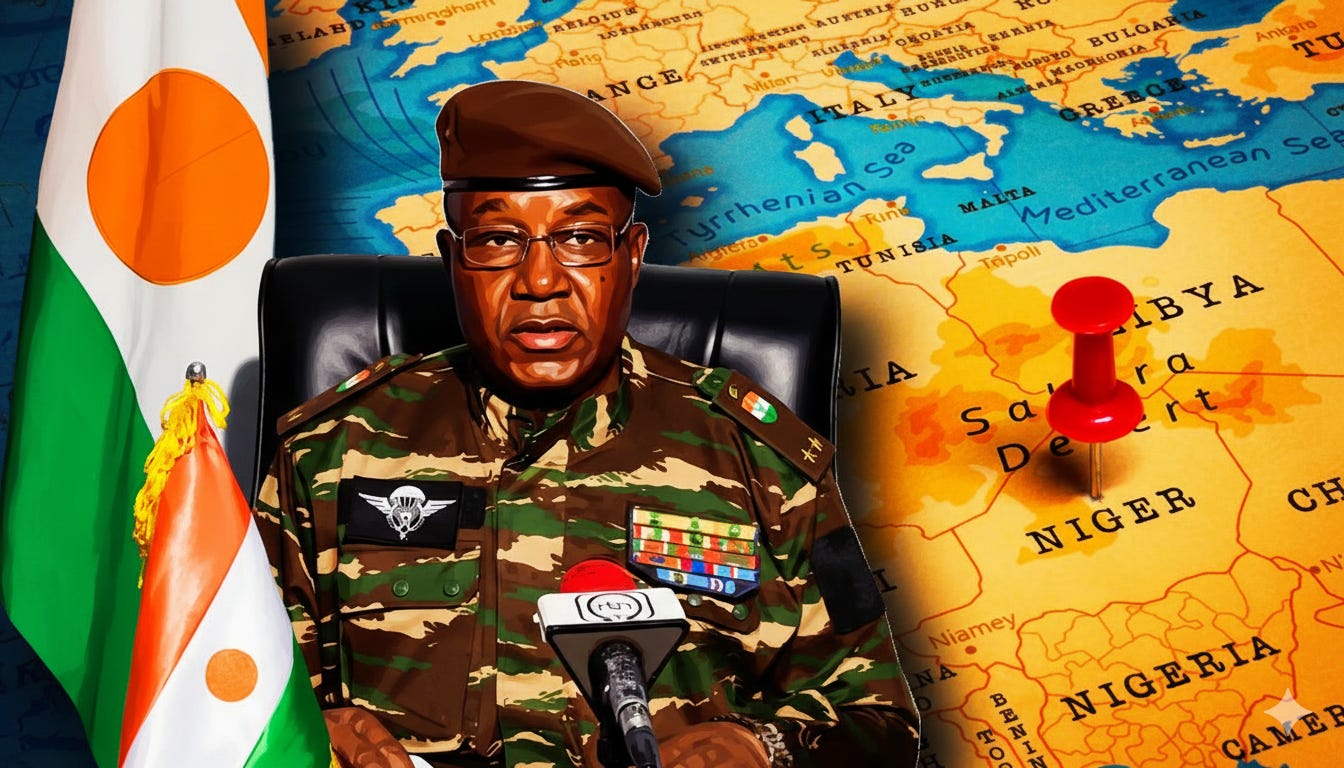
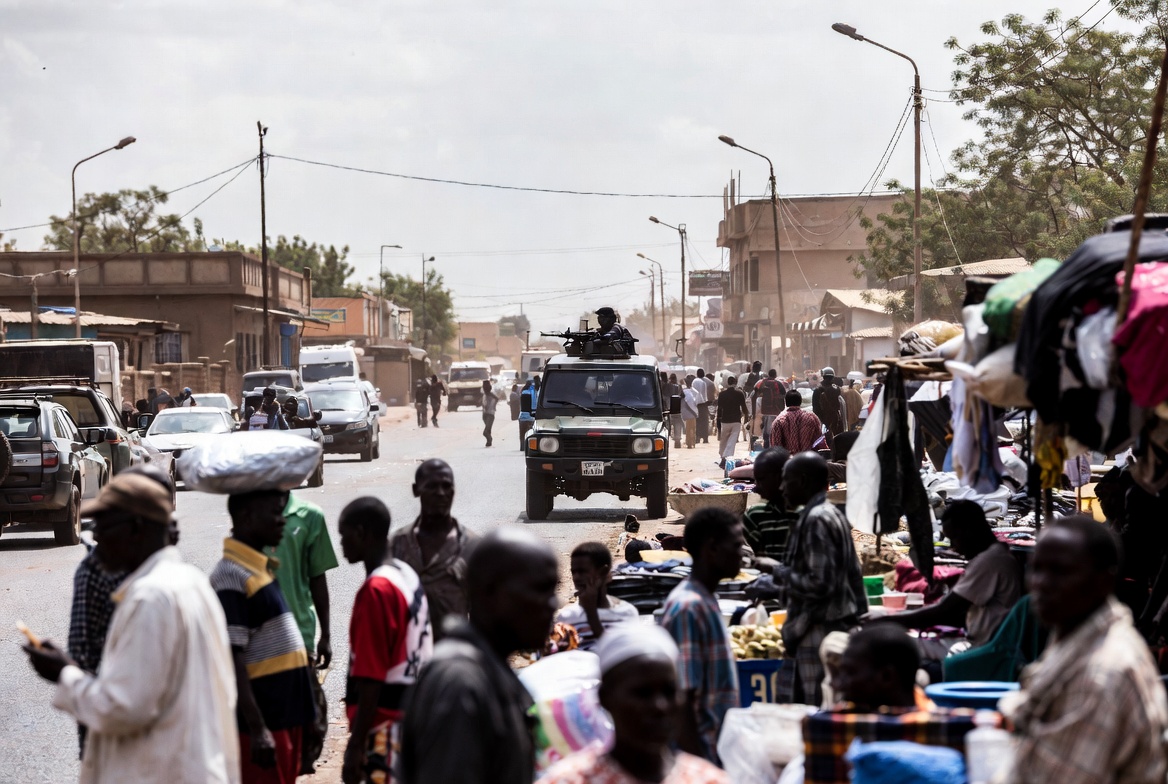
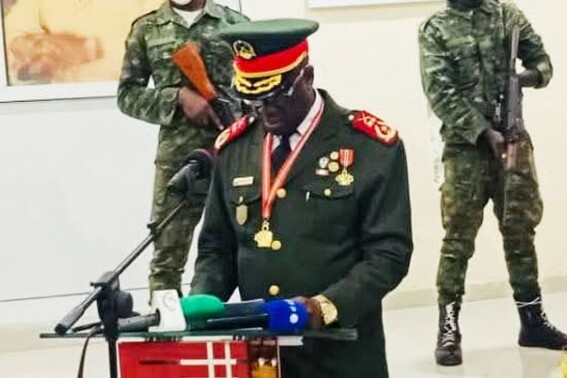
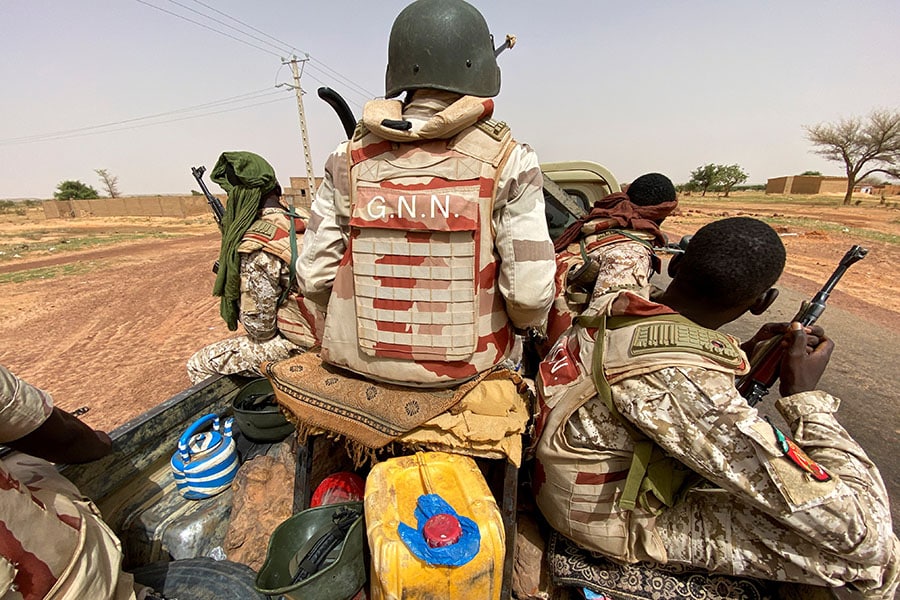
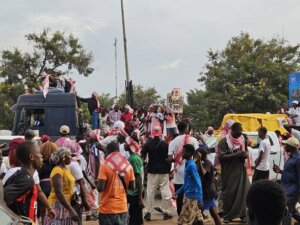
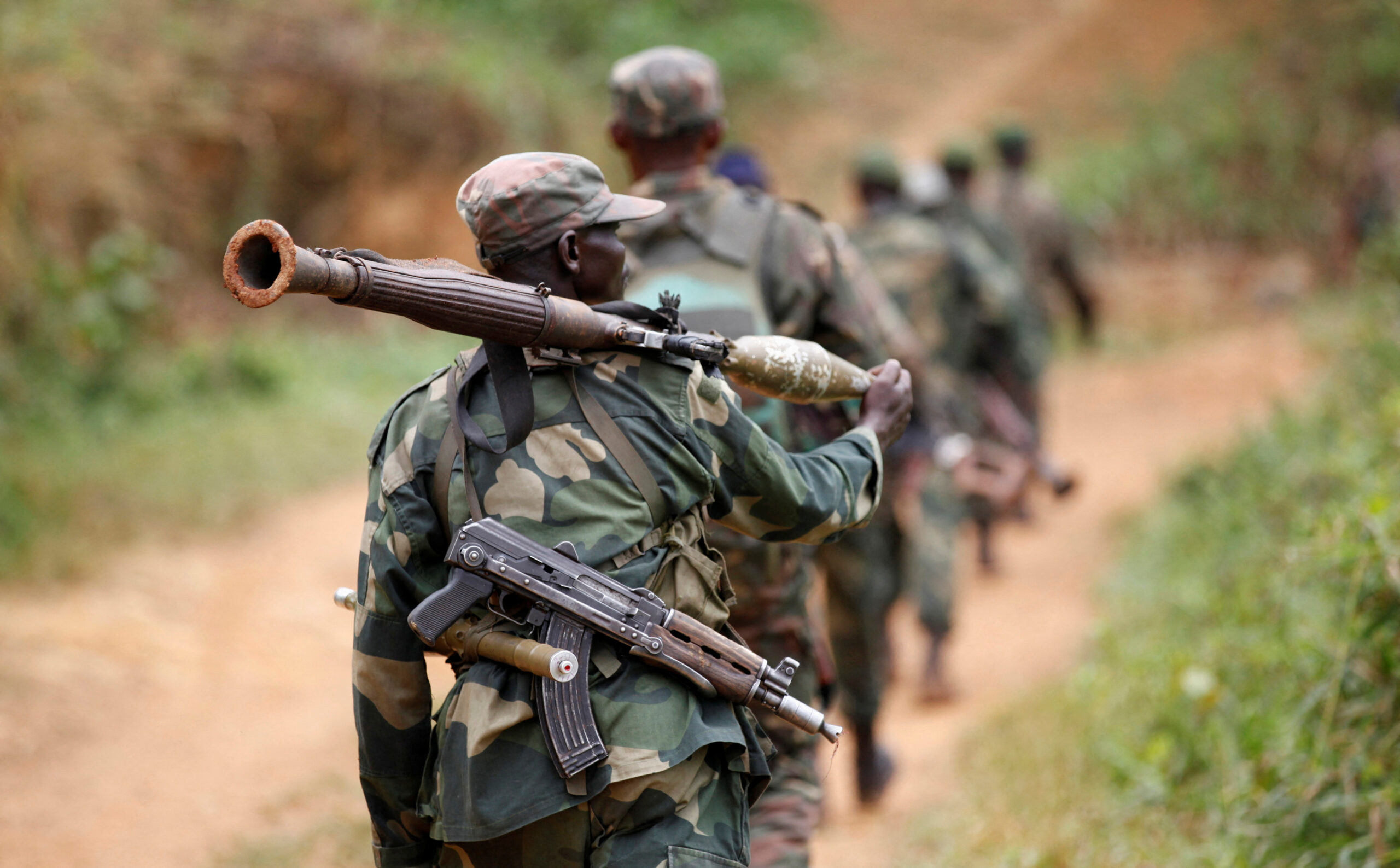
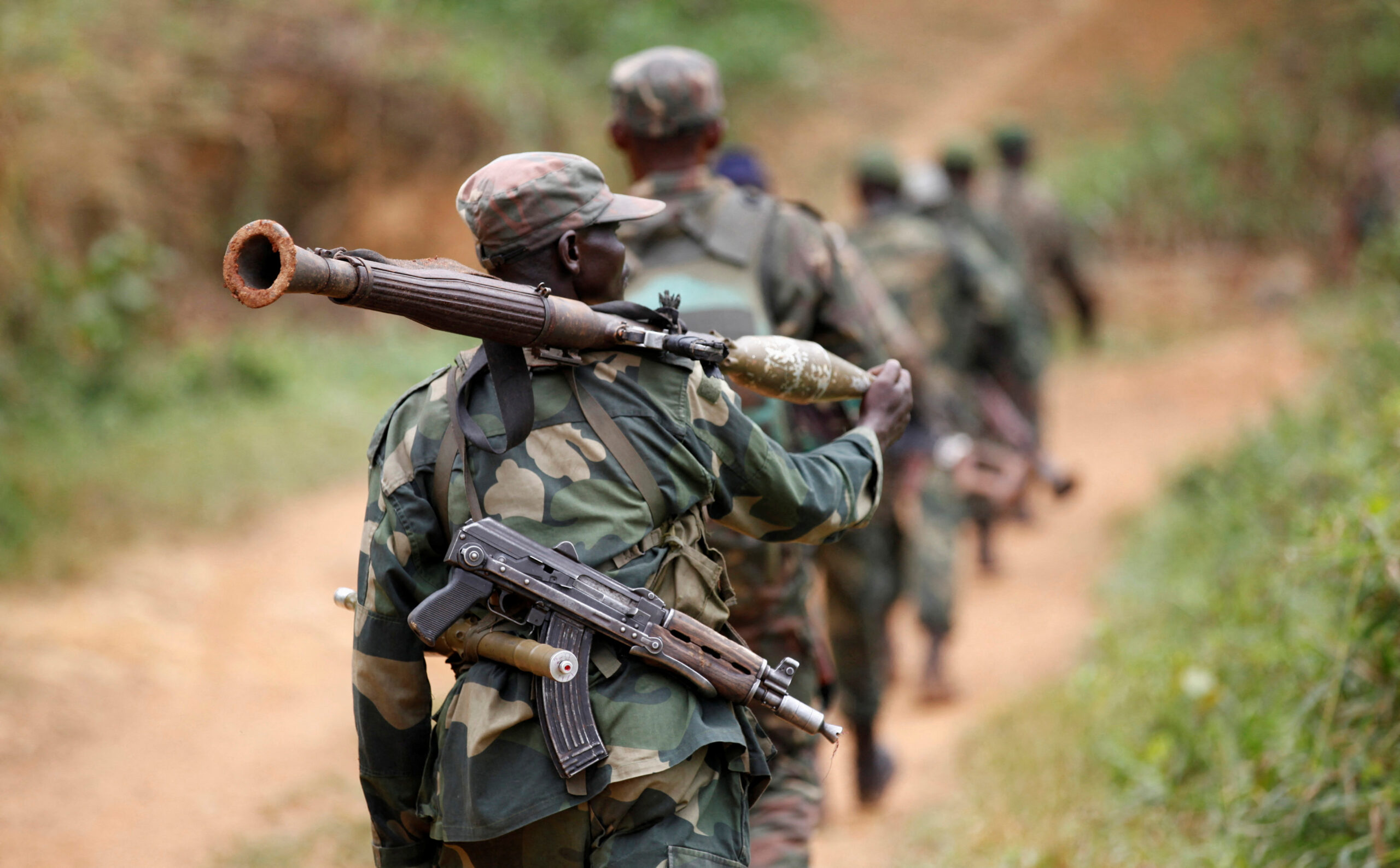
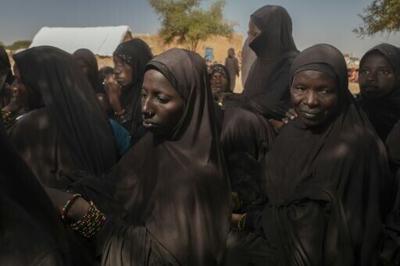
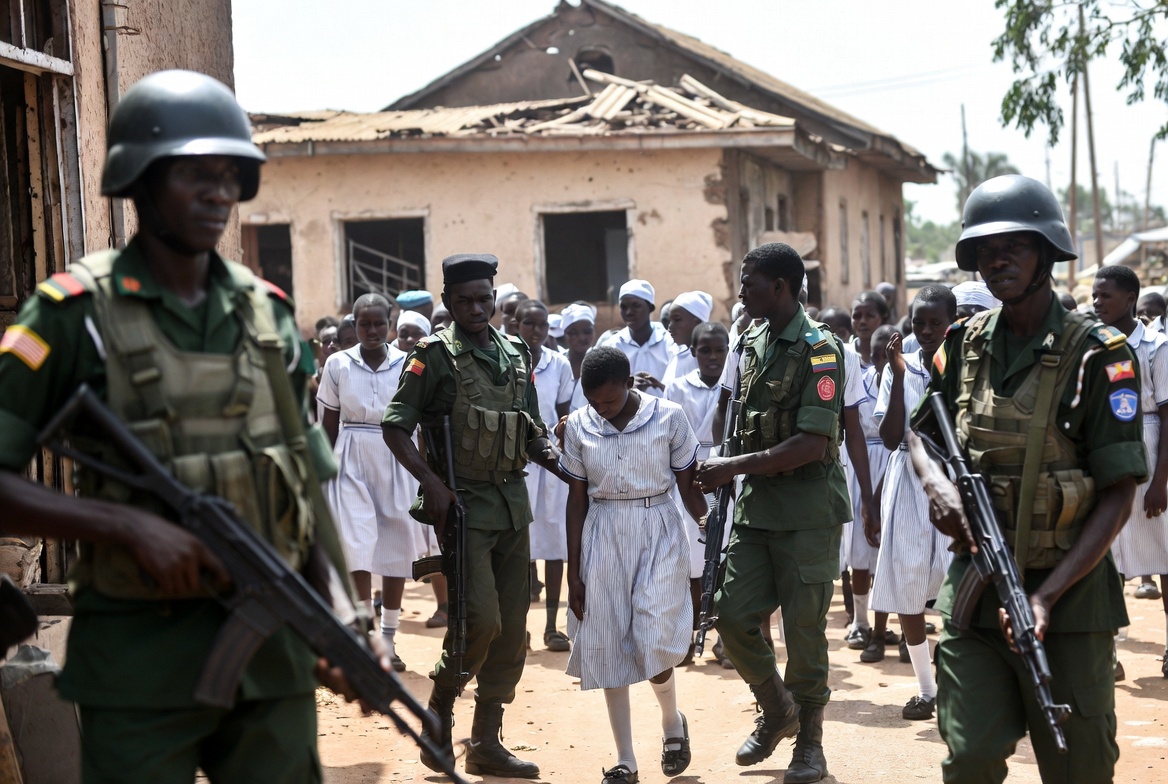
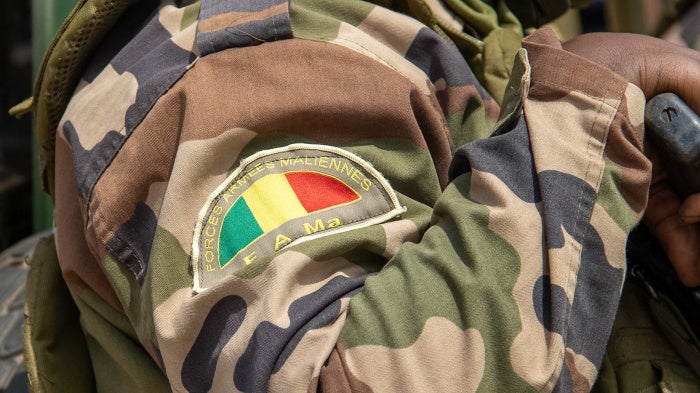
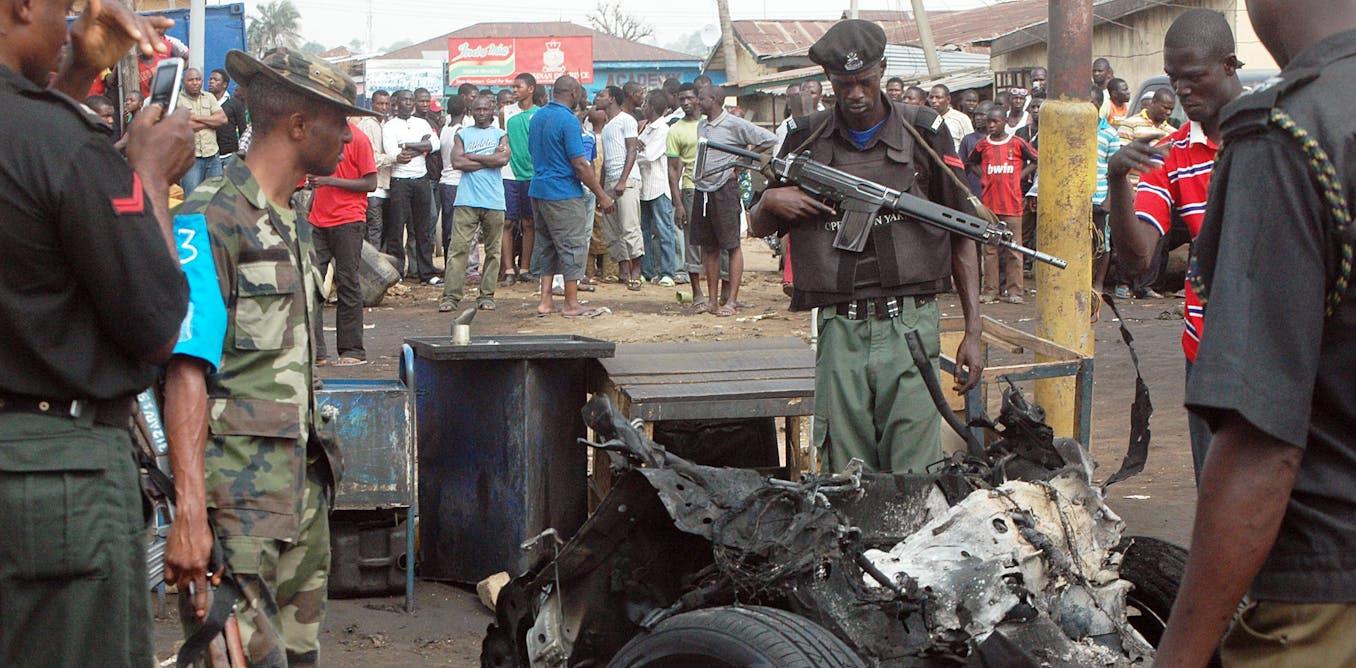
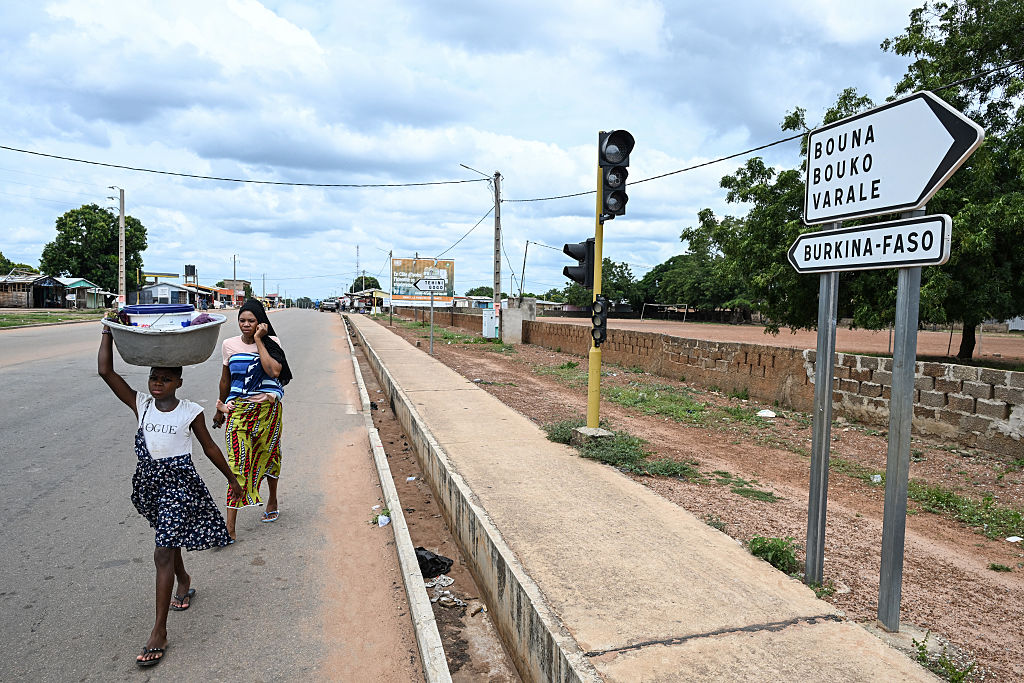
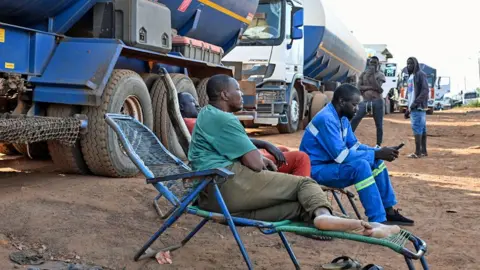
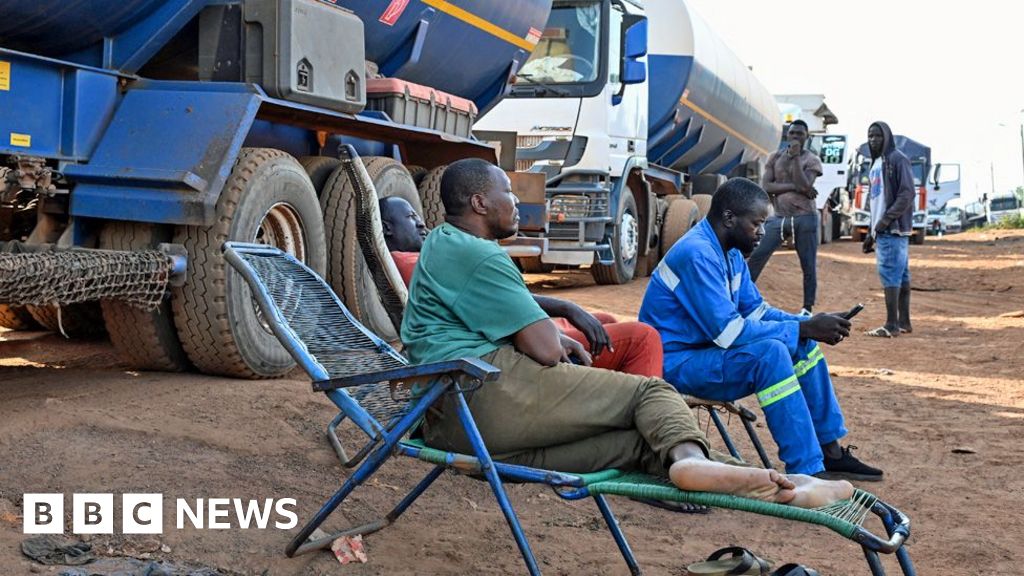
Burkina Faso, a nation at the heart of West Africa, isn’t just facing tough times; it’s actively reshaping its future. We’re seeing a clear push to shore up security while simultaneously fueling economic growth. It’s a complex balancing act, but the government seems determined to strike it. Take border security, for instance. With persistent Islamist insurgent threats in the Sahel region, they’ve installed modern surveillance towers, packed with advanced monitoring technology, in key border zones. The goal? Catching hostile movements and contraband activities that undermine national stability early. President Captain Ibrahim Traoré showed just how serious they are in August 2025, ordering the armed seizure of 57 trucks at border points, a stark message against illicit trafficking that fuels insecurity. This operation truly underscored the government’s resolve to reclaim control over its frontiers. Yet, beneath these gains, the human cost weighs heavily. A bishop recently shared a sobering reminder of the profound suffering, describing it as a martyrdom marking innocent civilians and communities. It makes you wonder, doesn’t it, about the long road ahead for sustained peace-building and vital humanitarian aid, alongside military action. For everyday citizens, these security efforts mean a tangible, albeit challenging, step towards feeling safer in their own communities.
Driving Industrial Progress for a Stronger Economy
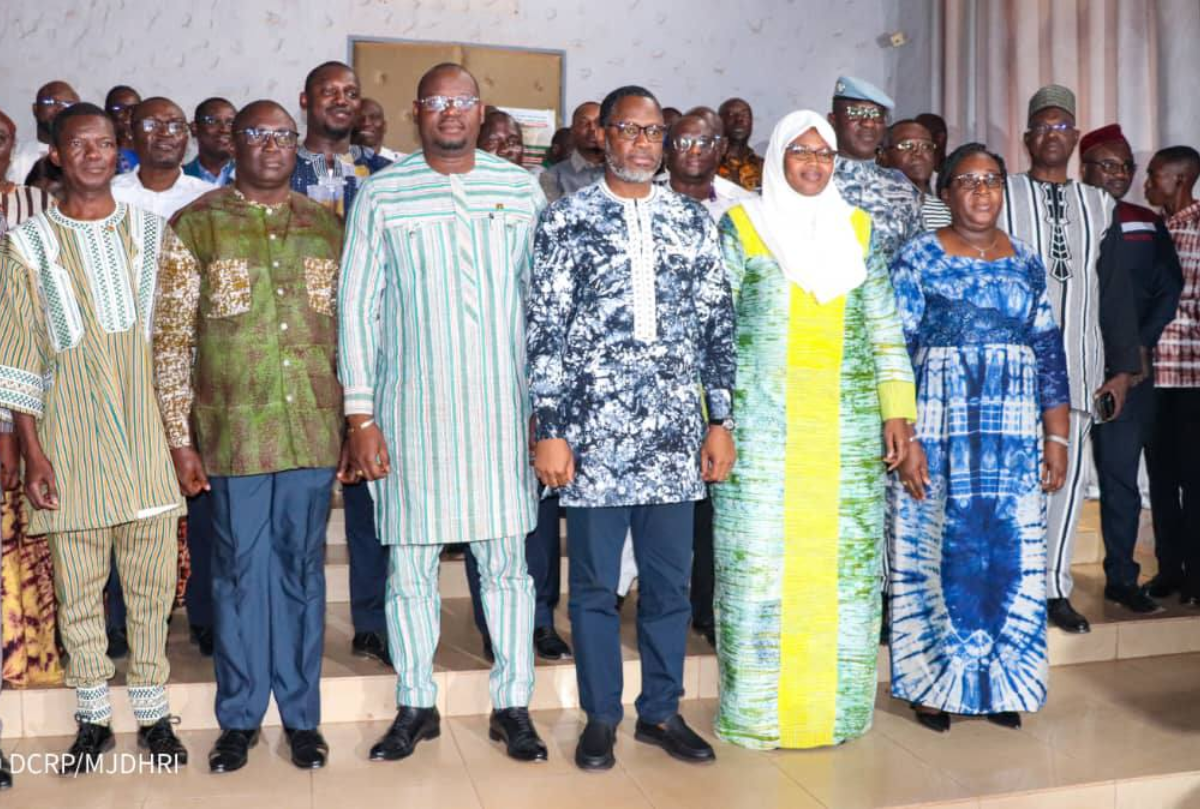
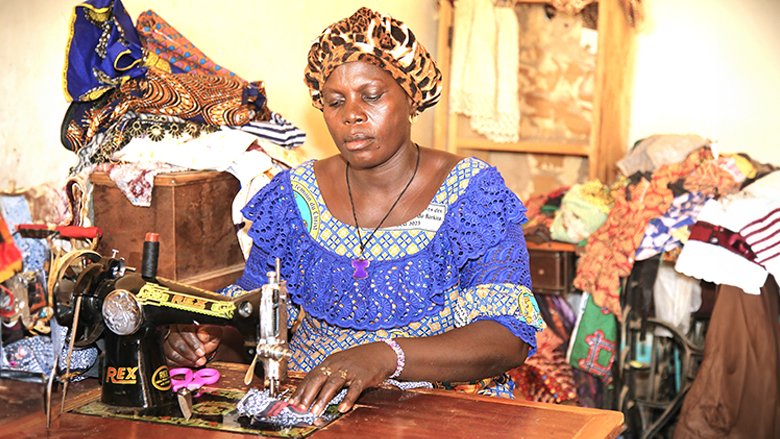
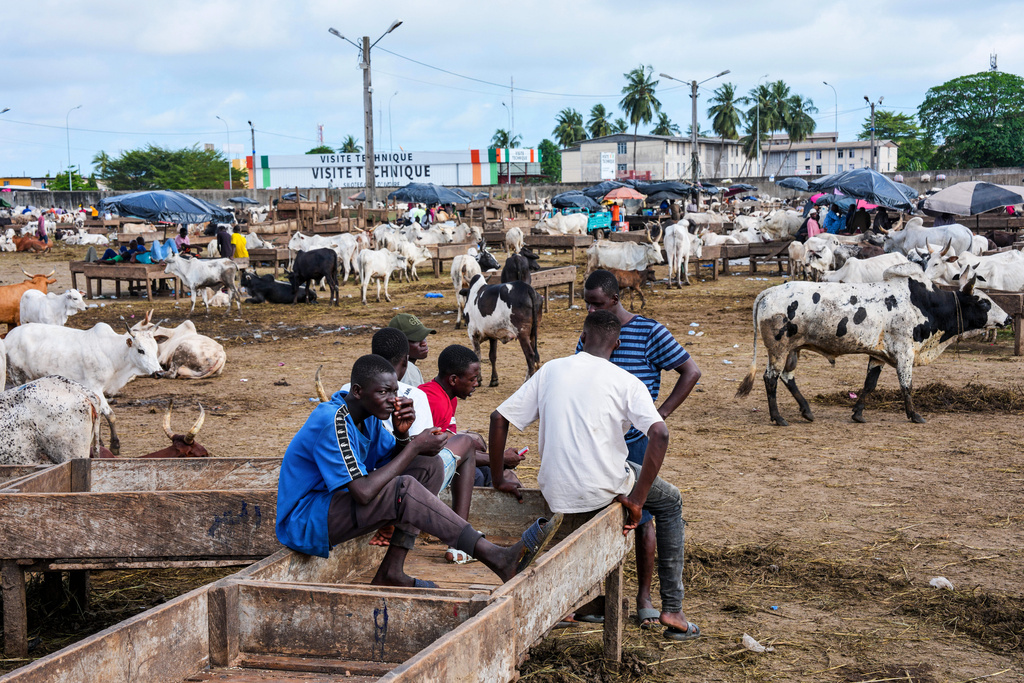
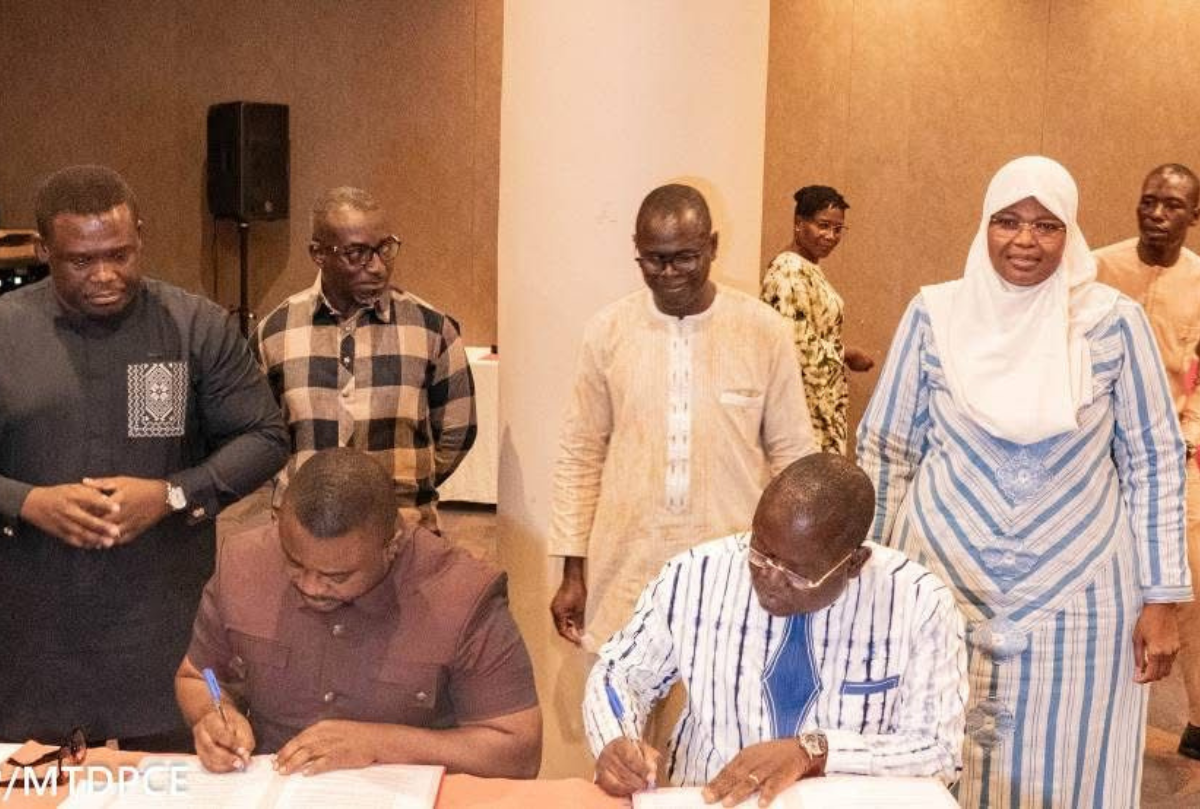
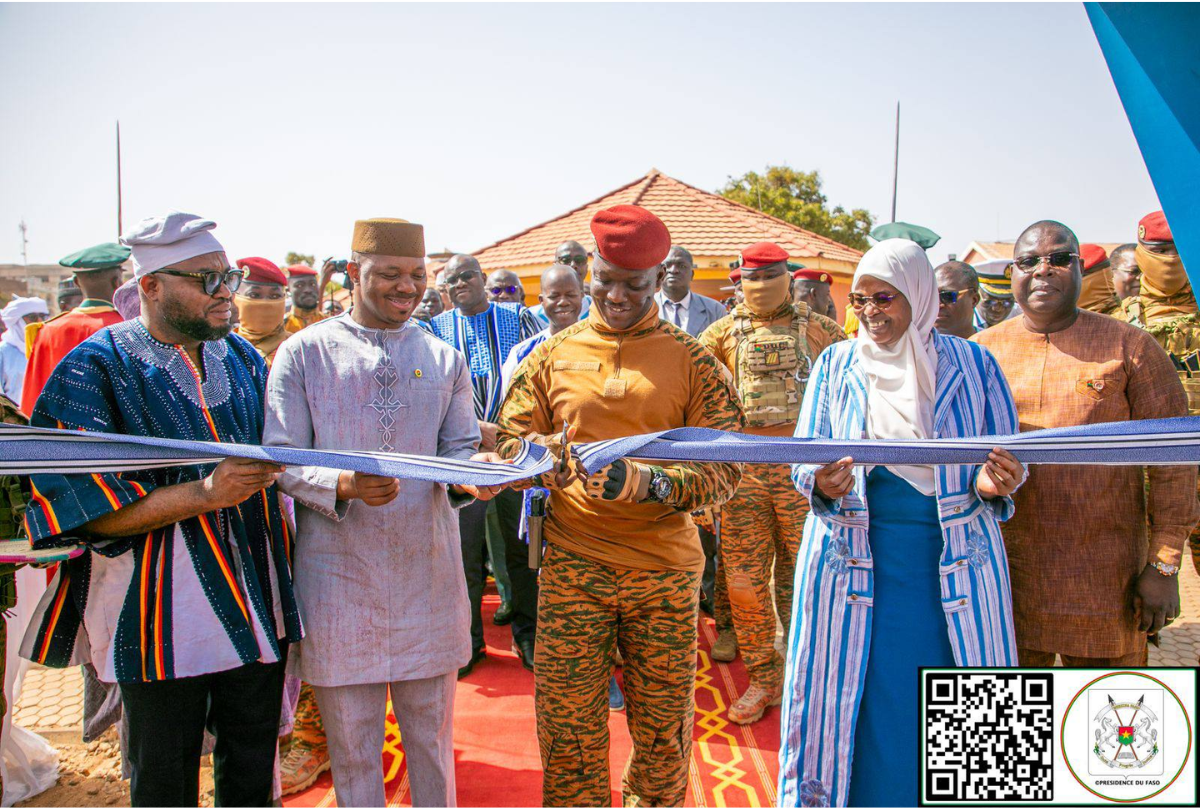
But it’s not all about defense; Burkina Faso’s new leadership is driving hard toward ambitious economic development too, with a strong focus on industrial innovation and boosting local processing capacities. What an incredible turnaround! President Traoré recently opened a state-of-the-art cashew apple processing plant, built in a swift eight months at a cost of 9.7 billion CFA francs. This isn’t just about adding value to agricultural products; it’s about creating jobs and lifting up local farmers, marking a truly transformational step for the nation’s agribusiness sector. Then there’s the new Industrial Unit for the Processing of Intracerar Cereals. Such investments are critical for Burkina Faso as it strives to build a more diversified and resilient economy, less susceptible to the unpredictable swings of raw commodity prices and external shocks. Essentially, these processing units are vital building blocks in the government’s vision for self-reliance and economic modernization, enhancing local production, reducing dependence on imports, and stimulating domestic growth. These moves aim to directly improve livelihoods and build a stronger, more independent national market.
A Future Forged in Resilience
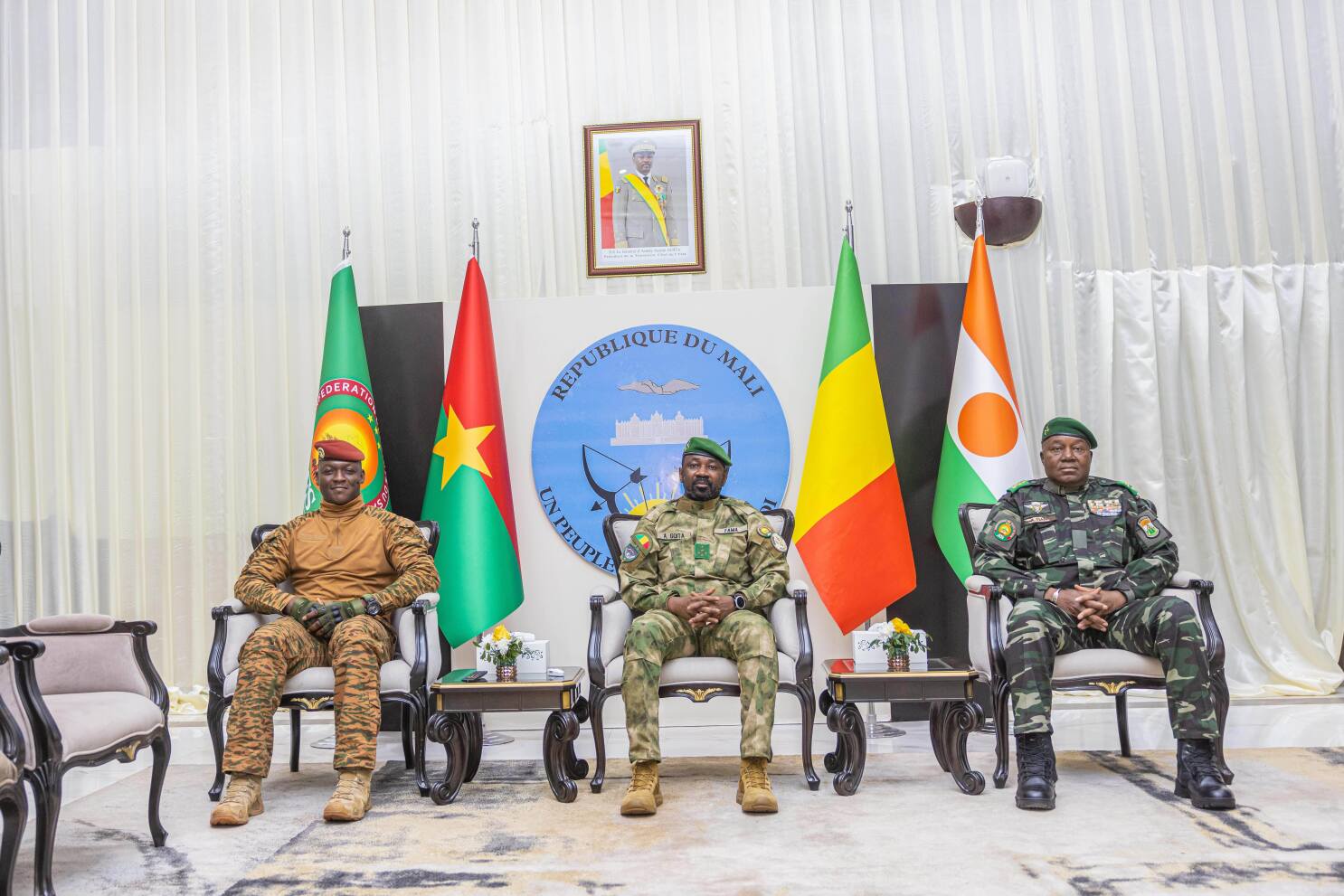
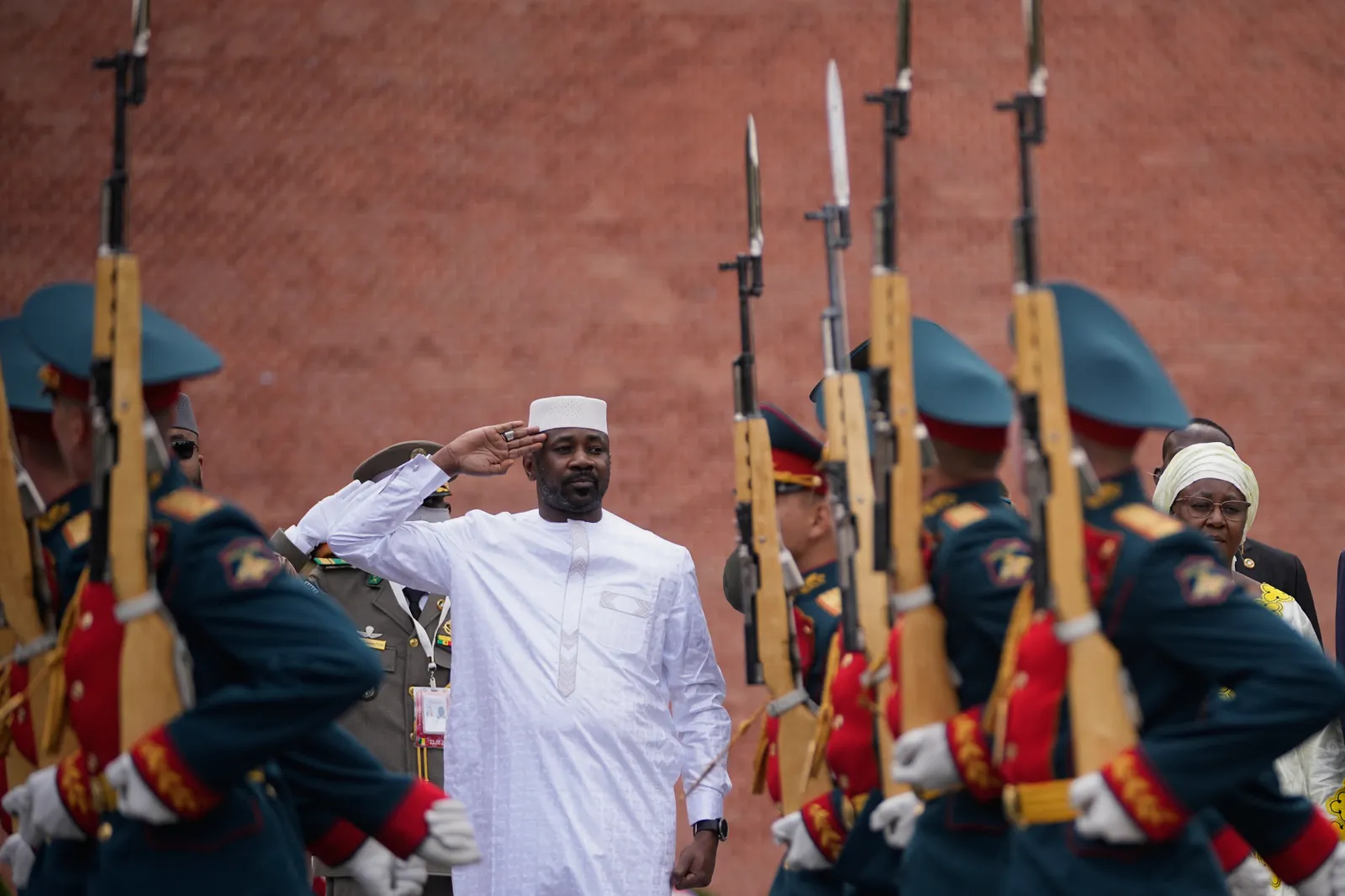
This twin focus, strengthening defenses while igniting economic engines, paints a vivid picture of a nation showing remarkable resilience and potential. It’s a narrative of determination amid adversity. President Traoré’s leadership appears committed to striking this delicate balance, fortifying national defense to protect citizens and enabling economic projects that provide hope and stability across the country. Looking ahead, the real test of these integrated efforts will undoubtedly be sustained government dedication, inclusive dialogue with communities, and ongoing international support to address persistent humanitarian needs and systemic vulnerabilities. The progress in border security efforts and increasing industrial capacity certainly lay a strong foundation for long-term development. Yet, the path towards lasting peace and shared prosperity is complex, requiring persistent dedication from all stakeholders. Burkina Faso’s compelling journey is far from over; it’s a powerful example of a country in transition, navigating both security imperatives and economic ambitions. This unfolding story of resilience and potential is sure to captivate observers and stakeholders invested in West Africa’s evolving landscape, offering valuable lessons for regional stability and growth.