African Tech Stages a Comeback in 2025 as Disciplined Investors Return to the Table
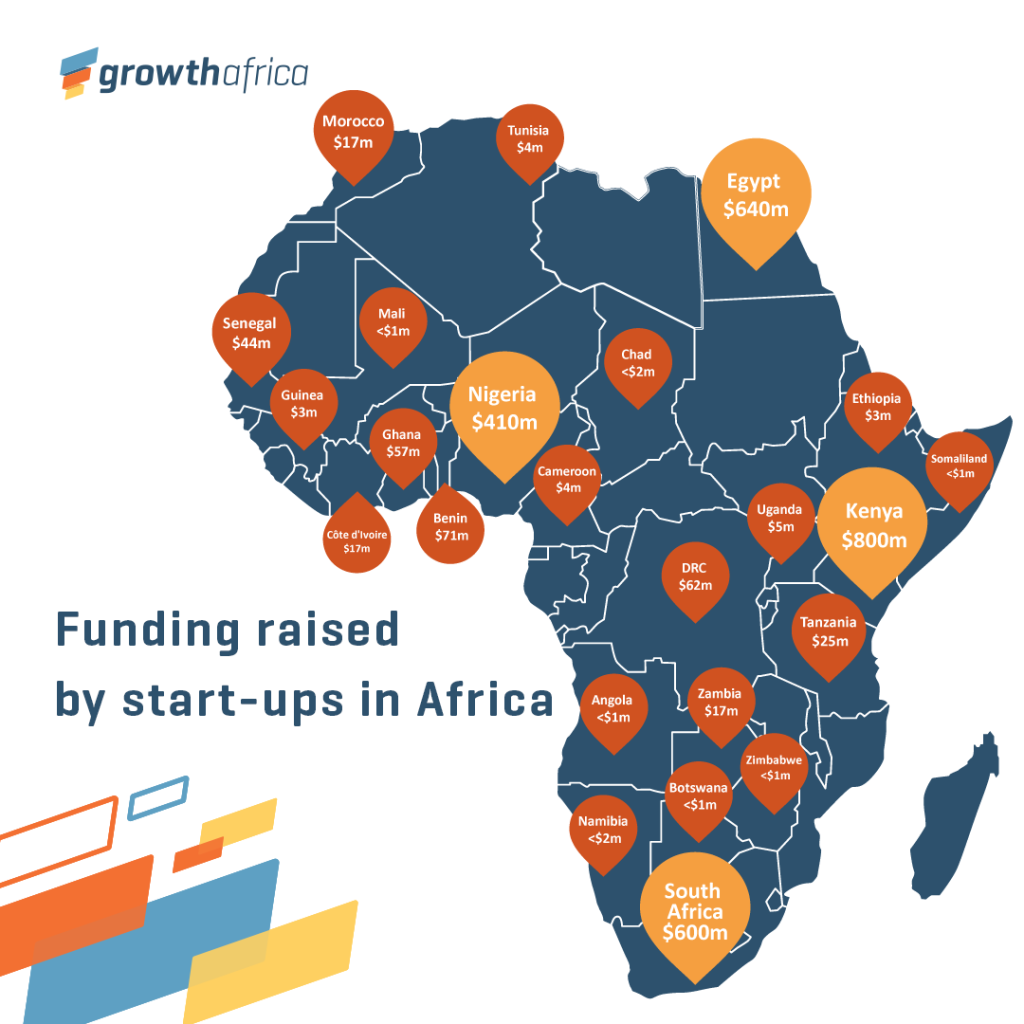
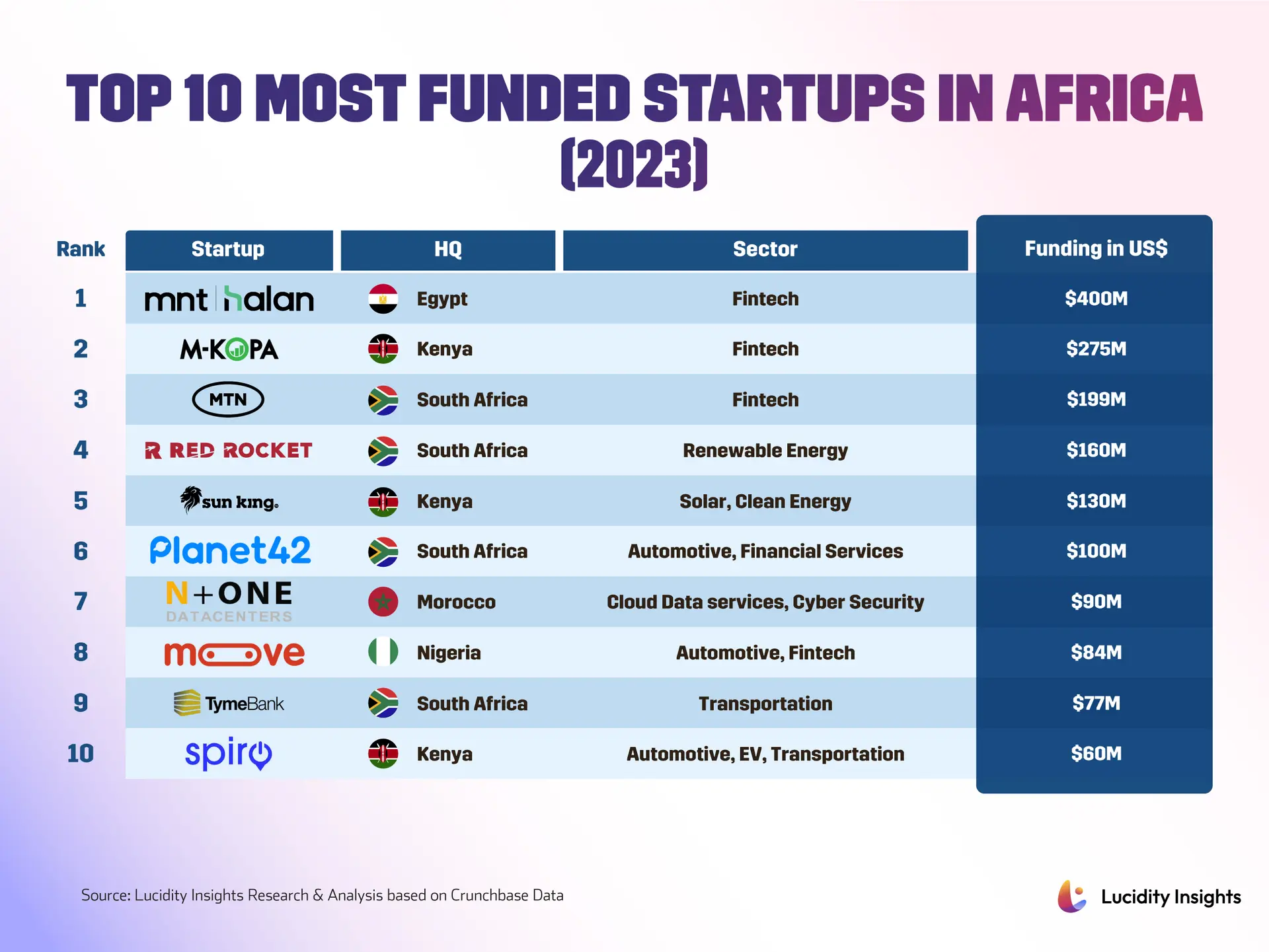
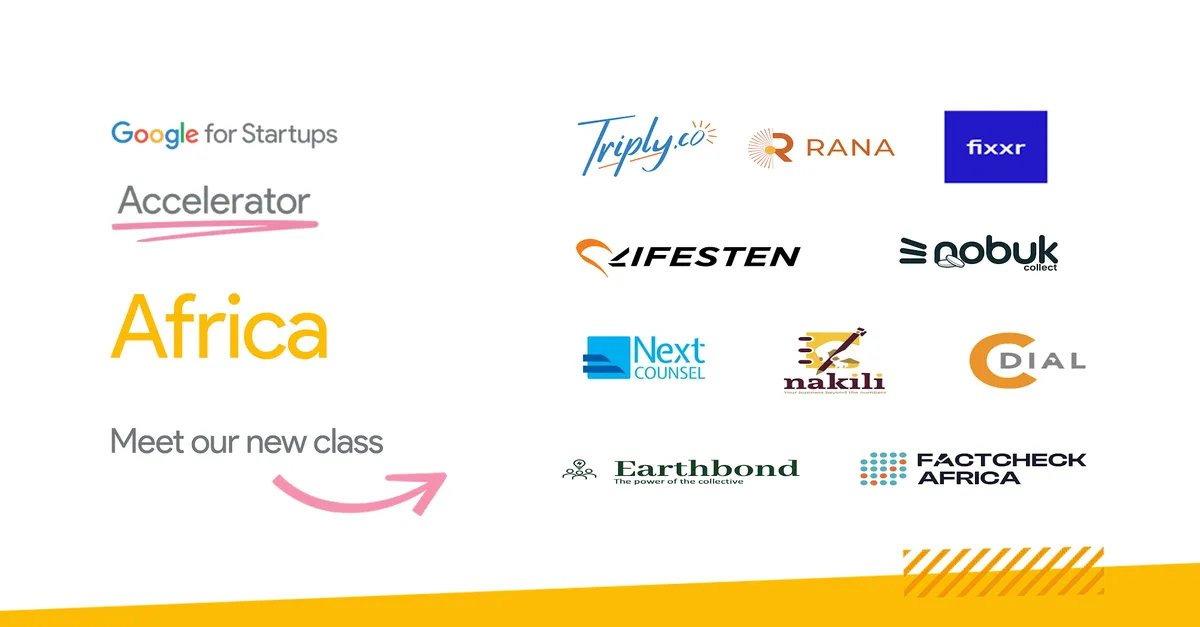
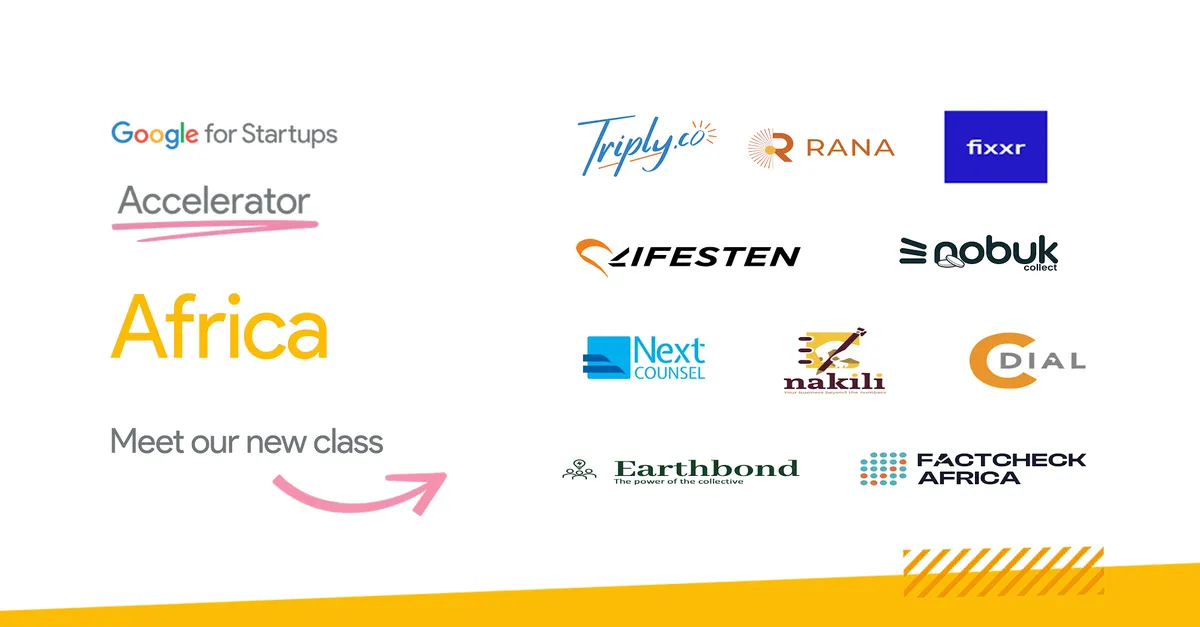
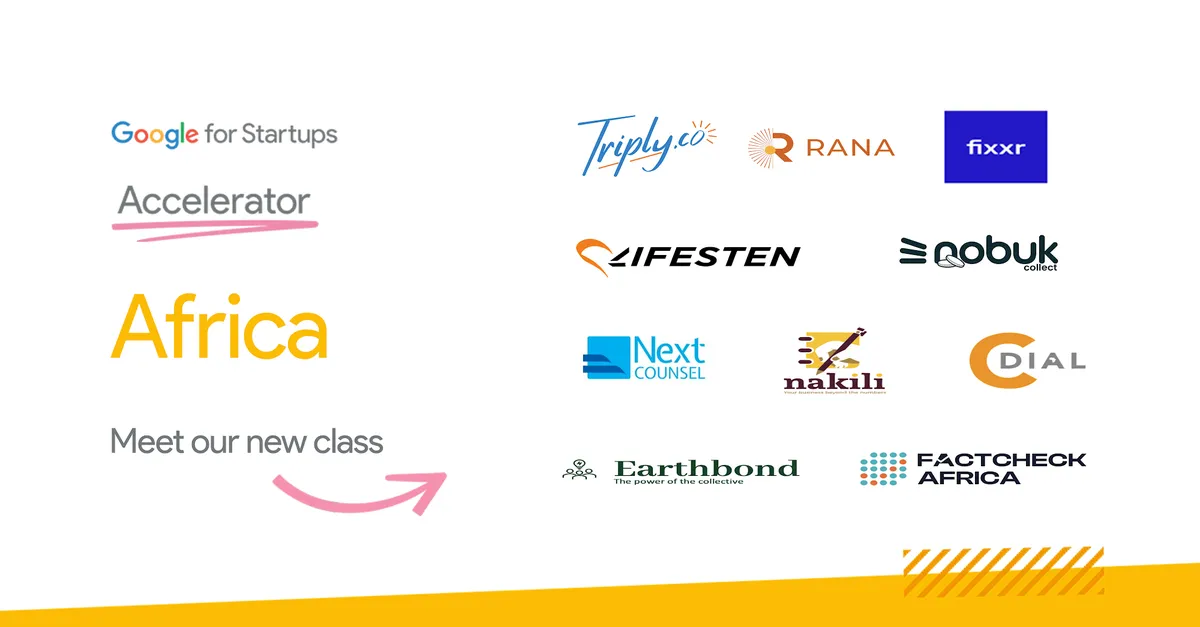
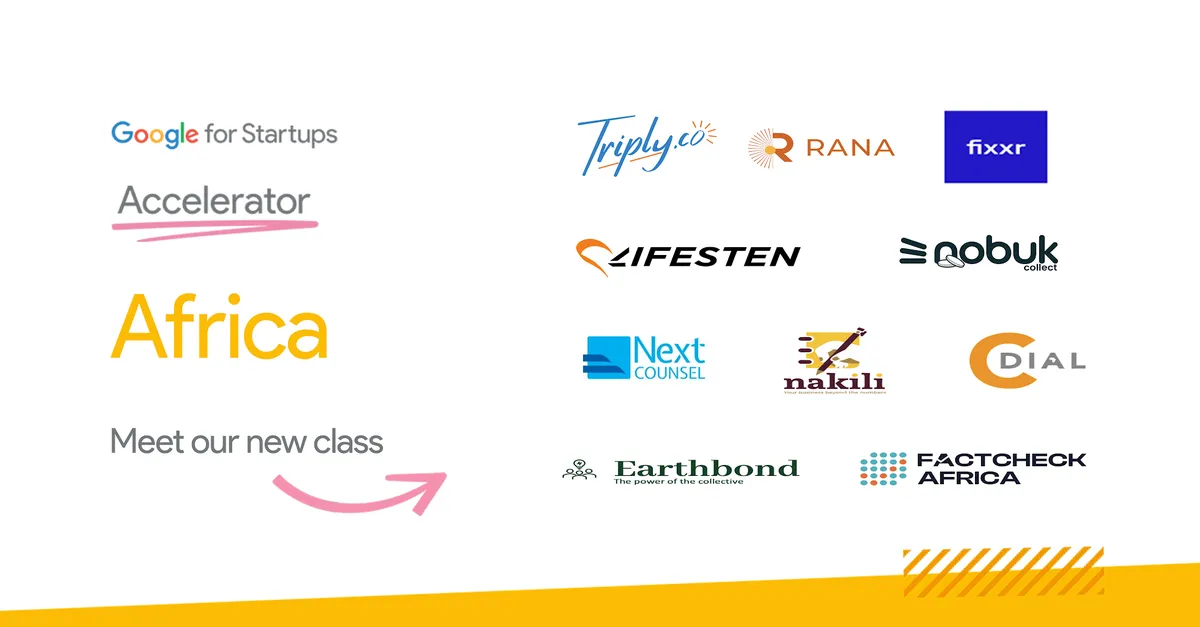
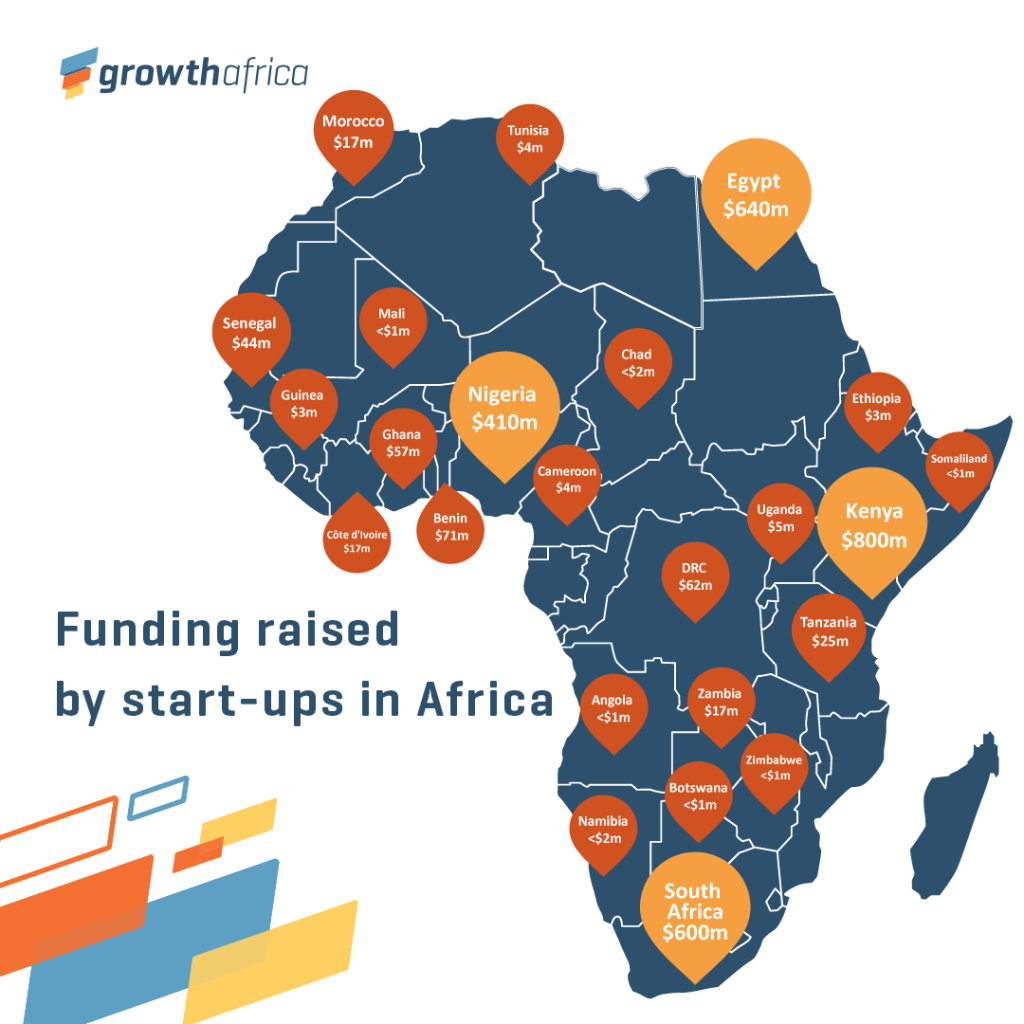
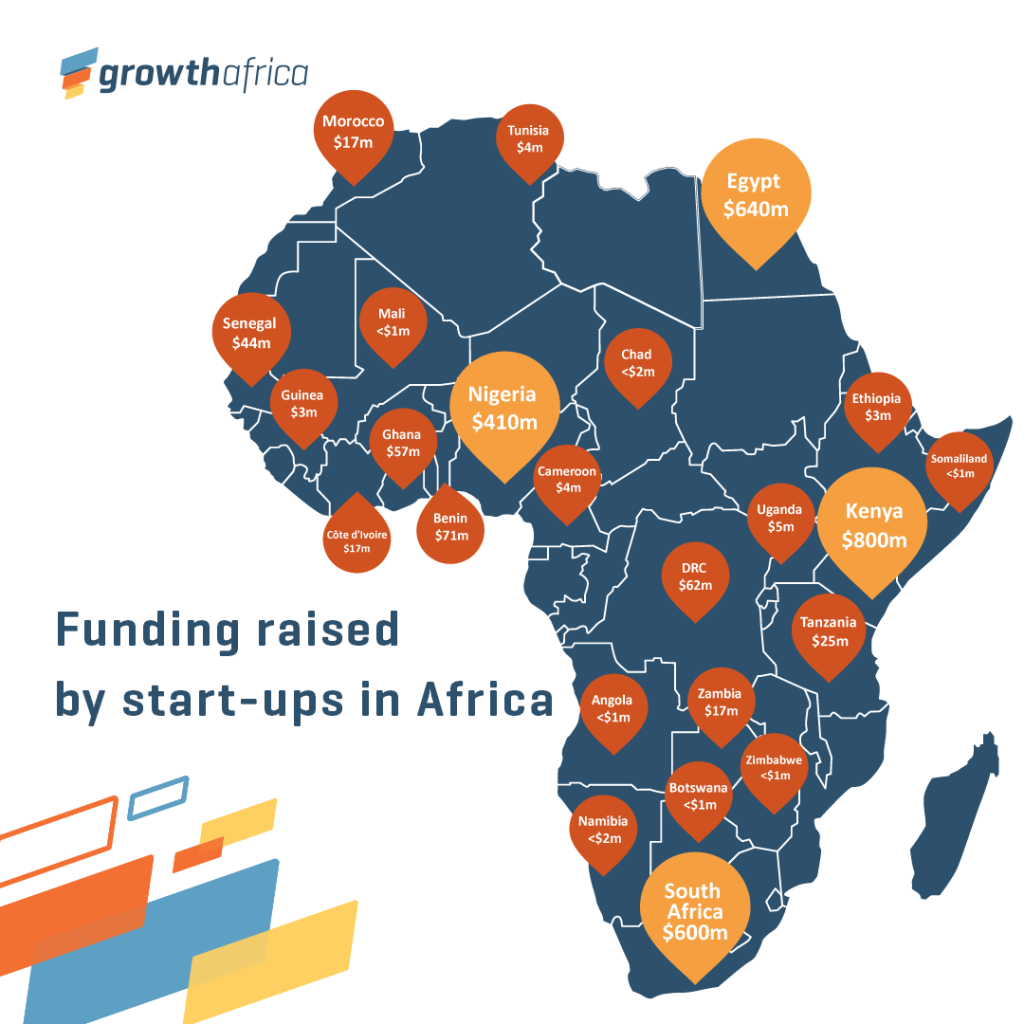
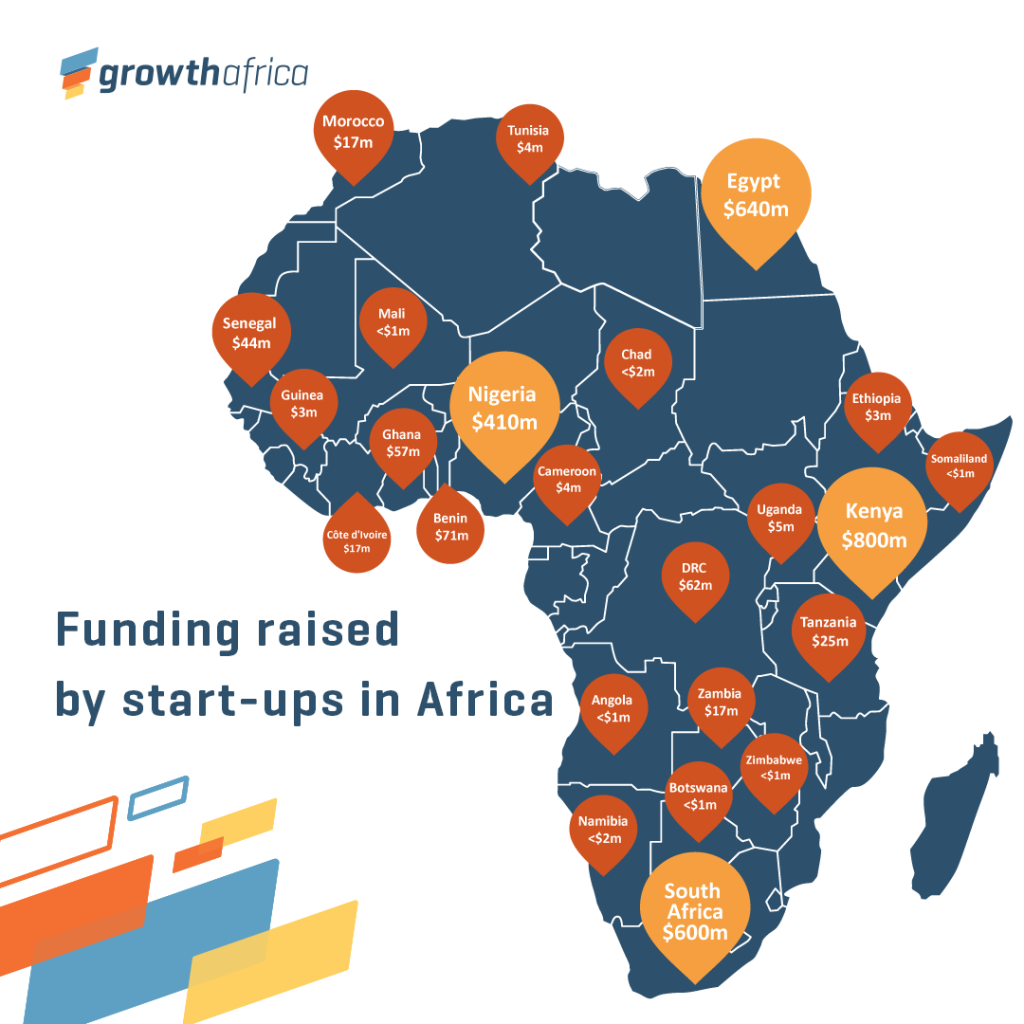
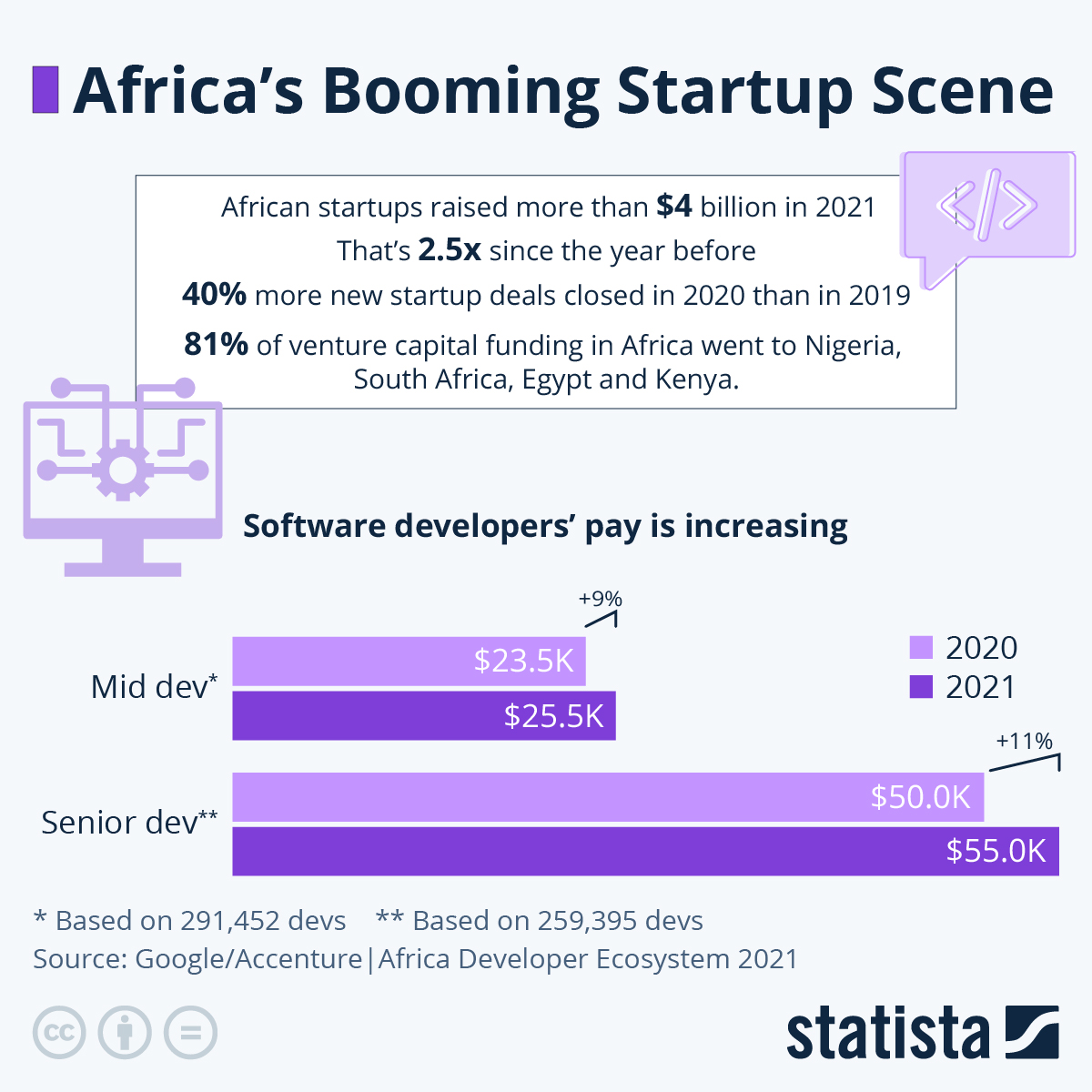
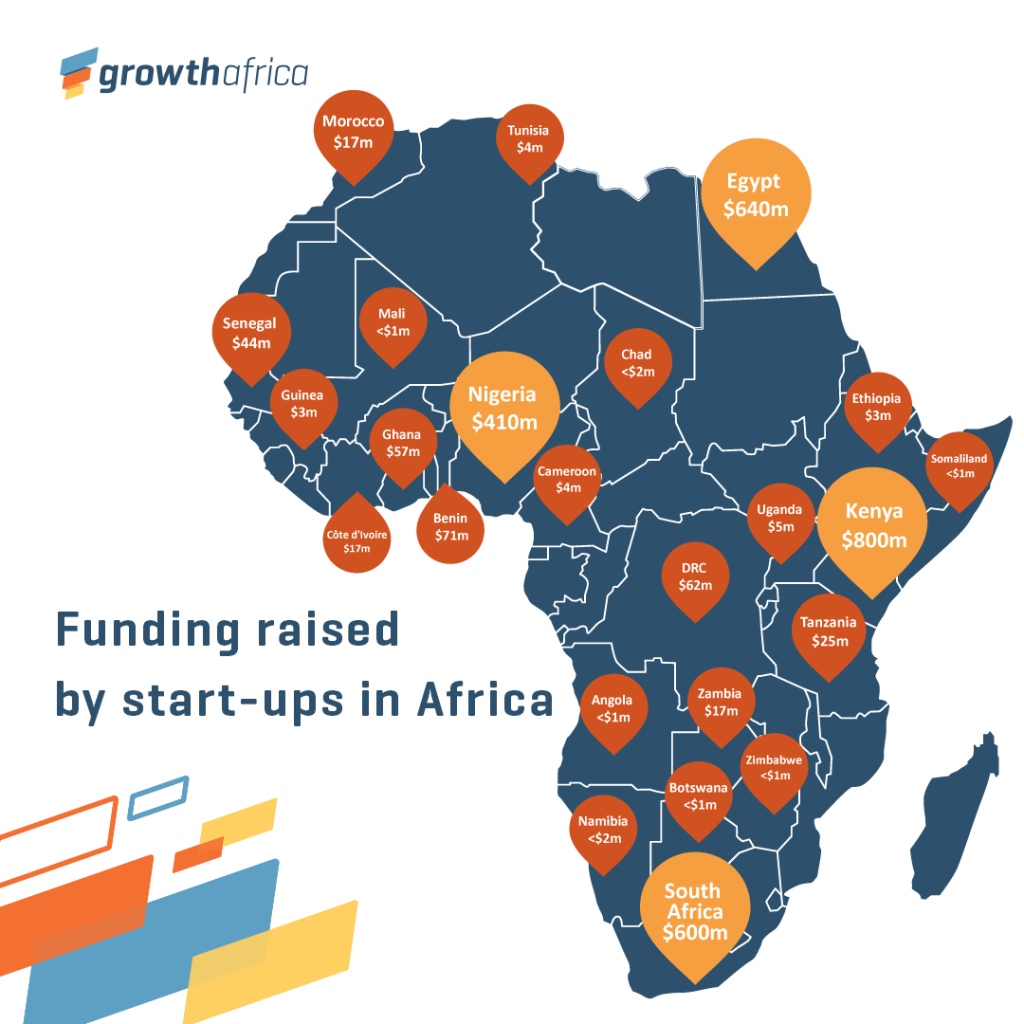
After two tough years that saw funding dry up, Africa’s tech ecosystem is bouncing back in a big way this year. The numbers tell a clear story: venture capital flowing to African startups jumped about 33 percent in 2025, pushing annual totals toward the $3 billion mark. That’s a significant turnaround from the sector’s previous contractions, which saw funding fall roughly 35 percent in 2023 and another 25 percent in 2024. But this recovery isn’t just about headline totals. What’s really encouraging is the depth of the pipeline. Across the continent, thirty-two ventures raised at least $100,000 this year, and sixteen of those secured rounds above $1 million. These figures suggest we’re seeing a healthier spread of mid-stage investments rather than just a handful of mega-deals concentrated in familiar markets. The momentum built throughout the year, with November alone bringing in $162 million in new funding, making it the fifth-best month of 2025. While it didn’t match the blockbuster months of the previous boom cycle, it signaled sustained deal activity instead of sporadic spikes. This broader tech renaissance across the continent shows that investor confidence is returning, but with a new set of expectations.
A Shift Toward Sustainability and Smart Policy
The investors coming back to African tech in 2025 aren’t the same ones who chased growth at all costs during the last boom. They’re more disciplined, and they’re asking tougher questions. Portfolio managers and analysts now routinely cite unit economics, recurring revenue, and clear paths to profitability as their decisive criteria. This focus on the basic financials of acquiring and serving a single customer represents a fundamental shift. It means backing companies that can prove they can scale without constantly burning through cash. This isn’t just ideological; it’s practical. Emerging-market investors who watched similar recoveries play out in Latin America and Southeast Asia expect Africa to follow a comparable pattern, where durable business models and regulation-friendly markets attract more sustainable capital. Policy changes have helped create that friendlier environment. Recent reforms like Nigeria’s Startup Act and expanded special economic zones in Rwanda gave investors clearer legal frameworks and operational incentives. They don’t create winners by themselves, but they reduce regulatory uncertainty and lower the bar for long-term commitment. The money is clustering around infrastructure and climate solutions. Startups building the essential rails of commerce, like digital payments, logistics networks, and energy distribution, are in the spotlight. Climate tech stands out particularly, with investors pouring more than $400 million into related startups this year, a signal that funders see both urgent need and real opportunity in Africa’s energy transition. As noted in a recent Business Insider Africa report, this funding milestone marks a pivotal moment for the continent’s startup ecosystem, which is maturing rapidly.
Hard Lessons and a More Mature Future
This optimism comes with a cautionary note. 2025 also saw its share of tough decisions and several notable shutdowns. Founders confronted rising operating costs, crowded markets, and, in some cases, the stark limits of the growth-at-all-costs model. Deal activity increased, but so did scrutiny. Investors are demanding clearer unit economics, and companies that can’t demonstrate sustainable margins or repeatable revenue models face restructuring, sale, or closure. These shakeouts are painful for everyone involved, but they also help re-price risk and create space for the next generation of startups that combine genuine ambition with built-in resilience. For founders, 2025 is a moment to sharpen their focus. Scaling successfully now requires not only product-market fit but also a defensible business model, disciplined capital deployment, and strong local partnerships. For the innovation hubs scattered across Africa, the return of capital offers a chance to build deeper, more robust ecosystems, from talent pipelines to regulatory advocacy and patient local capital. The big question looking ahead is whether this rebound can broaden beyond the current handful of sectors and geographies. Will domestic investment continue to deepen? Can climate tech scale from promising pilot projects to bankable portfolios? Will regulatory reforms translate into sustained market expansion across more countries? The immediate signs are promising. As Forbes Africa highlighted, there’s a clear return of confidence driving this recovery. Better policy, sharper investor discipline, and a fresh cohort of startups building the basic rails of the digital economy have combined to make 2025 look like more than a temporary uptick. It appears to be the start of a more mature phase for African technology, one where winners will be defined as much by their stamina and profitability as by their ideas, fueling a broader digital renaissance that could reshape the continent’s economic future.