Unpacking Global Challenges: From Campus Scandals to Geopolitical Tensions
We’re currently navigating a truly complex global landscape, aren’t we? A mosaic of political, legal, and social issues is shaping significant stories worldwide, each carrying its own weight and ripple effects. Domestically, particularly in the realm of American college sports, a notable spotlight has intensified on the University of Michigan’s athletic department. A recent, critical piece from an Orlando columnist minced no words, stating that Michigan finds itself deep in a series of scandals that have significantly tarnished its once-sterling nationwide reputation. The columnist didn’t pull punches, emphasizing that Michigan’s troubles aren’t accidental; rather, they seem symptomatic of deeper governance issues. They pointed to problems surrounding the appointment of its former head coach, Moore, who, let’s not forget, was implicated in a sign-stealing scandal involving player Connor Stalions. This raises serious questions about leadership and oversight at an institution revered for its academic esteem. This scrutiny creates quite a dissonance between its academic prowess and these athletic controversies, doesn’t it? The columnist openly called on the university’s athletic director, Manuel, to decisively regain control and integrity across the Wolverines’ sports programs, a major challenge that’ll surely impact the university’s standing in collegiate athletics. Contrast this with the broader collegiate sports landscape, where Notre Dame’s athletic department, known for its fierce independence in college football, has been celebrated as one of the nation’s most powerful brands. It’s reached an estimated value of $1.13 billion, ranking sixth nationally behind powerhouses like Texas and Ohio State. This kind of valuation underscores the profound financial and cultural significance of college sports, extending far beyond just wins and losses. It provides a strong motivation for Notre Dame’s leadership to maintain its independence rather than joining a conference, as preserving this unique status clearly plays a key role in sustaining its brand value and influence. The sheer economic power of athletic programs like Notre Dame’s vividly illustrates the substantial interplay between sports, business, and identity within American higher education, even as other institutions grapple with their own challenges, a scenario not unlike some corporate accountability and security challenges we observe globally.
Moving from the playing fields, our attention shifts to significant political and legal battlegrounds. In Ohio, for example, a firm stance on ‘intoxicating hemp’ and related beverages was recently codified with the enactment of Senate Bill 56. Signed into law by Governor Mike DeWine, this bill effectively renders intoxicating hemp products illegal across the state. However, here’s a twist: the law actually exempts THC-infused drinks. This adjustment came via the governor’s line-item veto, specifically aimed at preventing confusion with a federal ban that’s set to take effect very soon. Predictably, activists advocating for cannabis legalization haven’t taken this lying down; they’ve sharply criticized the bill, arguing it blatantly defies the will of Ohio voters who overwhelmingly supported adult-use marijuana in 2023. This legislative tension beautifully reflects the complex, ongoing negotiation between state-level voter initiatives and government regulation, highlighting the continuous evolution of cannabis policy in the United States and its wide-ranging social and economic implications. On a more international note, the escalating tensions between the United States and Venezuela continue to grab headlines. In a recent, impactful development, the U.S. Coast Guard seized a second oil tanker linked to Venezuela right there in the Caribbean. This aggressive action isn’t random; it’s part of a broader, sustained pressure campaign against the Venezuelan government, which the U.S. administration accuses of drug trafficking and actively engaging in destabilizing activities. Homeland Security Secretary Kristi Noem announced the seizure, underscoring the relentless efforts to disrupt Venezuelan oil shipments allegedly fueling illicit operations. This particular escalation follows earlier apprehensions of other tankers and some pretty sharp rhetoric from President Donald Trump, who’s even hinted at more aggressive interventions, including the unsettling possibility of a ground invasion. The White House’s increasingly firm stance certainly signals heightened geopolitical tensions in the region, with the very real potential to impact global energy markets and regional security dynamics. It’s a stark reminder of how global shifts and crises can unfold rapidly.
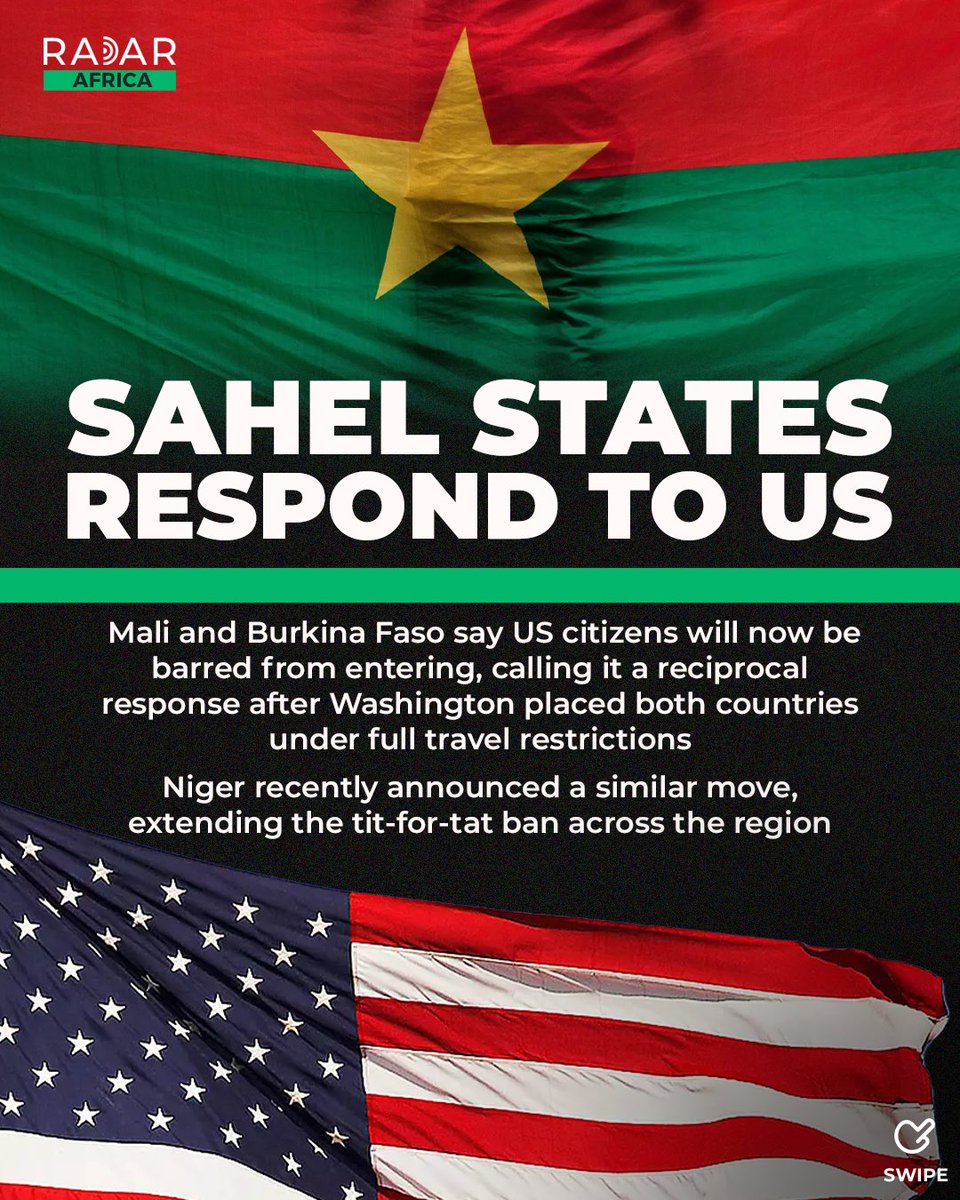
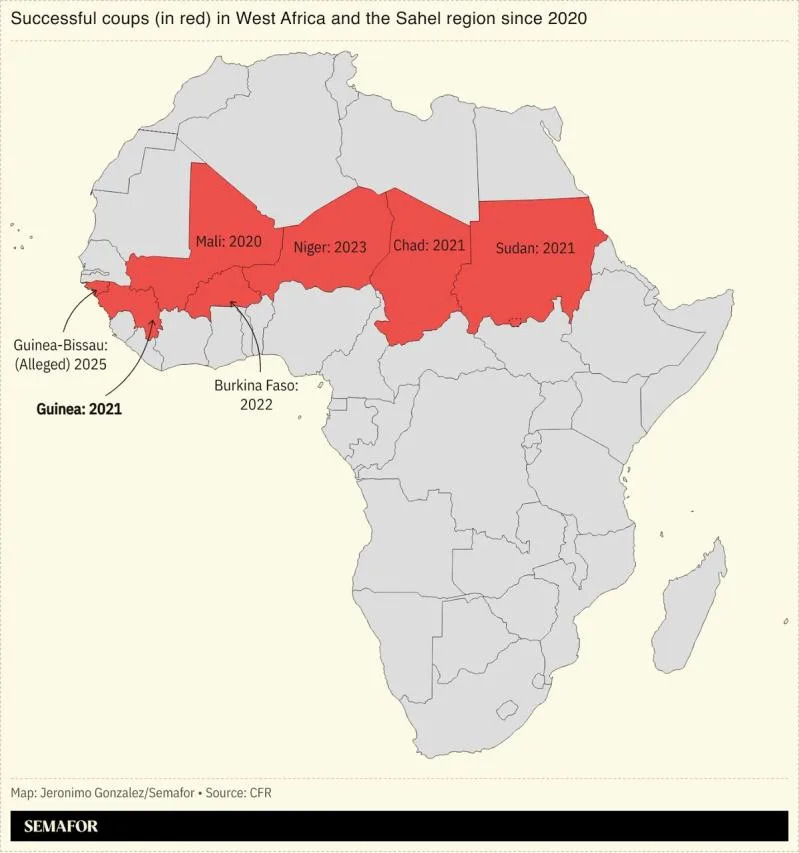
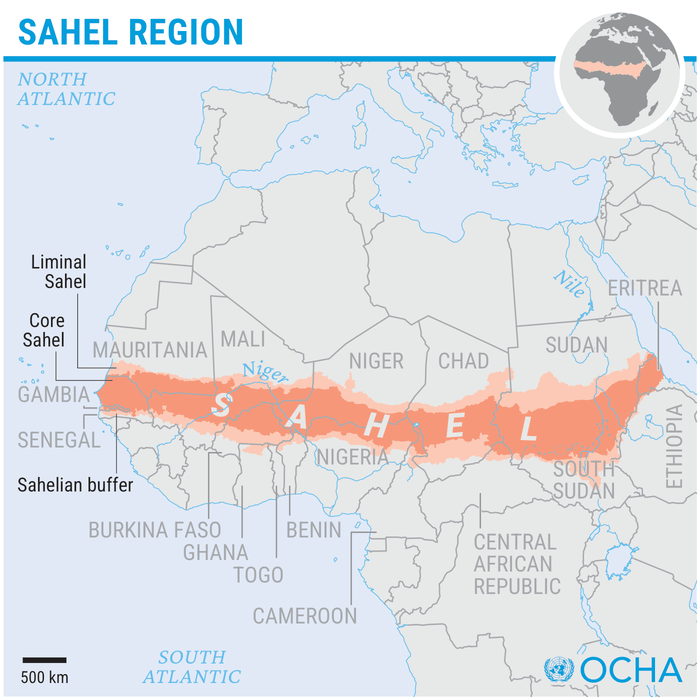
Amidst these complex geopolitical frictions, our focus now turns to even more covert threats. Israel’s internal security service, Shin Bet, recently unveiled a new, alarming espionage case involving a Russian national. This individual stands accused of filming sensitive Israeli port infrastructure on behalf of Iran. The report suggests this person cleverly posed as a tourist, all while diligently gathering intelligence on key installations and military assets. Such sophisticated espionage activities are a chilling reflection of the broader shadow conflicts playing out among global powers. In this arena, intelligence gathering and covert operations are becoming increasingly sophisticated, pushing the boundaries of traditional warfare. This particular arrest aligns perfectly with several recent crackdowns on Iranian intelligence efforts within Israel, clearly demonstrating the ongoing cybersecurity and counterintelligence challenges nations face when confronting hostile actors intent on undermining their national security. Ultimately, what do these seemingly disparate stories tell us? They weave a rich tapestry of contemporary challenges, stretching from crucial collegiate sports reforms and significant economic valuations to contentious legislative battles over cannabis and the sharp edge of international security disputes. They don’t just happen; they highlight the diverse arenas where governance, identity, law, and international relations intersect in profound ways. These intersections will undoubtedly shape their respective sectors for years, if not decades, to come. Looking ahead, these narratives strongly suggest a period of significant transition and, frankly, contestation. University athletic programs, for instance, must address internal ethics and leadership crises head-on, or they risk suffering broader, irreparable reputational damage. States like Ohio will surely continue to navigate the contentious terrain of cannabis legalization, balancing robust public demand with prudent regulatory caution. And internationally? Geopolitical flashpoints in the Caribbean and the Middle East signal ongoing instability that’ll demand cautious diplomacy and vigilant security measures, much like the broader Sahel conflict escalates. For observers and stakeholders alike, the unfolding developments call for careful scrutiny and informed engagement, as their implications will reverberate far beyond their immediate spheres, impacting us all.