Africa’s Startup Moment: Infrastructure Builders Shape the Next Decade in 2025
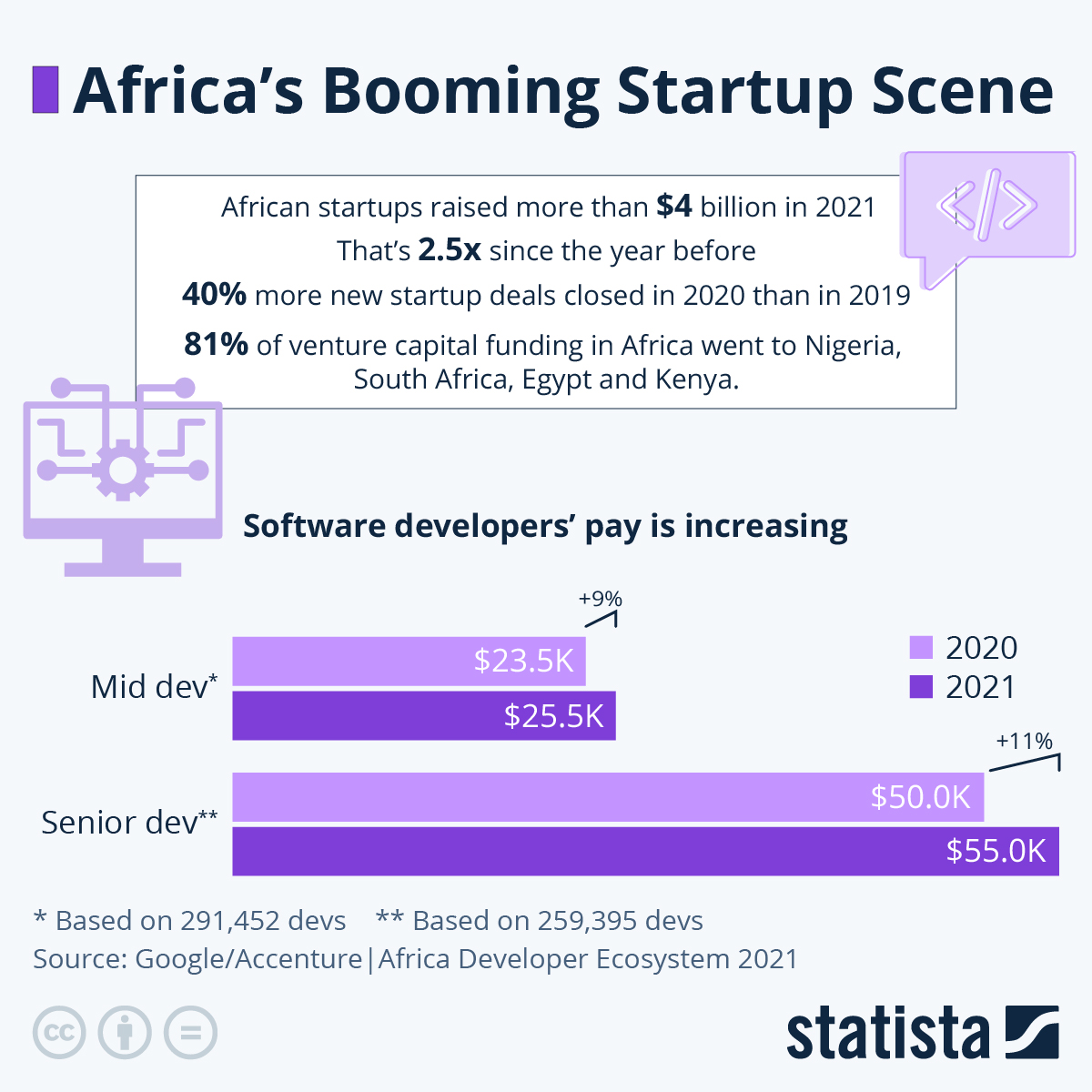
Across Africa, 2025 isn’t just another year for fundraising. It’s a genuine turning point, according to investors and founders who see something different happening. A new generation of startups has shifted its focus from flashy consumer apps to building the physical and digital foundations that make entire markets possible. Think of it as laying down the rails first, then running the trains. Those rails include everything from payments and banking platforms to logistics networks, clinical supply chains, renewable energy systems, and the software that stitches them all together. The result is an operating system for African growth that’s getting faster, smarter, and more inclusive every single quarter. This fundamental shift explains why industry lists and rankings are all pointing to the same signals. Analysts recently highlighted 20 companies that embody this trend, firms solving critical infrastructure gaps in finance, health, logistics, and energy. By doing so, they’re enabling a whole ecosystem of downstream businesses to flourish. Seed and growth investors, incubators, and policymakers are watching these builders closely, because their products will make the next wave of consumer and enterprise apps easier and cheaper to scale across the continent. You can see more about this record startup growth in our previous coverage.
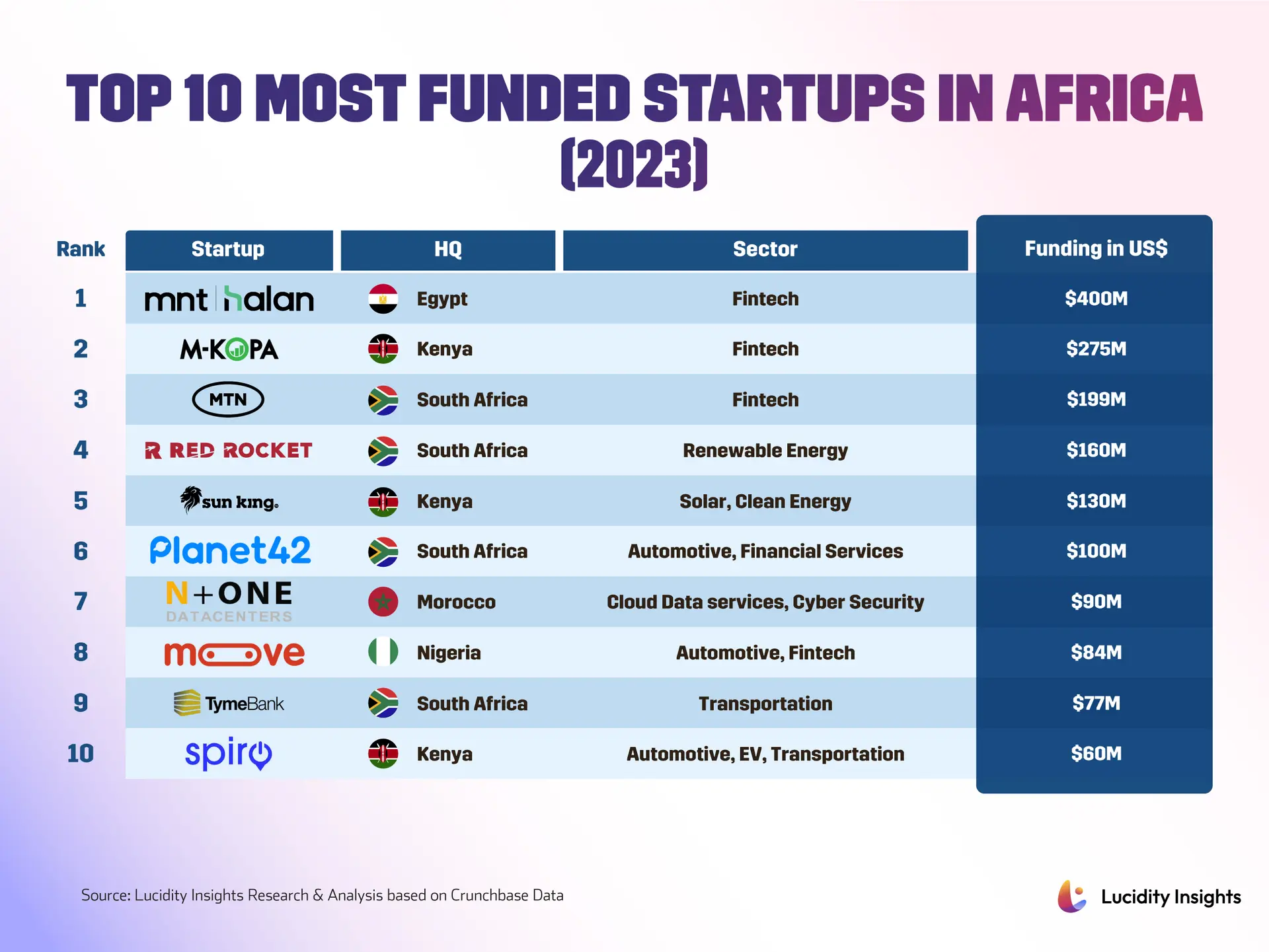
Finance remains central, but its shape is changing dramatically. Startups aren’t just chasing consumer payments and remittances anymore. They’re creating entirely new rails for credit, treasury management, and cross-border flows. Recent funding rounds tell the story, from a $52 million injection into Egypt’s largest proptech firm to $17 million for a francophone neobank with one million users. Regulatory wins matter too. When one payments company secured central bank approval in Ghana, it opened formal rails to previously informal money flows. Where regulators move, capital follows, and where capital follows, product teams can scale faster. This sequencing is visible from Lagos to Casablanca and Cairo, and it’s particularly crucial for smaller economies in West Africa. Logistics and supply chains are the next frontier, with AI making them cheaper and more reliable. Startups using machine learning to optimize routes and reduce empty miles are attracting serious funding because logistics costs directly impact consumer prices and merchant margins. Meanwhile, energy and climate tech are moving from pilot projects to real scale. Firms that combine solar hardware with pay-as-you-go software, and those providing financing for distributed generation, are reporting meaningful fundraises. Health tech startups are taking a similar approach, building the logistical and data backbones that clinics and pharmacies desperately need rather than trying to replace hospitals outright. This tech renaissance is transforming multiple sectors at once, as detailed in reports from TechCrunch and Disrupt Africa.
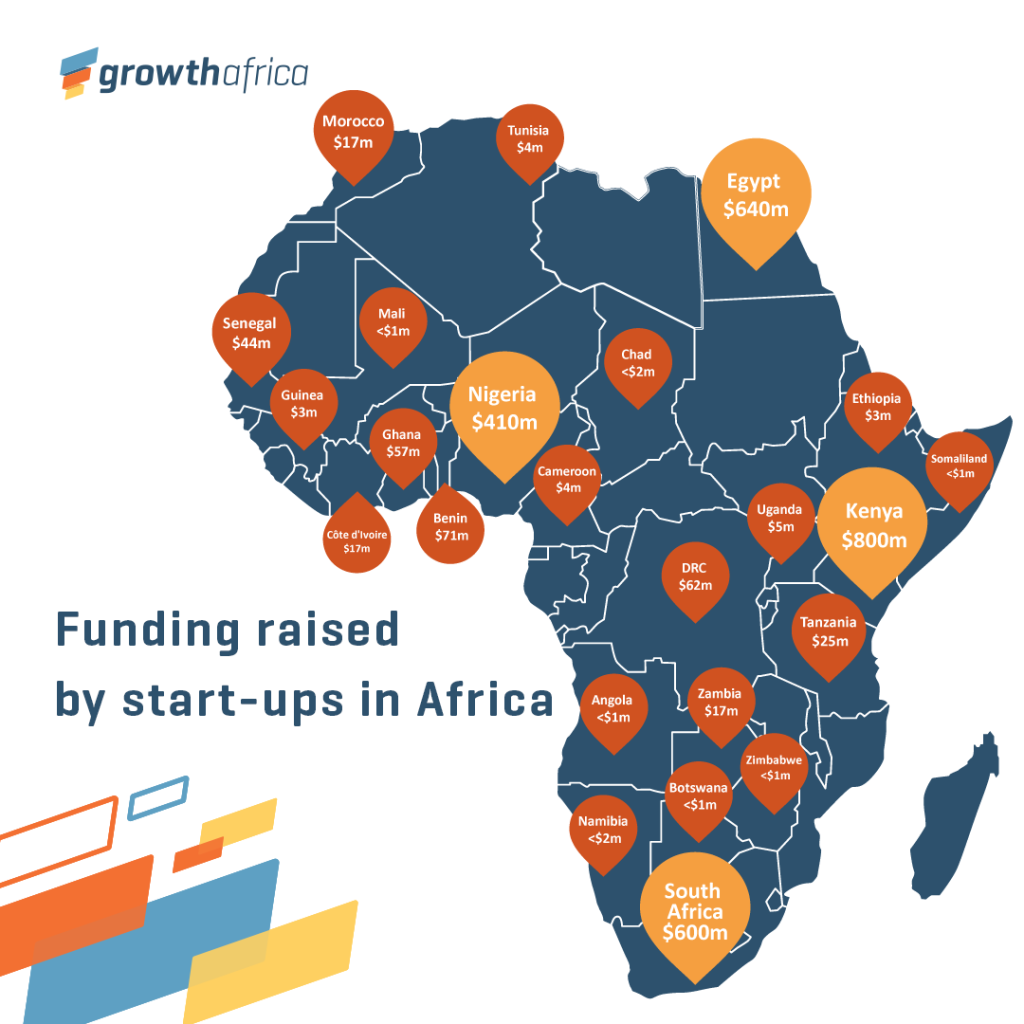
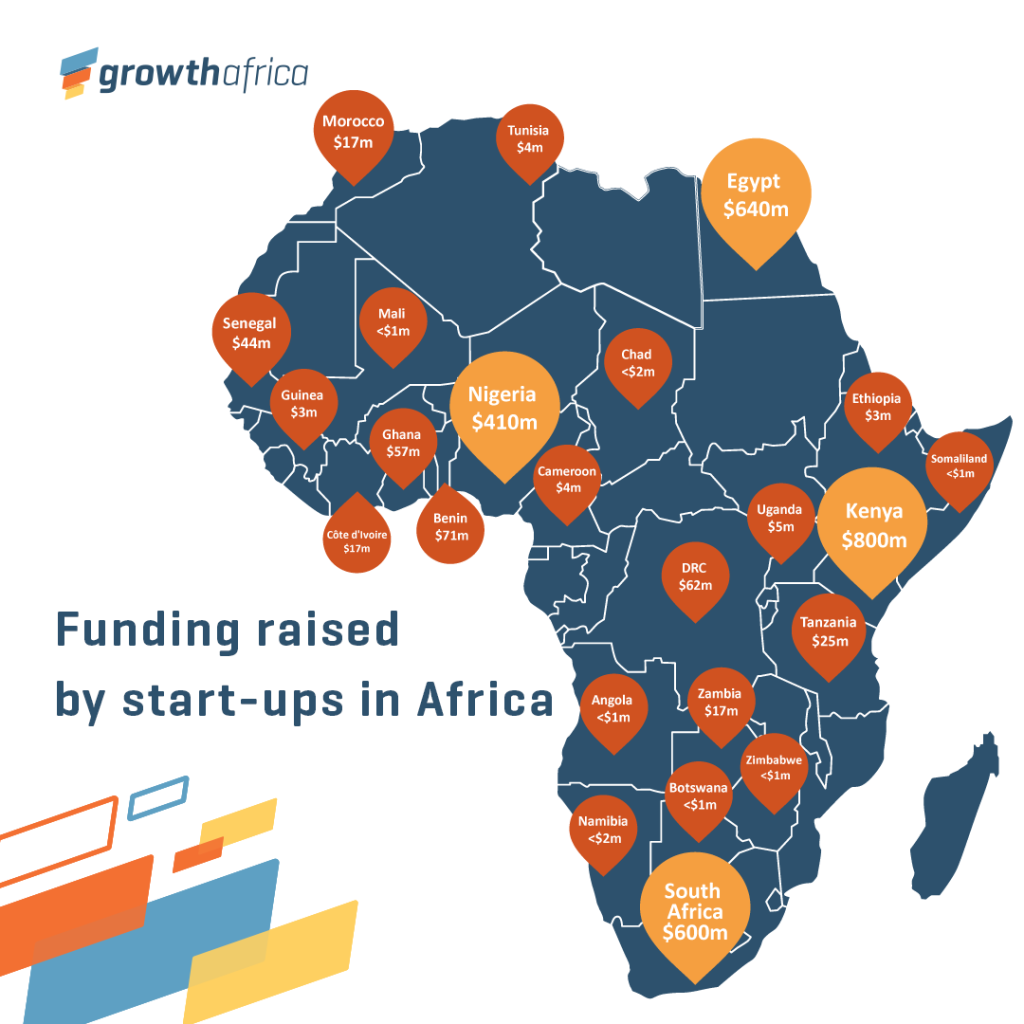
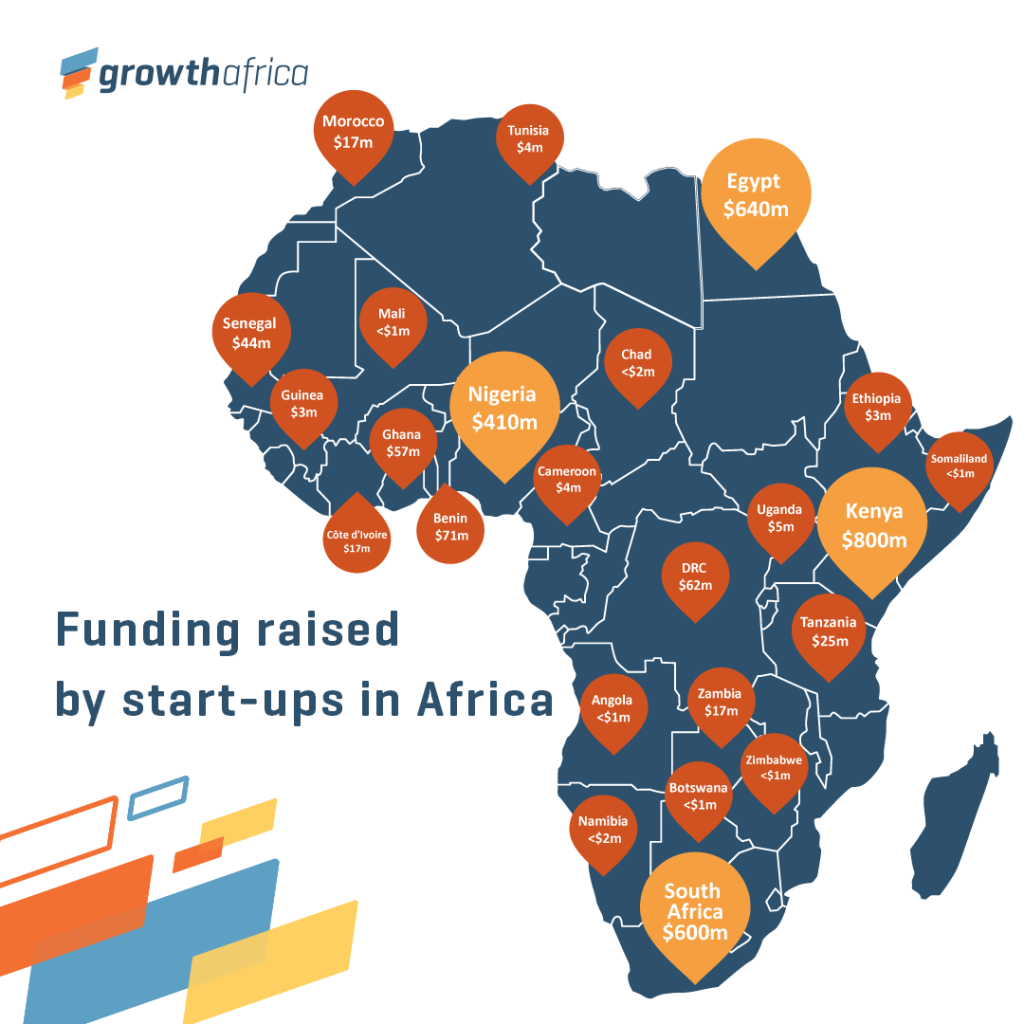
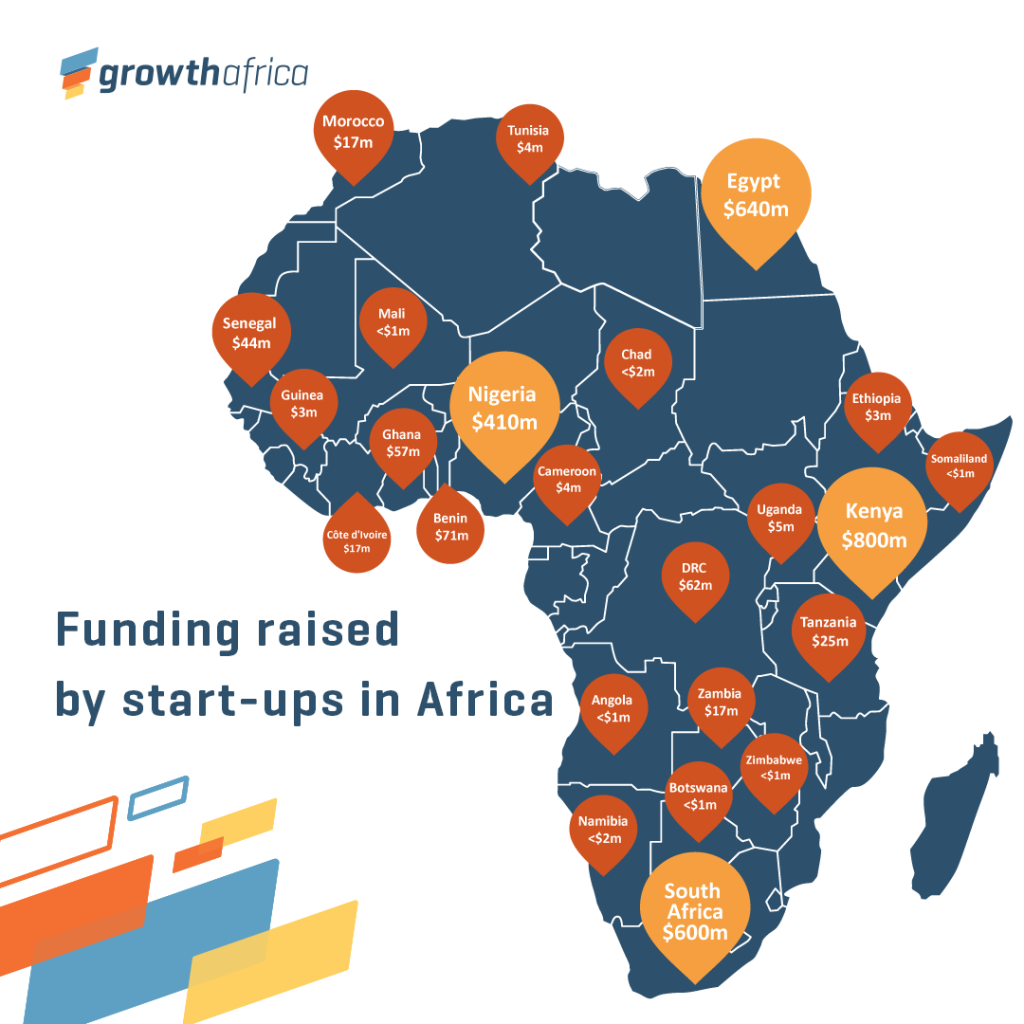
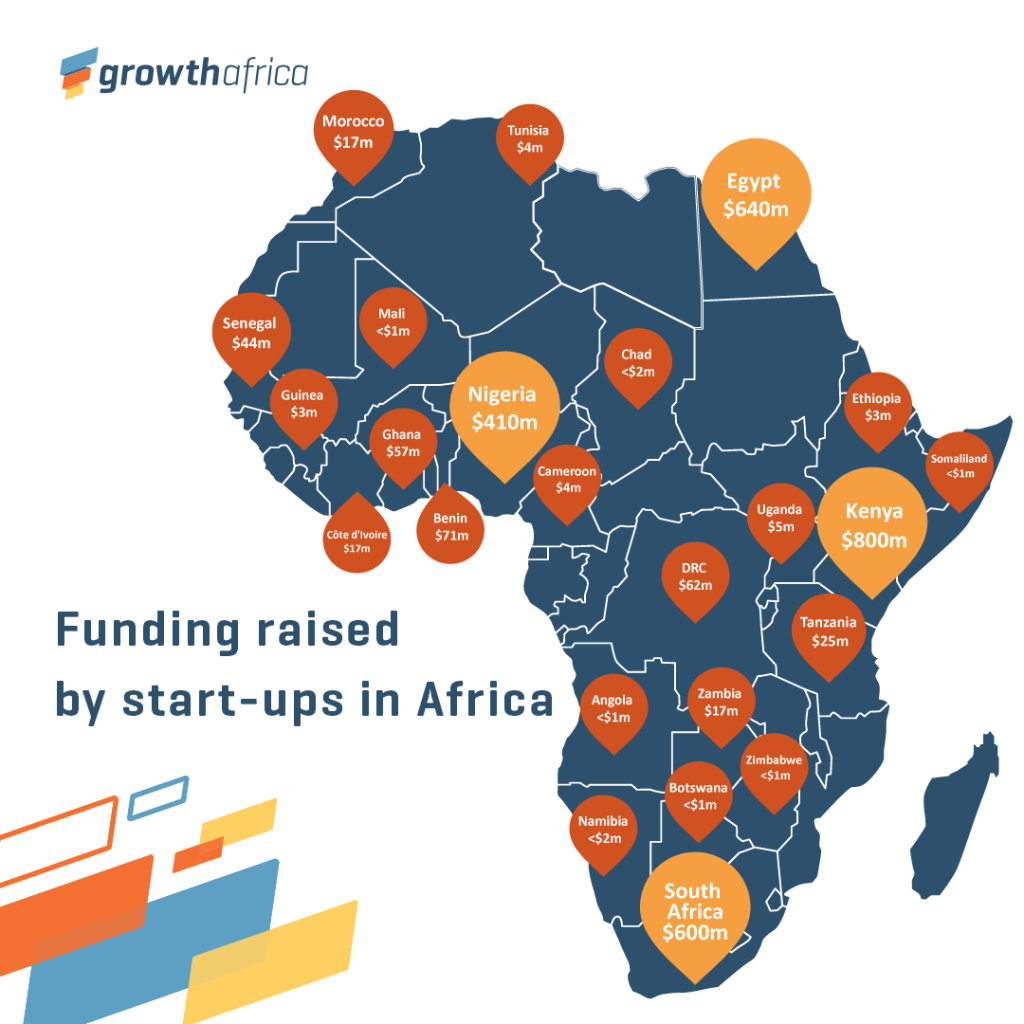
The regional mix of winners reflects Africa’s incredible diversity. Tech hubs in East Africa and Nigeria continue to produce large deals, North Africa is proving to be a formidable bridge to the MENA region, and Francophone West Africa is growing fast with vehicle finance and digital banking plays. But it’s not all about new money. The ecosystem shows clear signs of maturation. Some firms are restructuring to reach profitability or extend their runways after rapid expansion. Accelerators and funds are evolving too, with founder-first models that deliberately invest earlier and then unlock strong follow-on capital. Female fund managers and more diverse investor bases are appearing on the scene, a development industry participants link to better deal flow and different risk tolerances. There are real risks, of course. Funding remains uneven, and founders face more scrutiny as investors demand returns and resilience. Global policy shifts, like carbon border adjustments in Europe, will change the export calculus for commodity and industrial startups. For smaller economies like Burkina Faso, the imperative is practical and immediate. These countries can benefit massively if regional rails for payments, logistics, and energy become interoperable, and if incubators and finance reach beyond big cities. Looking ahead to 2026, the defining question won’t be whether the money flows, but whether these foundational businesses can translate capital into durable, affordable infrastructure. If they succeed, a generation of startups that now seem promising will become the platforms on which African commerce, health systems, and green industrialization are built for decades to come. This regional leadership is evident in places like Ghana’s clean energy push, and industry watchers are tracking the progress through outlets like African Business.