Sahel States Deepen Alliance With Bold Regional Autonomy and Security Initiatives
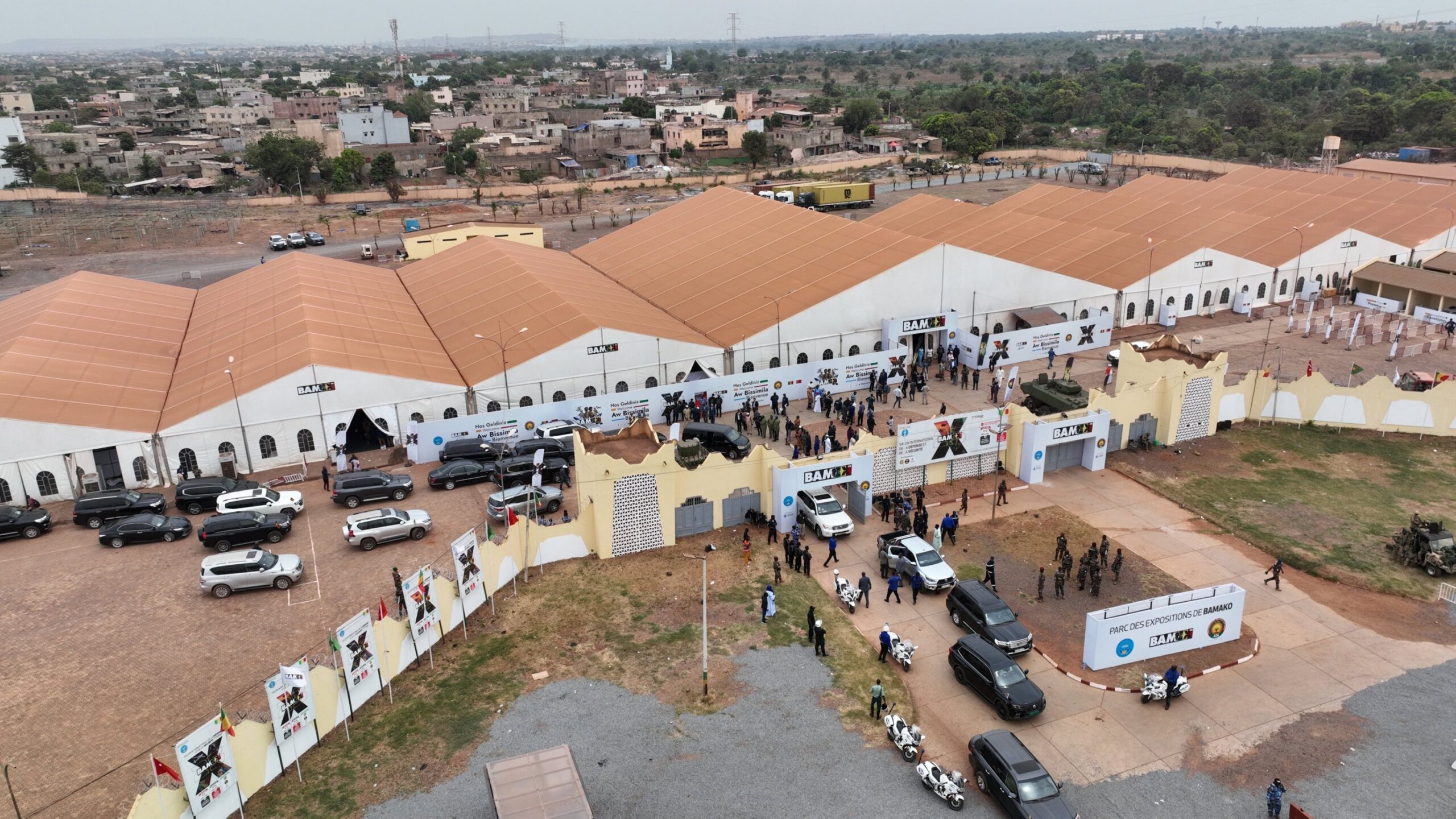
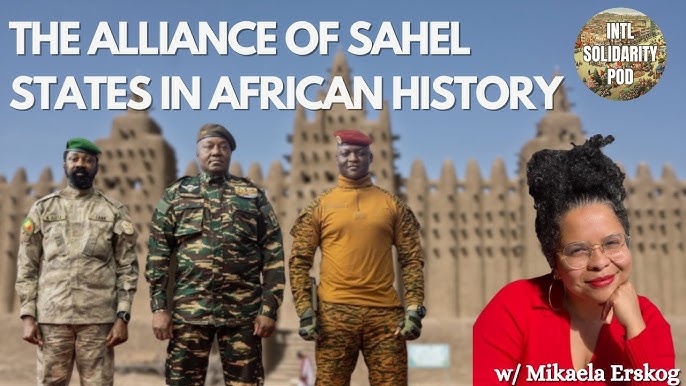
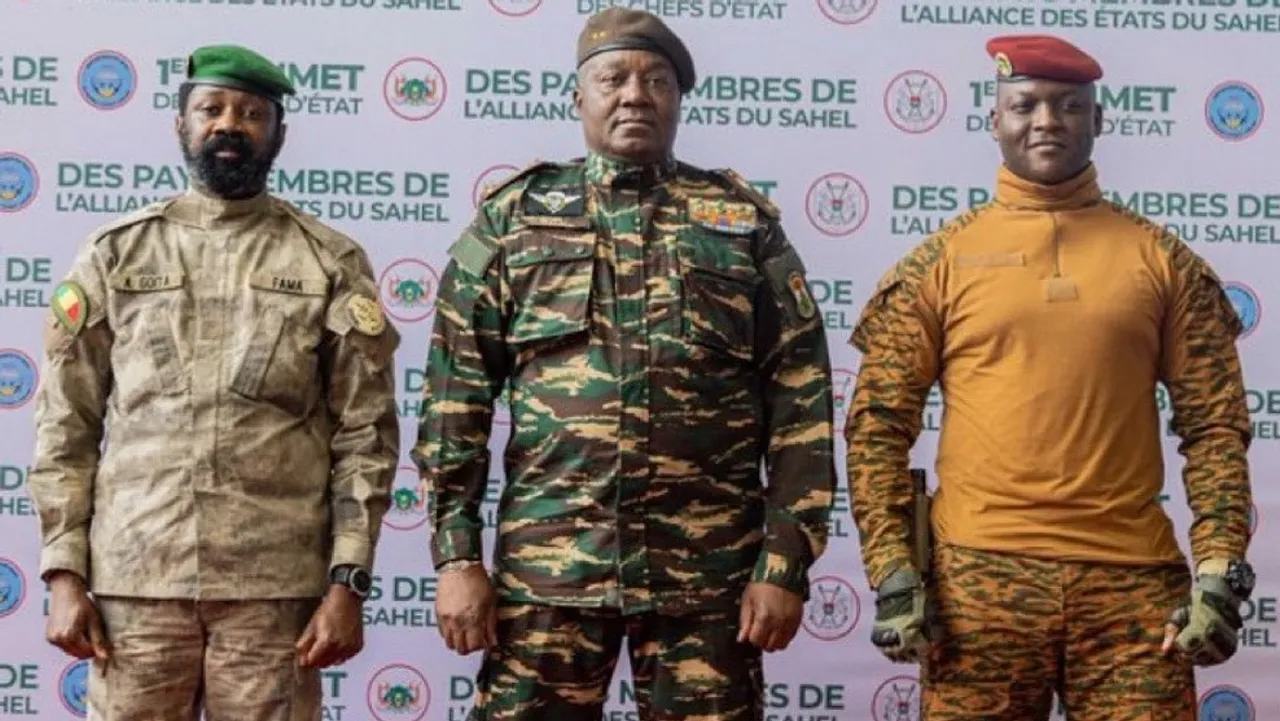
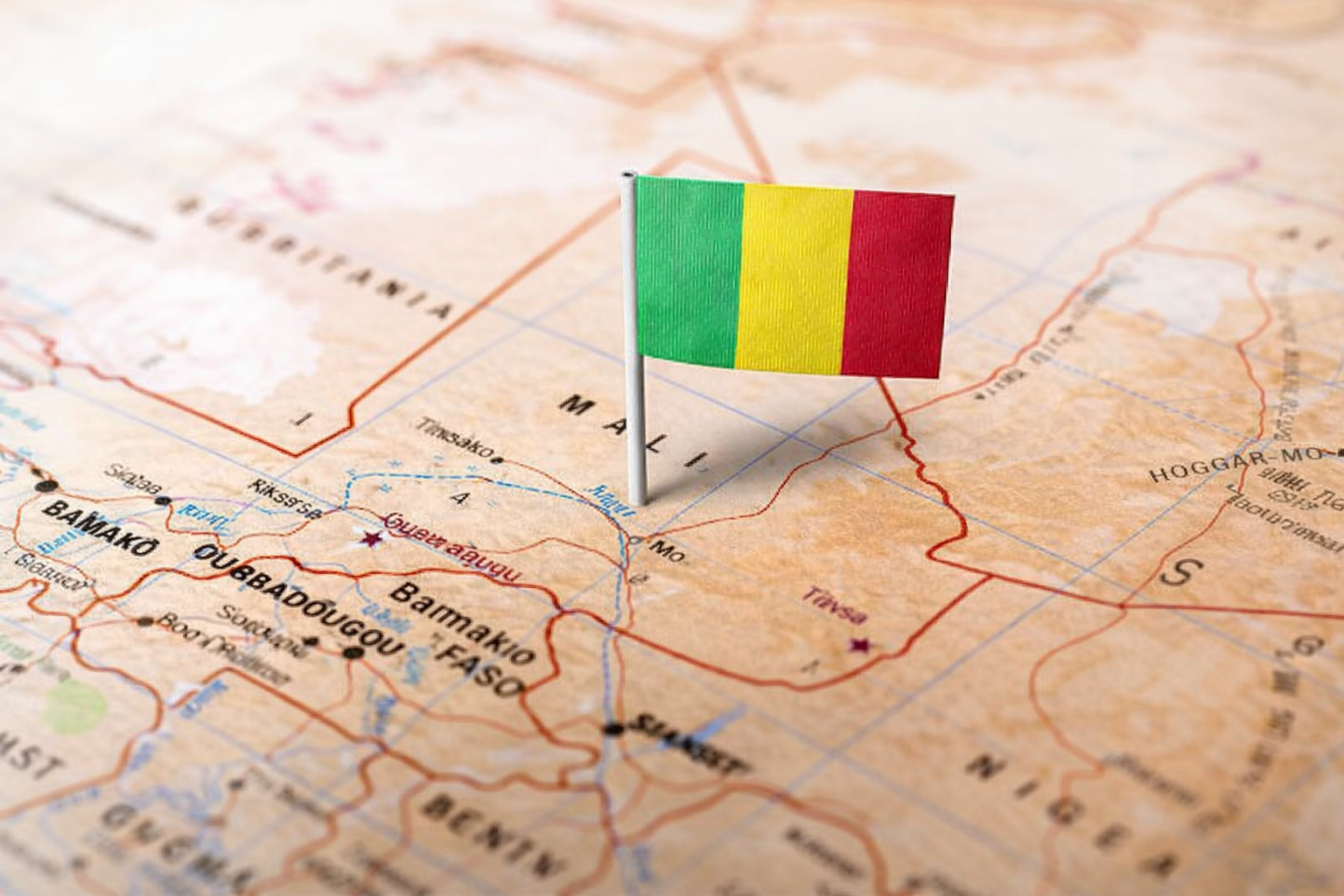
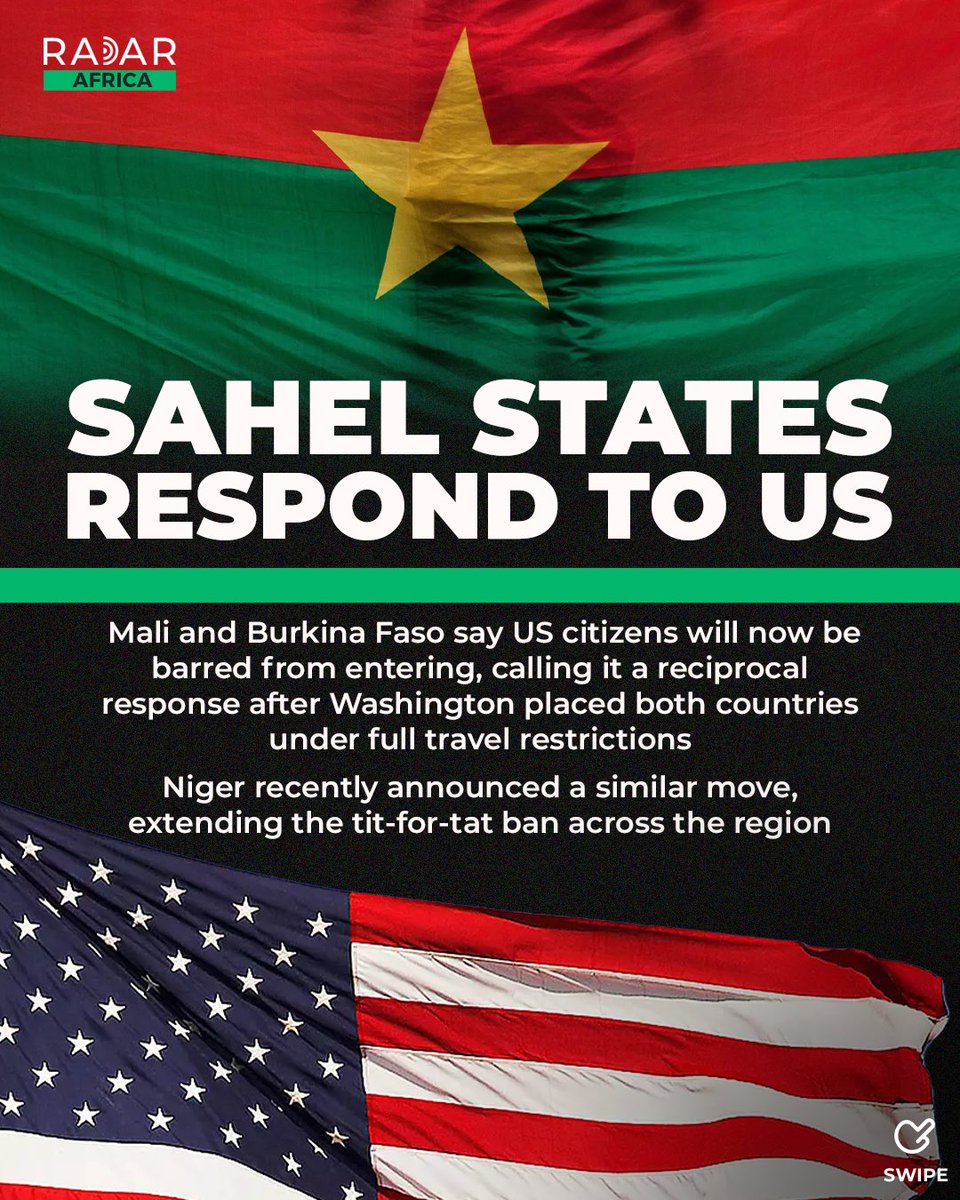
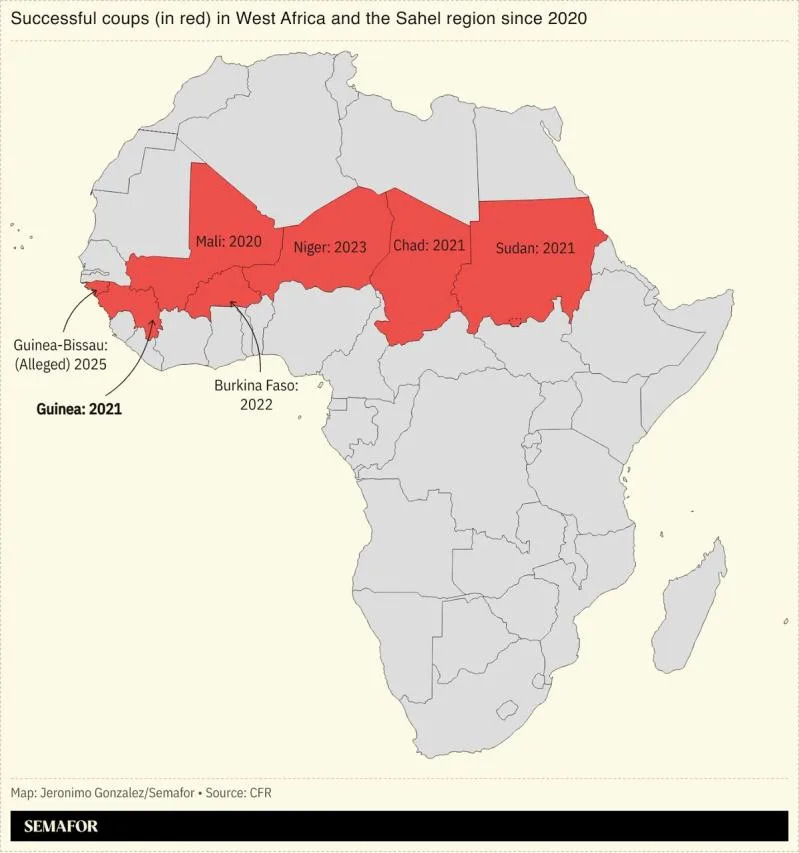
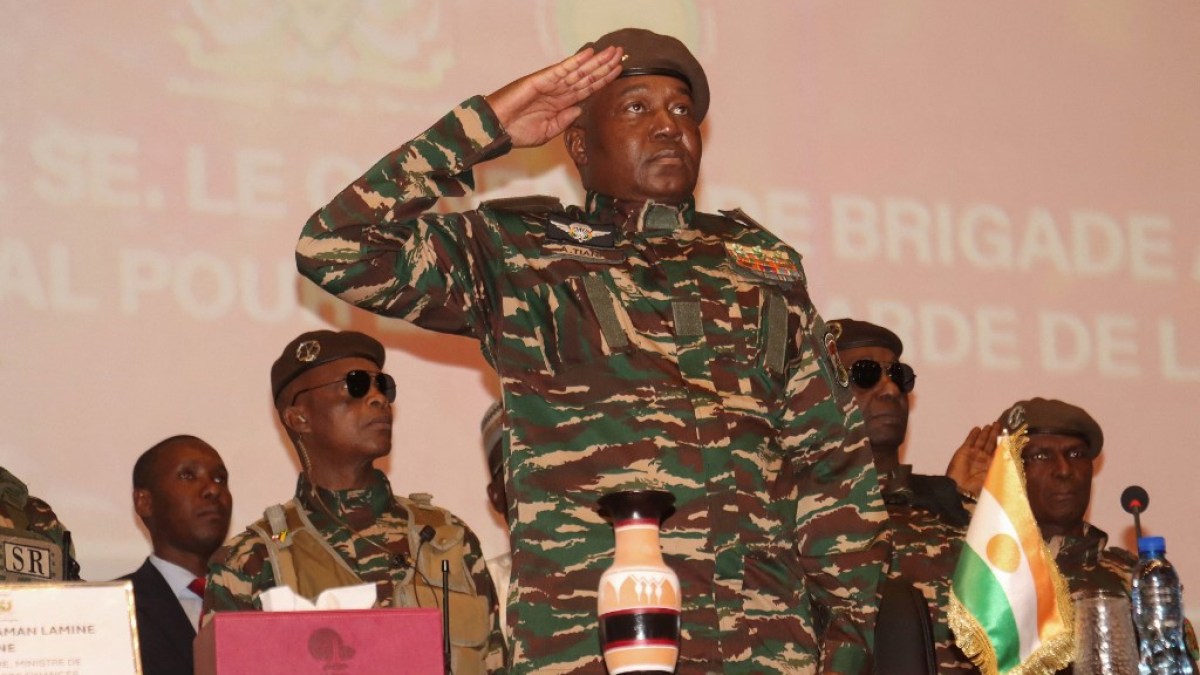
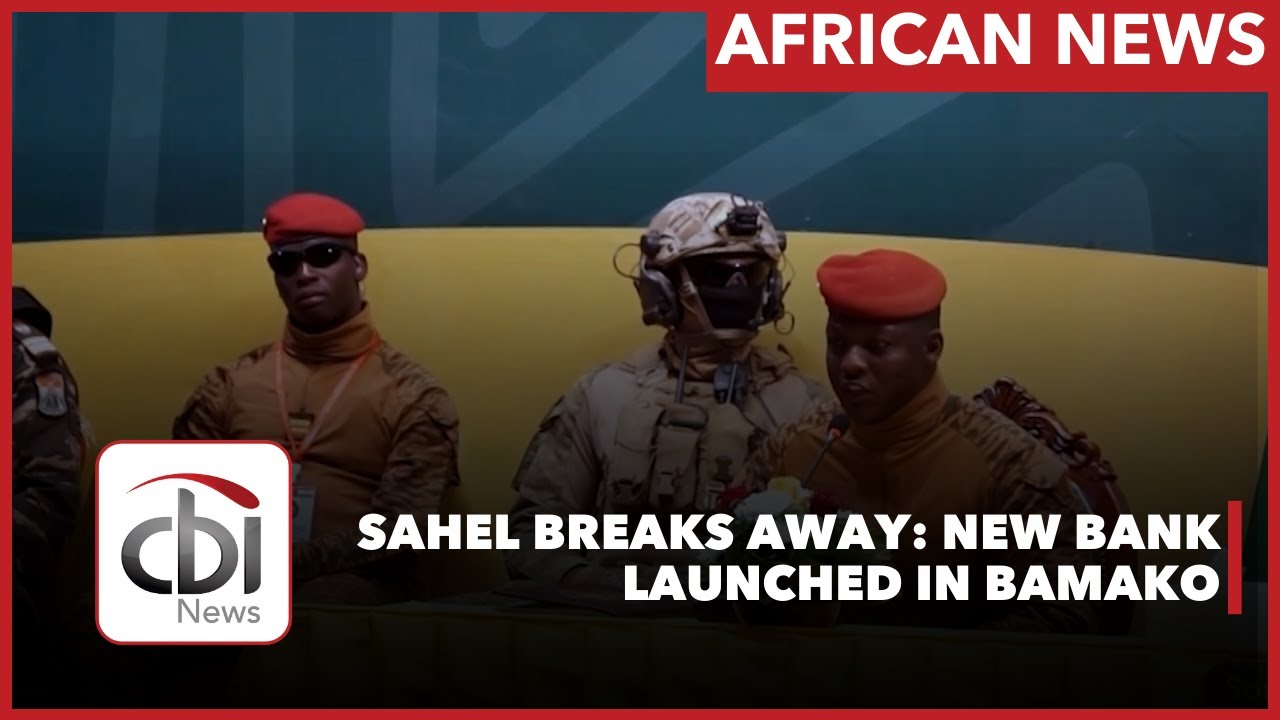
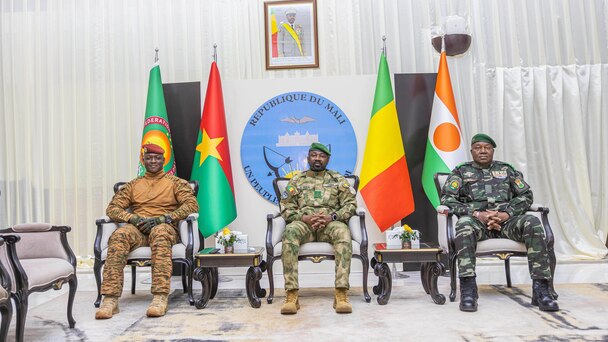
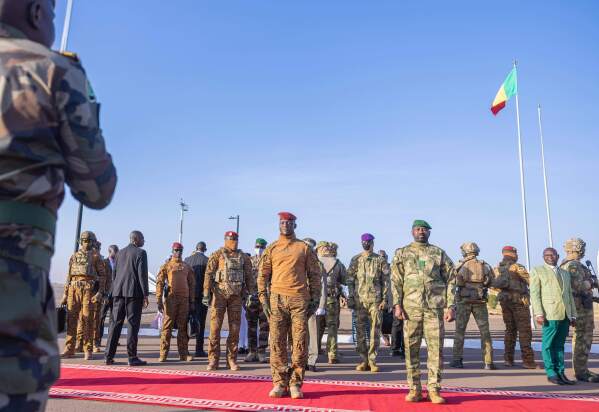
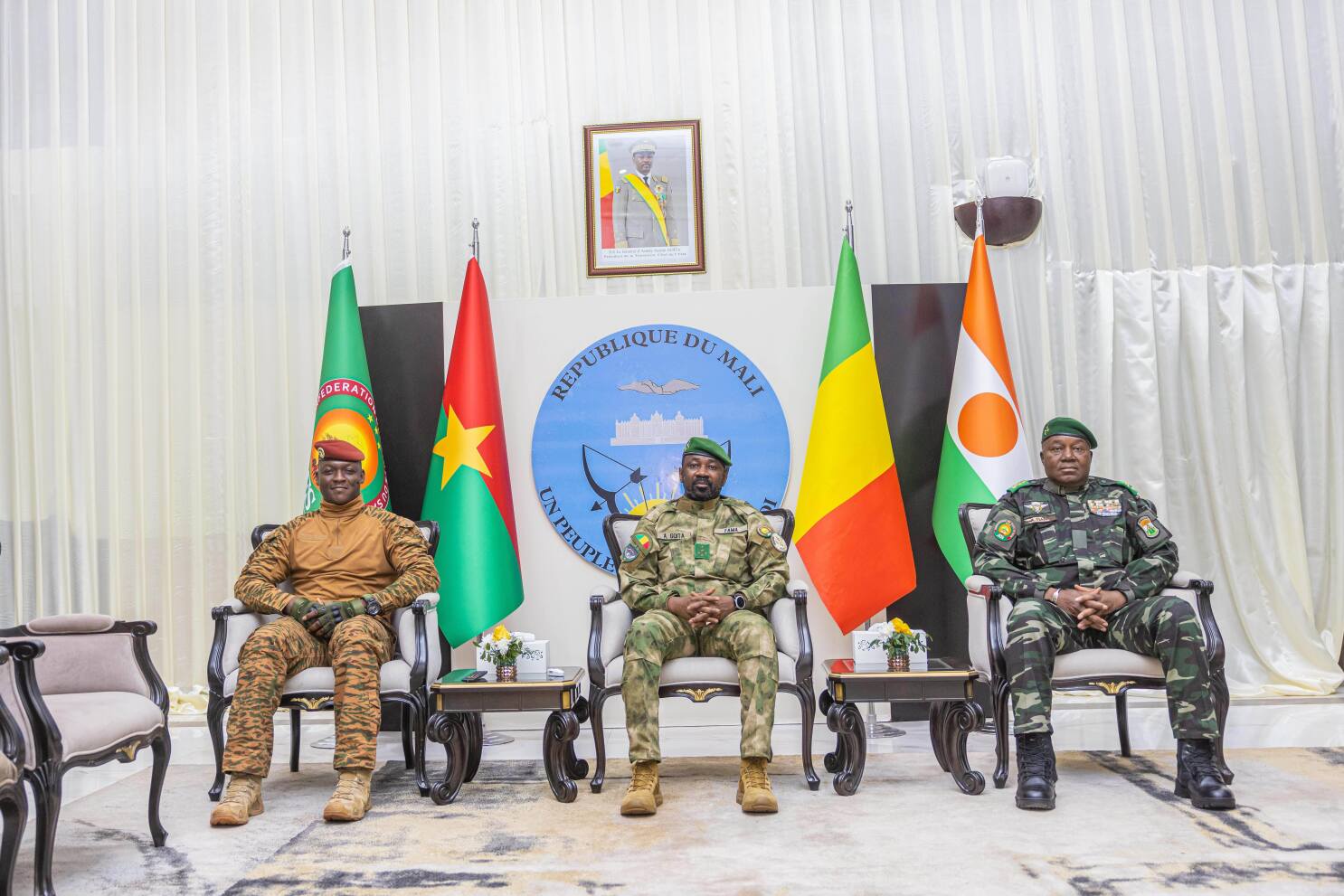
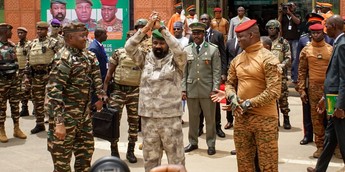
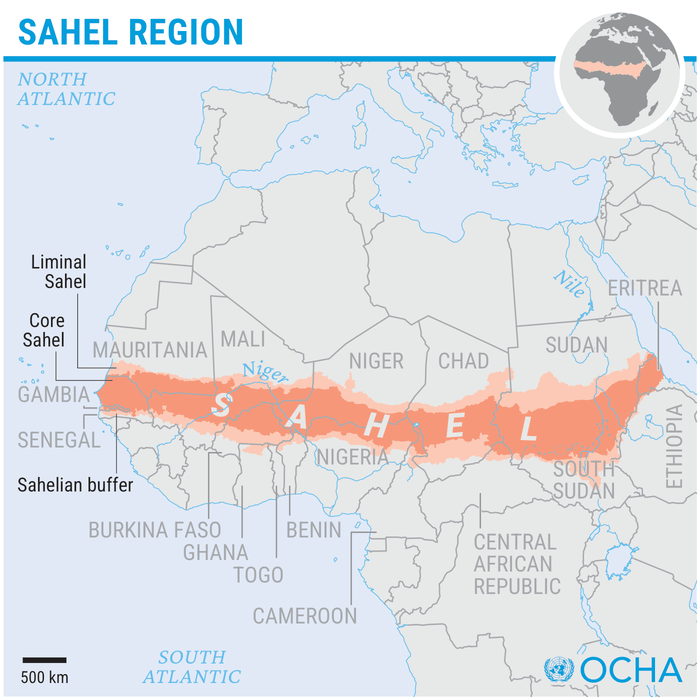
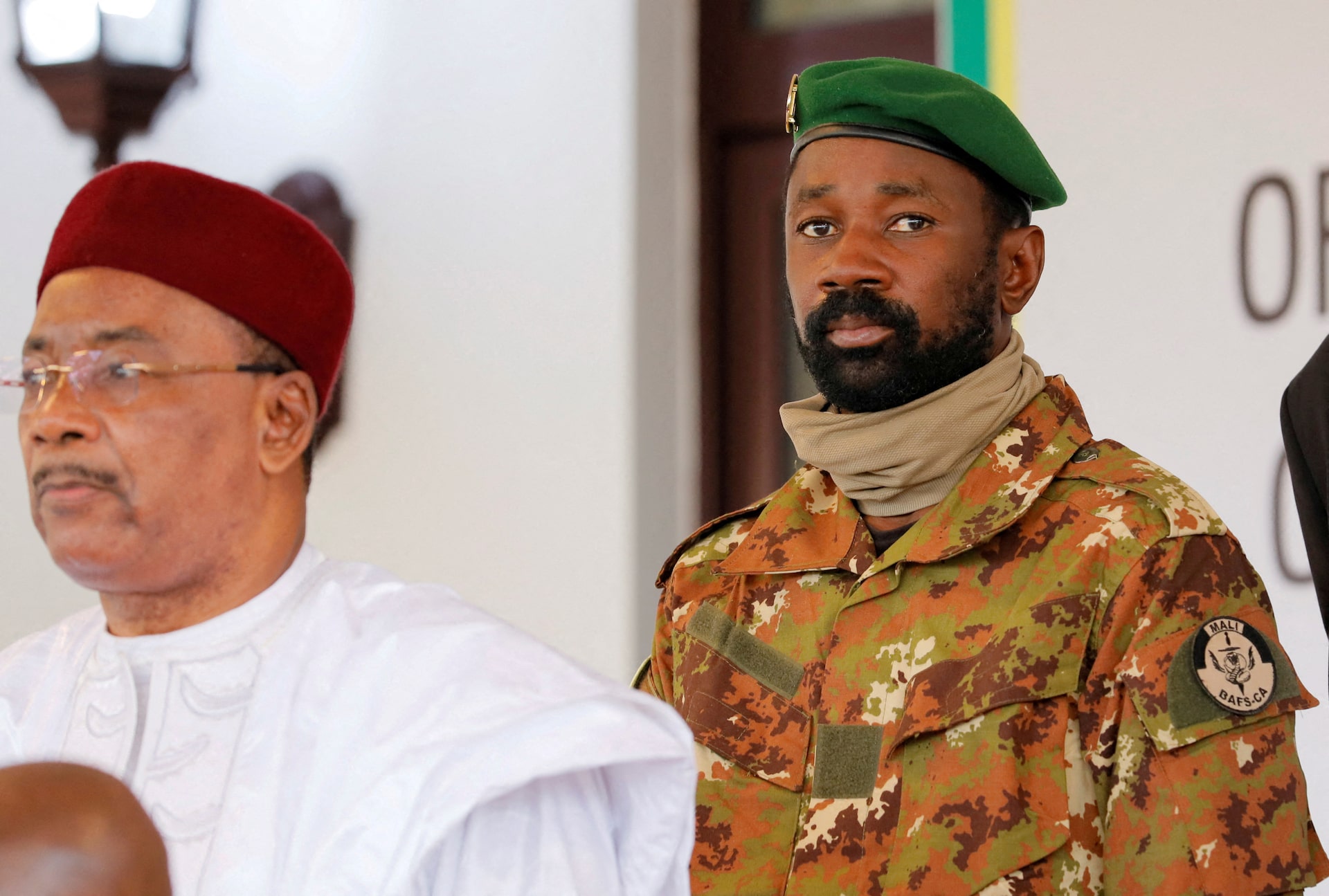
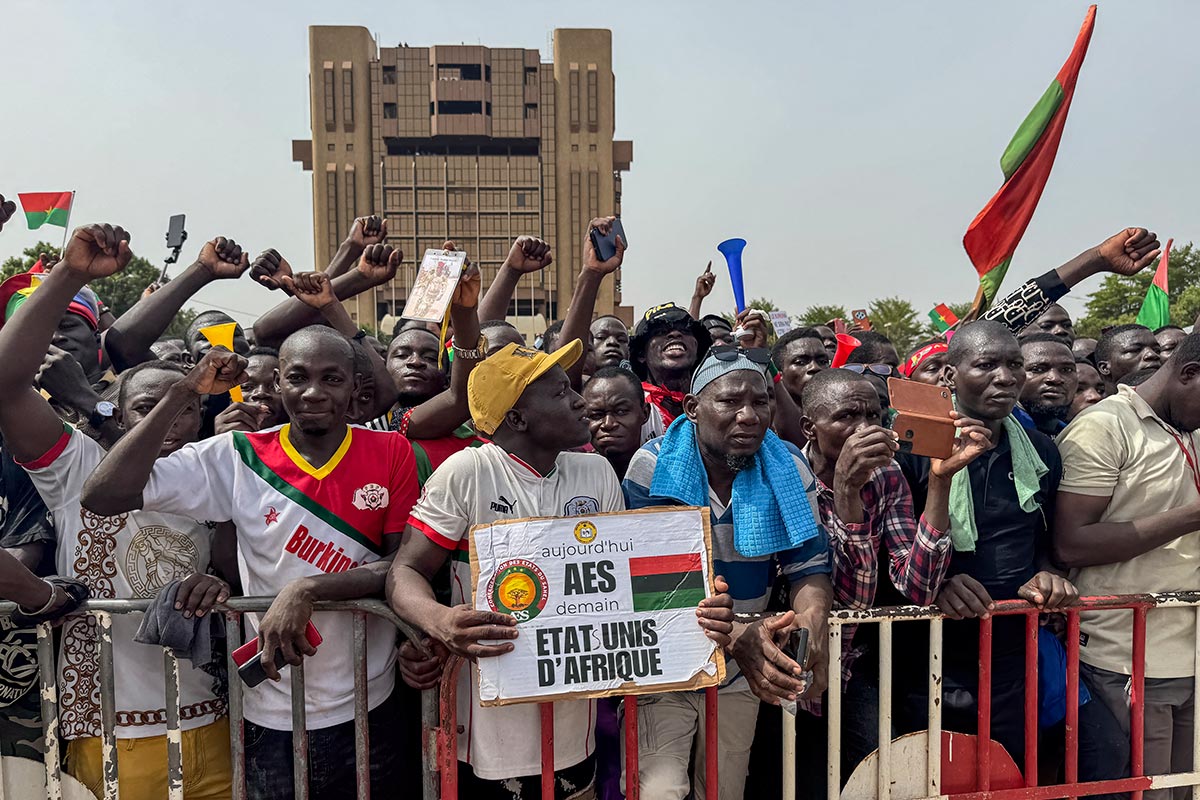
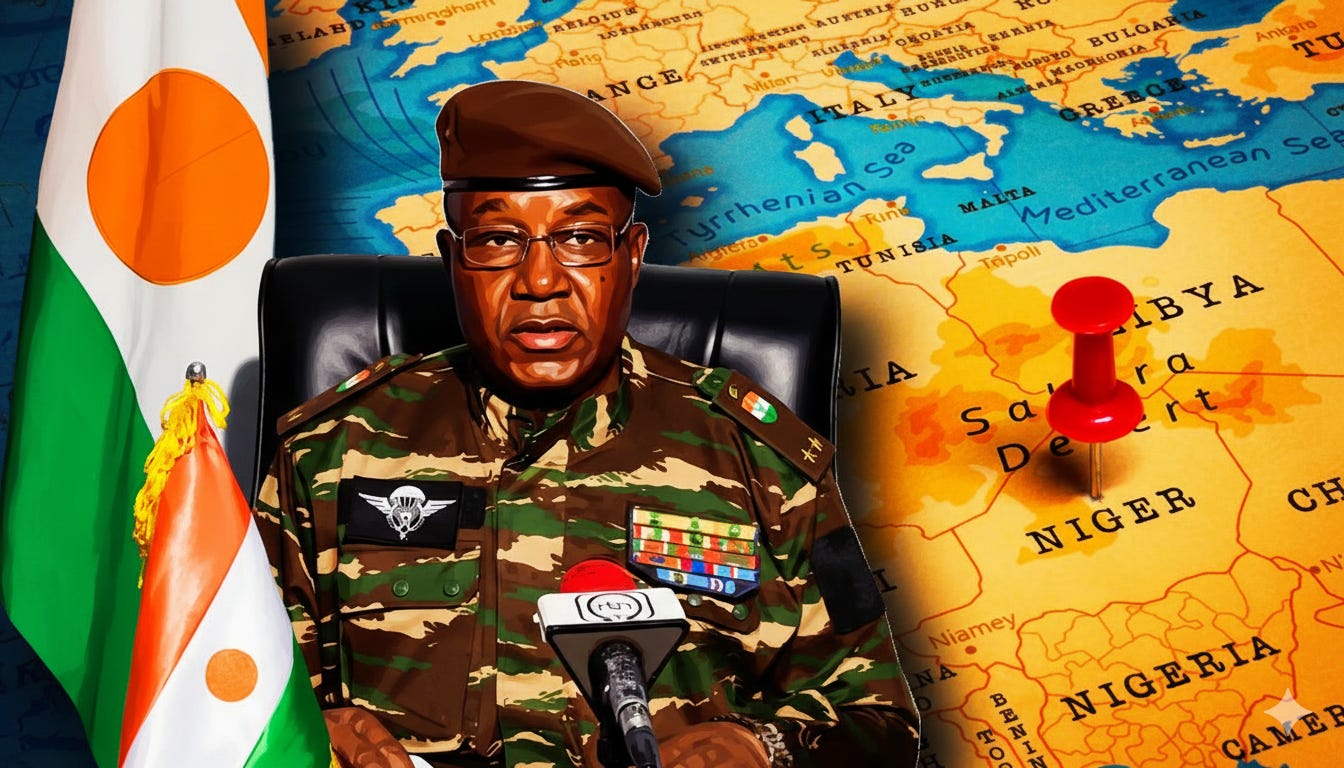
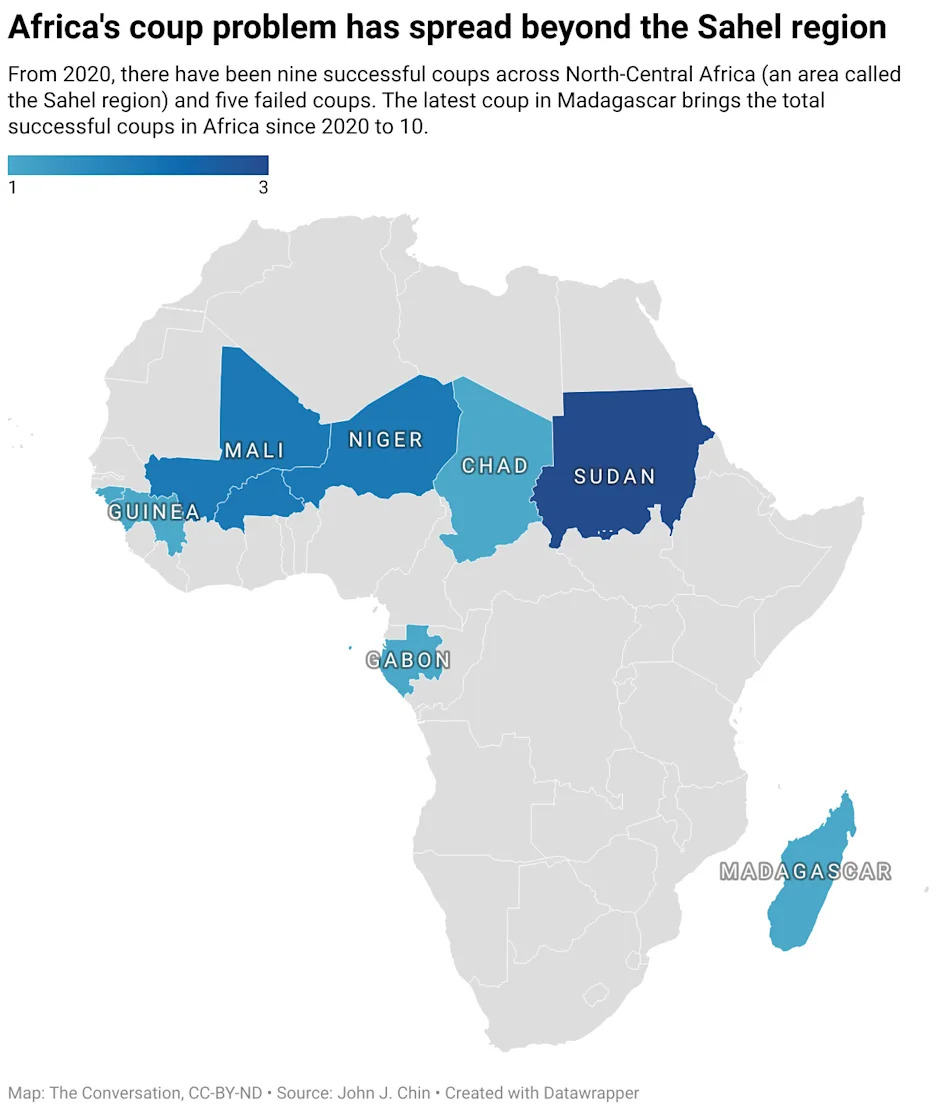
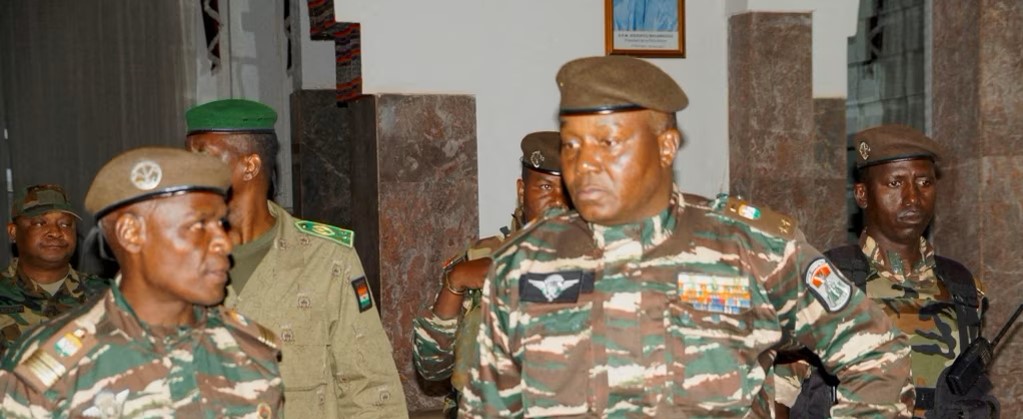
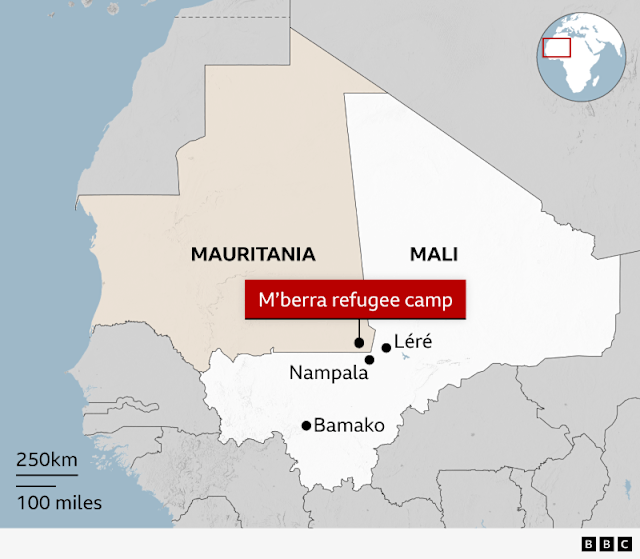
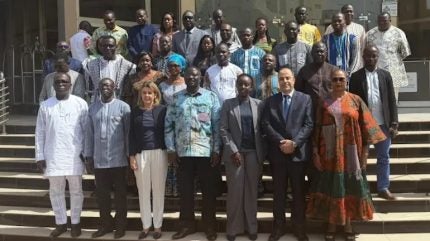
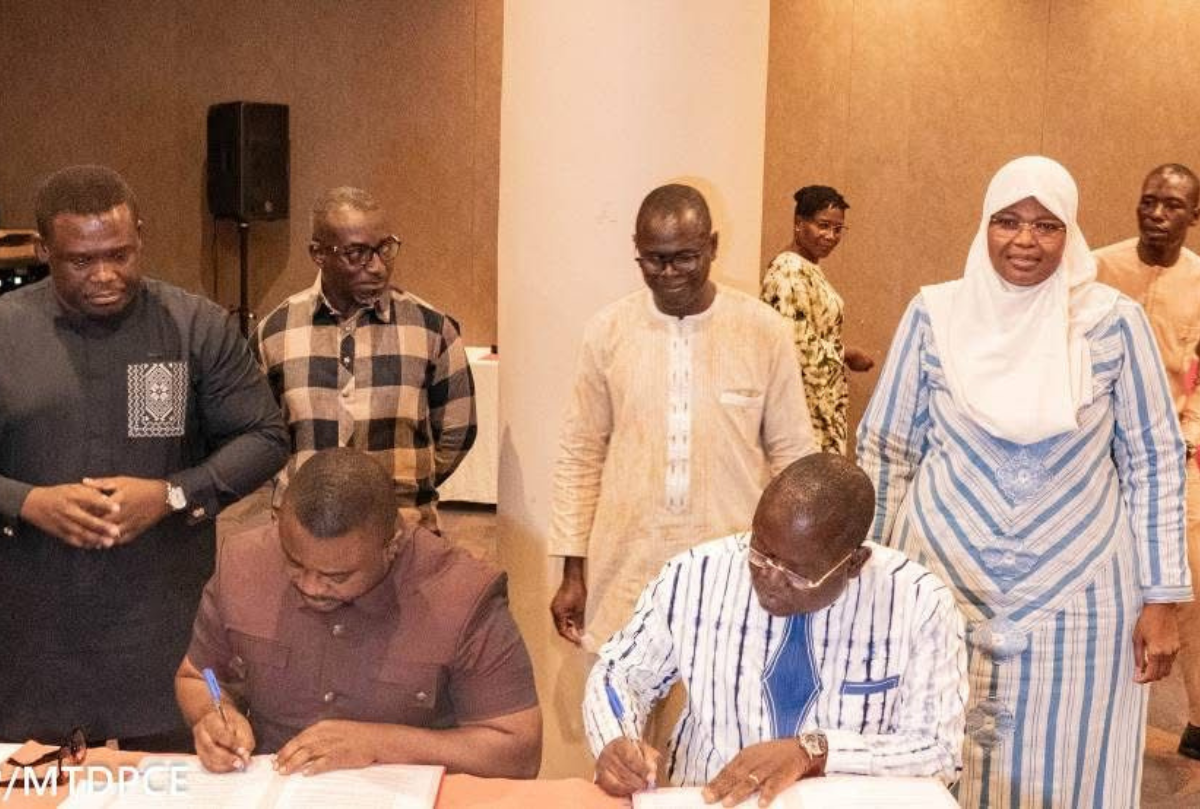
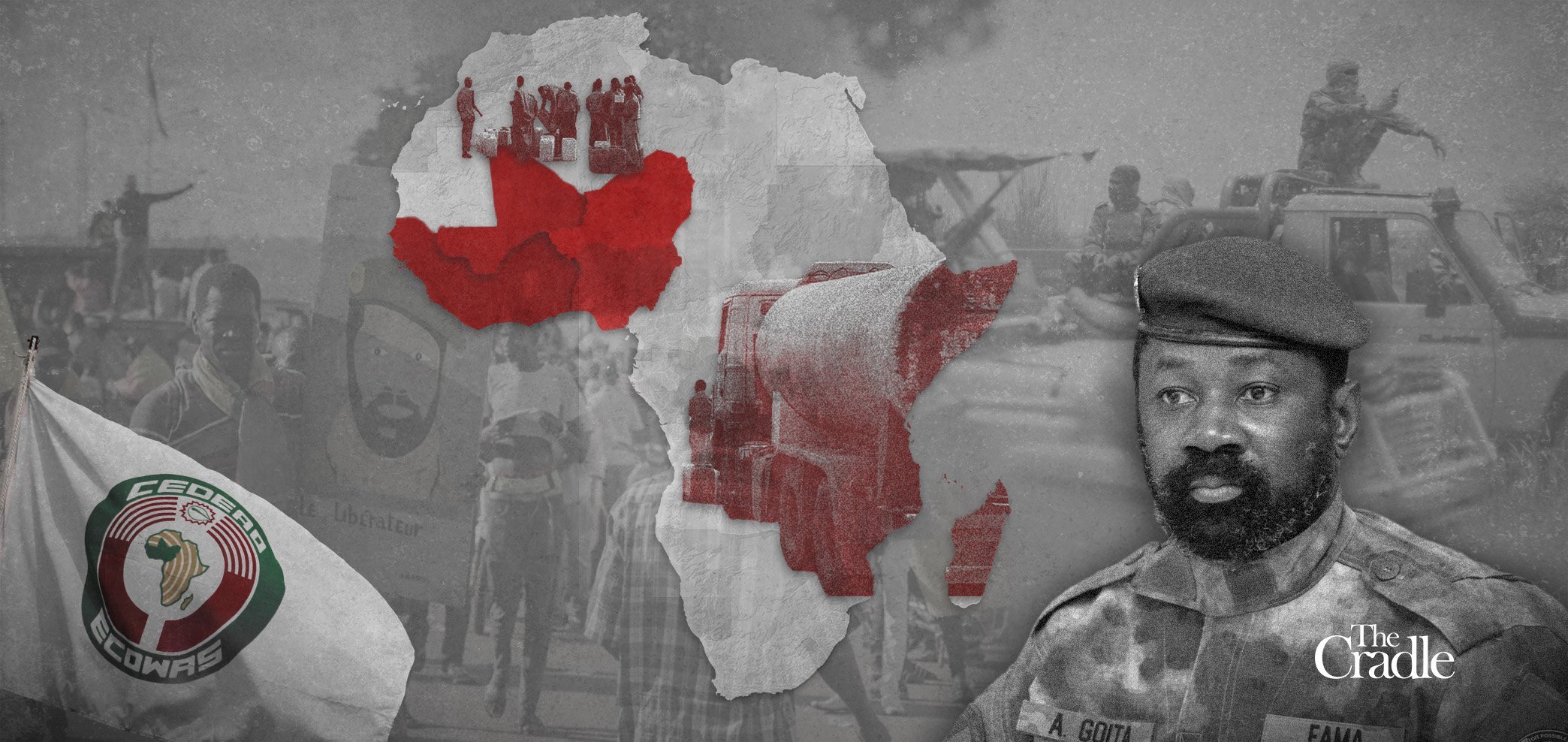
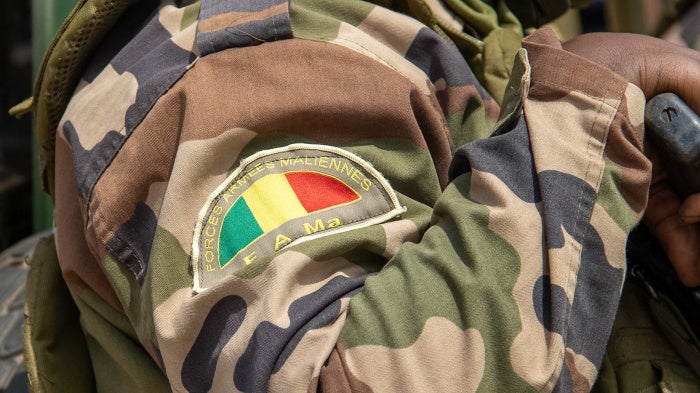
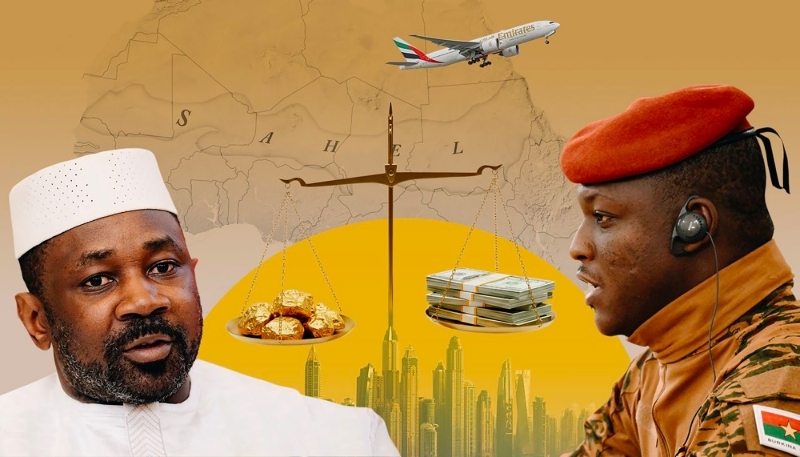
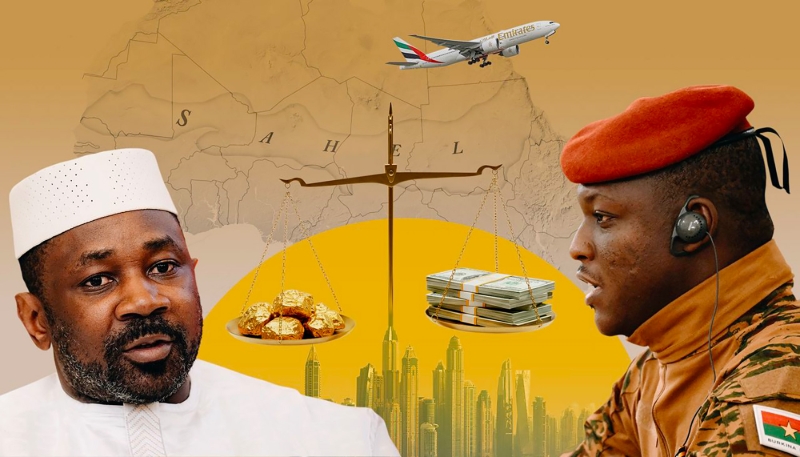
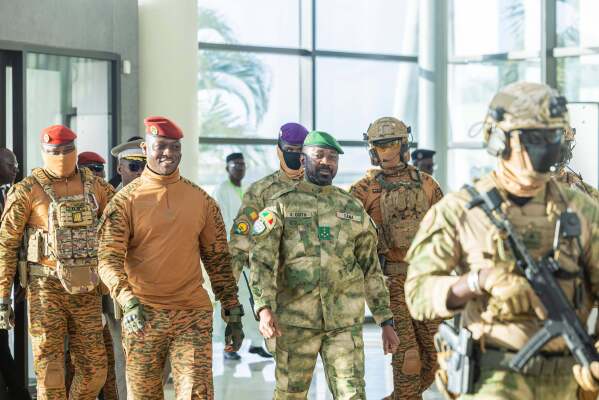
Bamako, December 2025 – West Africa’s geopolitical landscape is shifting, and fast. This week, leaders from Mali, Niger, and Burkina Faso met in Mali’s capital, Bamako, to push forward their bold initiative: the Alliance of Sahel States, or AES. Formed in 2023 out of shared struggles and a clear vision for self-reliance, this coalition isn’t just a talking shop, it’s doubling down on efforts to tackle the rising tide of violence and political instability sweeping through the vast Sahel region south of the Sahara Desert. Remember when these three nations opted out of ECOWAS? They cited regional cooperation failures and conflicting political priorities. It wasn’t long before they realized their security and governance challenges were so intertwined, only a truly Sahelian response would do. That’s how the AES was born, a fresh political-security bloc committed to sovereignty and mutual support. This summit, the second for the AES Heads of State College, aims to solidify the alliance’s structure and kickstart new governing bodies. These will oversee joint policies and military efforts, showing a strong commitment to blending political strategy with solid security operations against the region’s most pressing threats.
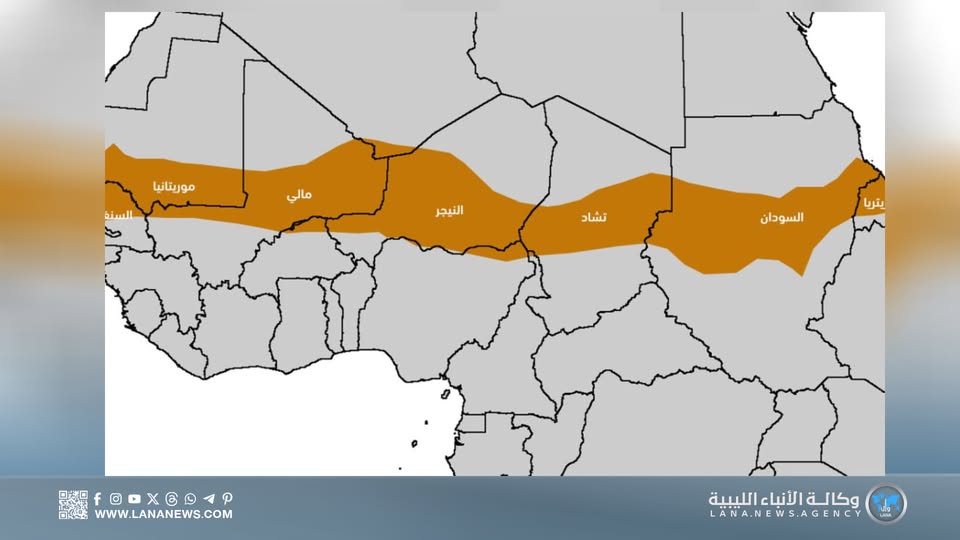
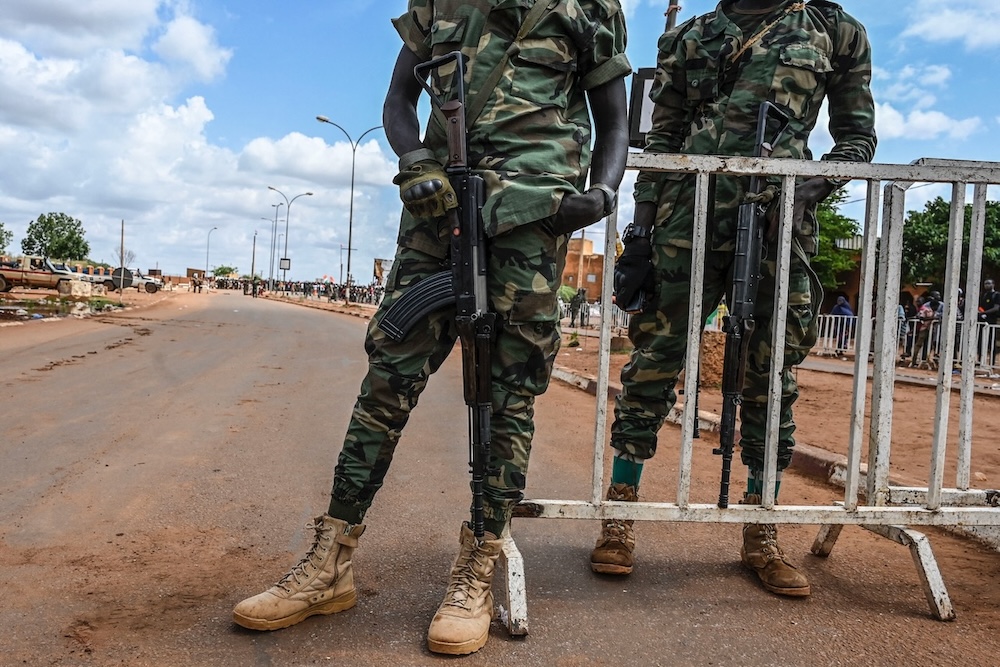
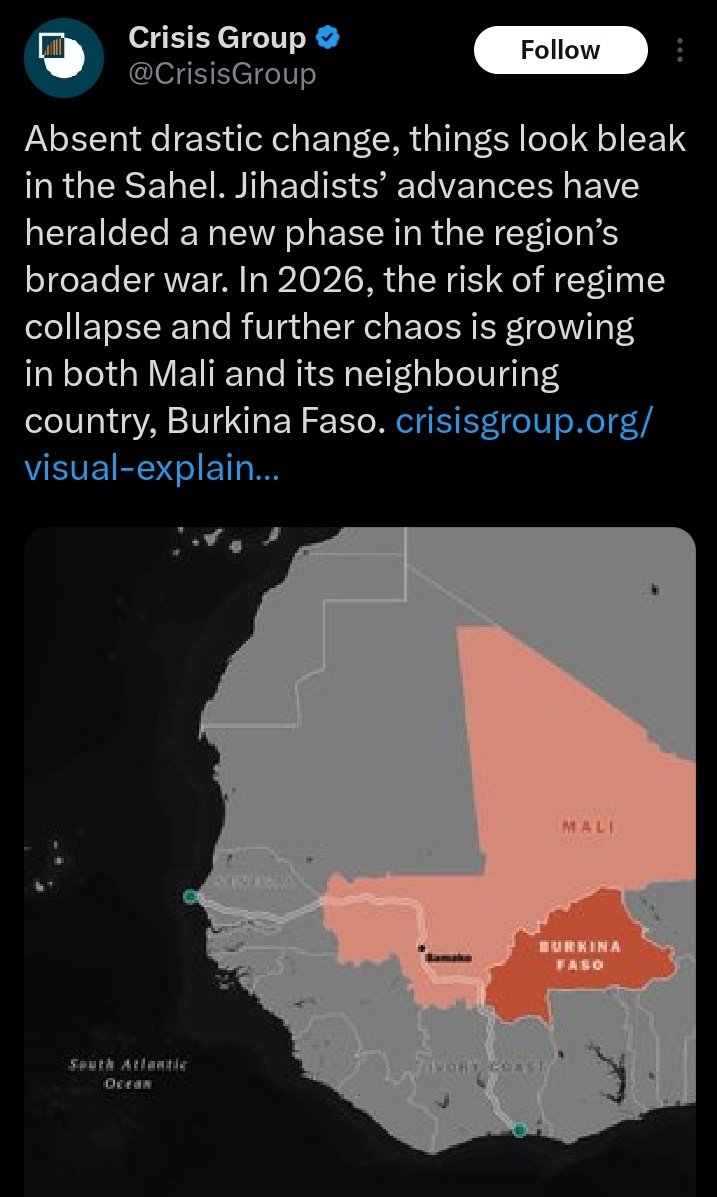
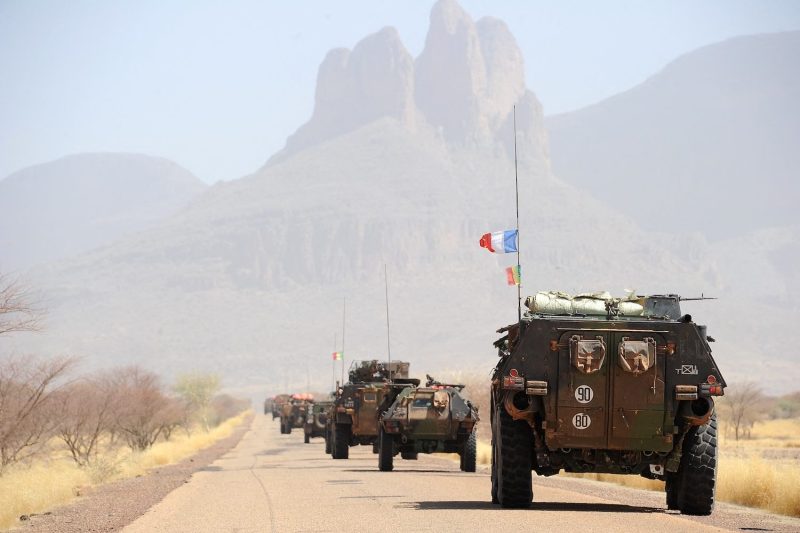
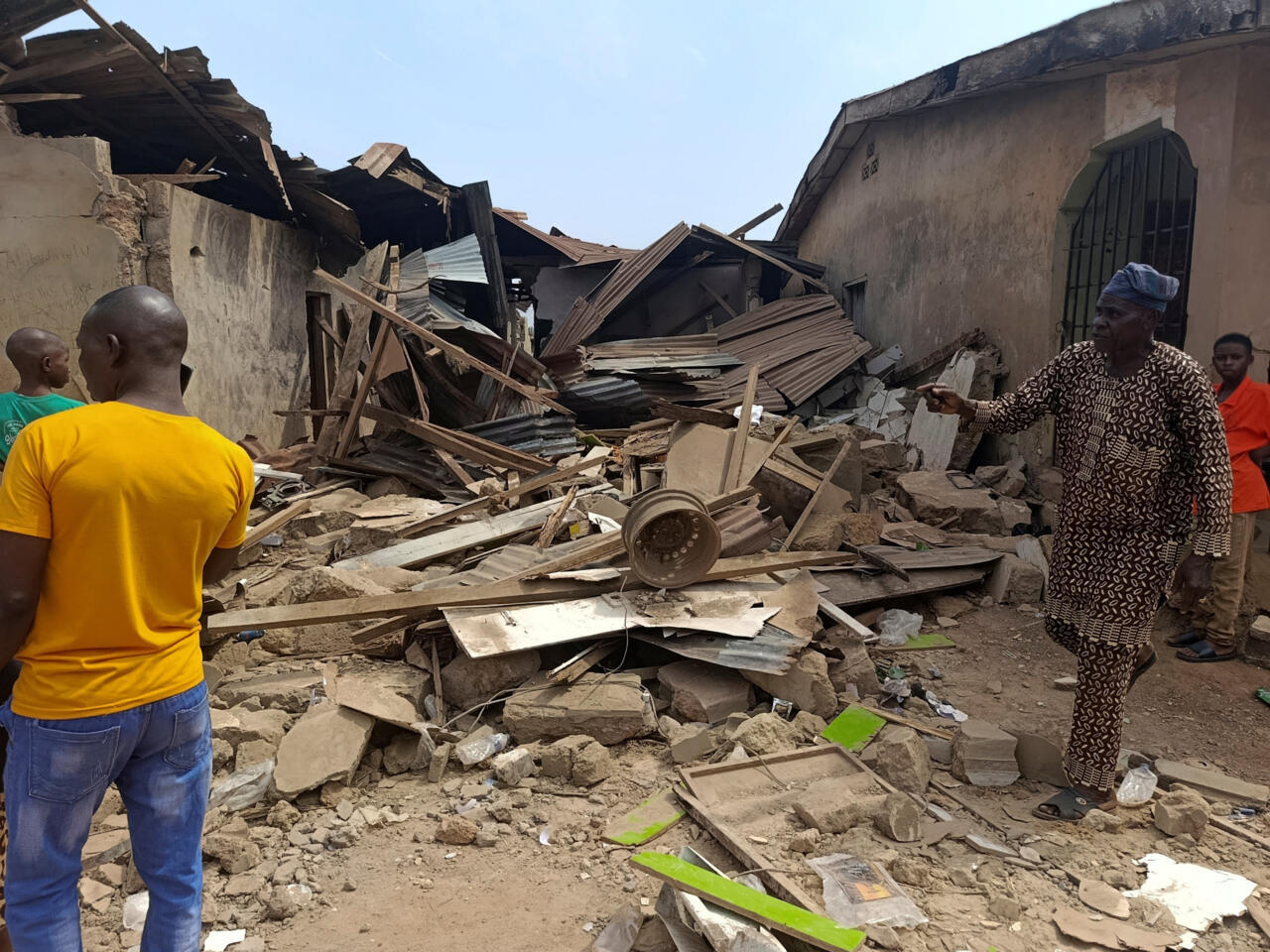
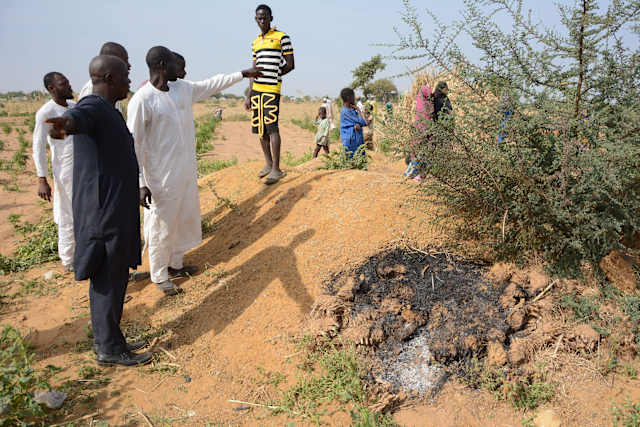
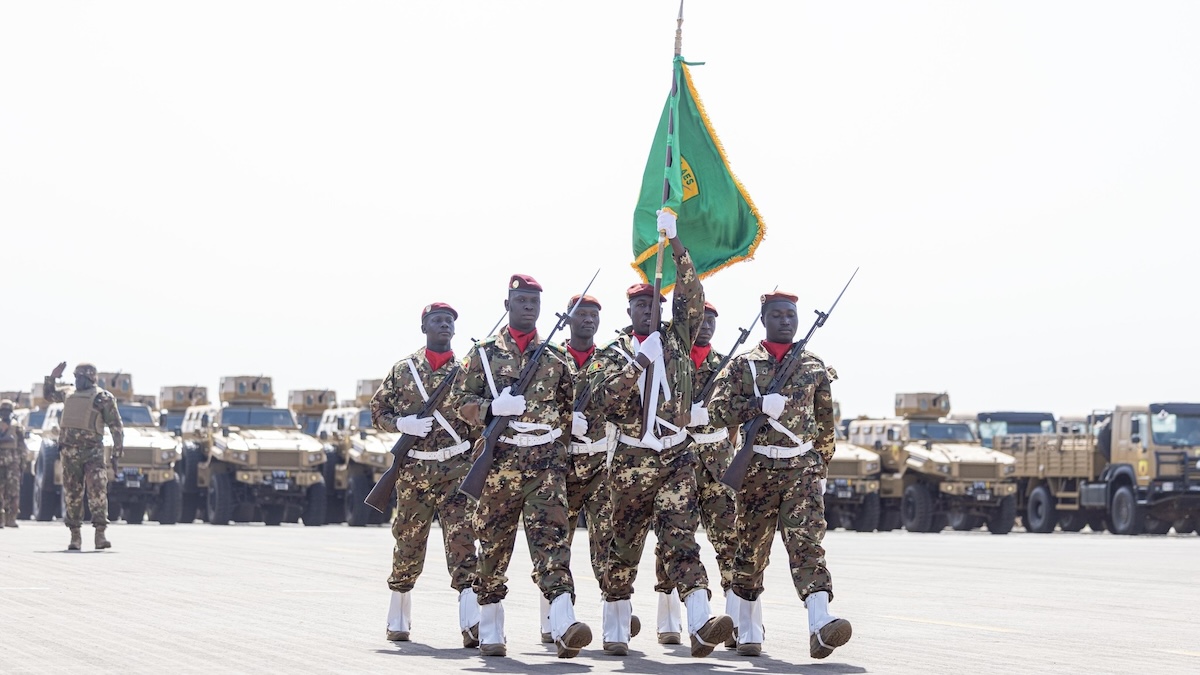
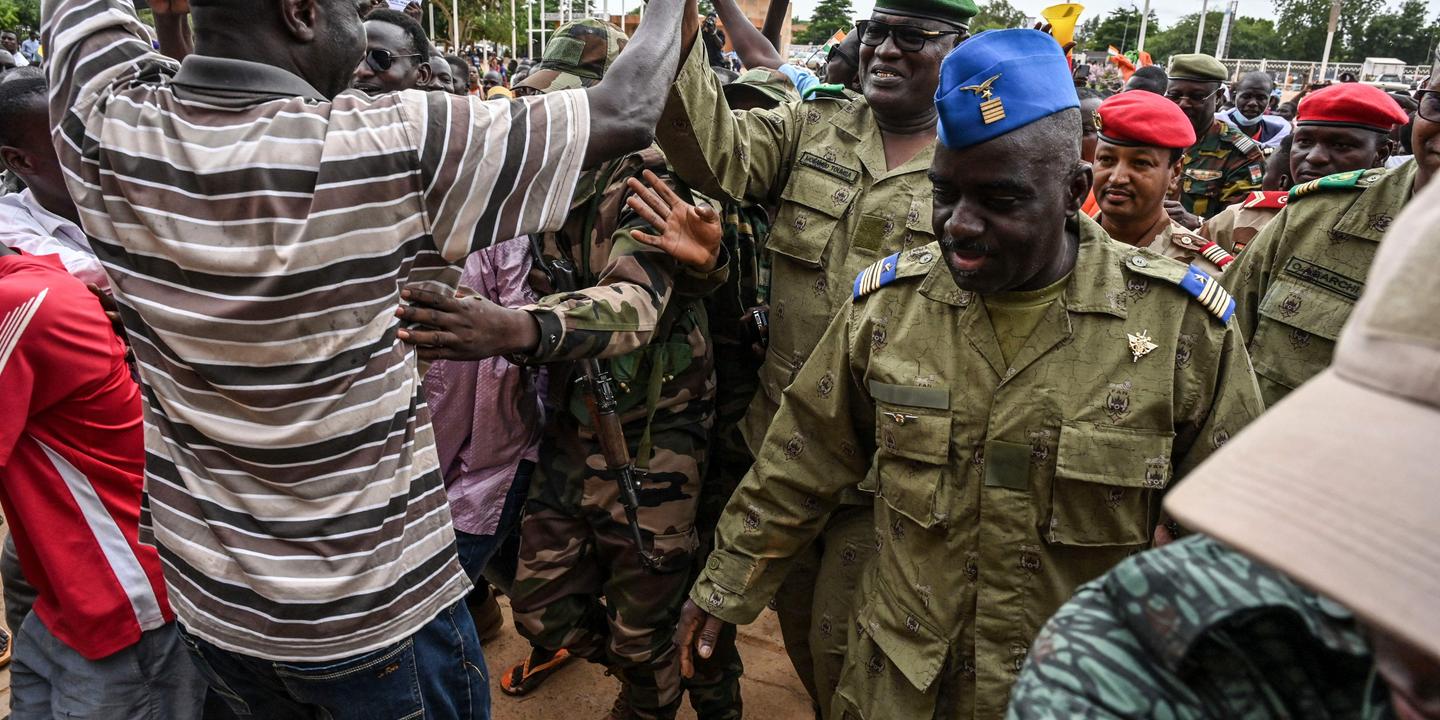
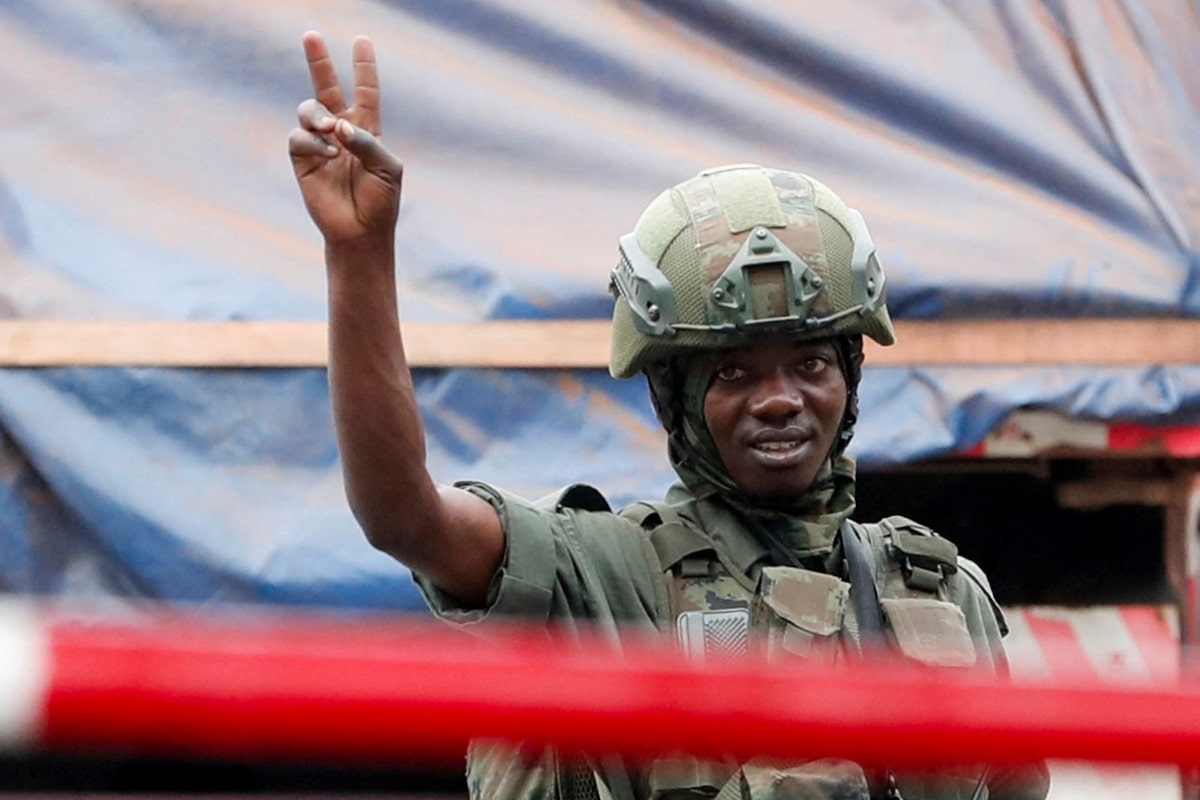
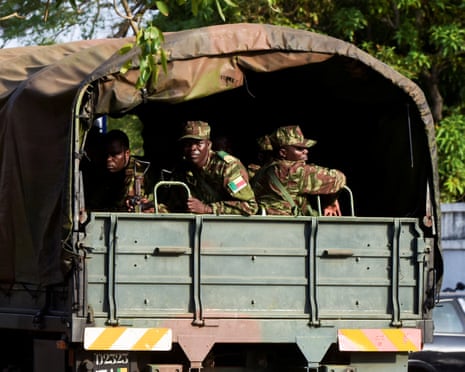
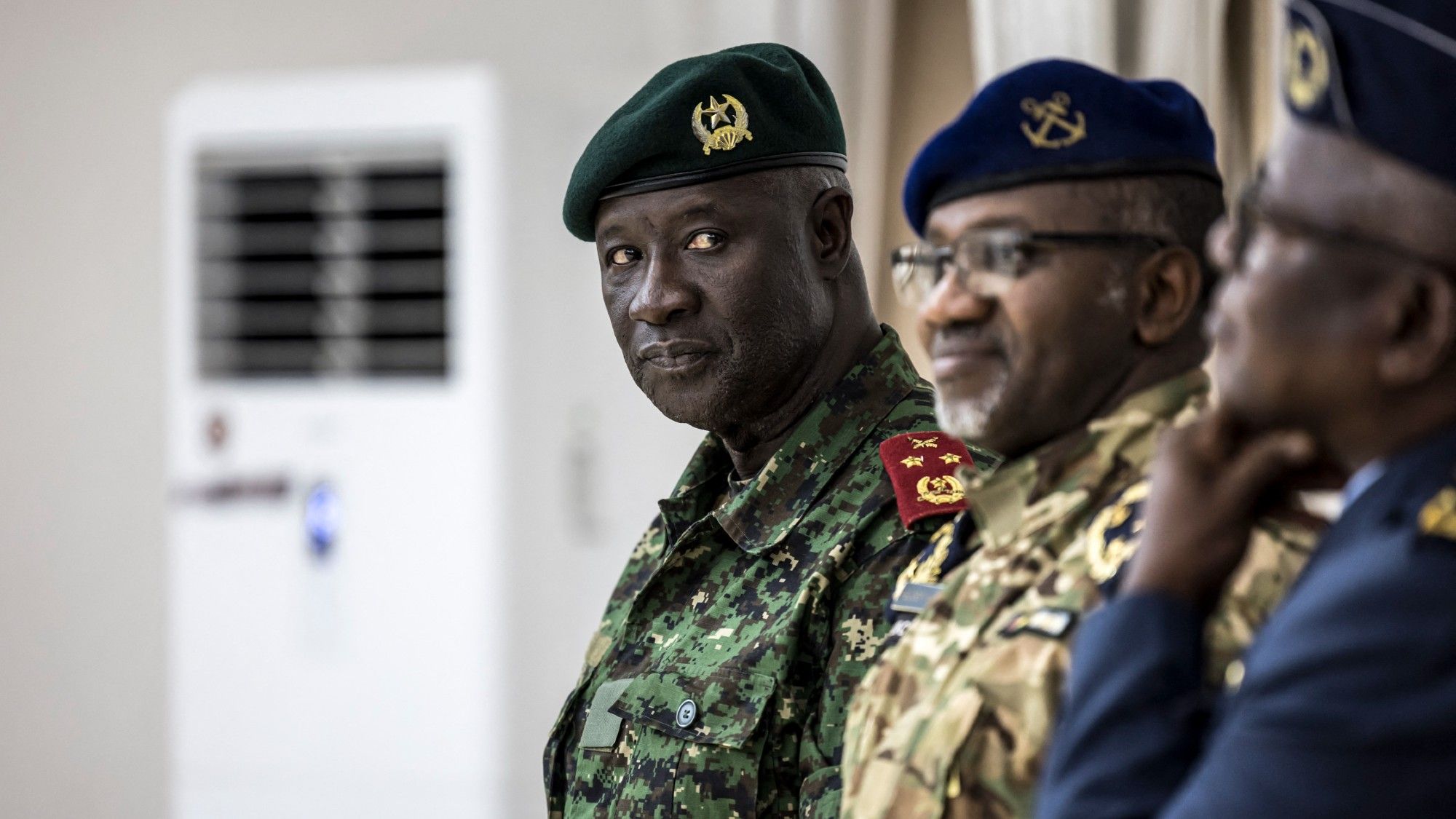
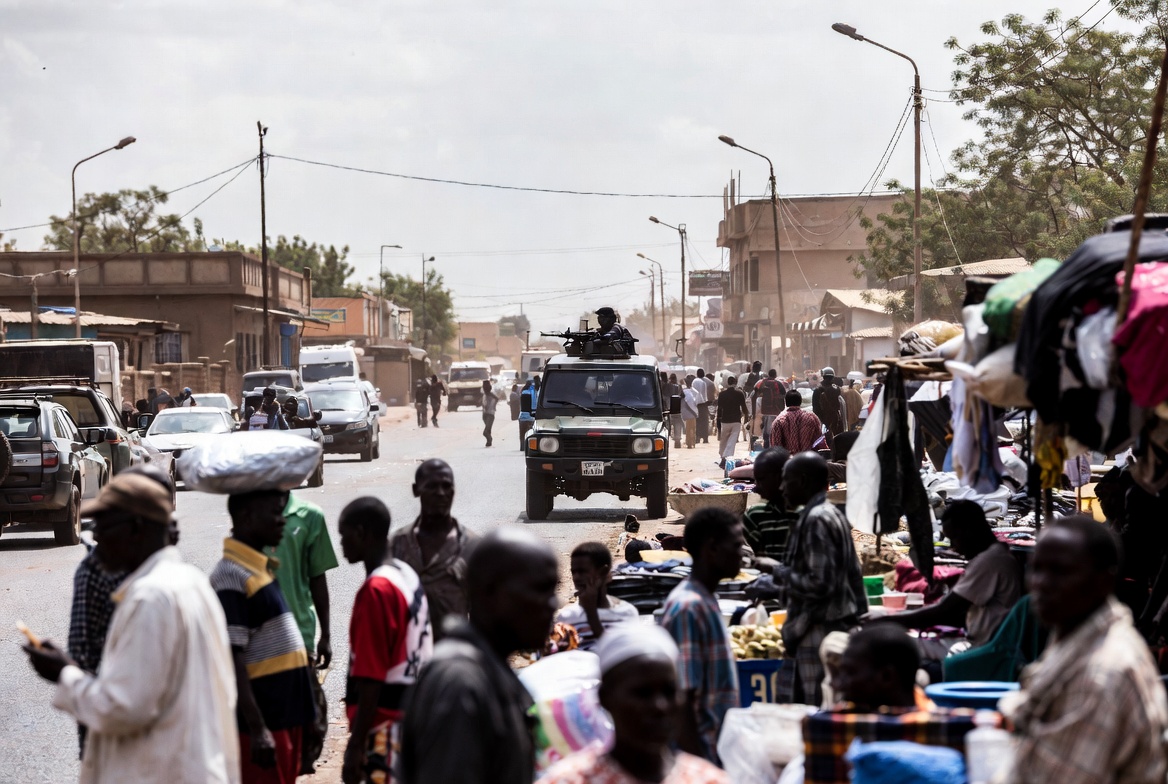
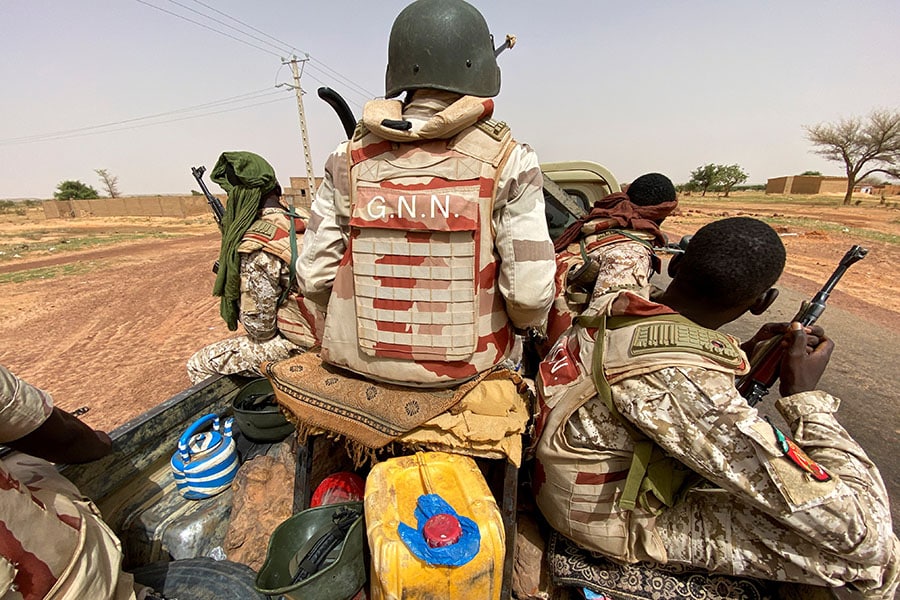
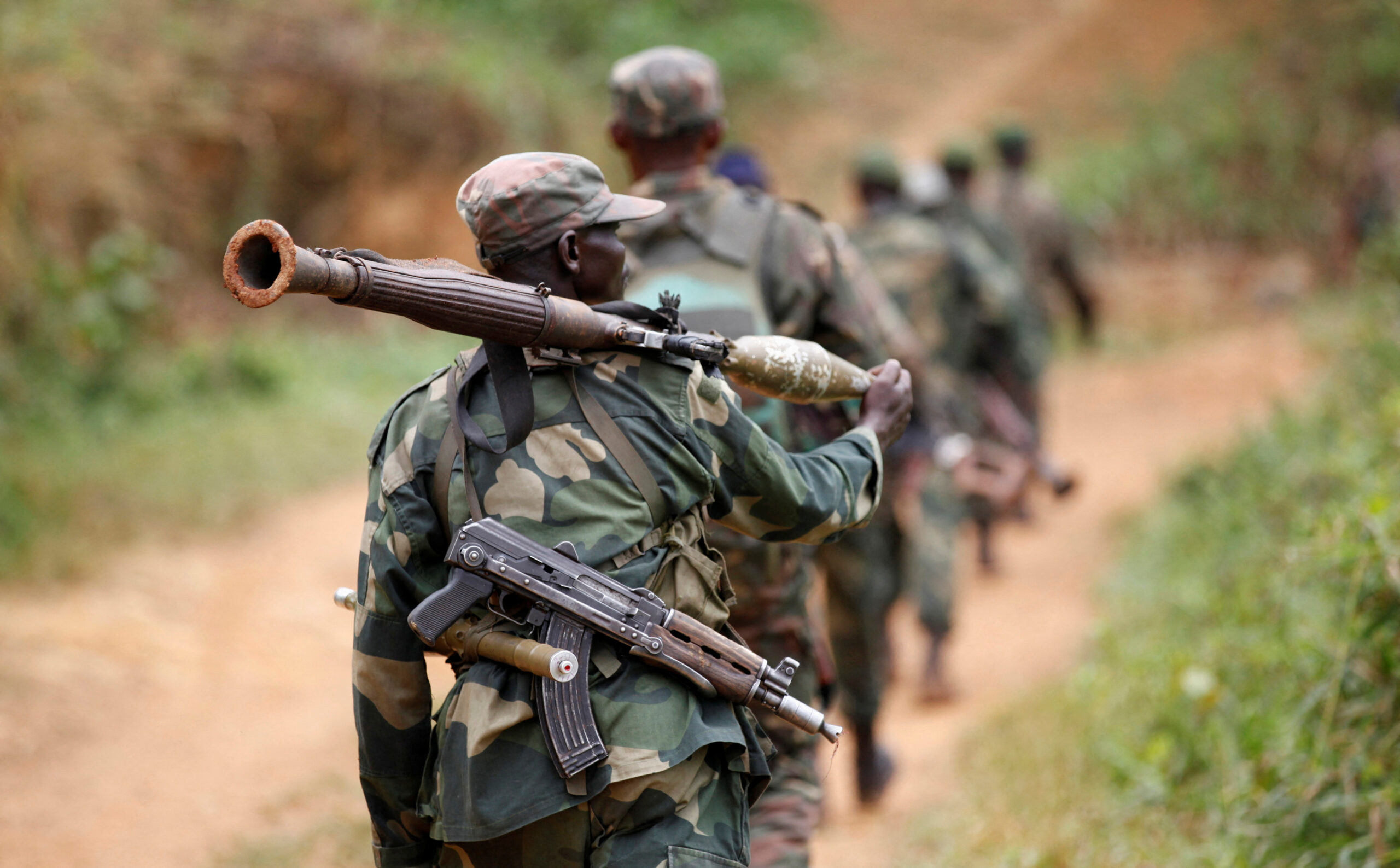
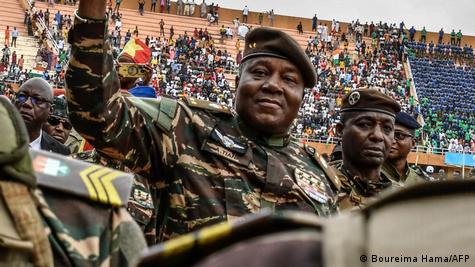
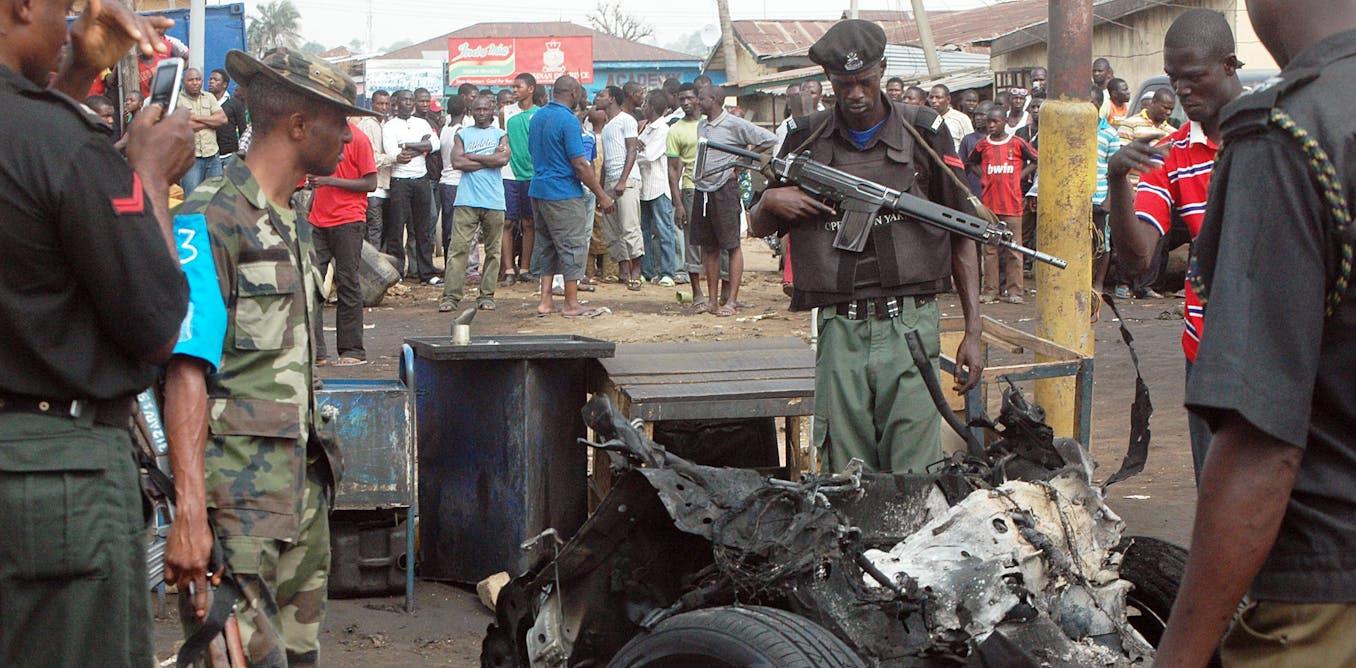
It’s no secret the Sahel corridor has become one of the planet’s deadliest and most volatile areas. We’re talking about a region plagued by jihadist armed groups, ethno-religious conflicts, and the spillover from broader geopolitical rivalries. Mali, Niger, and Burkina Faso stand right on the front lines of this crisis, facing frequent attacks that destabilize communities and weaken state authority. It became pretty clear that individual national actions simply weren’t enough to turn the tide. That’s why AES leaders have pledged to intensify joint large-scale operations, aiming to dismantle extremist networks and restore order. Burkina Faso’s President spoke powerfully on this, declaring an uncompromising stance against armed groups. He promised the formation of integrated battalions, forces designed to operate across borders under the alliance’s banner. These joint units represent a tangible sign of the AES’s commitment to reinforcing sovereignty through regional solidarity, allowing troop mobilization and intelligence sharing on an unprecedented scale. It’s a decisive shift from past approaches, which often relied on outside military help and piecemeal national responses. The alliance’s newly established institutions are now tasked with coordinating a multi-pronged approach: political discussions, economic integration designed for the Sahel’s specific needs, and critical security missions. Members are actively refining frameworks for intelligence exchange, joint patrols, and rapid response mechanisms to ensure swift action against threats. This institutional depth signals a long-term dedication to building resilience against violence and fostering governance that truly responds to the region’s complex realities.
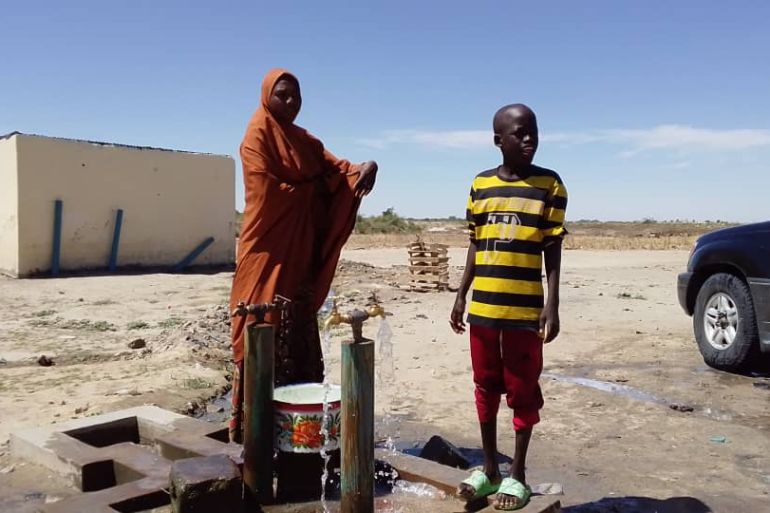
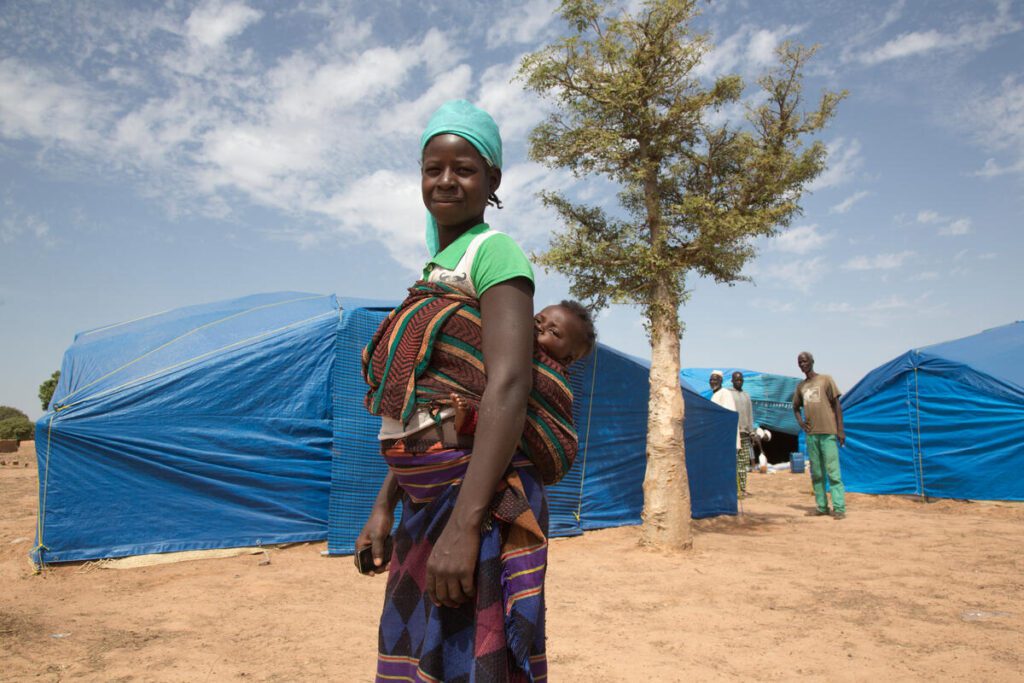
Experts watching the AES closely see it as a bold experiment in regional autonomy. It’s an effort to rewrite a narrative that’s long been dominated by dependence on international players for security and development. By strengthening internal cooperation outside of ECOWAS’s usual structures, Mali, Niger, and Burkina Faso are asserting their own agency, crafting solutions that genuinely reflect their unique social and political realities. Of course, the road ahead isn’t easy. Extremist groups are well-equipped and deeply entrenched in borderlands marked by porous boundaries and weak state presence. Economic struggles, youth unemployment, and the pressures of climate change make communities even more vulnerable, creating fertile ground for radicalization. Yet, the AES’s proactive stance offers a hopeful turn towards collective strength and shared accountability. As the Sahel conflict escalates, this alliance plans to expand its membership and deepen partnerships with other nations facing similar issues. By fostering unity and aligning strategies, this bloc aims to become a stabilizing force across West Africa faces political turmoil and a potential model for regional security collaboration in areas of ongoing conflict. The world is definitely watching these Burkina Faso’s strategic security moves and their neighbors closely. Their successes, or even their setbacks, will certainly have ripple effects throughout Africa and beyond, influencing how future regional cooperation frameworks and international engagements in fragile states take shape. For now, the AES’s commitment to assertive regionalism and a coordinated military response truly offers a compelling story of hope and determination in the face of immense challenges.