Africa’s Startup Moment, 2025: Building the Rails That Will Carry the Continent Forward
The Quiet Revolution in African Entrepreneurship
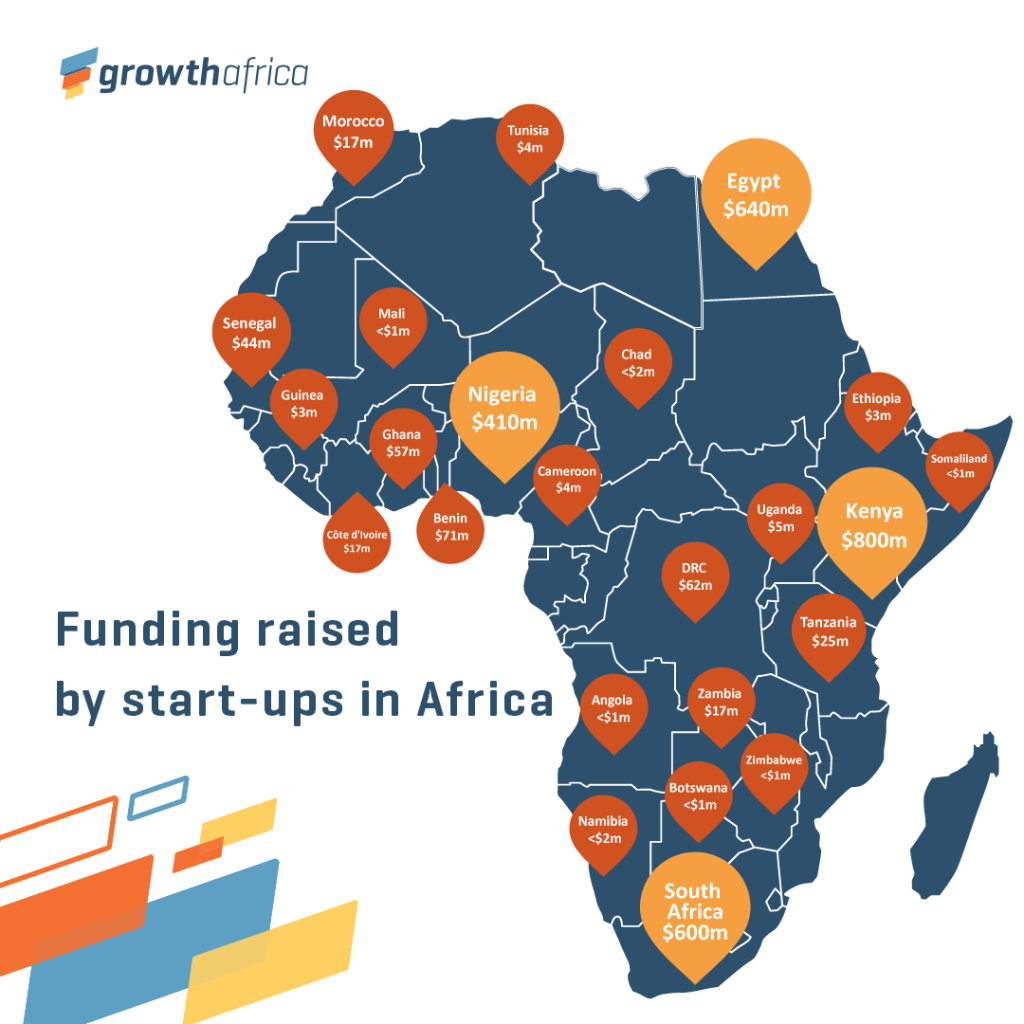
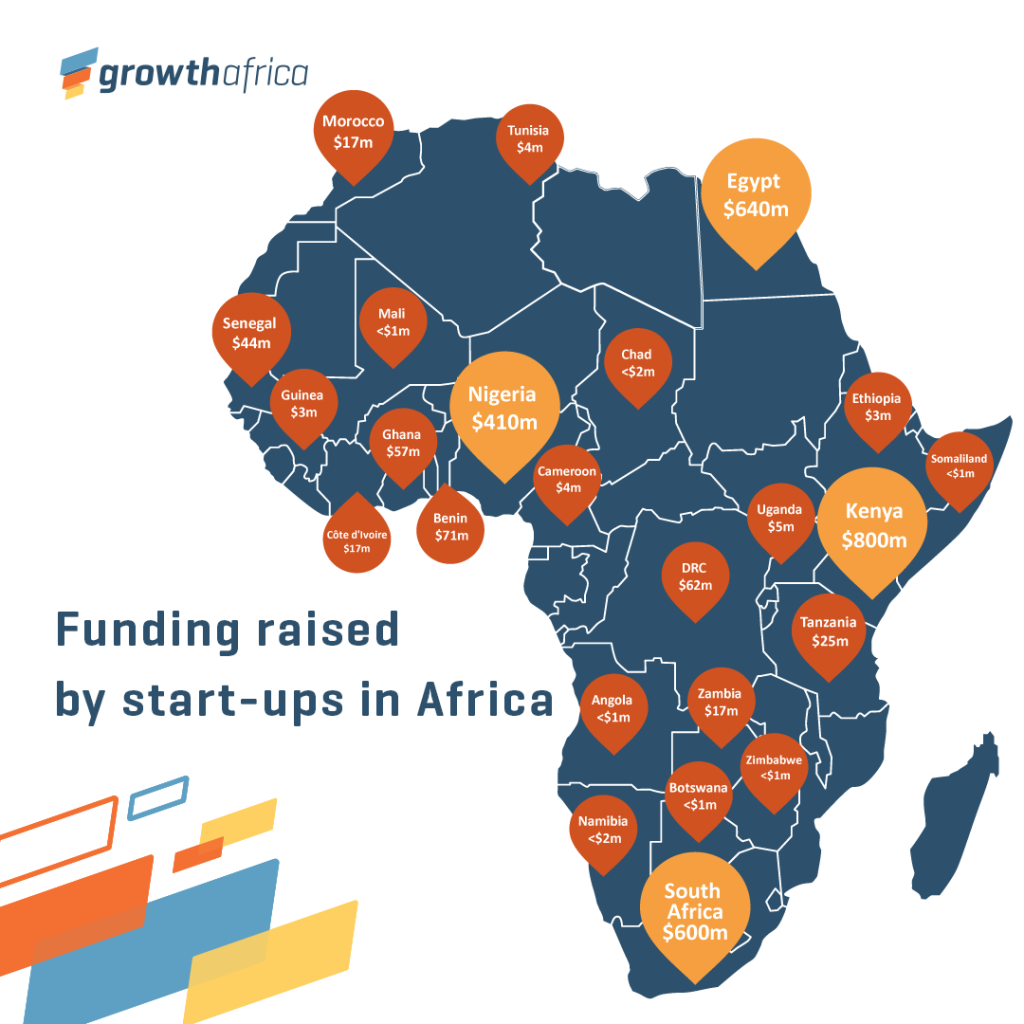
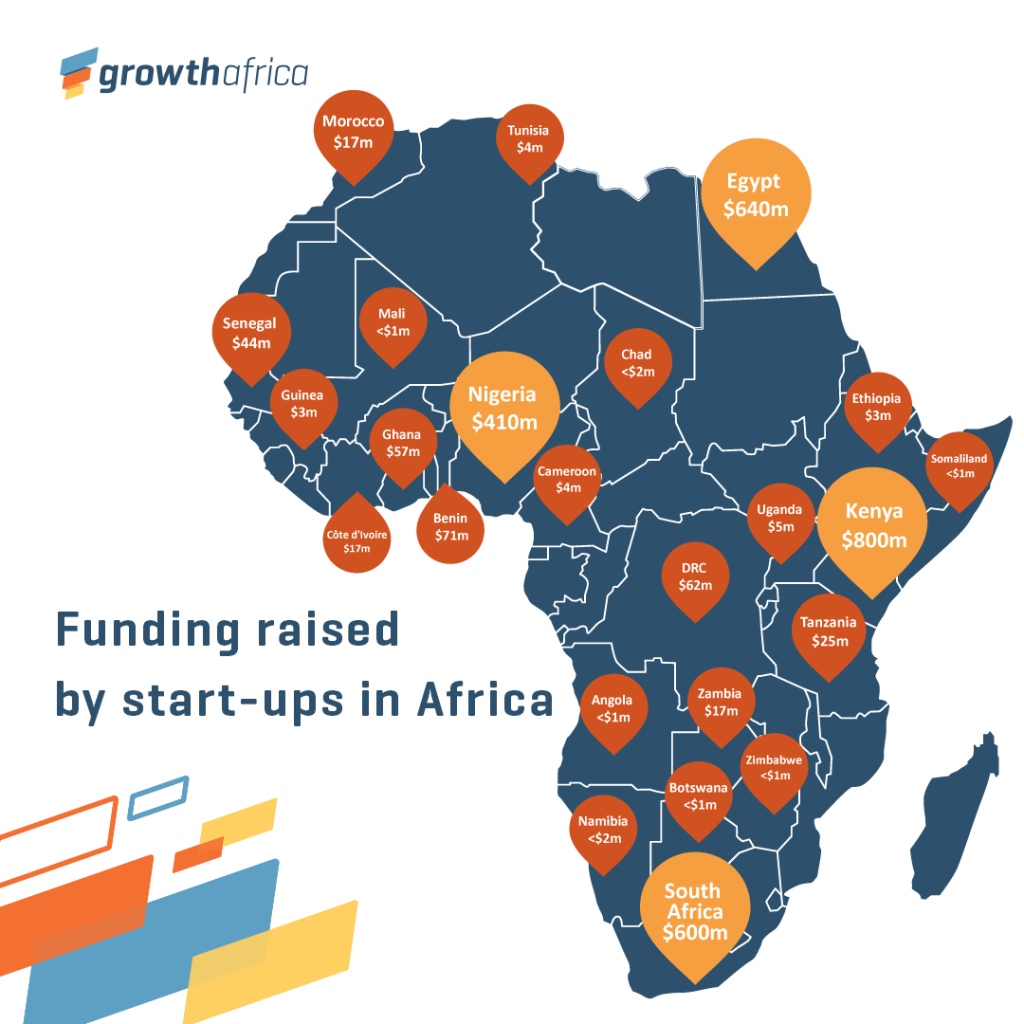
Something different is happening across Africa’s tech landscape this year, and it’s not about flashy consumer apps or chasing unicorn valuations. In 2025, the continent’s most promising startups are rolling up their sleeves to tackle the hard, unglamorous work of building infrastructure. They’re creating the digital and physical rails that whole economies need to run faster, smarter, and more inclusively. Think of it as installing the operating system for Africa’s future growth, layer by patient layer. This shift emerges clearly from recent reporting, including African Business’s list of 20 startups to watch, which argues these firms are seeding that very operating system. The logic here is straightforward, and it’s increasingly proven: address the underlying gaps in payments, last mile delivery, clinical data, or reliable power, and you create platforms where countless other businesses can thrive. Look at the companies attracting serious capital right now. Egypt’s Nawy just closed a $52 million raise to expand its property tech platform across North Africa and the Middle East, betting that better data and distribution in real estate will unlock new investment flows. In Nigeria, OmniRetail’s $20 million Series A signals strong investor appetite for startups that simplify chaotic wholesale supply chains for small retailers. Over in mobility, companies like Sylndr are combining used car marketplaces with financing and service networks to make durable assets more accessible. Finance remains the magnetic core, with neobanks scaling at remarkable speed. Djamo, for instance, now reports one million users across Francophone Africa after a $17 million round. Group savings platforms like MoneyFellows are exporting cooperative financial models beyond their home markets, backed by fresh capital. Meanwhile, established players such as Moniepoint, with backing from Visa and ambitions in remittances, show how incumbents and new entrants are converging on cross border payments as the next growth frontier. These financial rails matter immensely because they lower the cost and friction of everyday transactions, making it feasible to offer credit, insurance, and payroll services at a scale that was previously unimaginable.
Smart Money Meets Real World Challenges
Venture capital is flowing in and it’s more diversified than ever, but let’s be clear: investors aren’t writing blank checks anymore. The mood has shifted decisively. As noted in coverage from TechCrunch’s Africa section, there’s a tougher fundraising environment where the emphasis has moved squarely to unit economics and sustainable growth. Investors are applying stricter scrutiny, demanding clearer paths to profitability and real returns. This changing sentiment is already reshaping startup strategies across the board, prompting some companies to pivot, consolidate, or double down on their core, revenue generating products. Take Sabi, an e commerce player that raised capital but later cut staff and refocused on traceable exports, a clear example of a startup refining its model under investor pressure. Development minded investors, including institutions like the International Finance Corporation which has emphasized that smart capital must do more than chase exits, are looking to mobilize co investment and scale firms that deliver measurable jobs and services. They’re also bringing global best practices into complex local markets, a combination that has helped some startups mature rapidly. But it’s raised expectations, too. Policy and global trade rules add another layer of complexity that these infrastructure builders must navigate. As African exporters prepare for the European Union’s carbon border adjustment mechanism, startups that touch commodity chains and manufacturing will need to help partners meet new environmental standards. Climate related opportunity is also opening fresh business lines, from distributed energy that supports off grid factories to technology that monitors supply chain emissions. This aligns with the broader tech renaissance happening across the continent, where innovation is increasingly tied to solving tangible problems.
Building for Tomorrow, Impacting Today
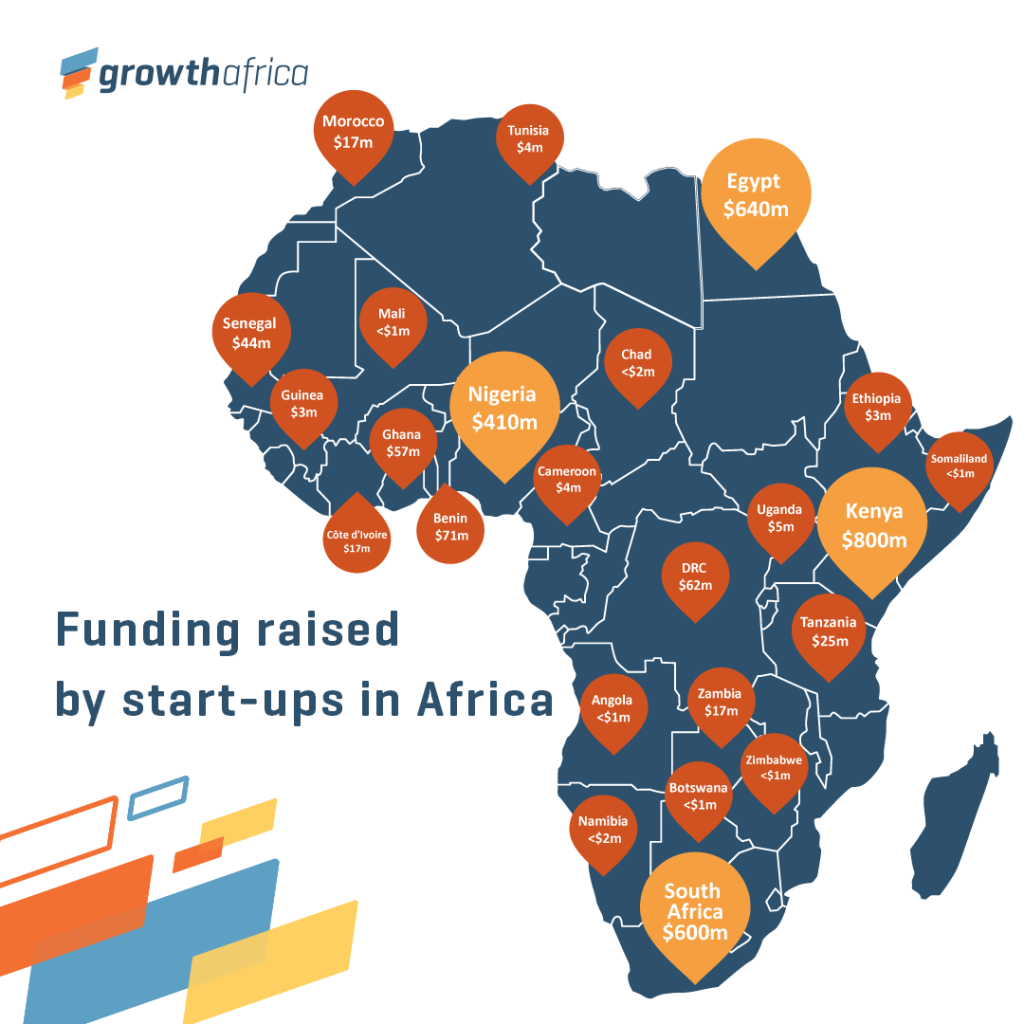
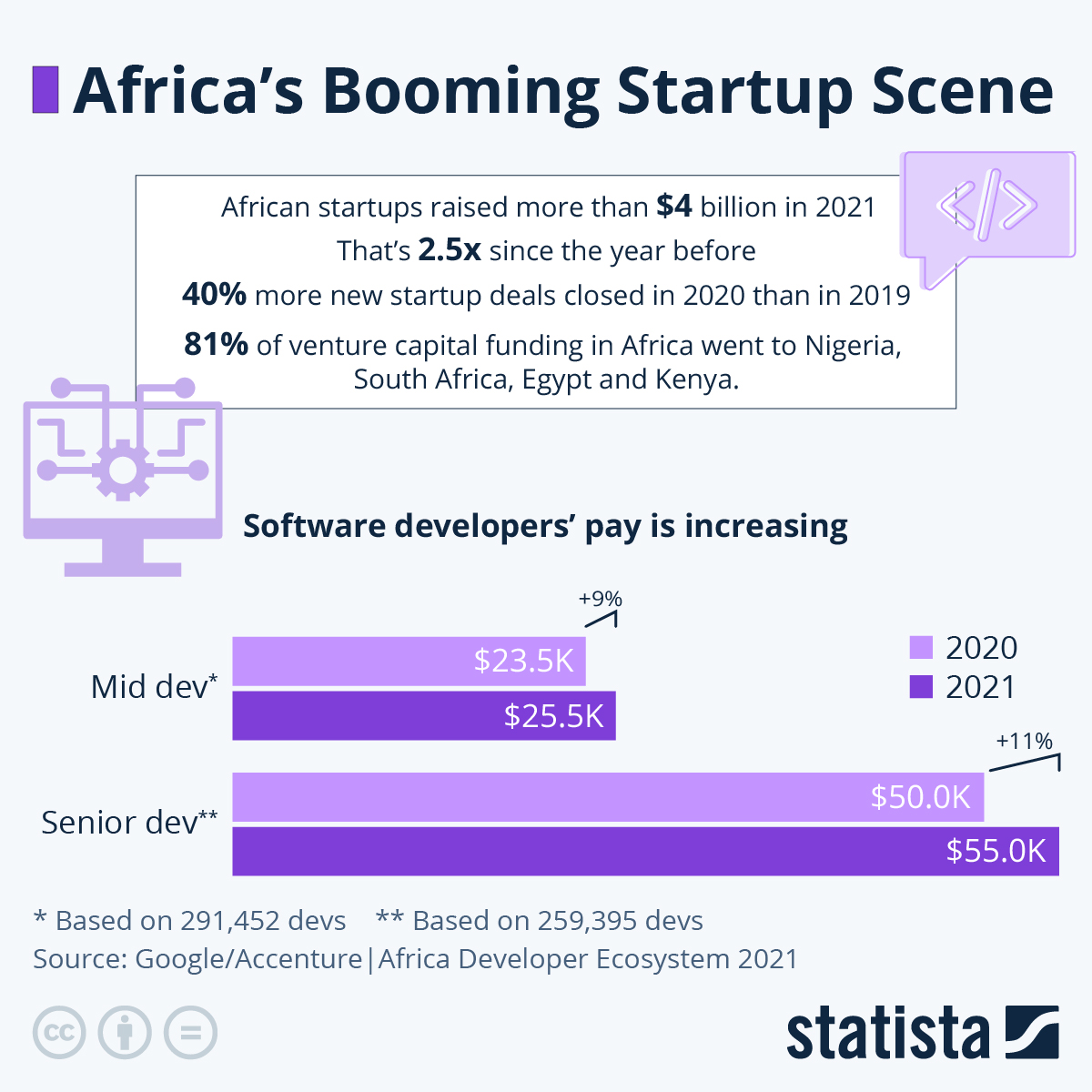
For the founders building across Africa’s diverse markets, two lessons have crystallized. First, building infrastructure is slower and harder than launching a consumer app, but it creates much higher barriers to entry and more durable, defensible value. Second, achieving product market fit often means solving for local realities like unique payment habits, unreliable power, and fragmented logistics networks, then packaging those solutions into repeatable products that can scale across cities and borders. This pragmatic, infrastructure first approach helps explain why certain hubs are producing category defining firms. Lagos, Nairobi, Cairo, and Accra may have different regulatory and commercial landscapes, yet they all host startups that focus obsessively on one core problem before expanding outward. The human stakes in this story are real and immediate. When a fintech successfully lowers remittance costs, a microentrepreneur in Ouagadougou can reinvest more of their hard earned money back into their business. When a proptech brings transparency to opaque land and housing markets, more families can finally access mortgages. When a B2B marketplace reliably links manufacturers to small retailers, local commerce scales efficiently. The impact is both local and cumulative, precisely the kind of systems change that development finance institutions seek to support, as highlighted in a recent IFC report on venture capital’s rise in Africa. Looking ahead, the next 18 months will be a decisive stretch. Expect more consolidation in crowded categories, even sharper investor focus on profitability, and greater emphasis on exports and climate compliance as policy makes its mark. But also expect innovation to creep into unexpected places, like agritech that ties smallholder farmers to traceable supply chains, or energy startups that stitch together mini grids and pay as you go models. Africa’s startup moment in 2025 isn’t a bubble. It’s the sound of a maturing ecosystem building rails under real economic activity. Those rails won’t just carry startups to exits, they’ll carry businesses, jobs, and essential services to millions. For anyone watching closely, the most interesting companies will be the ones committed to the slow, demanding work of making markets more efficient, more inclusive, and ultimately, more resilient. This trajectory is part of a larger story, reflected in the record growth of Africa’s startup ecosystem and the surge in funding that’s pushing past $1.4 billion this year alone.