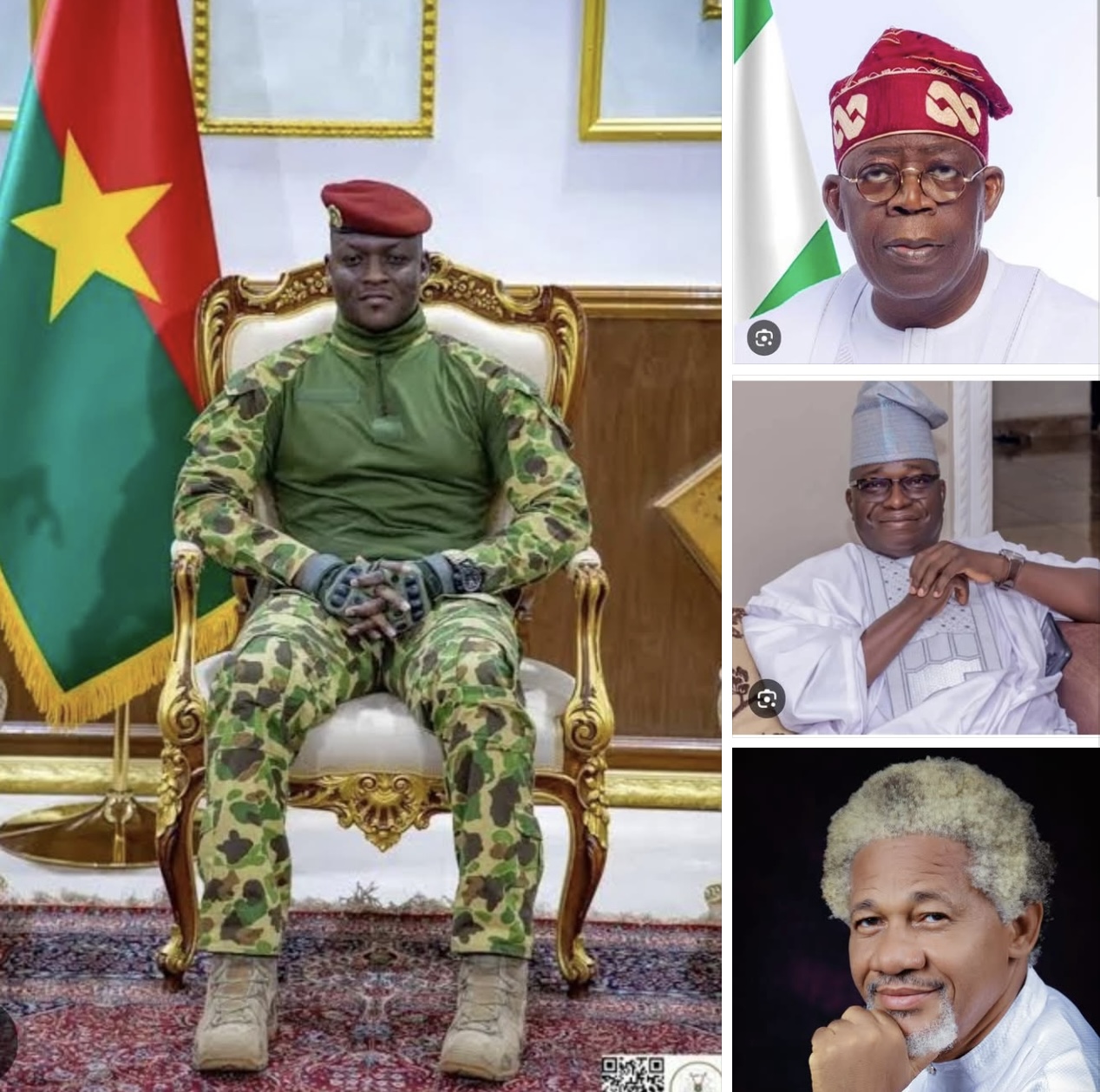
Sahel Alliance Rises: A Bold New Era for Mali, Niger, and Burkina Faso’s Sovereignty
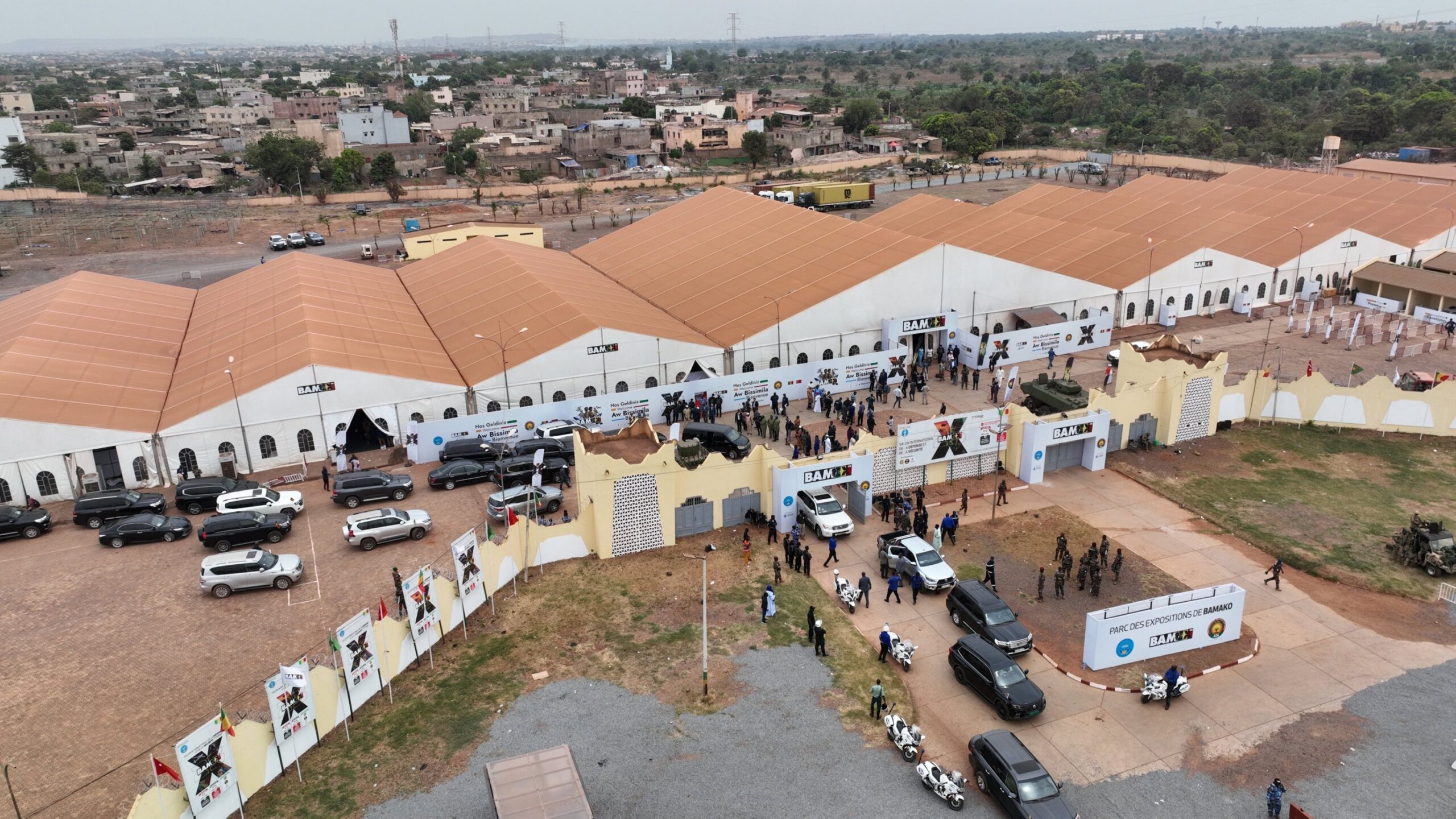
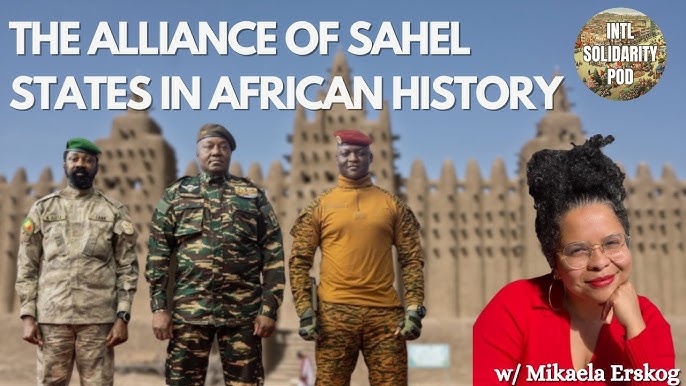
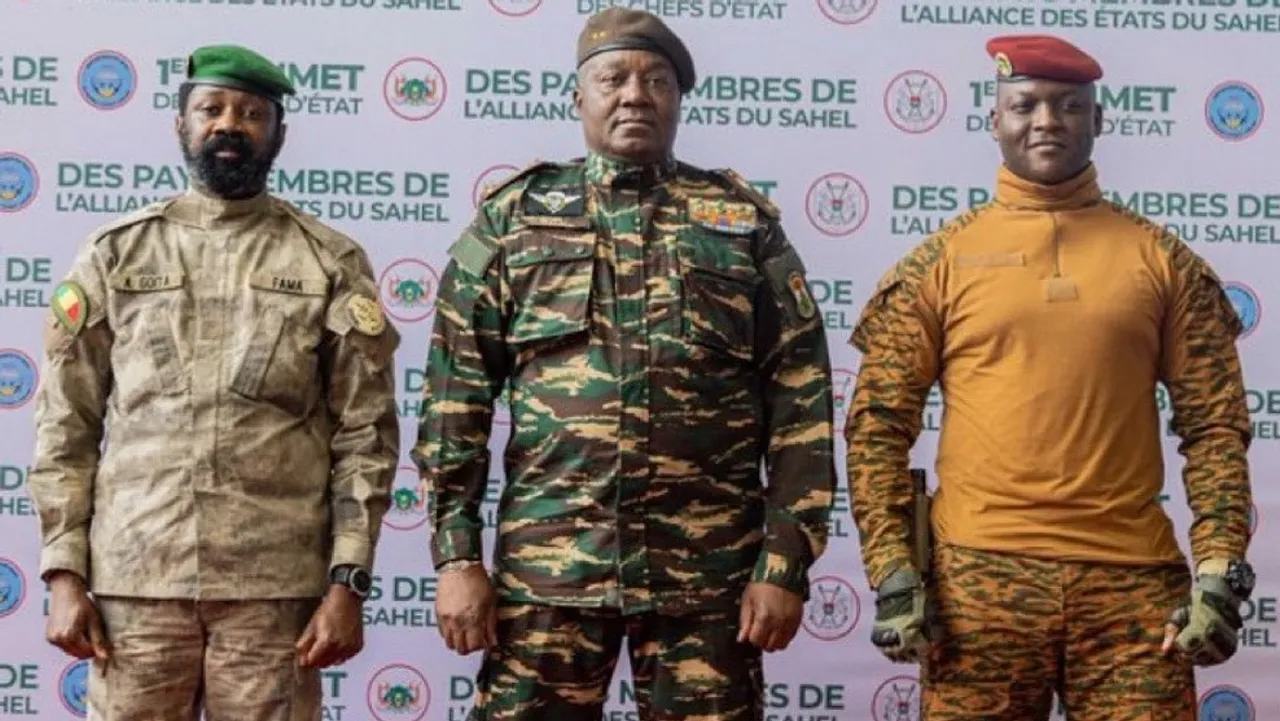
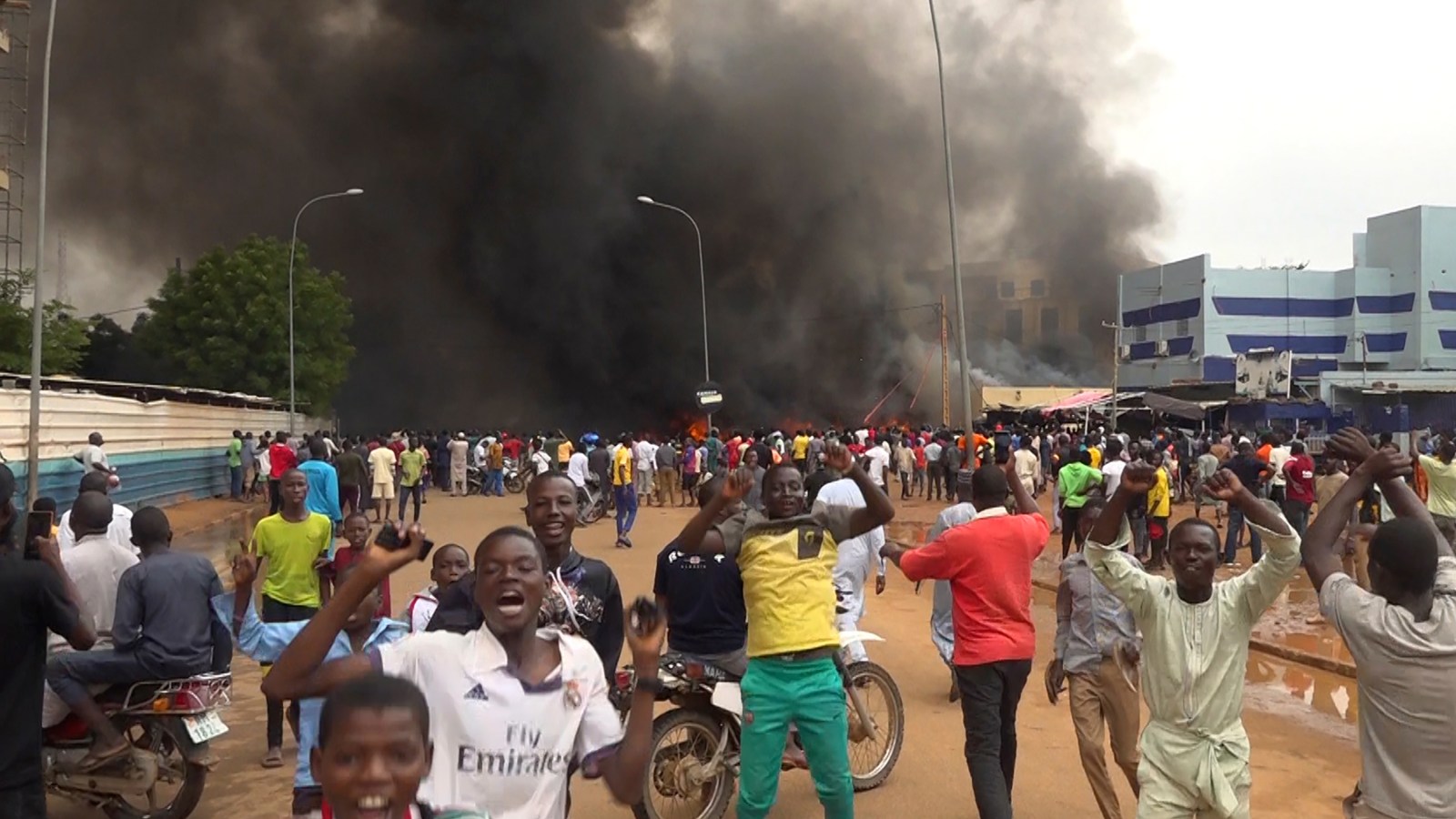
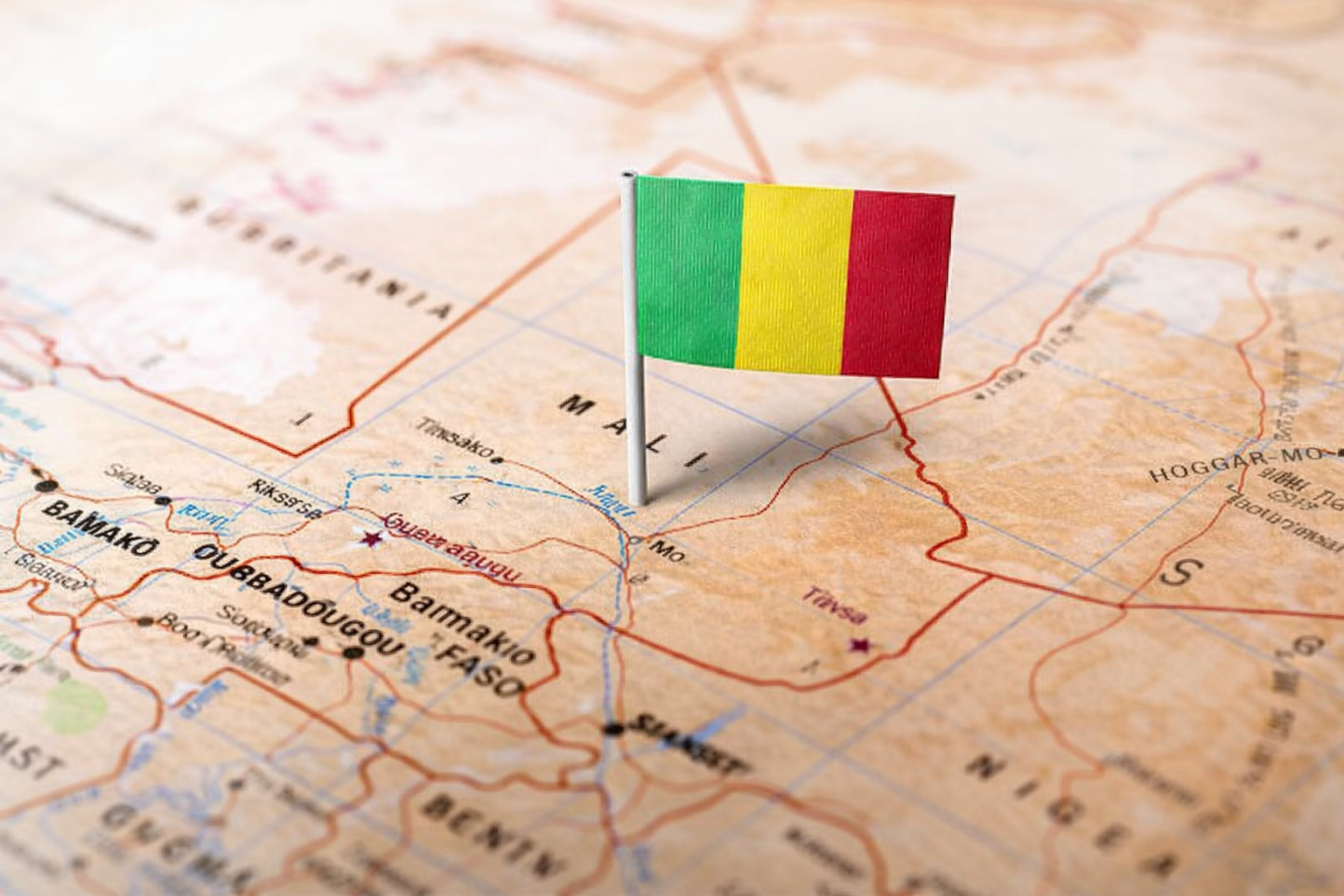
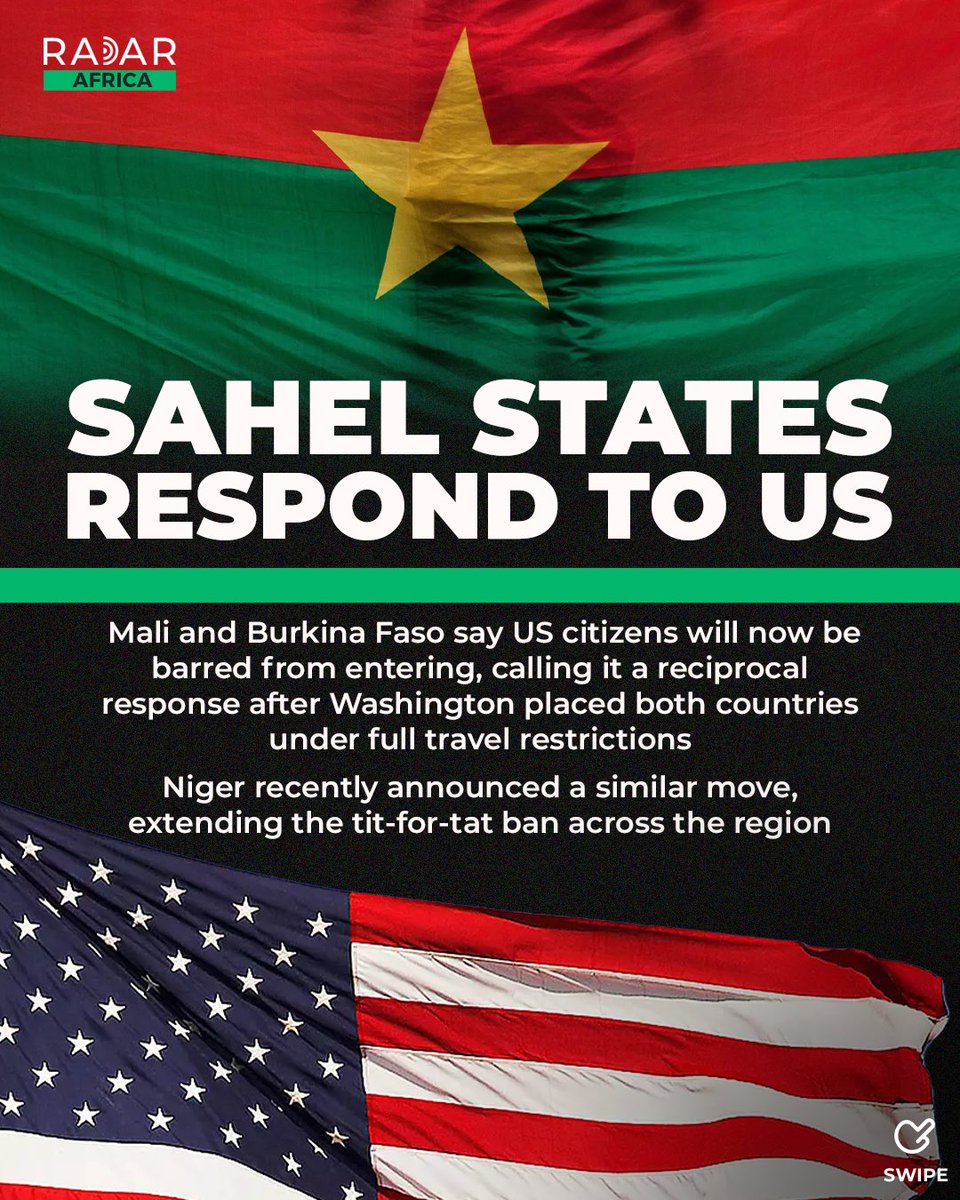
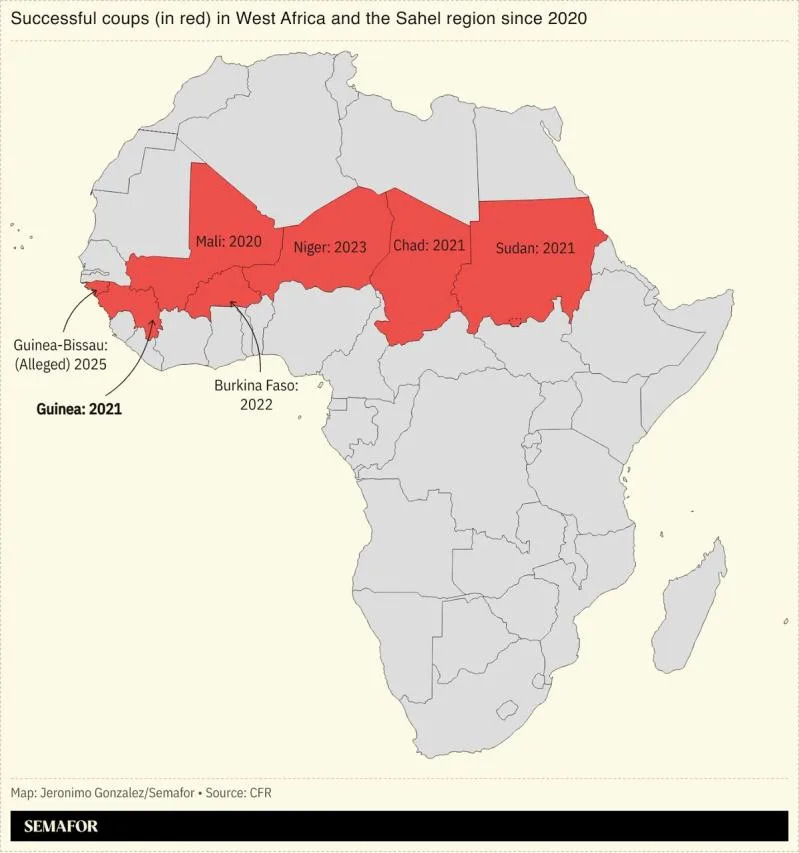
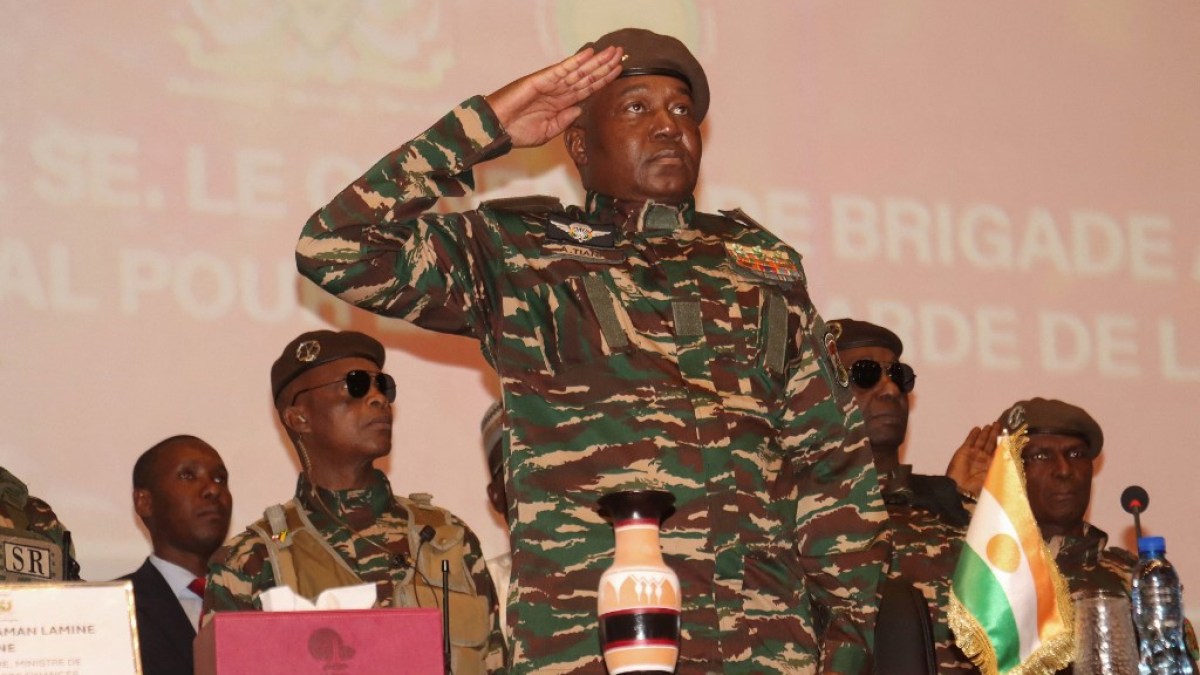
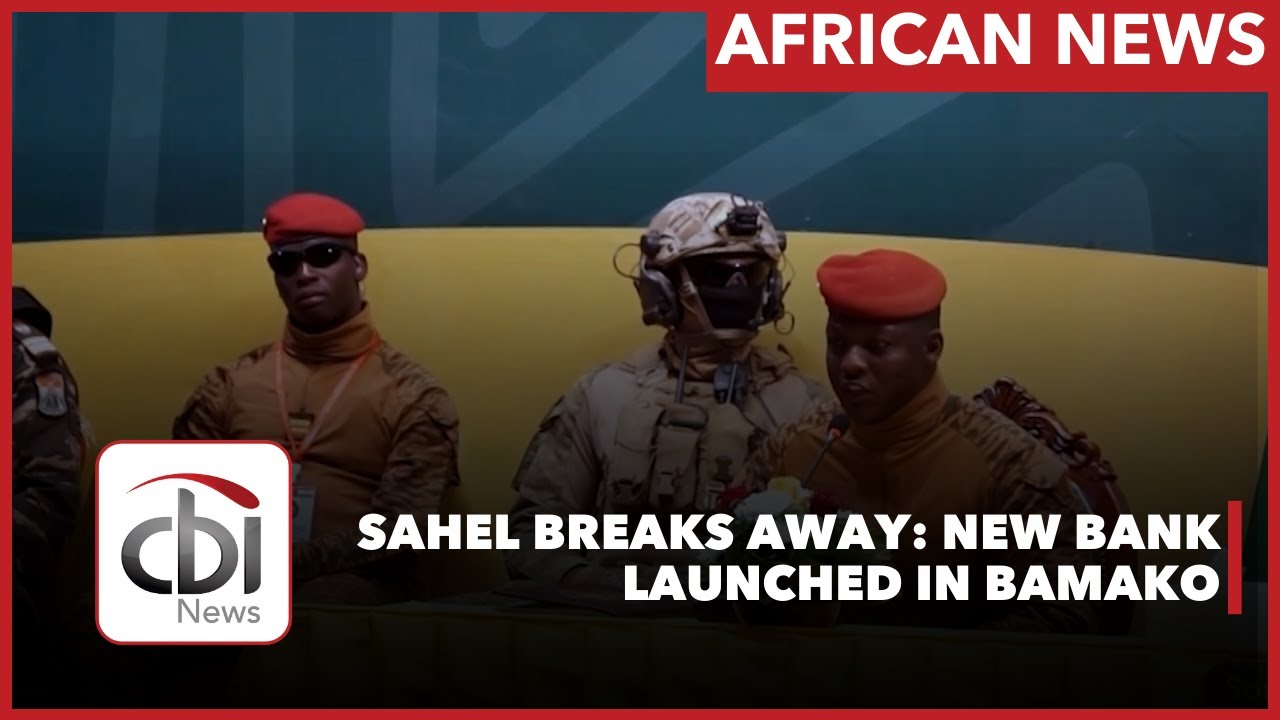
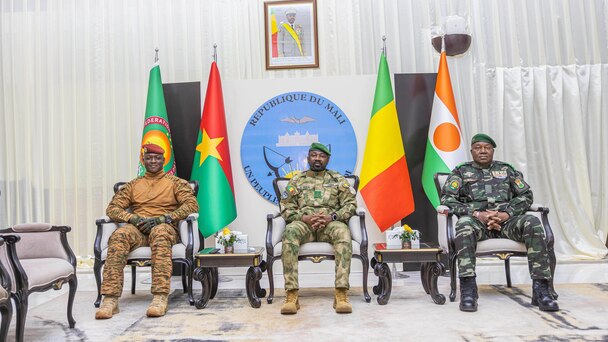
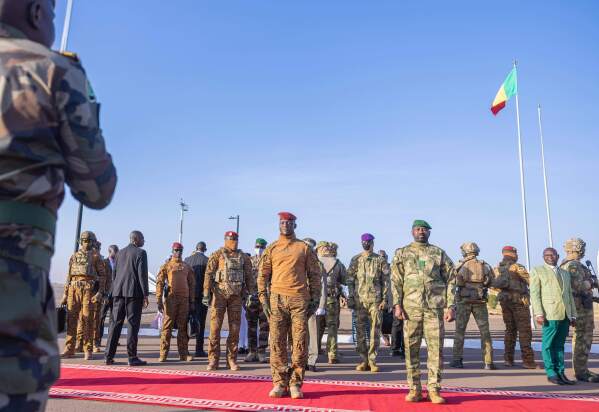
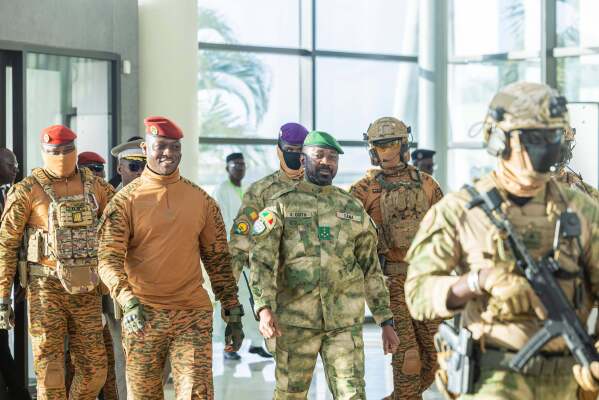
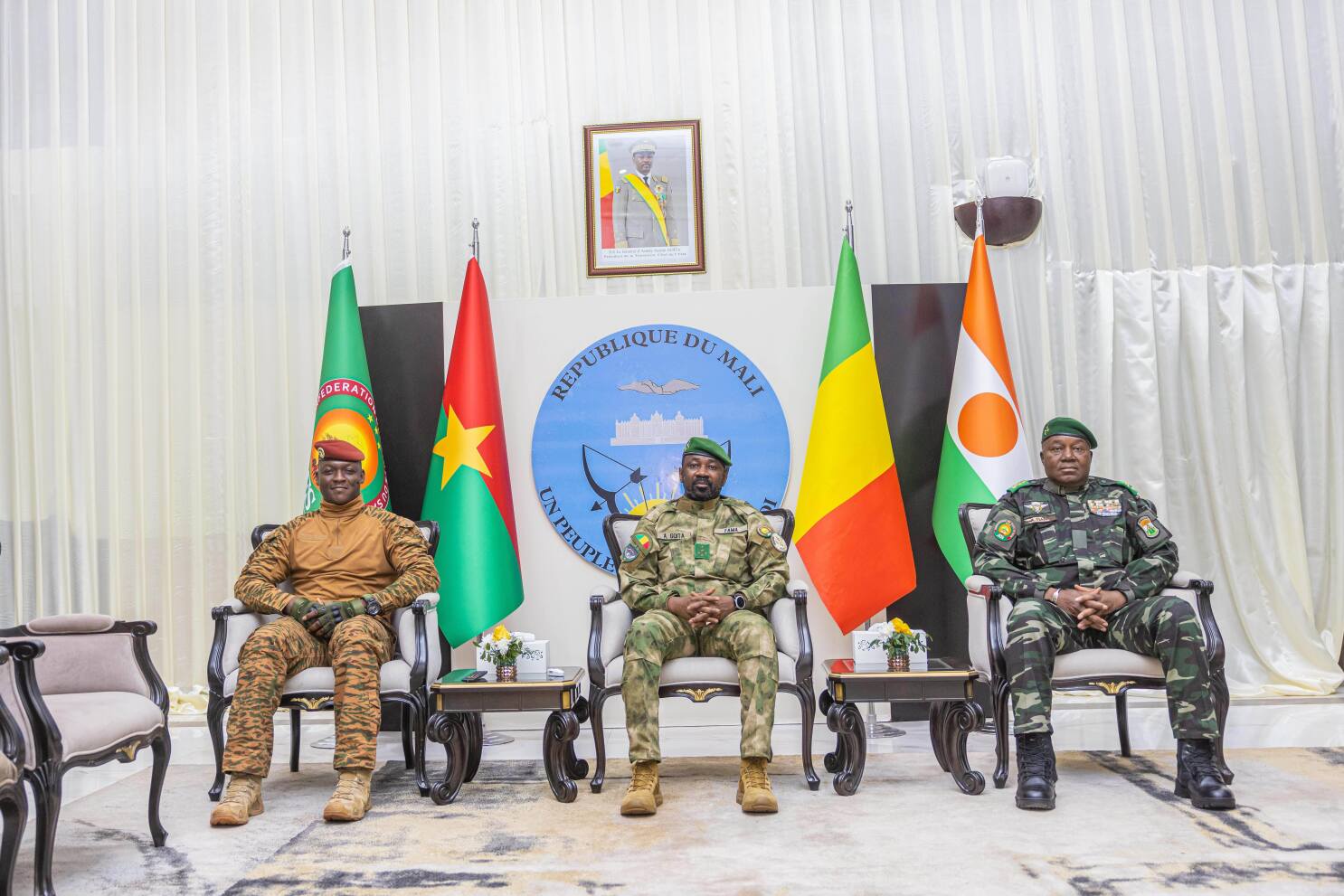
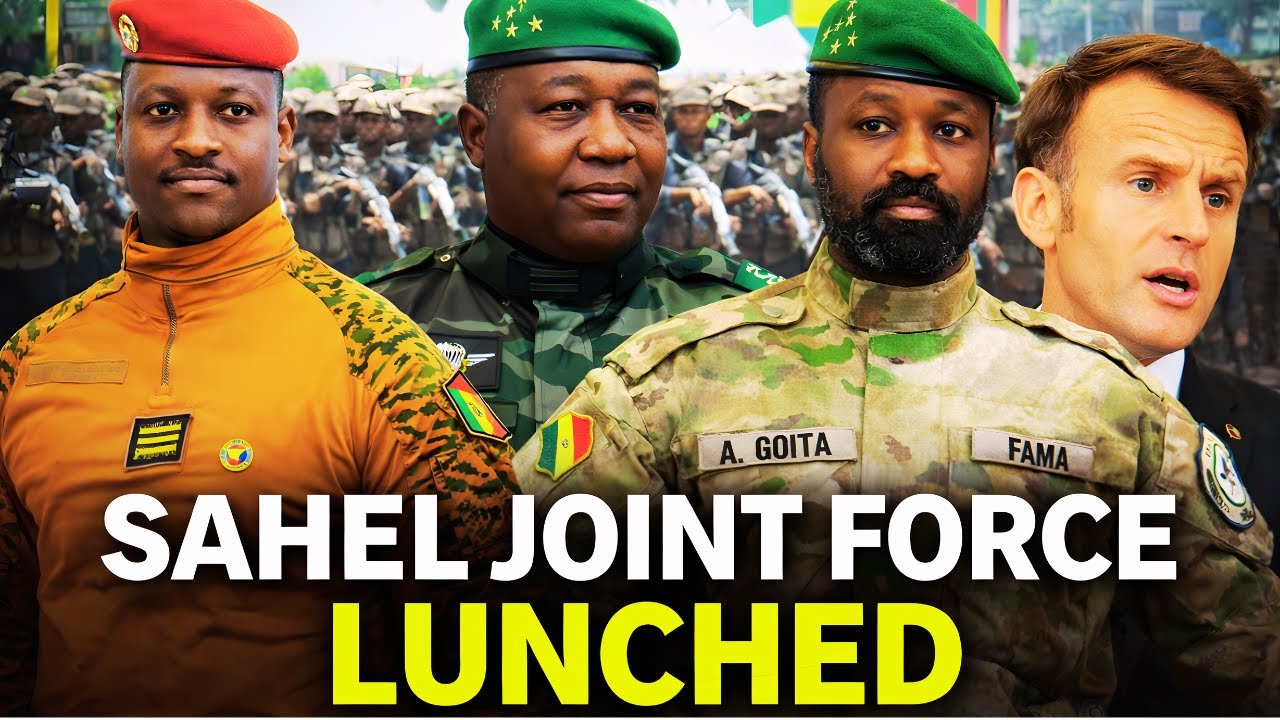
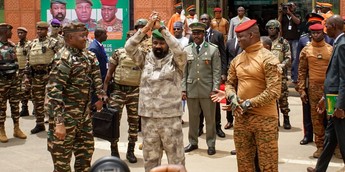
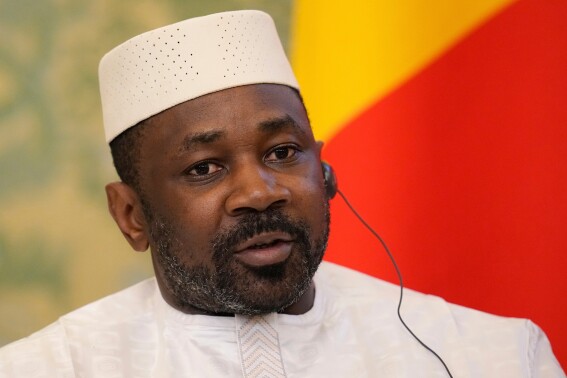
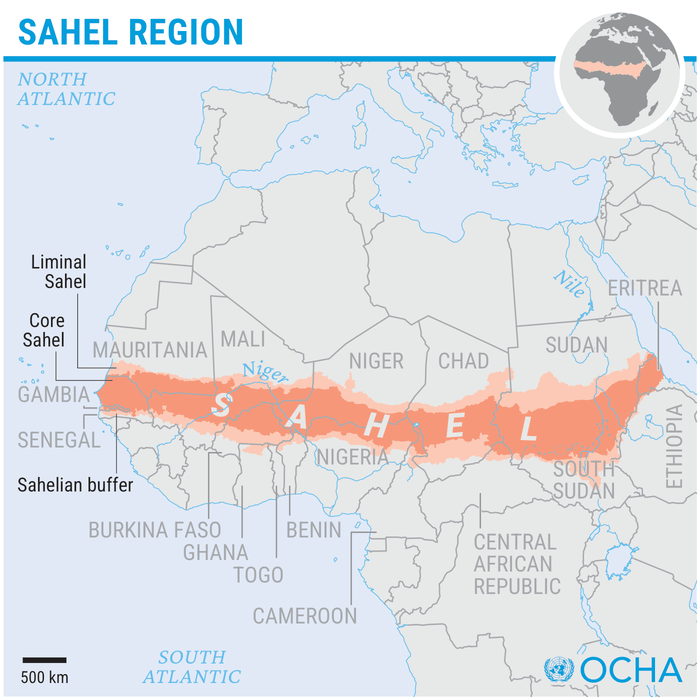
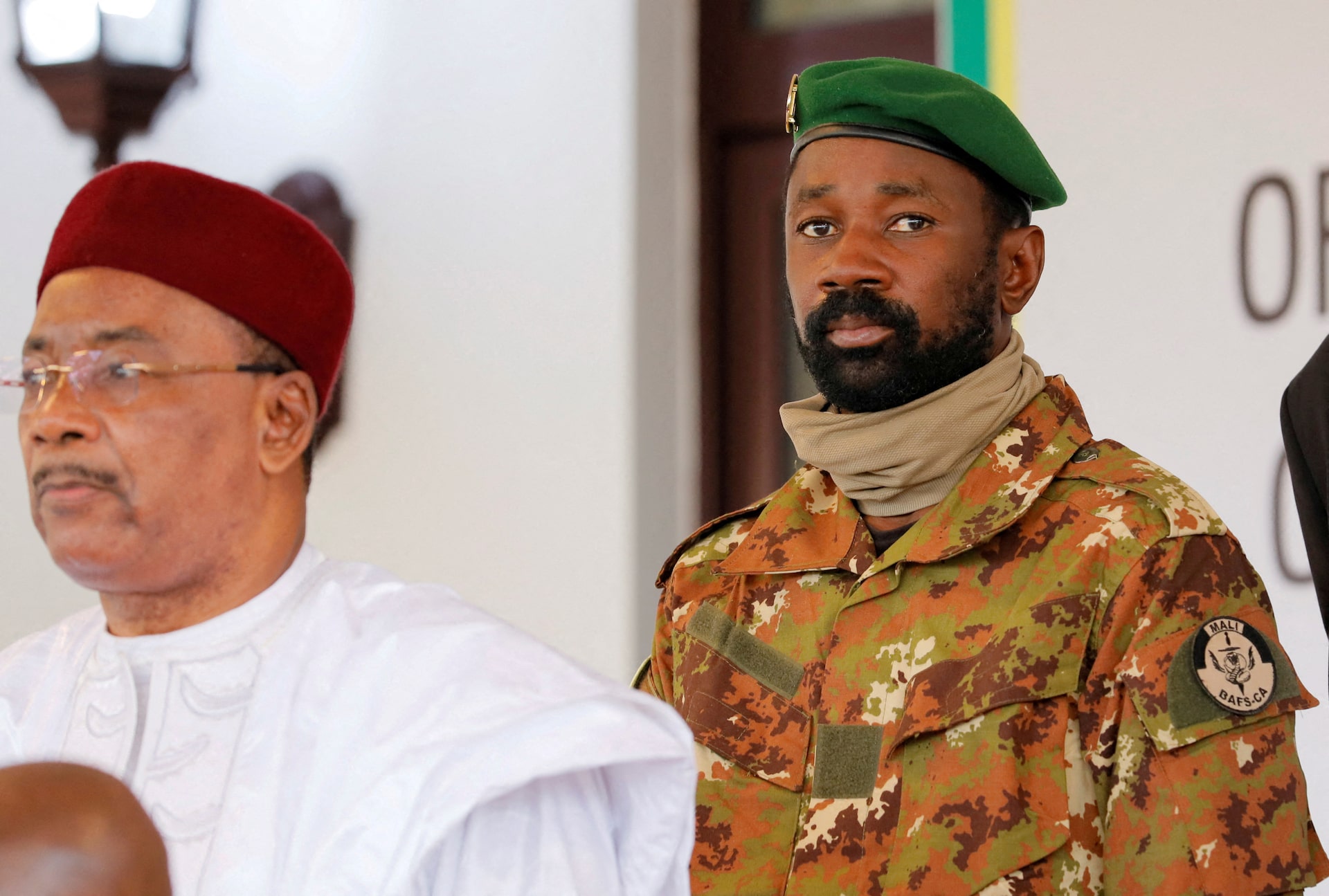
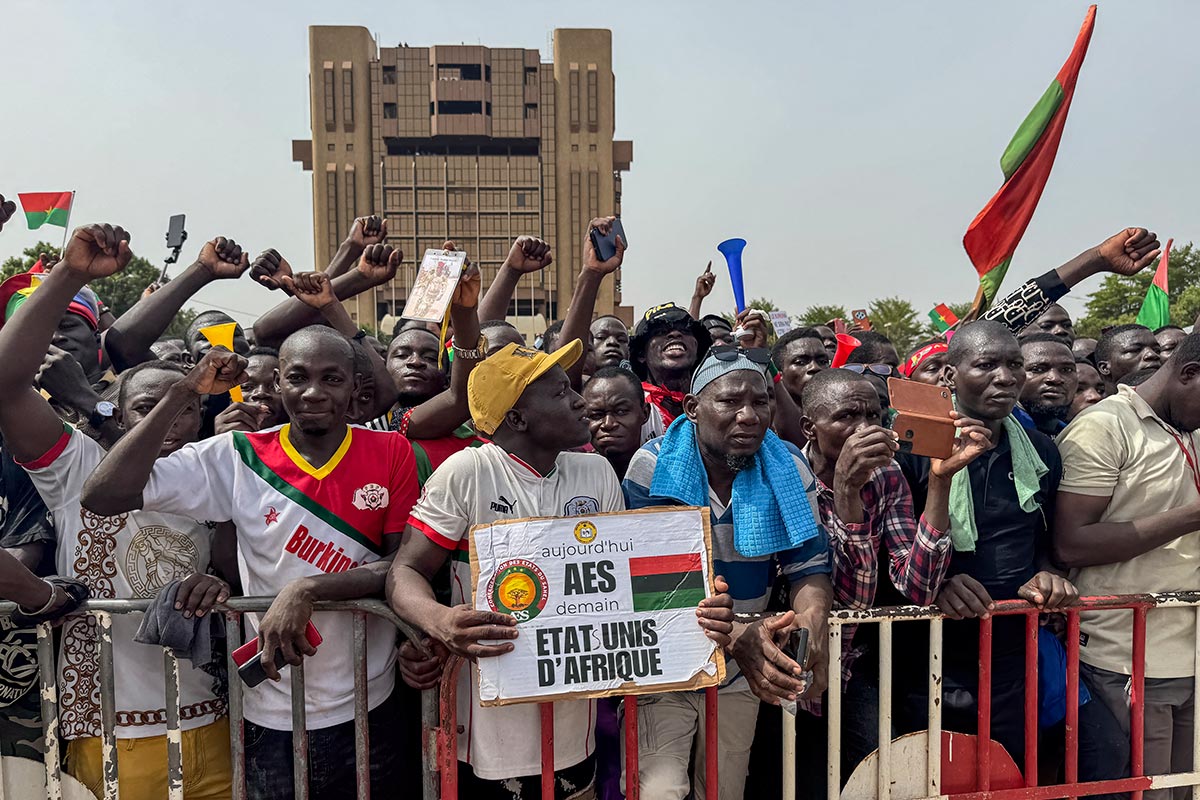
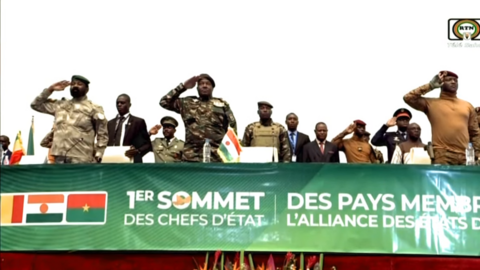
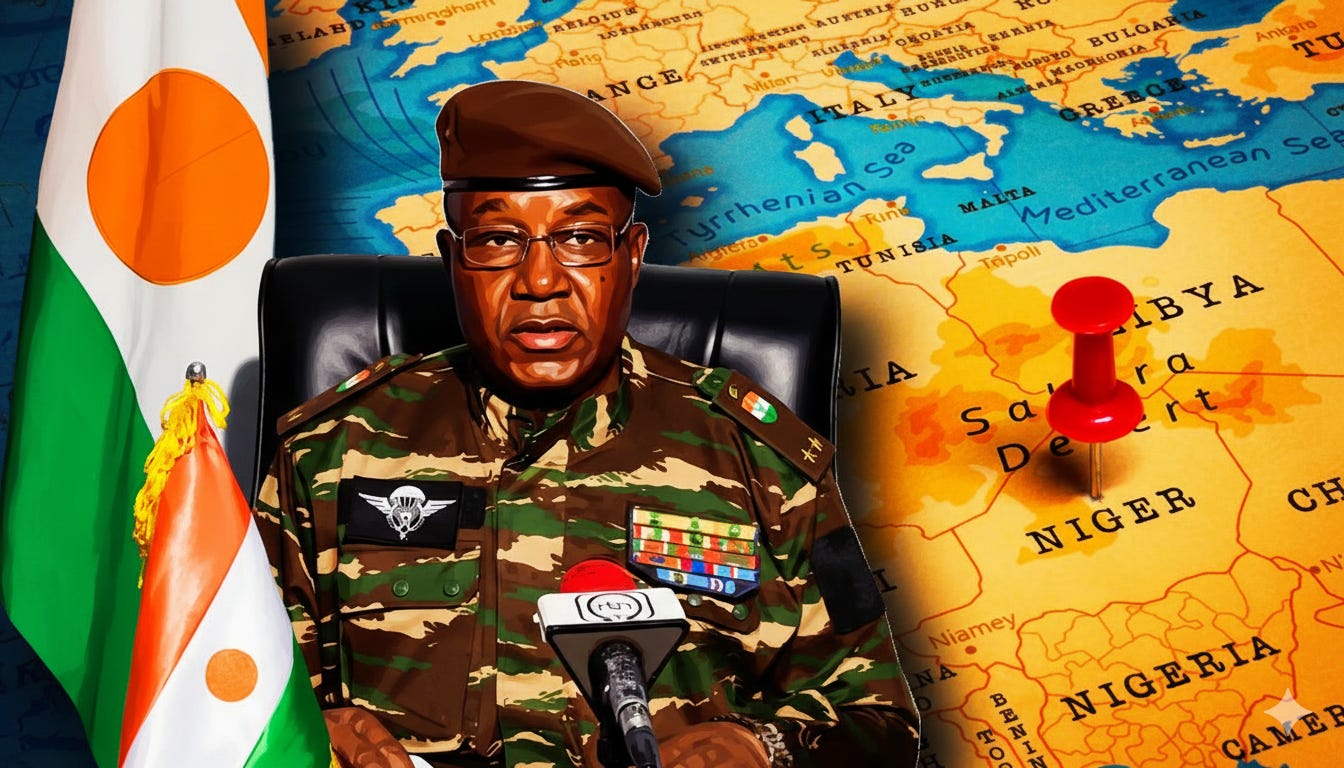
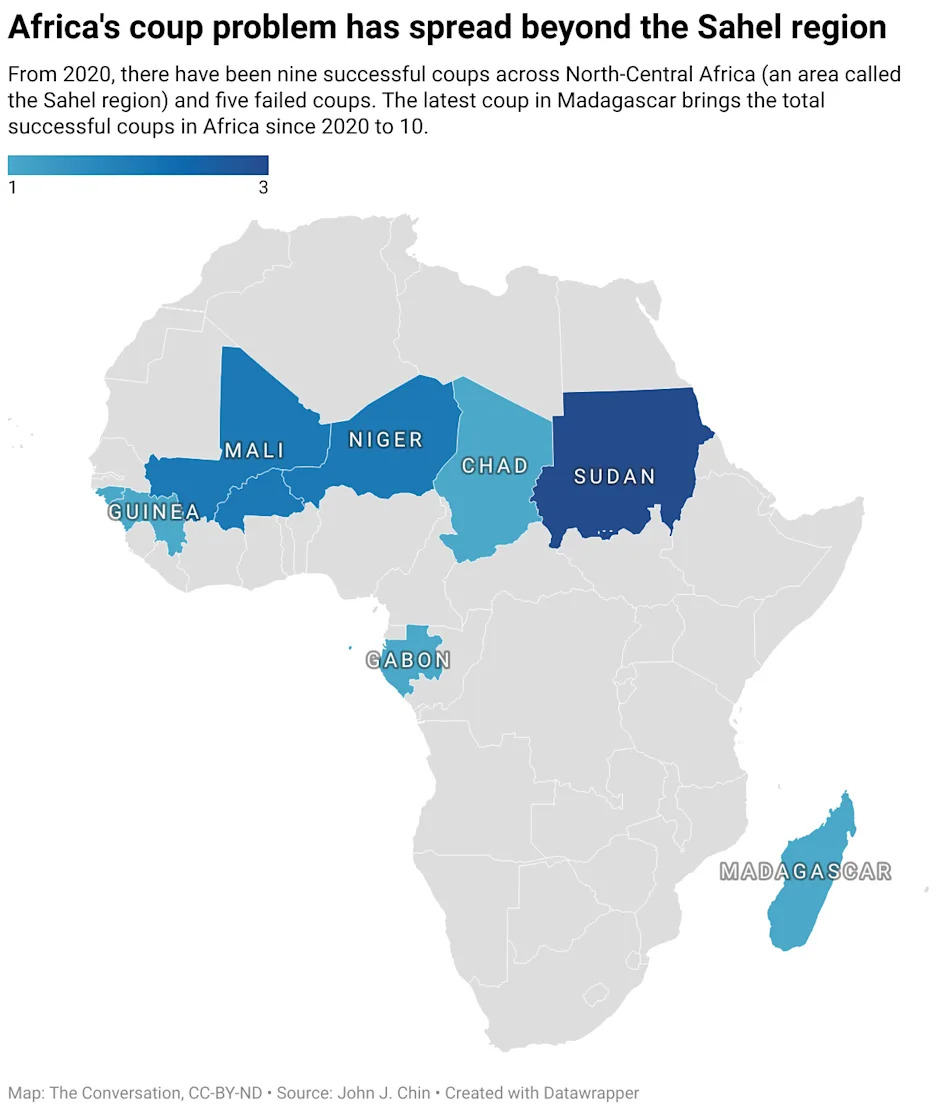
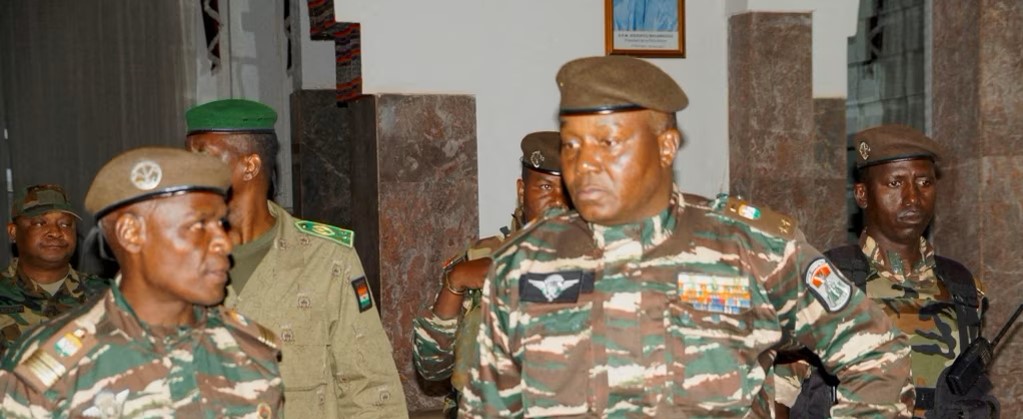
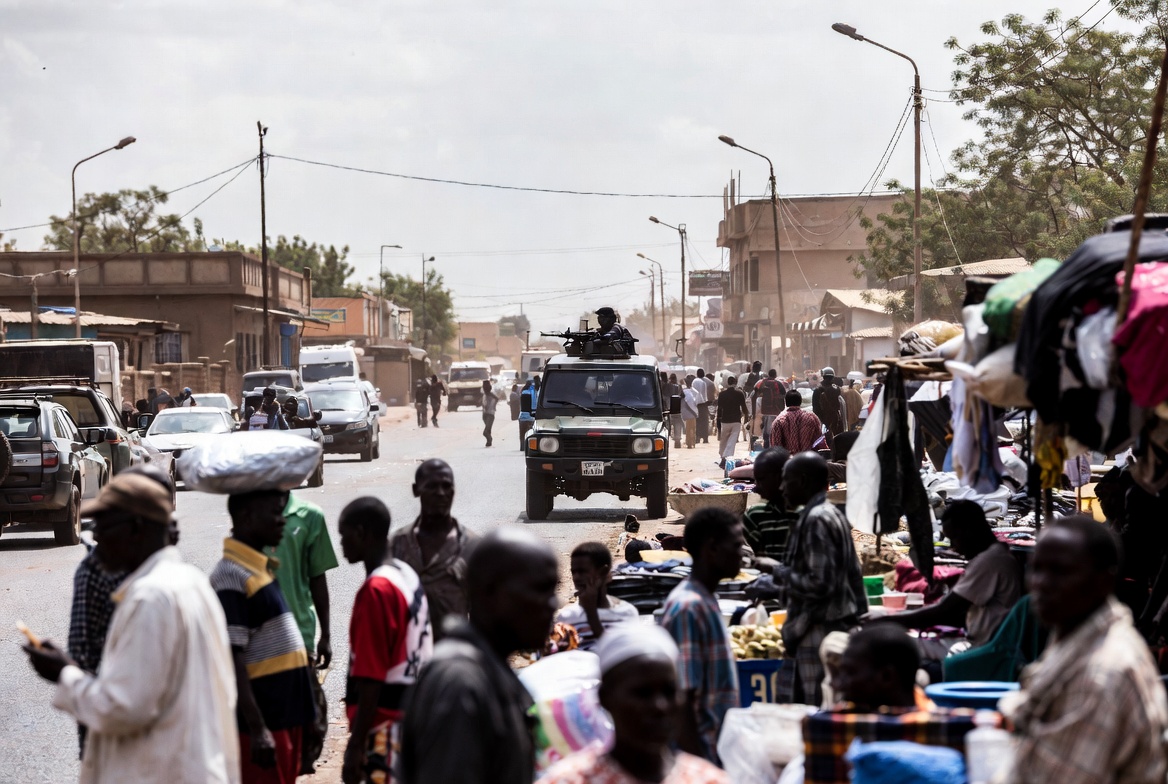
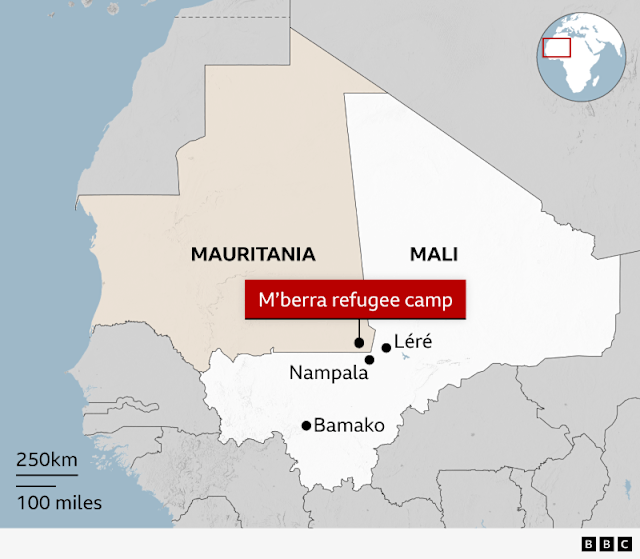
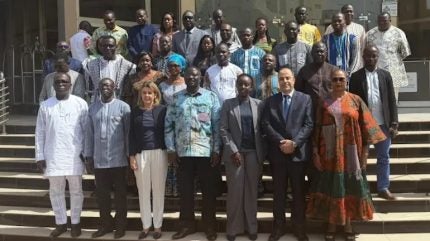
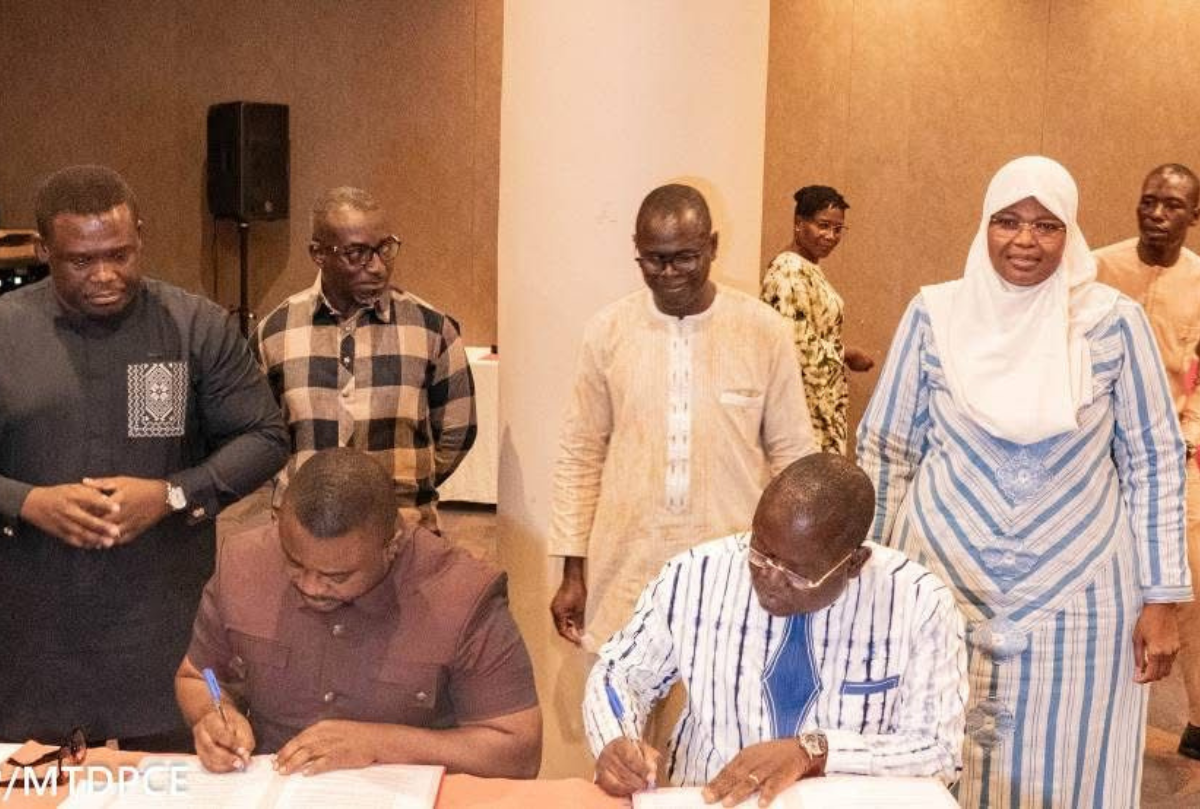
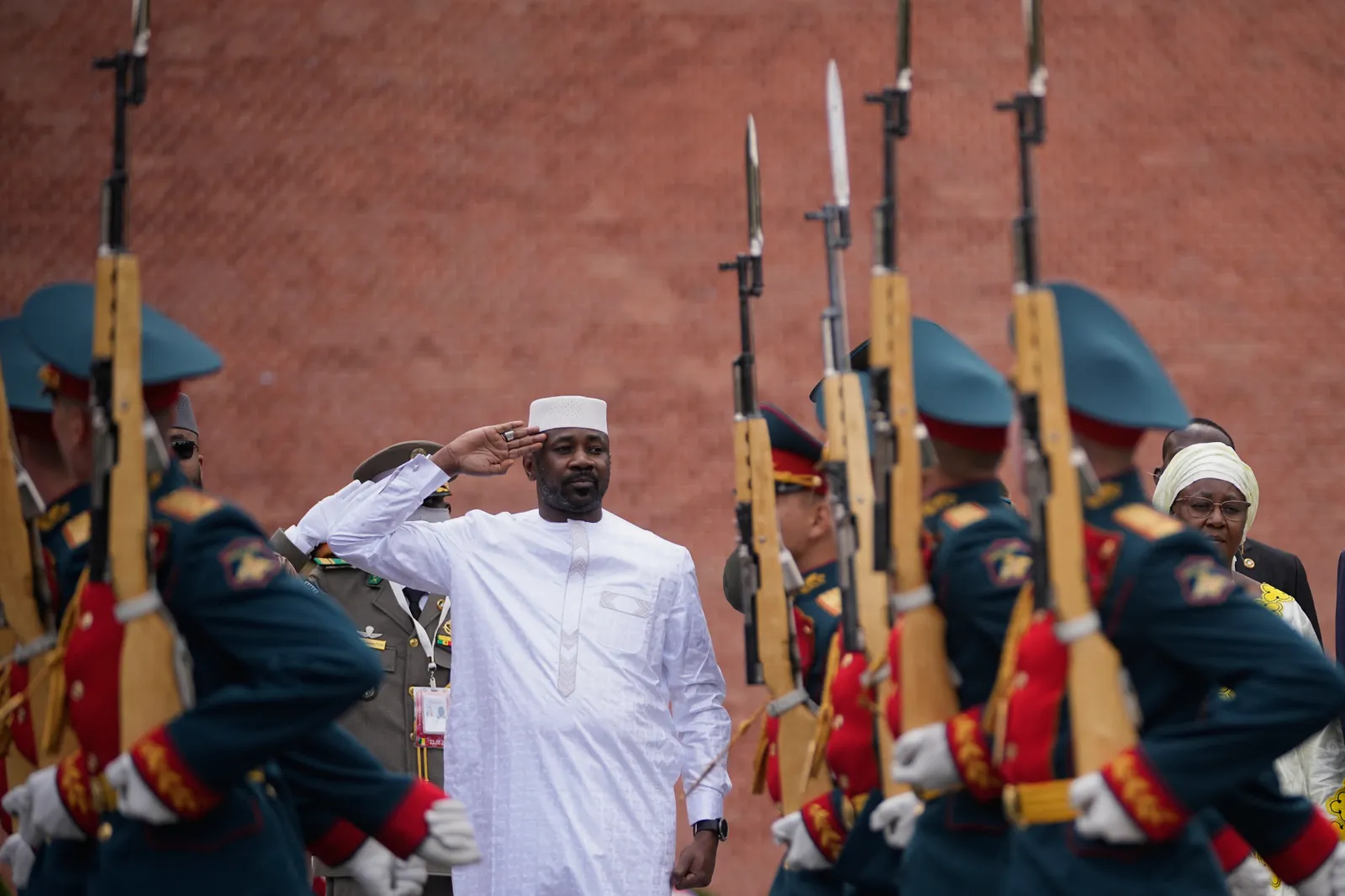
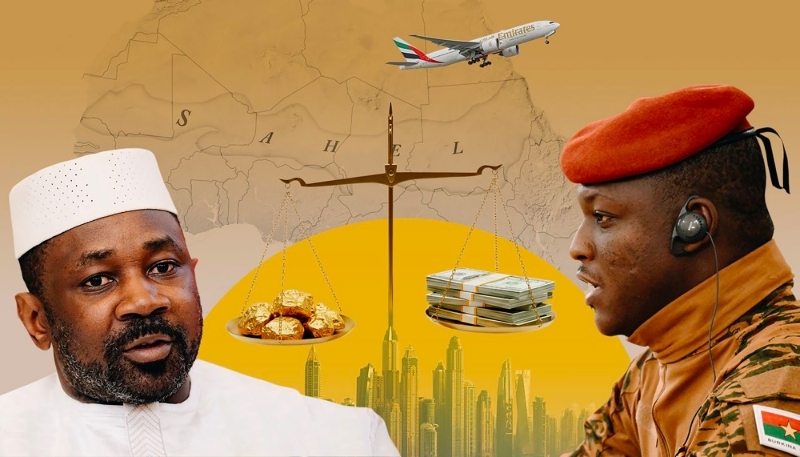
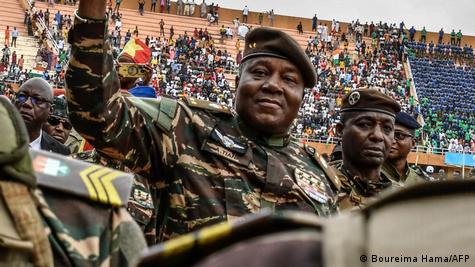
Bamako, December 2025: Something big is brewing in the Sahel, a region long grappling with conflict and external influence. Leaders from Mali, Niger, and Burkina Faso recently gathered in Bamako, Mali’s capital, for a landmark summit of the Alliance of Sahel States. This wasn’t just another meeting, it signaled a powerful push to redefine the political, security, and economic future for these nations. Since elevating its status to a confederation in July 2024, a move that clearly underscores their commitment to a more integrated approach, this alliance is ready to tackle the challenges head-on. What’s driving this shift? A shared conviction that the Sahel must chart its own course, free from dependency, with stronger economic foundations and a unified defense strategy respecting sovereignty. They’re not just talking about it, they’re acting on it, and the implications for the wider region are significant.
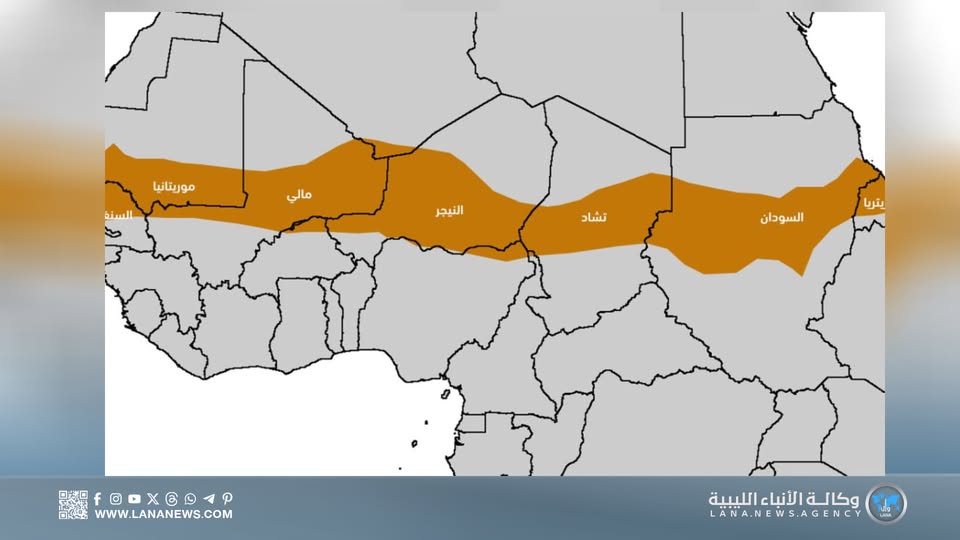
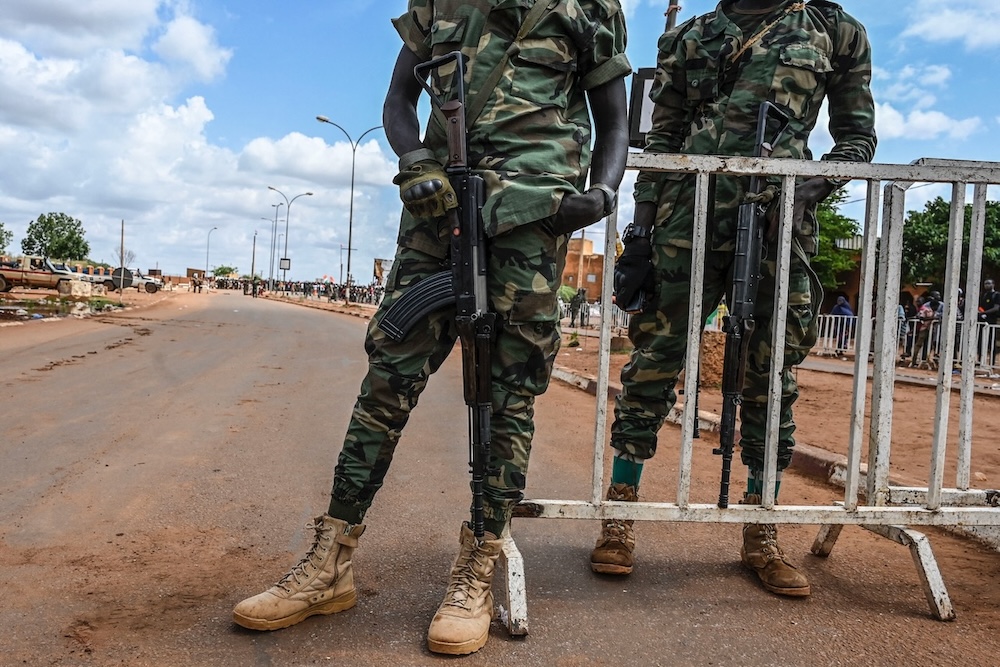
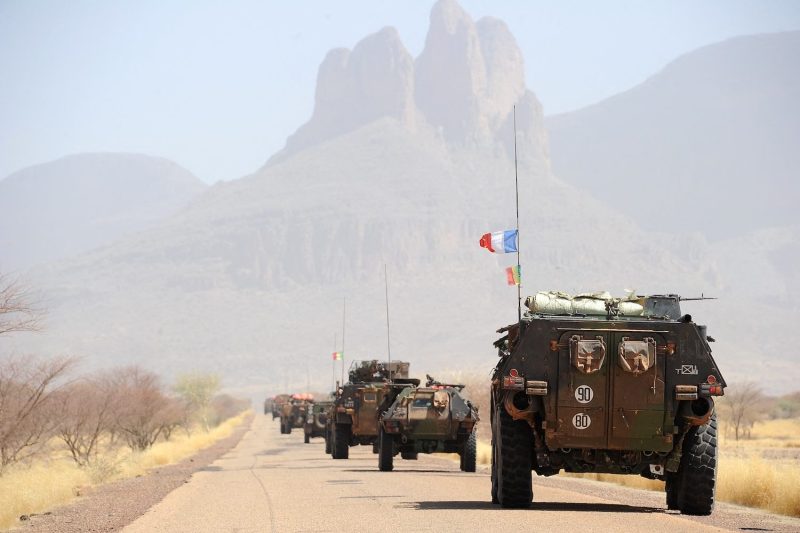
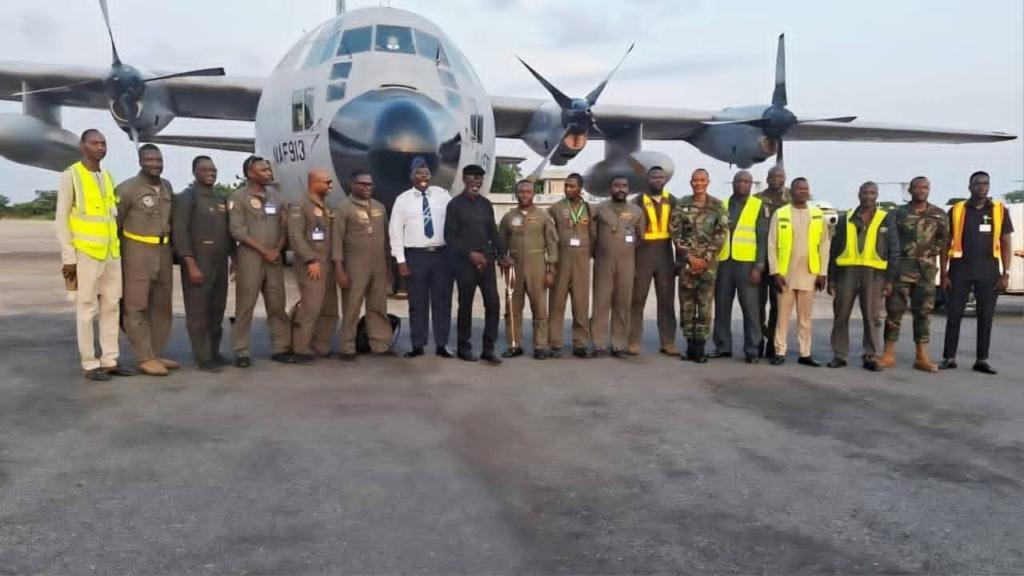
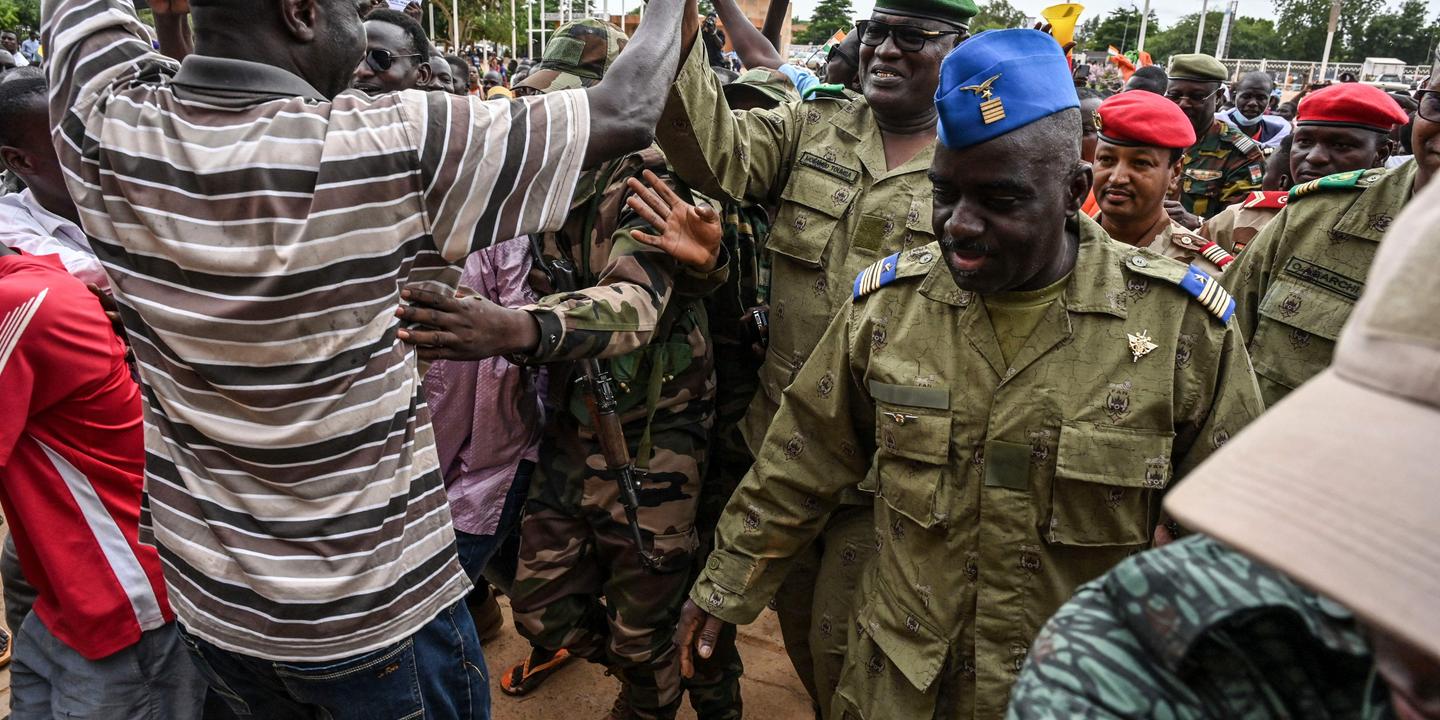
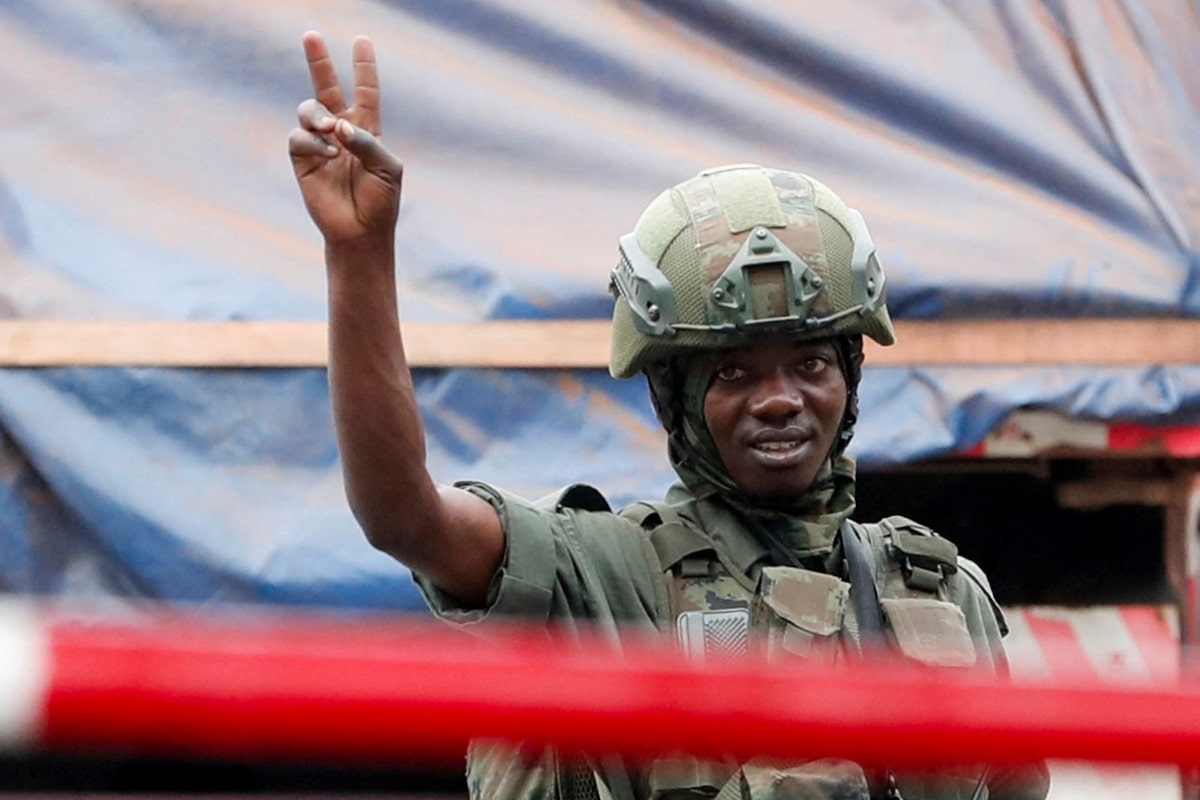
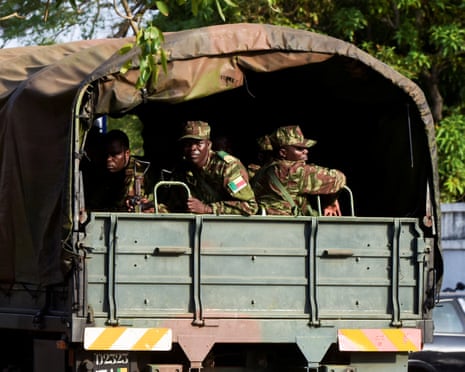
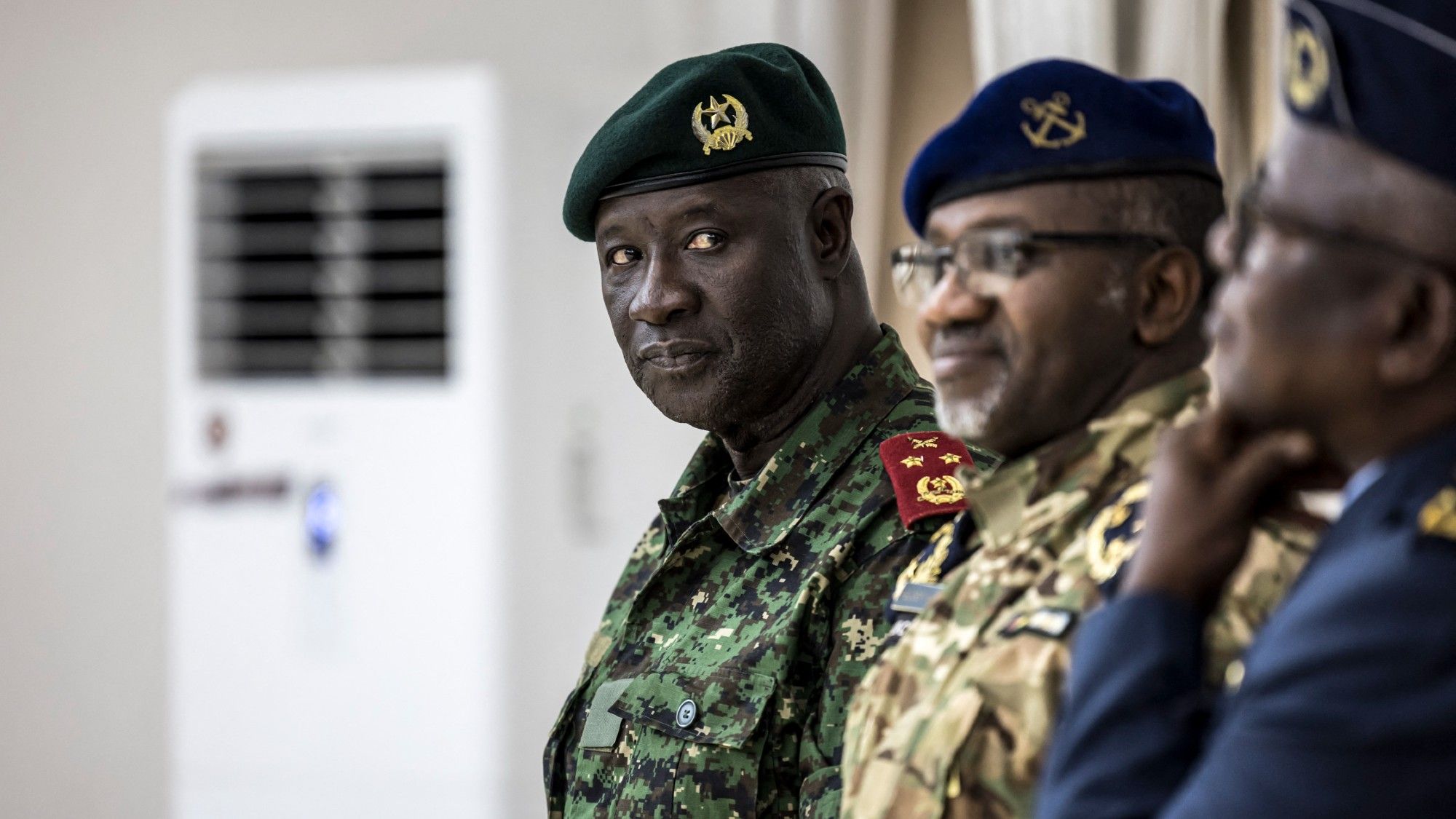
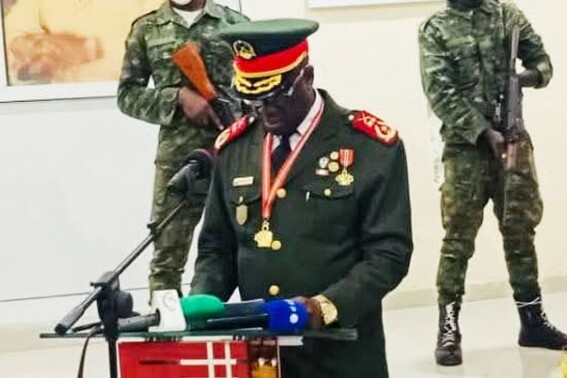
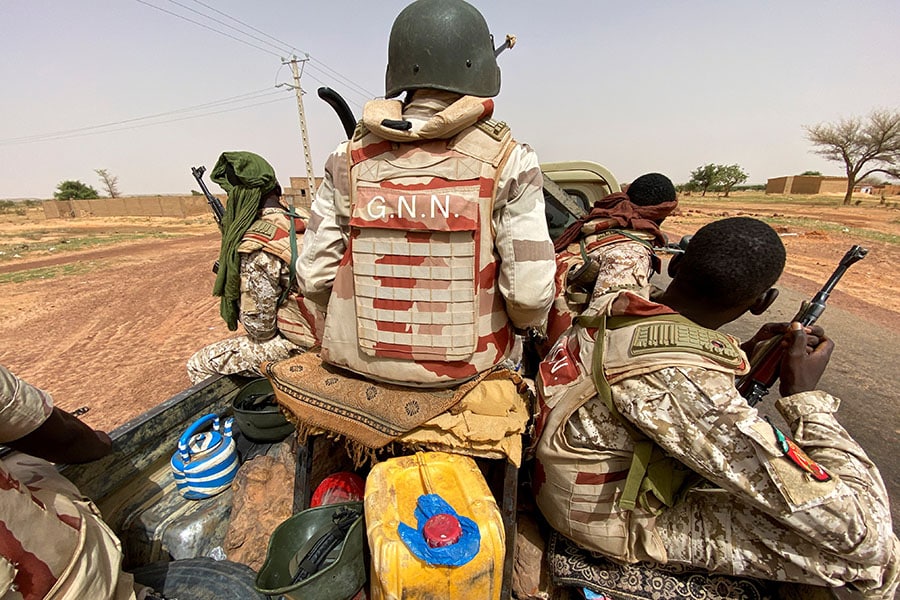
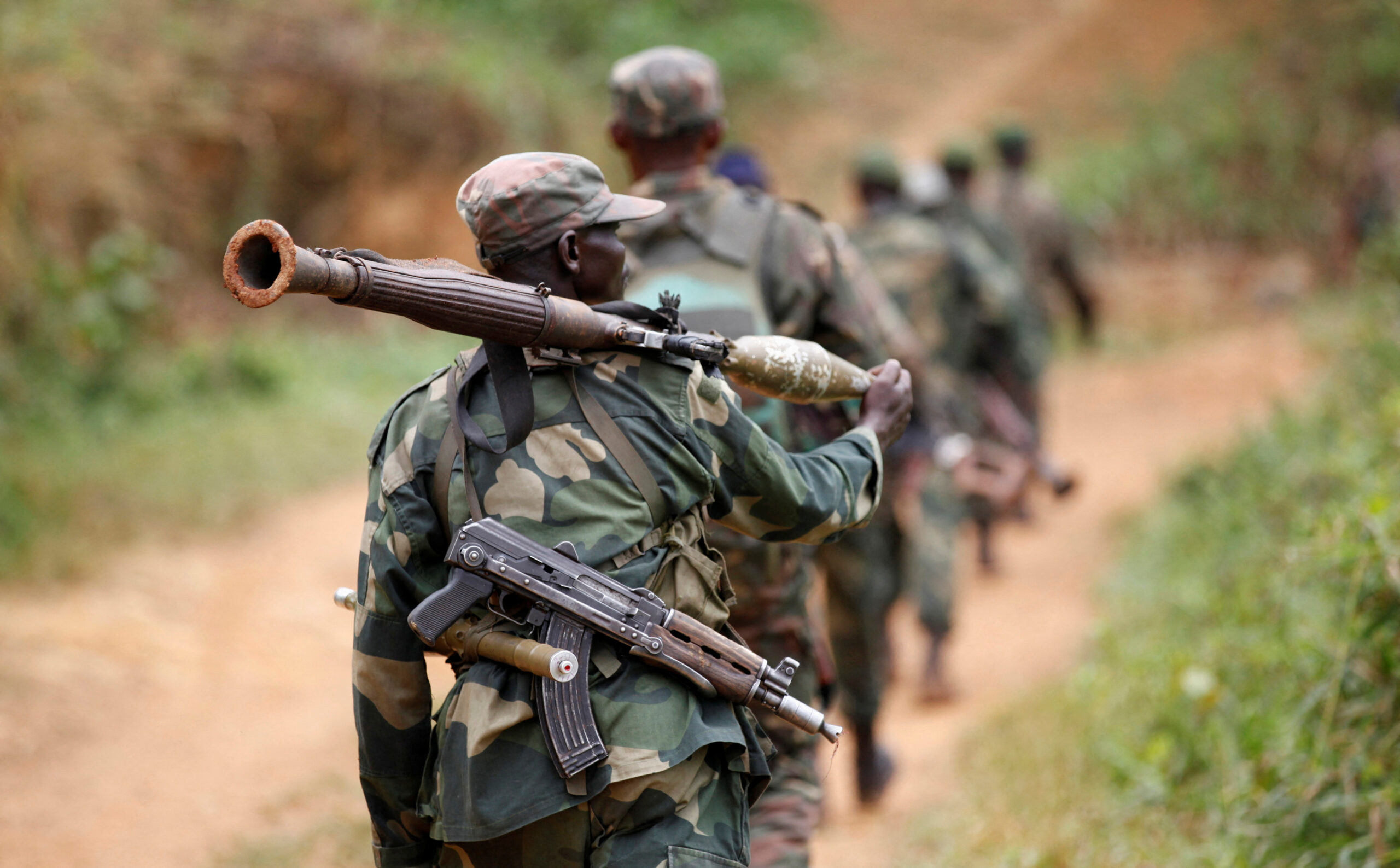
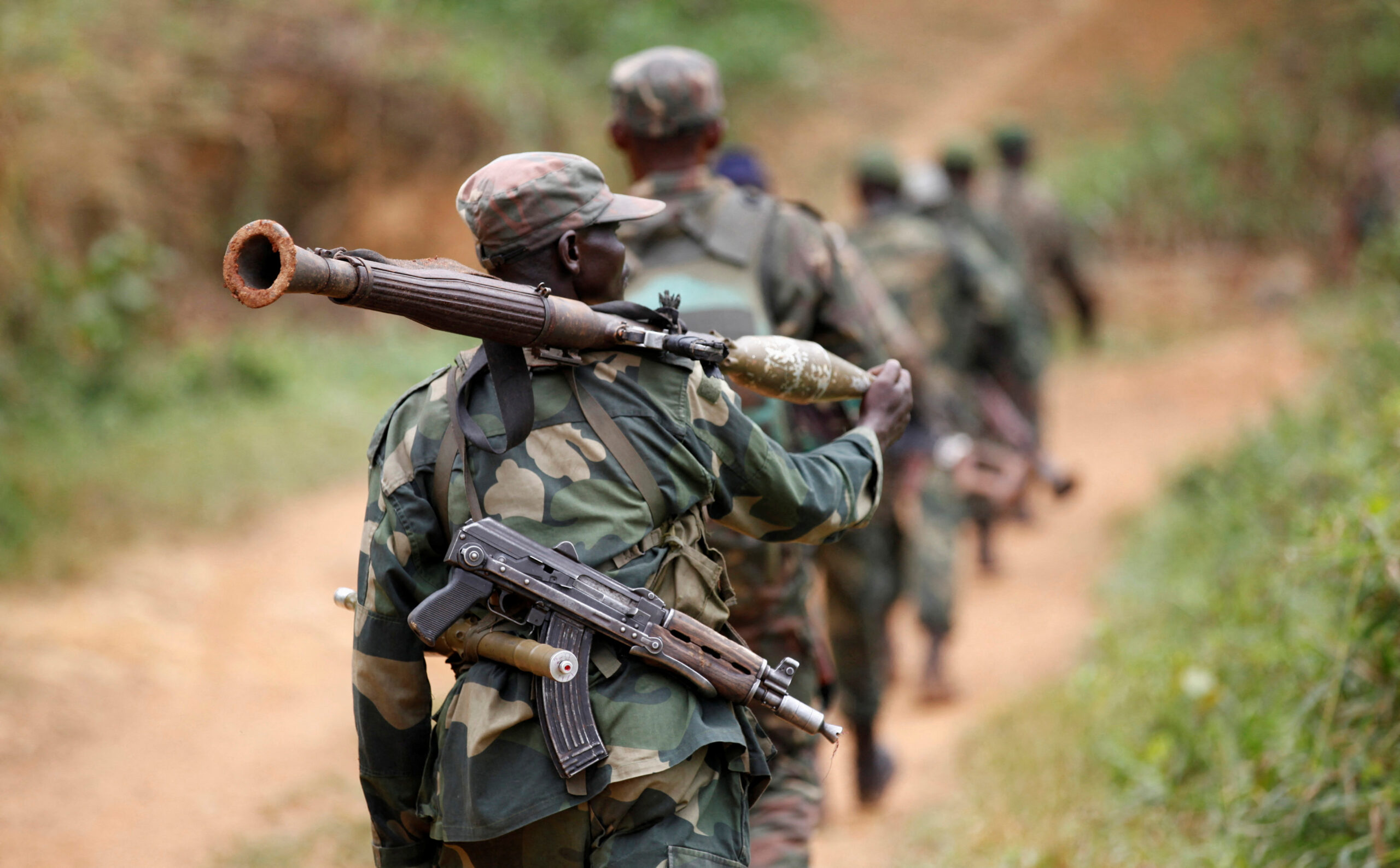
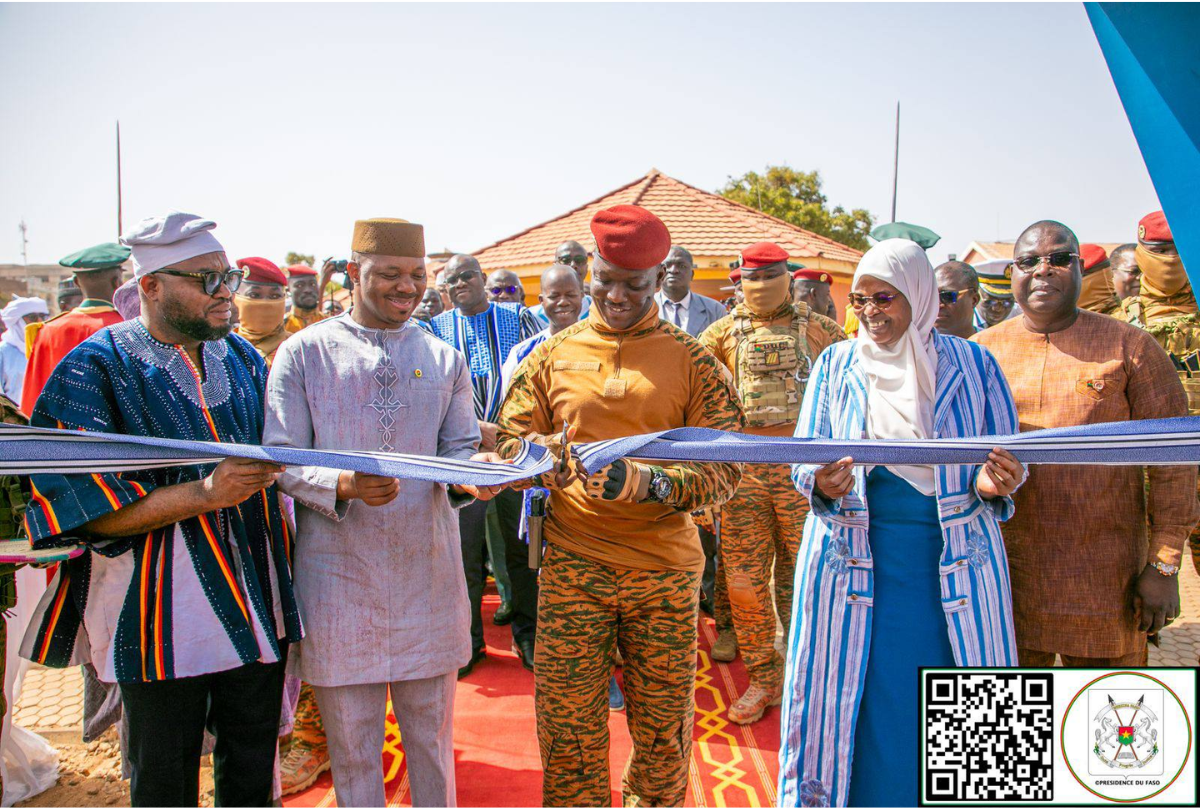
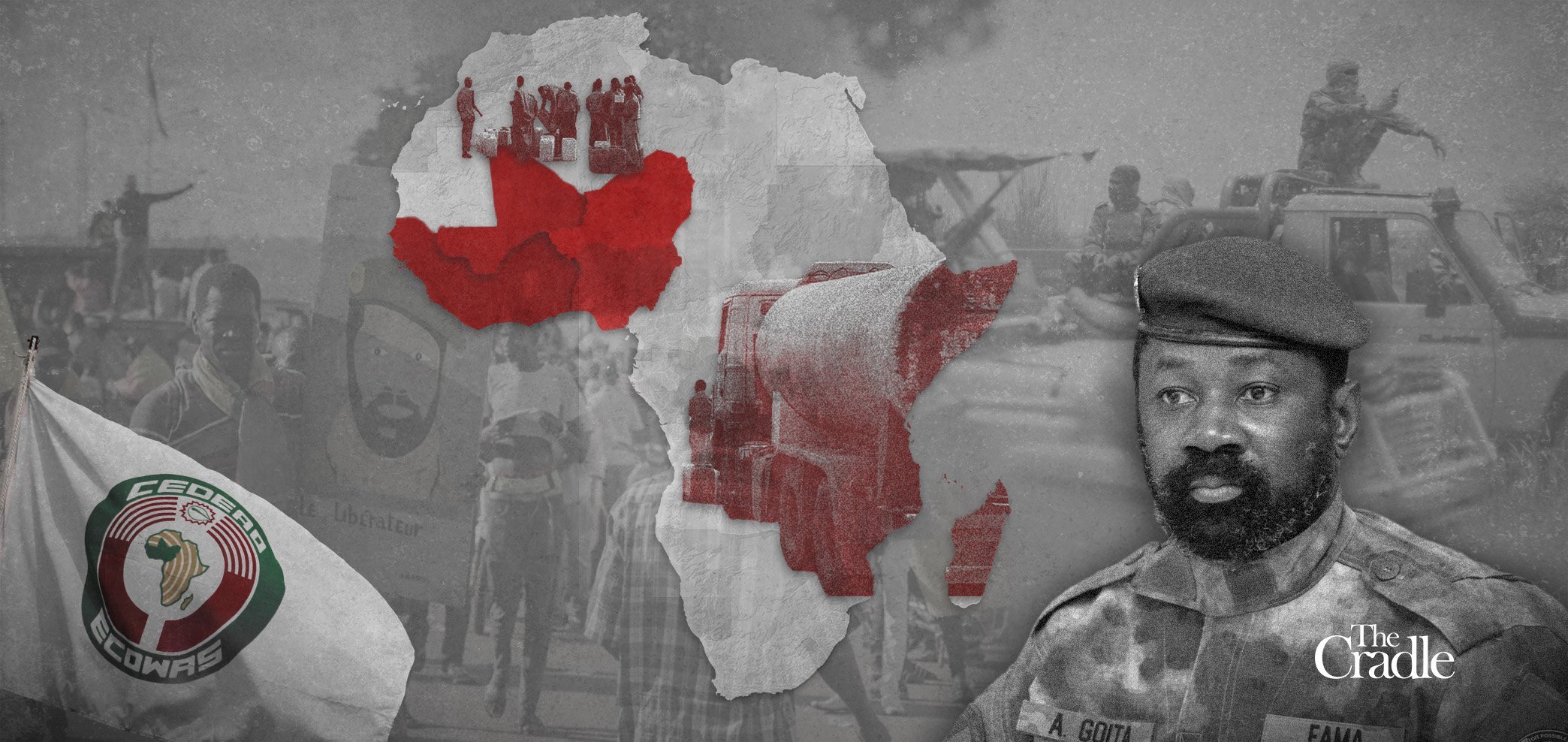
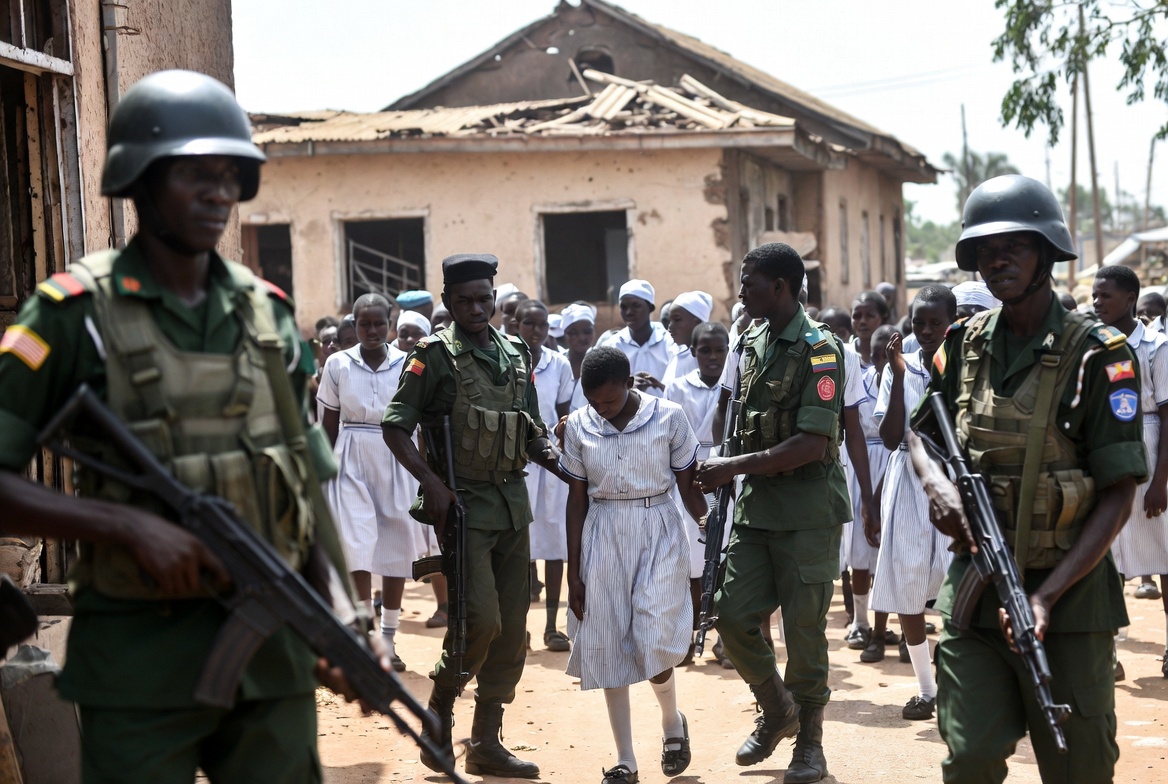
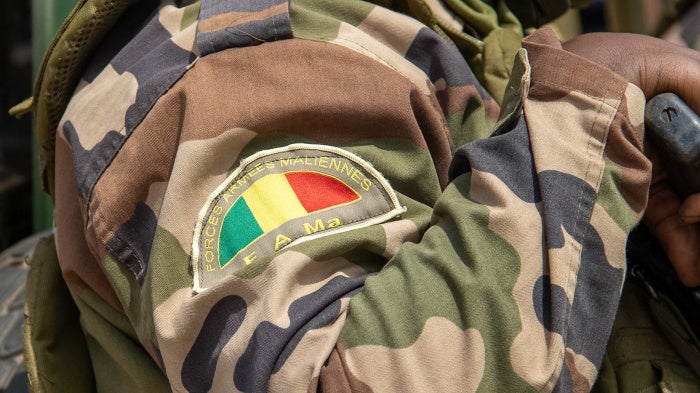
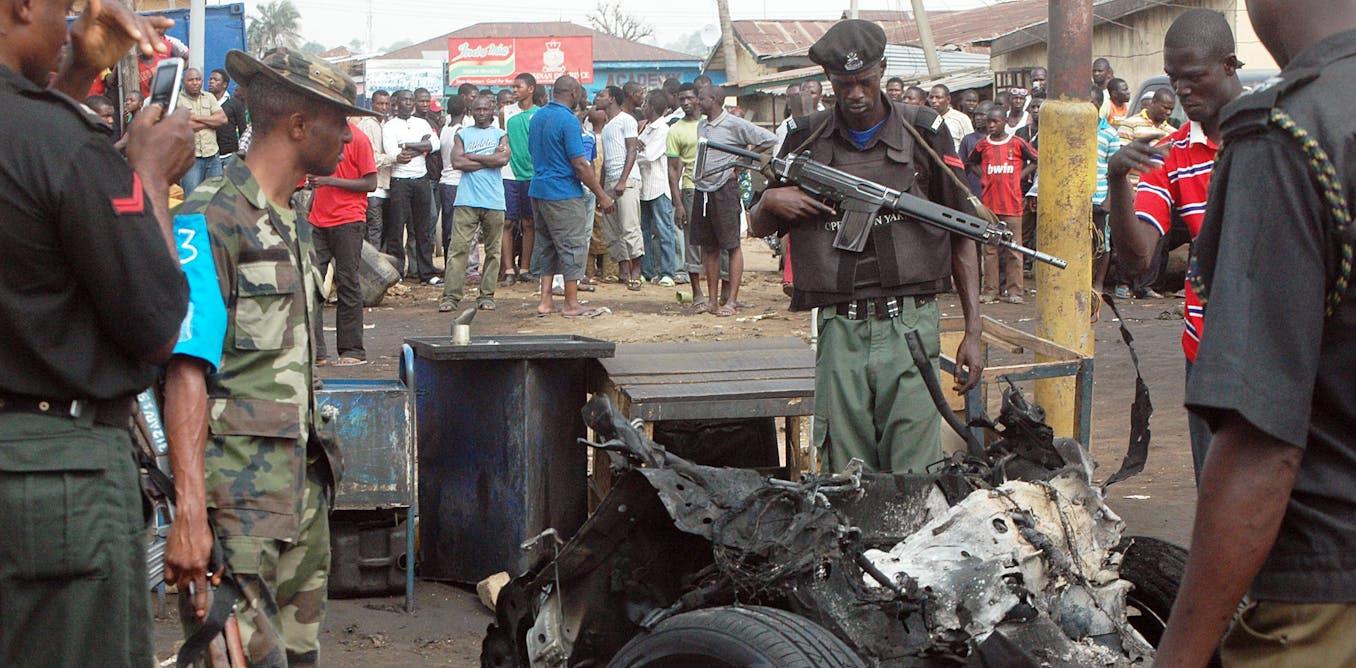
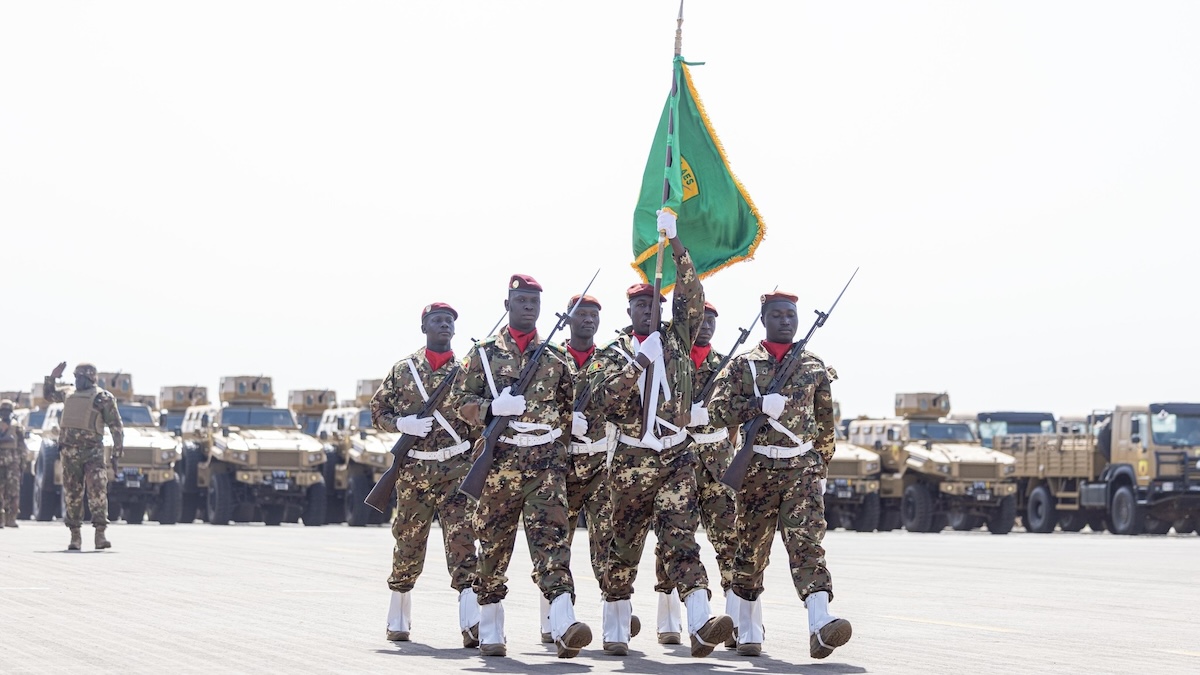
At the heart of the summit’s agenda, military and political chiefs forged concrete action plans, moving beyond mere gestures. A major announcement was the launch of a joint military battalion. This unified force aims to confront persistent threats from armed groups plaguing the vast, semi-arid zone just south of the Sahara, which have fueled chronic instability and undermined development in some of Africa’s poorest countries. By pooling their armed capabilities, Mali, Burkina Faso, and Niger aren’t just boosting security, they’re sending a resolute message: the Sahel states are reclaiming their own security agenda. But it’s not just about defense. Ambitious economic initiatives were also unveiled, designed to cement the alliance’s vision of self-reliance. Plans to establish a single bank and currency aim to shield their economies from volatile external influences and boost intra-regional trade. It’s a bold rejection of what alliance leadership calls “predatory foreign influence” that has, for too long, exploited the region’s resources and political vulnerabilities, a stance you can learn more about by reading this article on regional autonomy. This commitment to self-determination also explains their recent, acrimonious withdrawal from ECOWAS, the Economic Community of West African States, following disputes over sanctions they saw as punitive and counterproductive.
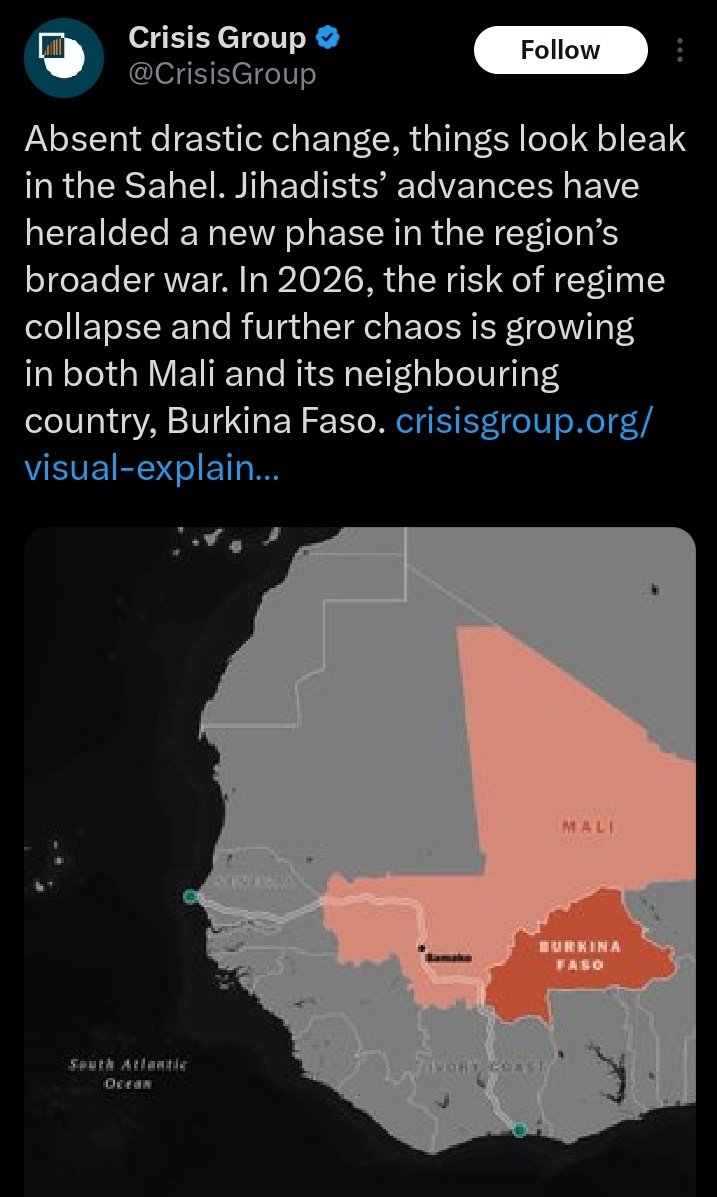
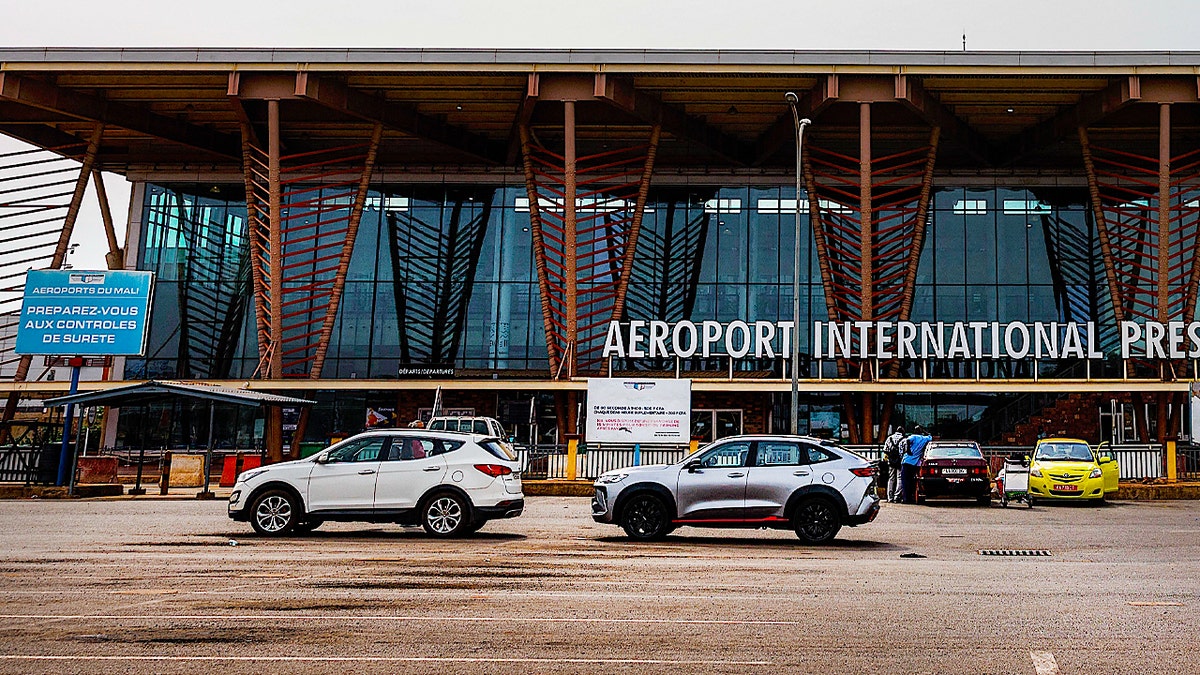
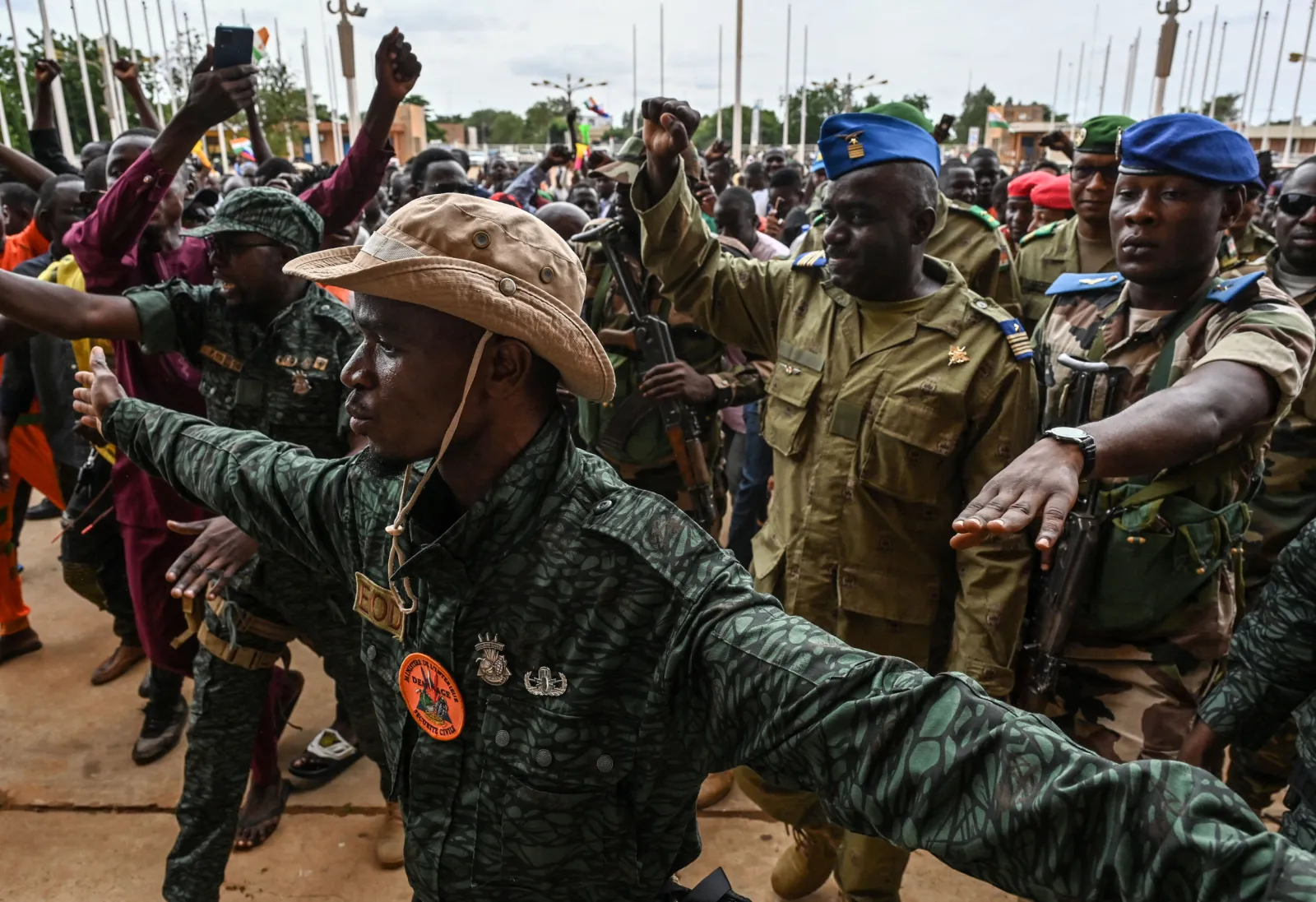
Of course, this dramatic political realignment won’t be without its hurdles. Harmonizing military operations, managing the logistics of a new currency, and establishing a viable central banking system are immense tasks. Bridging differences in governance styles and economic structures within the alliance will demand deft diplomacy and pragmatic compromise. Yet, the resolve shown at the Bamako summit suggests these nations are truly ready for the hard work needed to turn aspiration into reality. What does this mean for the rest of Africa and the international community? This emerging Sahel confederation presents both a challenge to traditional regional frameworks and post-colonial alliances, and an opportunity for fresh partnerships built on mutual respect. Supporters of African unity and proponents of security innovation will surely be watching its trajectory closely, offering lessons on evolving regional integration in our rapidly changing world. As Mali, Niger, and Burkina Faso embark on this ambitious journey, aren’t we all witnessing the birth of an agenda rooted in solidarity, self-determination, and resilience? The palm-lined avenues of Bamako could very well become the cradle of a new chapter for the Sahel, one where cooperation triumphs over fragmentation and shared destiny replaces division. You can explore more about Burkina Faso’s internal dynamics and the broader Sahel conflict and regional alliances for deeper context.