
Africa’s Tech Rebound Deepens in 2025, Driven by Corporate VC, Bigger Deals and a Return to Fundamentals
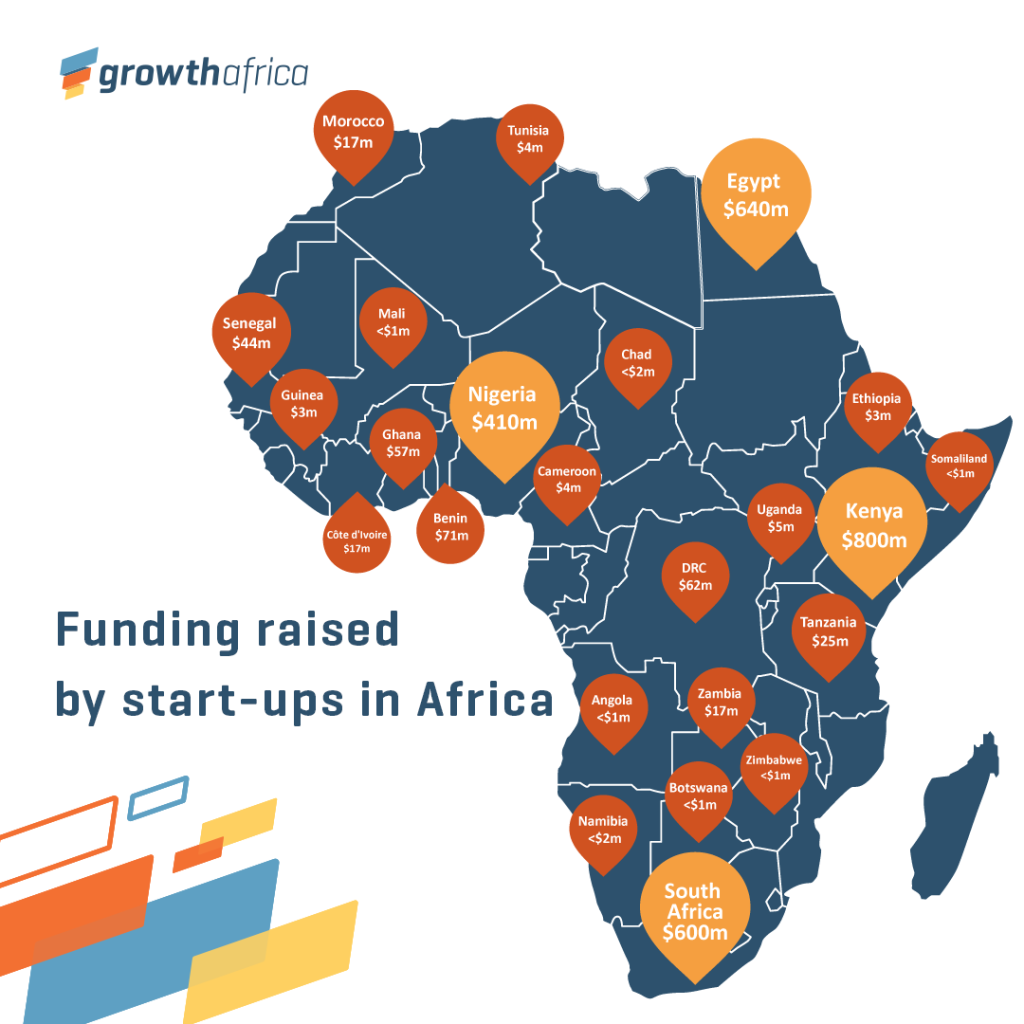
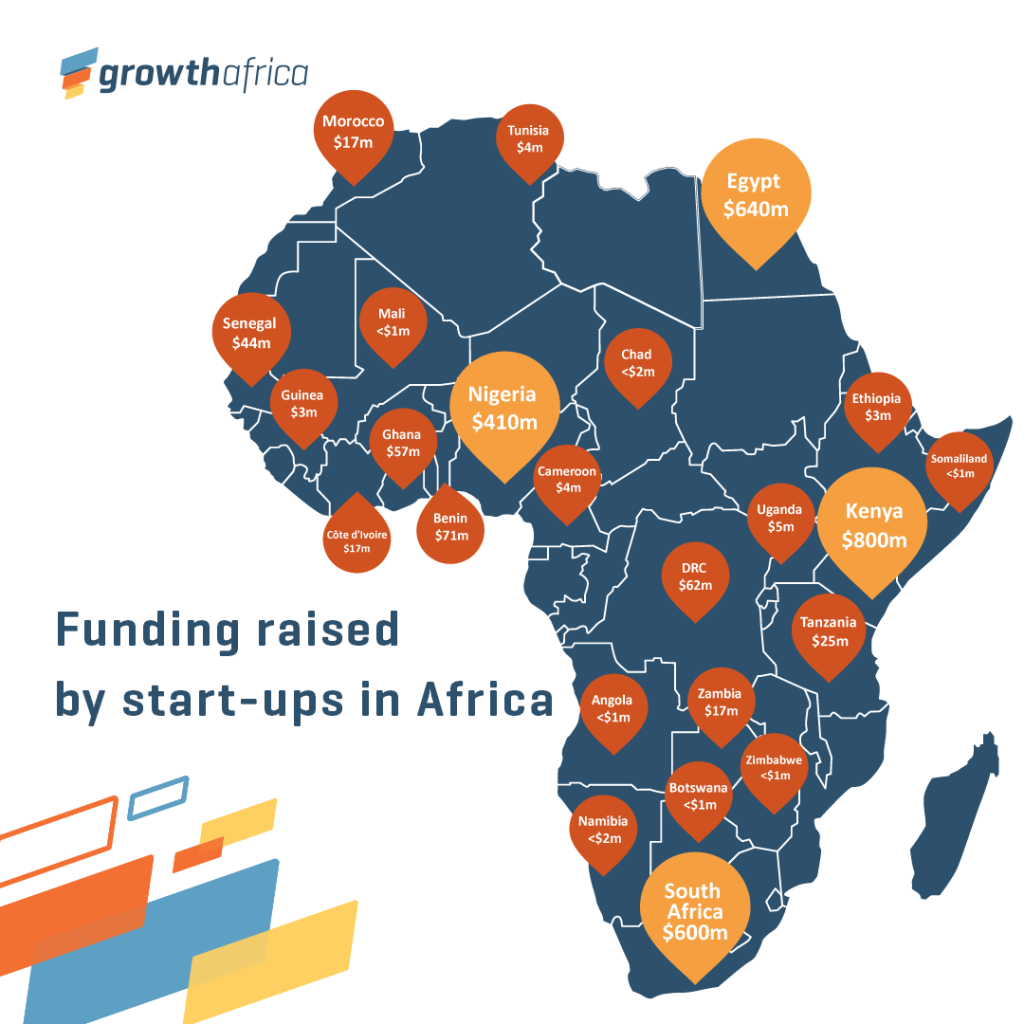
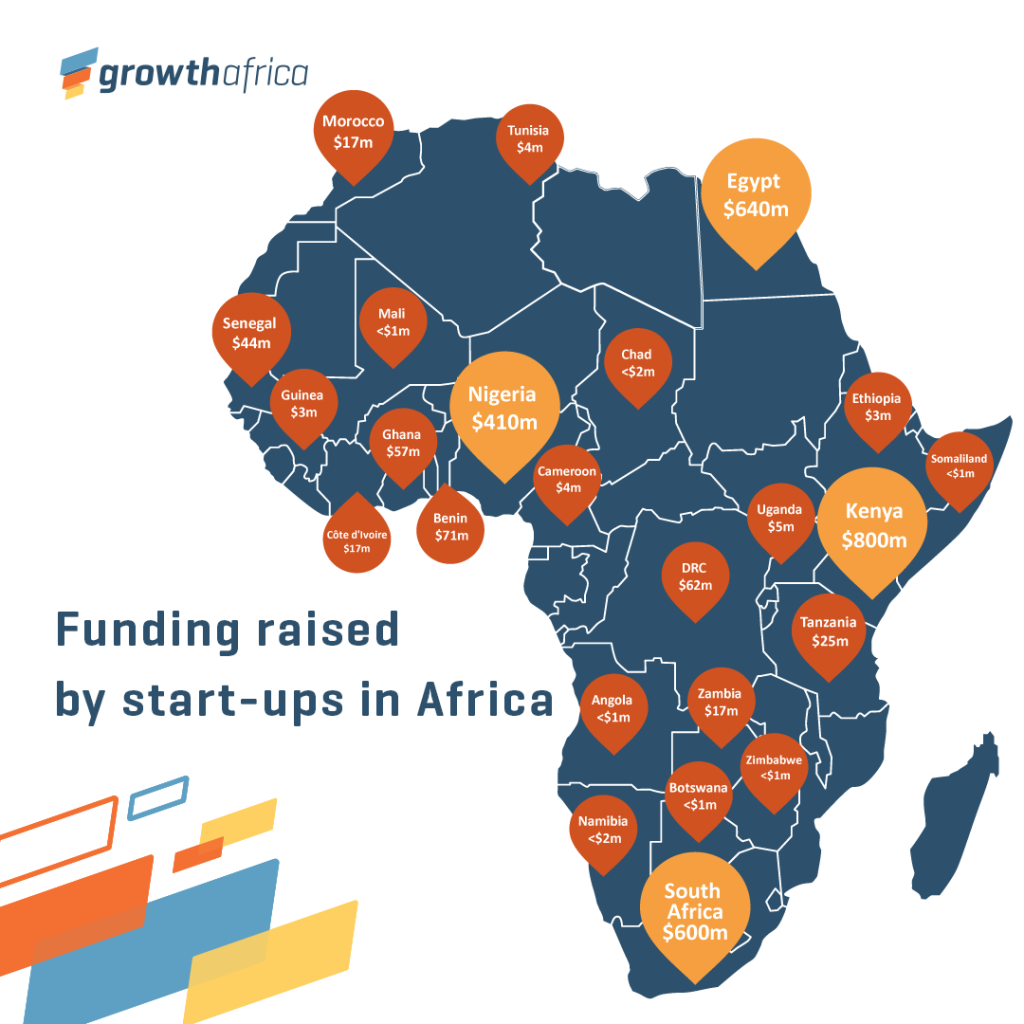
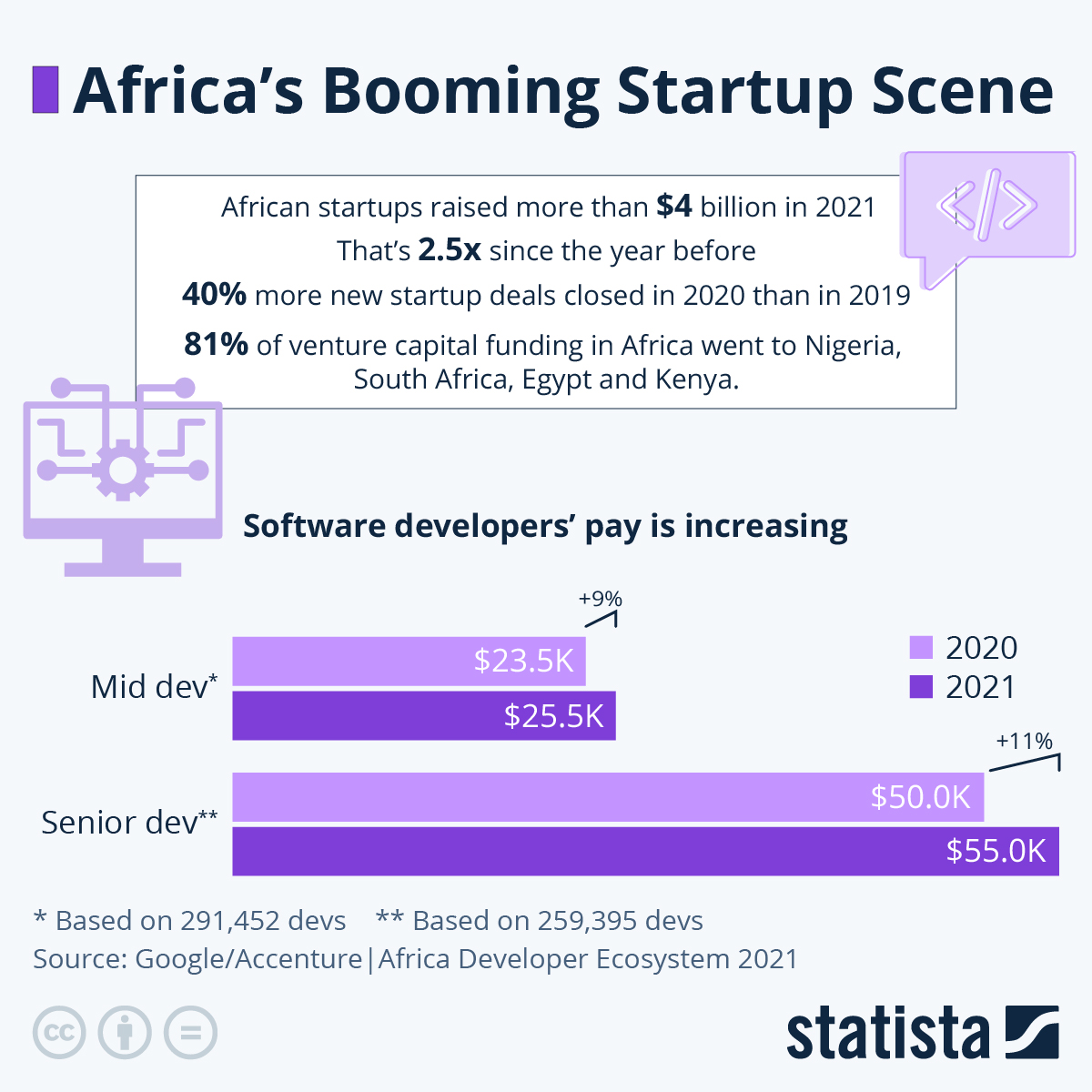
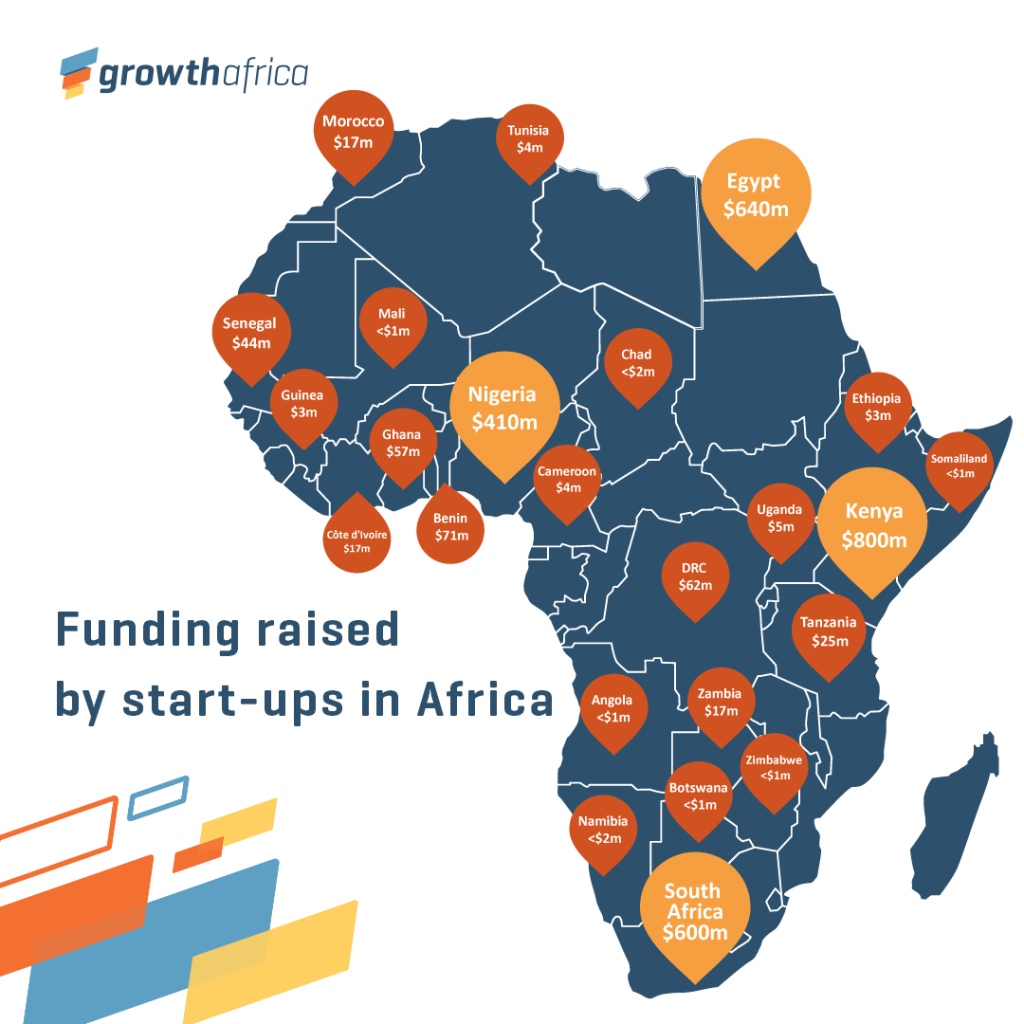
After two lean years that tested Africa’s startup ecosystem, 2025 brought a welcome reversal of fortunes. The continent’s tech scene closed the year with a clearer pulse and growing momentum, as startups pulled in record capital and investors shifted their attention from hypergrowth gestures to balance sheets and sustainable models. Aggregate venture funding for African startups topped an estimated $3 billion in 2025, up about a third year on year, according to Business Insider Africa. But it wasn’t just about the total dollars flowing in. The average deal size climbed to roughly $7.7 million, about 31 percent higher than a year earlier, reflecting deeper checks from both strategic and financial backers. Corporate venture capital made a decisive comeback too, with corporate-backed deals growing 44 percent compared with the second half of 2024. That surge, detailed in a Tech in Africa report, represents the most corporate activity since the 2021 to 2022 period, underscoring a renewed appetite among established firms to tap startup innovation for talent, new products and market reach. This revival builds on the broader tech renaissance we’ve been tracking across the continent.
Beyond the Numbers: A Healthier Approach to Growth
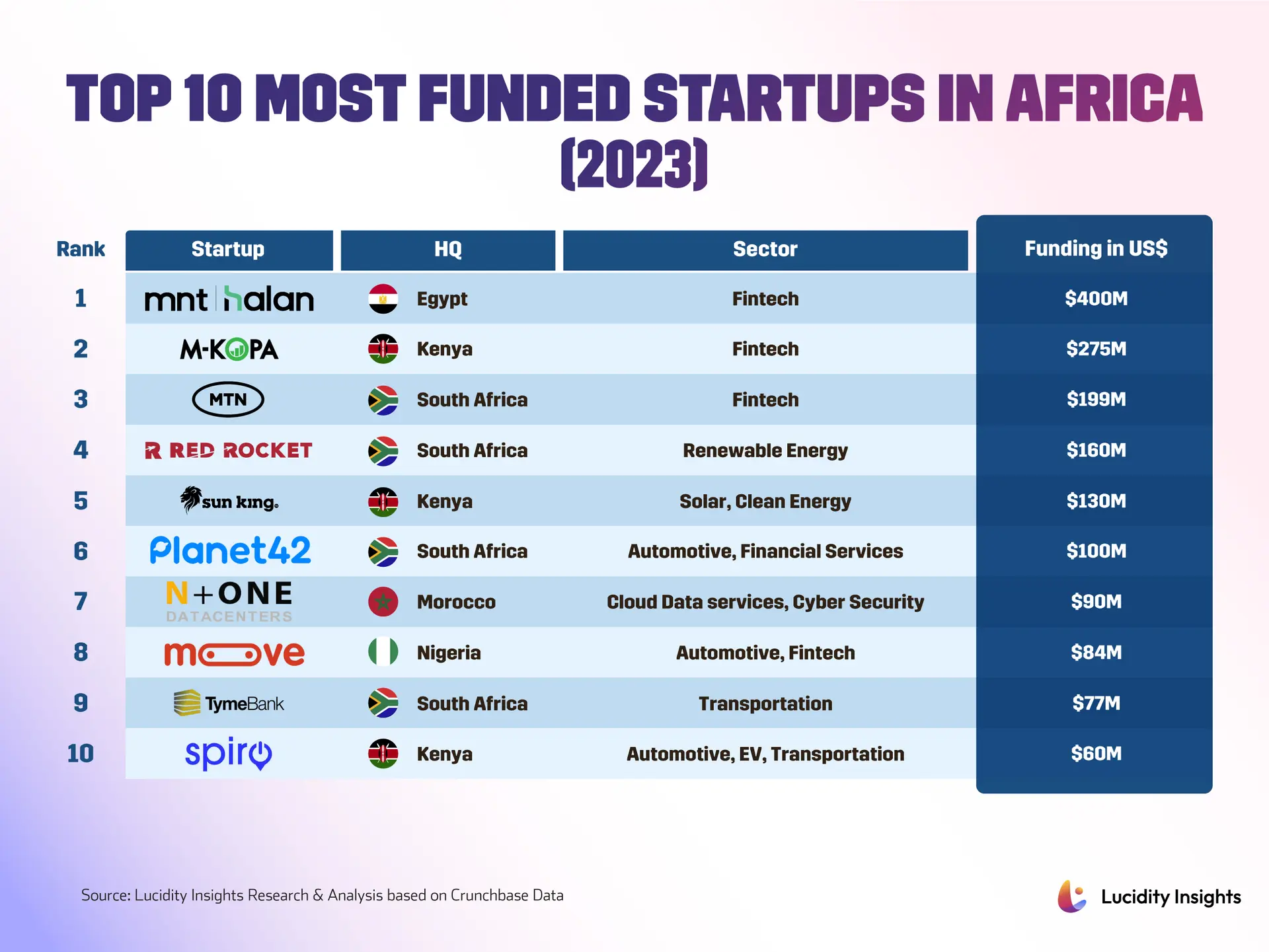
Look beyond the raw statistics and you’ll find a noteworthy shift in the tenor of conversations between founders and investors. There’s less emphasis on rapid user acquisition at any cost, and more scrutiny on profitability, margins and path-to-break-even. Founders and funds have been conditioned by the prior two years to build for durability, and that recalibration is visible in deal flow. More capital is going to companies demonstrating clear unit economics, repeatable revenues and defensible business models. Venture debt, a form of loan financing that sits alongside equity, played a larger role in 2025 too. Investors and founders alike are using debt to extend runway without diluting ownership, and lenders are increasingly comfortable offering these structures to businesses with demonstrable revenue. The revival isn’t limited to a single country or sector either. Fintech remains a locomotive, but proptech, e-commerce, e-mobility and climate-smart agritech also drew serious interest. High-profile rounds included a $100 million raise in e-mobility and substantial investments in proptech players expanding beyond local markets. Startups focused on solving concrete infrastructure and logistics gaps, from waste reprocessing to cross-border payments, are gaining attention because they translate into measurable impact and revenue. This evolution reflects the maturing startup ecosystem we’ve documented, where quality is starting to matter as much as quantity.
What This Means for Africa’s Tech Future
The mix of larger transaction sizes, a return of corporate venture players and smart use of debt suggests the 2025 funding environment is evolving from a purely speculative phase to one that rewards execution. For founders, the signal is clear. Investors want scalable businesses with economic durability. For corporates, partnership and strategic investment have become a practical way to access innovation without buying entire companies. Diaspora and international investors are re-engaging too, often partnering with local corporate investors or development-focused funds. There’s also more attention on enabling easier global payments for African businesses, with products such as Apple Pay integrations and other payment rails supporting export-oriented merchants and remittance flows. If 2025 represents a turning point, the test for 2026 will be whether these investments translate into profitable scale, regional expansion and new export flows for African products and services. The upside is significant, because as businesses build stronger fundamentals, they’ll be better positioned to export ideas, tech and services beyond the continent, creating jobs and tapping global markets. This ongoing tech rebound shows that Africa’s innovation story is entering a new, more sustainable chapter. For continuous coverage of these developments, you can follow the latest analysis on TechCrunch’s Africa section, which provides regular updates on the continent’s evolving tech landscape.