US Military Strikes ISIS in Nigeria as Kidnapping Crisis Persists
A Christmas Offensive: US Targets ISIS Amidst Nigeria’s Lingering Security Woes
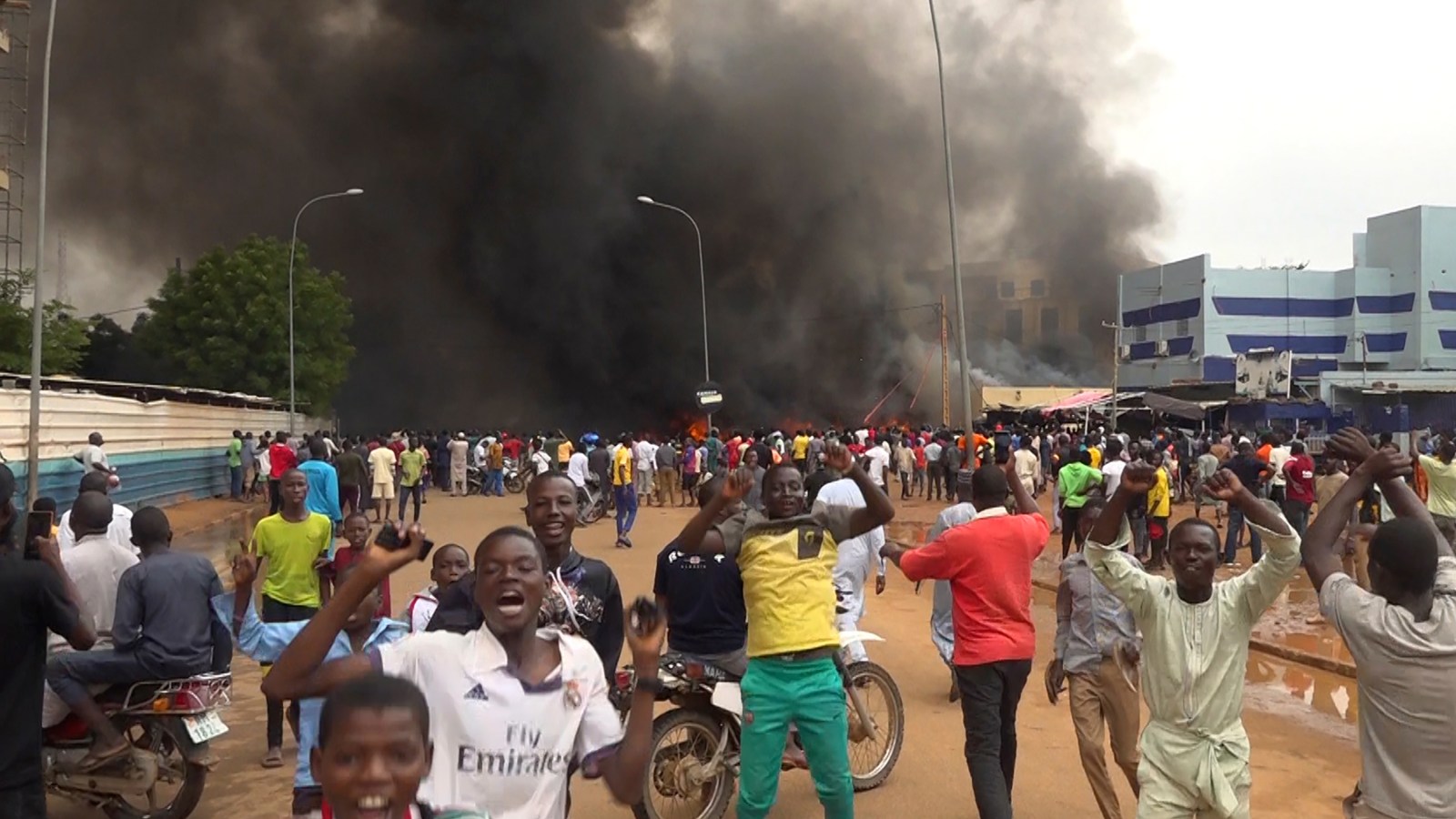
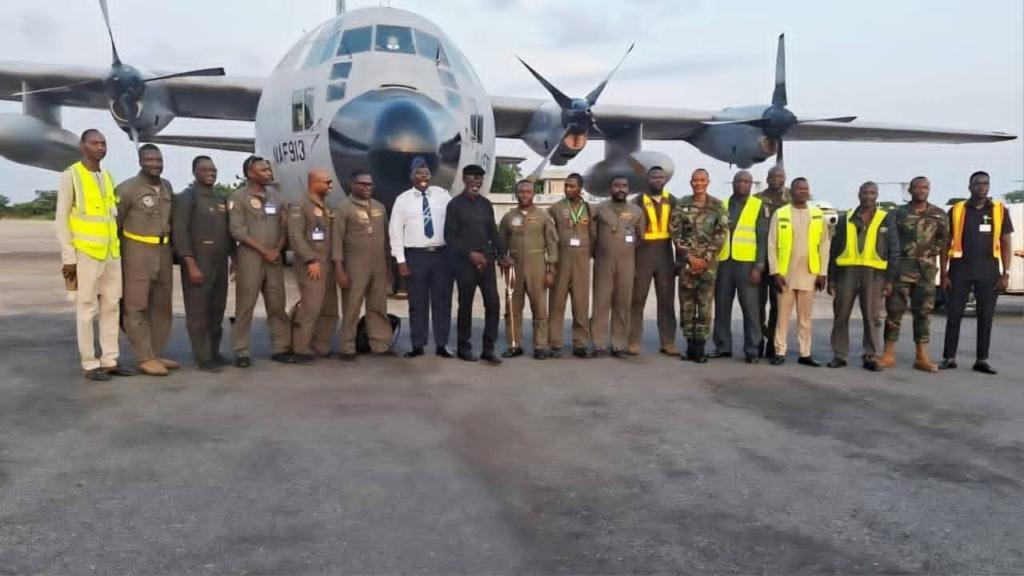
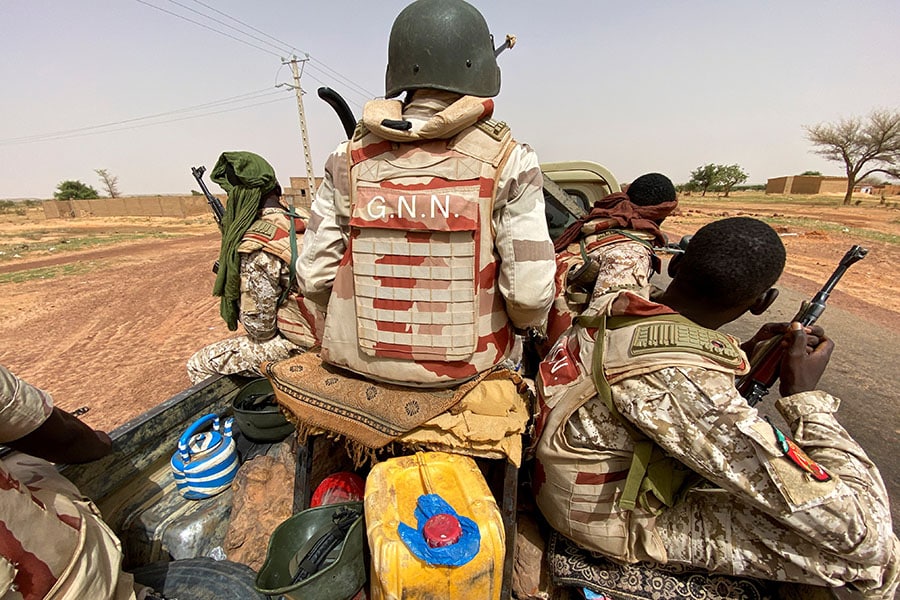
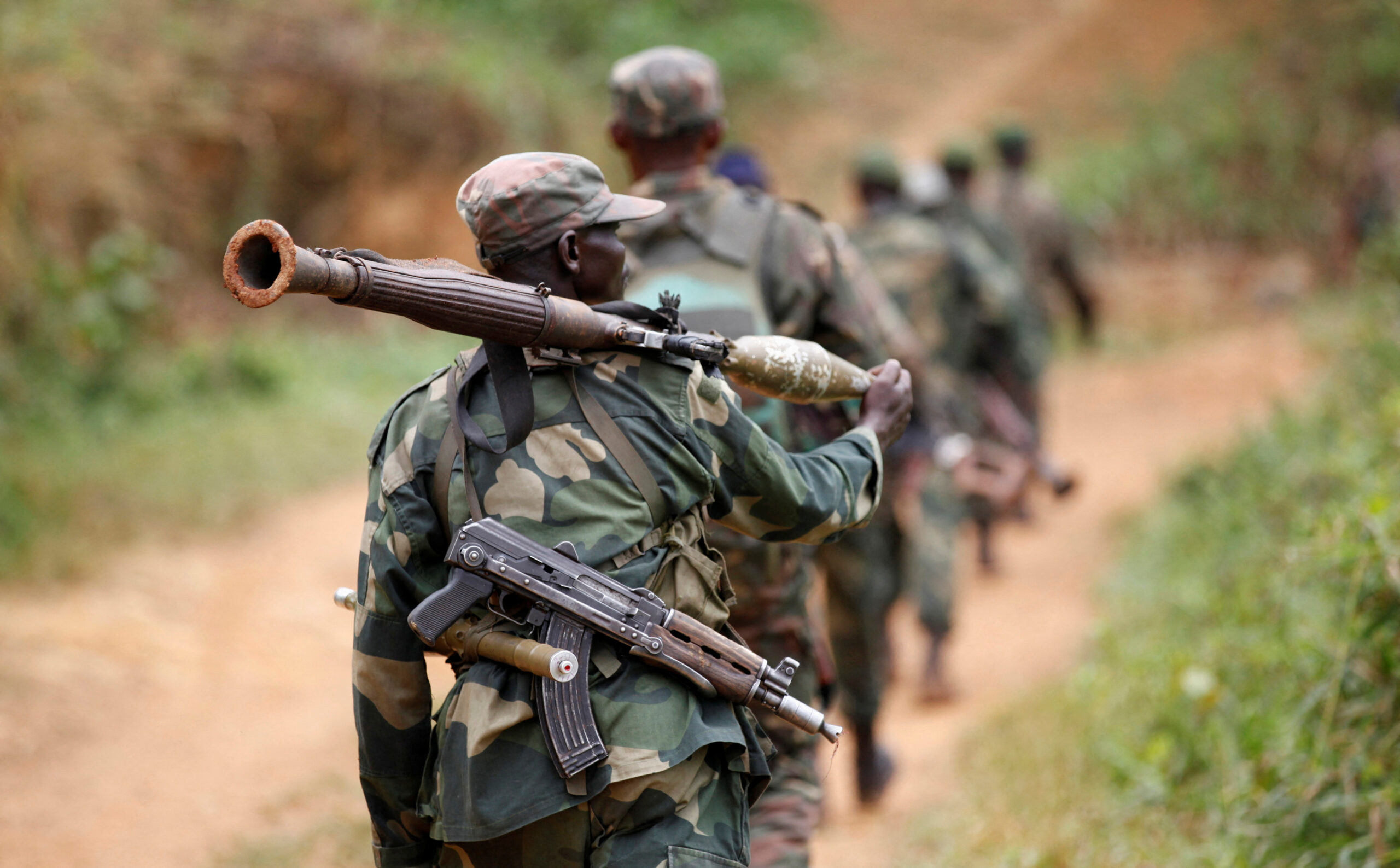
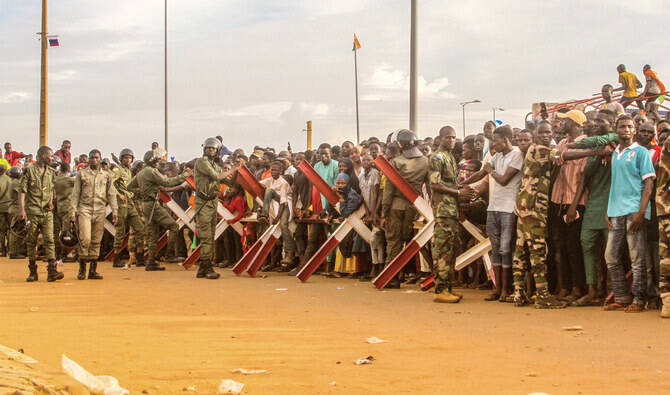
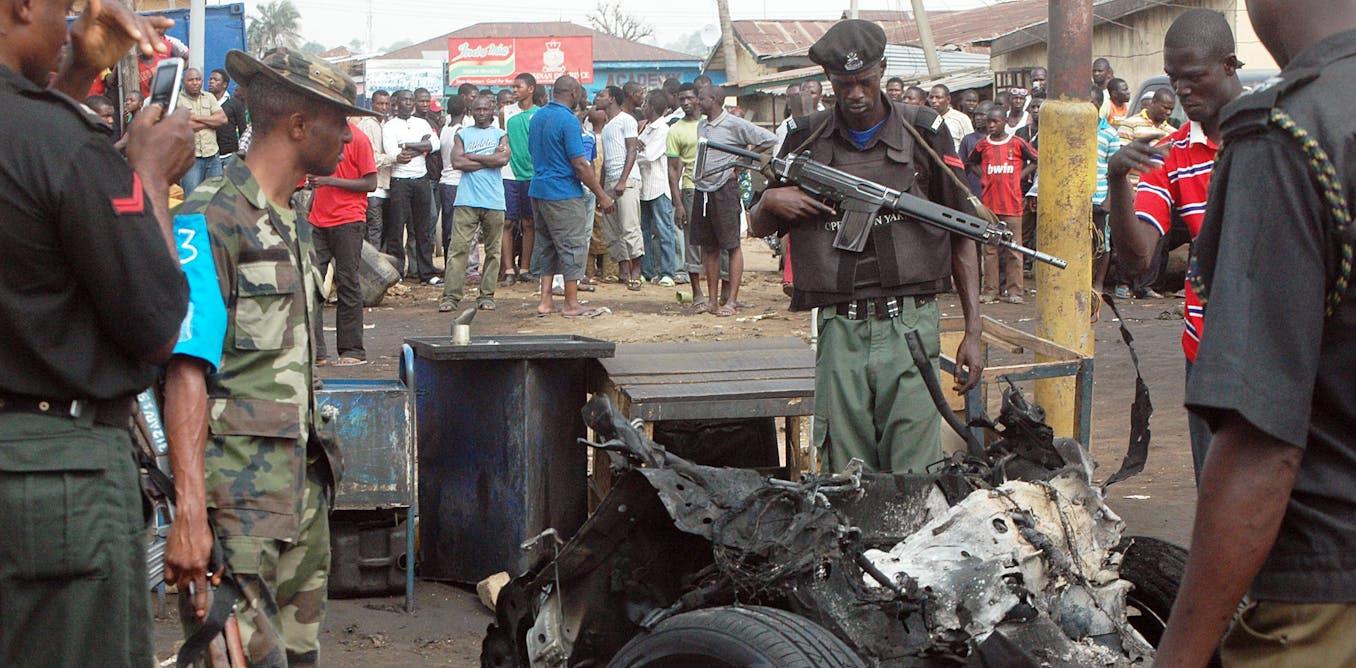
Over the Christmas holiday, the United States military launched airstrikes against Islamic State (ISIS) terrorist camps in northwestern Nigeria. This move signals a significant escalation in global efforts to tackle violent extremism destabilizing the region. President Donald Trump, announcing the operation on social media, stated he’d ordered a “powerful and deadly strike” against ISIS militants accused of persecuting Christians. The strikes hit Sokoto State, bordering Niger to the north, and US Africa Command (AFRICOM) confirmed they worked with Nigerian authorities. This wasn’t just a holiday surprise; it arrived amidst deep international concern for Nigeria’s religious communities, where Islamist violence and sectarian kidnappings have rattled national stability for years. President Trump positioned the action as a protective measure for innocent Christians, but he also stressed a commitment to defending religious freedom and security for all Nigerians, regardless of their faith.
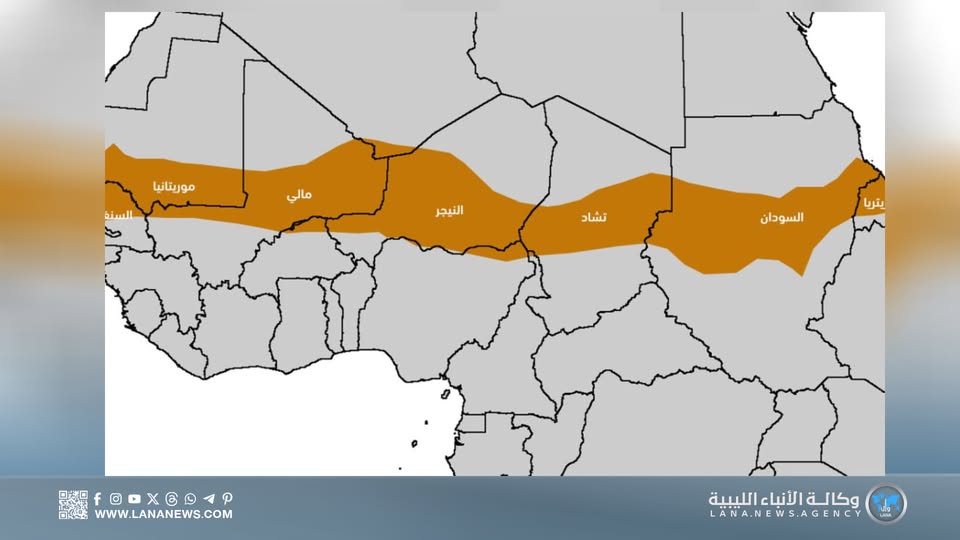
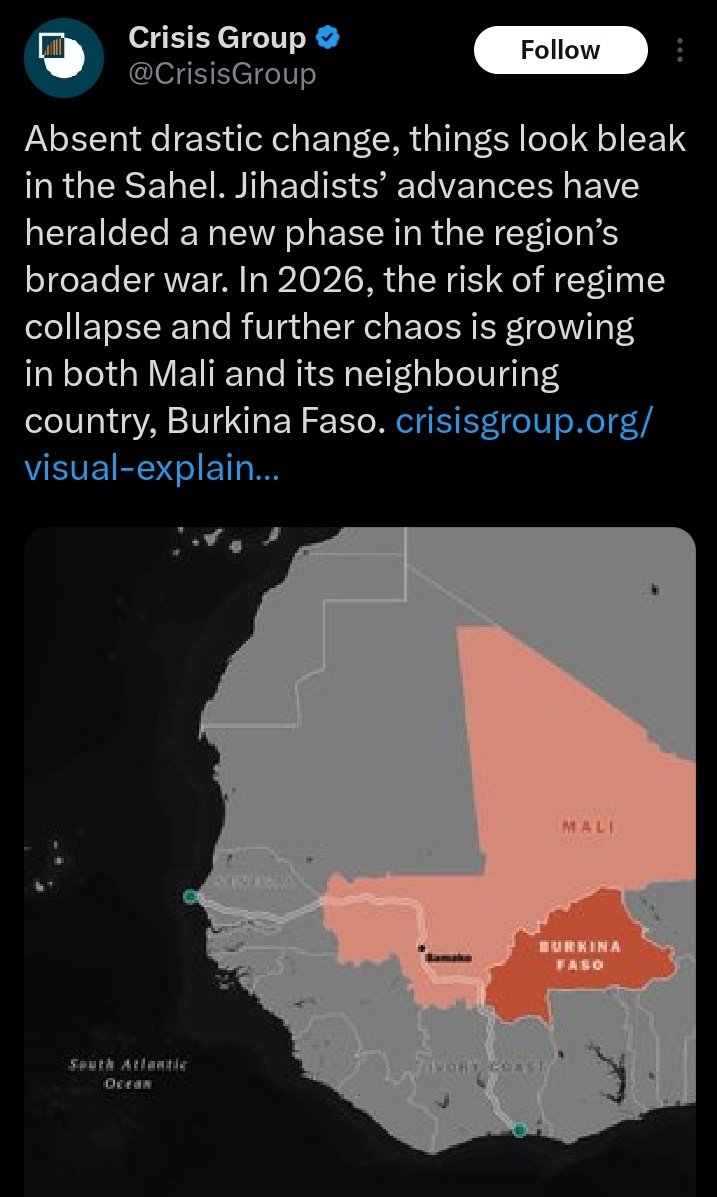
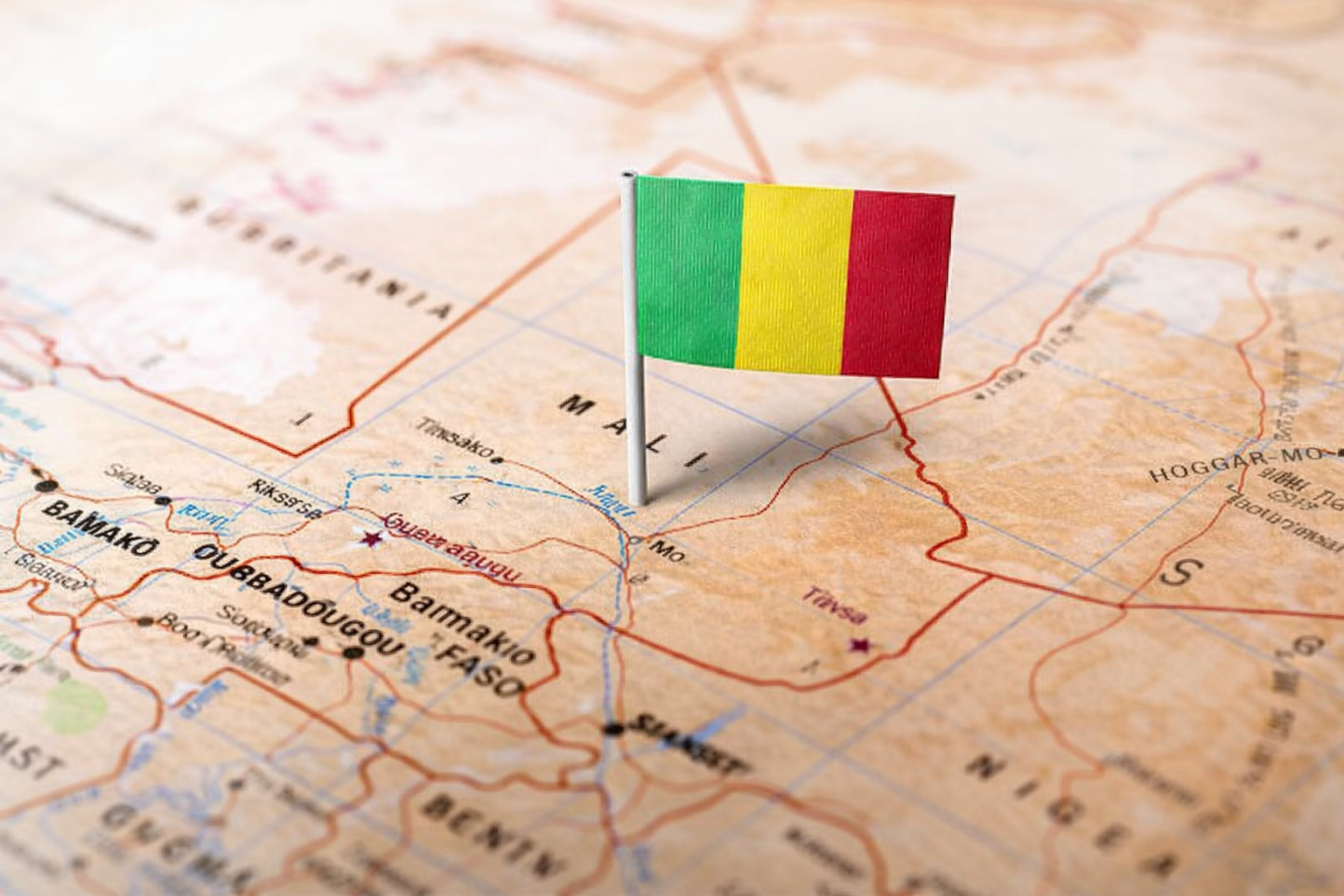
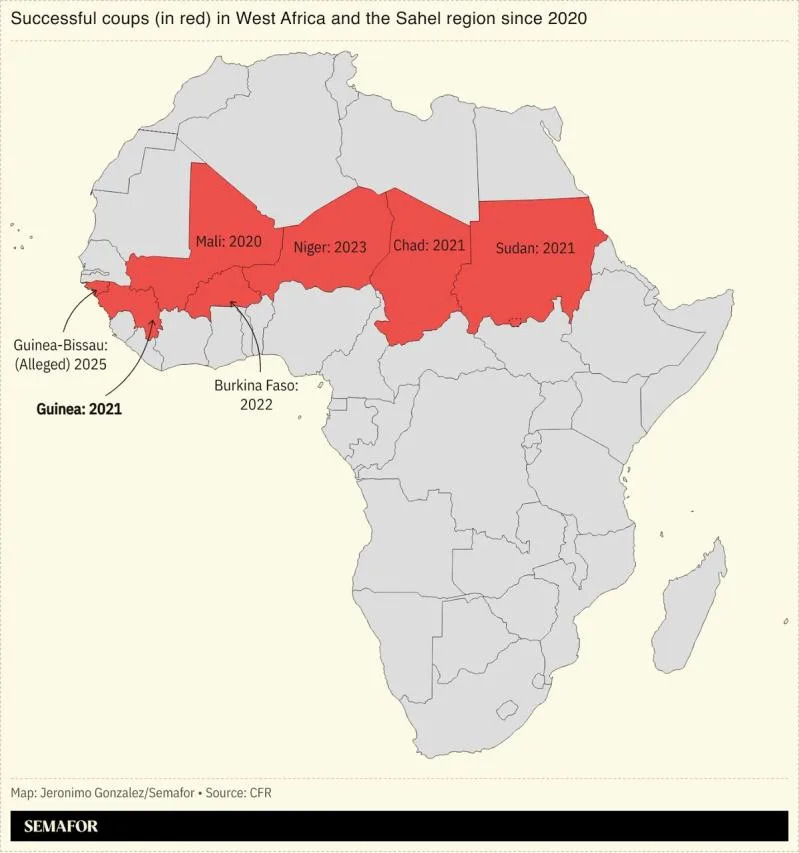
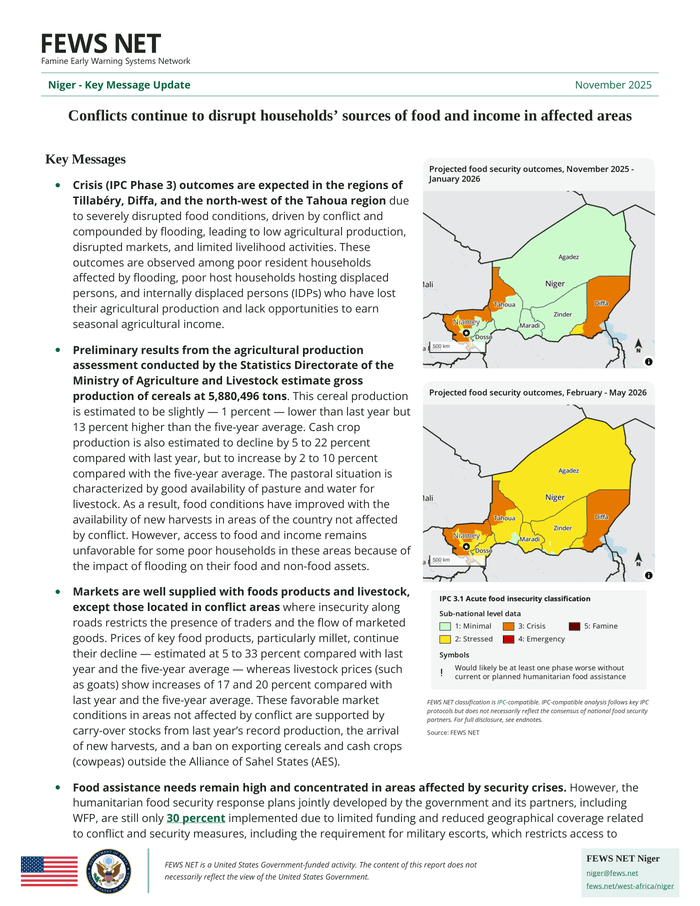
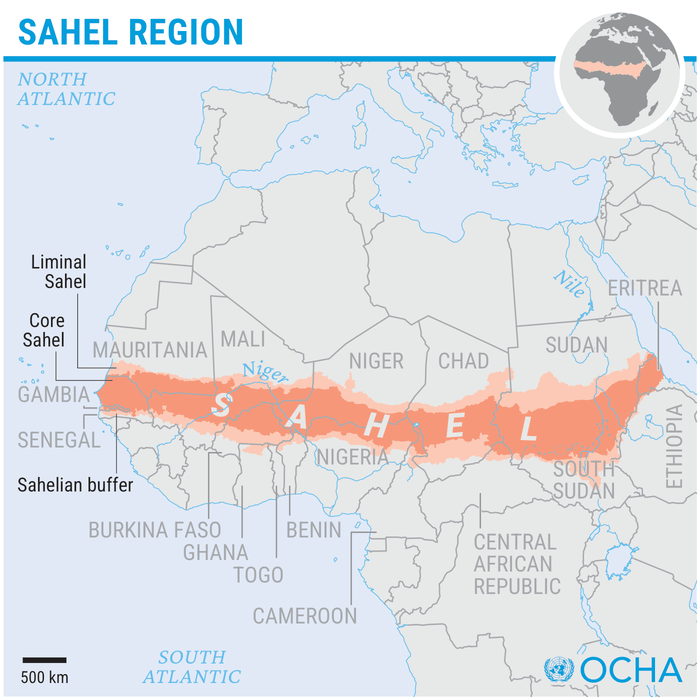
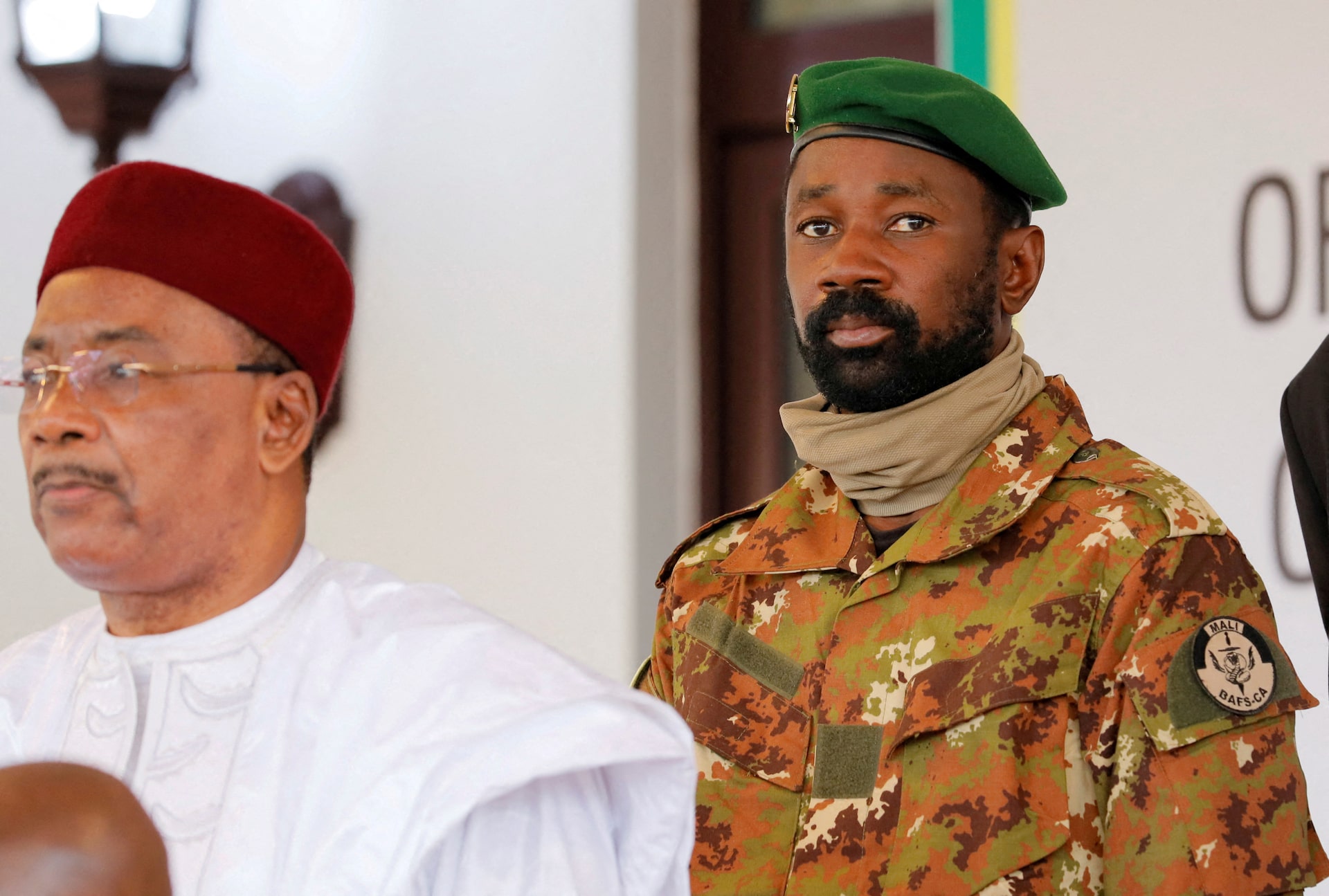
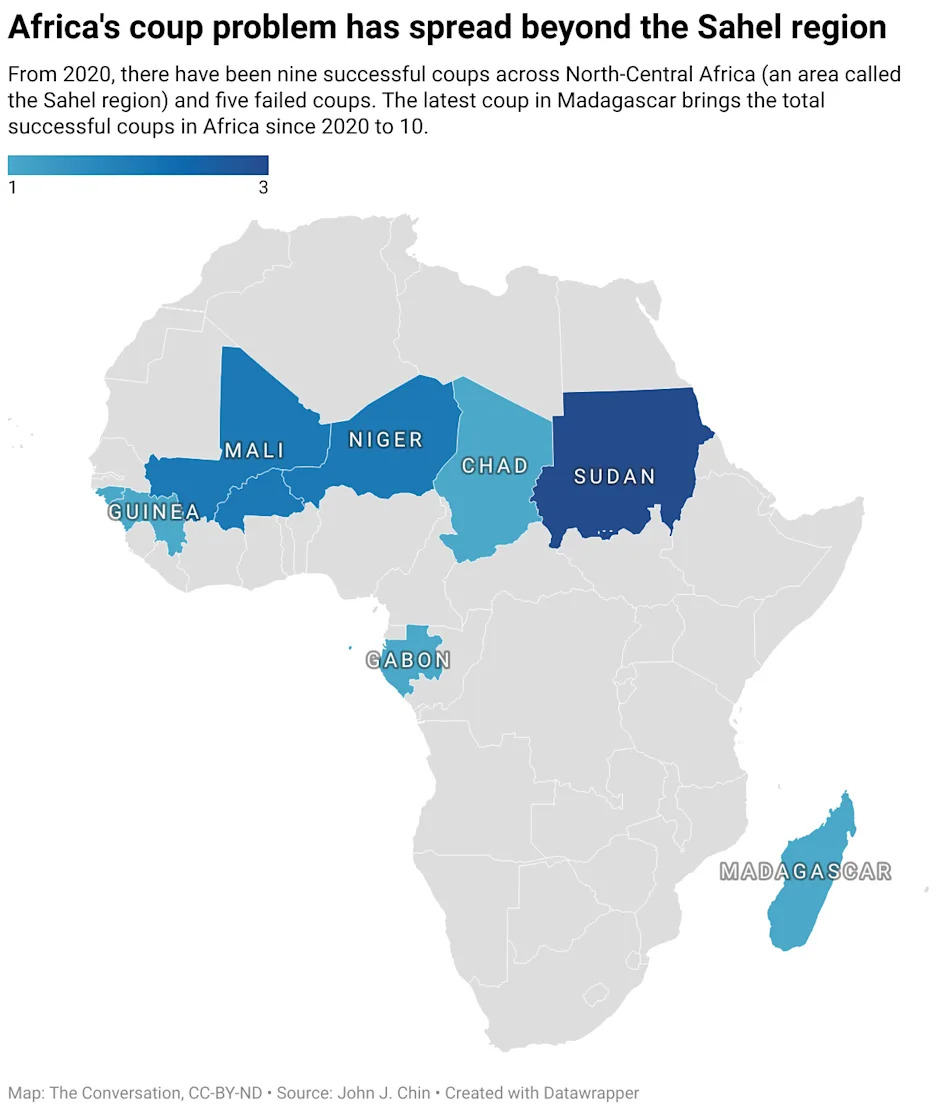
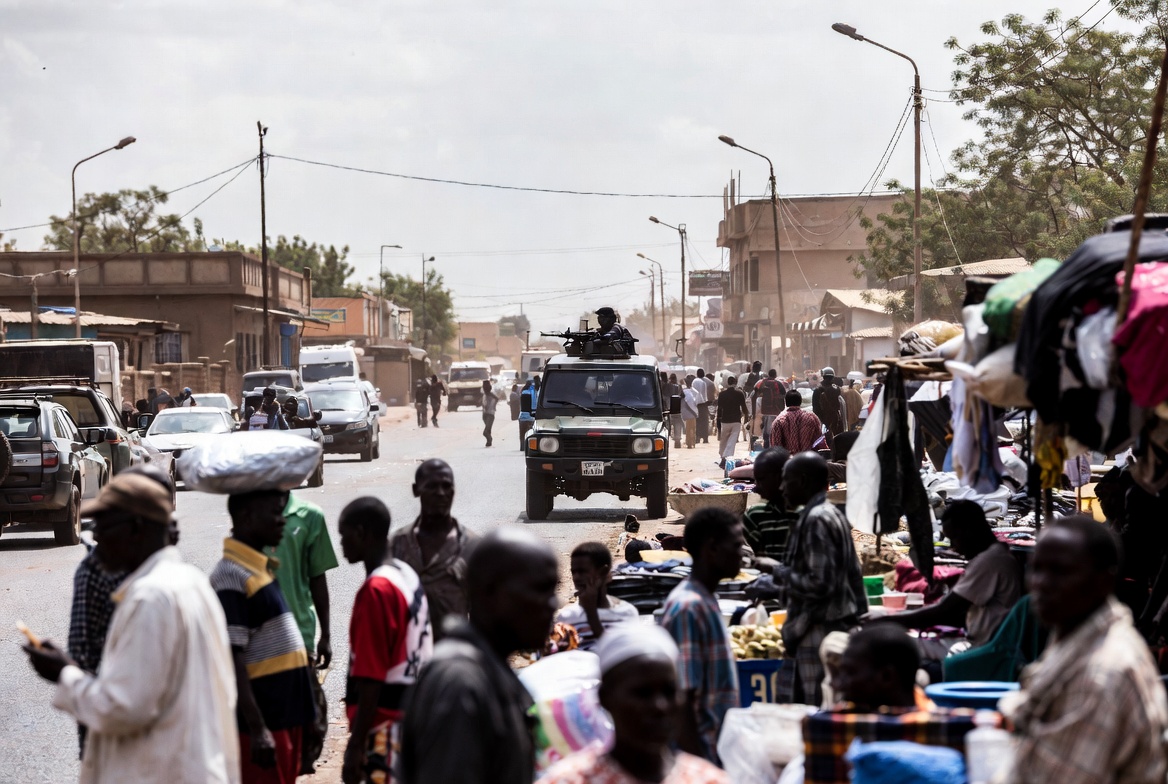
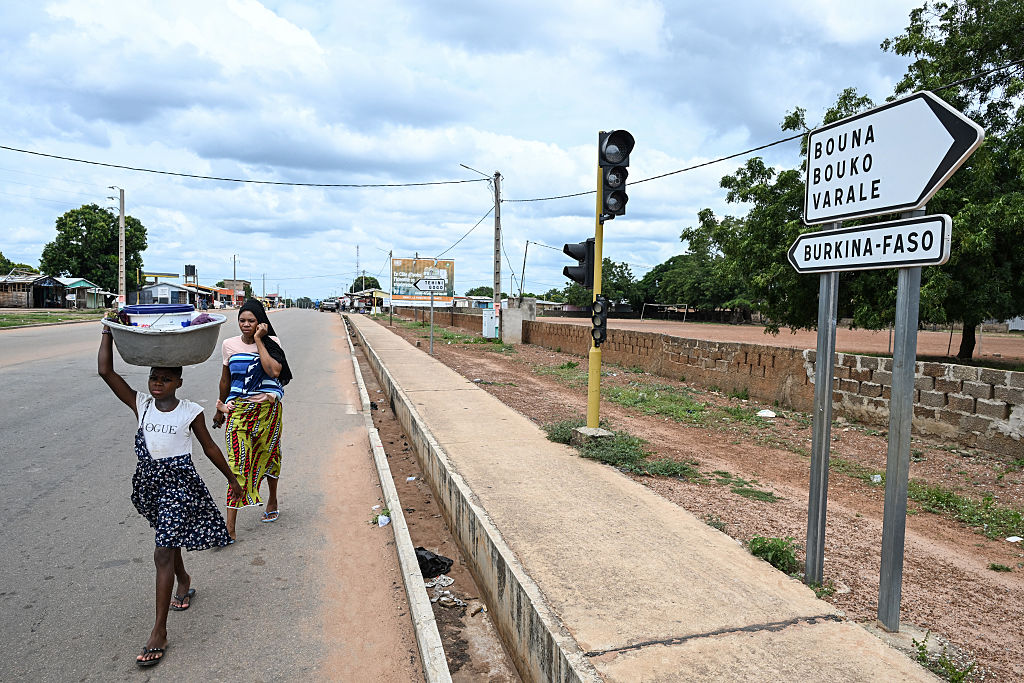
AFRICOM’s initial assessments reported “multiple ISIS terrorists were killed in the ISIS camps” during the operation. Nigeria’s Foreign Ministry also confirmed their cooperation on these strikes targeting “terrorist targets,” emphasizing the nation’s dedication to safeguarding all citizens. Yet, questions linger. Experts like Vincent Foucher from France’s National Center for Scientific Research noted the Sokoto State focus seemed unusual. Why? Because the most documented ISIS-linked groups typically operate in northeastern Nigeria, quite a distance from Sokoto in the northwest. This suggests a shifting threat, with militant groups from the Sahel region recently pushing into Nigeria’s northern border areas and neighboring coastal countries. This evolving security landscape only compounds Nigeria’s security challenges.
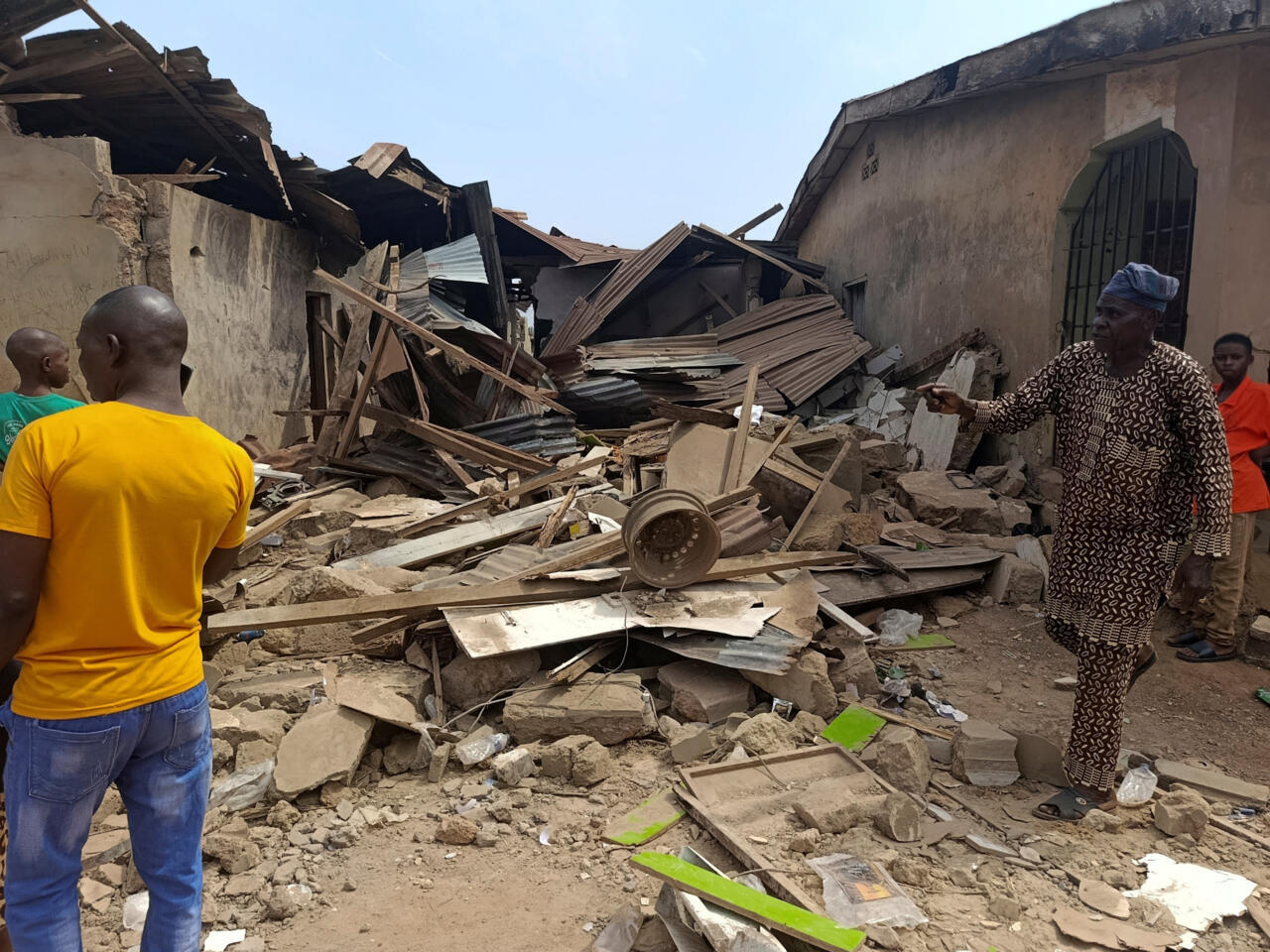
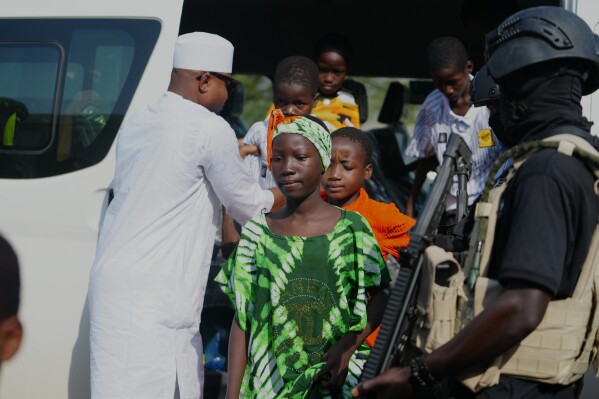
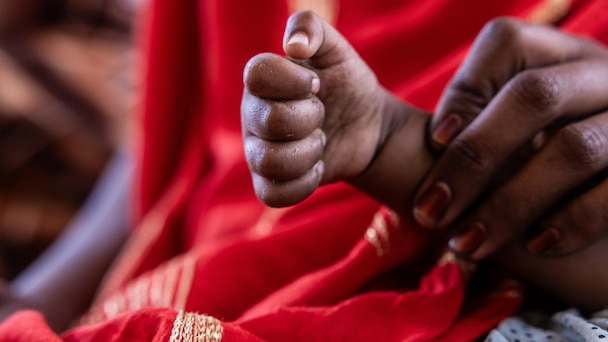
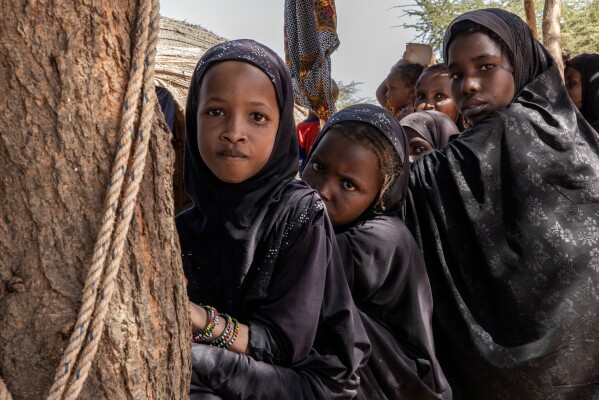
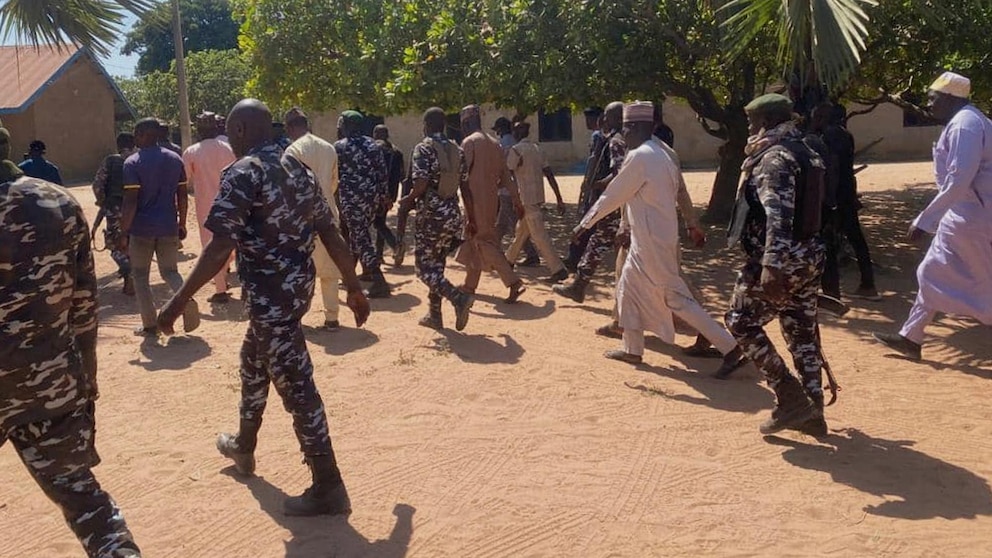
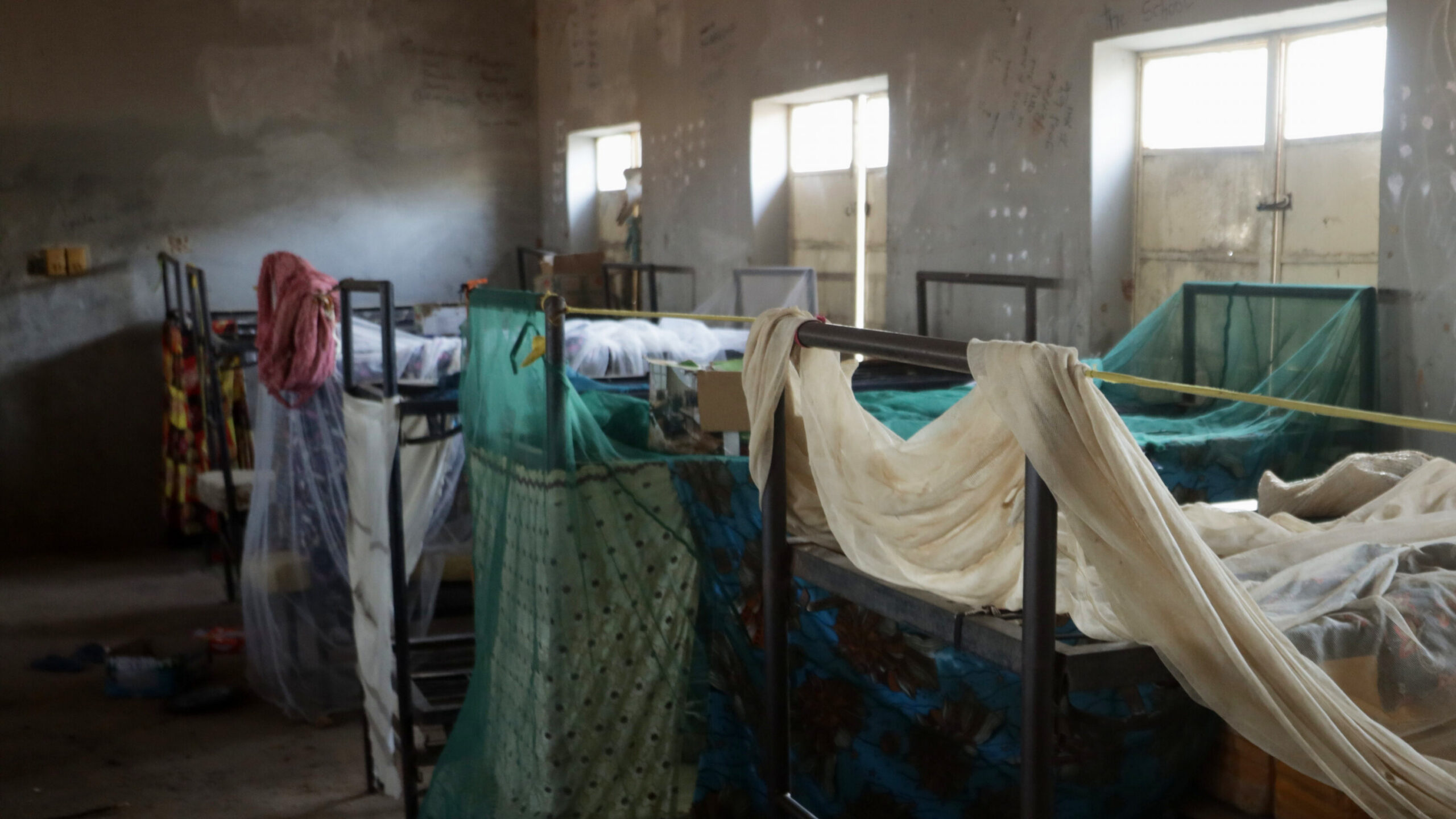
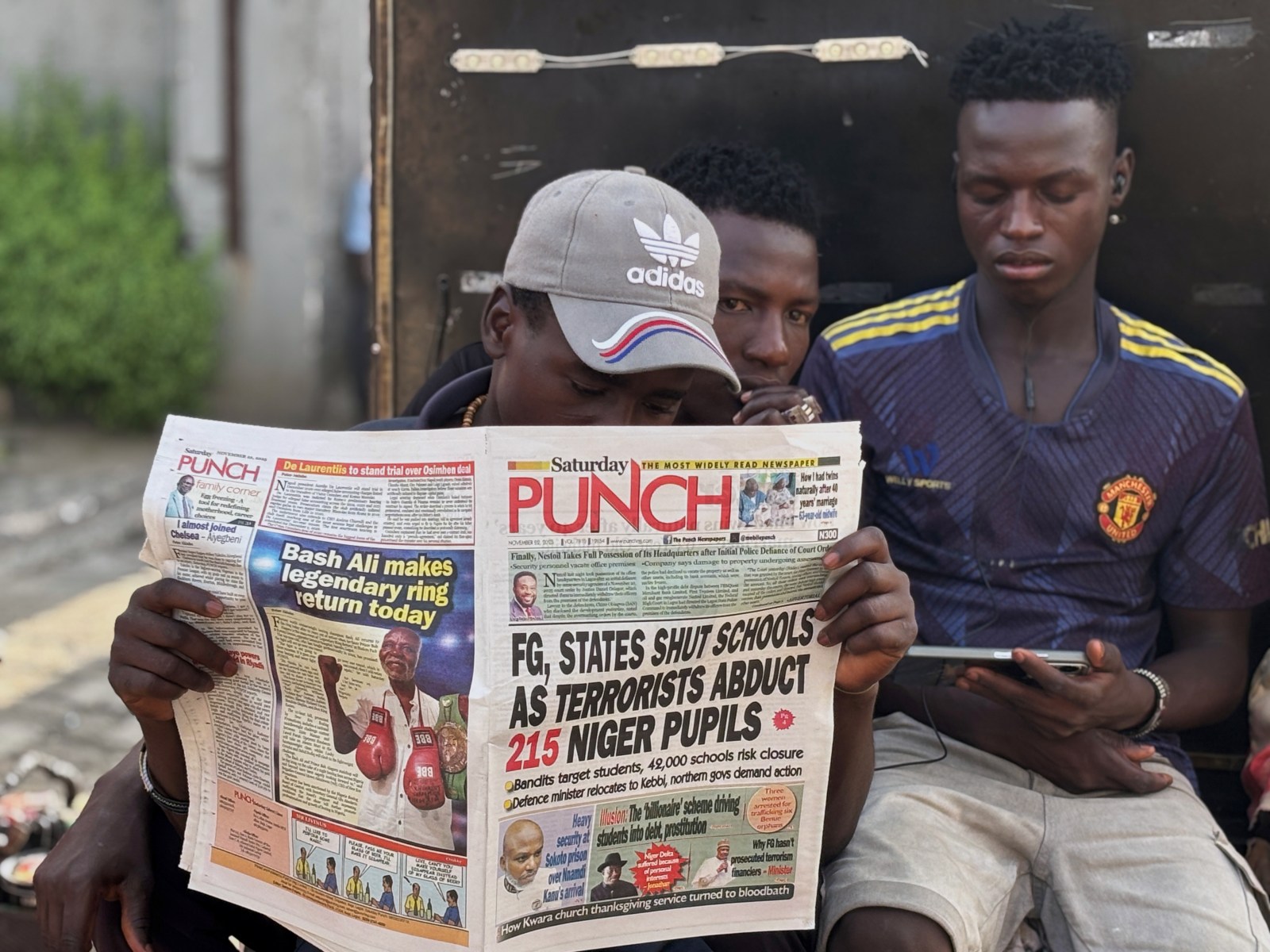
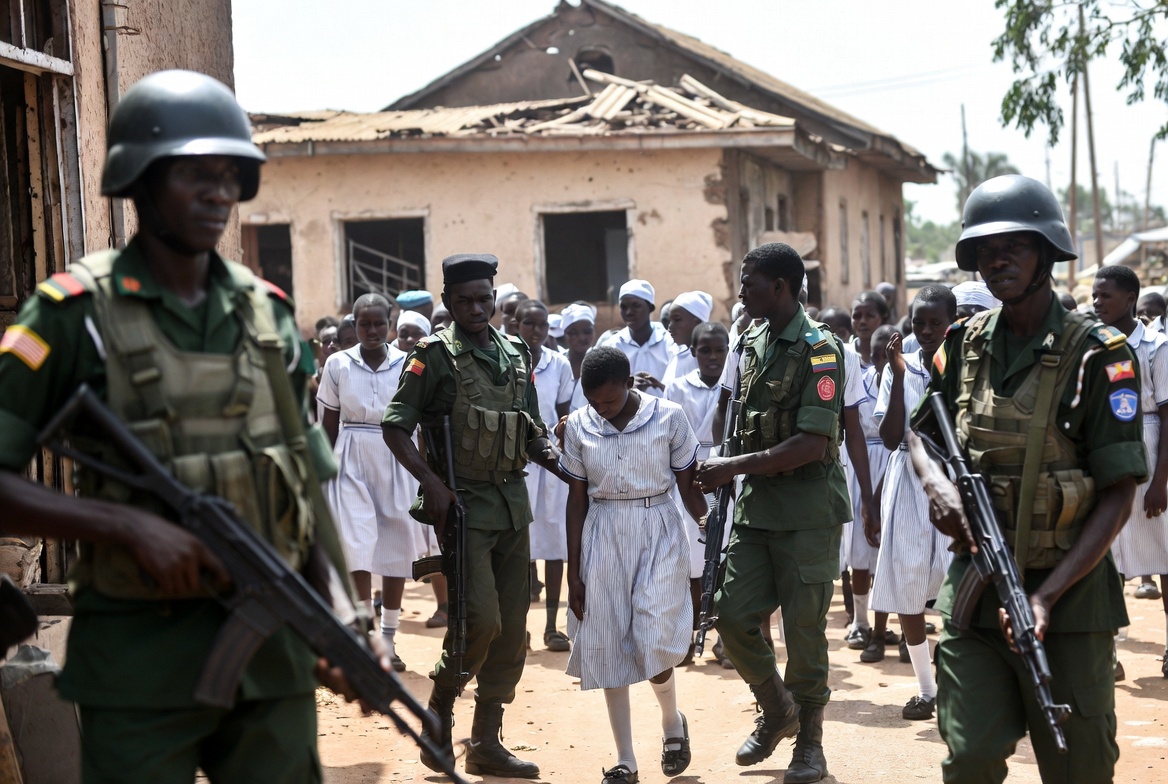
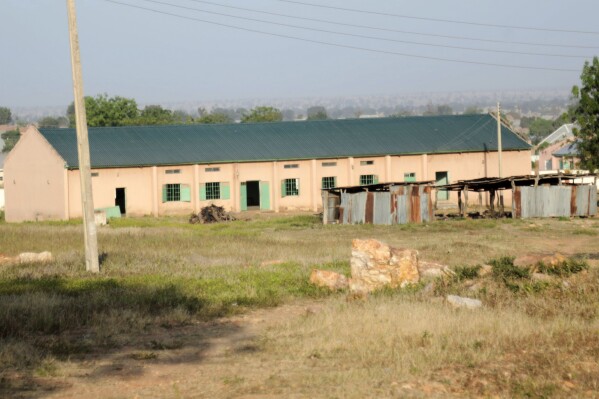
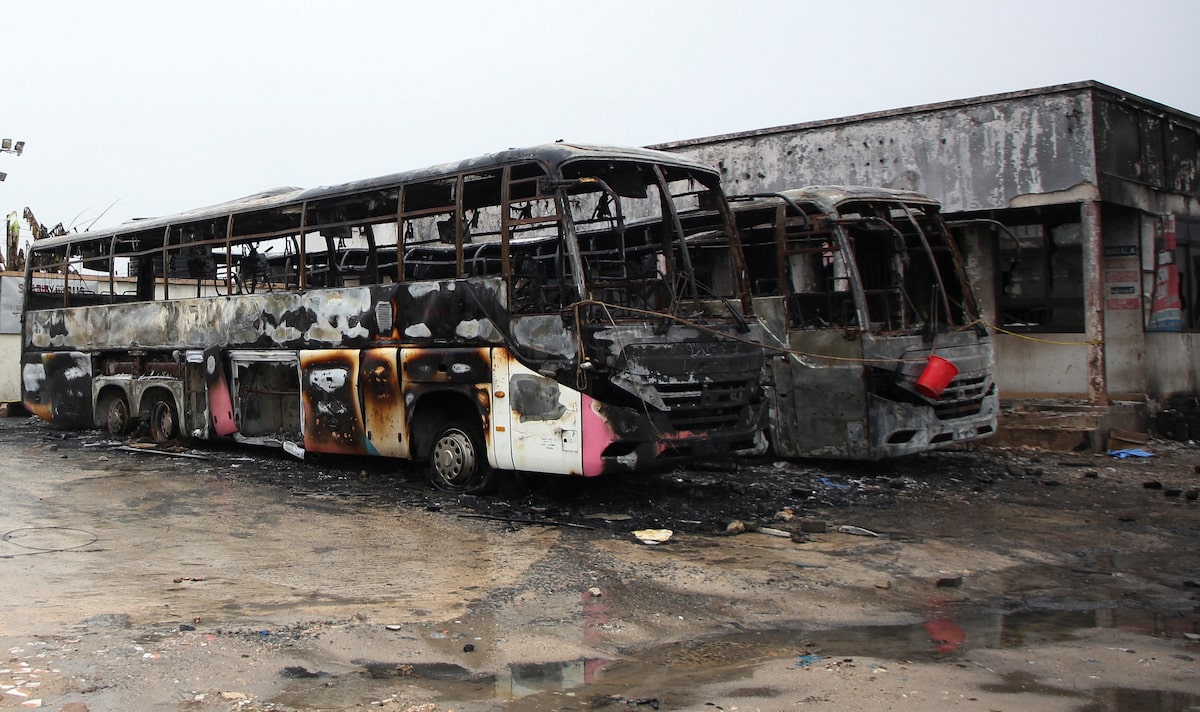
Just days before the airstrikes, there was a glimmer of hope: all schoolchildren abducted from a Catholic primary and secondary school in Papiri, Niger State, were released. Kidnapped on November 21, 2025, these 130 children returned home, a “Christmas gift” as the Catholic Diocese of Kontagora described it. However, the kidnapping crisis remains dire. A recent study revealed at least 212 Catholic priests were abducted in Nigeria between 2015 and 2025 alone, underscoring the severe targeting of religious figures. Even with the children safe, these frequent, brutal abductions highlight the deep volatility across northern Nigeria. What does this mean for the future? Nigerian President Bola Tinubu has committed to protecting all citizens, advocating for religious freedom and comprehensive strategies against terrorism, criminal networks, and for community resilience. International collaboration, like these joint strikes, shows a growing global dimension to Nigeria’s security efforts, but success ultimately demands clear communication and a nuanced understanding of local realities. Continued vigilance and sustained community protection are essential to break this cycle of violence, secure vulnerable populations, and foster lasting national unity. Sources: AOL.com, The New York Times, Catholic World Report