Sahel States Form Joint Anti-Terror Force: A New Era for Regional Security?
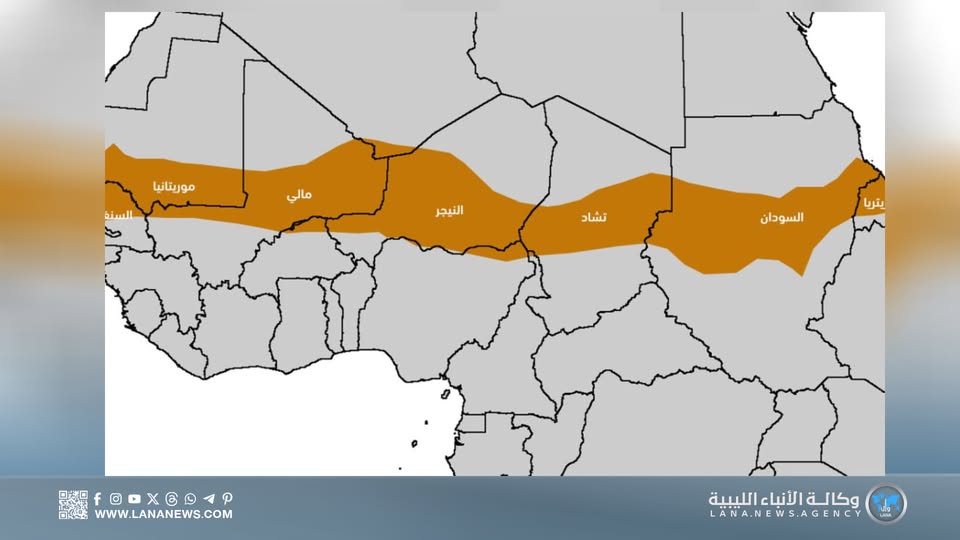
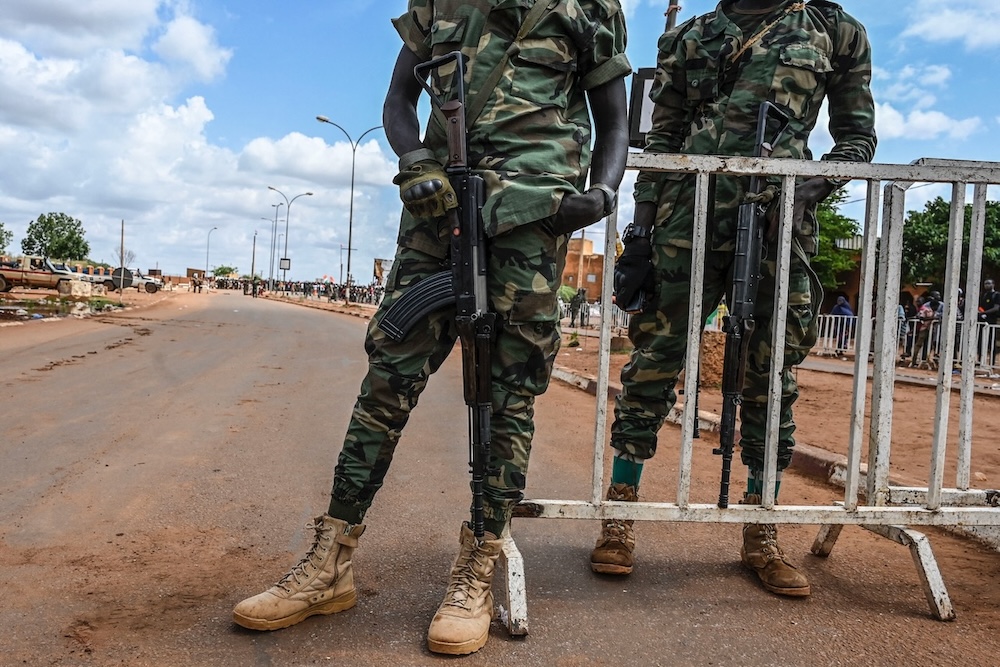
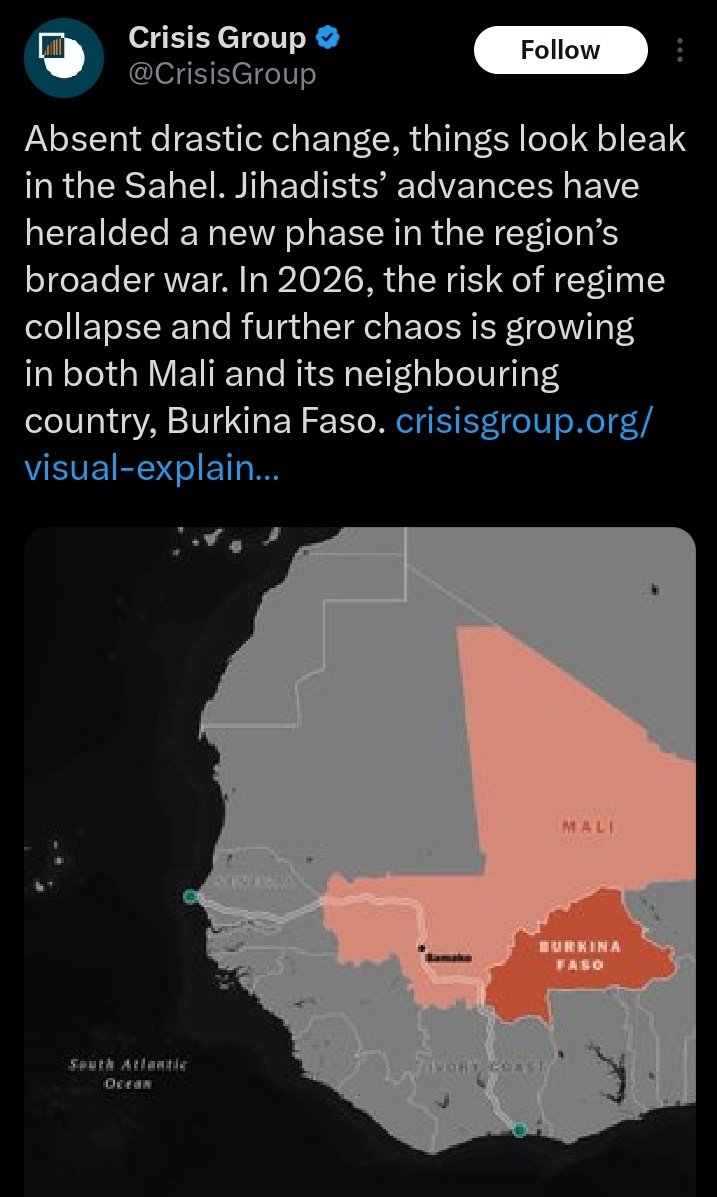
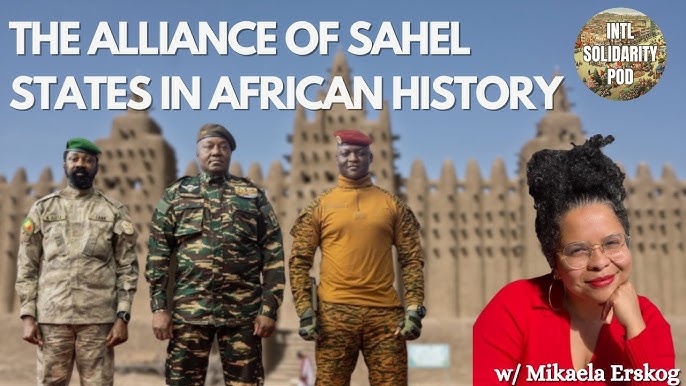
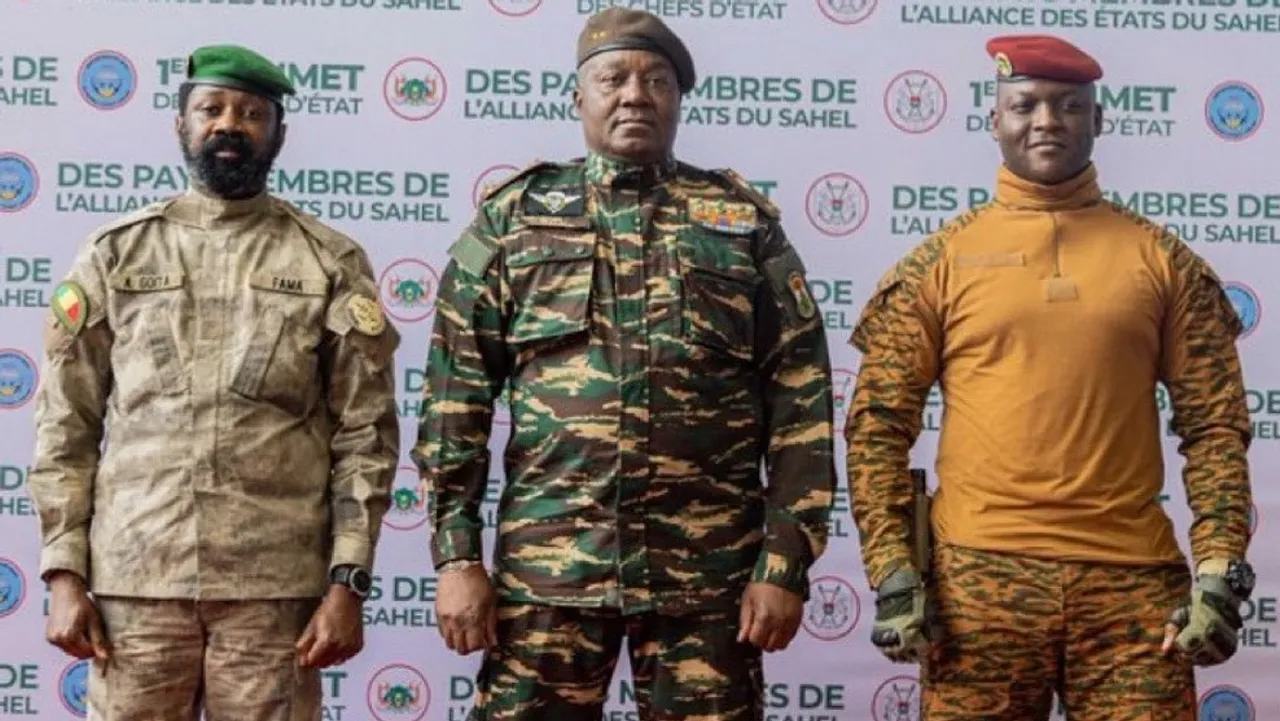
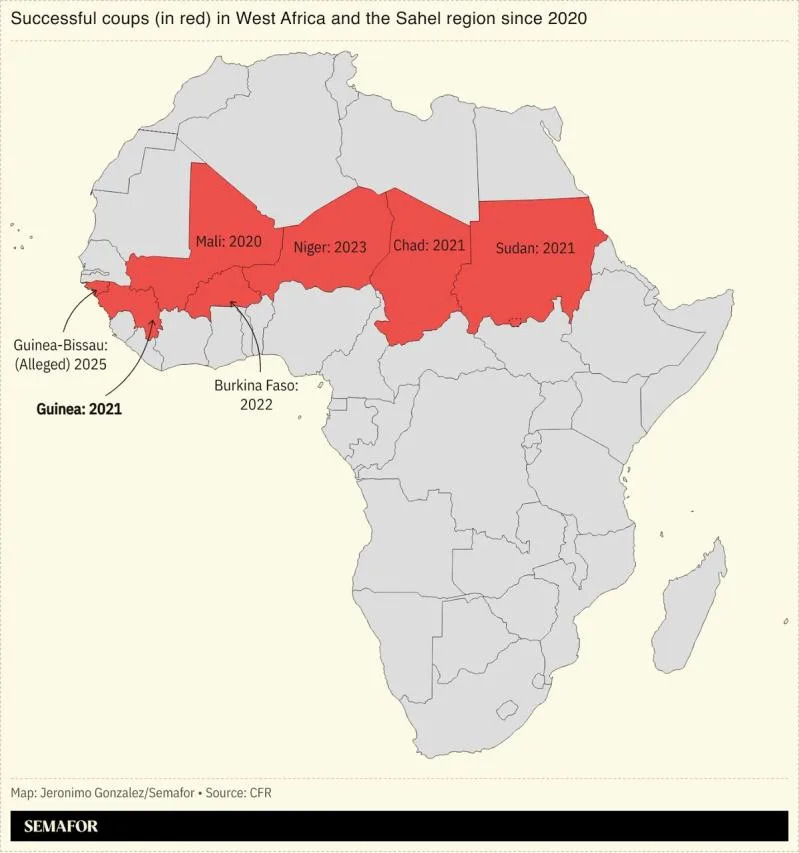
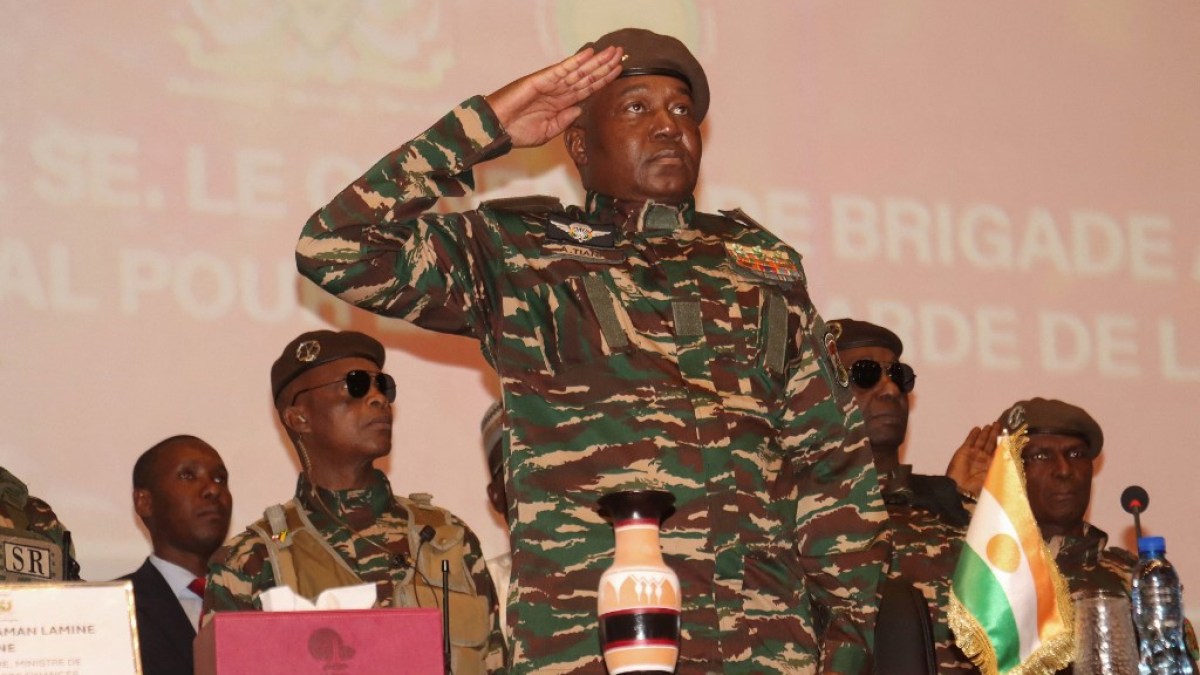
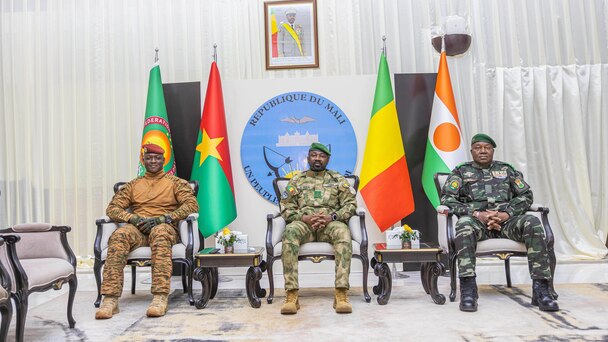
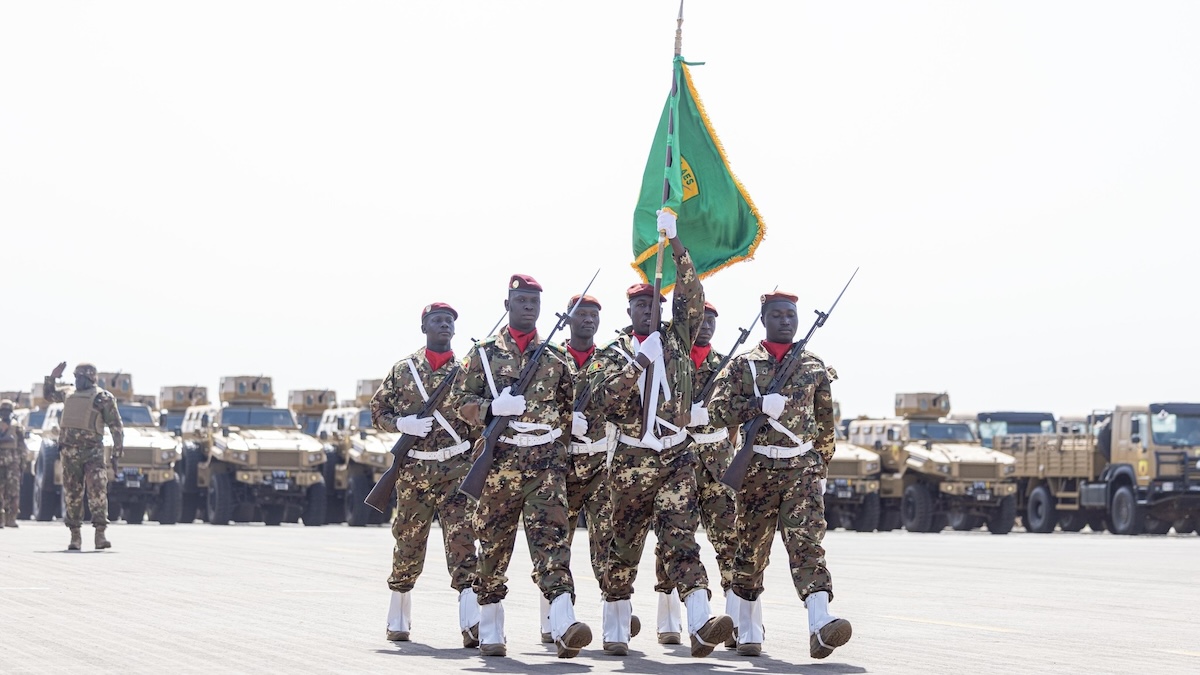
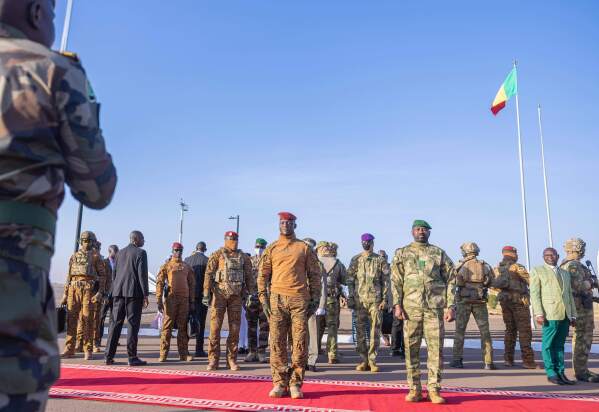
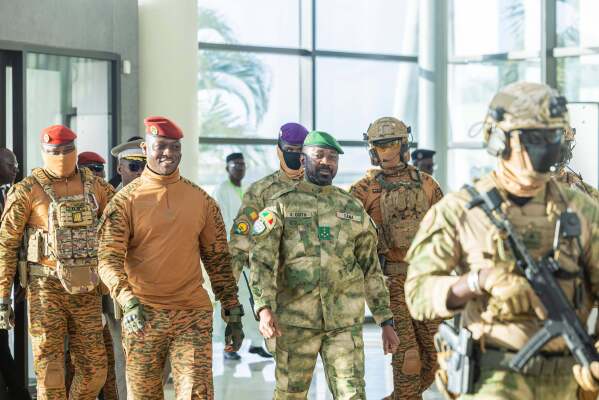
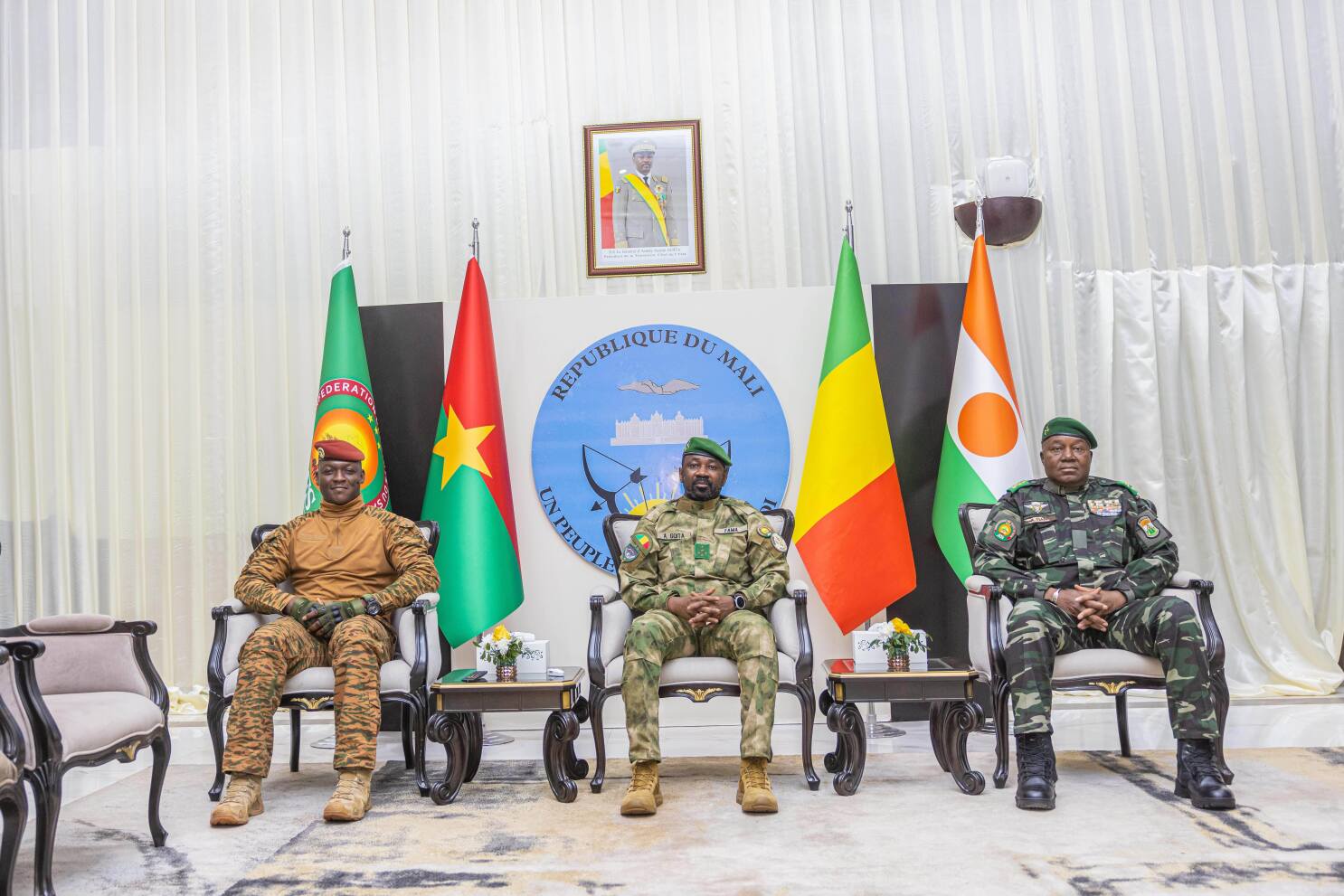
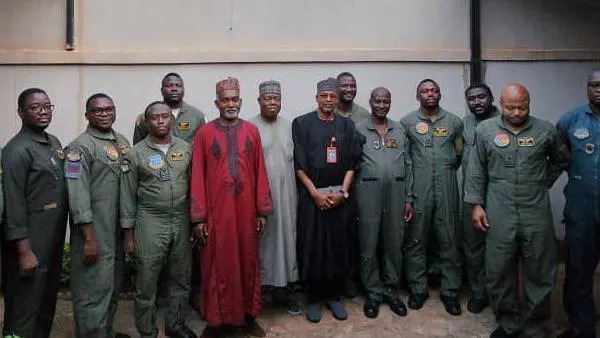
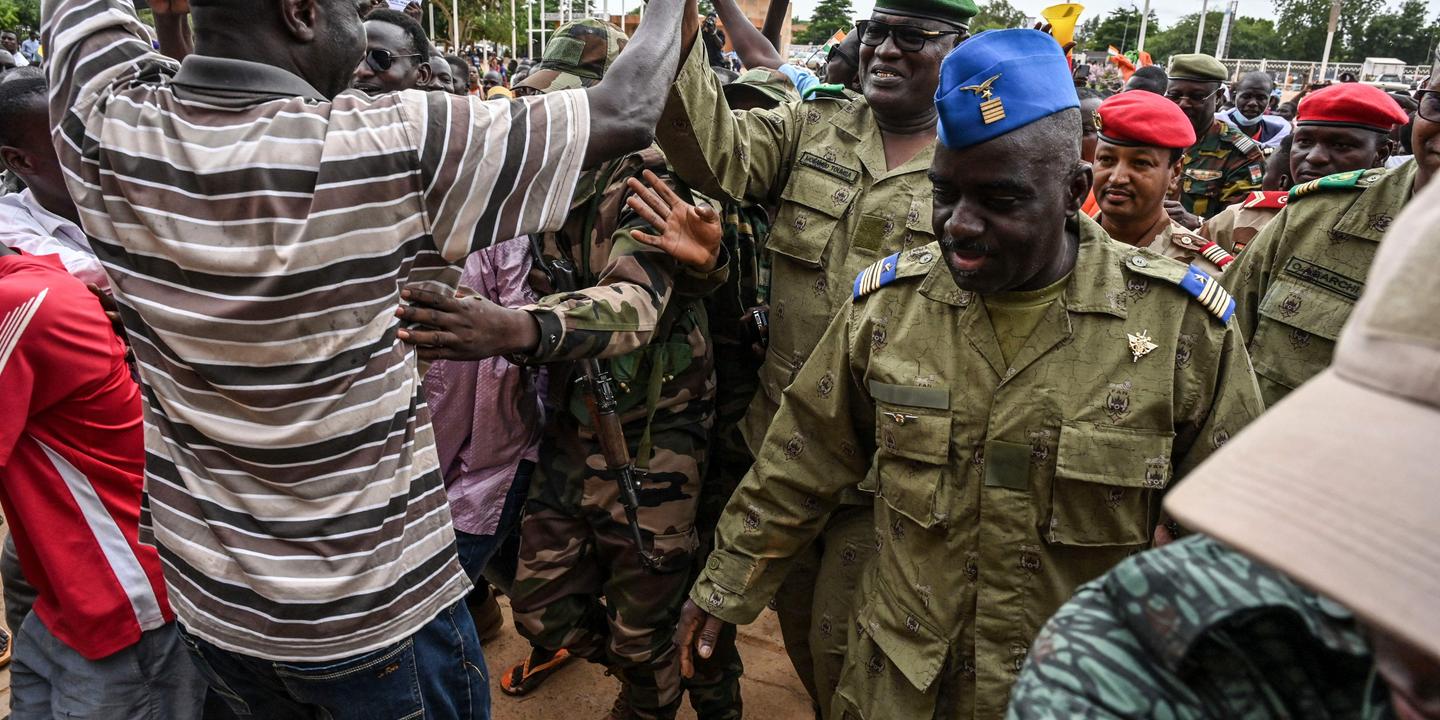
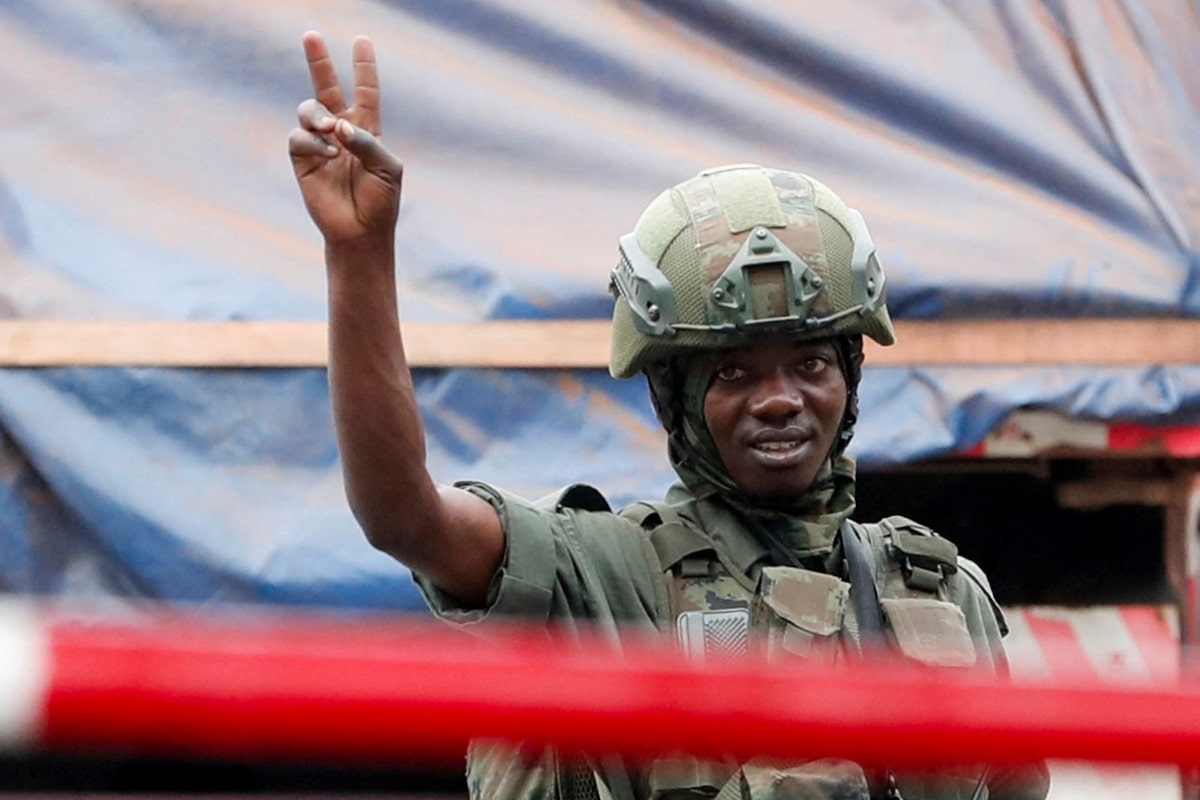
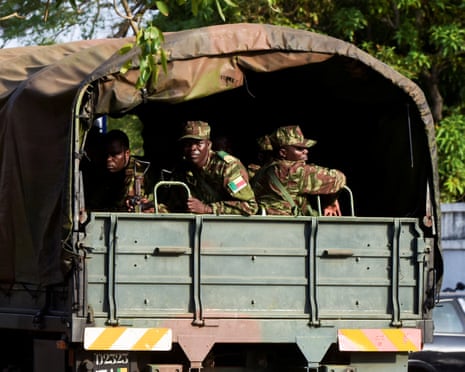
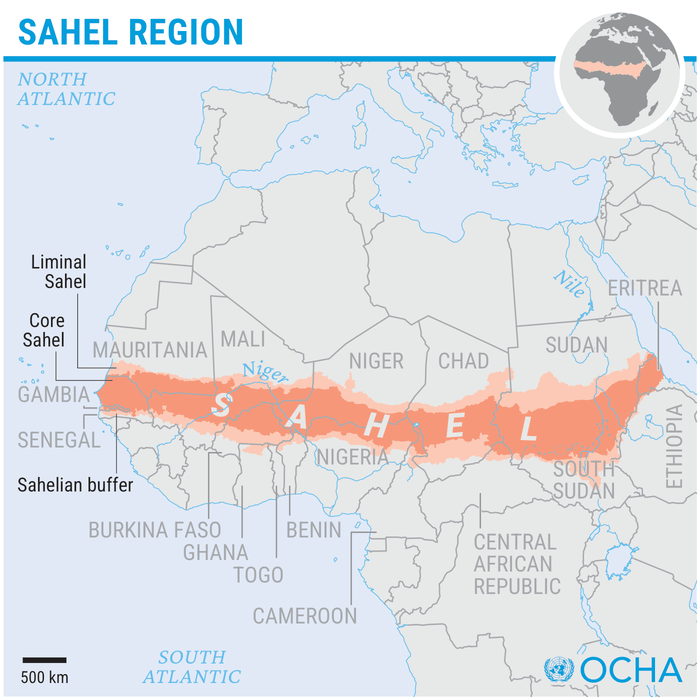
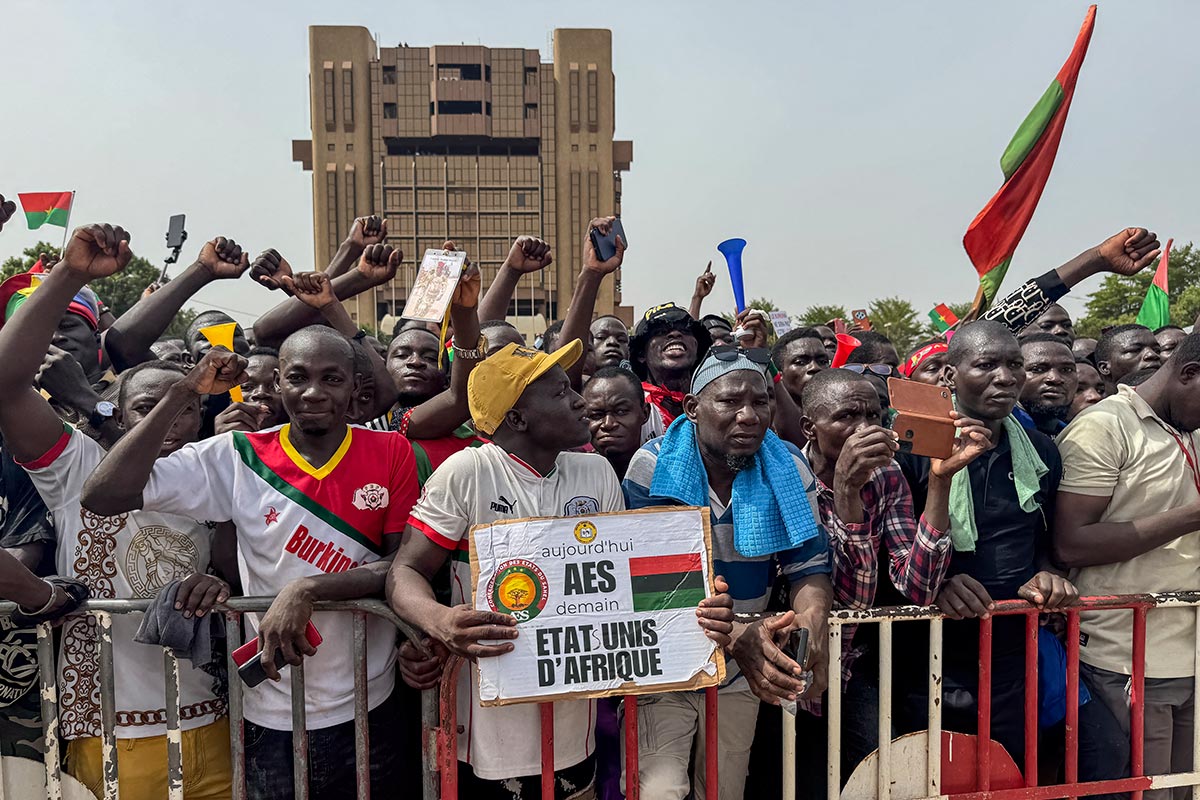
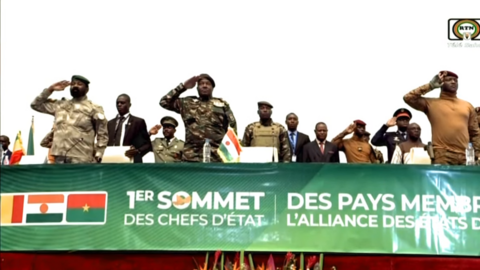
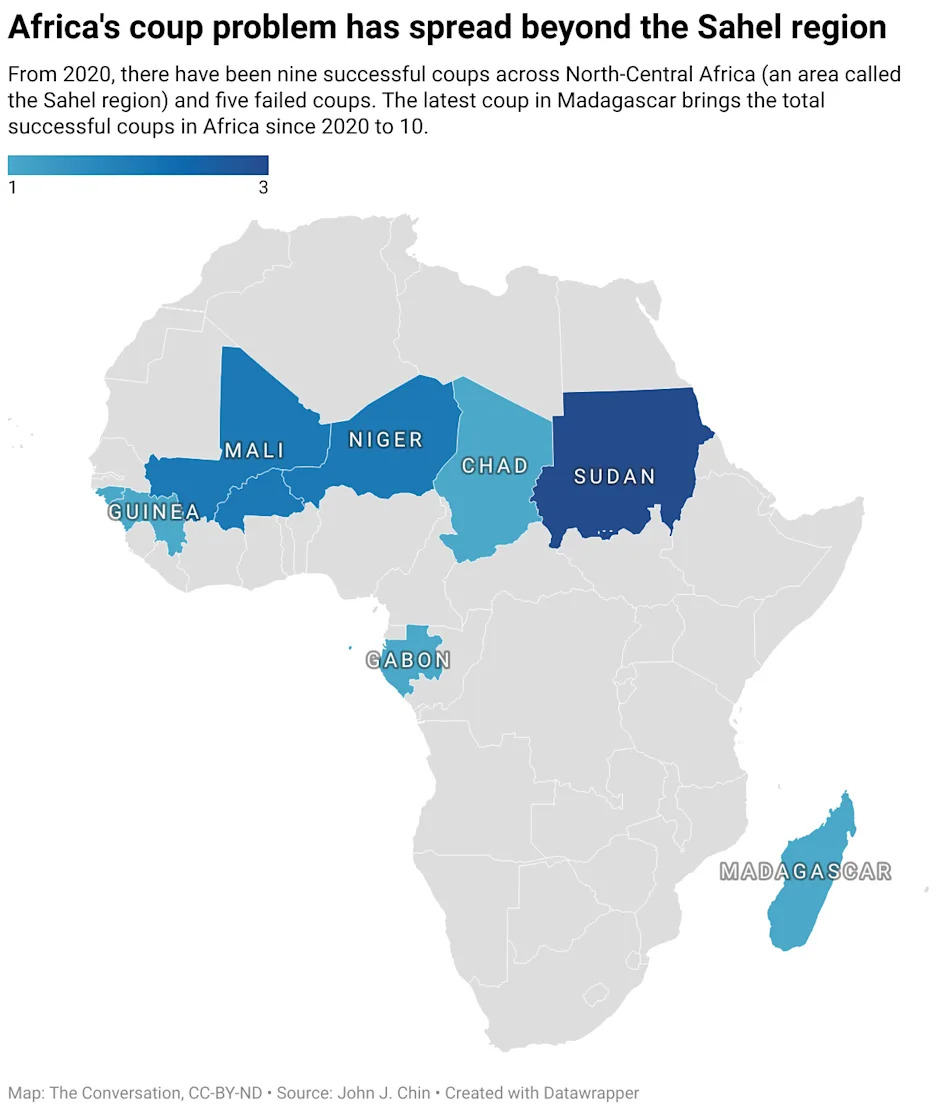
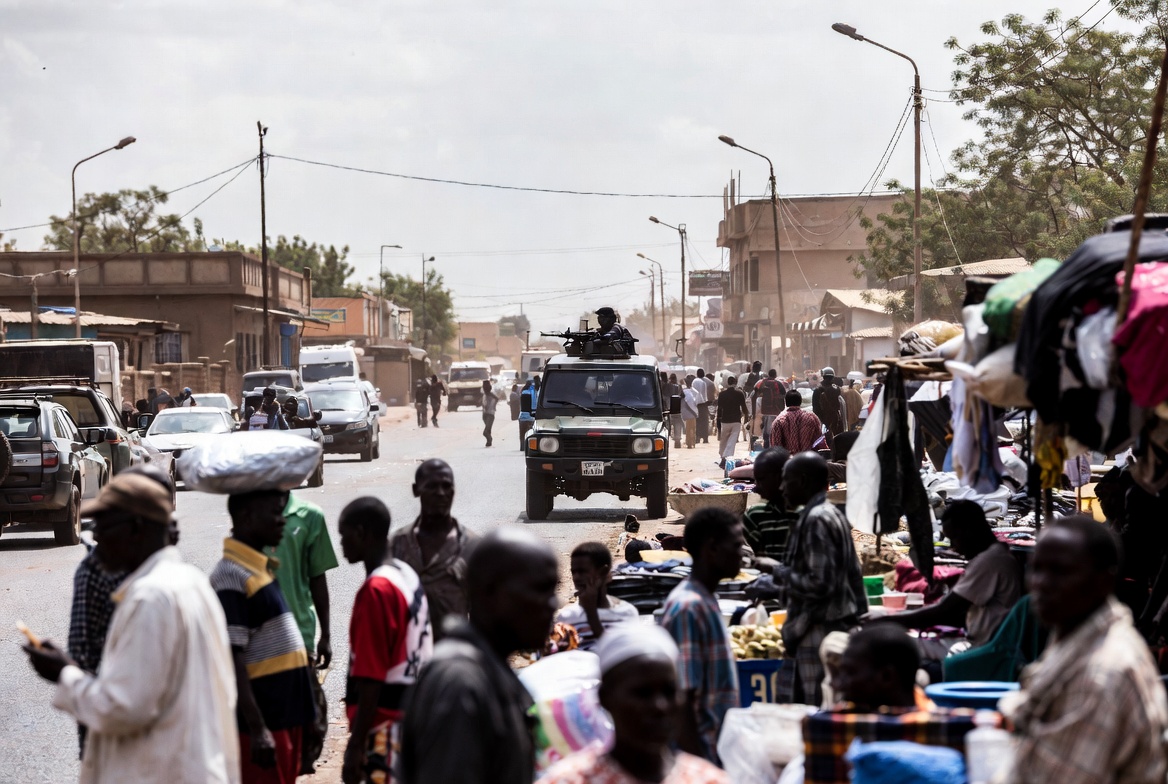
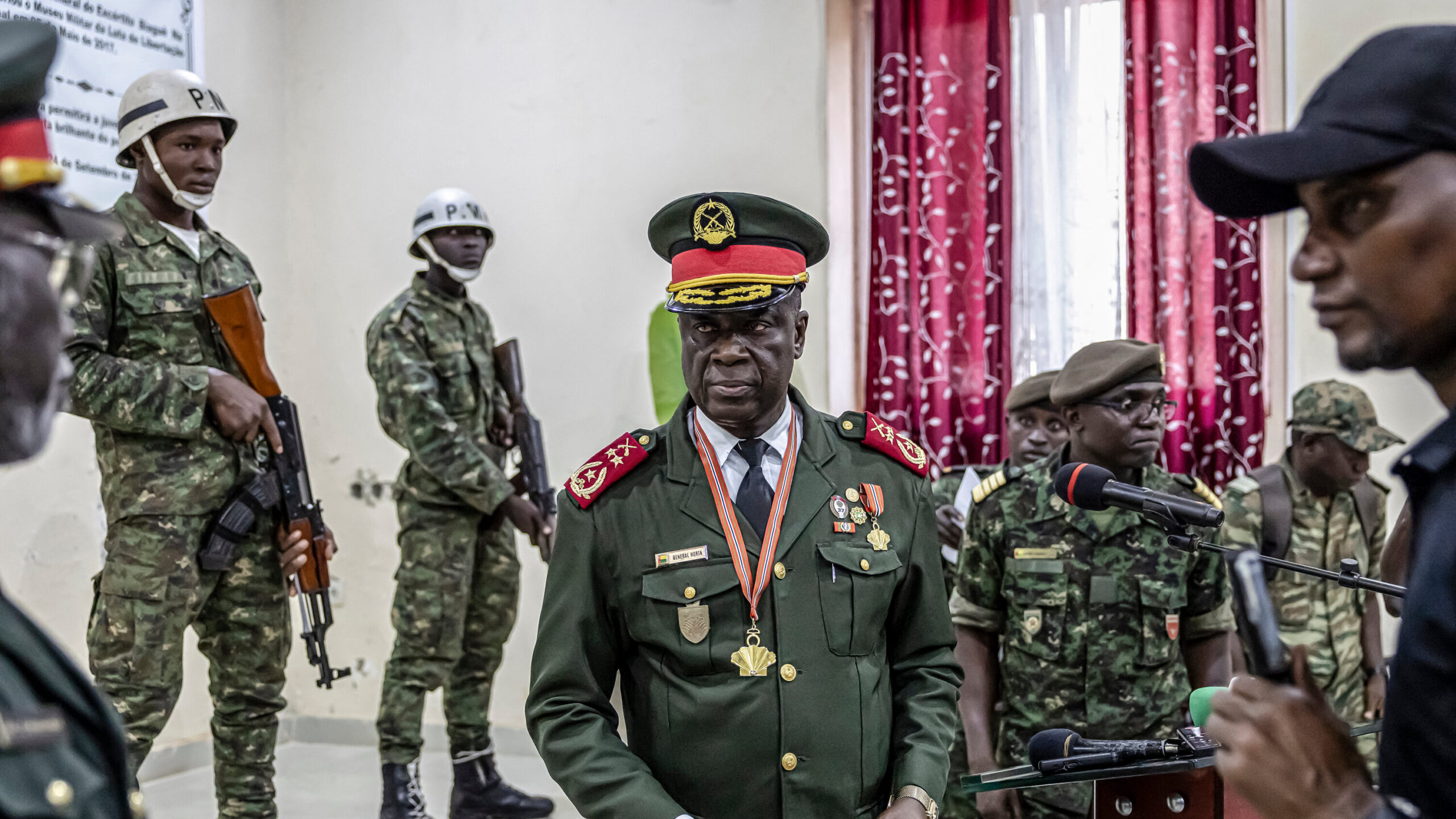
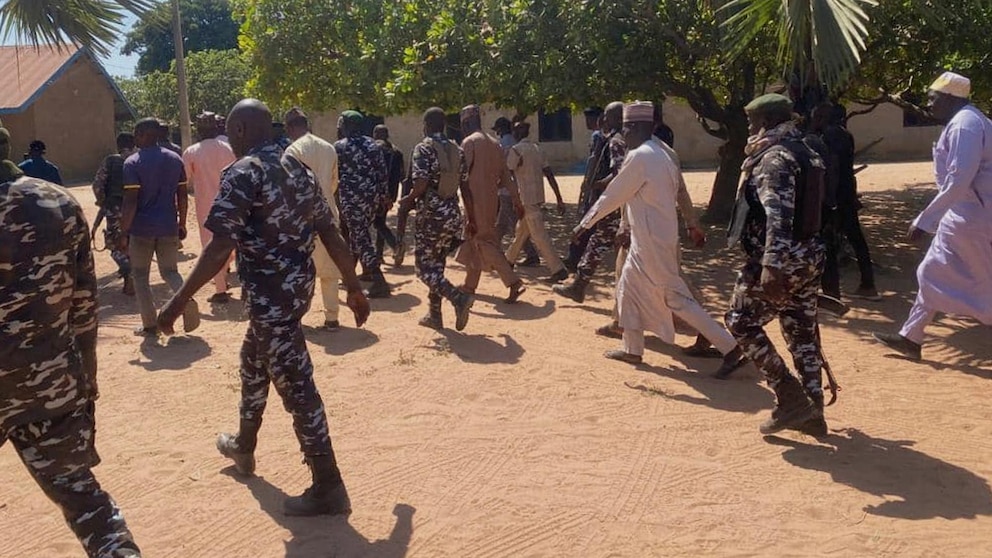
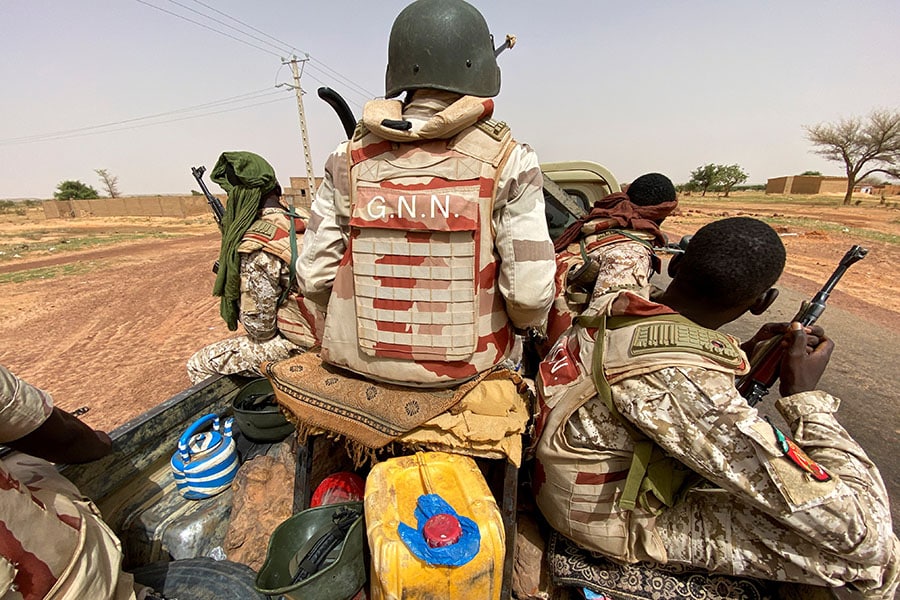
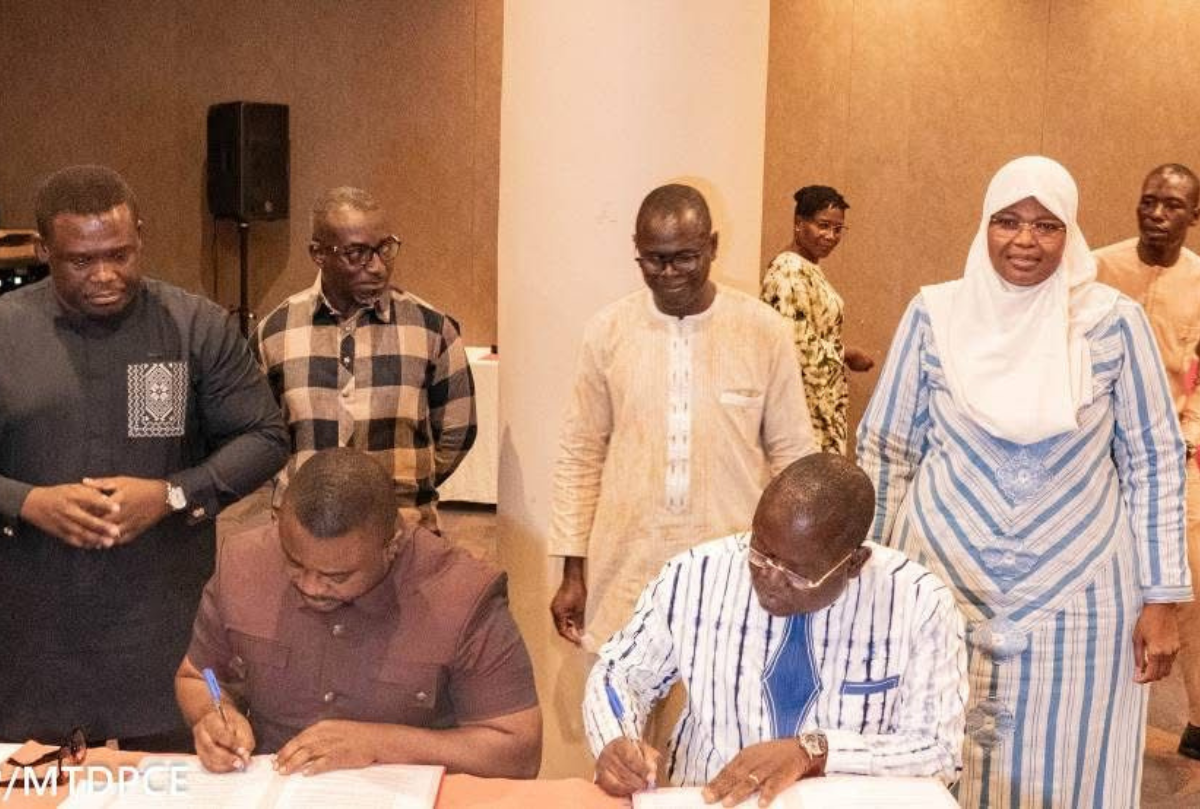
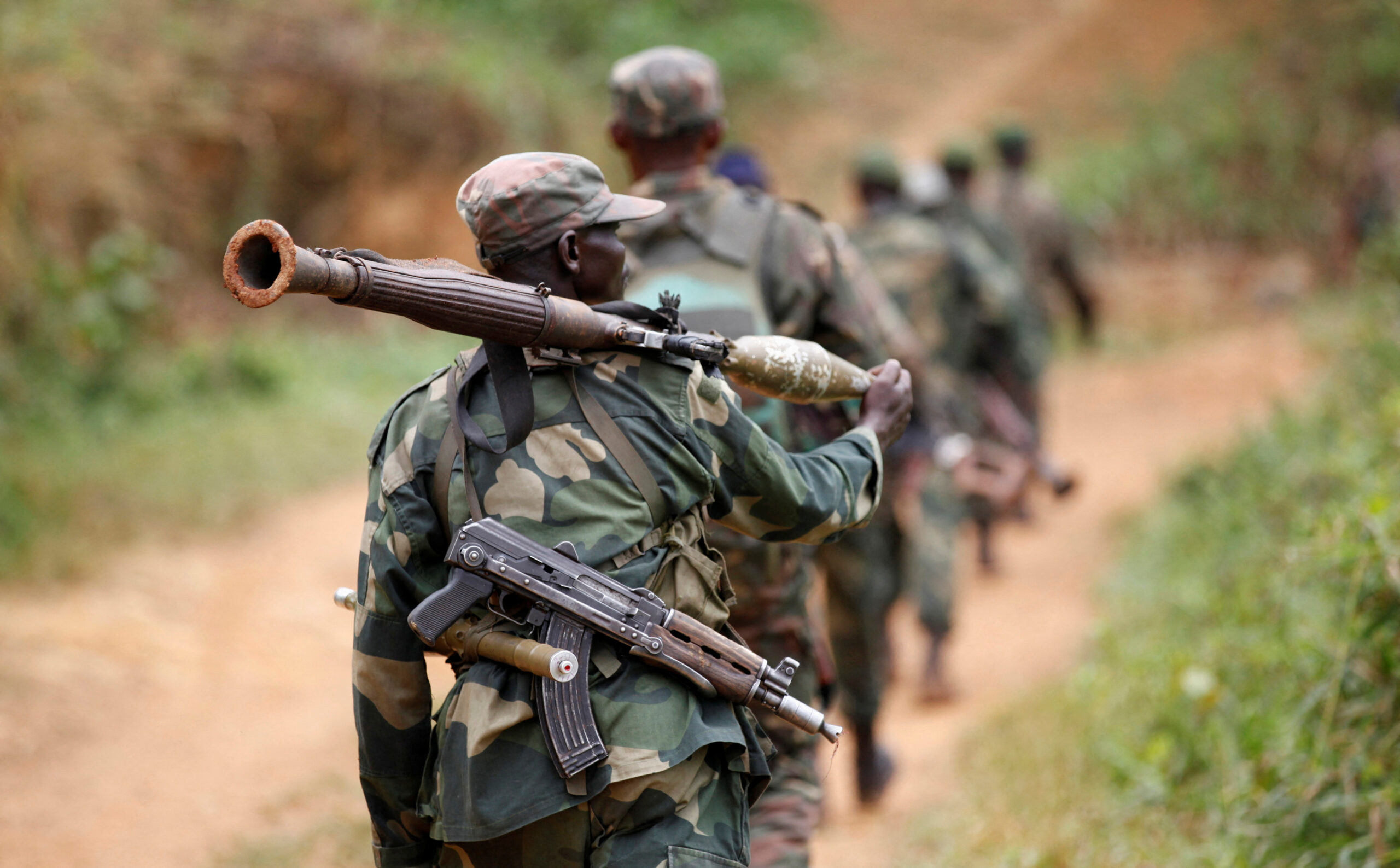
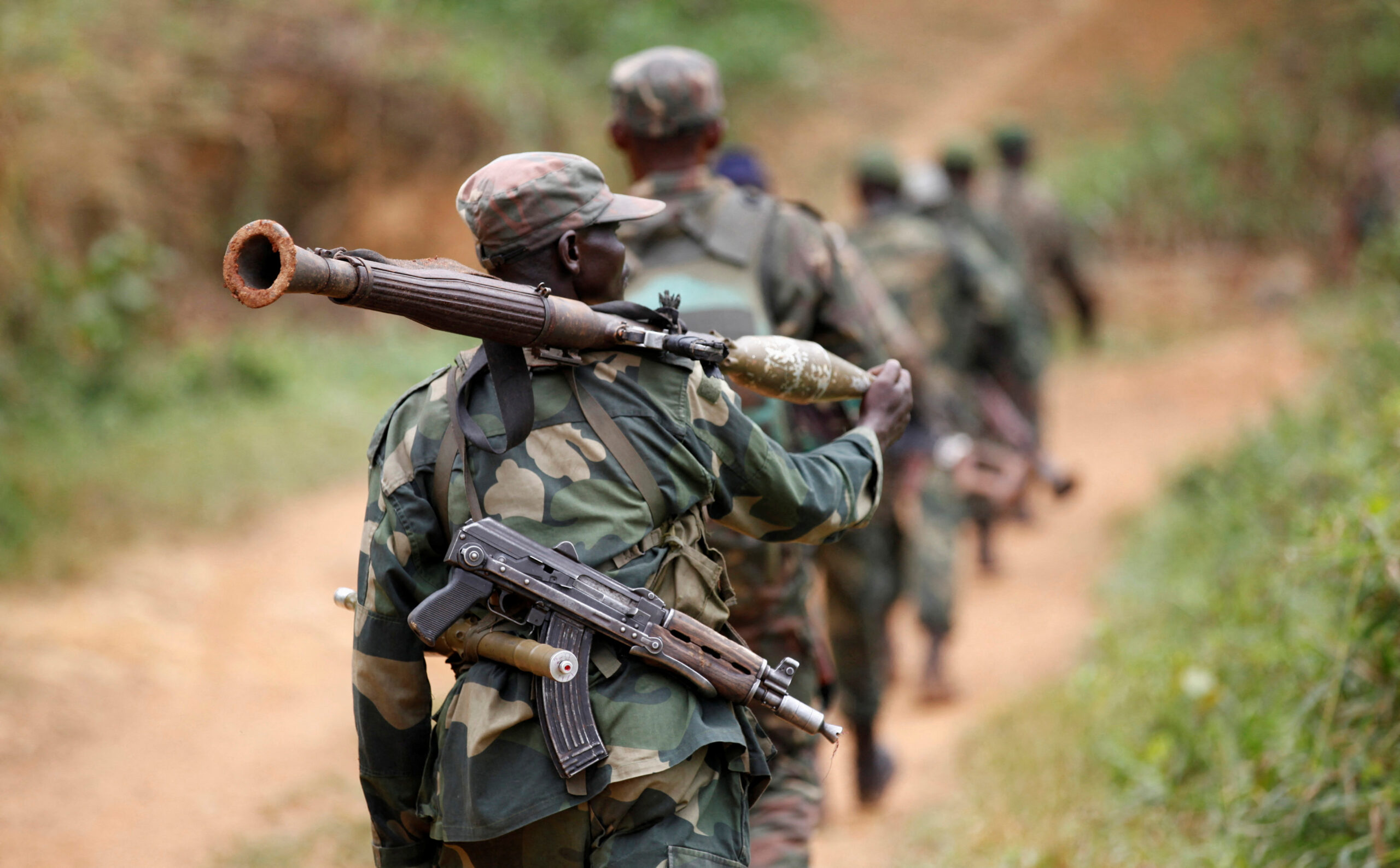
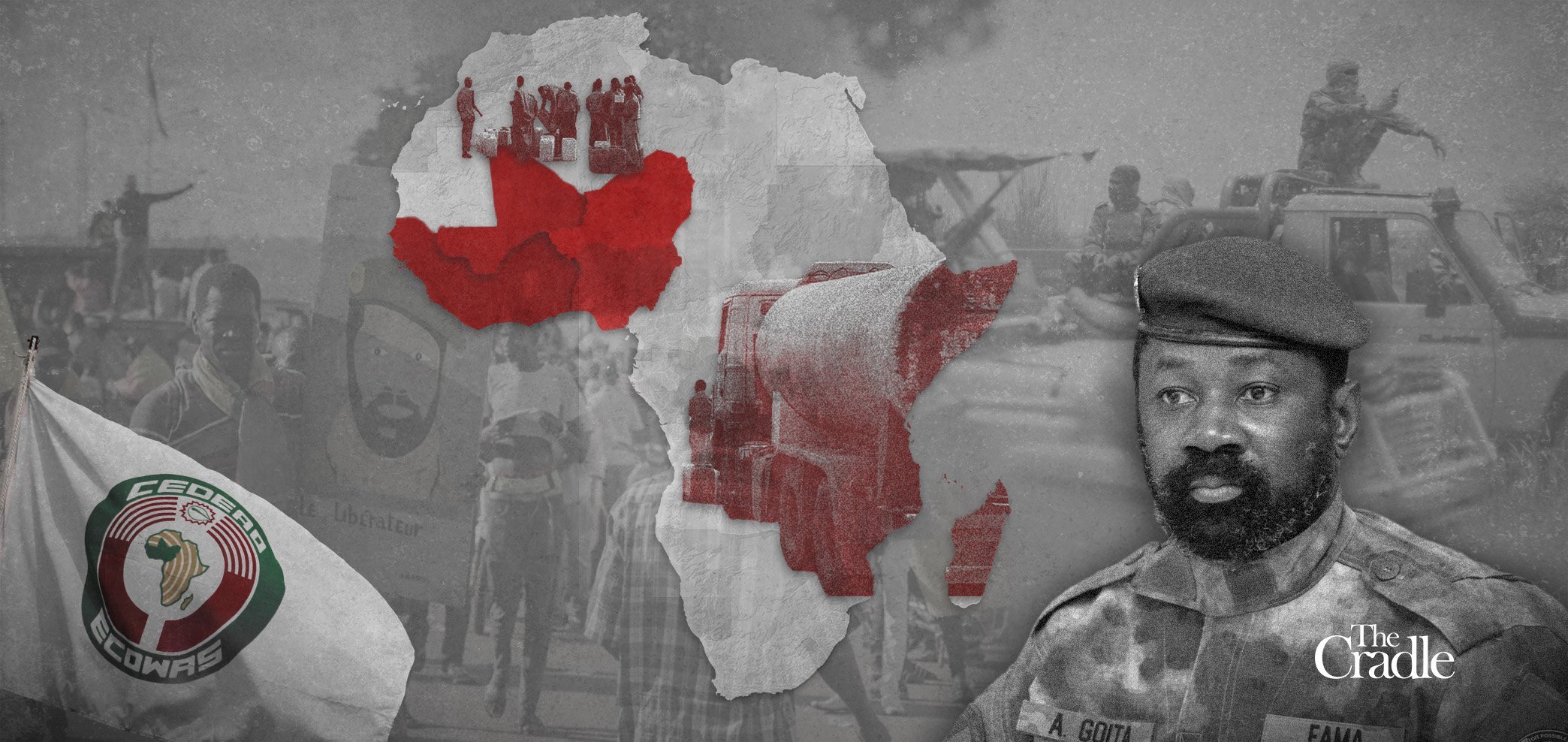
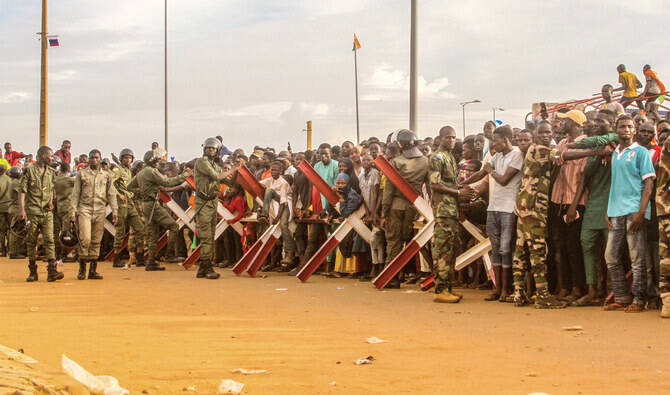
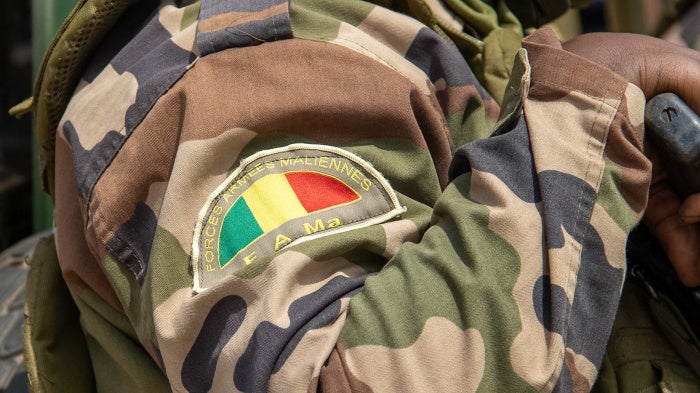
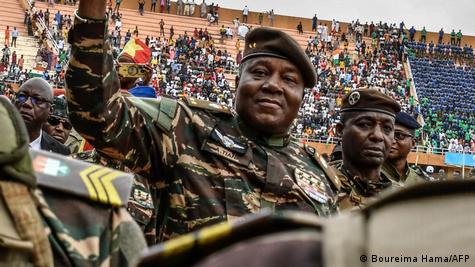
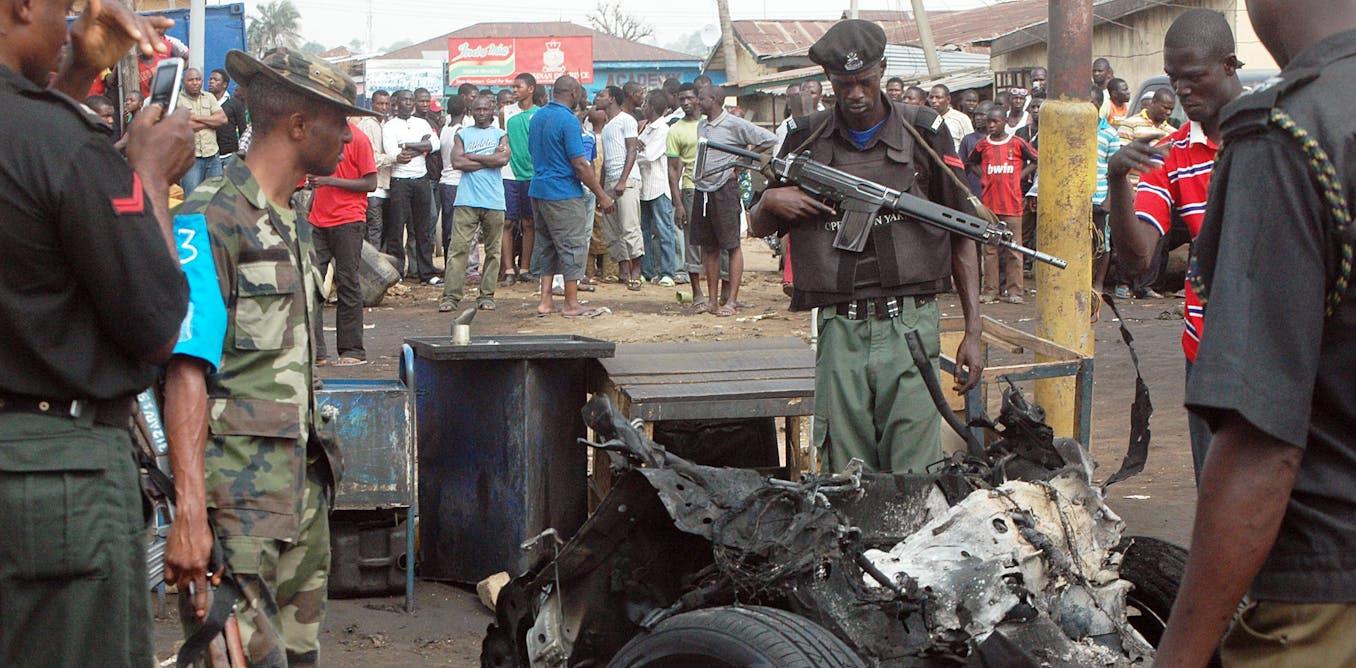
In a bold move to combat escalating security challenges, Burkina Faso, Mali, and Niger, united as the Alliance of Sahel States (AES), have established a joint anti-terror force. This isn’t just another military initiative, it’s a significant shift in how these nations are tackling violent extremist groups destabilizing their homelands and spilling over into neighboring states. Why now? Following the departure of traditional Western allies, these countries are taking charge, creating a formidable military bloc to coordinate operations, share vital intelligence, and launch joint military actions. The region, stretching south of the Sahara, has become one of the deadliest places on Earth due to the proliferation of armed groups, many claiming to fight under Islamic fundamentalism. This new, unified stance aims to reclaim control and restore stability. For more on this critical development, you can read about the Alliance of Sahel States’ joint anti-terror force.
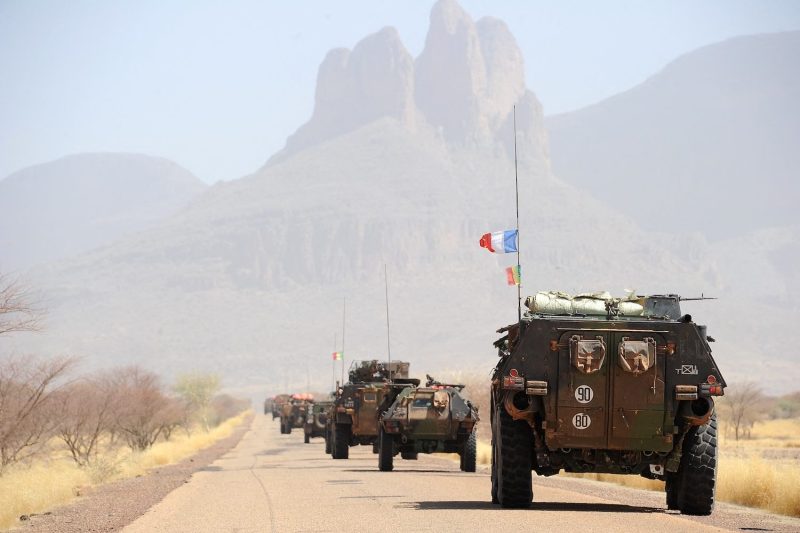
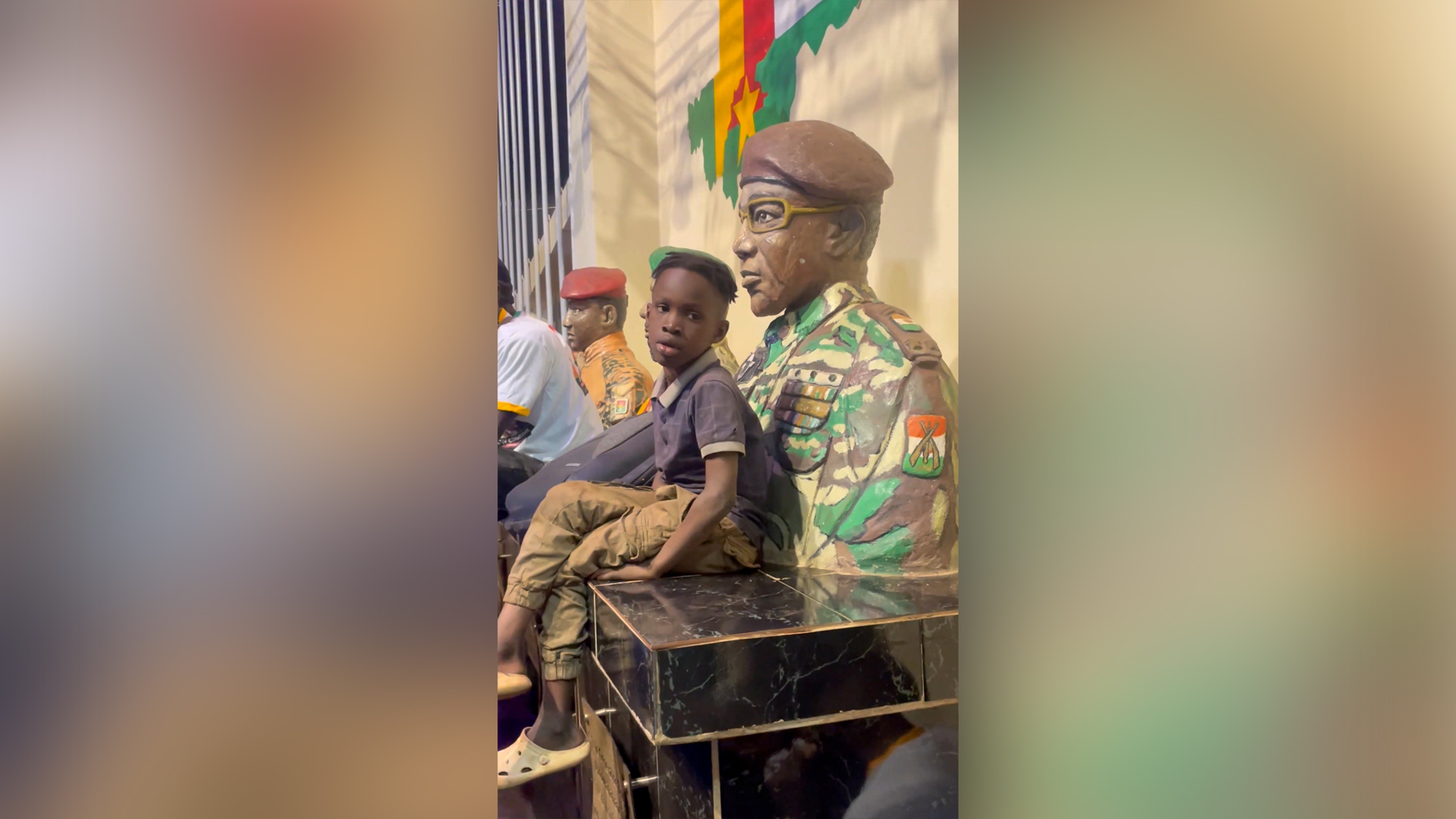
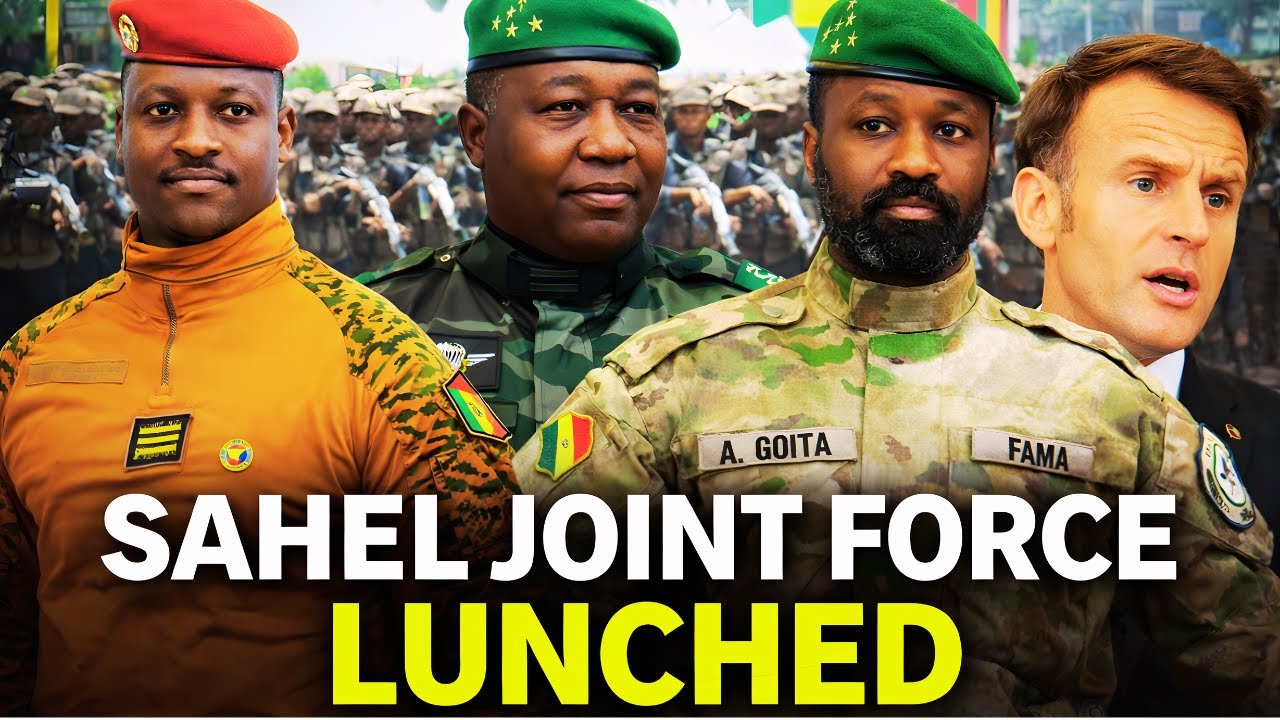
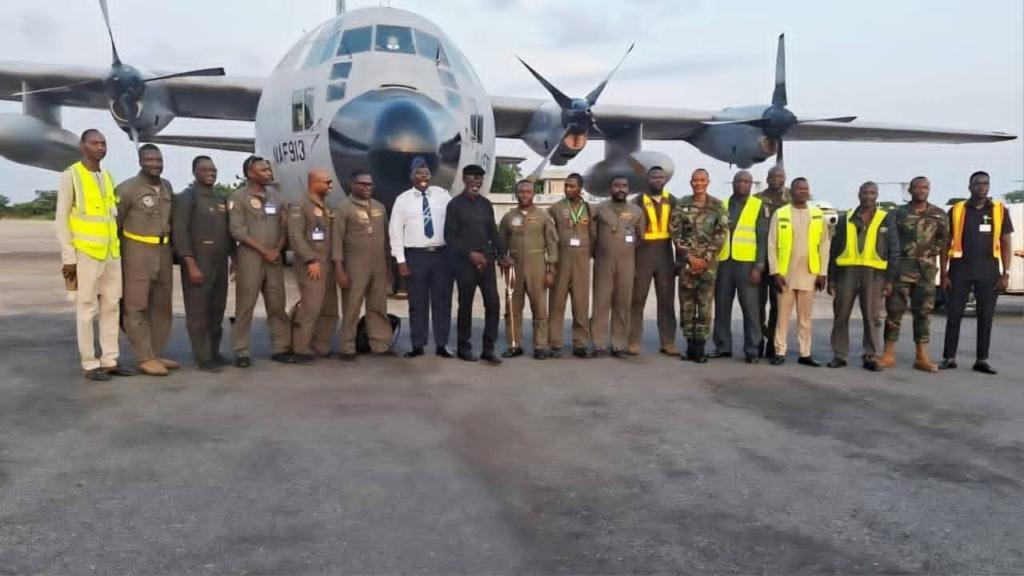
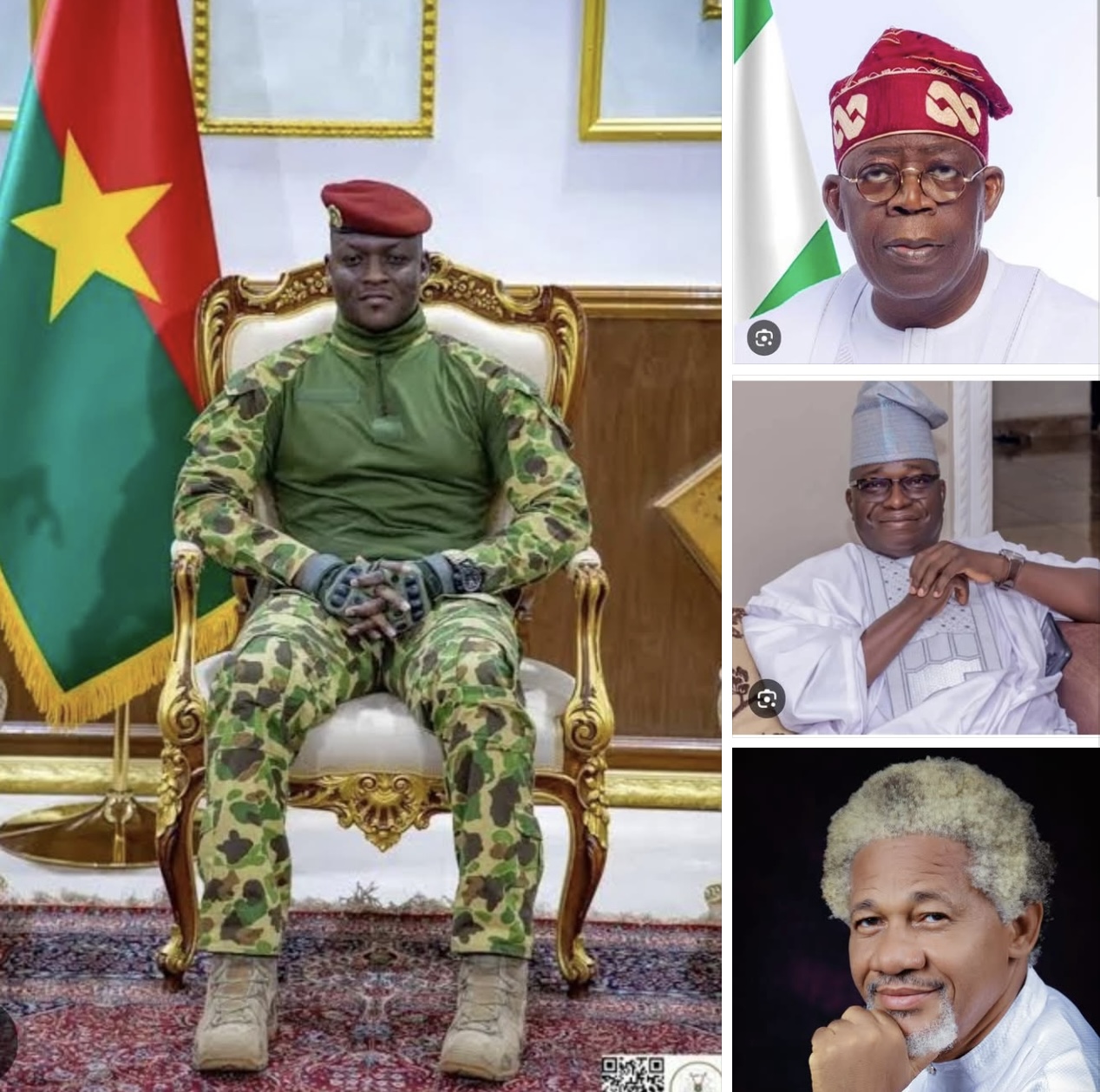
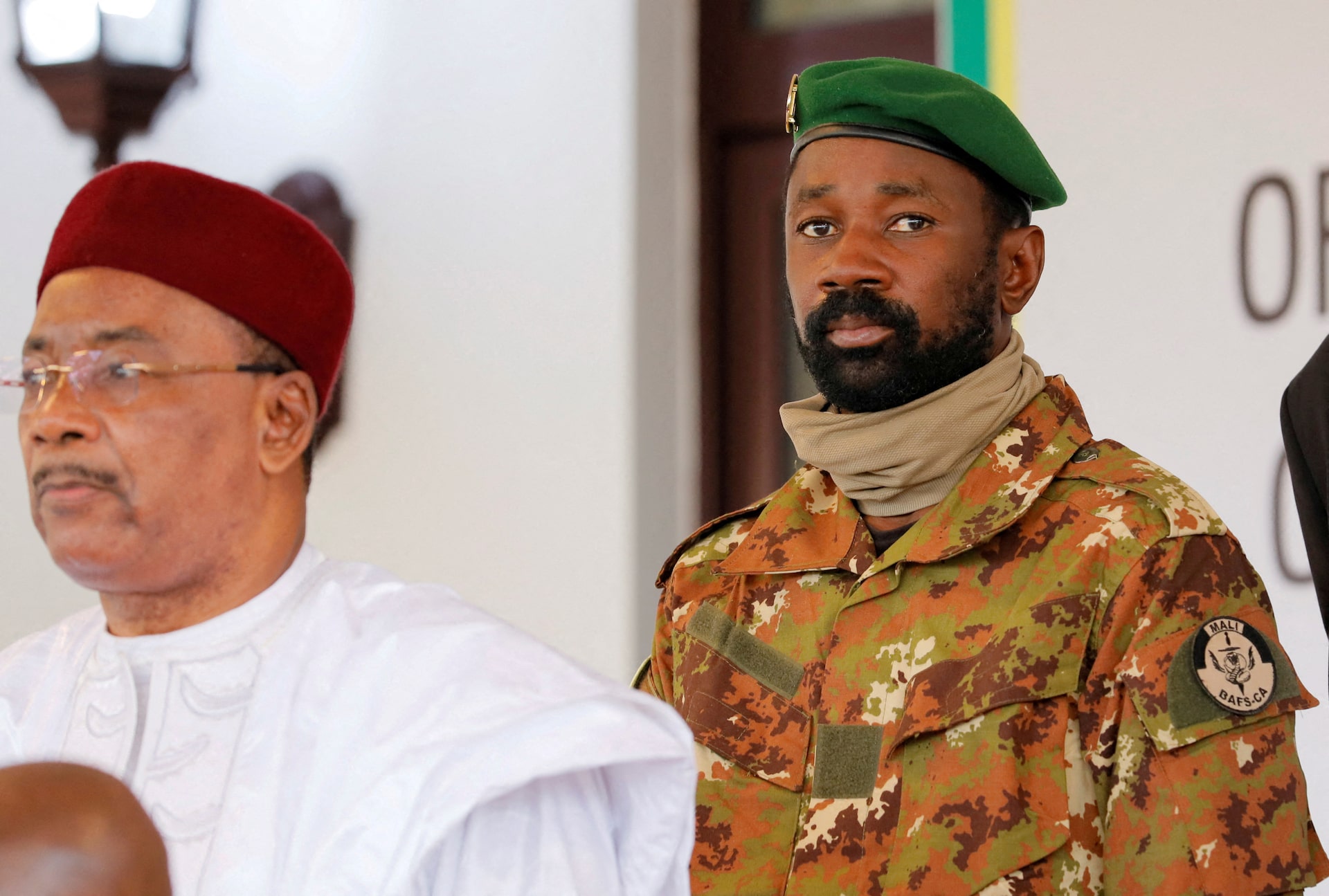
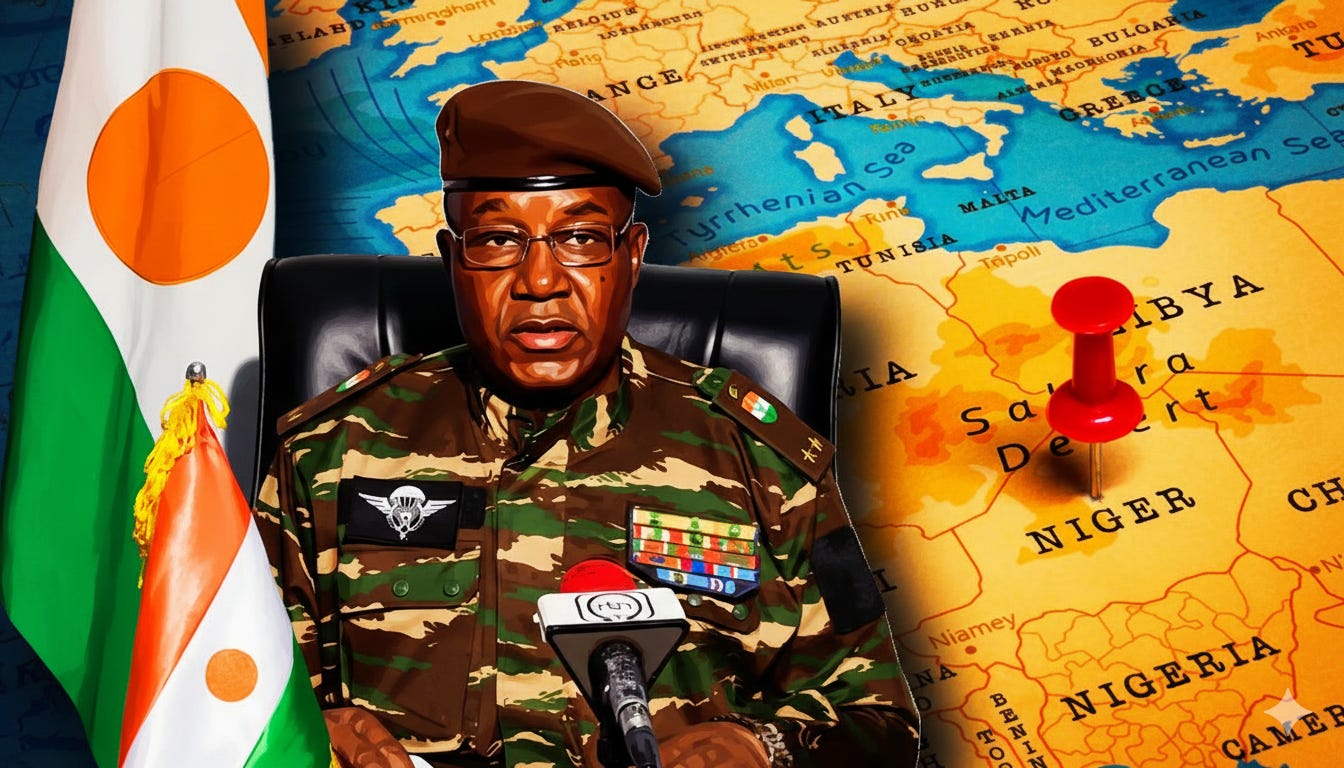
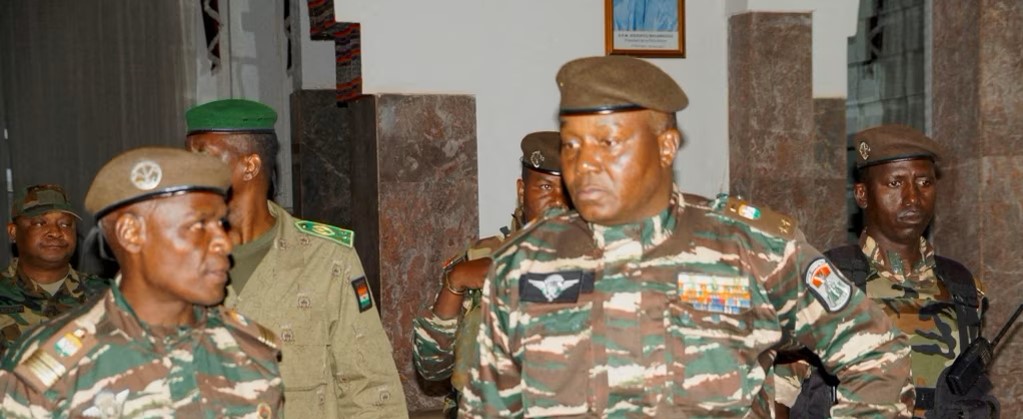
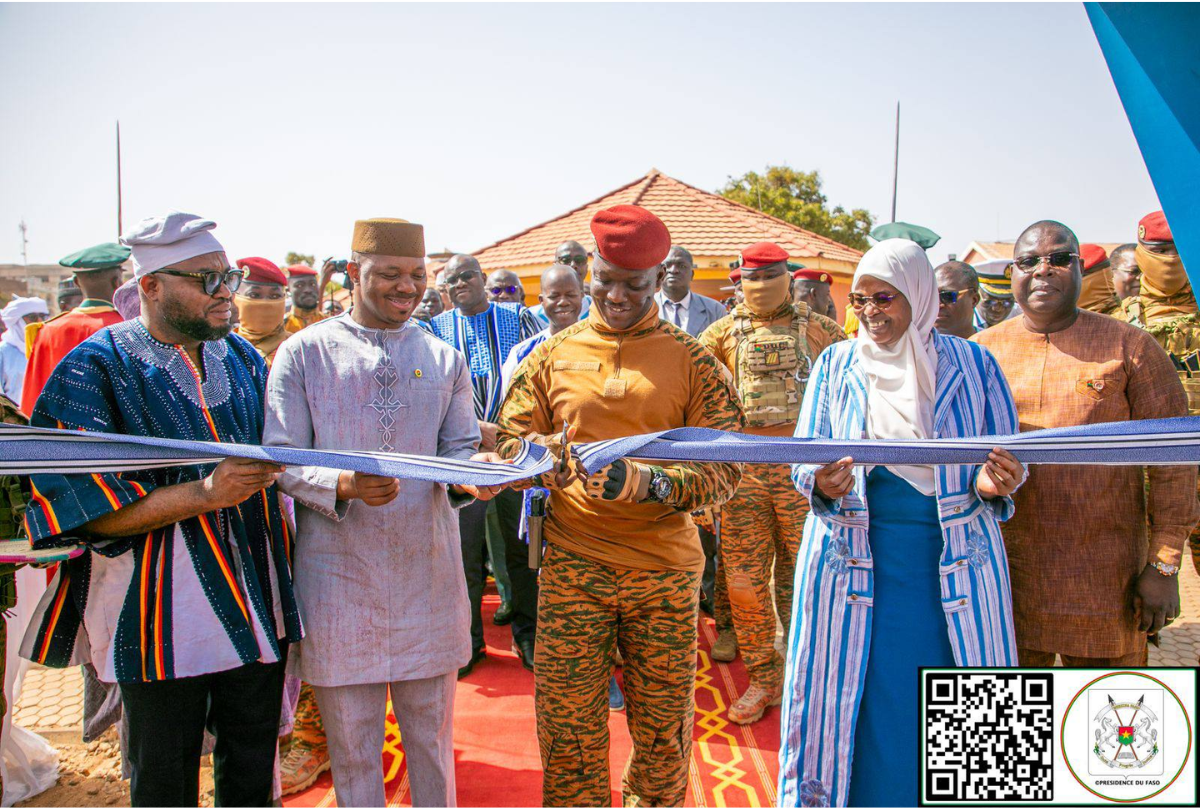
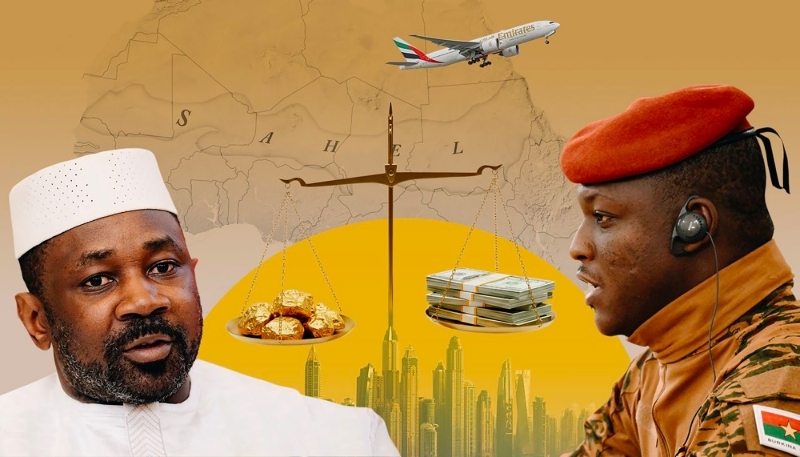
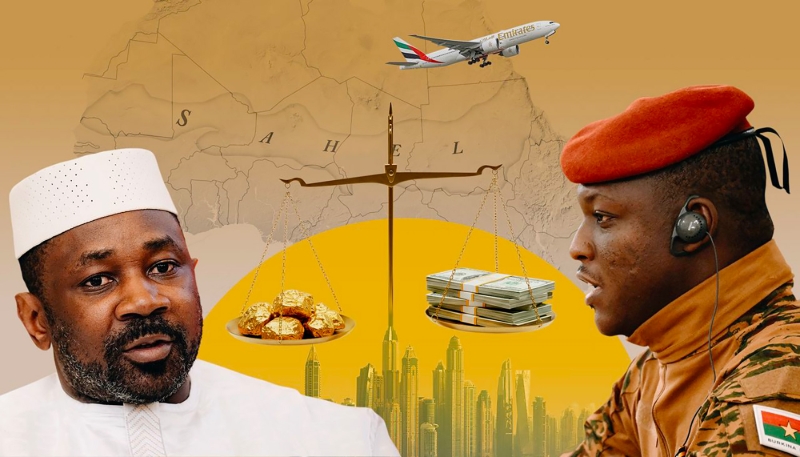
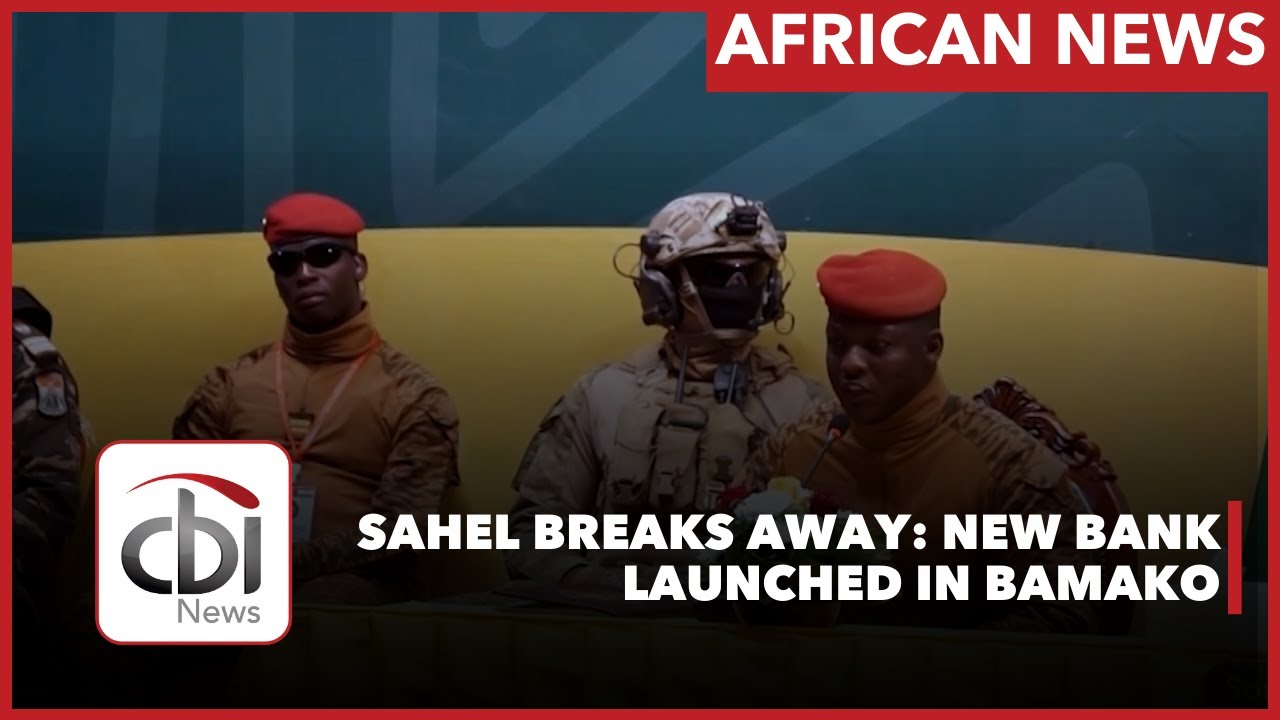
At the helm of this crucial alliance is Burkina Faso’s leader, Ibrahim Traore, whose vision for regional cooperation is crystal clear. His leadership highlights Burkina Faso’s pivotal role in combating terrorism and underscores the nation’s commitment to proactive, regional security. This alliance gained momentum right after the United States and France significantly scaled back, or completely withdrew, their military presence from several Sahel countries, including Niger, Mali, and Burkina Faso itself. Did this create a security vacuum? Perhaps, but it certainly pushed local forces to step up, bolster their capabilities, and work much closer together. The complex security landscape has also seen tensions with Algeria-backed extremist groups and even unauthorized incursions by foreign military aircraft, an instance of which saw the AES publicly condemn an aircraft carrying 11 military personnel entering Burkinabe airspace without authorization. We’ve previously covered how Burkina Faso’s Ibrahim Traore leads the Sahel alliance.
The formation of this joint force signals a growing recognition that individual country efforts just haven’t been enough against increasingly coordinated and mobile extremist groups operating across borders. What does success look like for the AES? It’ll hinge on effective coordination among member states, securing adequate funding, modernizing equipment, and, crucially, maintaining popular support. Beyond military might, true stability will require political dialogue and socio-economic initiatives to address the root causes of extremism, like poverty, marginalization, and weak state institutions. International partners could still play a valuable role, offering technical assistance and capacity-building, but without imposing unwanted political conditions. This unified front marks a landmark effort in Africa’s ongoing battle against terrorism, offering hope that African nations can indeed take charge of their future and work hand-in-hand to secure peace and foster regional resilience. As this young alliance moves forward, the world will be watching to see if their collective strength can overcome one of the most complex security challenges of our time. You can learn more about the Alliance of Sahel States forming a military bloc here.