Burkina Faso Navigates Justice, Sport, and Development at a Critical Juncture
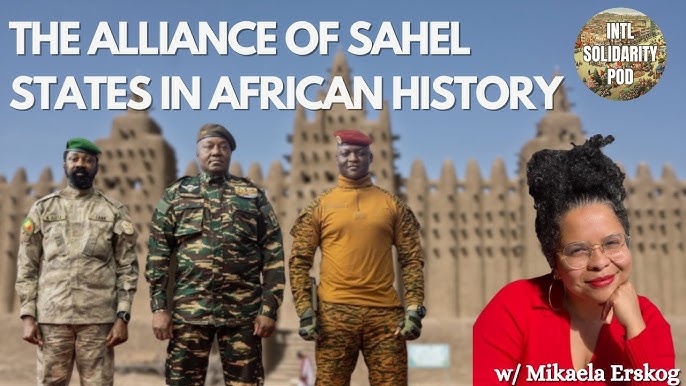
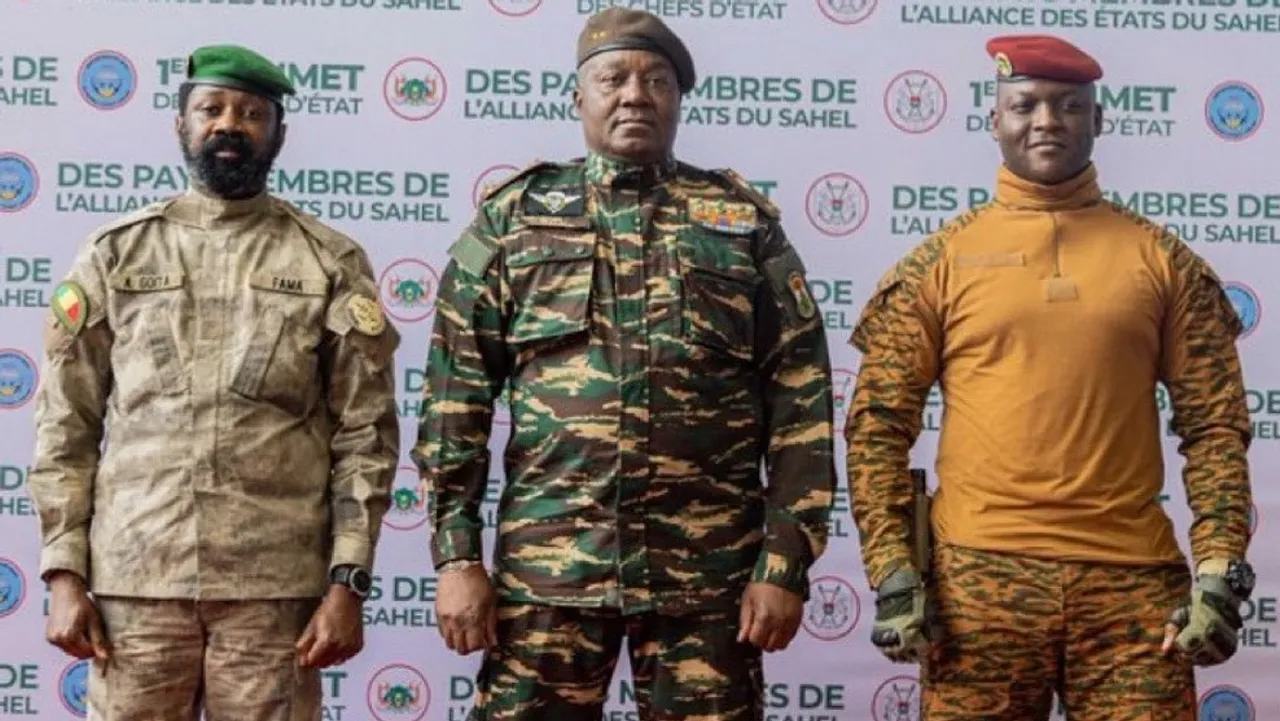
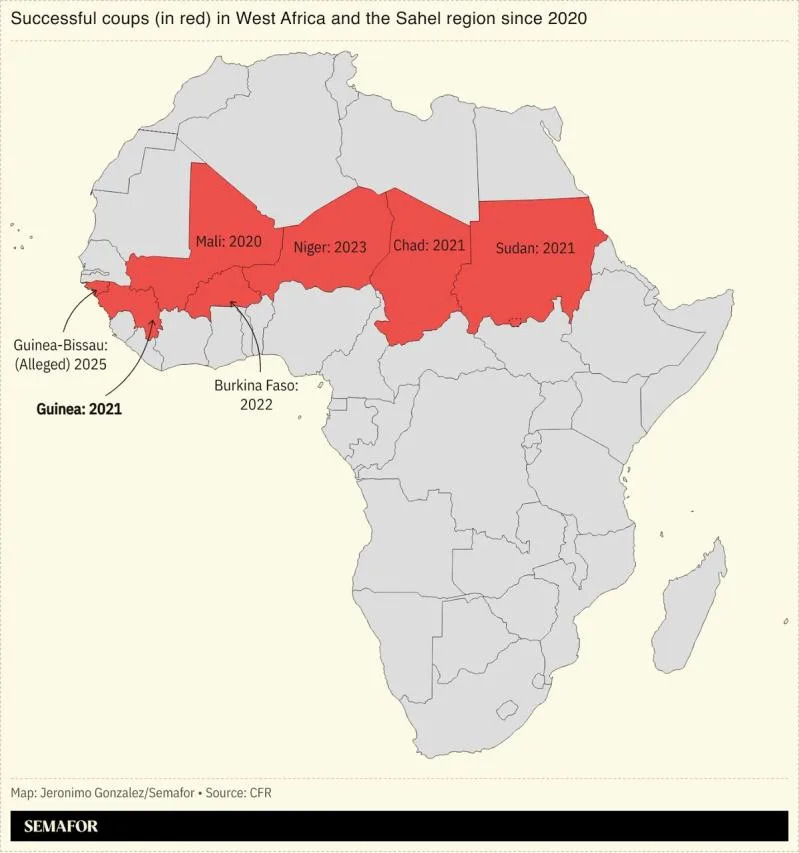
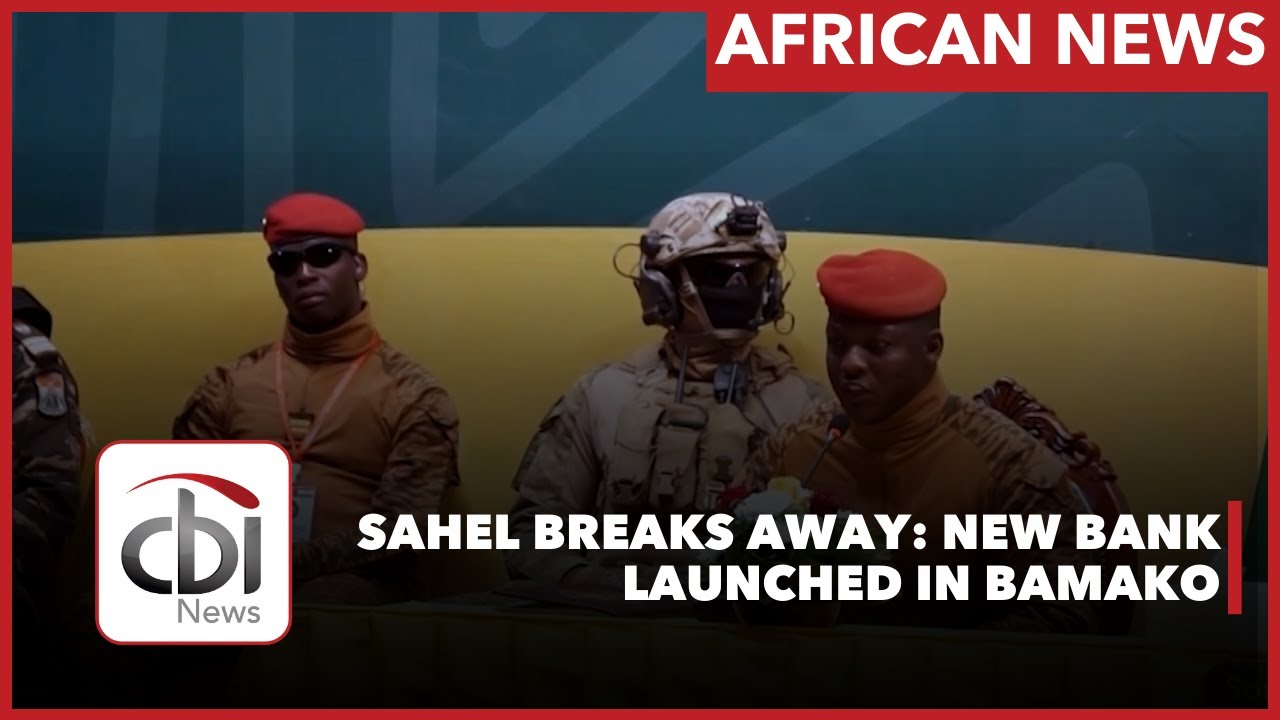
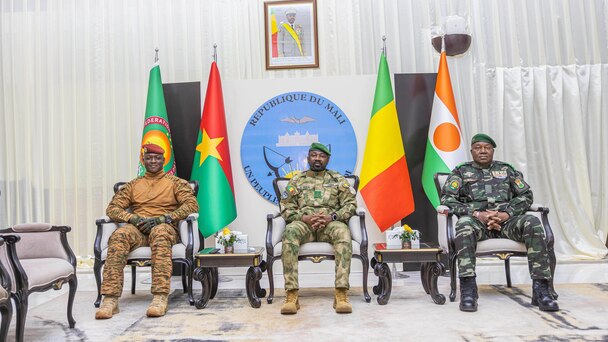
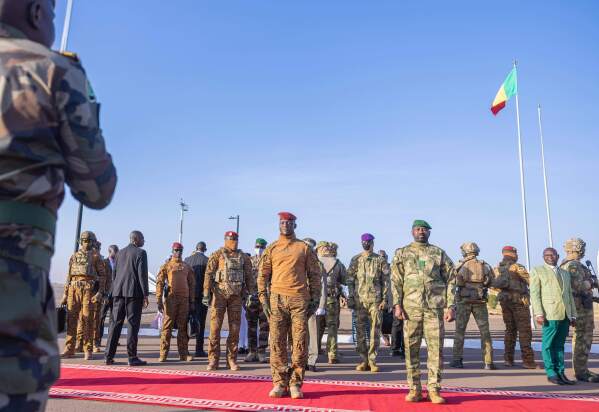
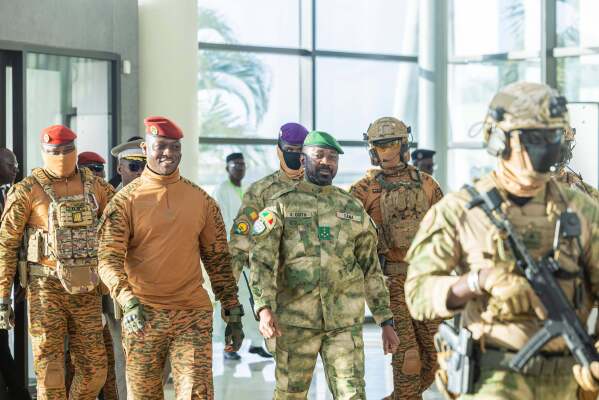
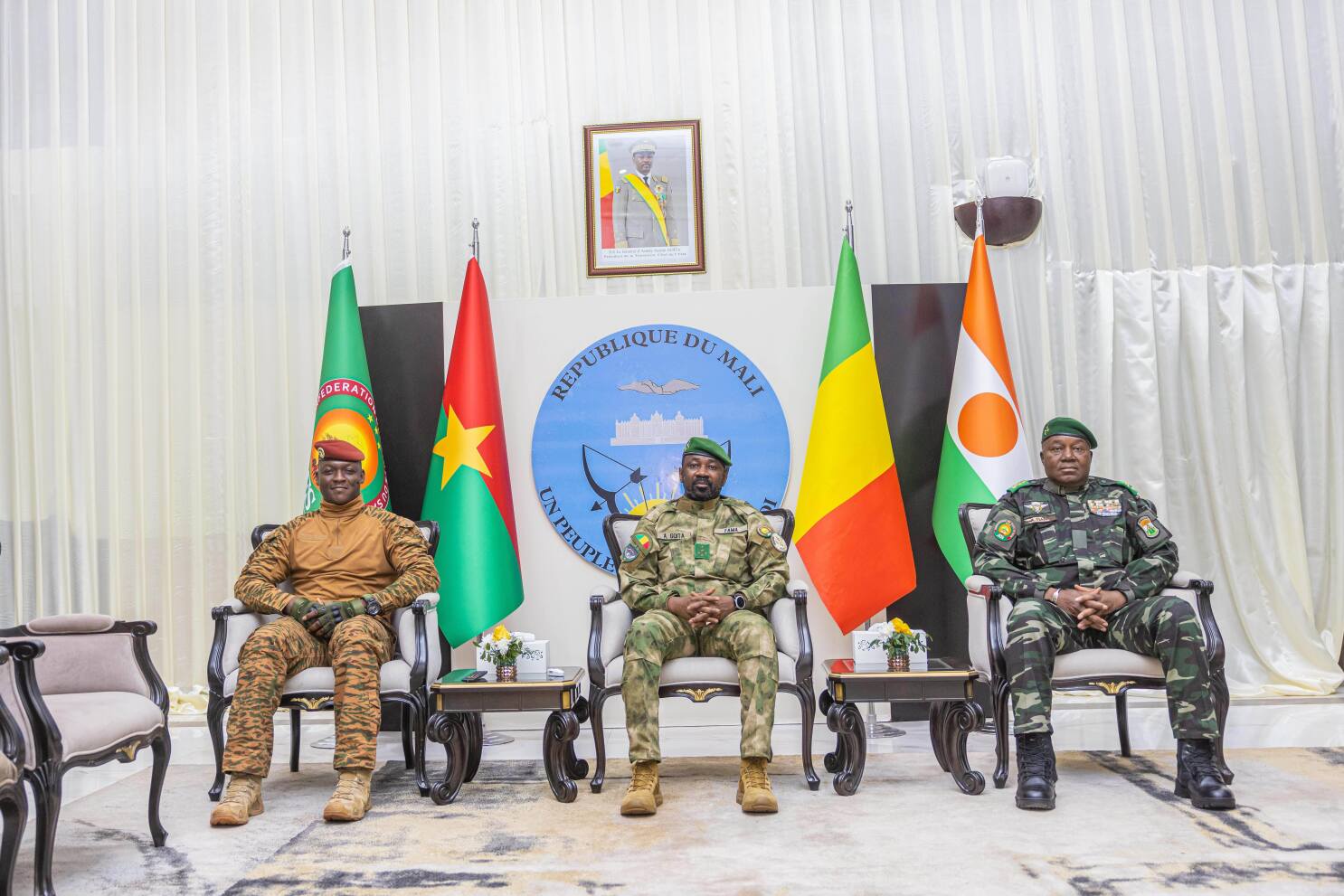
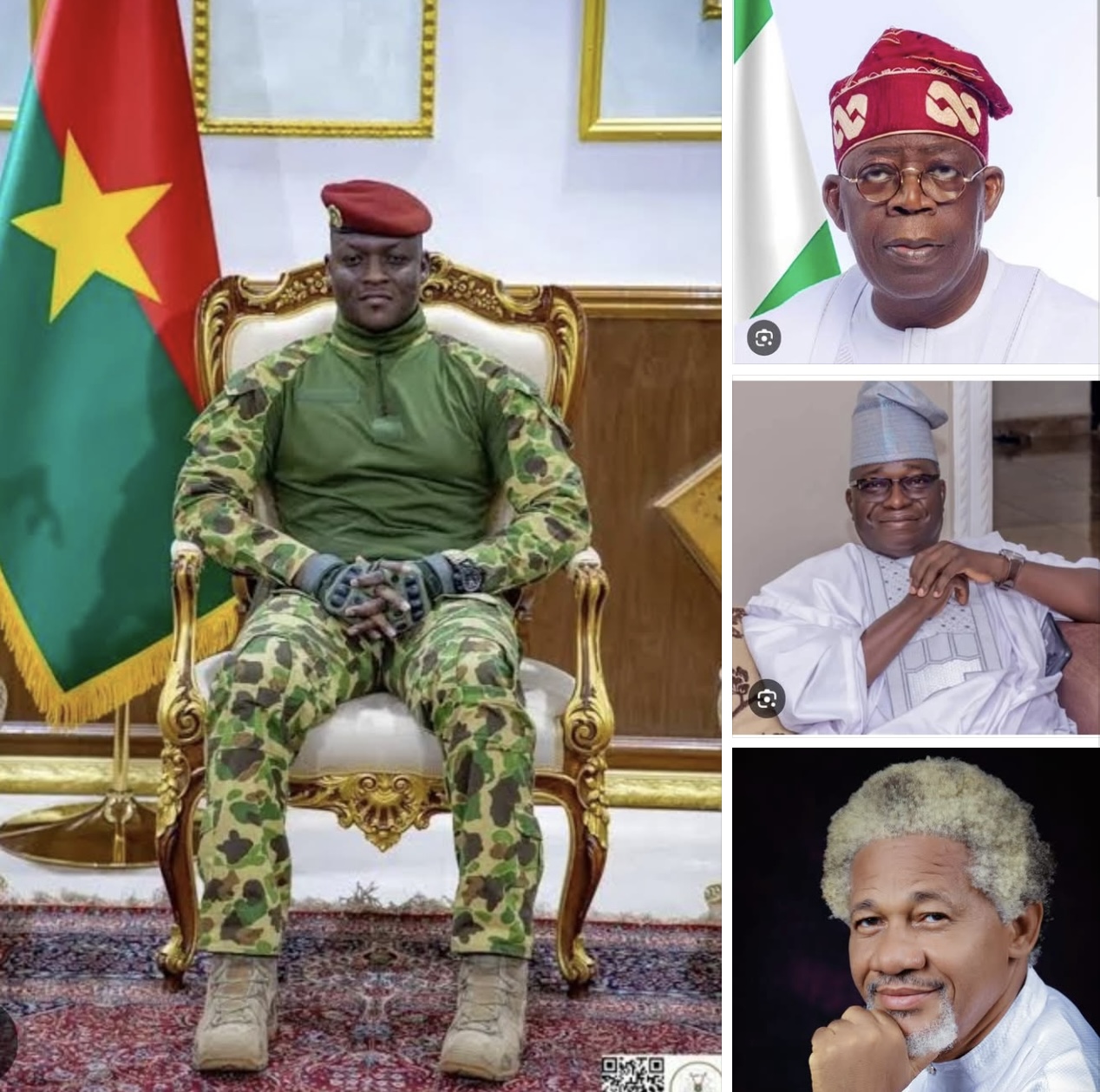
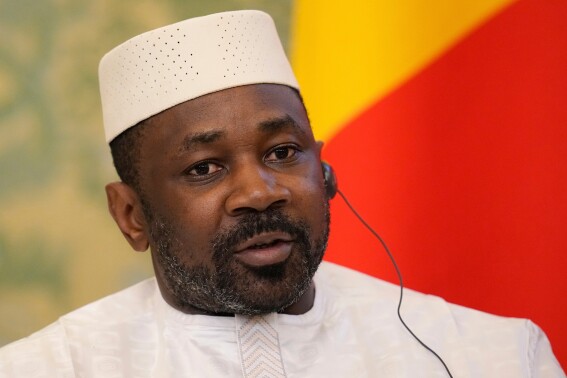
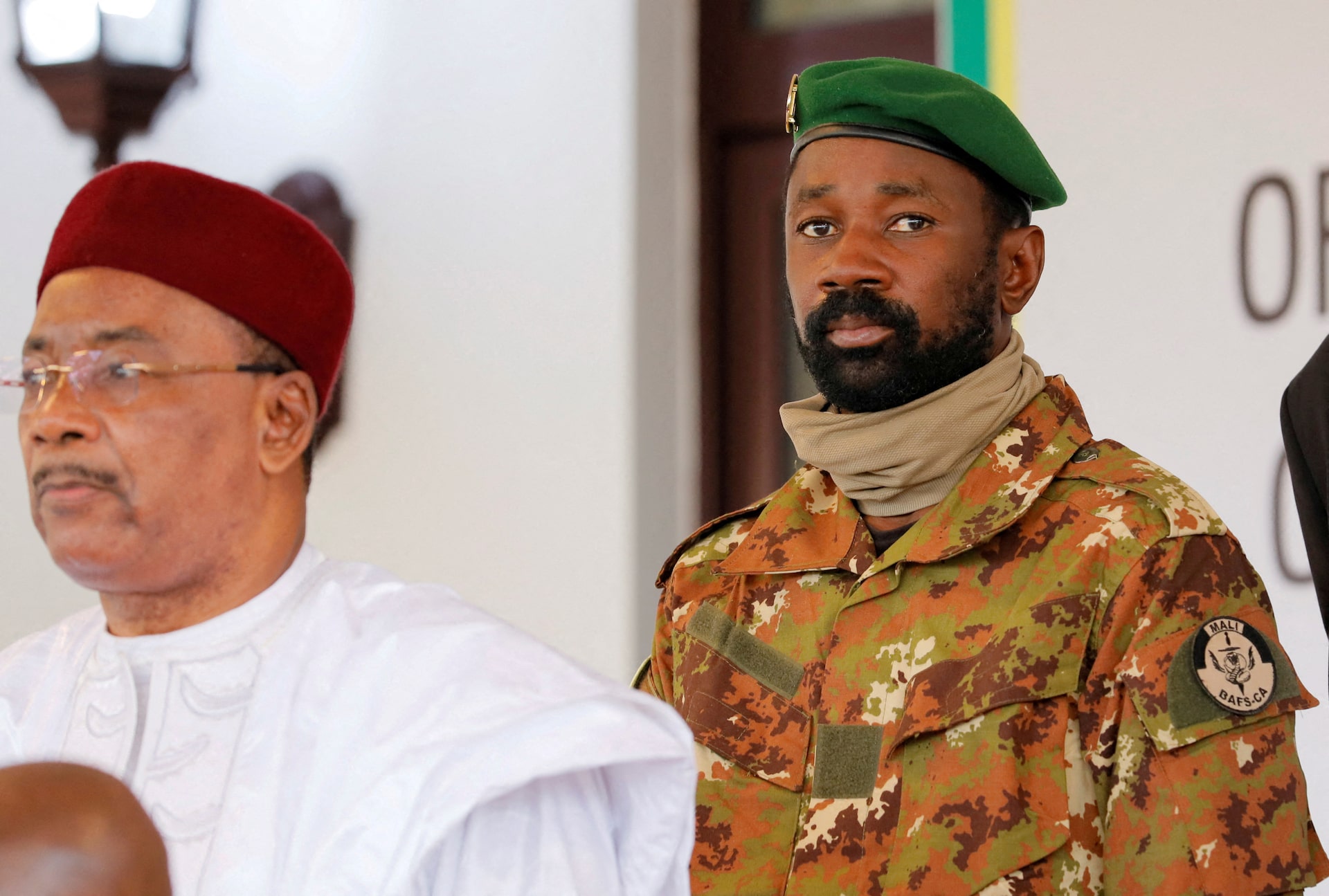
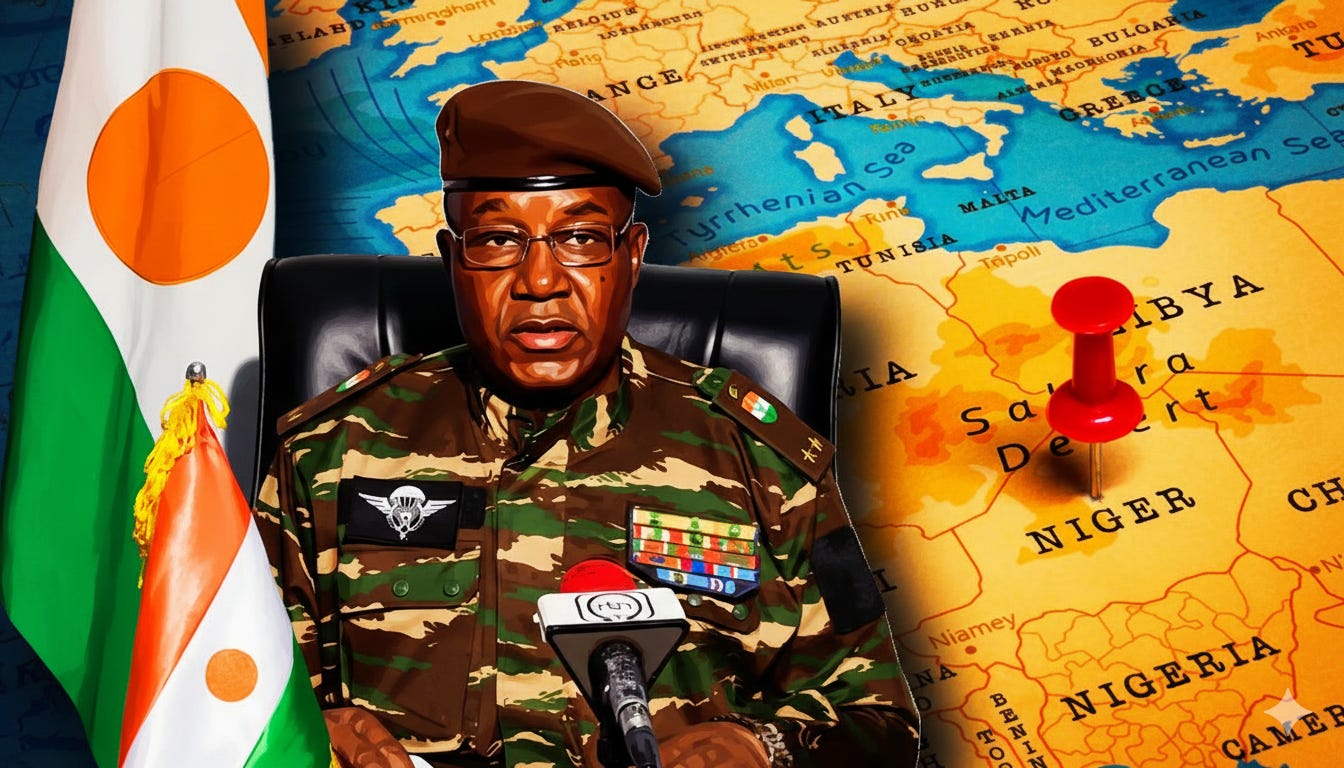
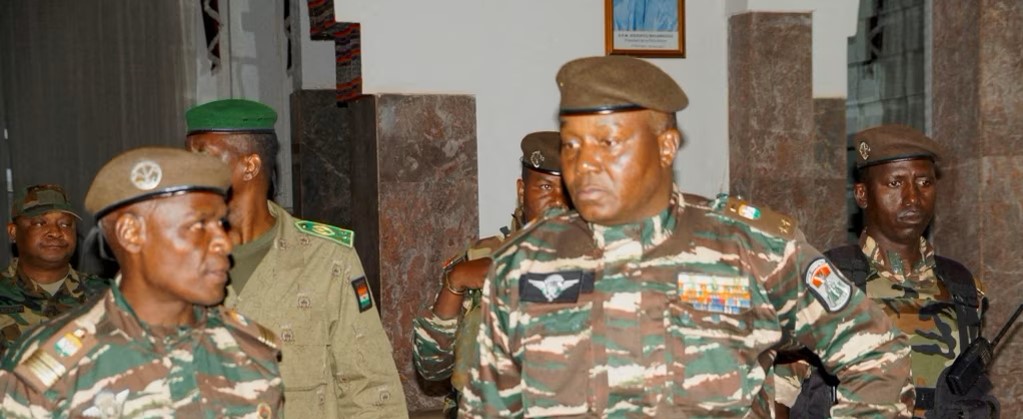
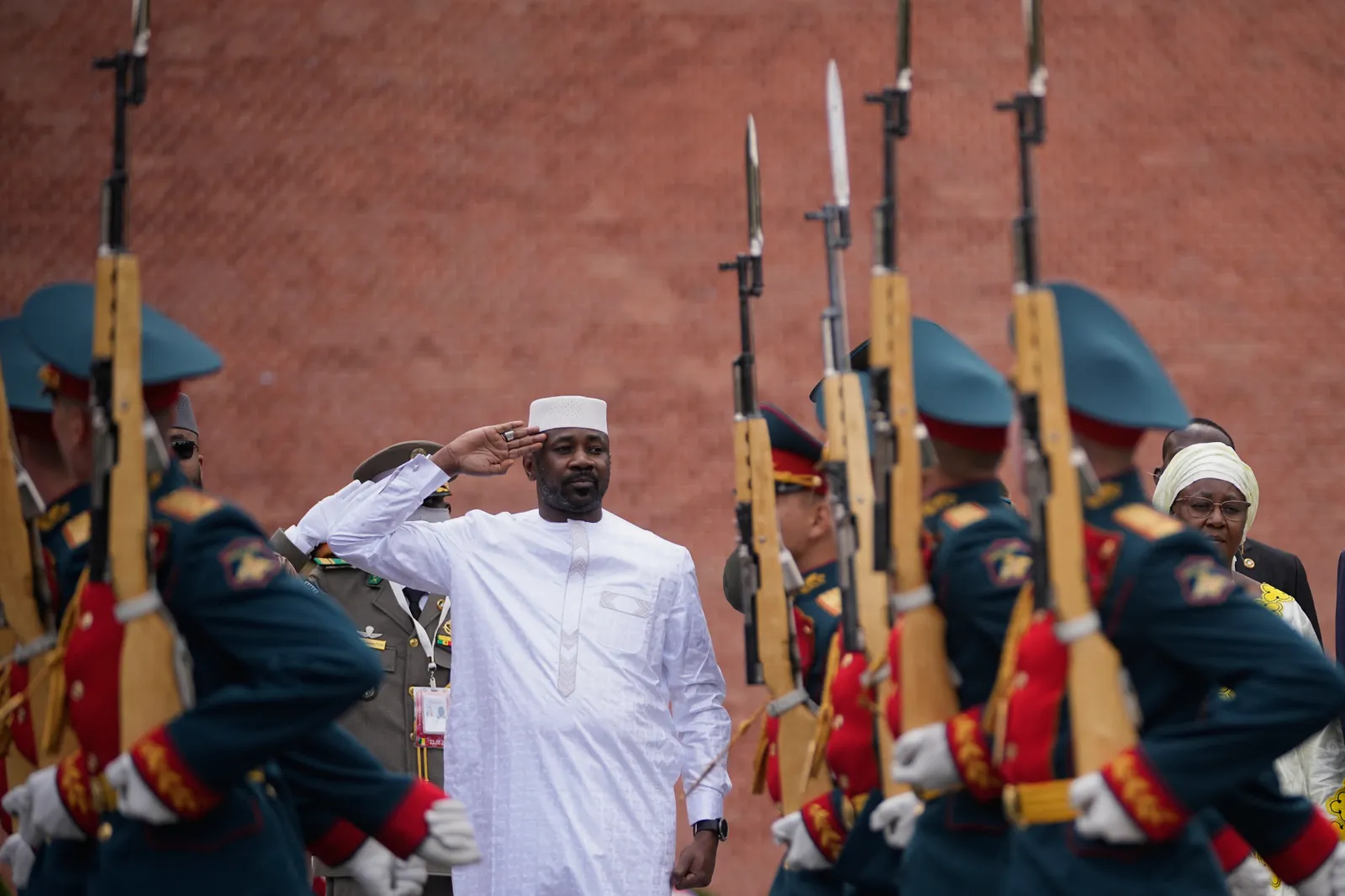
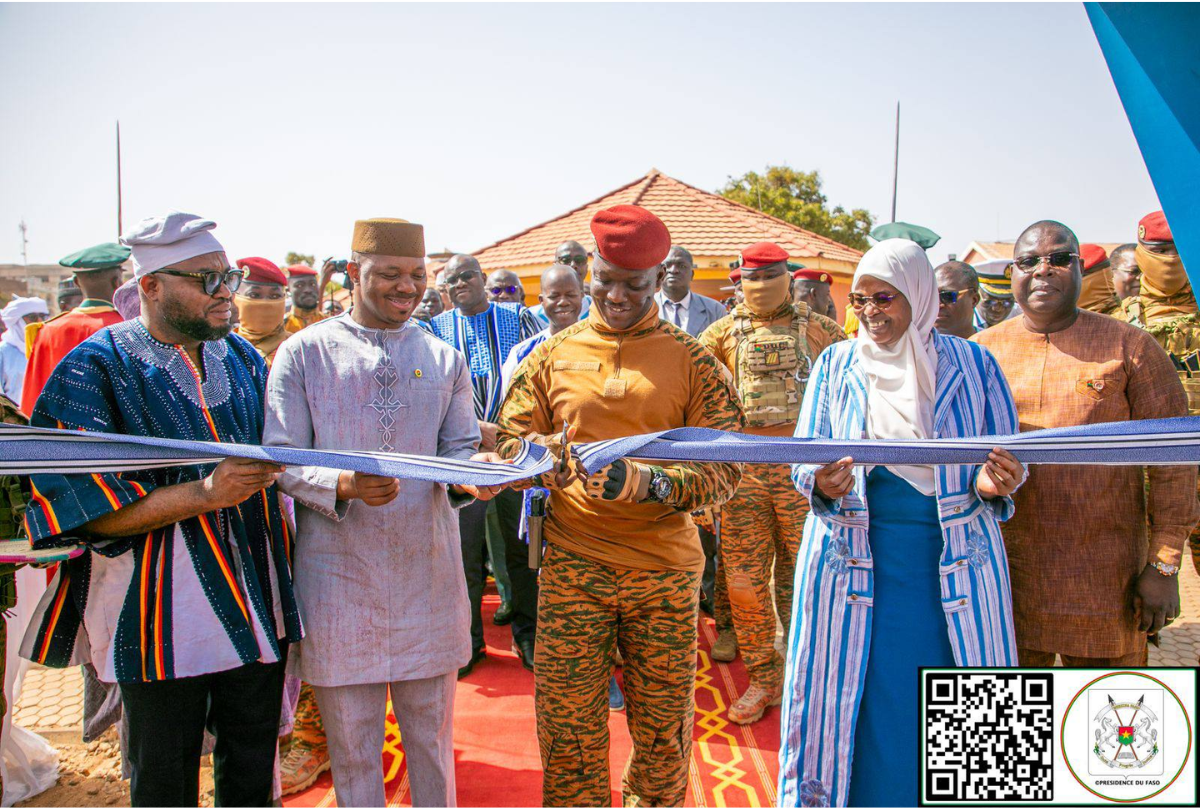
Burkina Faso stands at a pivotal moment, a dynamic intersection where legal reforms, societal shifts, athletic determination, and strategic financial planning converge to shape its evolving narrative on the African stage. We’re seeing a nation grapple with its challenges and aspirations with a palpable energy, drawing both close scrutiny and cautious optimism. Recently, a court handed down the country’s first conviction under a controversial law banning same-sex relations, sentencing an individual to two years in prison, a hefty fine, and expulsion. This landmark decision certainly sparks critical, sensitive discussions about human rights, legal enforcement, and core societal values as Captain Ibrahim Traoré’s government navigates complex issues of governance and social policy. How will this ruling impact broader perceptions of justice and freedom in a nation striving for stability?
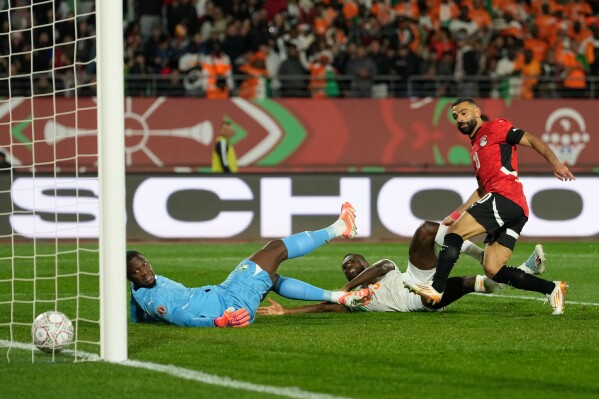
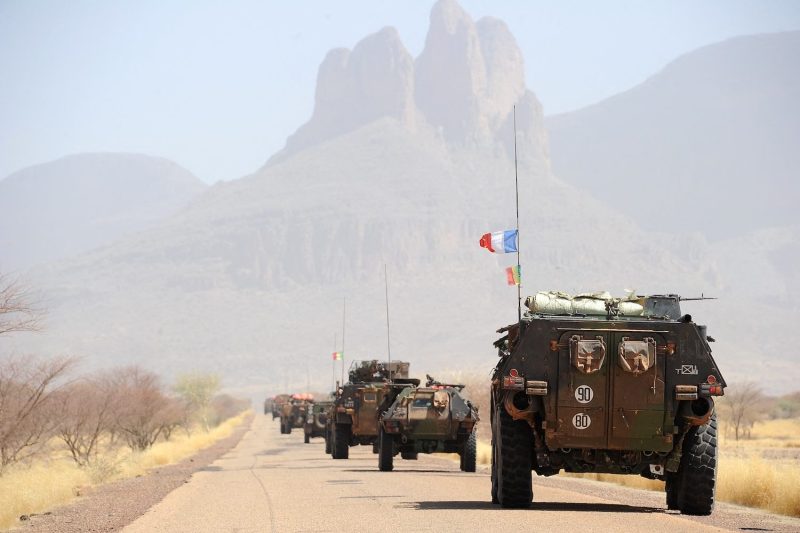
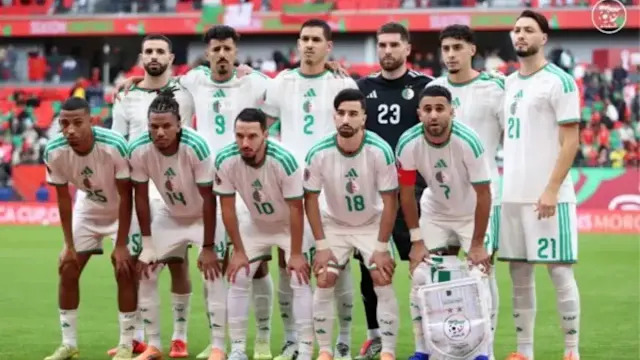
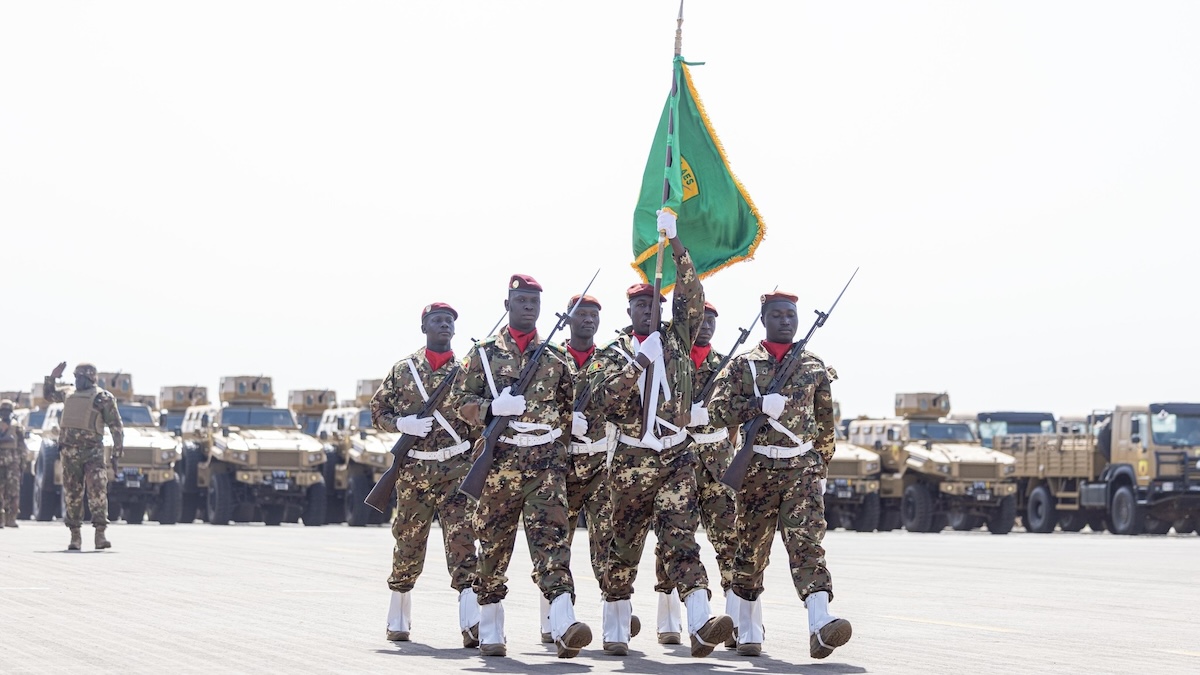
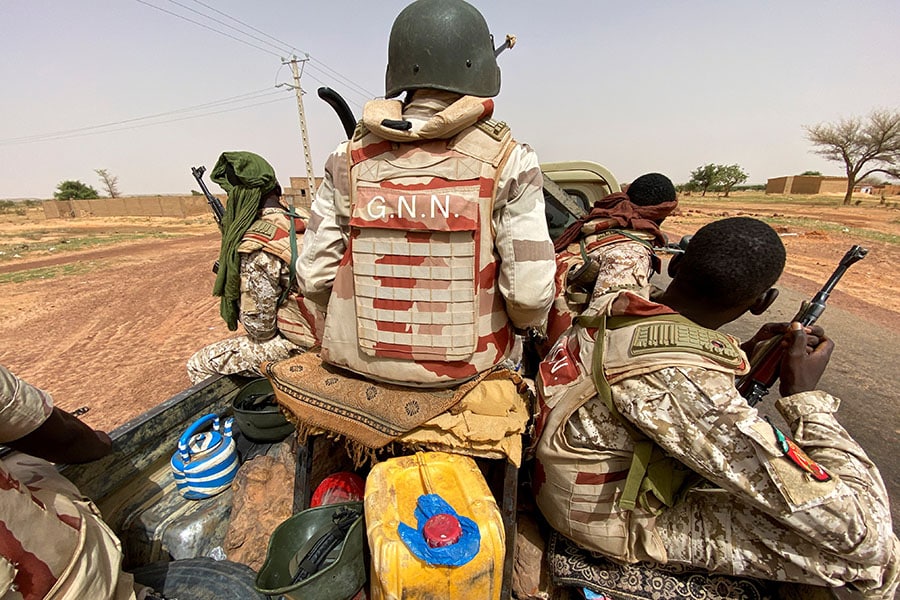
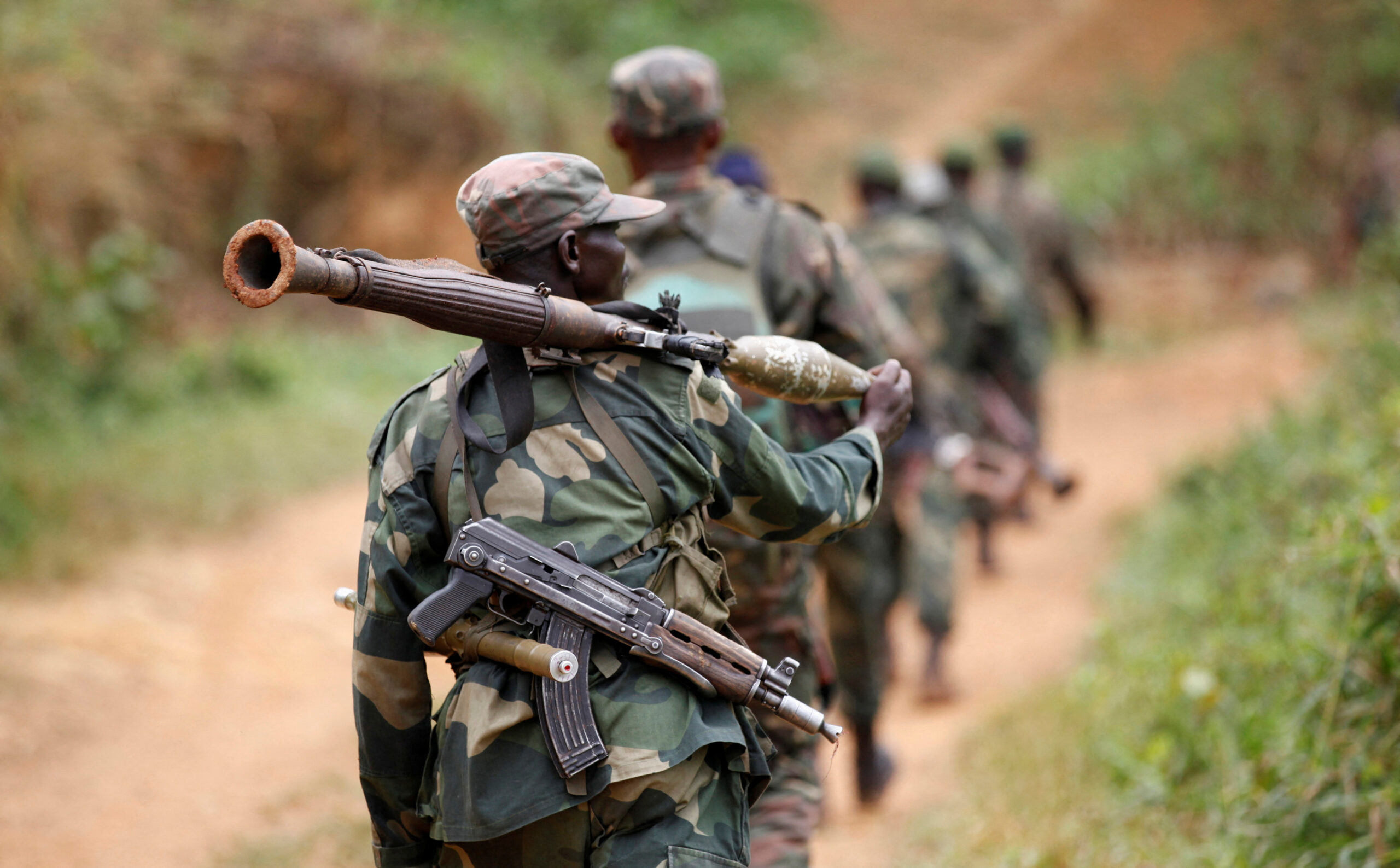
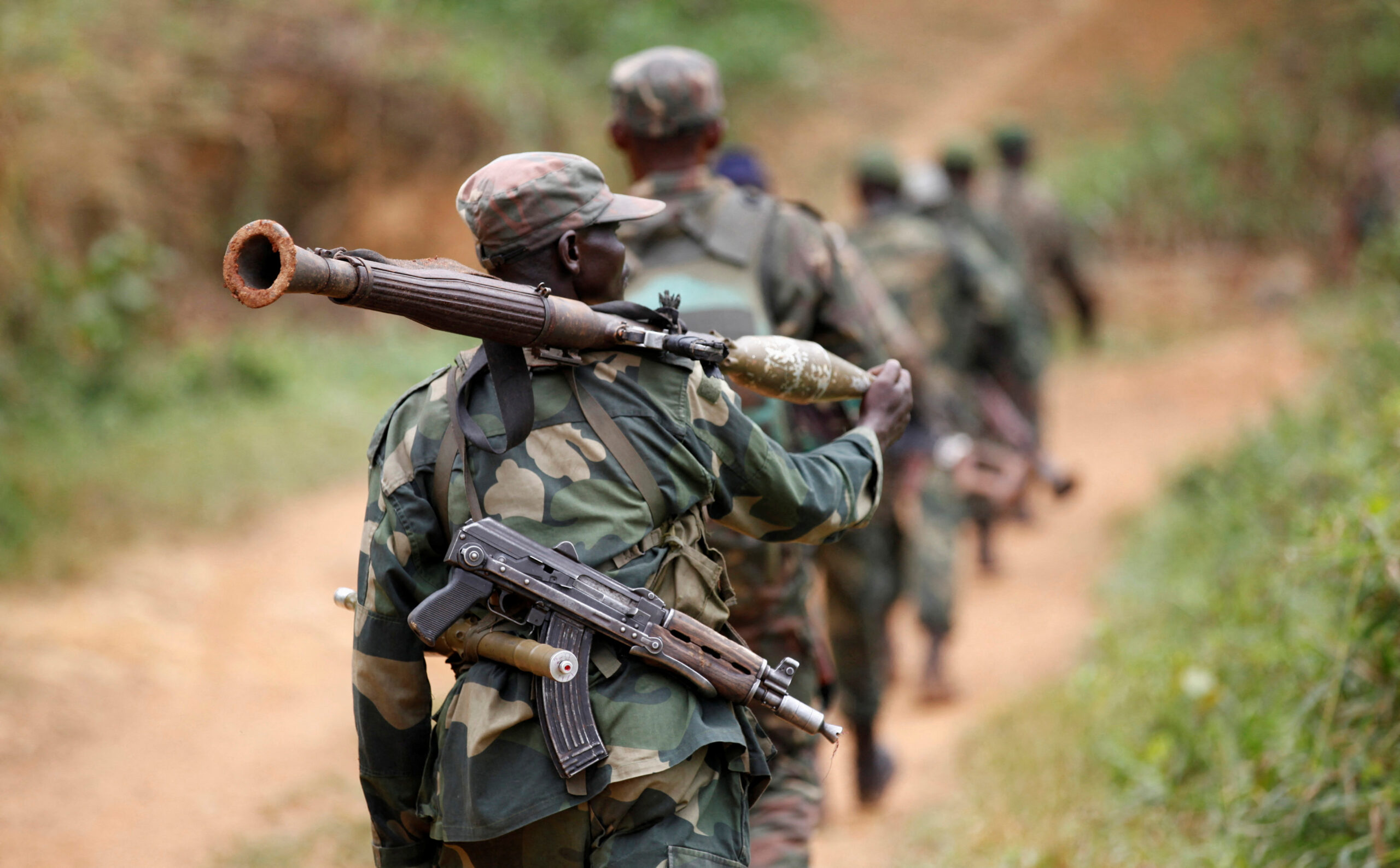
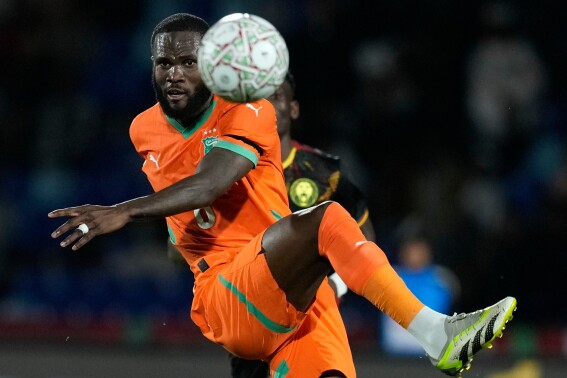
Beyond the courtroom, Burkina Faso’s spirited presence on the football pitch paints a different picture, adding a vibrant layer to its unfolding story. During a recent African Cup of Nations (AFCON) 2025 qualifier, the national team showed formidable resistance against regional powerhouse Algeria. Even Algeria’s coach, Vladimir Petkovic, openly admitted his surprise at how tough Burkina Faso’s challenge was. Despite Algeria’s eventual 1-0 victory, sealed by a Riyad Mahrez penalty, Burkina Faso’s performance strongly signaled a rising competitiveness and a deepening sports culture, uniting and inspiring its people. This vigor isn’t just confined to sports, though. It mirrors a broader, more strategic mobilization within the state. The government recently adopted an ambitious national budget for 2026, topping 3,400 billion CFA francs. It’s a clear statement of priorities, with targeted allocations for security, health, and development, reflecting a commitment to stabilizing the nation amidst ongoing security challenges, improving public welfare, and fostering economic progress. The emphasis on defense, of course, ties into continued efforts to quell insurgencies and maintain internal peace, which are crucial steps on the country’s journey toward stability.
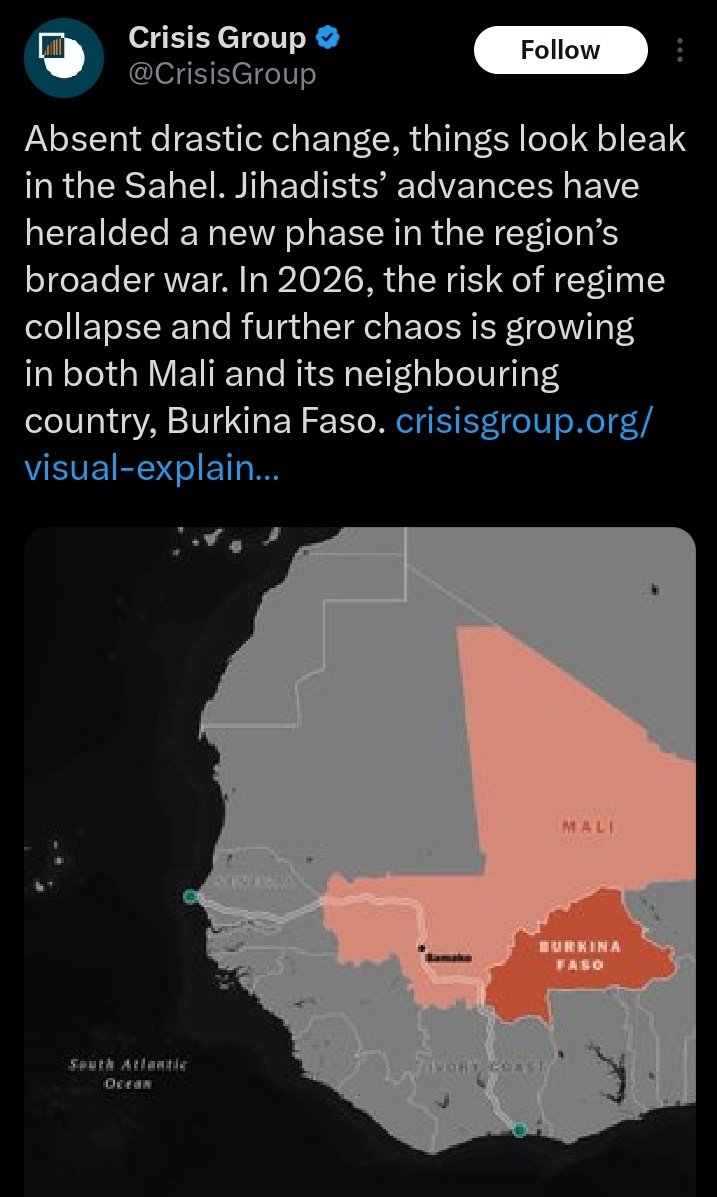
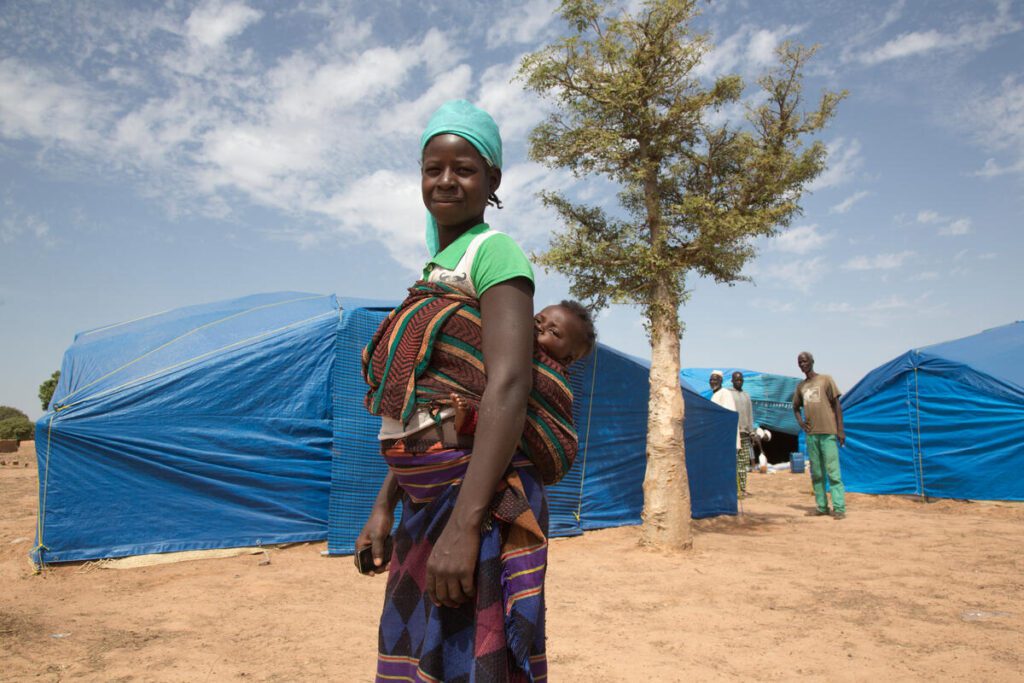
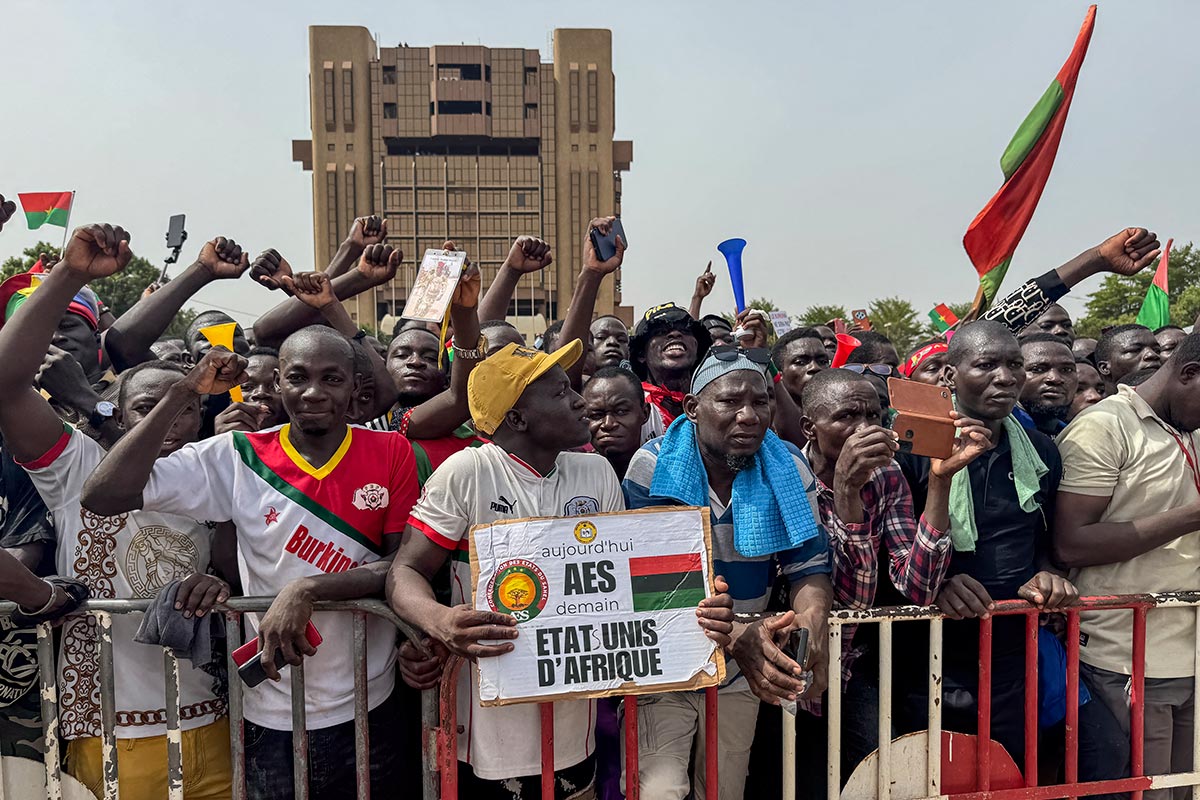
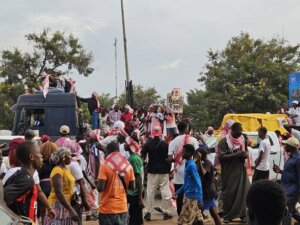
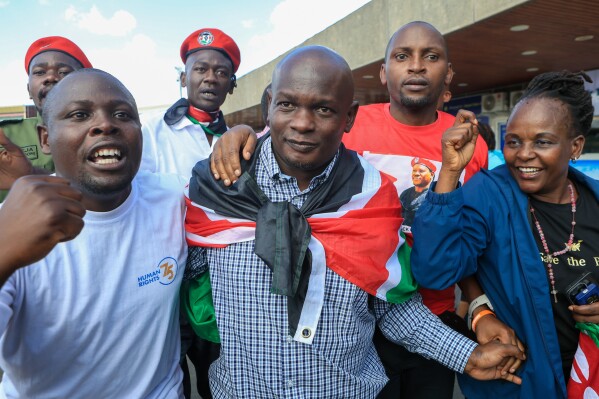
This interplay of significant judicial actions, undeniable athletic grit, solid fiscal commitment, and energetic youth activism paints a compelling picture of Burkina Faso actively defining its future. The nation faces the complex task of balancing its traditional values and legal frameworks with the demands of a rapidly changing social landscape and a young, vocal population. The resilience we’re seeing in sports suggests that with the right investments and thoughtful policies, the country can truly foster national pride and unity. Meanwhile, the government’s focused budget on security and development shows a pragmatic approach to tackling immediate threats and long-term needs. The path forward undoubtedly requires sustained dialogue, true inclusiveness, and efforts across multiple sectors, but the events of recent months reveal a country deeply engaged in shaping its own national identity. For Burkina Faso, the journey continues, with each victory and challenge adding to a powerful narrative of resilience and hope.