Corporate Cash and Hard Choices Reshape Africa’s Startup Landscape in 2025
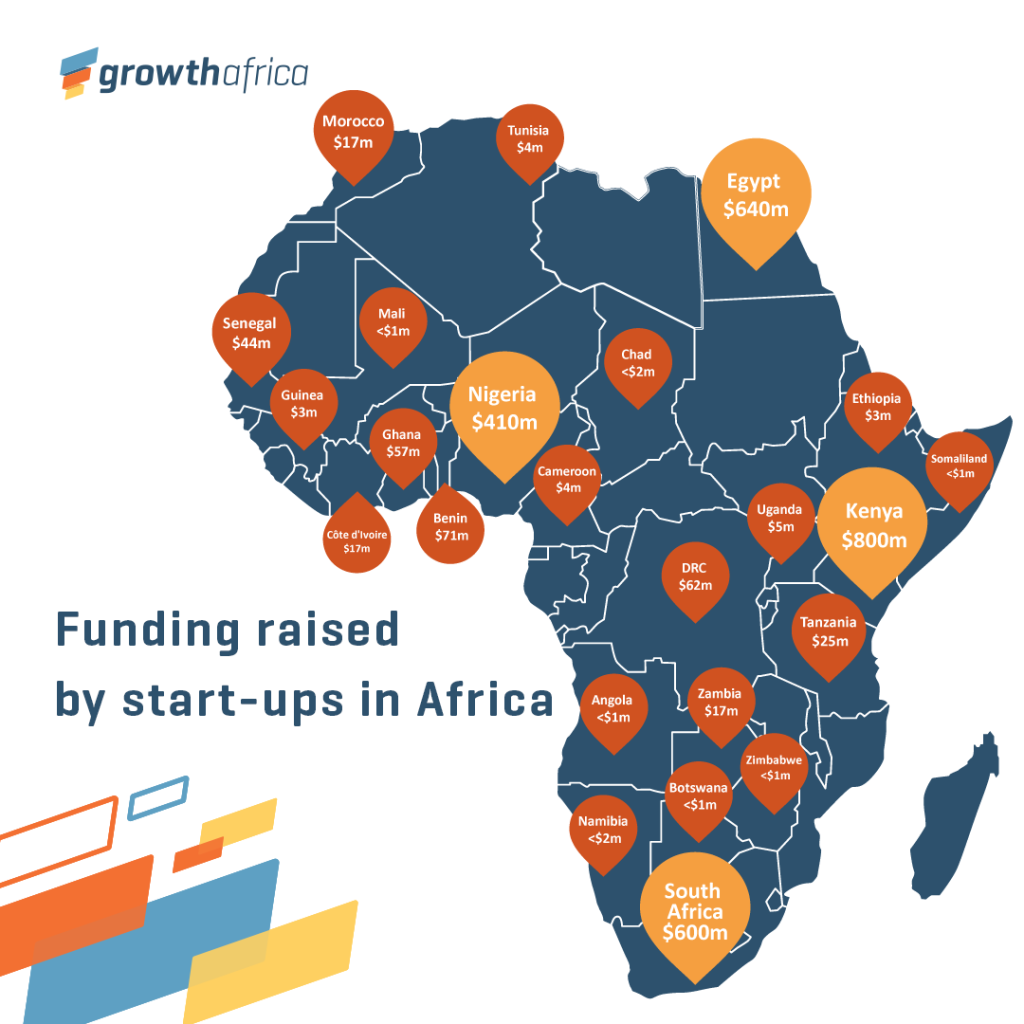
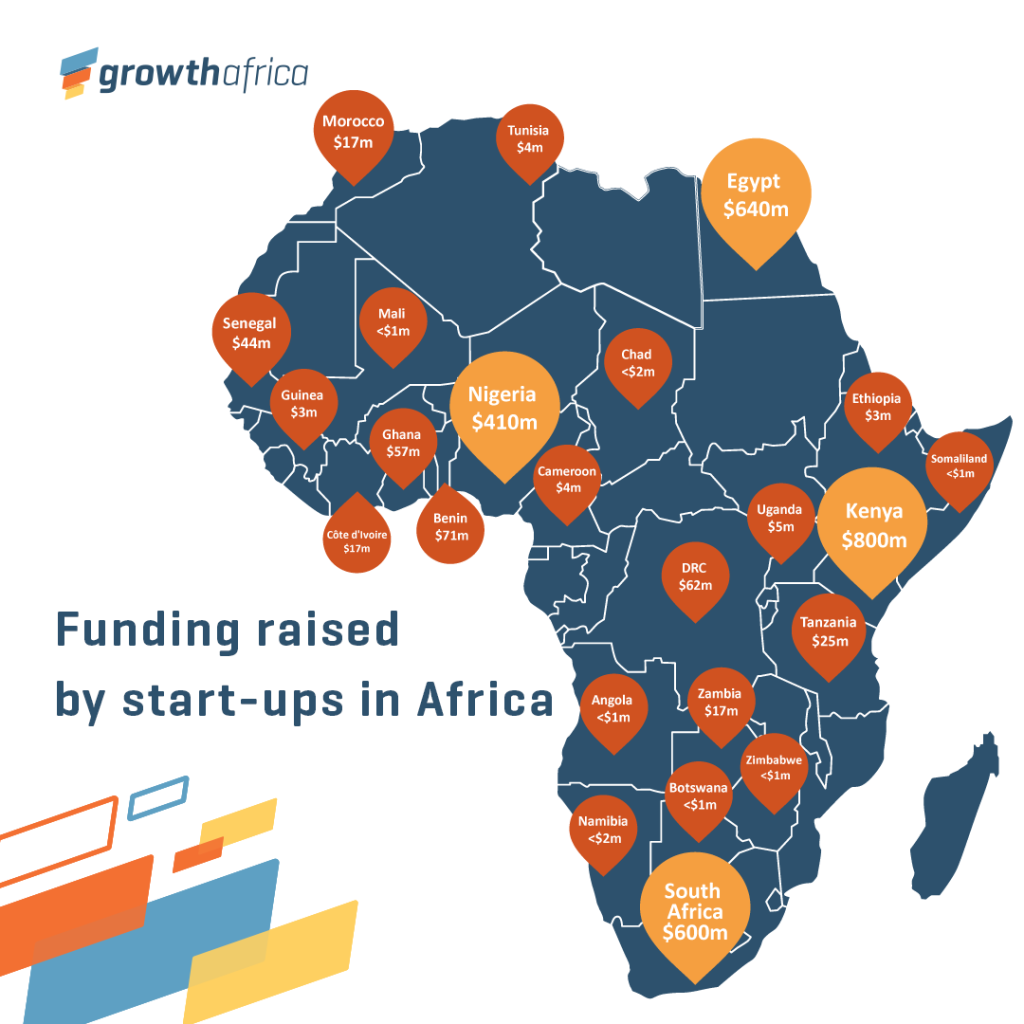
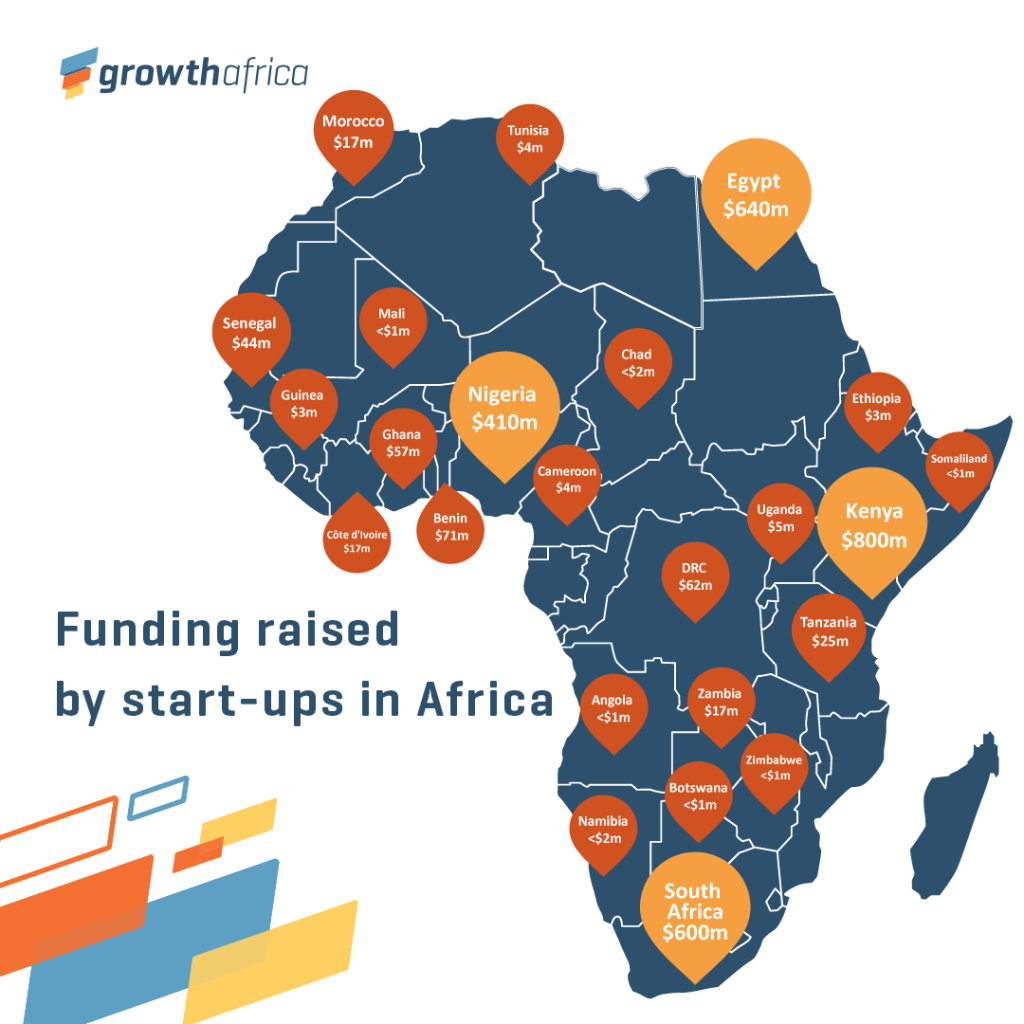
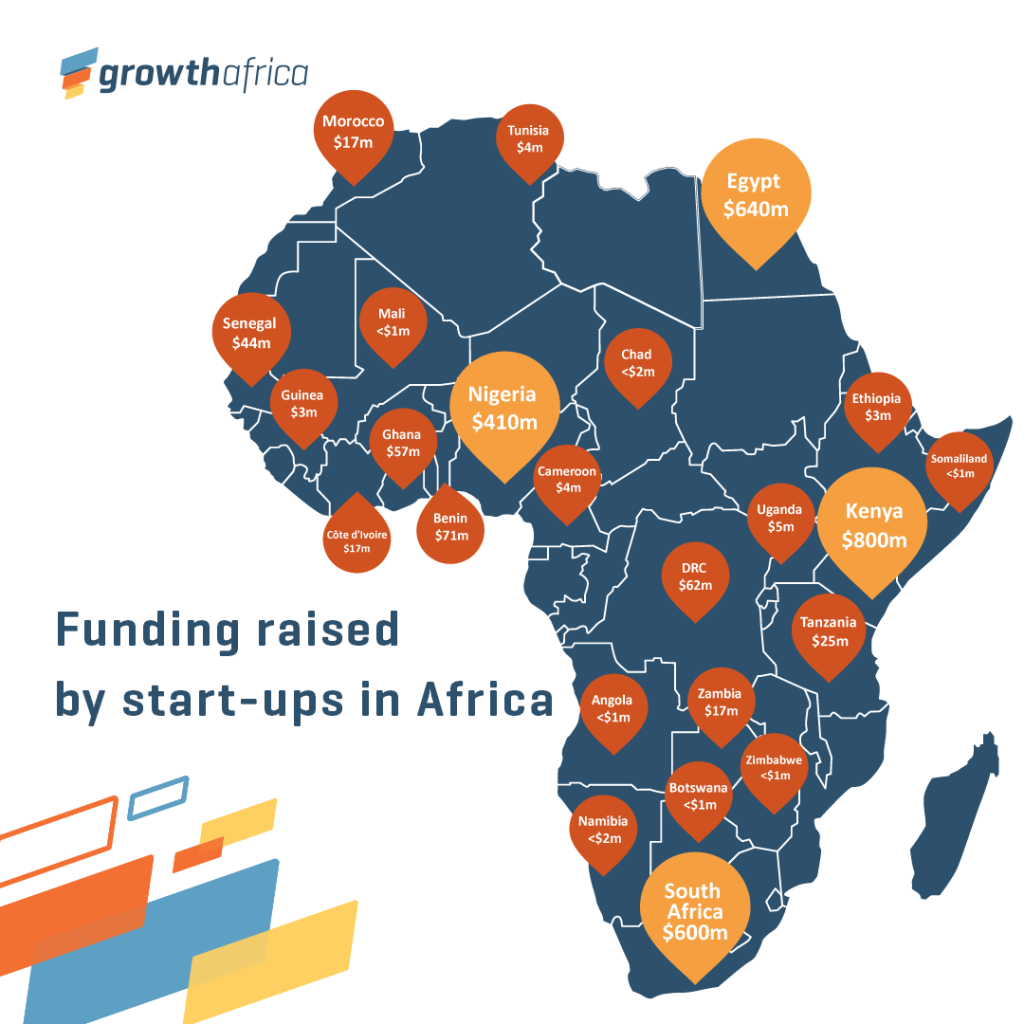
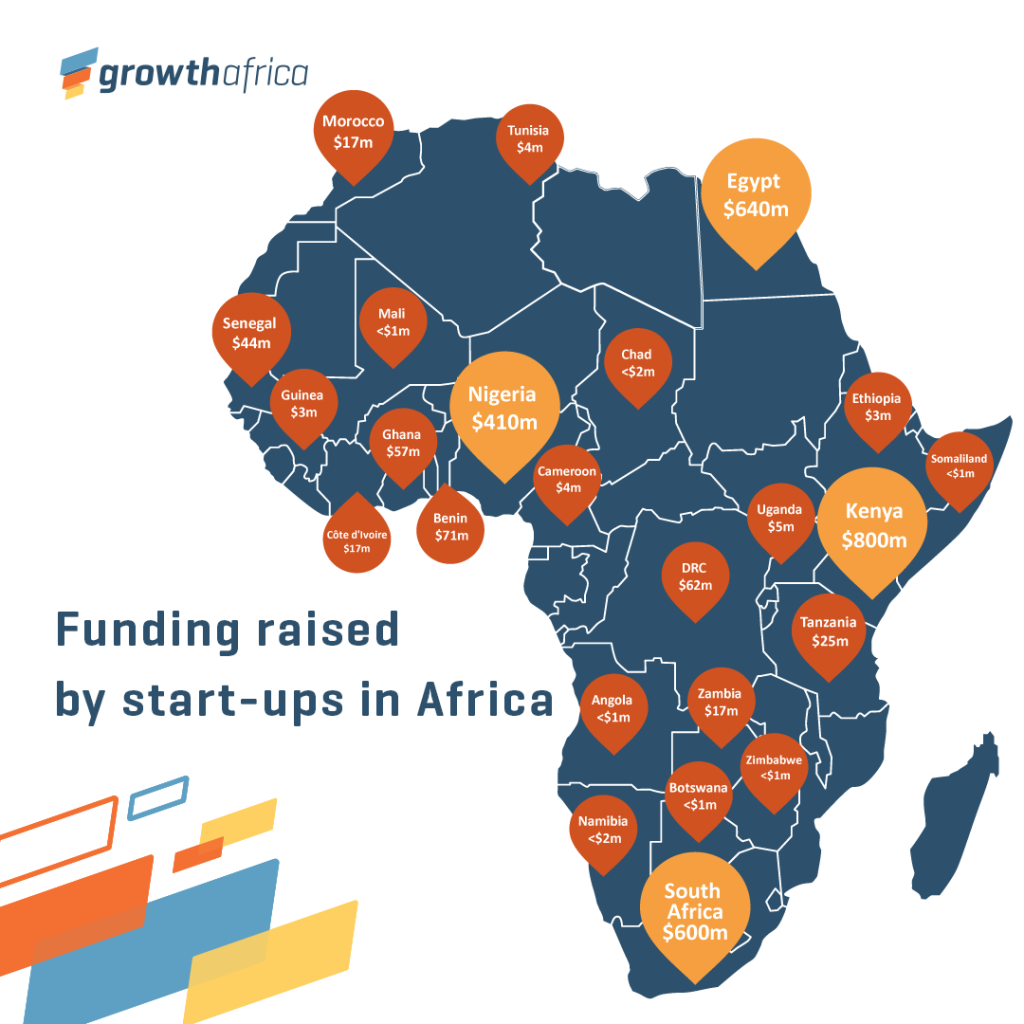
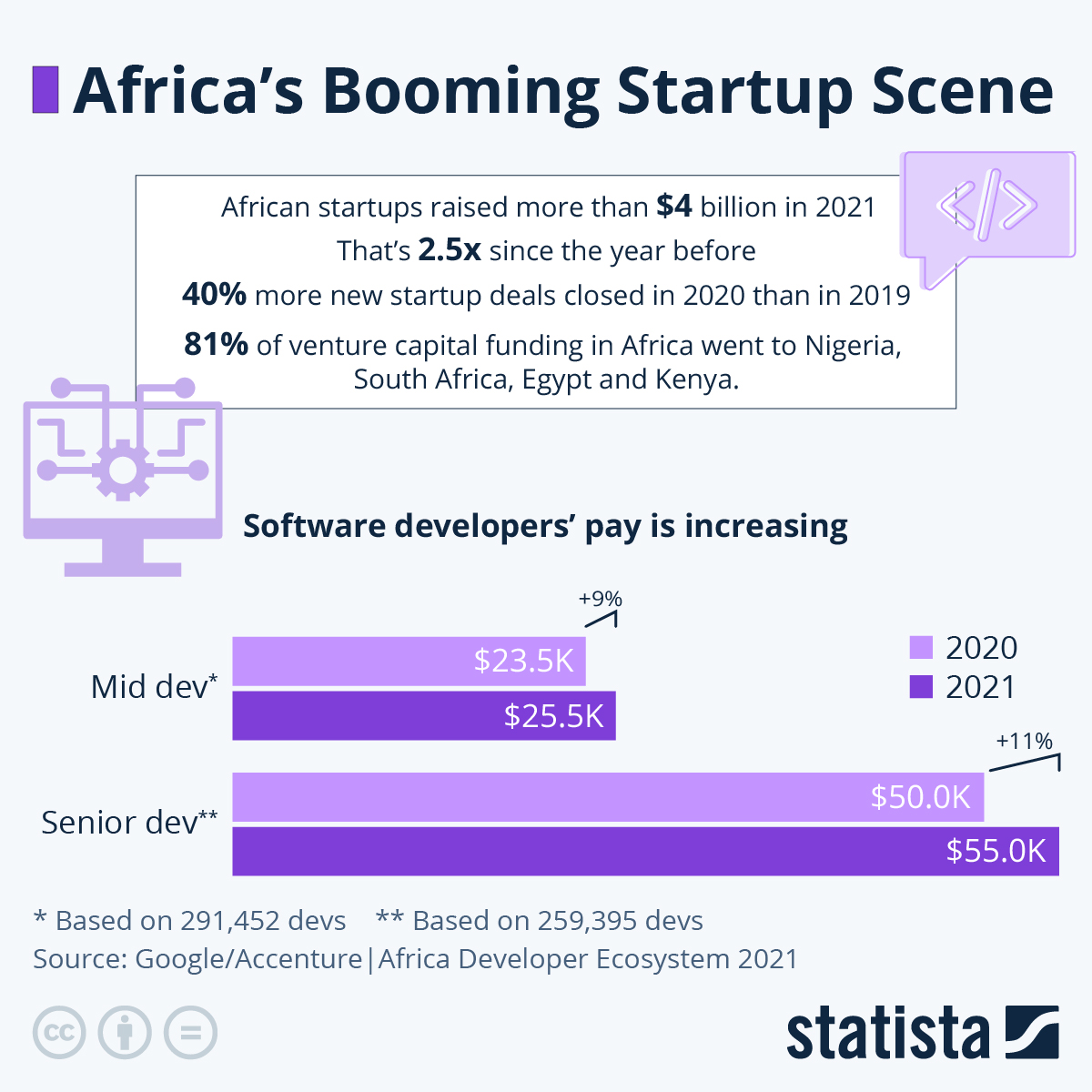
If you’ve been watching Africa’s startup scene this year, you’ve seen a story of two powerful forces pulling in opposite directions. On one side, corporate investors came back with serious money, driving a 44 percent surge in corporate-backed funding rounds across the continent according to Global Venturing’s 2025 data. These weren’t just traditional venture checks either, they were strategic plays by companies looking to secure distribution channels, tap into new talent pools, or get early access to emerging technologies. The result? Startups got more than cash, they got commercial pilots and partnerships that pure venture dollars don’t always deliver. Meanwhile, the geography of investment shifted dramatically. In June alone, African startups pulled in roughly $346 million, but here’s the twist: Senegal led the charge while Nigeria’s share of deals shrunk to about four percent. That’s a telling sign of how investors are hunting for new hubs beyond the usual suspects. Policymakers are taking note too, with initiatives like Egypt’s tax-free tech zones and Nigeria’s proposed virtual special economic zone, Itana, aiming to keep talent from leaving and lure fresh capital. The big deals kept coming, like Egyptian proptech leader Nawy securing $52 million to expand across MENA, and fintech player Octane raising $5.2 million to broaden its fleet payments platform. Smaller but strategic money flowed too, from a $50,000 grant for sustainable farming in Morocco to a new $69 million fund targeting deeptech innovation across Francophone Africa. It’s clear the continent’s startup ecosystem is booming, but the map of where that growth happens is being redrawn.
Don’t let the celebratory headlines fool you though. For every funding announcement, 2025 brought brutal realities that founders couldn’t ignore. A string of shutdowns and restructurings reminded everyone that impressive user numbers don’t guarantee survival. Even education platforms with millions of interactions faced grim unit economics when growth slowed, forcing some to make painful payroll cuts or refocus their entire product lines. High-profile layoffs underscored how quickly market sentiment can shift, turning yesterday’s darling into today’s cautionary tale. Yet amid these hard choices, mission-oriented capital played a bigger role than ever. Swedfund committed $15 million to the AGIF II vehicle to support small businesses and job creation, while Aruwa Capital closed a $35 million fund specifically for women-led ventures in West Africa. Programs blending philanthropy with corporate partnerships targeted education and inclusion, like the third EdTech fellowship from CcHub and the Mastercard Foundation designed to accelerate learning-focused startups. As Weetracker’s 2025 review highlighted, this was a year of exits that weren’t happy endings, with several once-promising companies either pivoting dramatically or closing shop entirely. The message to founders became unmistakable: growth at any cost is no longer a viable strategy. Investors now want to see credible paths to profitability, not just hockey-stick charts. This push for sustainability is reshaping everything from burn rates to business models, forcing startups to harmonize market fit with financial discipline. It’s part of a broader tech renaissance across Africa that’s maturing beyond the hype phase into something more substantial, if less glamorous.
So what does this mix of capital abundance and harsh practicality mean for the road ahead? First, technical trends are quietly reshaping finance and product strategies. Stablecoins and other crypto-linked tools are altering the payments and remittance conversation, offering potentially cheaper cross-border settlement, though they bring regulatory questions that vary sharply by country. Corporates and regulators are still feeling their way through both the promise and the risk. Second, corporate backers will continue growing in importance, not just for their money but for the routes to scale they provide through distribution networks, procurement pipelines, and customer access. Third, policy levers like tax-free zones and virtual special economic zones could help retain talent, but they need to be paired with predictable regulation and real infrastructure investment to make a difference. For founders, the playbook has shifted fundamentally. Raising capital is necessary but far from sufficient now. Partnerships matter more than ever, and market fit must align with financial discipline from day one. For policymakers and donors, targeted support for deeptech, women-led ventures, and emerging regional hubs can multiply impact, but success requires patiently aligning incentives across public and private actors. If 2025 was a year of recalibration, 2026 looks like a test of execution. Will corporate involvement translate into durable commercial models? Will new funds and incentives build more resilient, locally led champions? The coming year will show which companies weather the squeeze and emerge from restructuring stronger and more focused. One thing’s clear from tracking daily startup news across Africa: momentum alone isn’t enough anymore. Durable business models and smarter partnerships will determine the next wave of winners. As Nigeria works through its own economic renaissance with stable currency and falling inflation, the broader lesson for Africa’s ecosystems is that sustainable growth beats flashy growth every time. The companies that understand this distinction will be the ones still standing when 2026 winds down.