Sahel on Edge: Militant Escalation Meets Renewed Military Alliance
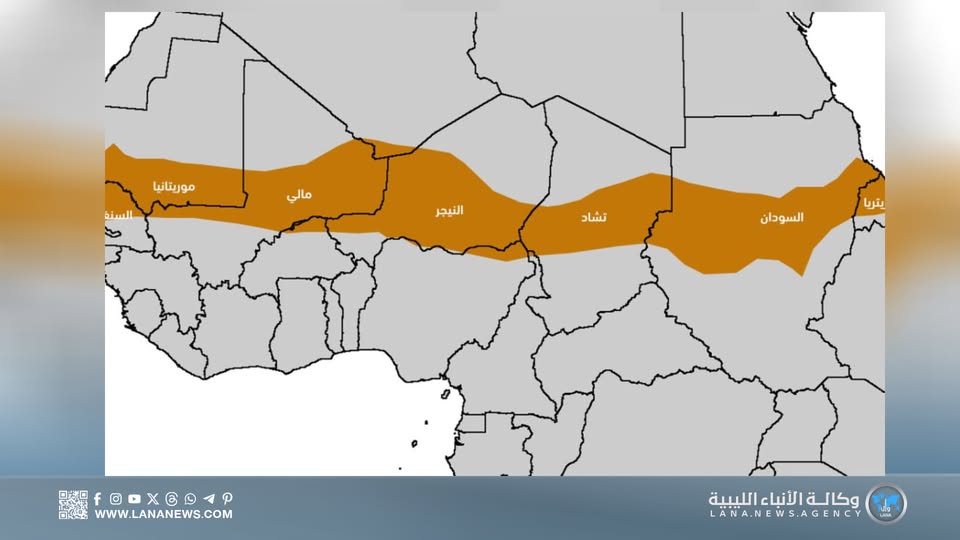
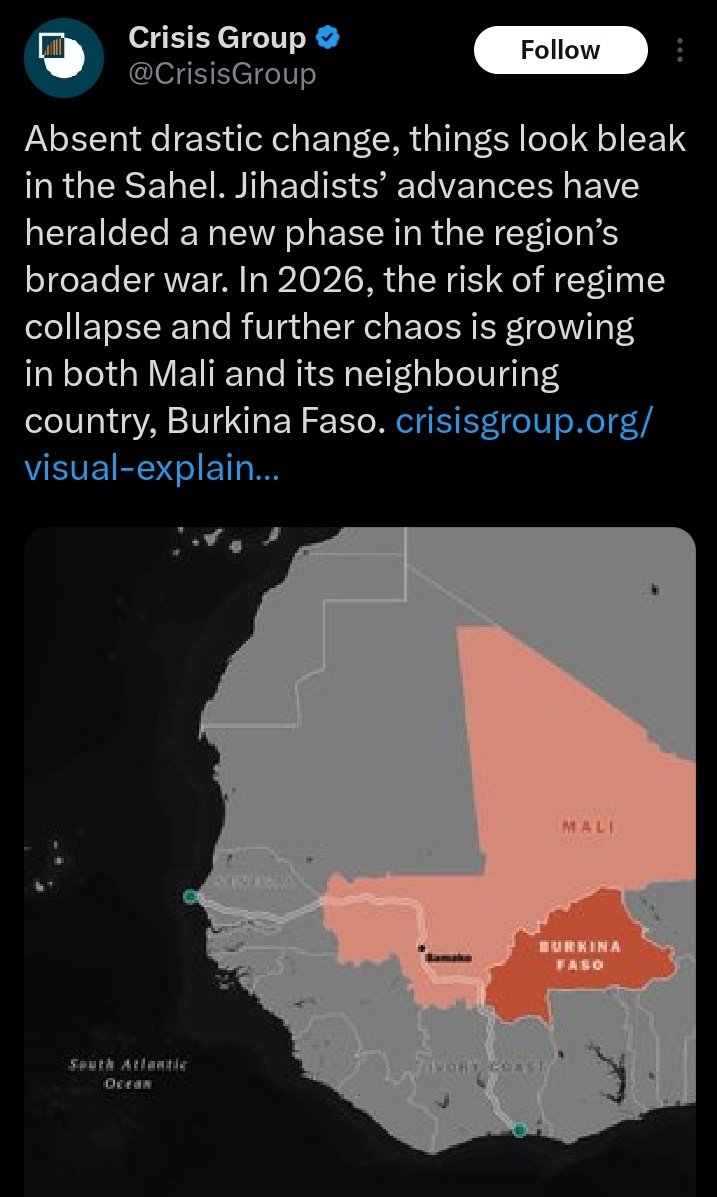
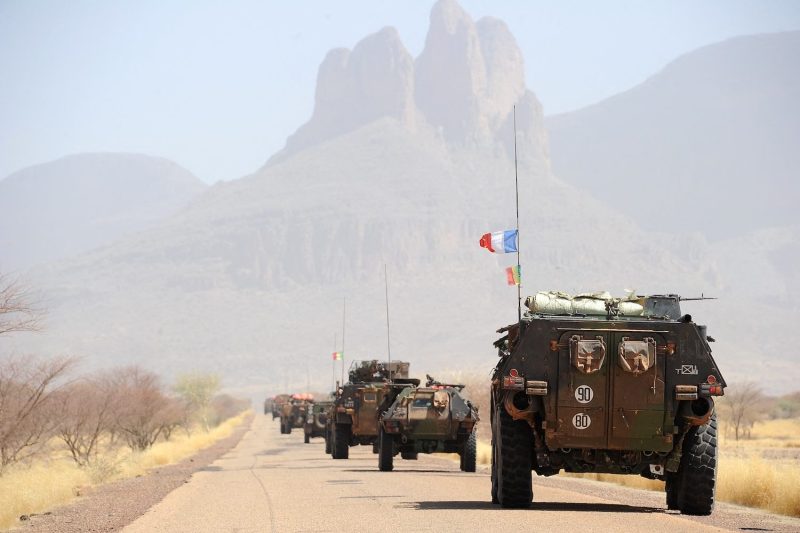
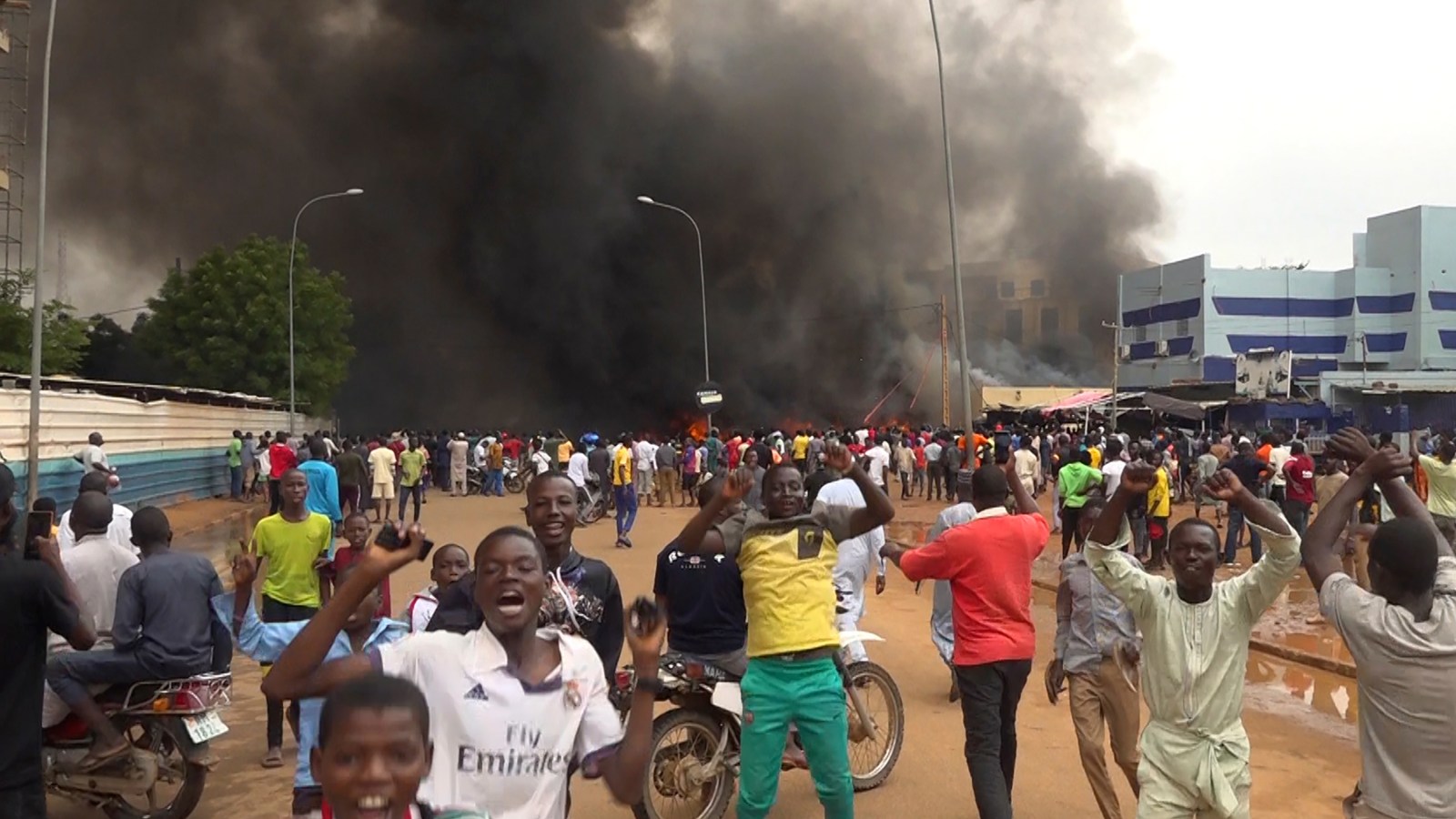
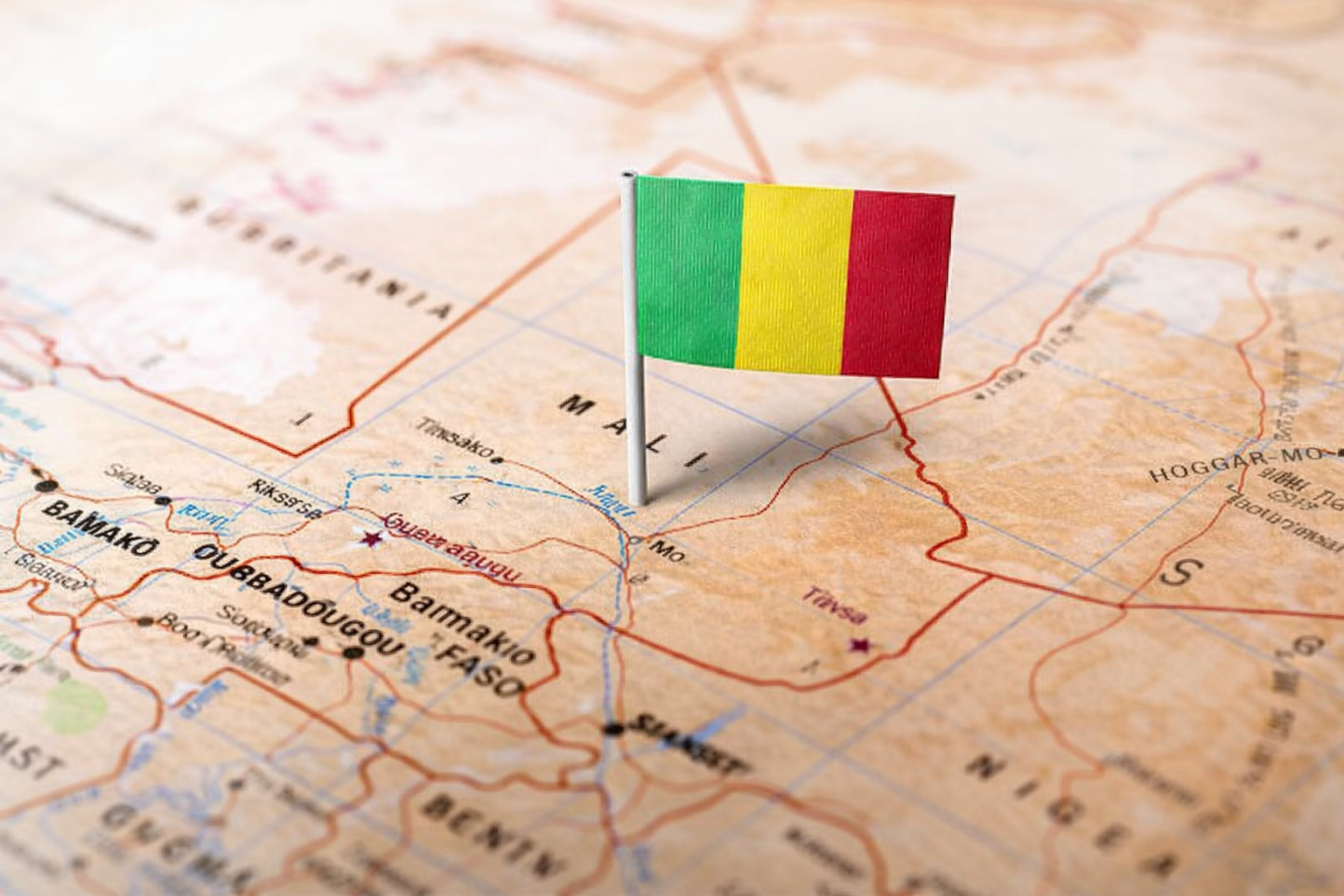
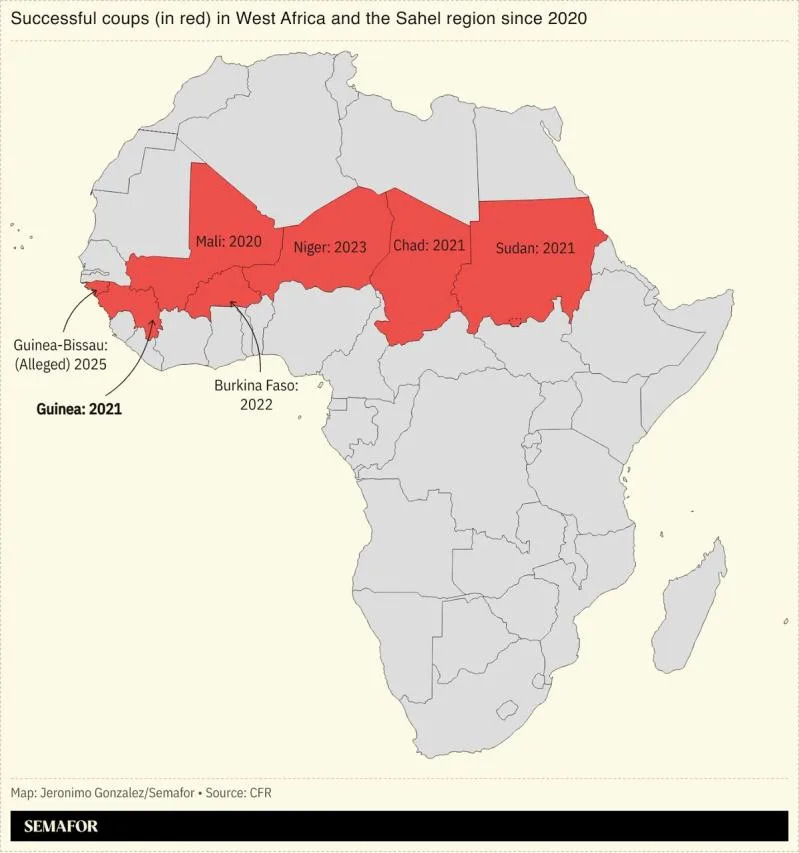
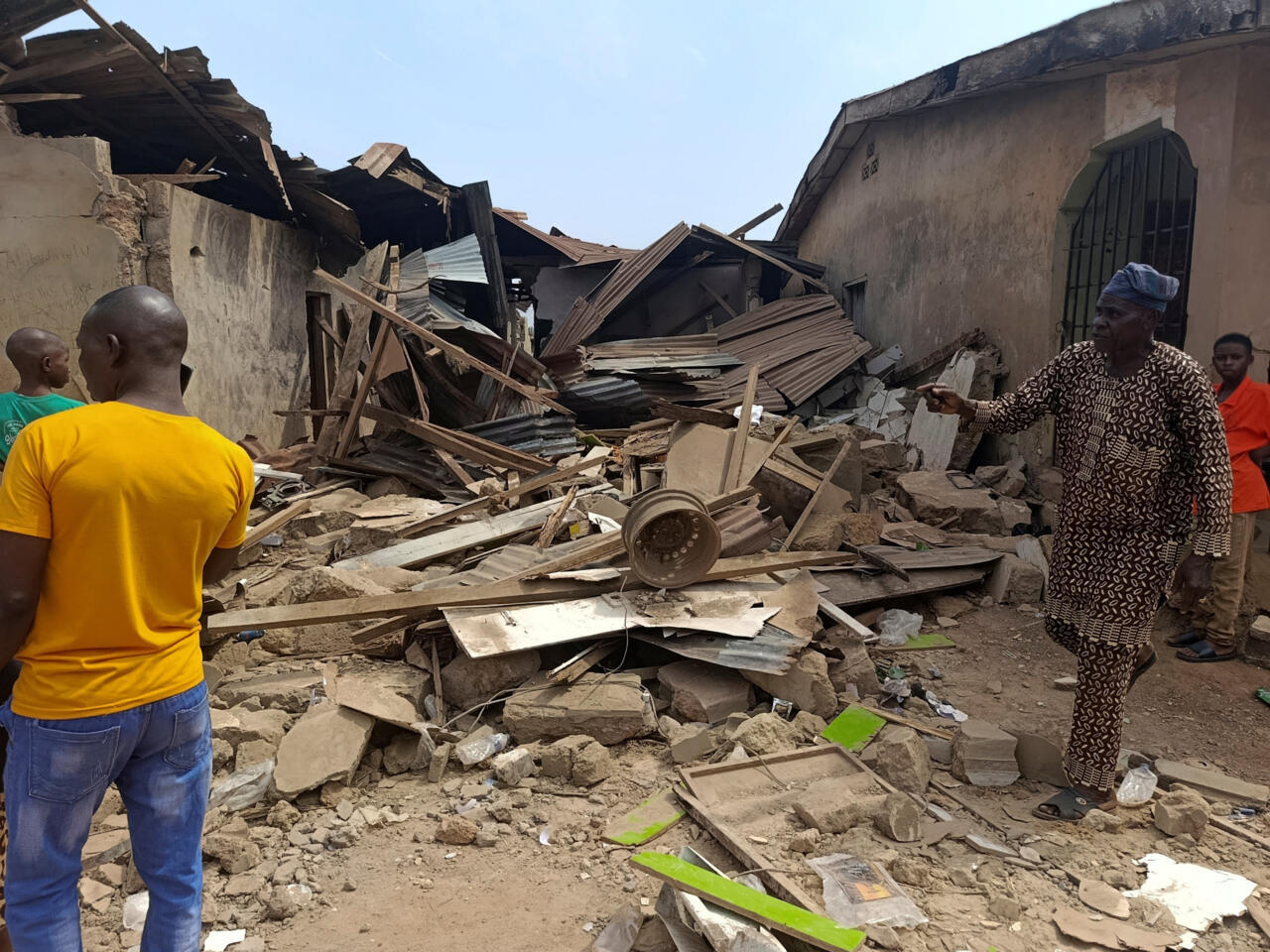
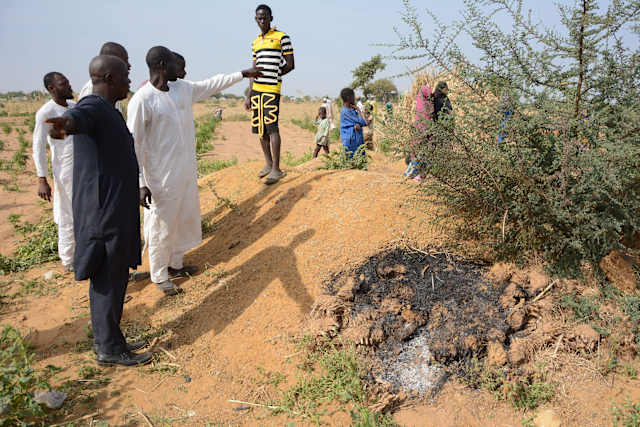
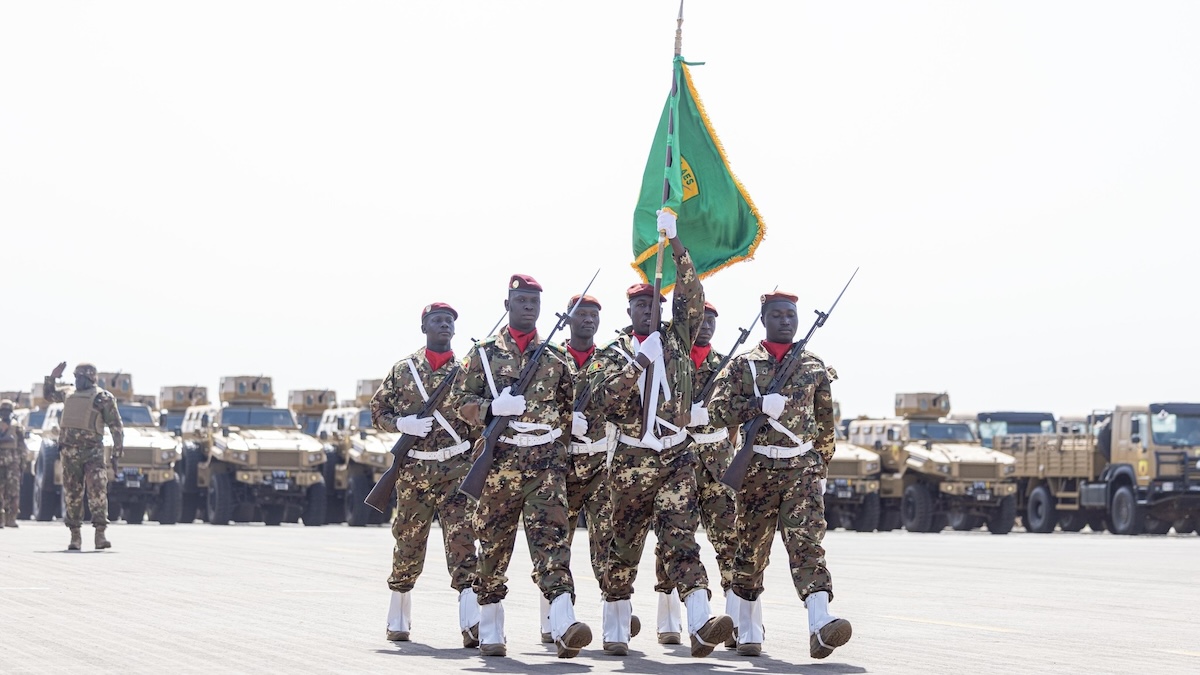
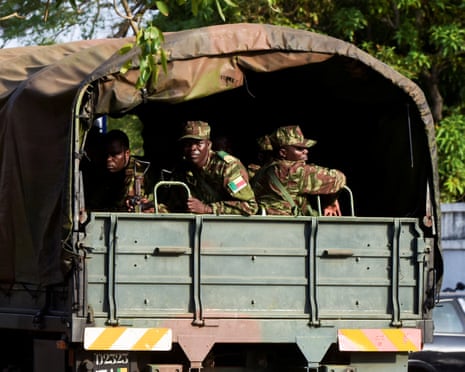
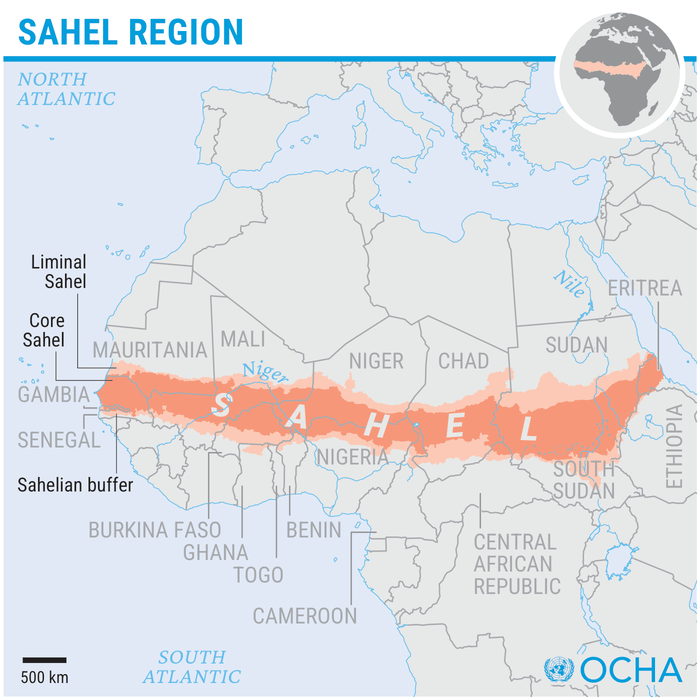
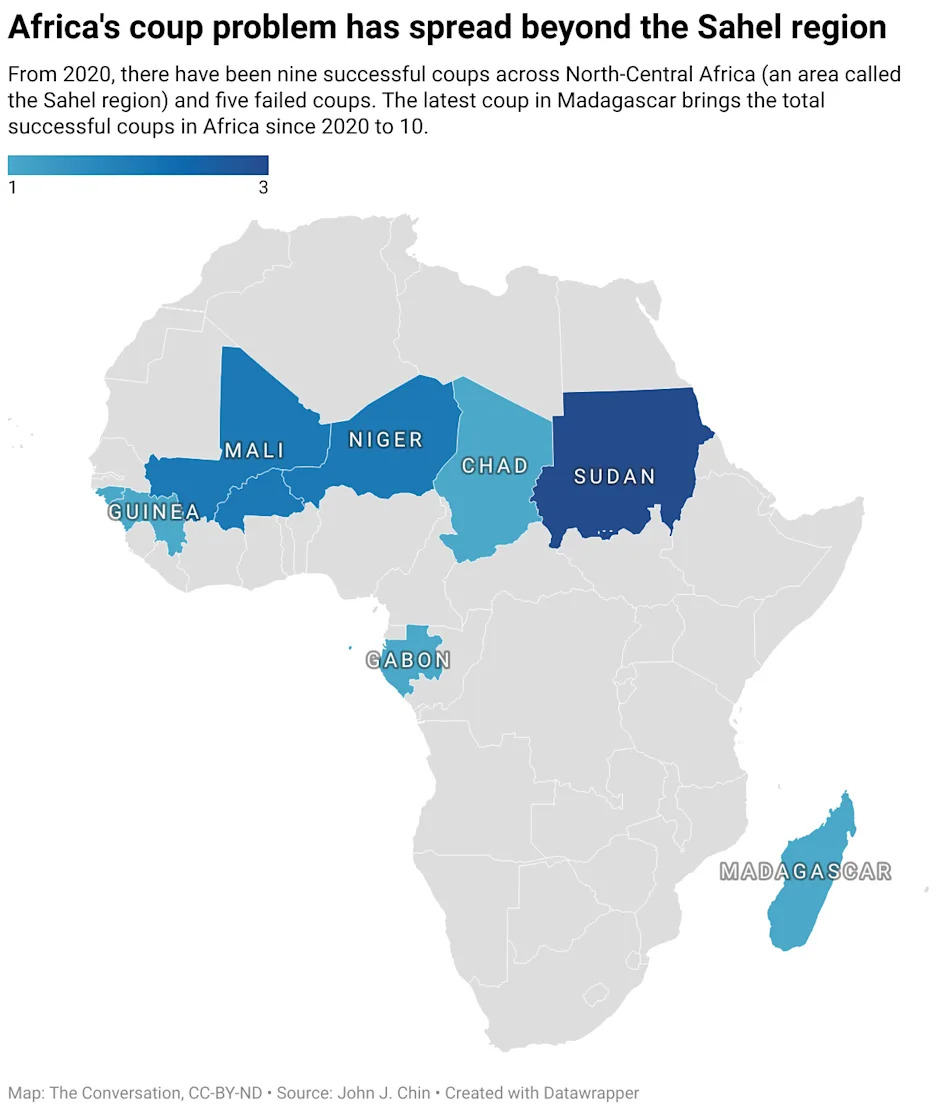
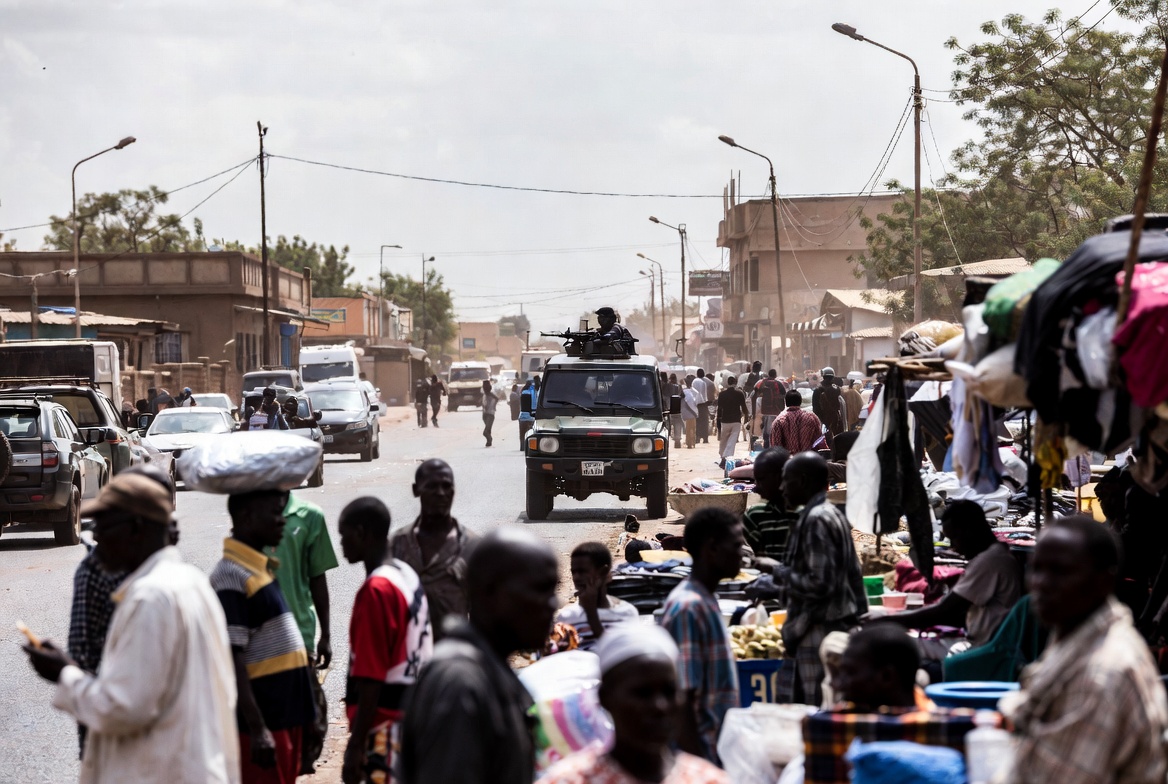
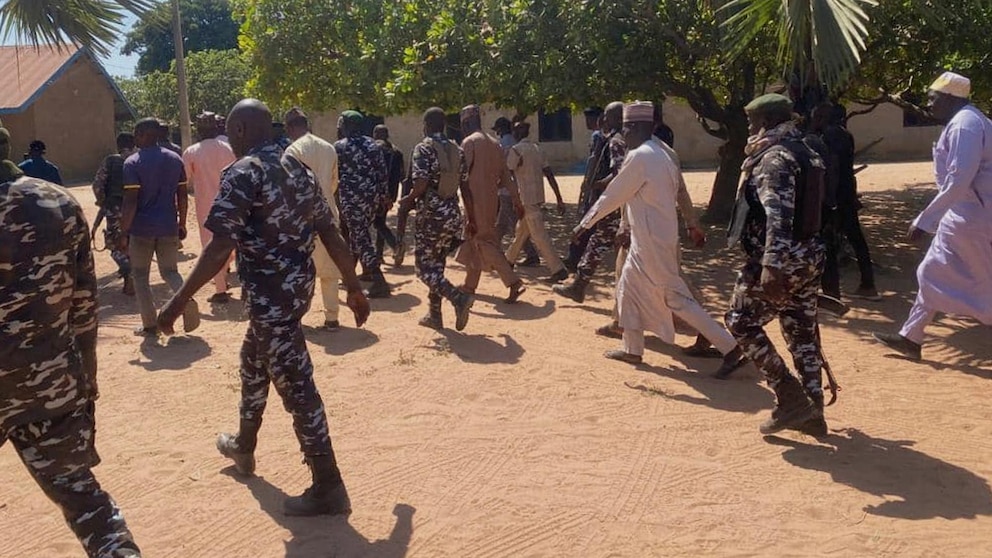
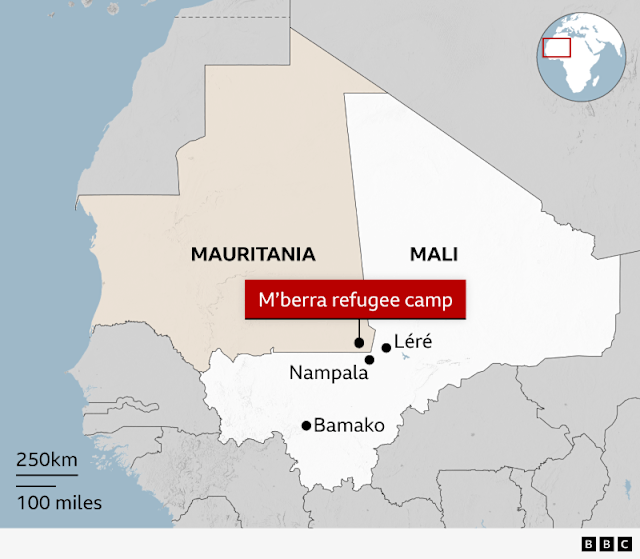
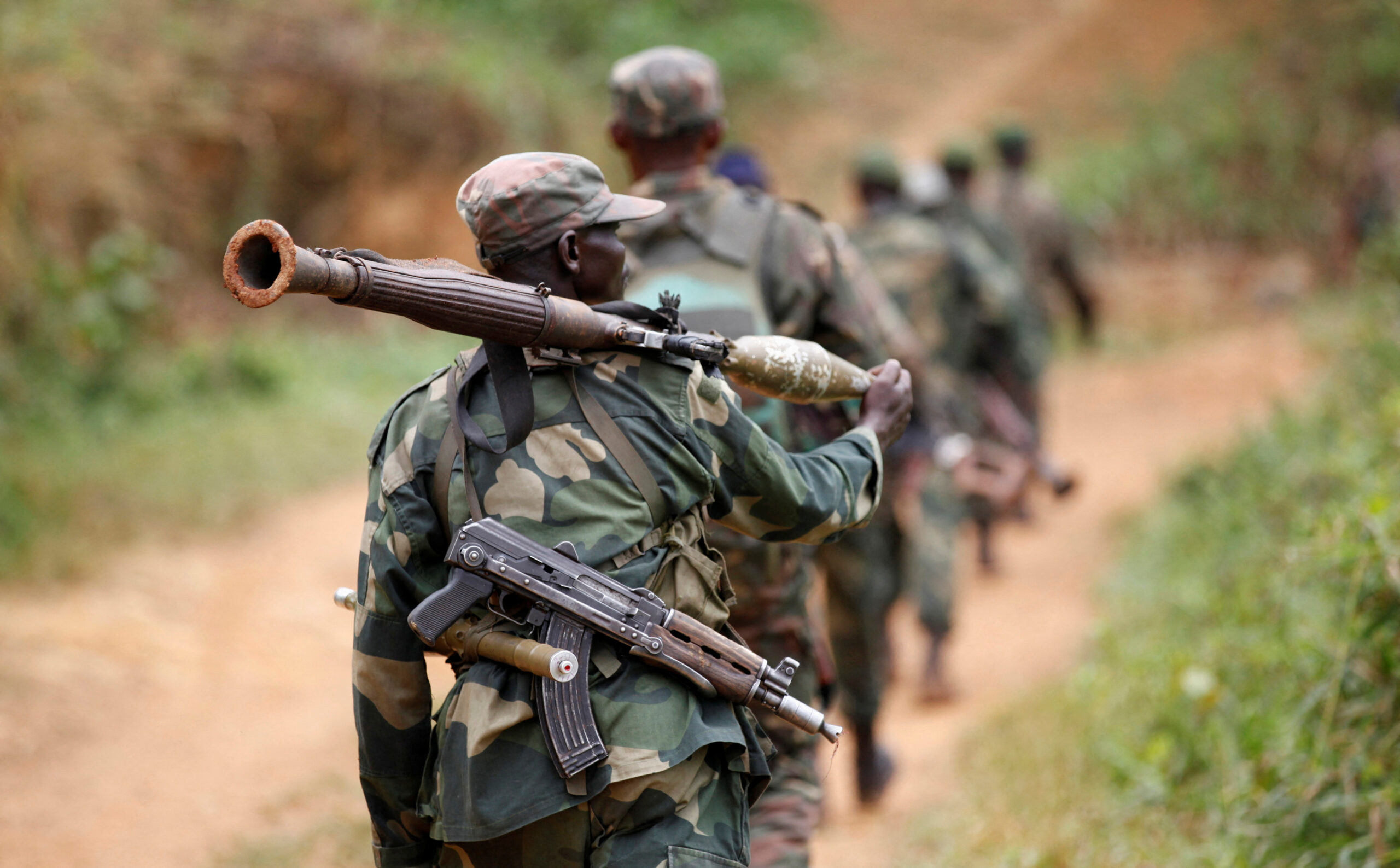
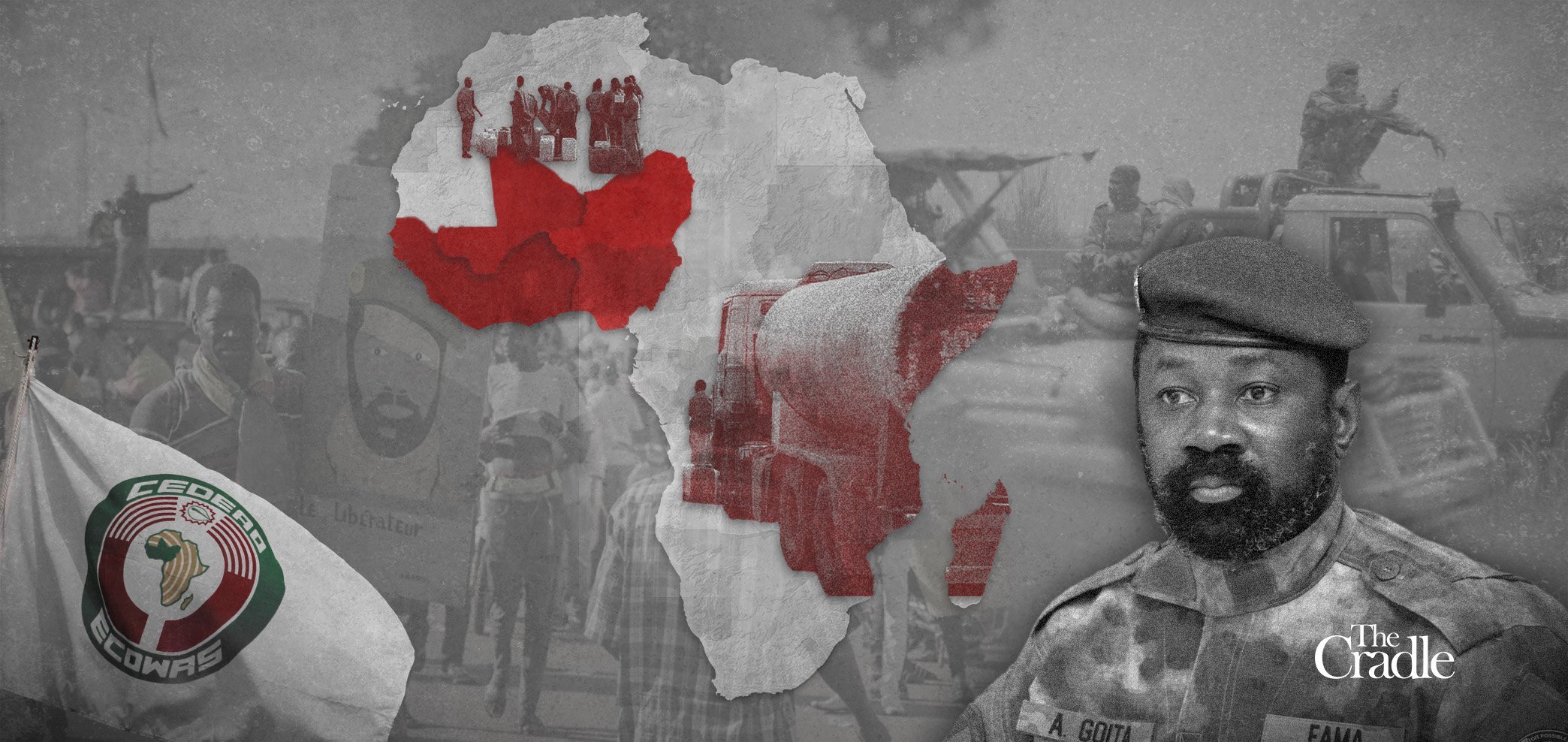
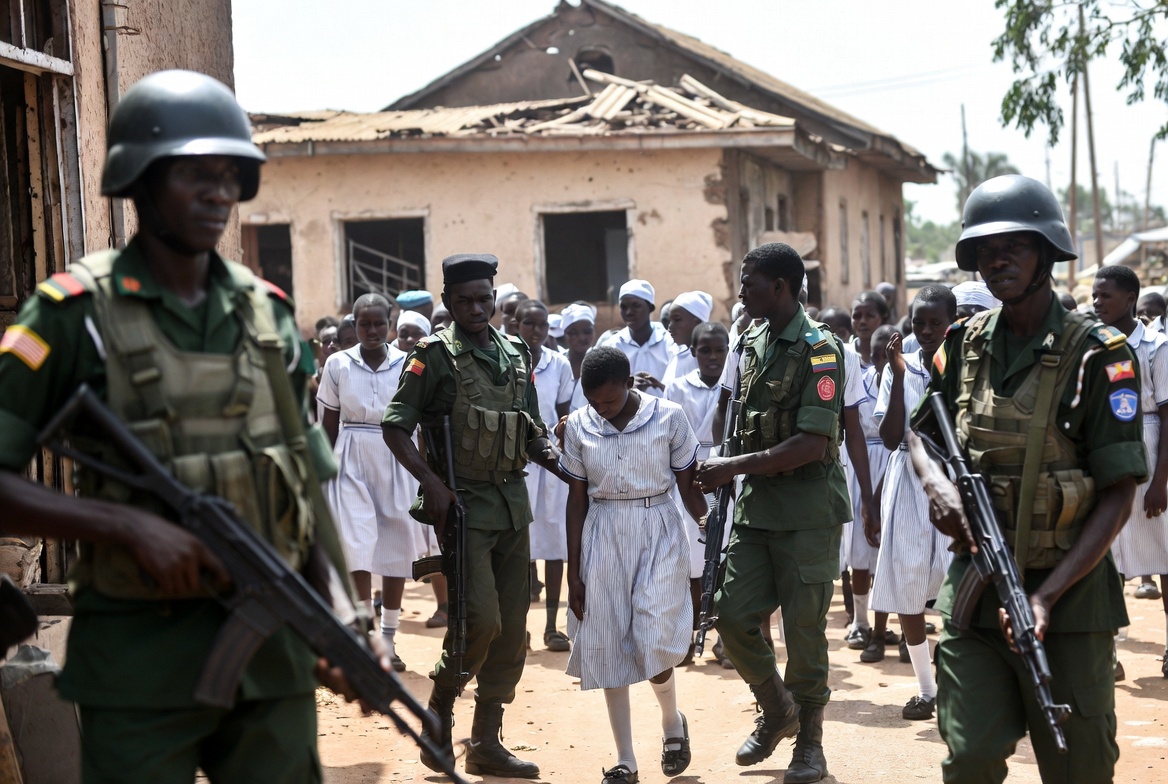
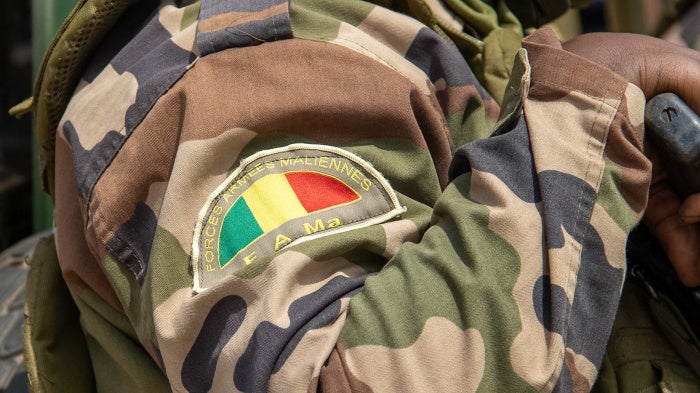
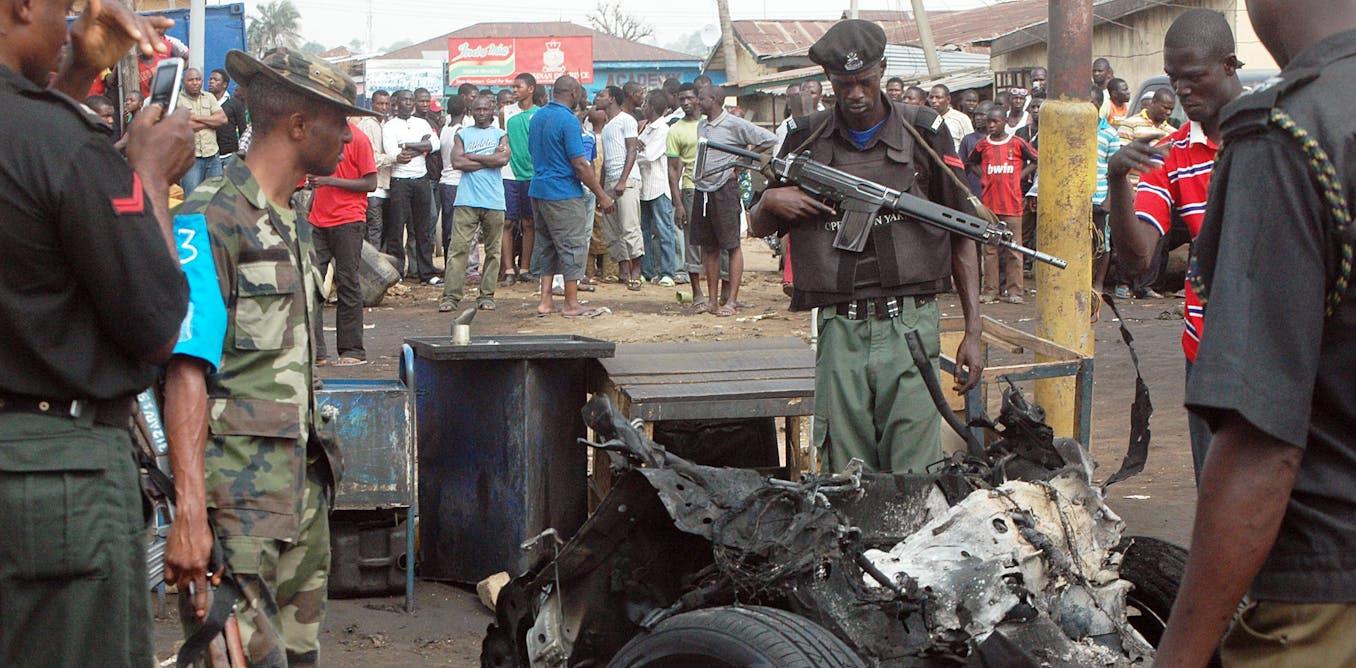
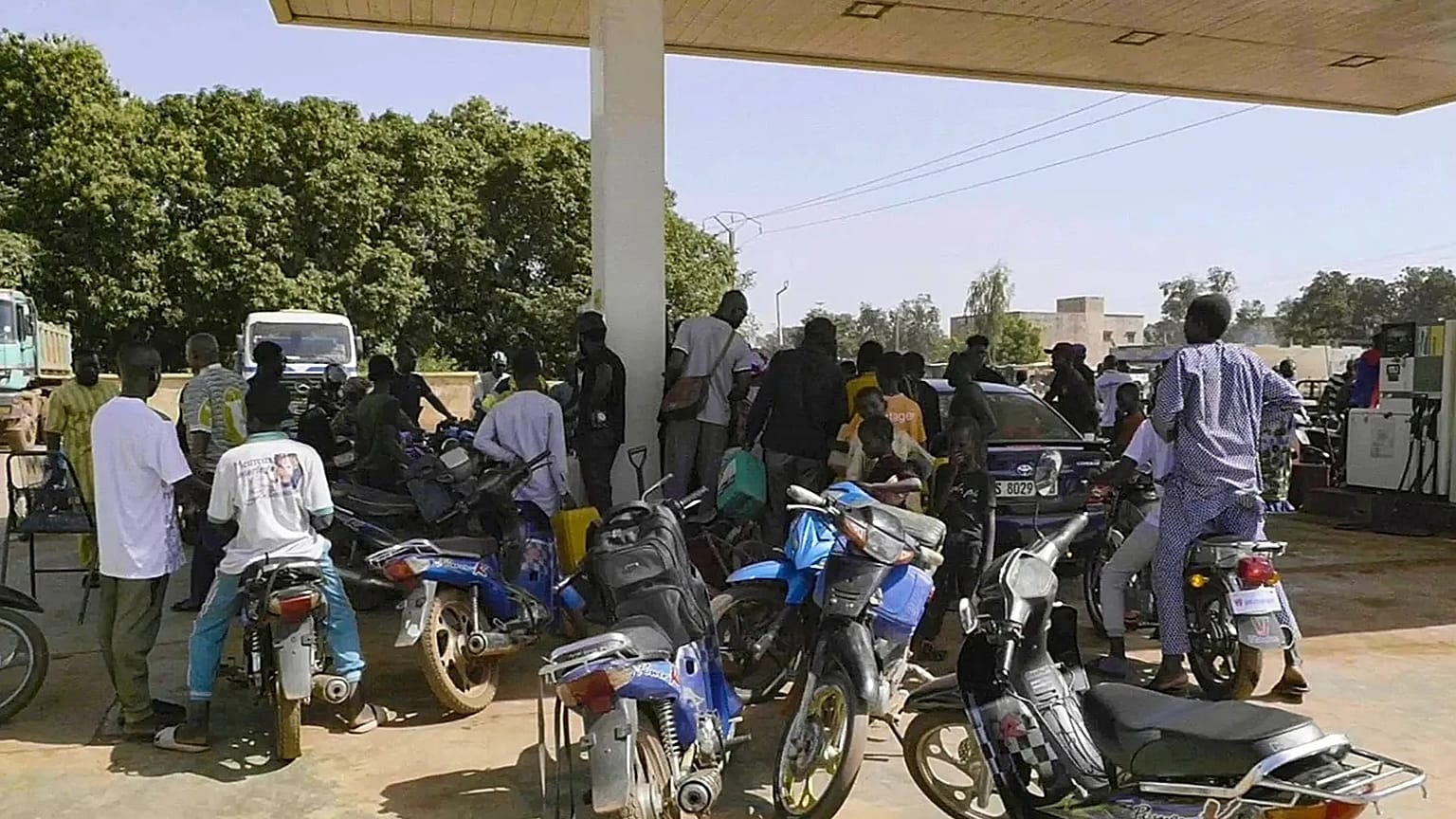
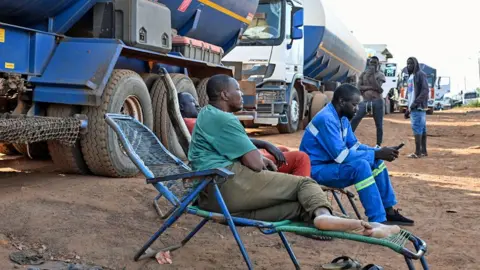
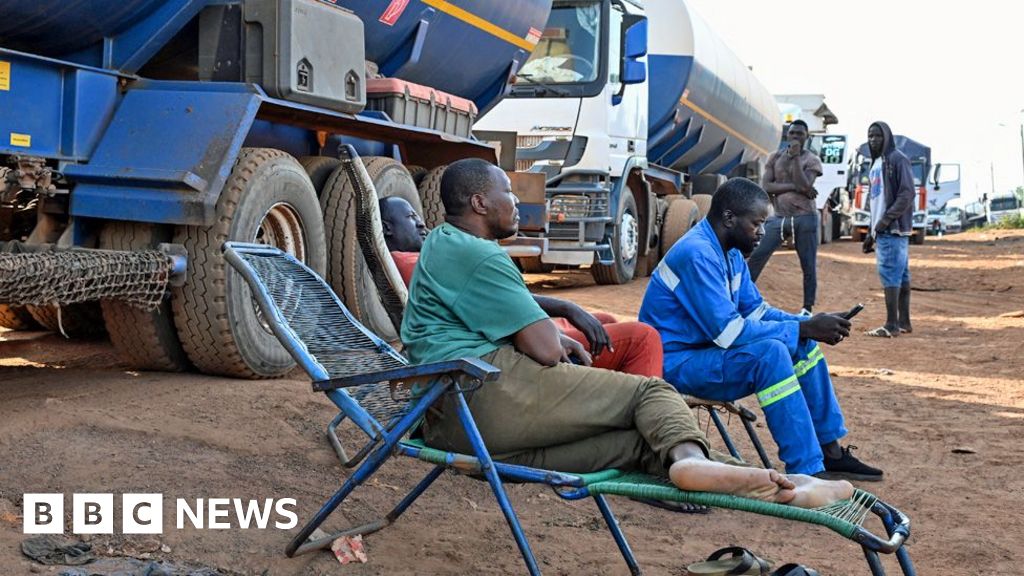
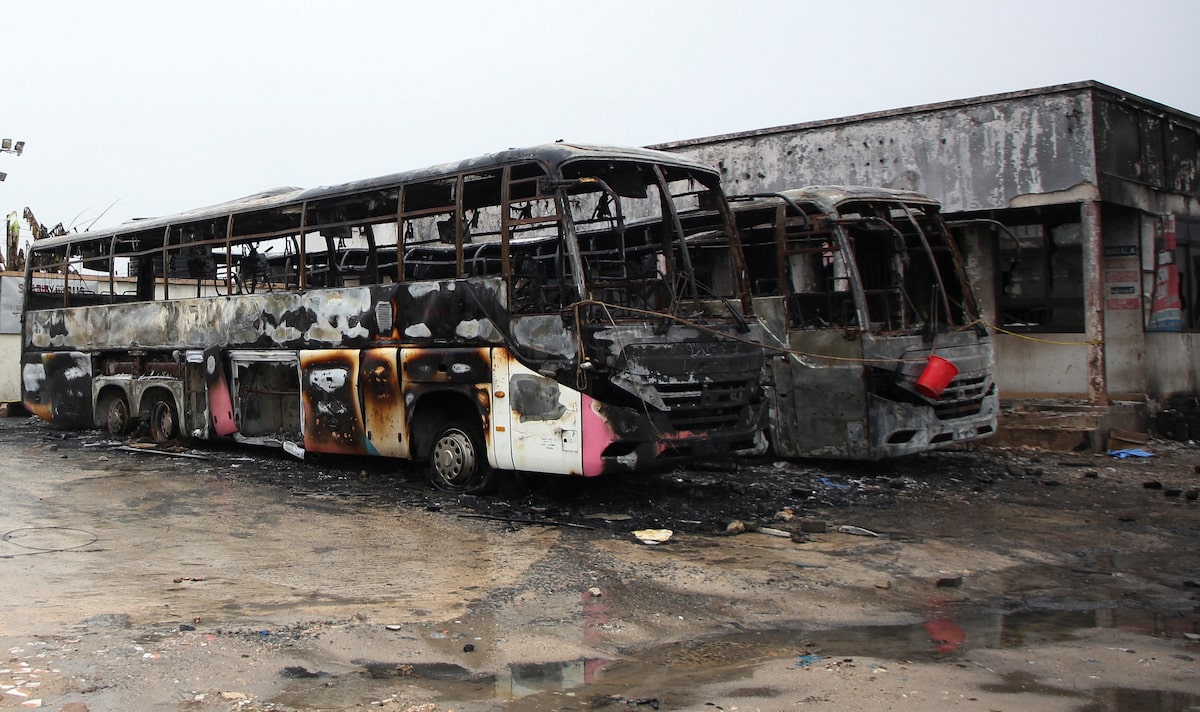
The Sahel region simply can’t catch a break, can it? As instability continues to grip Mali, Niger, and their neighbors, we’re seeing a security landscape that’s growing more complex and, frankly, more dangerous by the day. Jihadist groups are still actively challenging state authority, pushing the military-led governments of the Sahel into increasingly coordinated responses. Take Mali, for instance, a nation often at the conflict’s very heart. Just last weekend, December 27, 2025, the Malian Armed Forces, or FAMa, claimed a significant victory against terrorist factions. This success underscores Bamako’s ongoing fight to contain militants who’ve caused havoc for years across the country. But let’s not get ahead of ourselves, these gains come amid persistent threats. On that same morning, an armed convoy moving fuel tankers between Bougouni and the capital, Bamako, was hit with a guided improvised explosive device, an IED. Jama’at Nasr al-Islam wal Muslimin, or JNIM, a powerful alliance of jihadist groups, quickly claimed responsibility. This use of advanced guided IEDs is a worrying sign, indicating militants are evolving their tactics and capabilities. The truth is, this persistent violence in Mali isn’t an isolated incident; it’s part of a much larger, Sahel-wide crisis that touches Burkina Faso, Niger, and Nigeria. These countries are increasingly connected by the surge in jihadist activity. Analysts are quick to point out that this isn’t a localized issue; the jihadi movement easily crosses borders, exploiting porous frontiers and weak state control to spread its influence right across West Africa’s Sahel belt. In Nigeria, for example, claims of religious persecution, especially targeting Christian communities, have garnered international attention, often amplified by political rhetoric. Yet, the real story is far more intricate, a blend of ethnic, economic, and religious tensions, all made worse by these militant insurgencies. Want to know more about the rising jihadist violence?
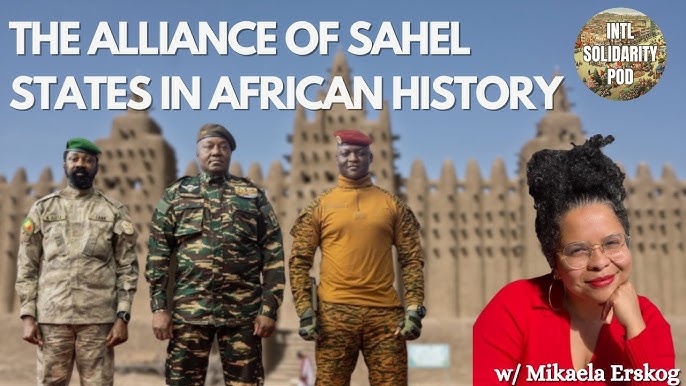
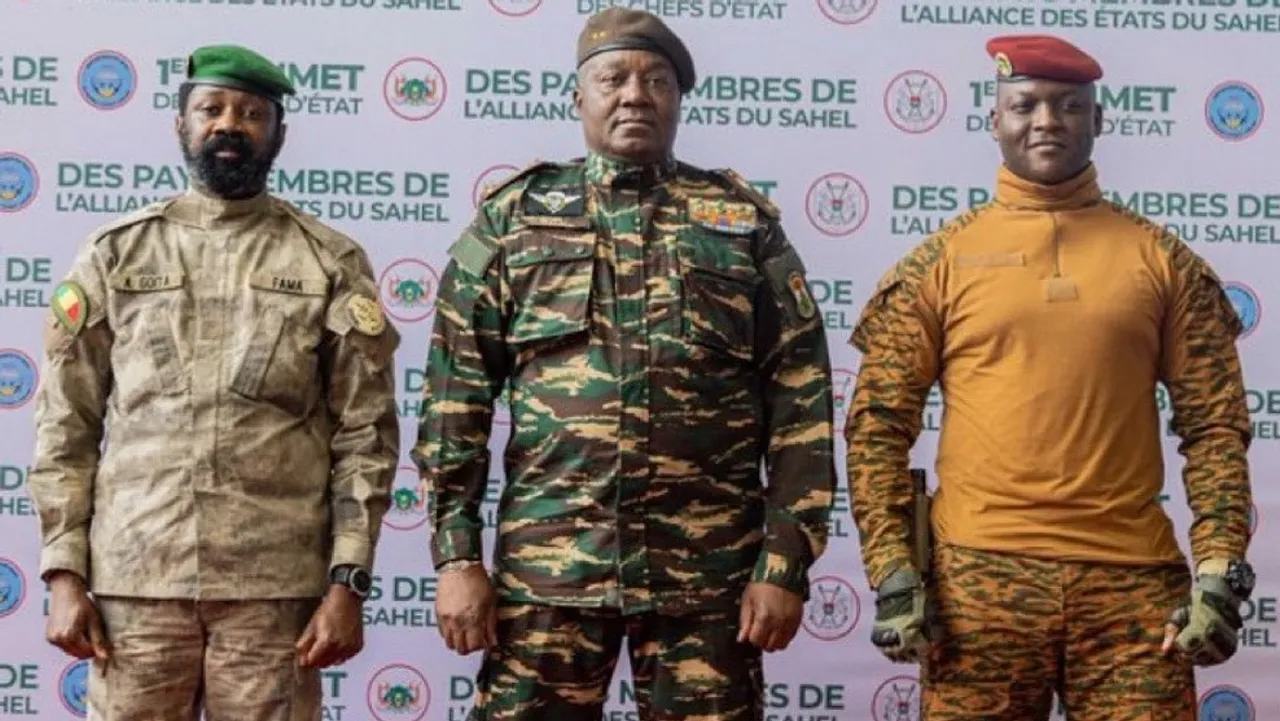
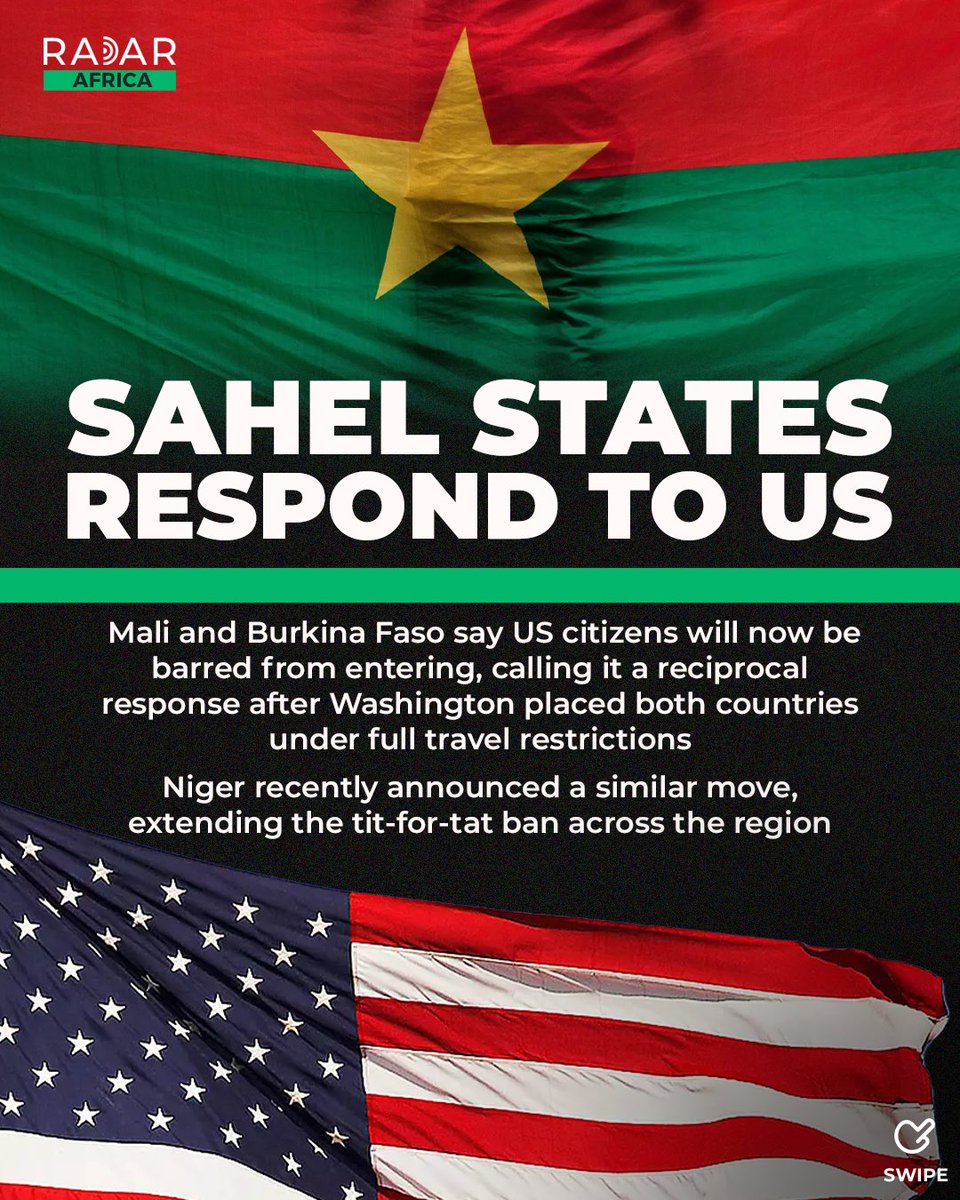
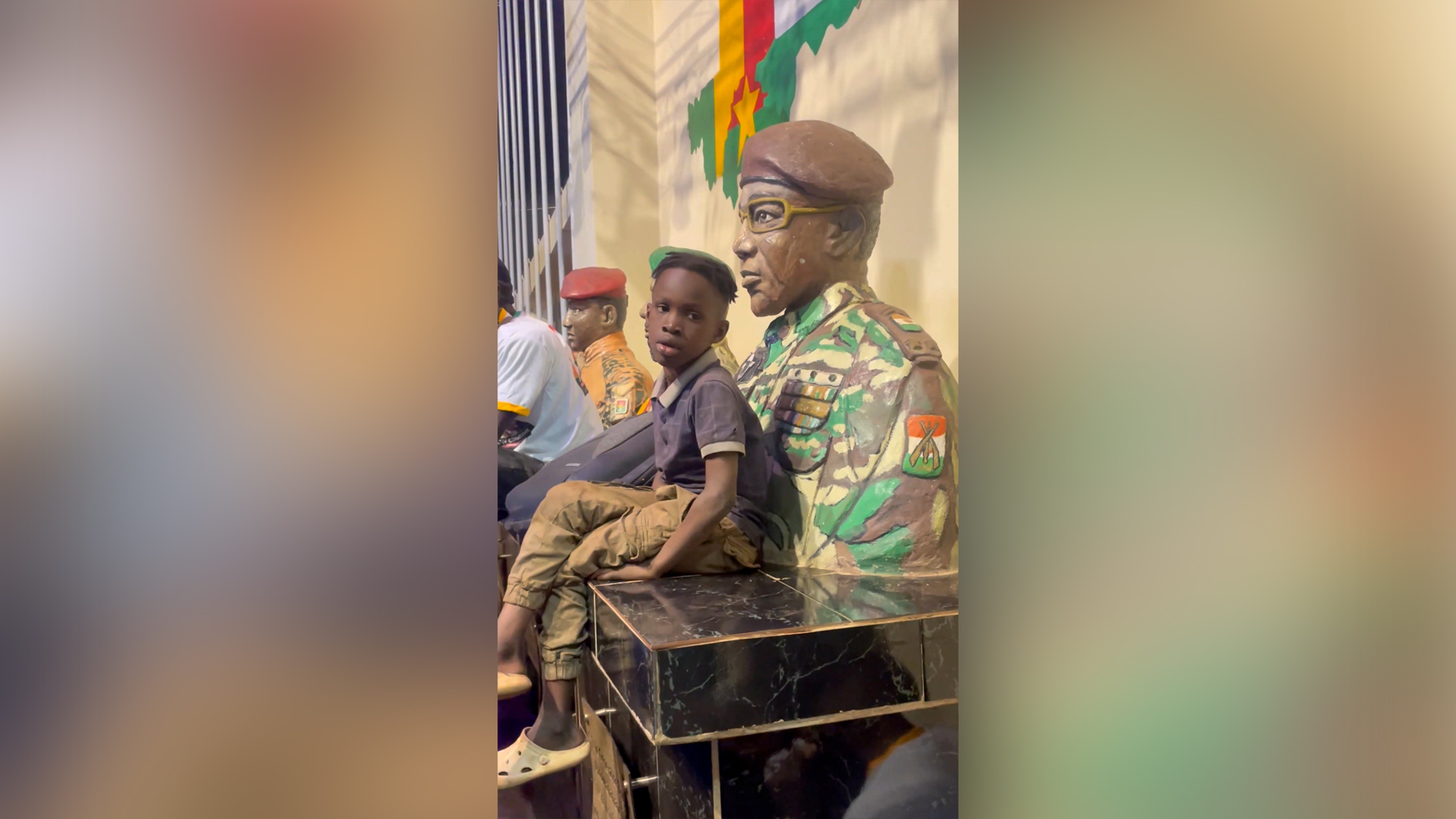
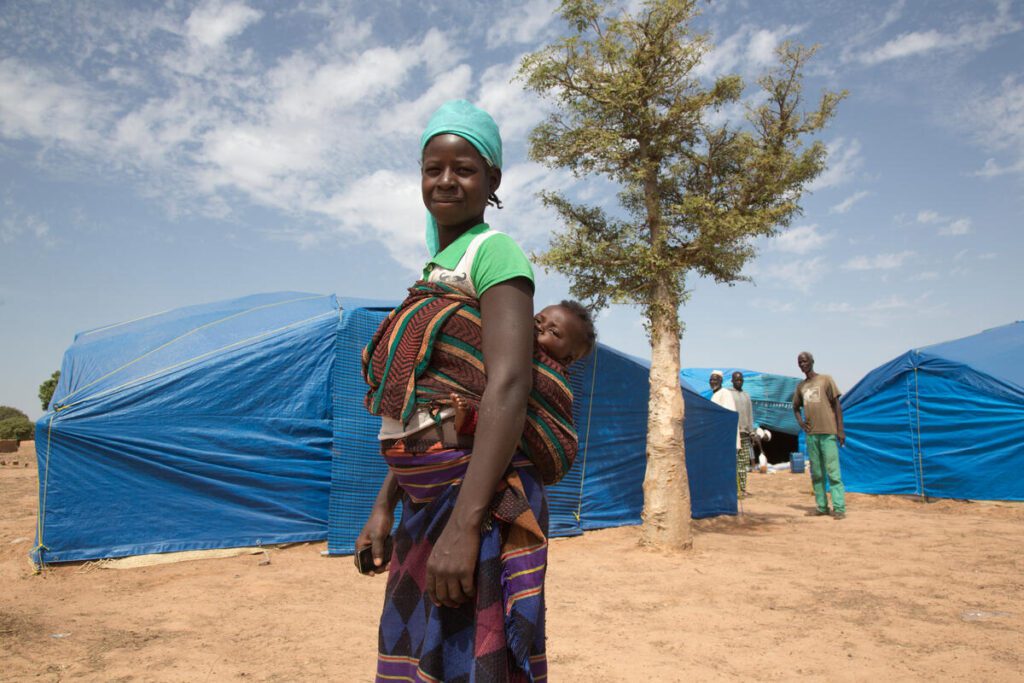
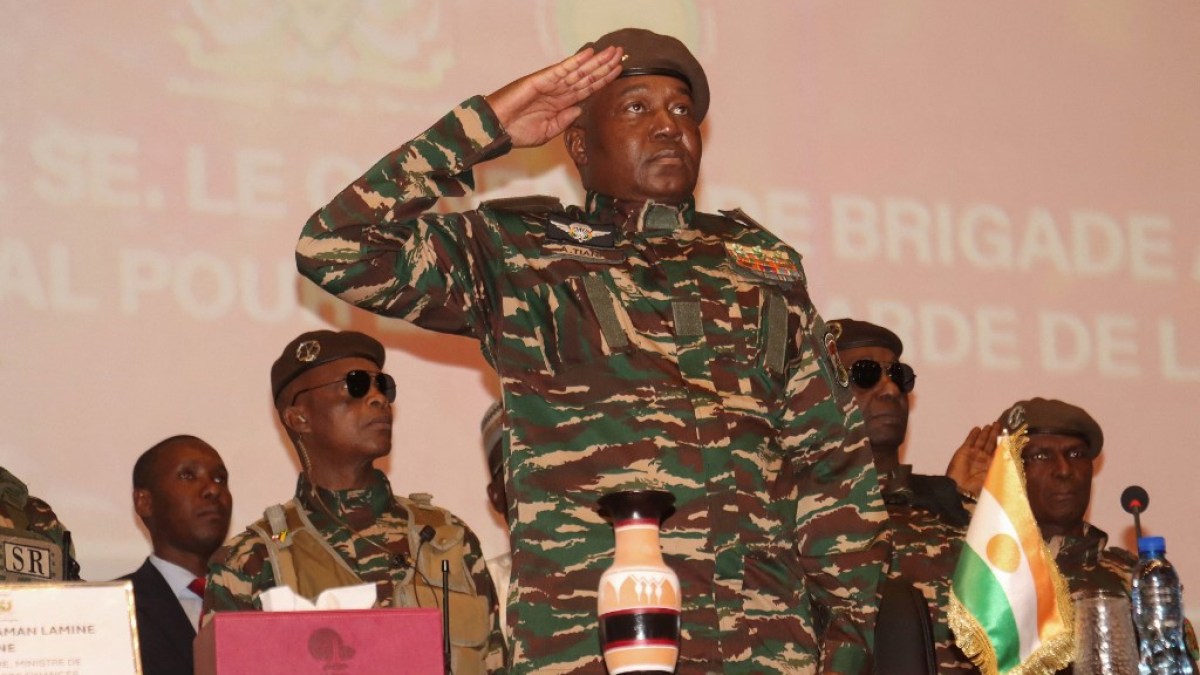
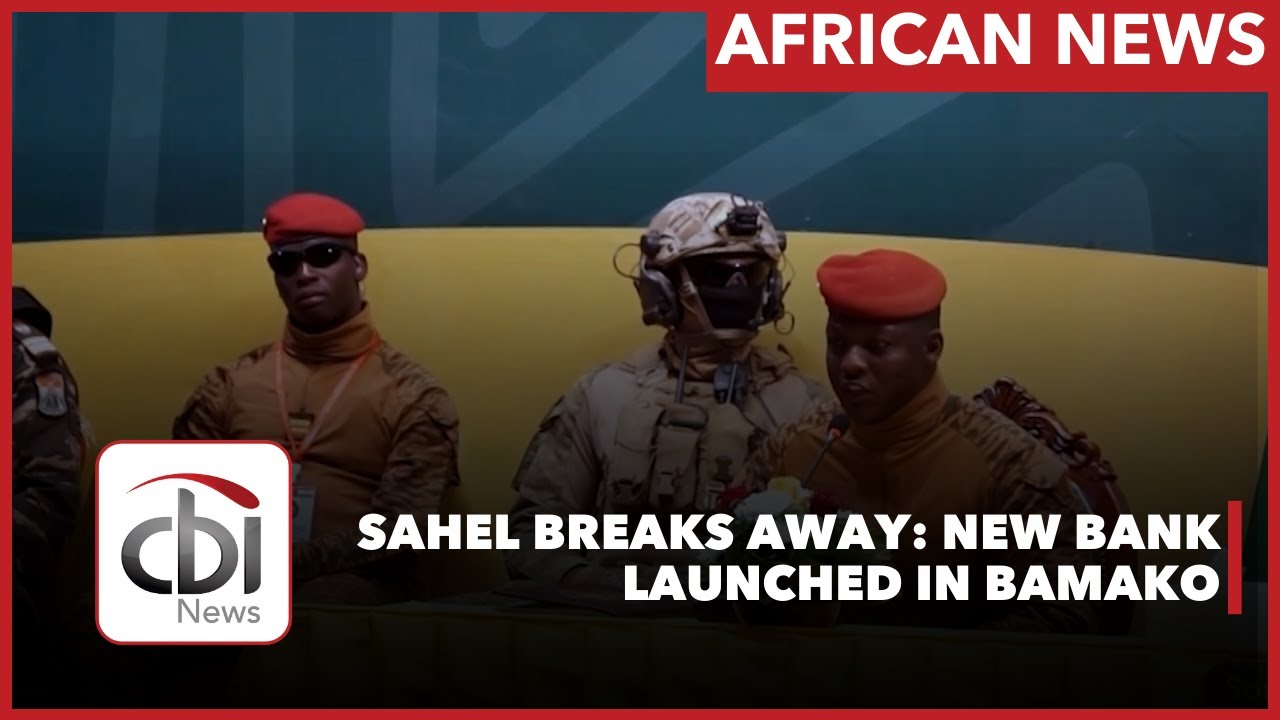
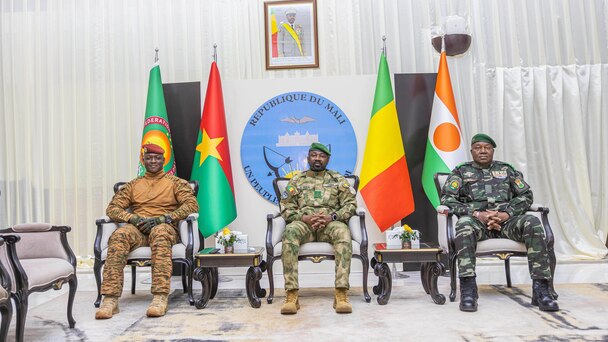
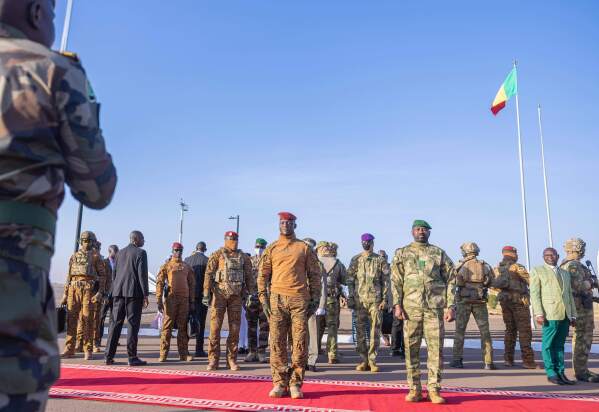
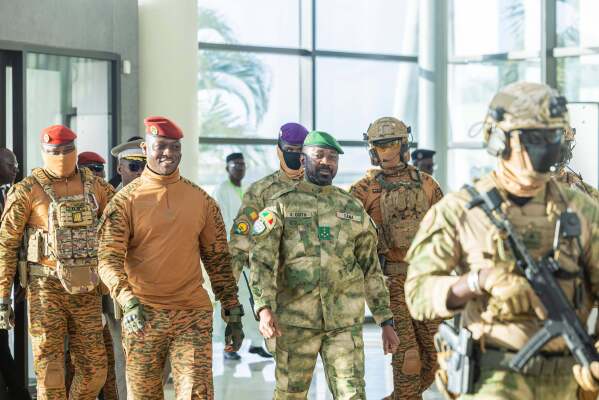
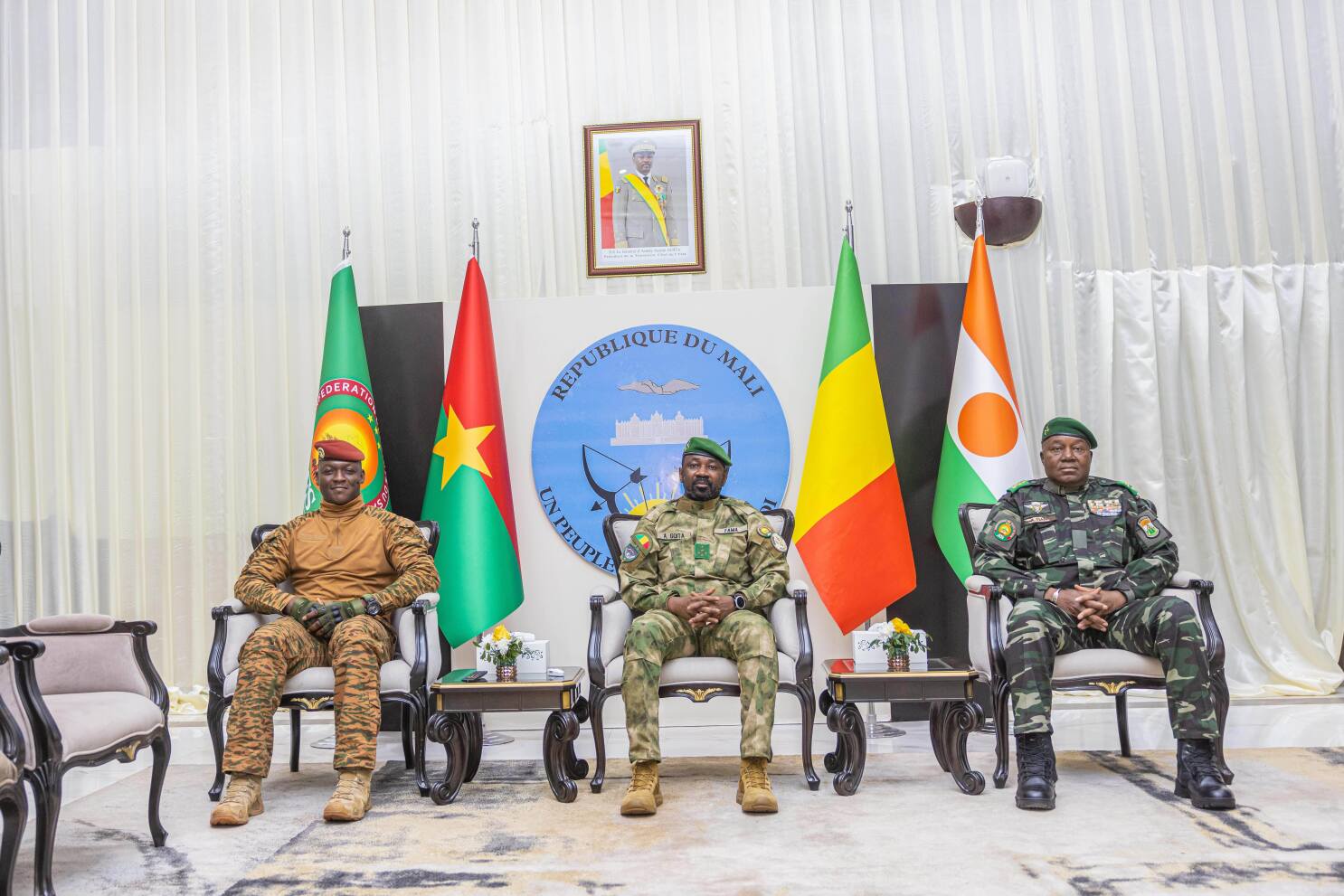
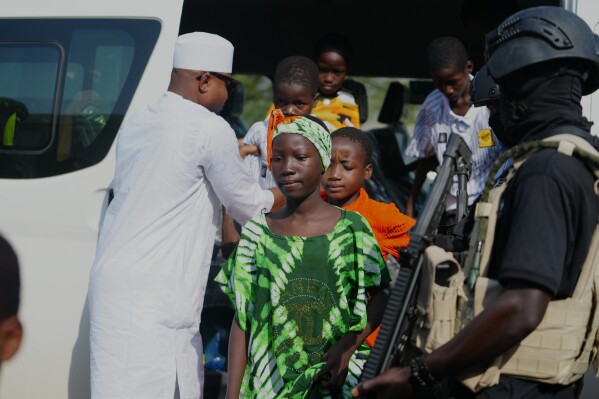
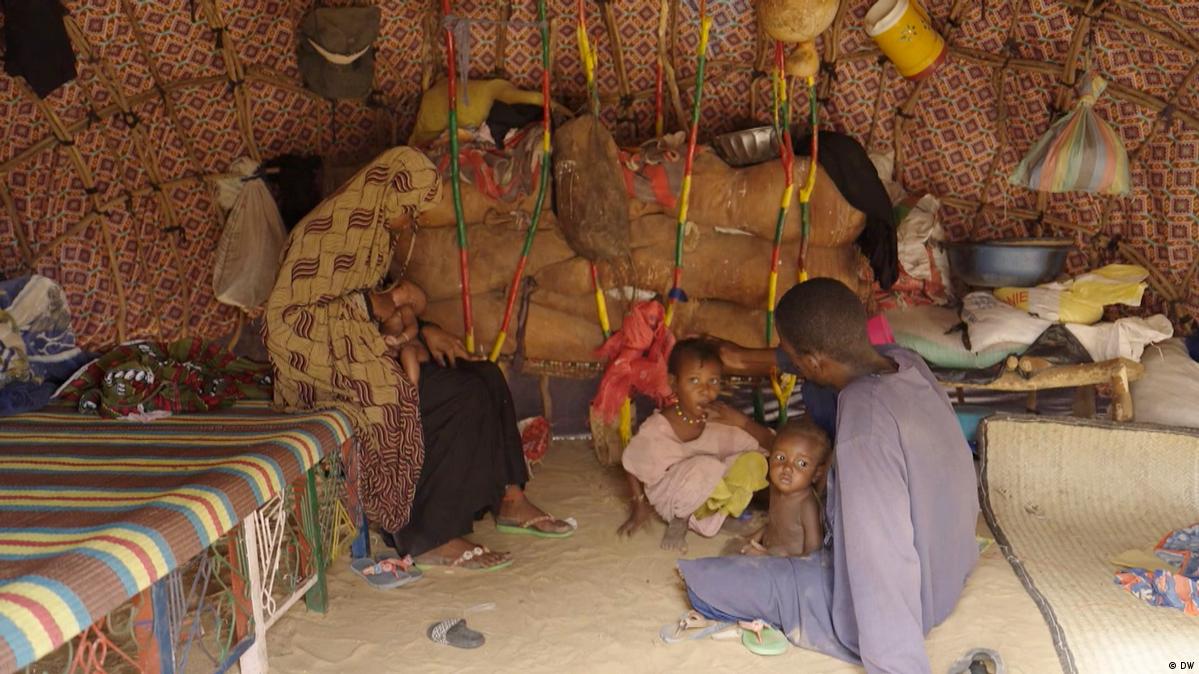
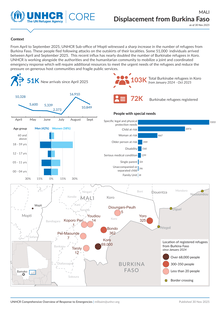
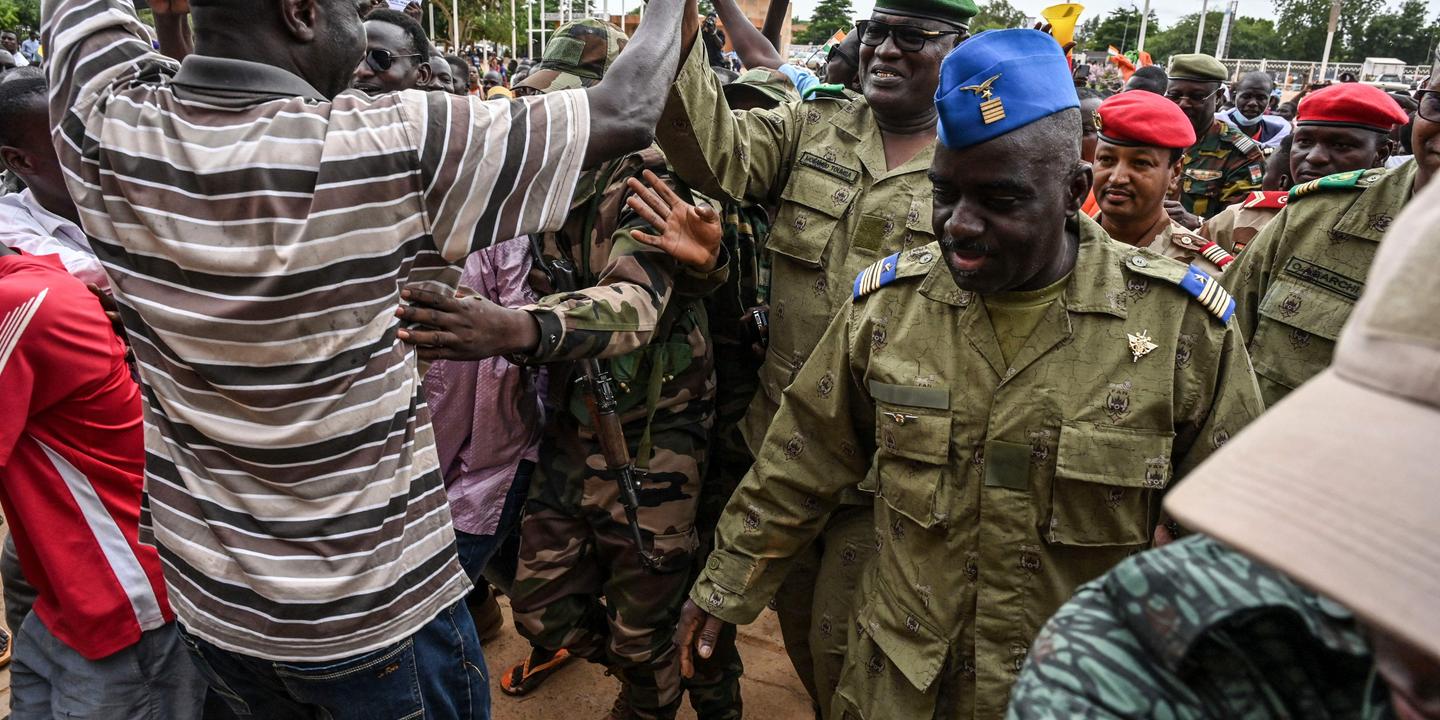
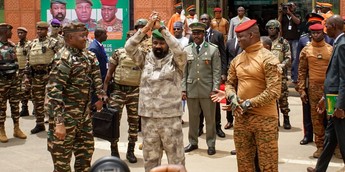
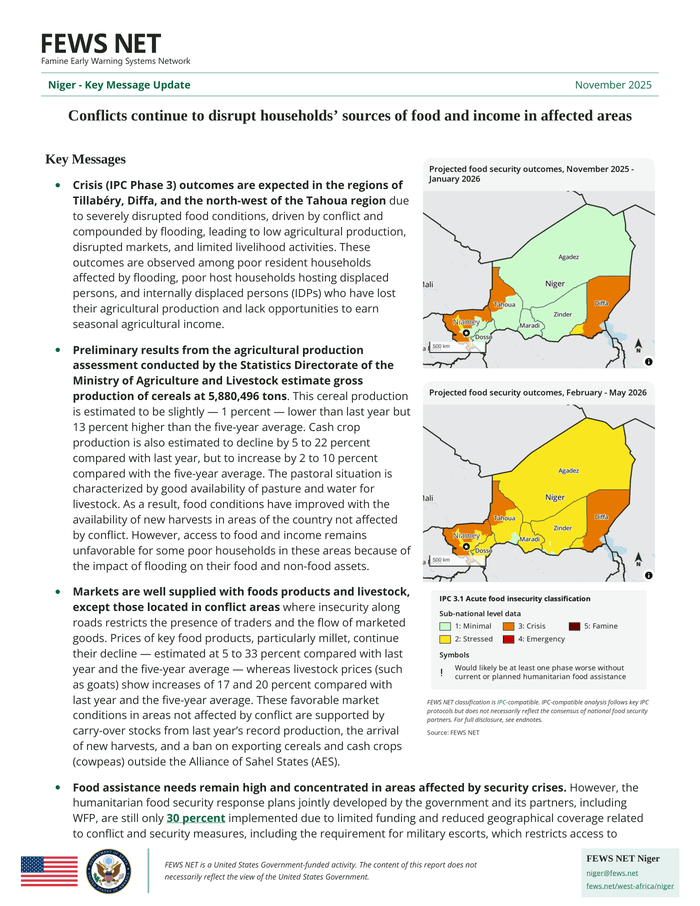
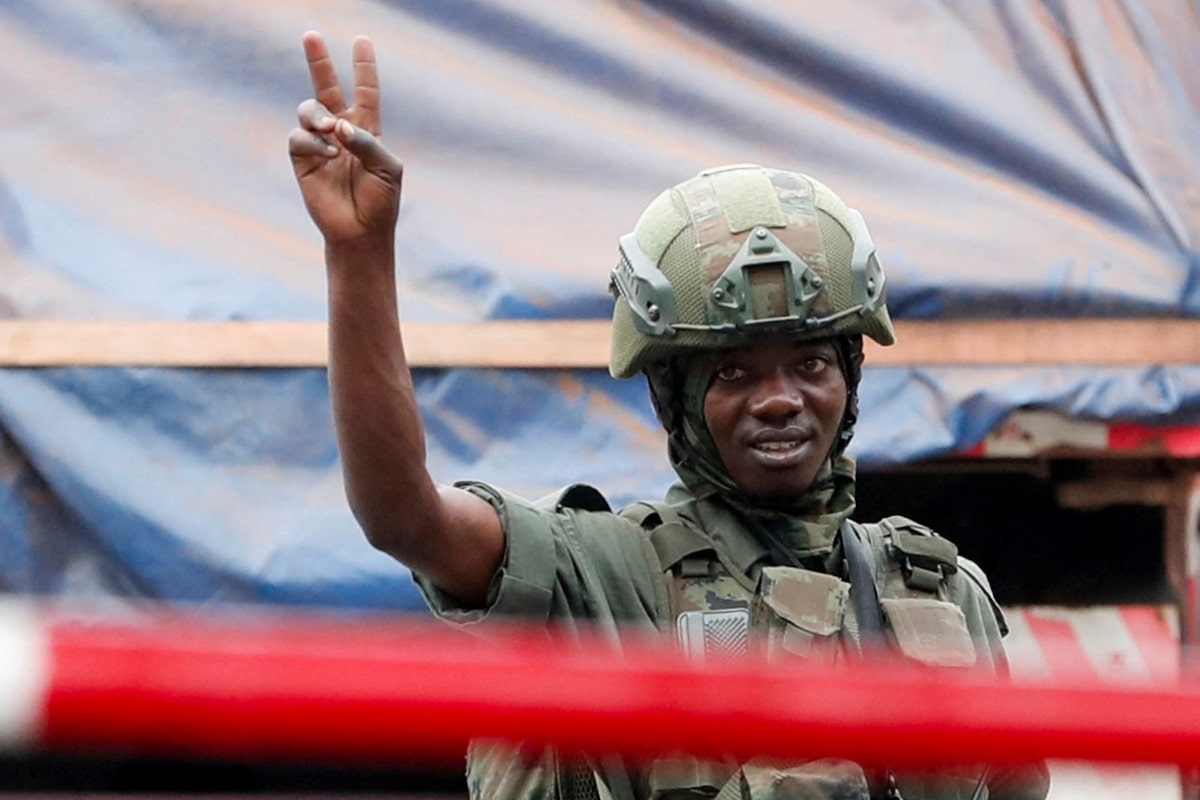
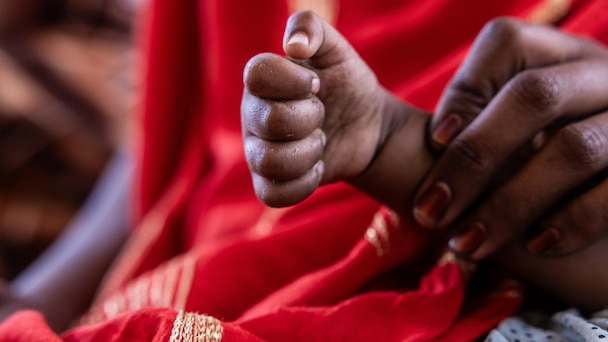
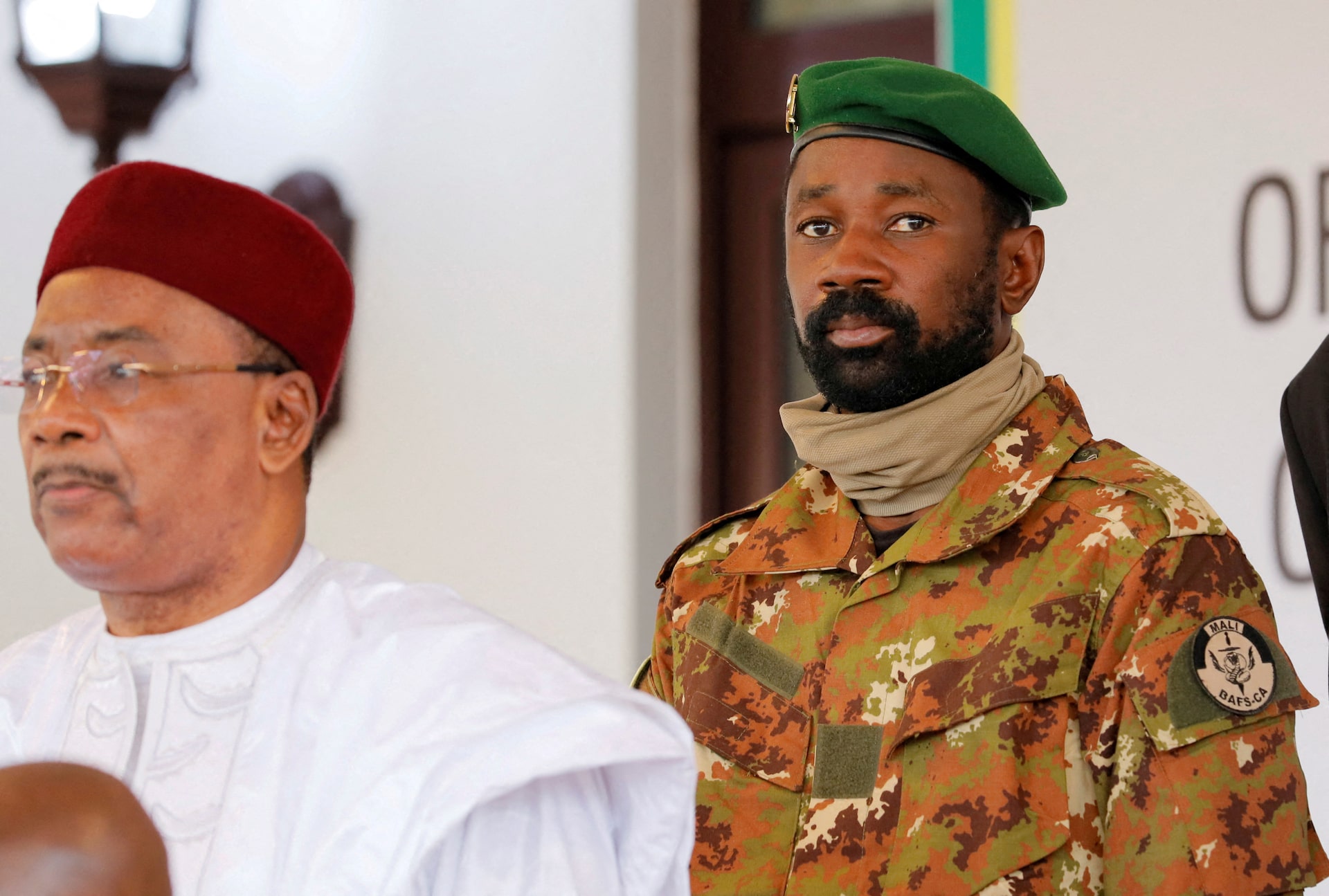
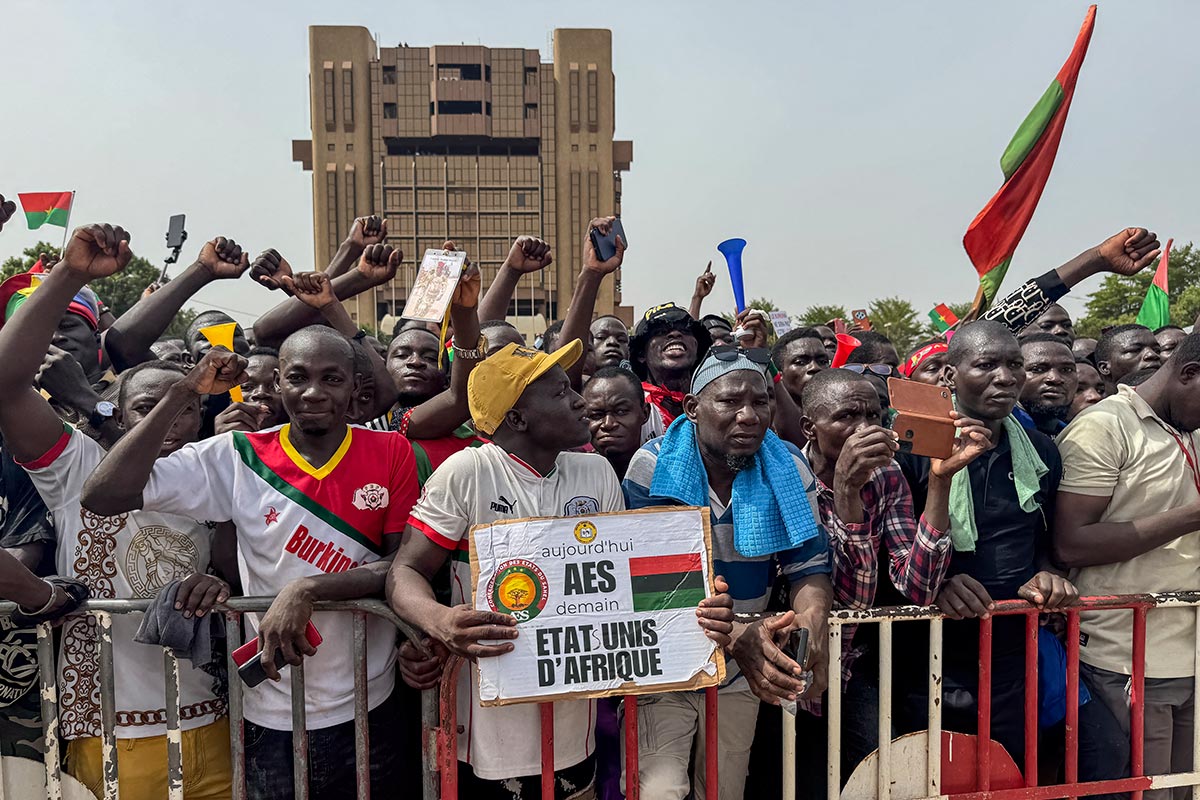
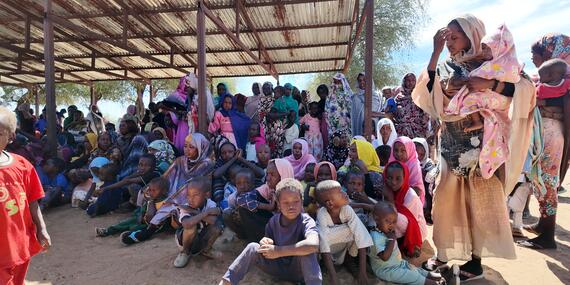
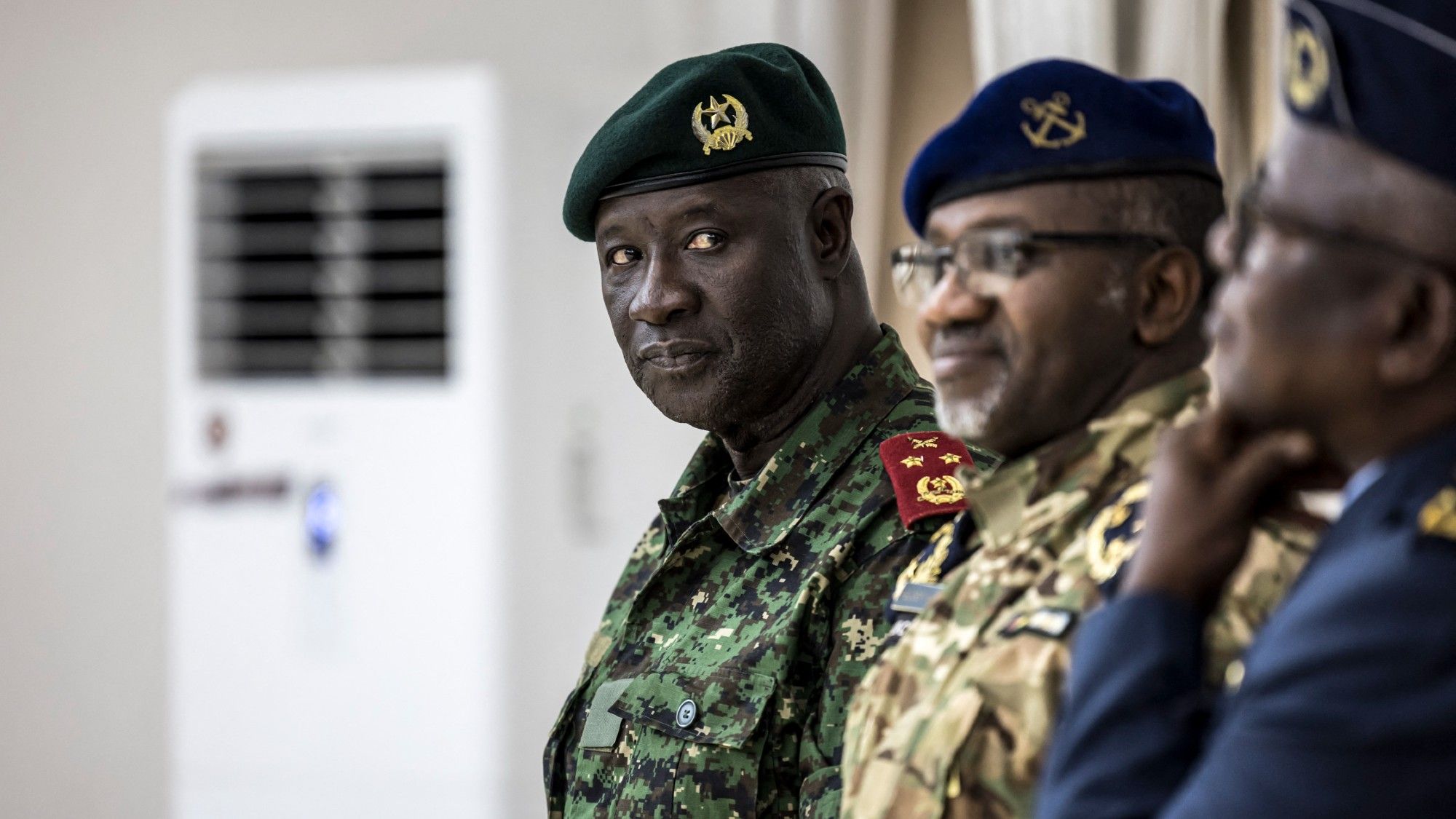
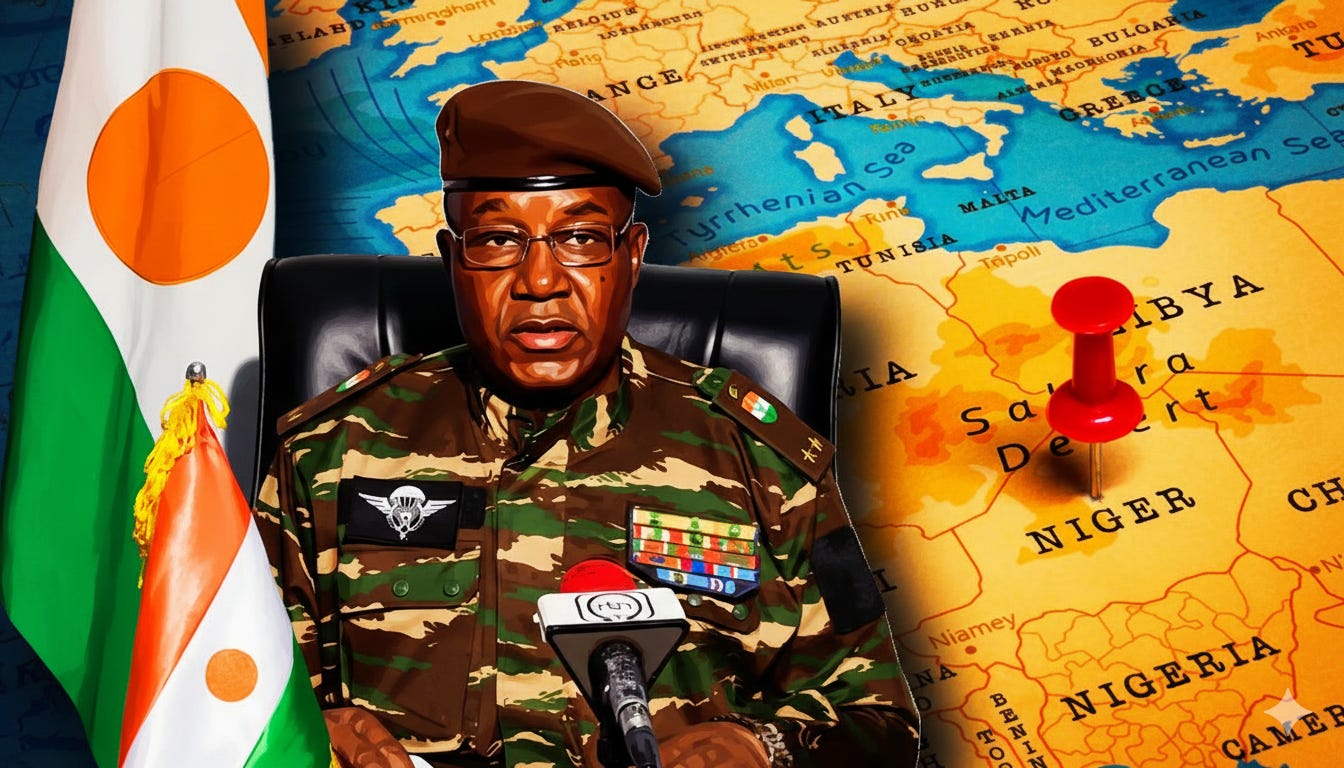
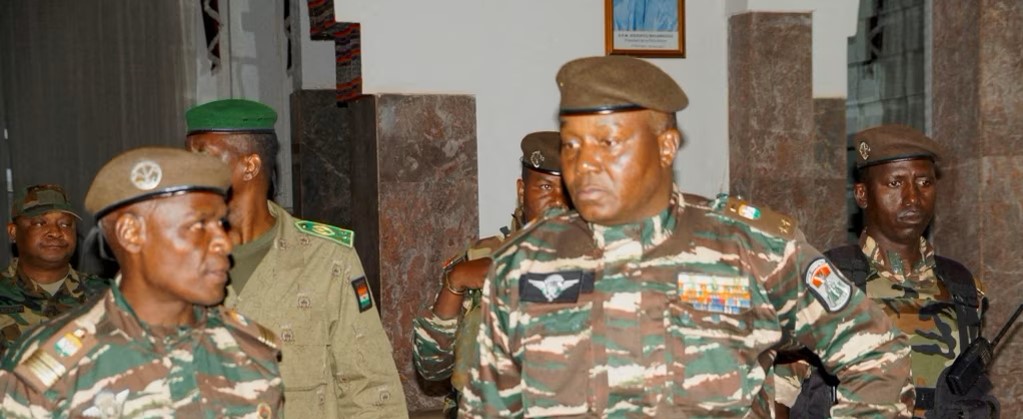
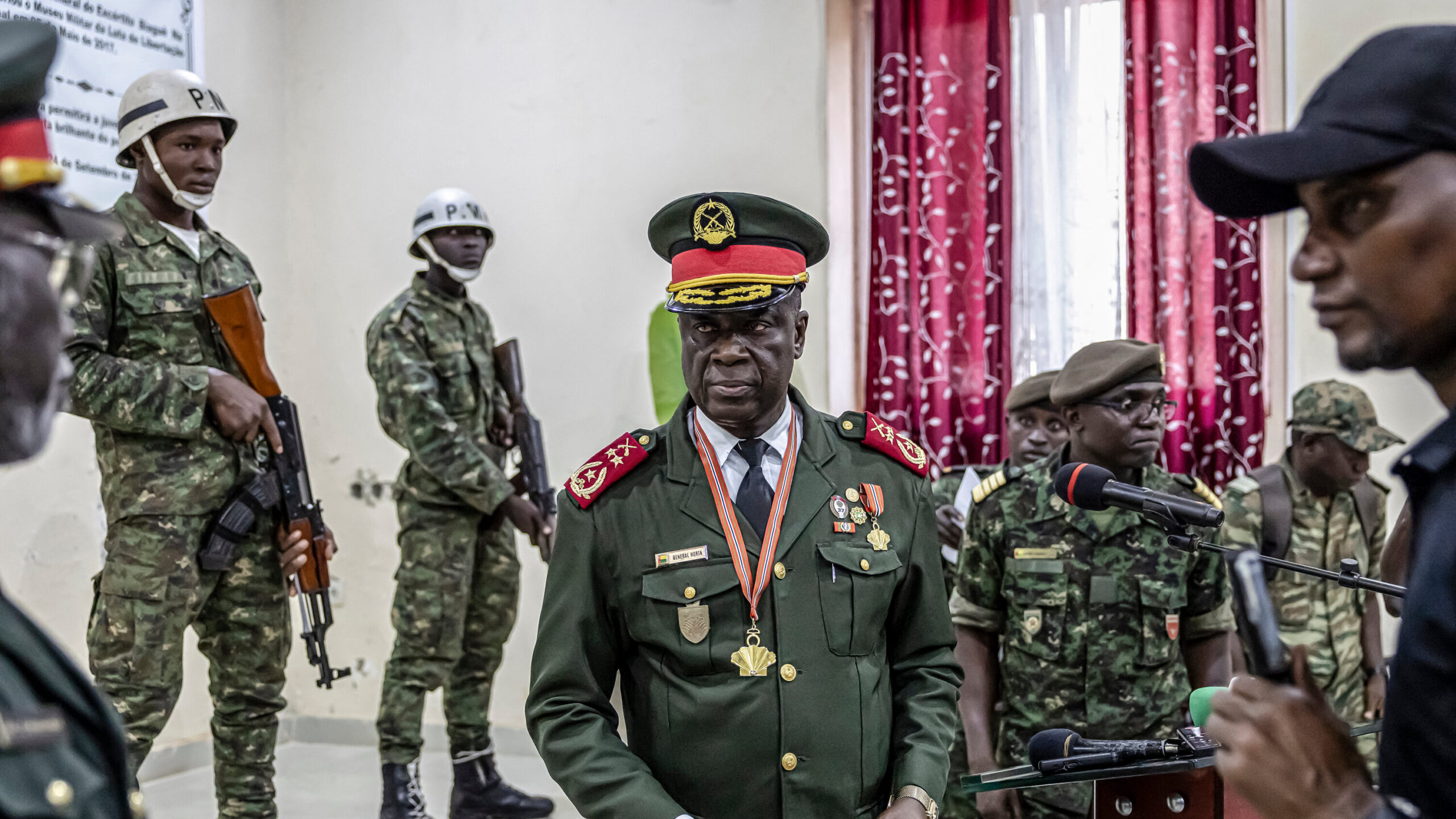
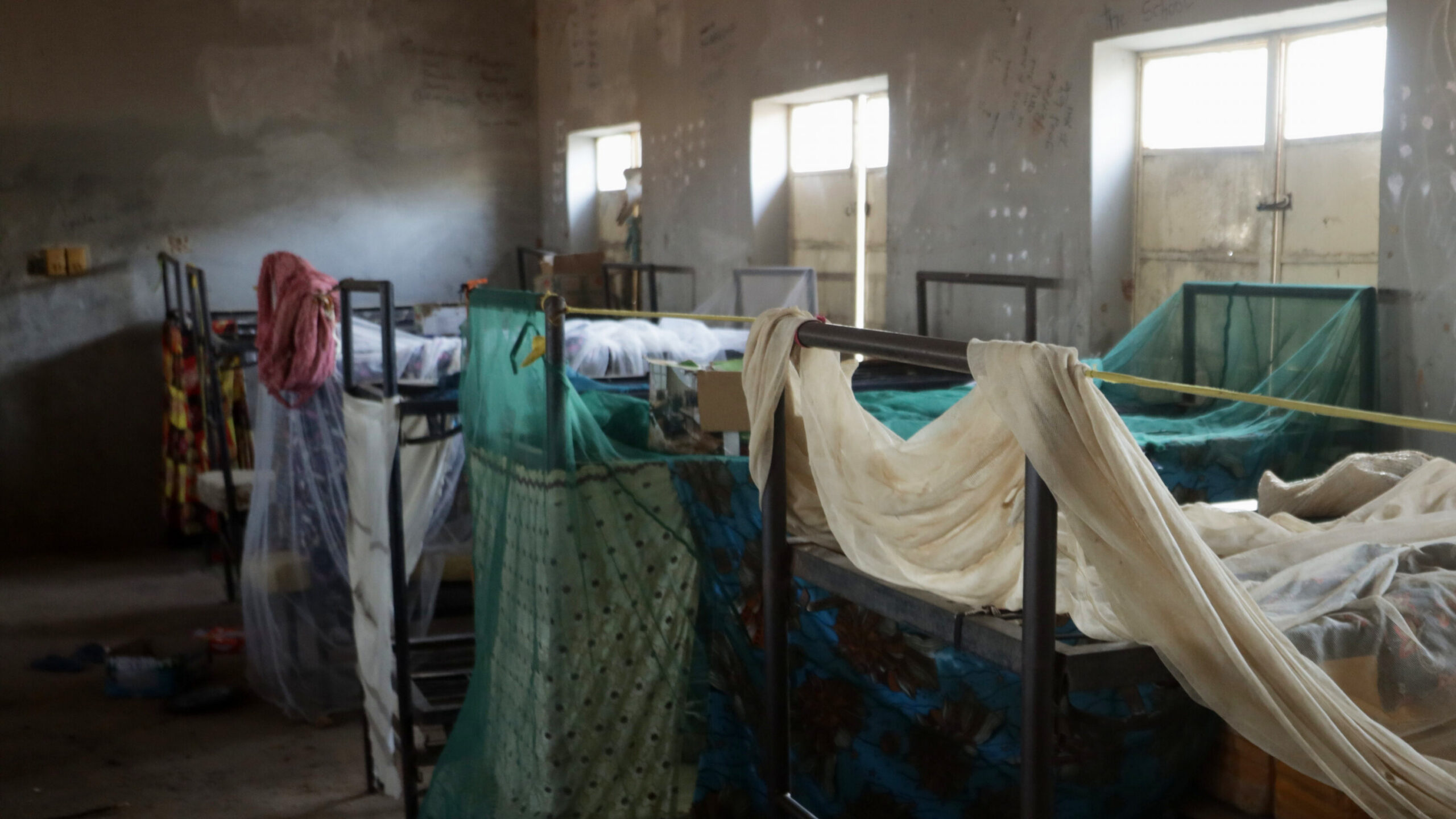
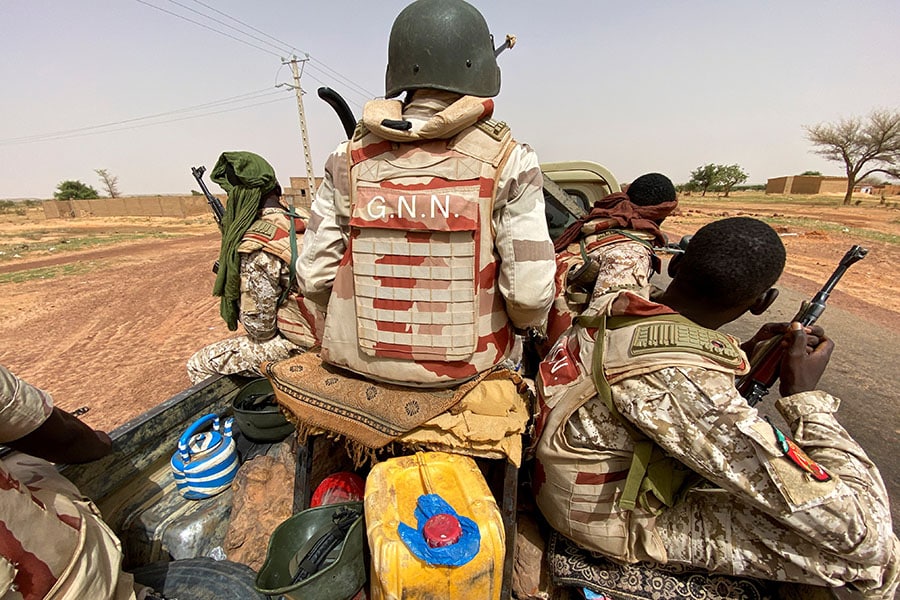
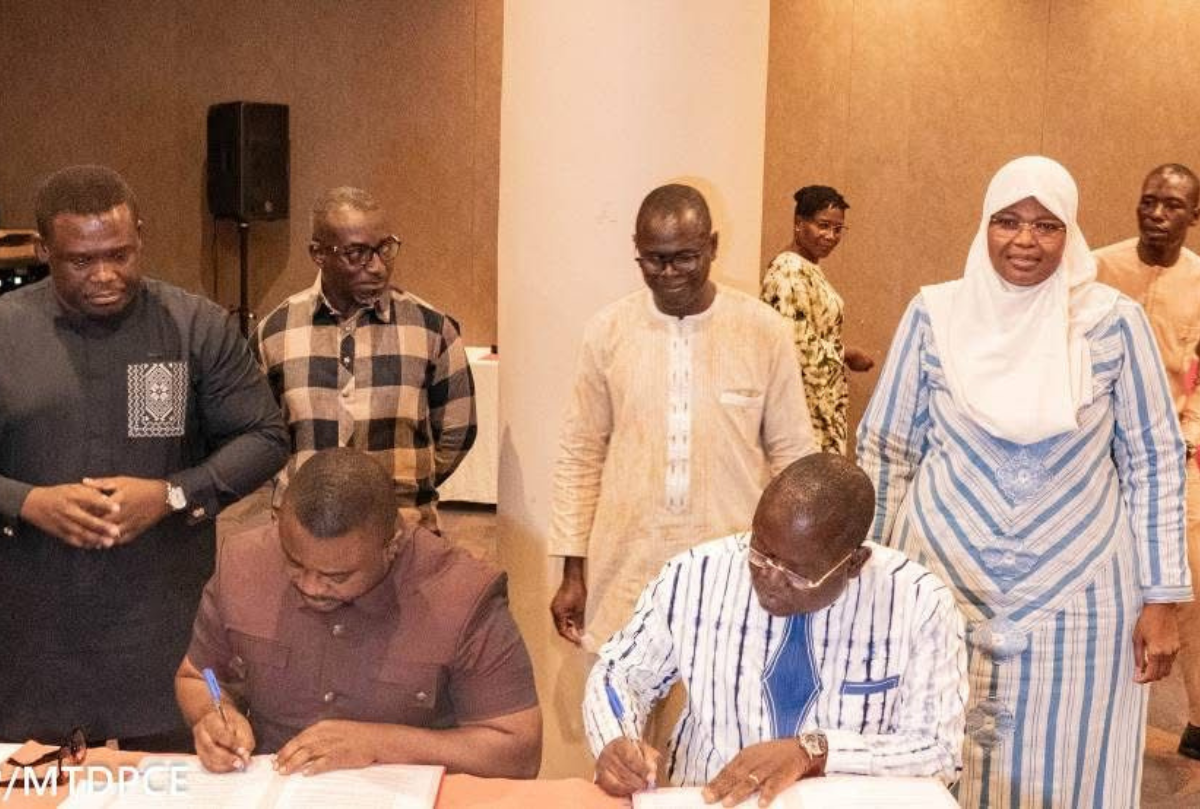
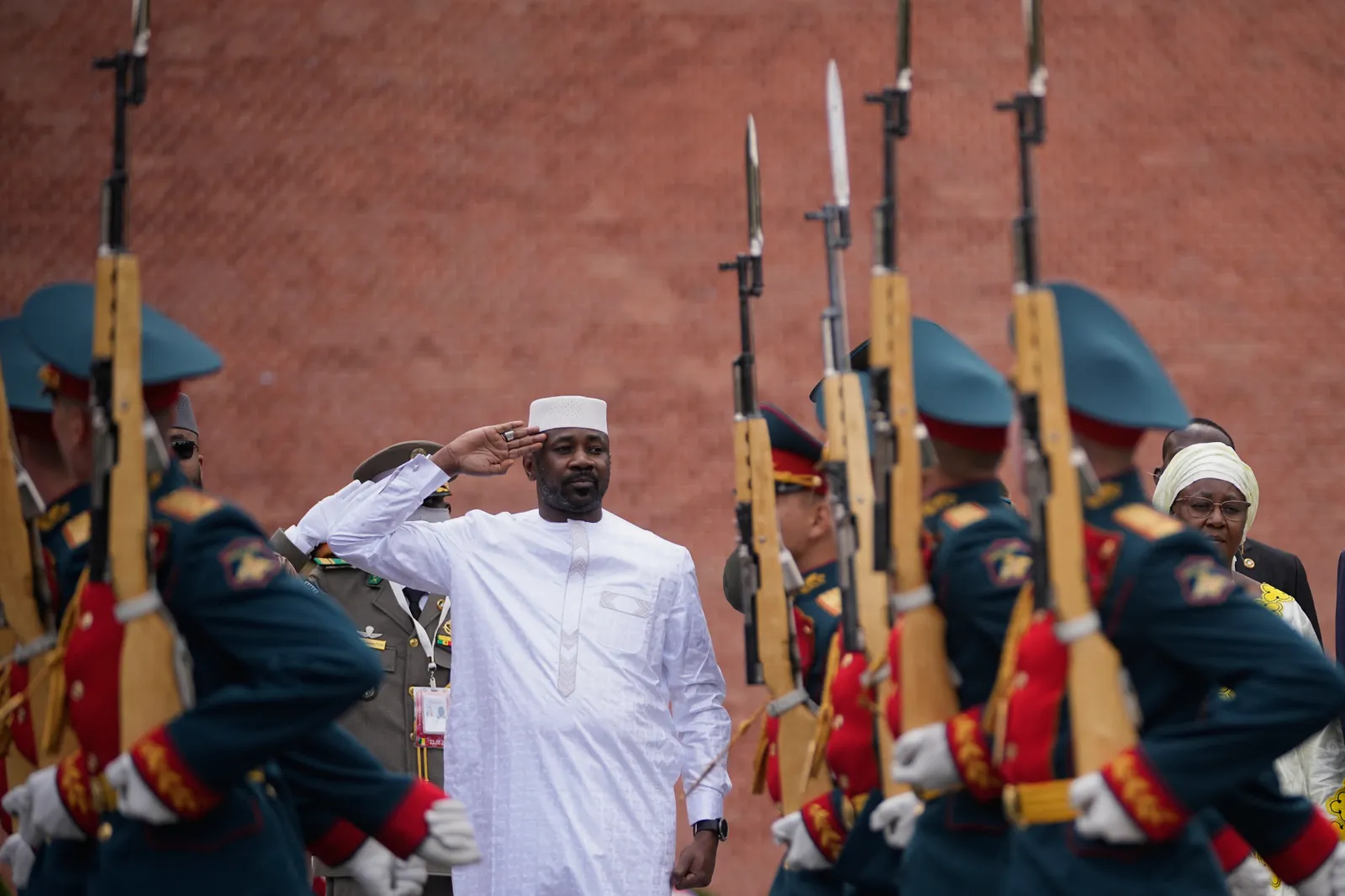
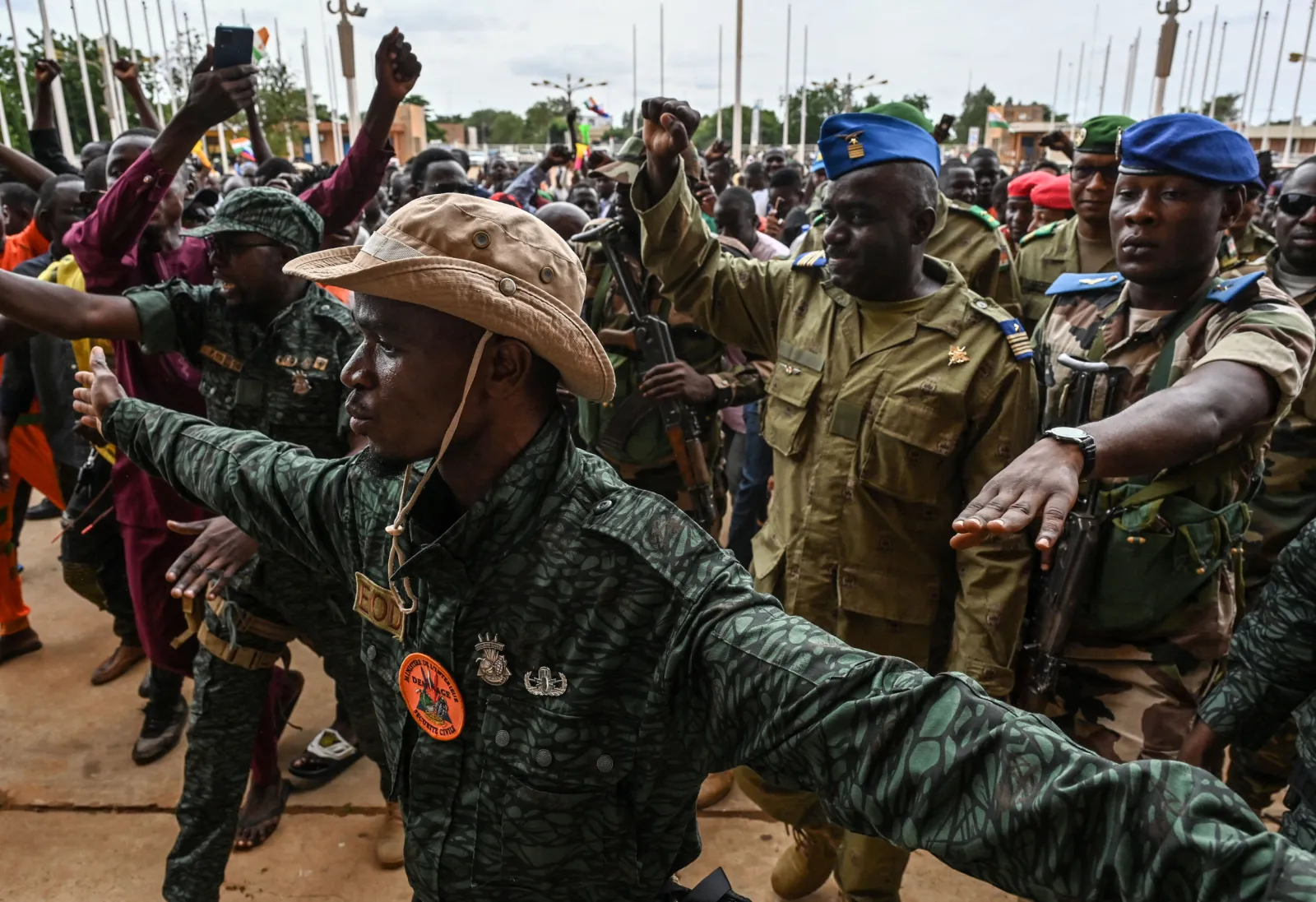
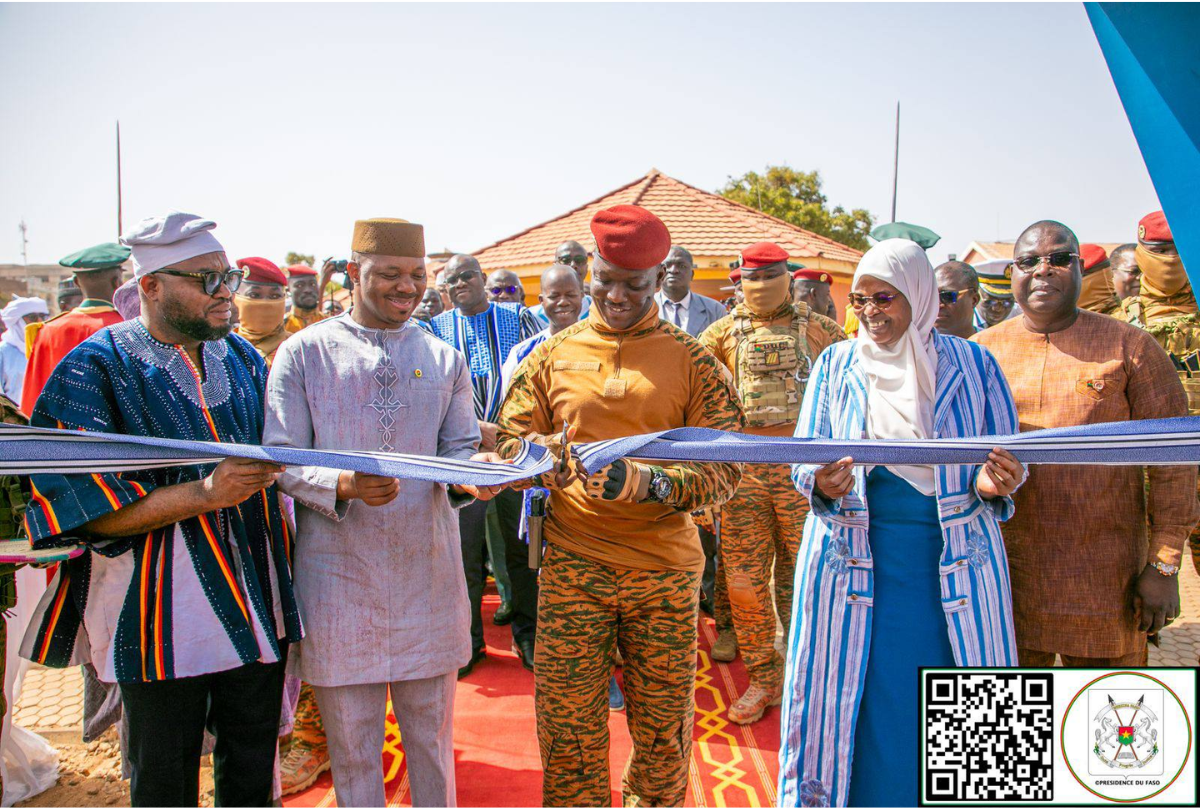
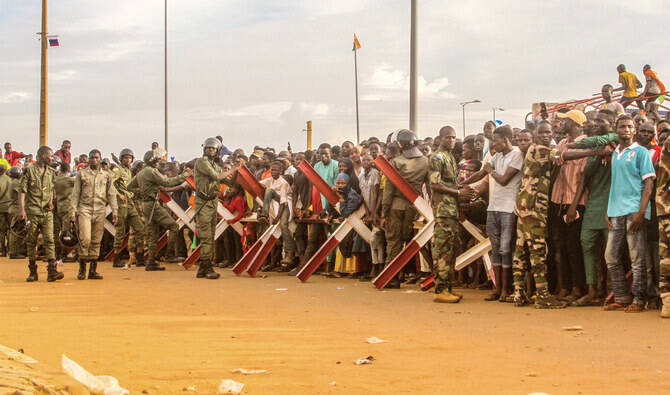
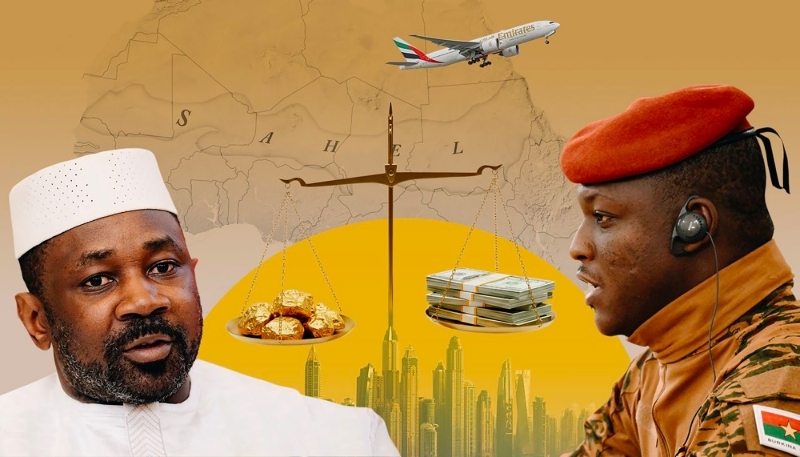
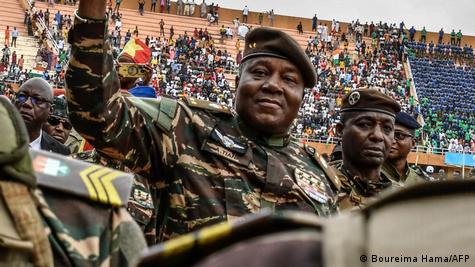
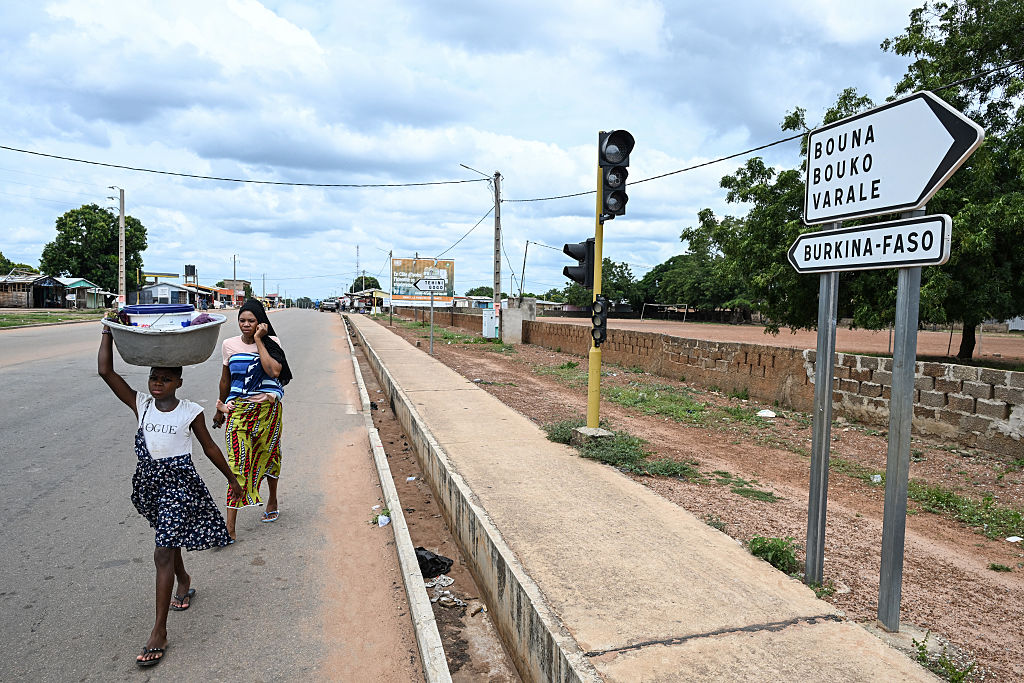
So, what are regional governments doing about this multifaceted threat? They’re turning to deeper cooperation. Niger’s ruling military junta, for example, recently announced a “general mobilisation” to confront these armed groups, a move that fits perfectly with the stronger security ties forming between Niger, Mali, and Burkina Faso, all military-led nations. These three Sahel states have launched joint strategies to share intelligence, coordinate military operations, and stabilize their often-turbulent borders. It’s clear they recognize that a single country simply can’t tackle these highly fluid militant networks alone. Yet, despite these efforts, the challenges are still daunting. Militants continue their attacks, cunningly exploiting local grievances and governance weaknesses to fuel their campaigns. That increasing use of sophisticated weapons like guided IEDs tells us something crucial: we’re facing an adaptable enemy, one that can evolve its tactics when military pressure mounts. And what about the human cost? It keeps rising, with civilians bearing the brutal brunt of this violence and displacement. How much more can people endure? You can find more details on Mali’s situation on Al Jazeera.
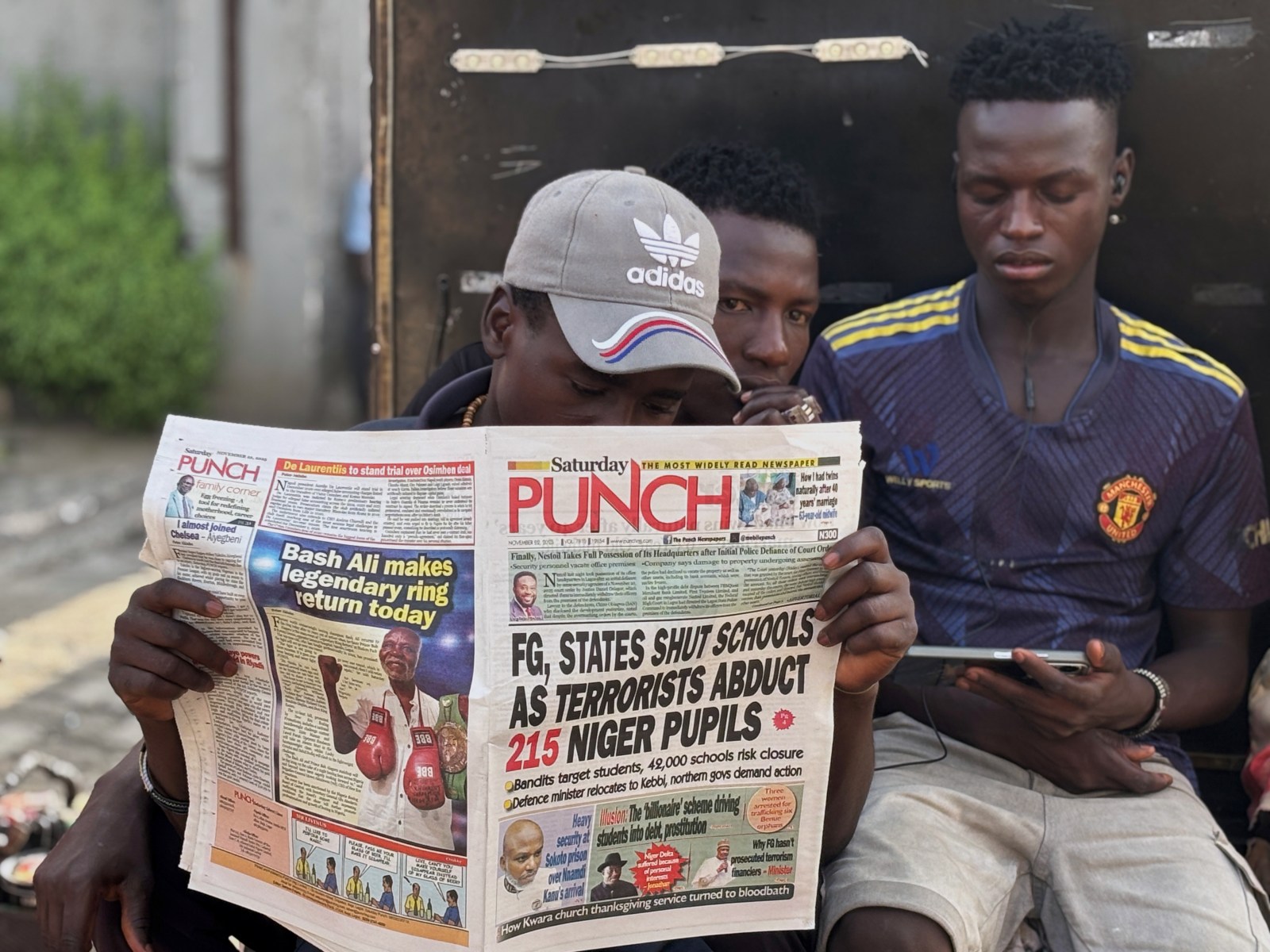
Looking ahead to 2026, the Sahel’s security trajectory will hinge entirely on how effective this military cooperation truly is, and whether governments can implement inclusive political solutions. Military victories, while important, must go hand-in-hand with development initiatives. These initiatives need to get at the root causes of instability, things like poverty, marginalization, and the glaring lack of basic services. The international community, too, has a vital role to play, balancing counterterrorism aid with much-needed humanitarian assistance. As the year unfolds, the Sahel finds itself at a critical crossroads. The dynamic interplay between the militants’ resilience and the region’s military resolve will undoubtedly shape the future of this incredibly strategic area. Continued vigilance, innovative strategies, and genuine collaboration are truly our best hope for breaking this cycle of violence and, finally, fostering lasting peace. For more on Niger’s actions, check out Al Jazeera’s report, and for context on persecution claims, read this NPR article.