Africa’s Shifting Sands: Biometric IDs, Contentious Elections, and Agricultural Booms Signal 2025’s Key Transformations
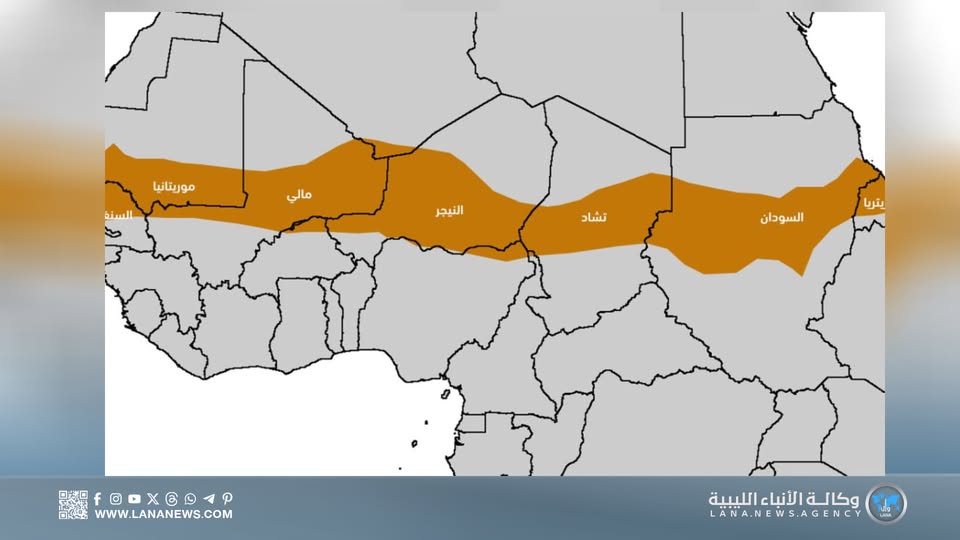
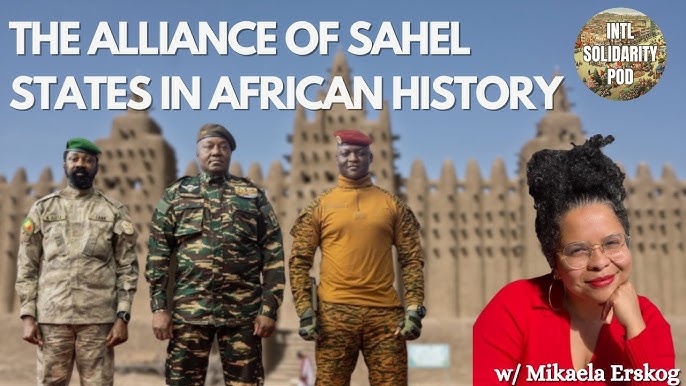
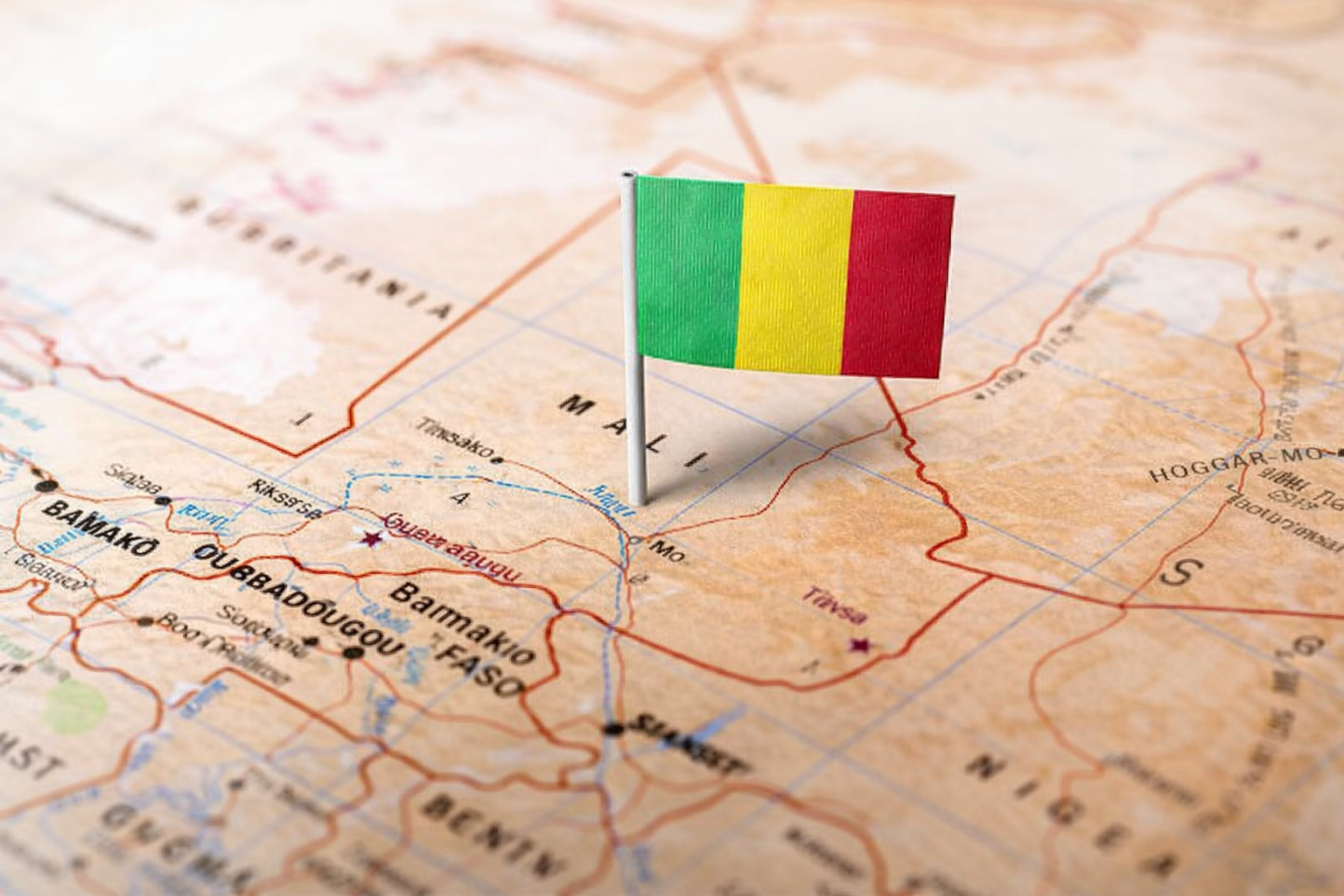
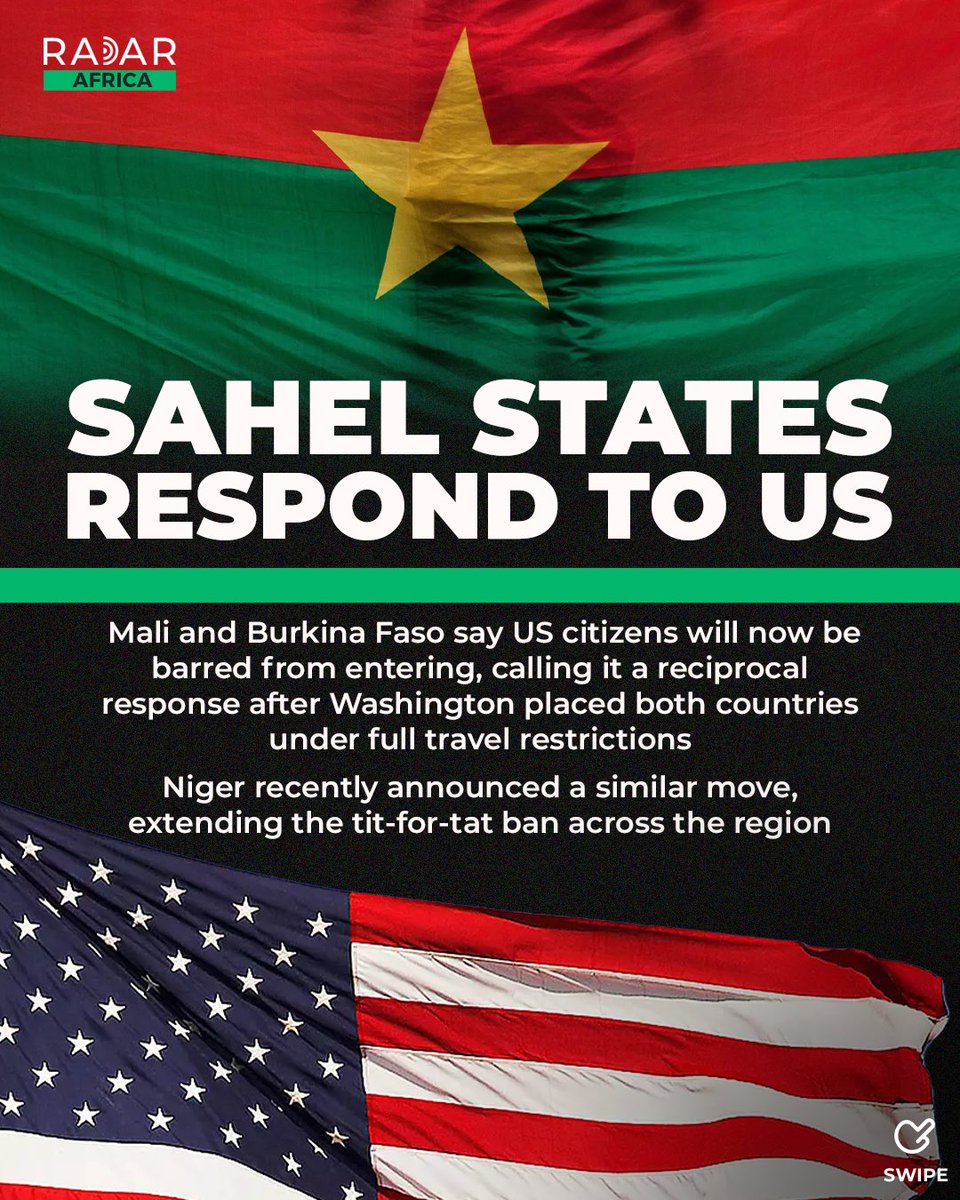
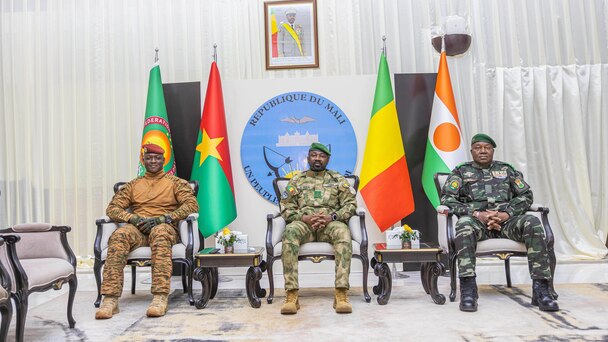
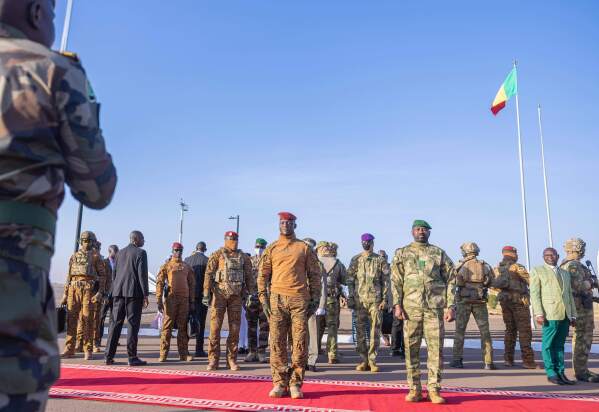
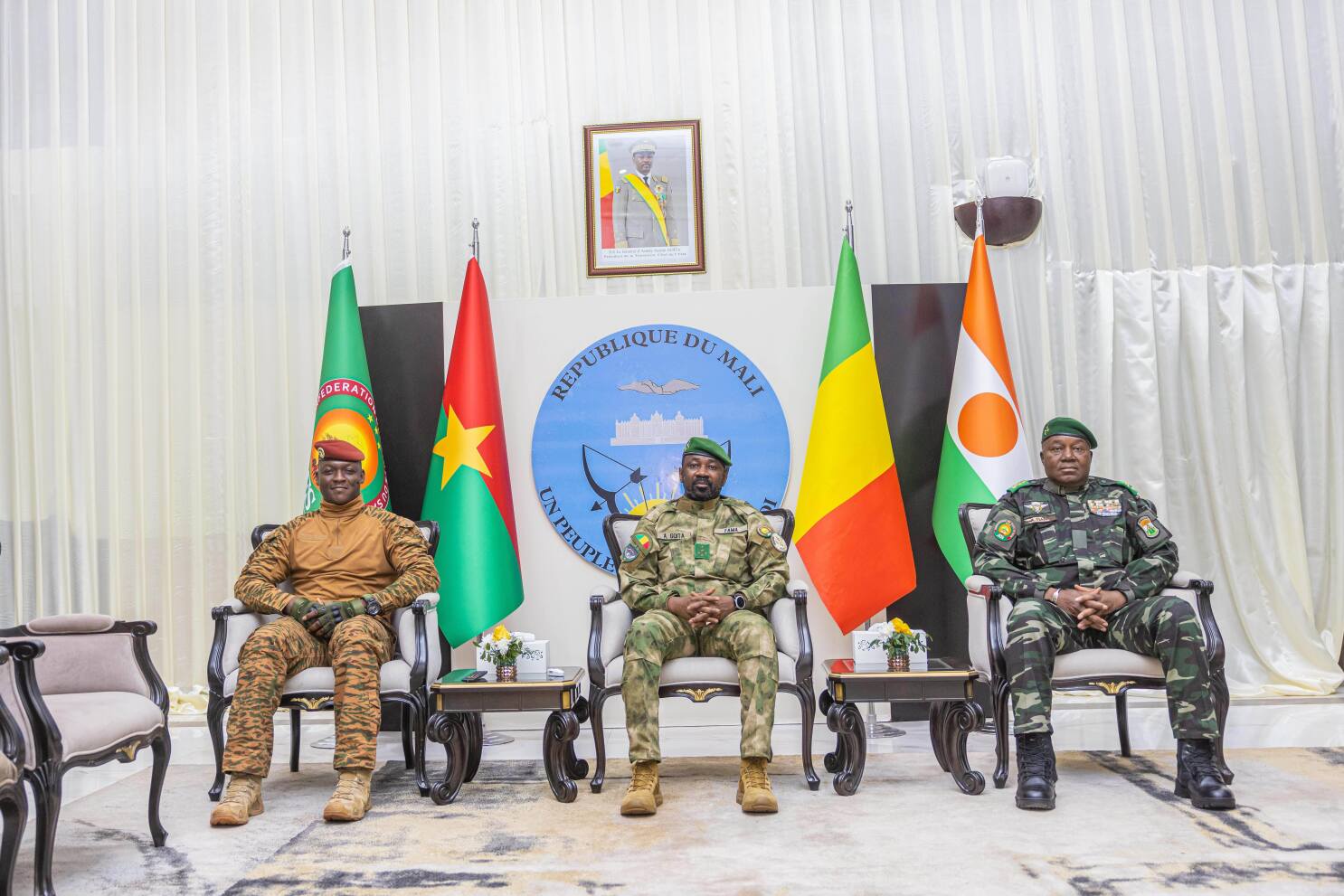
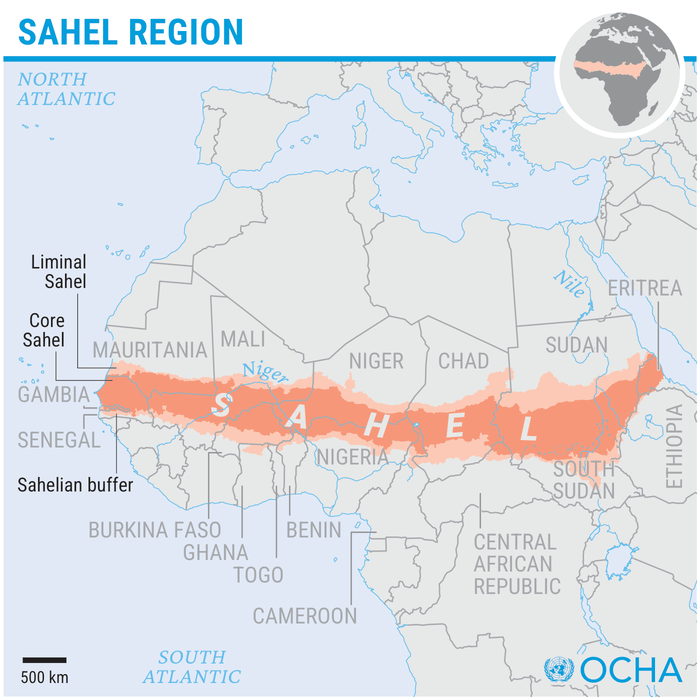
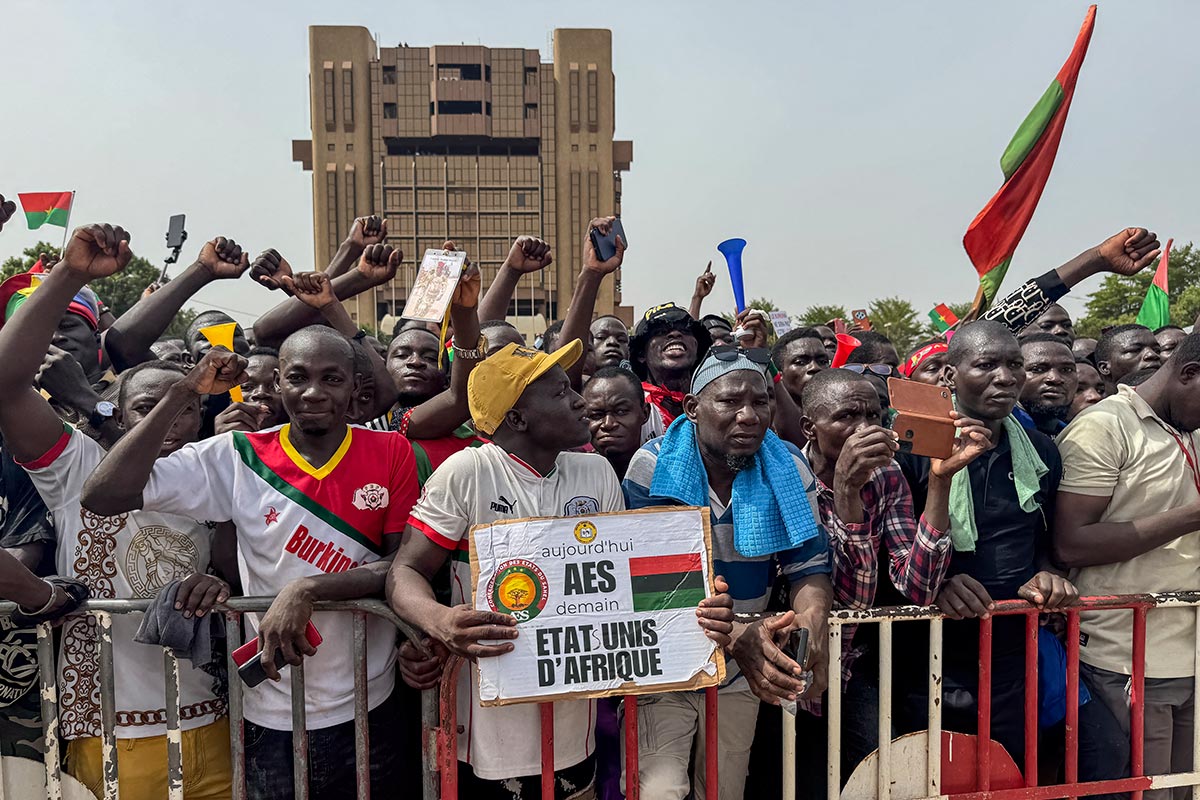
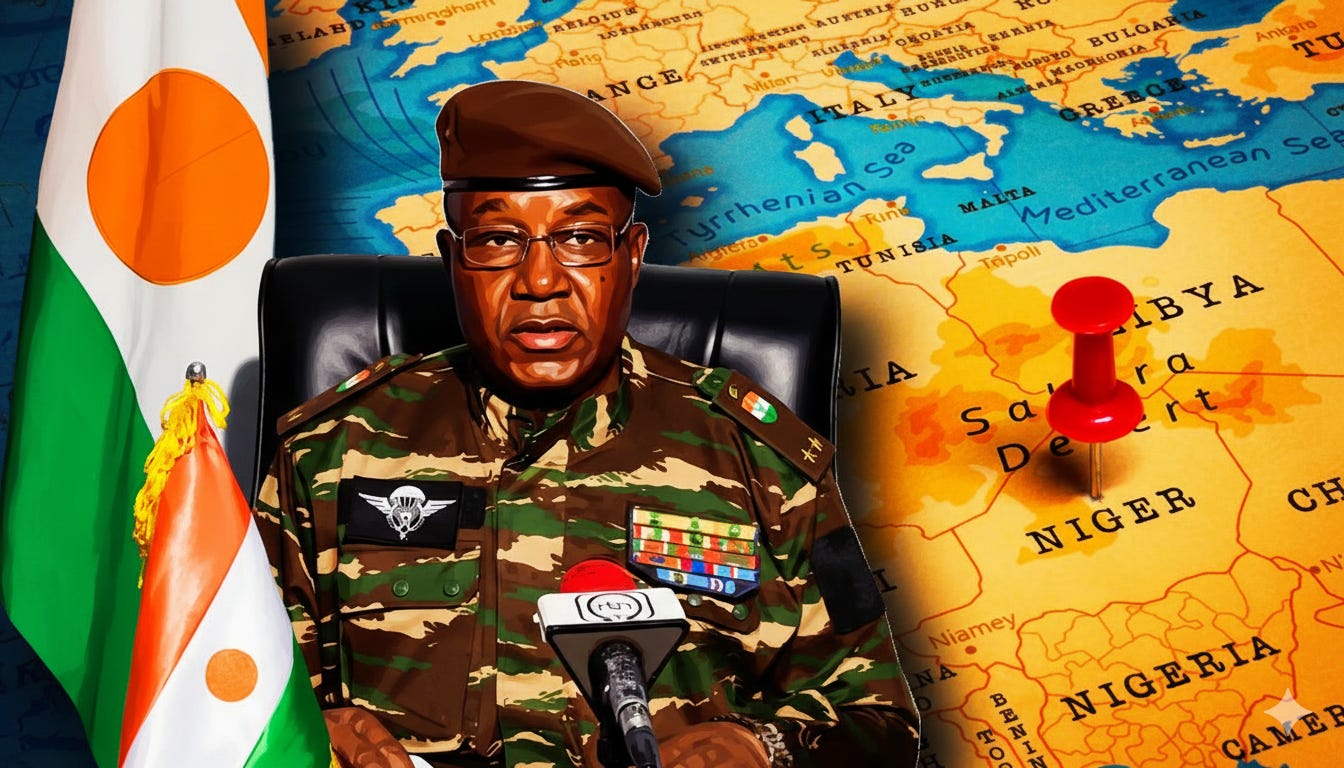
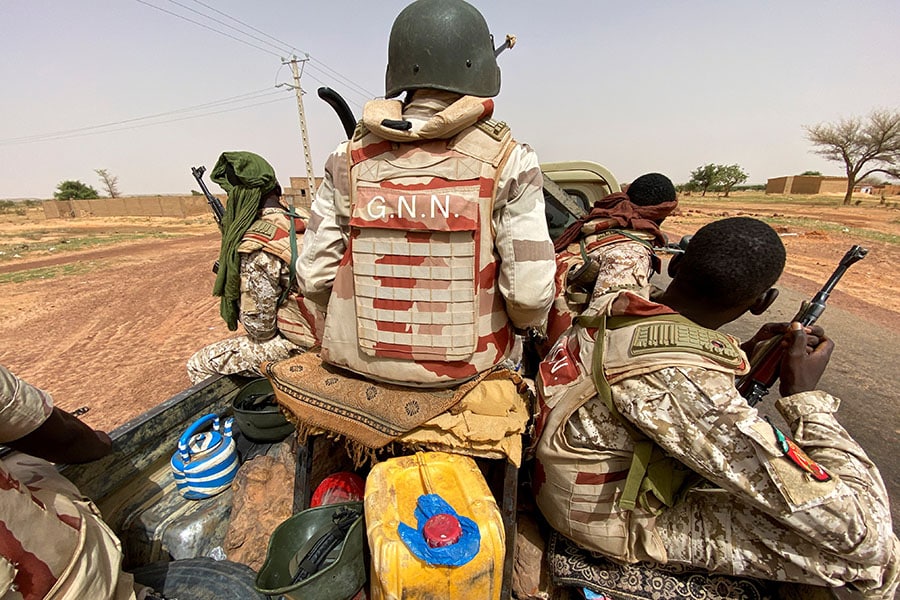
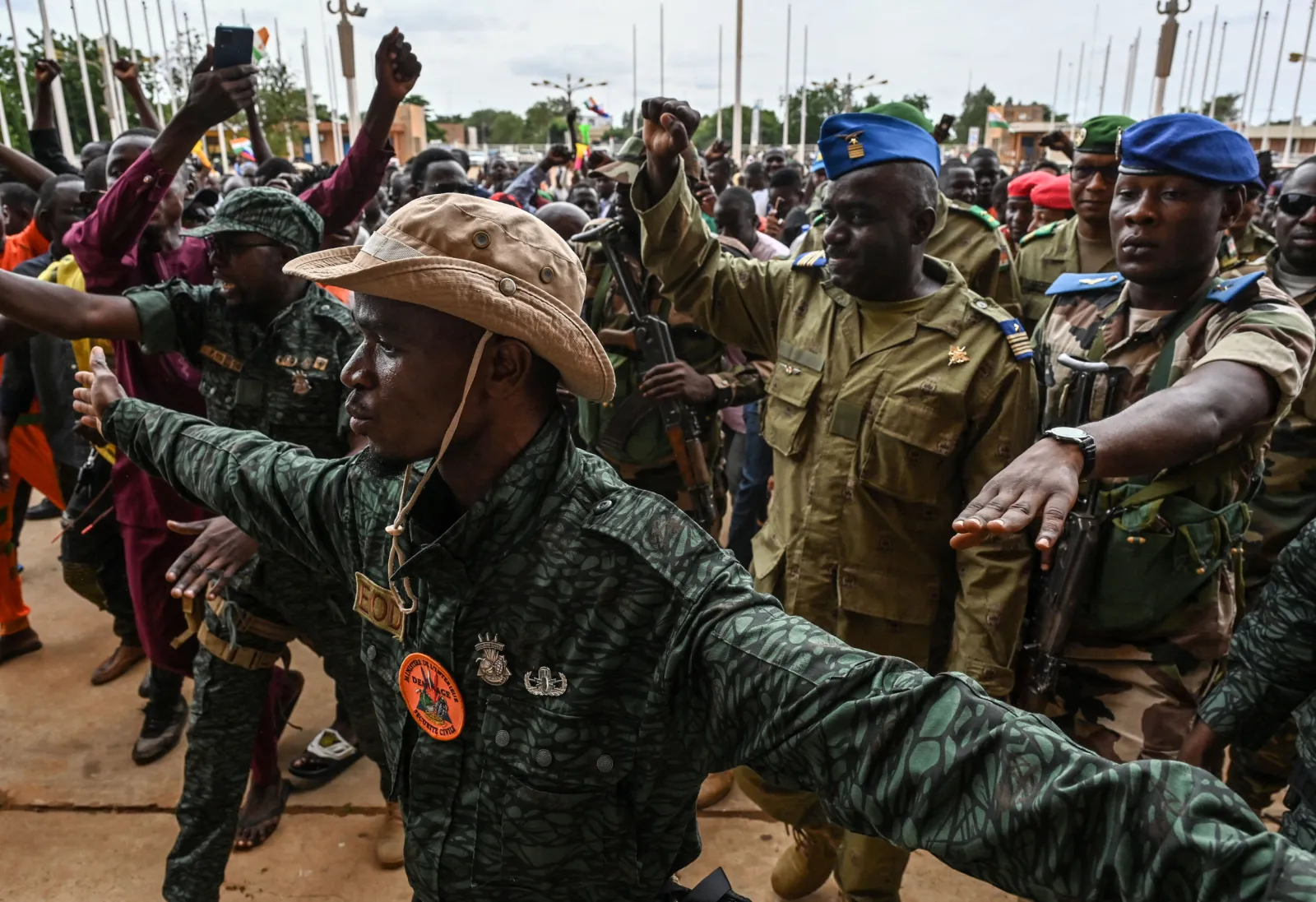
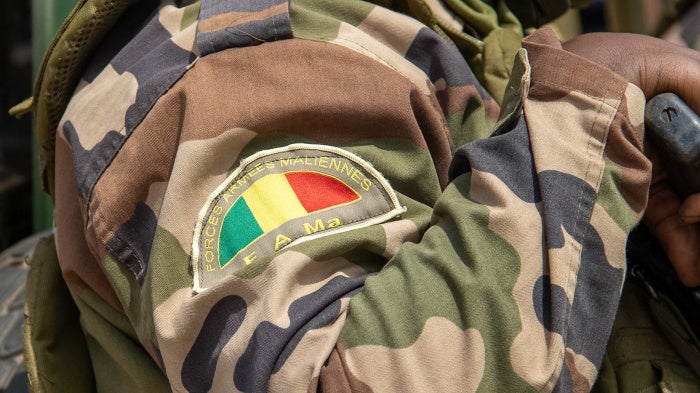
As 2025 draws to a close, Africa finds itself at a dynamic crossroads, with pivotal developments in Niger, Guinea, and Nigeria shaping its political landscape, economic prospects, and regional cooperation in profound ways. These aren’t just isolated events; they collectively highlight a continent simultaneously navigating tough challenges and boldly forging new, transformative pathways. Take Niger, for example, where innovation is setting new standards. On December 26, the Council of Ministers approved a landmark decree introducing mandatory biometric national identity cards and electronic passports, explicitly aligning with the Alliance of Sahel States, or AES. This isn’t merely a technological upgrade; it’s a powerful political affirmation of Niger’s deeper integration within this emerging Sahel confederation, which is actively strengthening institutional frameworks with common administrative standards and greater facilitation of cross-border mobility. Ultimately, Niger’s biometric identity card initiative means enhanced security, streamlined citizen verification, and significantly smoother movement for its people, all crucial benefits in a region contending with vast territories and complex security challenges. It’s a clear signal that Niger is ready to embrace modern governance tools that can underpin vital economic and social development across the Sahel.
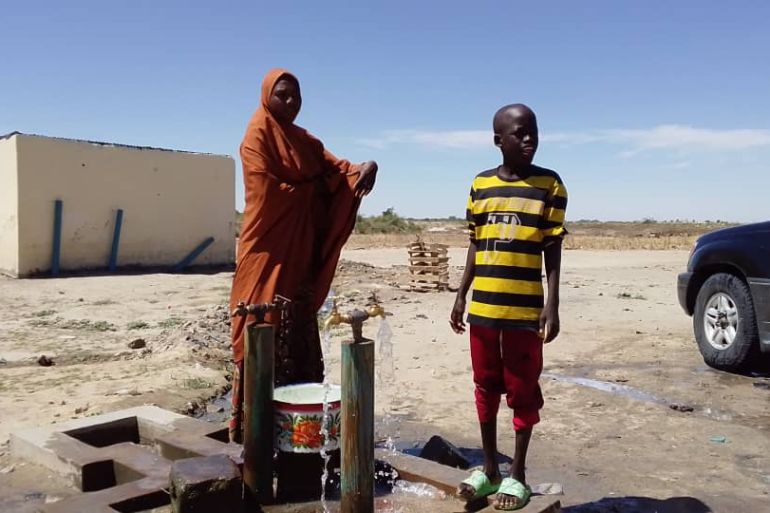
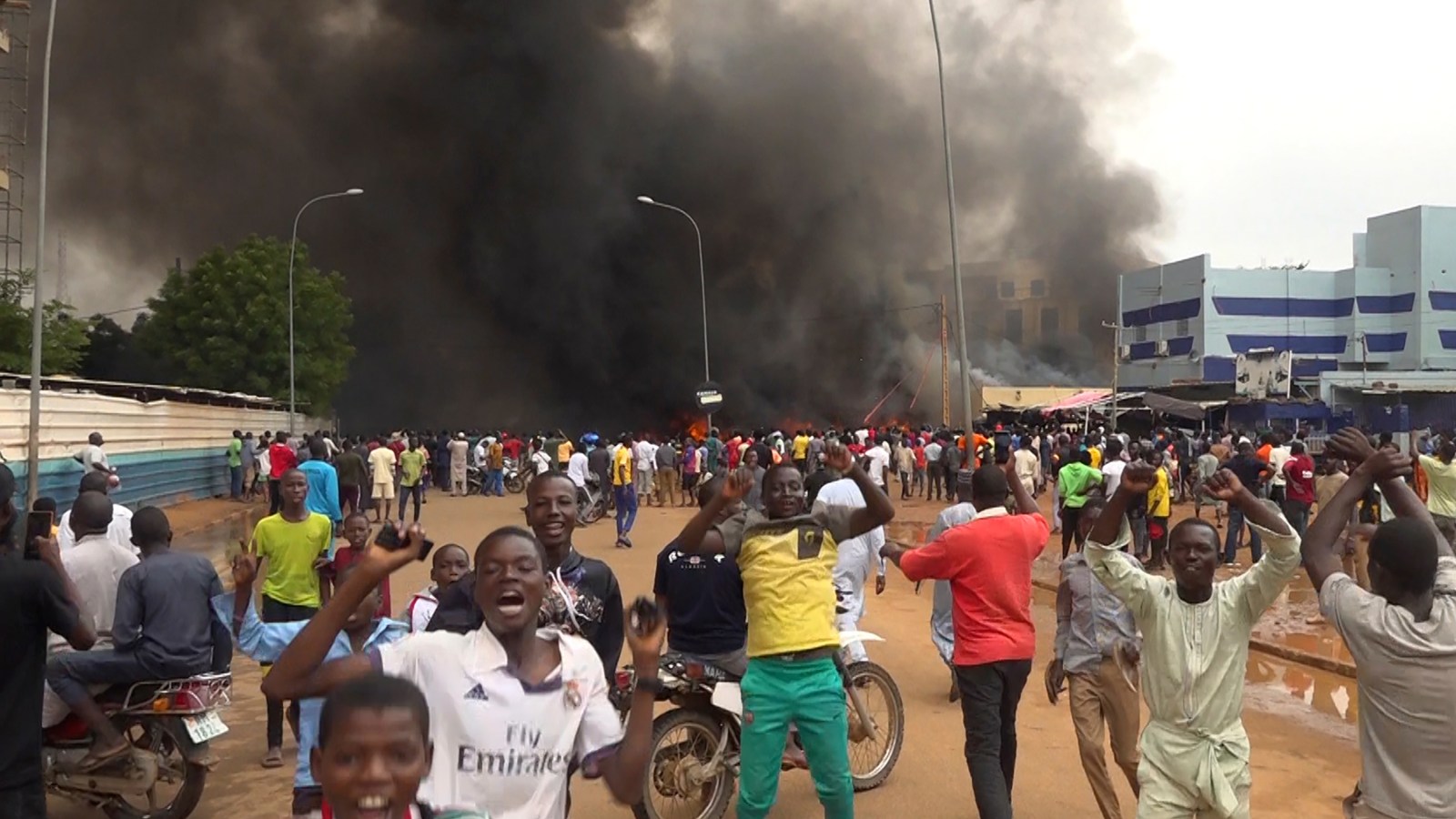
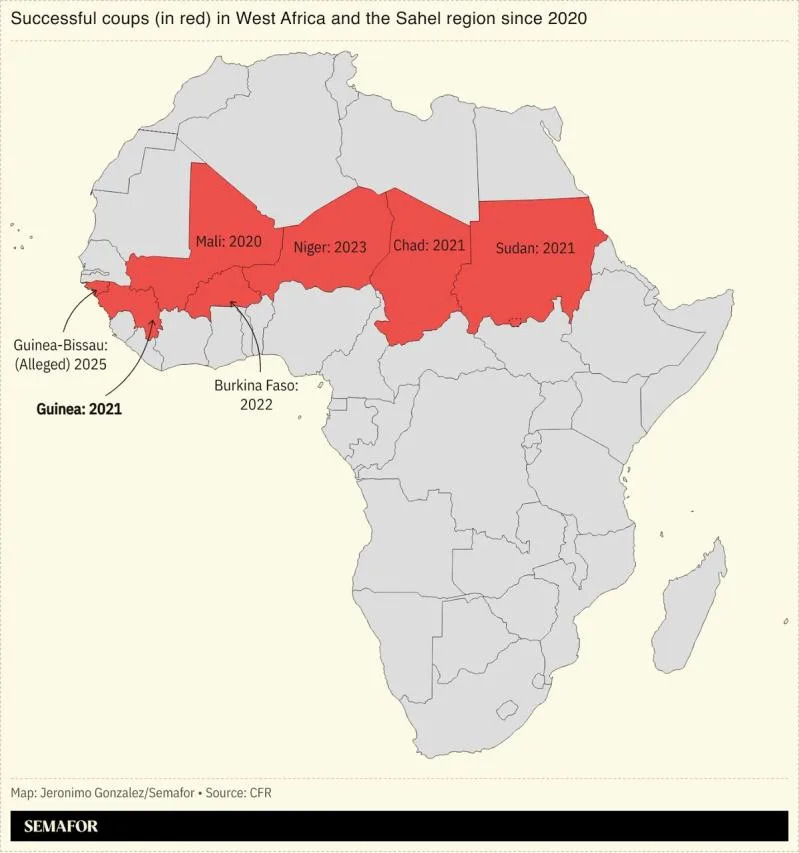
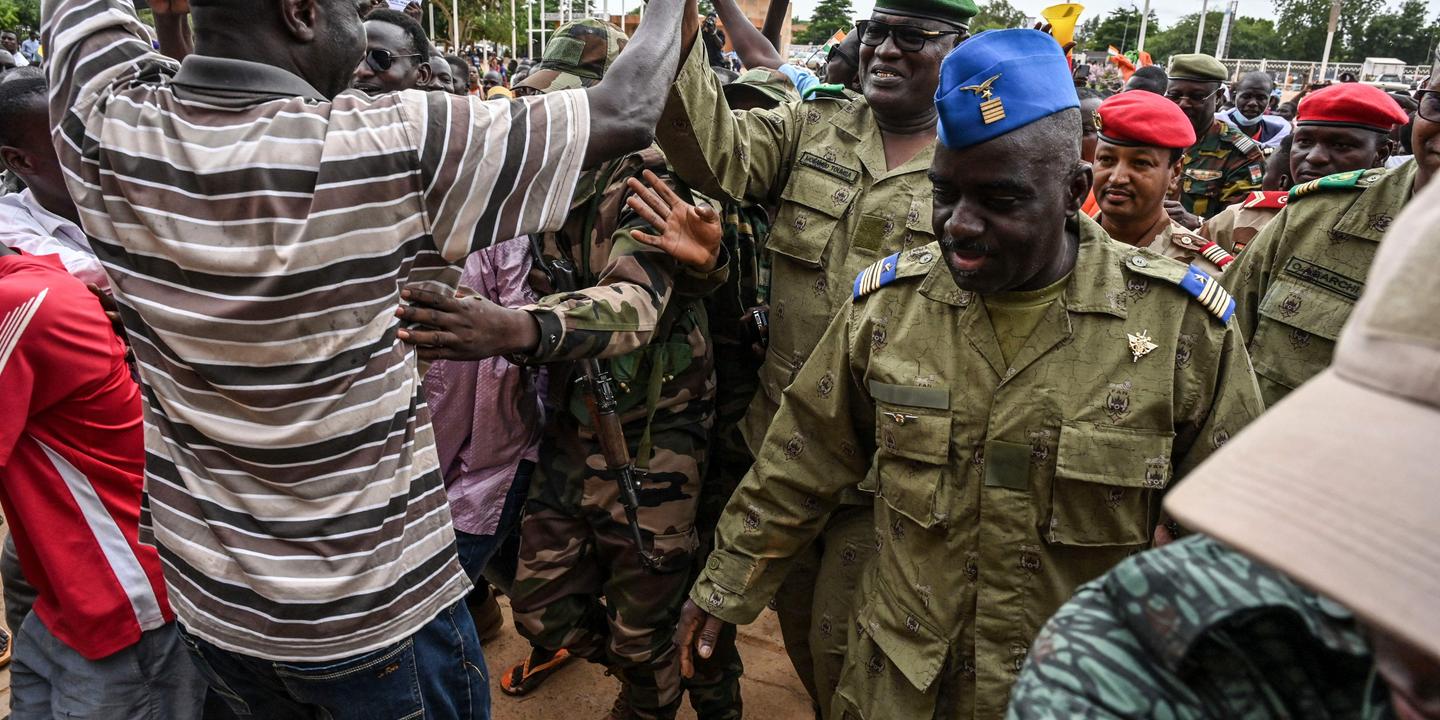
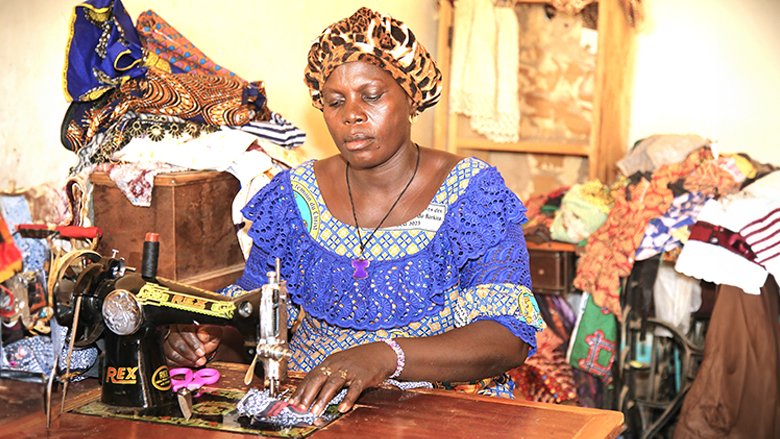
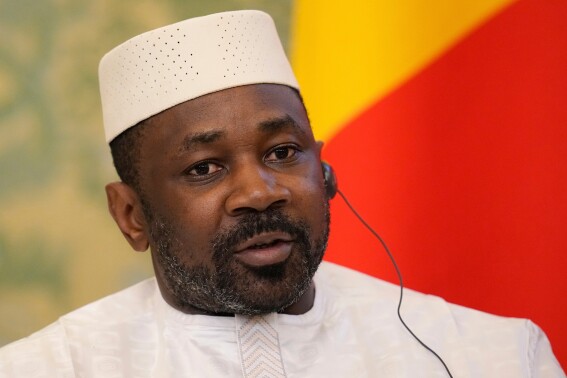
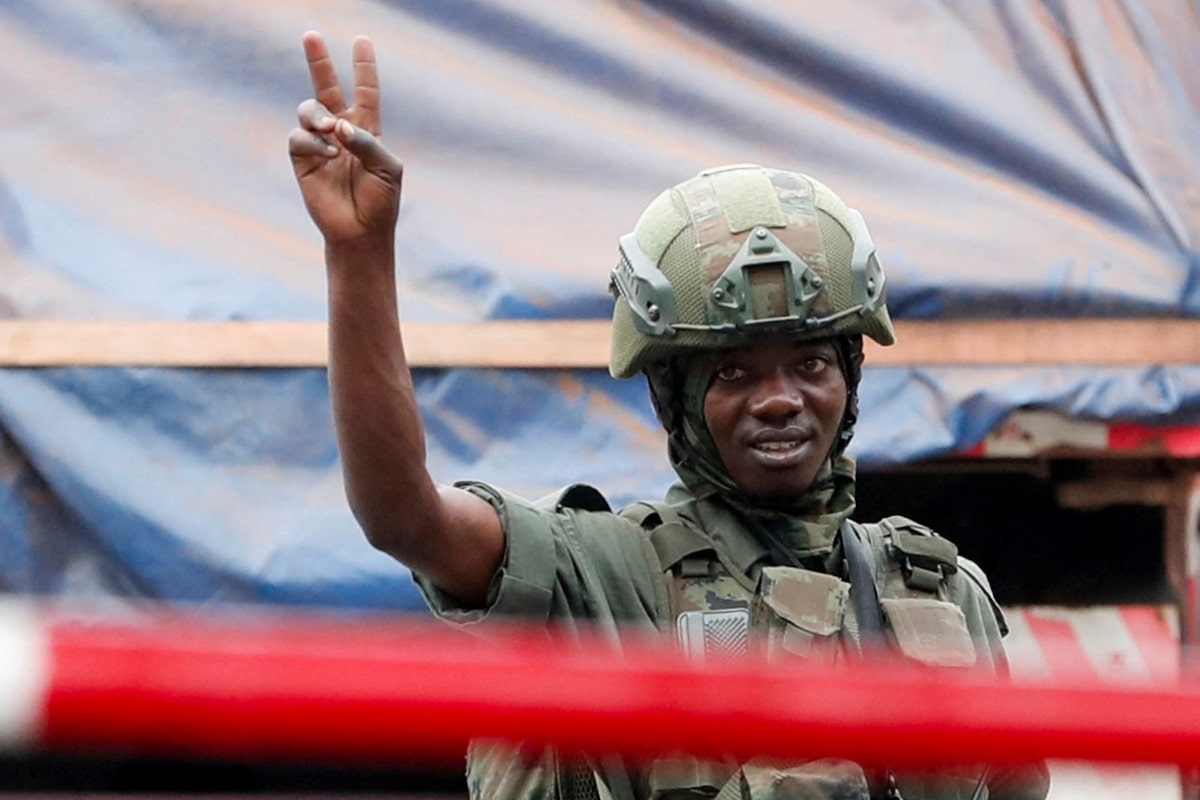
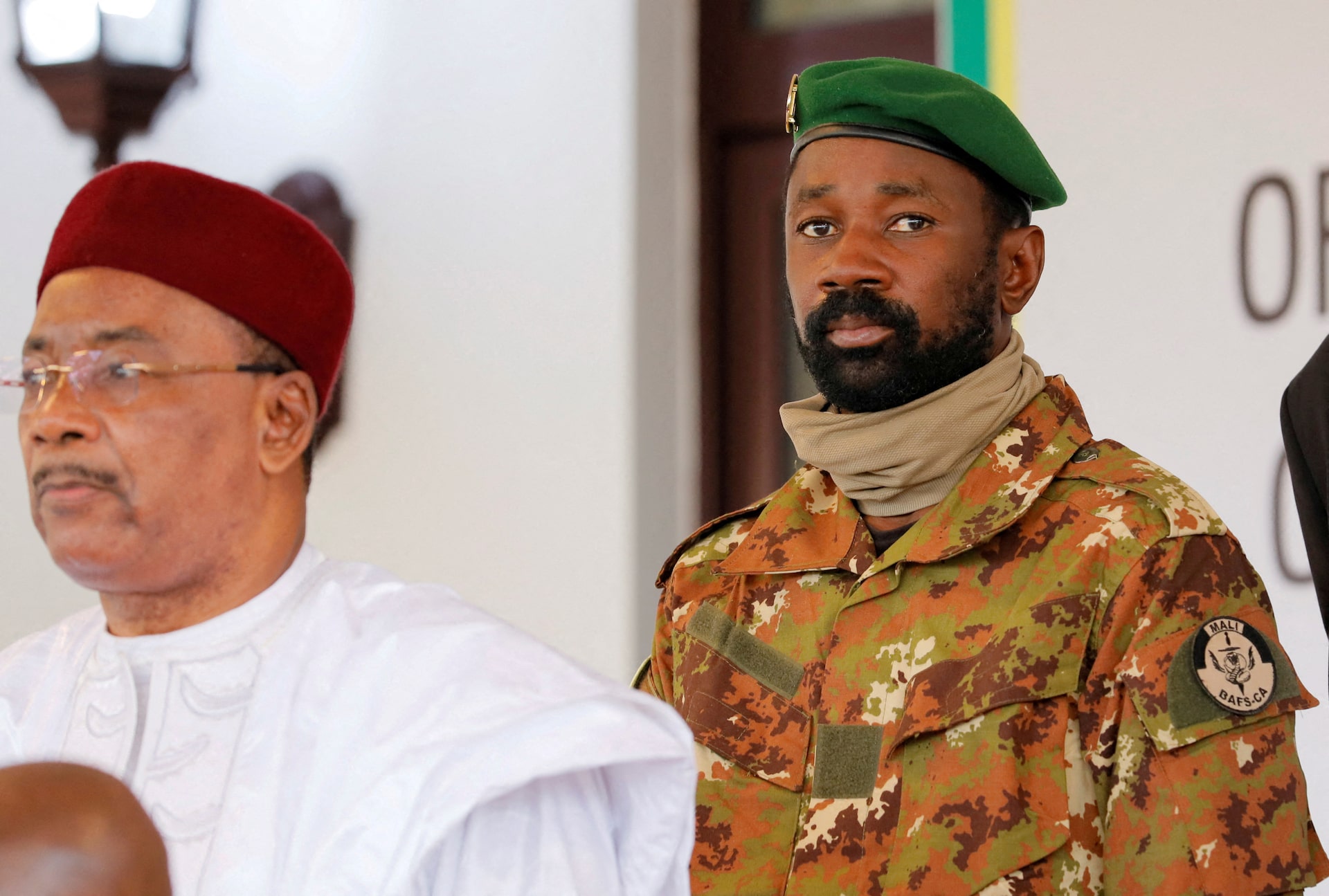
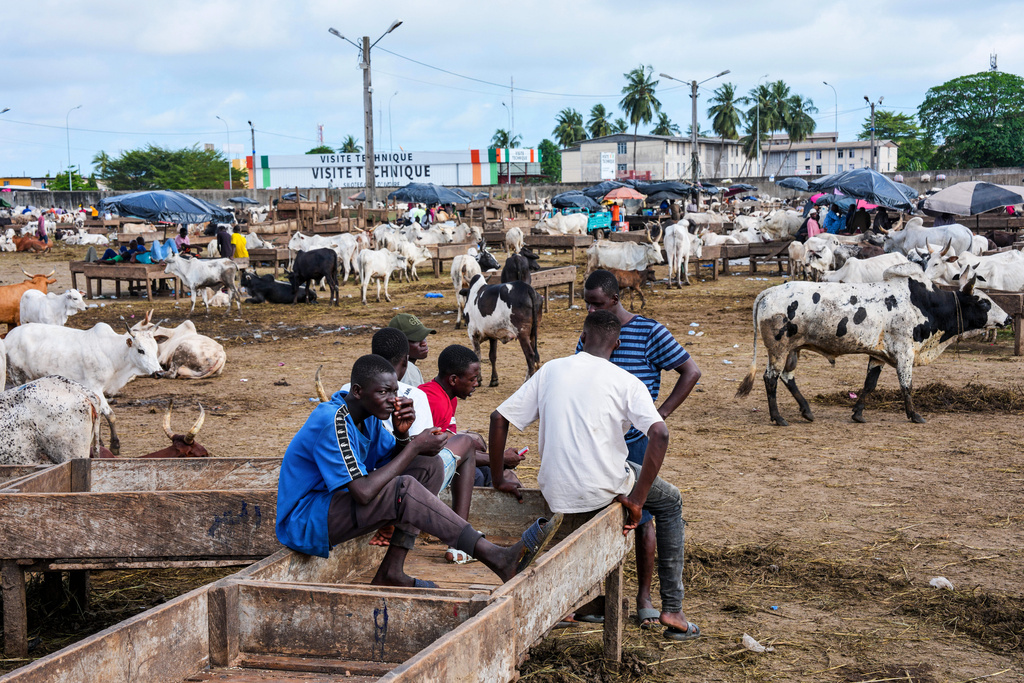
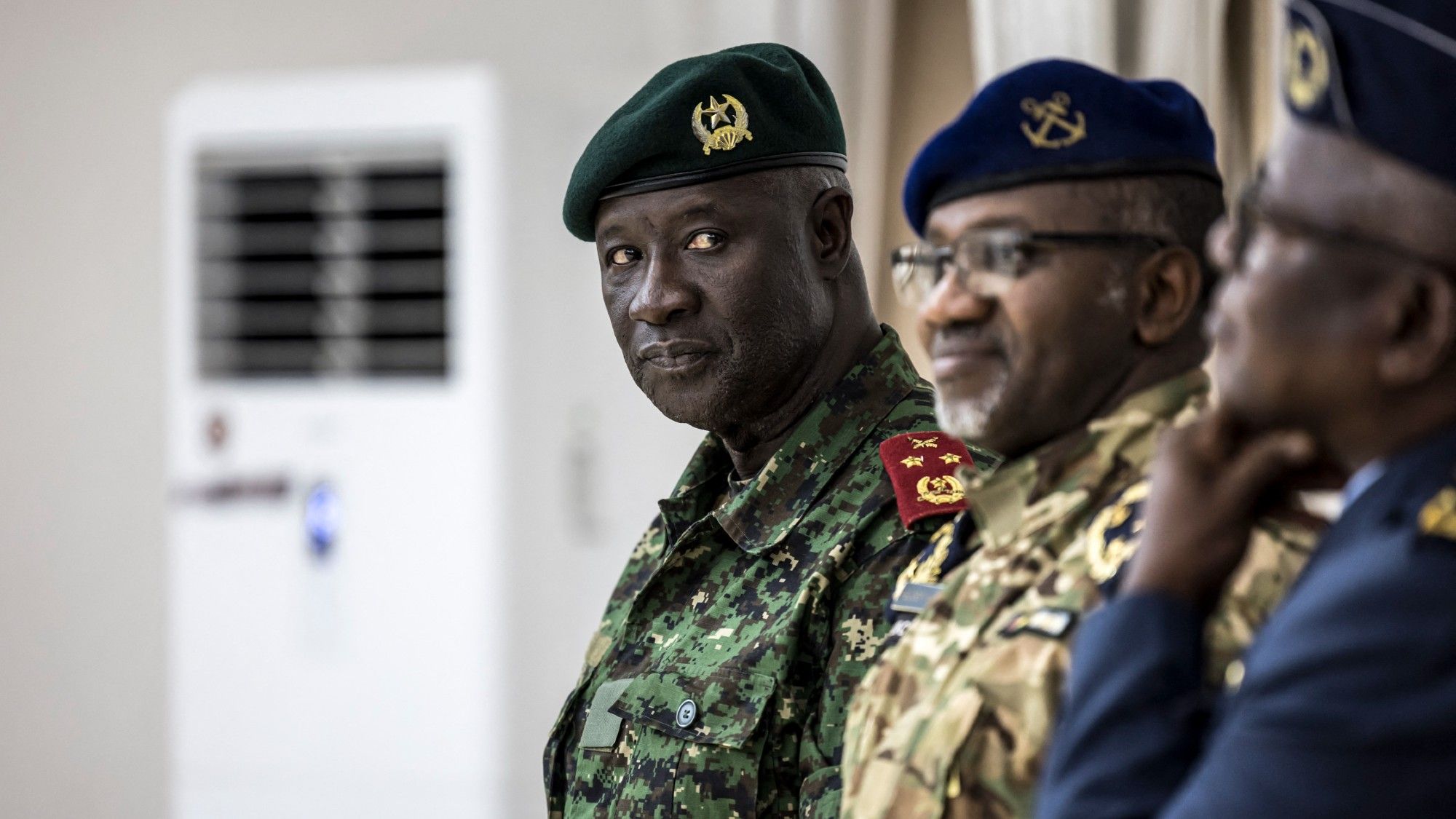
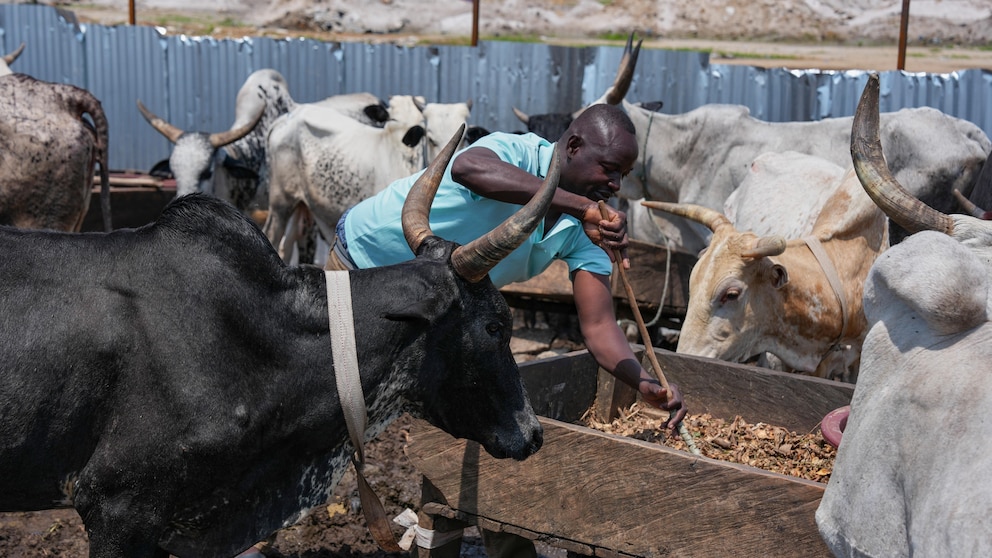
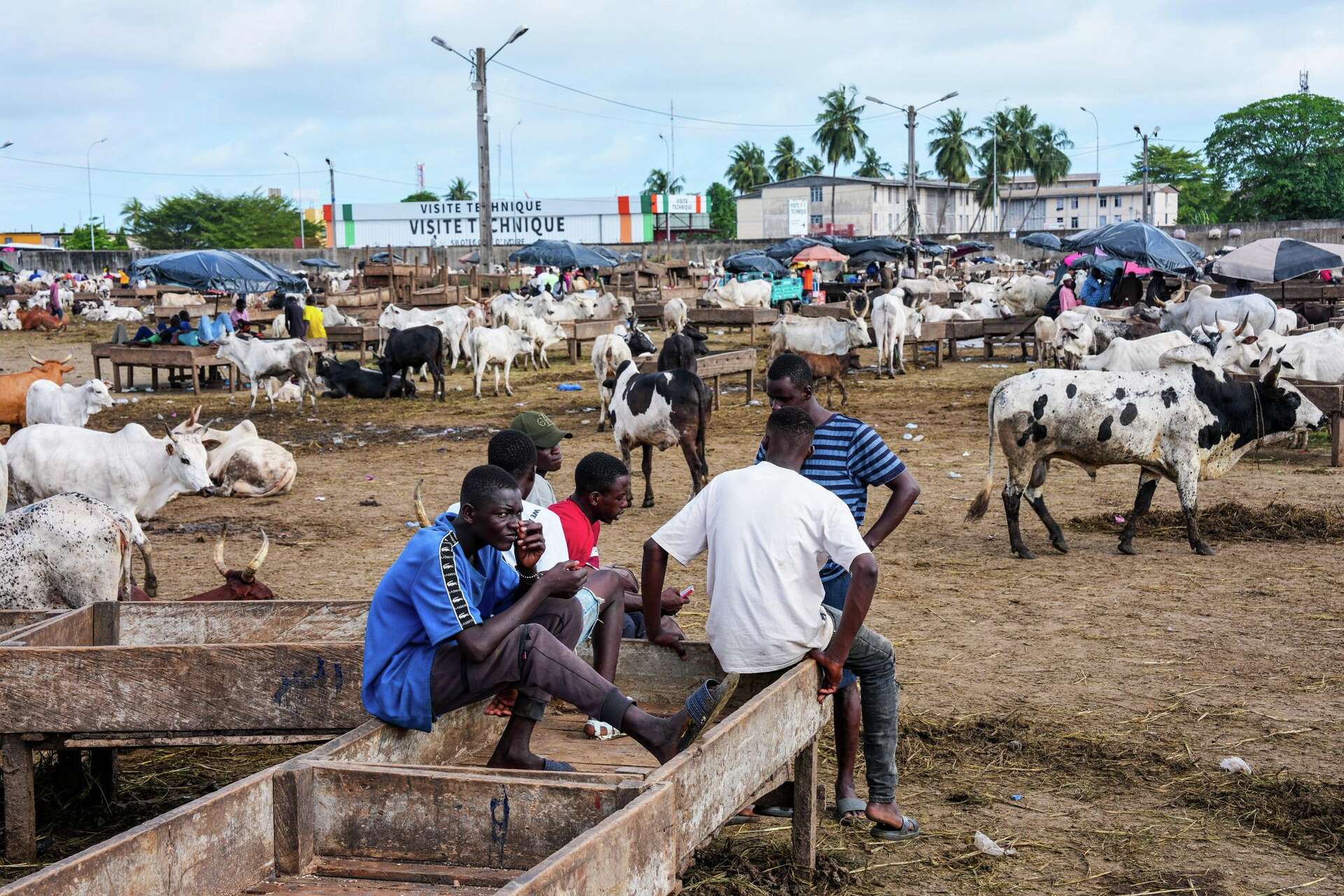
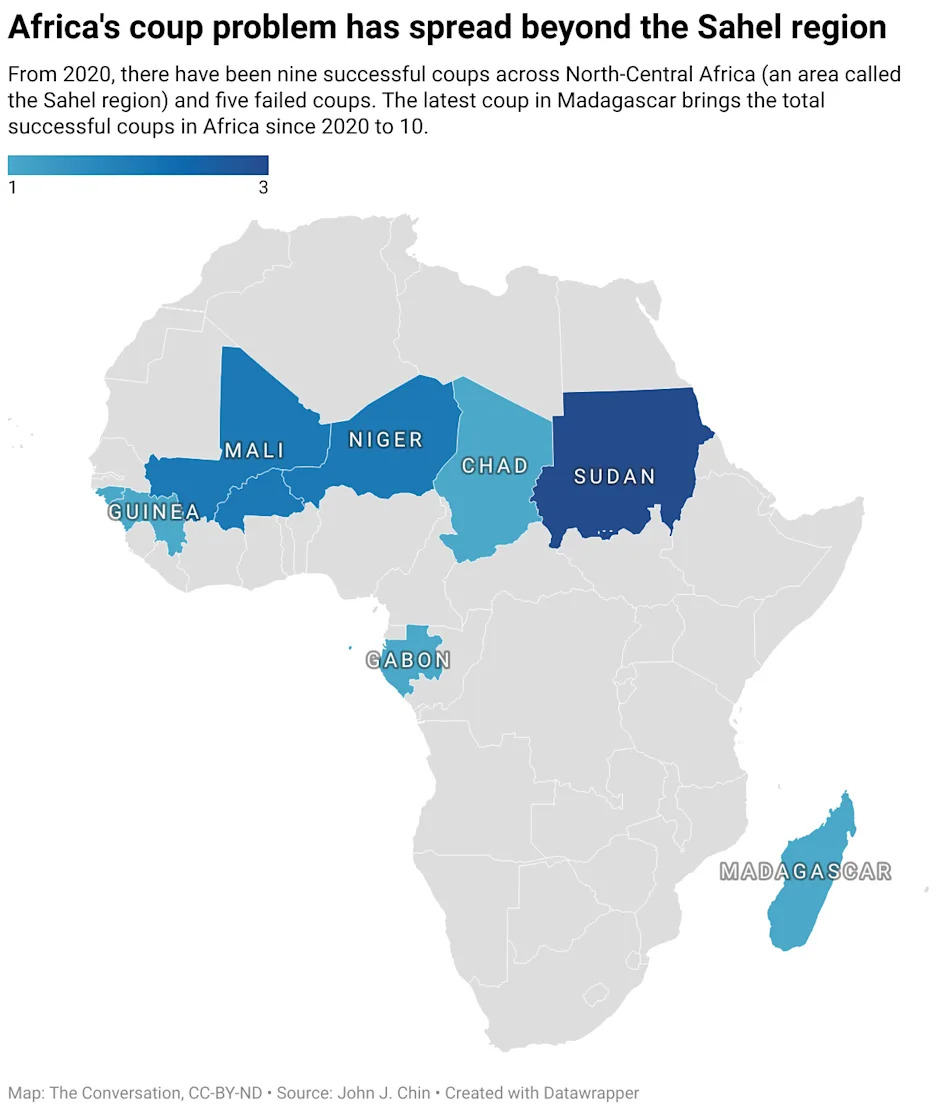
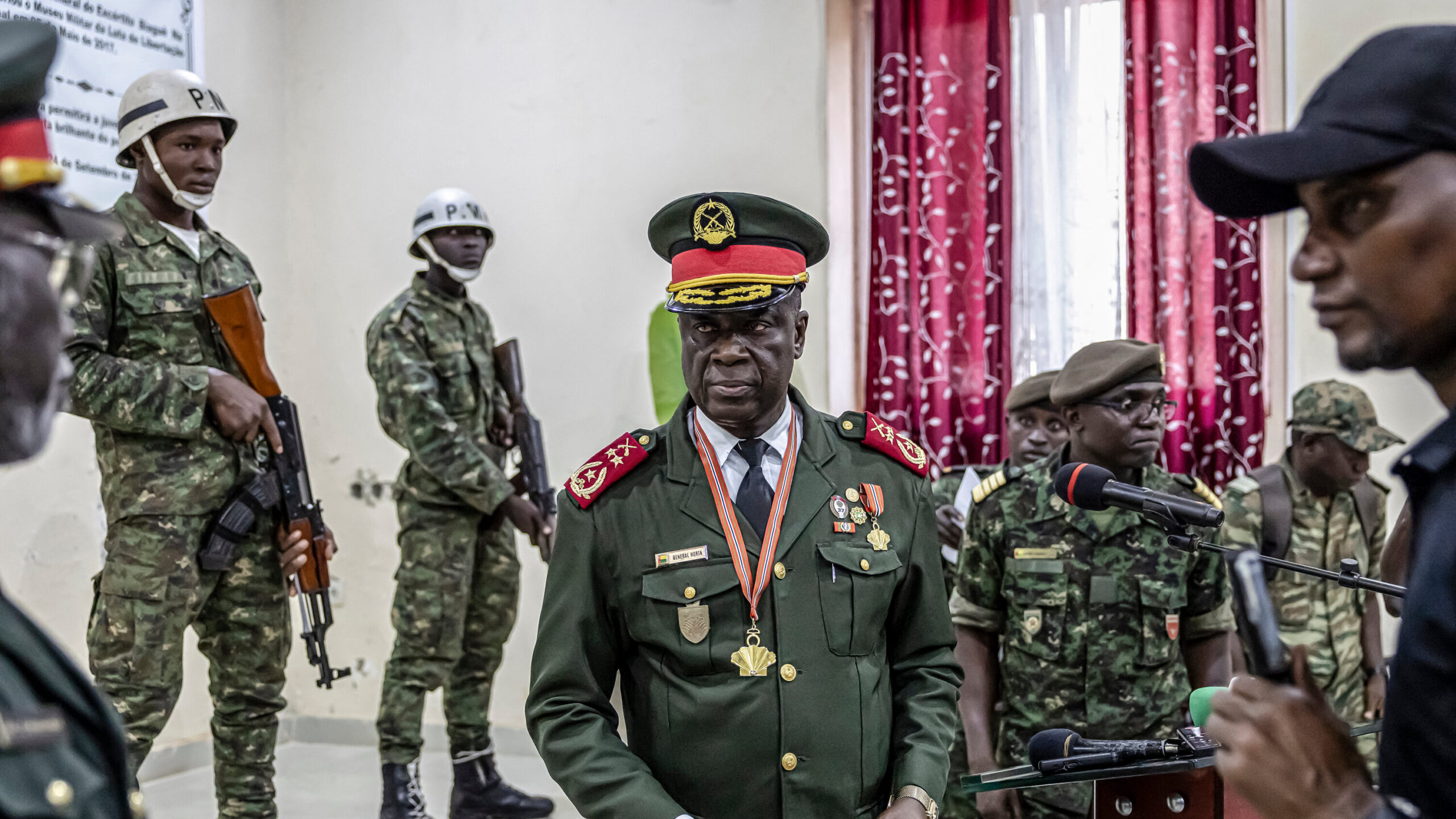
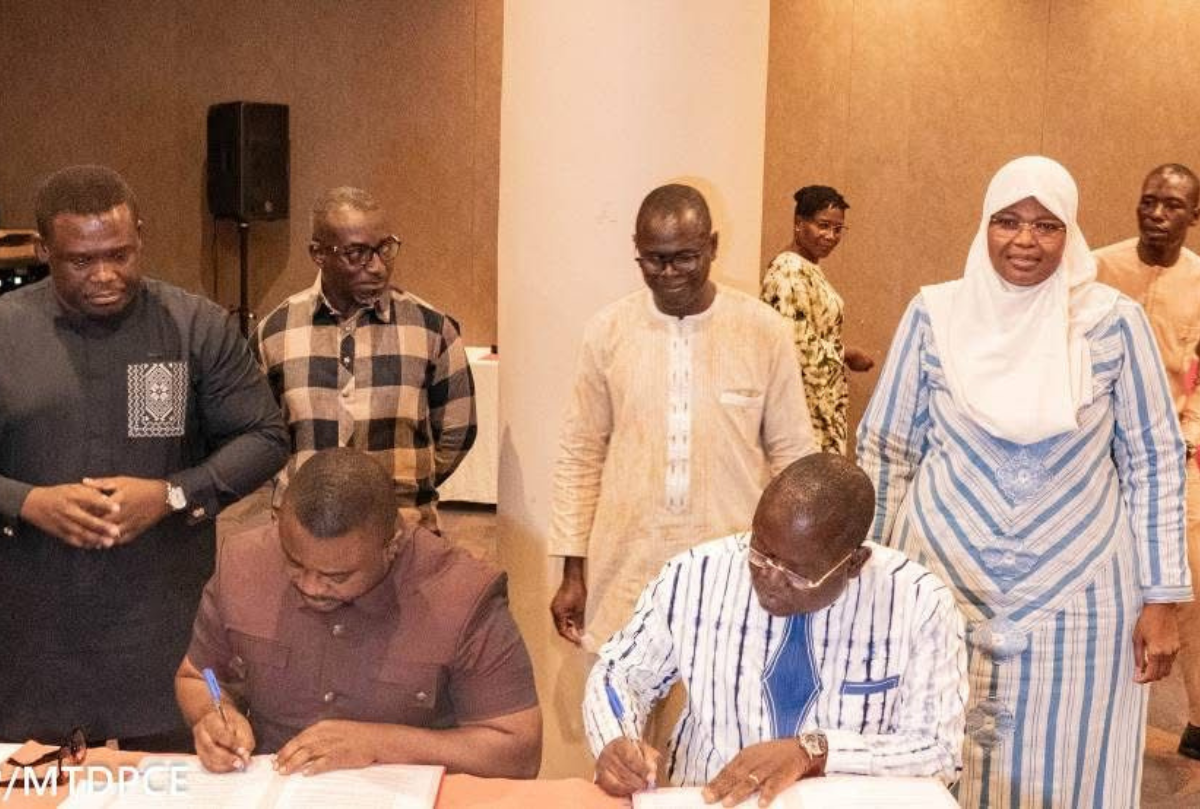
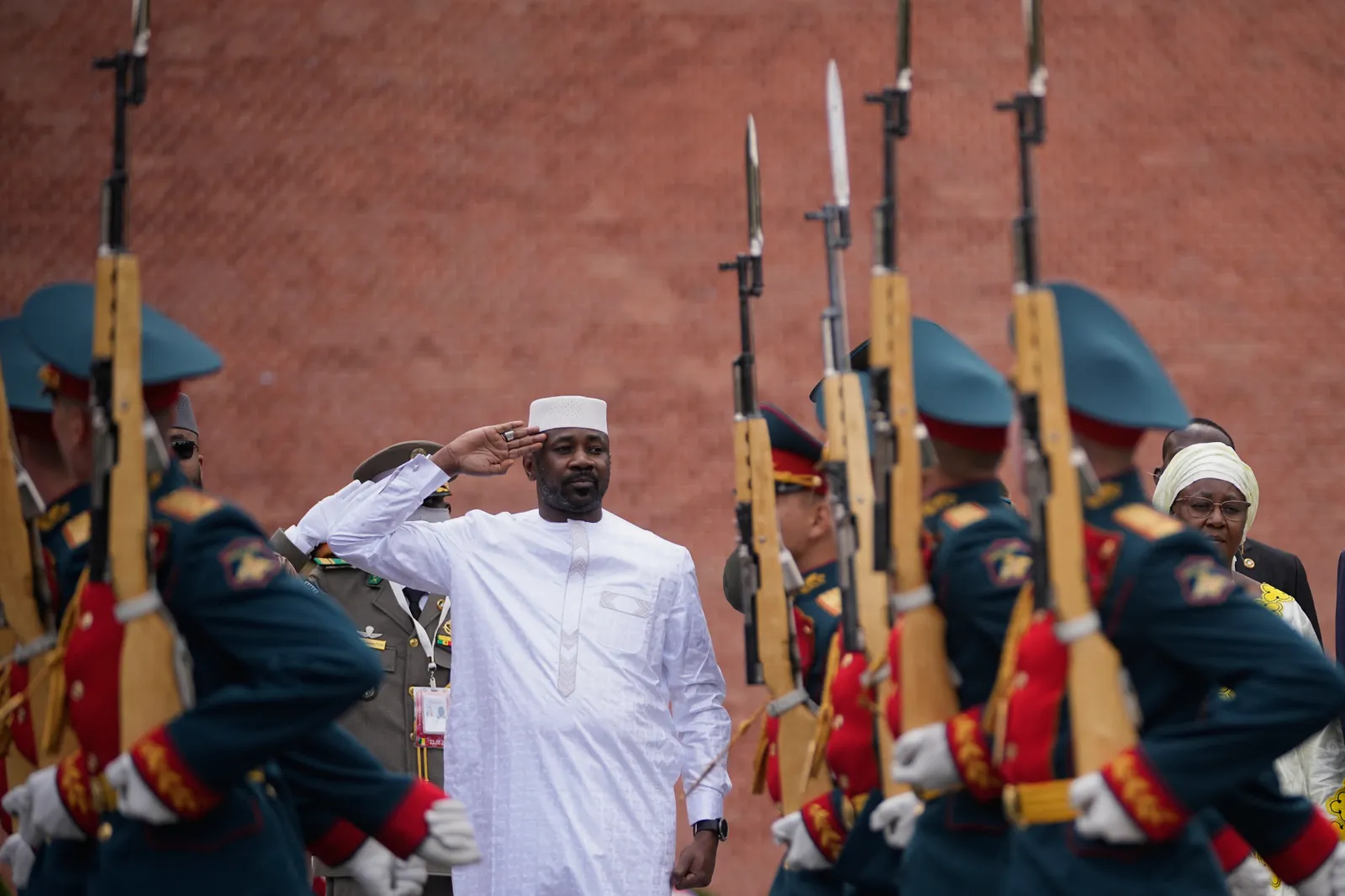
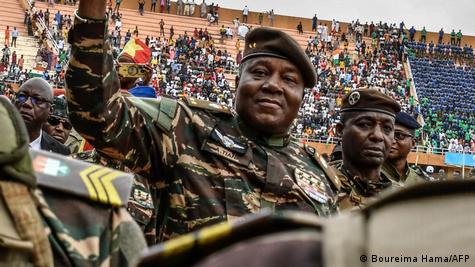
Meanwhile, political tensions simmered in West Africa as Guinea held its first presidential election since the 2021 military takeover. Colonel Mamadi Doumbouya, the veteran soldier turned junta leader, was widely expected to win, but significant concerns about the process’s fairness and the exclusion of prominent political rivals, like former prime ministers Cellou Dalein Diallo and Sidya Touré, along with ousted ex-president Alpha Condé, have cast a long shadow. Many analysts view these polls as Doumbouya’s attempt to secure democratic legitimacy after four years of consolidating power and tightening control over the political space. For Guineans, this election represents a complex mix of hope and profound frustration, with local activists emphasizing the importance of standing firm to assert political rights. The international community is, of course, watching closely, recognizing Guinea as emblematic of the broader challenges facing many African countries where coups have proliferated and democratic norms face persistent stress. But it isn’t all political headwinds. In an encouraging display of economic commitment, Nigeria’s agricultural sector received a monumental boost in 2025, with over 100 billion Nigerian naira in loans facilitated by the Nigeria Incentive-Based Risk Sharing System for Agricultural Lending (NIRSAL) Plc. This non-bank financial institution, owned by Nigeria’s Central Bank, specializes in de-risking agricultural value chains and unlocking crucial capital for agribusinesses. Agriculture, long plagued by insufficient financing and perceived risks, stands to gain immensely from NIRSAL’s innovative credit risk guarantees and risk management tools. By mitigating lenders’ concerns over the unpredictability of agricultural ventures, NIRSAL has enabled financial institutions to expand their portfolios and deploy capital more efficiently, driving both commercial success and developmental impact. As NIRSAL’s Managing Director pointed out, while capital exists to transform Nigeria’s agriculture, inherent risks have historically deterred lending. NIRSAL’s intervention effectively bridges this gap, empowering farmers and agribusinesses to scale operations, optimize production, and integrate into robust value chains. This financial inclusion push could be truly transformative, boosting food security and economic growth in Africa’s most populous country, boosting Nigeria’s agricultural sector significantly.
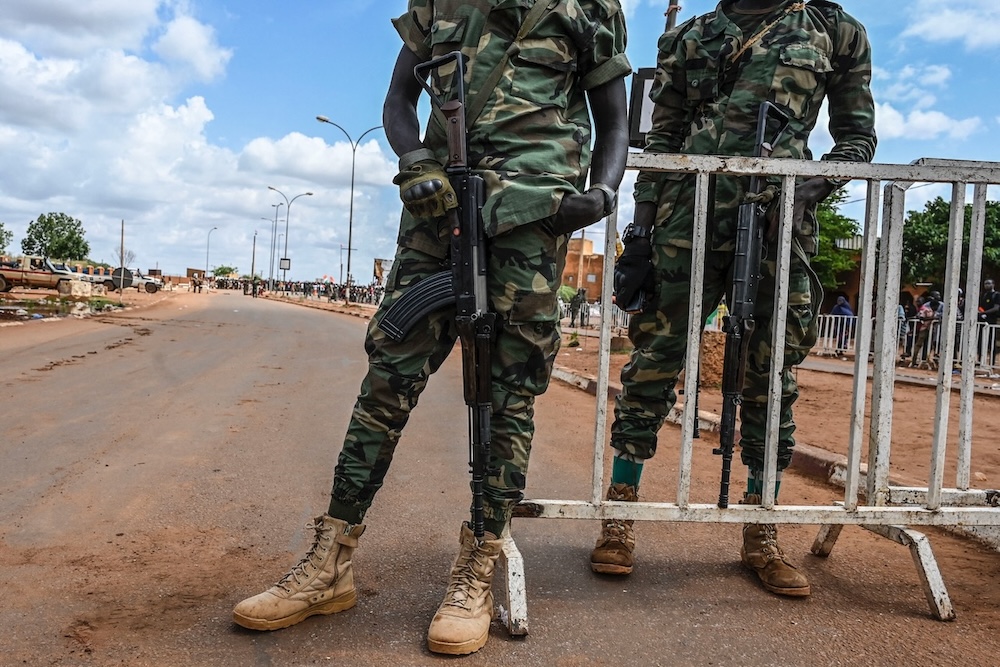
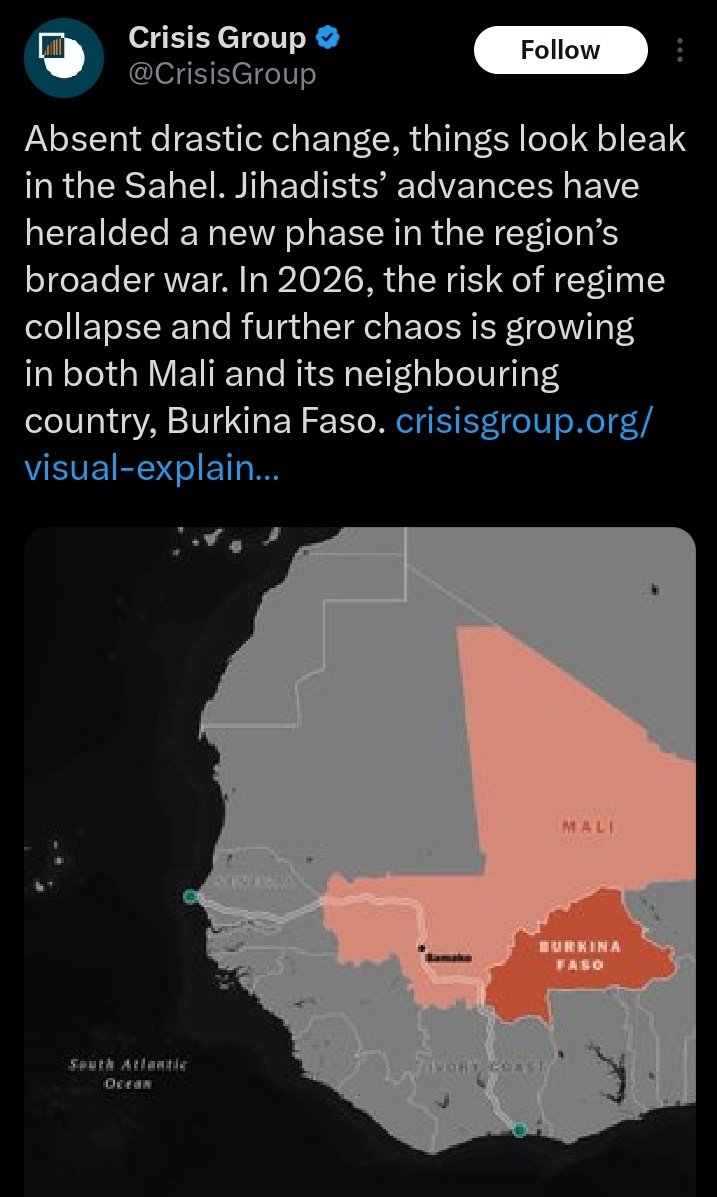
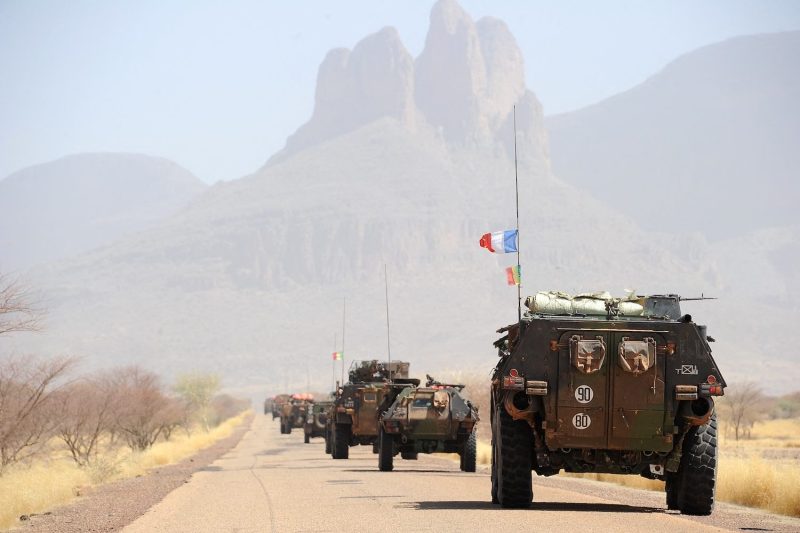
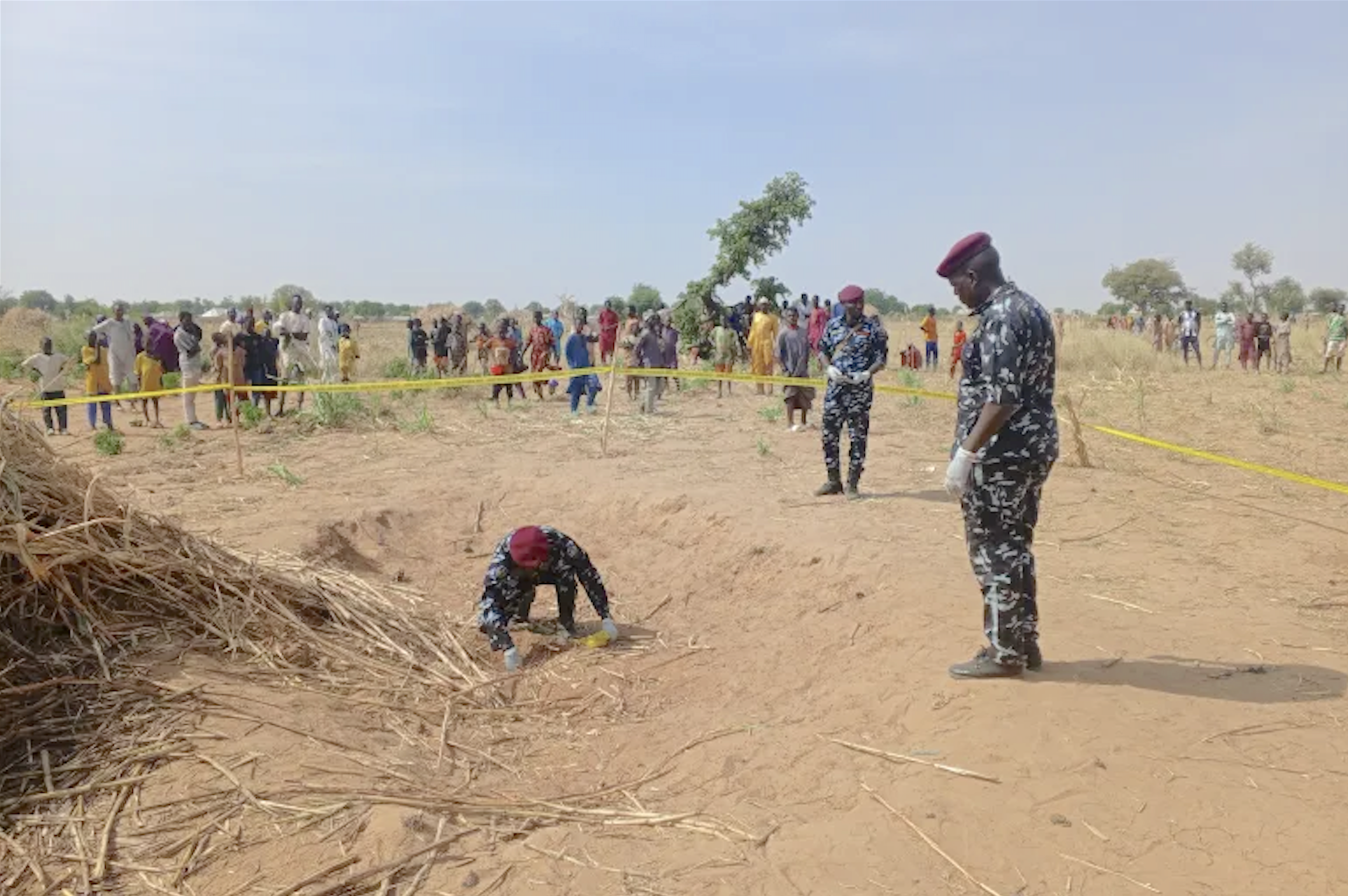
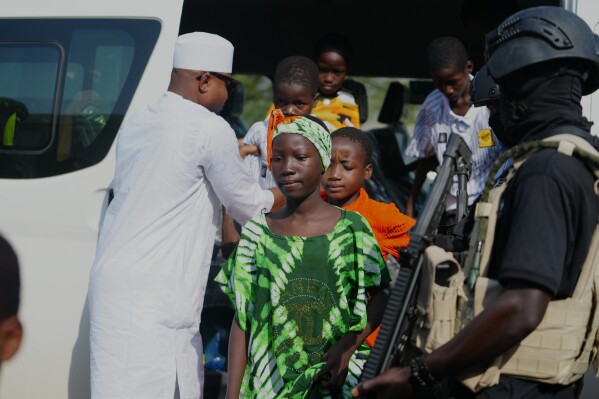
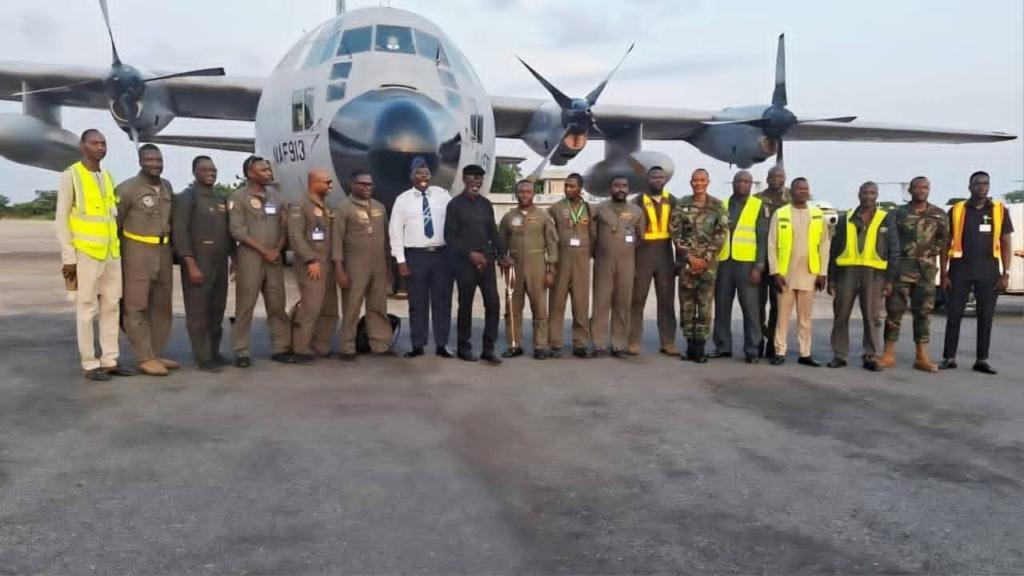
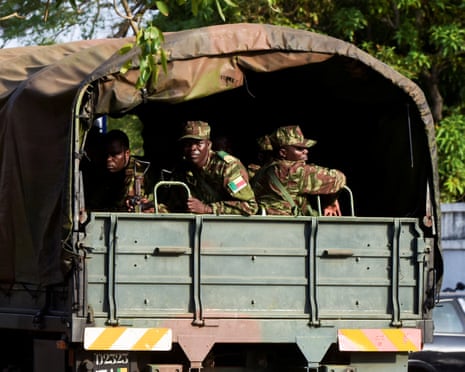
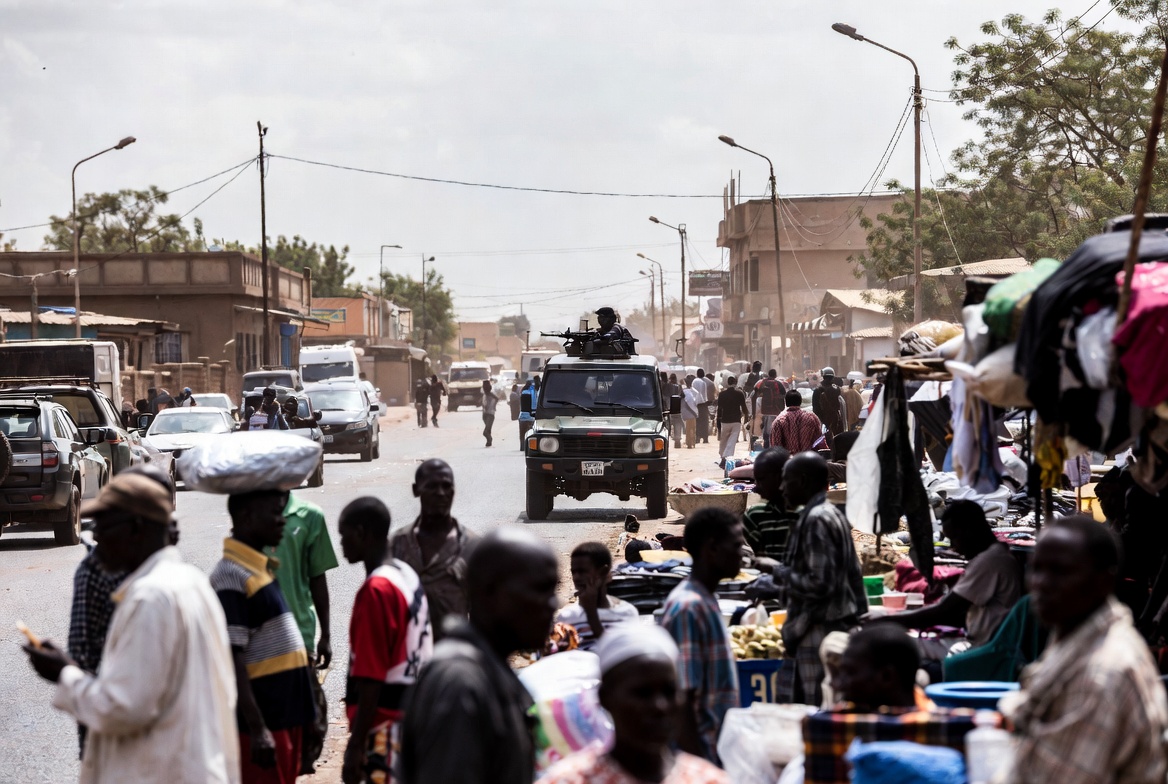
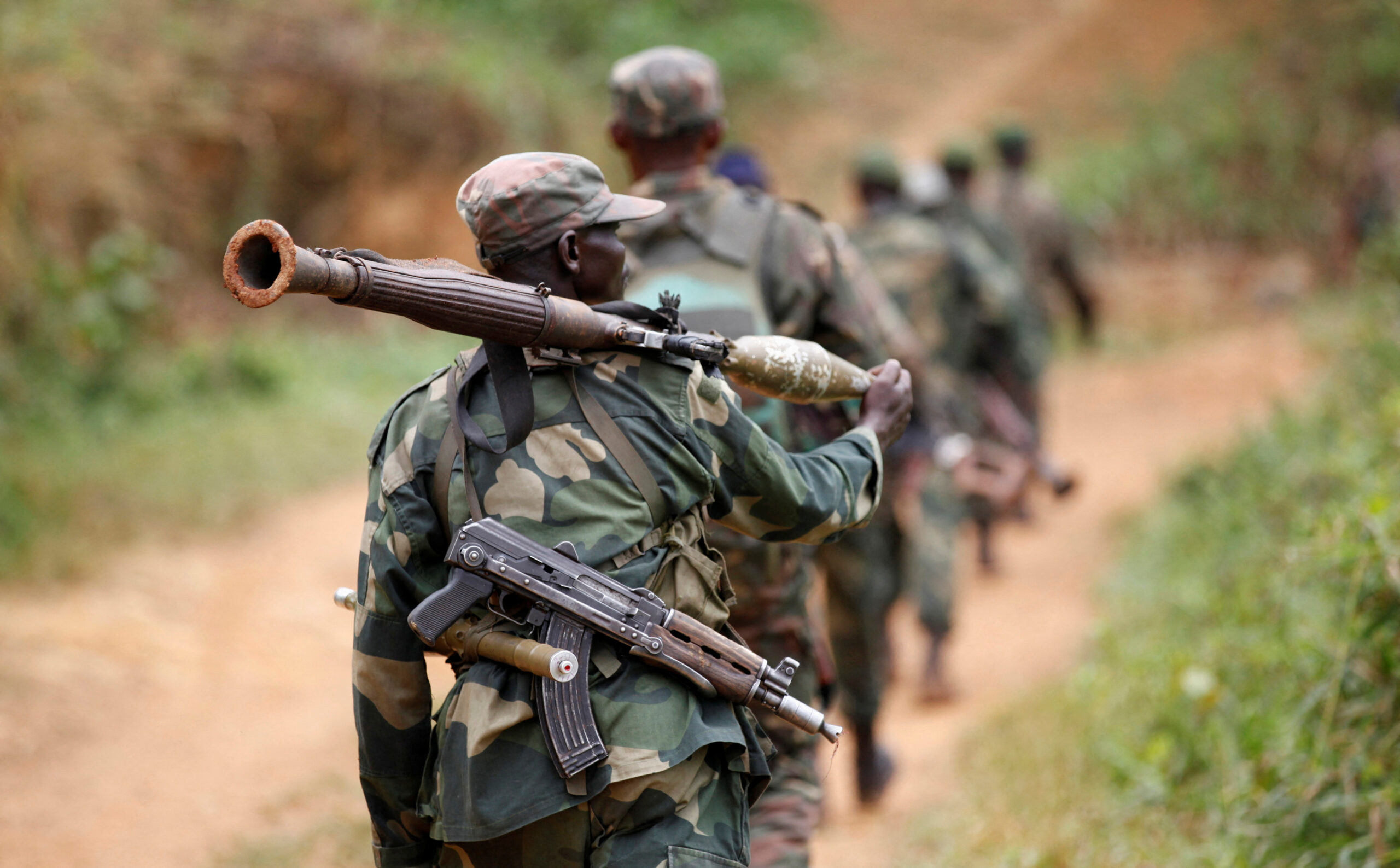
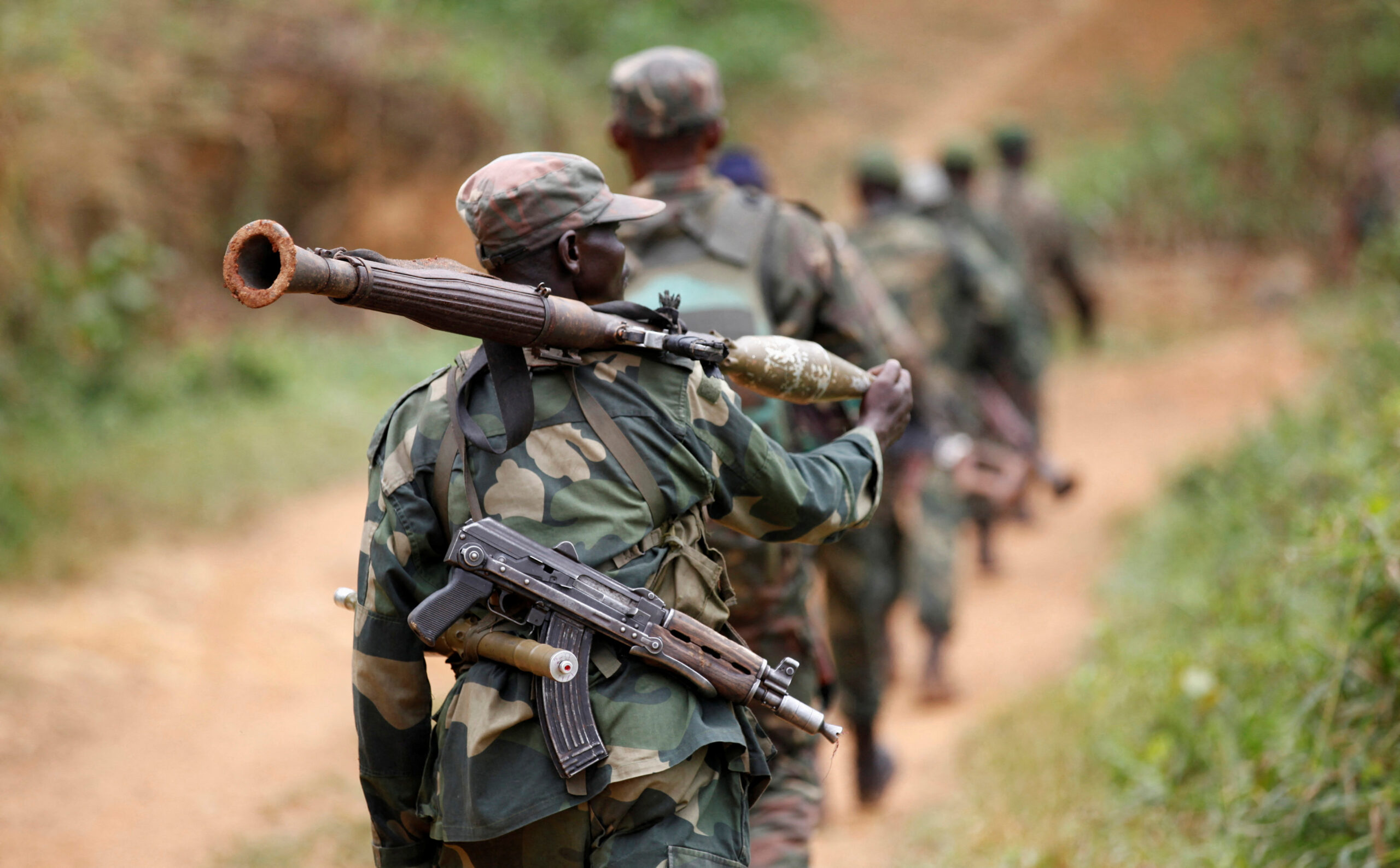
However, no discussion of West African progress would be complete without acknowledging the persistent, complex security realities that often cast long shadows. Recent US military strikes against ISIS-affiliated militants in northwest Nigeria, for instance, sparked critical discussions about the ongoing threat of violent extremism in the region. Experts note that while ISIS doesn’t control territory there, the threat remains very real and continues to pose serious challenges to regional stability. This pervasive context underpins many of the governance and integration efforts we’re seeing, including Niger’s biometric reforms, which aim to bolster administrative efficiency and state control, as well as Nigeria’s agricultural financing strategies, designed to build economic resilience in areas often troubled by instability. As 2025 closes, these intertwined narratives of political assertion, technological modernization, economic empowerment, and persistent security challenges offer a compelling snapshot of Africa’s evolving landscape. From Niger’s biometric identity initiative, which underscores a growing trend of regional cooperation through innovative institutions like the AES, to Guinea’s contentious elections, exposing ongoing struggles for democratic governance under military influence, and Nigeria’s agricultural finance breakthrough, suggesting new avenues for economic transformation rooted in inclusive financing. The road ahead will undoubtedly be complex, but the clear momentum signals an Africa determined to reinvent its institutions, strengthen vital regional bonds, and forge truly sustainable growth pathways. Stakeholders across the continent and beyond will be watching keenly to see how these developments unfold in 2026 and shape the future fortunes of societies in the Sahel, the broader West Africa’s political landscape, and indeed, the entire continent. You can learn more about Guinea’s recent presidential election from ongoing reports.