Africa’s Startup Moment, and the Infrastructure Push Behind a $3 Billion Year
The Funding Rebound with Real Substance
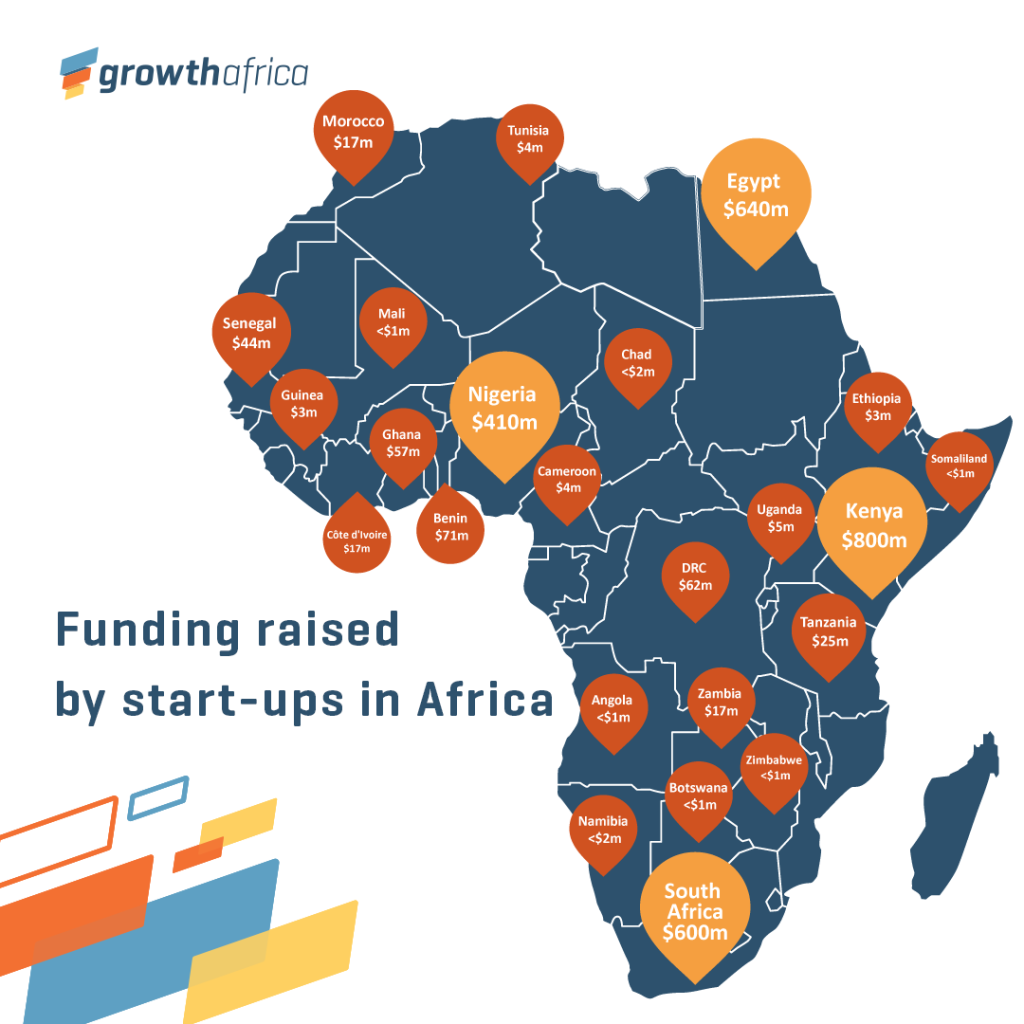
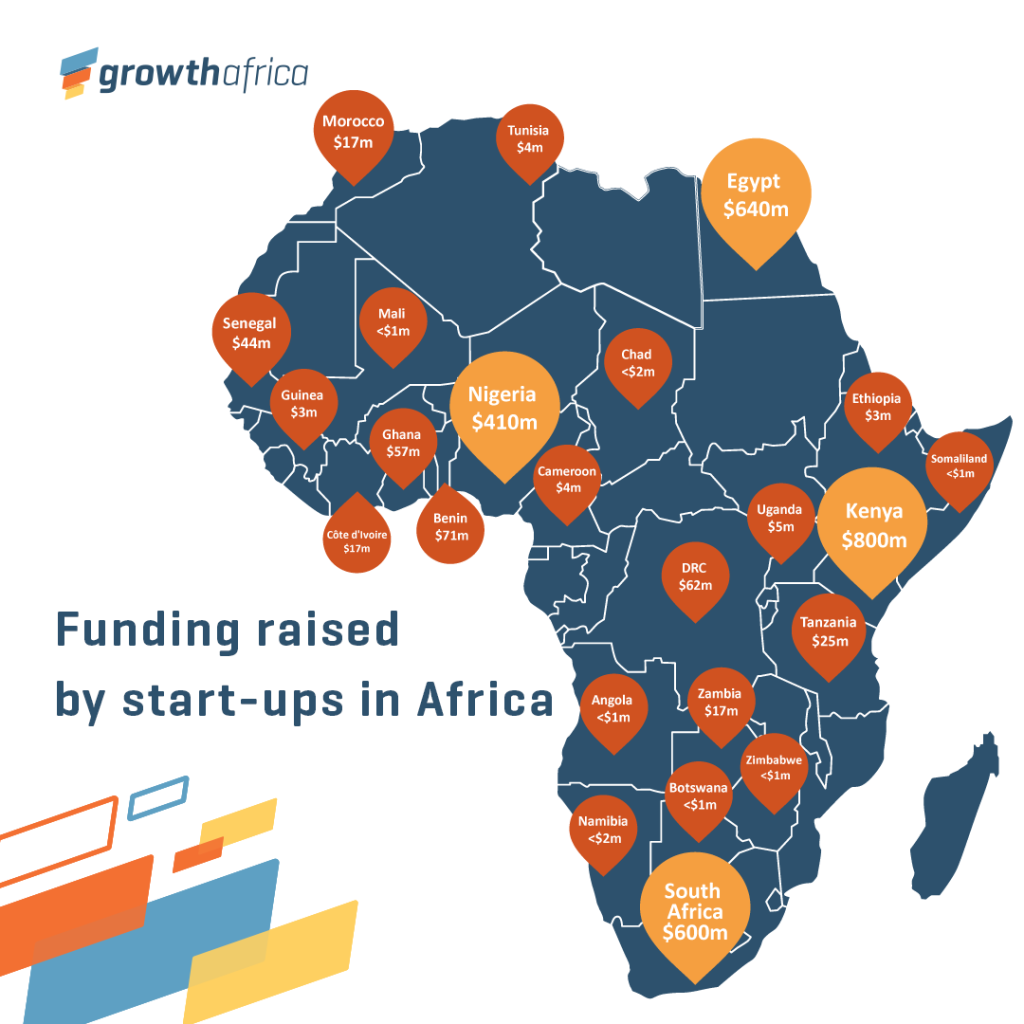
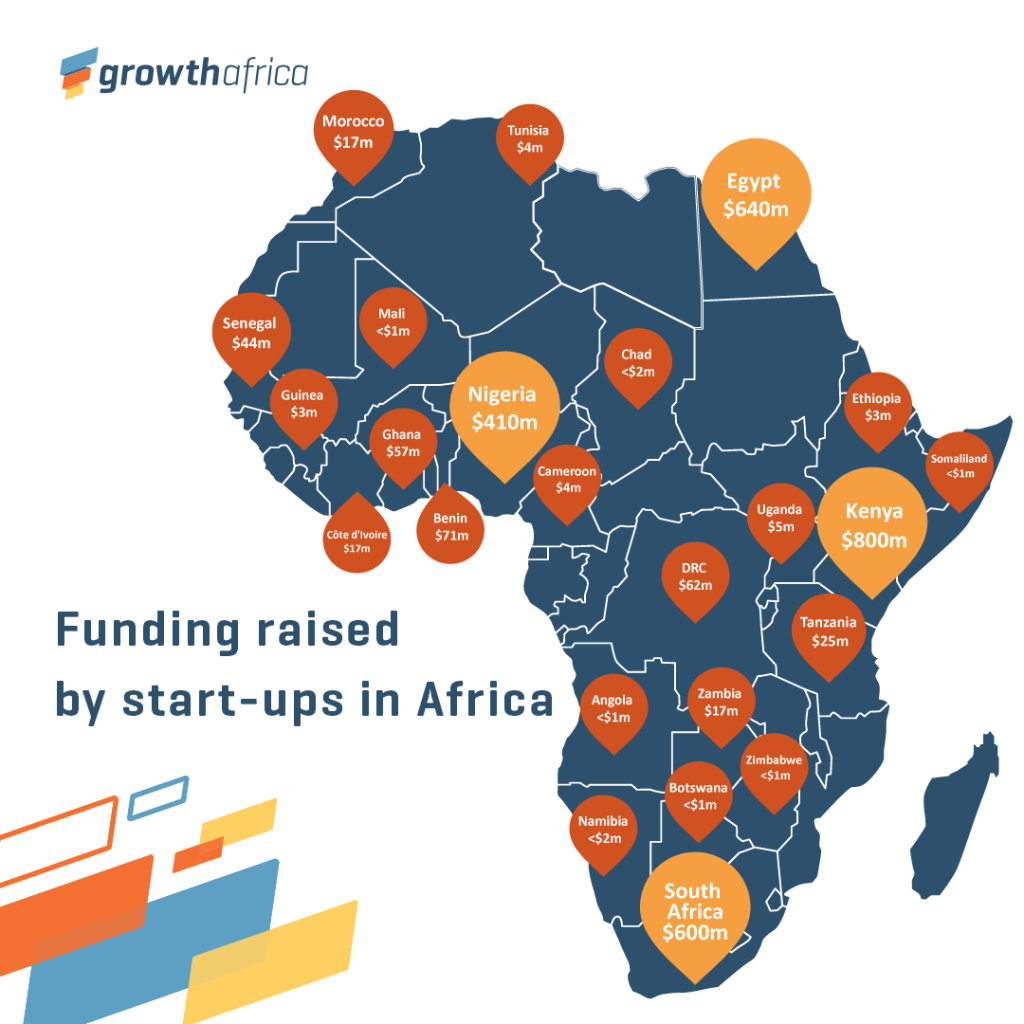
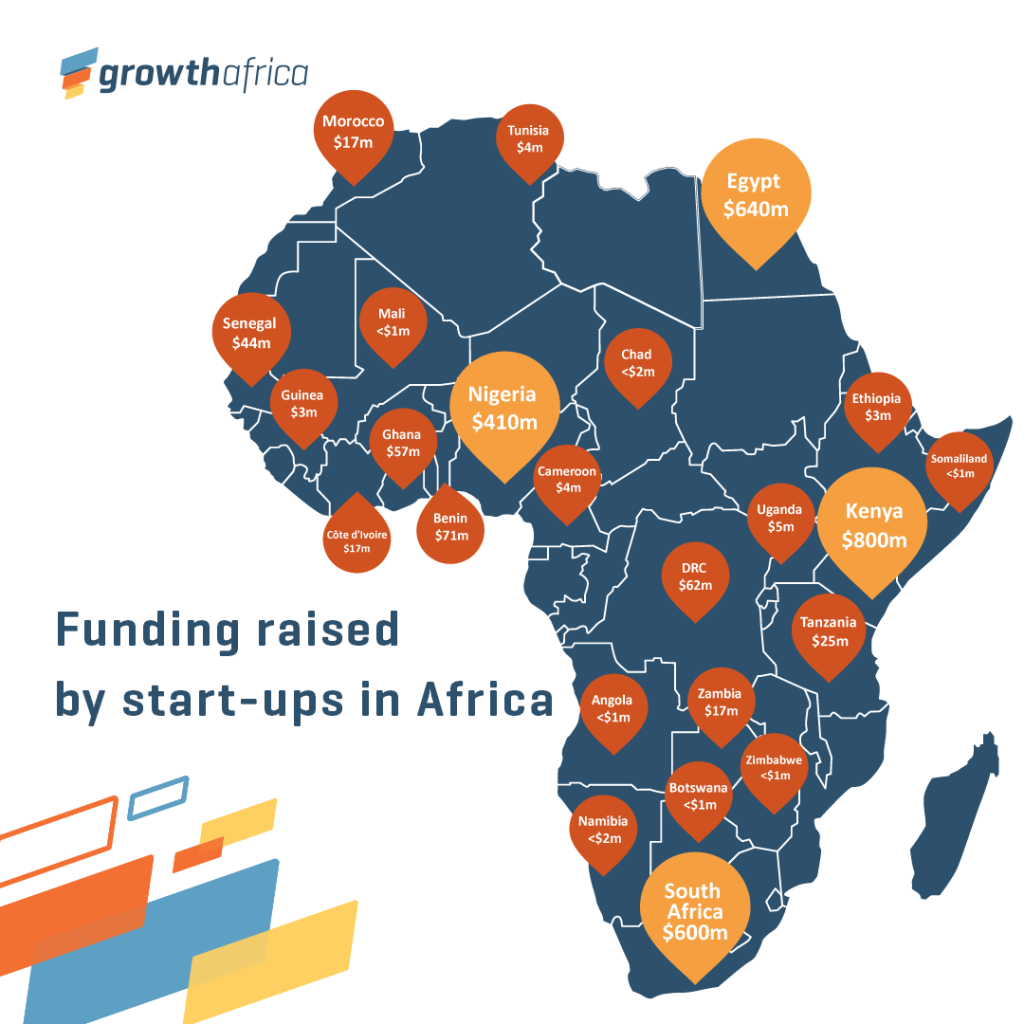
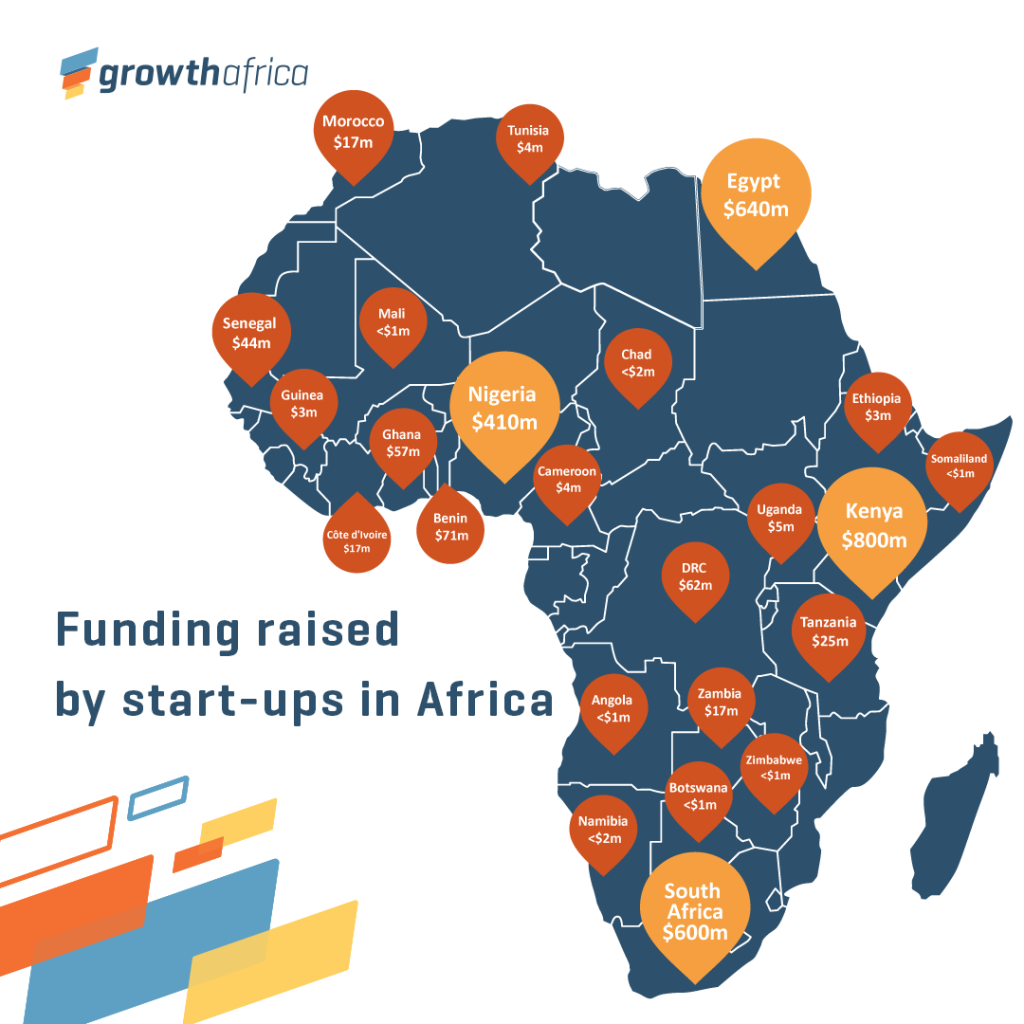
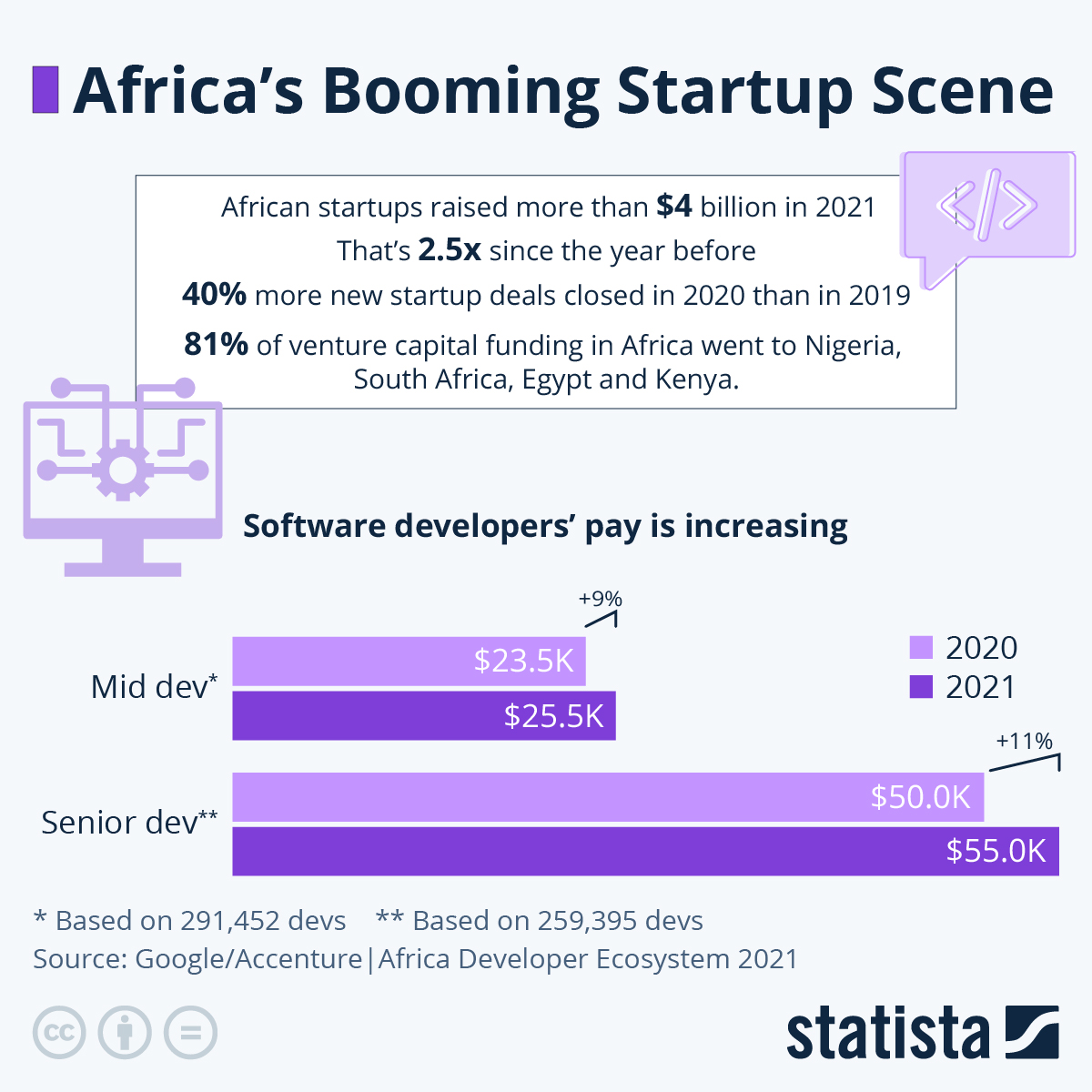
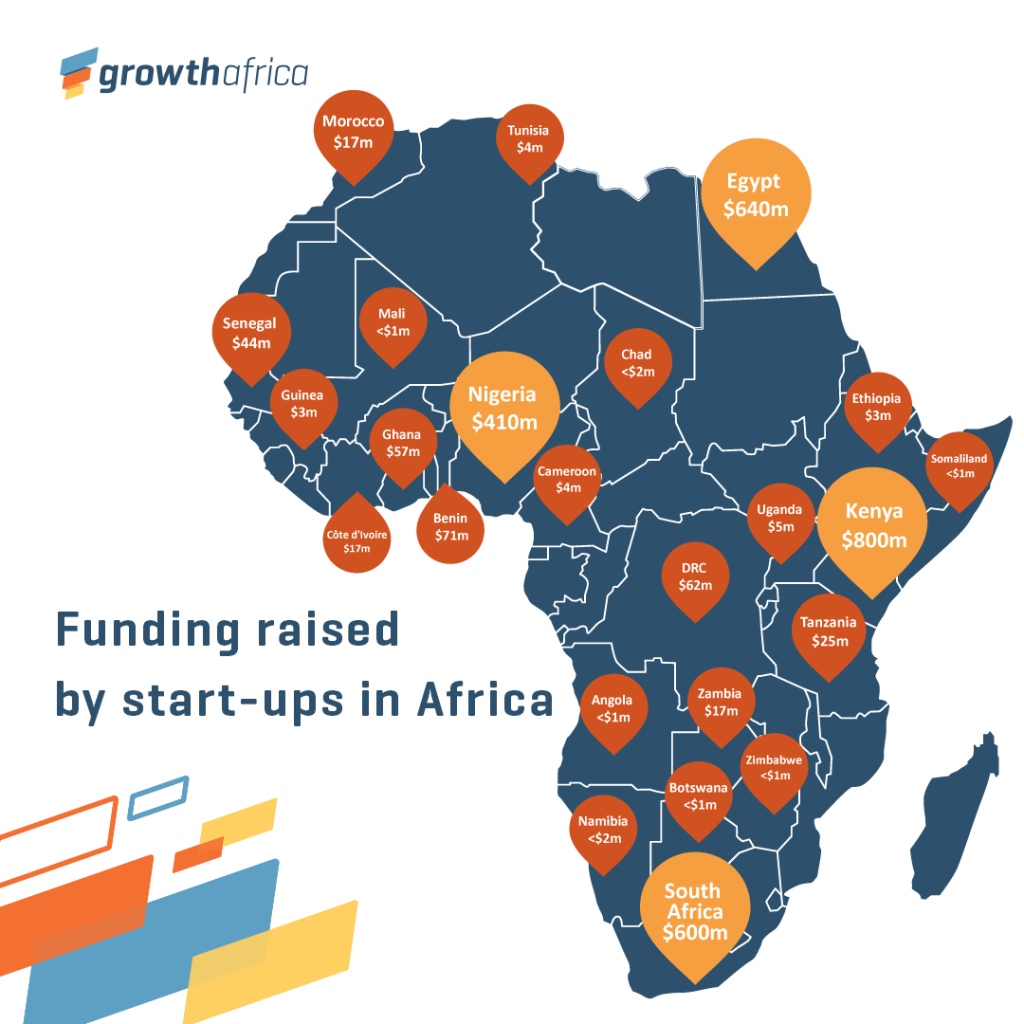
African tech entrepreneurs didn’t just bounce back in 2025, they built momentum with purpose. After two tough years that saw funding drop by 35 percent in 2023 and keep falling in 2024, startups across the continent crossed a symbolic threshold, attracting roughly $3 billion in disclosed funding. That’s a 33 percent increase year on year, and it didn’t come from a handful of megadeals. Instead, the recovery spread across 32 ventures securing at least $100,000 and 16 receiving $1 million or more. Even November stood out with about $162 million deployed, mainly as equity, ranking among the stronger months. These numbers matter because they reflect a real shift in investor thinking. Dealmakers now ask for clearer paths to profit and scale, and founders respond with business models that solve measurable problems for customers instead of relying on subsidies. That scrutiny sharpens the whole ecosystem, nudging capital toward firms that demonstrate real traction in actual markets. You can see more about this record growth in our coverage, and Business Insider Africa details the full $3 billion funding milestone.
From Lists to Leaders: Solving Local Problems
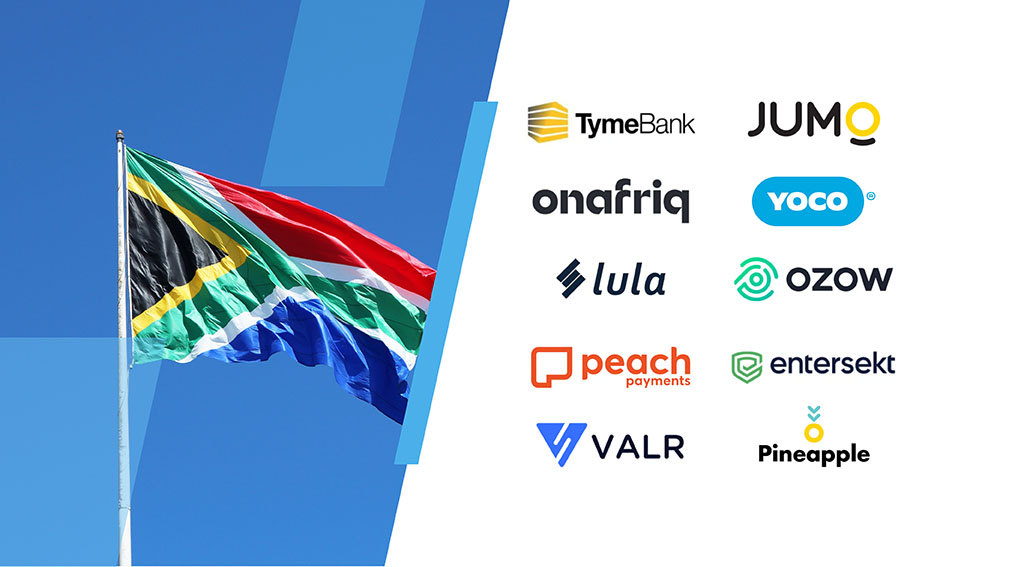
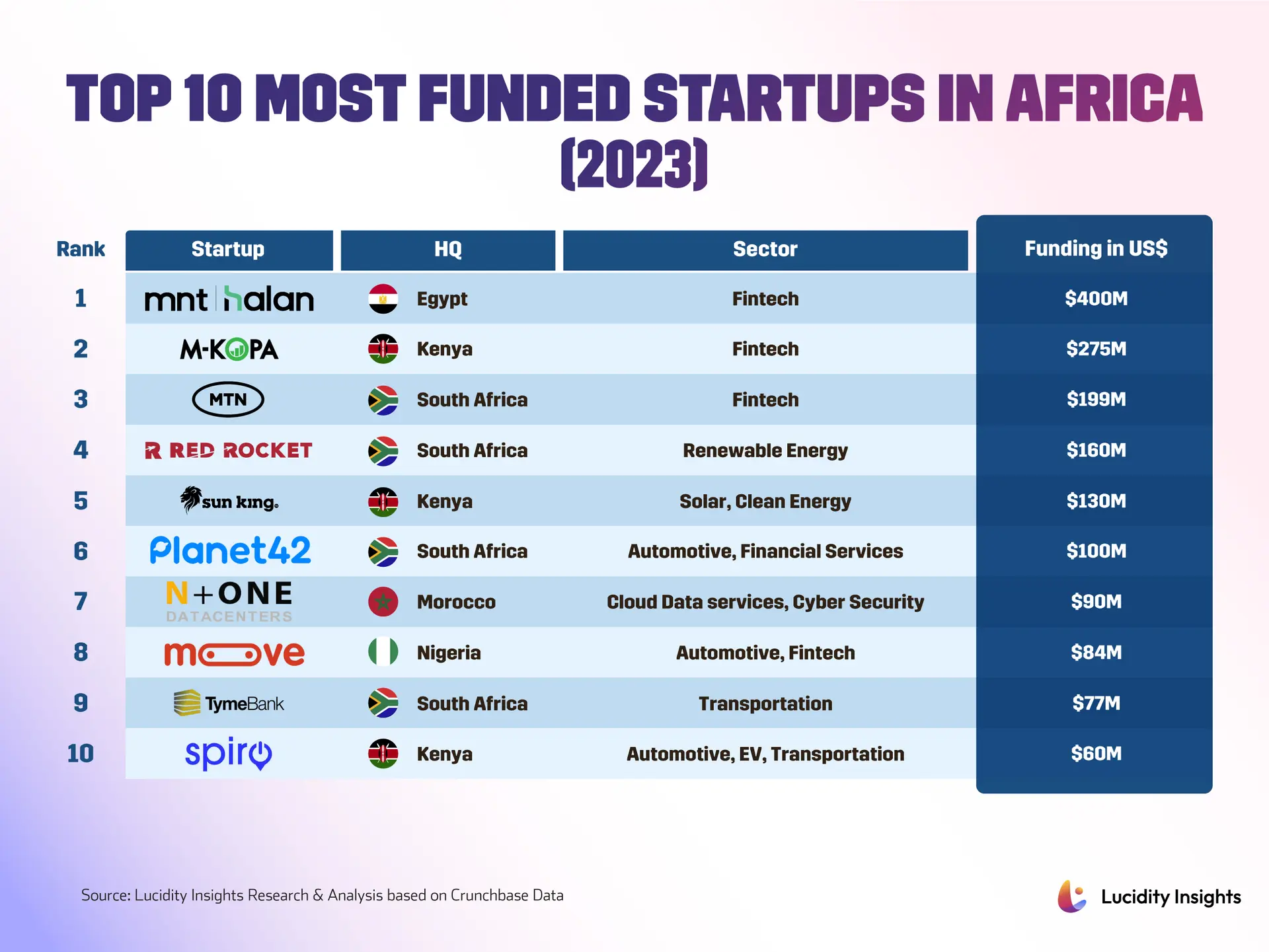
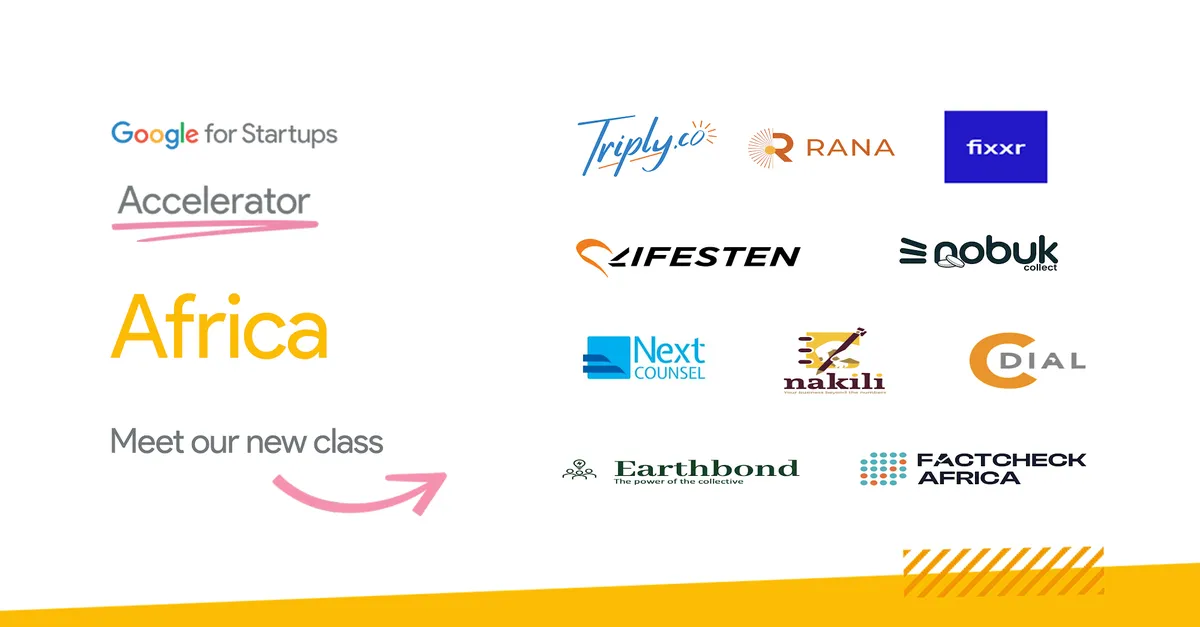
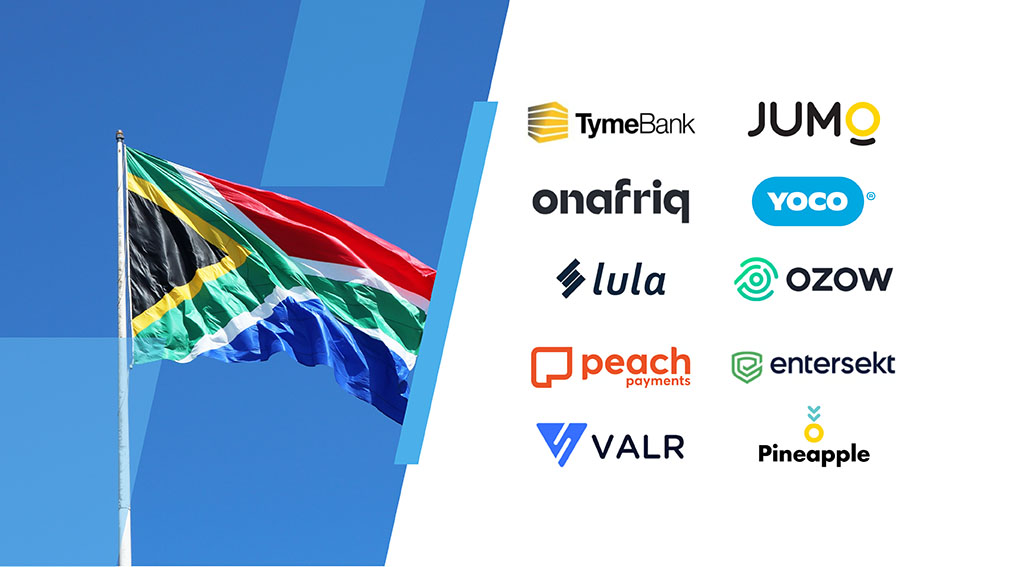
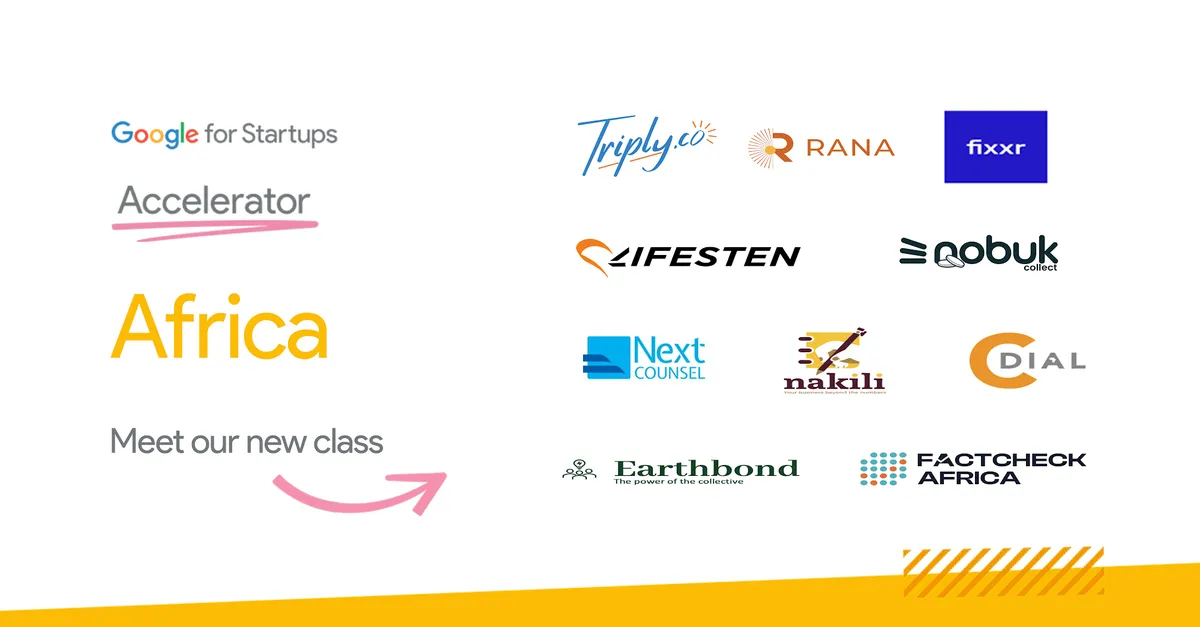
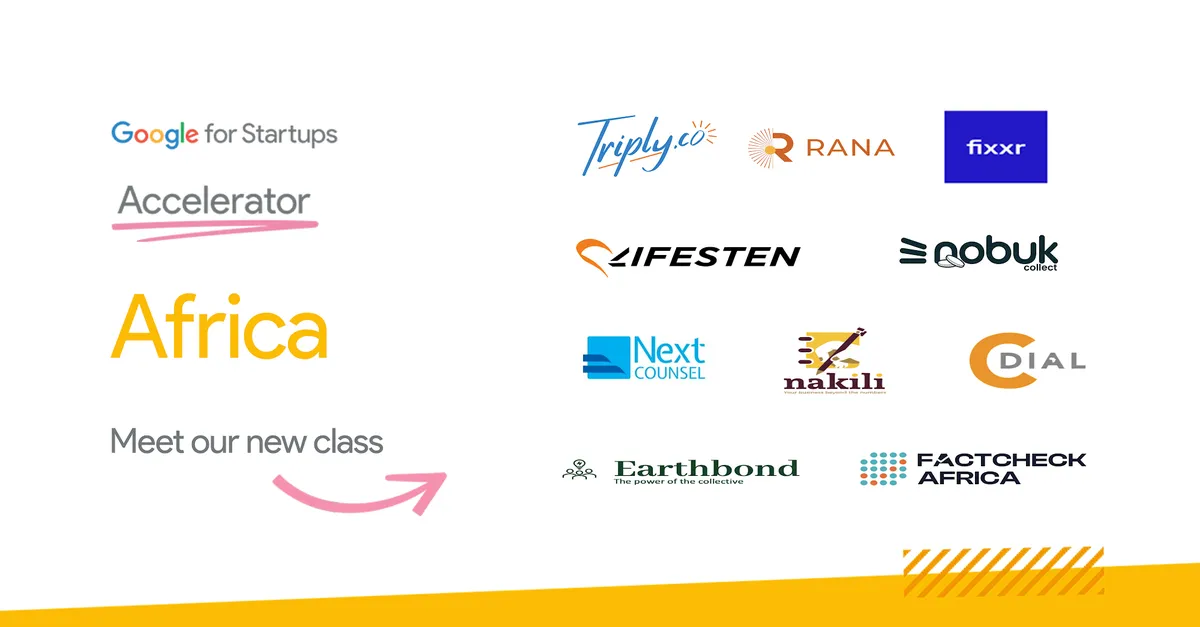
The startups grabbing attention in 2025 aren’t chasing novelty for its own sake. They’re building payments rails where cash still dominates, streamlining supply chains for agribusiness, digitizing primary care, and offering data services that help small firms and governments make better decisions. Industry mappings published this year, including lists of Africa’s 20 most promising startups and rankings of the continent’s top companies to watch, spotlight firms tackling long standing bottlenecks. The result is a clearer pipeline for later stage investment. Early stage players that prove unit economics and regulatory viability become candidates for growth rounds. Meanwhile, sector focused investors discover that returns can come from addressing the continent’s basic infrastructure deficits rather than retrofitting foreign models. This practical approach represents what we’ve called Africa’s tech renaissance, and publications like Seedtable have identified the best startups in Africa driving this change.
Cloud, AI and What Comes Next
Another force reshaping the landscape comes from global technology partners offering cloud computing and artificial intelligence as platforms for local innovation. Chinese firms, including a collaboration between Huawei and DeepSeek, pitch cloud and AI services tailored to African startups. These partnerships can lower technical barriers by providing developers with managed infrastructure and prebuilt models, accelerating time to market for founders without large engineering teams. But they also raise questions about data governance, vendor dependence and national digital sovereignty. African companies and regulators increasingly weigh the benefits of faster innovation against the need to keep control over sensitive information and build local capacity. As funding returns, so does tougher investor scrutiny. The days of abundant capital for broad experimentation are fading. Investors now demand clearer metrics, realistic burn rates and paths to profitability. That discipline is healthy for the ecosystem. It means capital flows more likely to startups that can sustain themselves, scale across borders and attract follow on funding. If 2025 was a year of regained confidence, the test for 2026 will be execution and consolidation. Will increased investment translate into sustainable businesses that create jobs and deliver improved services at scale? Will strategic partnerships with global cloud and AI providers strengthen local ecosystems or lock governments and companies into external dependencies? The answers depend on the quality of founders, investor discipline and policy choices by African governments. For now, the picture offers cause for cautious optimism. More capital reaches the continent, and clearer success stories emerge, built on solving everyday infrastructure problems. The coming year will be about turning those promising beginnings into durable companies that can power the next phase of Africa’s digital renaissance.