Africa’s Year of Tumult and Triumph: Politics and Sport Reshape the Continent
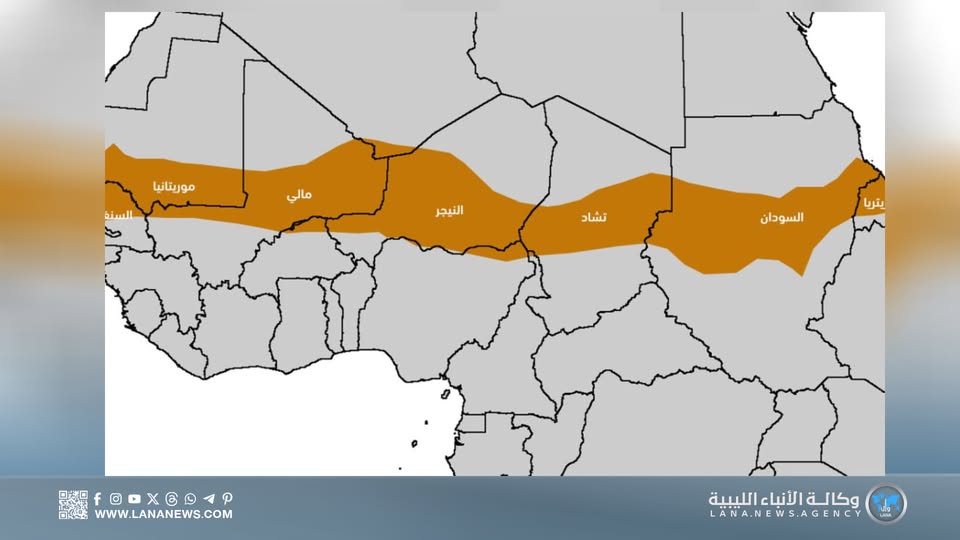
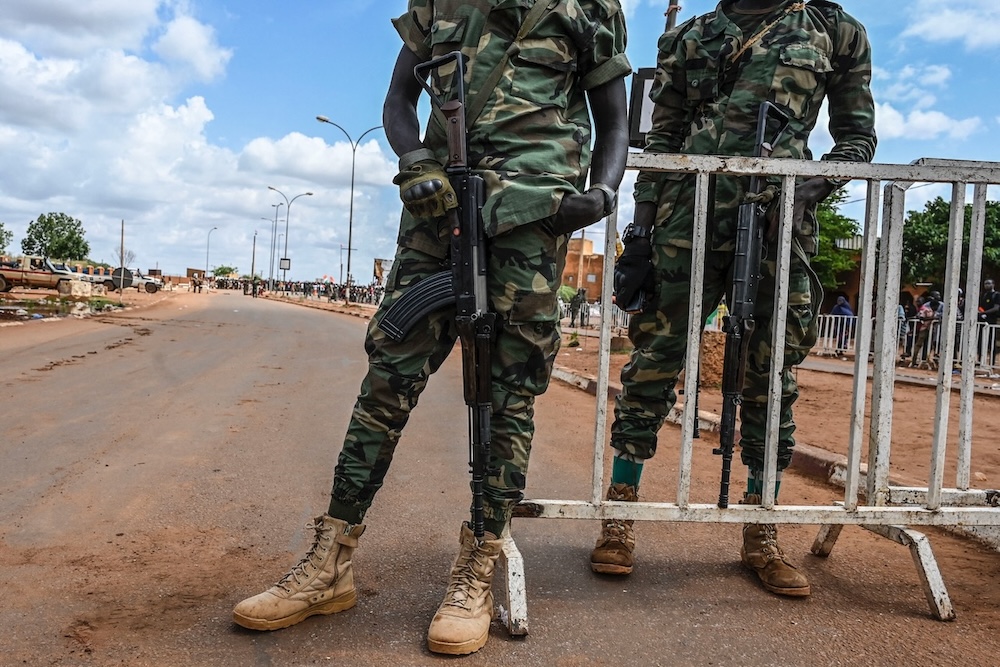
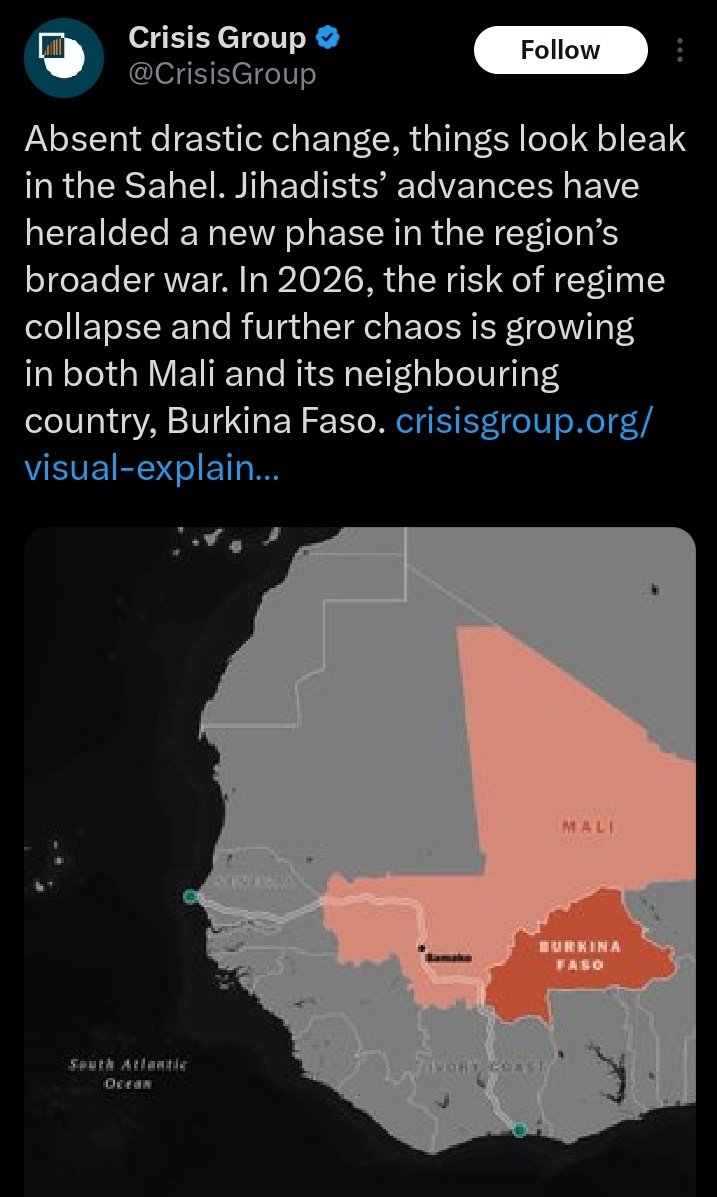
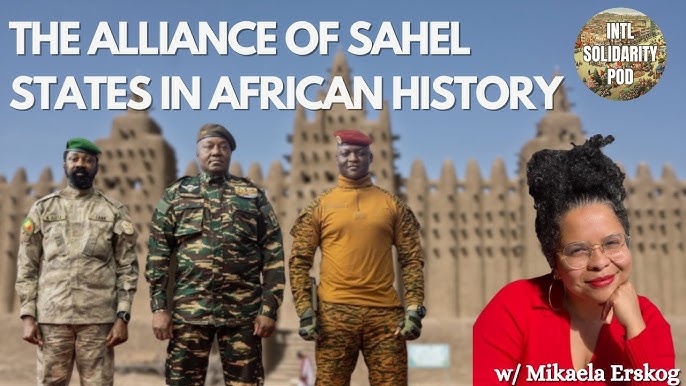
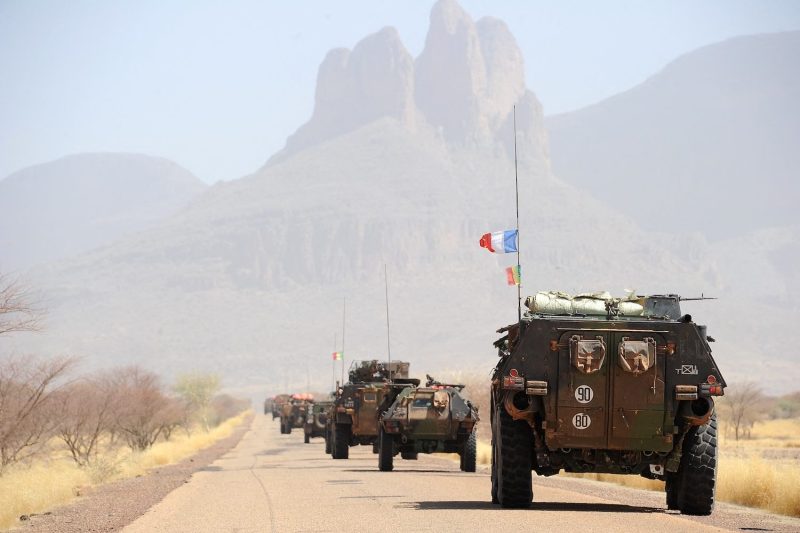
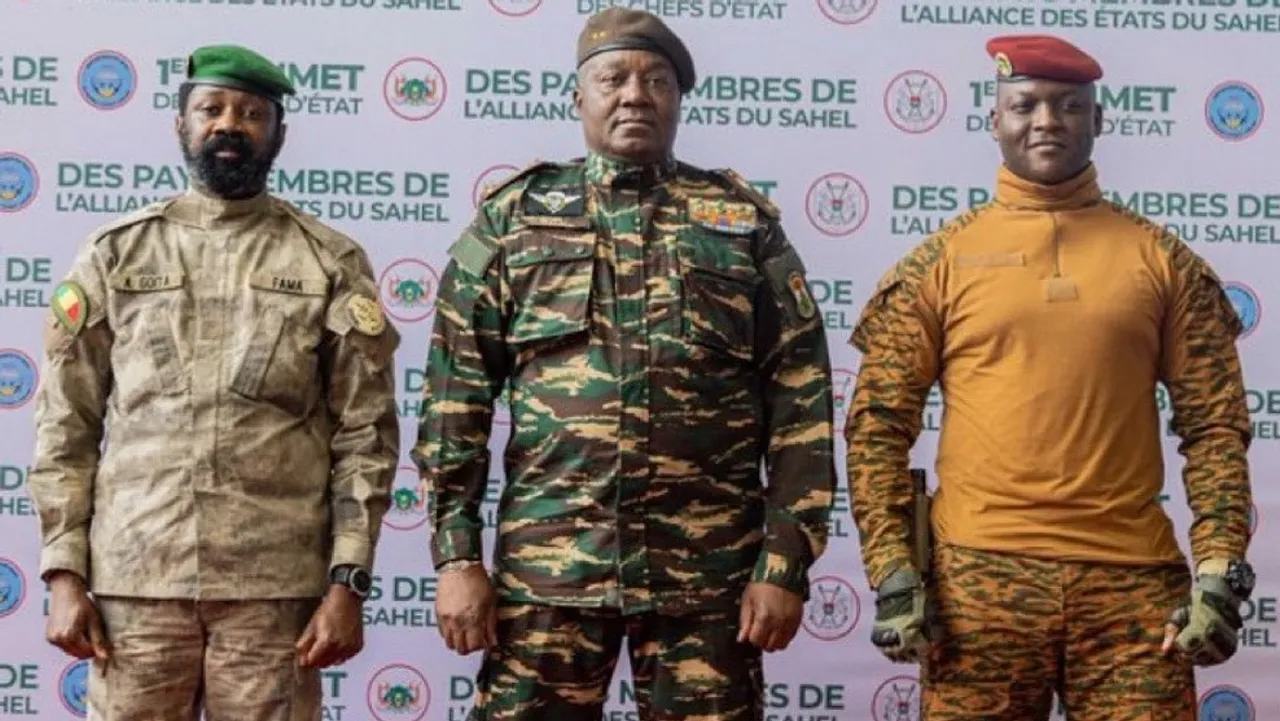
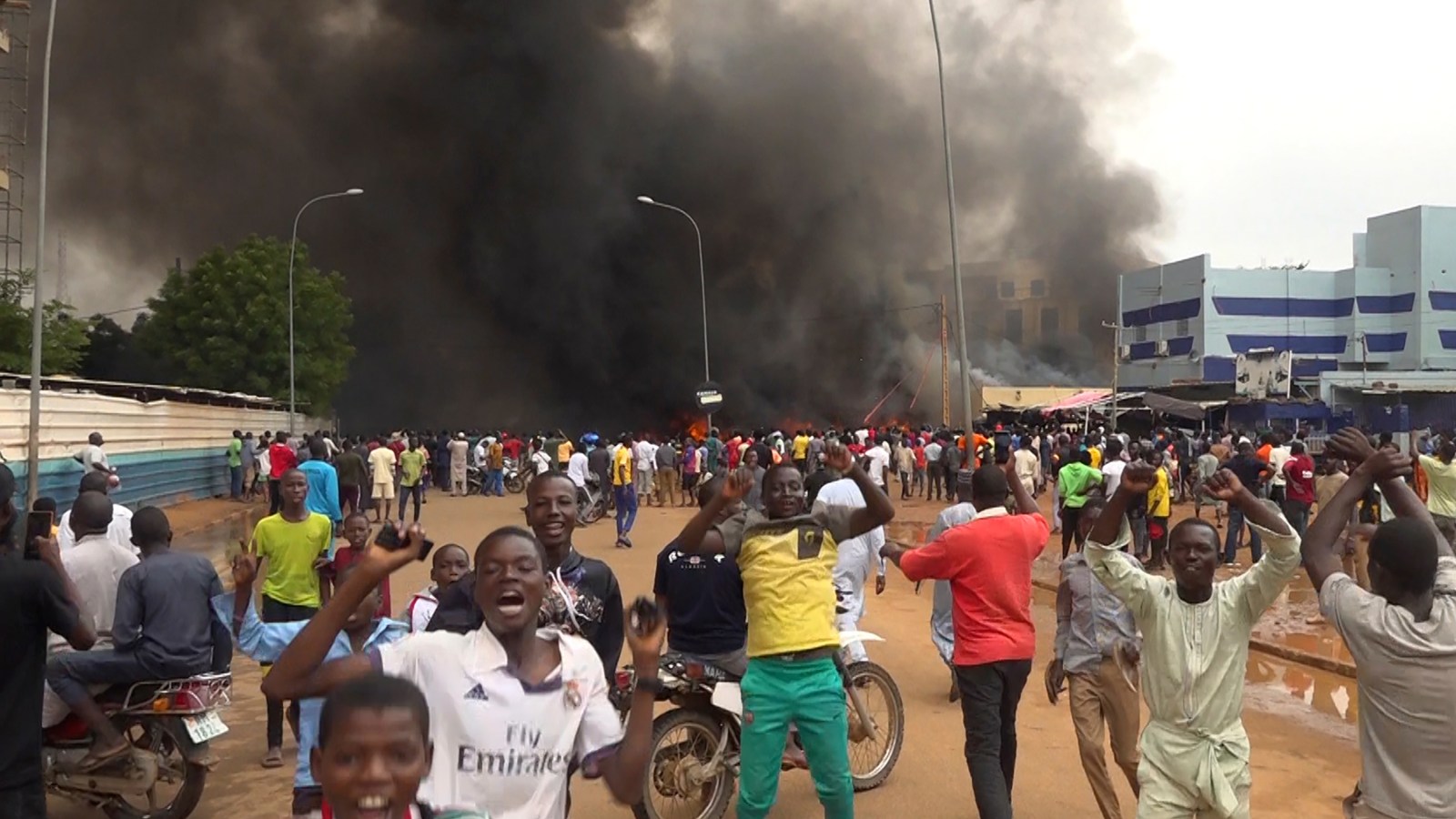
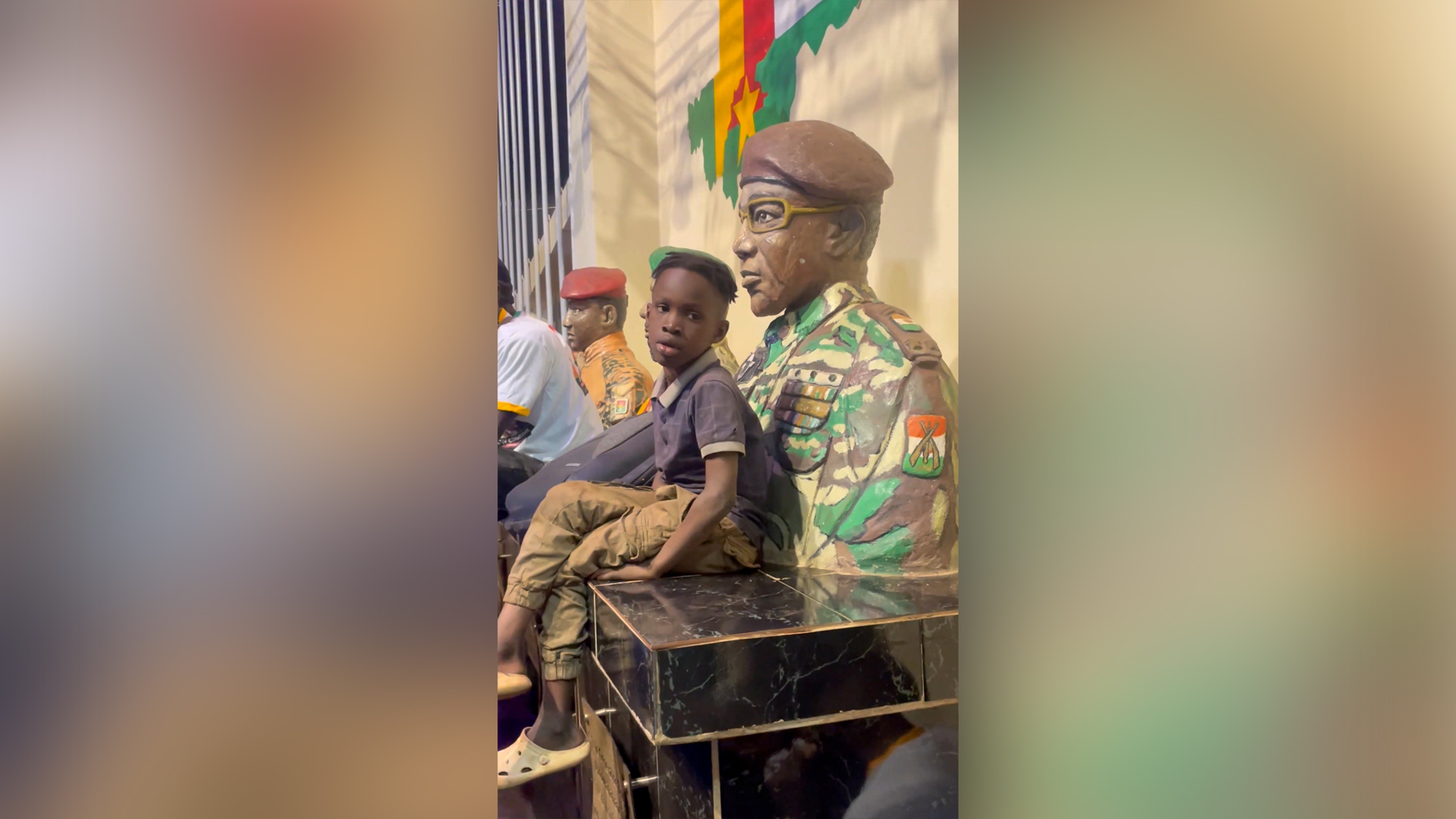
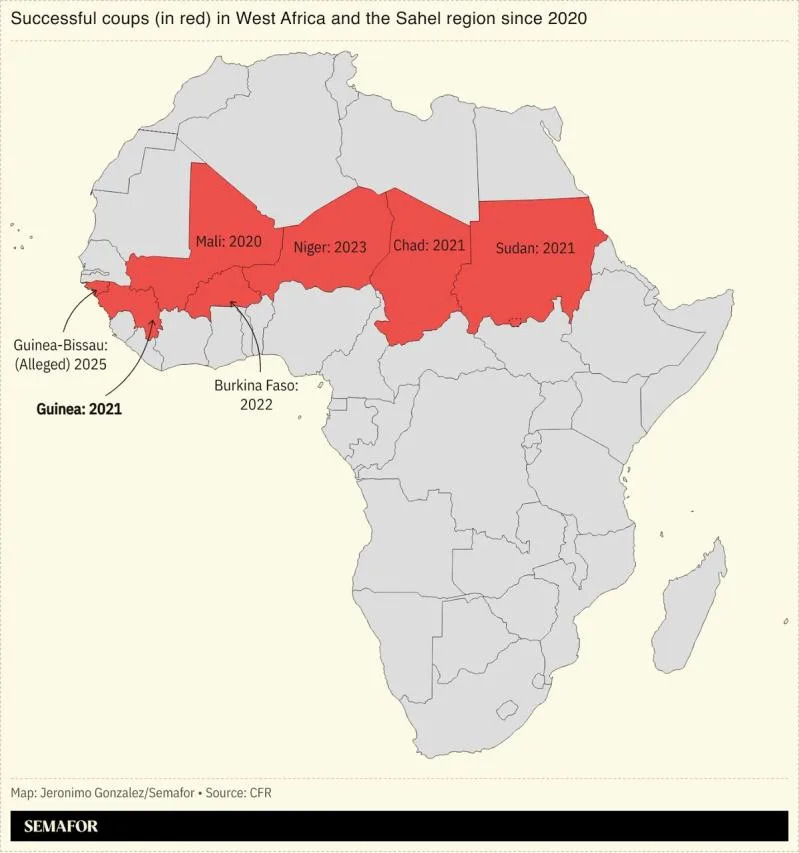
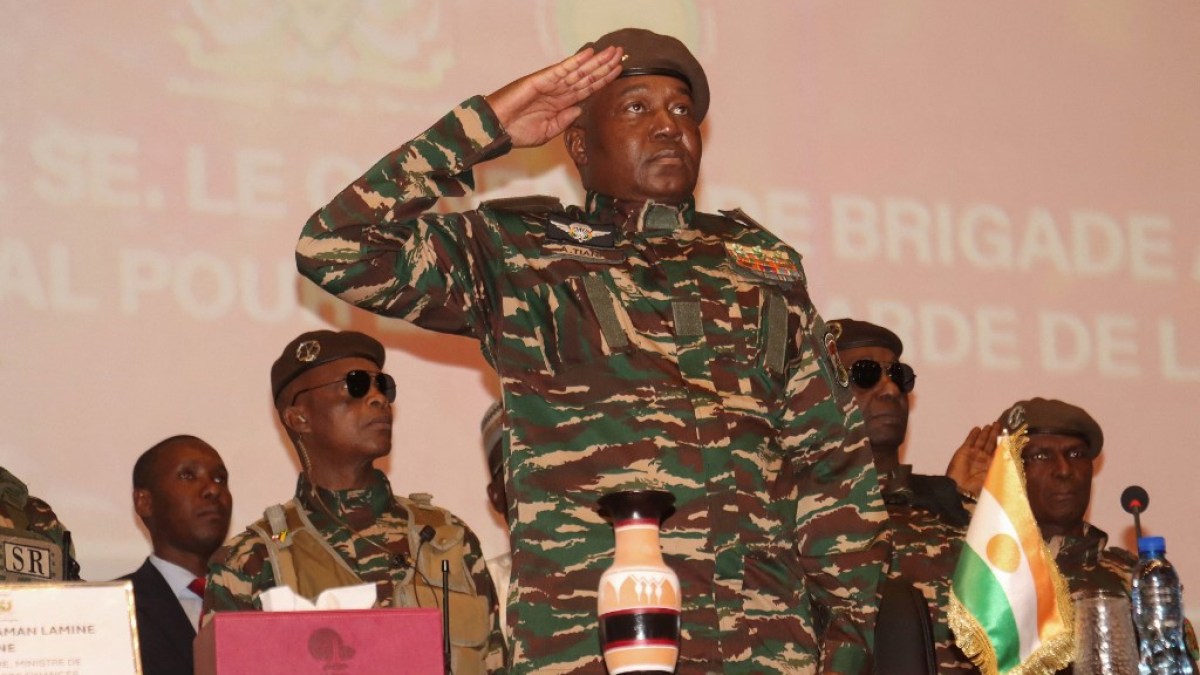
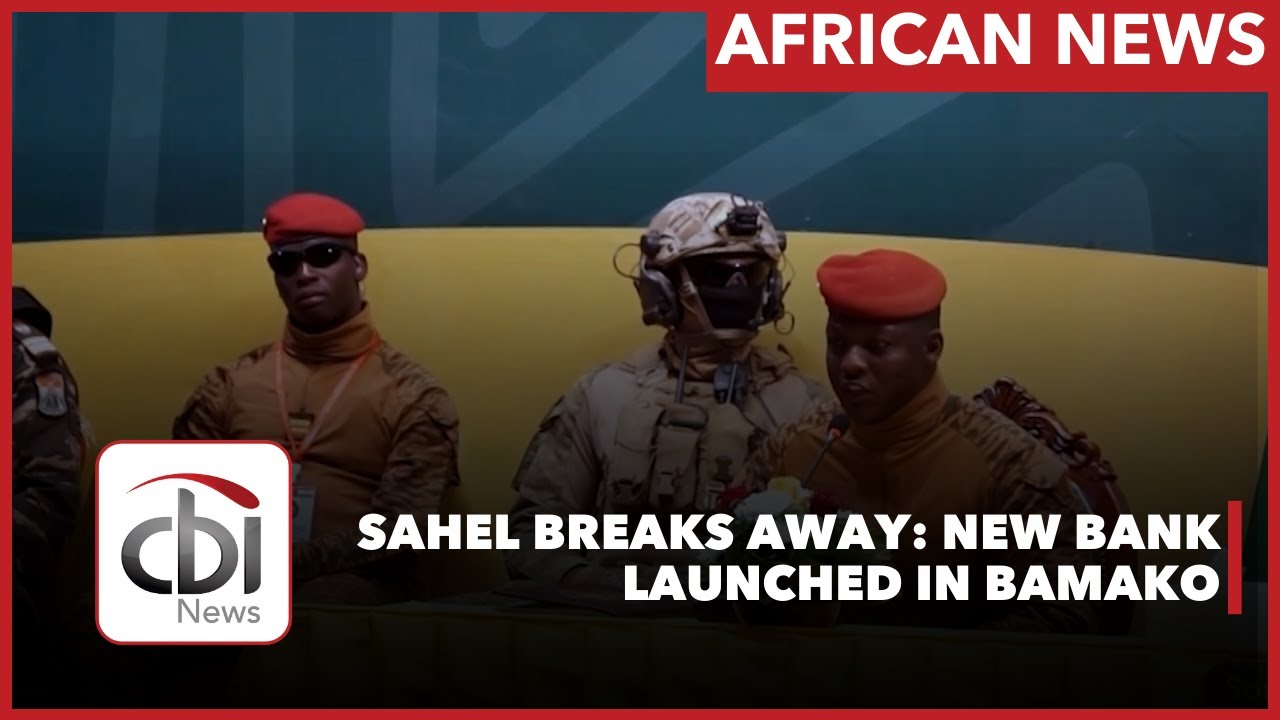
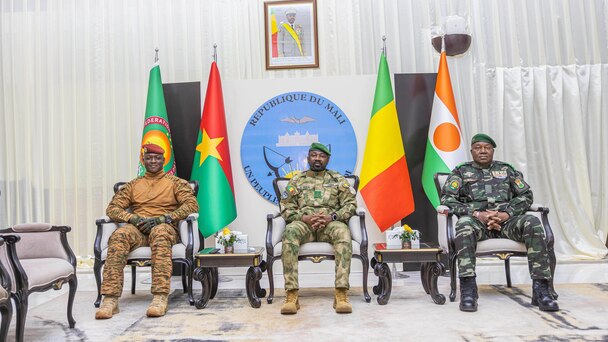
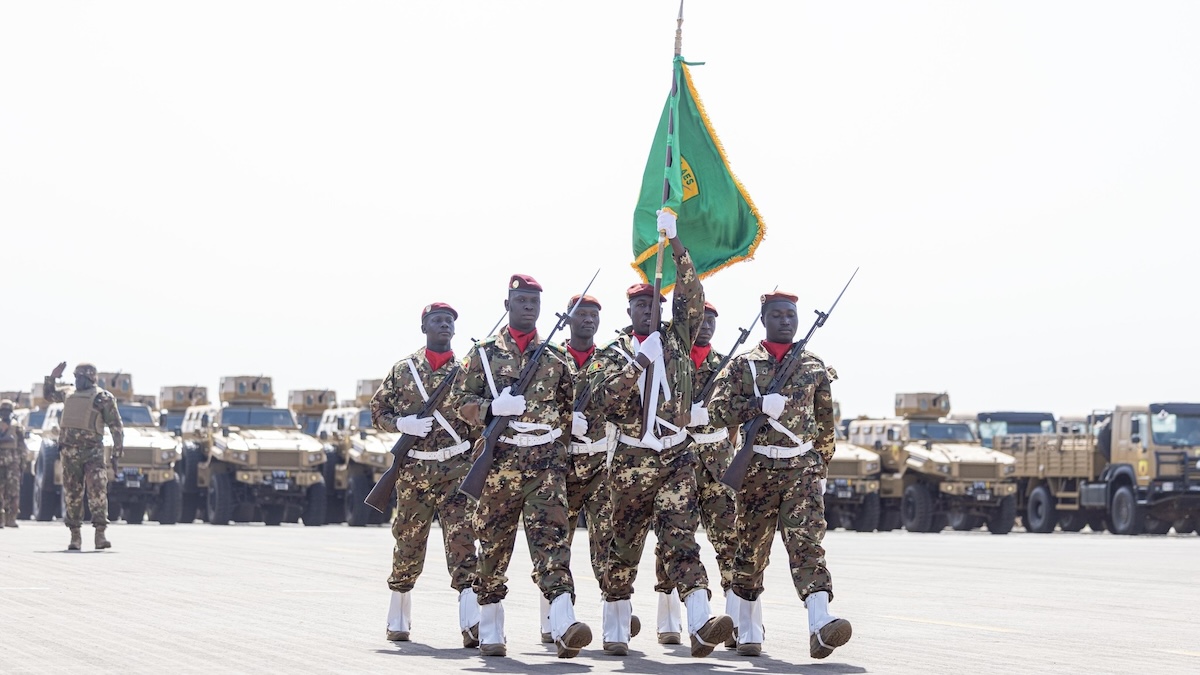
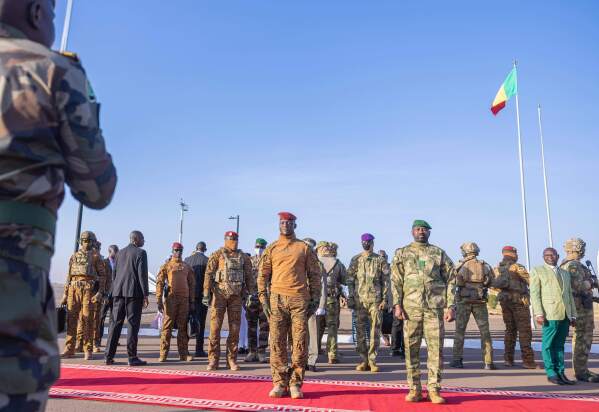
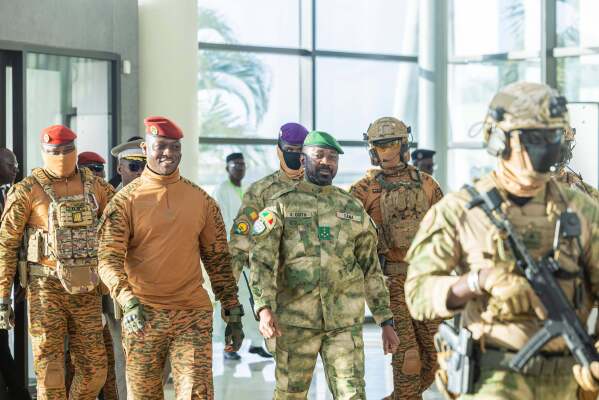
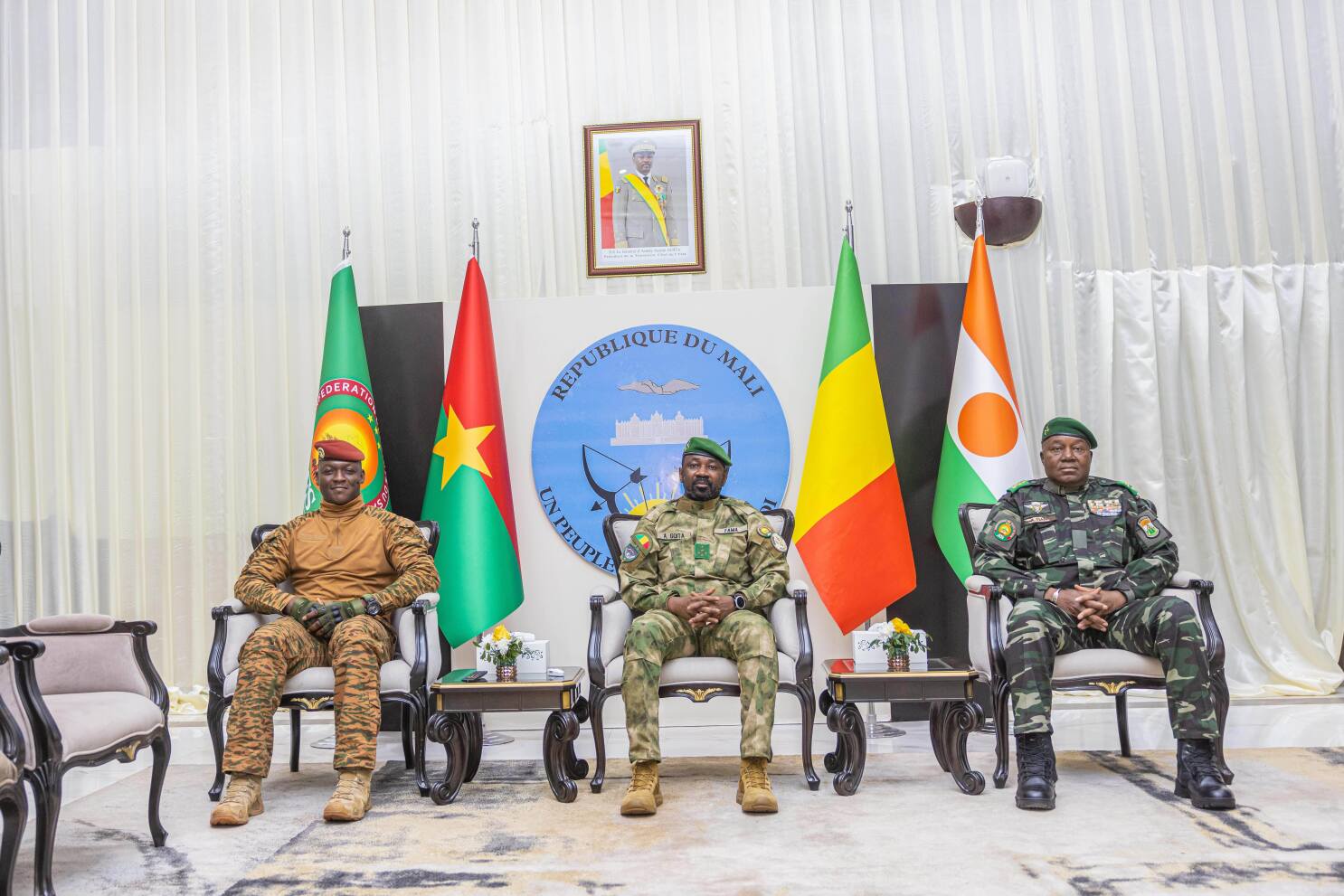
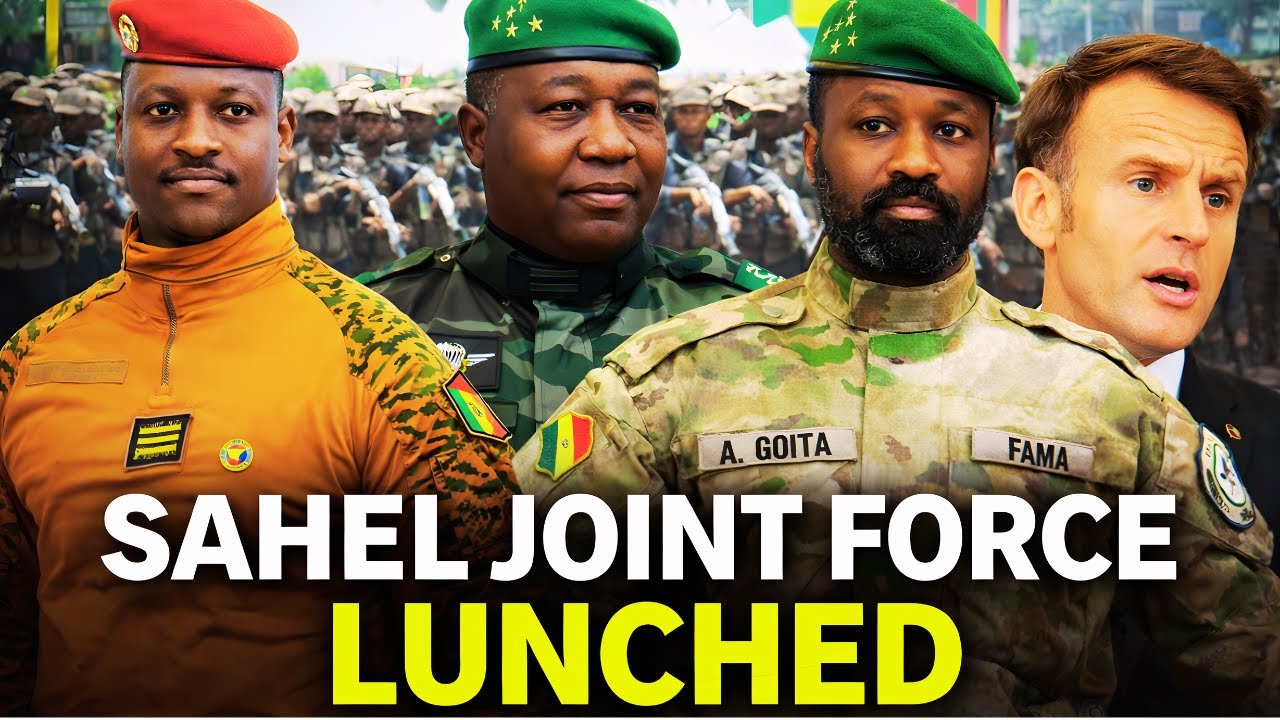
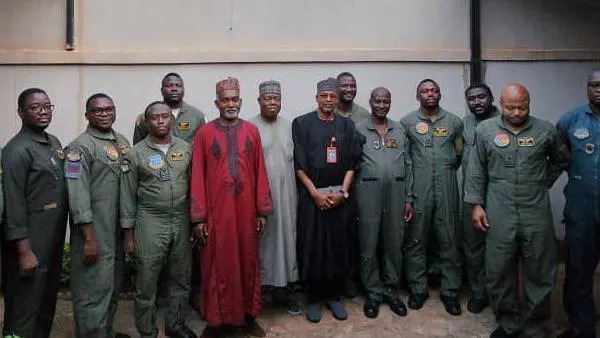
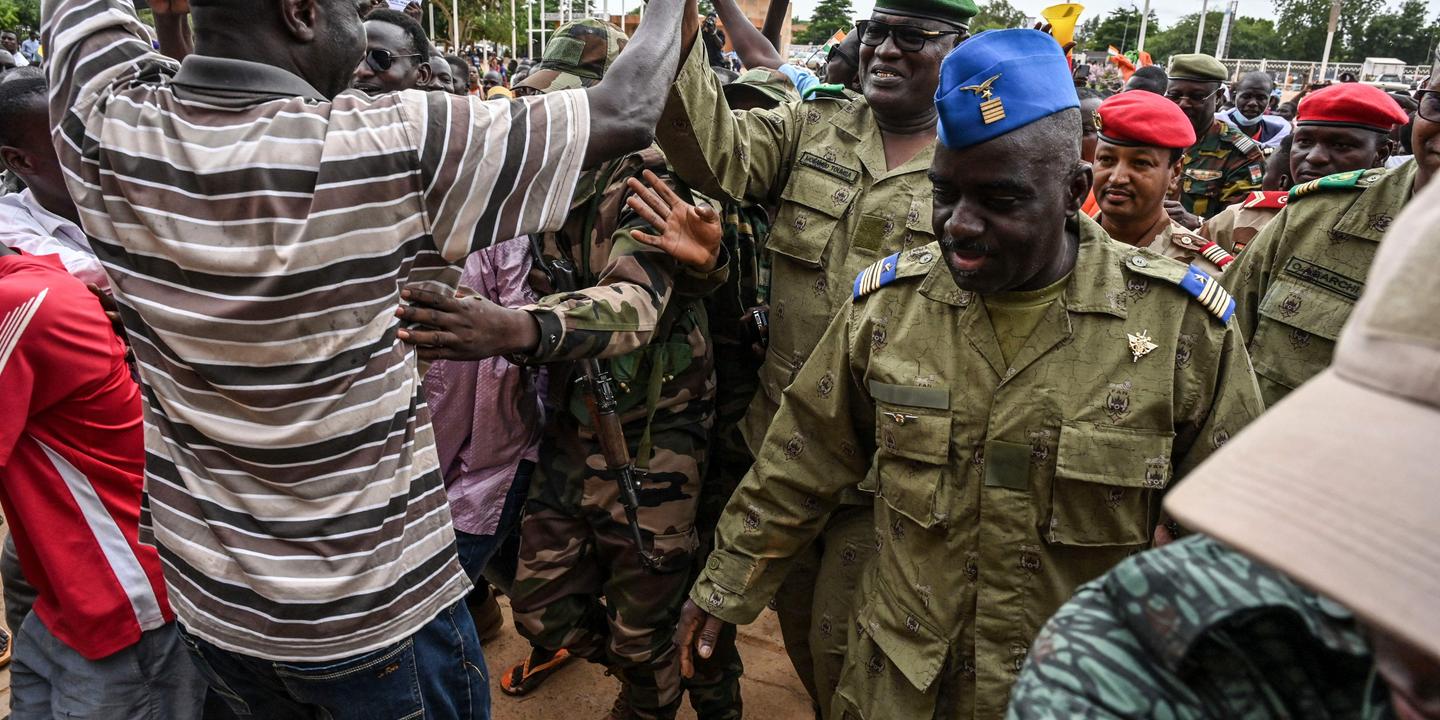
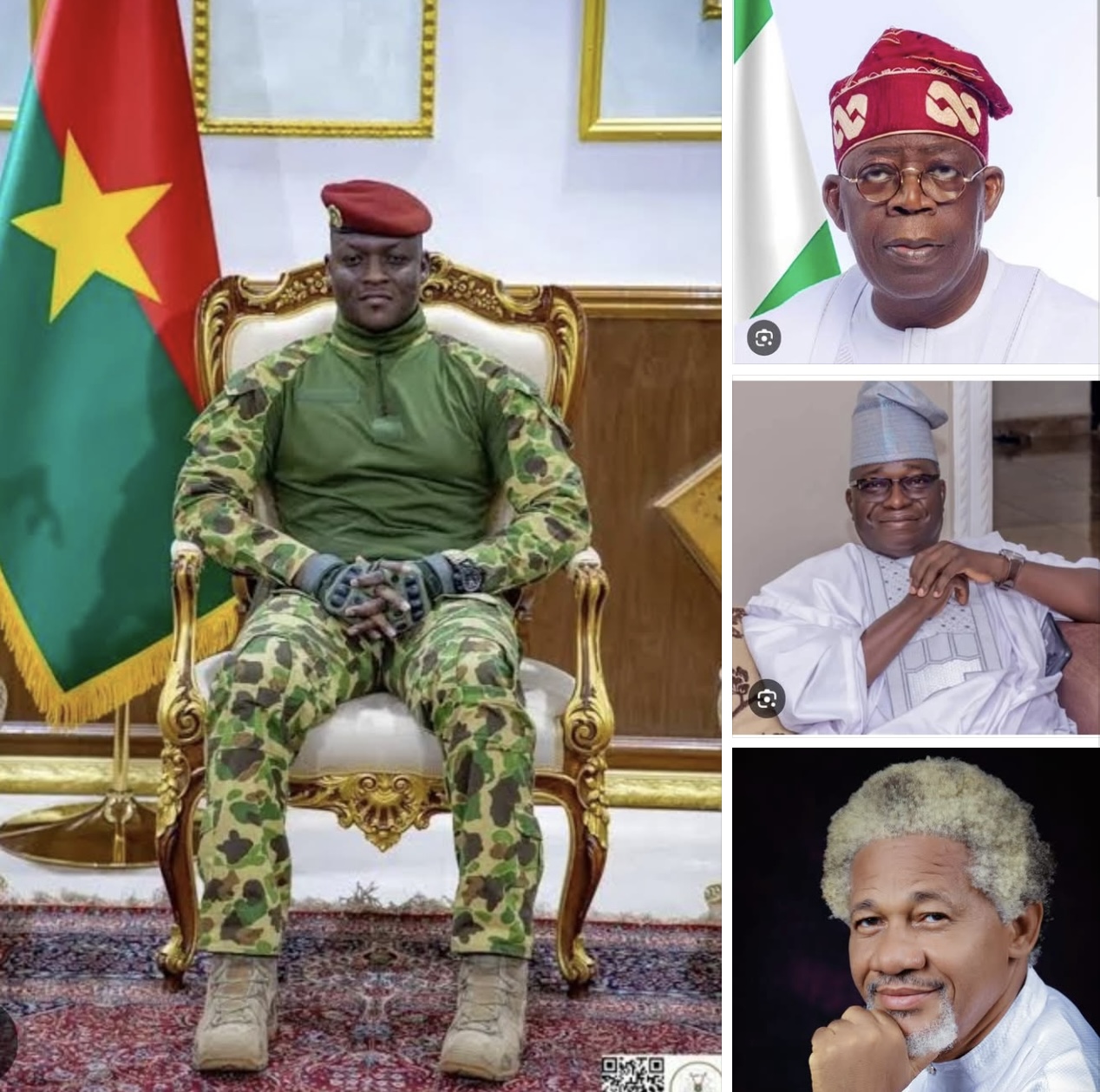
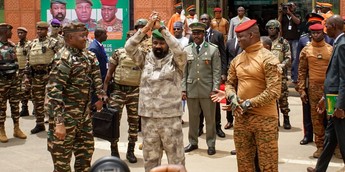
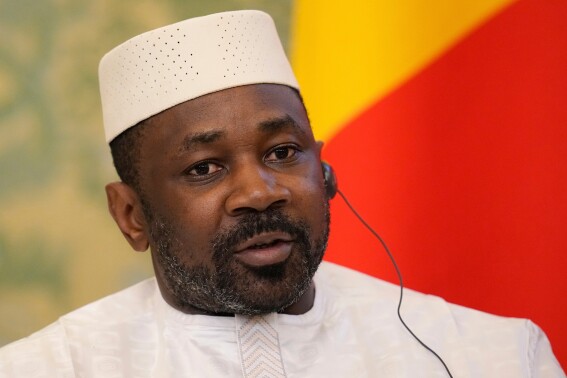
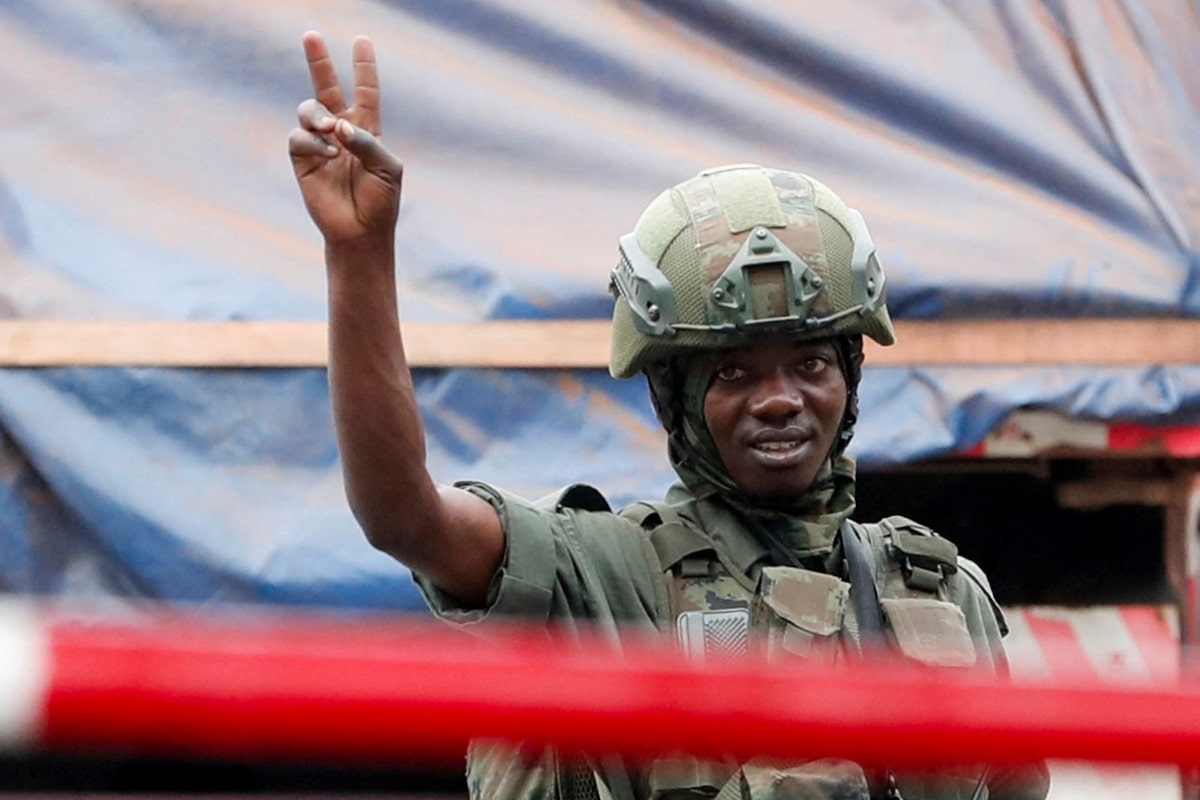
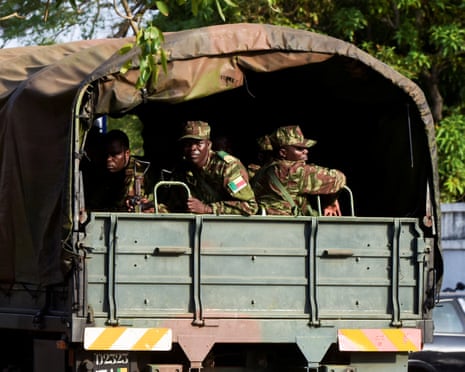
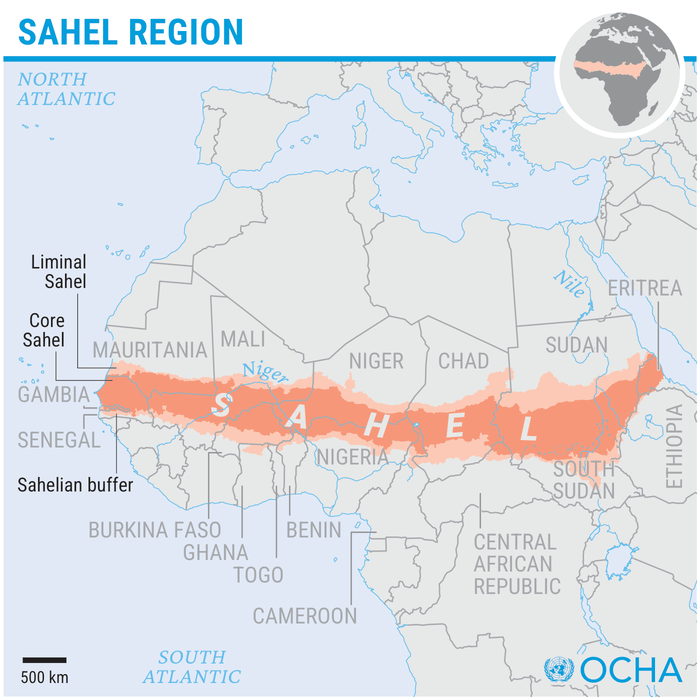
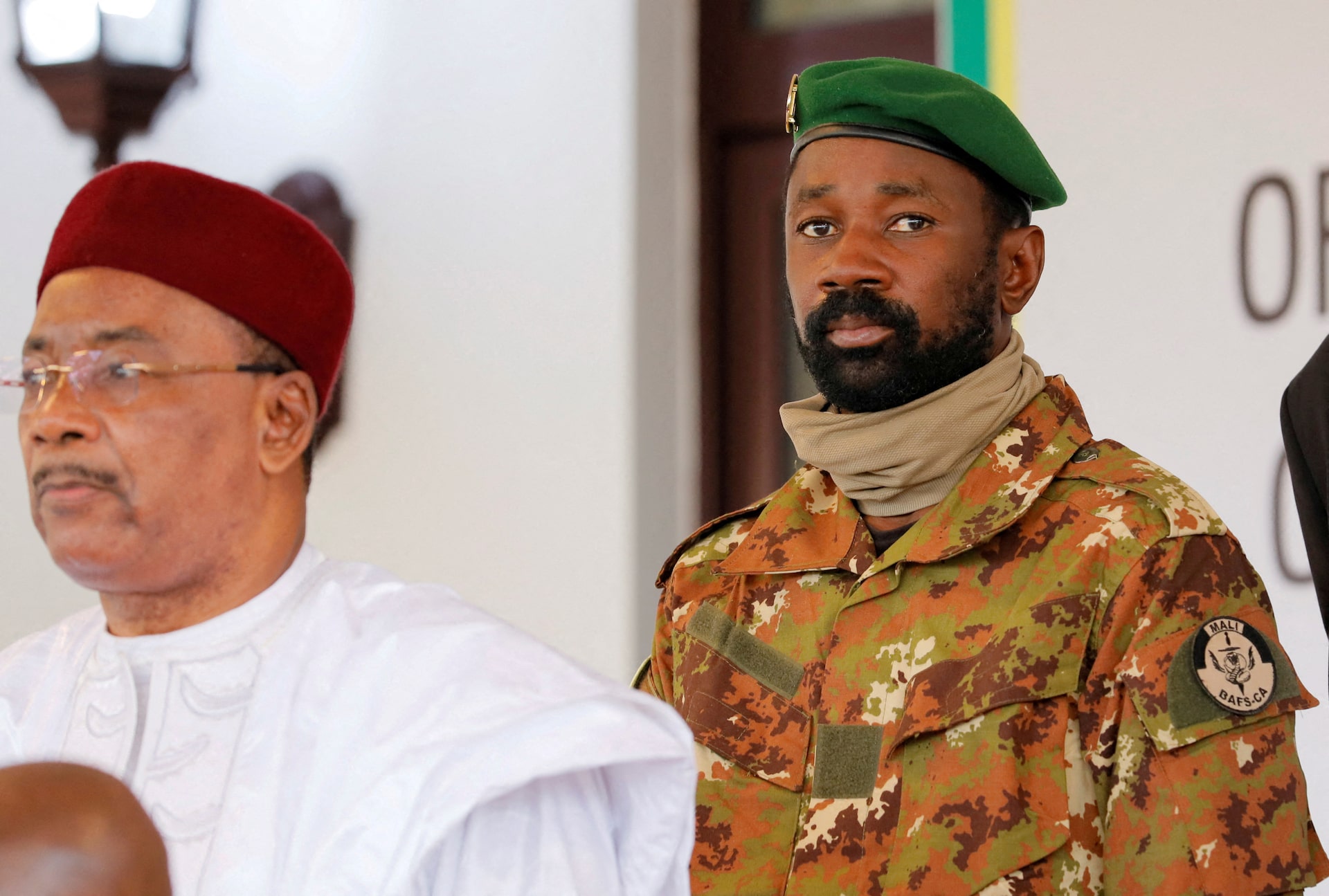
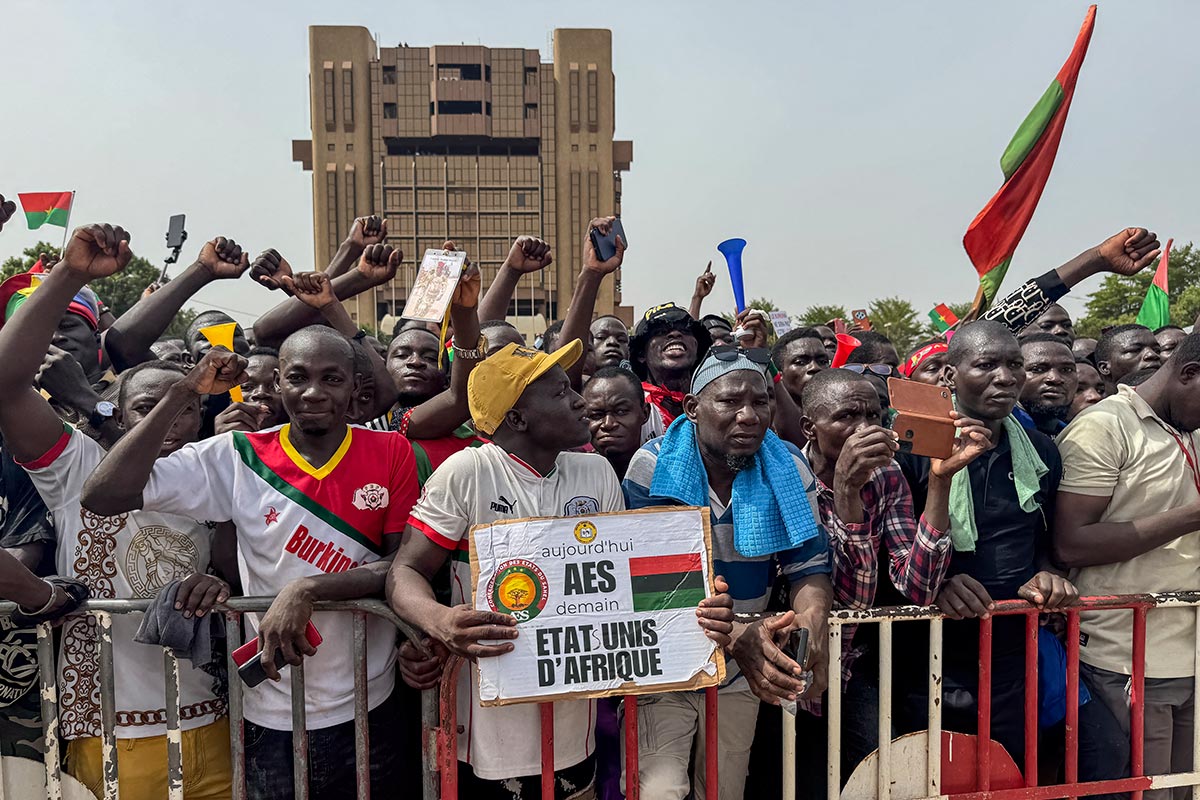
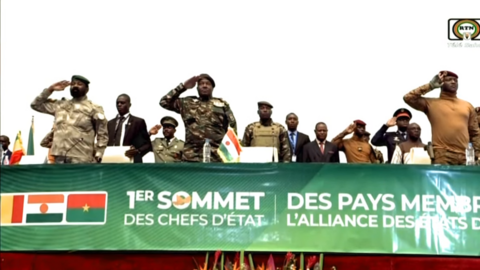
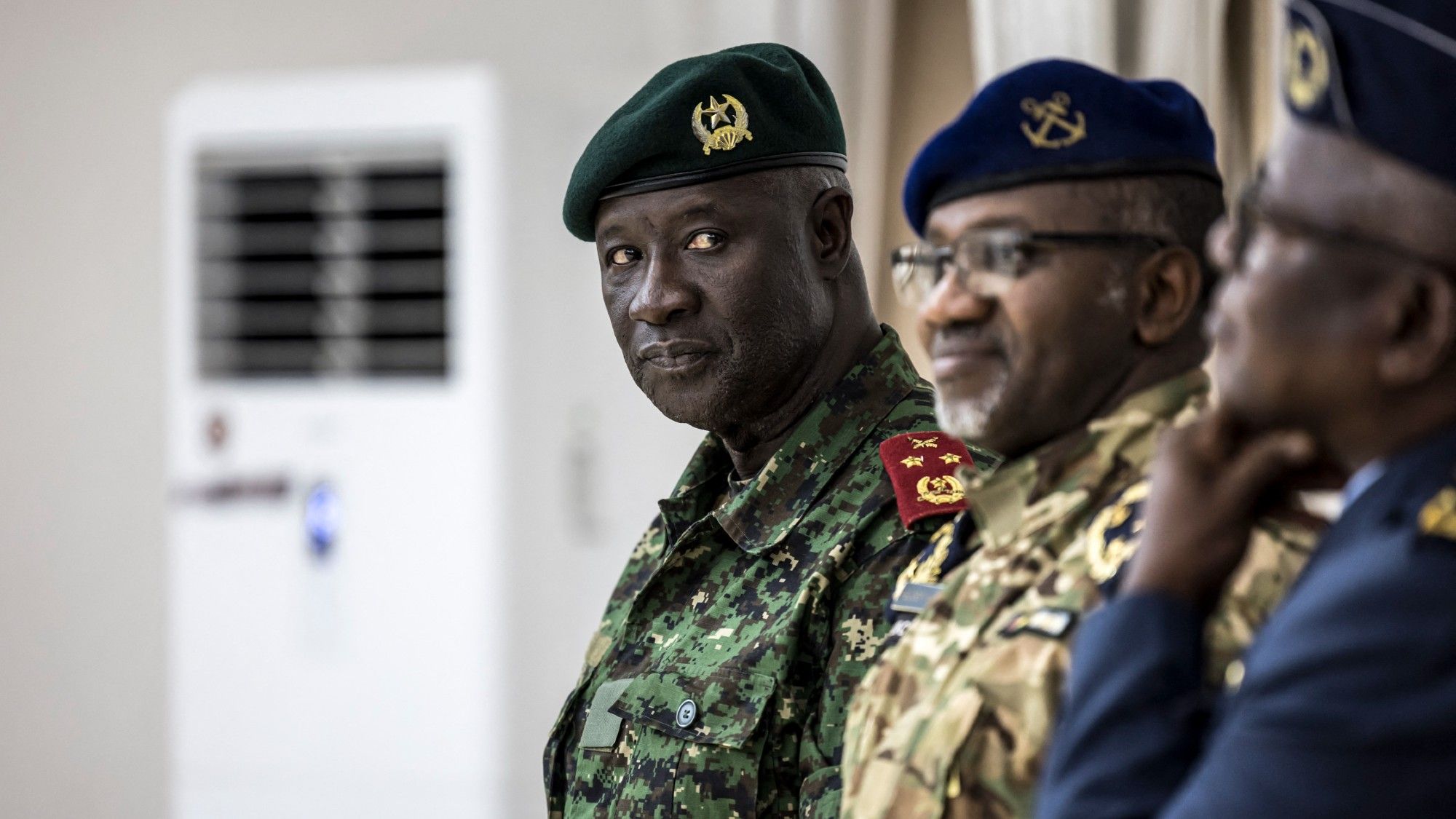
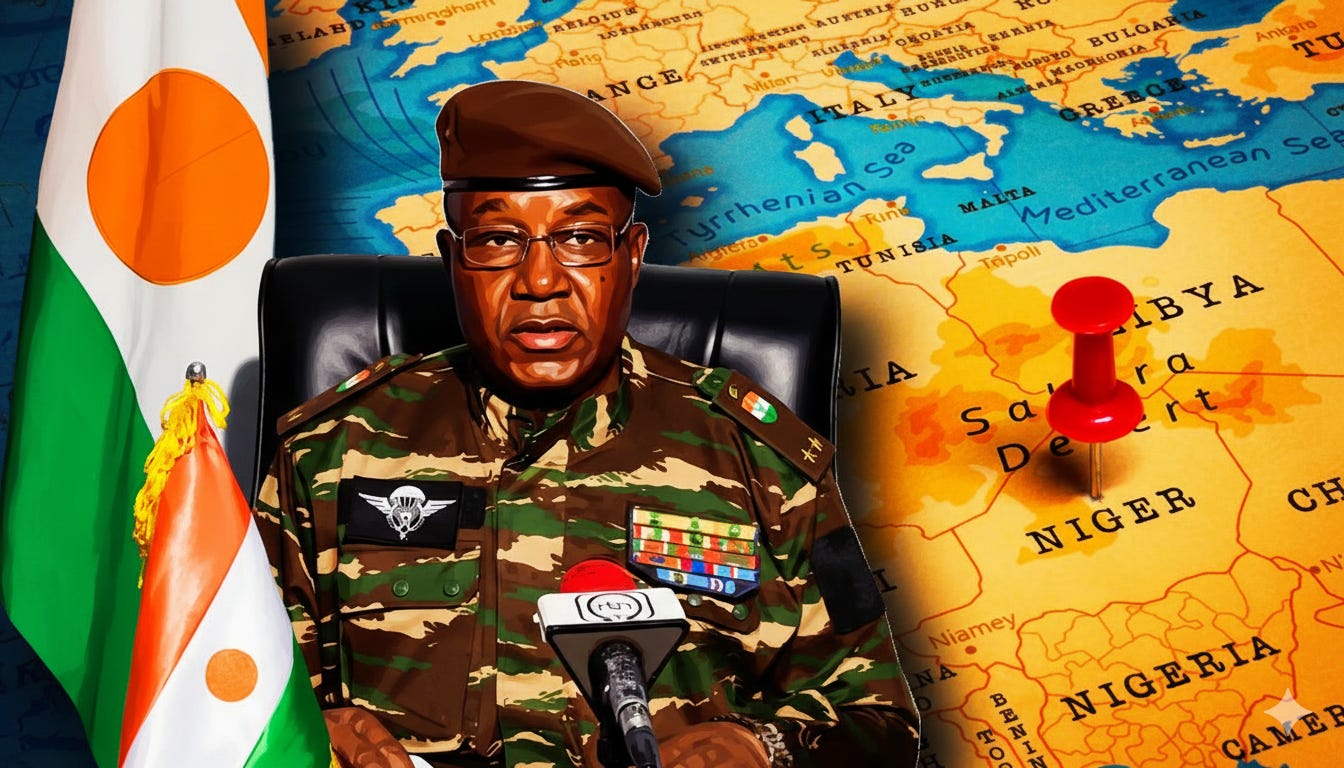
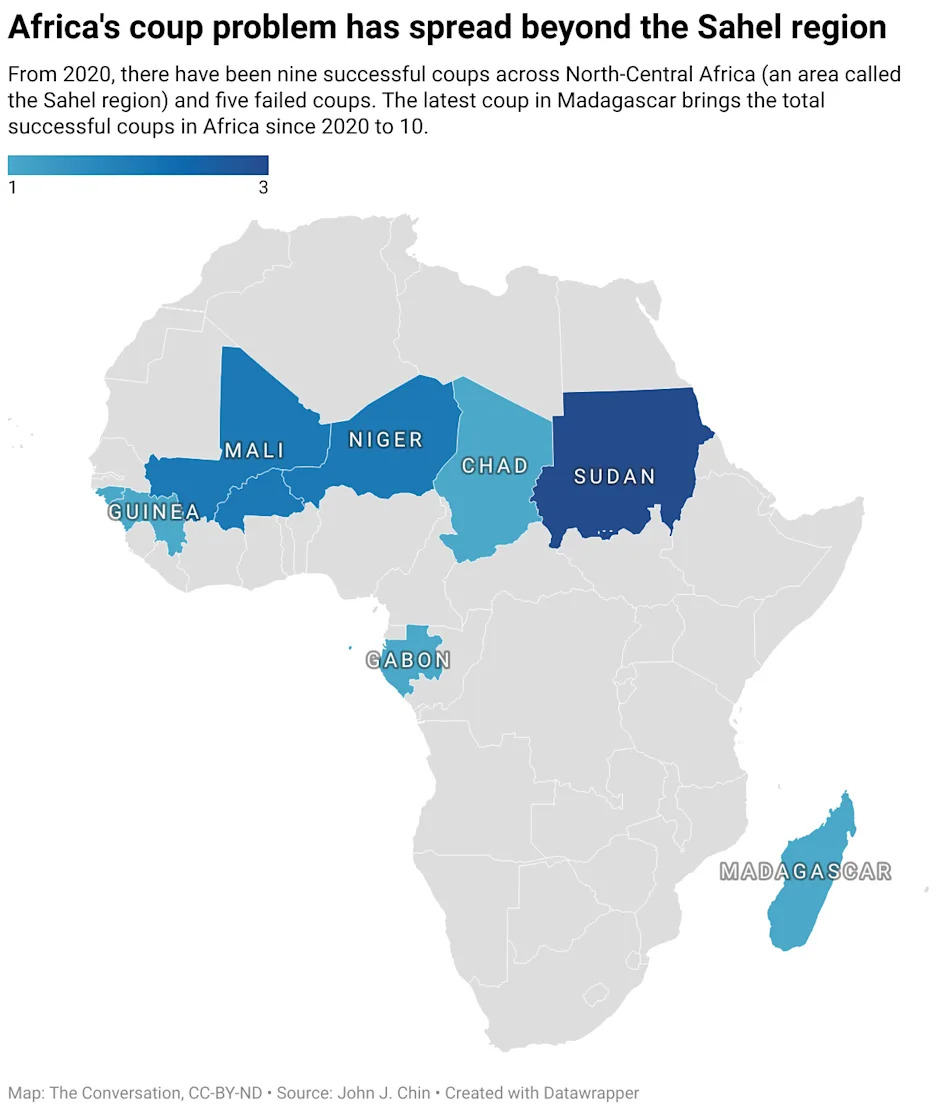
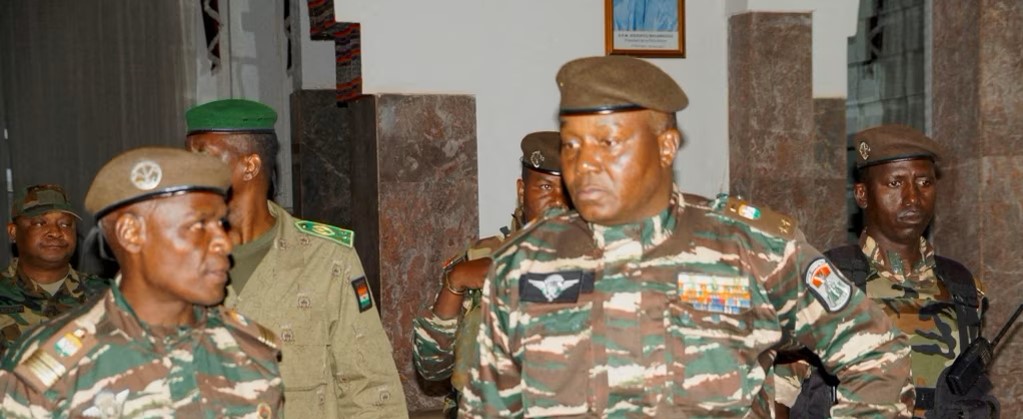
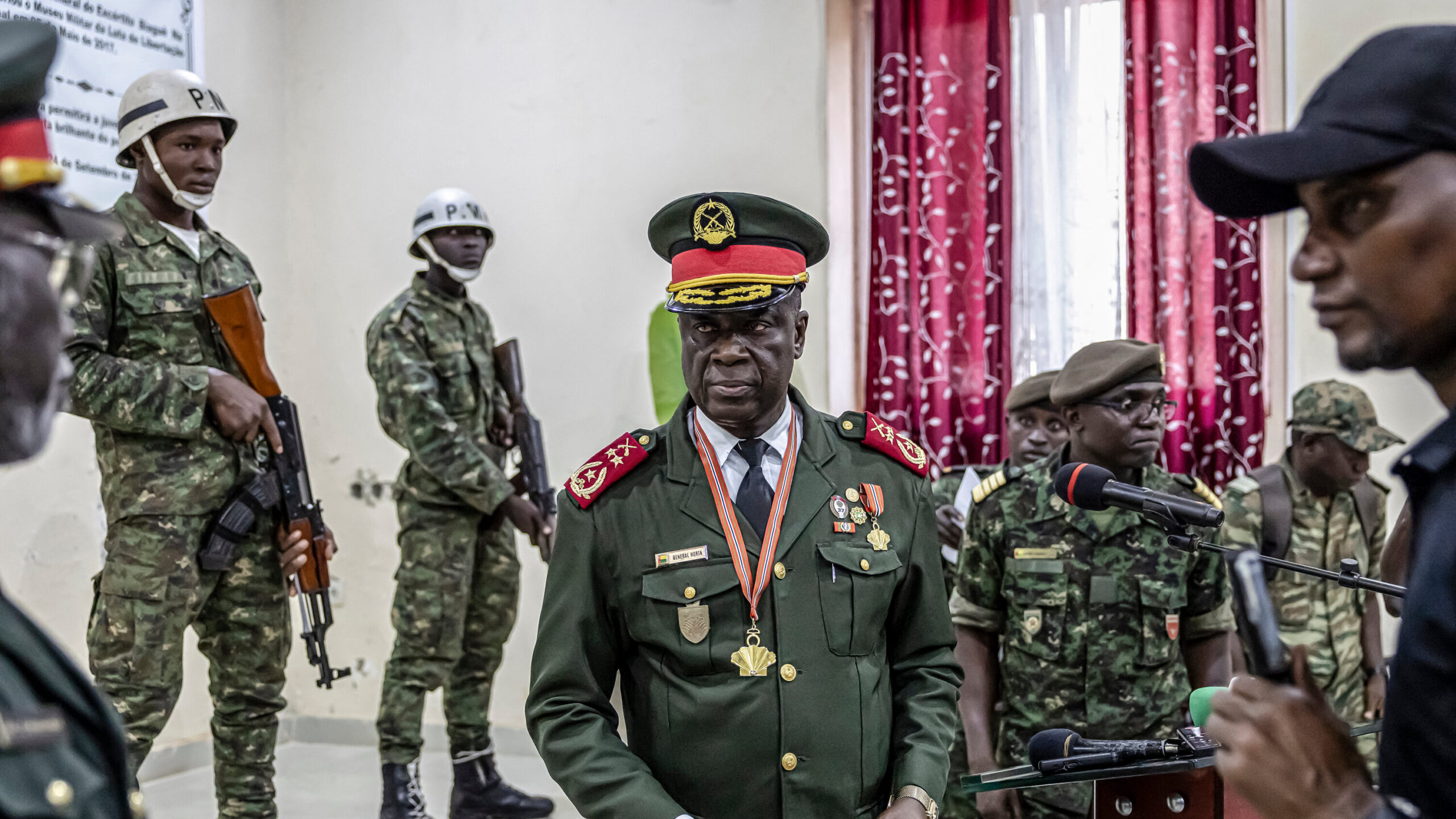
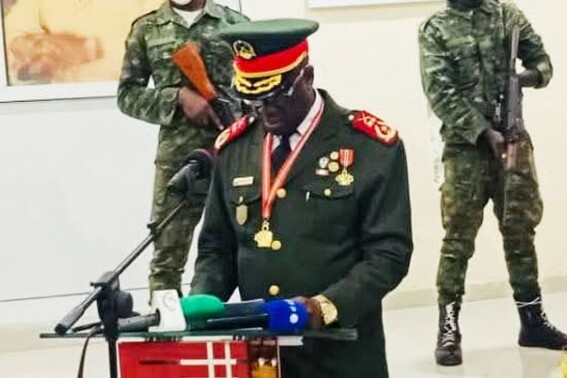
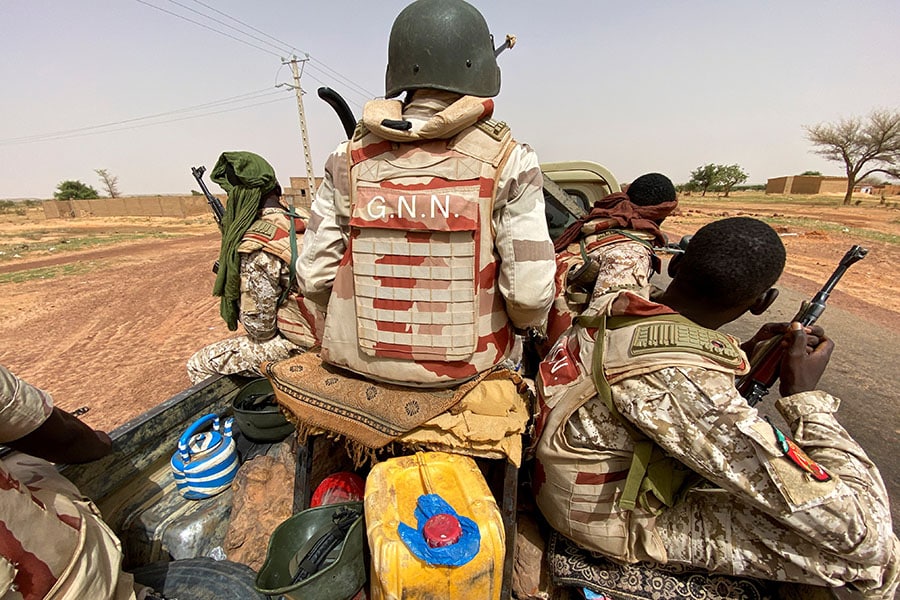
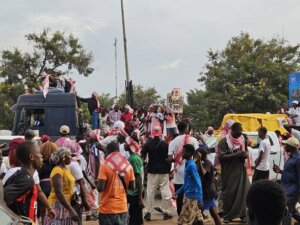
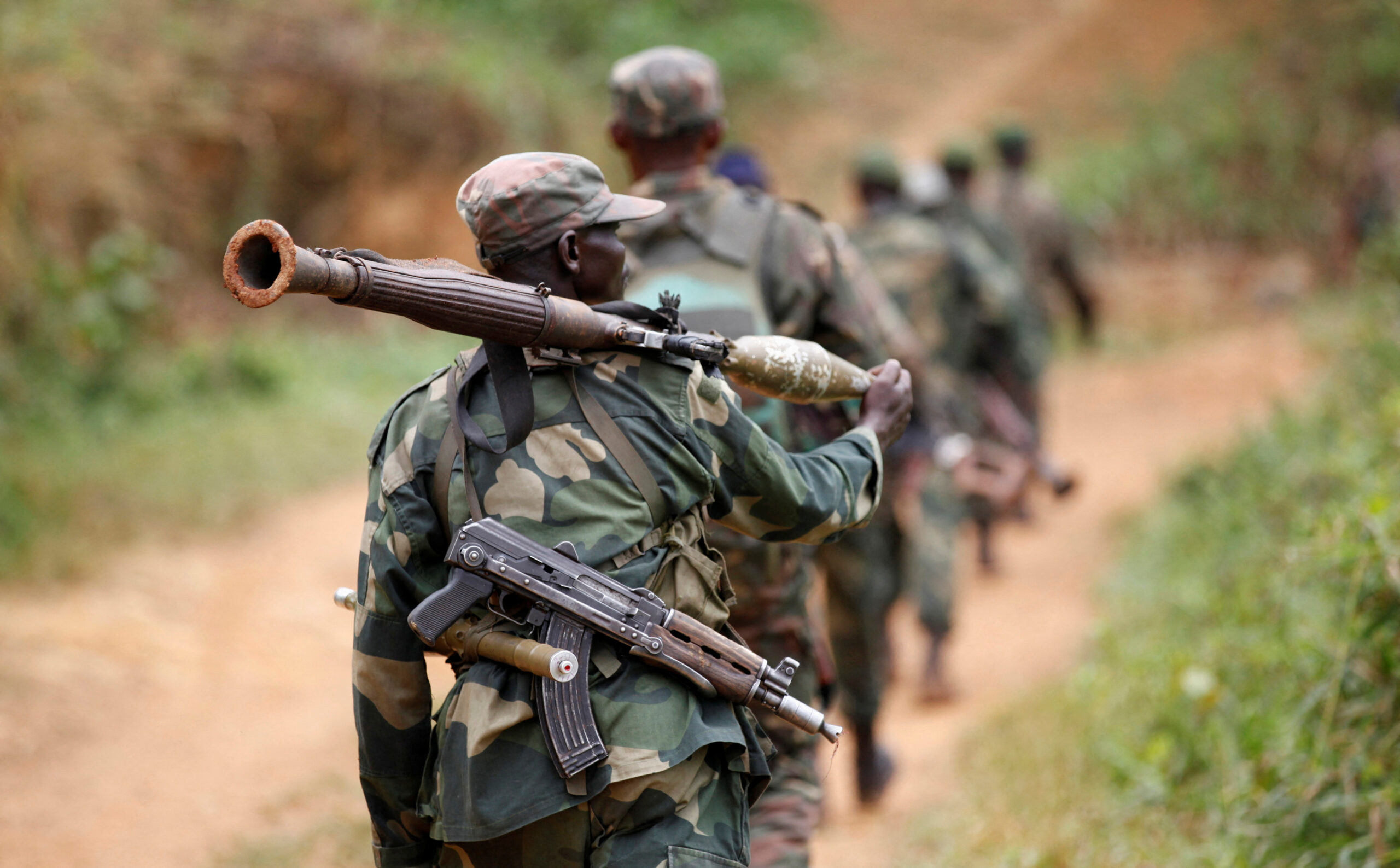
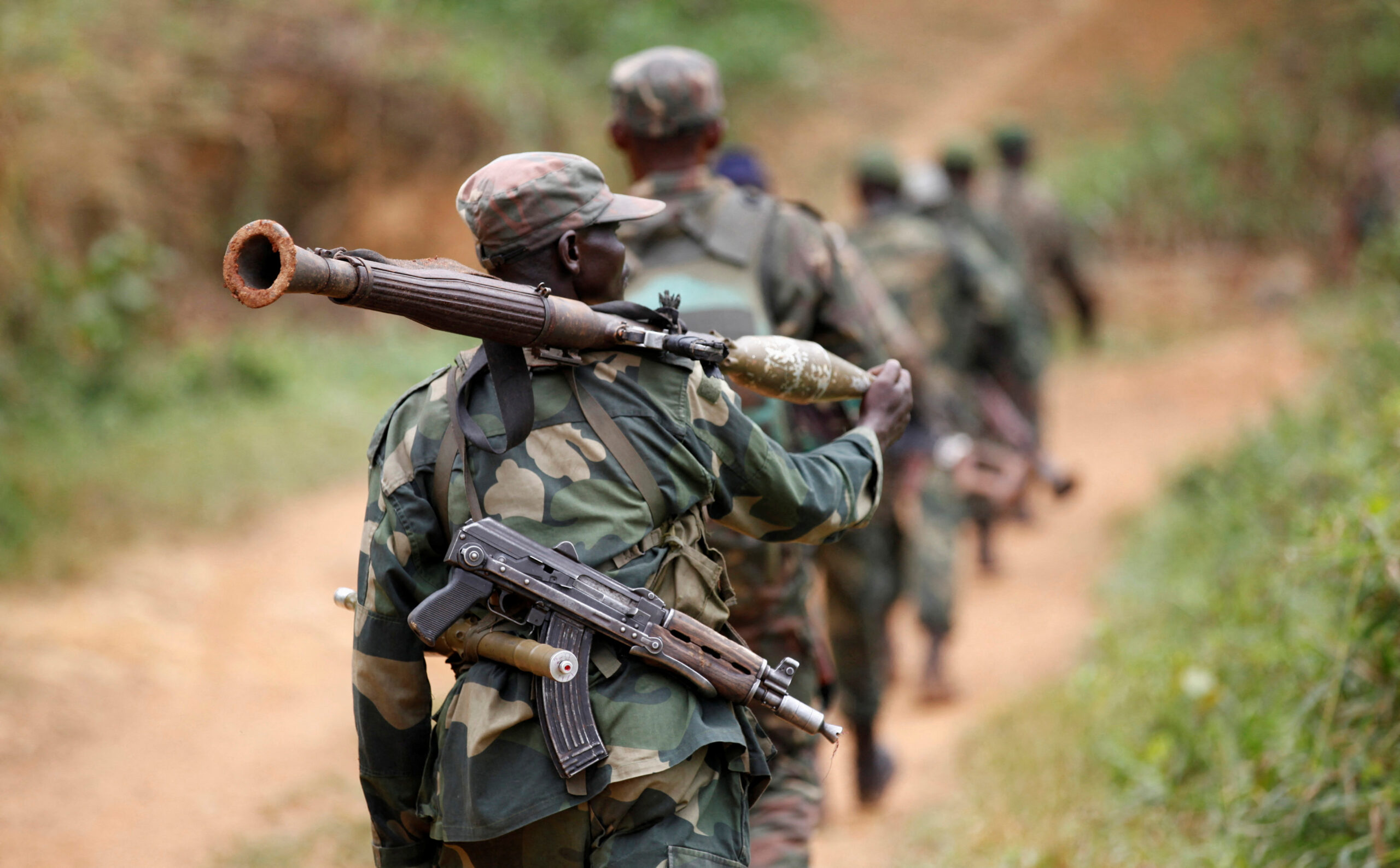
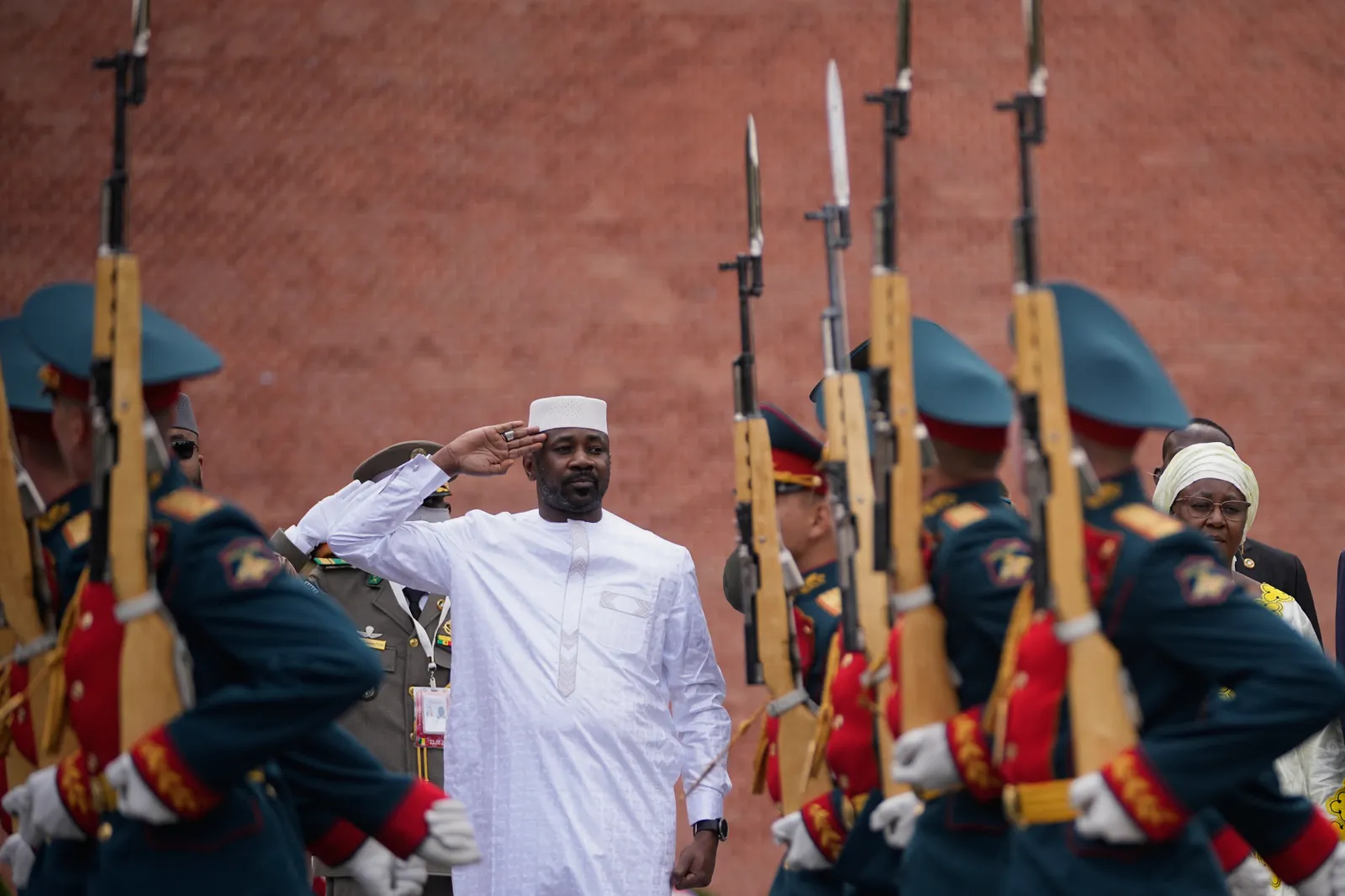
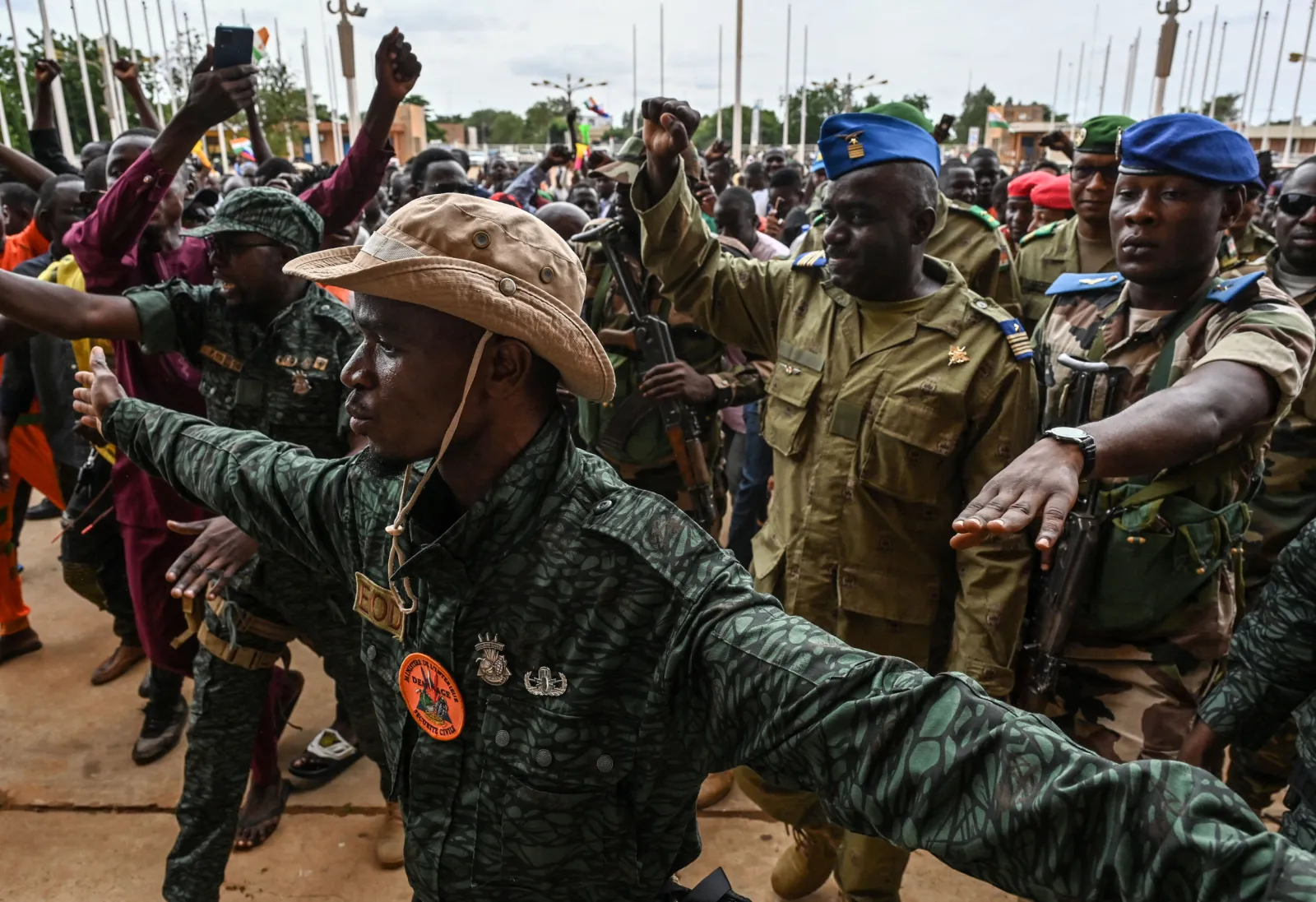
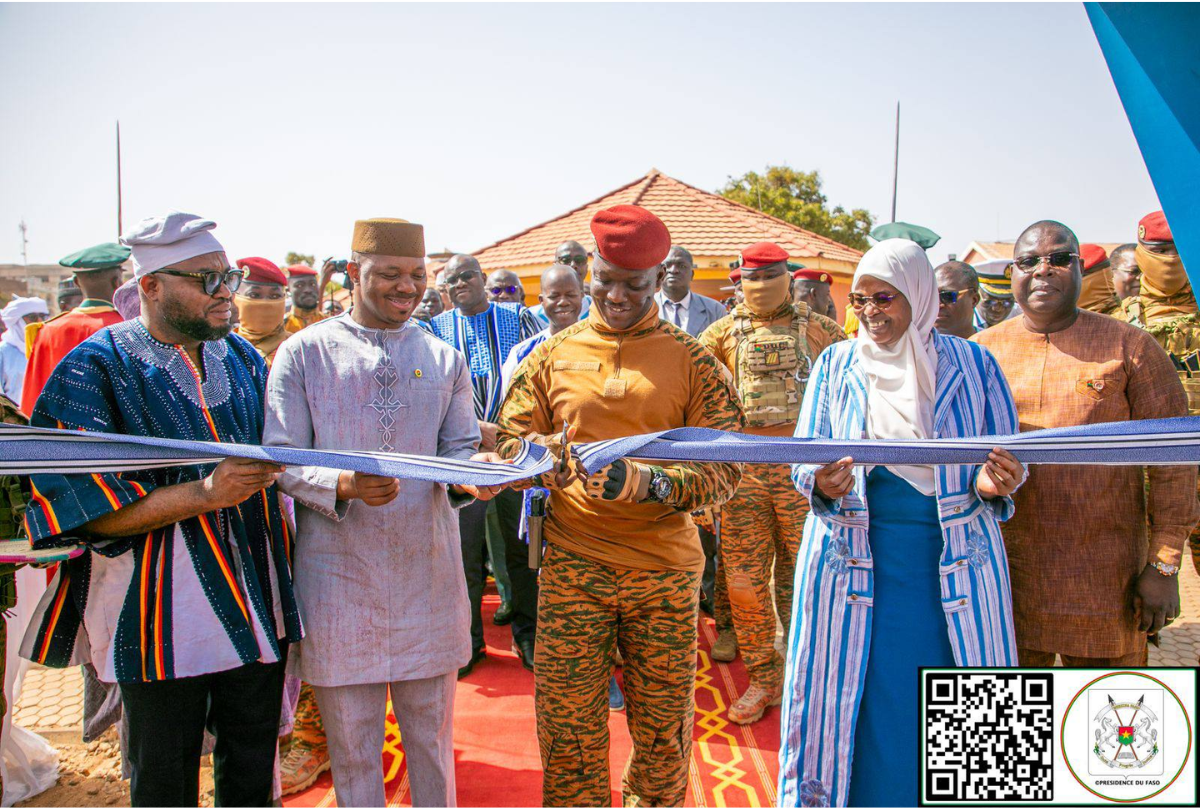
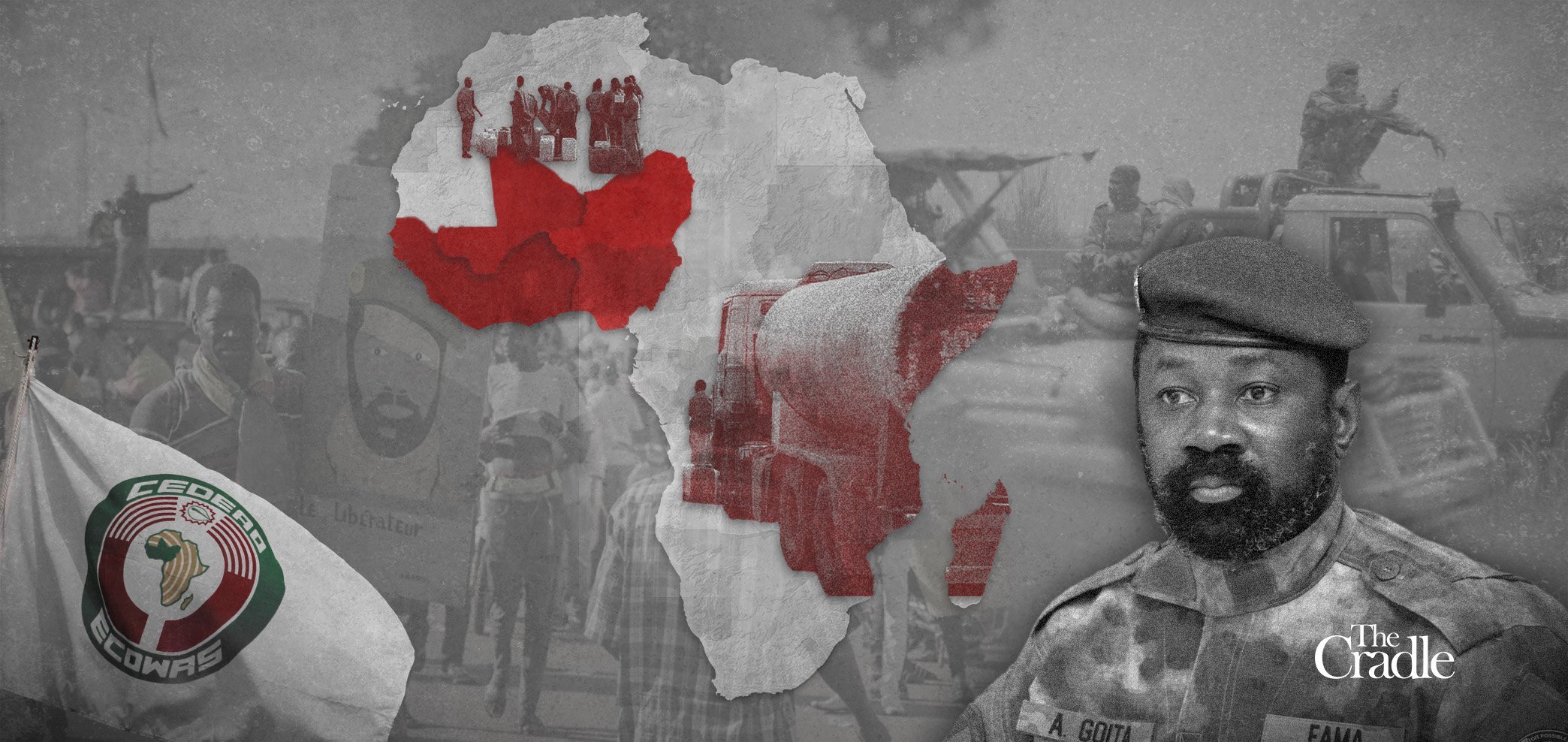
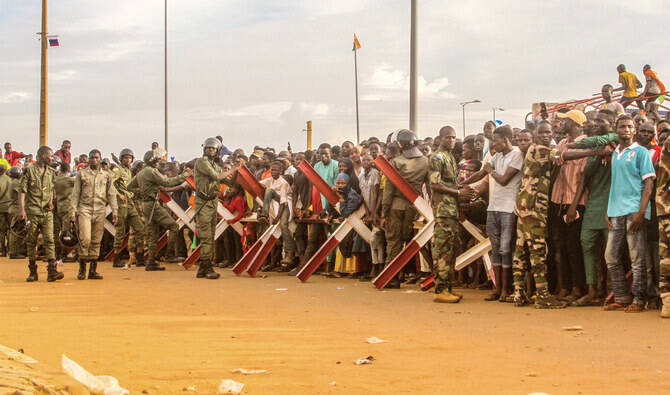
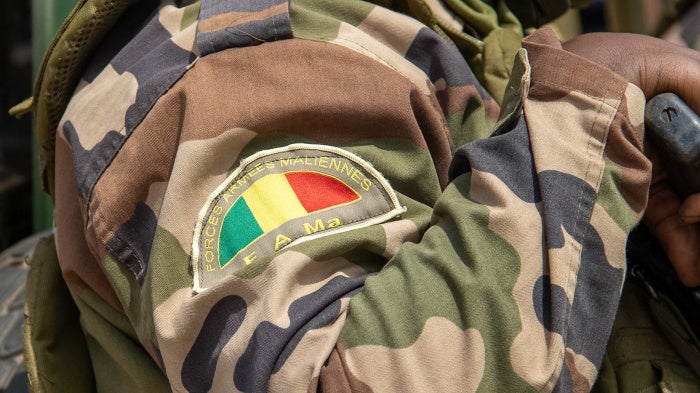
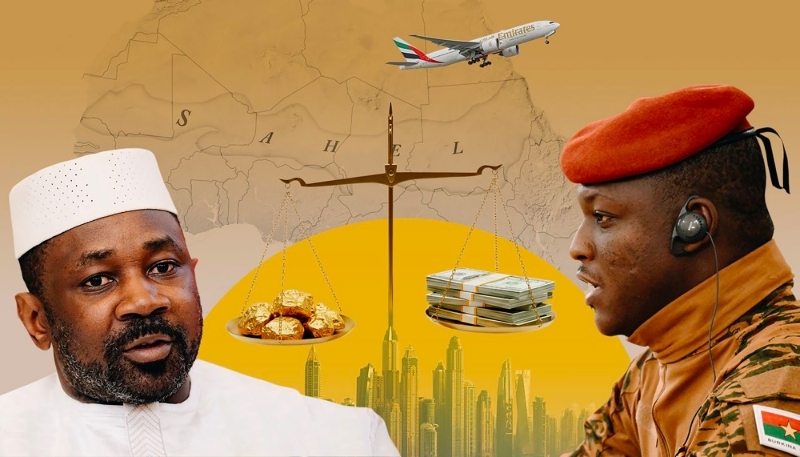
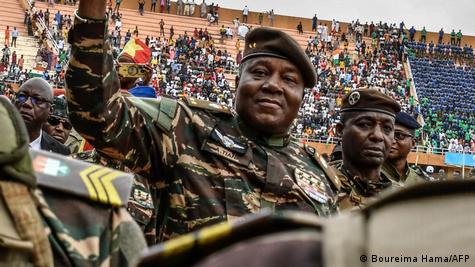
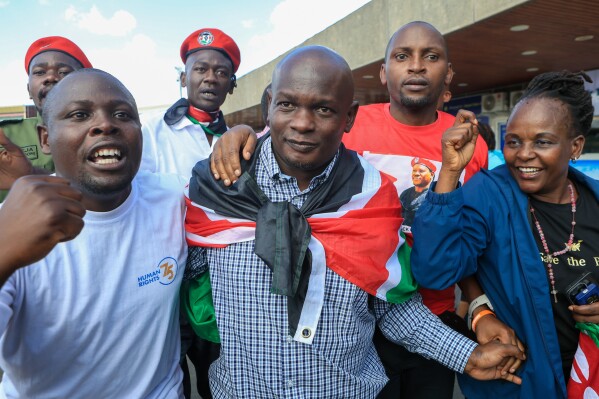
As 2025 drew to a close, Africa found itself at a profound and complex crossroads, navigating intricate political shifts, persistent democratic hurdles, and moments of incredible sporting success. It’s increasingly clear just how deeply governance issues, military influence, and citizens’ urgent calls for political voice intertwine with the continent’s vibrant cultural and recreational spirit. We’ve seen military rulers consolidating power in several nations, while in others, people protested fiercely for democratic space, isn’t that something? This paints a sobering yet dynamic picture of democracy under strain. The political scene was notably turbulent, marked by a steady drumbeat of military takeovers and contested elections. Consider this: according to recent analysis from the BBC, a striking eight countries across the continent were under military governments this year, with the latest coup in Guinea-Bissau only deepening worries about leadership failures. This re-emergence of military regimes, particularly across West Africa’s Sahel region, signals a concerning erosion of civilian rule and raises tough questions about effective leadership and national administration. Analysts warn these developments reflect a deeper, systemic issue: a failure of governance disrupting democratic processes and sowing societal uncertainty. In Guinea, for instance, the year culminated in its first presidential election since the 2021 coup, with junta leader General Mamdi Doumbouya declared the winner. While symbolizing a delicate attempt to transition from military to civilian rule, the incomplete results leave many observers cautious about the durability and legitimacy of this progress. This situation typifies the delicate balance many African nations seek between stability and the restoration of democratic institutions, often within fragile political ecosystems where military influence remains entrenched. Even South Africa, one of the continent’s most prominent democracies, experienced a pivotal year. Its ruling African National Congress lost its overall majority for the first time since the end of apartheid in 1994, a historic electoral outcome that compelled a power-sharing arrangement with the main opposition. This significant shift in South Africa’s political dynamics clearly highlights citizens’ demands for accountability and change, indicating a wider continental trend where longtime parties face greater competition, forcing governments to adapt or risk losing their grip on power.
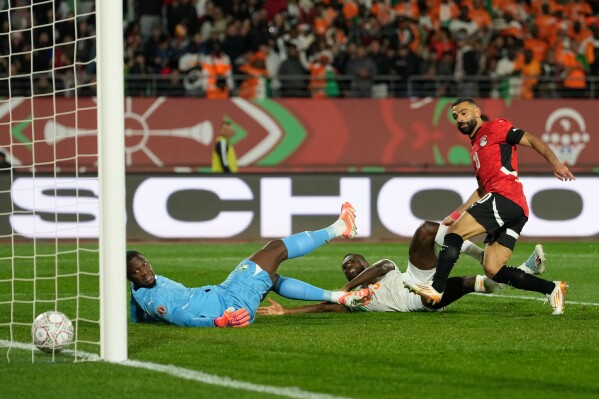
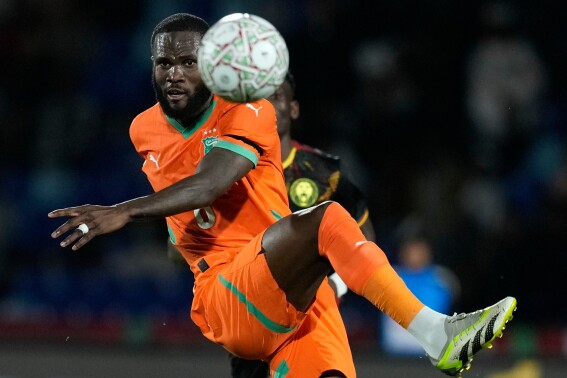
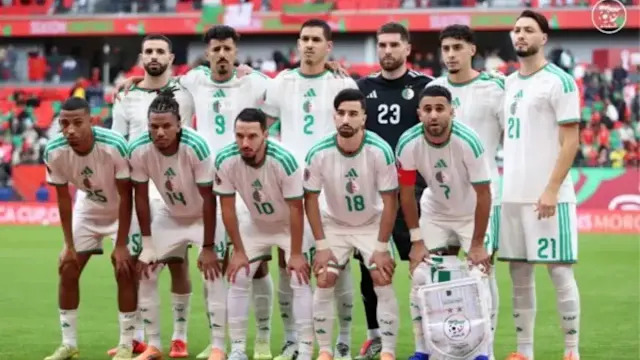
Yet amidst these formidable political headwinds and challenges to governance, Africa’s unifying love for football offered a powerful reprieve and a much-needed source of hope. The Africa Cup of Nations, hosted with fervor in Morocco, truly became a stage where the continent’s vibrant spirit shone brightly. Senegal and Congo emerged with notable victories, didn’t they? These wins didn’t just demonstrate their sporting prowess; they genuinely energized their nations’ hopes and pride. Meanwhile, Tanzania and Tunisia, though less heralded, secured narrow qualifications to the knockout stages, underscoring the fierce competition and sheer determination that defines African football. These aren’t just games, you know. Sporting events like AFCON serve a much larger purpose. They offer a momentary escape from nagging political tensions and provide an invaluable platform for expressing collective identity and unwavering optimism. They remind the world, quite powerfully, of Africa’s potential for unity and excellence, delivering compelling stories of success and national pride even as broader challenges persist. The excitement and widespread attention generated by such tournaments help weave the continent together through shared passion and a deep cultural heritage, showing what’s possible when we come together.
Beyond Africa’s immediate concerns, broader global issues inevitably bear on the continent’s stability and development. For instance, consider the renewed search for Malaysia Airlines Flight 370, as reported by NBC News. While geographically distant, it symbolizes global complexities and technological efforts influencing international cooperation, a landscape African nations navigate daily. Simultaneously, widespread global economic uncertainties, like those felt by American consumers worrying about jobs heading into 2026, resonate with African economies. These economies tirelessly strive to create employment and economic opportunities for their youthful populations. The evolving global labor market holds significant implications for African nations reliant on investment, trade, and remittances, underscoring the interconnected nature of economic stability. As Africa turns its gaze toward 2026, the continent faces the dual task of addressing governance failures and democratic backsliding, while harnessing the vibrant energy and hope found in cultural events like the Africa Cup of Nations. Will the next year deepen political divides, or usher in progress toward more inclusive and stable governance? That’s the central question. Meanwhile, sport, civil activism, and citizen engagement remain powerful forces pushing for unity and critical reform. This undeniable duality of challenge and opportunity truly defines Africa today. The narratives from both politics and sport illustrate a continent grappling with fragility and brimming with resilience. As military governments consolidate control, citizens demand democratic spaces, and as football teams inspire millions, Africa’s transformative journey continues with all its complexities and promise. The world’s eyes remain fixed on this dynamic continent, poised between history and exciting possibility.