African Corporate Giants Shift from Spectators to Startup Investors as Venture Capital Hits Three-Year High
The Corporate Investment Surge
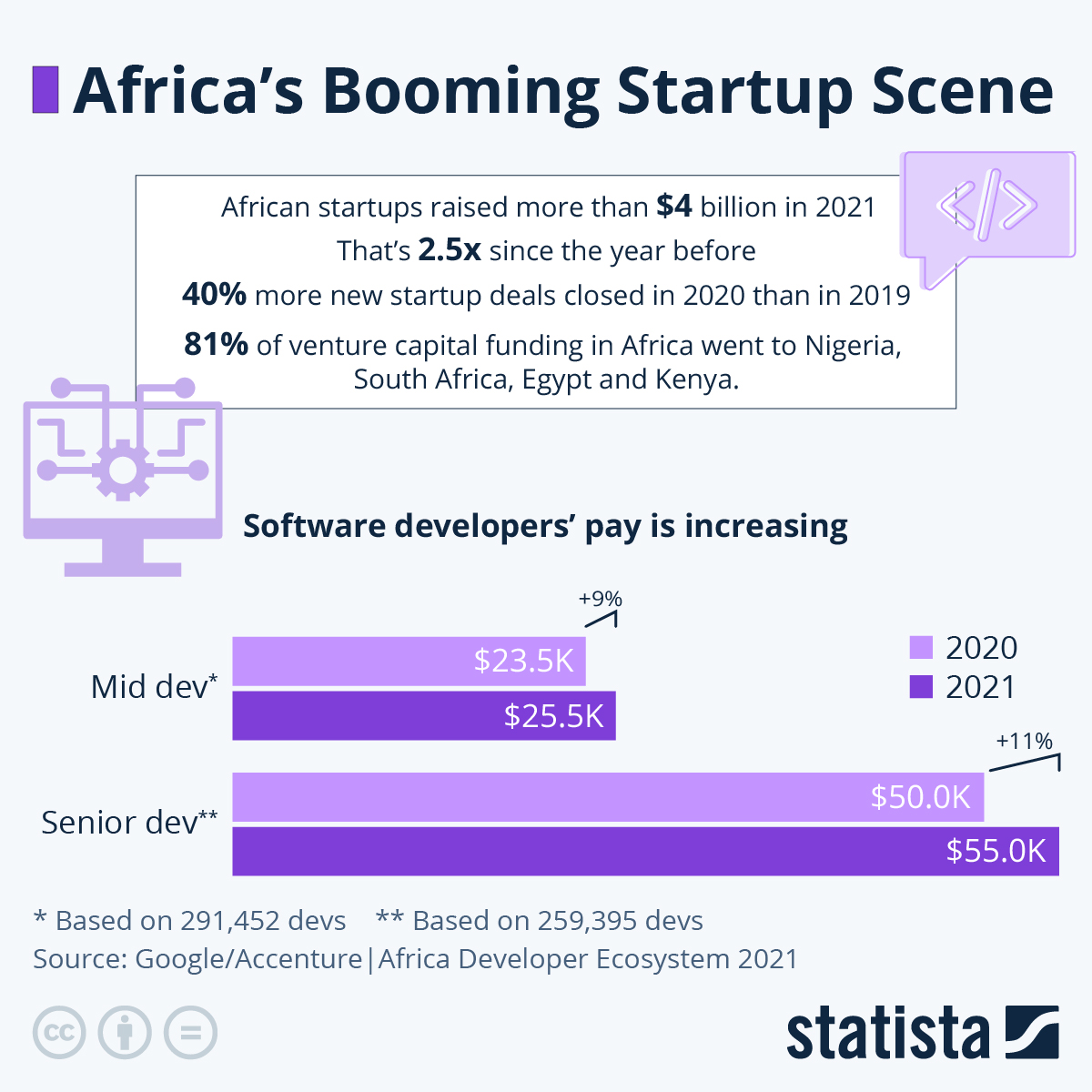
Something’s changing in Africa’s boardrooms. Big companies aren’t just watching the startup scene anymore, they’re jumping in with both feet. In the first half of 2025, corporate venture capital activity across the continent reached its highest point in three years. We’re talking about 26 corporate-backed funding rounds, a solid 44 percent jump from the previous half-year peak of 18 deals. That’s not just a blip, it’s a real shift in how established African and multinational firms engage with innovation. They’re moving past cautious sponsorship to direct equity investments that actually tie startups to their existing commercial networks. Corporate venture capital, or CVC for short, describes investments made by established companies into startups, usually with both strategic aims and financial returns in mind. For African corporates, the appeal is pretty straightforward. Startups can accelerate digital distribution, spark product innovation, and open up fresh revenue streams. In return, startups get customer access, supply-chain know-how, and some balance-sheet stability that can be hard to come by. This trend reflects a broader startup ecosystem boom that’s transforming the continent’s economic landscape.
Deals That Define the Trend
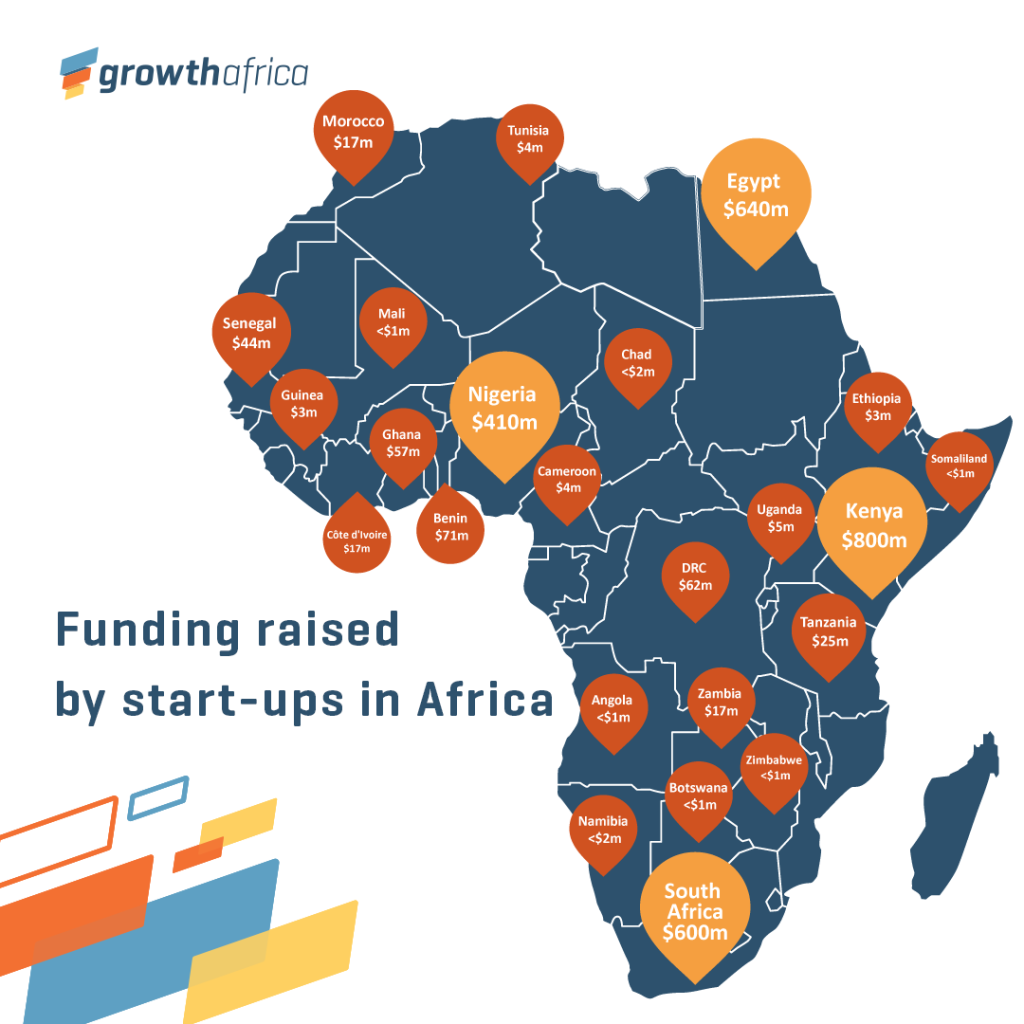
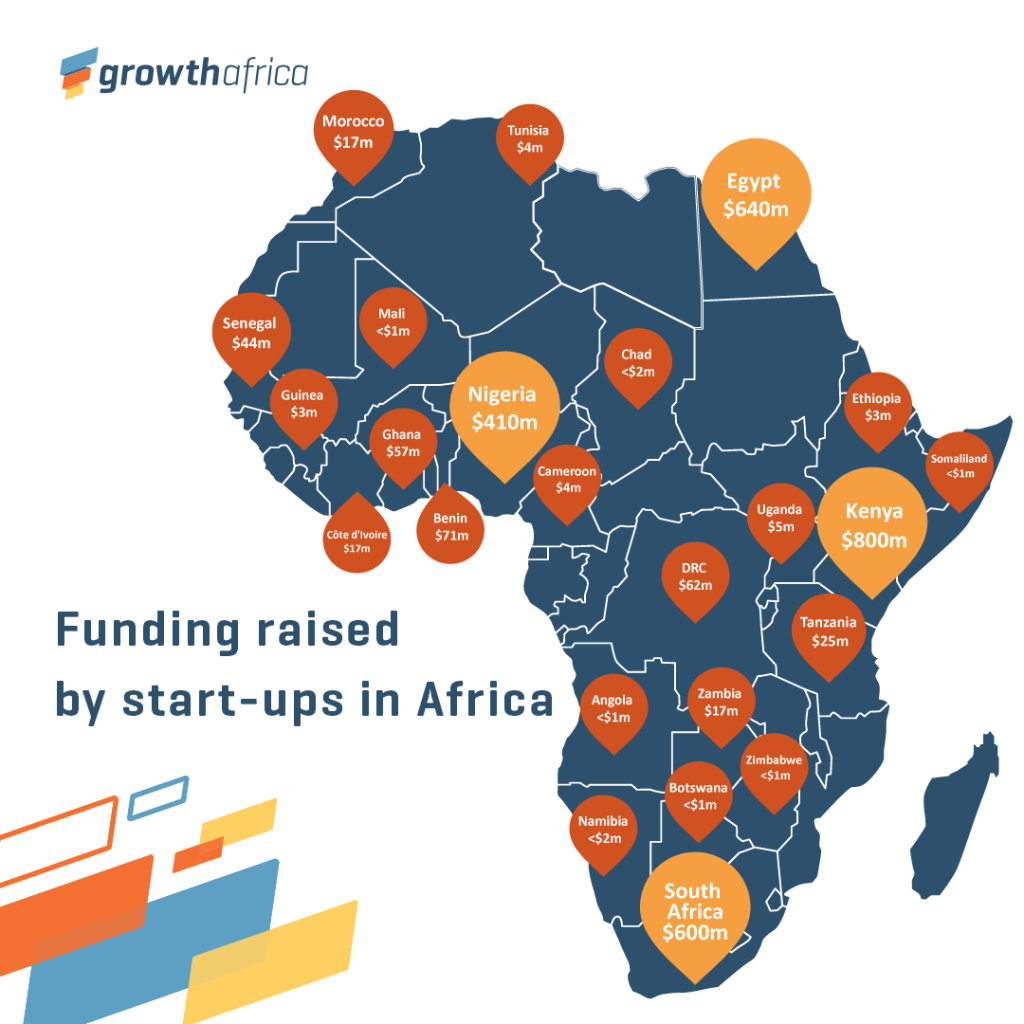
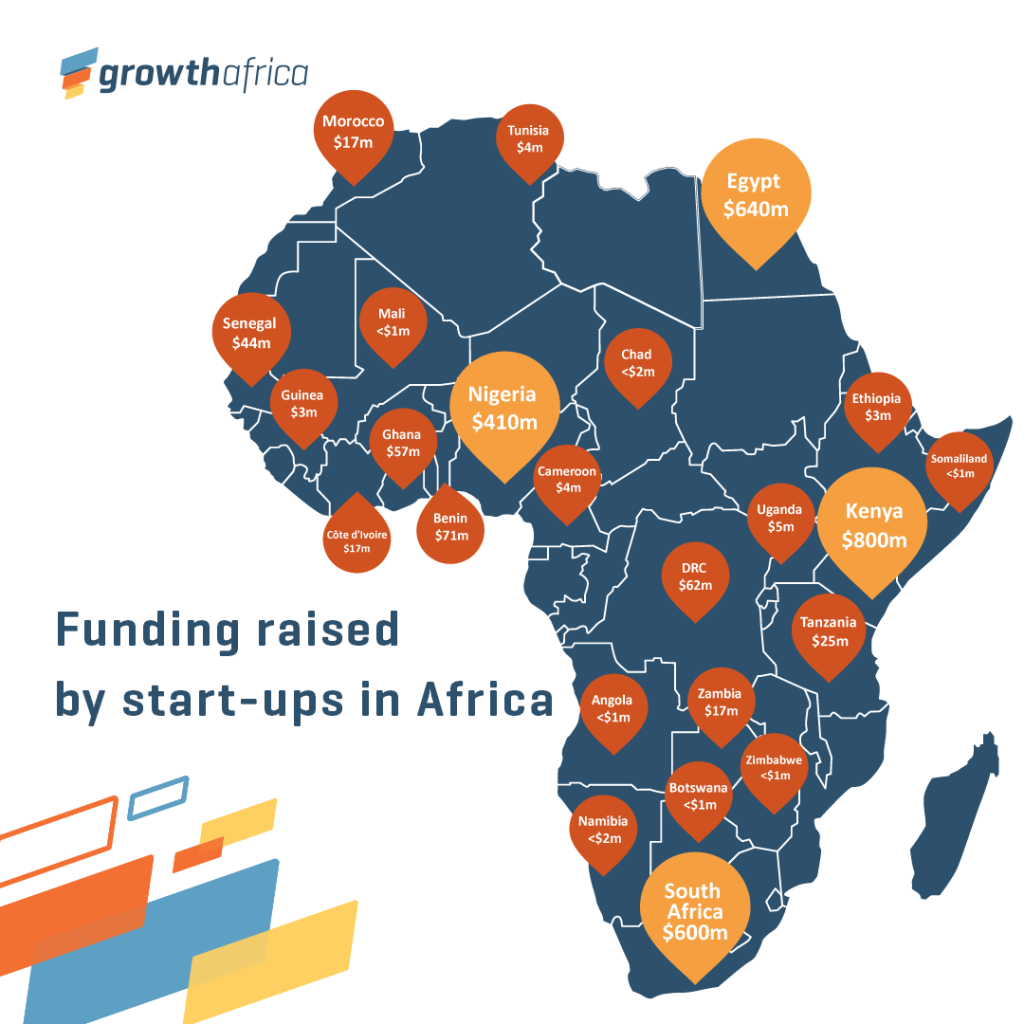
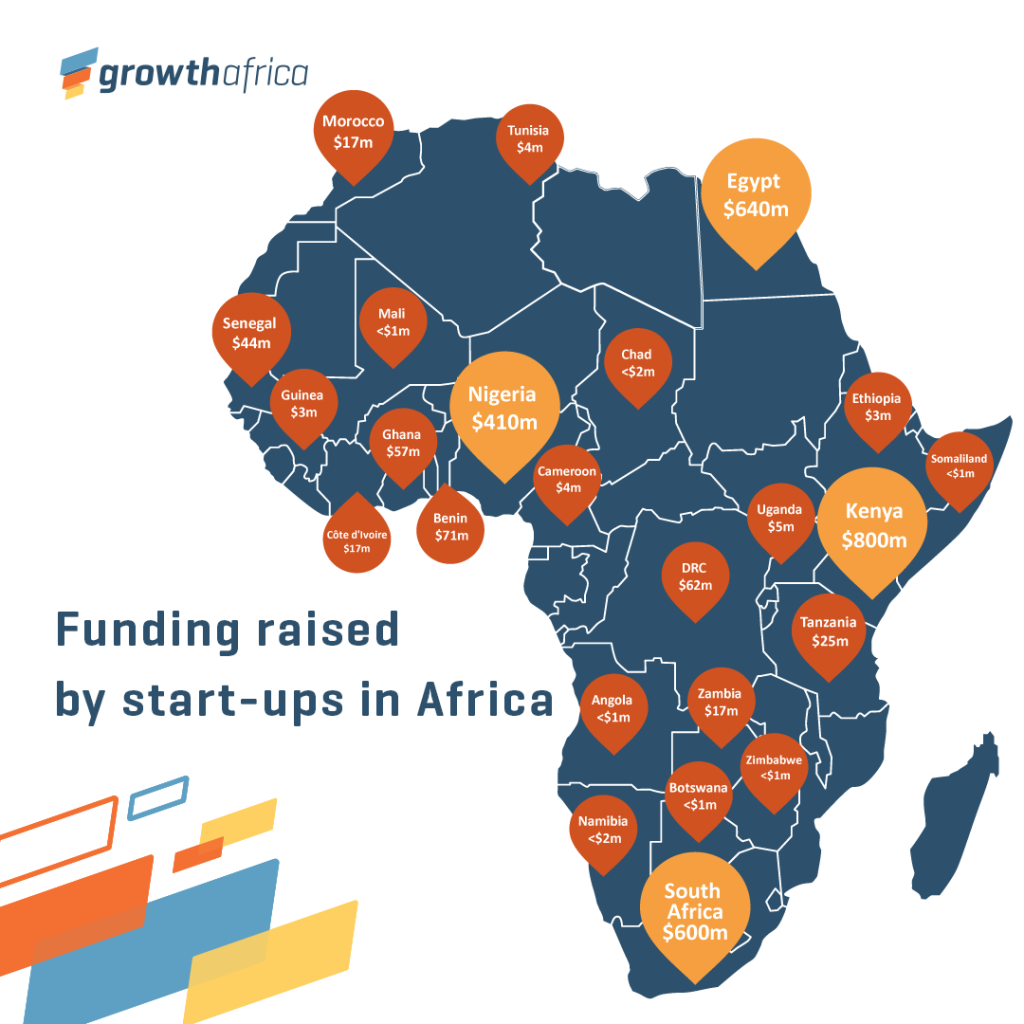
The numbers tell one story, but the actual deals reveal why corporates are leaning in. Take April’s move by Flour Mills of Nigeria, a major food manufacturer and distributor. They invested in OmniRetail, a B2B e-commerce platform connecting manufacturers to retailers across West Africa, as part of a $20 million Series A round. It’s simple commercial logic, since Flour Mills already uses OmniRetail to reach small shops and informal retailers. Other headline deals show the breadth of sectors drawing corporate interest. South Africa’s Hollard Group led a $38 million Series B+ round for Naked Insurance, signaling insurer appetite for digital-first distribution and risk modelling. Then there’s Taiwanese semiconductor firm MediaTek injecting $10 million into Egyptian chip and connectivity startup InfinLink, a rare but strategic bet on local hardware capability amid global supply-chain rebalancing. These transactions prove corporate investors aren’t limiting themselves to fintech or ride-hail playbooks. They’re backing logistics, deep tech, insurtech, and semiconductor ventures too. Geography still matters, with Egypt, South Africa, Kenya, and Nigeria remaining the leading destinations thanks to larger domestic markets, deeper startup ecosystems, and more mature capital markets. But H1 2025 also registered a widening footprint. Newer markets like Tunisia, Ghana, Ethiopia, Togo, and Uganda recorded their first corporate-backed rounds during the period, suggesting corporate scouts are exploring opportunities beyond traditional hubs. This expansion aligns with the continent’s broader tech renaissance that’s driving innovation across diverse sectors.
What This Means for Africa’s Future
The rise in corporate activity comes at an interesting time. Venture capital overall in Africa is navigating a more cautious global environment, with investors subjecting startups to tougher scrutiny focused on unit economics and paths to profitability. That pressure, while raising the bar for early-stage founders, also makes corporate checks attractive because they often bring customers and procurement contracts that can help startups scale sustainably. Beyond capital, the most valuable currency a corporate partner can offer is integration. For example, OmniRetail’s relationship with manufacturers like Flour Mills means the platform can rapidly introduce new suppliers or products to a broad retail network, shortening trial cycles and de-risking adoption. There are challenges, of course. Corporates must learn to reconcile the slower cadence and compliance-driven culture of large firms with the fast, experimental pace of startups. Startups, for their part, must manage governance expectations and potential conflicts if a corporate investor is also a customer or competitor. Looking ahead, the momentum seen in H1 2025 may signal a durable trend. Corporates are increasingly treating venture portfolios as part of broader transformation strategies aimed at digitising sales channels, modernising operations, and accessing new technologies. If economic conditions stabilise and corporates continue to view startups as strategic enablers rather than mere financial bets, CVC could become a steady source of growth capital for the next wave of African tech companies. This corporate investment surge complements the overall funding growth that’s fueling the continent’s entrepreneurial spirit. For founders, the message is clear: corporate partnerships can be catalytic, offering not just money but routes to customers, infrastructure, and market knowledge. For corporates, the opportunity is to harness entrepreneurial agility while managing integration risks. For the continent, the rise in corporate-backed deals suggests a maturing ecosystem where capital, customers, and industrial know-how are beginning to converge, creating a stronger foundation for scalable innovation across diverse markets. As reported by BusinessDay, this trend represents a significant shift in Africa’s investment landscape, while GlobalVenturing notes the strategic importance of these corporate moves. The broader context of Africa’s startup evolution continues to be documented by outlets like TechCrunch’s Africa coverage, which tracks how these corporate investments fit into the continent’s larger tech transformation.