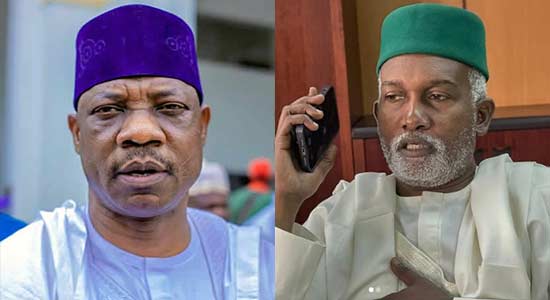
Bauchi Governor Mohammed Accuses Minister Wike of Political Sabotage Amid Rising Tensions
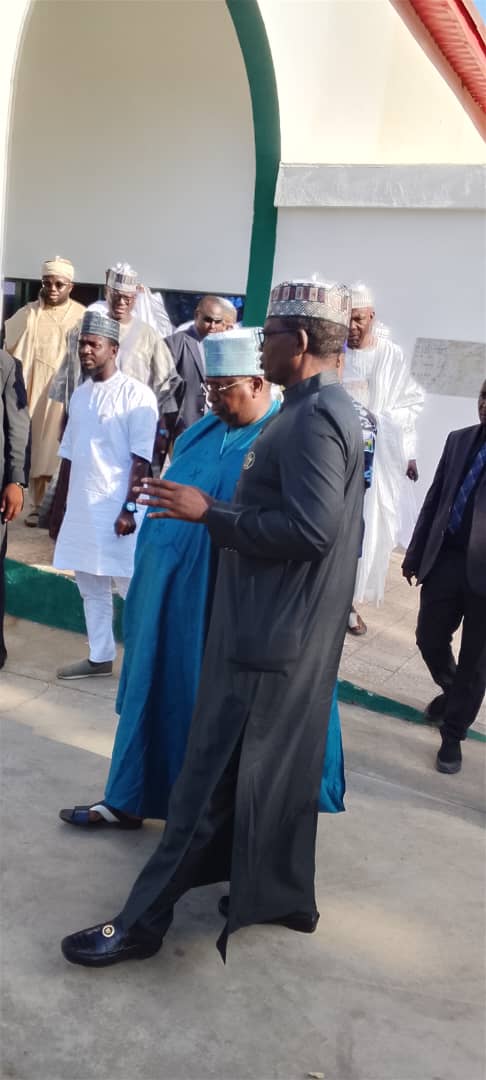
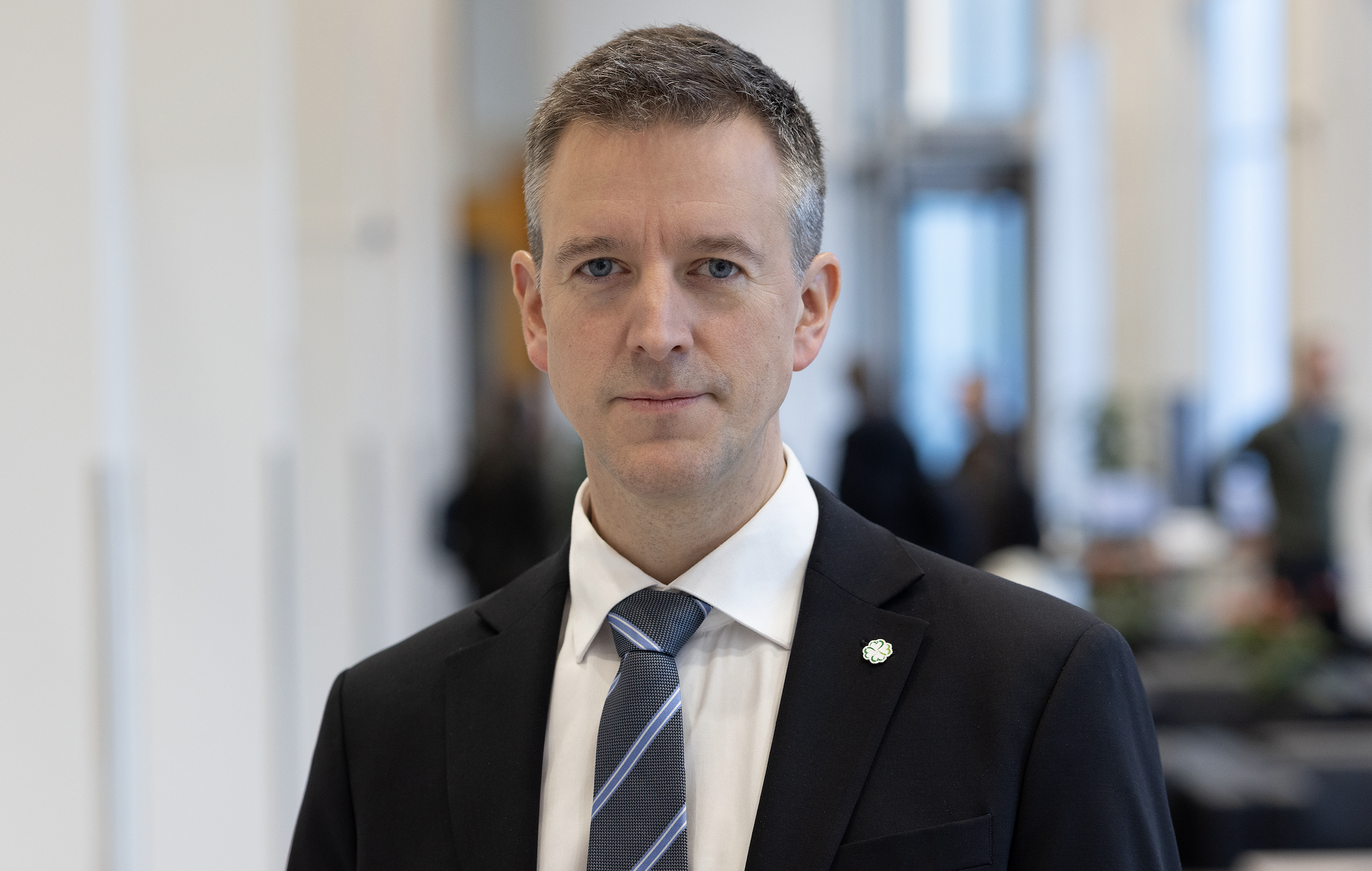
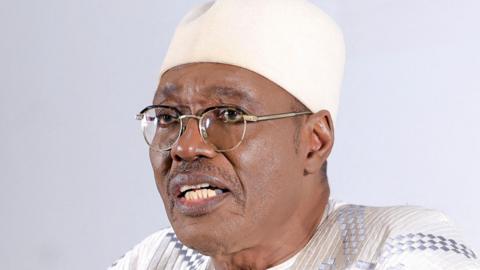
Nigeria’s political scene just got hotter. Bauchi State Governor Mohammed has directly accused Minister Wike of trying to “put fire” in his state, a serious allegation that points to a calculated effort. This isn’t just typical political banter; the governor’s claims suggest a deeper, more manipulative agenda. Could it be an attempt to tarnish his image, compel him to align with certain political factions, or simply neutralize him as a strong challenger within Nigeria’s ruling class? These are critical questions, aren’t they? This striking development highlights the increasingly volatile nature of Nigeria’s political landscape, where power struggles often feel far removed from the public’s needs. What does this kind of infighting mean for the stability and progress of a nation striving for unity? It’s certainly a situation worth watching closely.
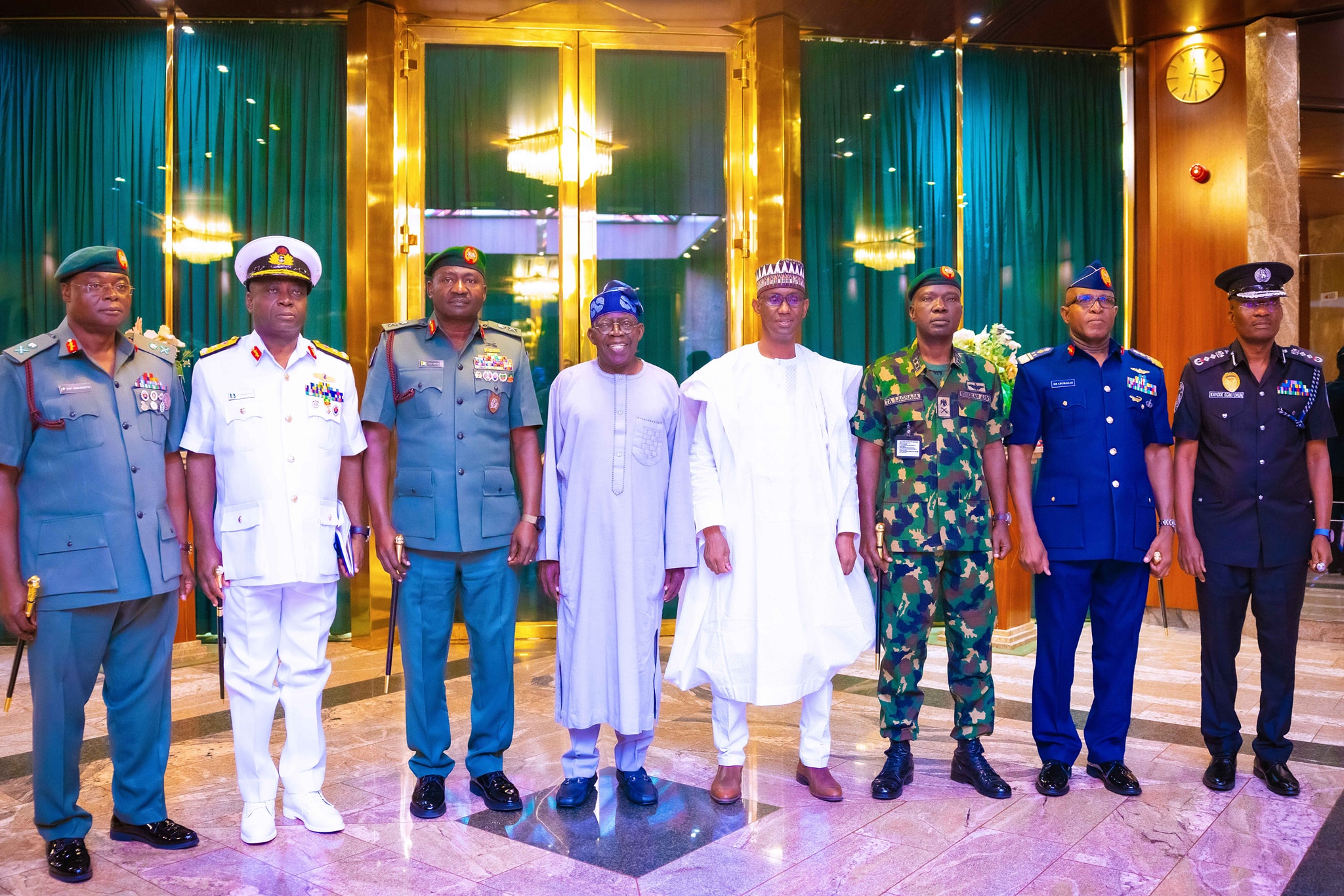
Things get even more complicated. Governor Mohammed alleges that informants within the Economic and Financial Crimes Commission (EFCC) have revealed a disturbing trend: petitions and documents are reportedly being deliberately manufactured and deployed to influence court cases against him and his administration’s officials. Imagine that. His Commissioner of Finance, for example, is said to be out on bail, tangled in these ongoing legal battles. This blurring of lines between legal processes and political vendettas is alarming, don’t you think? It doesn’t just complicate governance, it chips away at public trust and fundamental democratic principles. And as if that wasn’t enough, Governor Mohammed didn’t shy away from criticizing President Tinubu’s government directly. He claimed the President is surrounded by “hooligans” and “charlatans,” a strong rebuke indeed. These aren’t minor complaints; they paint a picture of internal discord and questionable influences at the very top, adding significant layers of complexity to governance challenges in Nigeria.
This isn’t merely a localized disagreement; it’s a glaring symptom of wider tensions simmering across Nigeria’s political arena. We’re seeing these power struggles play out with increasing public visibility, and frankly, it raises some uncomfortable questions. What does this intense political infighting say about the health of Nigeria’s democracy? How robust are its institutions when they seem so easily drawn into partisan battles? And what does this trajectory mean for the future of the nation’s leadership? Governor Mohammed’s warnings about unchecked impunity resonate with many Nigerians who fear a continued erosion of institutional integrity. As the country works to strengthen accountability and public confidence, the weaponization of state bodies like the EFCC could severely hinder reform efforts. Moving forward, all Nigerian political actors and civil society must pay close attention. Resolving these deep-seated tensions demands a real recommitment to democratic values, transparent governance, and respect for due process. Without such concerted efforts, political rivalry could spiral into truly destabilizing conflict, impacting national cohesion and development. Can Nigeria rise to this challenge? Its commitment to democracy and accountability is truly on trial, and the drama unfolding offers a crucial chance for reflection and necessary reform.
Sources
Bauchi Governor Mohammed Accuses Minister Wike Of Plotting To “Put Fire” In His State, Says Tinubu Surrounded By Hooligans, Charlatans, January 1, 2026, published on News [URL not provided]