West African Sahel Faces New Turbulence as Three Nations Exit ECOWAS Amid Diplomatic Strains and Regional Challenges
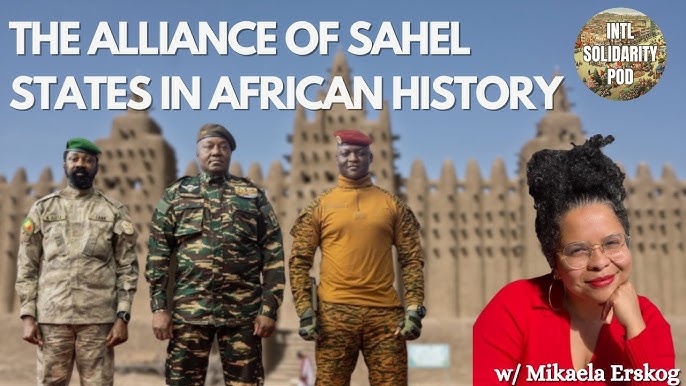
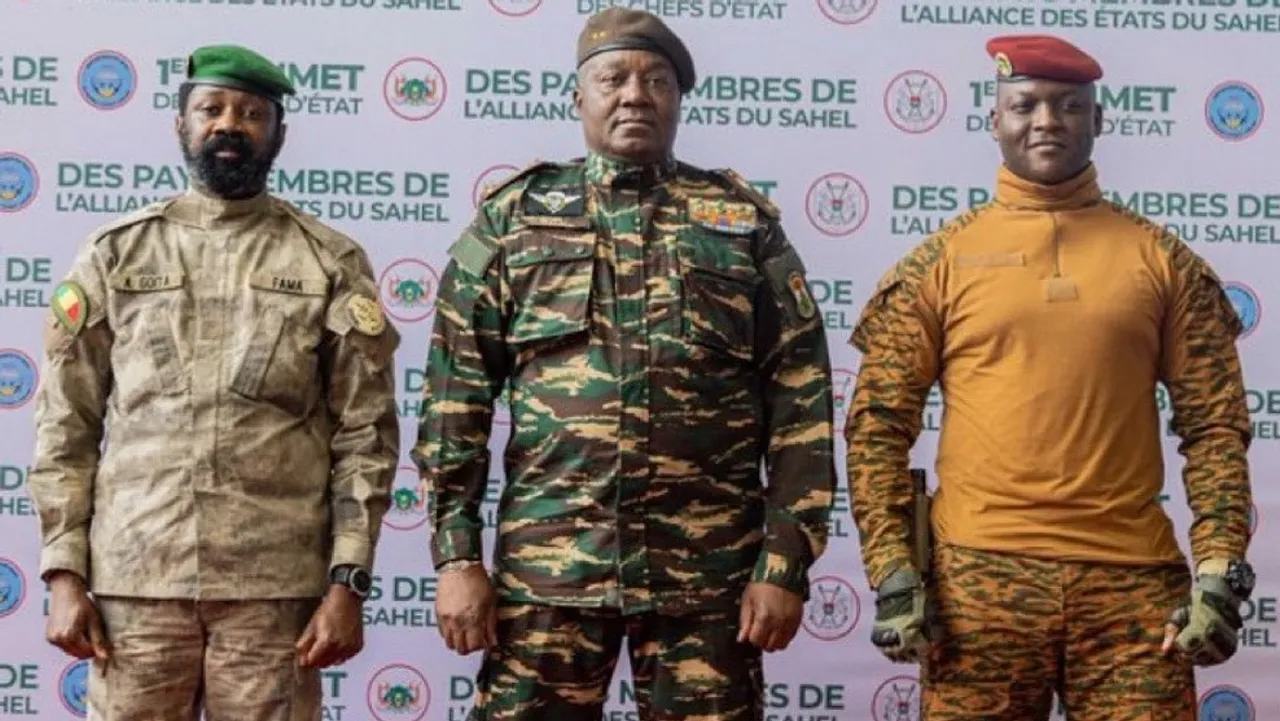
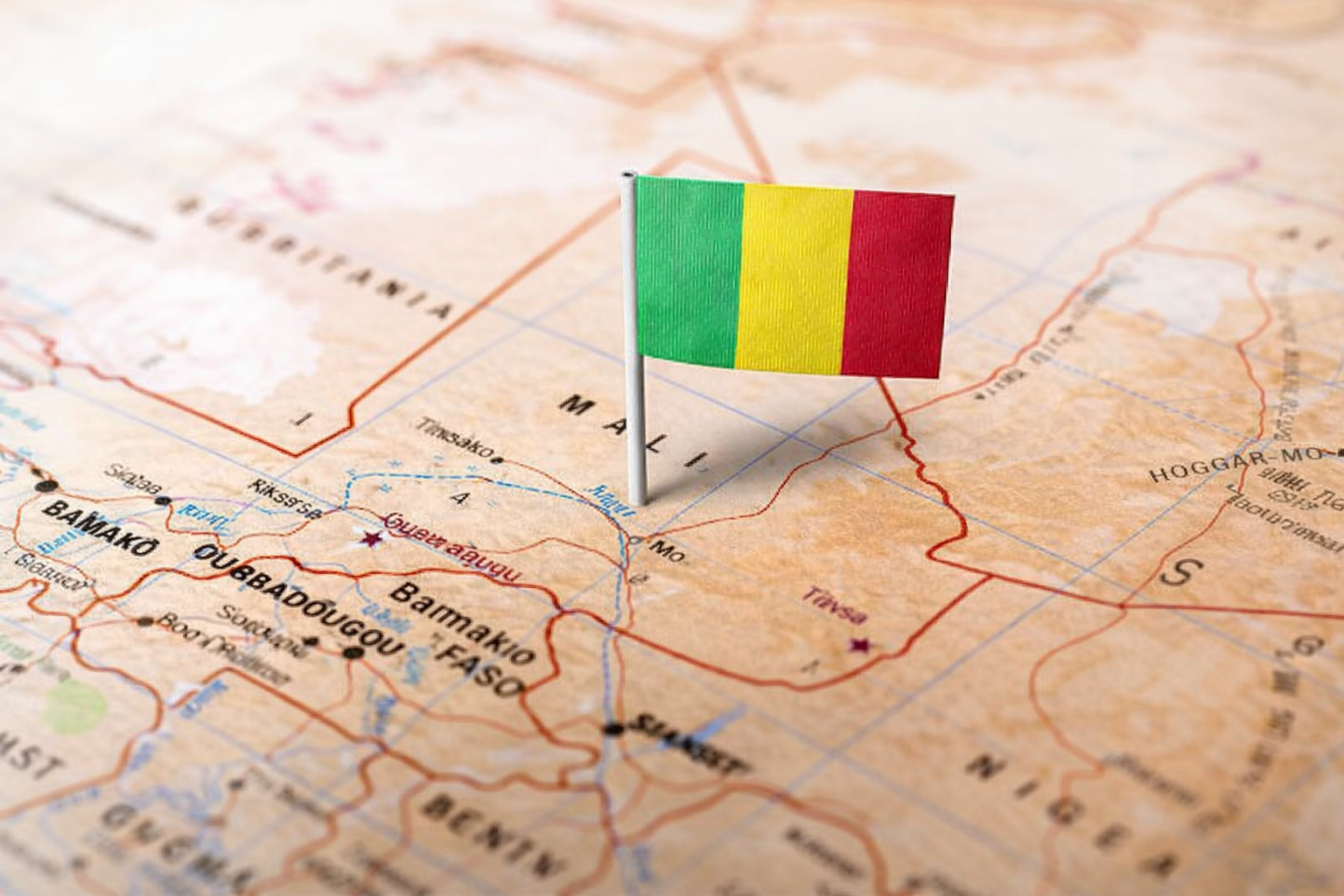
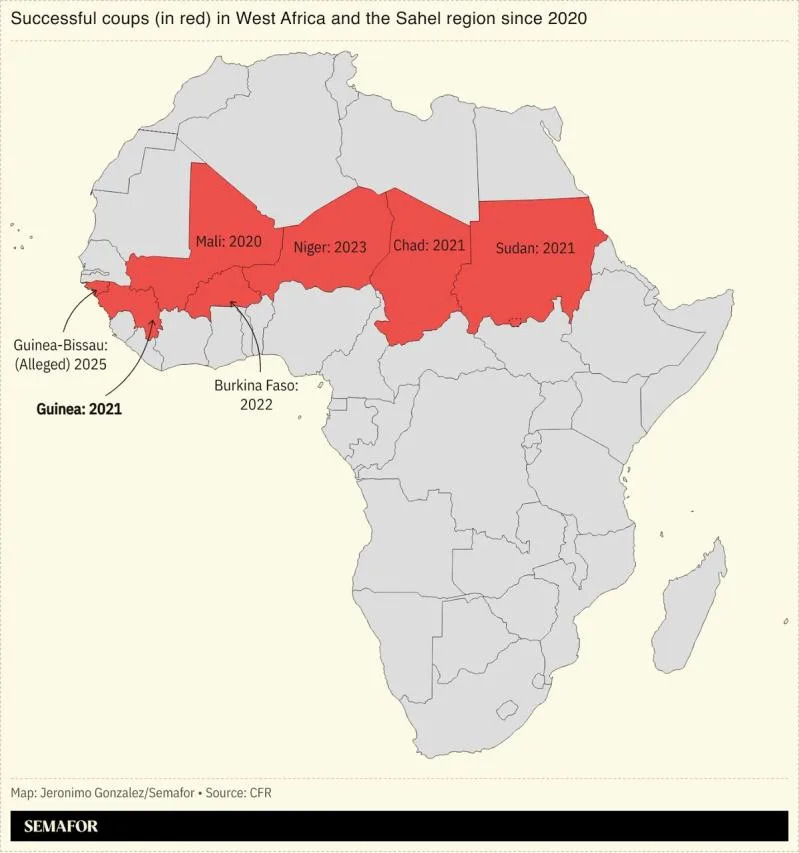
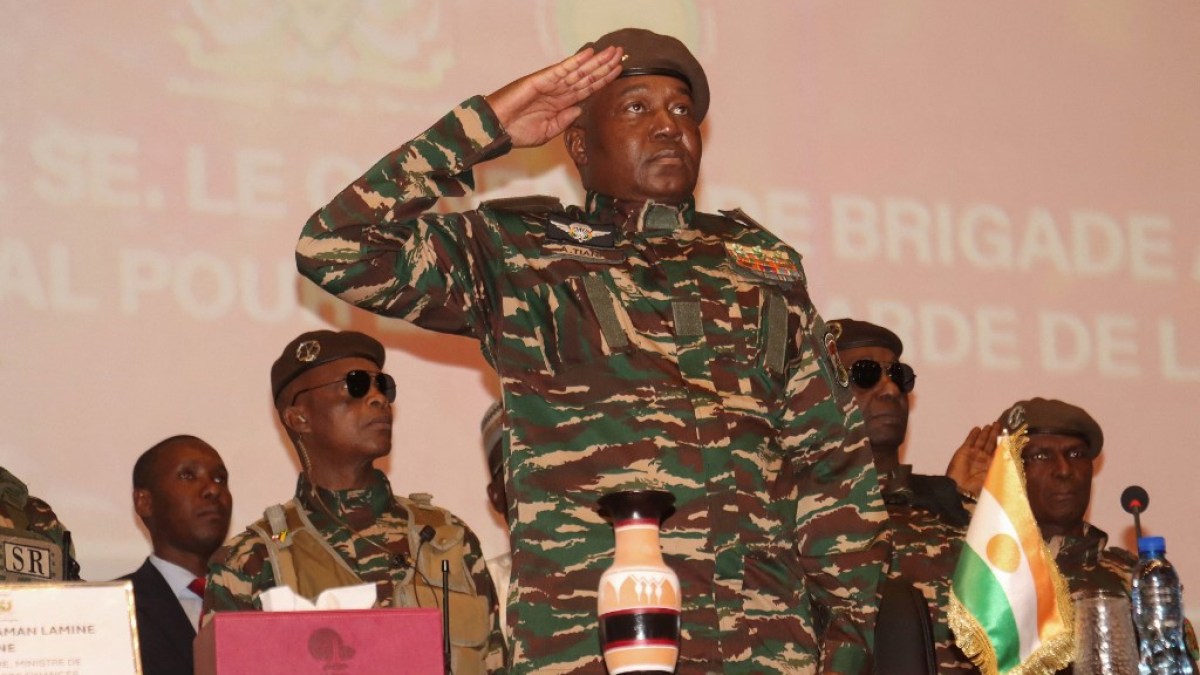
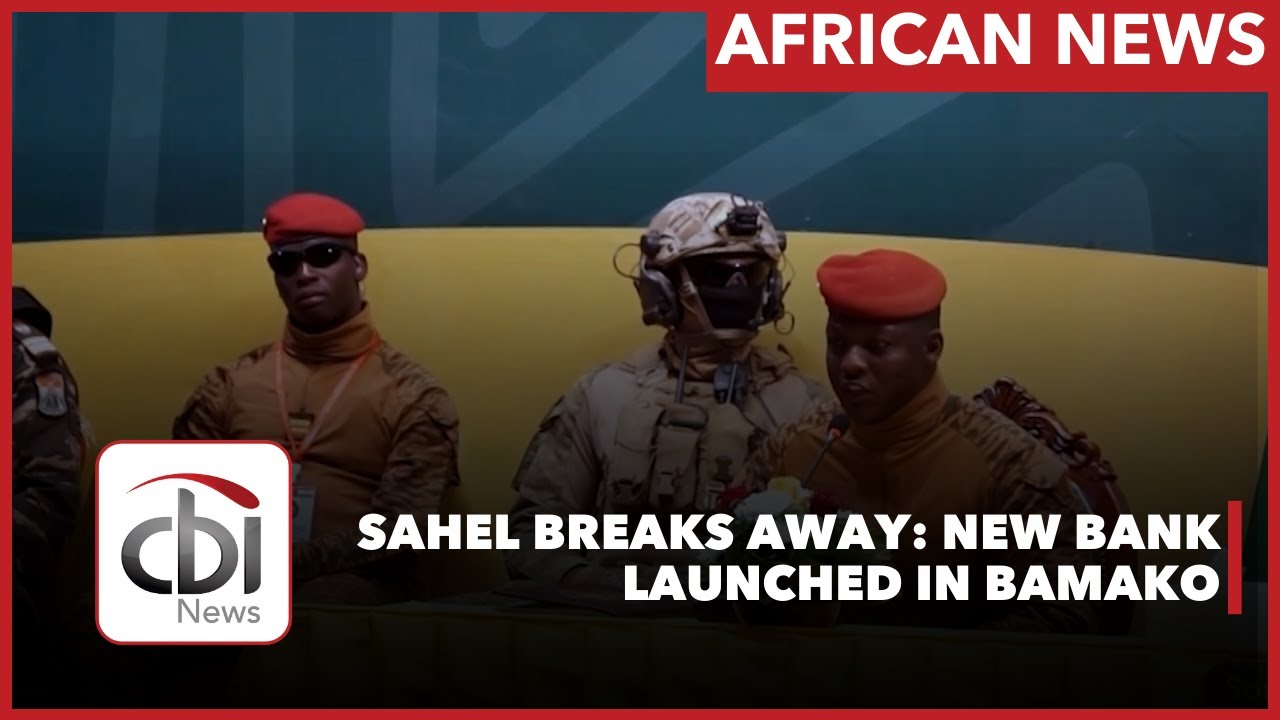
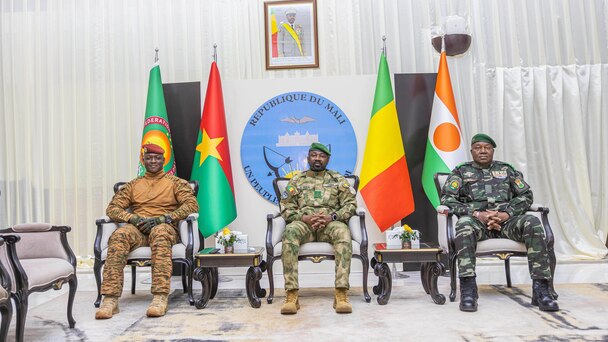
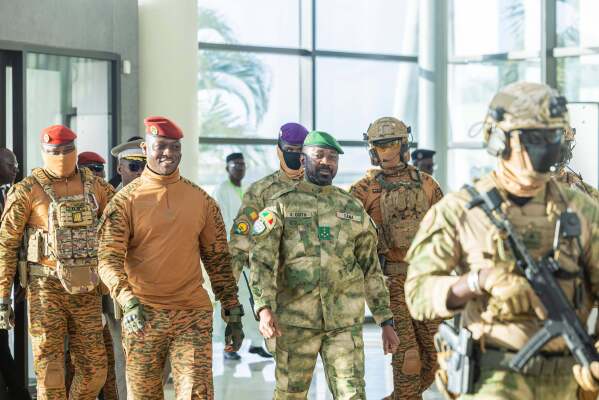
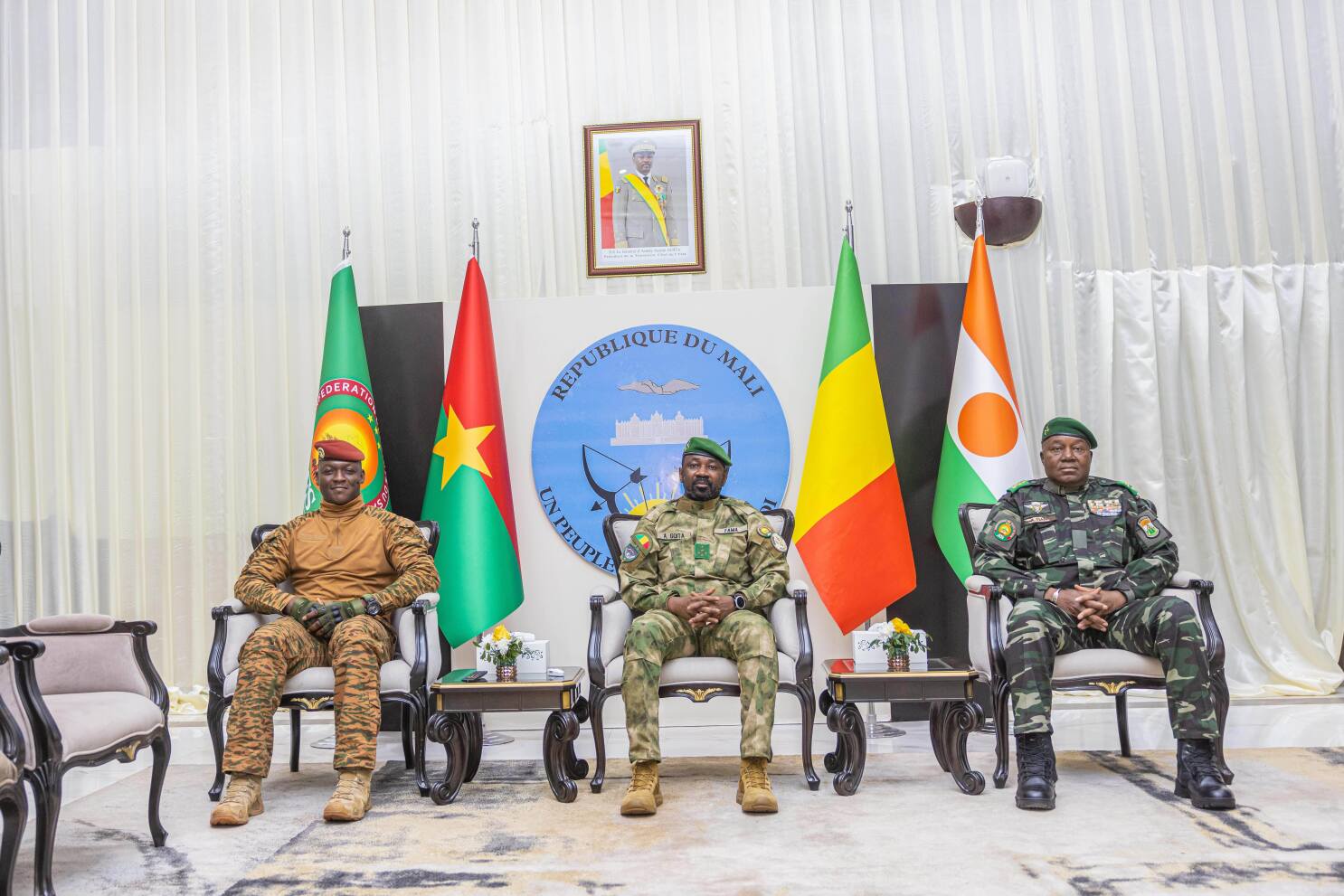
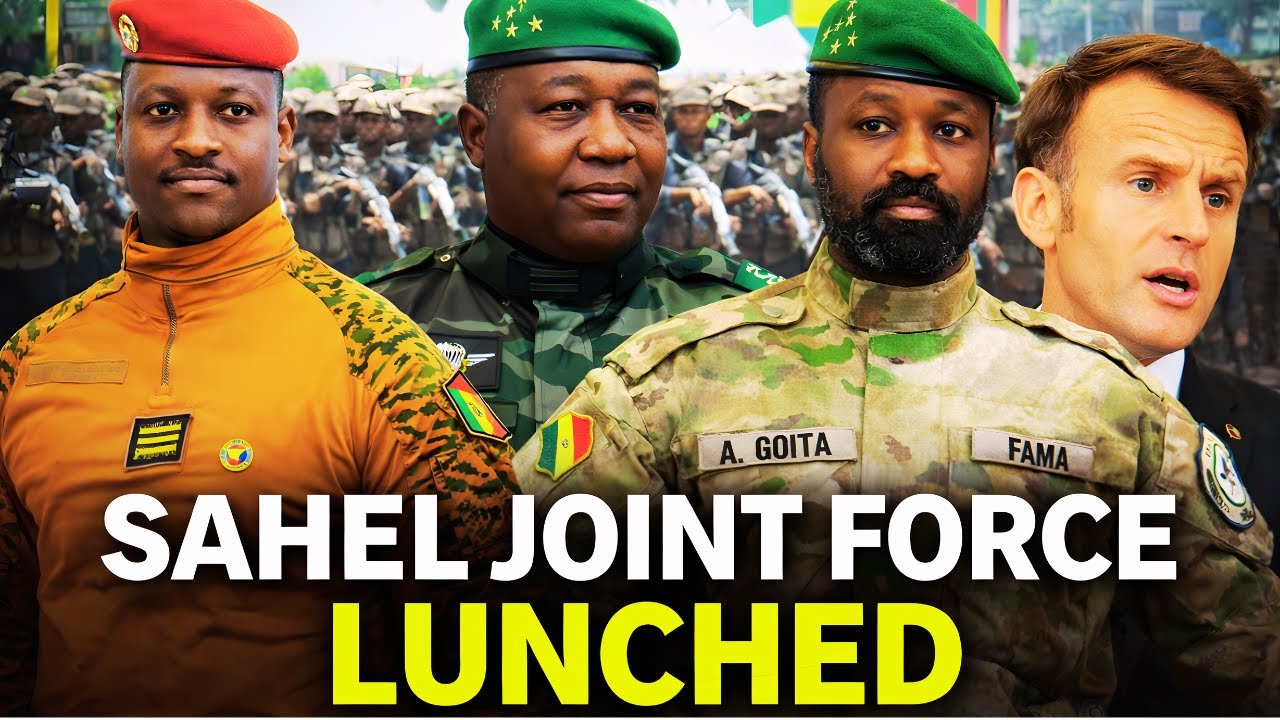
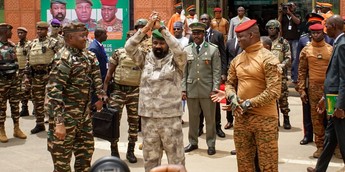
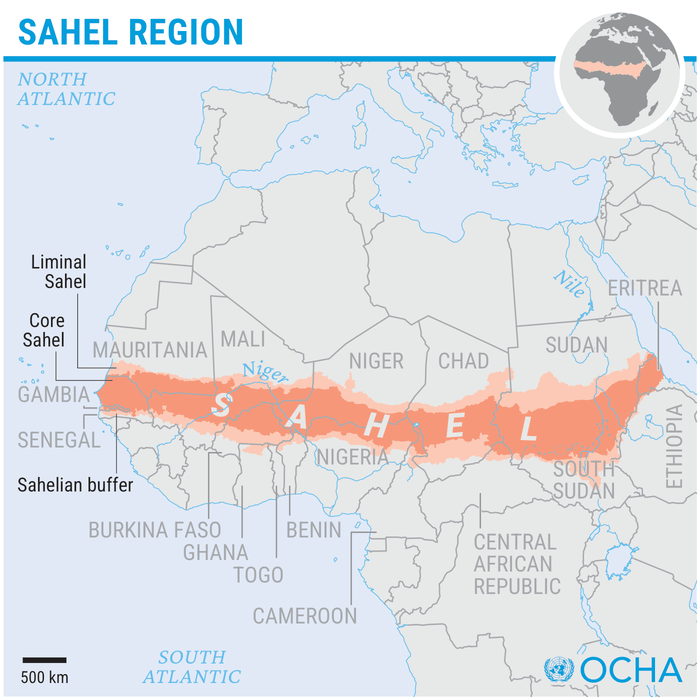
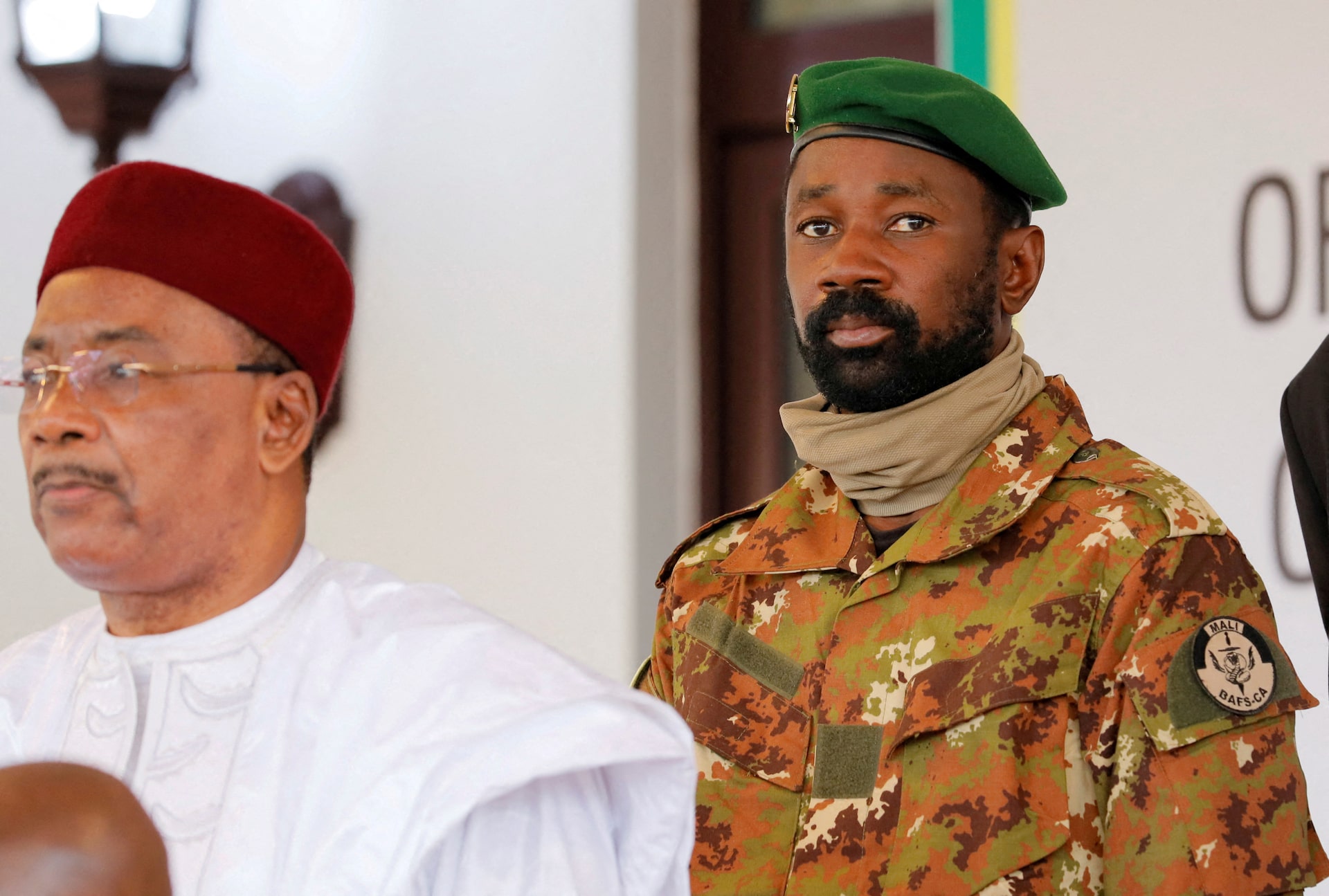
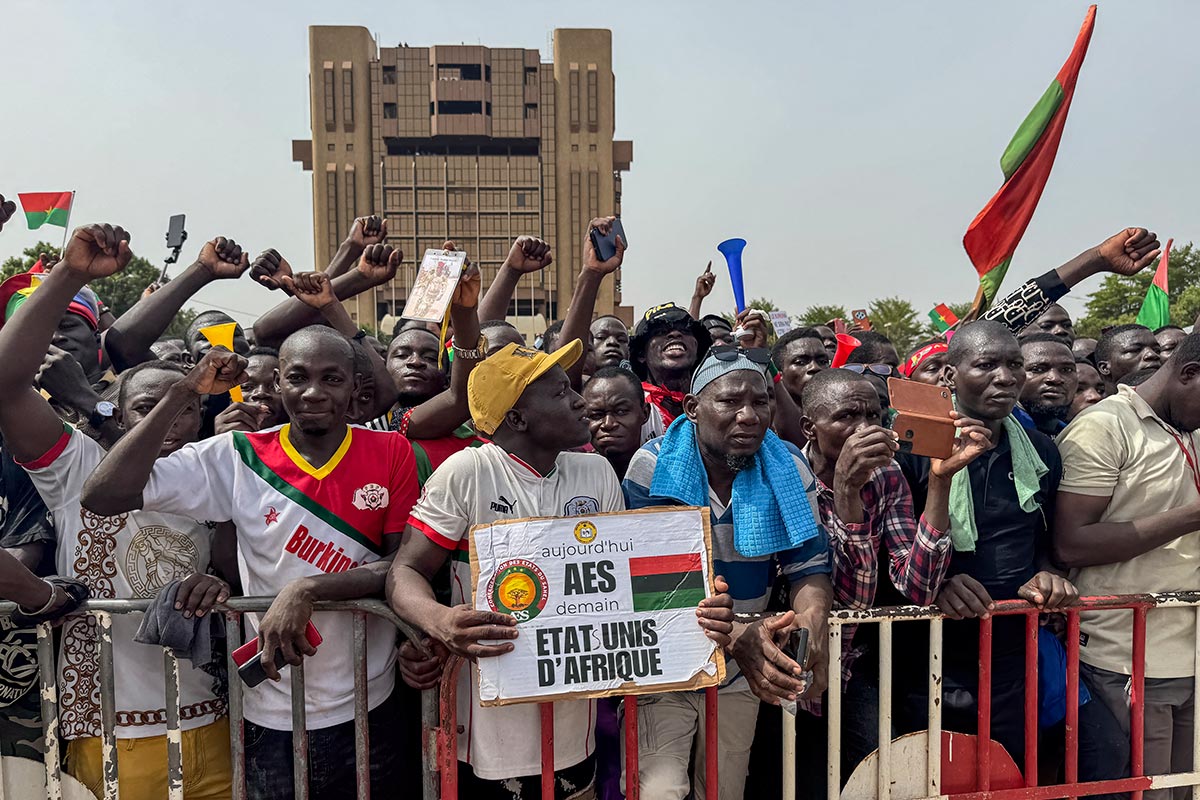
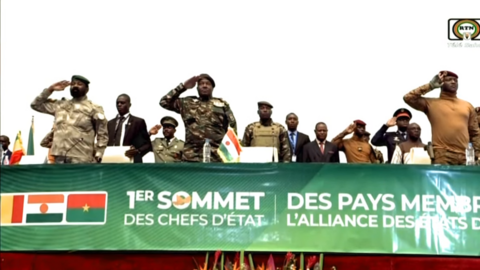
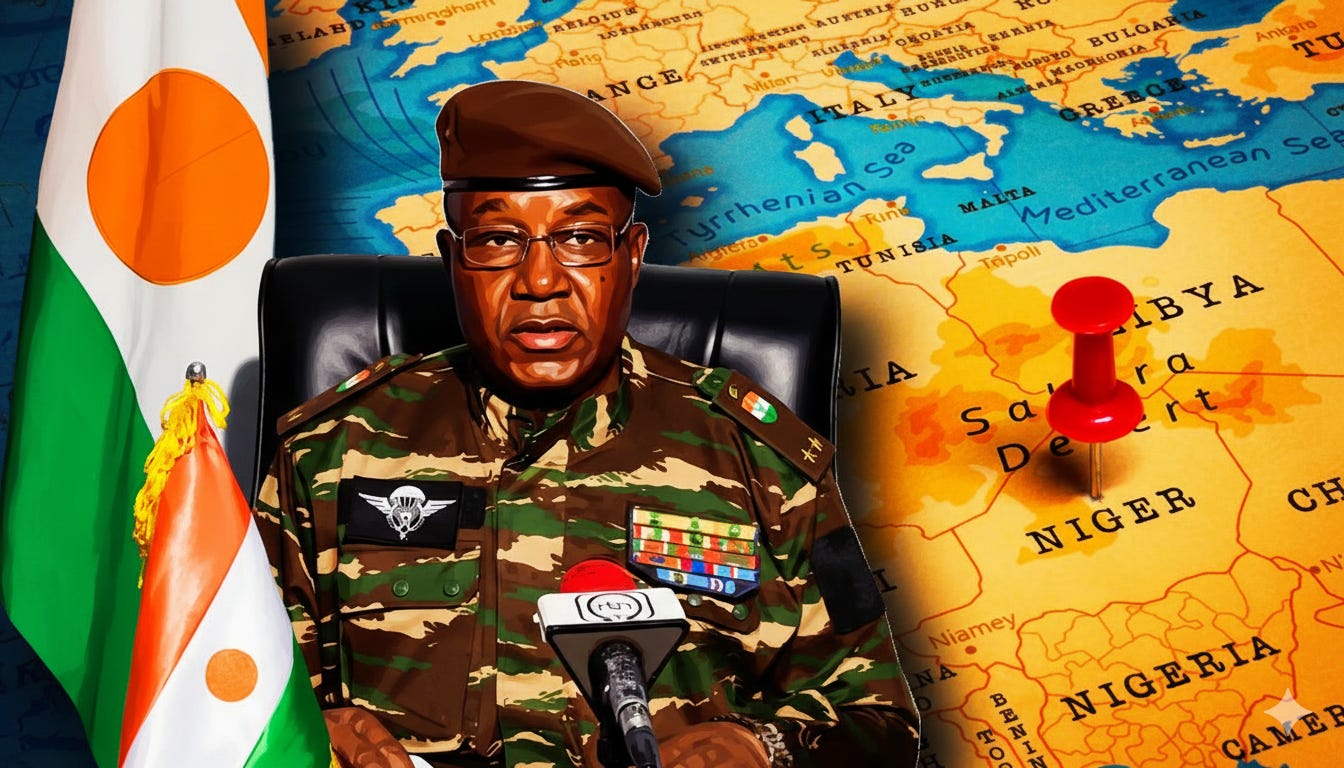
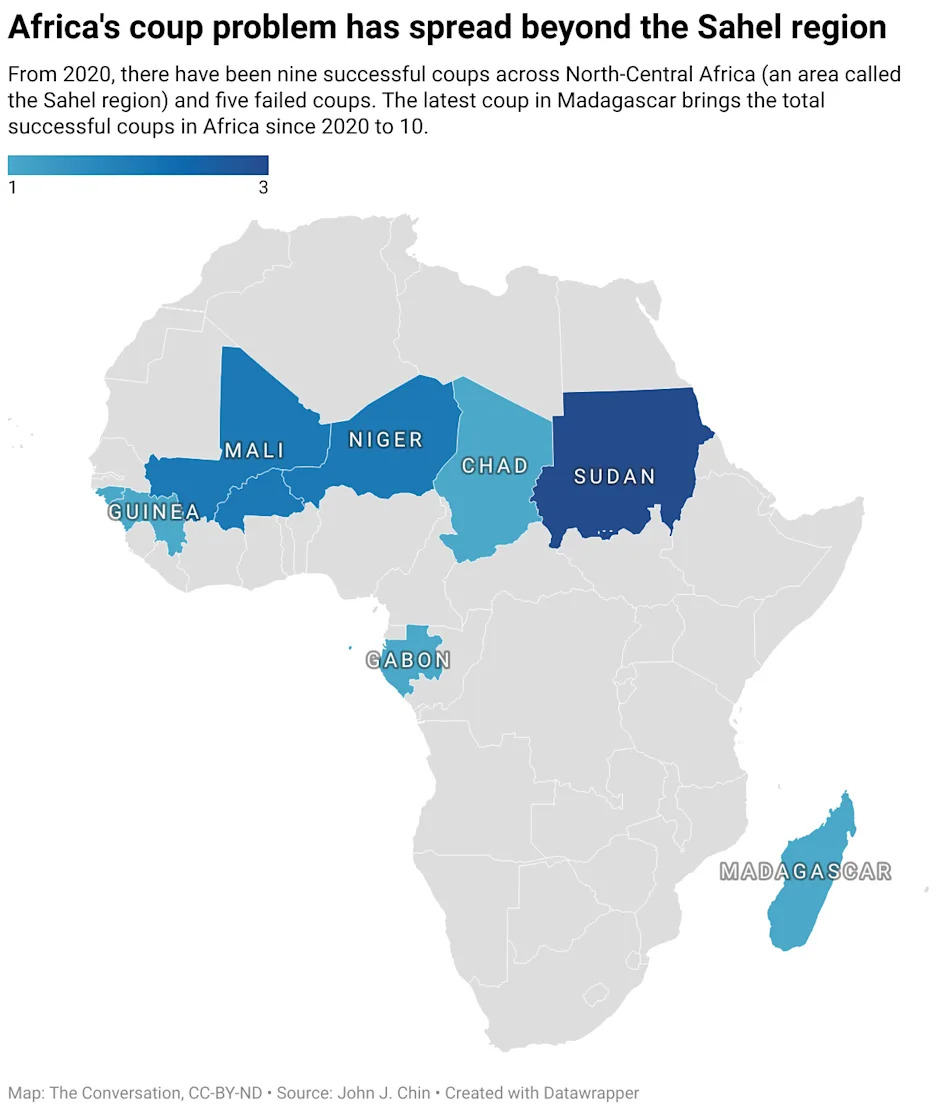
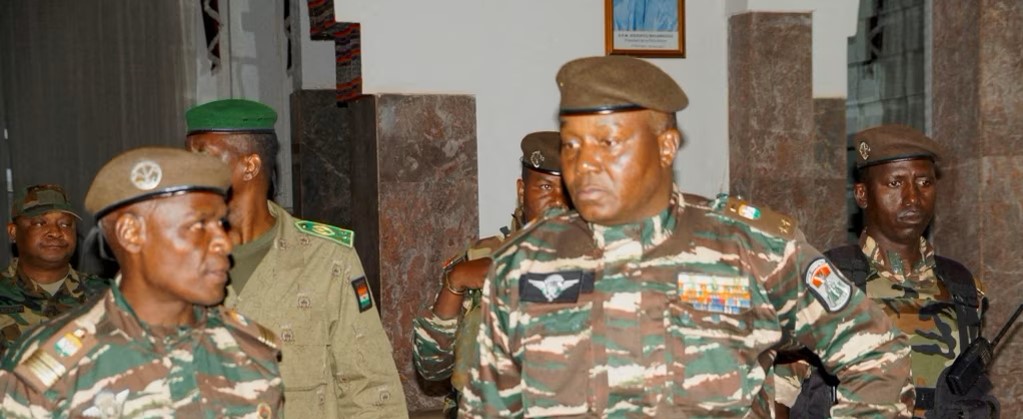
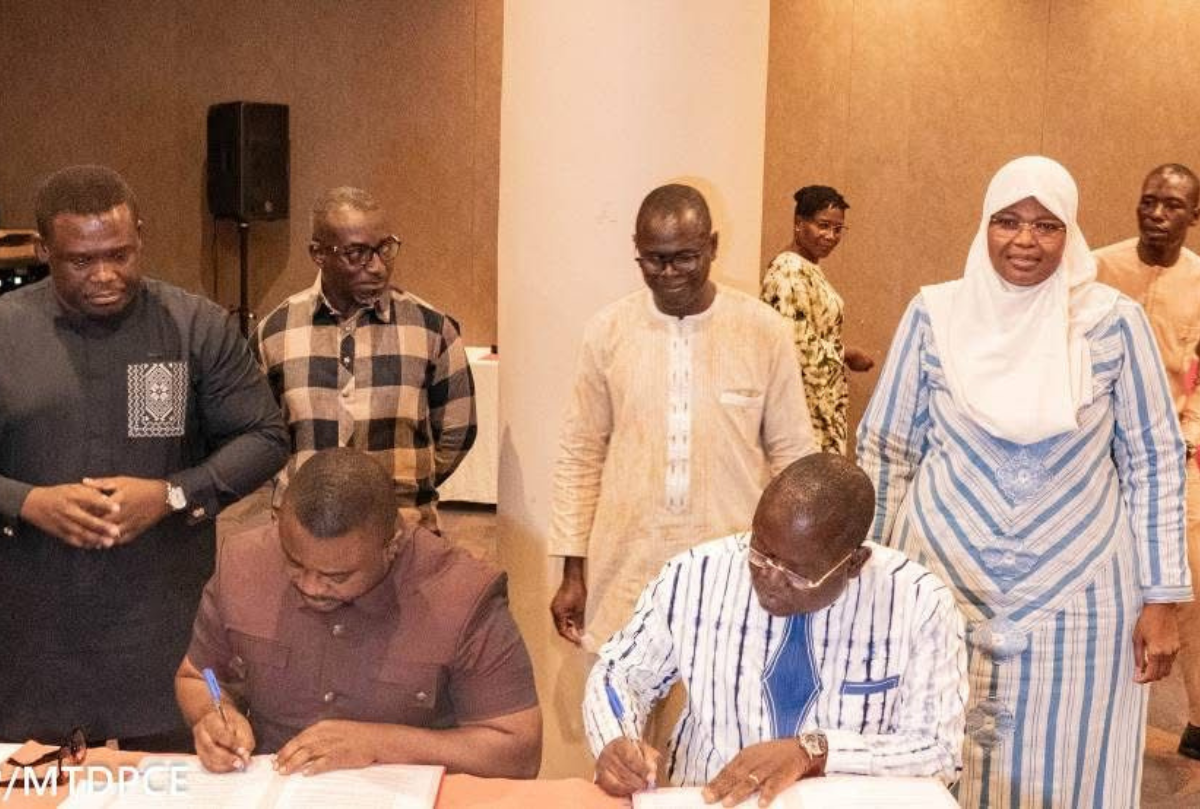
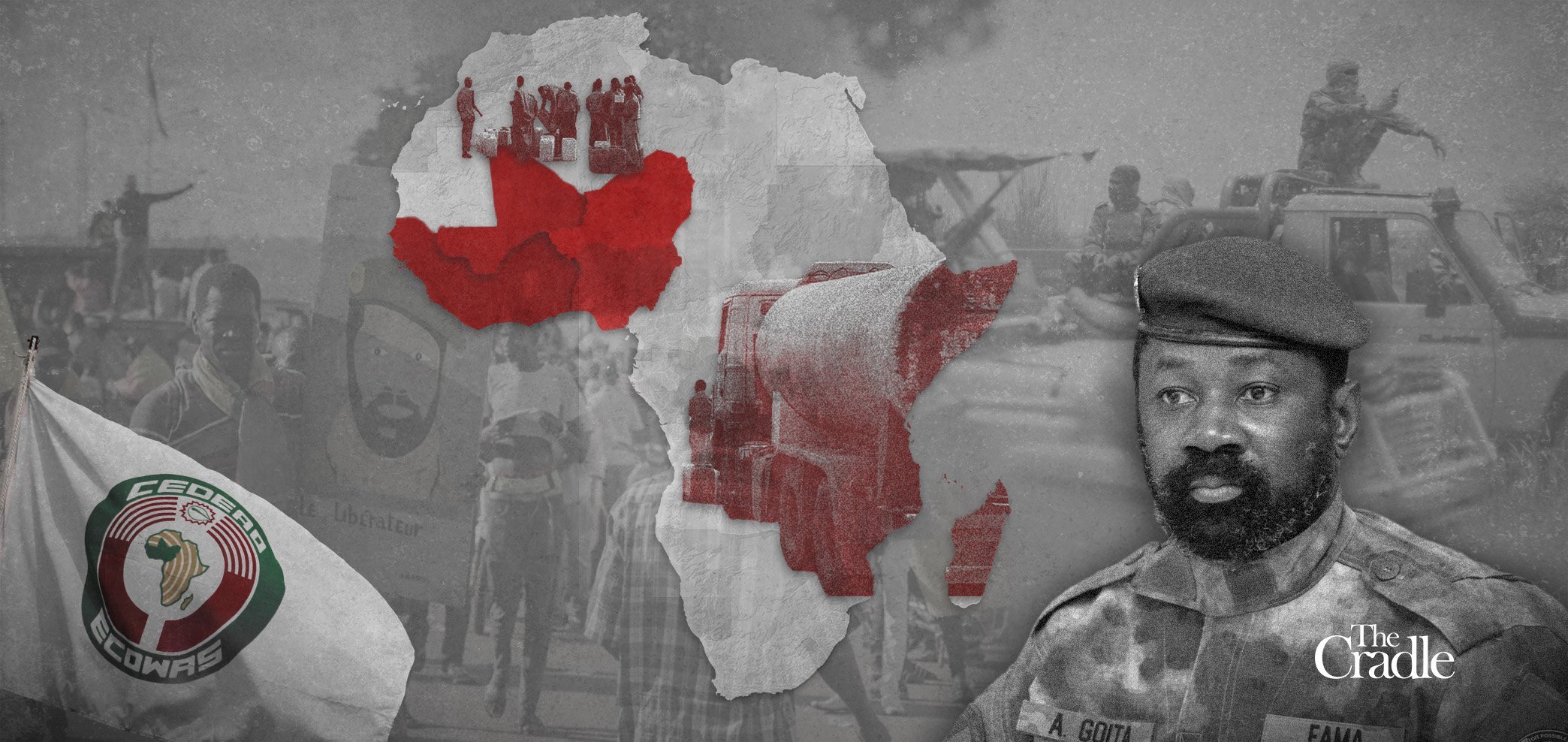
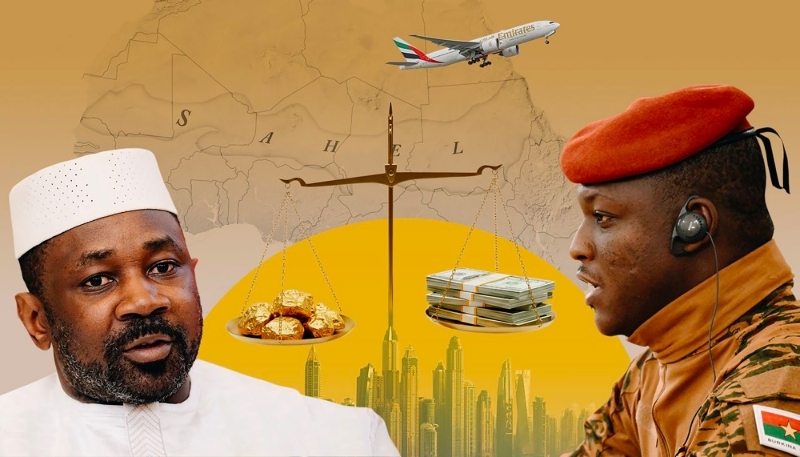
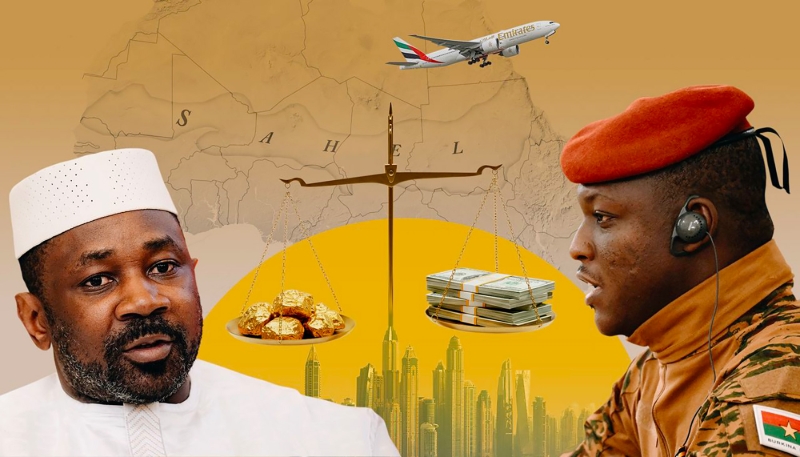
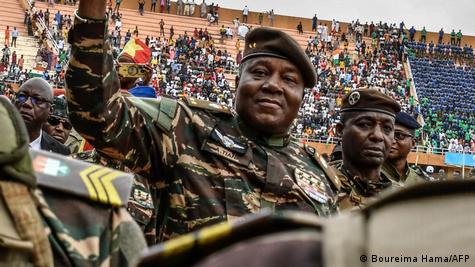
A seismic shift just rocked West Africa’s Sahel region. Burkina Faso, Mali, and Niger, three key nations, have officially pulled out of the Economic Community of West African States, widely known as ECOWAS. This isn’t just a formality; it’s an unprecedented move that’s sending shockwaves through regional cooperation and exposing deep, underlying frustrations. What’s really driving this historic departure? Leaders in these countries aren’t mincing words, they openly accuse ECOWAS of being too influenced by external powers, claiming the bloc no longer genuinely represents the self-governing interests of its member states. It’s a dramatic exit, sparking critical discussions about the very future of economic stability and security collaboration in a part of the world already grappling with immense challenges. This political upheaval, a significant fracture in the region’s diplomatic fabric, points to a broader dissatisfaction that could reshape alliances and policy for years to come. Indeed, the decision to leave ECOWAS marks a pivotal moment, forcing everyone to reconsider the dynamics of power and partnership in West Africa.
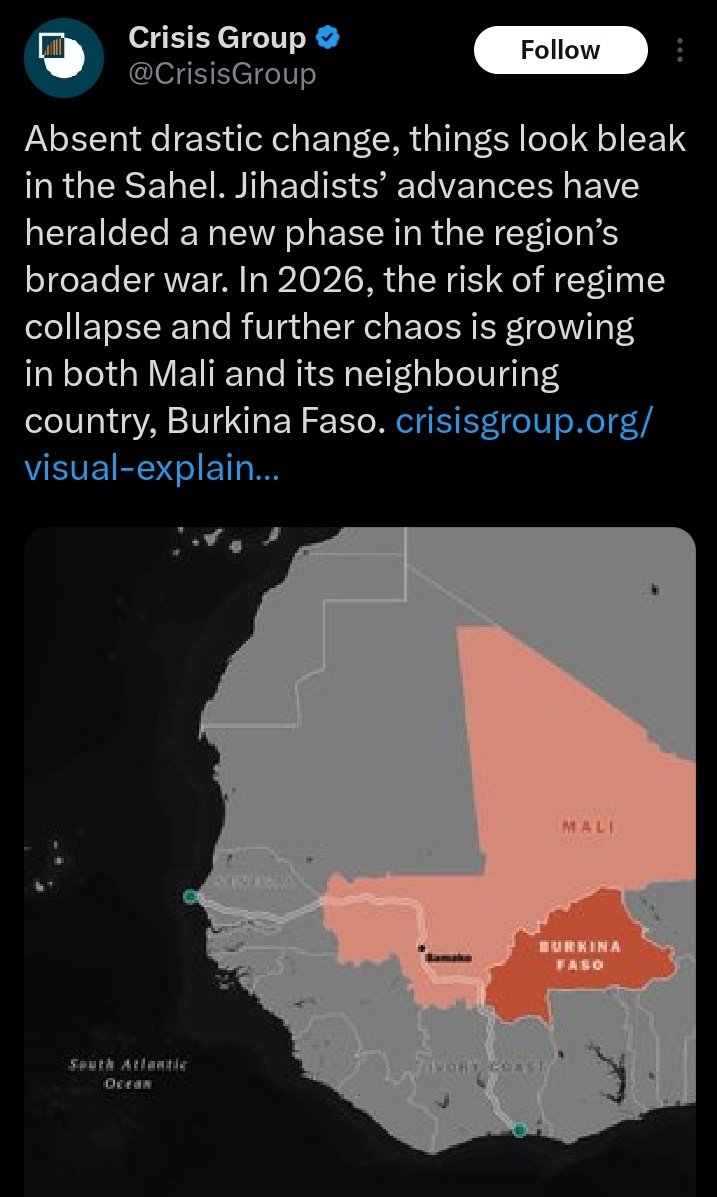
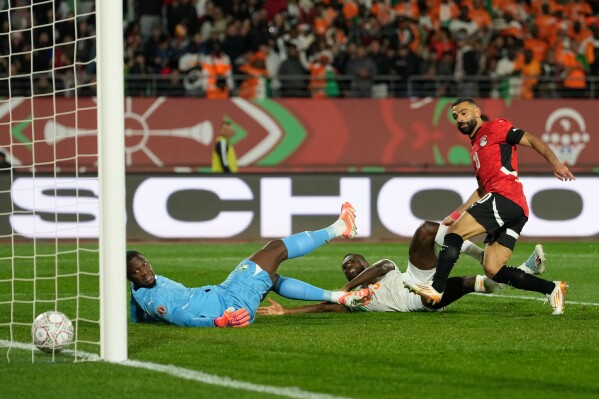
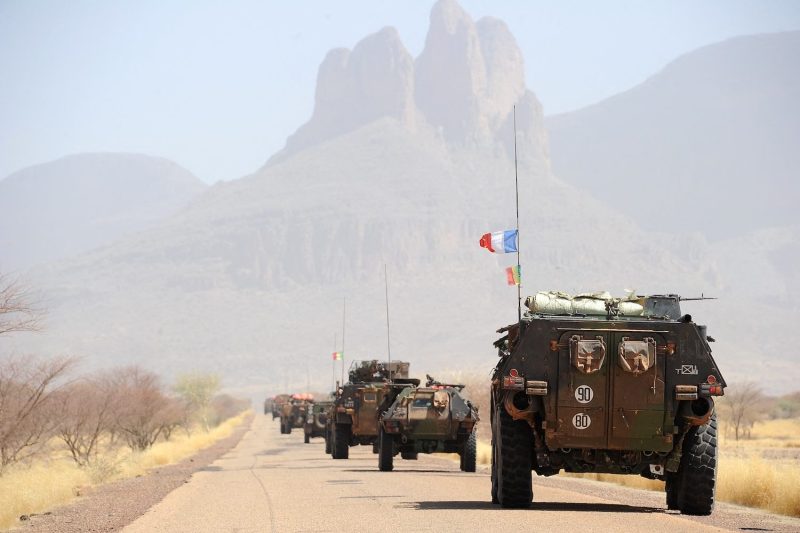
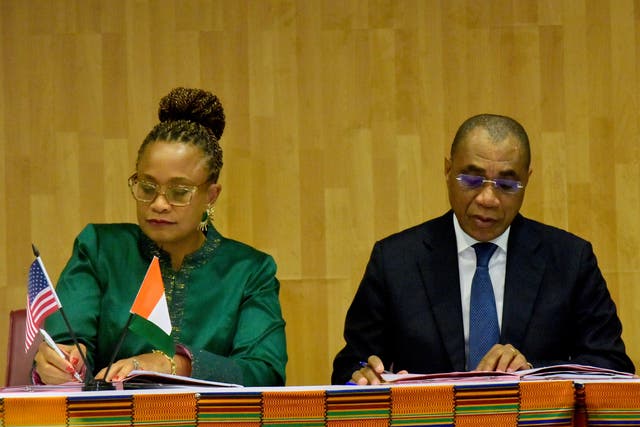
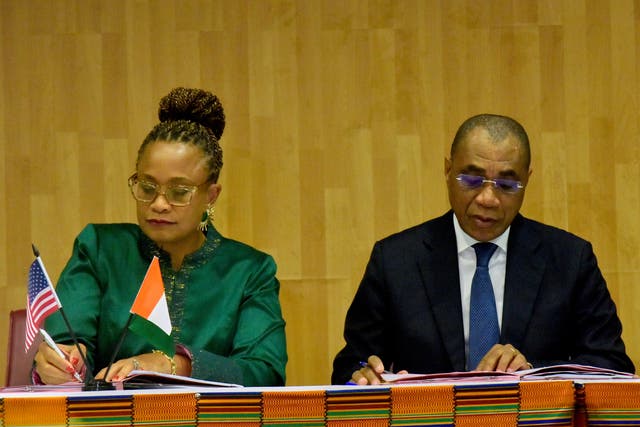
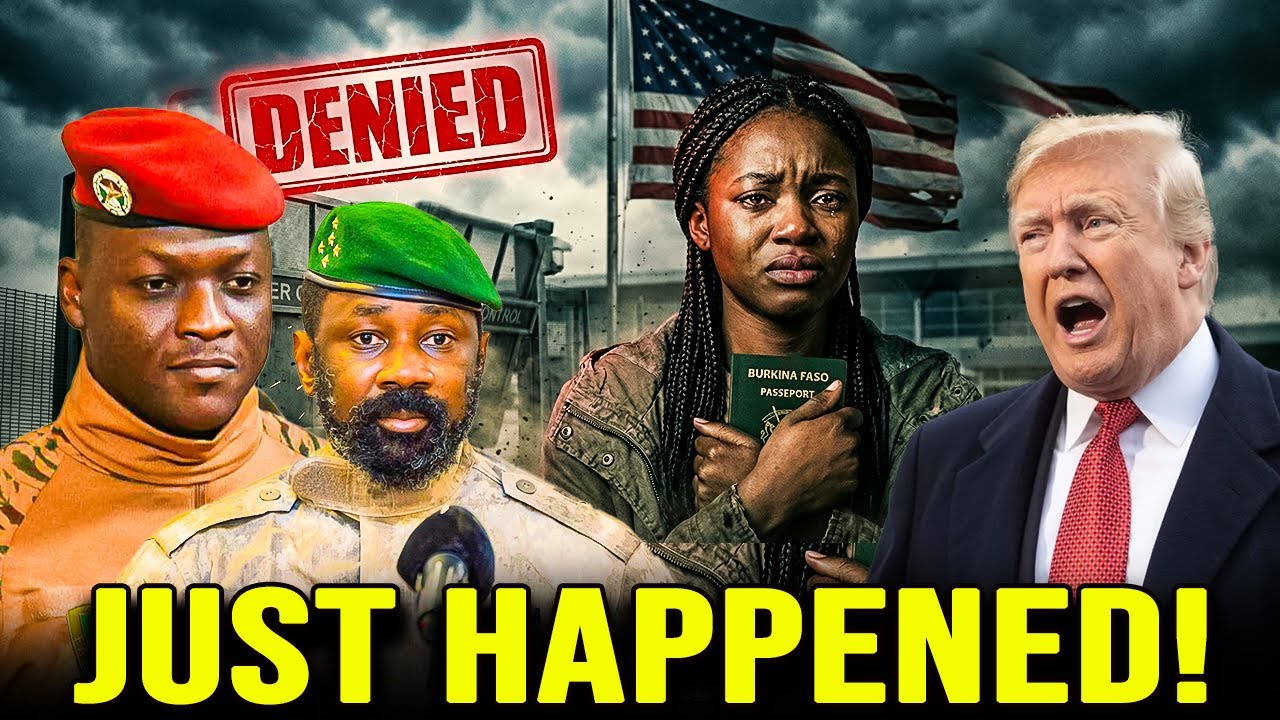
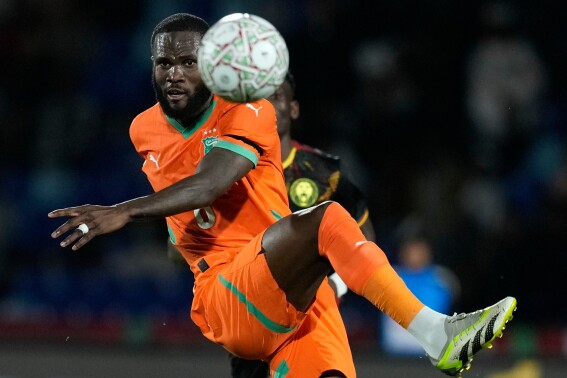
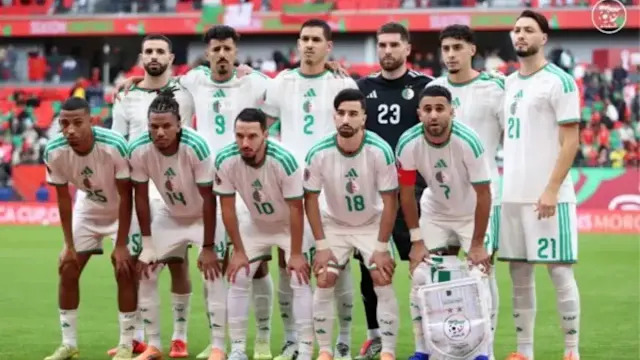
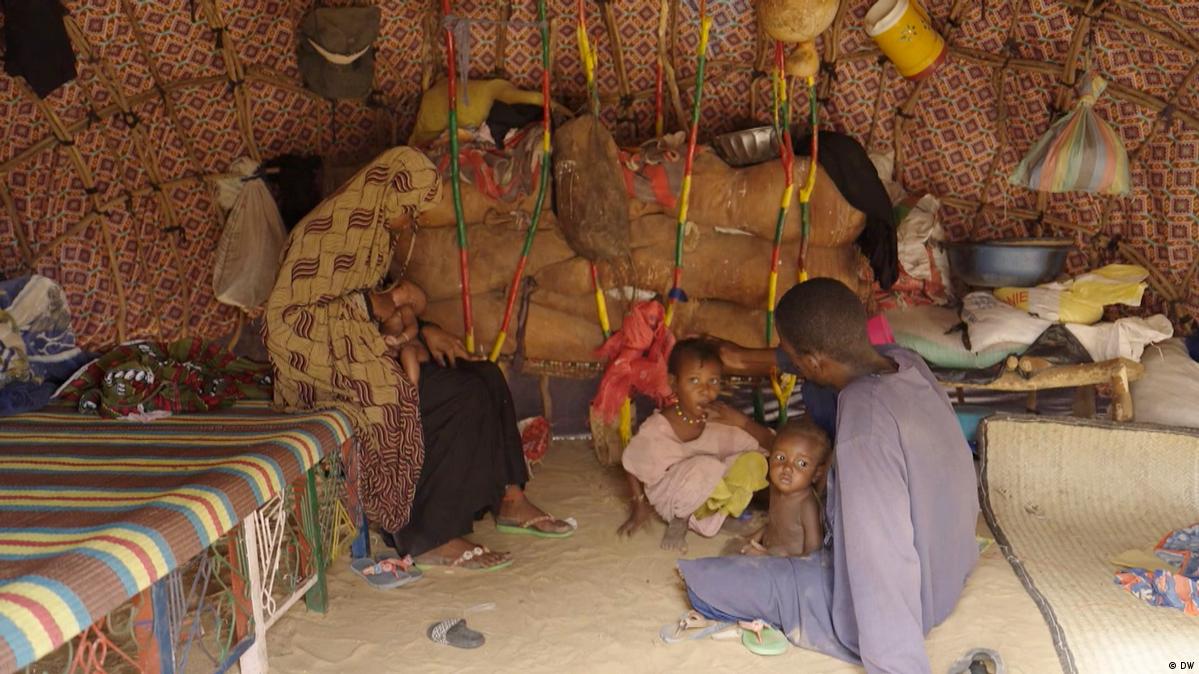
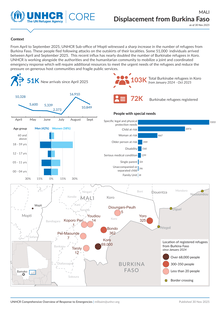
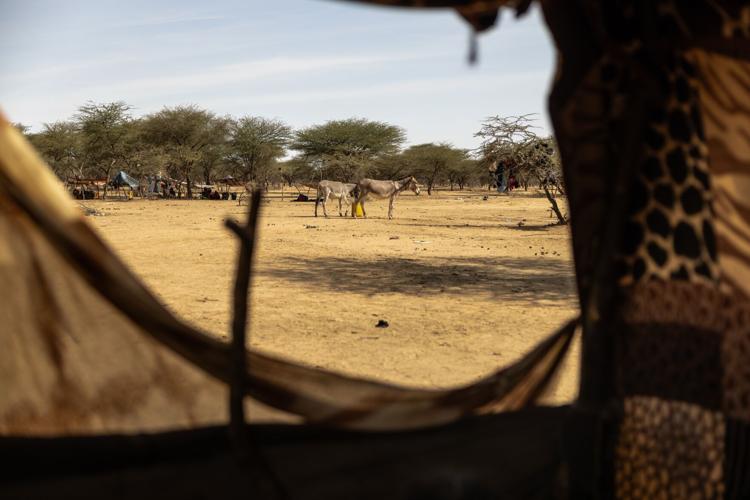
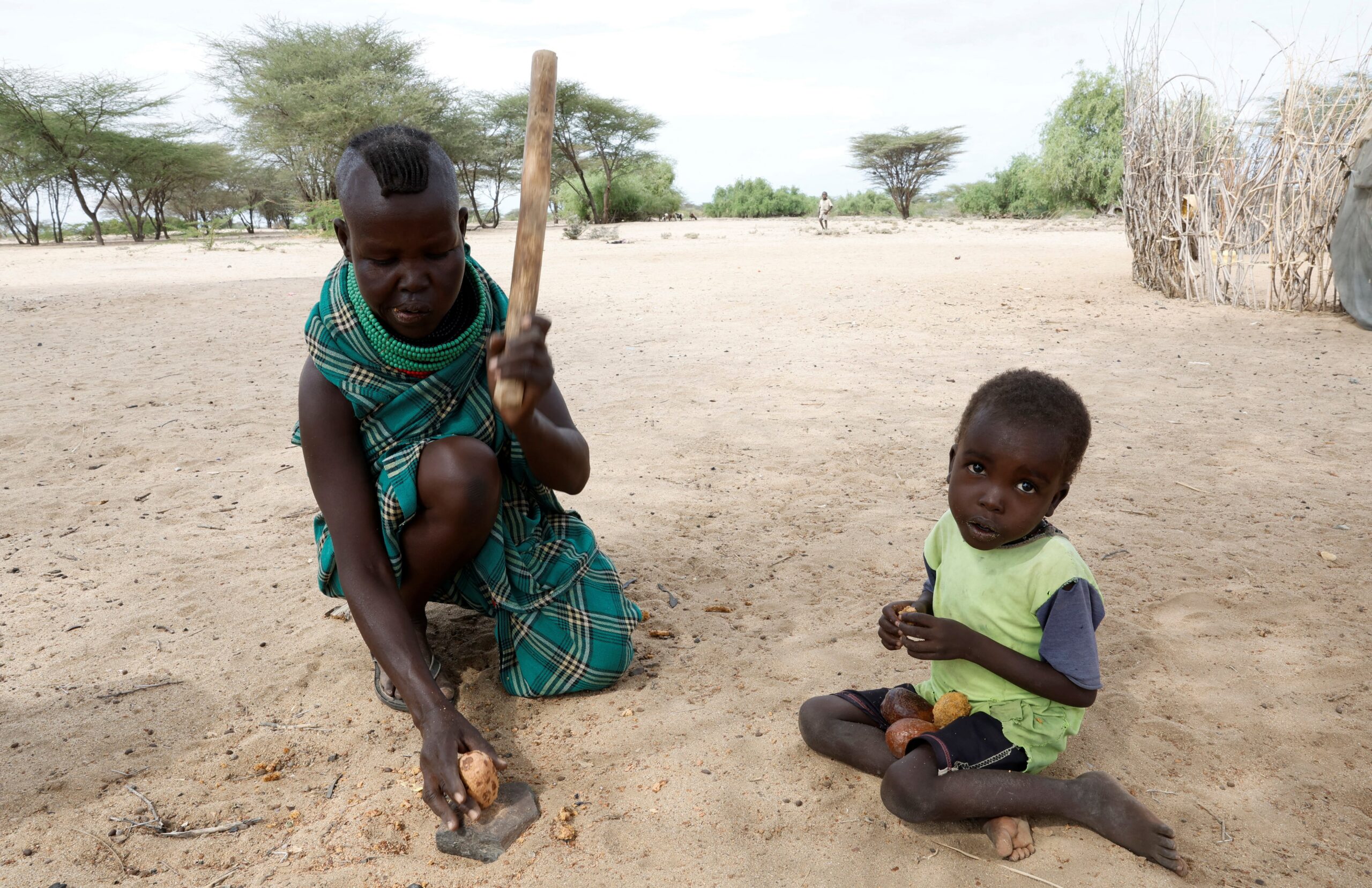
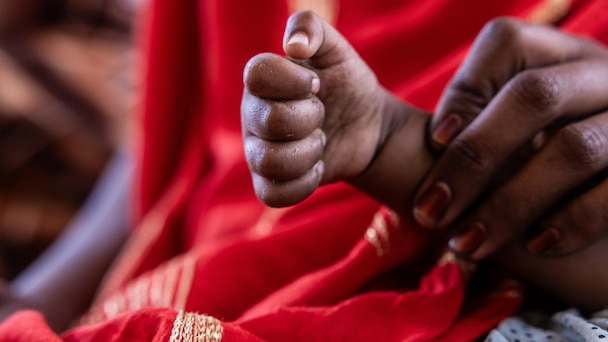
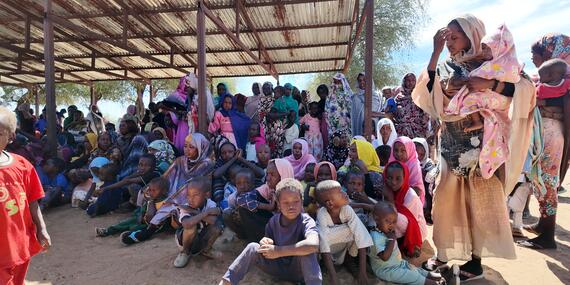
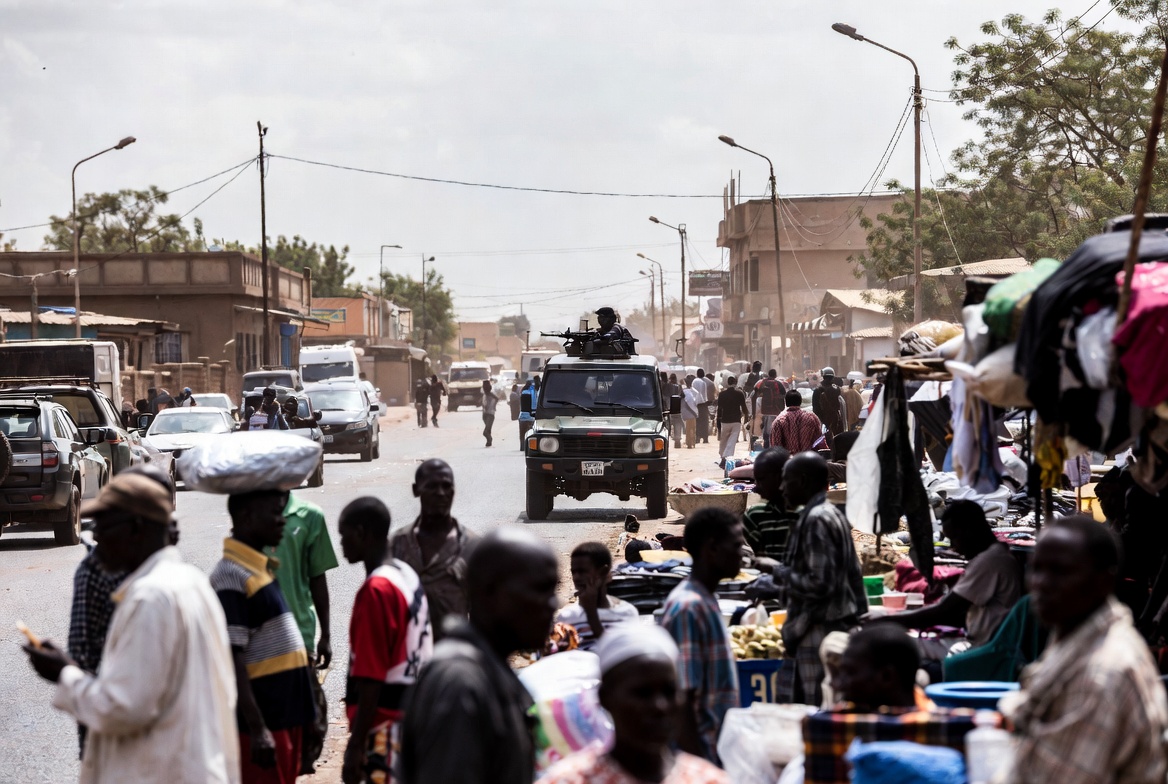
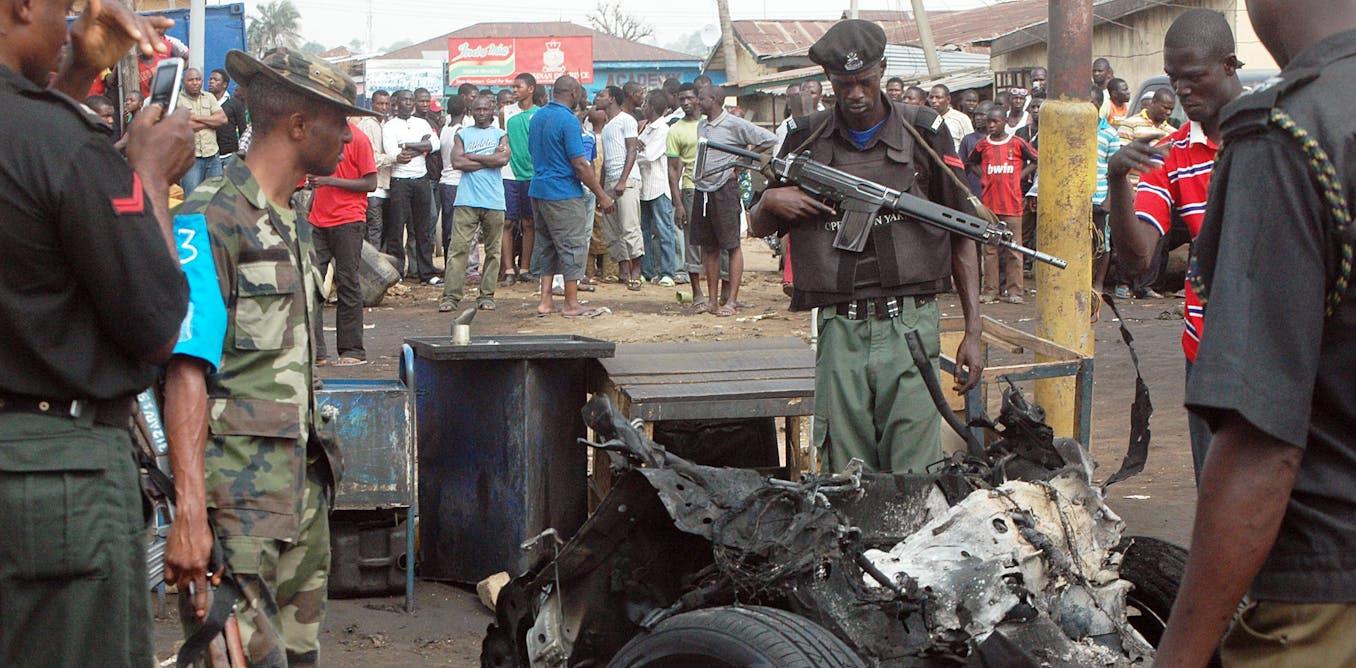
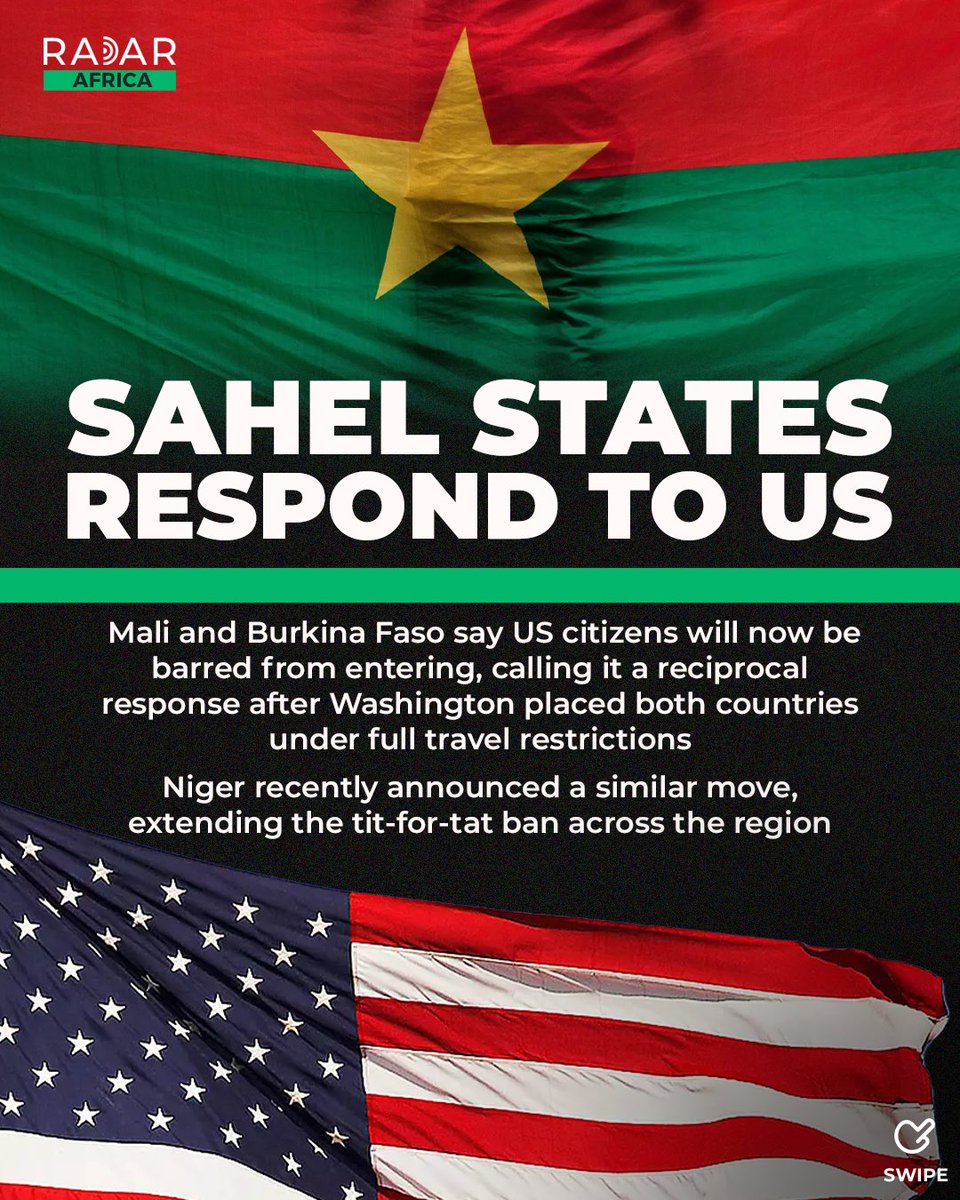
This monumental decision didn’t happen in a vacuum, did it? It’s unfolding against a backdrop of intense political and social pressures, underscoring just how precarious stability remains across these Sahelian states. Look at Mali, for instance. We recently saw a heartwarming moment when their national football team clinched a victory against Tunisia in the Africa Cup of Nations. That triumph undoubtedly captured the nation’s spirit, offering a much-needed, unifying distraction from its more daunting internal struggles. But don’t let the celebratory rhythm obscure the reality; Mali is enduring a quiet suffering, a crisis that many fear is escalating beyond the world’s immediate attention. Passionate local activists and observers are making urgent appeals, imploring the global community not to abandon Mali as it battles multifaceted turmoil, including persistent security threats, deep-seated political unrest, and severe humanitarian issues. These interconnected challenges make efforts to foster peace and sustainable development incredibly complex. While the roar of football fans might temporarily drown out these distress signals, the fundamental struggles are still potent and tragically unresolved. In a clear, reciprocal display of heightened diplomatic rigidity, both Mali and Burkina Faso swiftly imposed bans on travelers from the United States. This is a genuinely rare and significant step; you don’t often see countries in this region enacting such restrictions on US citizens, as reported by TravelPulse. This dramatic move, rooted in growing mistrust and escalating tensions, also aligns with a history of previous and ongoing sanctions and visa restrictions, including a notable Trump-era ban that once targeted nationals from these very countries. By denying entry to US visitors, Mali and Burkina Faso are signaling a profound shift in their international relations, probably aiming to assert their sovereignty and retaliate against what they perceive as external interference. These intricate diplomatic shifts add layers of complexity, compounding the challenges brought by their withdrawal from ECOWAS and raising serious questions about the broader implications for regional integration and crucial foreign investment.
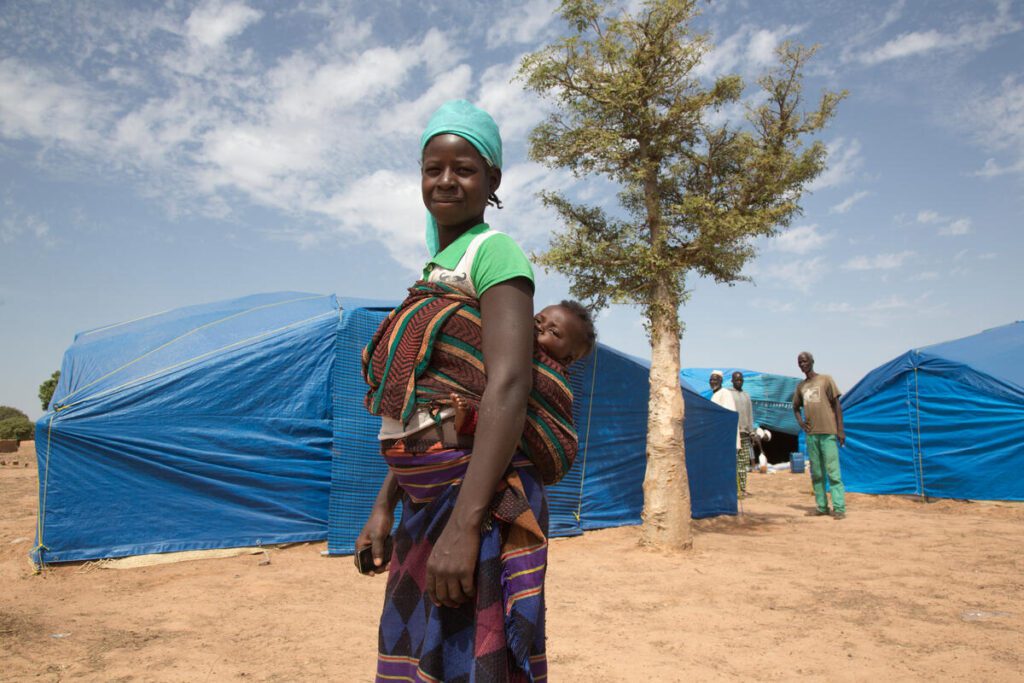
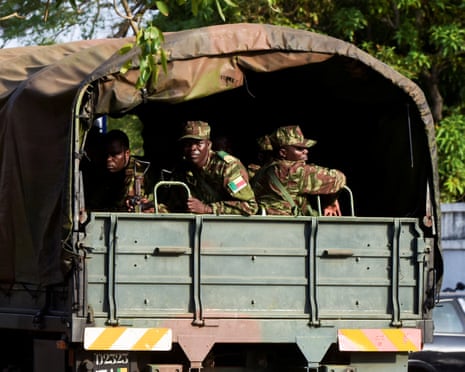
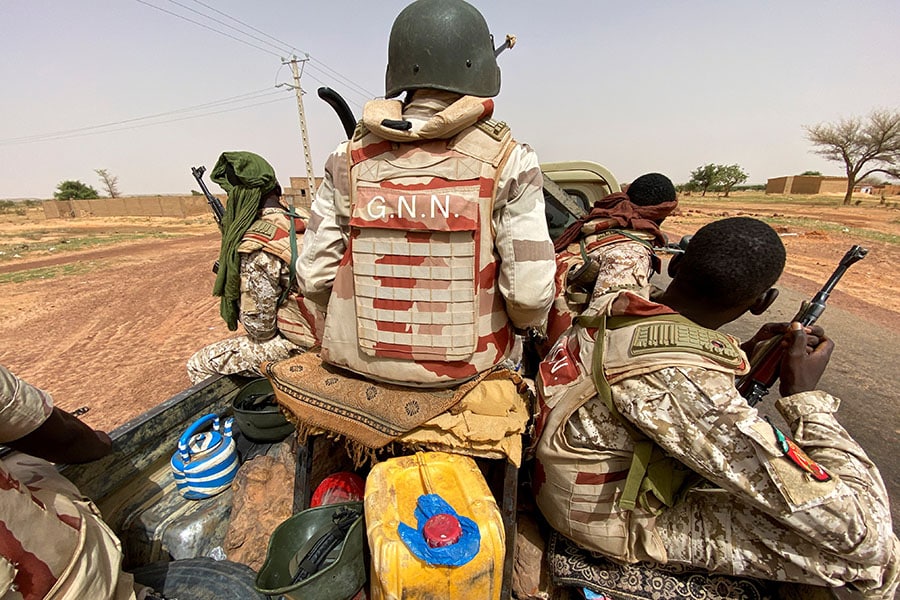
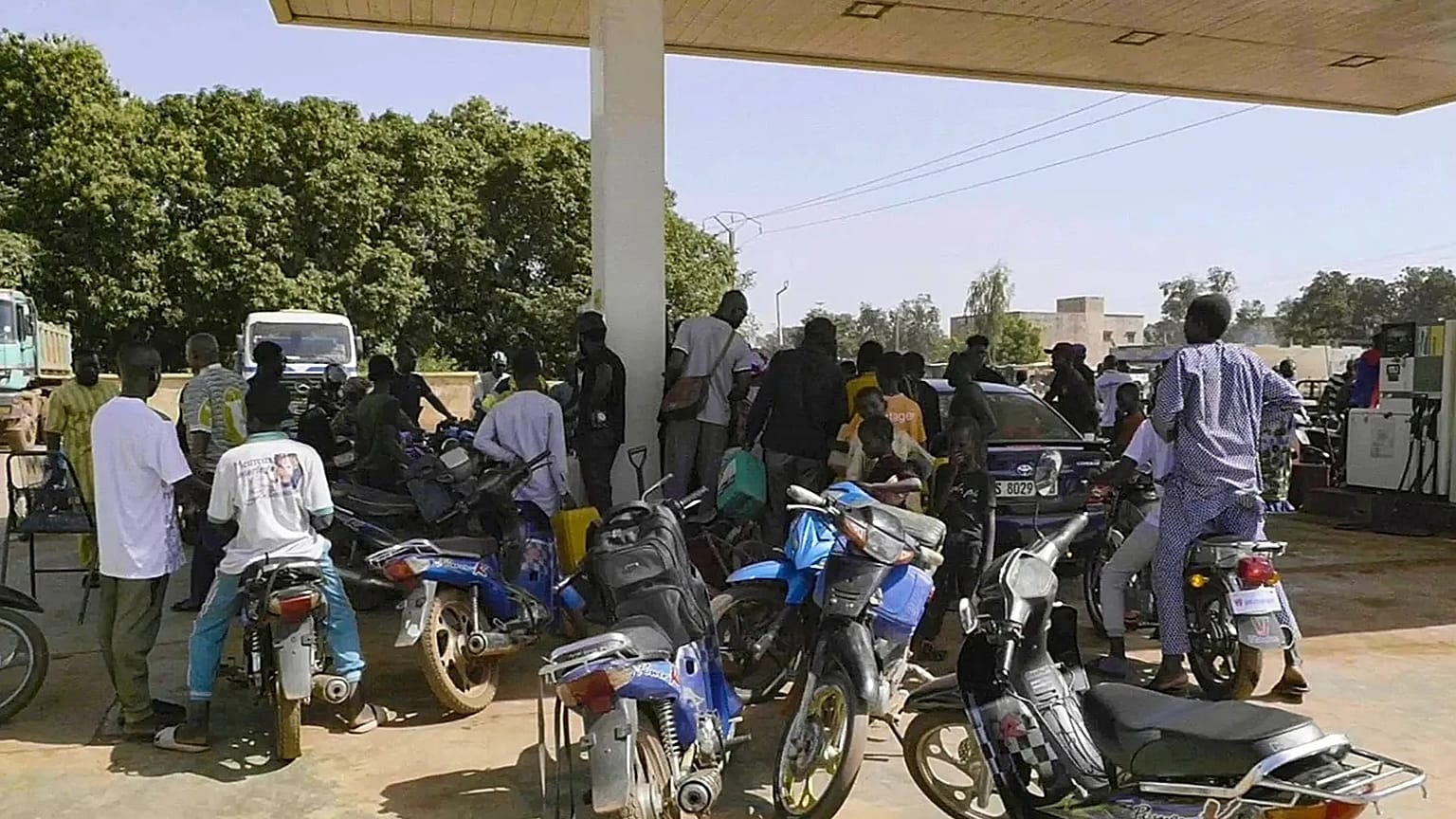
Burkina Faso, too, isn’t immune; it faces its own significant internal pressures. Social and political strains there are severely amplified by relentless security concerns stemming from insurgencies, alongside pervasive economic hardships. When we consider the combined weight of these domestic difficulties and the abrupt regional diplomatic ruptures, it’s clear we’re looking at a nation, and indeed a wider region, standing at a precarious crossroads. The departure of these three Sahelian countries from ECOWAS prompts genuinely difficult questions about the true resilience of regional institutions when confronted with a fervent, nationalistic defense of sovereignty. Will this unprecedented fragmentation ultimately lead to increased instability and crippling economic isolation for these nations? Or, just possibly, could it act as a catalyst, prompting a much-needed recalibration of relationships and even the formation of new, more relevant coalitions that genuinely reflect local priorities and aspirations? For Mali, Burkina Faso, and Niger, this isn’t just another news cycle; it’s a critical moment. They must carefully balance their newly asserted assertiveness with the necessity of strategic dialogue, both within their own borders and with the broader global community. And what about the international community’s role? It’s imperative that it heeds the urgent calls from activists and regional actors alike, choosing to engage constructively. Fail to do so, and the Sahel region’s quiet suffering could tragically escalate into far-reaching humanitarian and security crises, impacting countless lives. As fans celebrate Mali’s sporting achievements, remember that policymakers and ordinary citizens across the Sahel are simultaneously grappling with profound, transformative diplomatic and political shifts. The coming months will undoubtedly serve as a crucial barometer, revealing whether these nations can skillfully navigate their grievances toward renewed, constructive partnerships, or if their current path will only deepen their isolation.