Nigeria at the Crossroads: Governance Challenges Amid Rising Social Crises and Political Missteps
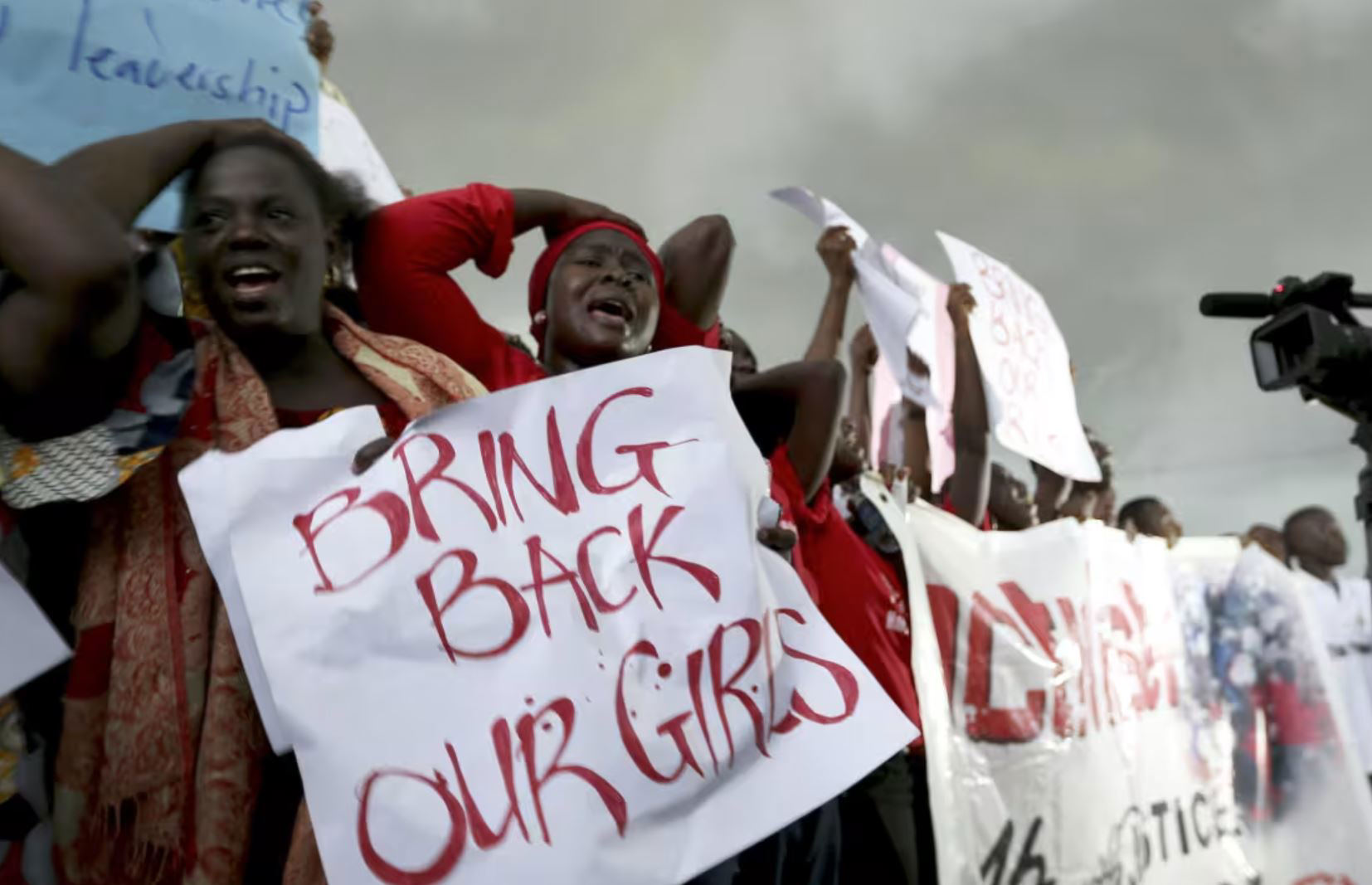
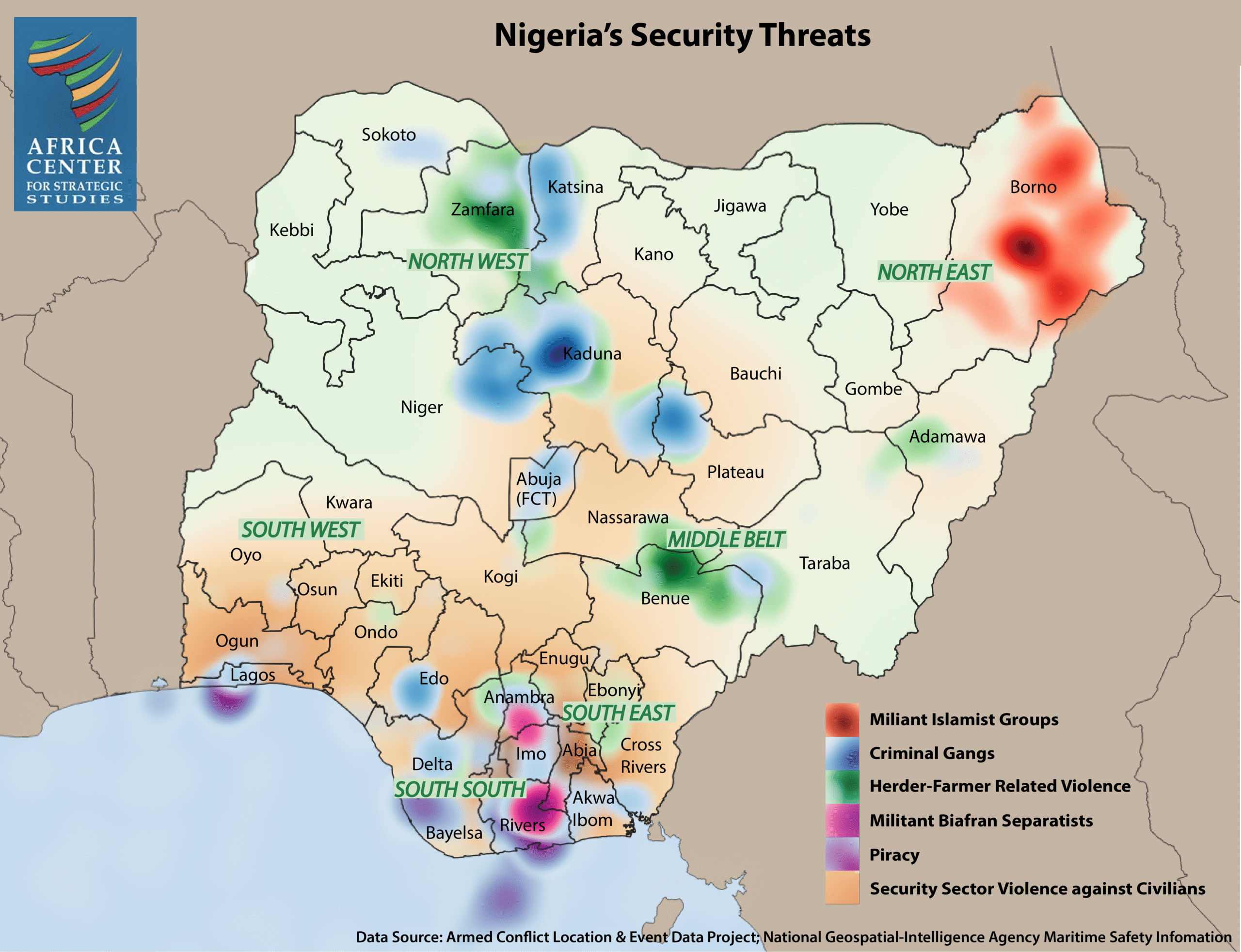
Nigeria, Africa’s most populous nation and one of its largest economies, is currently facing a complex web of governance failures, tough economic times, and serious human rights issues. These challenges are really putting a strain on society, bringing to light deep-seated problems that demand immediate action from everyone involved, from policymakers to the global community. Can Nigeria truly thrive when its own citizens are hesitant to return home? In April 2022, we saw alarming reports: Nigerian expatriates and residents abroad were refusing to come back, worried about their safety and financial future. This reluctance speaks volumes about the systemic issues at play here, like persistent insecurity, a shaky economy, and a real lack of trust in government institutions to protect people or create opportunities. It’s clear that restoring confidence in Nigeria’s ability to look after its citizens is an urgent priority.
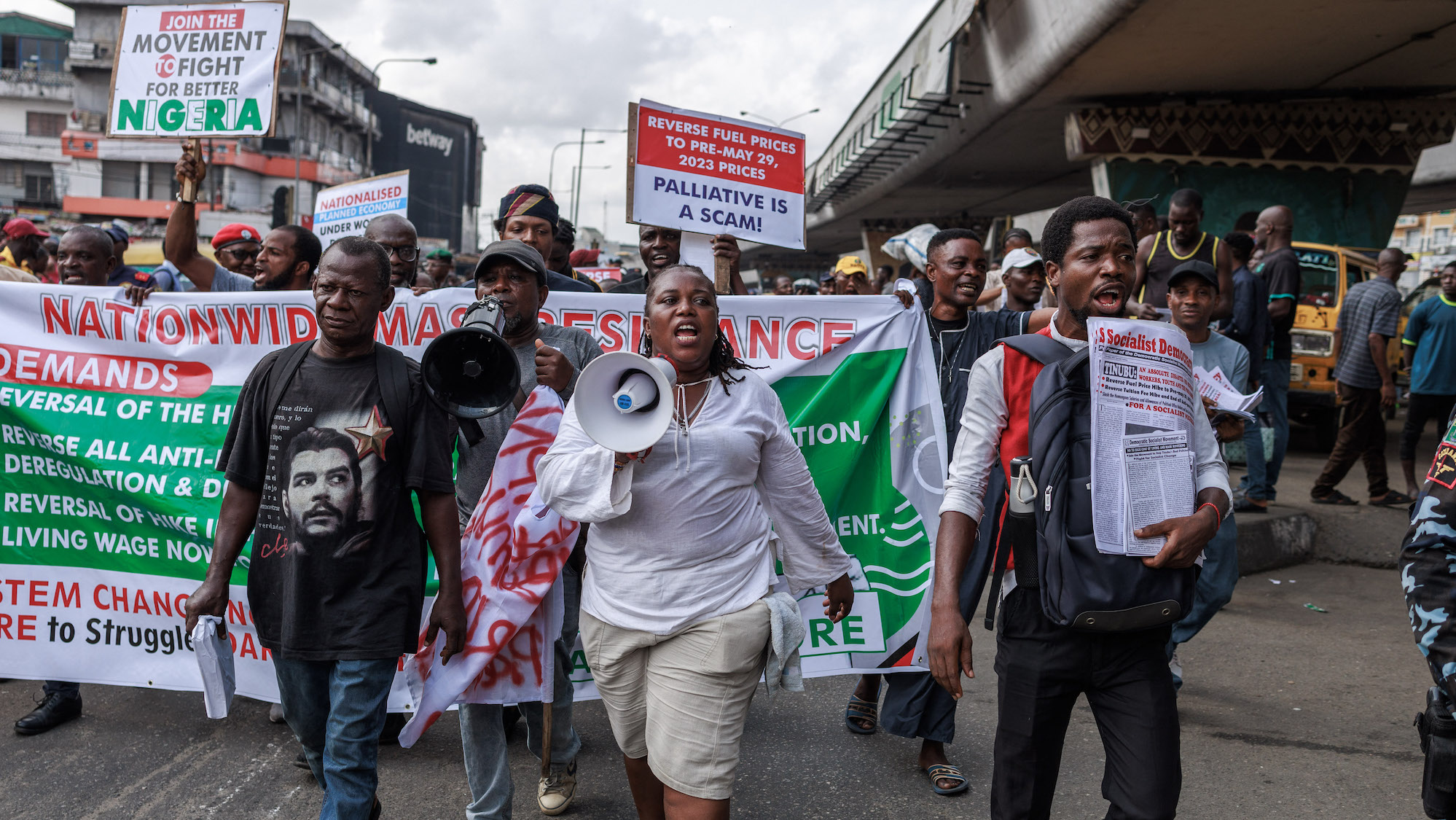
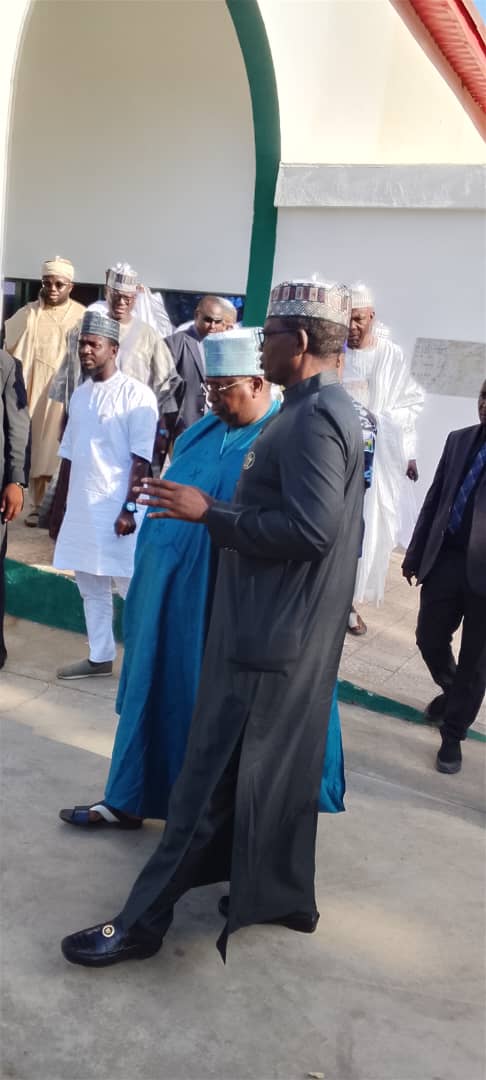
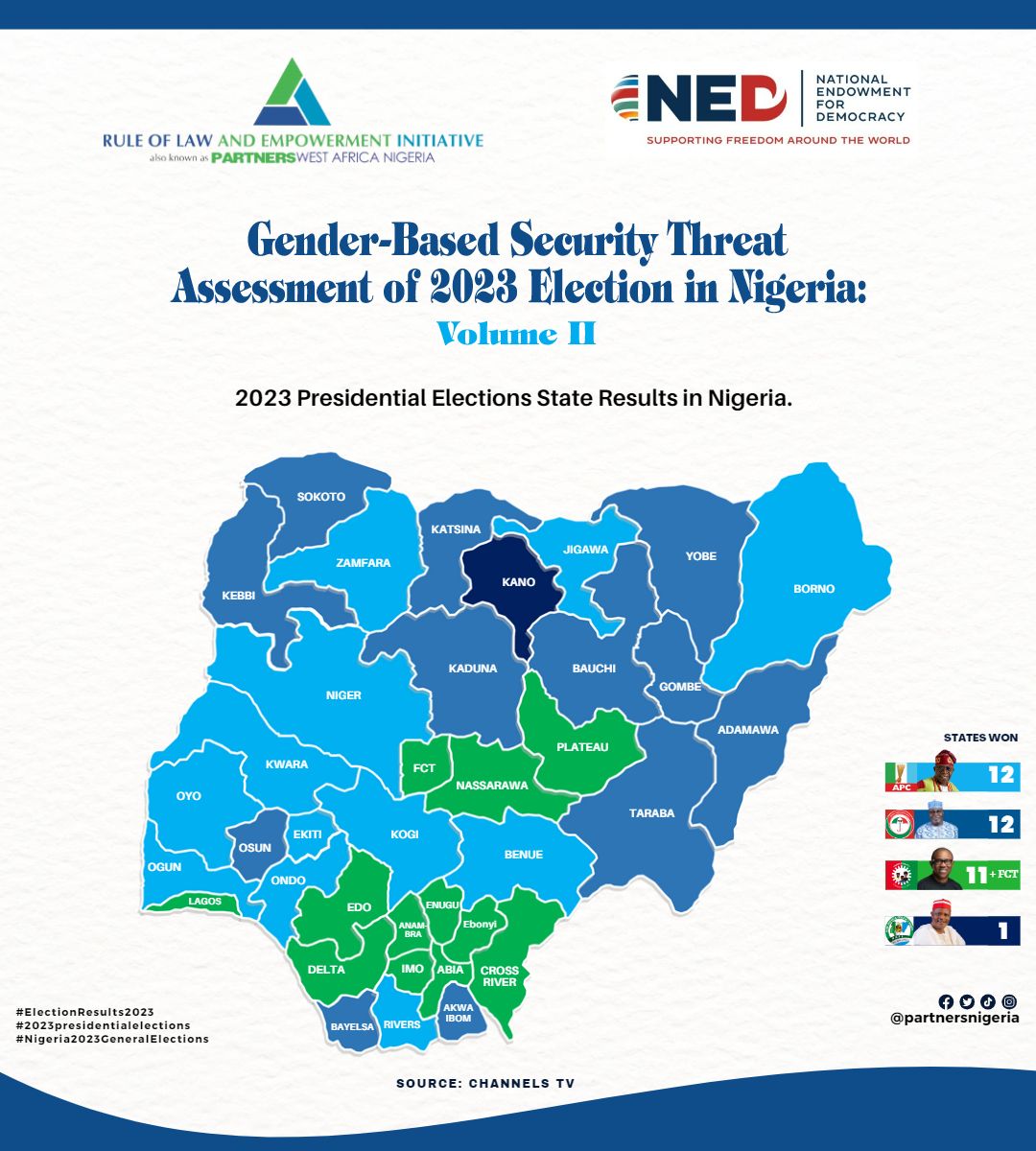
At the core of these governance troubles is widespread fiscal mismanagement. We’ve seen successive administrations tangled in financial impropriety scandals, wasting public money. Take Kano State, for example. Under Governor Ganduje and Deputy Governor Kabir Yusuf, Kano State’s Auditor General’s report recently revealed a shocking N1.2 billion spent on street lighting over just five months, paid to unknown suppliers. Doesn’t that make you wonder about accountability and transparency in public spending? It certainly erodes trust in local governments. Similarly, in Ekiti State, officials reportedly incurred multi-billion Naira off-budget spending, with no legislative approval. This kind of fiscal indiscipline risks the diversion of essential public services. When state governments bypass proper financial rules, the social and economic fallout disproportionately hits ordinary Nigerians, many of whom are already struggling with poverty and inflation. And speaking of inflation, it’s been a persistent headache for Nigeria’s economy. A June 2022 report highlighted how some Buhari administration policies made things worse, with delays in forming a cabinet in 2015 causing policy paralysis and controversial border closures disrupting trade. These missteps deepened economic hardship for households nationwide, fueling discontent and increasing poverty. It really shows how closely governance decisions tie into Nigerians’ everyday lives. Even the political arena isn’t immune; the Ekiti governorship election in June 2022 was marred by widespread vote-buying, exposing corrupt practices that undermine public trust in the electoral process. When elections become about who has the most money, not the best ideas, democracy suffers. Free and fair elections are vital for Nigeria’s political stability. Internationally, the Buhari regime’s reported spending of N1.2 billion on ten luxury vehicles for officials in Niger Republic also sparked anger. When many Nigerians are living in poverty, without access to basic necessities, such expenses just seem tone-deaf and highlight misplaced governmental priorities. This kind of spending certainly warrants closer examination of Nigeria’s foreign aid and diplomatic expenses given its pressing internal development needs.
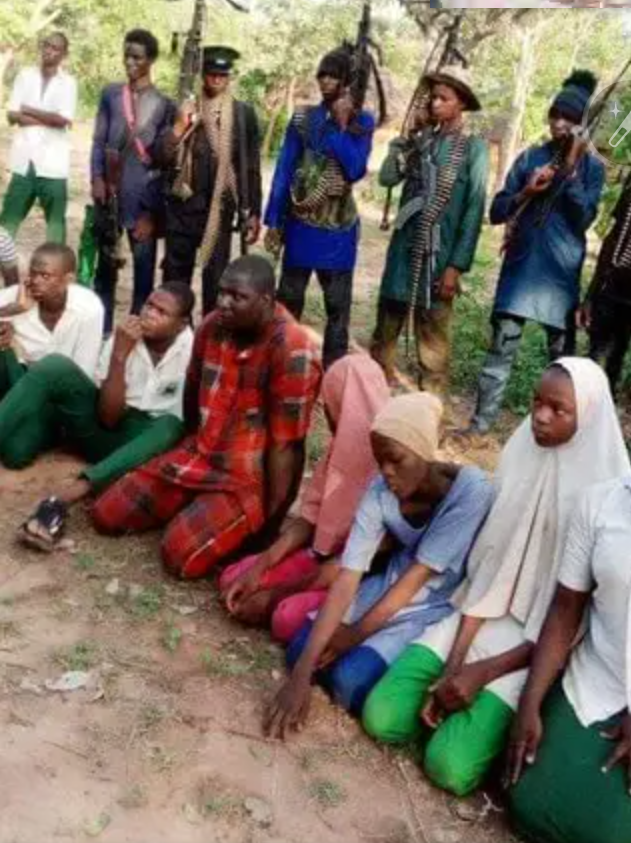
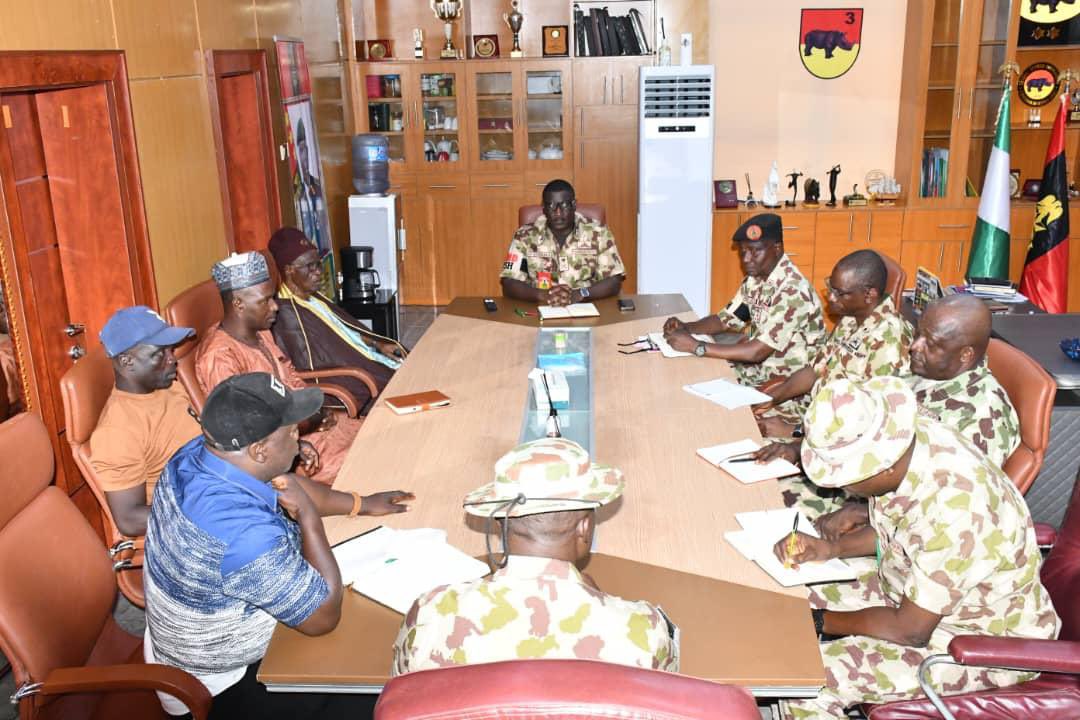
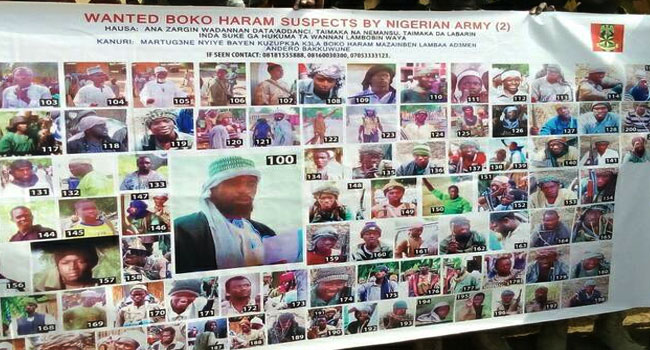
Perhaps the most disturbing reports come from Amnesty International’s report, detailing that over 10,000 Nigerians have died in military custody since Boko Haram emerged. This grim statistic points to a severe human rights crisis linked to counter-insurgency efforts in the northeast. Allegations of abuses and extrajudicial killings have tainted the military’s role in maintaining security, raising serious questions about accountability within the armed forces. These human rights concerns demand urgent reforms to stop further loss of life and uphold the rule of law. Looking at it all, these interconnected crises paint a stark picture of Nigeria today, a nation truly at a crossroads. Governance failures, economic mismanagement, electoral corruption, and human rights abuses are all intertwined, creating a complex web that holds back national development and social unity. Yet, confronting these challenges head-on also opens up pathways for real renewal. For Nigeria to find stability and prosperity, deep institutional reforms are non-negotiable. We need transparent management of public finances, ensuring every naira is used efficiently for the public good. Electoral processes must have robust safeguards guaranteeing credibility and broad participation. Strengthening civilian oversight of the military and enforcing human rights protections will help rebuild public confidence and honor Nigeria’s democratic values. Moreover, economic policies focused on inclusive growth and poverty alleviation could bring back hope for millions burdened by inflation and insecurity. Above all, restoring trust between citizens and their government is paramount. Imagine a leadership that truly listens, delivers services responsibly, and acts with integrity; it could absolutely turn the tide. While Nigeria’s challenges are indeed formidable, the resilience and dynamism of its people offer a powerful foundation for change. If current debates and investigations into governance act as catalysts for transparent dialogue and systemic reforms, Nigeria just might reclaim its promise as a beacon for Africa’s future.
Sources:
Nigeria Experiences Same Situation As Ukraine Daily—Nigerians Who Refused To Return Home, Sahara Reporters, April 26, 2022, https://saharareporters.com/2022/04/26/nigeria-experiences-same-situation-ukraine-daily-nigerians-who-refused-return-home
Kano Govt Under Ganduje, Kabir Yusuf Paid N1.2Billion To ‘Unknown Suppliers’ To Power Street Lights For 5 Months –Auditor General, Sahara Reporters, December 16, 2024, https://saharareporters.com/2024/12/16/kano-govt-under-ganduje-kabir-yusuf-paid-n12-billion-unknown-suppliers
How Ekiti State Government Spent Outside Budgetary Provisions, Incurred Multi-Billion Naira Expenses Without Allocation, Sahara Reporters, December 8, 2024, https://saharareporters.com/2024/12/08/how-ekiti-state-government-spent-outside-budgetary-provisions
Amnesty International Says More Than 10,000 Nigerians Have Died In Military Custody In Boko Haram Era, Sahara Reporters, December 6, 2024, https://saharareporters.com/2024/12/06/amnesty-international-says-more-10000-nigerians-have-died-military-custody-boko-haram-era
How Buhari’s 2015 Delay In Constituting Cabinet, Border Closure, Other Policies Worsened Inflation— Report, Sahara Reporters, June 22, 2022, https://saharareporters.com/2022/06/22/how-buharis-2015-delay-constituting-cabinet-border-closure-other-policies-worsened
Highest Bidder: How Rampant Vote-buying Marred Ekiti Governorship Election, Sahara Reporters, June 18, 2022, https://saharareporters.com/2022/06/18/highest-bidder-how-rampant-vote-buying-marred-ekiti-governorship-election
EXCLUSIVE: Buhari Regime Spends N1.2Billion On 10 Vehicles For Niger Republic’s High-ranking Officials While Nigerians Wallow In Abject Poverty, Sahara Reporters, June 15, 2022, https://saharareporters.com/2022/06/15/exclusive-buhari-regime-spends-n12-billion-10-vehicles-niger-republics-high-ranking-officials