Africa Unfolds: Triumphs, Challenges, and a Vibrant Future in 2026
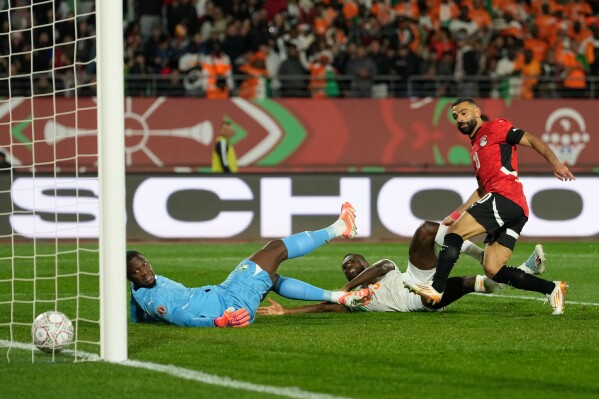
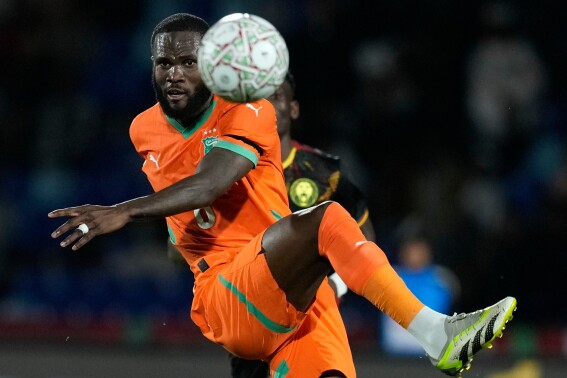
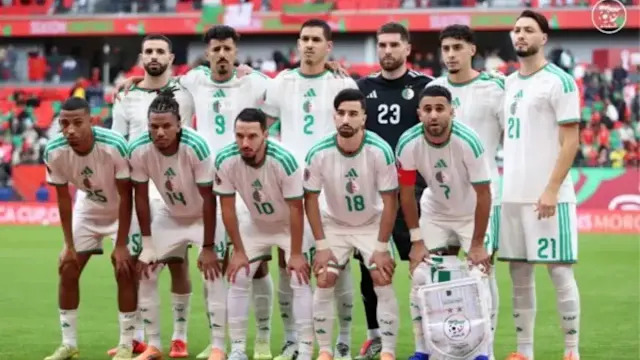
As 2026 gets underway, Africa continues to paint a compelling picture, showcasing a dynamic blend of achievements, enduring resilience, and rich cultural expression. We’re seeing everything from the electric energy of football matches to serious security concerns in West Africa, alongside lively cultural festivals and crucial political shifts. It’s clear the continent isn’t just standing still, it’s in constant motion. Just look at Nigeria’s Super Eagles, who recently soared into the quarter-finals of the 2025 Africa Cup of Nations. They crushed Mozambique 4-0 in Fes, racking up an impressive twelve goals in just four matches. This stellar performance really makes you wonder if they’re set for redemption after missing the 2026 World Cup, especially with eyes on future matchups against formidable teams like DR Congo and Algeria. This kind of sporting drama doesn’t just entertain; it genuinely boosts spirits and fosters a sense of pan-African unity, doesn’t it?
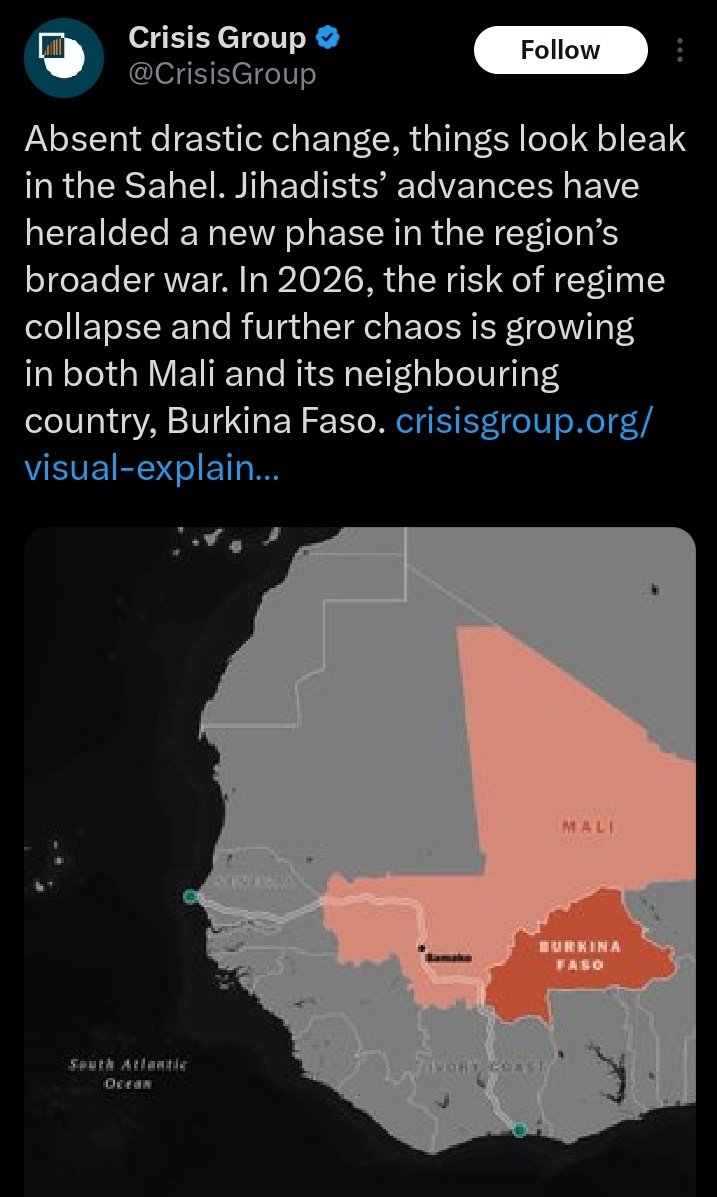
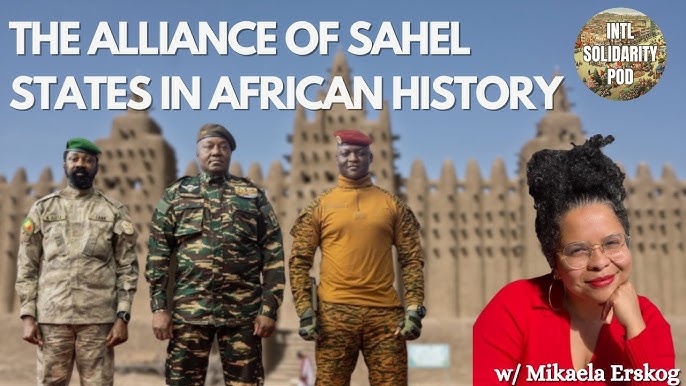
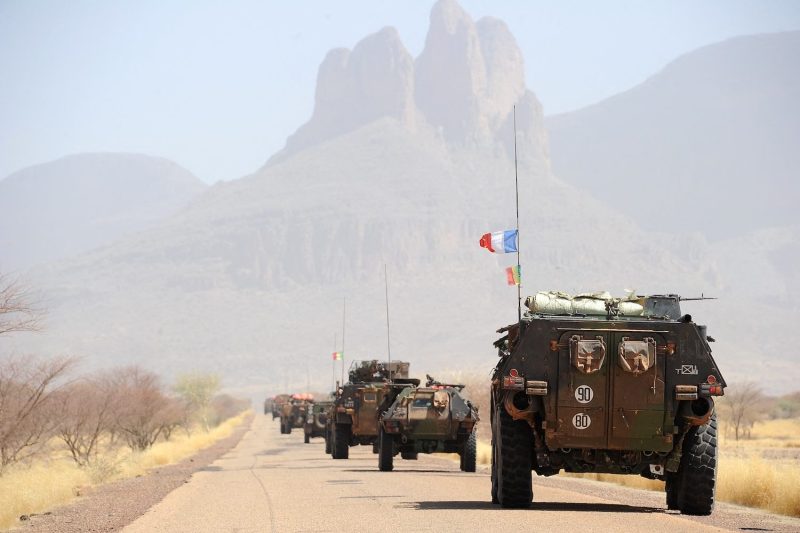
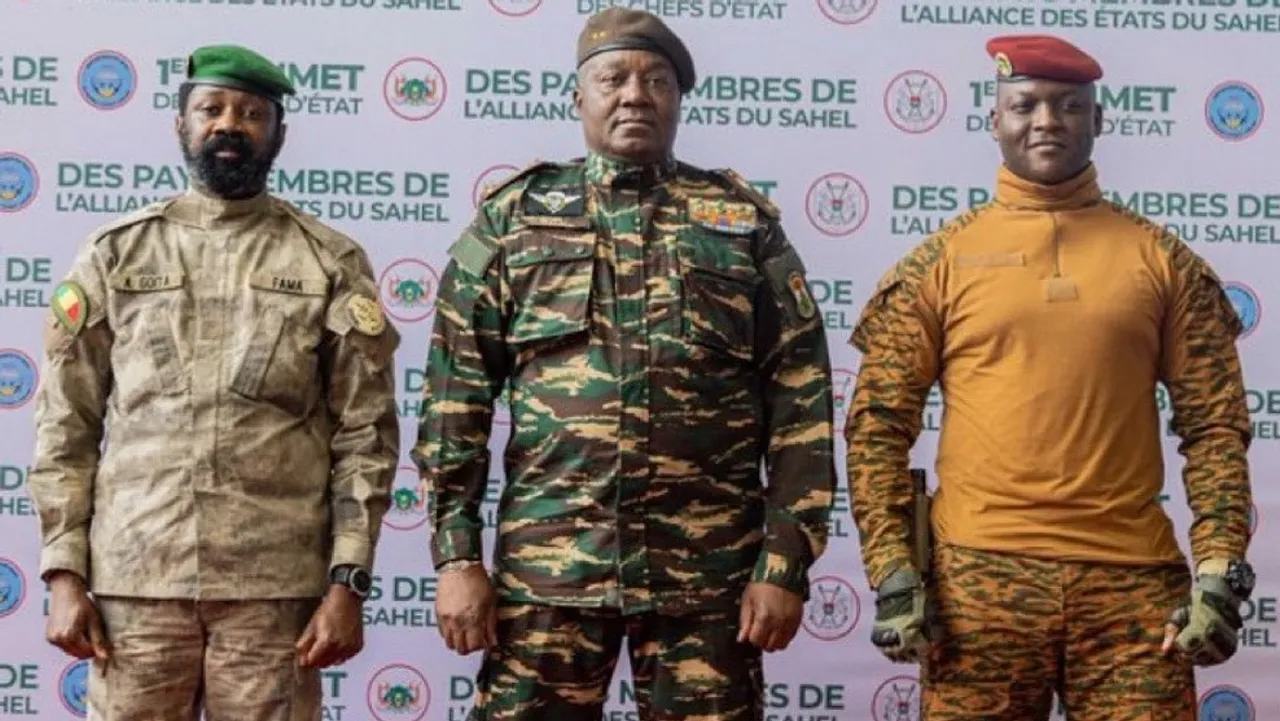
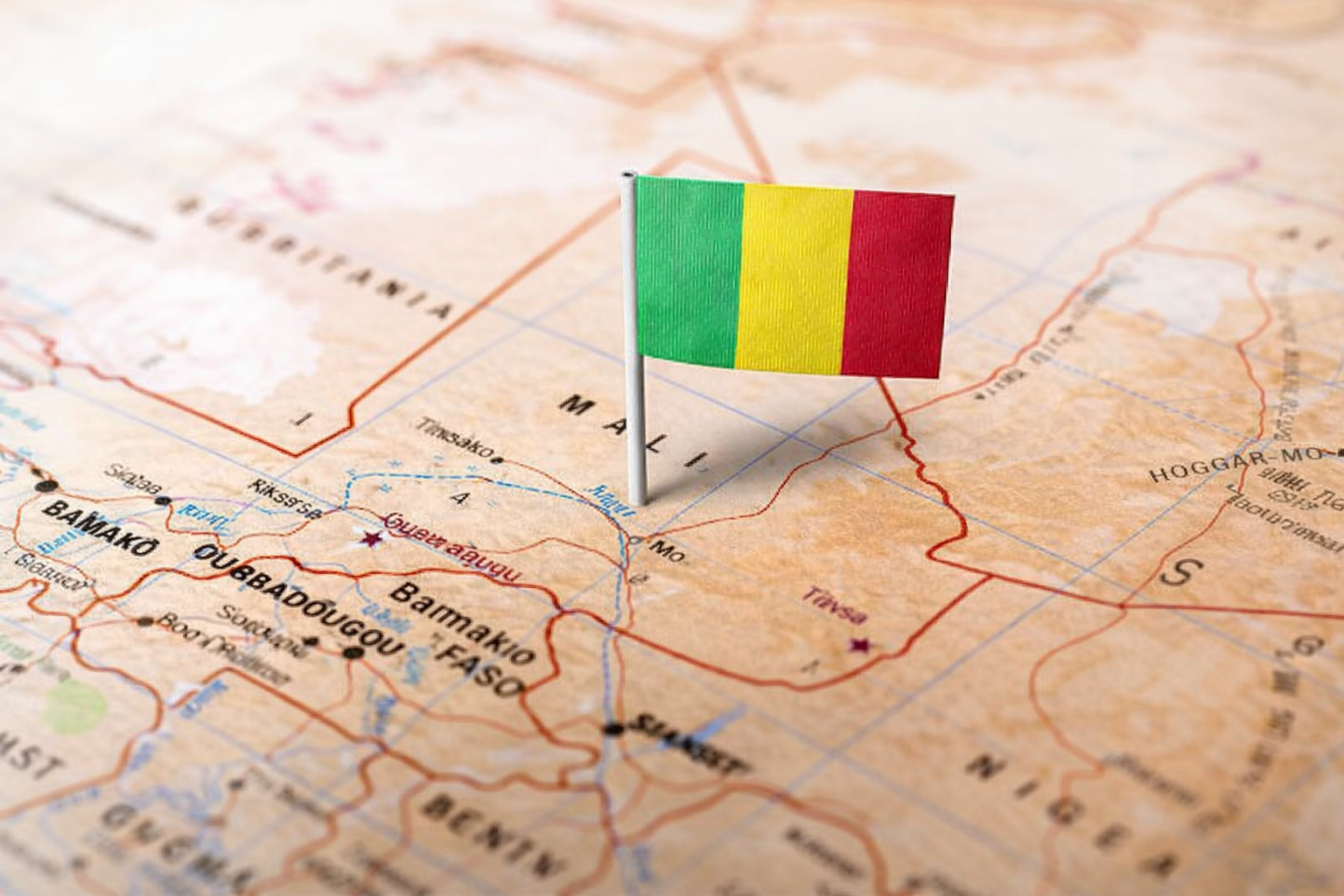
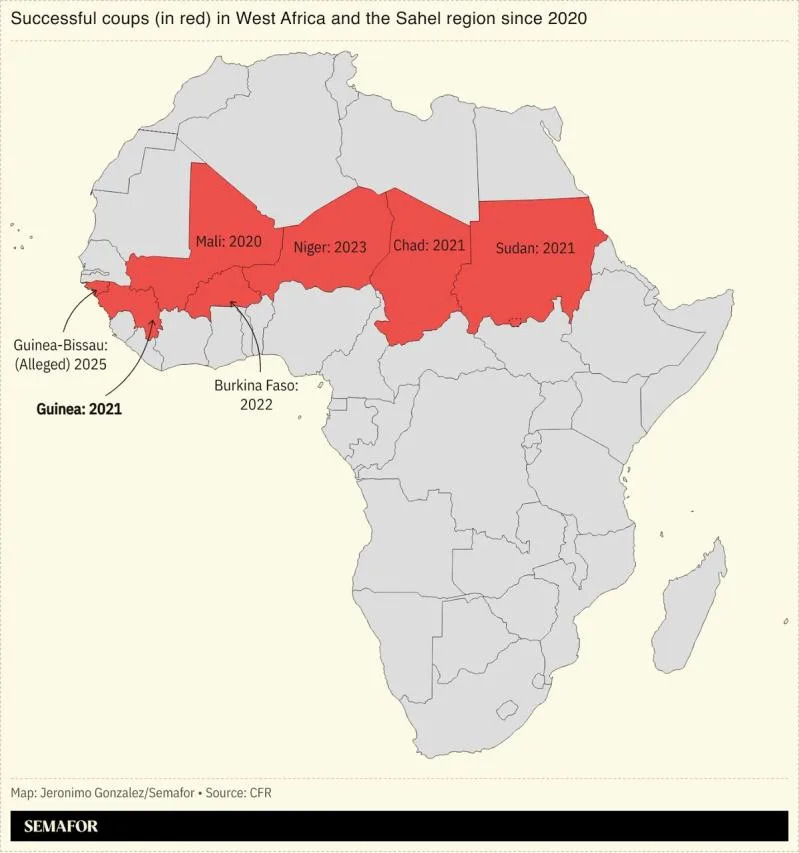
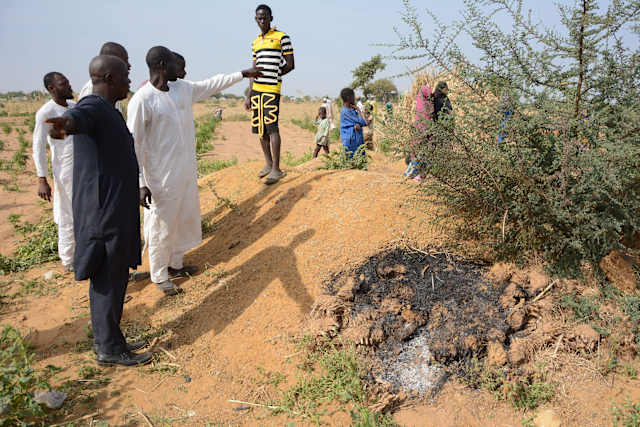
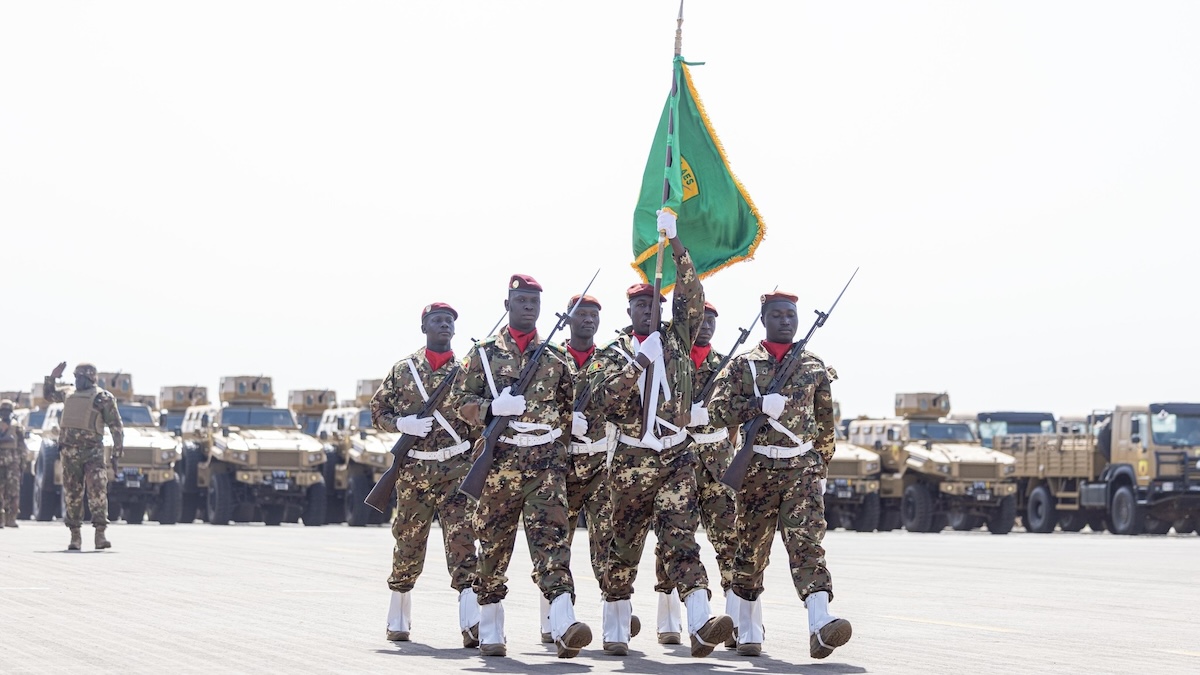
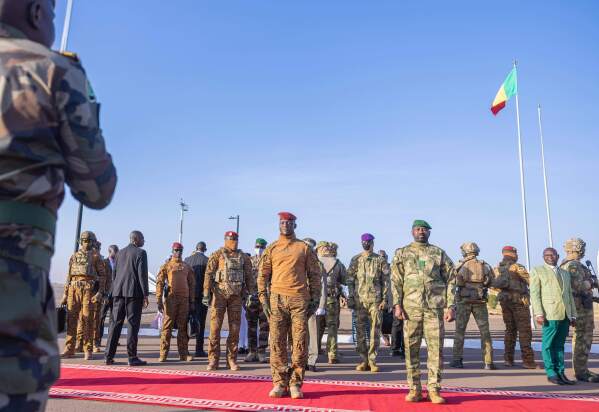
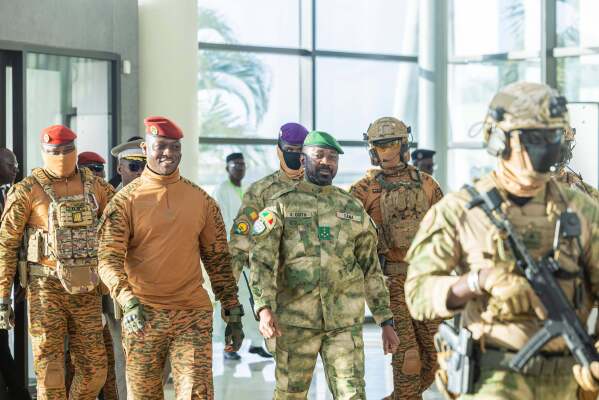
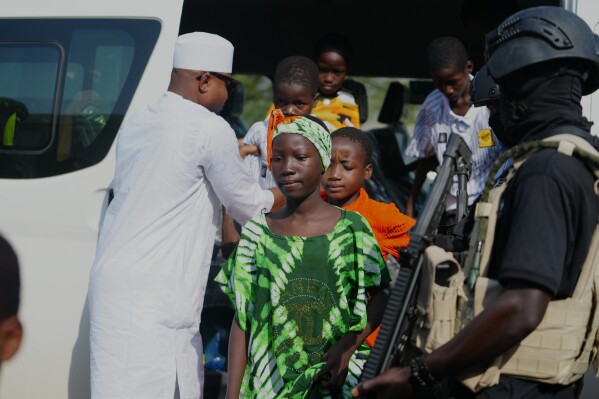
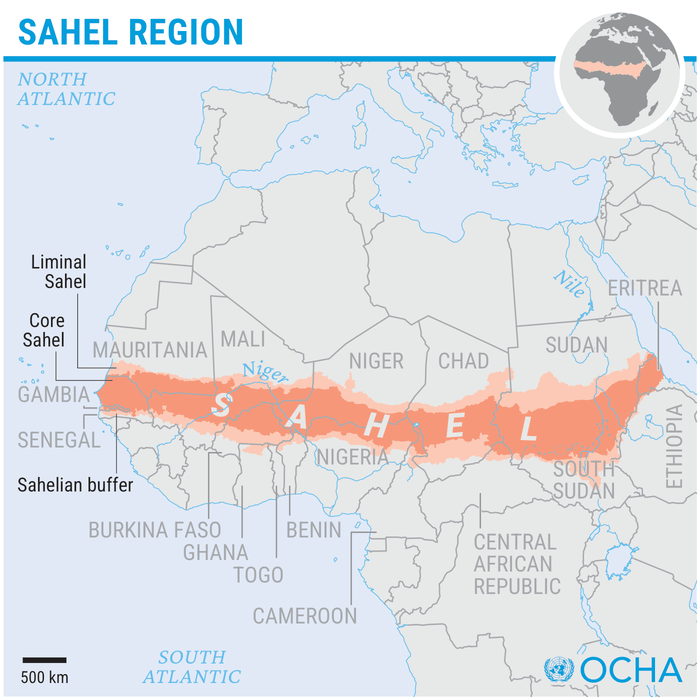
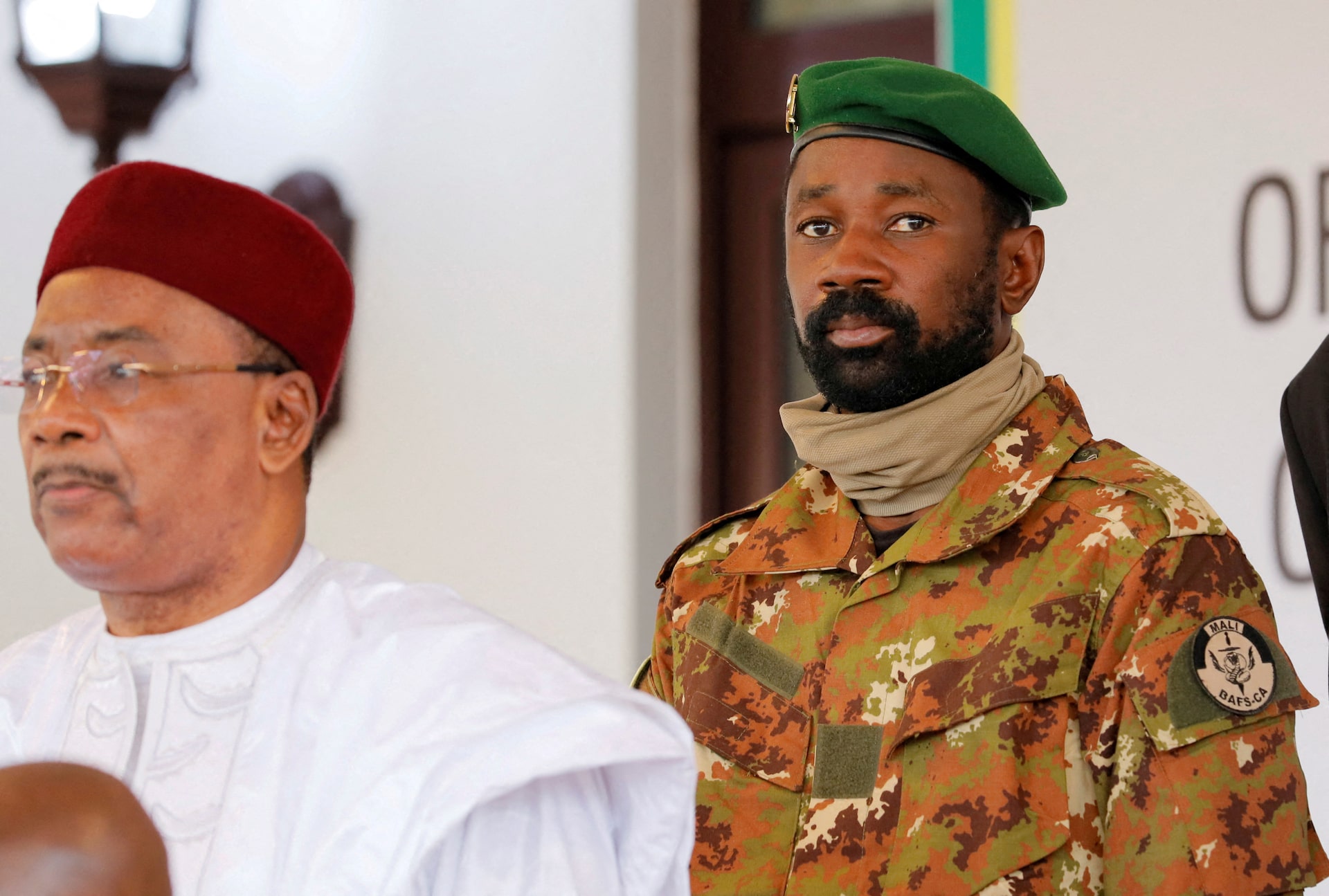
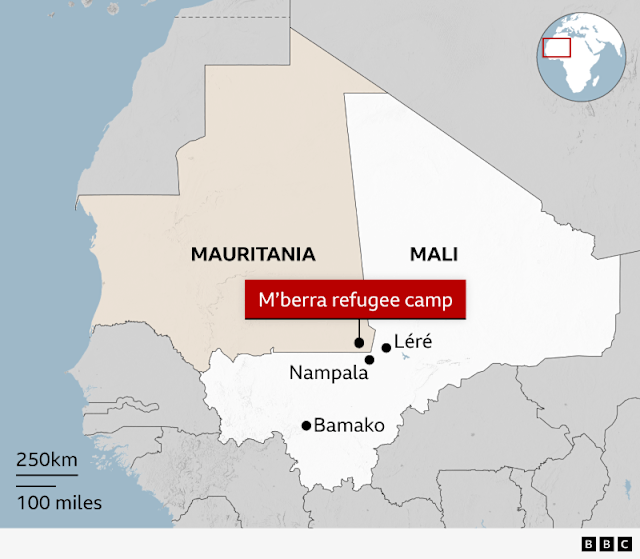
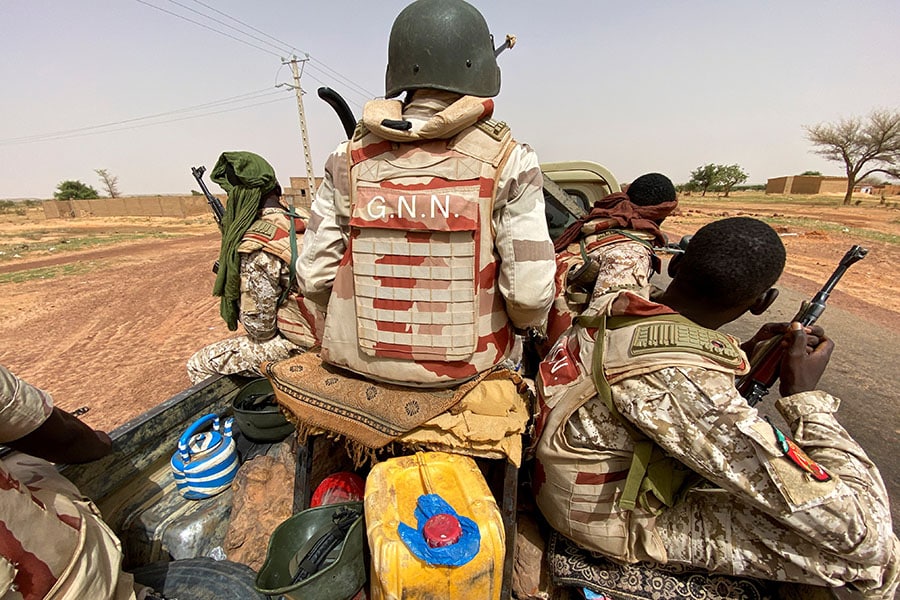
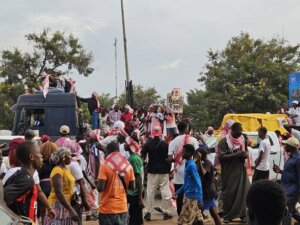
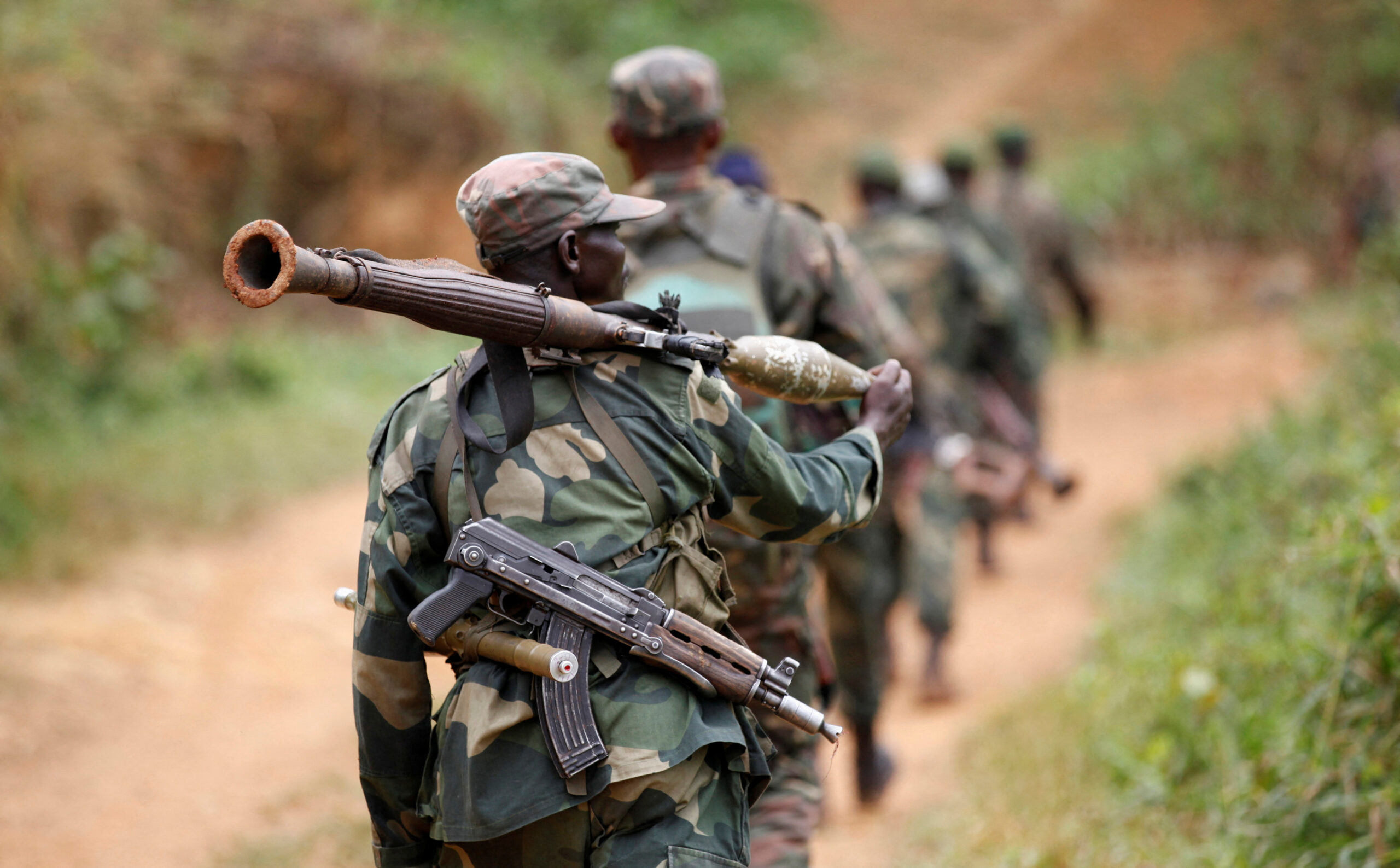
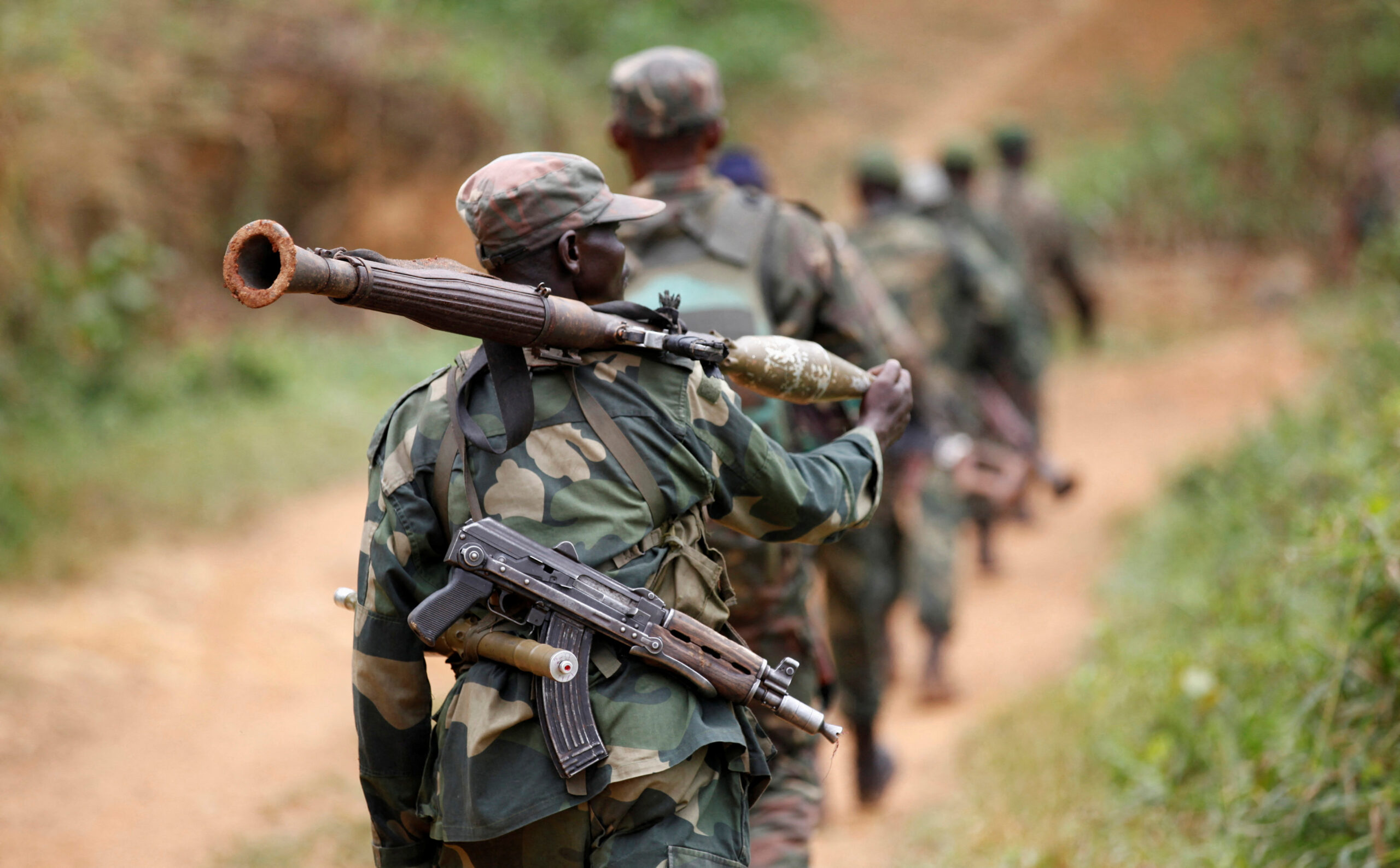
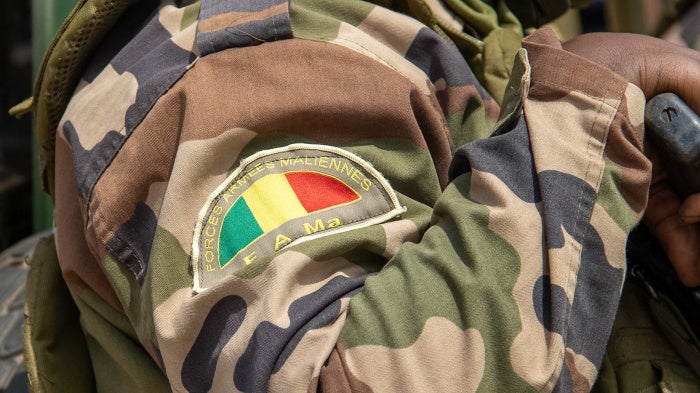
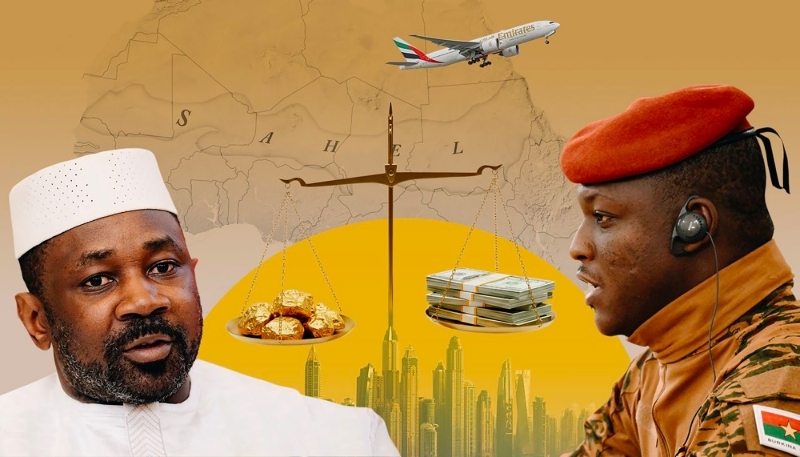
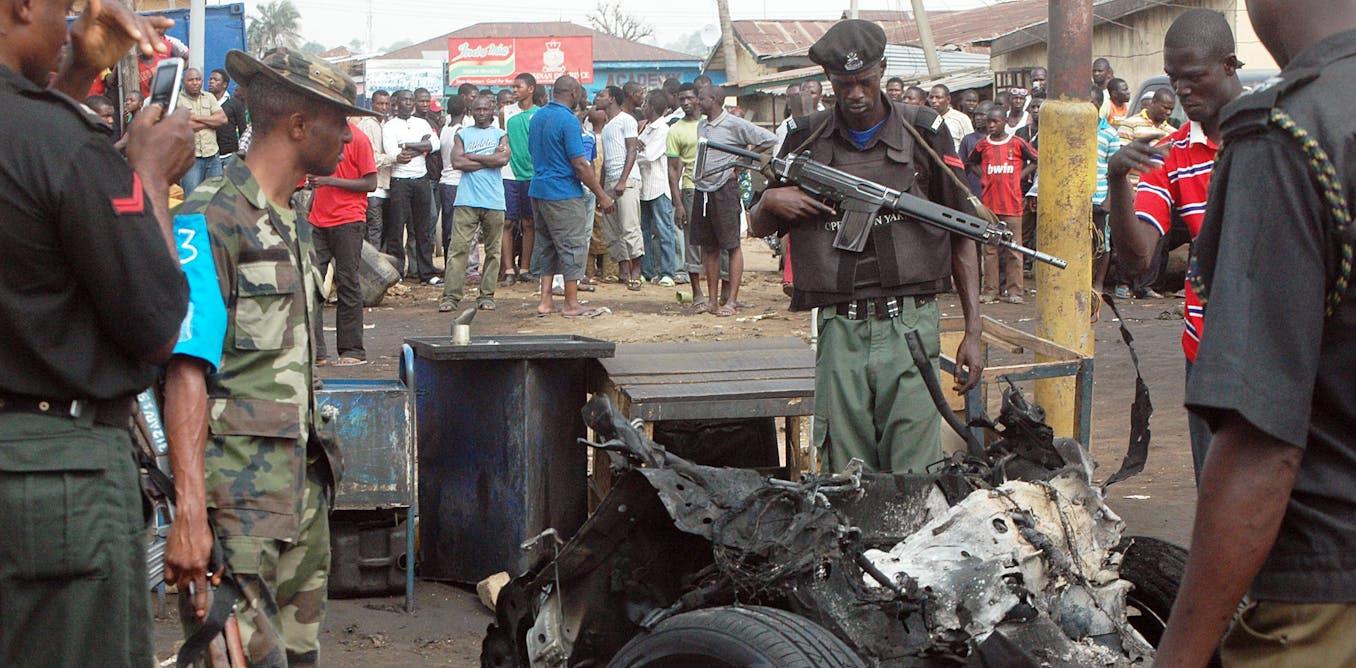
However, not all news from the continent rings with celebration. West Africa’s resource-rich areas, for example, are still grappling with serious security threats. Just this past weekend, suspected jihadist militants launched a violent attack on Mali’s Morila gold mine. They burned equipment and briefly held seven employees hostage before letting them go. This incident highlights the ongoing struggle in Mali, which is Africa’s third-largest gold producer, where al Qaeda-linked groups persistently target economic infrastructure and foreign investments. It’s a stark reminder of the delicate balance between development and the ever-present security risks, as detailed by KITCO. In contrast to these threats, Nigeria’s year-end “Detty December” festivities exploded with undeniable exuberance. This annual celebration of vibrant urban nightlife and celebration showcased a fascinating mix of renewed optimism and familiar challenges, from dazzling parties to unfortunate incidents like scams. Performances by stars like South Africa’s Tyla only reaffirmed the strength and resilience of African urban culture, even as Nigeria navigates its global image against the daily realities of its citizens.
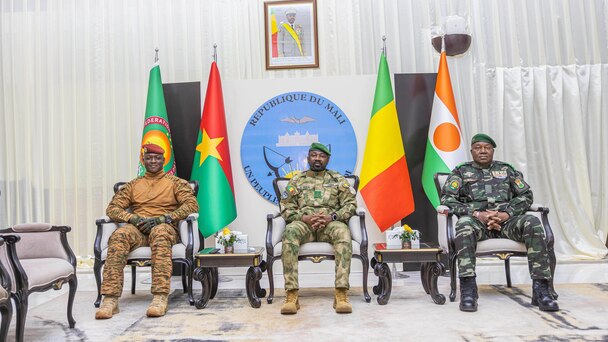
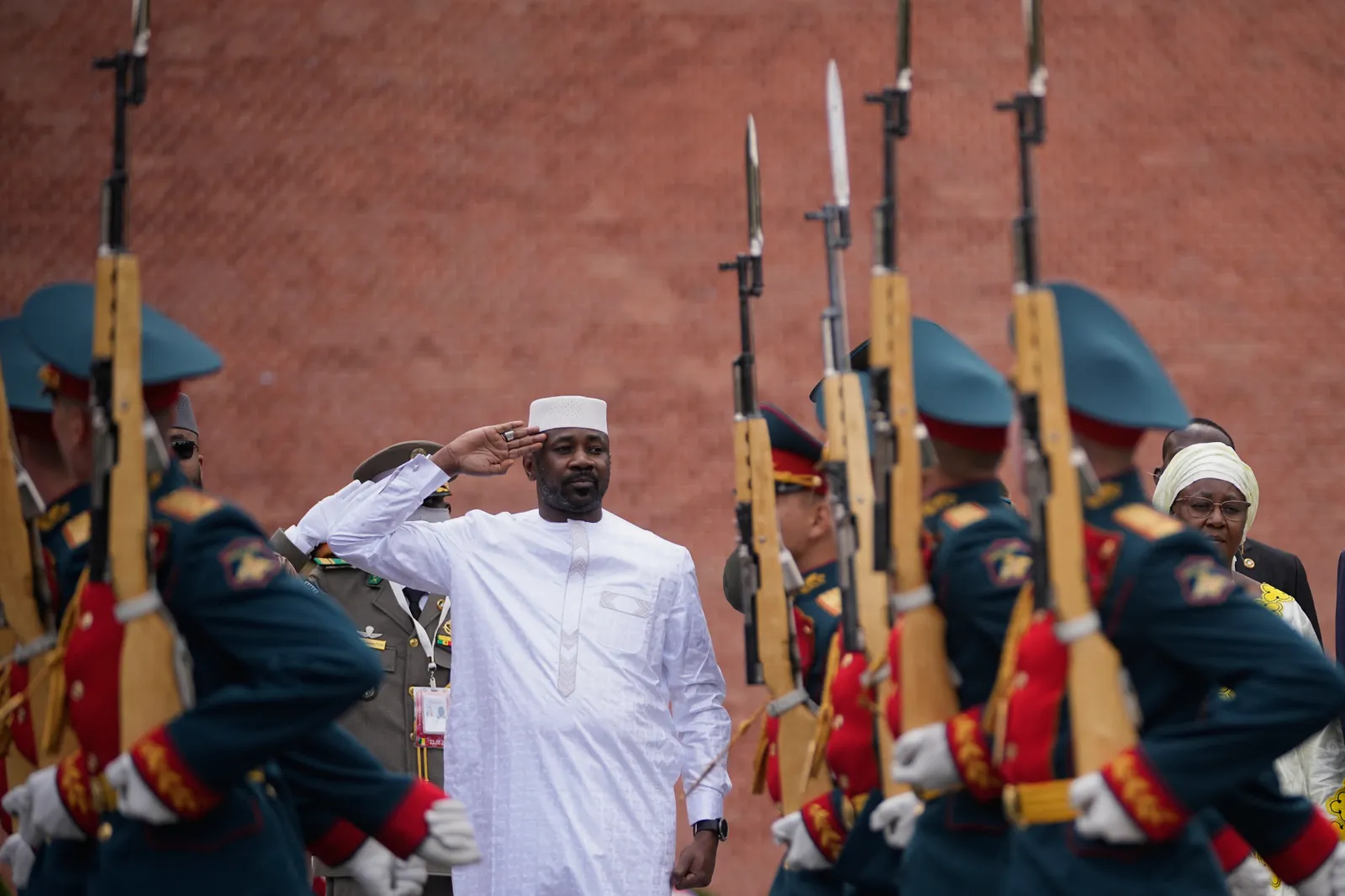
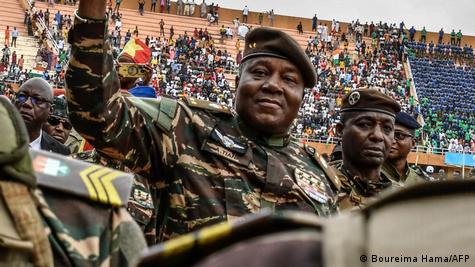
Meanwhile, language skills continue to play a big part in Africa’s global economic connections. The 2025 English Proficiency Index by Education First reveals some interesting patterns: Southern and East African countries like South Africa and Zimbabwe lead with ‘Very High’ proficiency. Nations like Nigeria, Ghana, and Uganda fall into more moderate tiers, while Ethiopia, Tunisia, and Morocco also made the top 10 with functional, though lower, scores. Proficiency in English is crucial for facilitating international trade, attracting foreign investment, and making African economies more integrated into global markets. This linguistic advantage certainly complements the continent’s economic ambitions. Politically, the Central African Republic just saw President Faustin Archange Touadéra secure a third term, according to provisional results, in a massive, first-of-its-kind election that involved about 2.4 million people voting simultaneously across multiple levels. Touadéra’s continued leadership, backed by his ties to Russia, will undoubtedly steer the country through its ongoing challenges. These intersecting narratives of sport, culture, language, economics, and politics offer a compelling snapshot of Africa at a pivotal moment. The continent is celebrating victories while confronting serious threats, strengthening its global standing while addressing internal complexities. It’s a future undoubtedly filled with both challenges and immense hope, powered by its resilient and vibrant people.