Africa in 2026: A Shifting Landscape of Crime, Commerce, and Growth
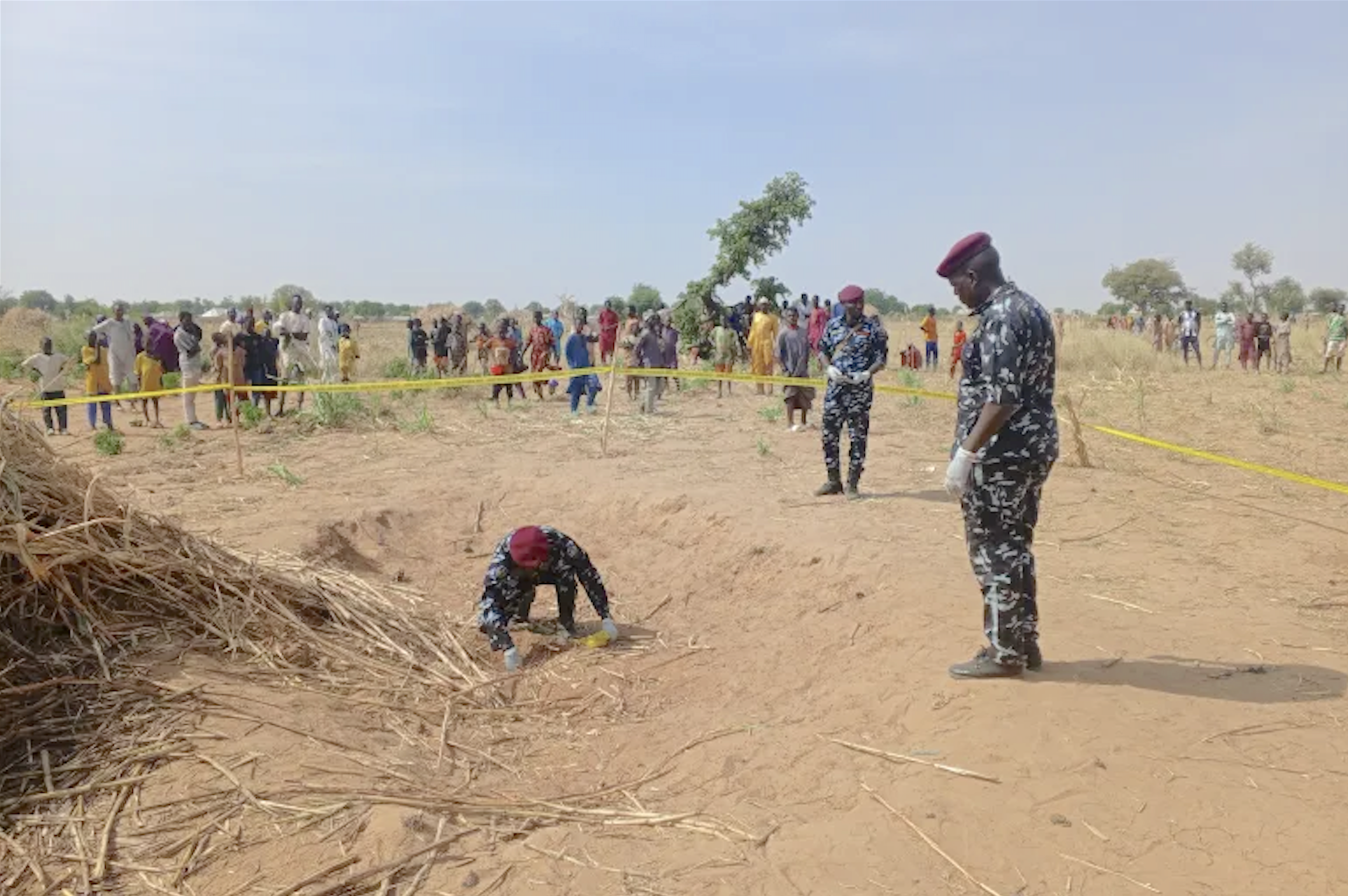
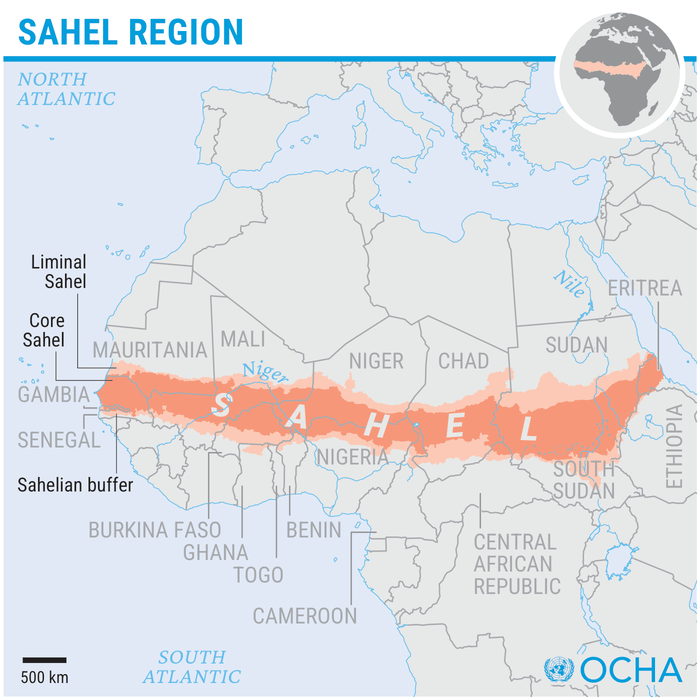
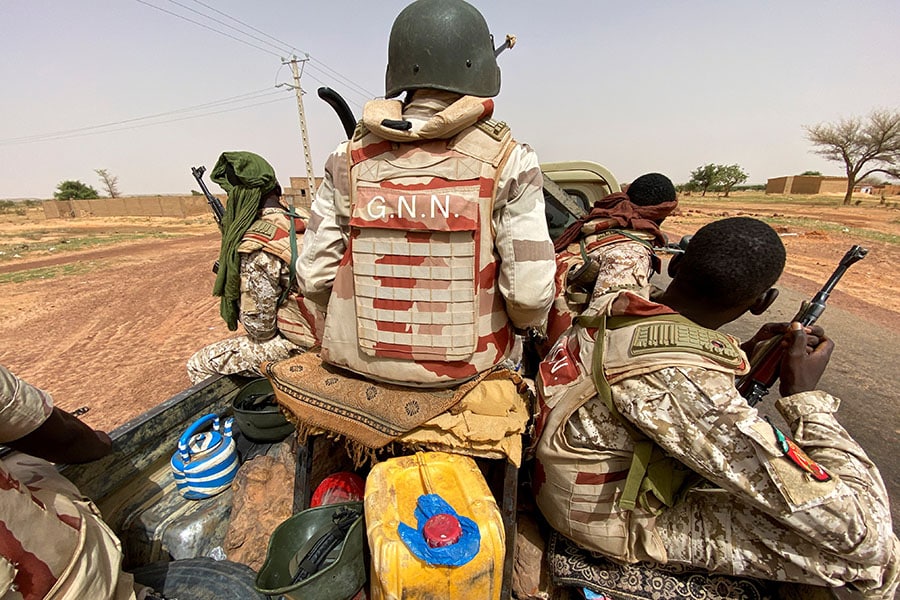
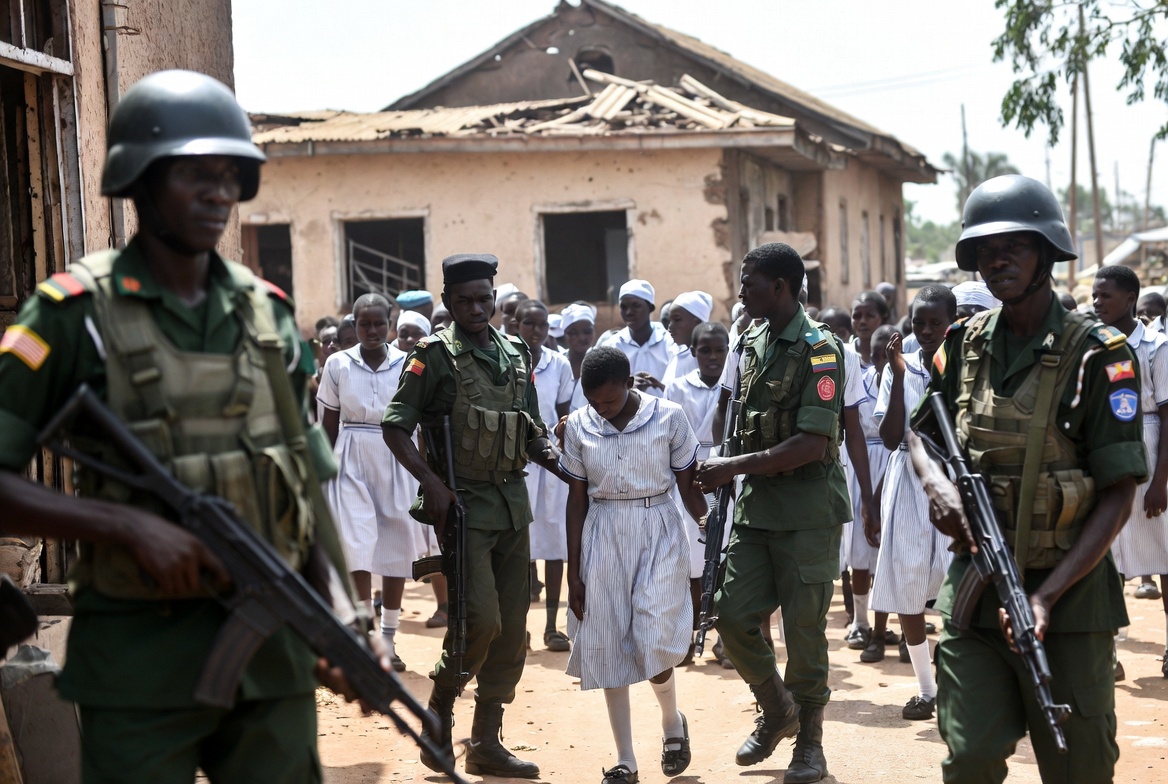
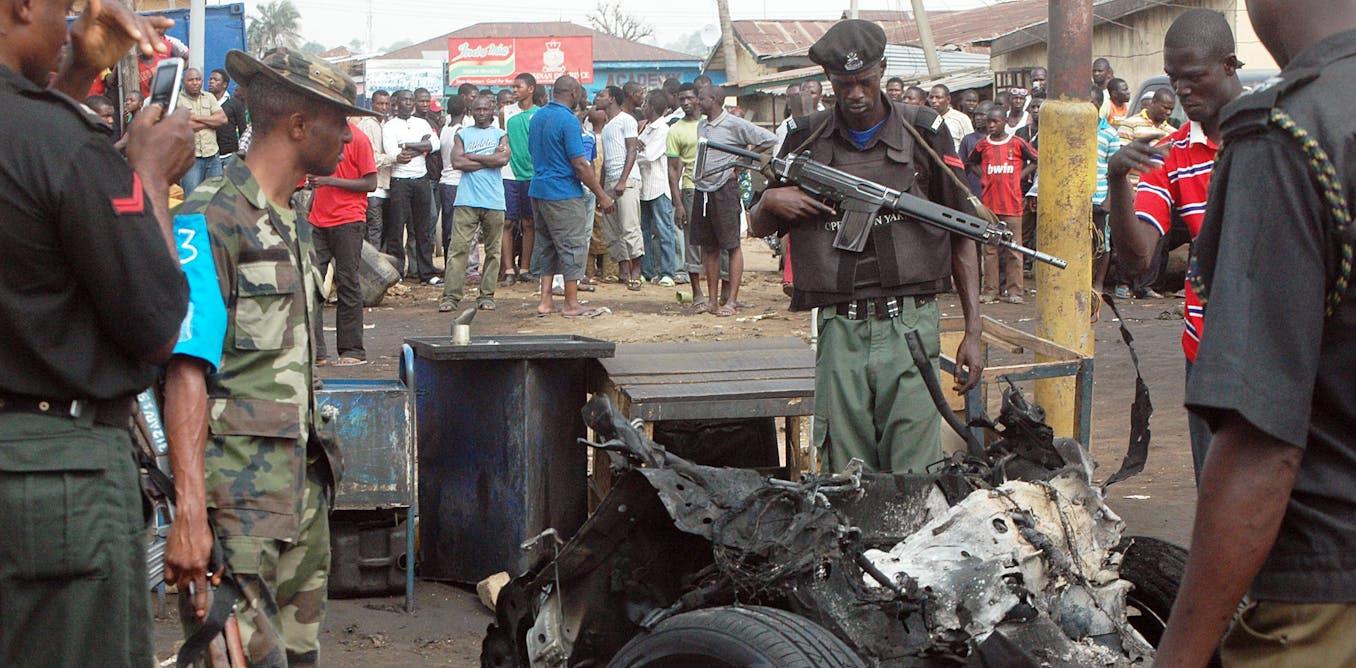
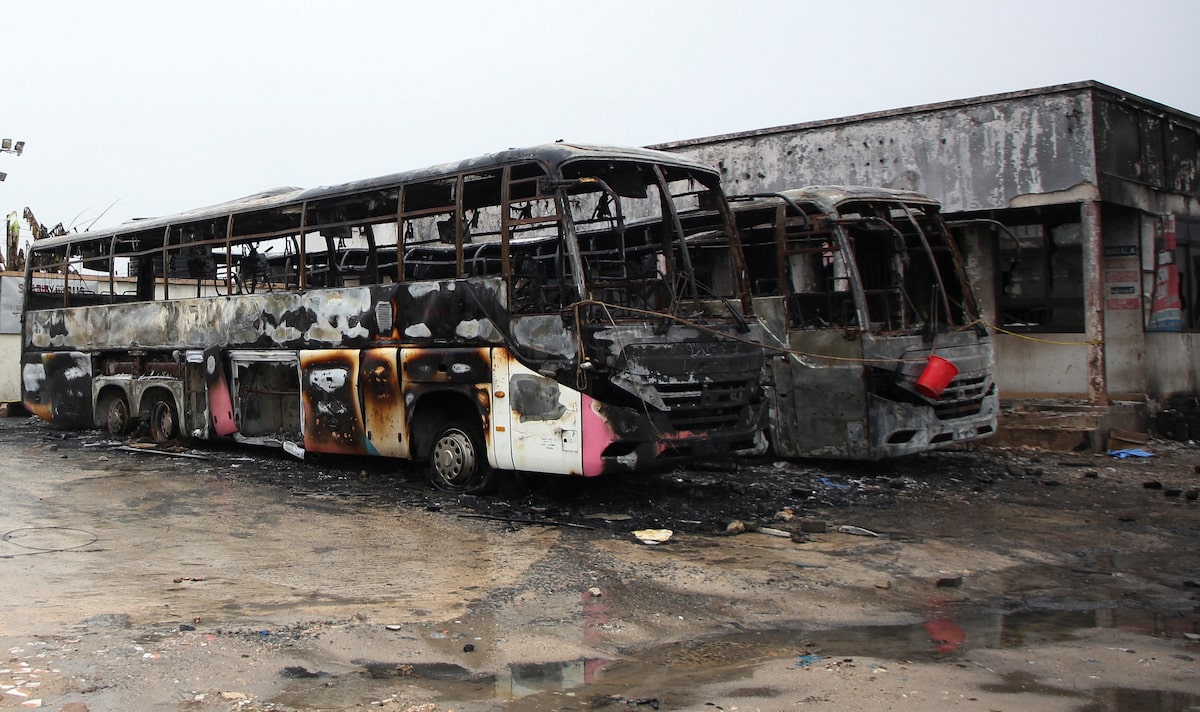
As 2026 unfolds, Africa paints a complex portrait, brimming with both enduring challenges and fresh opportunities. We’re seeing how security, trade, and industry, particularly gold mining, all weave together, deeply influencing the continent’s path. The situation in West Africa especially stands out, where rich resources and economic potential must carefully balance against security worries and changing global relationships. Just look at the latest figures: South Africa, unfortunately, still leads the continent’s crime index with a score of 74.5, revealing serious ongoing problems with violent and property crimes in its cities, including Pretoria and Pietermaritzburg. Angola isn’t far behind, scoring 65.5, battling widespread property crimes, armed robberies, and sporadic violence. What does this mean for ordinary citizens and investors? It places real pressure on governments and communities to develop strong responses that don’t just treat the symptoms, but also tackle the underlying issues like inequality, unemployment, and governance gaps. For more on the specific challenges facing West African nations, you can find details in our recent reports. You can dive deeper into the crime statistics from Business Insider Africa.
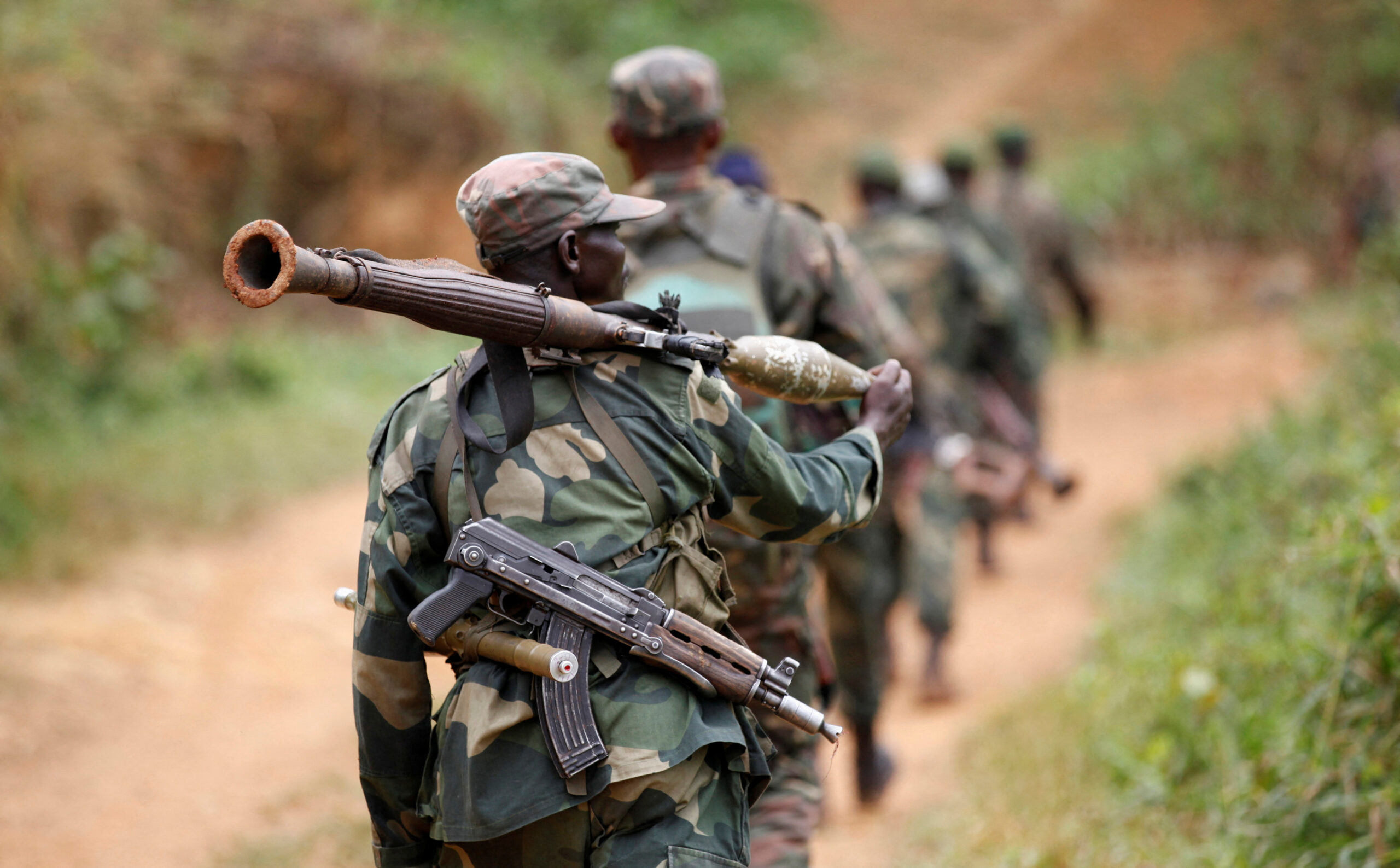
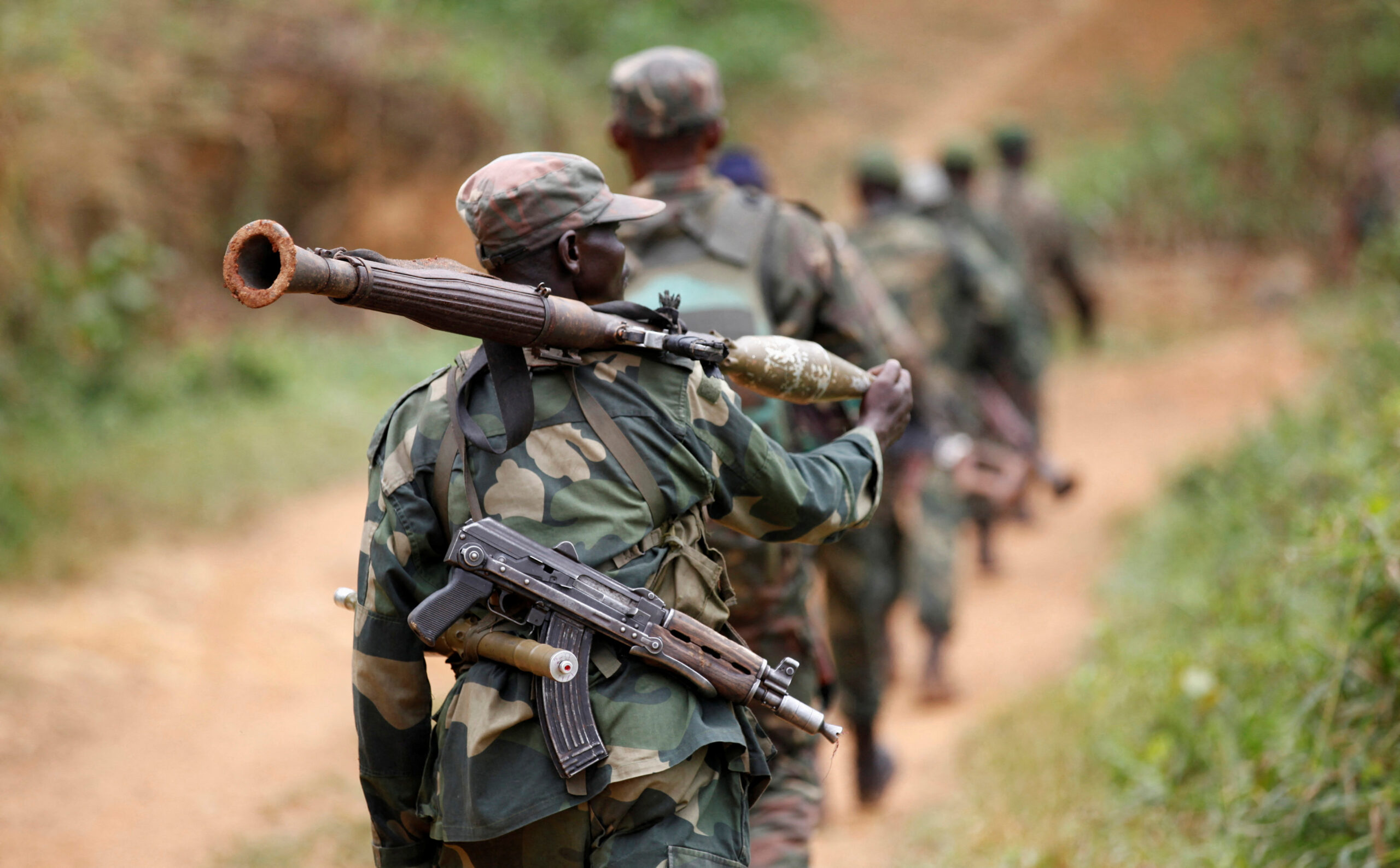
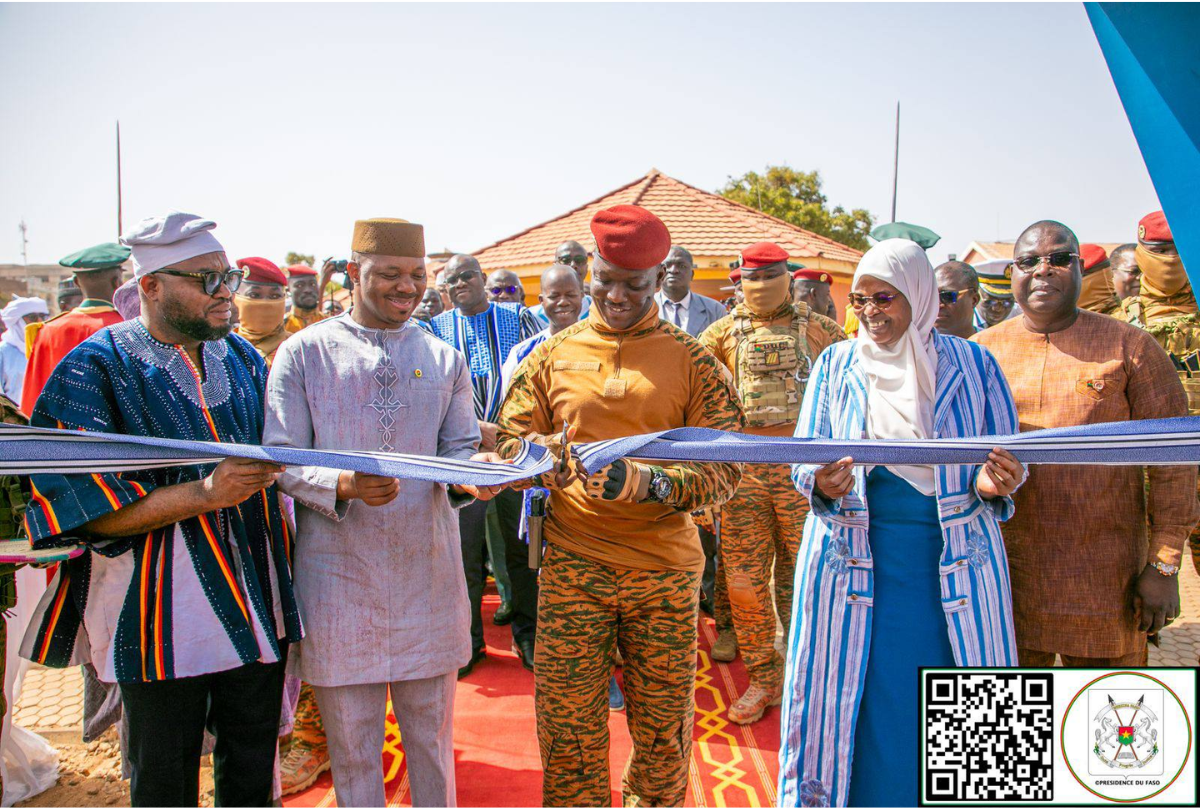
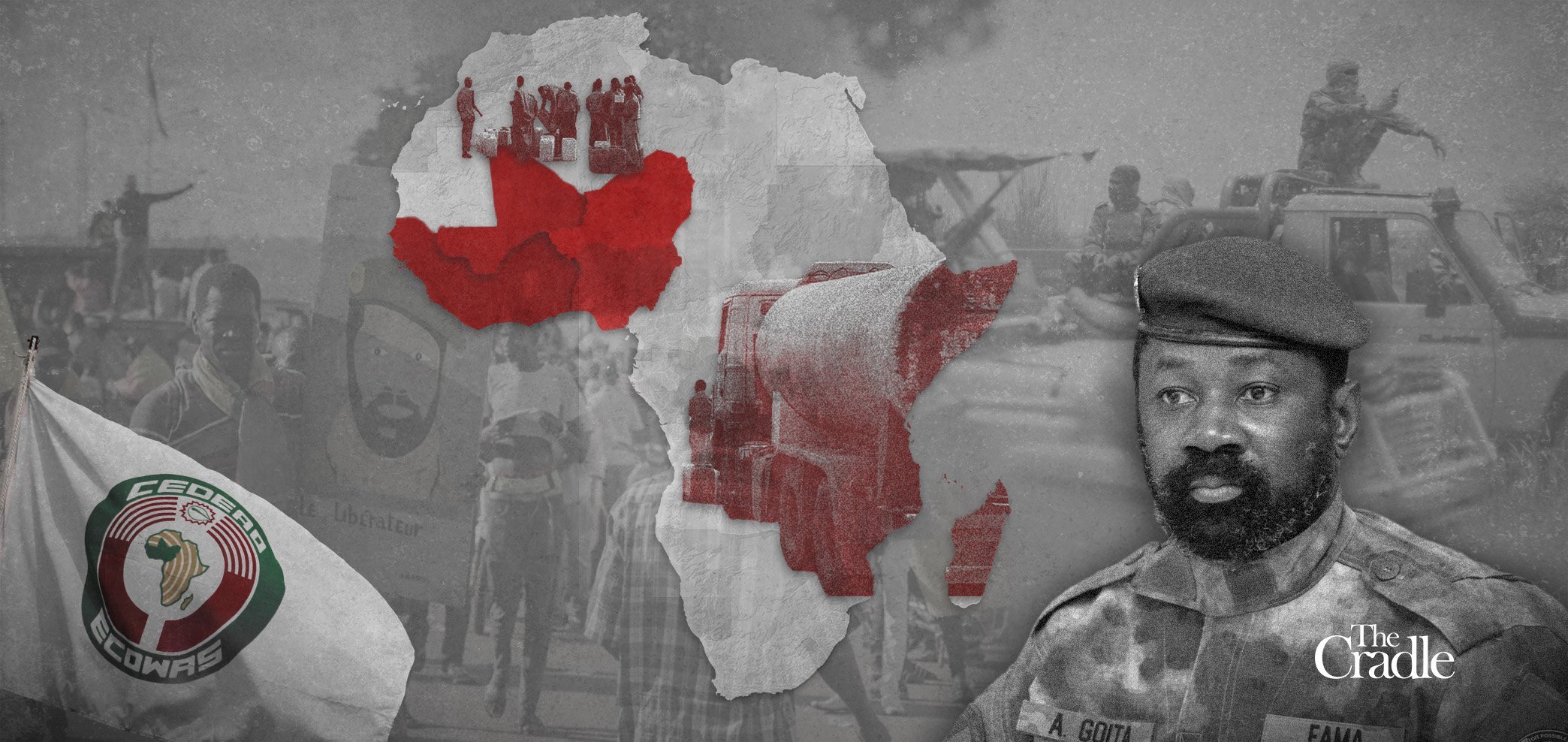
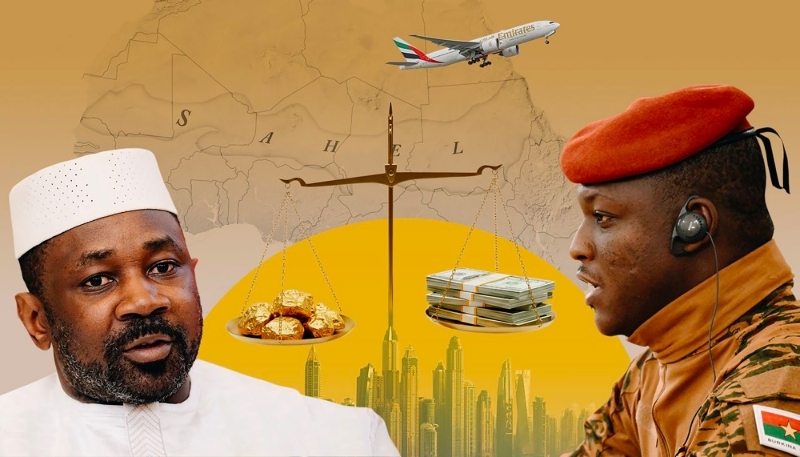
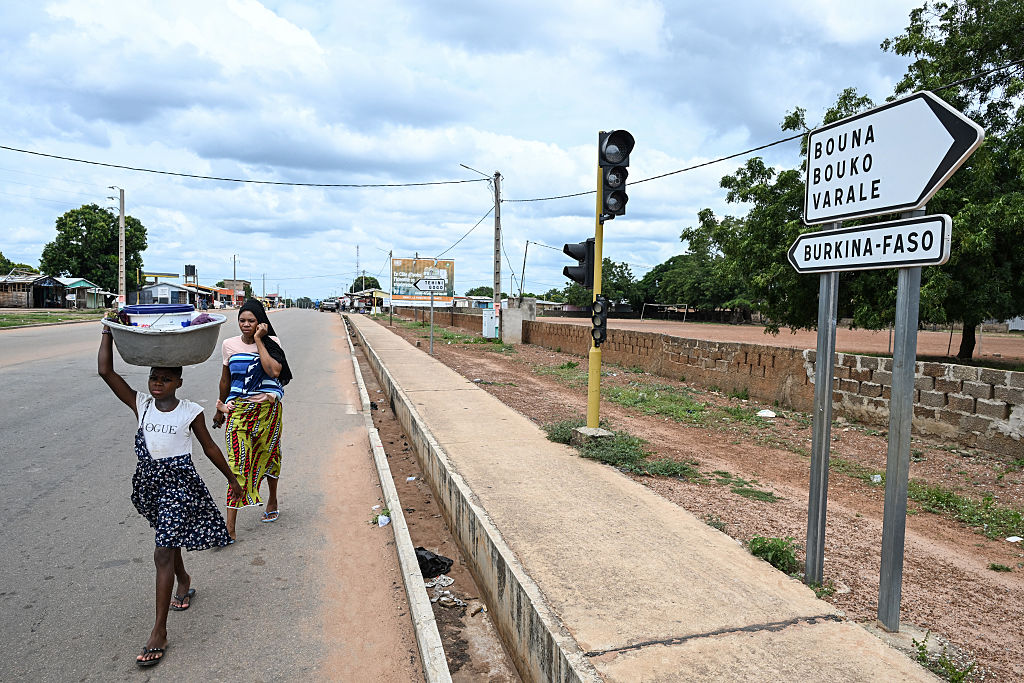
Beyond local security concerns, the broader African trade scene is under the microscope, particularly the intricate China-Africa trade networks. Recent events in the eastern Democratic Republic of Congo have spotlighted illegal mining activities involving Chinese nationals, who were convicted for illicit mining and money laundering. These aren’t isolated incidents. A tangled web of illegal gold, timber, and cryptocurrency operations, often linked to some foreign entities, especially networks connected to China, continues to fund armed groups across various conflict zones. This dangerous mix of illegal finance and resource exploitation doesn’t just fuel instability, it also risks damaging Beijing’s international standing, making diplomatic and economic relations more complicated. On a brighter note, Africa’s legal mining sector is hitting some impressive milestones. Burkina Faso’s gold mining operations, spearheaded by West African Resources, reported strong production results in 2025. Their Sanbrado and Kiaka projects together produced over 300,000 ounces of gold, hitting the top end of their yearly targets and setting new records. Open-pit mining ramped up in late 2025, significantly boosting ore extraction and gold yield. These achievements truly show how natural resource wealth can drive economic growth when managed openly and responsibly. You can read more about the scrutiny of China-Africa trade networks in this detailed report.
However, the wider business environment across Africa shows a cautious optimism, caught between structural and global pressures. Nigeria’s economic journey serves as a valuable lesson. Business activity there has expanded for twelve months straight, but the pace is slowing. The Nigerian Economic Summit Group’s latest Business Confidence Monitor points to rising uncertainty and increasing operational costs as factors tempering enthusiasm. Key indicators, such as production, demand, and supply orders, suggest businesses are taking a more careful approach. This mixed outlook highlights how external shocks, unpredictable policies, and infrastructure issues can impact investor and consumer confidence, even in Africa’s largest economy. What does this mean for the future? African governments and their global partners must strengthen security and justice systems to combat crime and illicit trade. This has to go hand-in-hand with creating robust business environments that attract responsible investment. Transparency in mining, trade, and finance can help expose those behind illegal activities, while economic reforms can empower both entrepreneurs and communities. Want to know more about Nigeria’s economic landscape? Check out our recent coverage. This nuanced picture of complexity and resilience in 2026 shows us Africa’s future will be shaped by continuous vigilance against destabilizing forces and a smart, strategic harnessing of its rich natural and human potential. Find additional insights into Nigeria’s business confidence from The Nation Newspaper.