Africa’s Startup Moment Meets Geopolitics and Climate Policy, Testing Scale and Sustainability
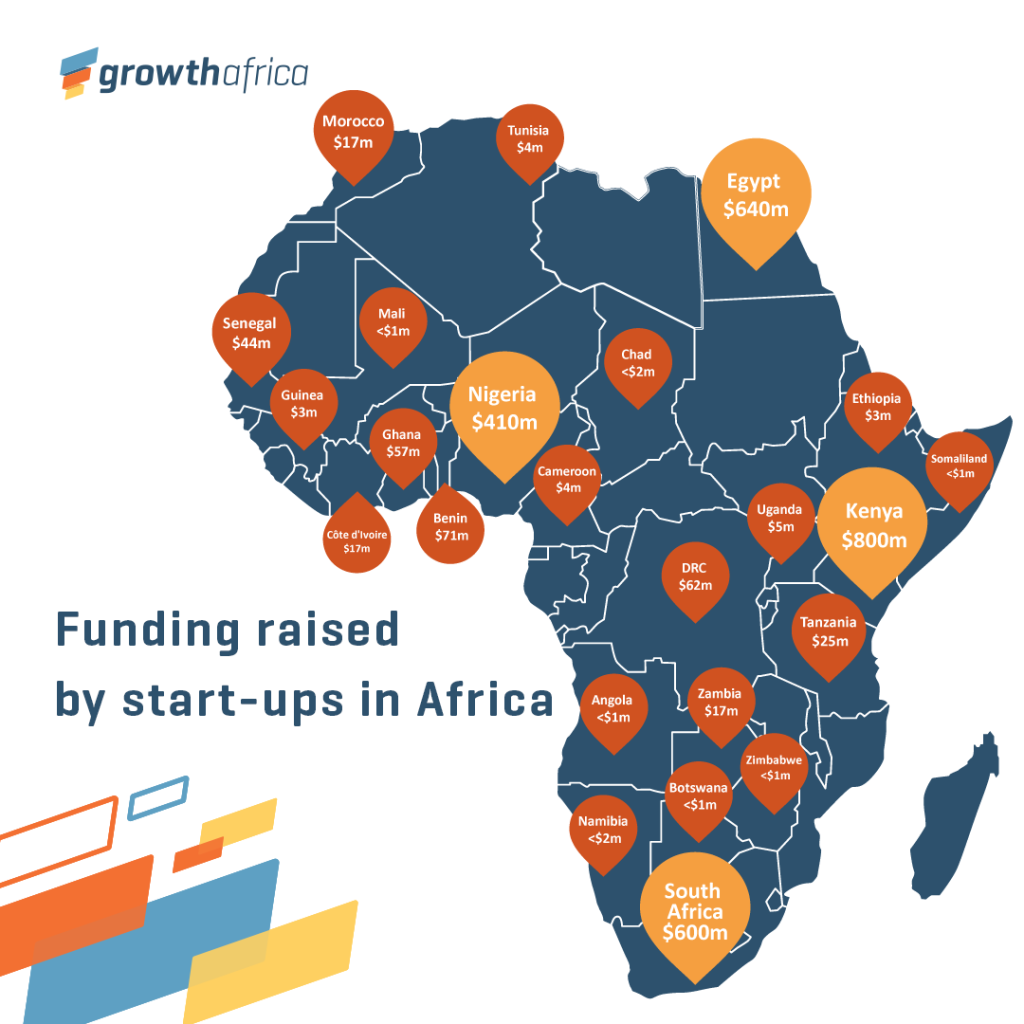
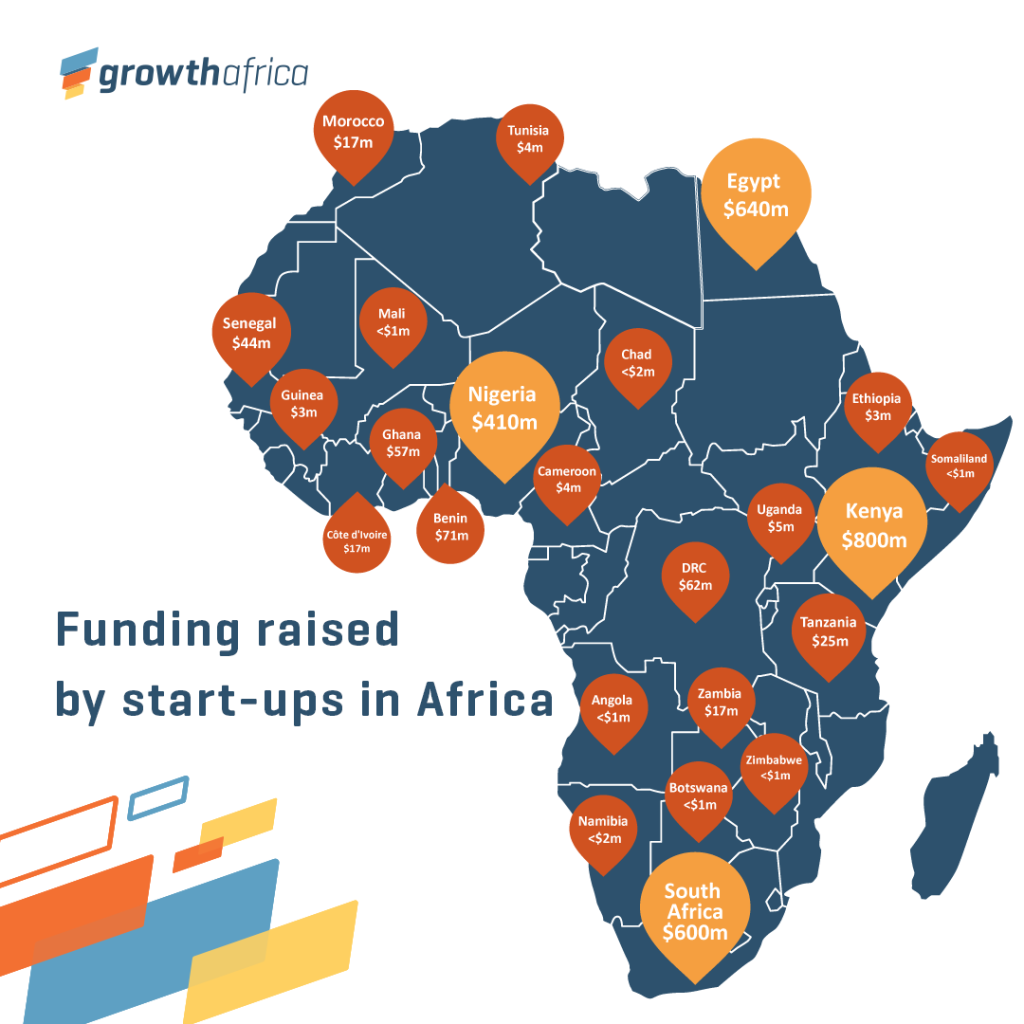
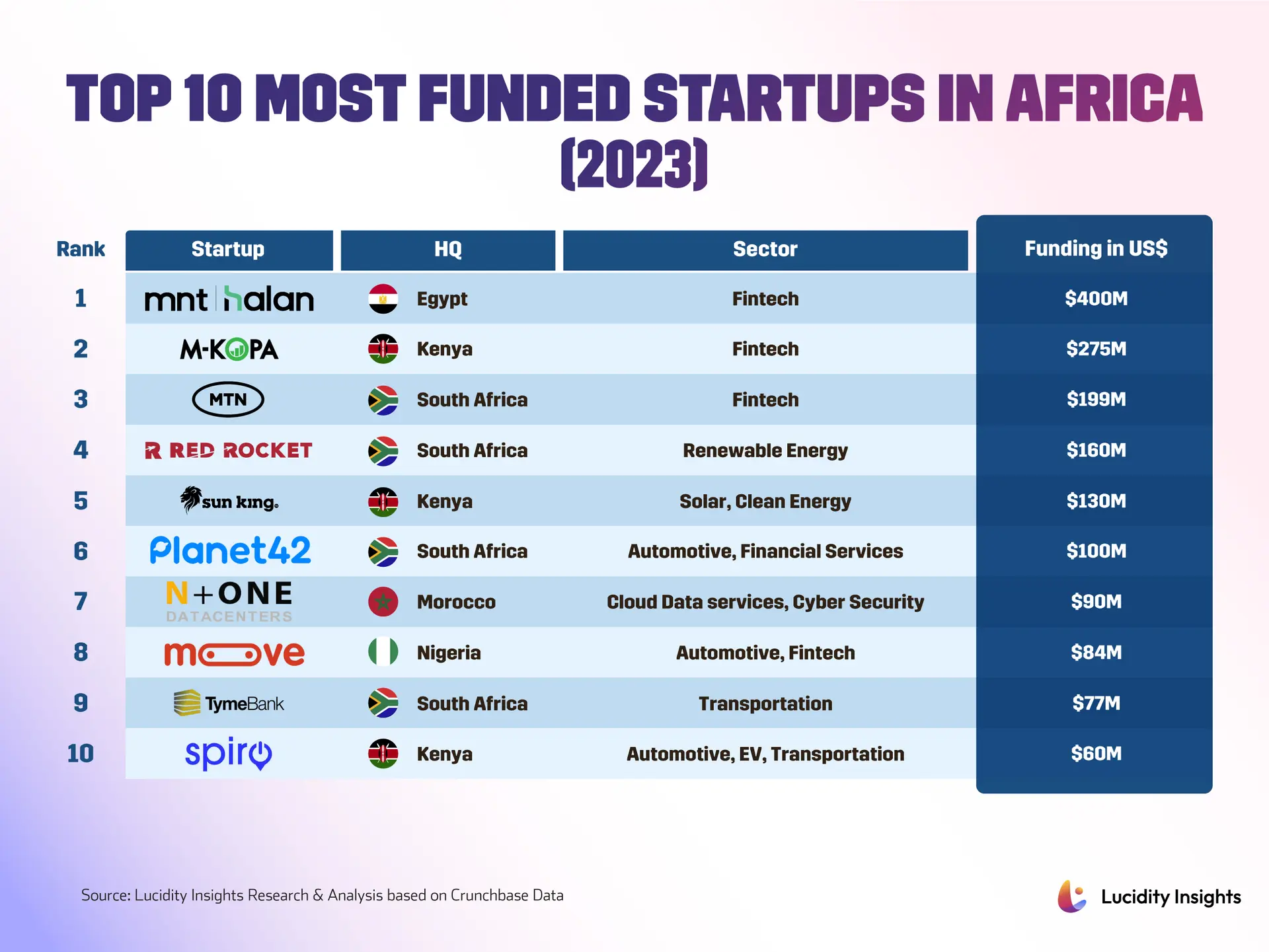
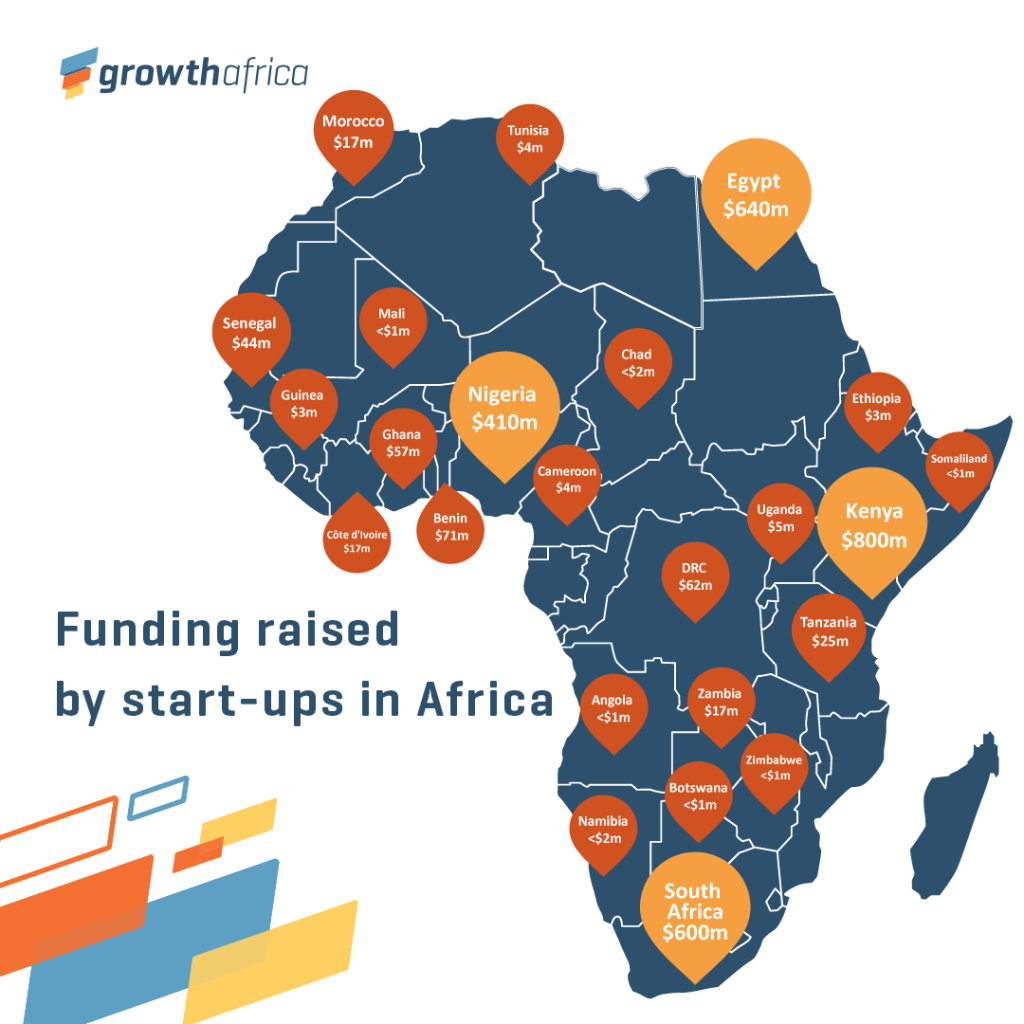
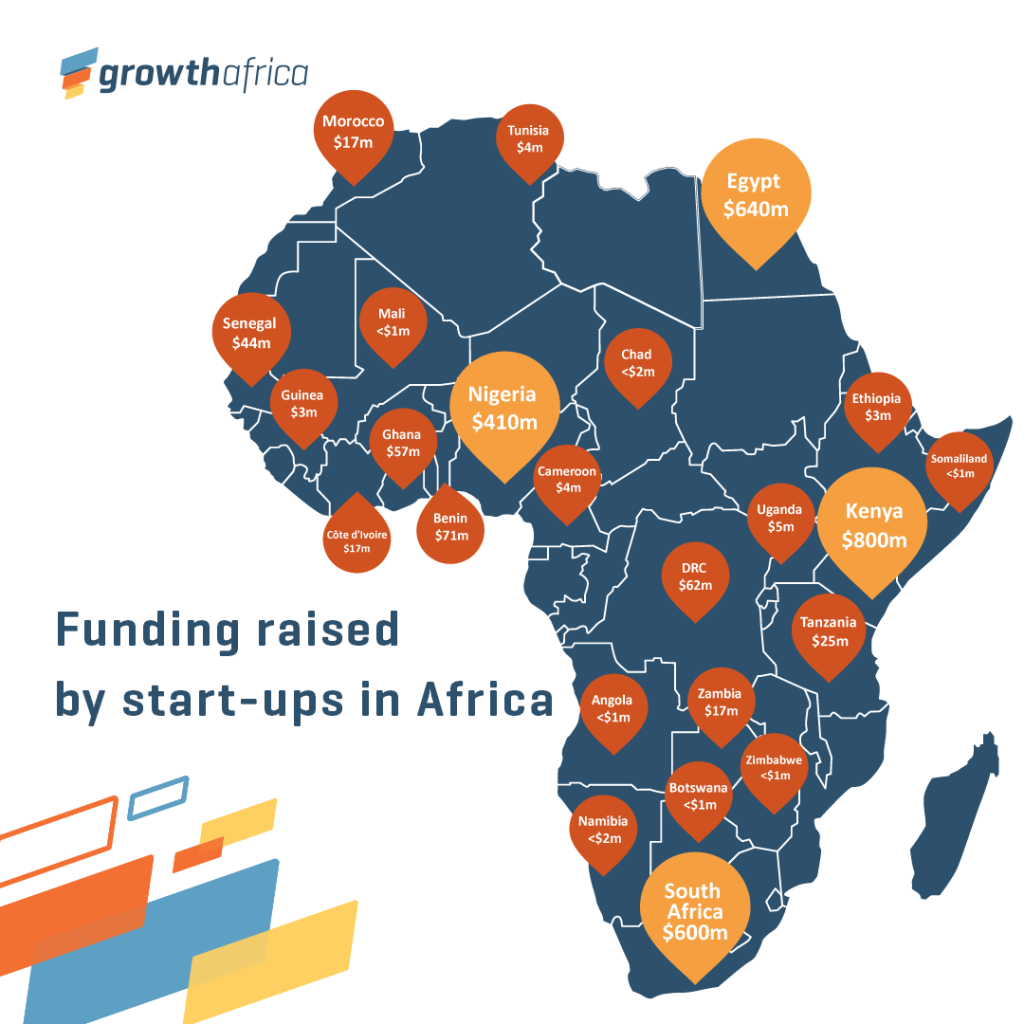
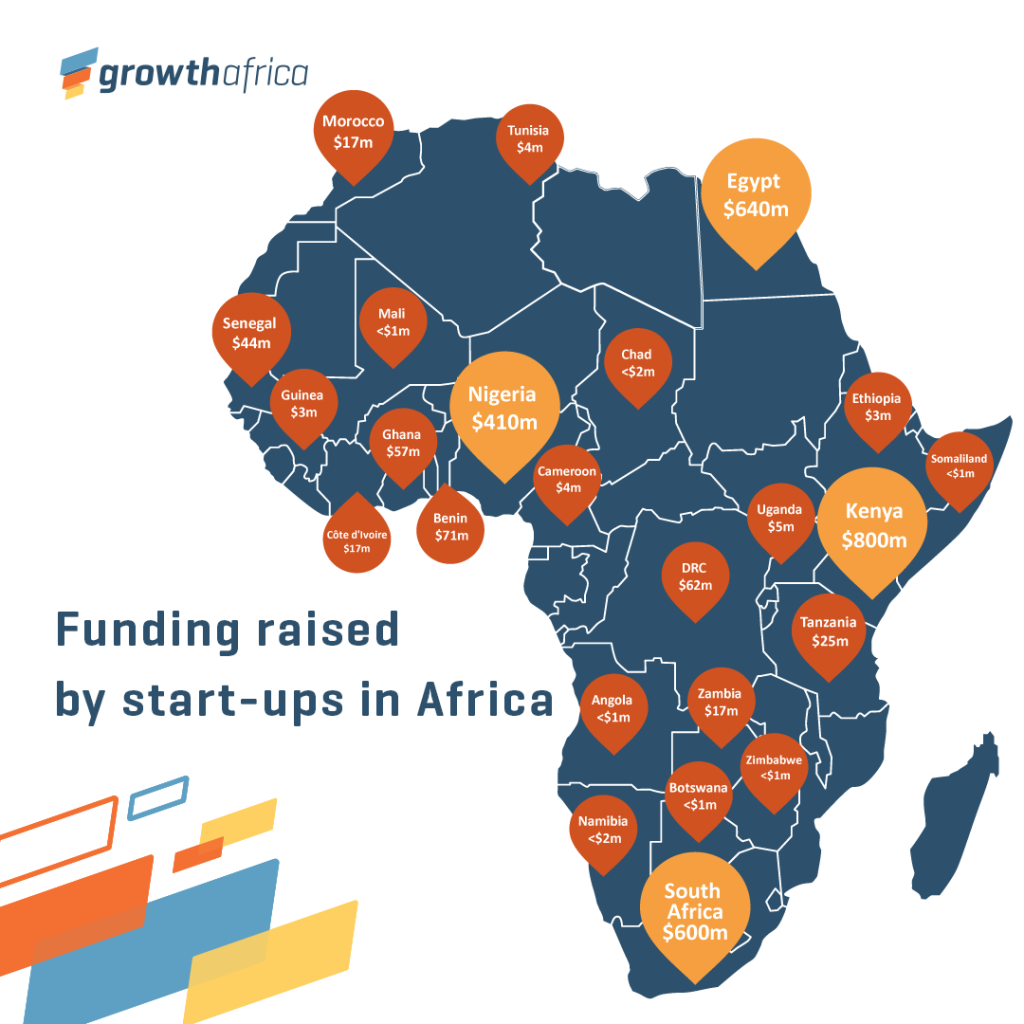
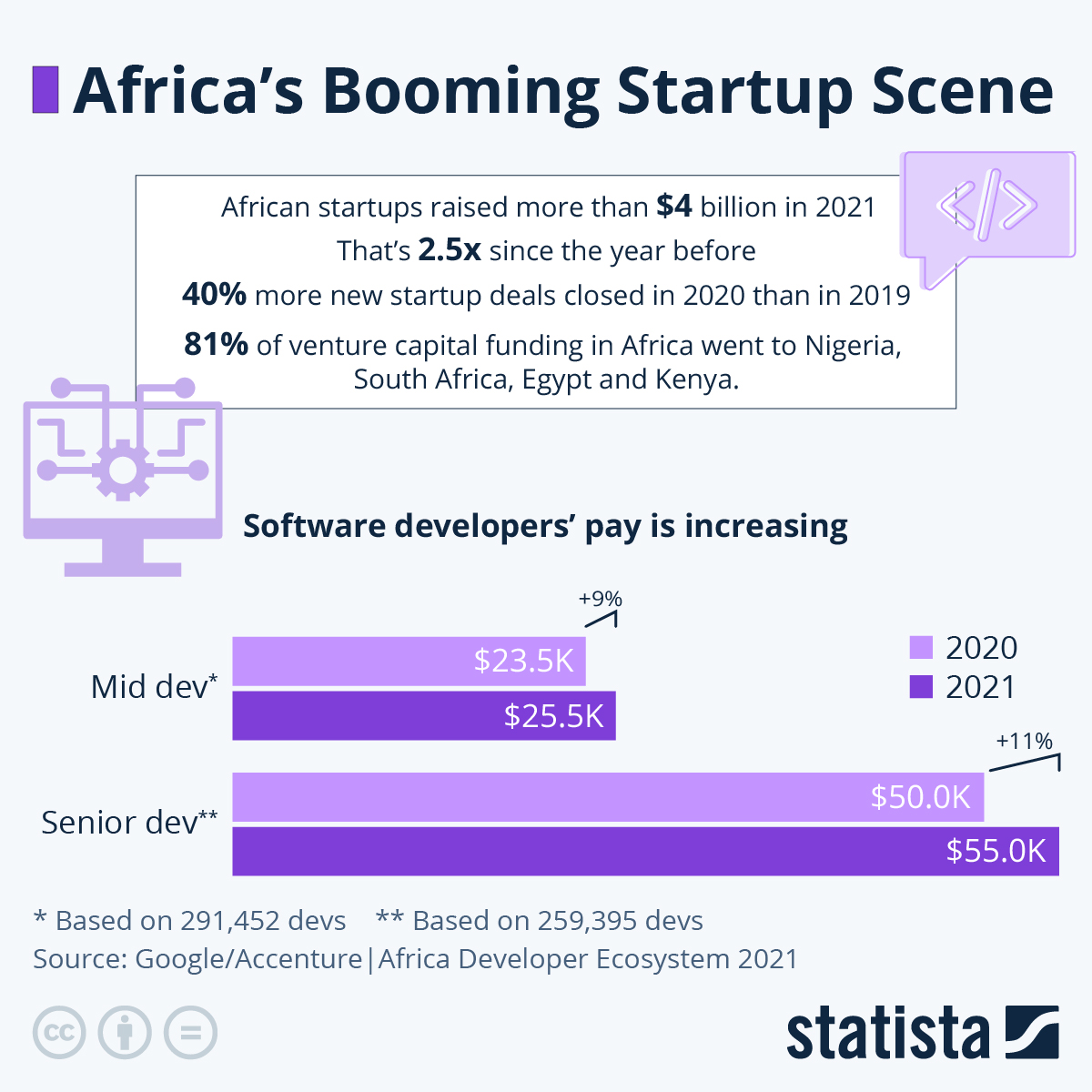
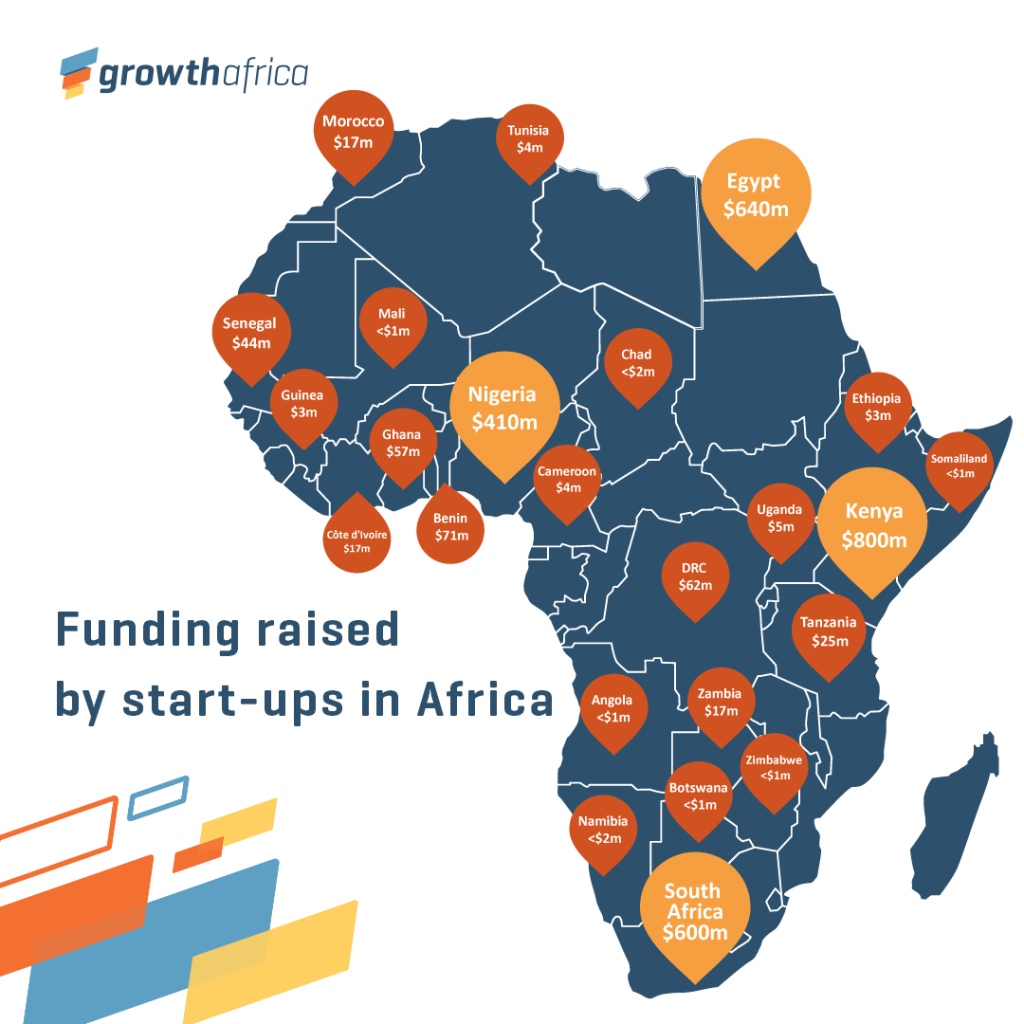
Africa’s tech scene isn’t just growing anymore, it’s growing up. The days of easy venture capital are fading fast as investors get tougher about profitability and sustainability. Corporate venture arms are stepping in with strategic checks that come with operational support, forcing founders to show real revenue instead of just user growth. You can see this shift playing out with winners like electric mobility platform Spiro, which attracted major investment by tackling climate and transport needs across several countries. Tanzanian biotech startup NovFeed shows how locally tailored innovation can address food security with sustainable animal feed solutions. This isn’t a contraction, it’s a maturation, as Africa’s startup ecosystem continues to boom but with more discipline. According to African Business analysis, the capital that remains is more likely to be connected to long term commercial partnerships.
Startups aren’t operating in a vacuum anymore. New trade and environmental policies are reshaping their addressable markets in ways they can’t ignore. The European Union’s carbon border adjustment mechanism means African exporters could face extra costs if their production is judged too carbon intensive. That’s pushing companies to invest in cleaner processes or risk losing competitiveness. Meanwhile, climate diplomacy is pushing adaptation finance to the top of multilateral agendas, opening windows for climate smart solutions if the funding becomes predictable. Large infrastructure projects reflect a larger geopolitical realignment too, with major airport developments backed by external partners highlighting how infrastructure deals are now tools of diplomatic engagement. As TechCrunch’s Africa coverage shows, these external pressures are forcing startups to think differently about scale and sustainability while navigating a changing global landscape.
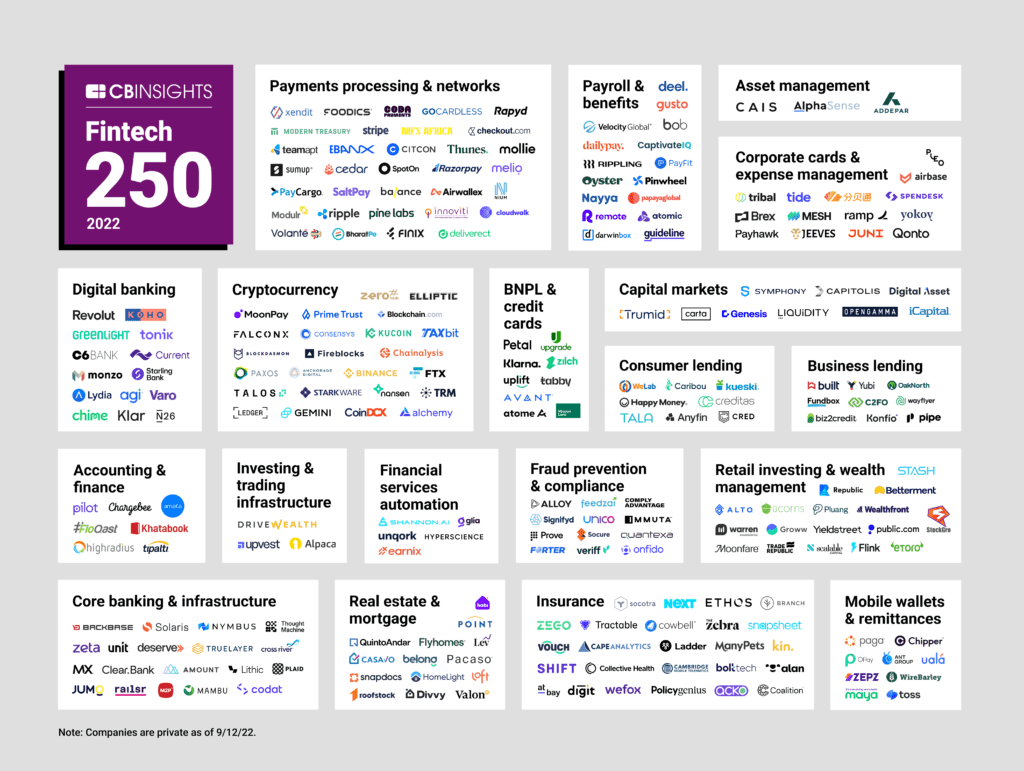
Across key sectors, startups that deliver tangible cost savings and efficiency gains are thriving despite the challenges. Digital health platforms that unify patient records are drawing attention because they reduce clinical friction. In agriculture, marketplace exchanges help smallholders reach formal markets and limit waste. Fintech firms solving payments and credit access at scale remain a center of gravity, especially as they expand across borders. What does this mean for 2026? Africa’s ecosystem will keep maturing, with capital changing shape and regulation becoming a material factor. Startups that survive will be those tying products to clear revenue models, partnering with corporates and governments where helpful, and aligning with emerging environmental rules. For investors, the message is to combine discipline with patience, because as Africa’s tech renaissance demonstrates, the continent’s challenges also present long term, high impact opportunities. According to Tracxn’s latest funding data, the shift toward profitability is already producing results, while Africa’s digital innovation continues to drive tailored solutions for local markets.