New Regional Alliance in the Sahel Signals Shifting Power and Cooperation Dynamics
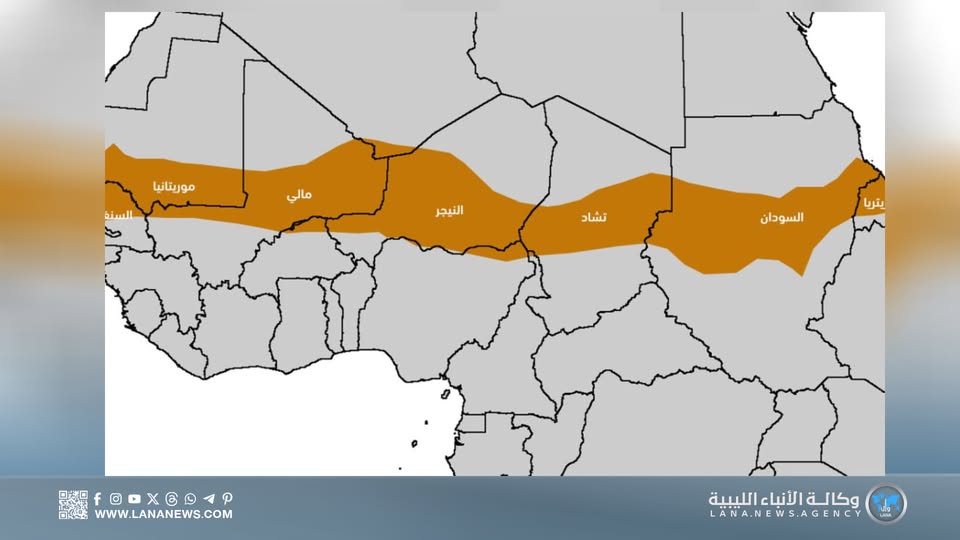
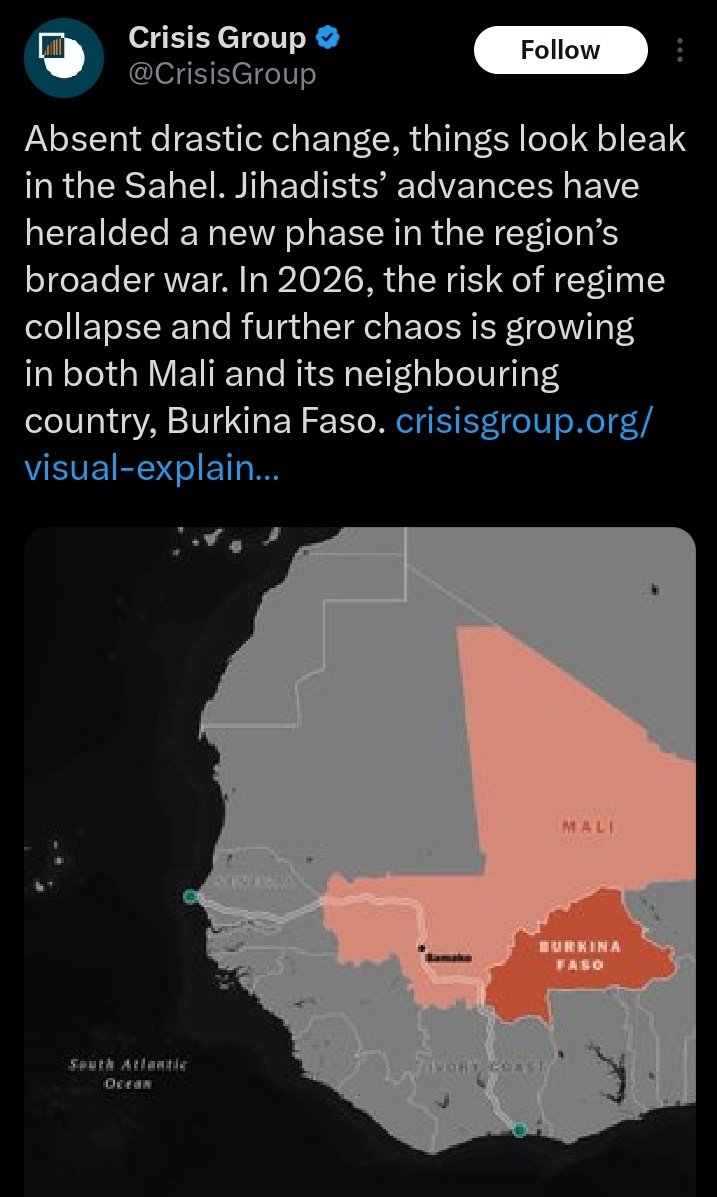
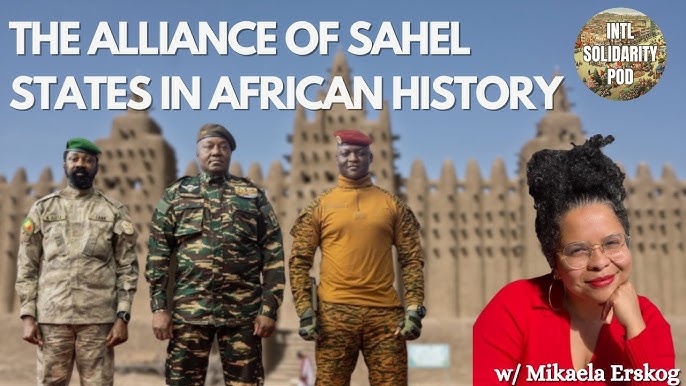
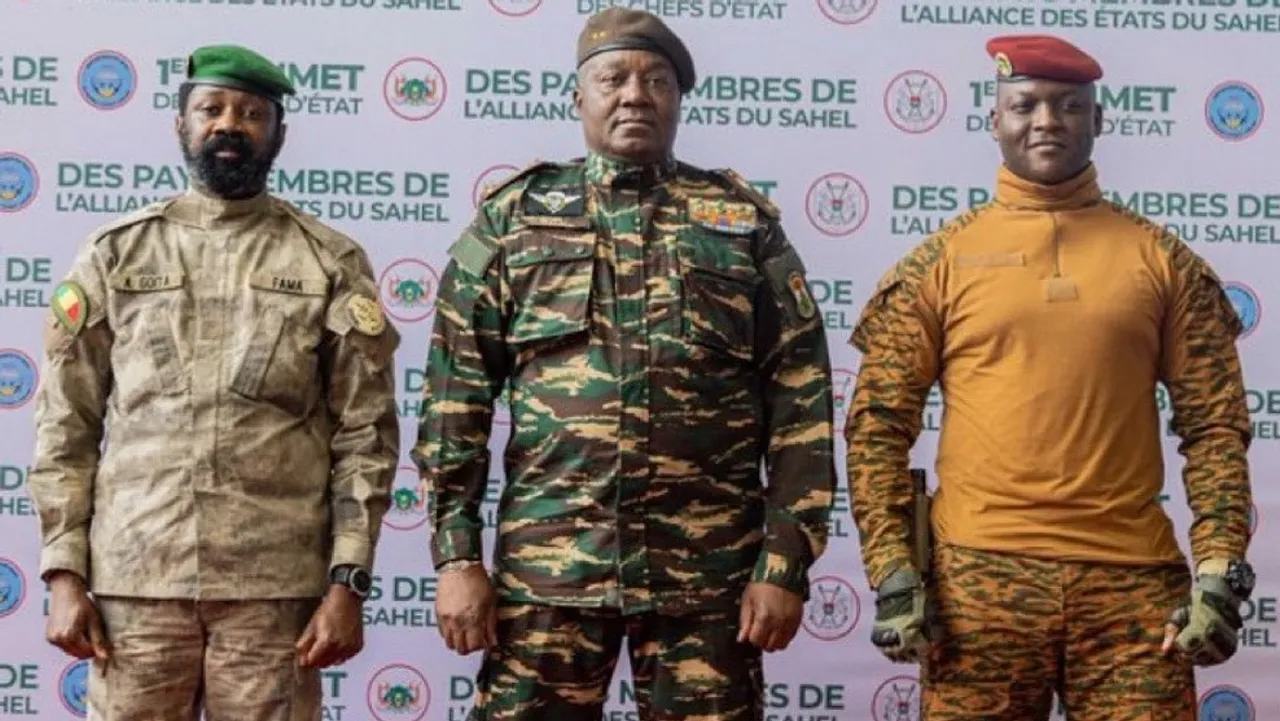
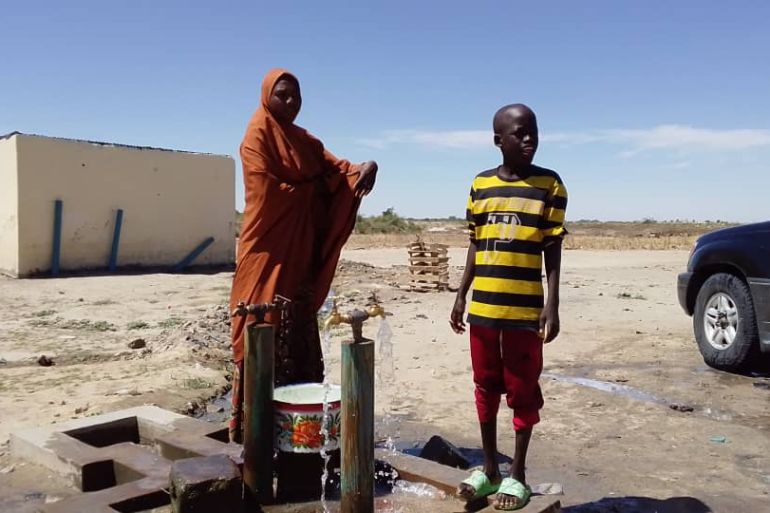
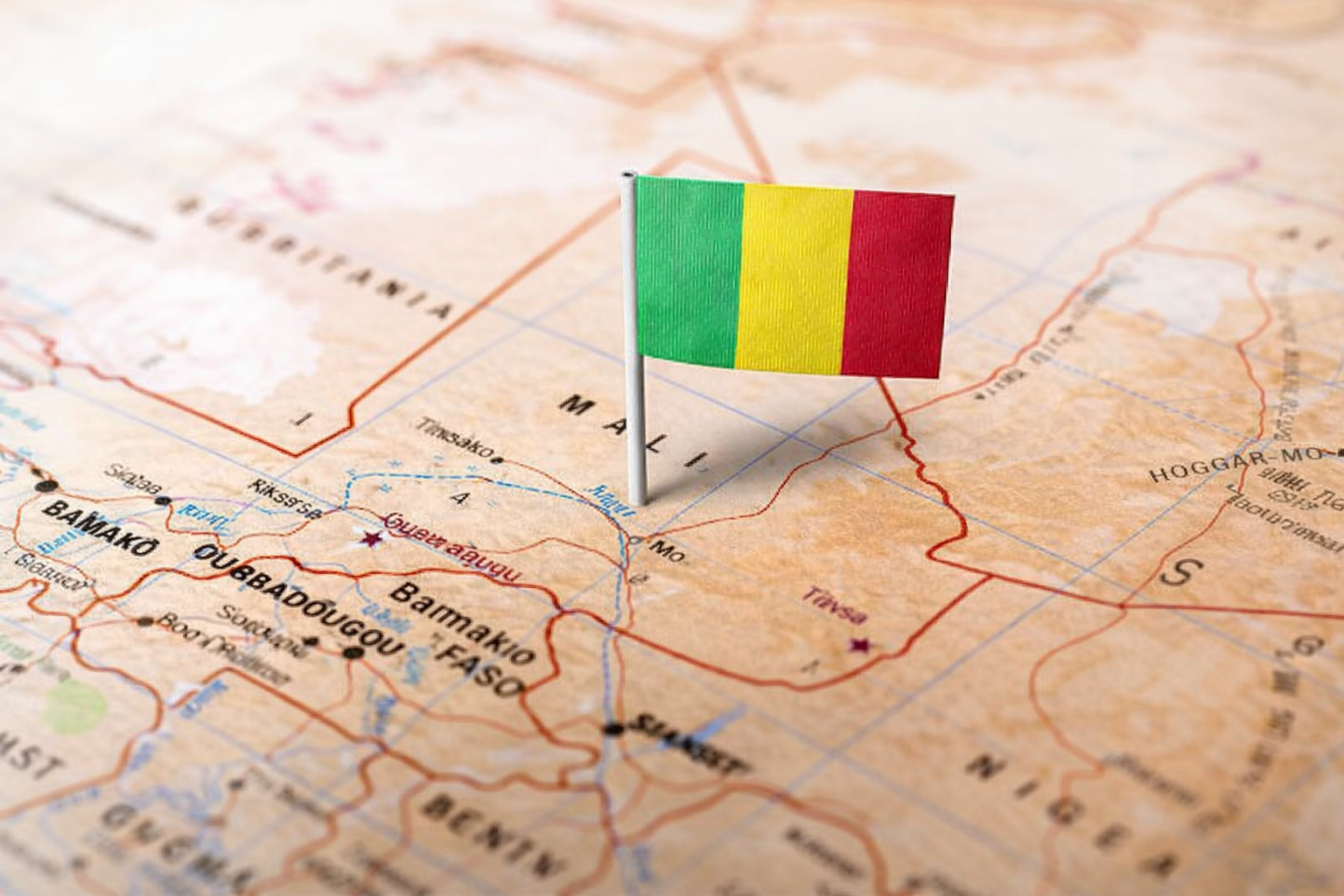
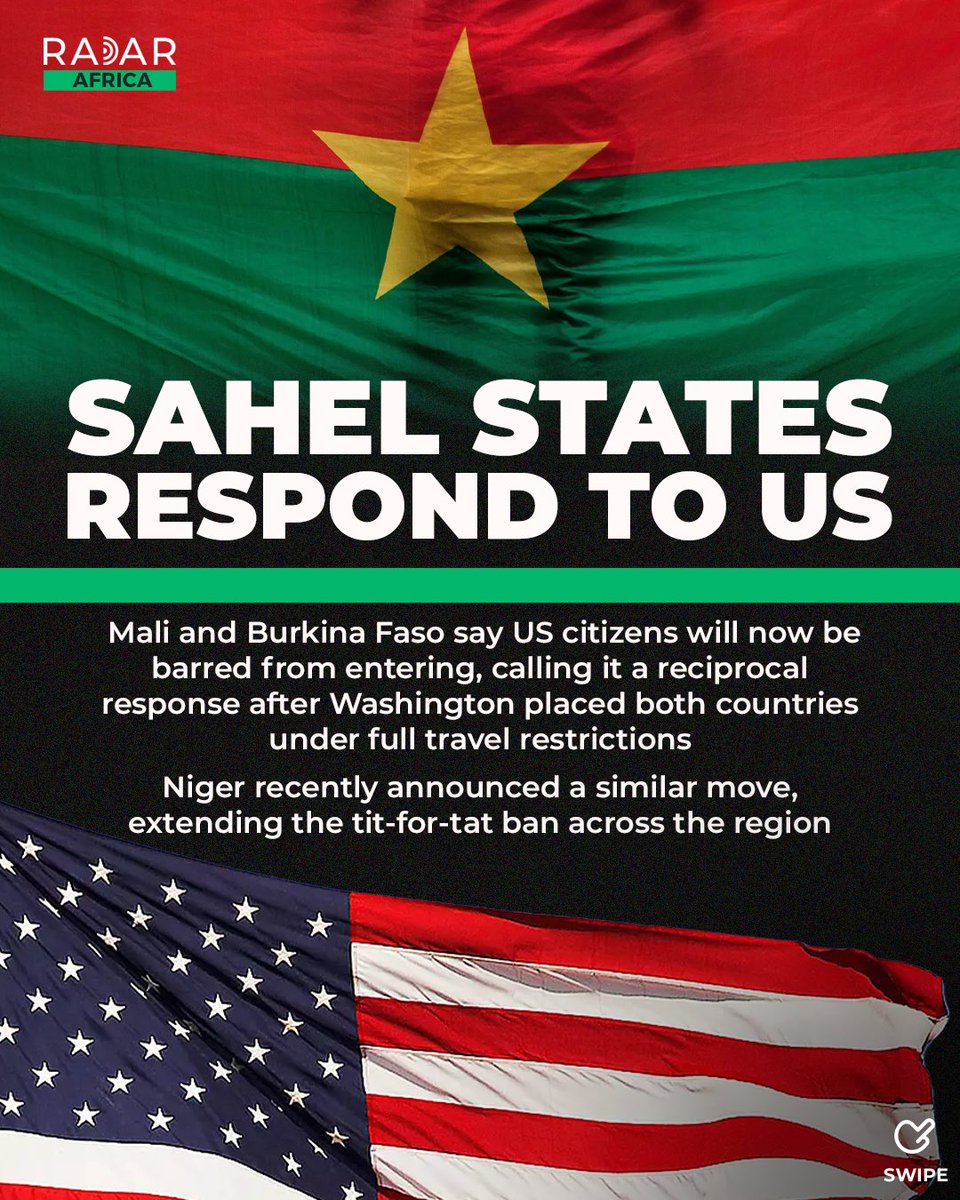
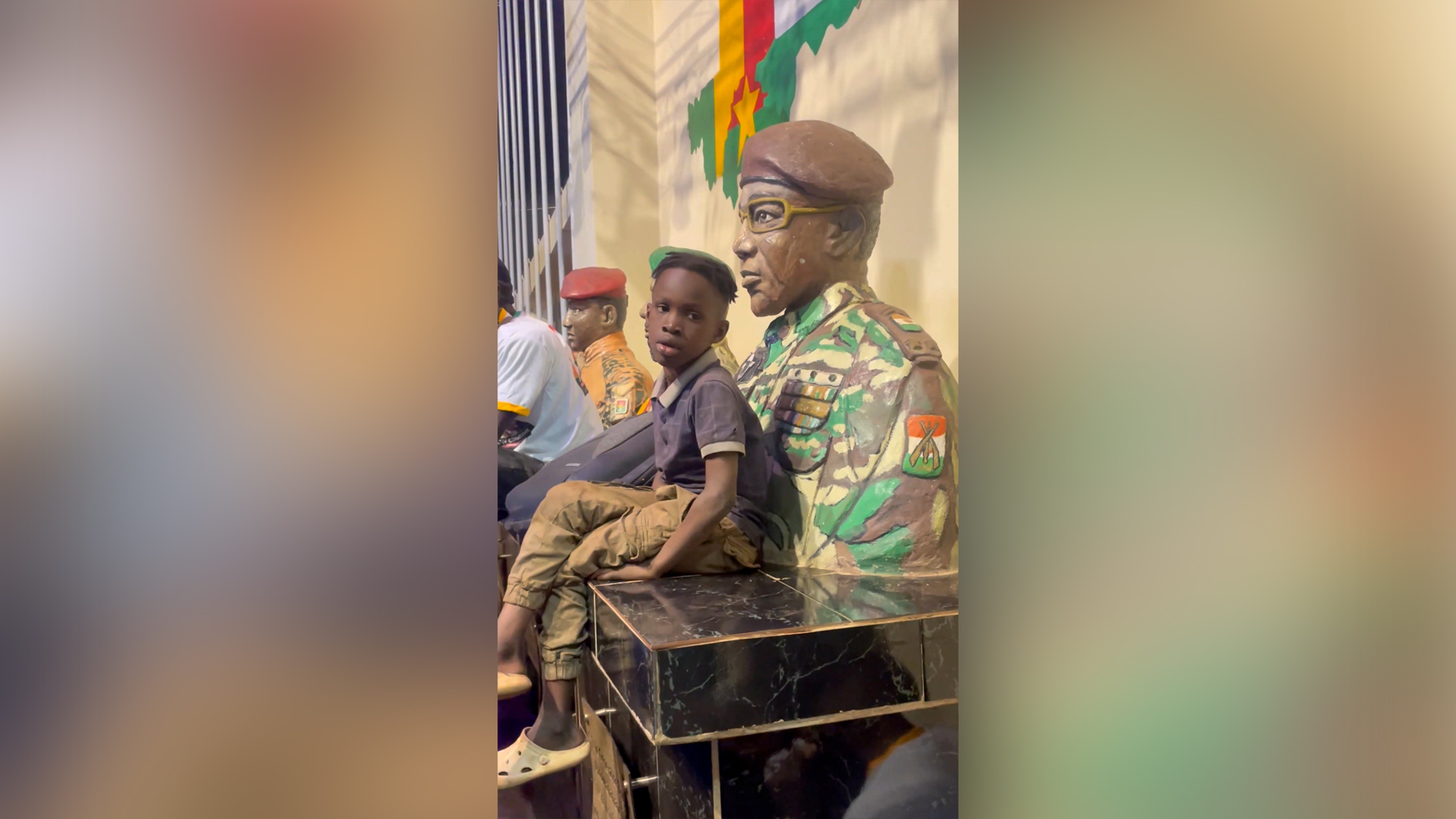
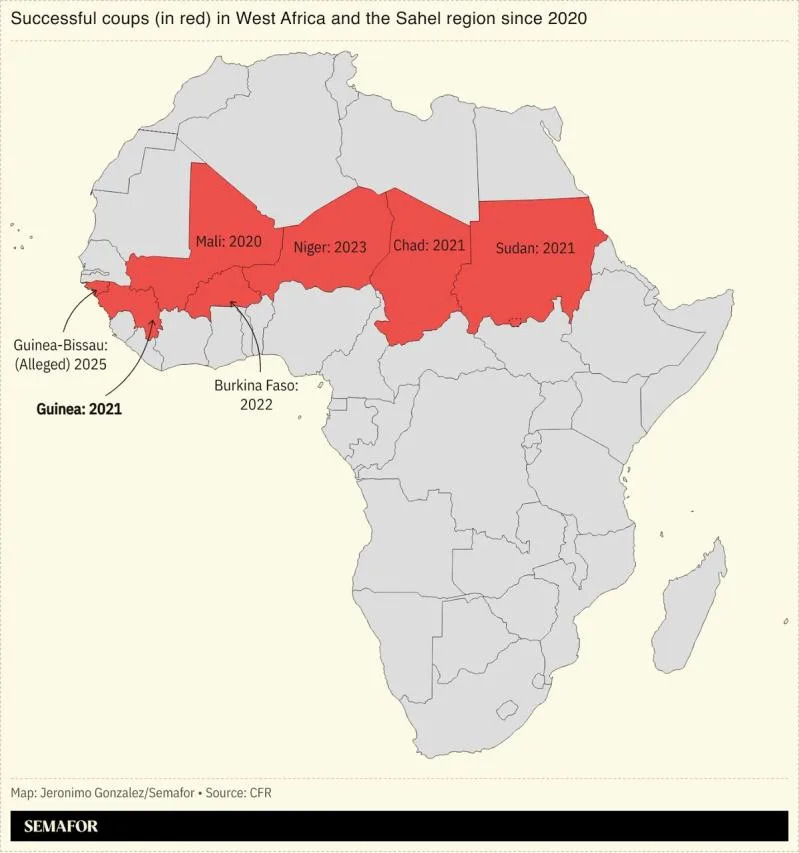
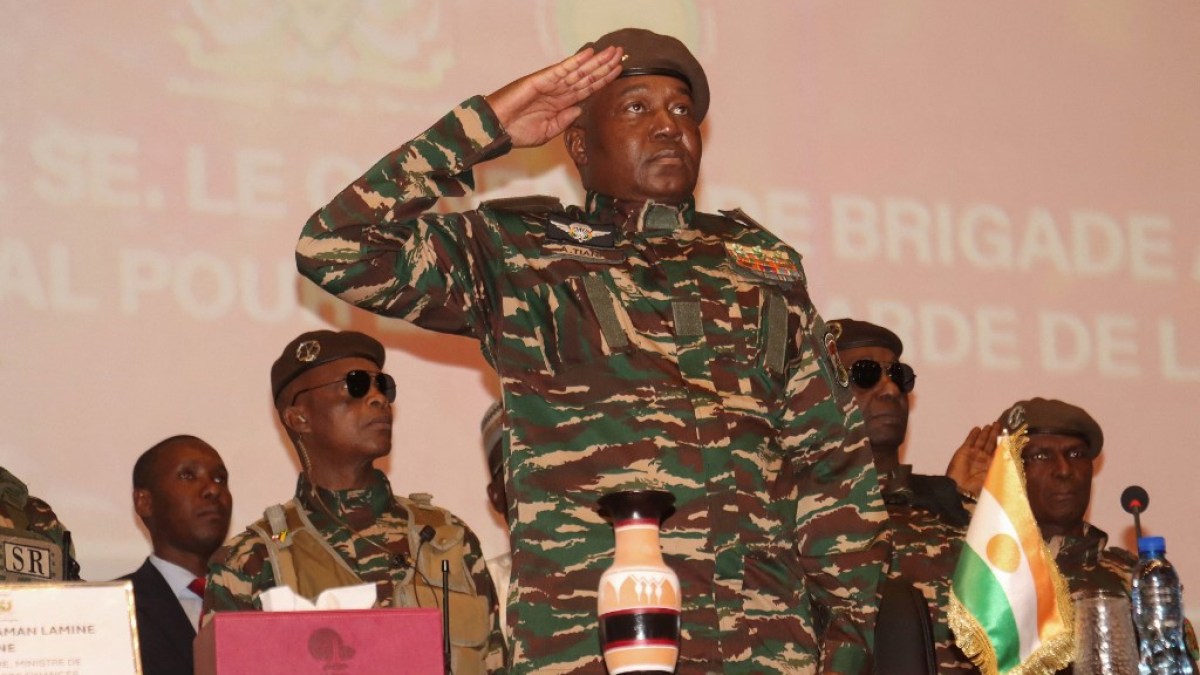
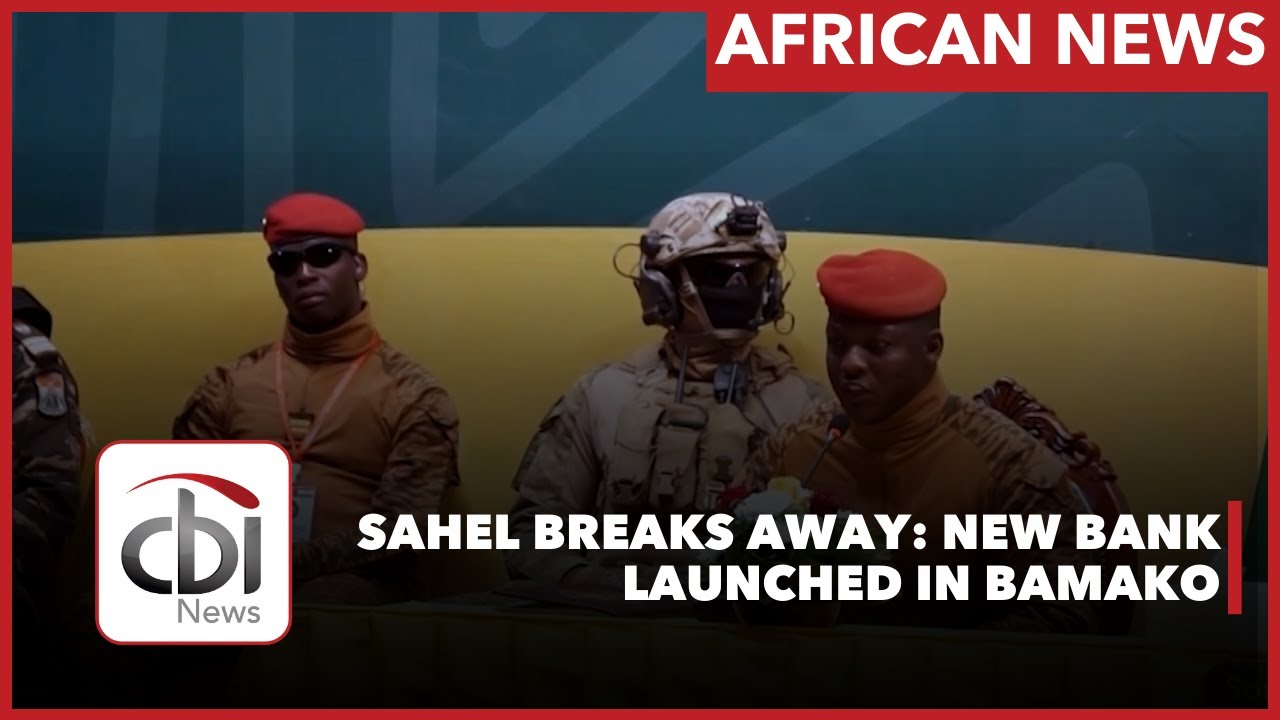
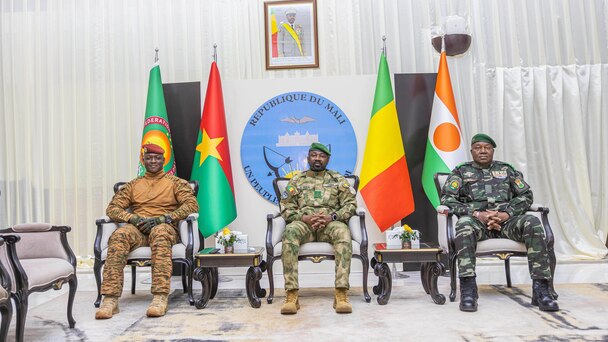
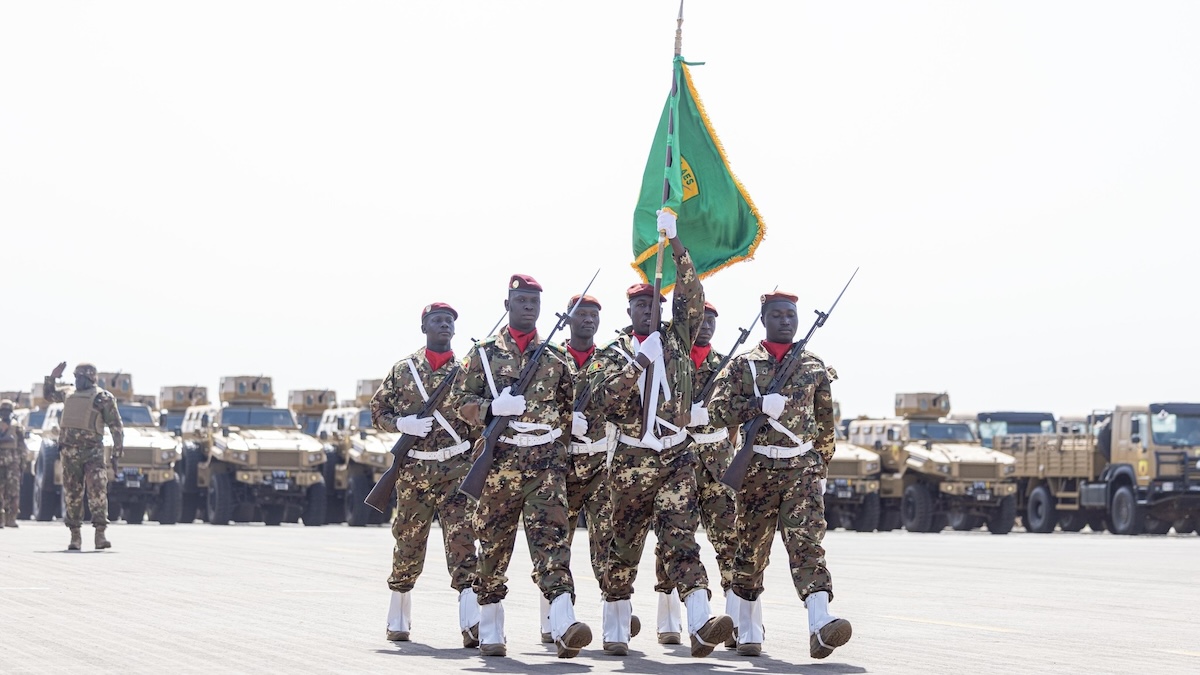
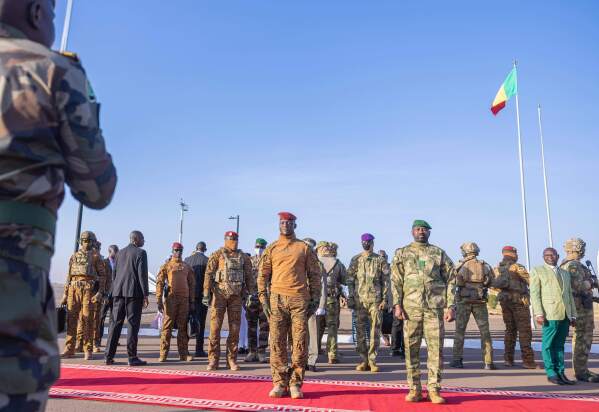
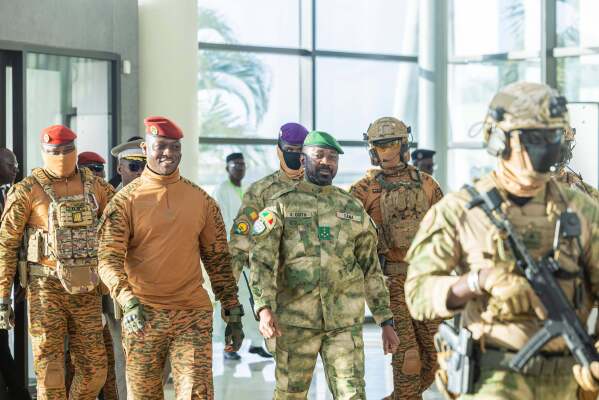
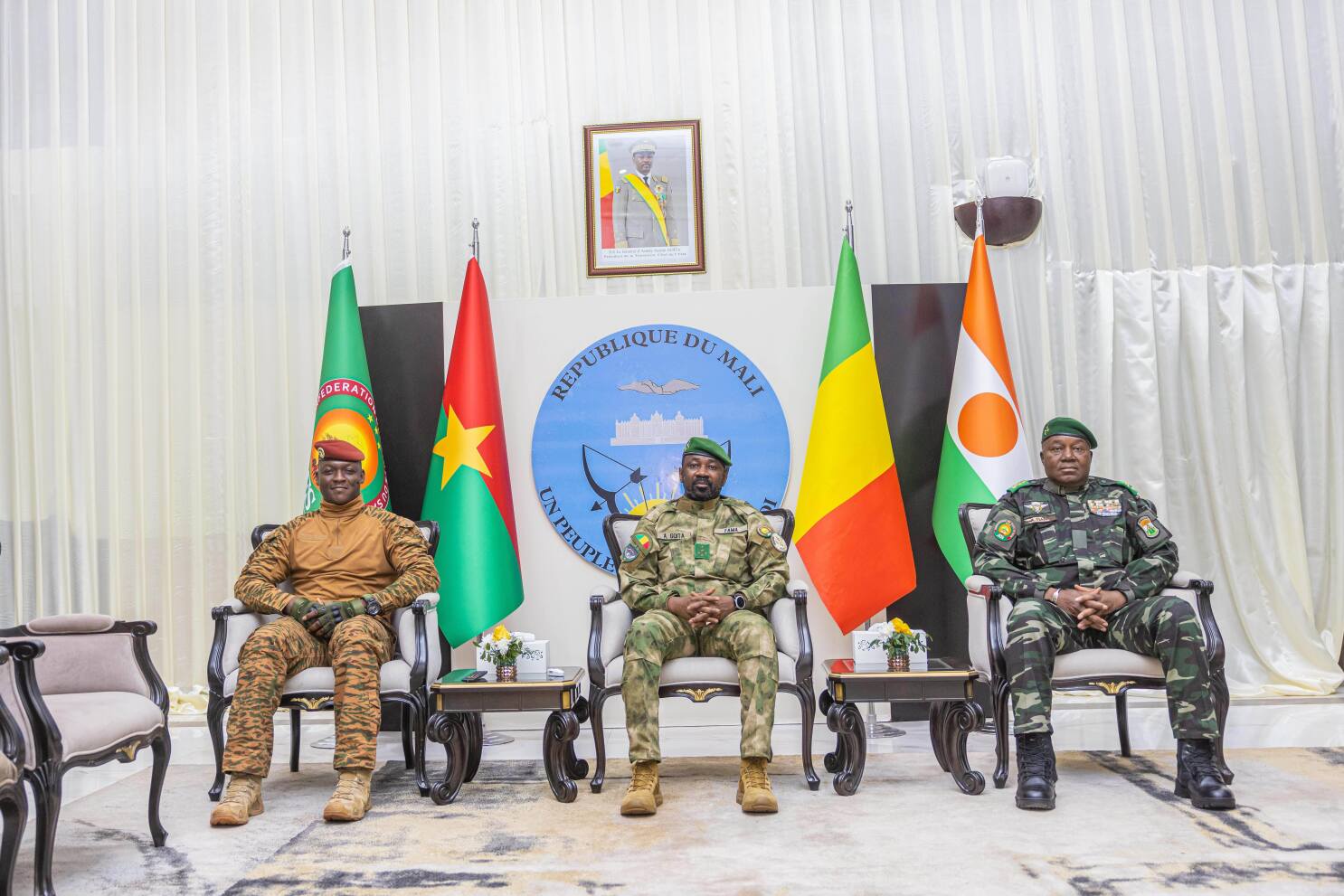
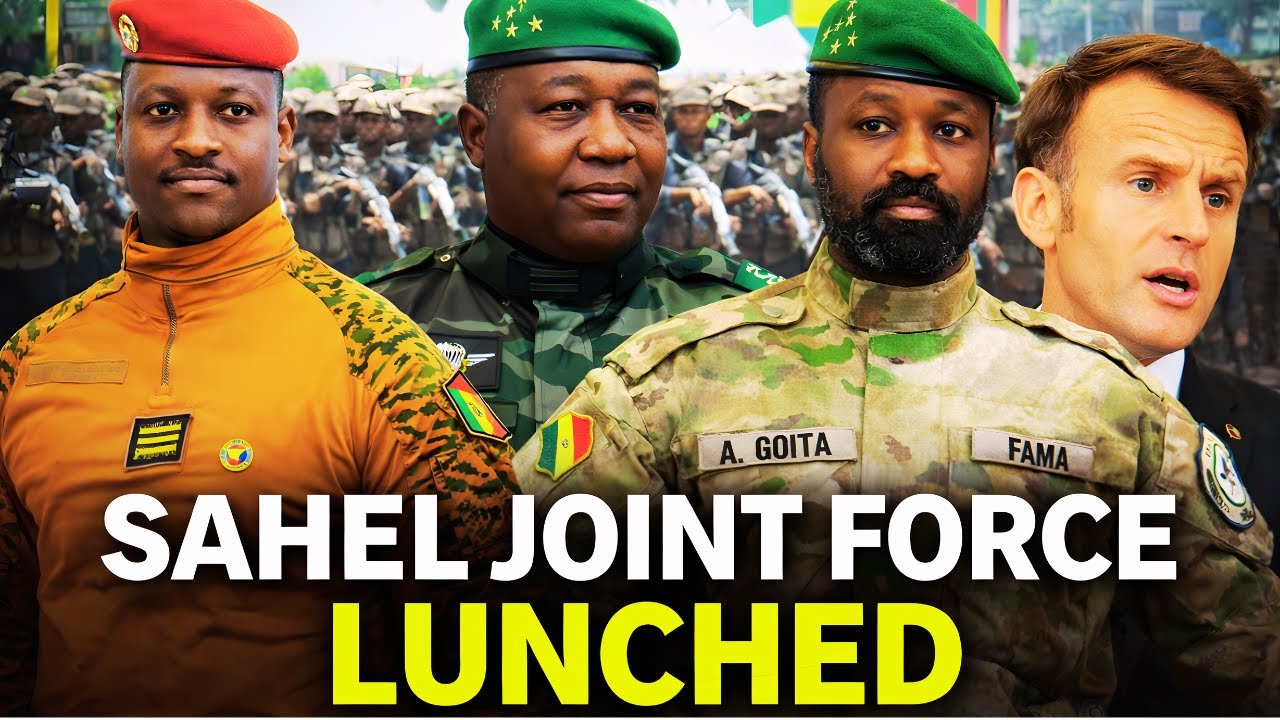
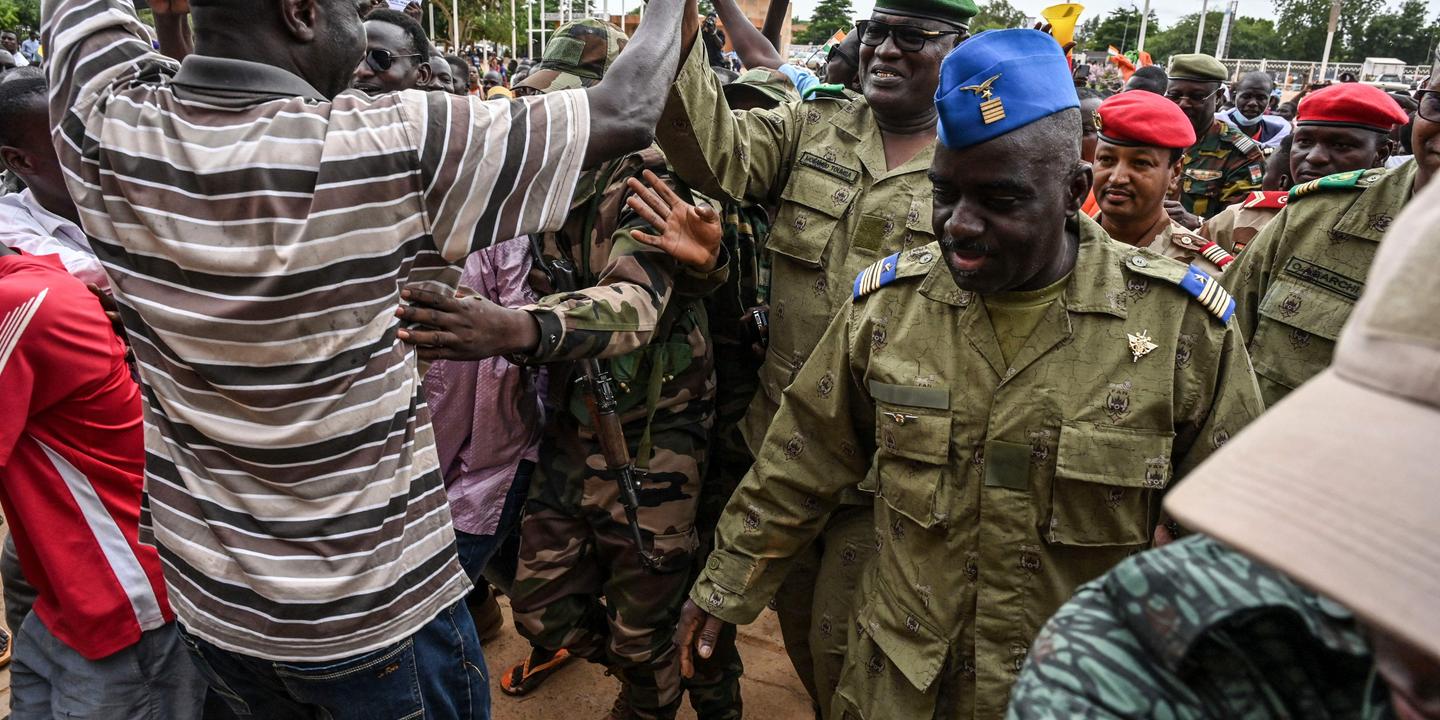
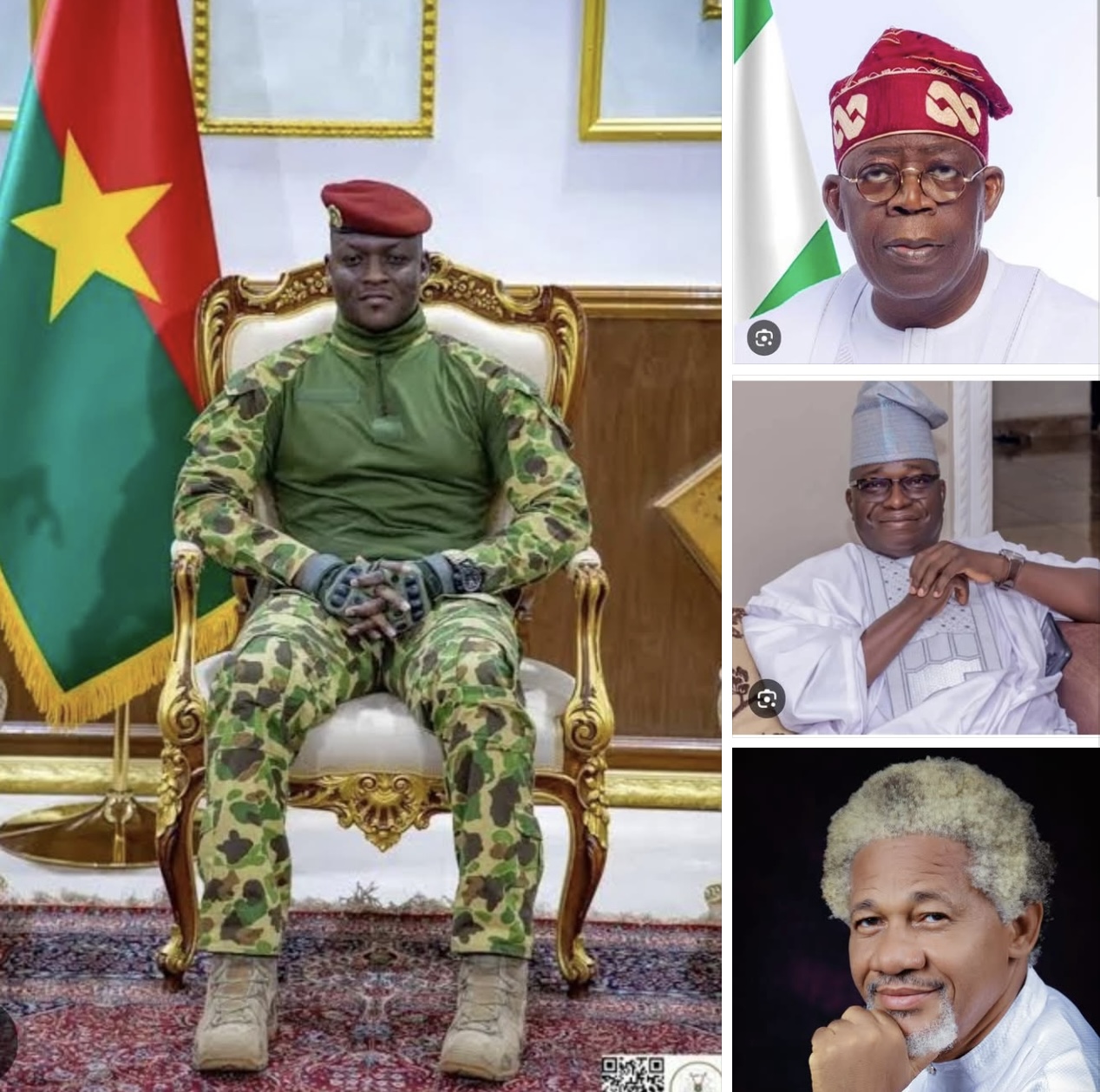
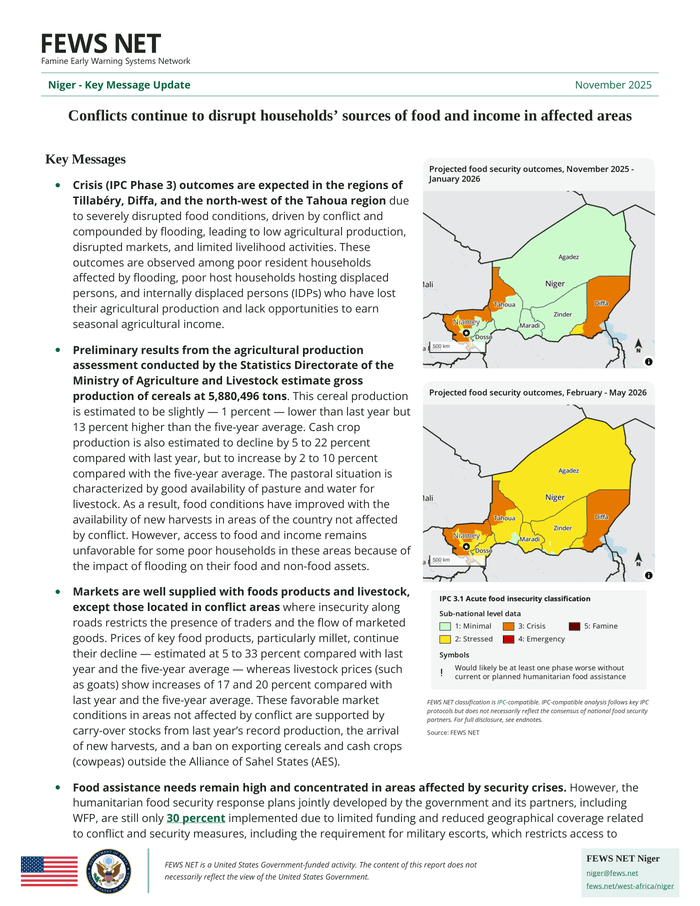
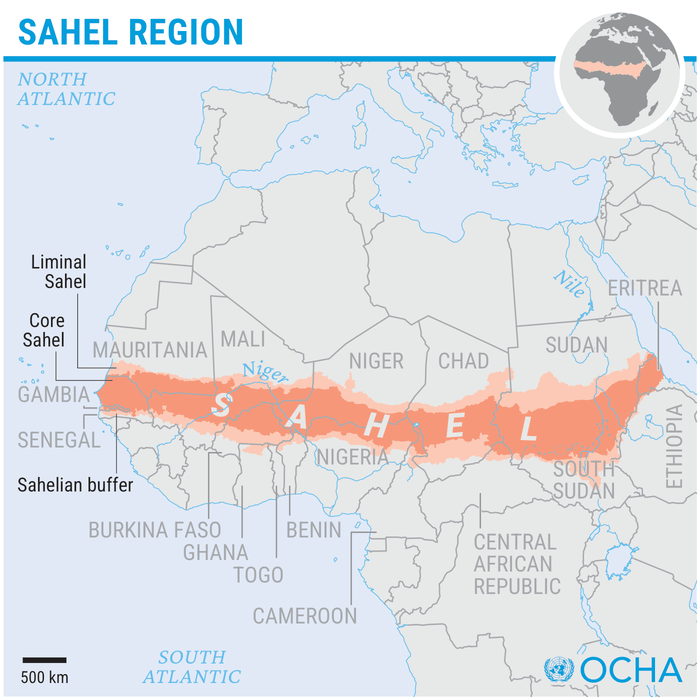
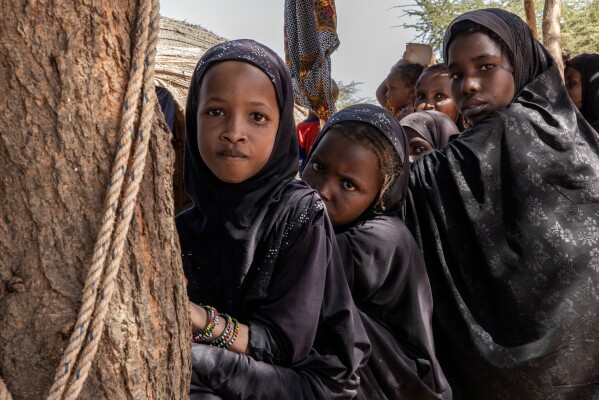
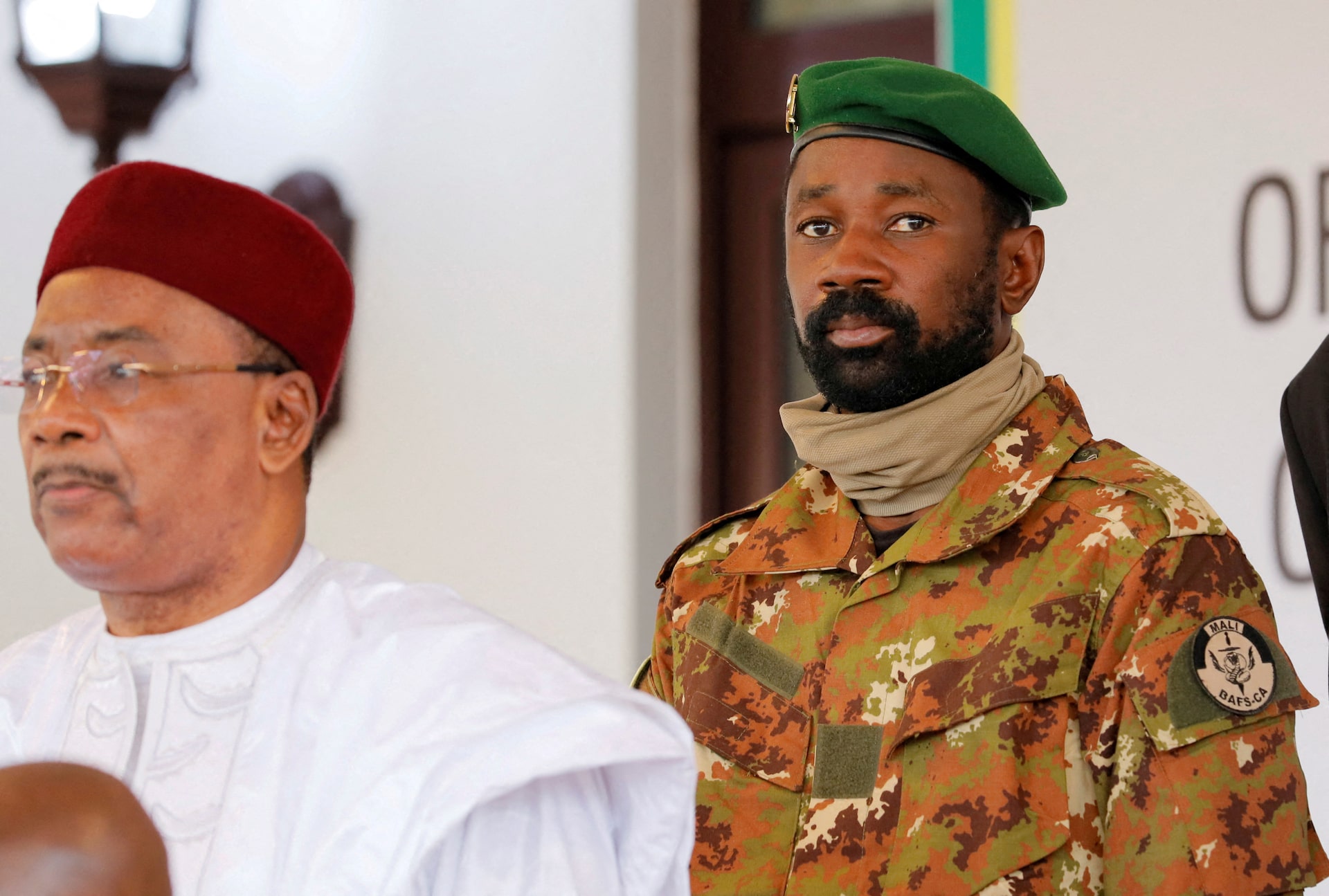
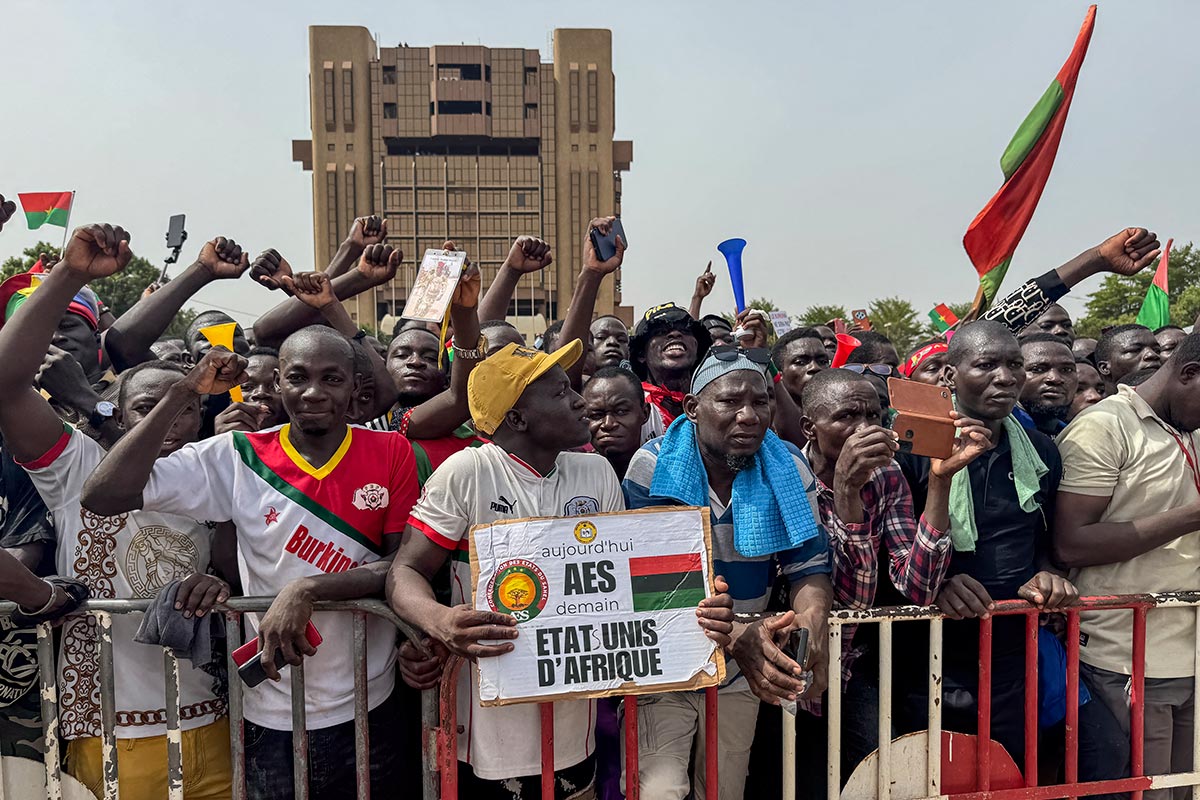
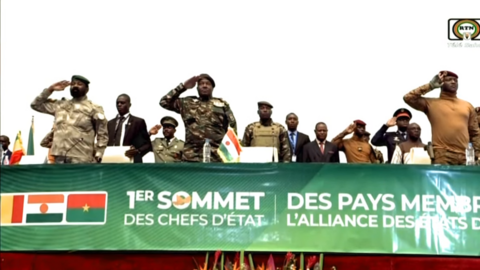
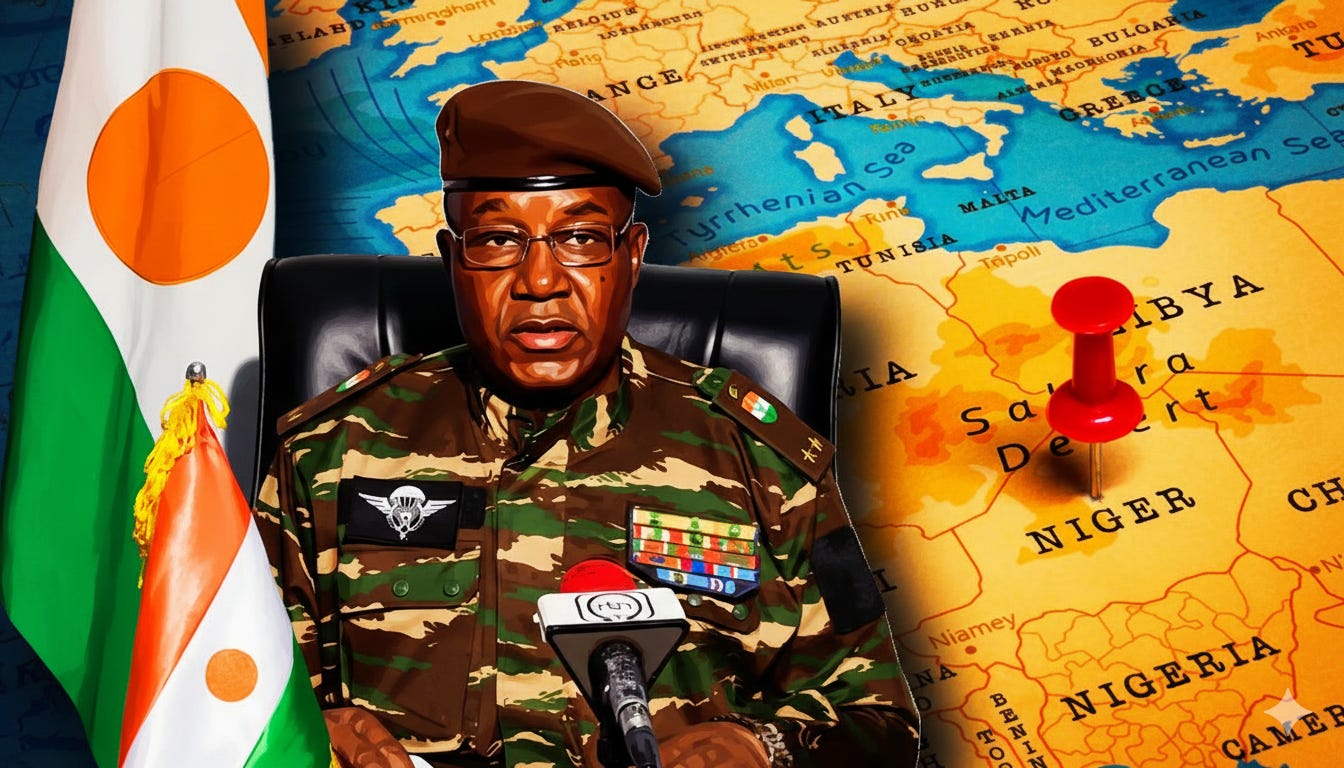
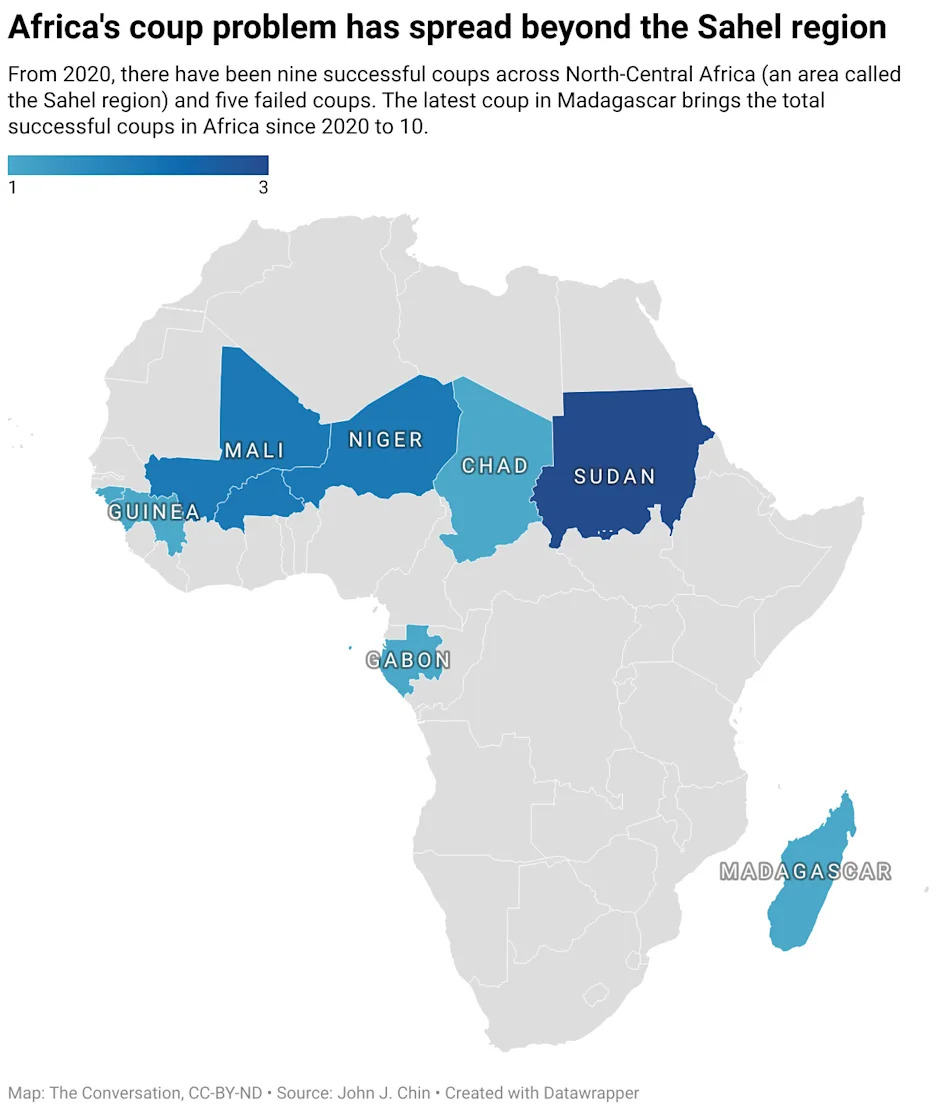
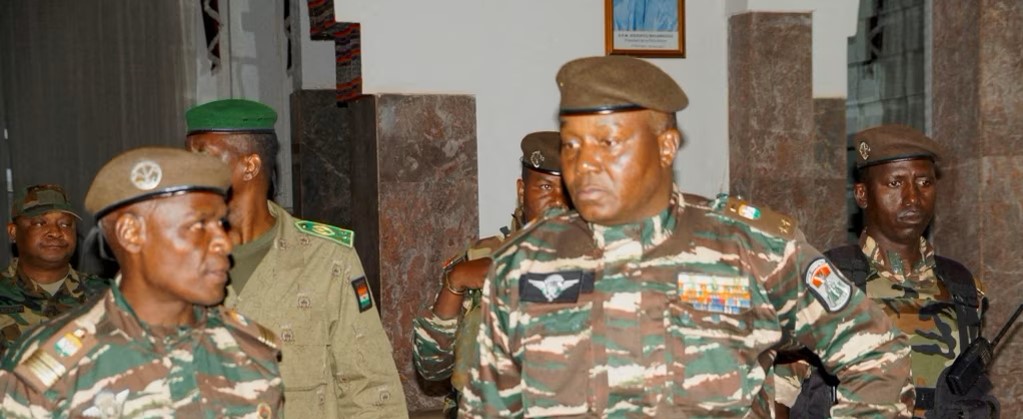
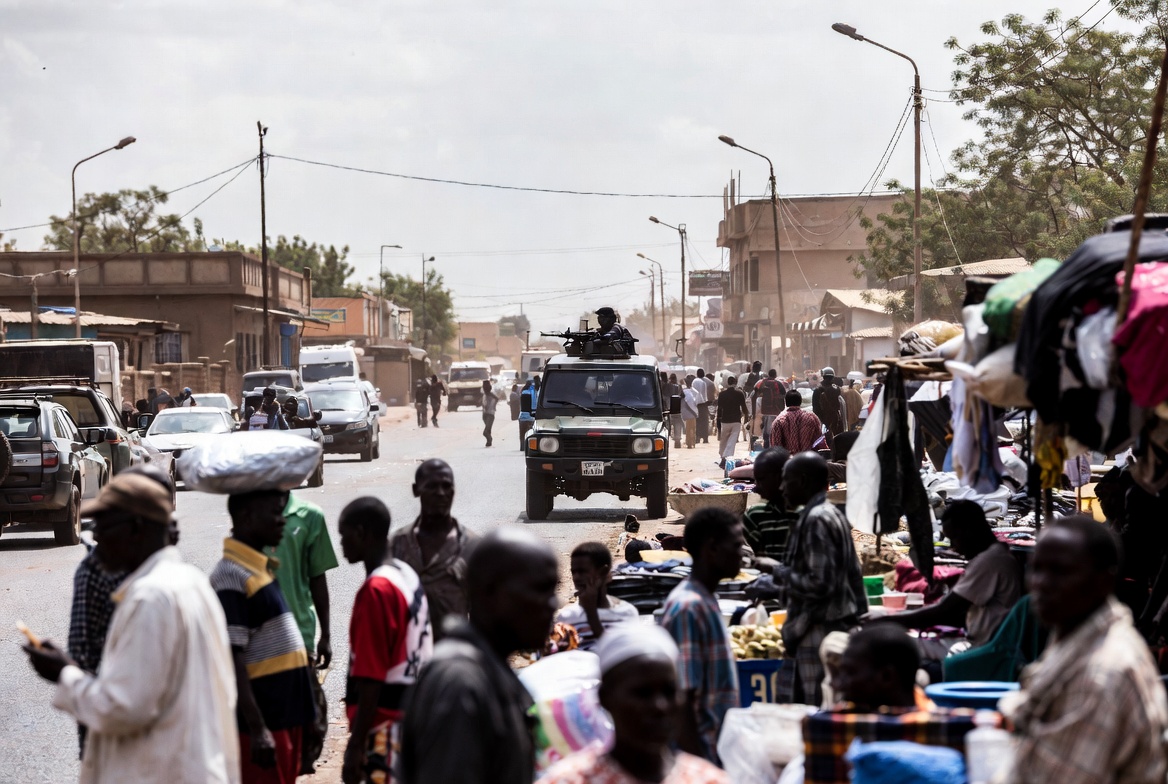
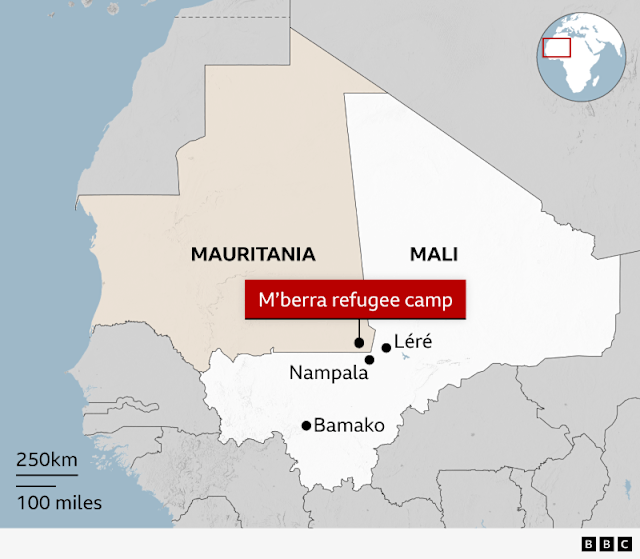
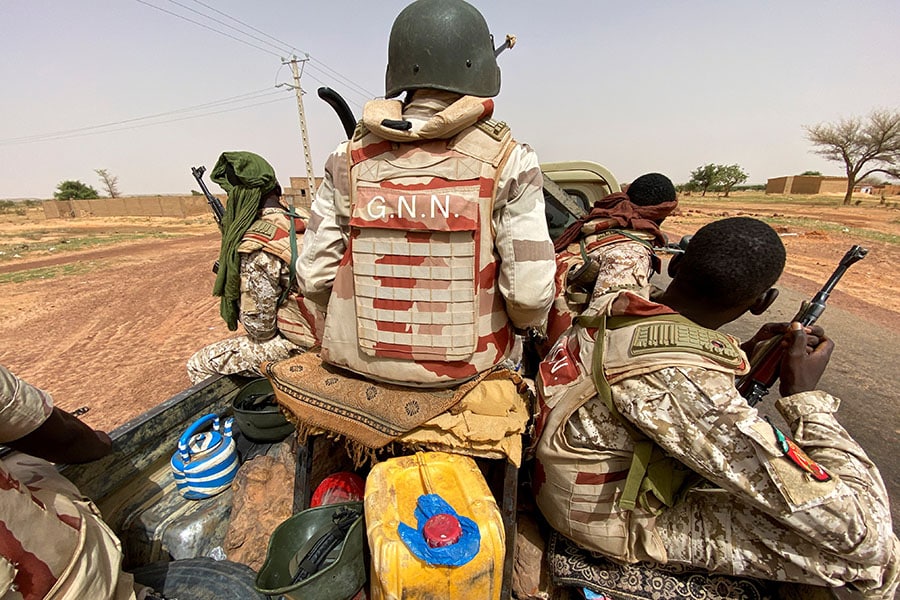
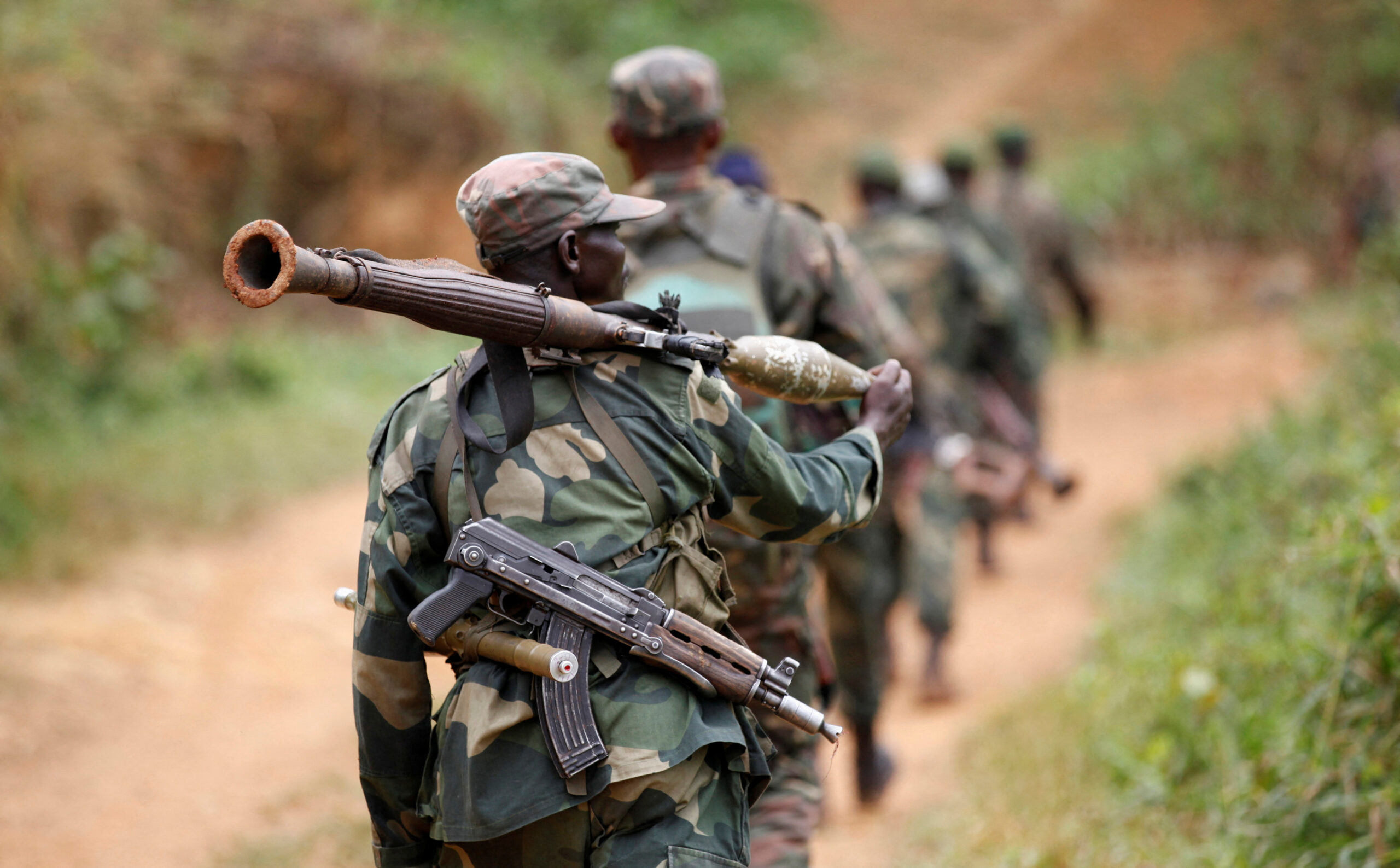
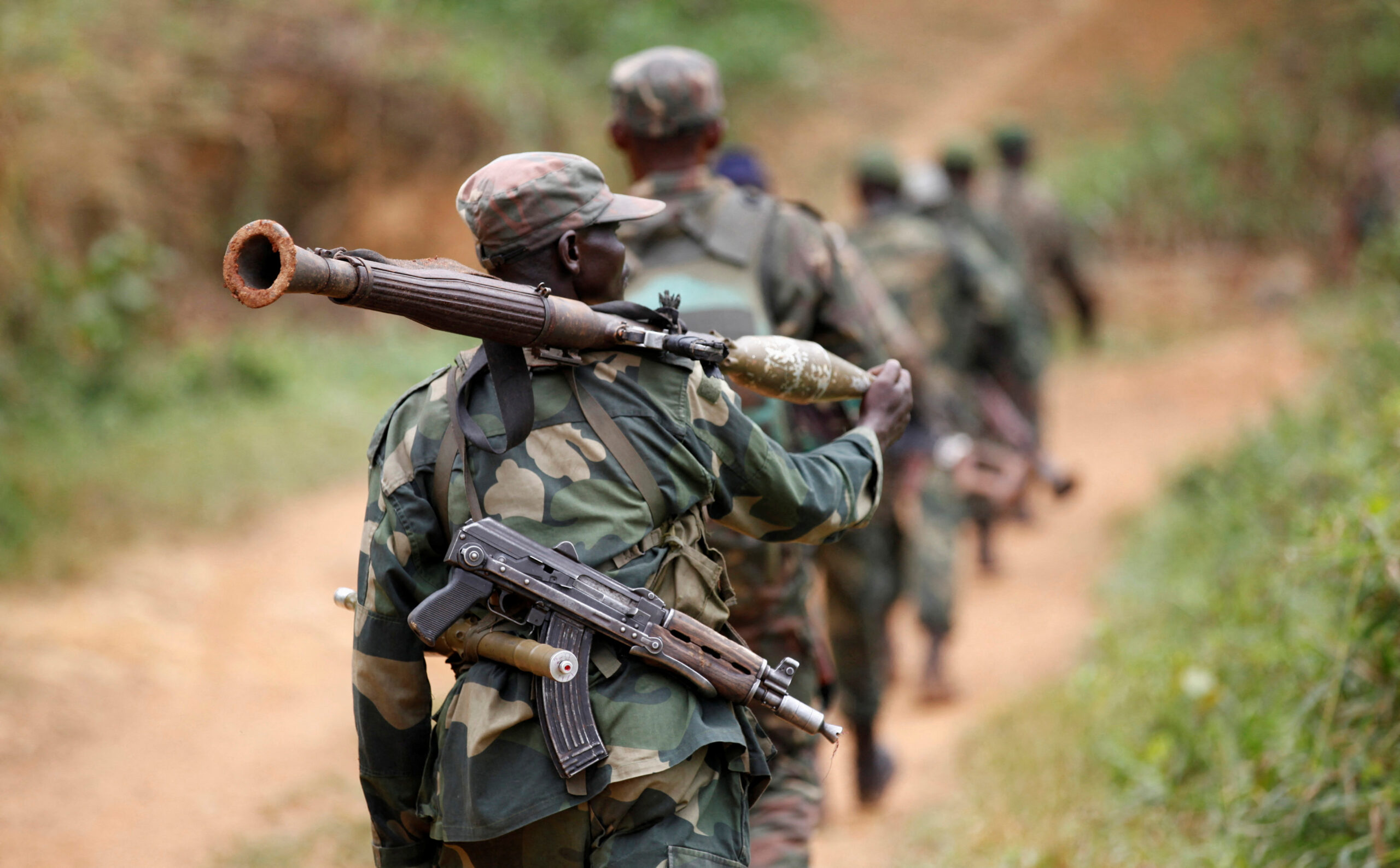
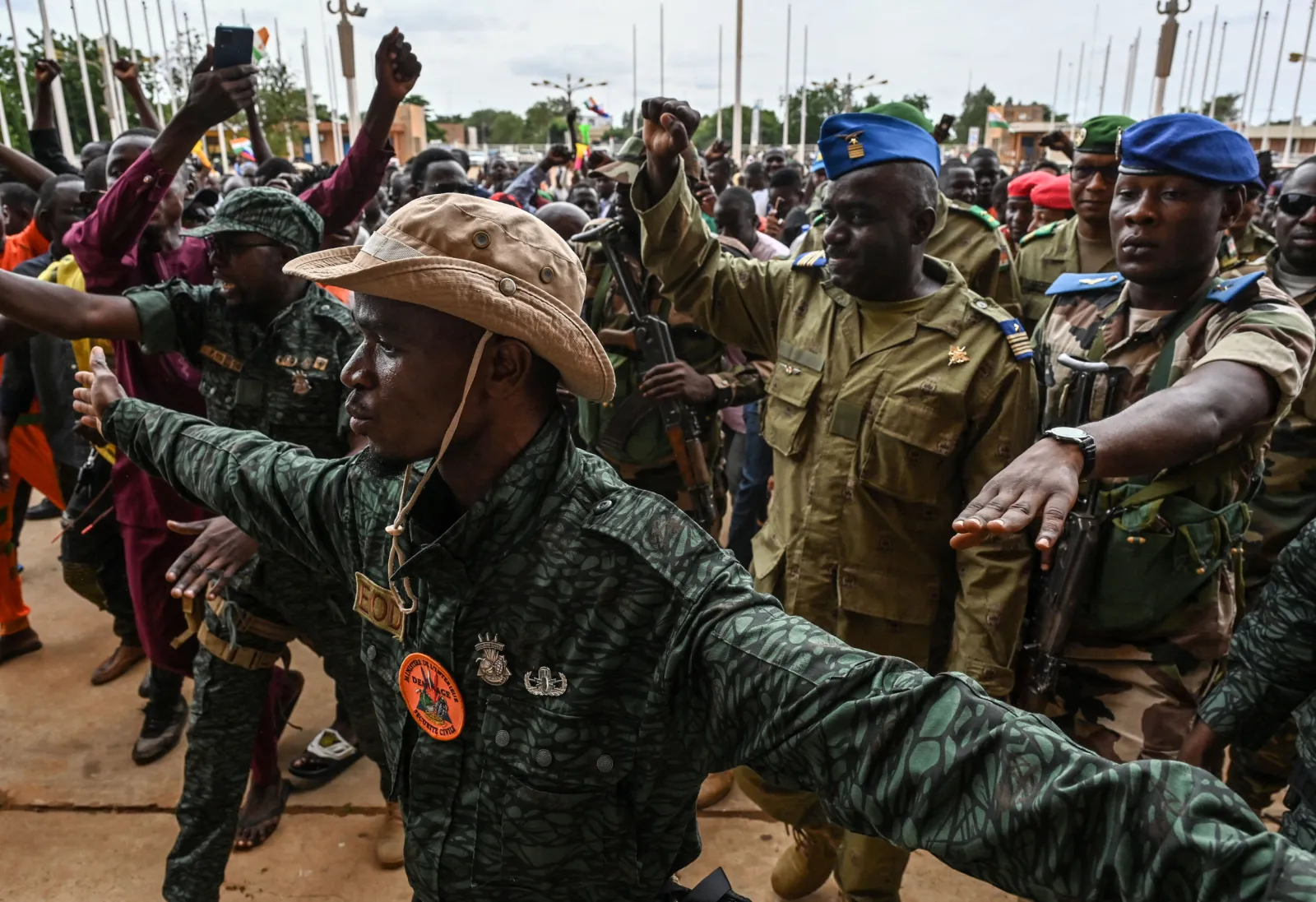
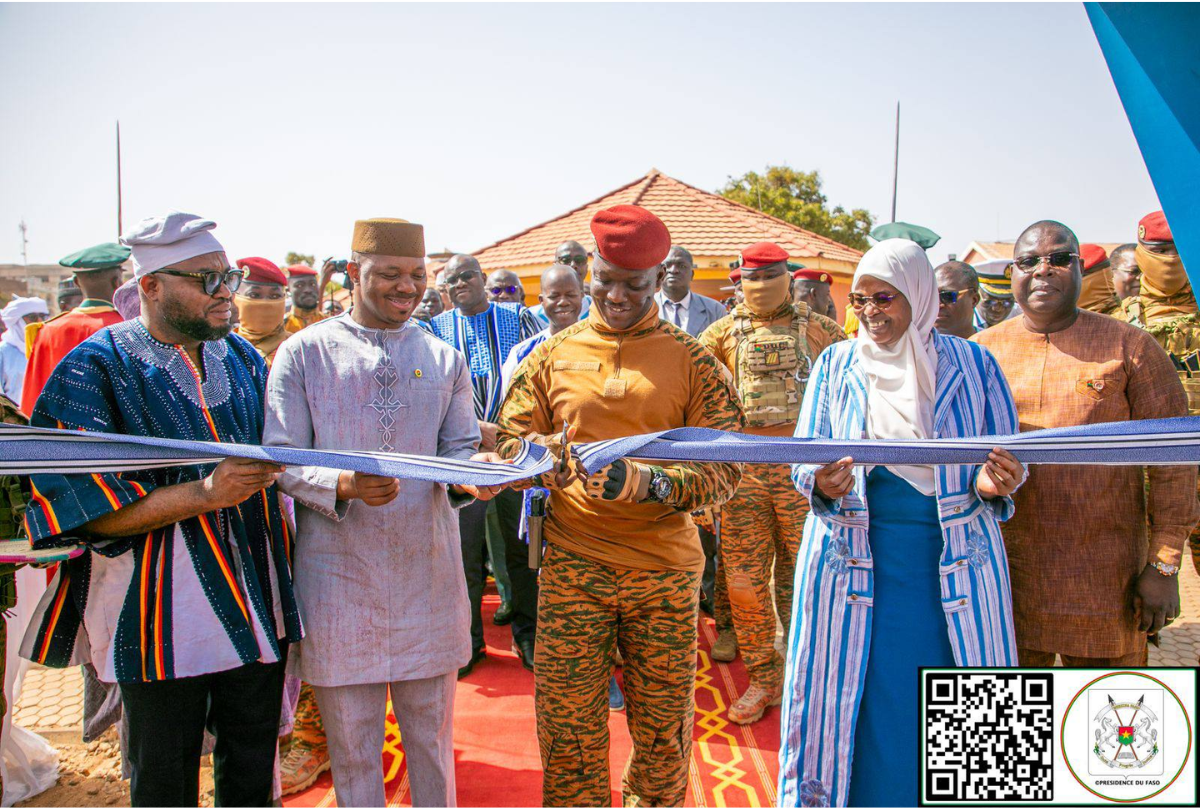
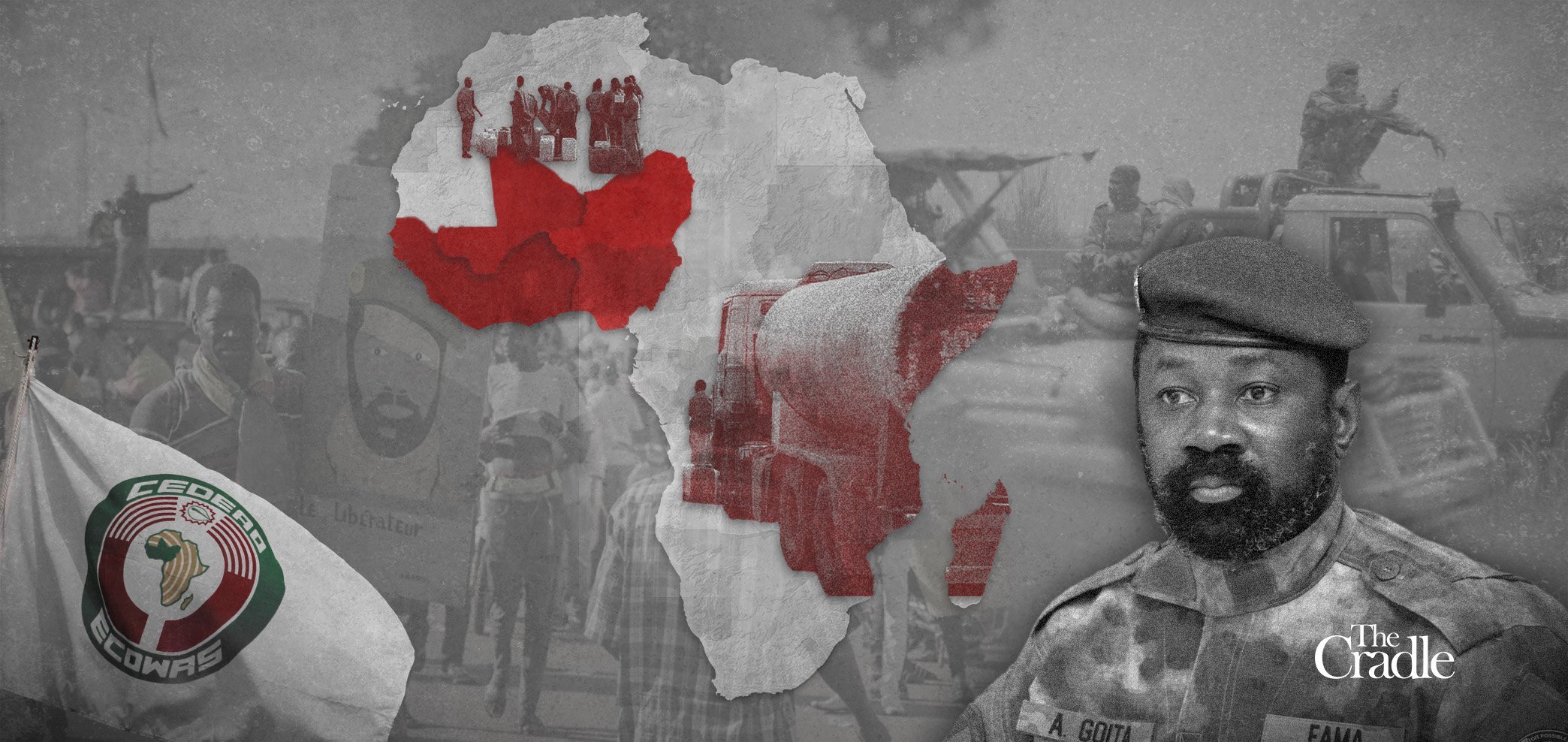
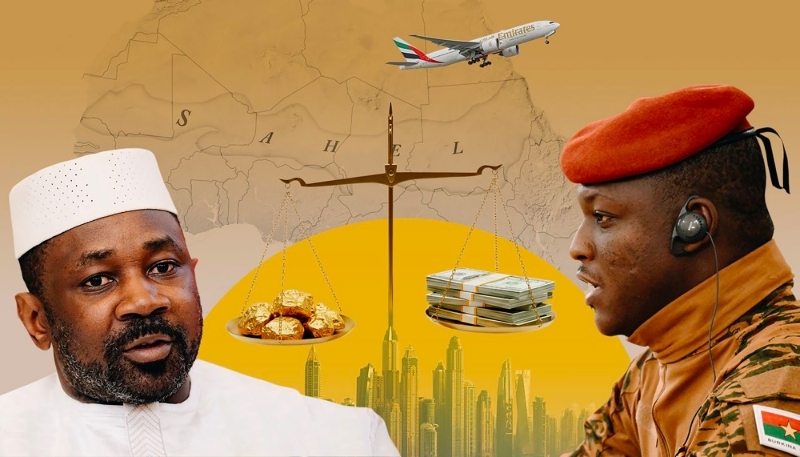
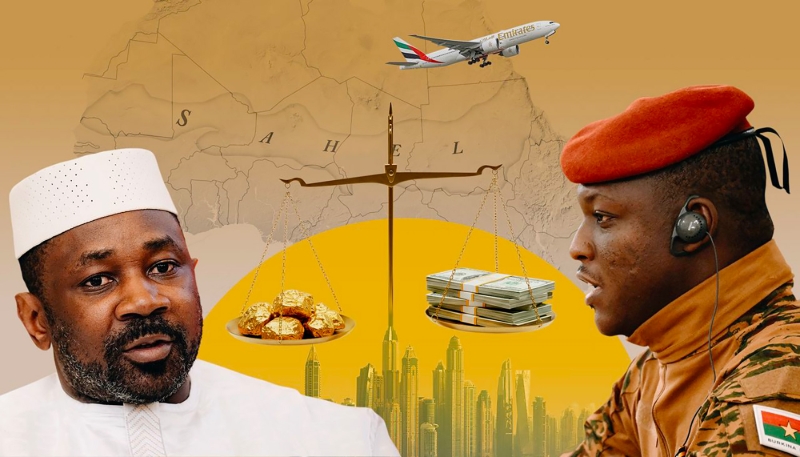
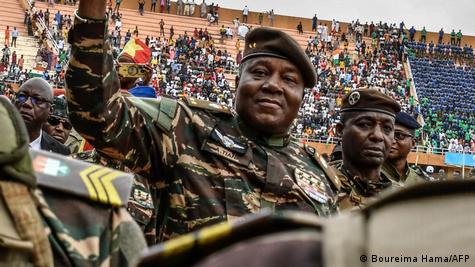
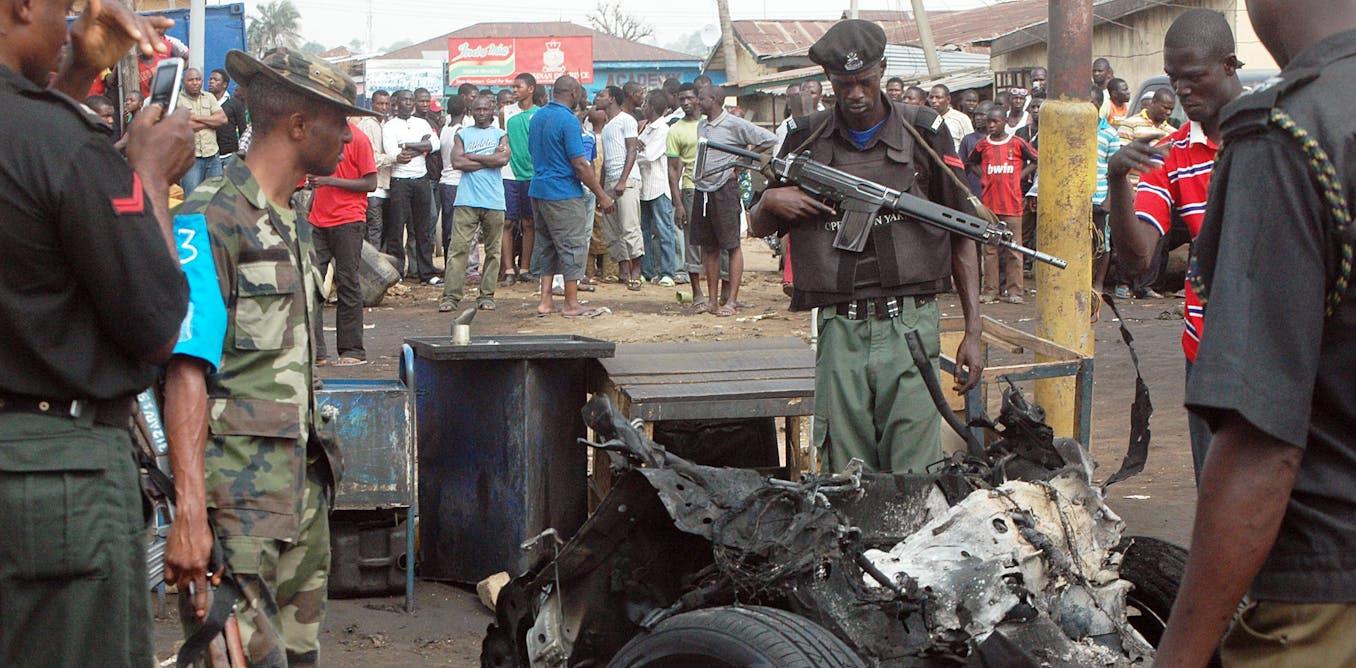
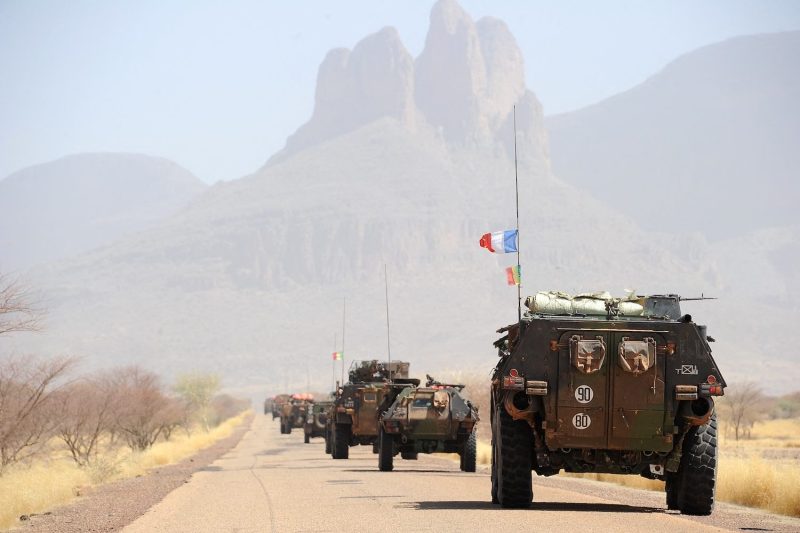
A significant shift is underway in West and Central Africa. Burkina Faso, Mali, and Niger have officially formed a new regional bloc, the Confederation of the Alliance of Sahel States, or AES. This isn’t just a new name, it’s a bold departure from the Economic Community of West African States, ECOWAS, signaling a major rethink in how security, development, and diplomacy will operate in the challenging Sahel zone. This move has certainly captured attention across political and security circles, both in Africa and globally. Why this change? The Sahel, a vast semi-arid stretch below the Sahara, has long struggled with deep instability, fueled by terrorism, governance issues, and severe economic hardships. These three nations, key players against extremist groups and broader disorder, are uniting. They’re looking to forge a more autonomous policy direction, one they believe better suits their shared realities and urgent priorities.
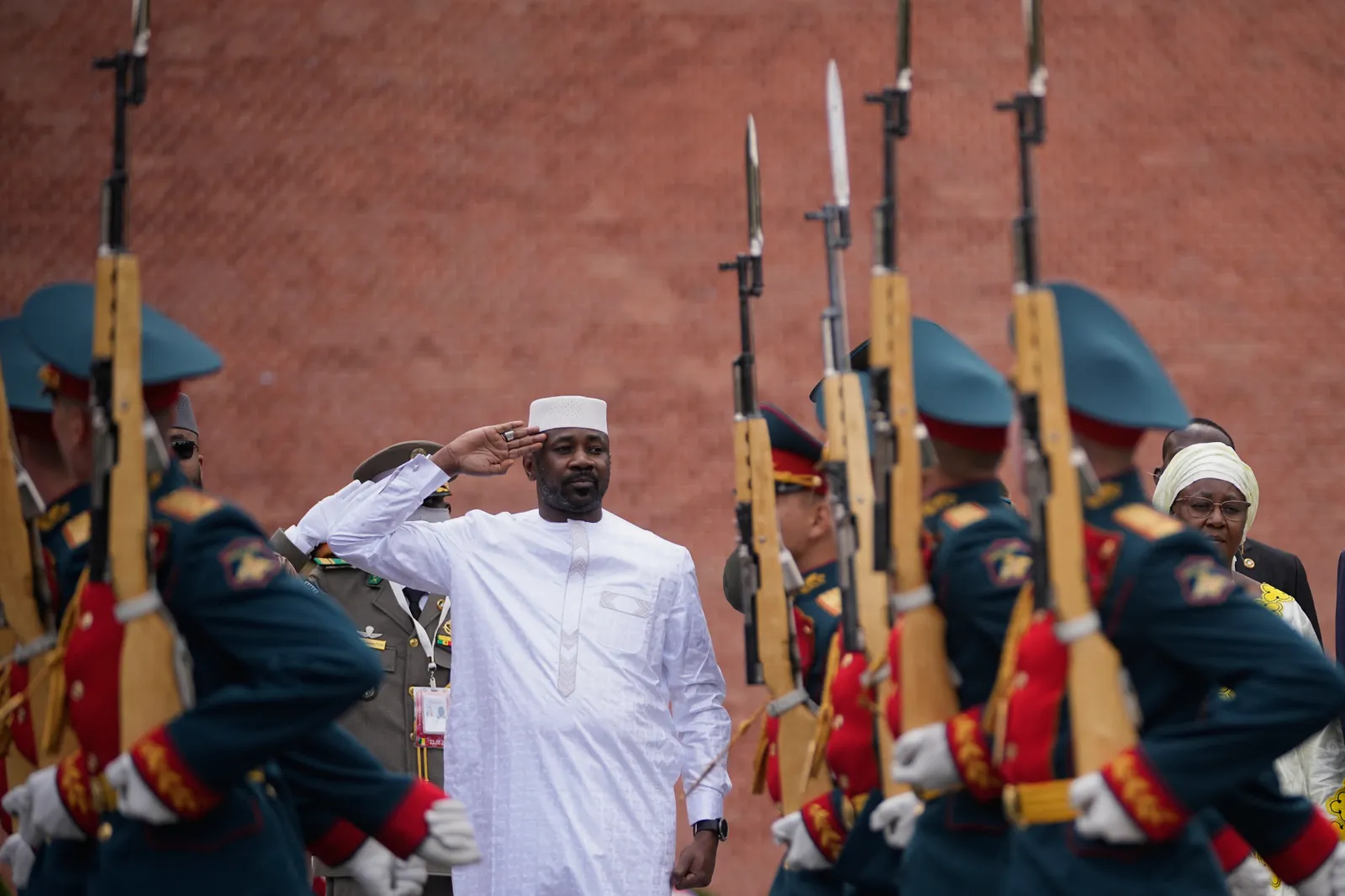
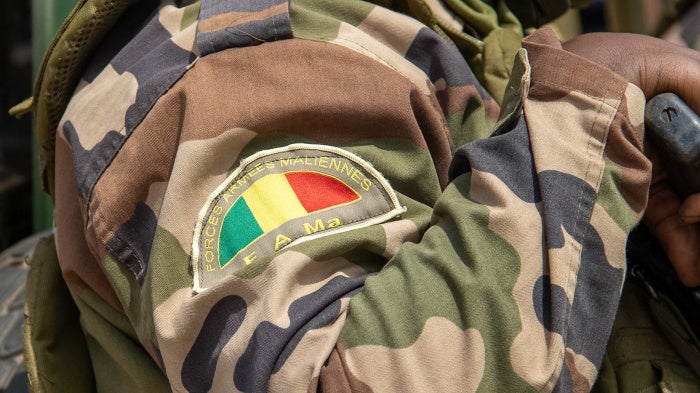
Yet, don’t mistake this for isolation. AES members are actively building new bridges. Take Mali, for instance, strengthening its bilateral ties with Egypt. A recent high-level phone conversation zeroed in on anti-terrorism strategies in the Sahel, with Egypt’s Foreign Ministry spokesperson, Tamim Khallaf, expressing keenness for deeper cooperation across economic, trade, and security sectors. This aligns perfectly with Mali’s own counterterrorism and regional stability agenda. What’s more, the AES isn’t shy about global politics. They recently condemned United States military operations in Venezuela, a clear statement that this alliance isn’t just about regional security, it’s an emerging political entity ready to assert an independent voice and challenge interventions they see as destabilizing. It shows these governments in Burkina Faso, Mali, and Niger are prioritizing sovereignty and regional solidarity in our rapidly shifting world.
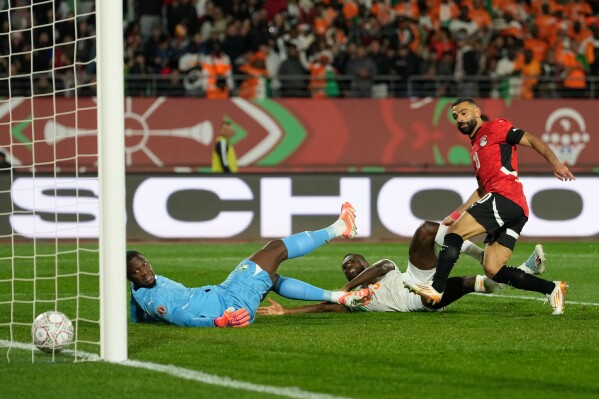
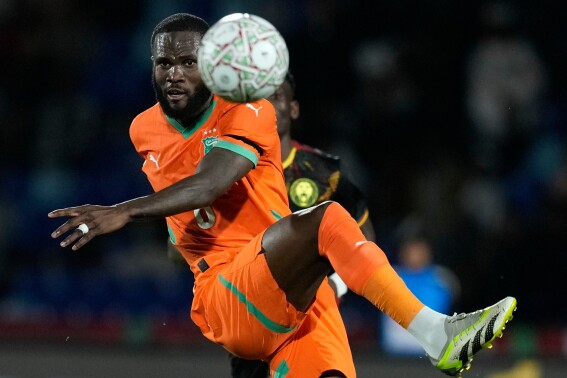
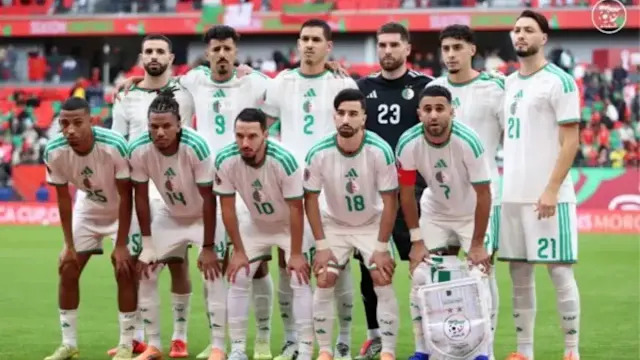
Against this complex backdrop of ongoing security threats and diplomatic maneuvering, the AES alliance is taking shape. It’s a gamble, yes, for these Sahelian states to step away from an established body like ECOWAS. But they’re betting on tailored collaboration that addresses their unique security concerns and ambitions for sovereignty head-on. Mali’s recent triumph in the Africa Cup of Nations quarterfinals, despite political instability, is a good reminder of the resilience here, and how sports can unite nations facing serious internal challenges. Looking ahead, the real test for AES will be its ability to deliver tangible improvements in regional security and economic stability. The Mali-Egypt partnership suggests they’re looking beyond immediate neighbors, seeking external expertise while fiercely guarding their autonomy. This is a defining moment for the Sahel, a story that demands our close attention. For Burkina Faso and its neighbors, this new chapter holds both significant challenges and profound opportunities that could redefine their futures.