Corruption, Insecurity, and Institutional Failures: Nigeria’s Deep-Rooted Challenges Persist
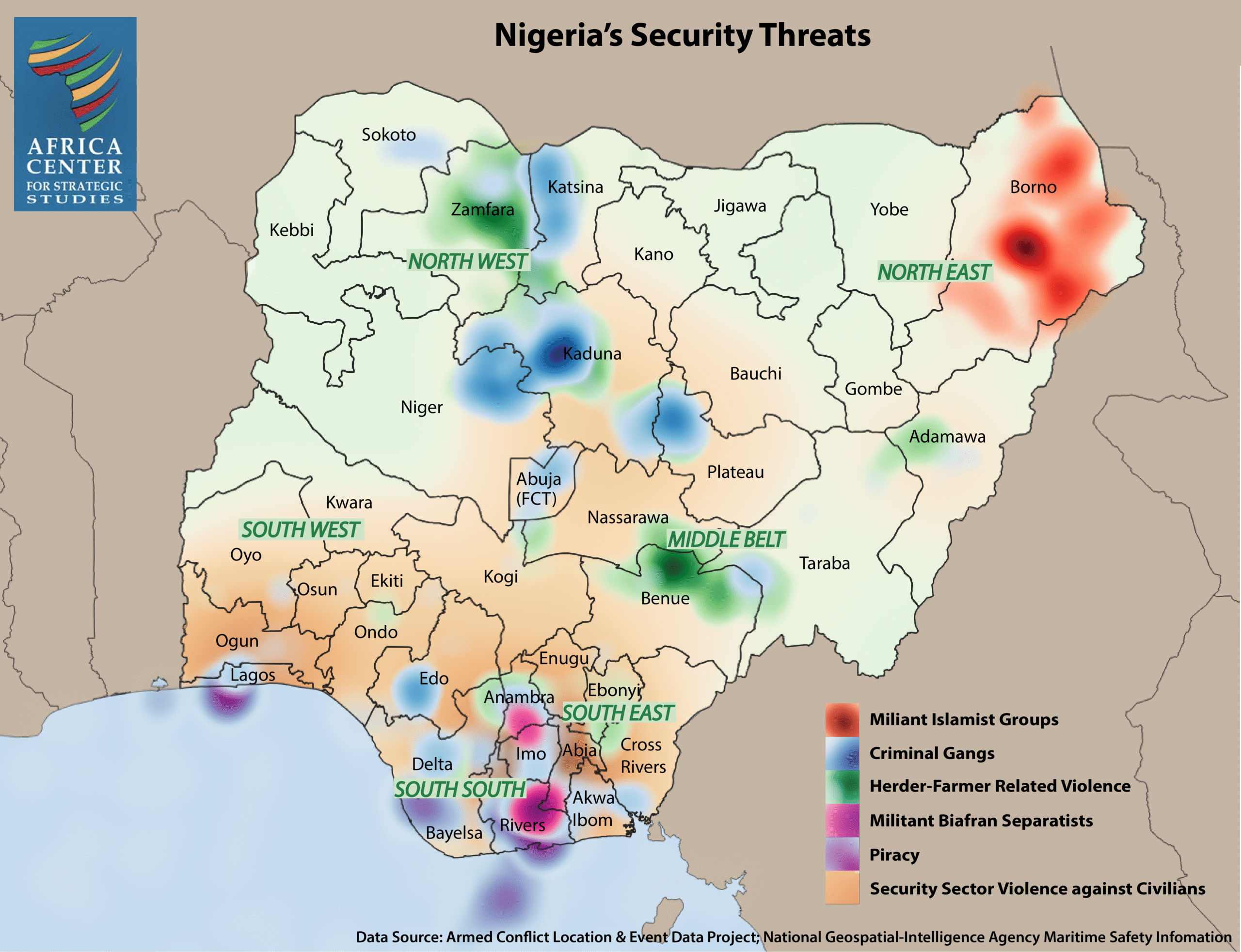
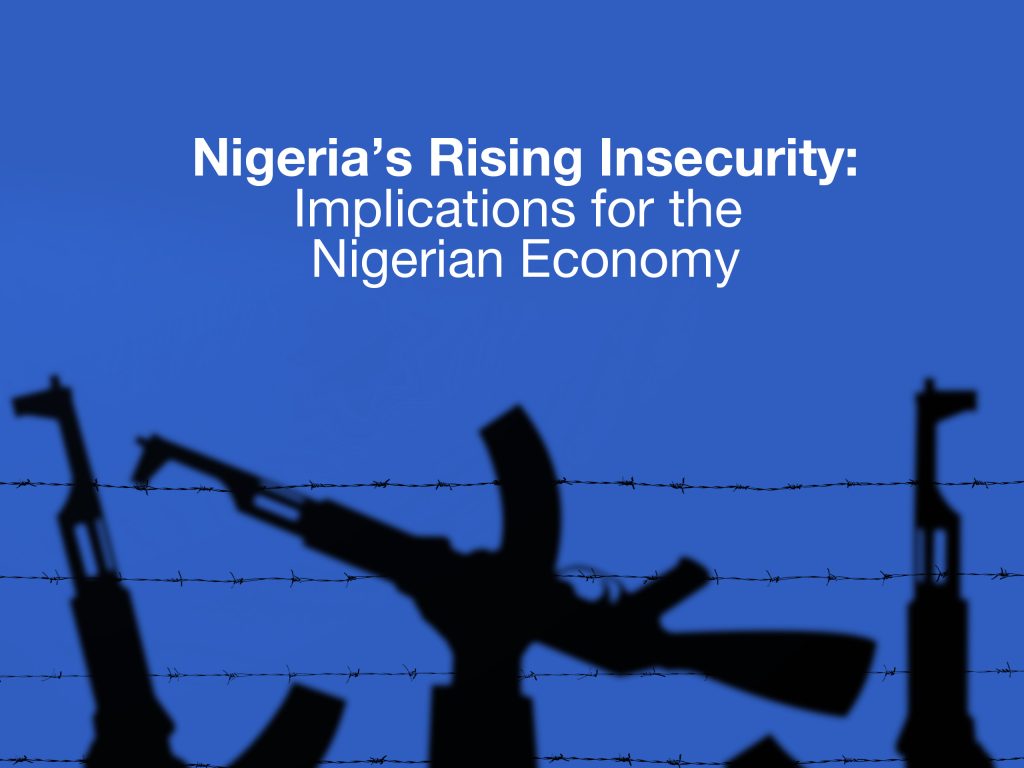
Nigeria, a nation bursting with potential, can’t seem to shake off a deeply entrenched trifecta of corruption, insecurity, and systemic institutional failures. It’s a complex knot of problems that consistently undermines governance, erodes the rule of law, and leaves citizens struggling, even with the government’s longstanding efforts at reform. Recent investigative reports paint a sobering picture, revealing how these persistent issues have far-reaching effects. We’re talking about criminals exploiting loopholes, stolen public funds disappearing, a justice system burdened by crippling delays, and vulnerable populations left without essential protection. These aren’t just abstract challenges; they demand urgent, multifaceted responses if we’re to restore public trust and truly improve Nigeria’s socio-economic landscape.
One of the most glaring problems is how easily criminals bypass regulations meant to curb crime. Take the National Identification Number (NIN) system, for example. It links SIM card registrations to individuals, a smart idea, right? Yet, it remains remarkably cheap and straightforward for criminals to falsify SIM card registration details, often paying as little as 1,000 Naira to evade justice. This loophole seriously calls into question the effectiveness of policies designed to clamp down on criminal activities facilitated through mobile communications. The persistence of such abuses doesn’t just enable crime, it fuels the broader insecurity crisis that Nigeria faces.
A Nation Held Hostage: Kidnappings, Military Misconduct, and State-Level Graft
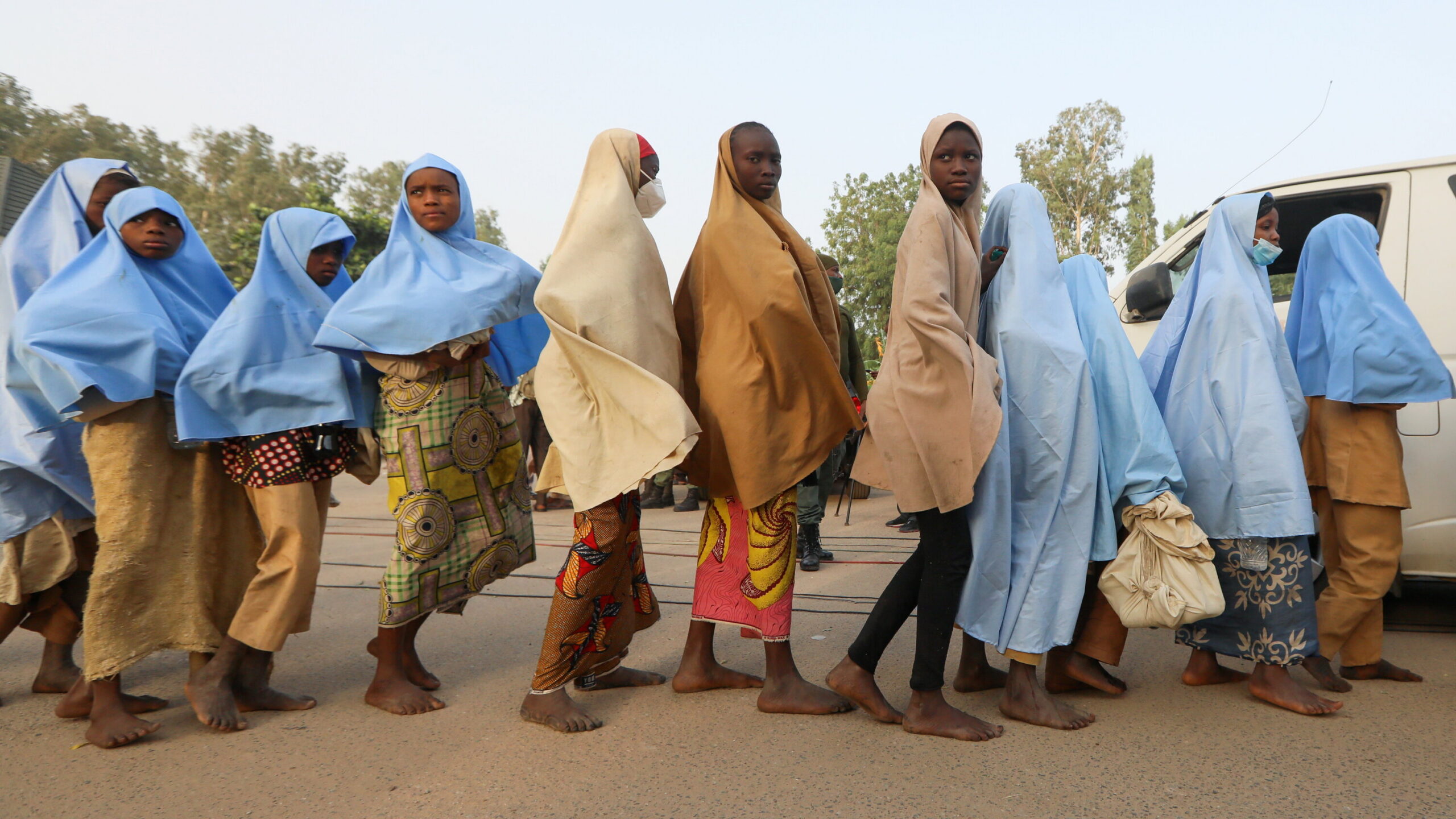
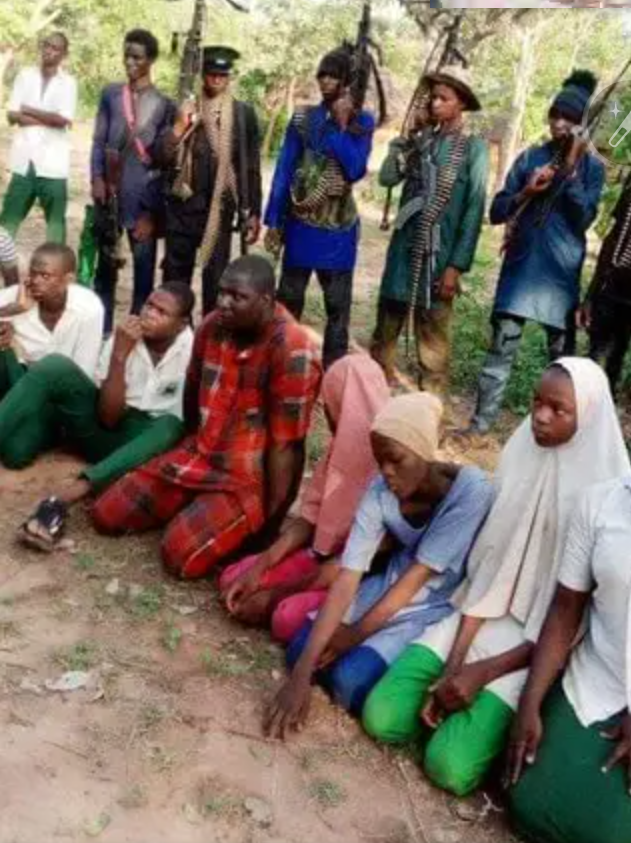
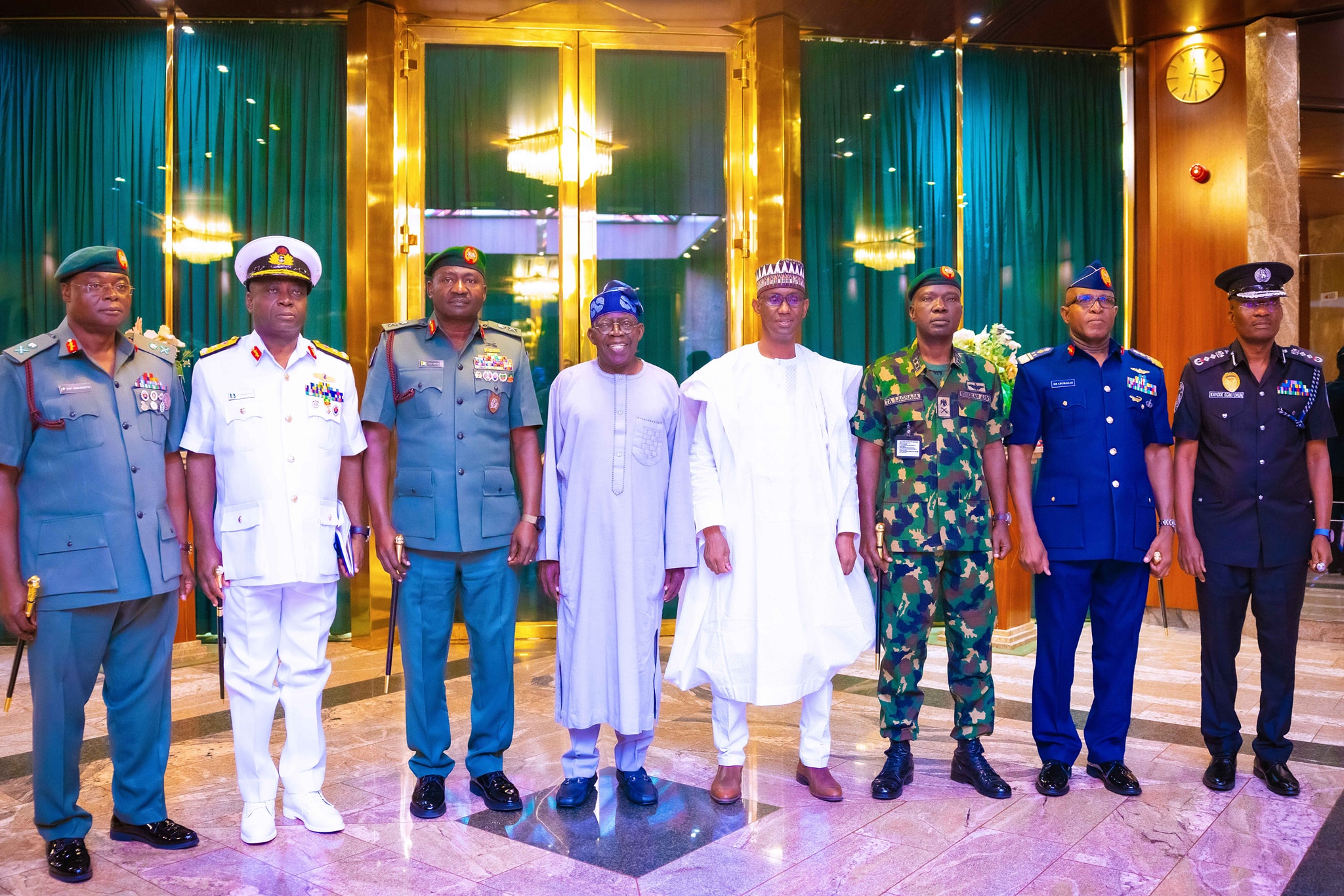
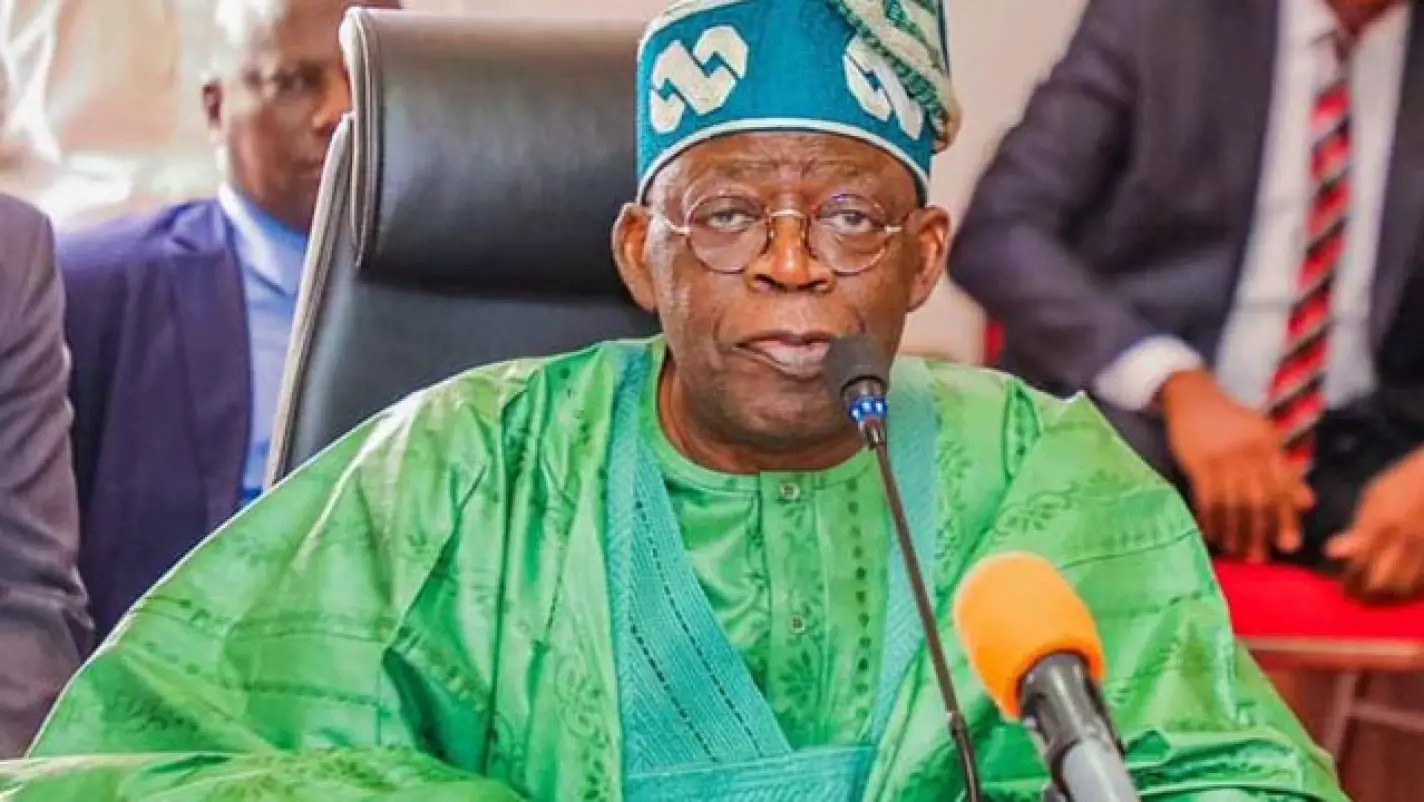
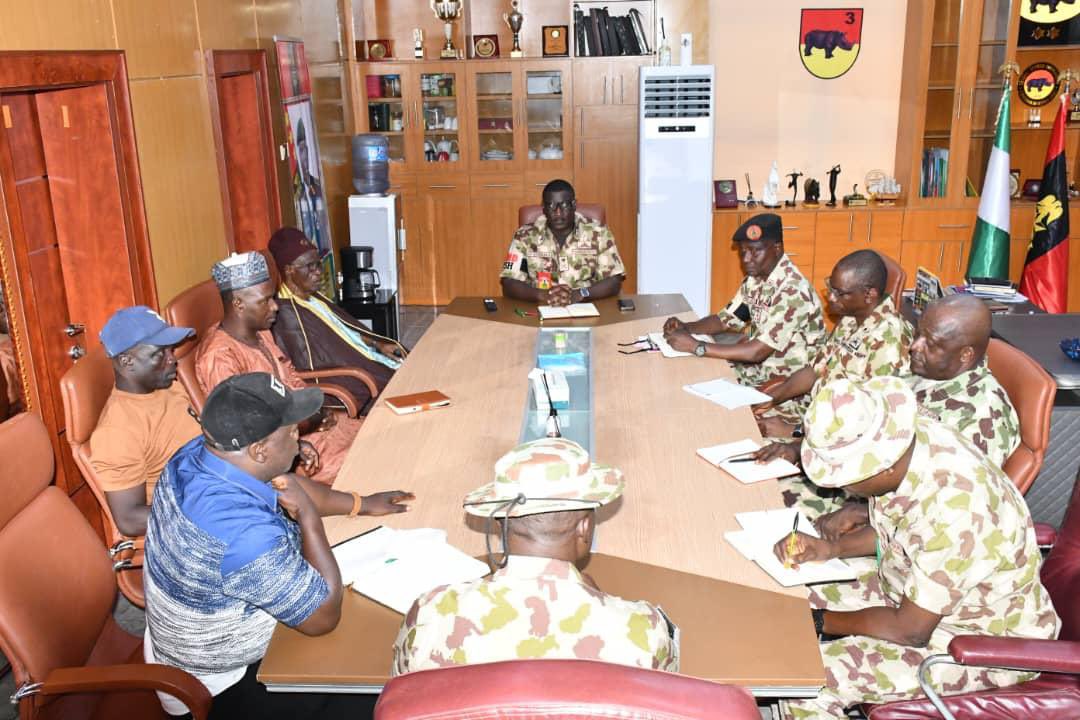
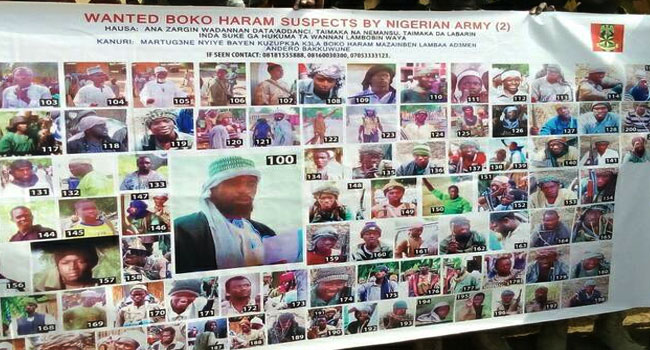
That insecurity crisis is shockingly clear in the sheer number of kidnappings under the current administration. Recent reports from the Nigerian Bureau of Statistics are grim: more than 2 million Nigerians have been abducted during President Tinubu’s government, with ransoms totaling an approximate 2.2 trillion Naira paid to release victims. Can you imagine the human toll? It’s not just about the money; it’s about communities unsettled, livelihoods disrupted, and a pervasive sense of fear that permeates daily life. Concurrently, the Nigerian military, tasked with defending the nation, has itself been embroiled in deeply troubling controversies that aggravate human rights concerns. Shocking revelations, for instance, demonstrate that the military has secretly and illegally terminated over 10,000 pregnancies of girls and women raped by Boko Haram terrorists. Such clandestine actions raise complex ethical, legal, and humanitarian questions about the military’s role and accountability. Furthermore, investigations into financial mismanagement reveal enormous sums of cash, including hundreds of thousands of dollars and euros discovered in the properties of former military chiefs, spotlighting an endemic corruption that utterly undermines institutional integrity.
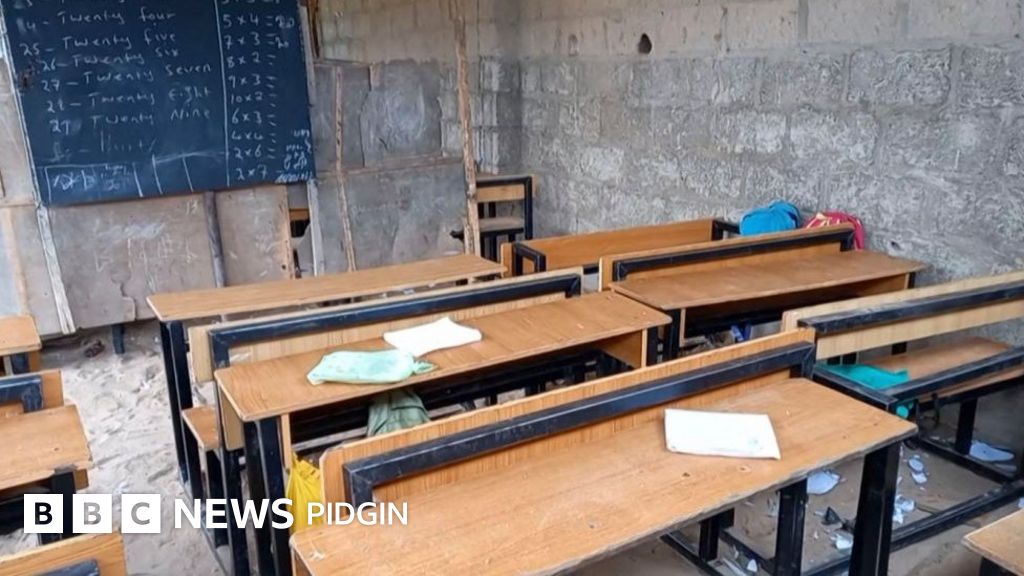
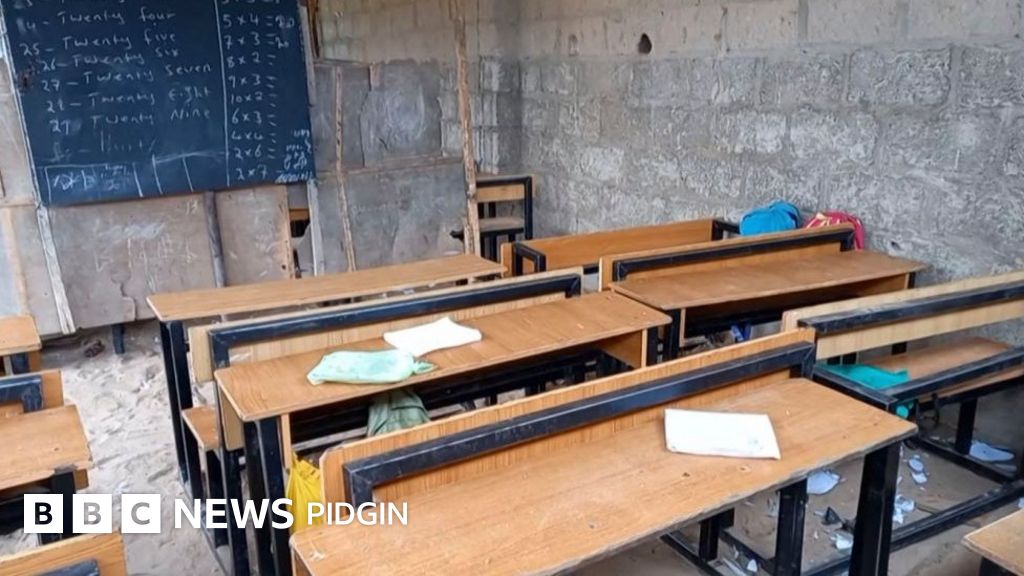
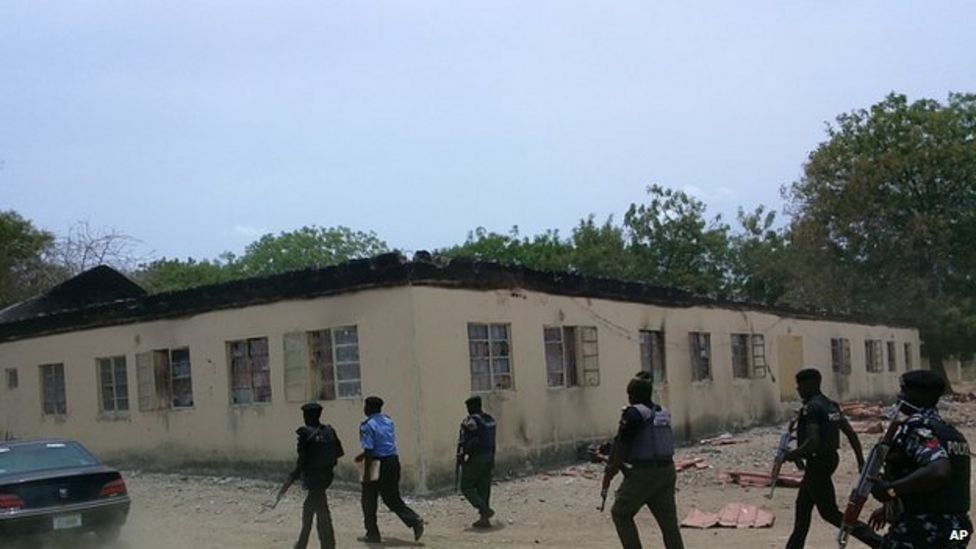
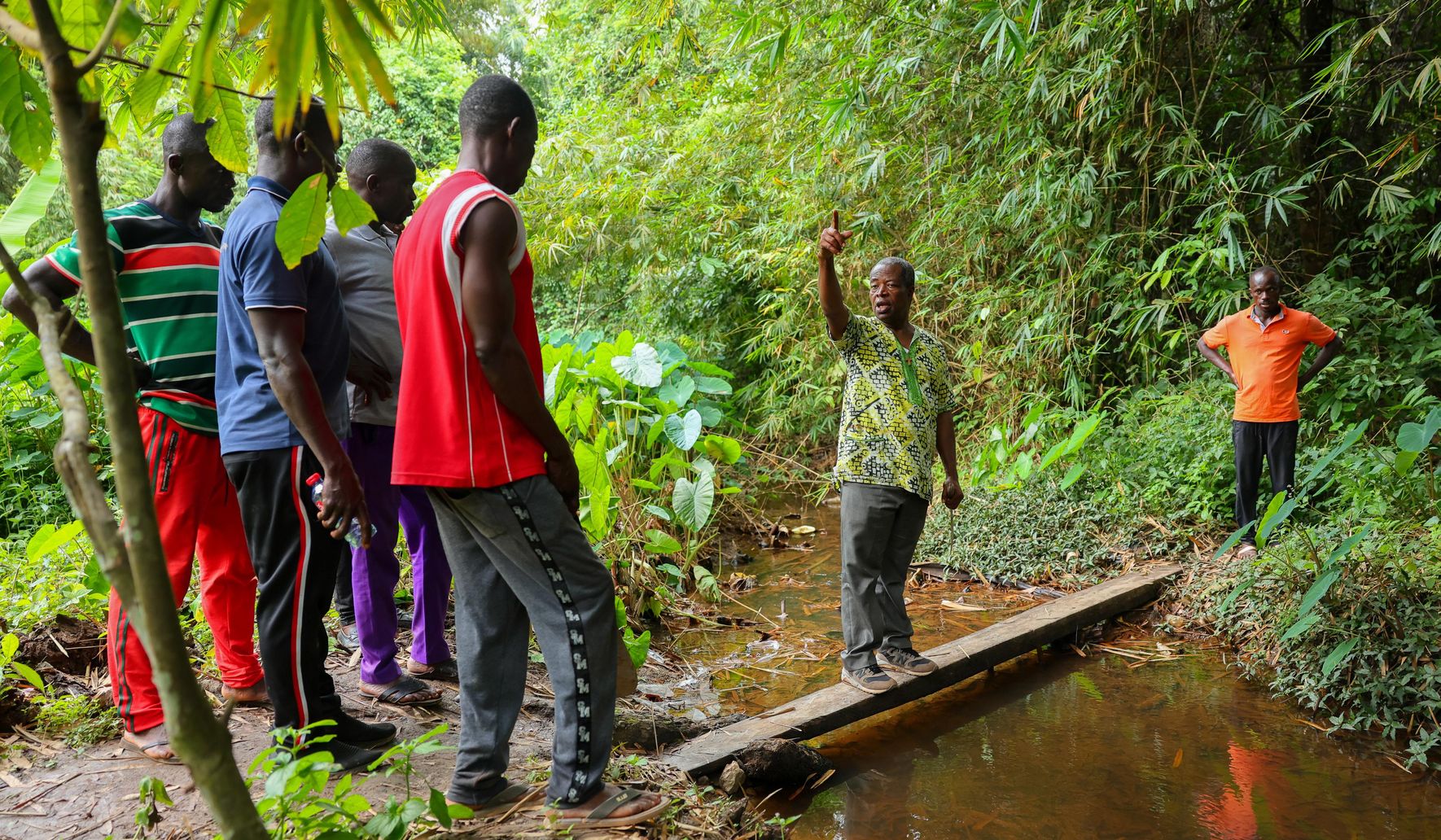
This widespread corruption isn’t just a federal issue; it reaches deep into governance at the state level. Consider the 90-kilometer road project linking Panyam, Bokkos, and Wamba, a vital artery for economic development. It has suffered a 15-year delay, despite billions of Naira ostensibly allocated to its construction. Such long-standing failures stall progress and perpetuate hardship for ordinary Nigerians who rely on infrastructure. Similarly, the Kano state government, under officials Ganduje and Kabir Yusuf, reportedly paid 1.2 billion Naira to “unknown suppliers” for powering streetlights for five months, raising serious doubts about transparency and fiscal responsibility. Adding to these governance woes, Ekiti state has incurred multi-billion Naira expenses outside approved budgetary provisions, reflecting significant challenges in financial oversight and accountability. Even in our schools, corruption rears its head. Contractors abandon school building projects in Kano after receiving over 70 million Naira, leaving students to suffer in unsafe conditions. It’s a dire situation, with schools in Zamfara state, for instance, reported to be unsafe, pushing children out of classrooms and jeopardizing their futures.
Safeguarding Democracy and Justice: A Call for Renewed Commitment
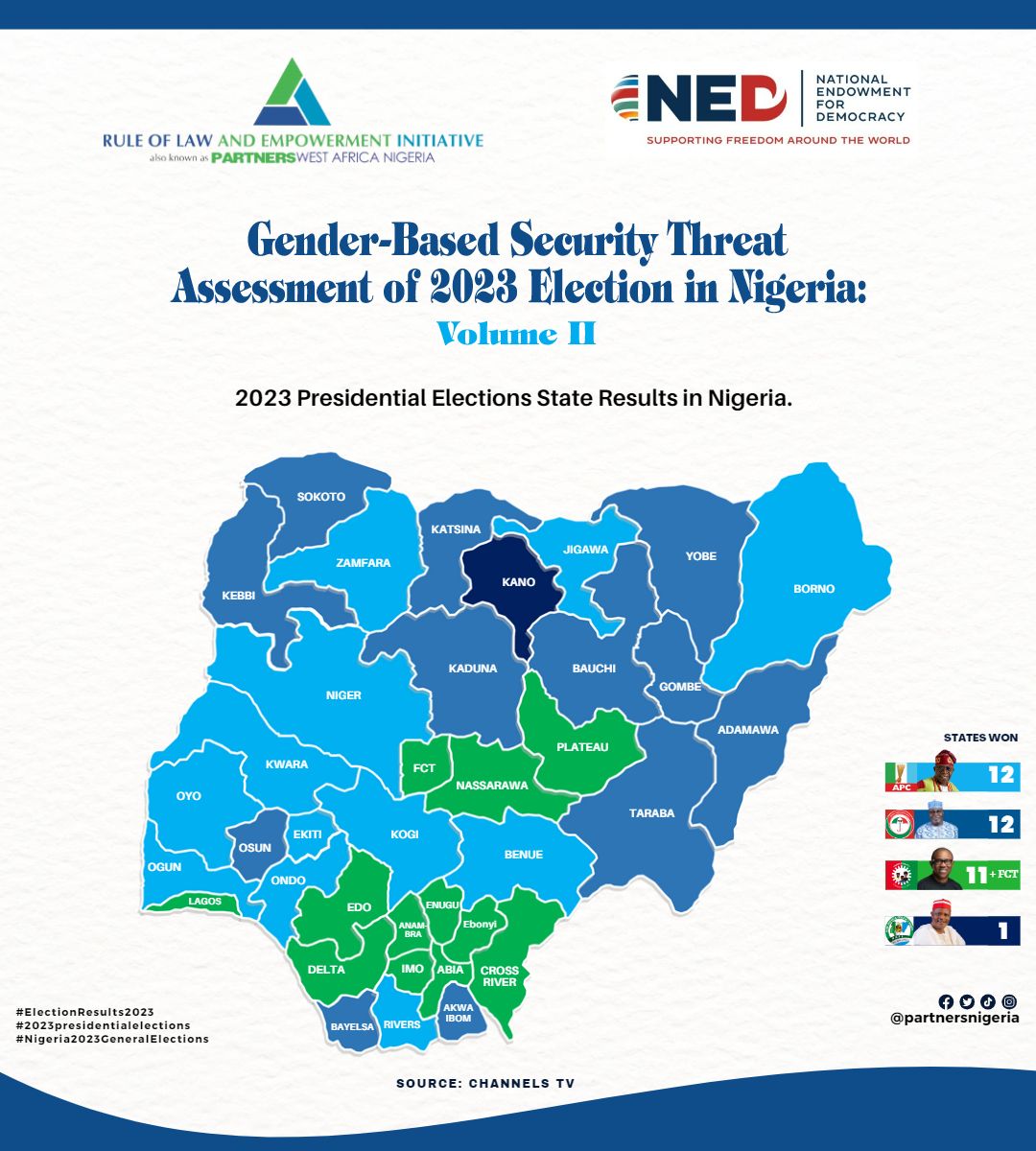
The very foundation of democratic participation, the ability to vote fairly, also faces considerable threats in Nigeria. Ahead of recent elections, concerns grew over voter suppression tactics, like the harvesting of Permanent Voter Card (PVC) data by disguised agents in Cross River state. What’s more, flood victims in Jigawa state who lost their PVCs faced the risk of disenfranchisement, highlighting how vulnerabilities can limit citizens’ participation. Electoral integrity is paramount, yet these manipulations erode public confidence and hinder true representation. Our justice system, sadly, isn’t fairing much better. Investigations uncover that numerous children remain incarcerated without trial or conviction, essentially imprisoned while their childhoods are tragically stolen. This miscarriage of justice screams institutional inefficiencies and a desperate need for judicial reforms to speed up case processing and protect our most vulnerable.
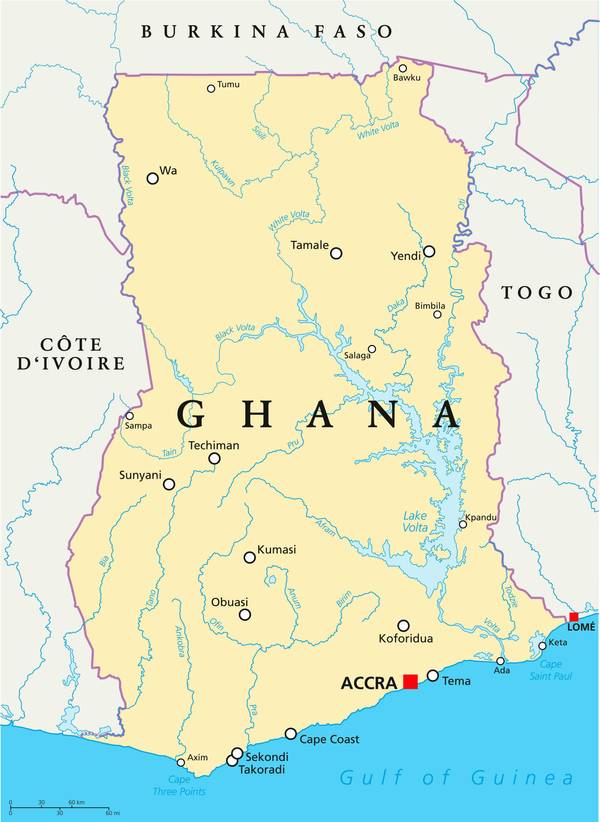
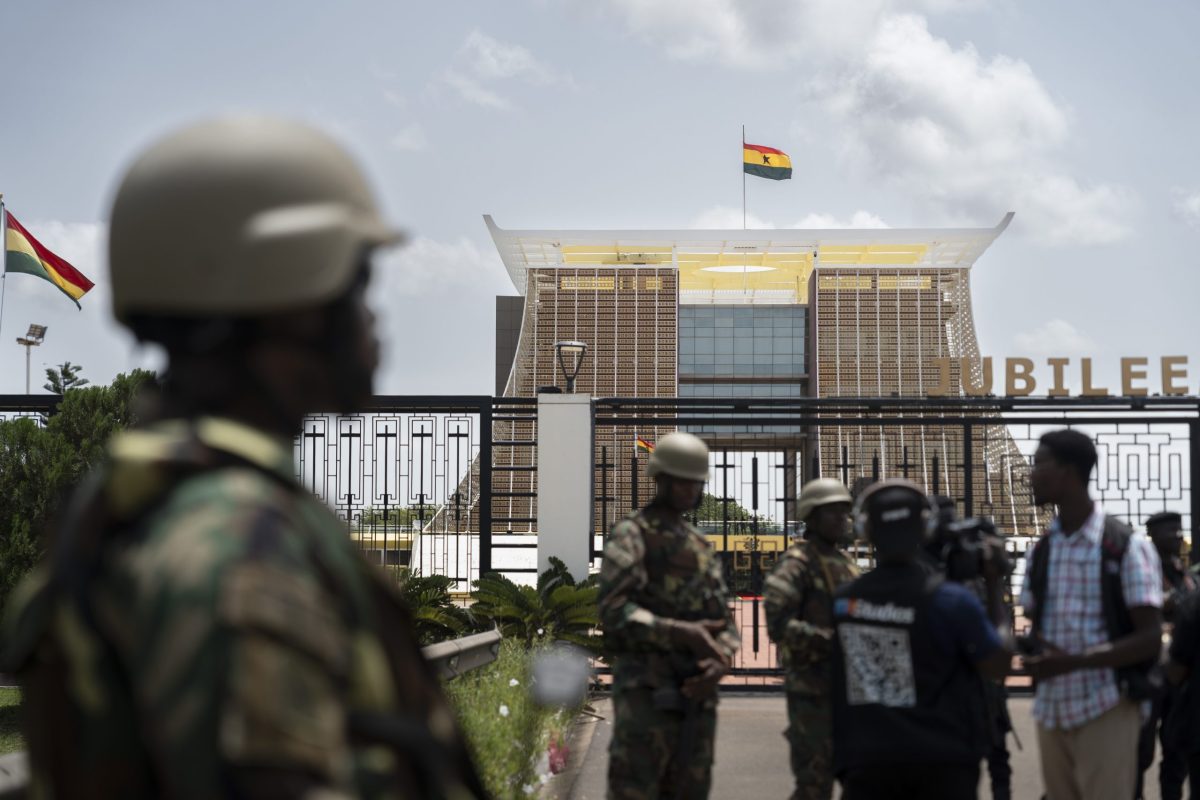
And what about the fight against corruption itself? While crucial, the rigorous, sometimes controversial, actions by anti-corruption agencies like the Economic and Financial Crimes Commission (EFCC) have themselves raised human rights concerns. These efforts, though aimed at curtailing corrupt practices, sometimes leave a trail of abuses that risk alienating the public and undermining the institutions’ credibility. Even in the media sphere, attacks on journalists and media workers continue, notably in neighboring Ghana, where more than 30 individuals have suffered violence from military and police since 2019. This regional insecurity surrounding press freedom indirectly affects Nigeria’s broader information environment, limiting transparent reporting and citizens’ access to facts.
The landscape depicted by these reports is undeniably sobering. Nigeria stands at a critical crossroads, where interconnected issues from criminally exploited registration loopholes and rampant kidnapping to military abuses, large-scale corruption, compromised democratic processes, and judicial dysfunction, all threaten its progress. However, these very revelations can also serve as a powerful catalyst for renewed commitment. Strengthening institutional checks and balances, enhancing transparency and accountability at all levels of government, rigorously protecting human rights, and investing decisively in security and infrastructure could chart a viable path forward. As Nigeria approaches upcoming electoral cycles and continues its fight against insecurity, it’s imperative that policymakers, civil society, and we, the citizens, demand reforms that unambiguously tackle these systemic weaknesses. Only through coordinated and sustained efforts can this great nation reconcile these challenges and finally realize its potential as a stable, prosperous, and inclusive democracy, a leader in West Africa and beyond.
Sources:
- INVESTIGATION: With 1,000 Naira, A Criminal Can Falsify SIM Card Registration Details To Evade Justice In Nigeria Despite National Identification Number, NIN-SIM Link Policy. Premium Times, December 7, 2022. https://www.premiumtimesng.com
- NBS Report: Over 2million Nigerians Abducted Under Tinubu’s Government With N2.2trillion Paid As Ransoms. Vanguard, December 20, 2024. https://www.vanguardngr.com
- Nigerian Military Secretly, Illegally Aborts Over 10,000 Pregnancies Of Girls, Women Raped By Boko Haram Terrorists. The Guardian Nigeria, December 13, 2022. https://guardian.ng
- EXCLUSIVE: Nigerian Anti-corruption Agency, ICPC Finally Opens Second Box Found In Ex-Army Chief, Buratai’s Property, Finds Additional $170,000, £85,000, €54,000 Stashed Inside. Premium Times, July 19, 2022. https://www.premiumtimesng.com
- Nigerian Government Fails To Deliver 90km Panyam-Bokkos-Wamba Roads After 15 Years Despite Releasing Billions Of Naira. Daily Trust, July 21, 2022. https://dailytrust.com
- Kano Govt Under Ganduje, Kabir Yusuf Paid N1.2Billion To ‘Unknown Suppliers’ To Power Street Lights For 5 Months –Auditor General. The Nation, December 18, 2024. https://thenationonlineng.net
- How Ekiti State Government Spent Outside Budgetary Provisions, Incurred Multi-Billion Naira Expenses Without Allocation. The Cable, December 16, 2024. https://www.thecable.ng
- Students Suffer As Contractors Abandon Kano School Projects After Receiving Over N70 Million. Punch, December 23, 2022. https://punchng.com
- Unsafe Zamfara Schools Endanger, Push More Children Out Of School. Sahara Reporters, December 23, 2024. https://saharareporters.com
- Cross River: Fear And Uncertainty As APC, PDP Agents Harvest PVC Details In Disguise. This Day, December 29, 2022. https://www.thisdaylive.com
- 2023: Flood Victims Who Lost Their PVCs May Not Vote In Jigawa State. The Guardian Nigeria, January 14, 2023. https://guardian.ng
- INVESTIGATION: Justice Delayed, Childhood Stolen: Nigerian Children Languish In Jail Without Trial, Conviction. Premium Times, December 21, 2024. https://www.premiumtimesng.com
- Nigerian Anti-Corruption Body, EFCC’s Aggressive Tactics Leave A Trail Of Human Rights Abuses. The Cable, December 7, 2022. https://www.thecable.ng
- SPECIAL REPORT: More Than 30 Ghanaian Journalists, Media Workers Suffer Attacks From Military, Police Since 2019’s Brutal Murder Of Colleague, Ahmed Hussein-Suale Divela. Citi News Ghana, February 16, 2023. https://citinewsroom.com
- Ping Express: US Economic War, Nigerian Fintech Execs as Collateral Damage, By Tunji Light Ariyomo. BusinessDay, November 21, 2022. https://businessday.ng