
Africa’s Startup Moment Shifts from Big Dreams to Practical Wins
The New Reality Check
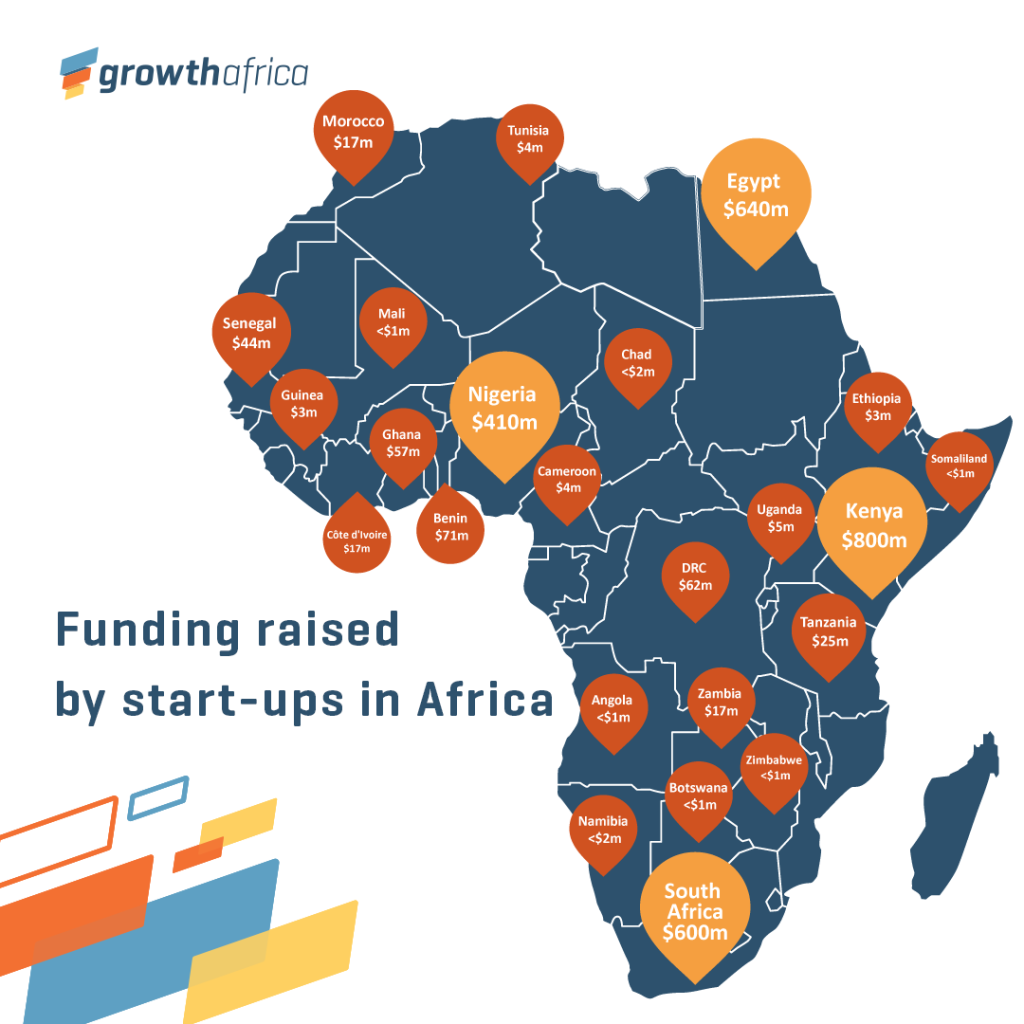
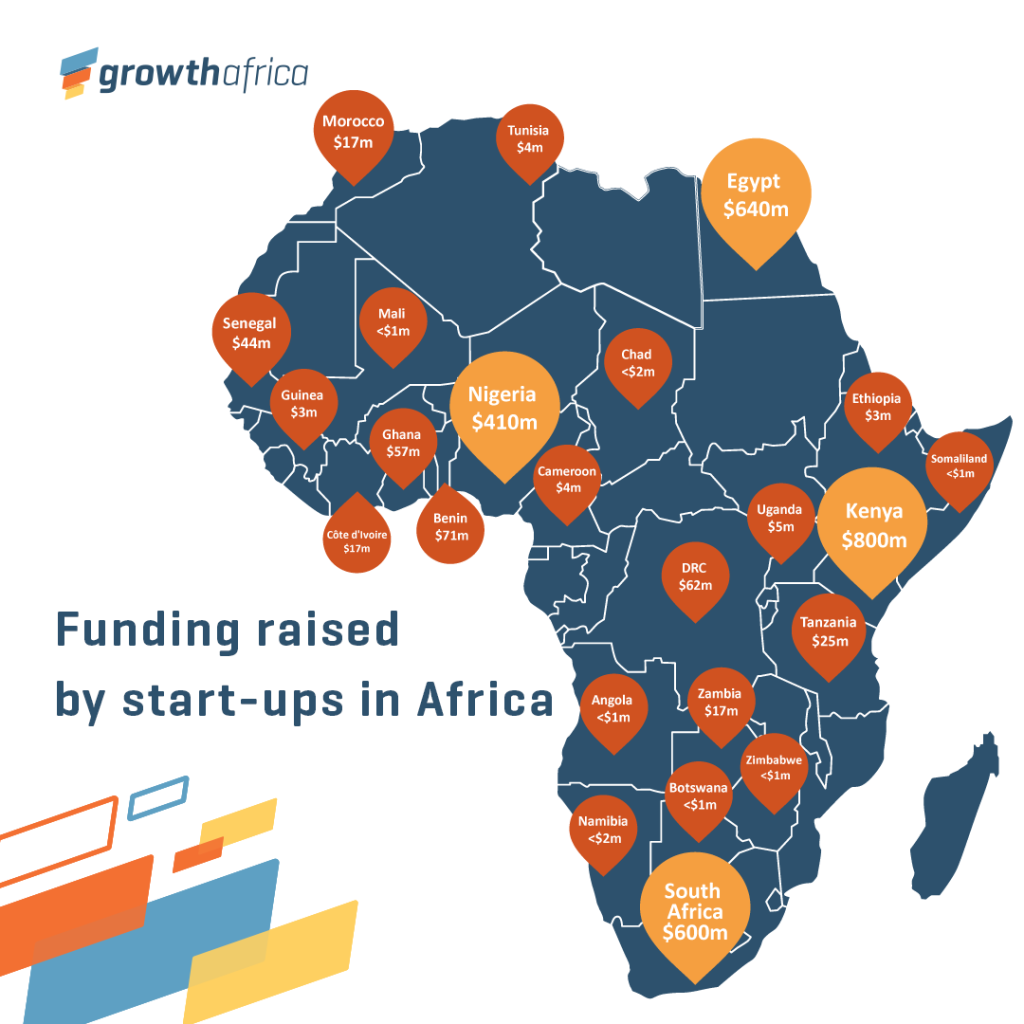
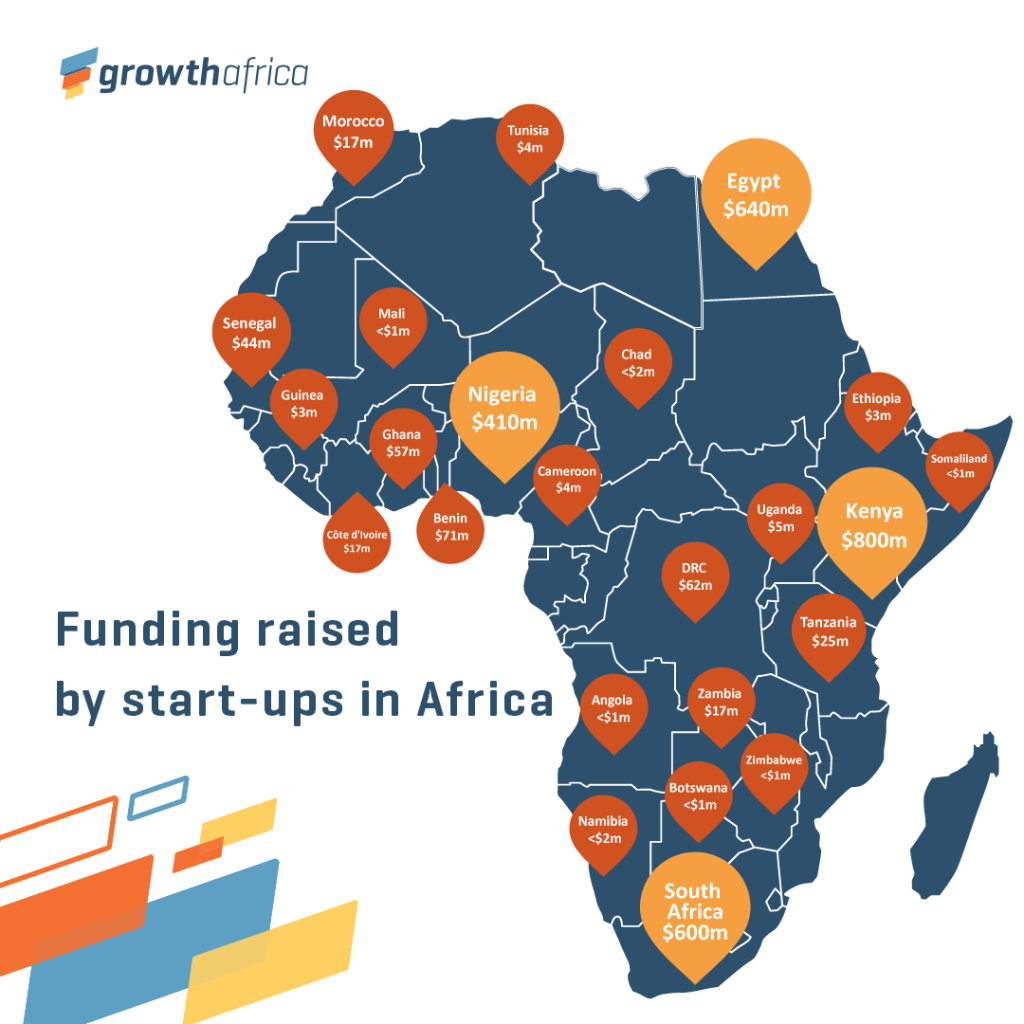
Remember when Africa’s tech scene was all about billion dollar valuations and flashy IPO dreams? Those days are fading fast. As we move into 2026, the continent’s startup story is getting a serious reality check, trading sky high ambitions for grounded, practical solutions that actually solve everyday problems. Across Africa, founders aren’t just chasing trends anymore, they’re building businesses that address immediate needs in biotech, fintech, climate tech, and logistics. This shift represents a more mature startup ecosystem where problem solving matters more than headline grabbing numbers. Investors are recalibrating where they place their bets, and established companies like banks and telcos are increasingly buying innovation rather than trying to build it from scratch. It’s a pragmatic renaissance that’s reshaping how technology gets built and deployed across the continent.
Concrete Solutions Take Center Stage
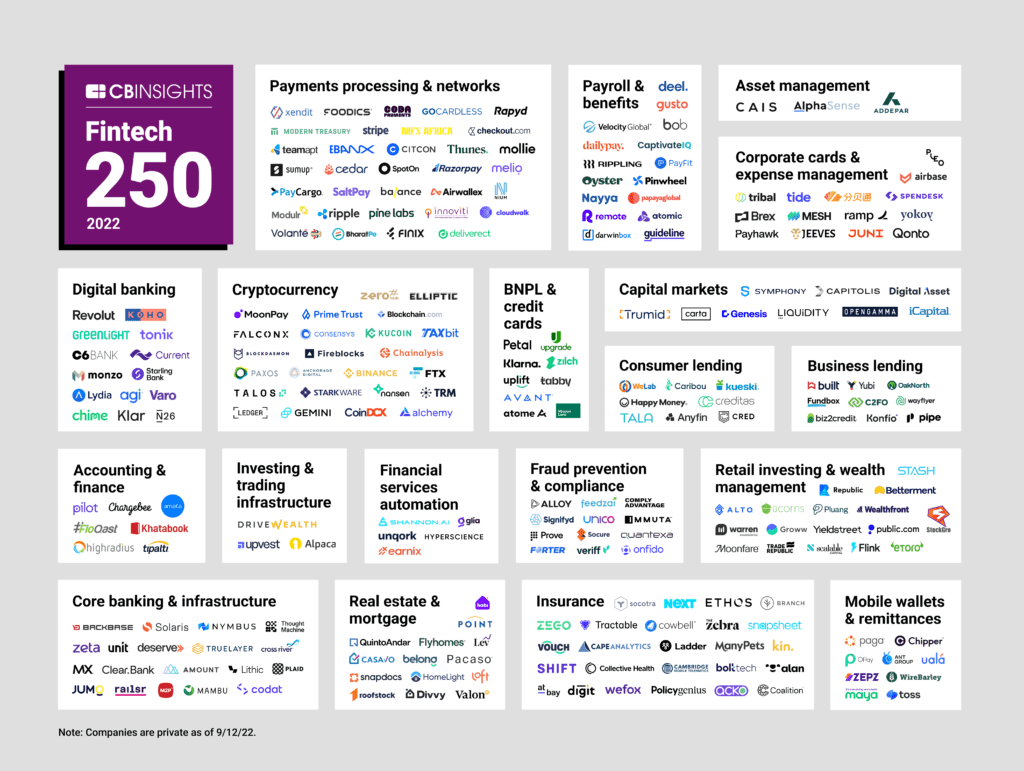
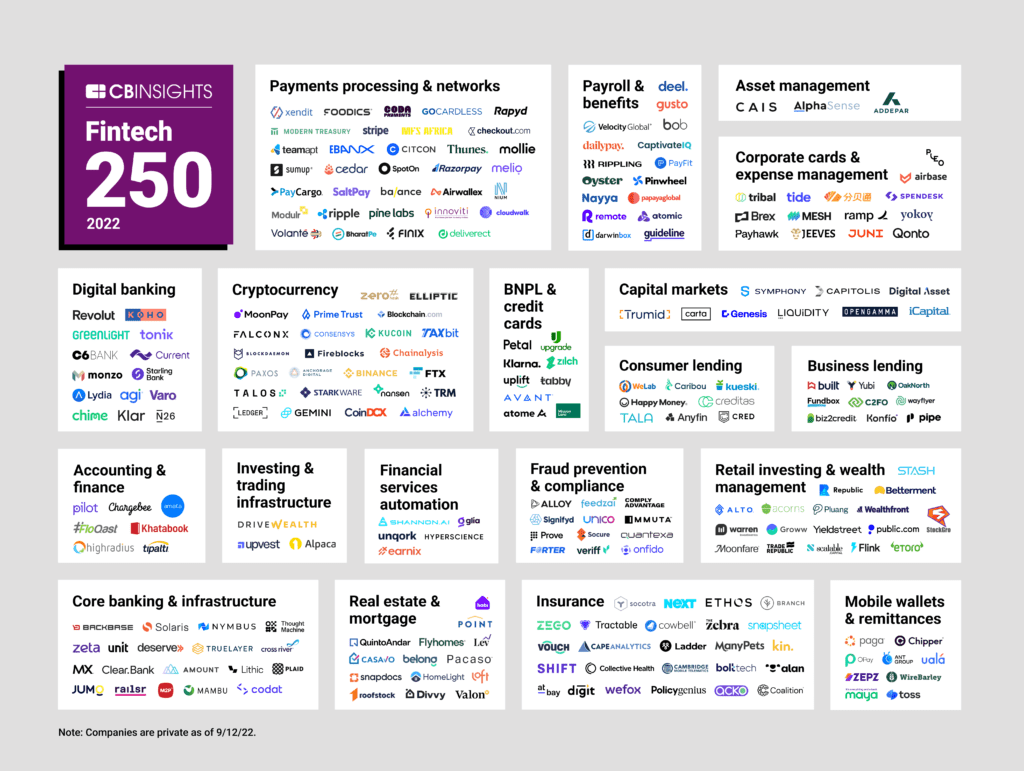
You can see this practical shift in companies that are making real differences right now. Take Tanzanian biotech firm NovFeed, which won the 2025 Africa’s Business Heroes competition by turning waste into sustainable animal feed, tackling both food security and agricultural emissions in one smart move. Or look at Kenya’s Leta, which uses AI to slash delivery costs and streamline supply chains, showing how data and automation can fix long standing bottlenecks. These aren’t abstract concepts, they’re tangible solutions for farmers, small businesses, and everyday consumers. Even fintech, which continues to dominate headlines, is changing shape. New neobanks and payment platforms are winning users fast across both Francophone and Anglophone markets, while specialized players like stablecoin provider Mansa and regional lenders such as Gozem are pulling in capital to expand services. As TechCrunch’s Africa coverage shows, several startups that once aimed for global stock listings are now eyeing local acquirers instead, reflecting a more pragmatic route to success. This aligns with what industry watchers are tracking in Africa’s rising startups to watch in 2026, where practical problem solvers are getting the spotlight.
Investment Realities and Future Pathways
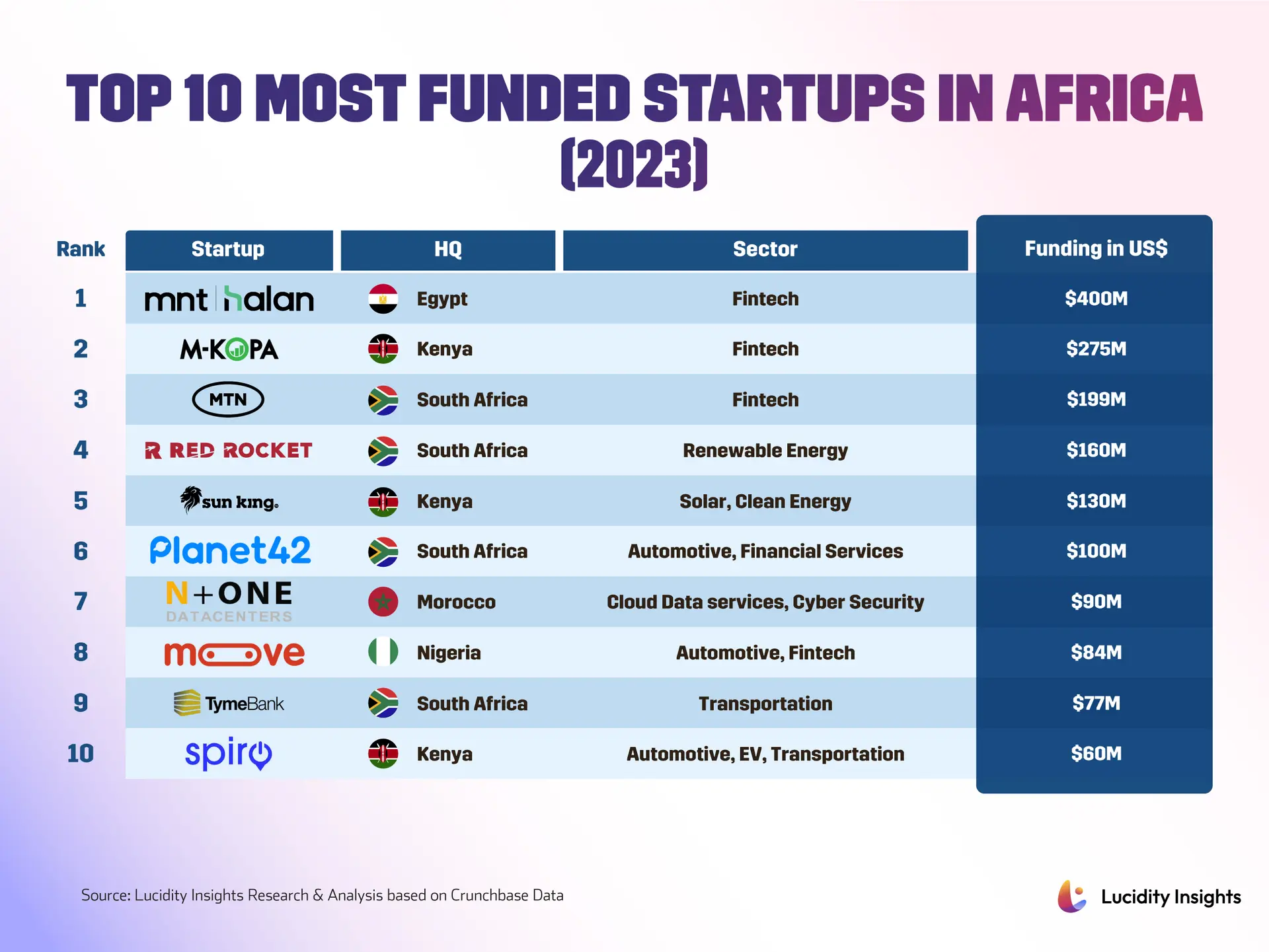
This new pragmatism is driven by hard economics and timing. A whole cohort of startups founded between 2015 and 2019, many last valued during 2021’s peak funding frenzy, now need fresh capital and clearer paths to returns. Limited partners, the institutional investors backing venture funds, are pressing for exits, and the result is more transactions, just not the kind many founders originally imagined. Instead of cross border IPOs, buyers are often domestic incumbents who can absorb a team, a license, or a distribution network and turn it into a competitive advantage. We’ve seen this play out with South Africa’s Lesaka buying a payments firm to bulk up merchant acceptance, TymeBank acquiring an SME lender to broaden its reach, and Nigerian Moniepoint purchasing a microfinance bank to enter East Africa’s credit market. These deals make sense because they provide immediate regulatory licenses, agent networks, and product teams that would take years to replicate internally. For many startups, selling to a local buyer offers a faster pathway to scale and survival. Investment patterns reflect similar pragmatism, with active early stage funds and accelerators still writing checks while sector specific investors target verticals like e mobility and authentication technologies. The geography is shifting too, with Francophone Africa getting more attention as startups and investors recognize large, underserved markets there. As Africa’s tech renaissance continues and funding surges past previous records, the message for 2026 is clear, product market fit matters more than ever. Startups that solve specific, measurable problems for farmers, small businesses, commuters, or patients will attract both users and buyers. Exits will likely be more local and strategic than aspirational, and capital will flow to sectors with clear revenue models and regulatory clarity. Africa’s tech ecosystem is maturing right before our eyes, and as TechCabal’s analysis of startup exits suggests, the continent’s next wave of tech leaders will be those who turn local problems into scalable businesses, making themselves useful enough to attract not only investors, but also corporate partners and buyers who see real value in practical innovation.