Africa’s Startup Moment: From Failed Deals to Indispensable Platforms
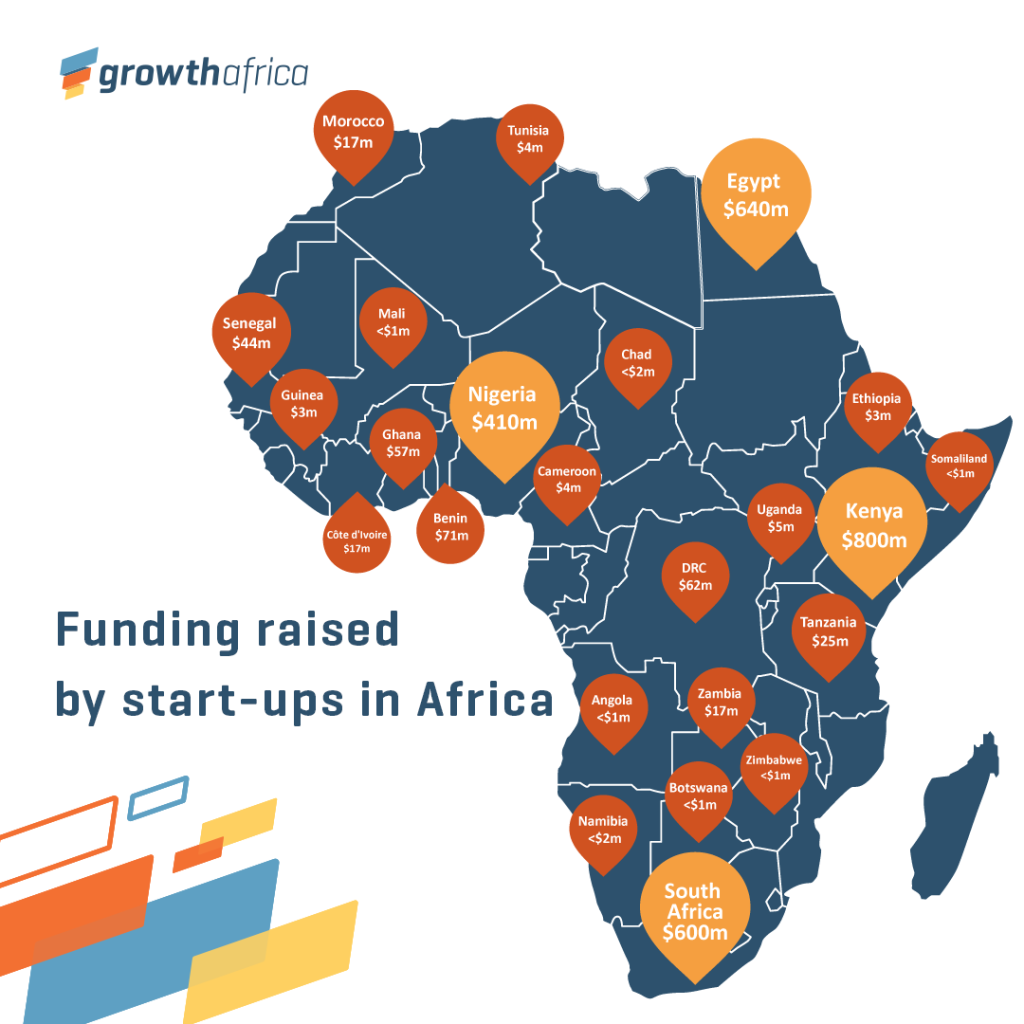
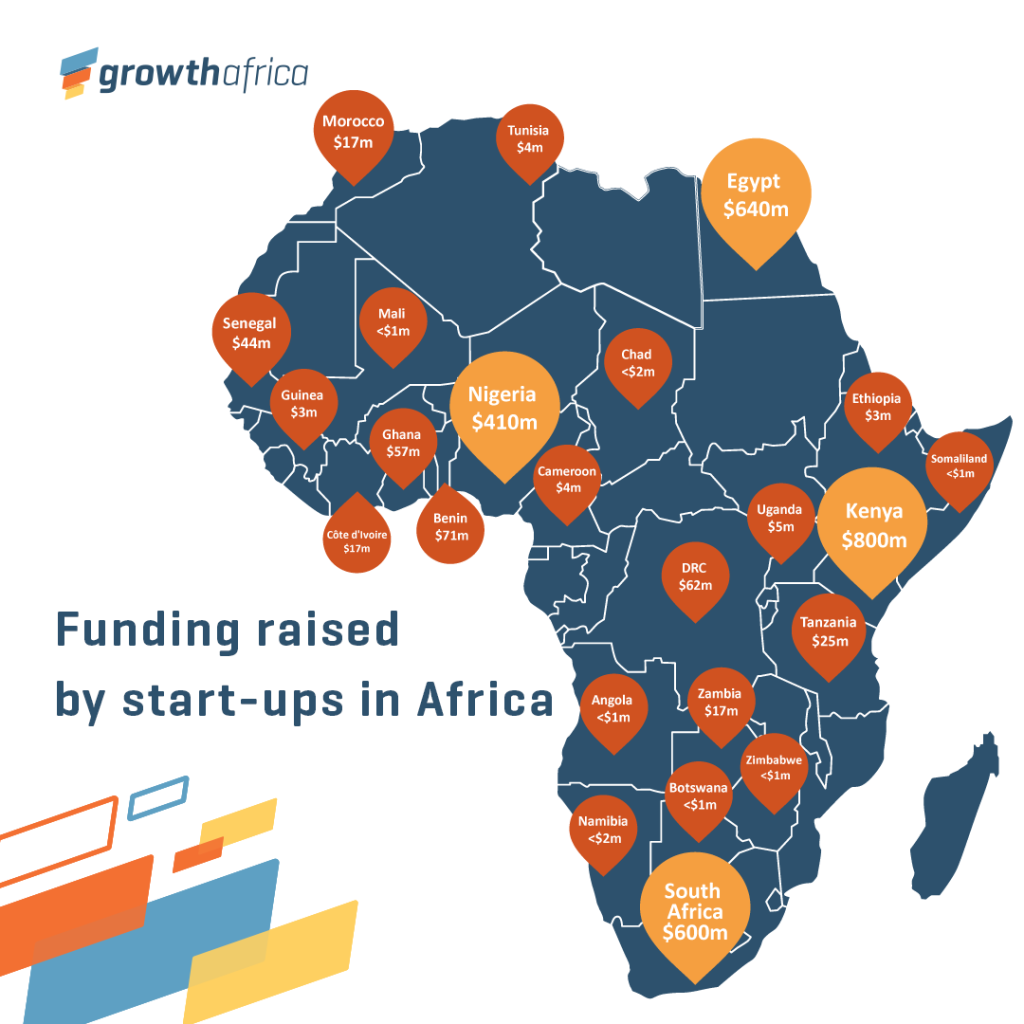
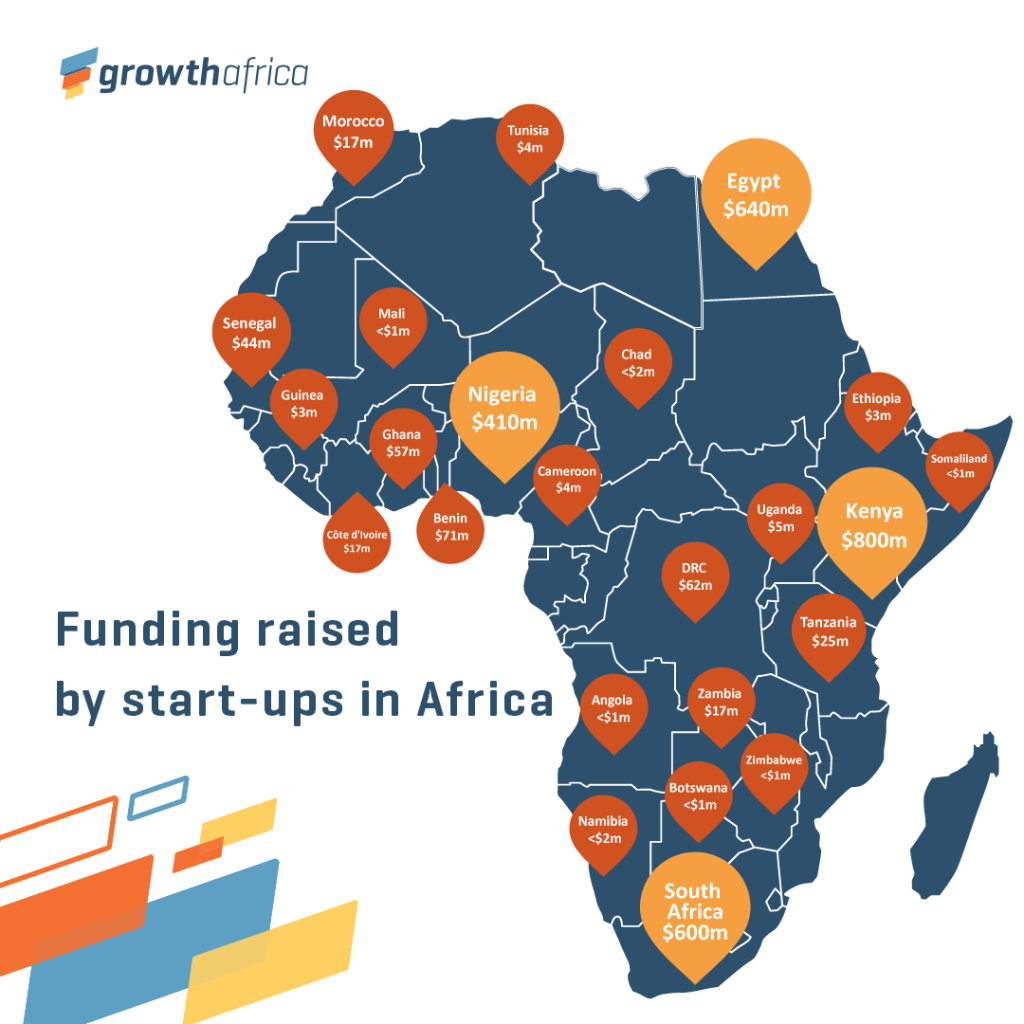
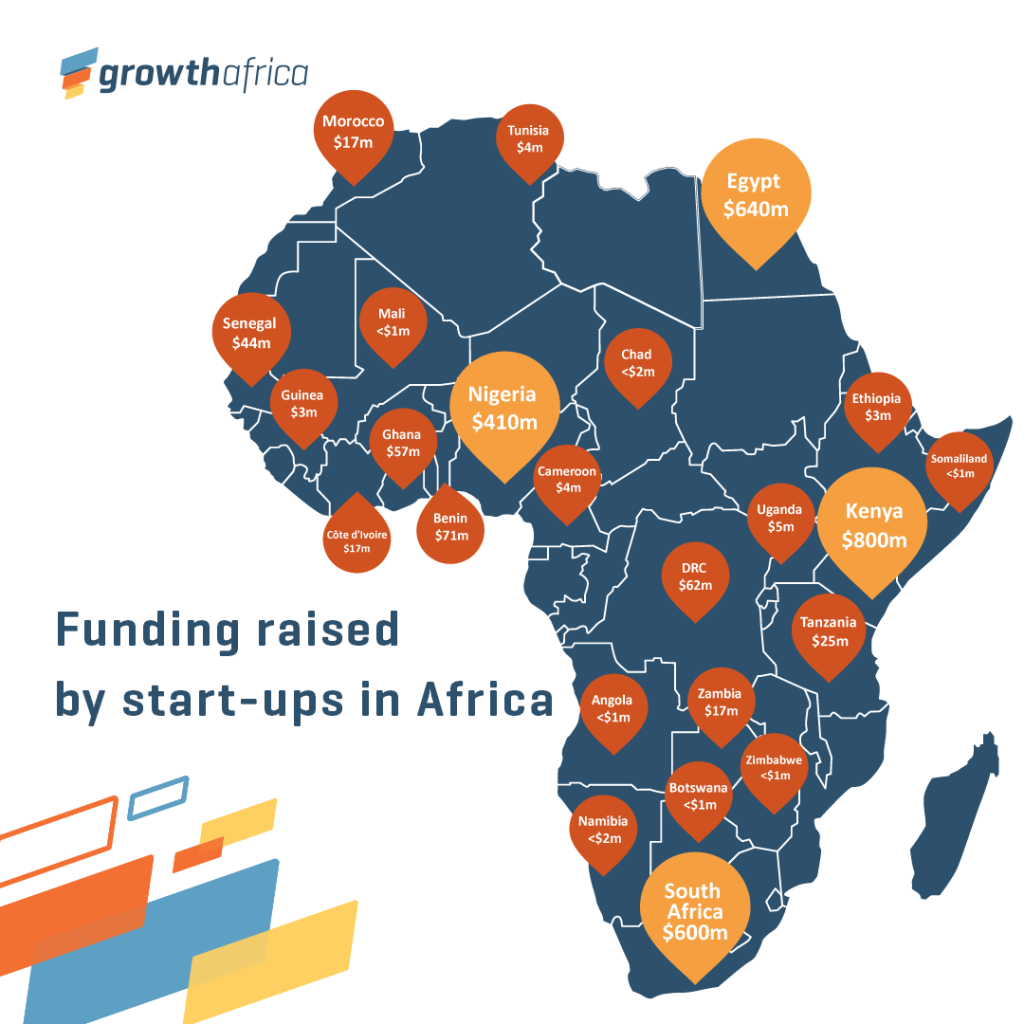
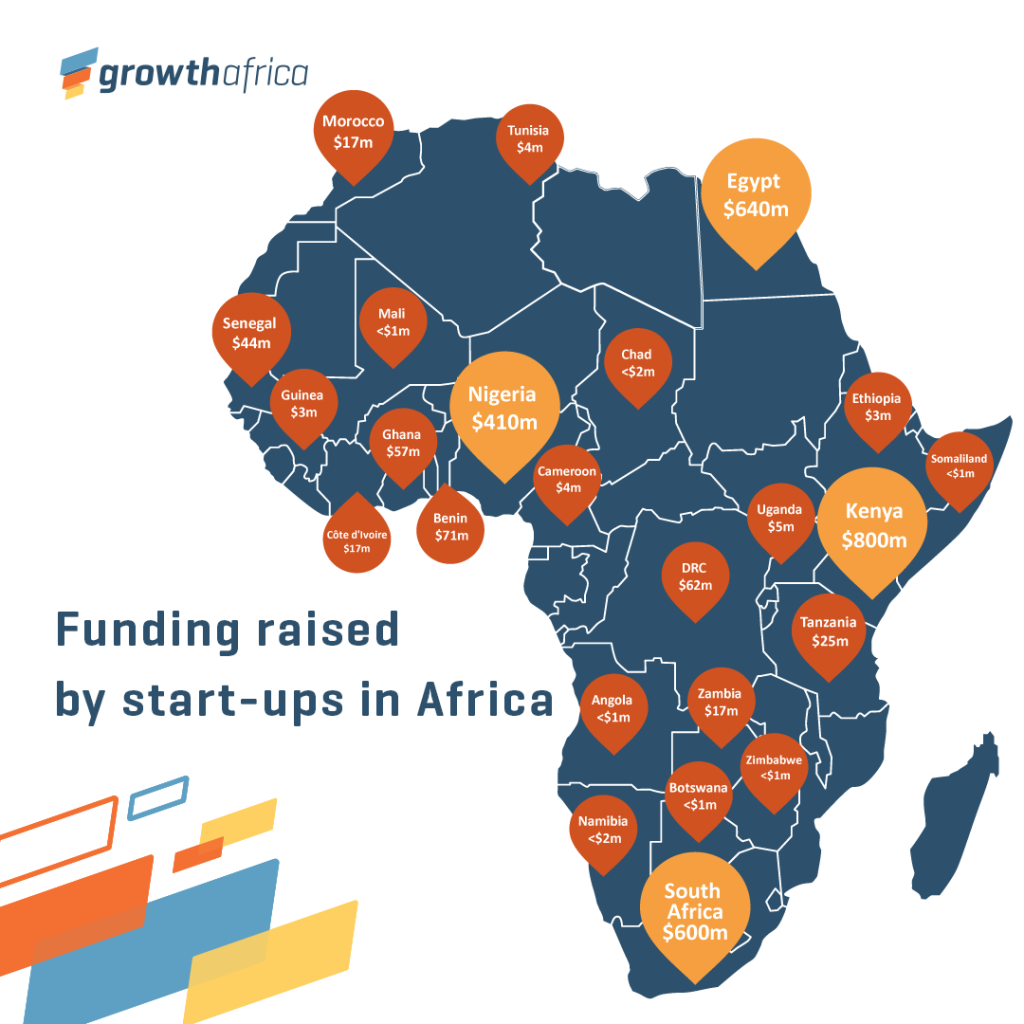
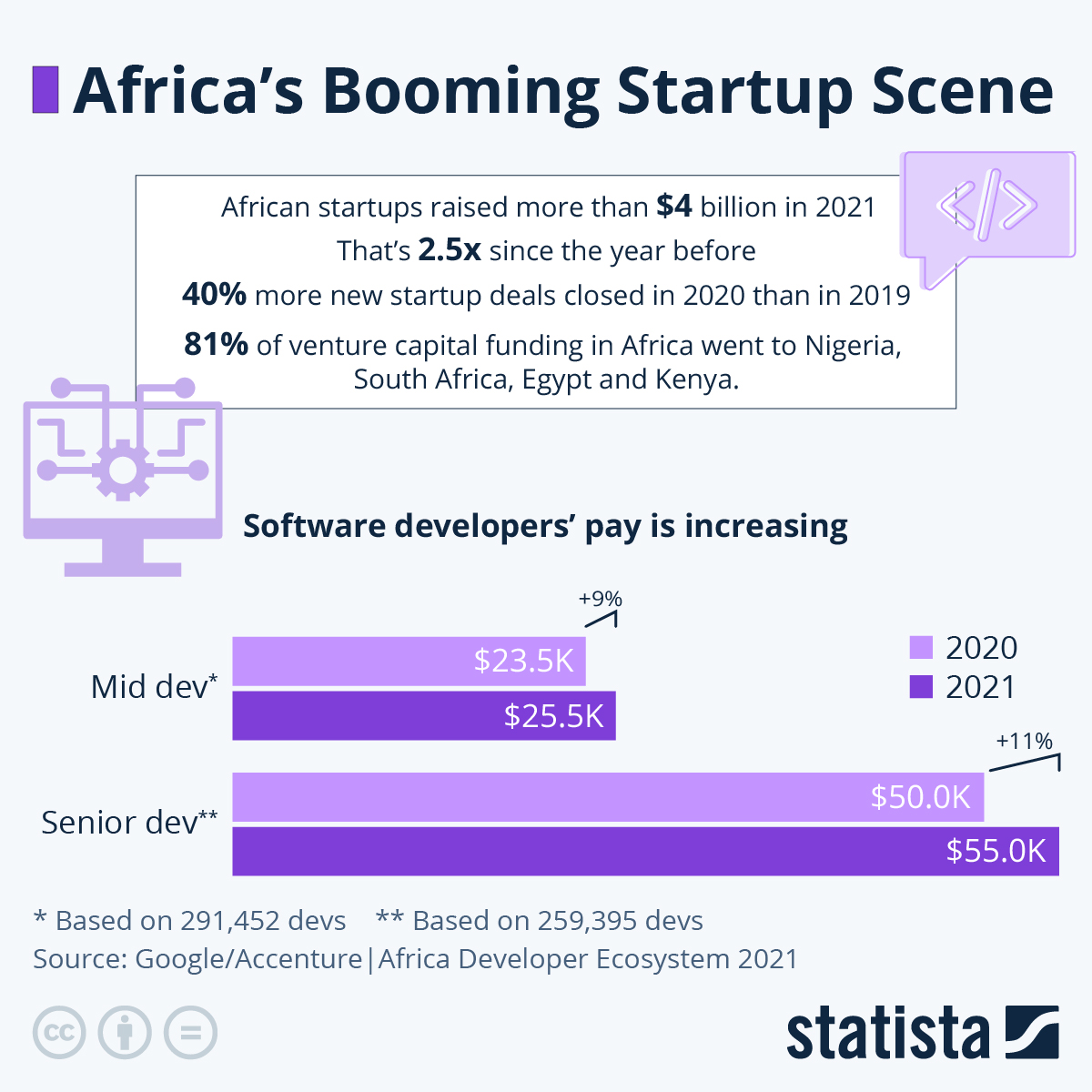
Investors are writing a new playbook for African tech, and it reads like a lesson in discipline and resilience. After a funding slowdown, 2025 saw capital return to the continent’s ecosystem with roughly $3 billion raised, but this rebound came with sharper teeth. Several high-profile deals collapsed, as detailed in recent analysis, forcing founders and backers to reassess their growth assumptions. Startups that couldn’t demonstrate a clear path to profitability, or that burned cash chasing rapid scale, found their options narrowing fast. These setbacks aren’t isolated incidents, they’re signals that capital now favors tangible unit economics over headline growth numbers. As record growth continues across the continent, the market has become simultaneously tougher and more purposeful, with consequences for tech hubs from Lagos and Nairobi to Accra and Ouagadougou.
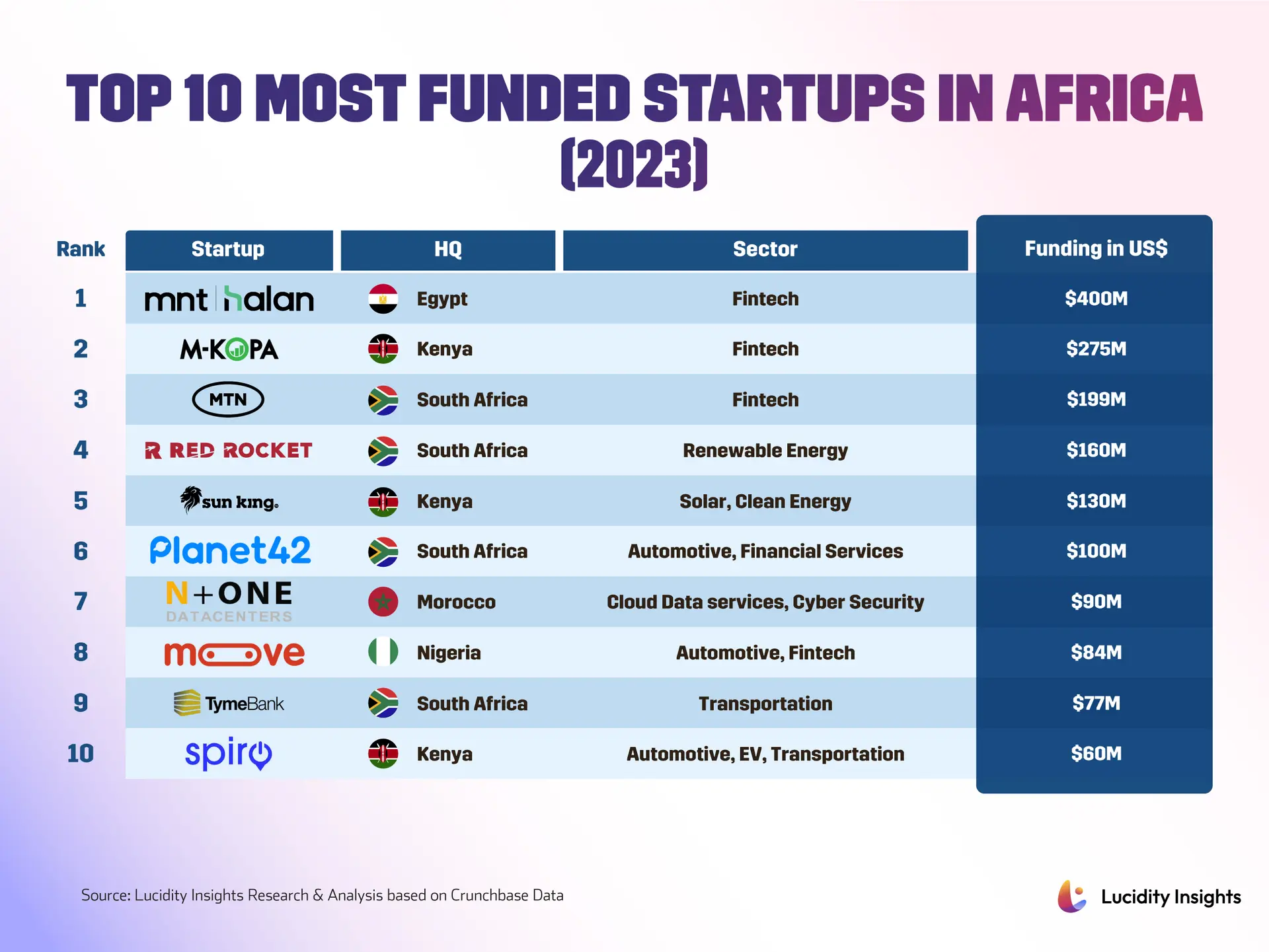
While some companies faded, others matured into indispensable utilities that anchor daily life from payments to logistics. The conversation in 2026 has shifted from who can become a unicorn to who becomes woven into Africa’s digital infrastructure. Payments and fintech remain central to this story, with some of the continent’s largest players evolving from rapid disruptors into regulated, system-level operations moving toward public listings. Stablecoins have quietly changed the payments landscape by offering predictable value transfer, enabling faster cross-border remittances and settlement corridors. Meanwhile, practical innovation looks less like splashy pivots and more like lowering costs and expanding access. Startups applying artificial intelligence to logistics are reducing route costs and improving inventory management, while proptech firms focus on predictable rental workflows and vehicle-financing models help gig workers convert earnings into ownership. This tech renaissance addresses both commerce and public goods, from drone-led health programs to cloud labs for scientific research, with several standout companies already capturing investor attention.
For founders, the message is clear: show unit economics, regulatory readiness, and a path to profitability. For investors, the lesson is to favor operational discipline and governance over hype. Deal terms will reflect this shift, with more emphasis on milestones and less on headline valuations. Across markets, regulation is no longer a secondary concern but a core part of business models, from open banking initiatives to stricter fintech oversight. The firms likely to define Africa’s next phase are those building essential rails rather than chasing scale alone. Companies focused on payments infrastructure, logistics AI, affordable vehicle financing, and cross-border wallet connectivity are primed to become long-term staples. If this more mature approach to scaling proves sustainable, the continent could see a more resilient digital economy that supports jobs, public services, and cross-border trade in practical ways. As funding surges continue, the drama of breakneck expansion has given way to a contest over indispensability, weeding out models built on perpetual fundraising while elevating those that reduce costs and improve access for millions, a trend closely tracked by industry observers.