Africa in 2026: A Continent of Contradictions, Resilience, and Unfolding Potential
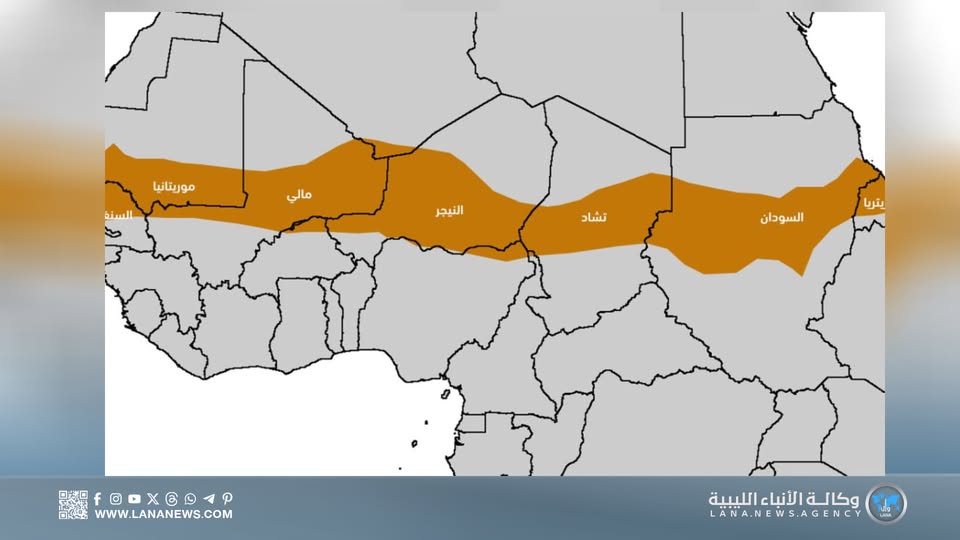
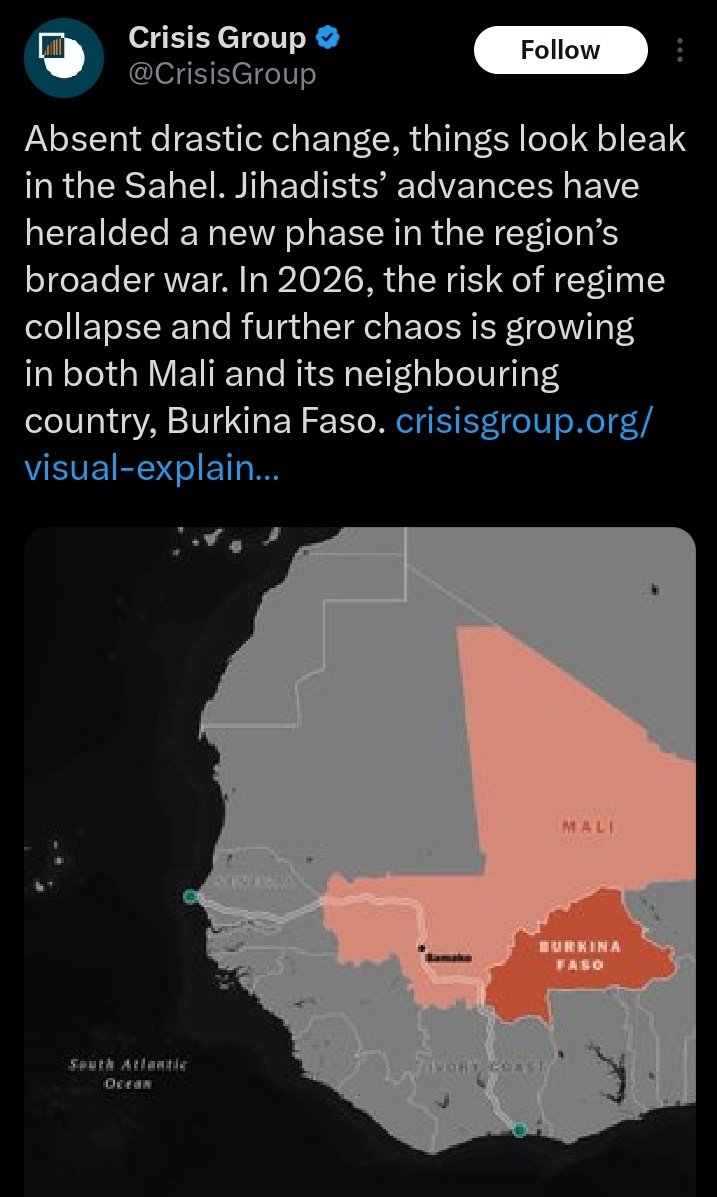
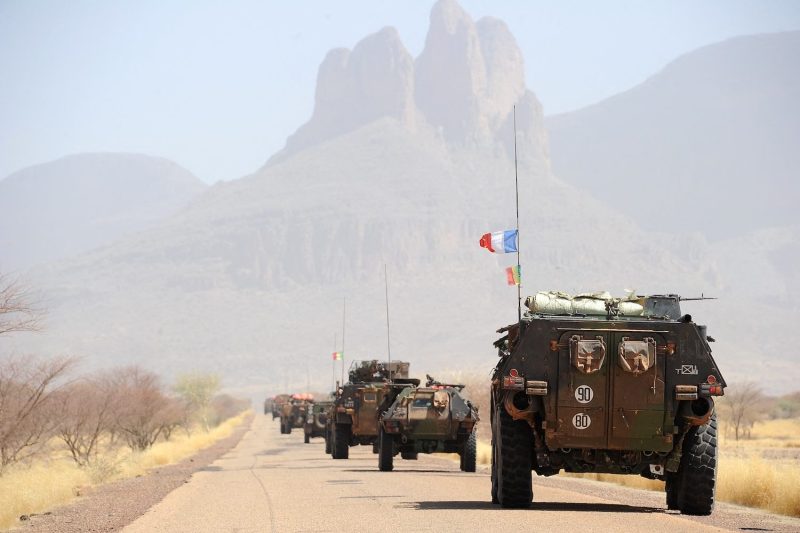
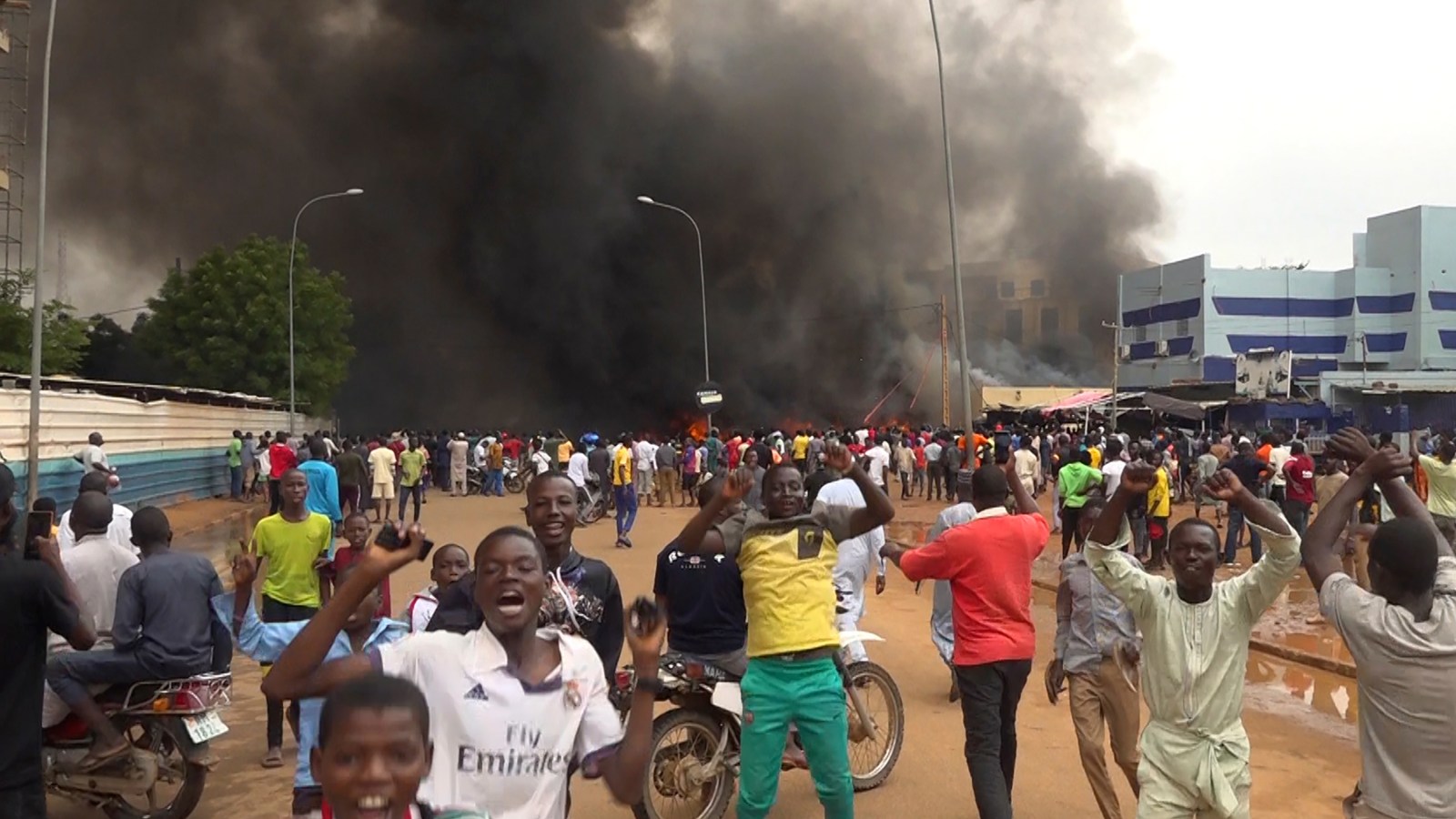
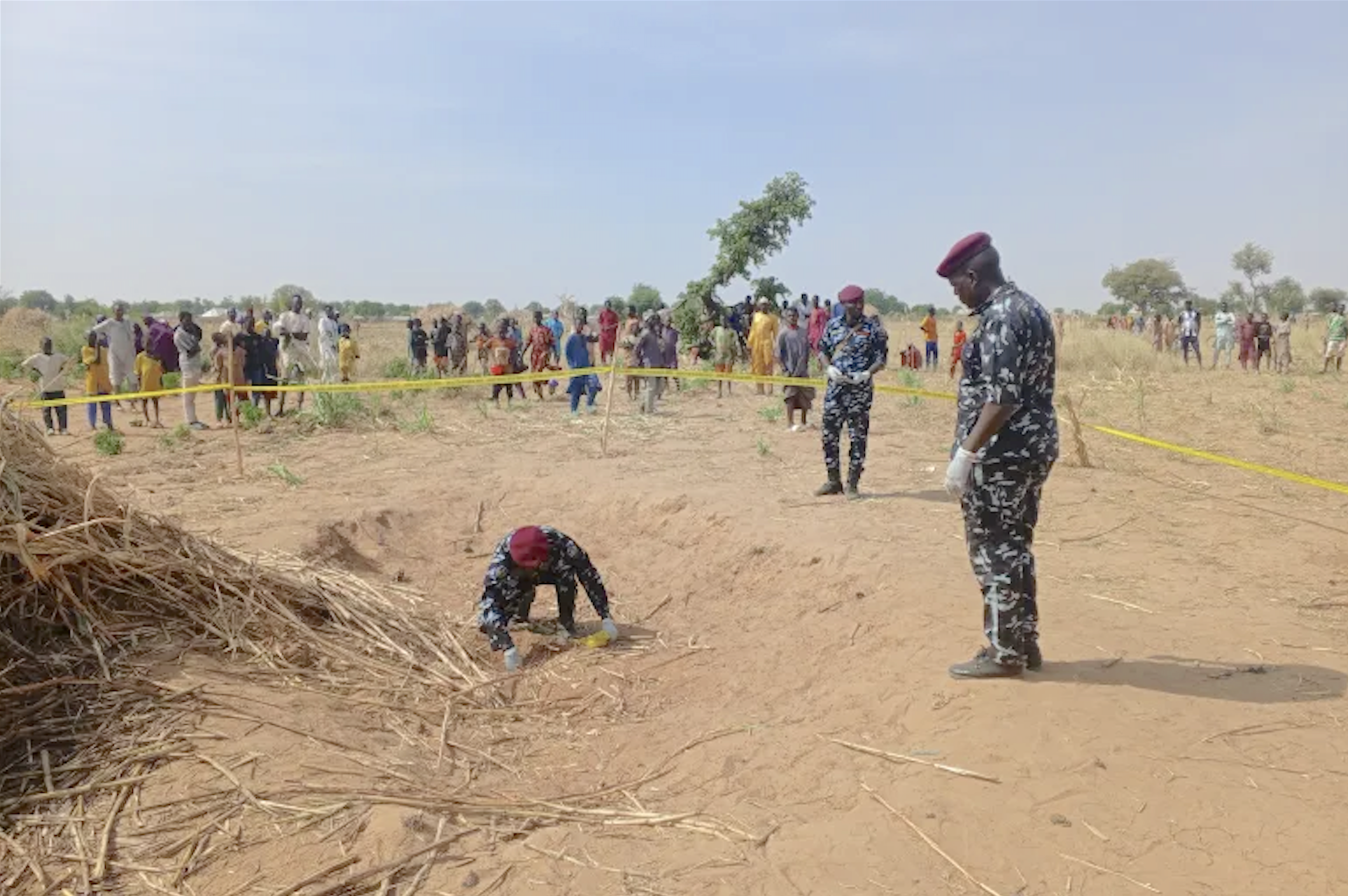
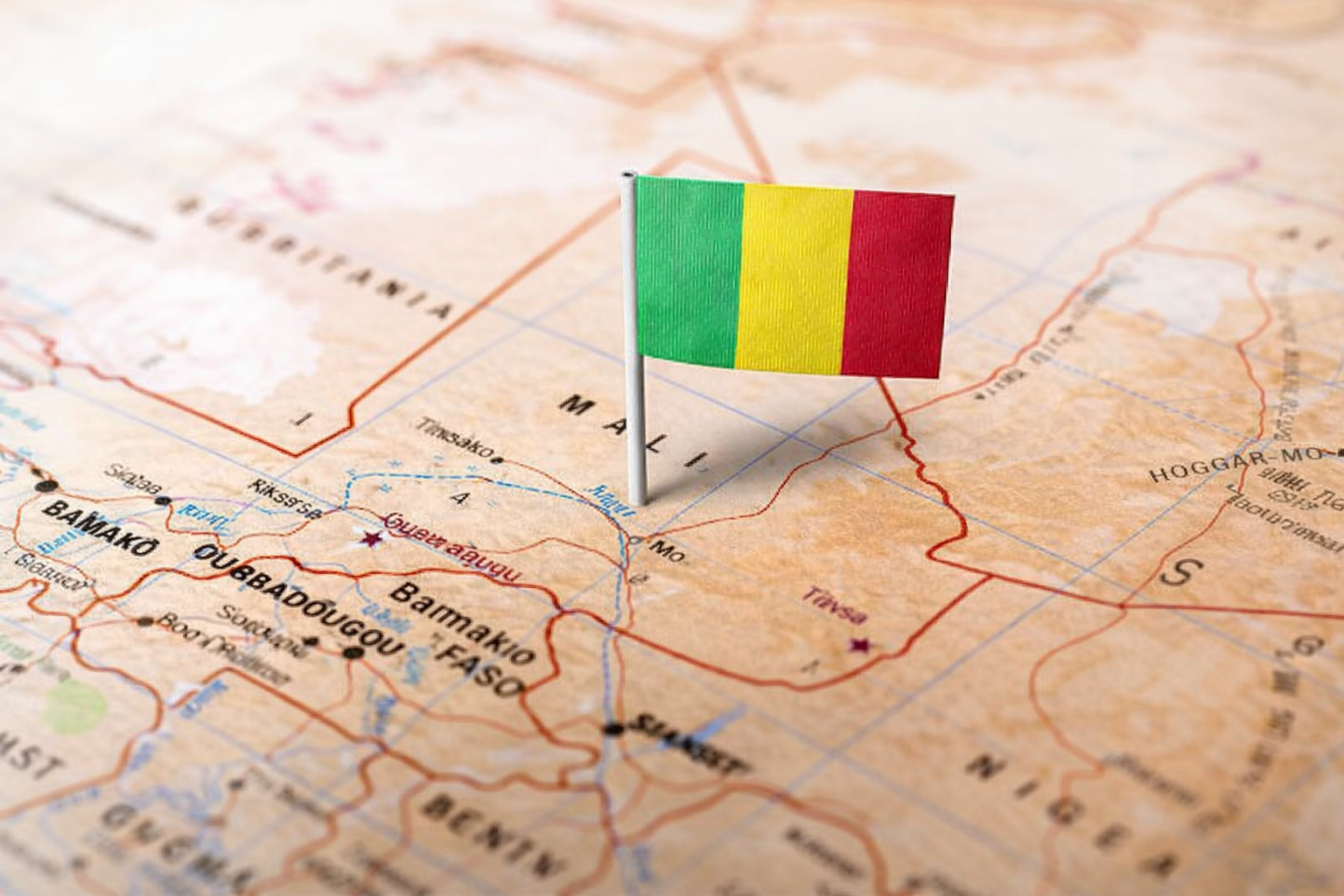
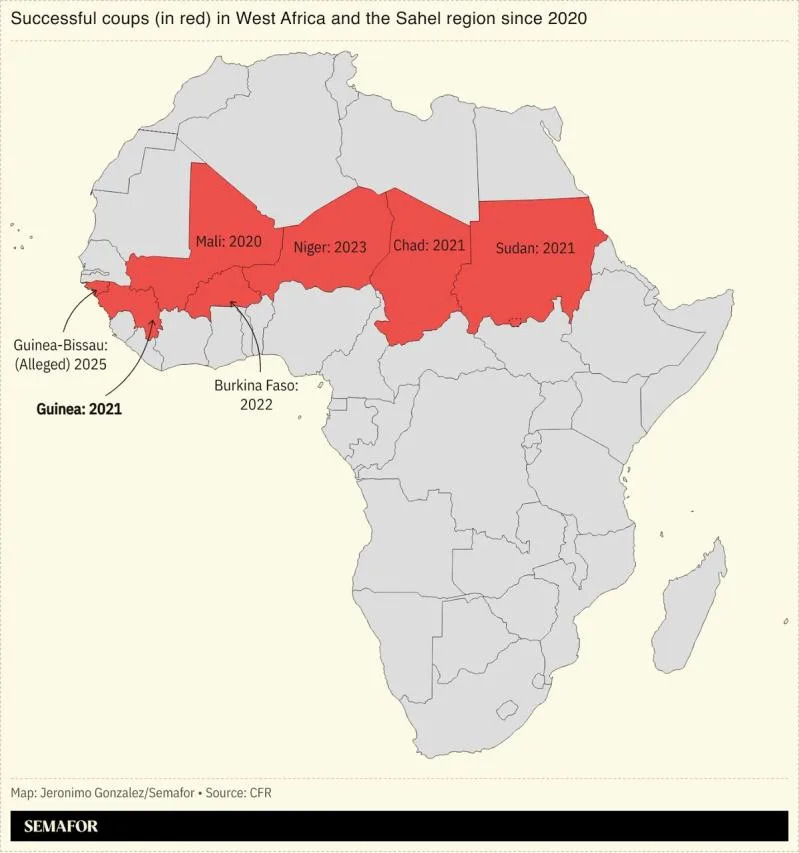
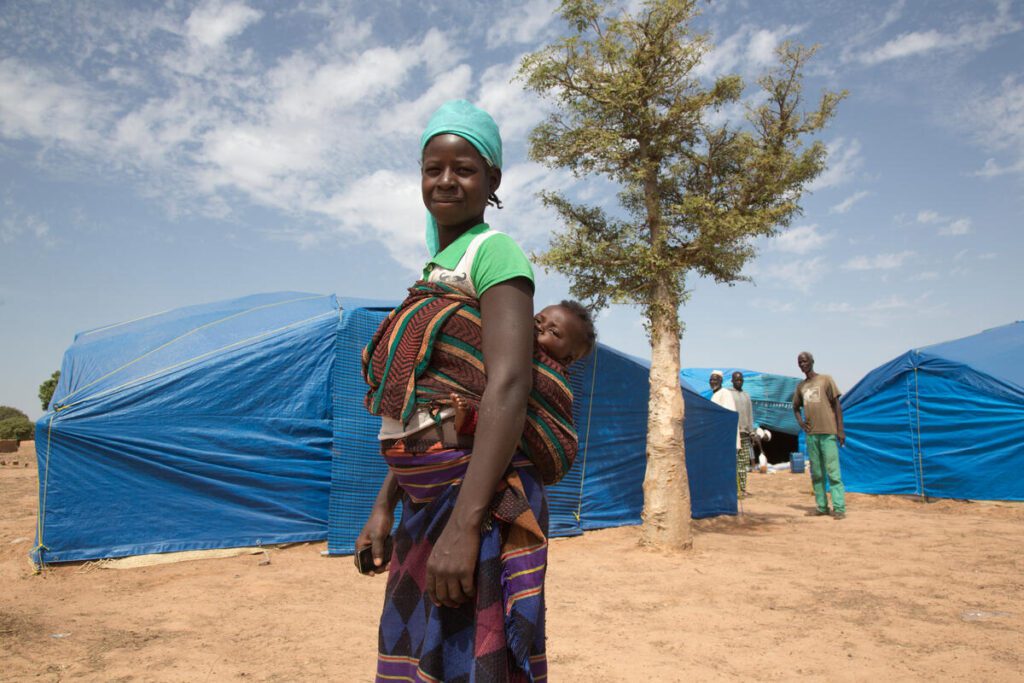
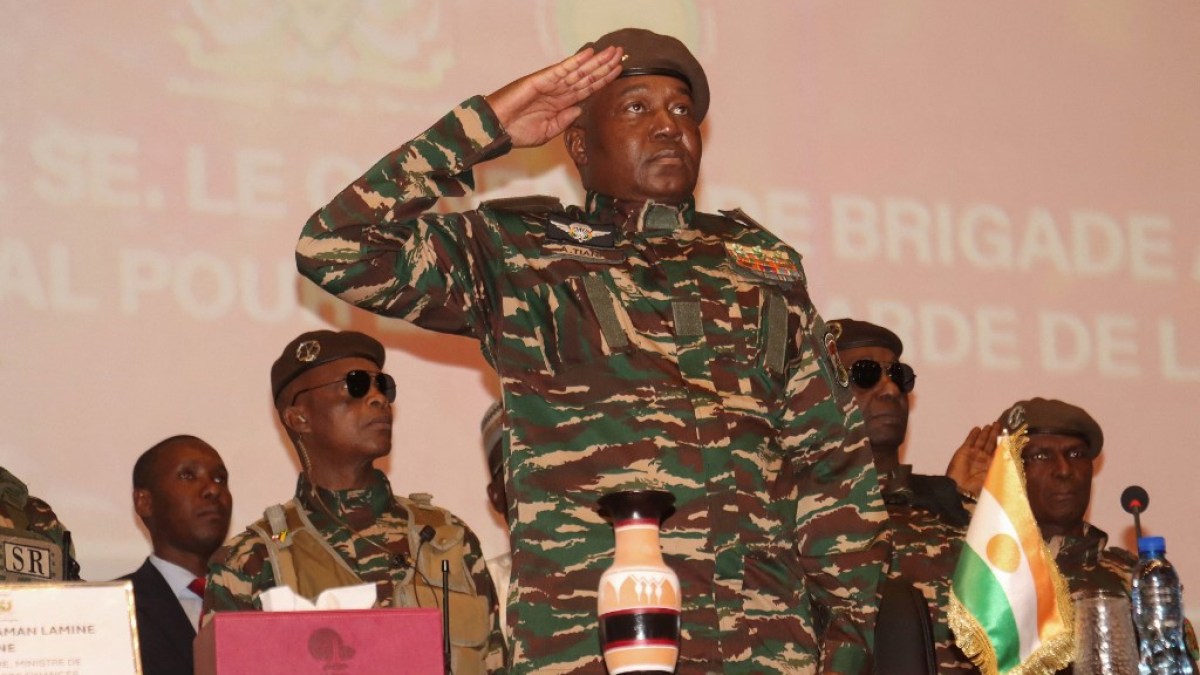
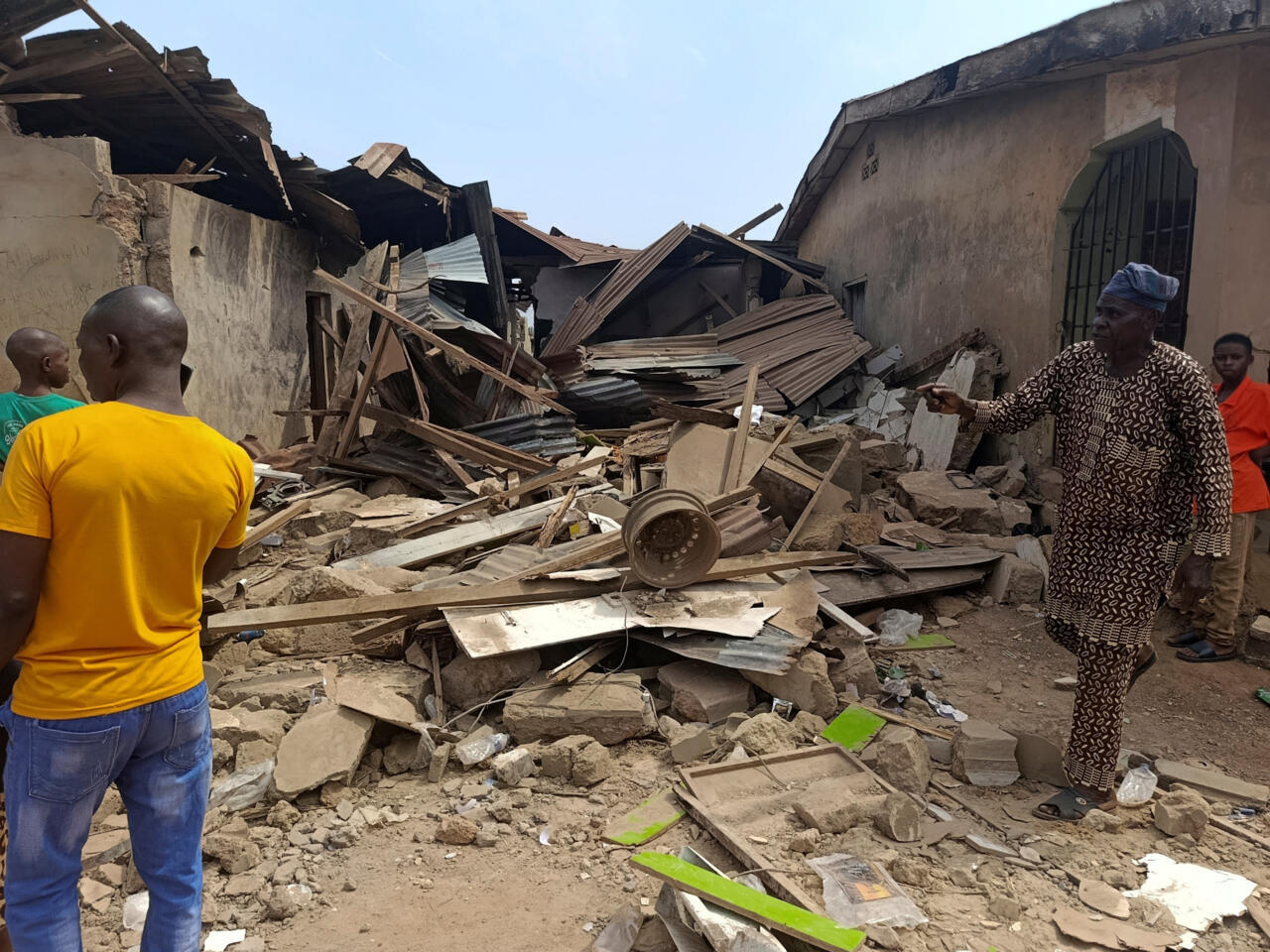
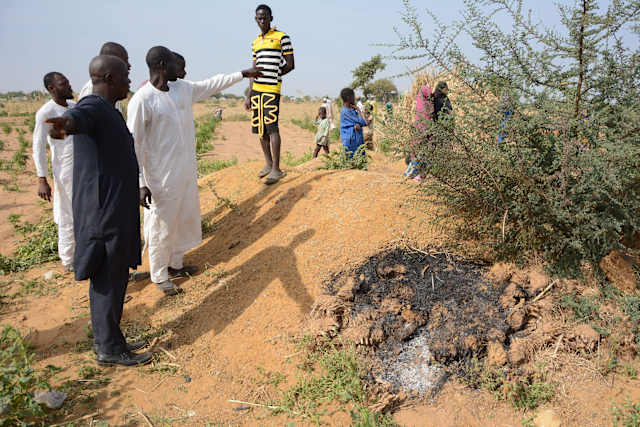
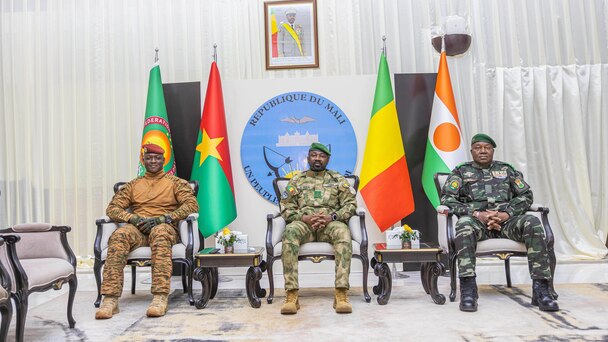
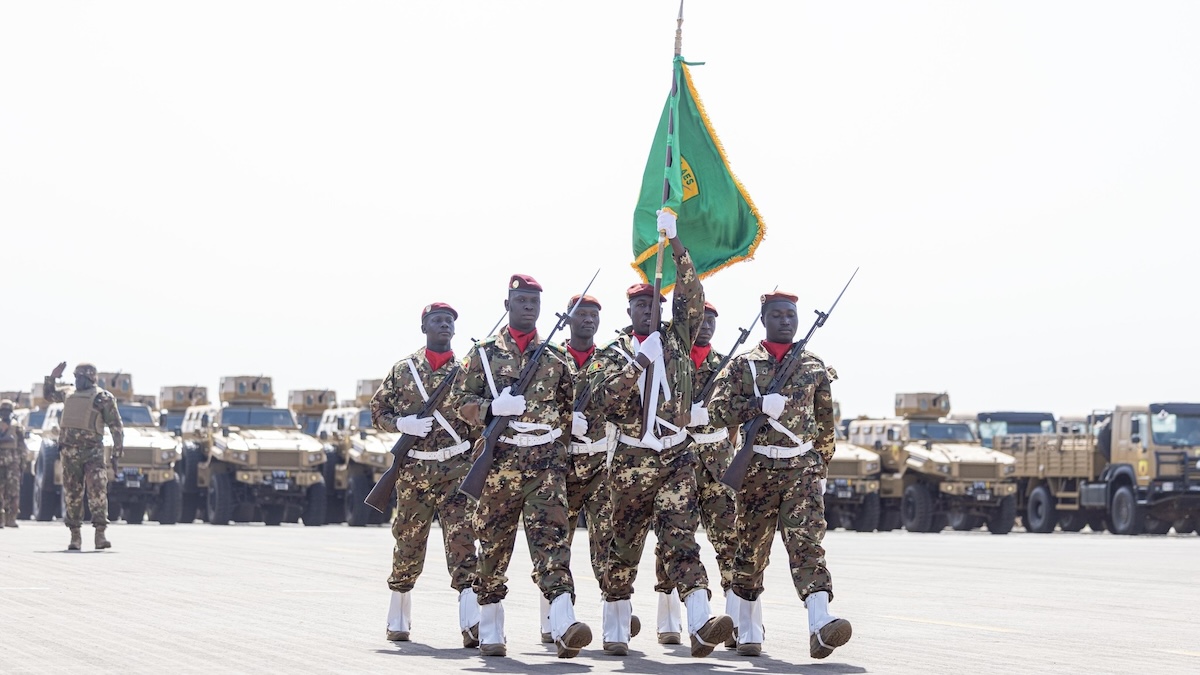
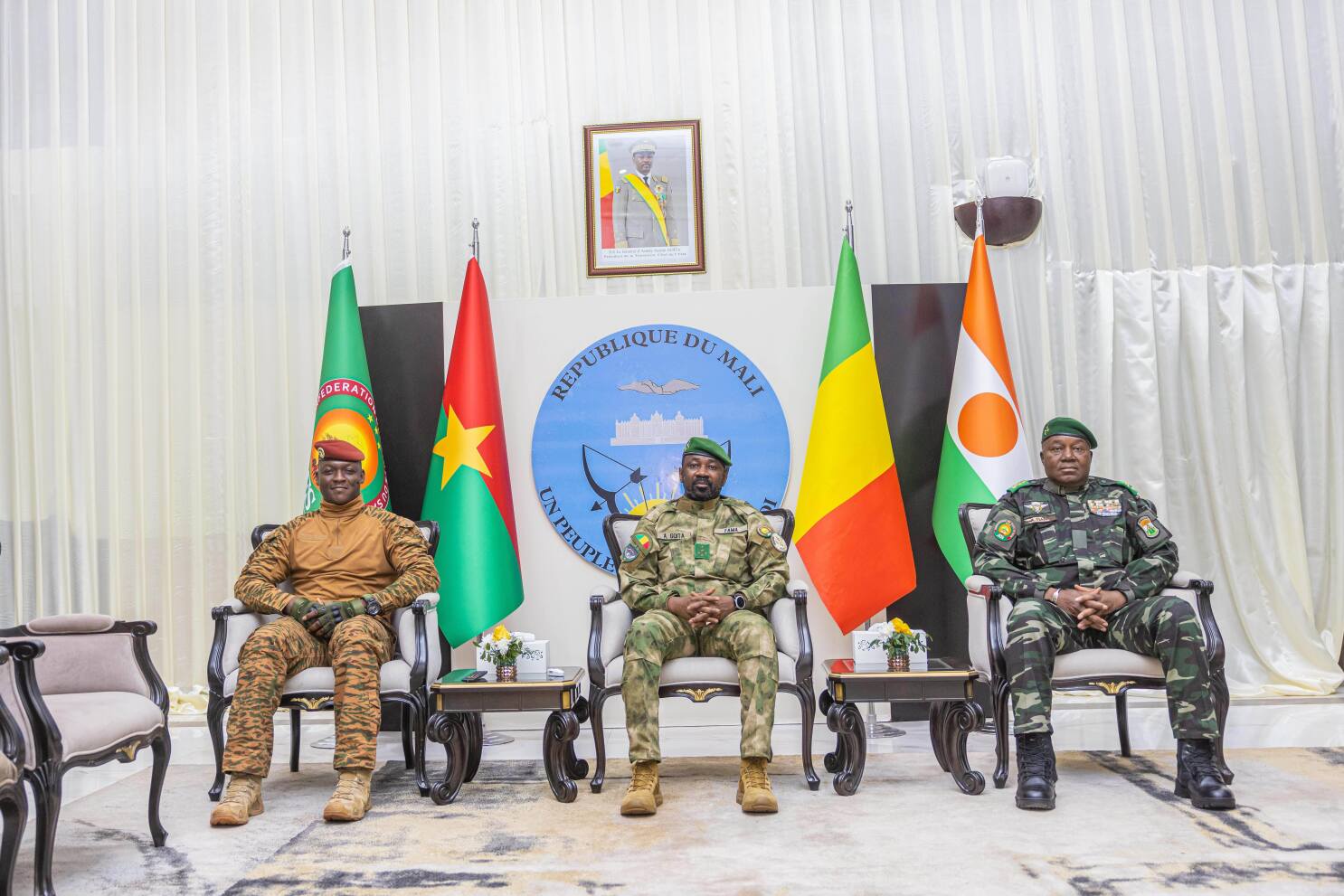
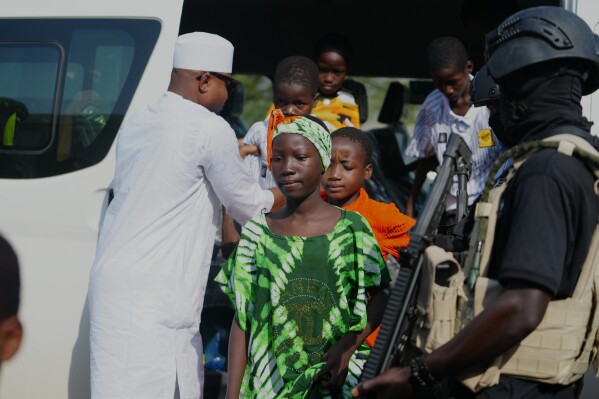
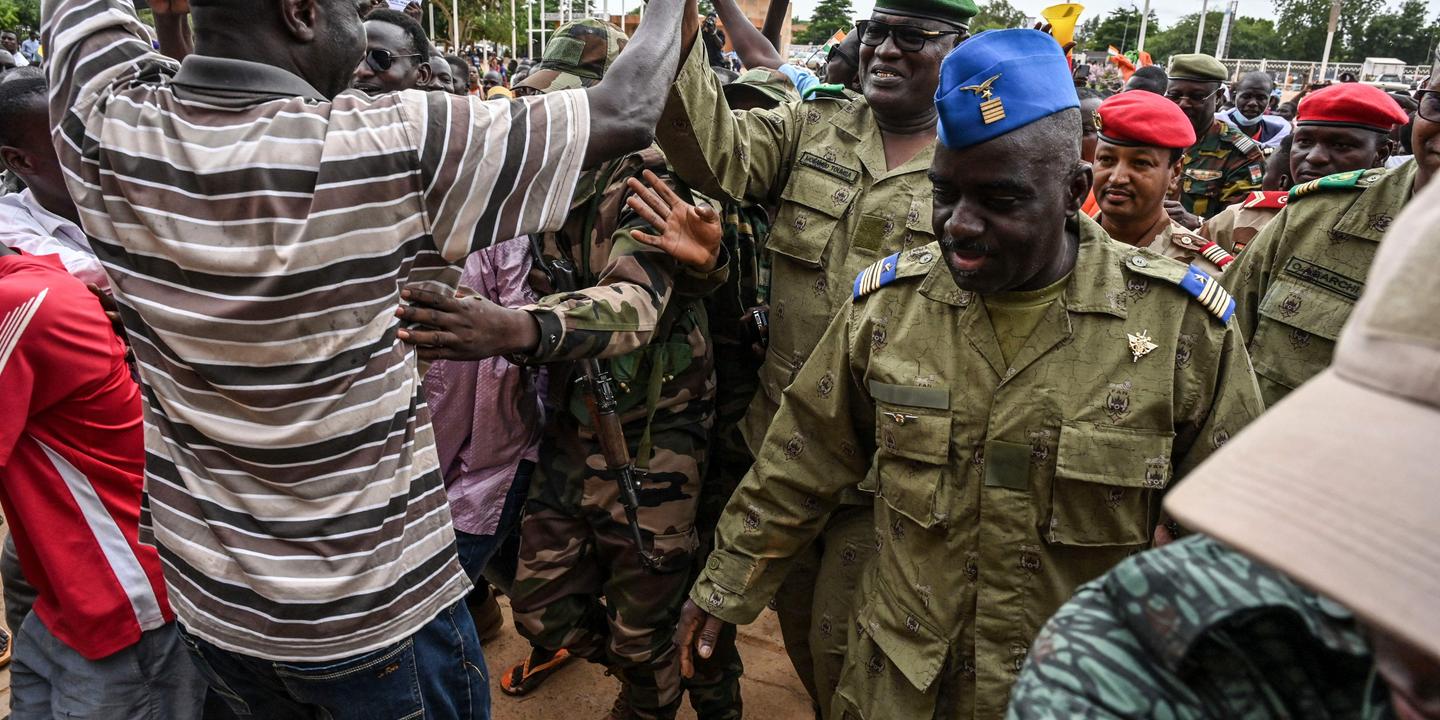
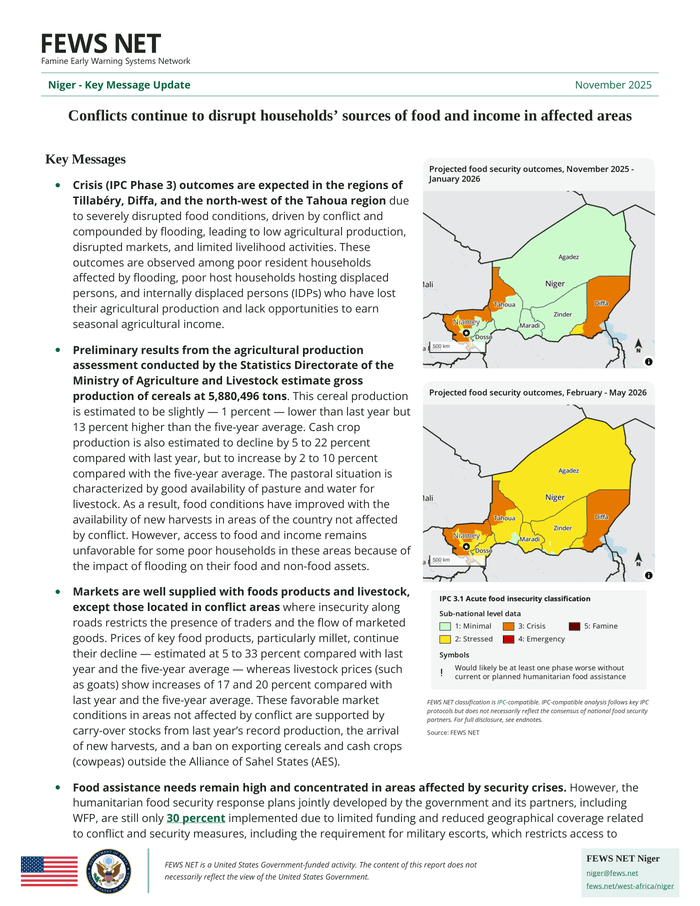
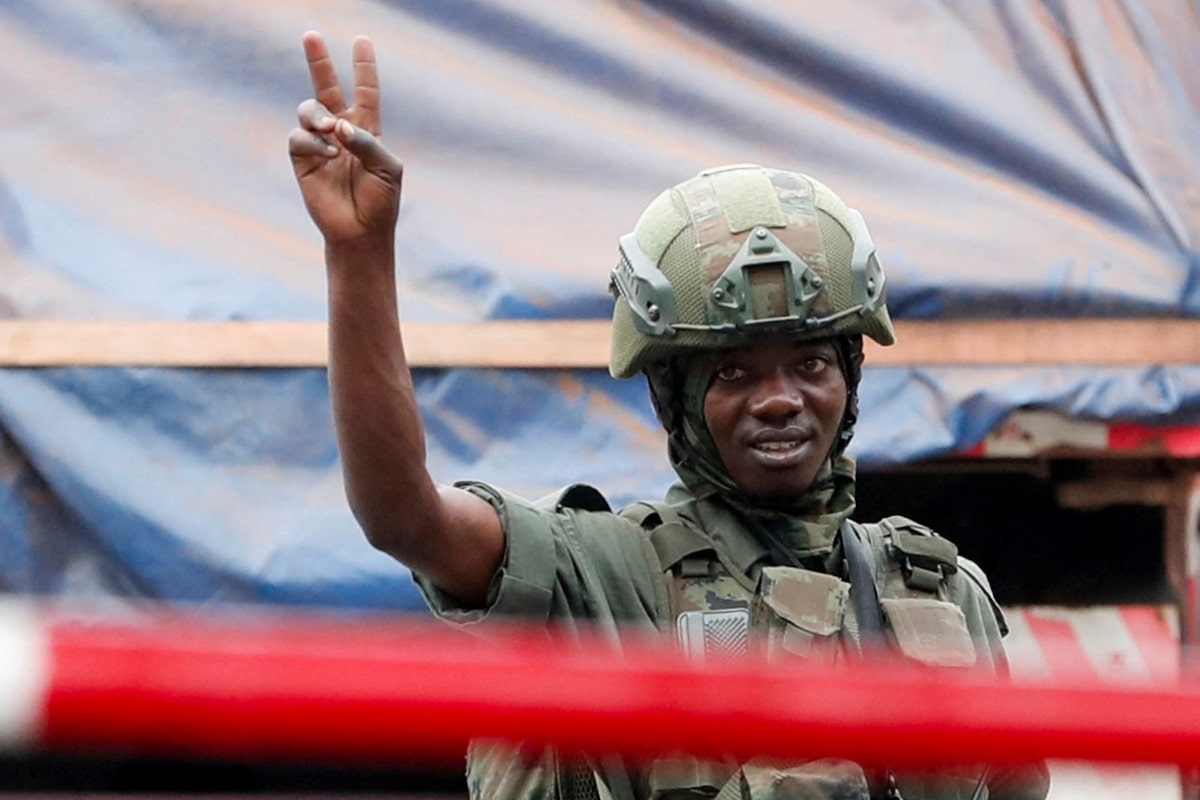
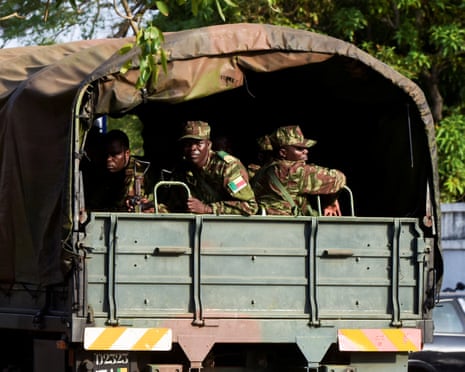
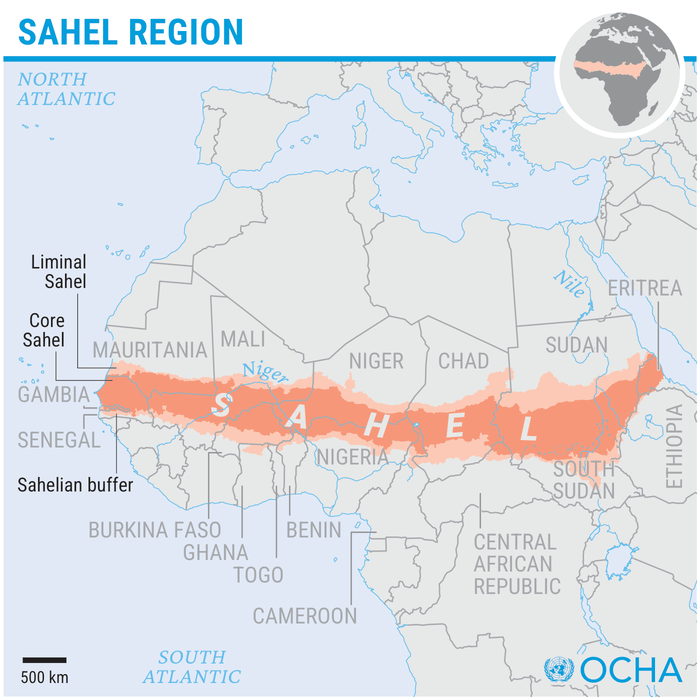
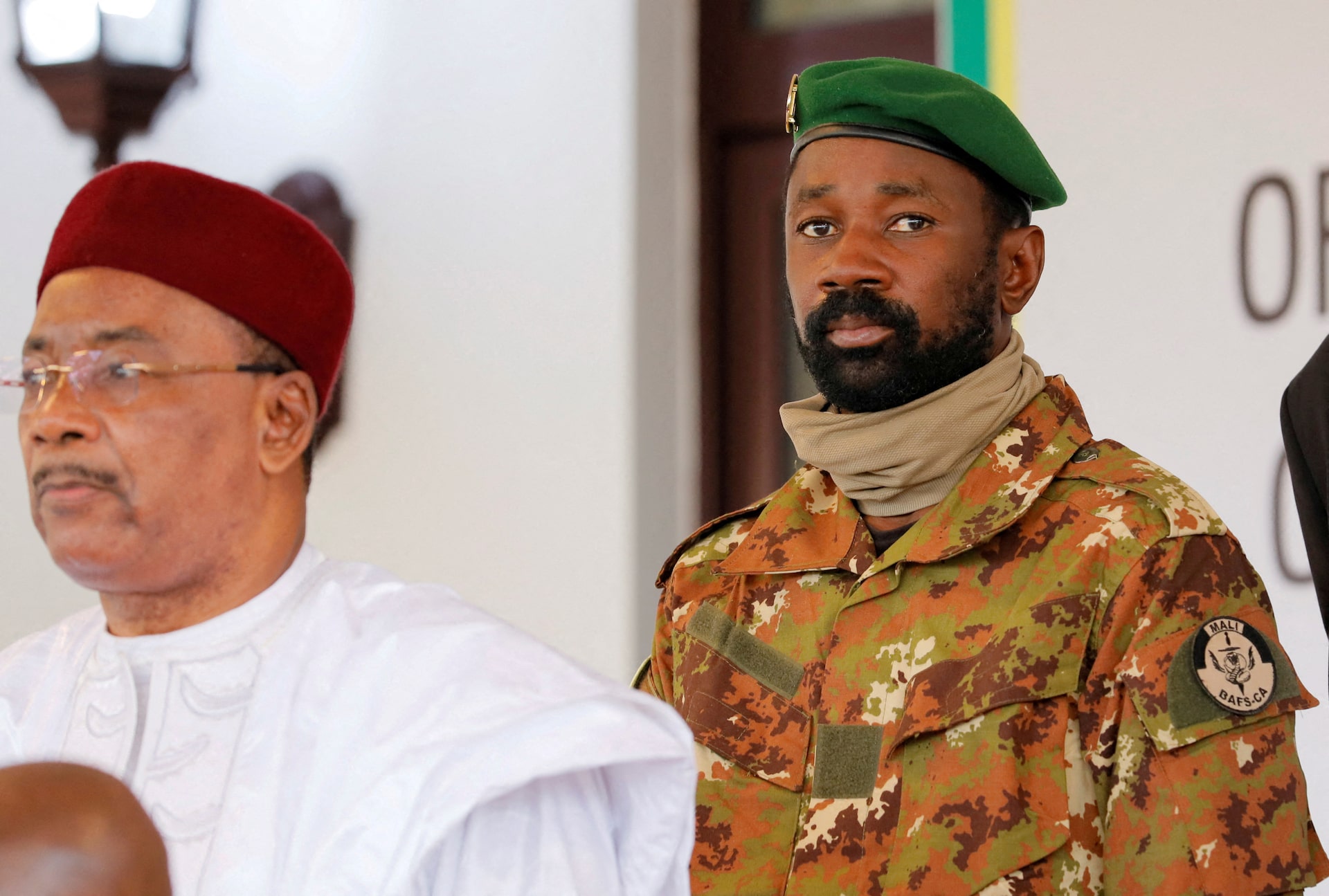
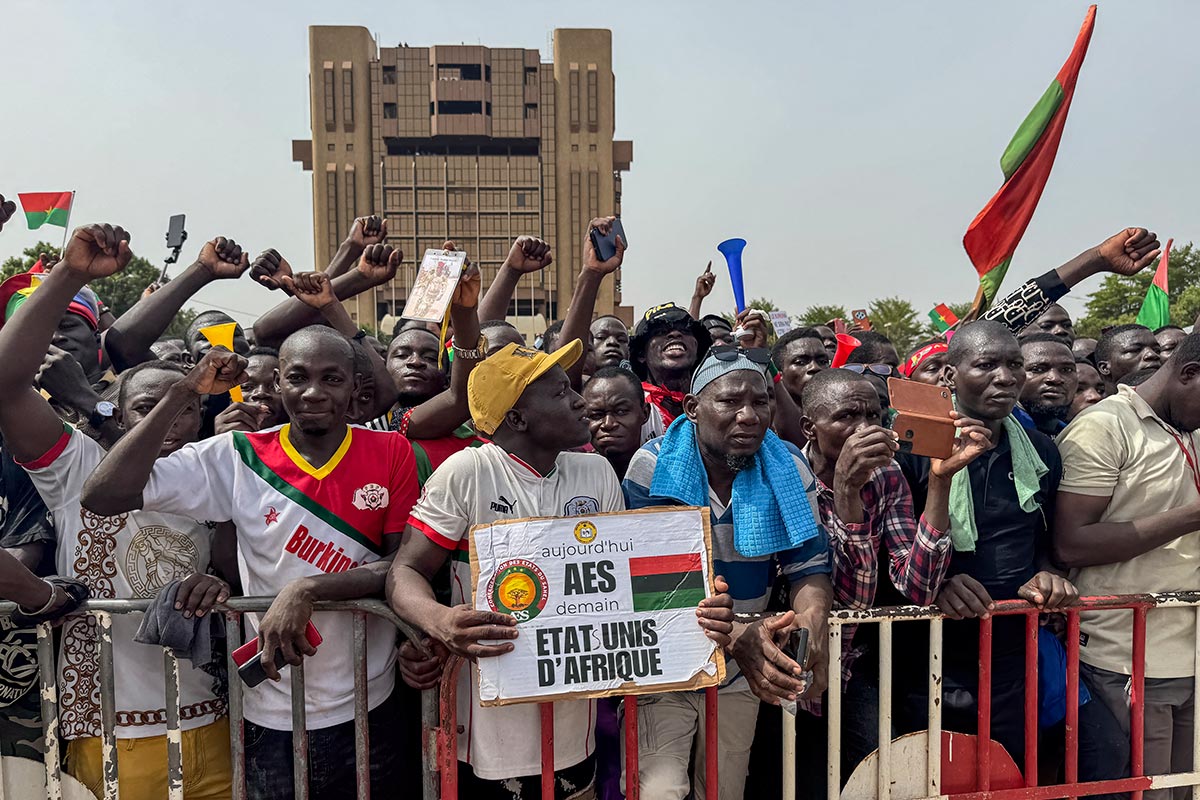
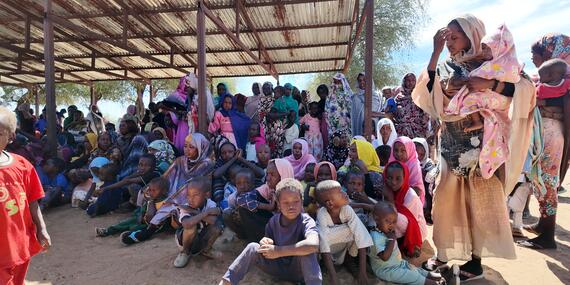
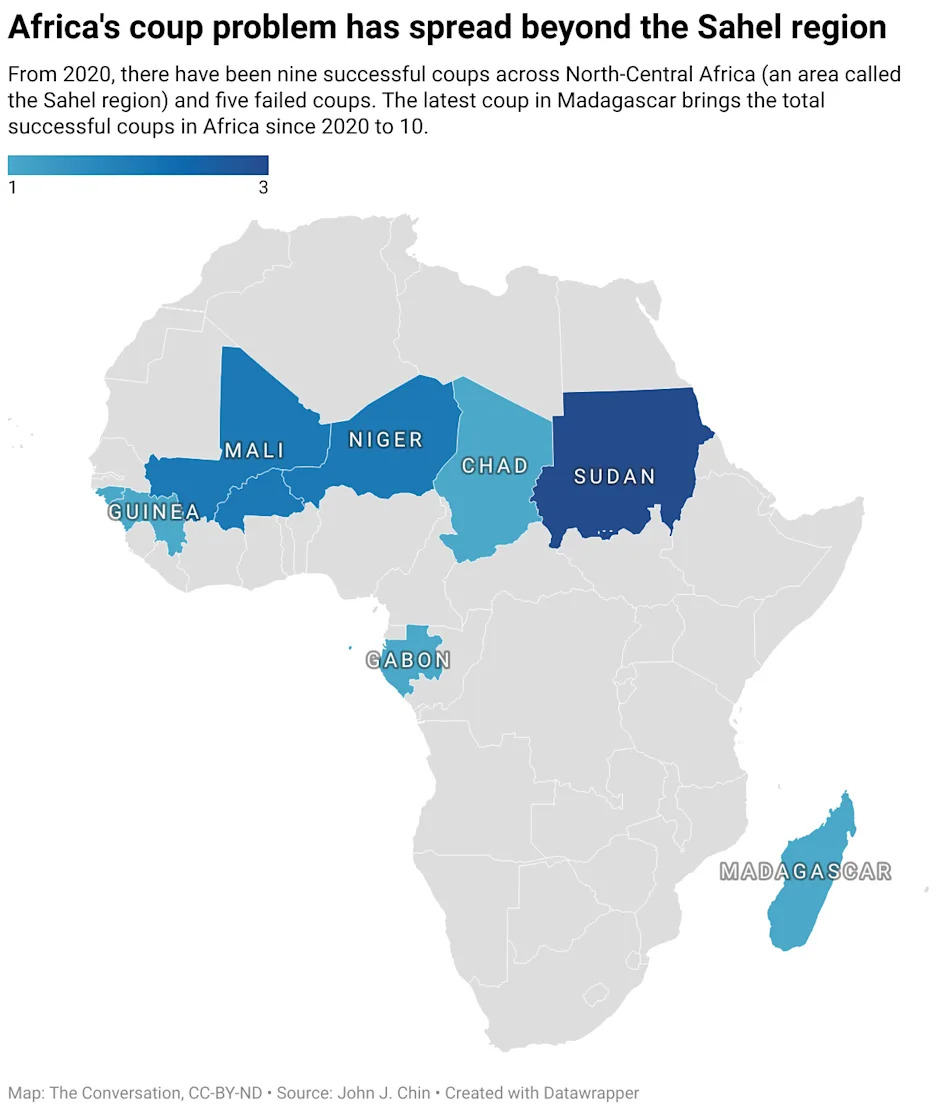
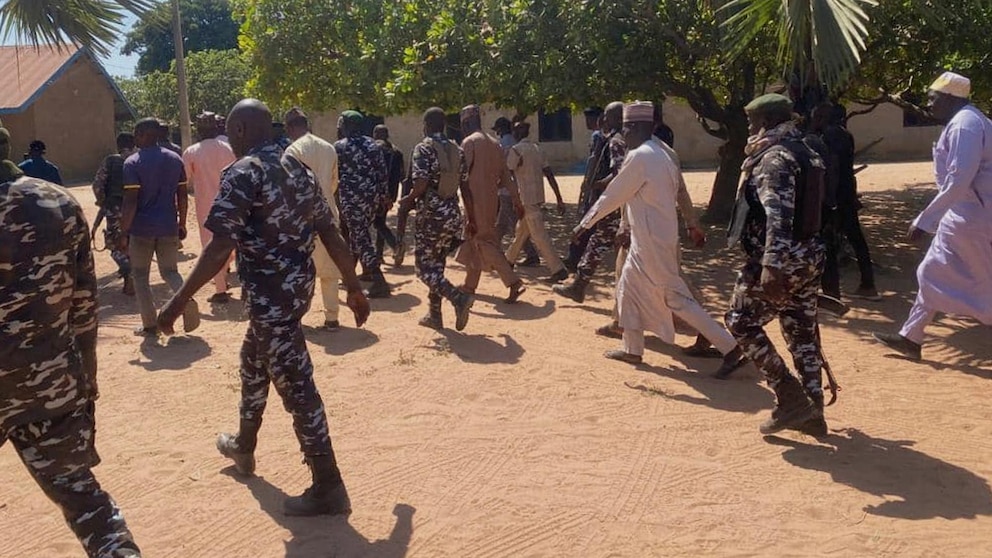
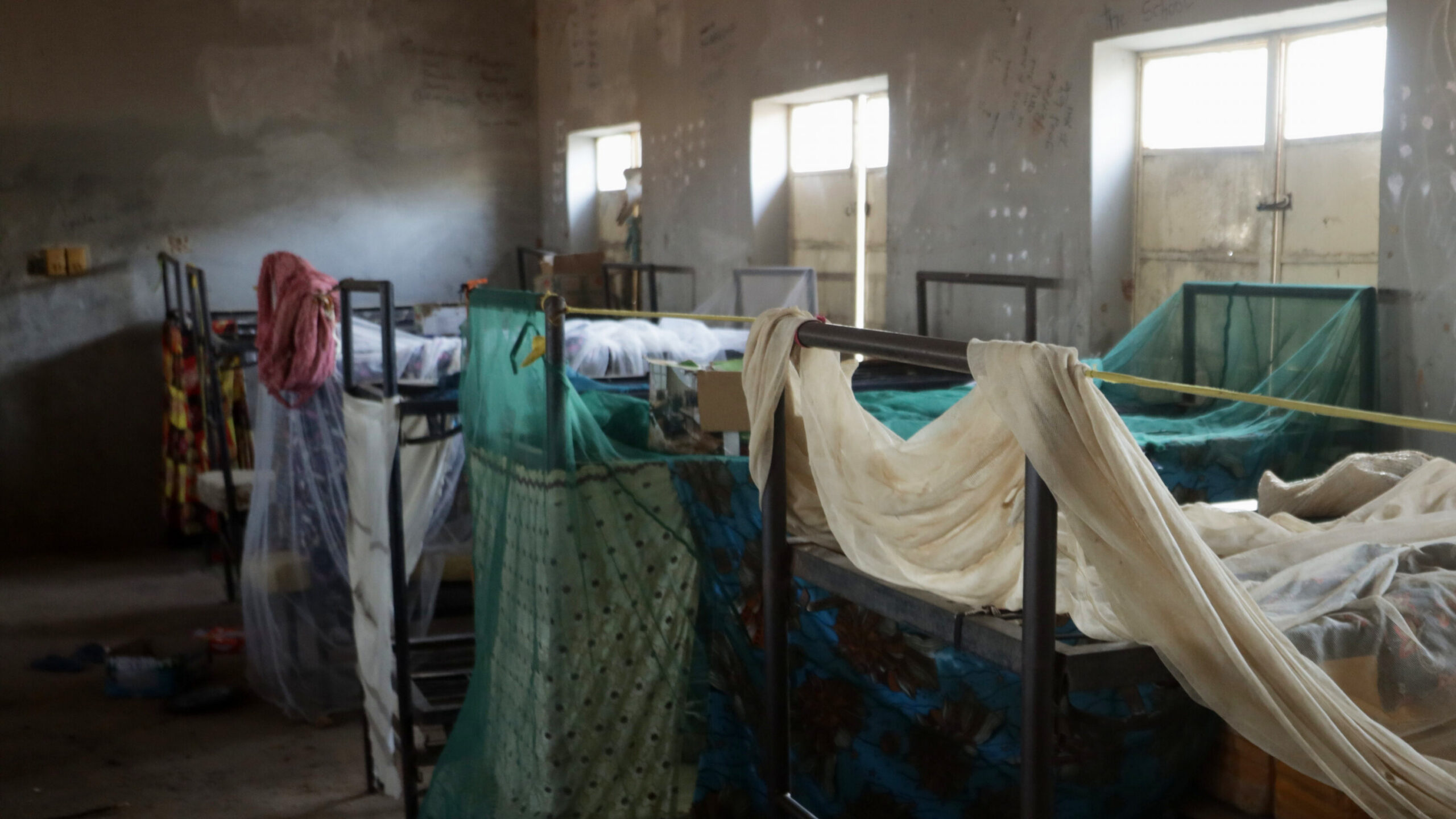
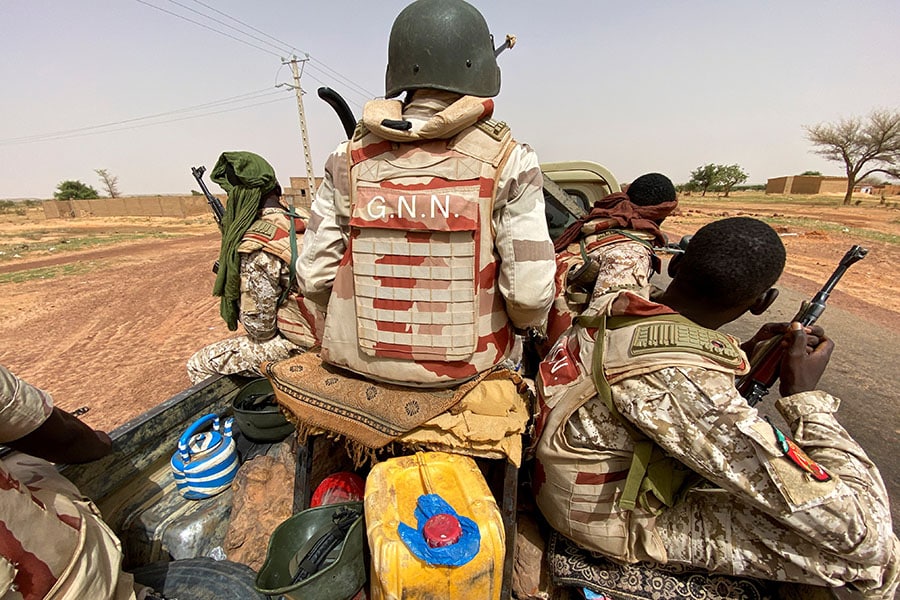
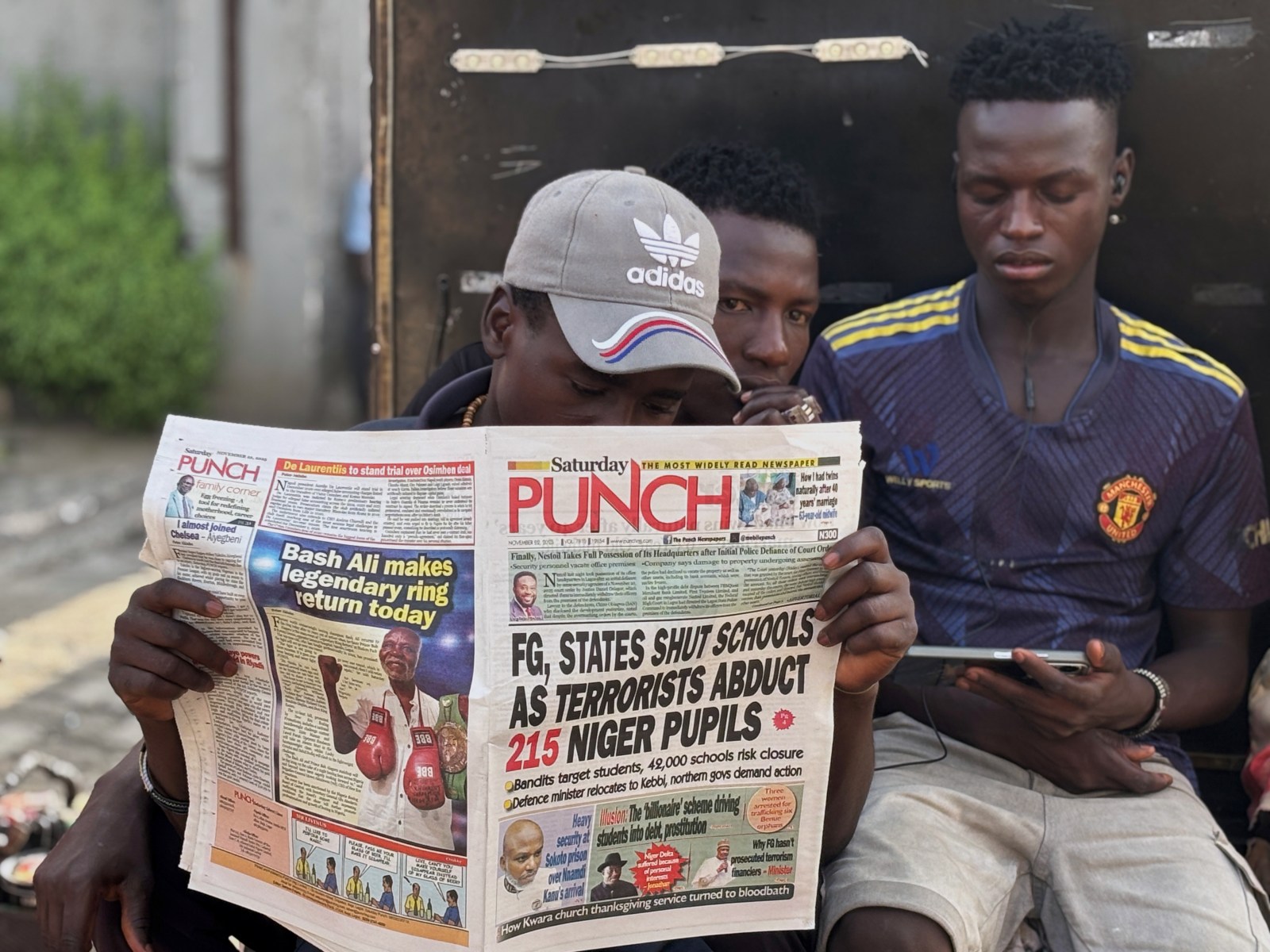
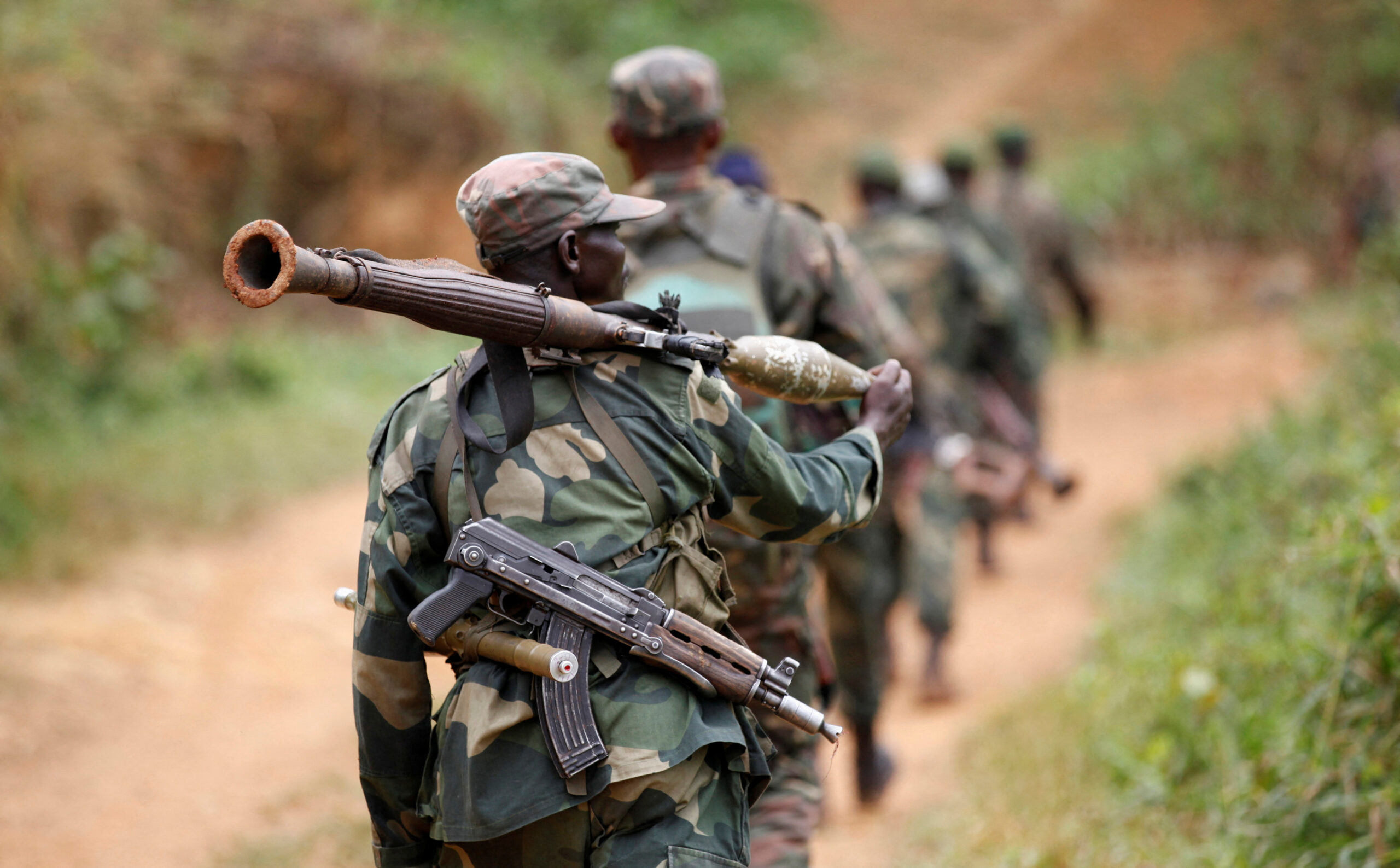
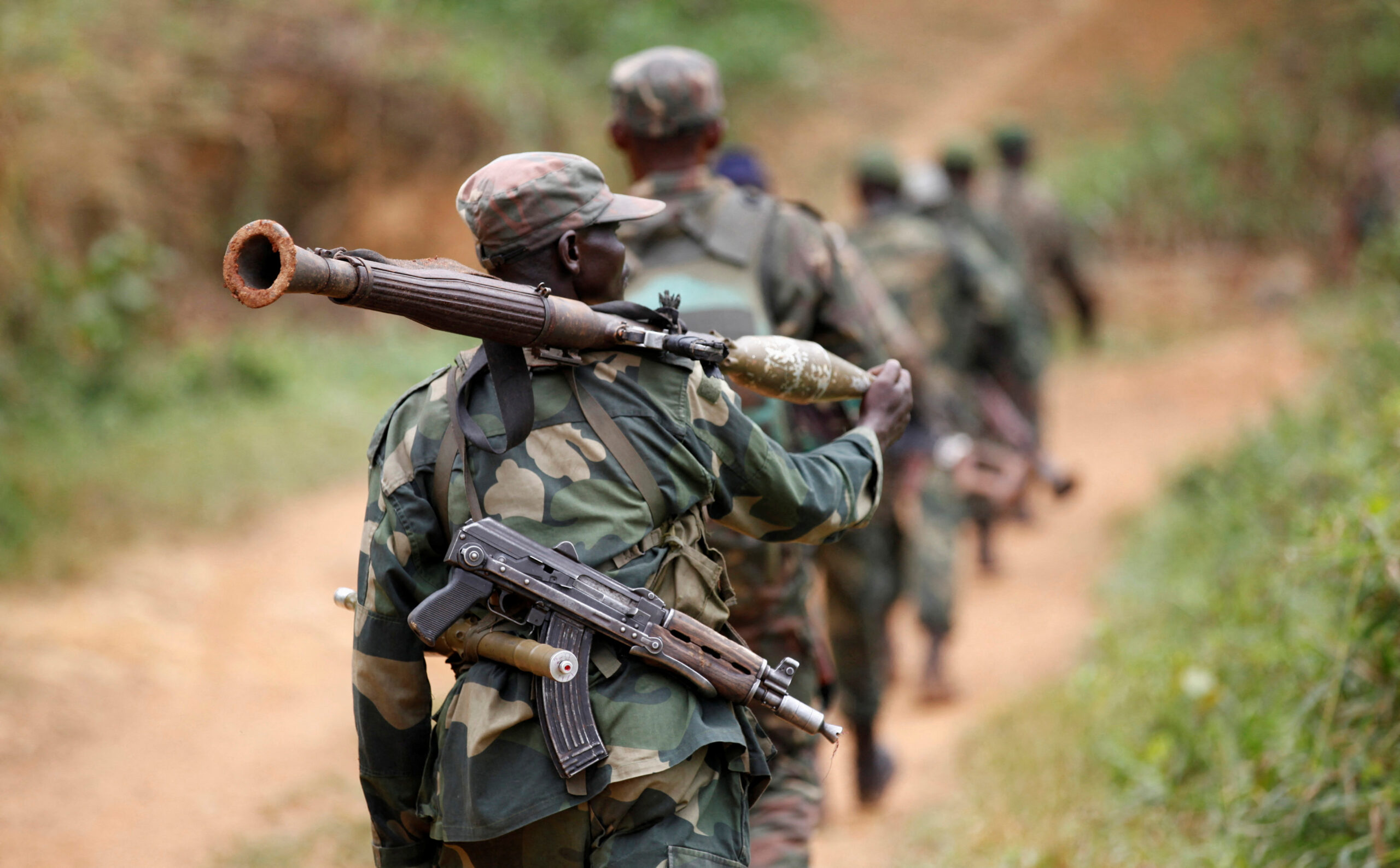
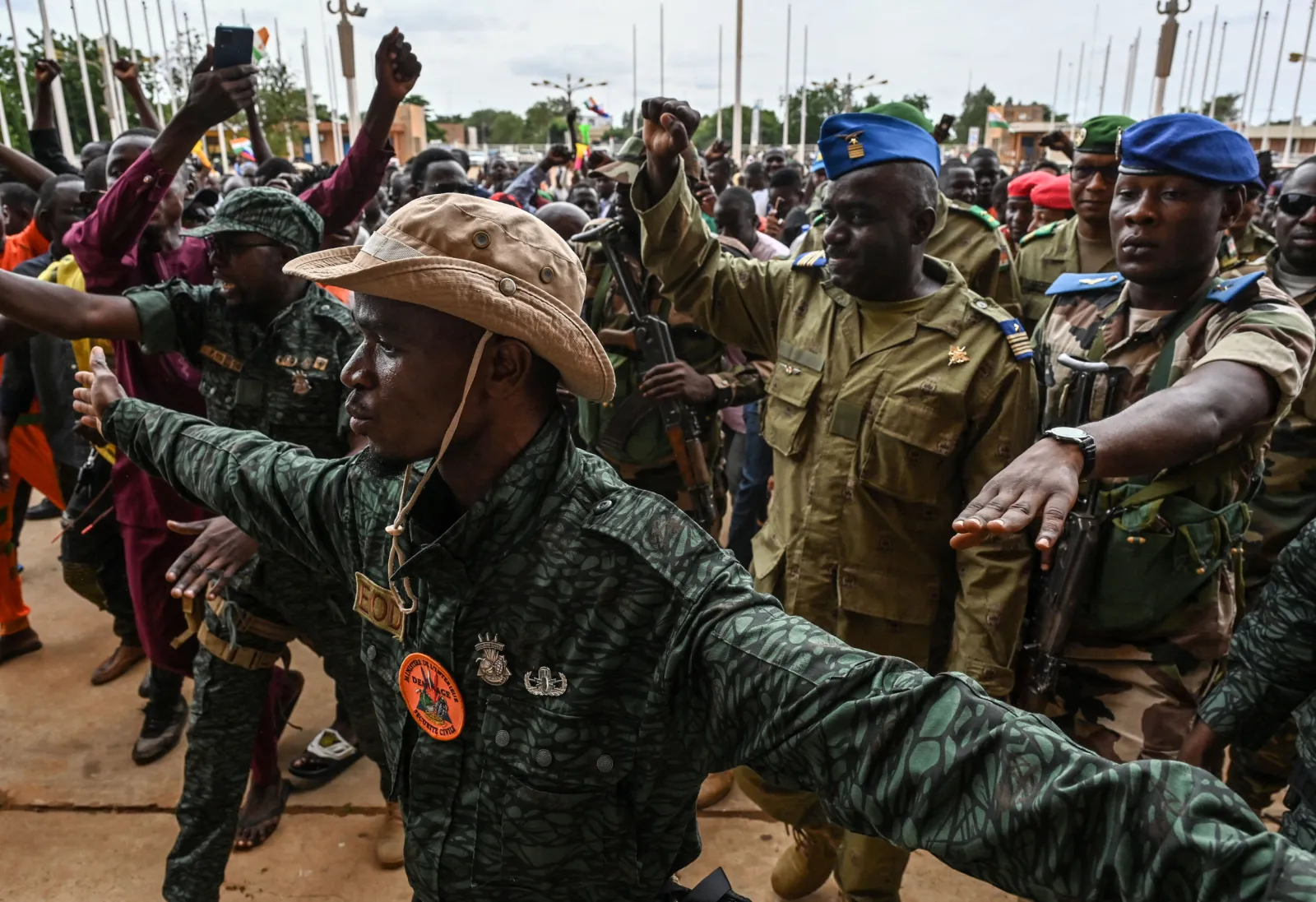
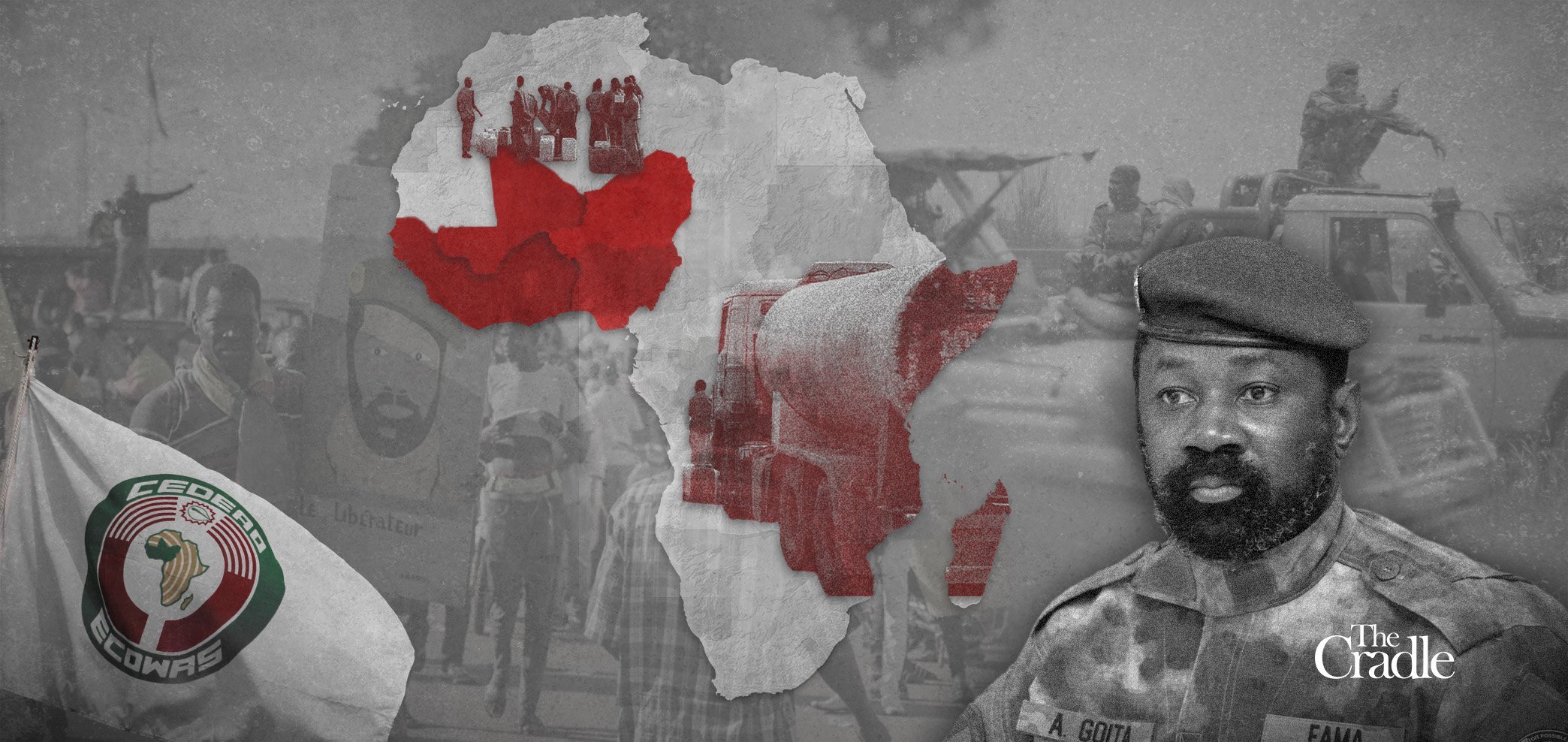
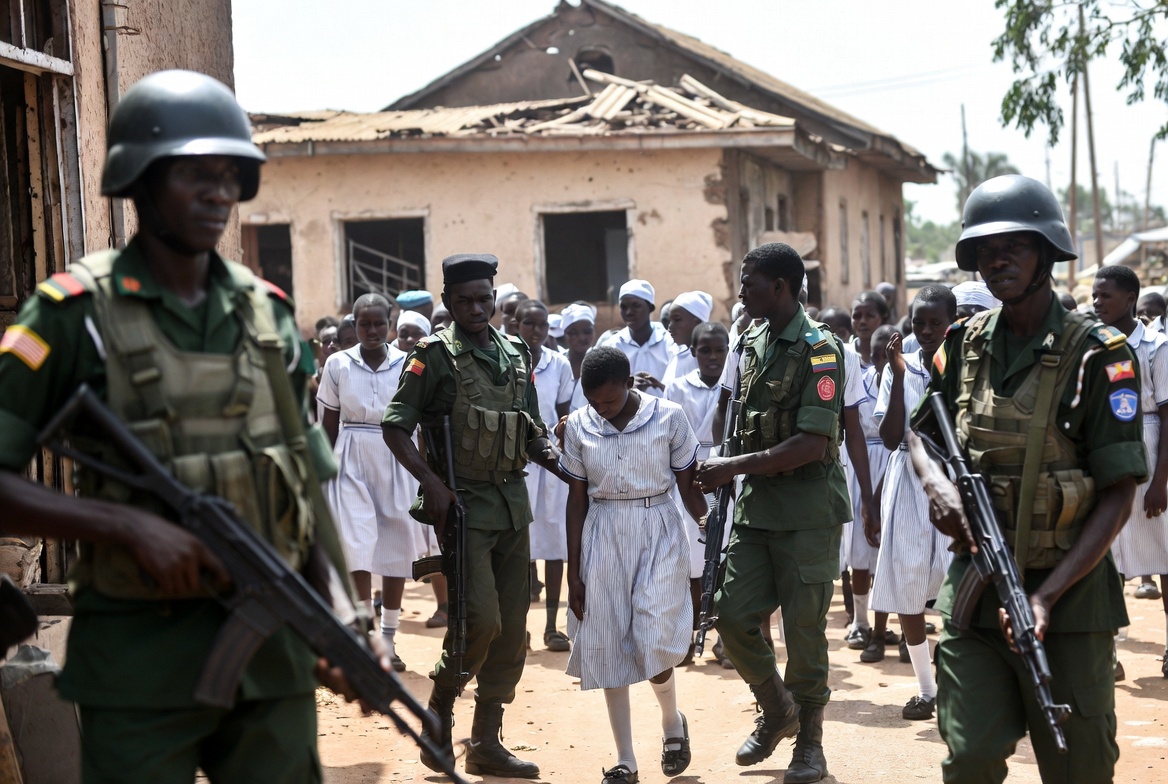
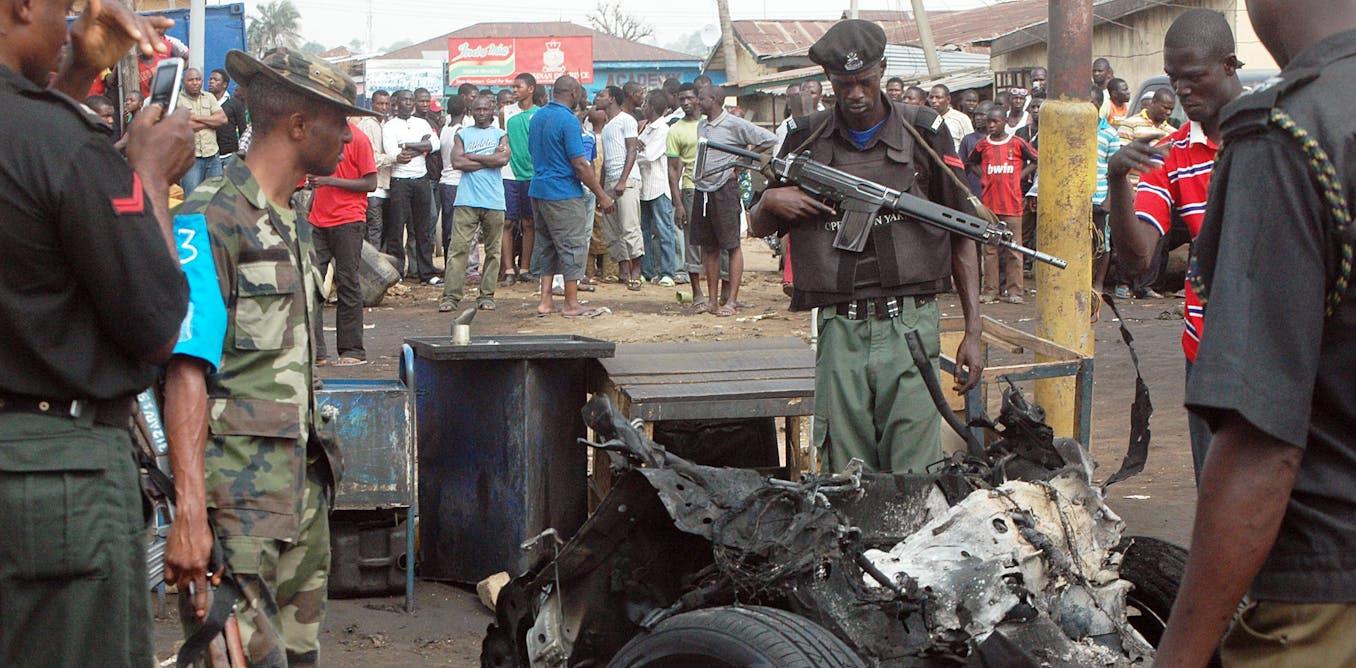
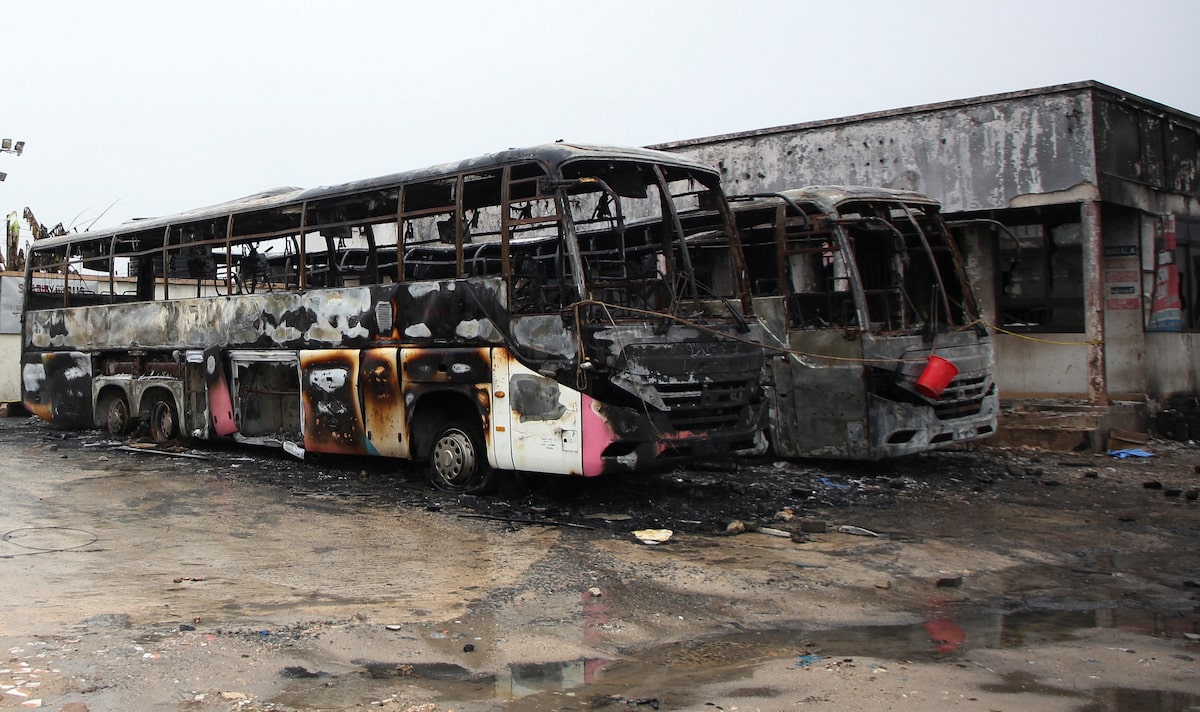
As 2026 truly gets underway, Africa presents a complex picture. It’s a continent grappling with significant challenges, yet it’s also alive with dynamic change and renewed hope. You’ll see the shadow of armed conflict stretching across Nigeria’s heartland, impacting Christian communities, while at the same time, vibrant tourism and innovative agriculture sectors are hitting their stride. This isn’t a simple story. To truly understand Africa today, we have to look closely at how security threats, economic resurgence, and social innovation are all playing out, shaping a truly pivotal moment. In Nigeria, unfortunately, violence continues to plague the central regions. On Christmas Day, a stark reminder of this brutal reality came when US forces launched missile and drone strikes targeting Islamist militant groups. These groups, who’ve been terrorizing villages, burning churches, abducting women, and murdering farmers and pastors with near impunity across Nigeria’s middle belt and the broader Sahel region, saw these strikes as a rare pushback. While Abuja, Nigeria’s capital, generally remains calm, rural families live in constant fear of sudden raids. This spreading violence isn’t just a Nigerian problem, it’s part of a growing conflict across sub-Saharan Africa, destabilizing places like Mali, Burkina Faso, and Niger.
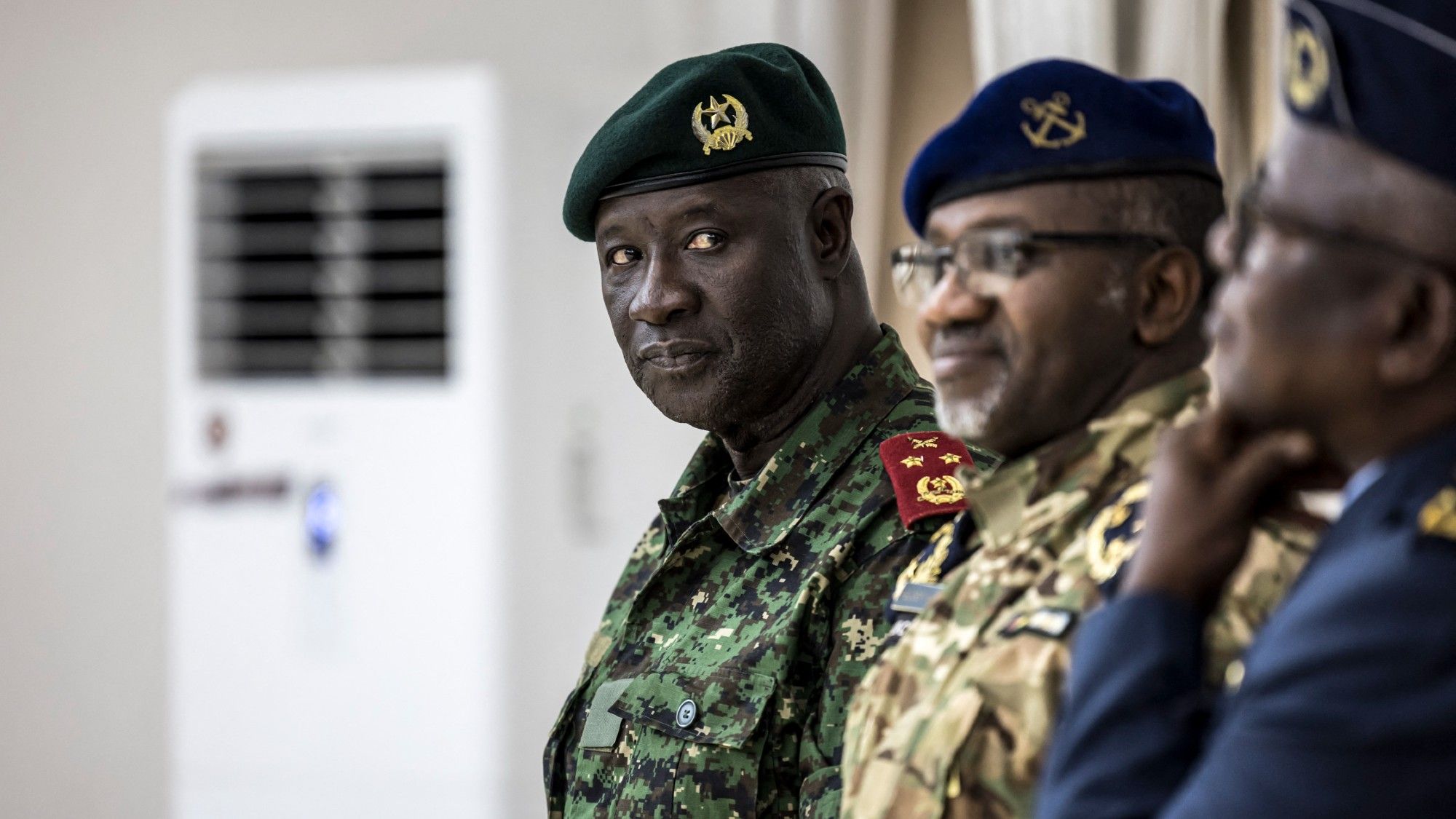
The United States Africa Command, or AFRICOM, has been running counterterrorism operations here for over a decade. Yet, success has been pretty limited, with militant activities still surging. Critics, like those noted in The Intercept, argue that the increased drone warfare and targeted strikes, including those recent Christmas operations, haven’t really stopped the violence or addressed the core issues driving radicalization. This whole situation begs the question: how do you support local governments while also fighting transnational threats effectively? It’s a tough balance. Despite these security concerns, we’re seeing some promising signs of progress. Africa’s tourism industry, for example, is making a remarkable comeback from the pandemic. The UN World Tourism Organization reports that Africa has already recovered nearly 96 percent of its pre-pandemic tourism revenues. With almost $6.6 billion in investments and more than 15,000 direct jobs created, tourism now fuels about ten percent of the regional GDP in some areas. From digital nomads to eco-friendly destinations, Africa’s diverse cultures and landscapes are attracting a new wave of travelers, showing off the continent’s vast potential, a point underscored by Tourism Review.
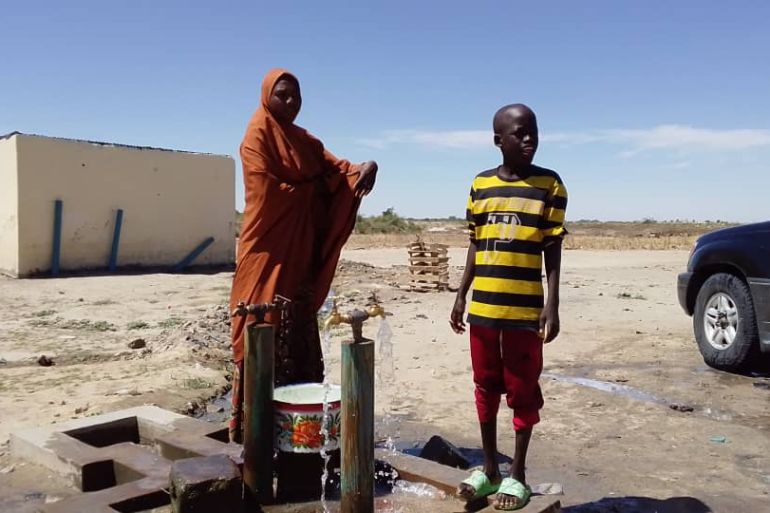
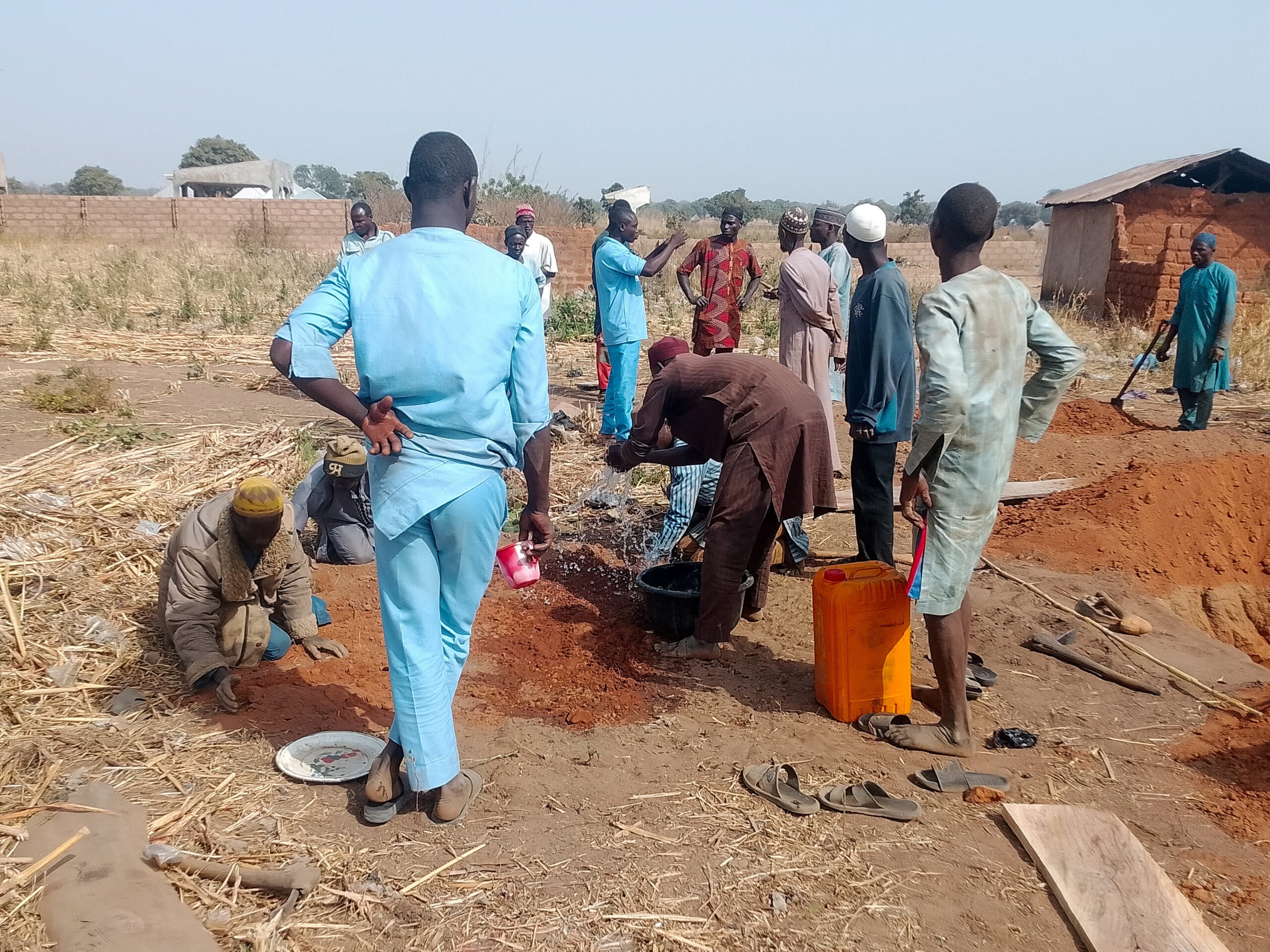
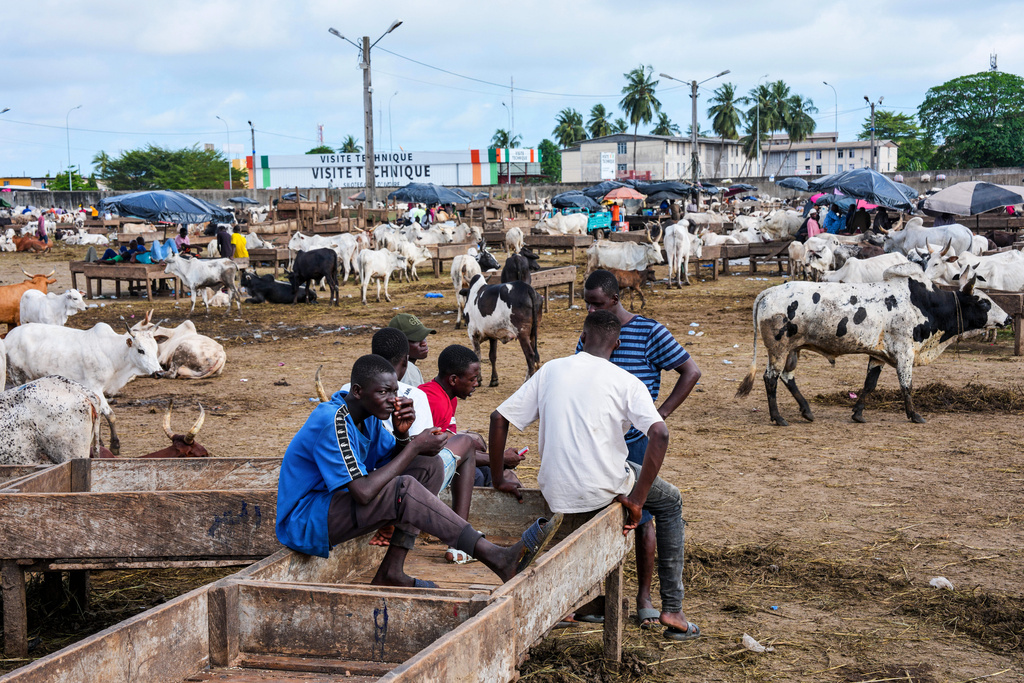
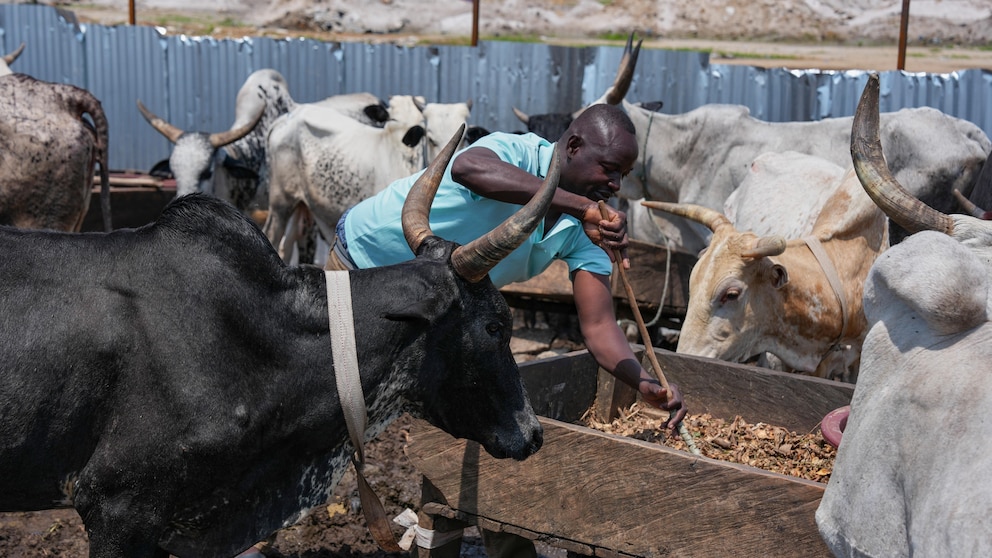
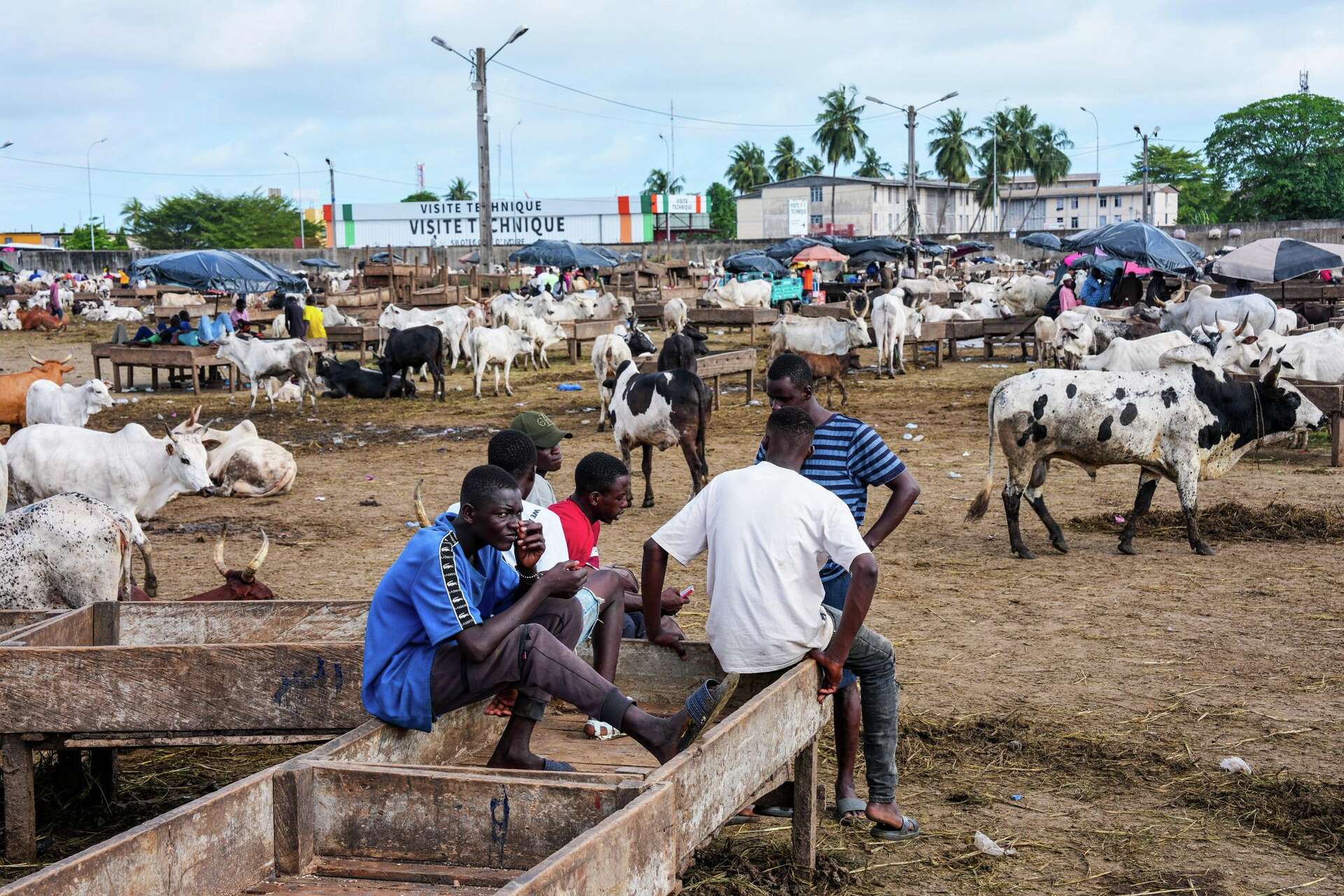
Agriculture, too, is experiencing a major transformation, especially among young people in countries like Senegal. Programs like those from the World Food Programme have empowered over 61,000 young farmers, helping them launch farms and diversify their crops. This youth engagement is incredibly important as Africa continues to fight for food security. Of course, global challenges like climate change and fluctuating commodity prices still create hurdles, demanding clever adaptations. While the US recently saw an increase in households struggling with food insecurity, African agricultural initiatives offer a hopeful counter-narrative aimed at sustainable development and local empowerment, as Food Tank highlights. So, what does this all mean for Africa in 2026? It’s a layered story, sometimes contradictory. The ongoing violence in places like Nigeria reminds us just how fragile the security environment is. Yet, booming sectors like tourism and youth-led agriculture are shining a light on Africa’s game-changing ability to redefine its own economic and social path. The international community’s role remains vital yet complicated, balancing military aid with development support, all while respecting national sovereignty. Going forward, Africa stands at a crossroads, needing innovative cooperation to tackle both immediate security issues and long-term economic opportunities. Success isn’t just about stopping extremist violence, it’s about bolstering the dreams of millions of Africans who are reshaping their communities through business, culture, and farming. If this momentum can be kept up, Africa in 2026 really could be on the verge of a renaissance, one that changes narratives and realities far beyond its borders.